Indonesia is so much more than Bali! With thousands of islands, active volcanoes, tropical jungles, incredible marine life and fascinating local cultures, the hardest part is deciding where to go.
This 4-week Indonesia itinerary takes you across Sumba, Sumatra, Java, Nusa Penida, Flores and the Gili Islands, combining some of Indonesia's biggest bucket-list experiences with a few places that still see relatively few international visitors. Expect orangutans, volcano hikes, Komodo dragons, manta rays, waterfalls, traditional villages and plenty of beaches - plus practical tips from my own experience on how to avoid the worst crowds and make travelling between the islands a little easier.
Know before you go:
- If you're eligible for an e-visa, apply for it online before travelling. It normally gets approved within hours or, at most, a few days and you can skip the visa-on-arrival queue after landing.
- Have some cash. Withdraw some smaller-denomination Indonesian rupiah for street food, temple entrances and other small purchases.
- Download Grab and Gojek. These are the two most popular local ride-sharing apps (similar to Uber). It's a good idea to have both so you can compare prices and have a larger pool of available drivers. Gojek was originally developed in Indonesia and can sometimes have slightly better prices than Grab.
- Buy a Telkomsel SIM at the airport. Telkomsel has excellent coverage across Indonesia and I found a physical SIM bought at the airport much cheaper than the eSIM options available online. However, pay attention to exactly what data package you're buying. Some Telkomsel packages divide your allowance into national and local data, with the local quota only usable in a specific area. For example, when I bought my SIM at Bali airport, I had a very large data allowance in Bali but a much more limited one on other islands. If you're planning to travel around Indonesia, make sure to clarify how much of your data allowance is valid nationwide rather than just at your arrival location.
- Bring clothes that cover your shoulders and knees. You'll likely visit at least one or two temples, where modest clothing is required. Additionally, if you're planning to hike at higher altitudes - particularly some of Indonesia's volcanoes - make sure to pack warmer clothes as well.
Sumba island
Day 1 - Traditional Ratenggaro, Weekuri Lagoon and sunset at Mandorak Beach
While Sumba Island is no longer exactly an off-the-beaten-path destination in Indonesia (it has had its fair share of influencer visits and luxury resort development), it's still nowhere near as busy as Bali, while the landscapes are nothing short of spectacular! Sumba is especially famous for its traditional villages, where the indigenous Marapu belief system remains an important part of local culture, as well as gorgeous waterfalls and endless rolling hills that look like they've come straight out of a screensaver.
Reaching Sumba is relatively quick and easy, with the flight from Bali taking around an hour. You can explore independently by renting a car or scooter, or join an organised open trip. I did the latter and will share my experience with Juara Indonesia, as well as some of the most impressive places we visited in Sumba.
The first day of our 4D3N tour started with a morning pick-up at Tambolaka Airport (TMC) - despite Sumba being a relatively small island, it actually has two airports! From there, we transferred to the hotel for an early lunch before driving towards the traditional village of Ratenggaro.
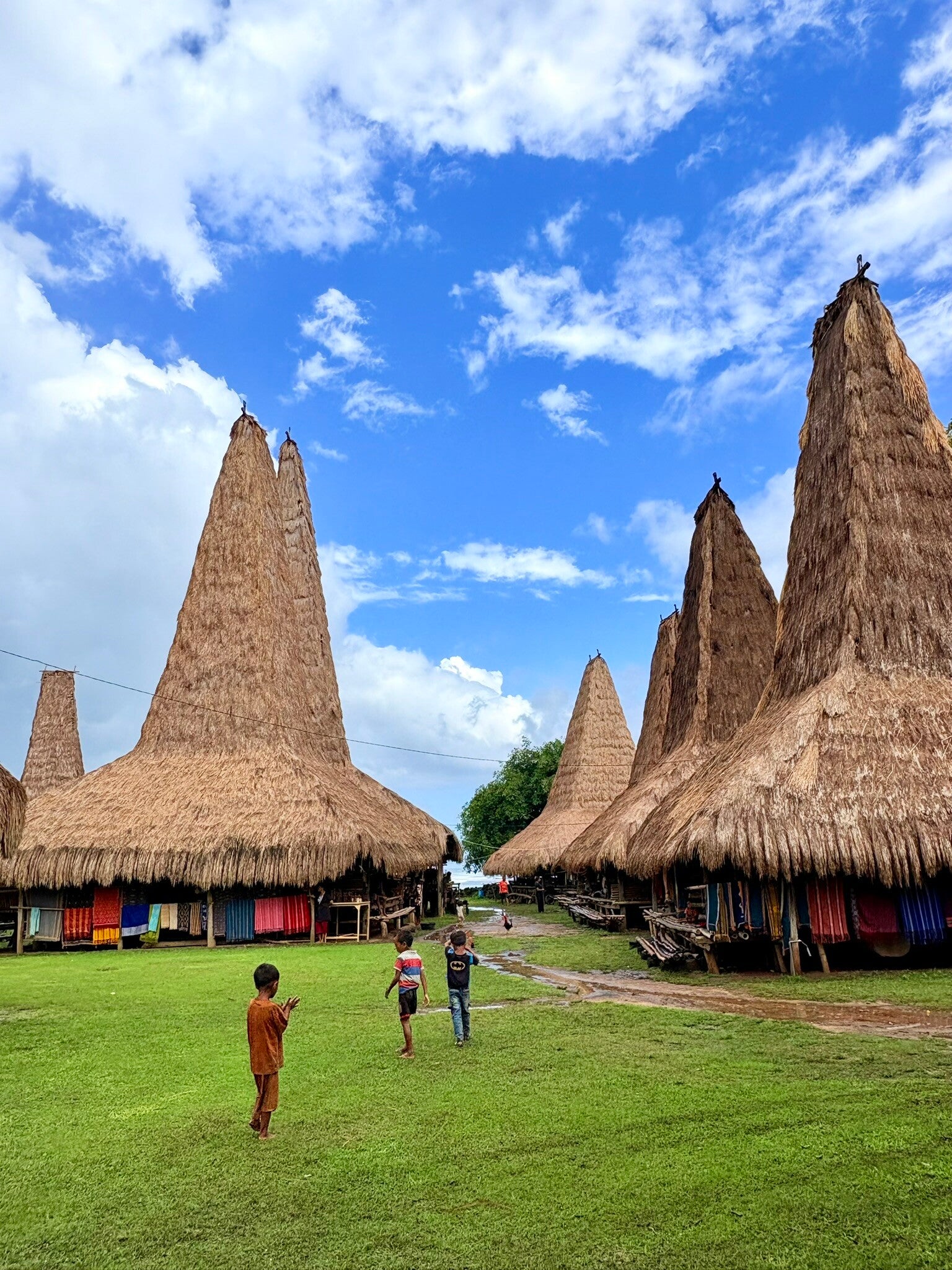
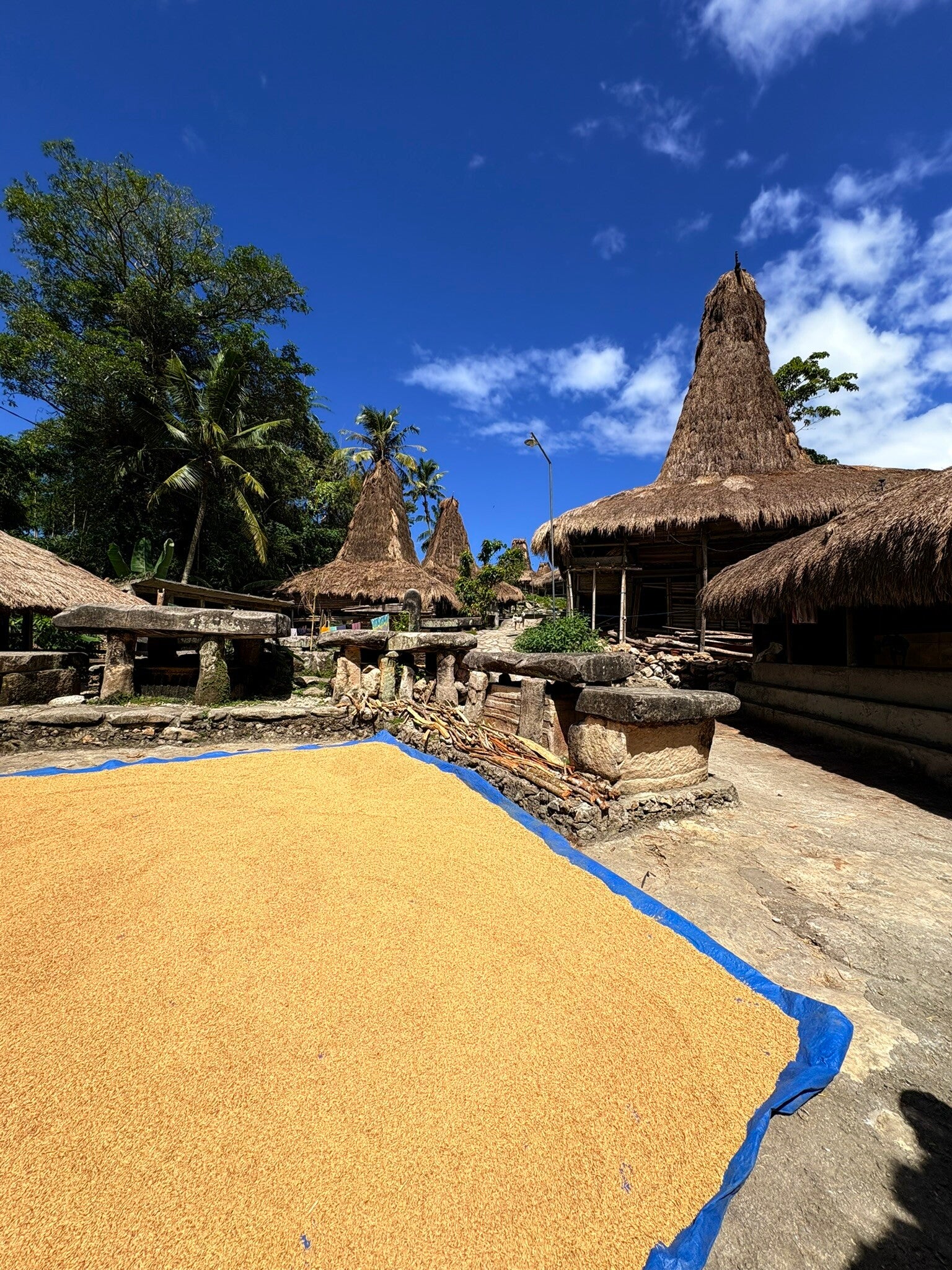
The village is famous for its distinctive traditional houses with extraordinarily tall thatched roofs (15-20m/50-65ft), as well as the huge megalithic stone tombs casually dotted around the village. Here, almost everything has a meaning: the tall roofs symbolise a connection with the sky and the spiritual world, animals traditionally occupy the lowest level of the house, humans live in the middle and the upper level is associated with ancestors and used for sacred or ceremonial objects.
While the village itself, its symbolism and the surrounding landscapes are undoubtedly gorgeous, the local residents are very - perhaps too - accustomed to tourists. You'll be offered a million times to have your picture taken, for a fee, of course. Just politely decline if you're not interested and move on with your day.
I would also avoid giving money directly to children for photos or simply because they ask. While it might feel harmless, encouraging children to earn money from tourists can create an incentive to spend time around visitors rather than at school.
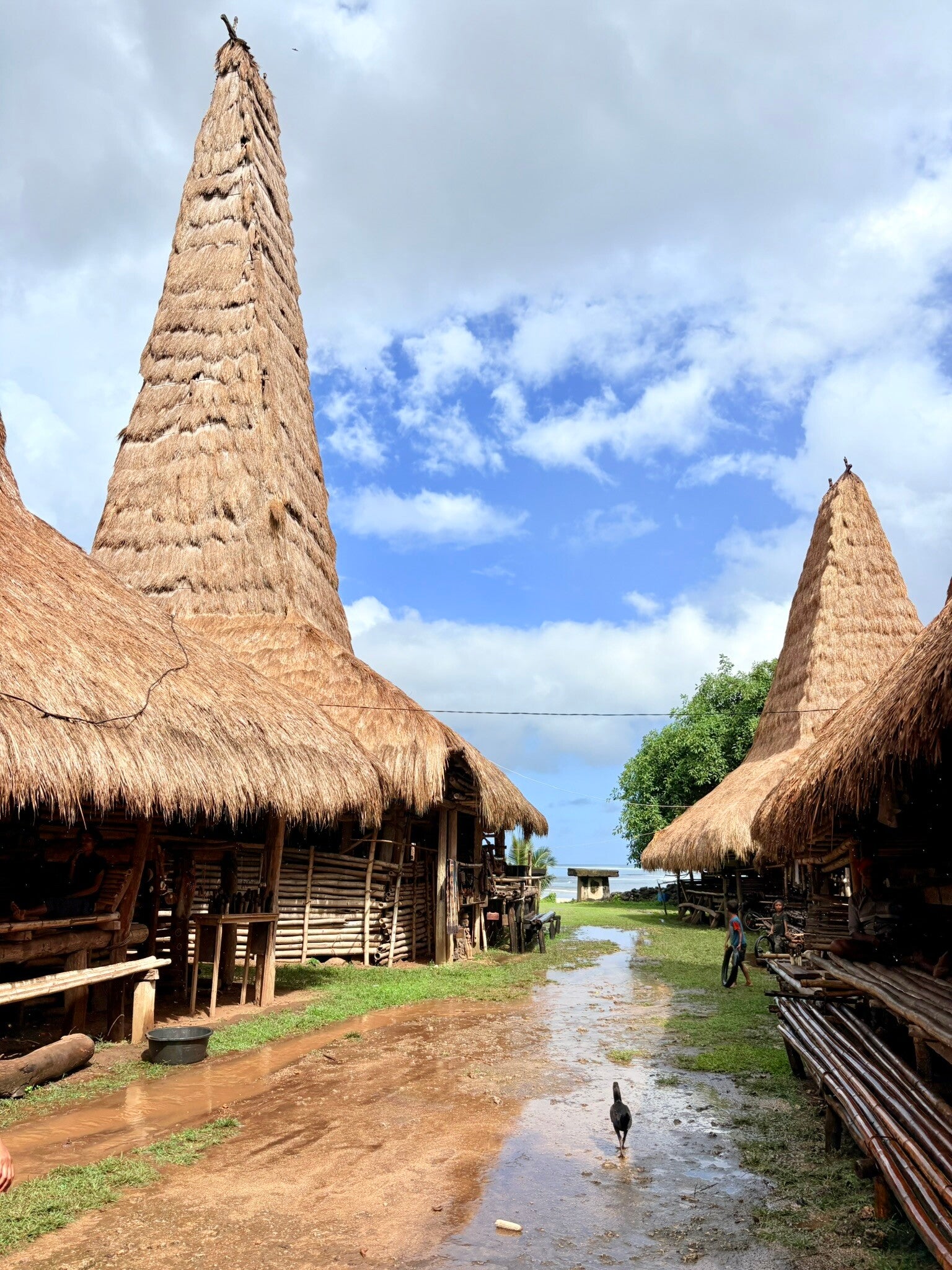
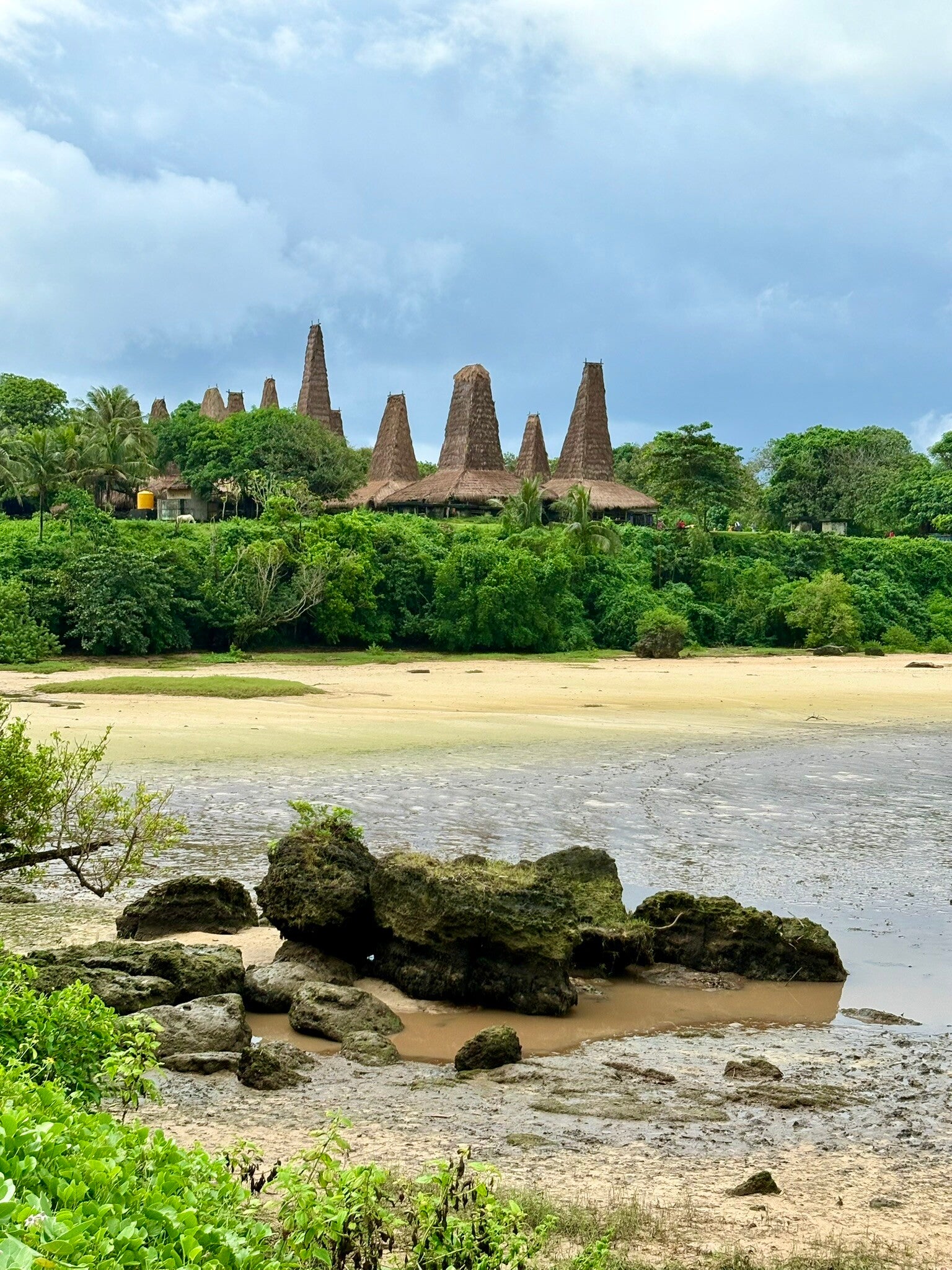
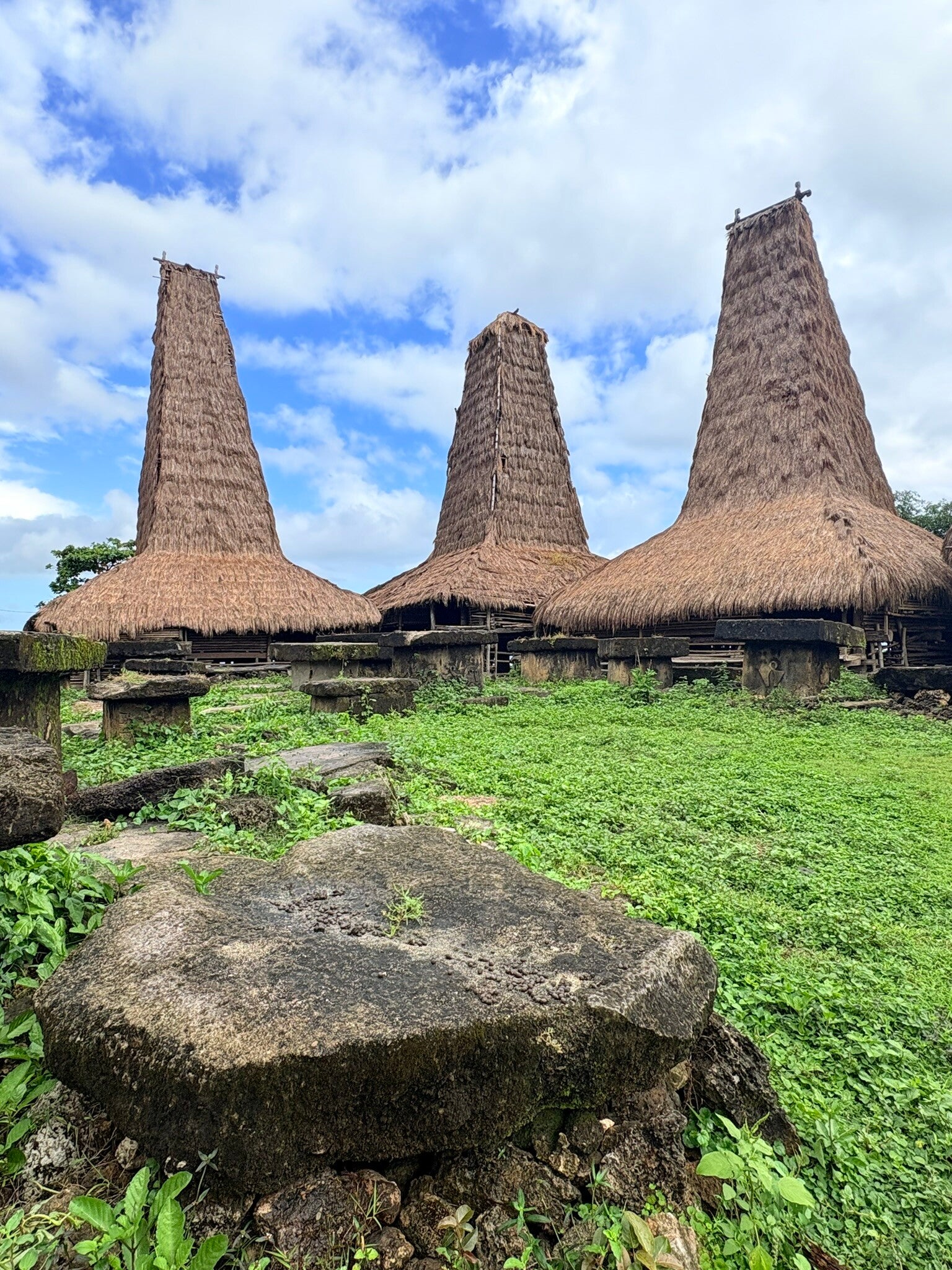
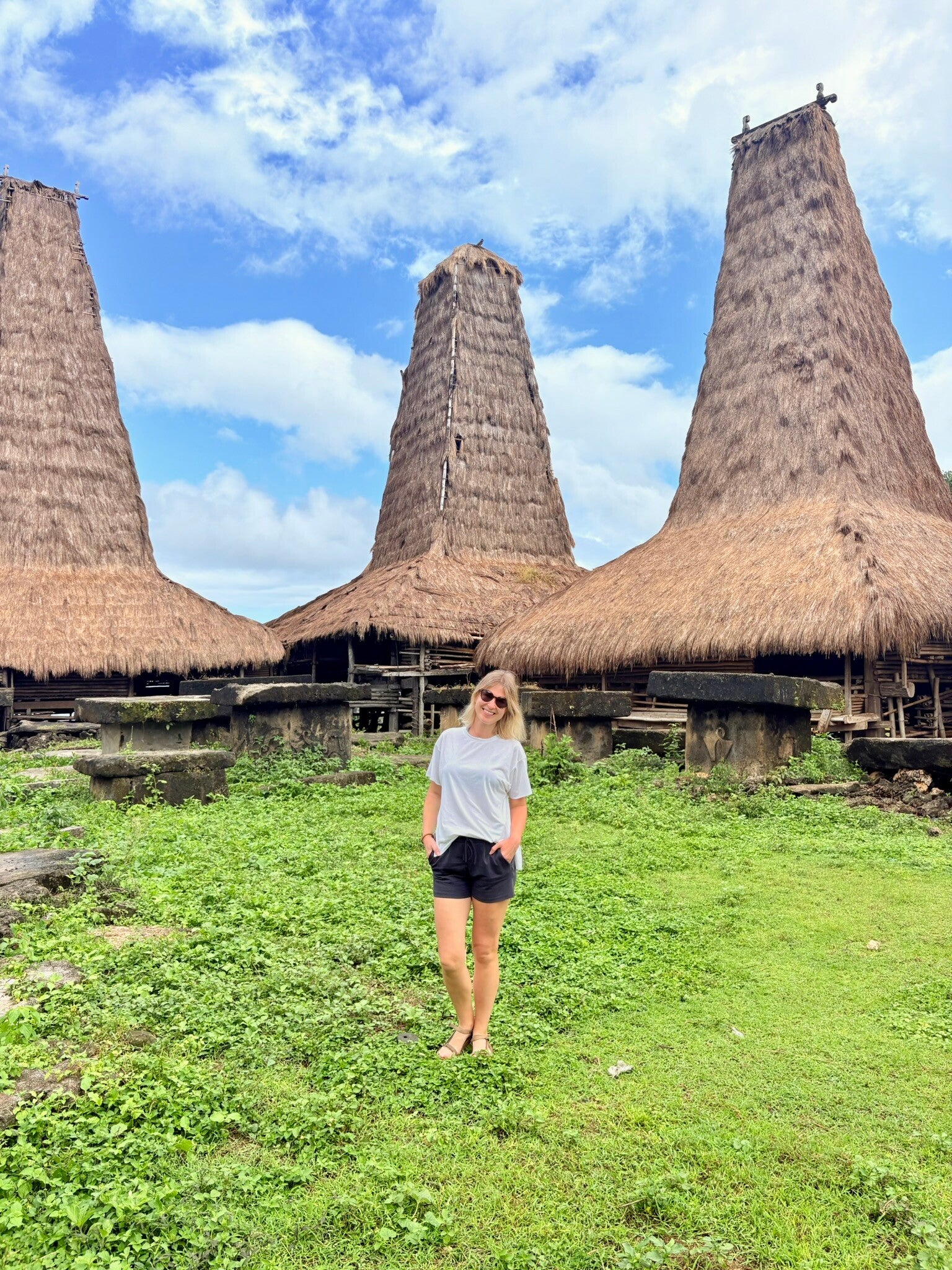
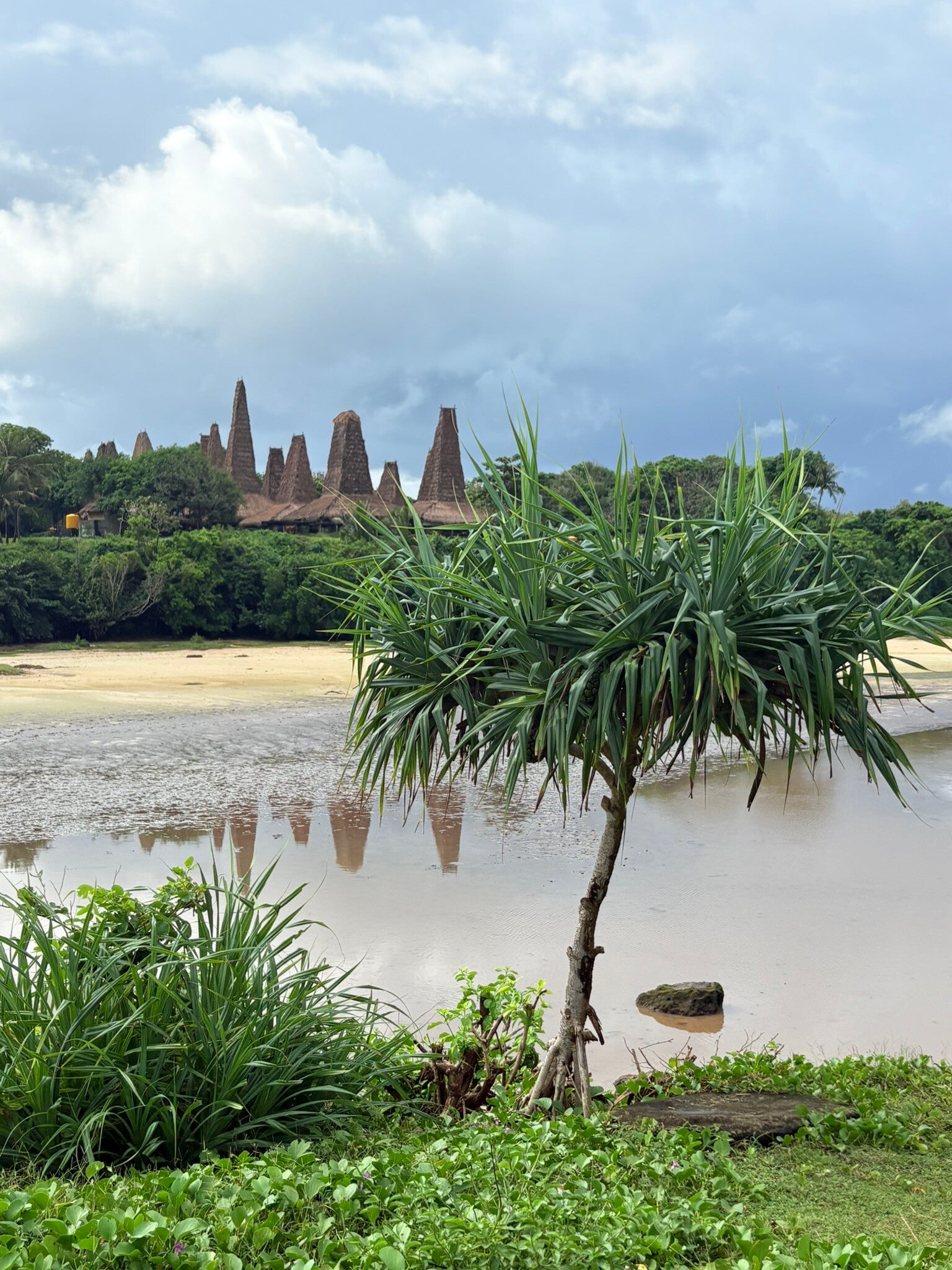
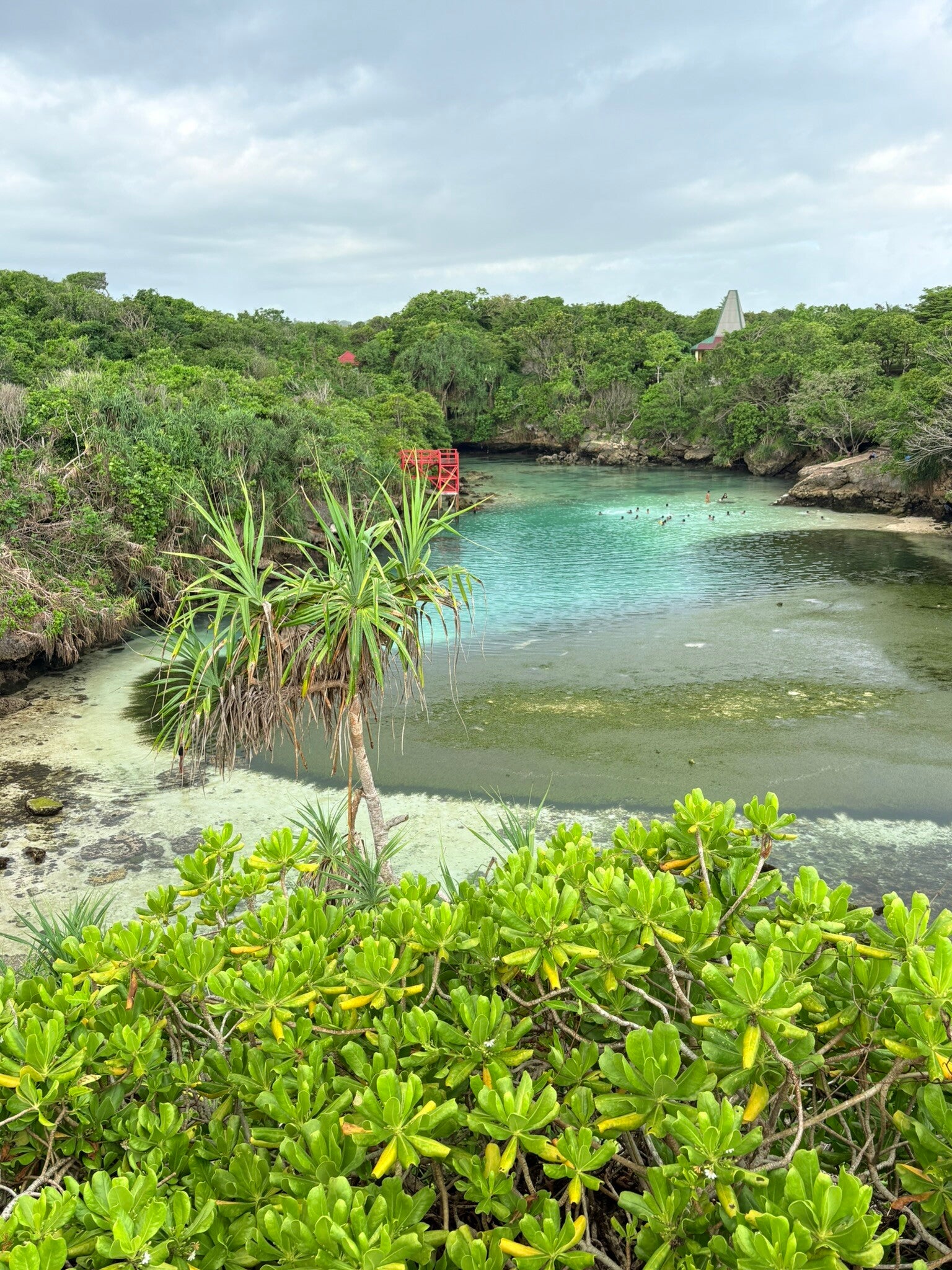
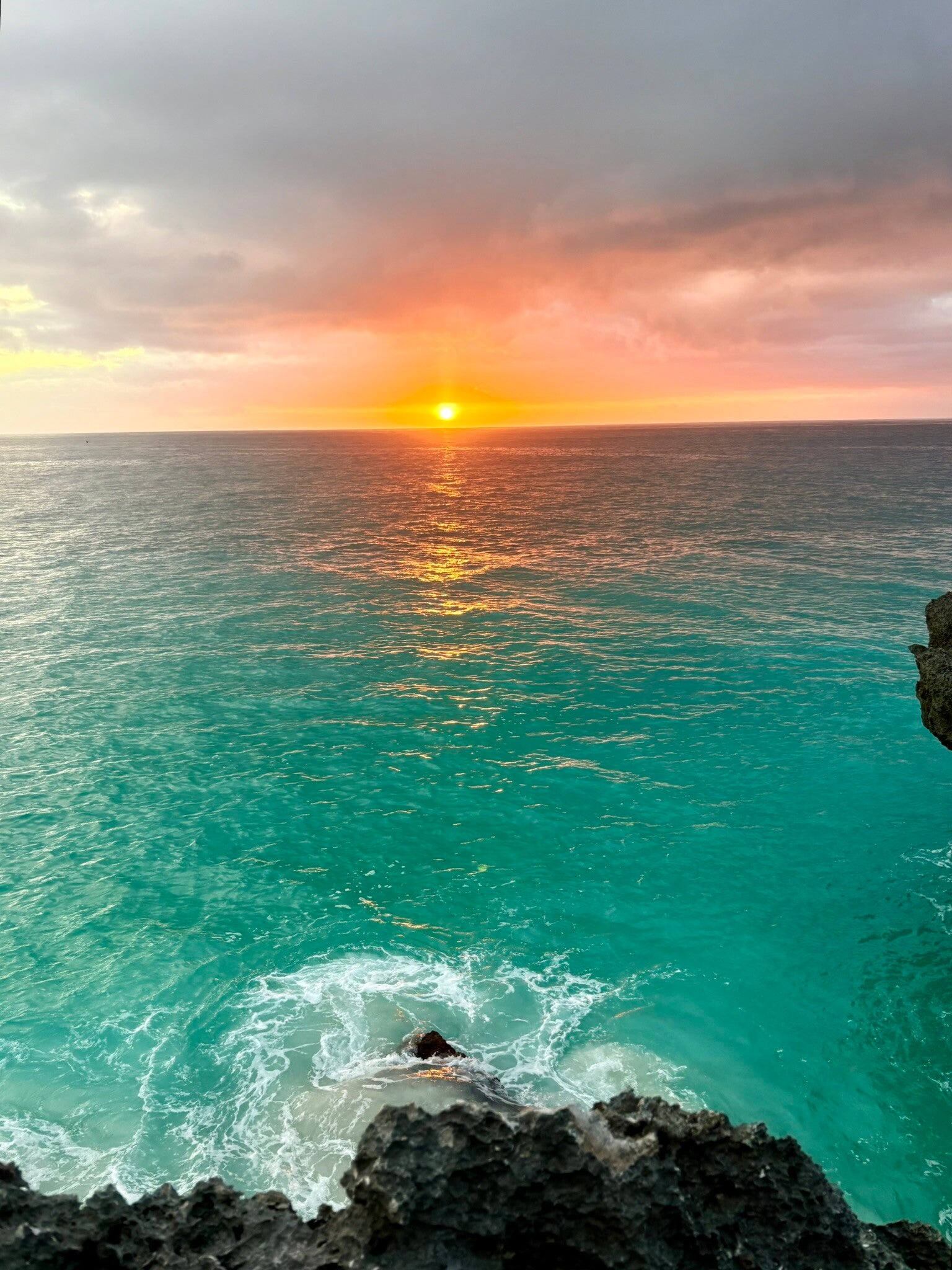
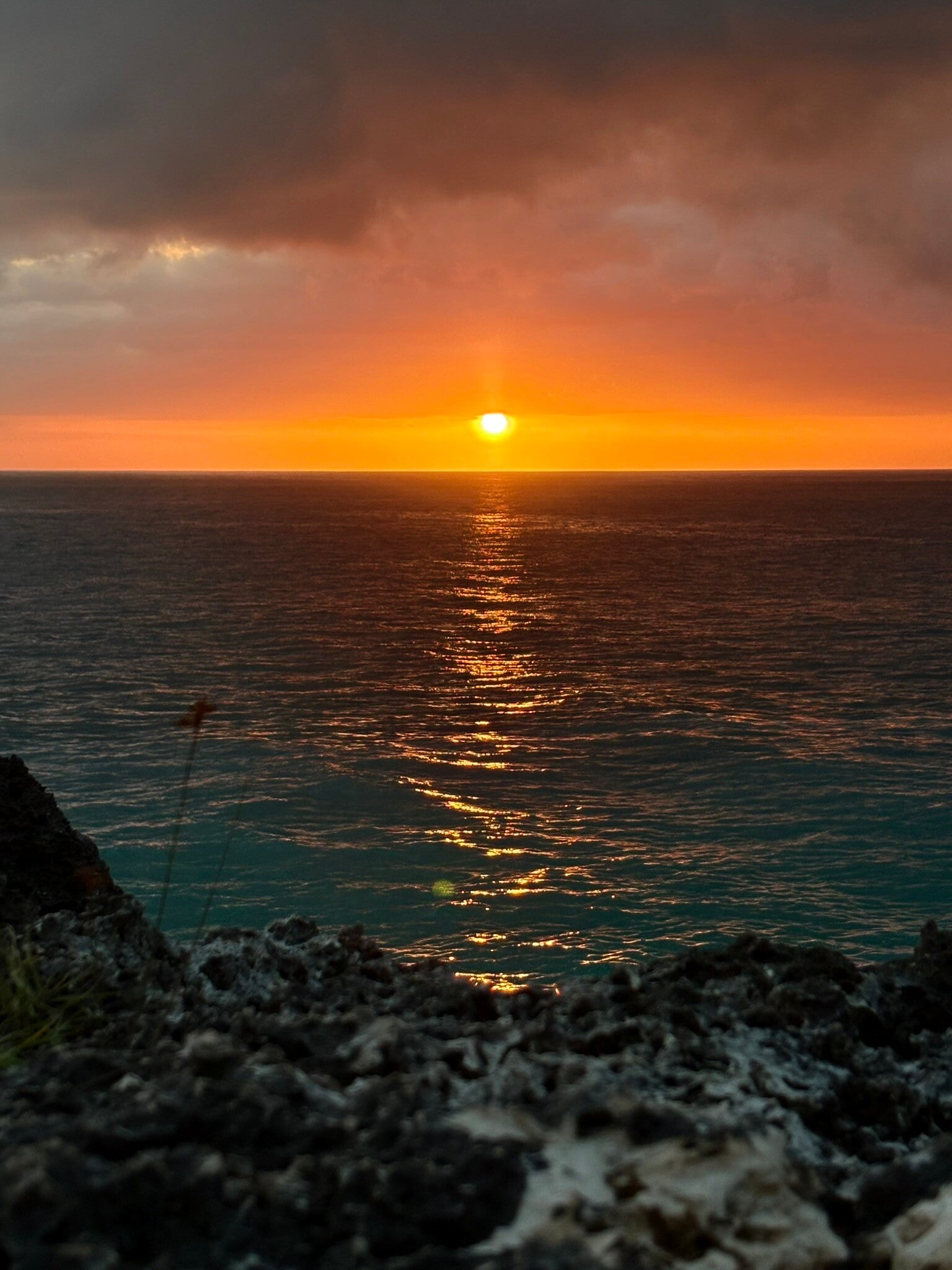
After Ratenggaro, we visited Weekuri Lagoon, a beautiful natural saltwater lagoon where you can take a dip in clear turquoise water. After a refreshing swim, we headed to Mandorak Beach for sunset. The colours of the sky and water were beyond beautiful and it ended up being one of the most gorgeous sunsets I saw during my time in Indonesia.
Day 2 - Kacura Waterfall, village life in Prai Ijing and Wairinding Hills
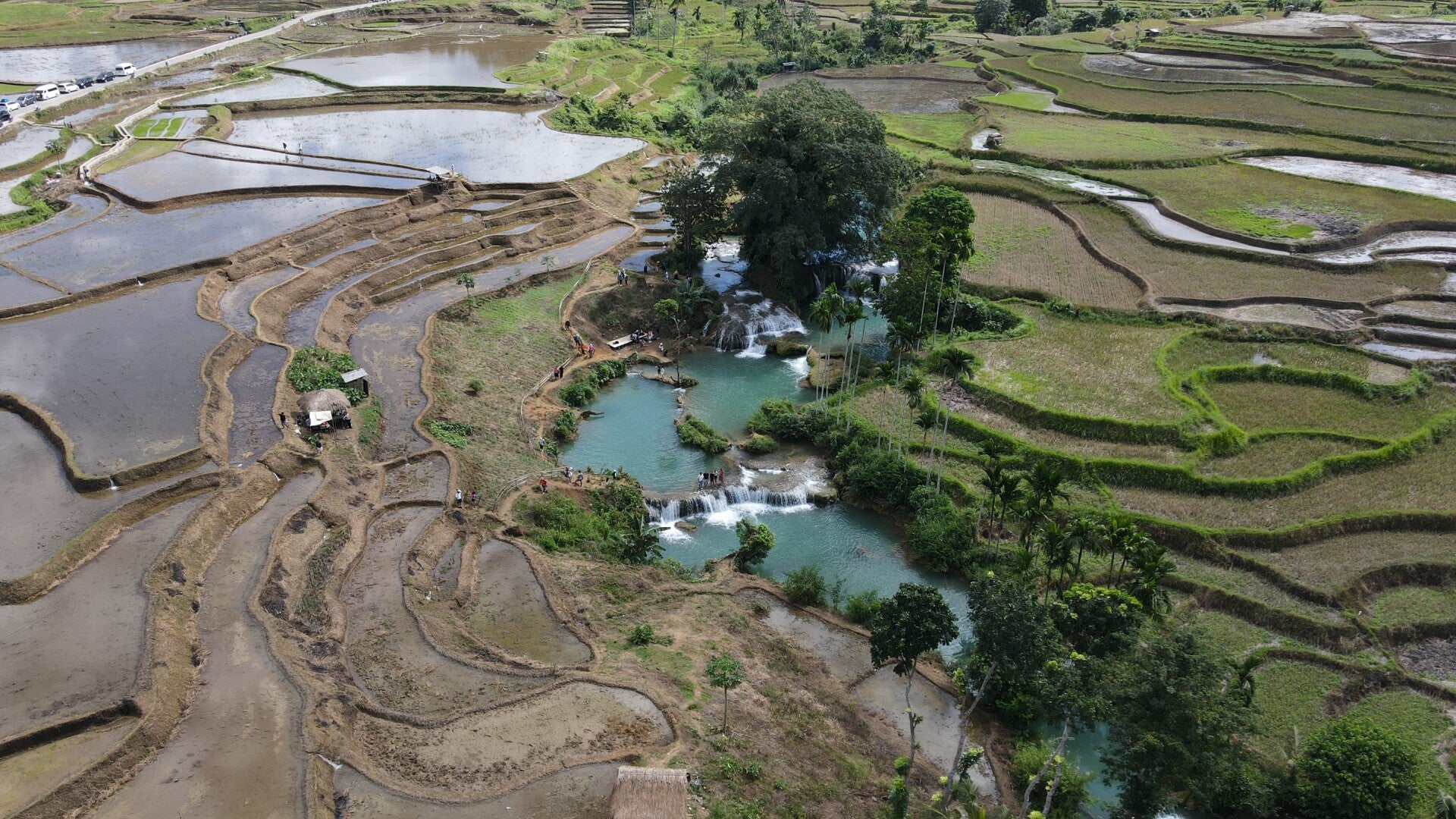
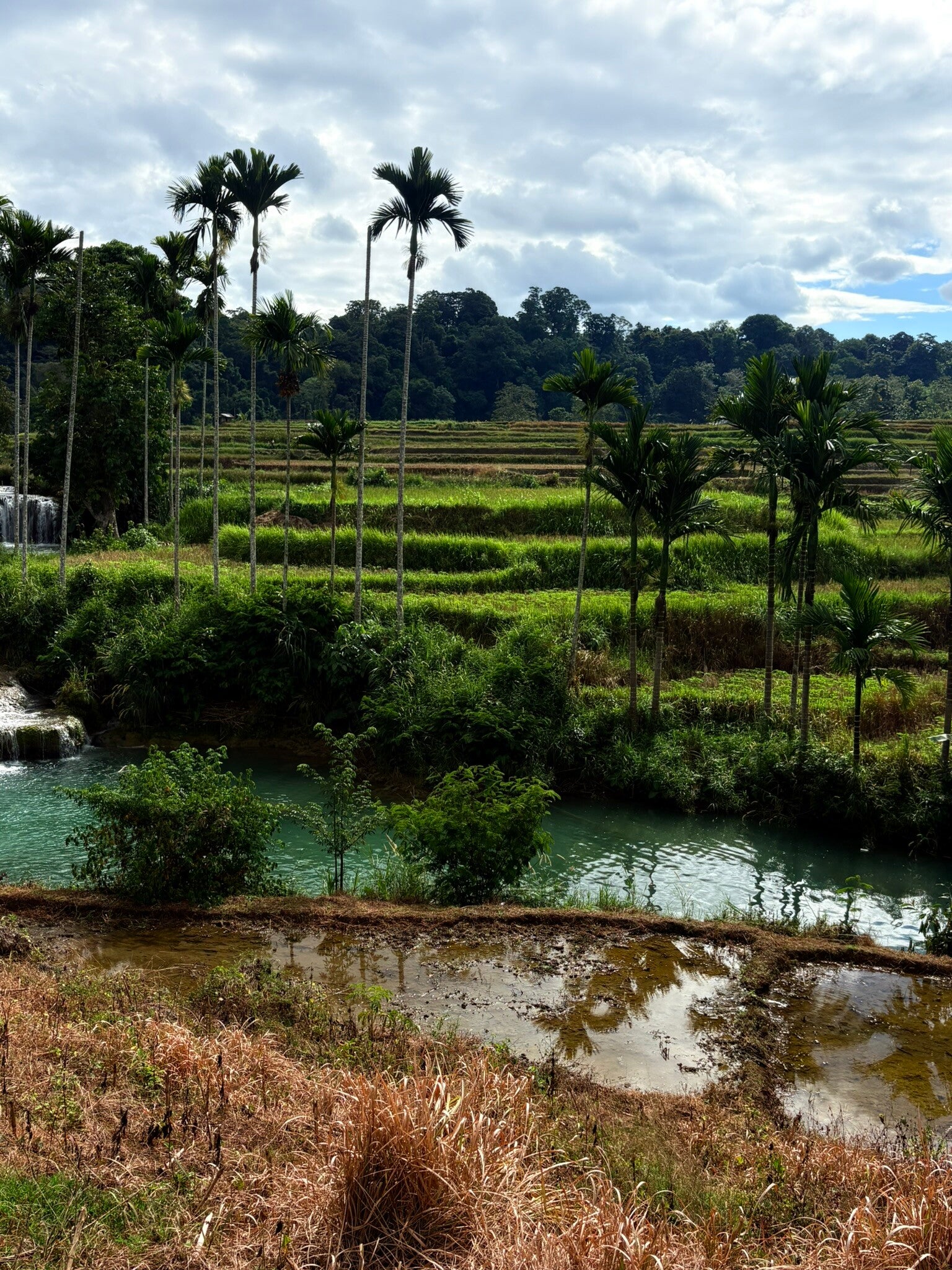
The second day started with a visit to Kacura Waterfall. While the waterfall itself isn't massive, the surrounding lush vegetation, including towering palm trees, makes for truly memorable scenery and gives the place a real wow factor.
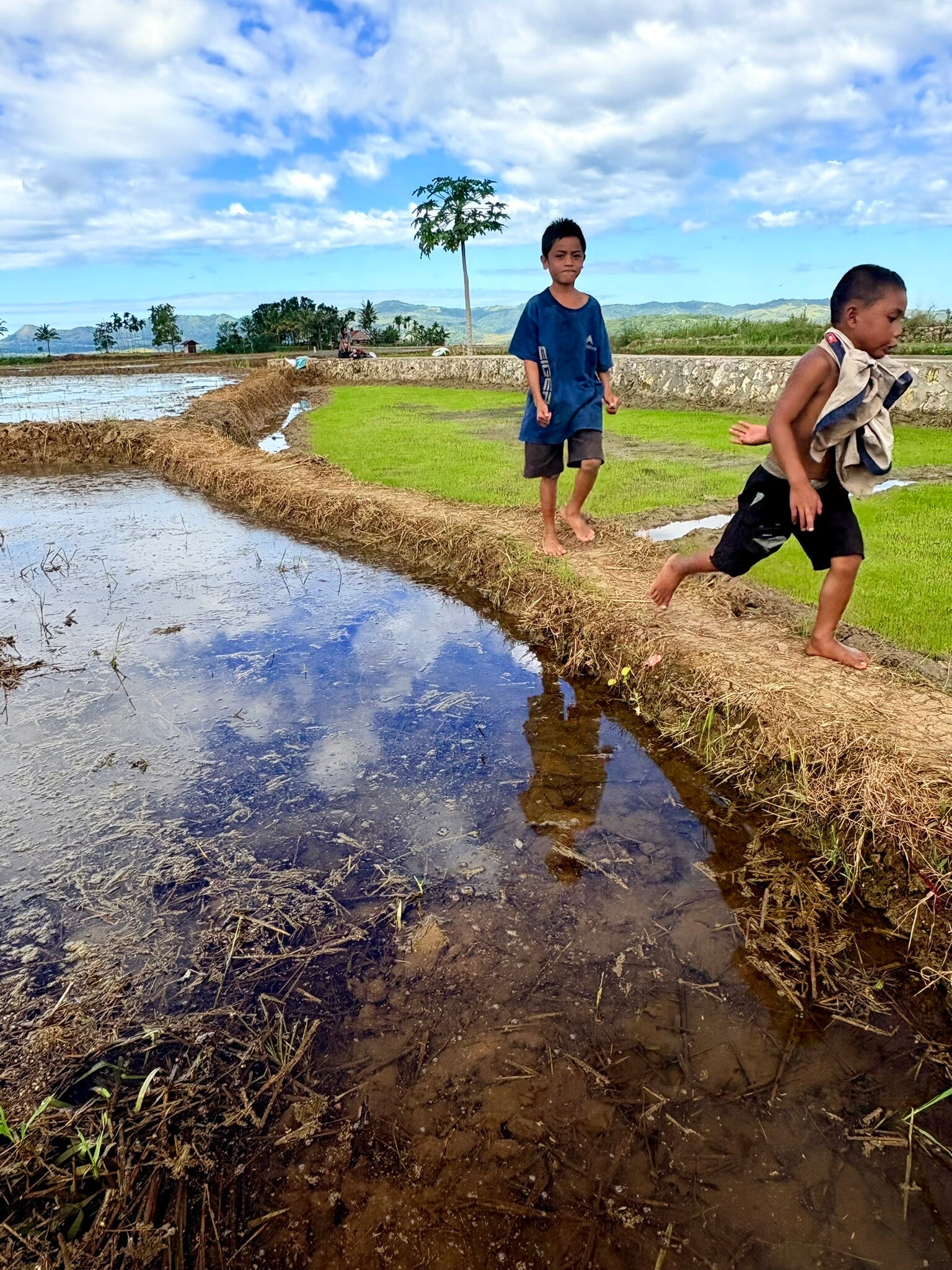
After the waterfall, we visited another traditional village - Prai Ijing. While the houses, tombs and overall architecture are similar to those in Ratenggaro, this village left a much deeper impression on me. It felt less touristy and more authentic, with people inviting us into their homes, sharing coffee with us and answering our questions through the tour guide. We learned more about Marapu, the traditional Sumbanese belief system centred around ancestral spirits and about the important role animal sacrifices play in ceremonies and celebrations. Pigs and water buffalo are commonly slaughtered during important occasions and the animals' tusks and skulls are later displayed in people's homes.
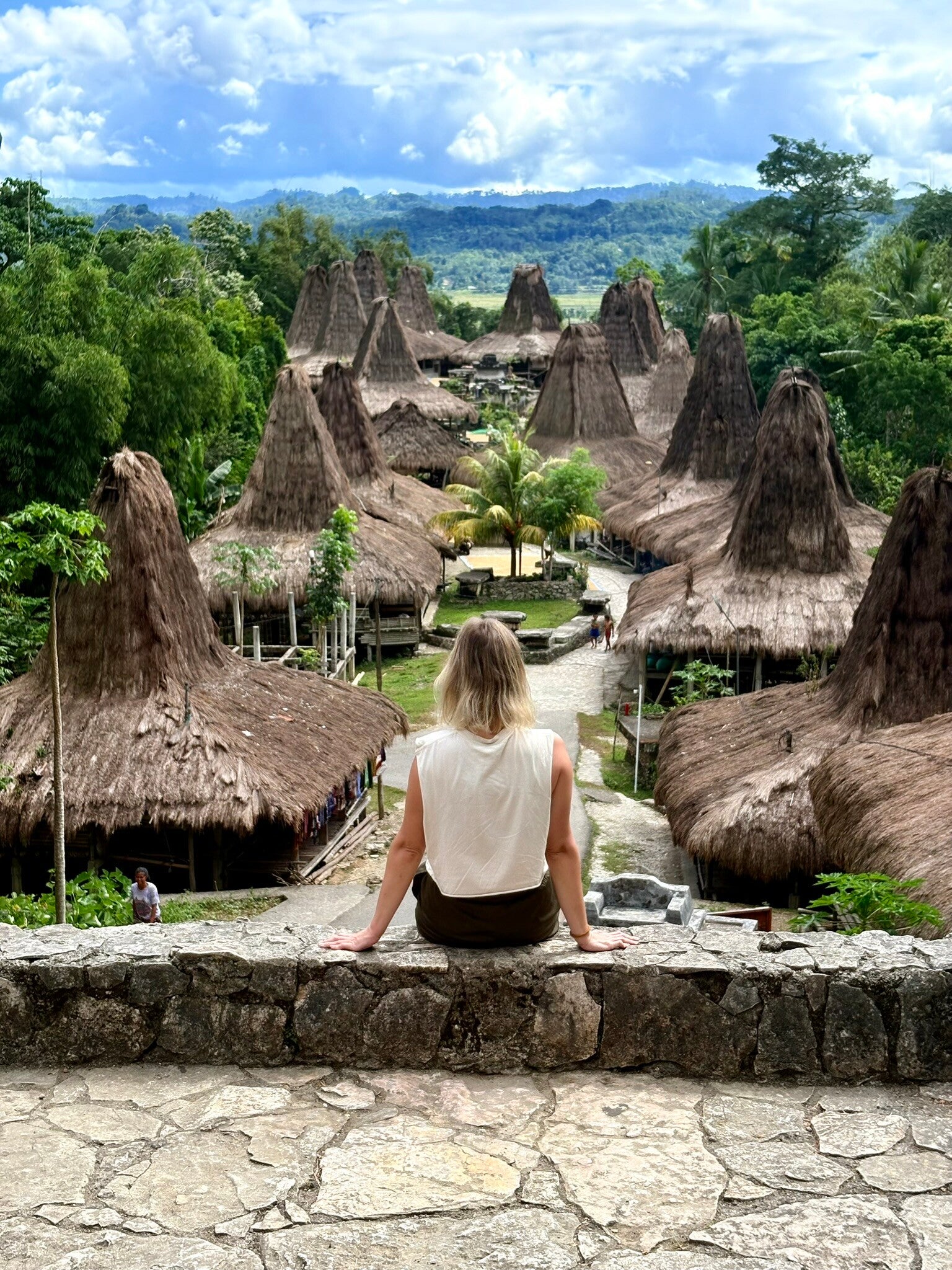
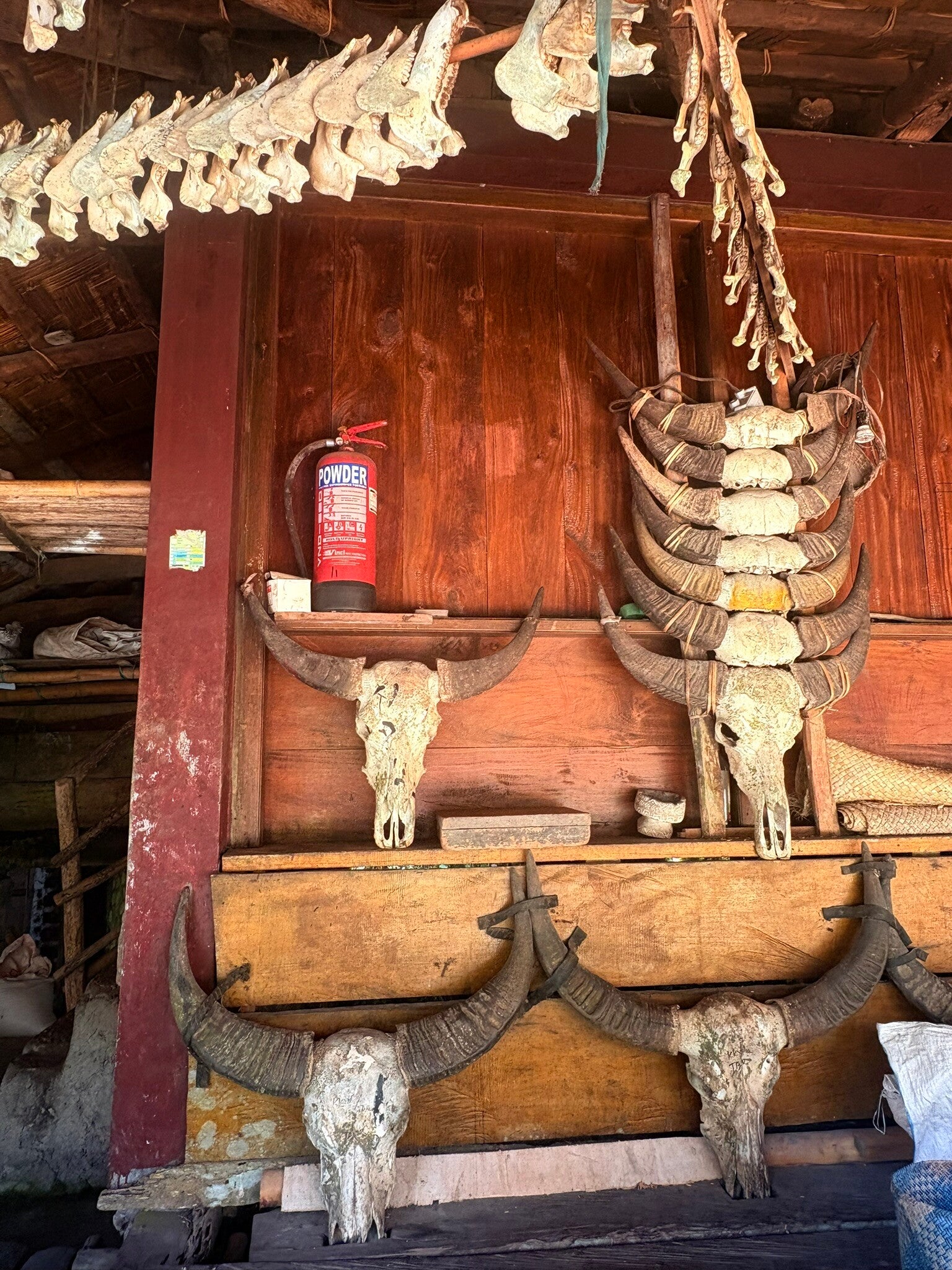
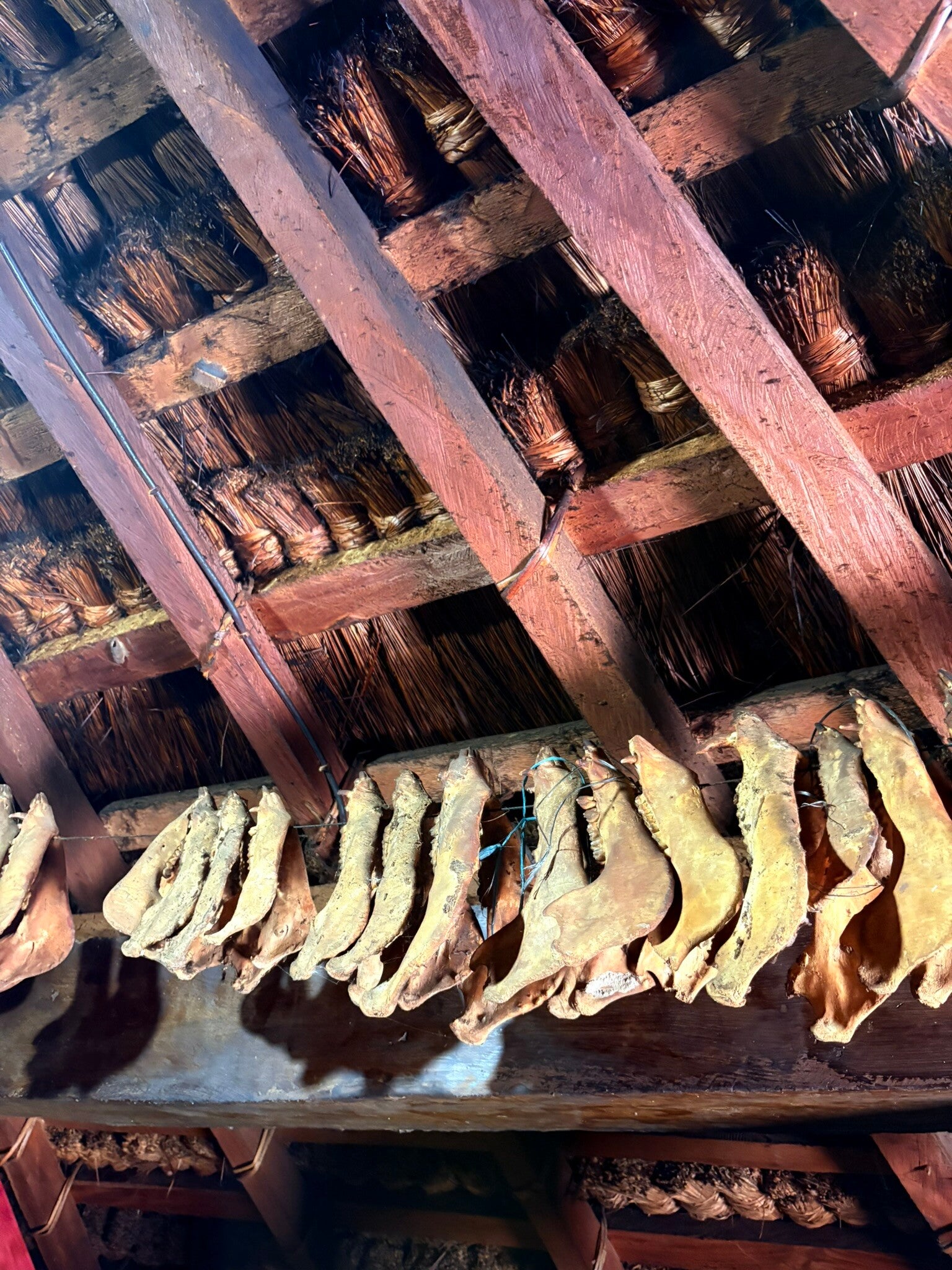
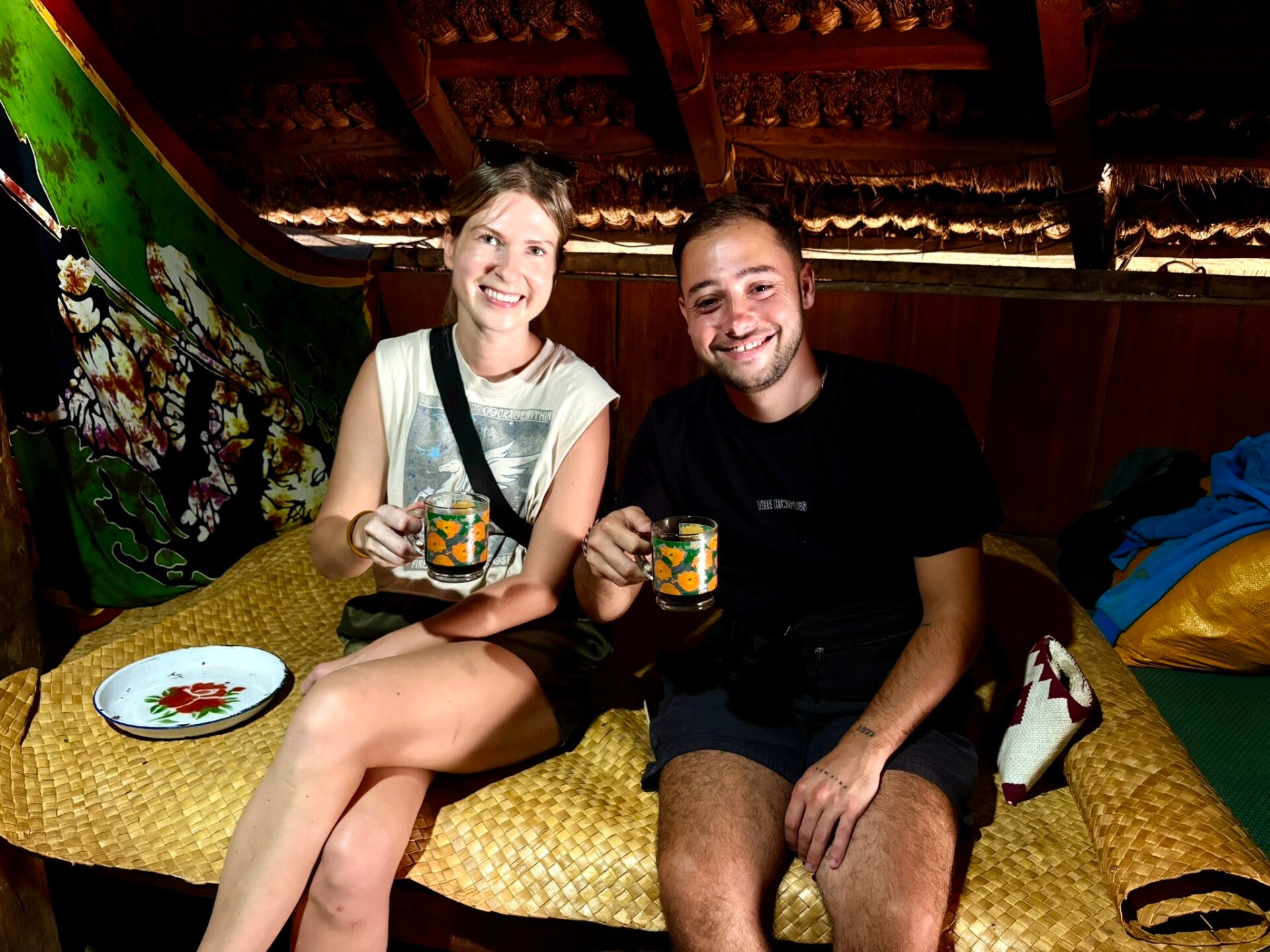

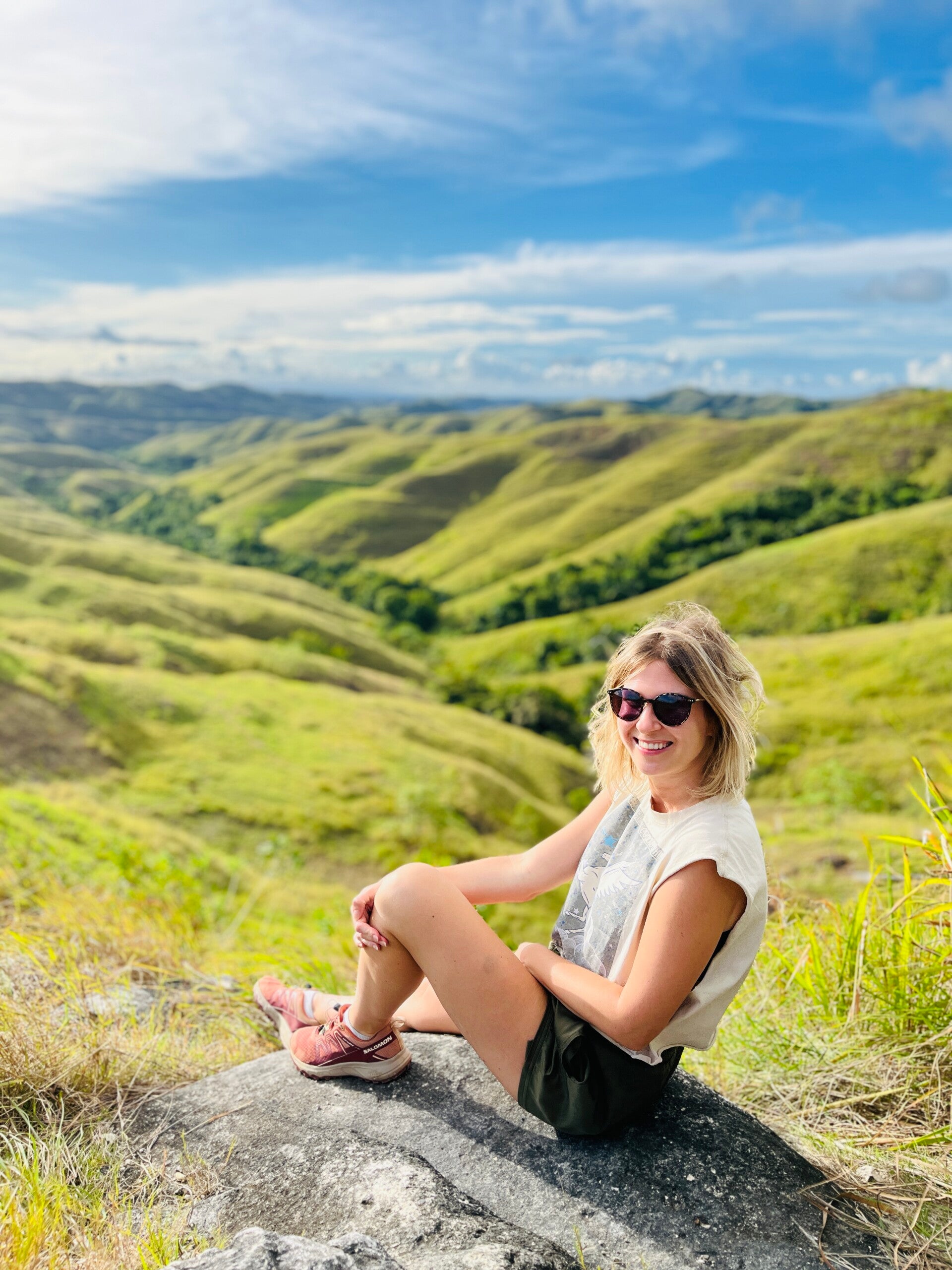
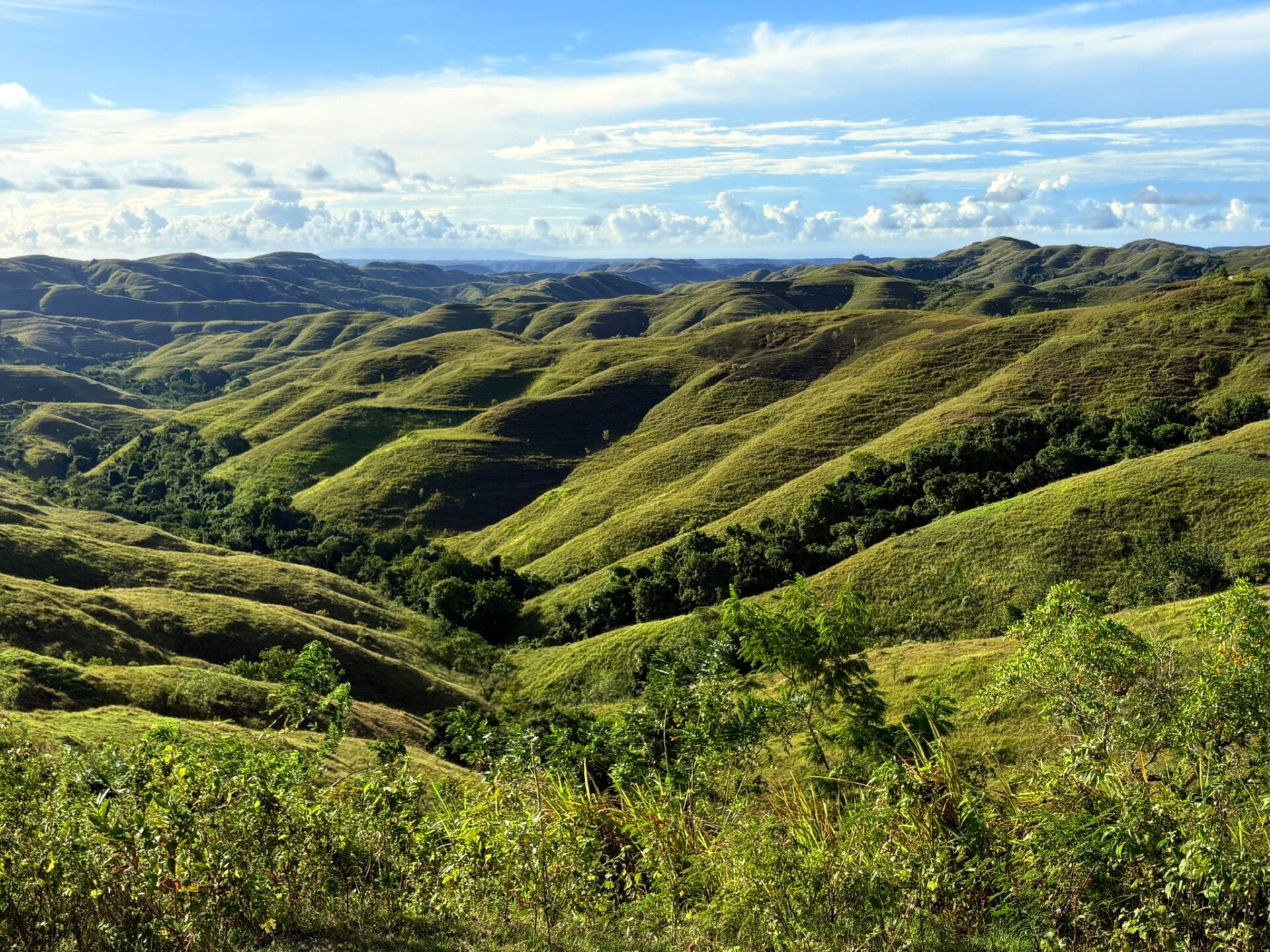
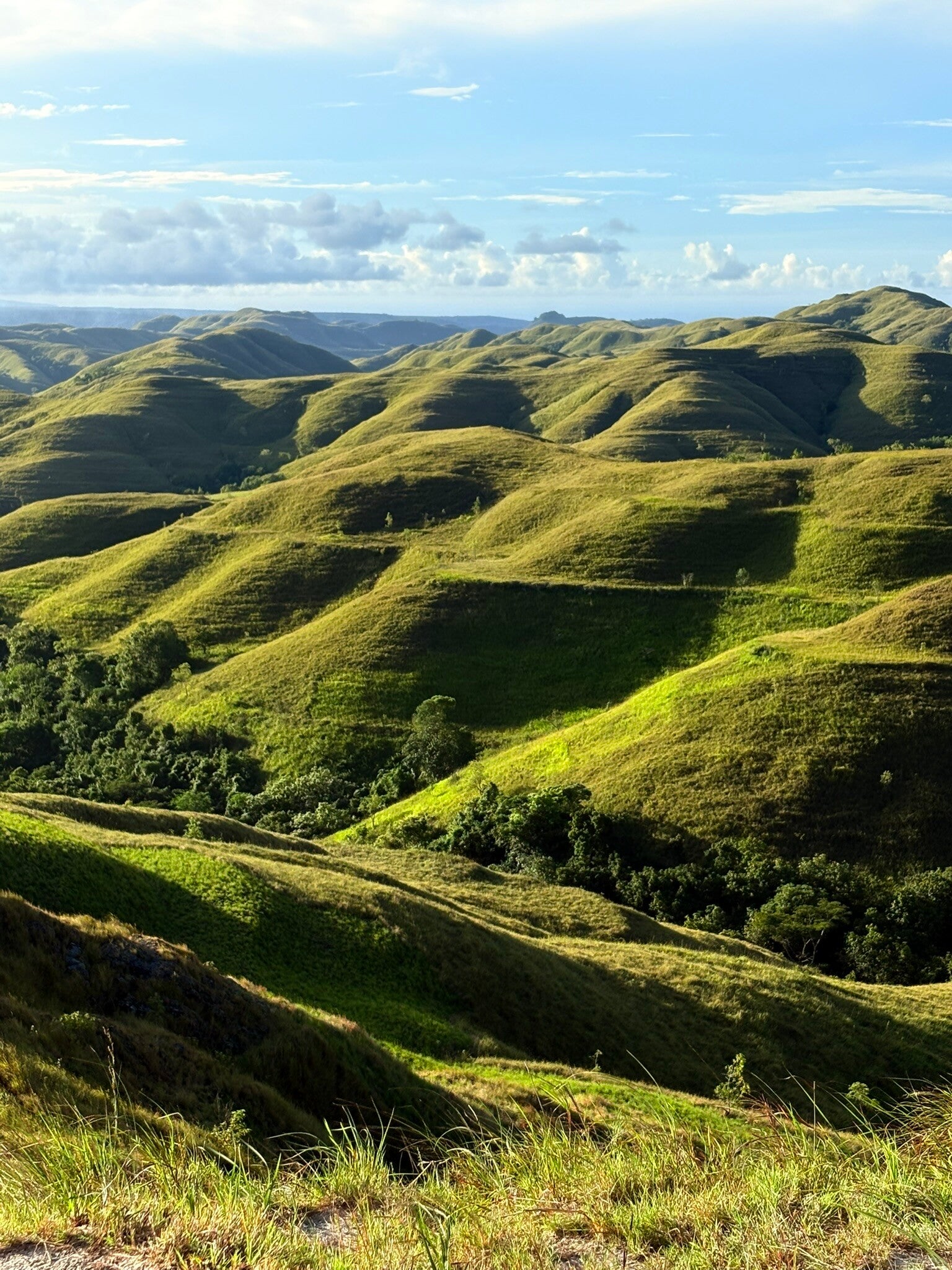
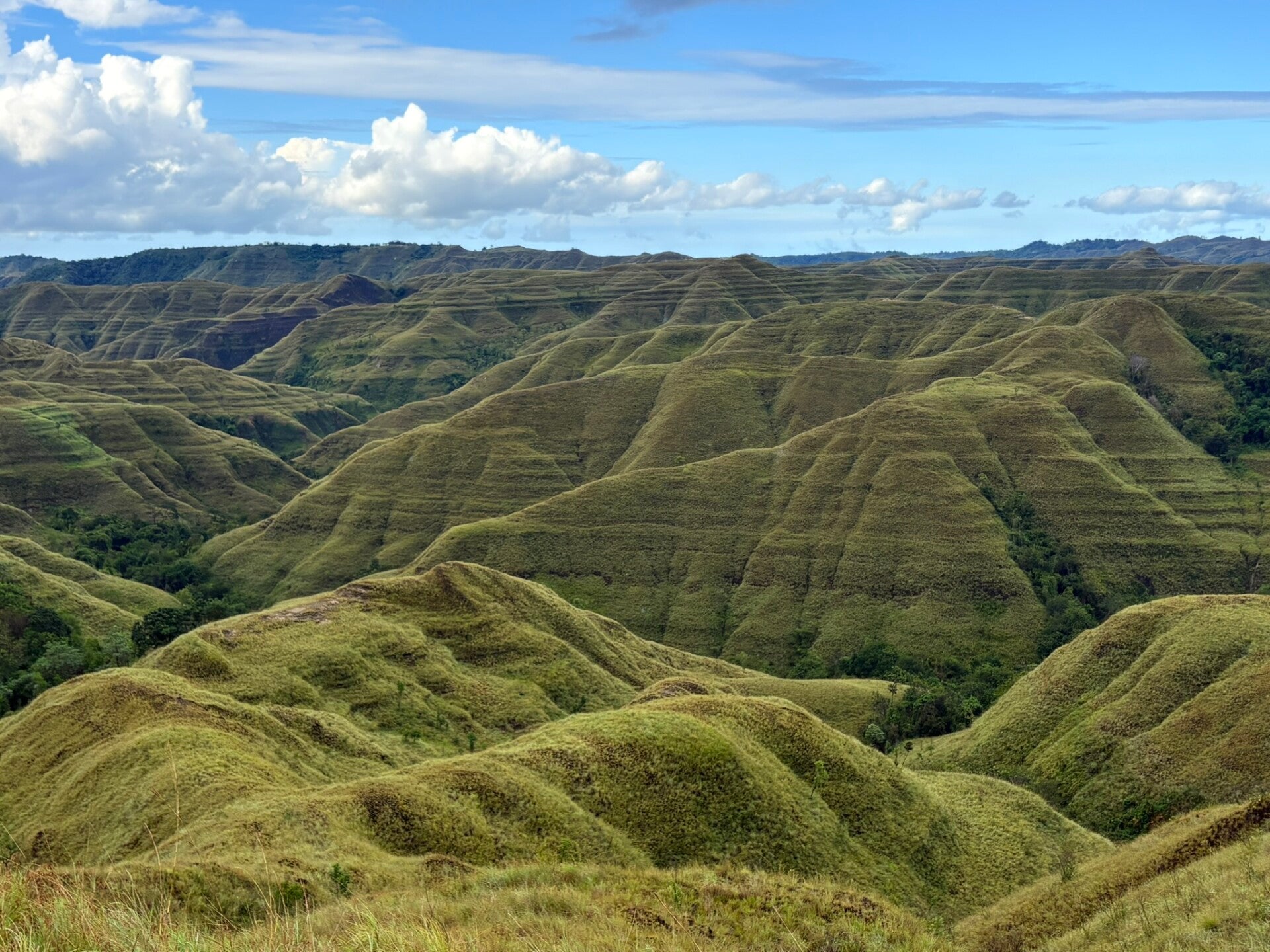
After visiting the village, we headed to Wairinding Hills for sunset - one of the many beautiful stretches of rolling hills scattered across Sumba.
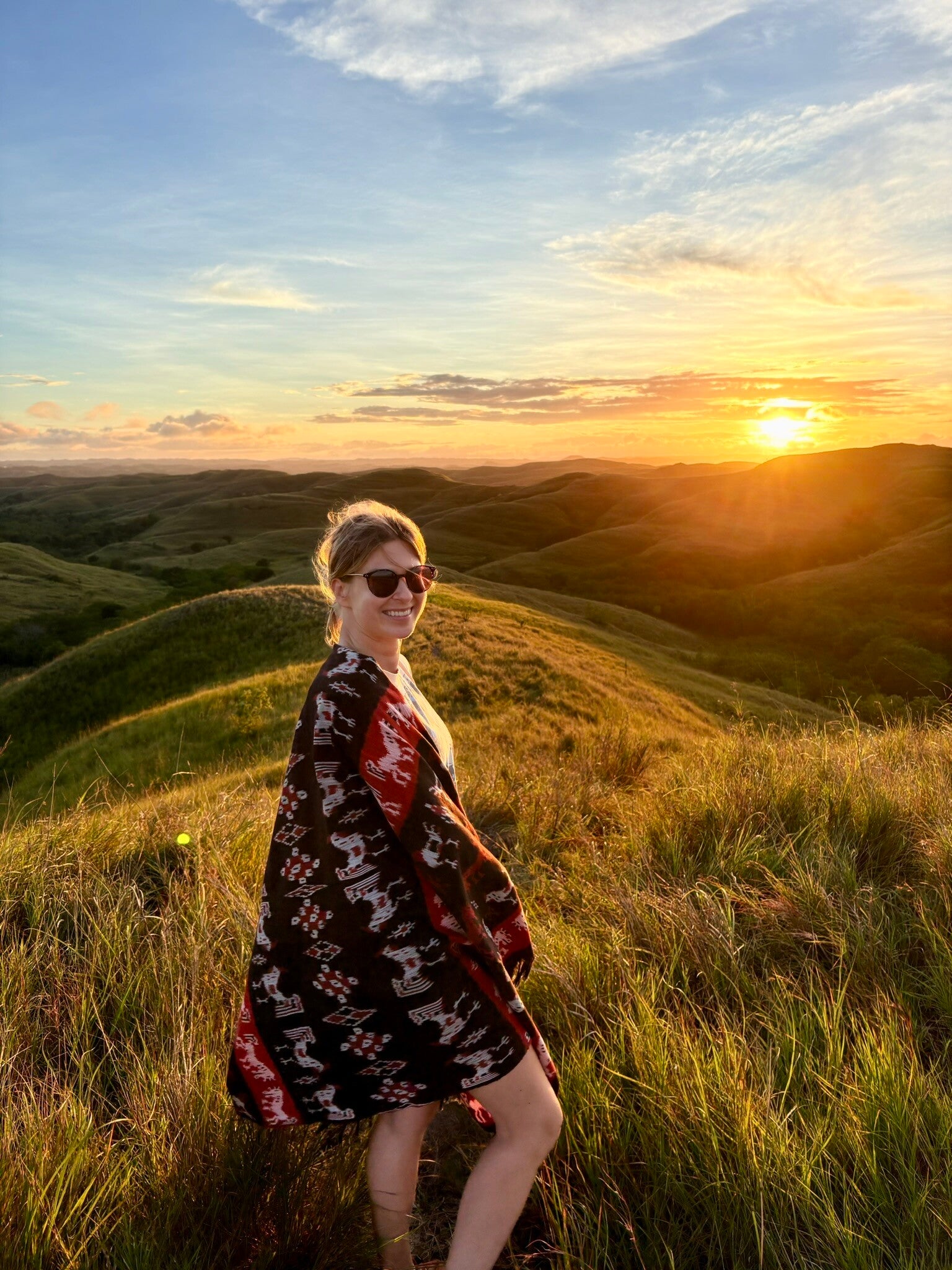
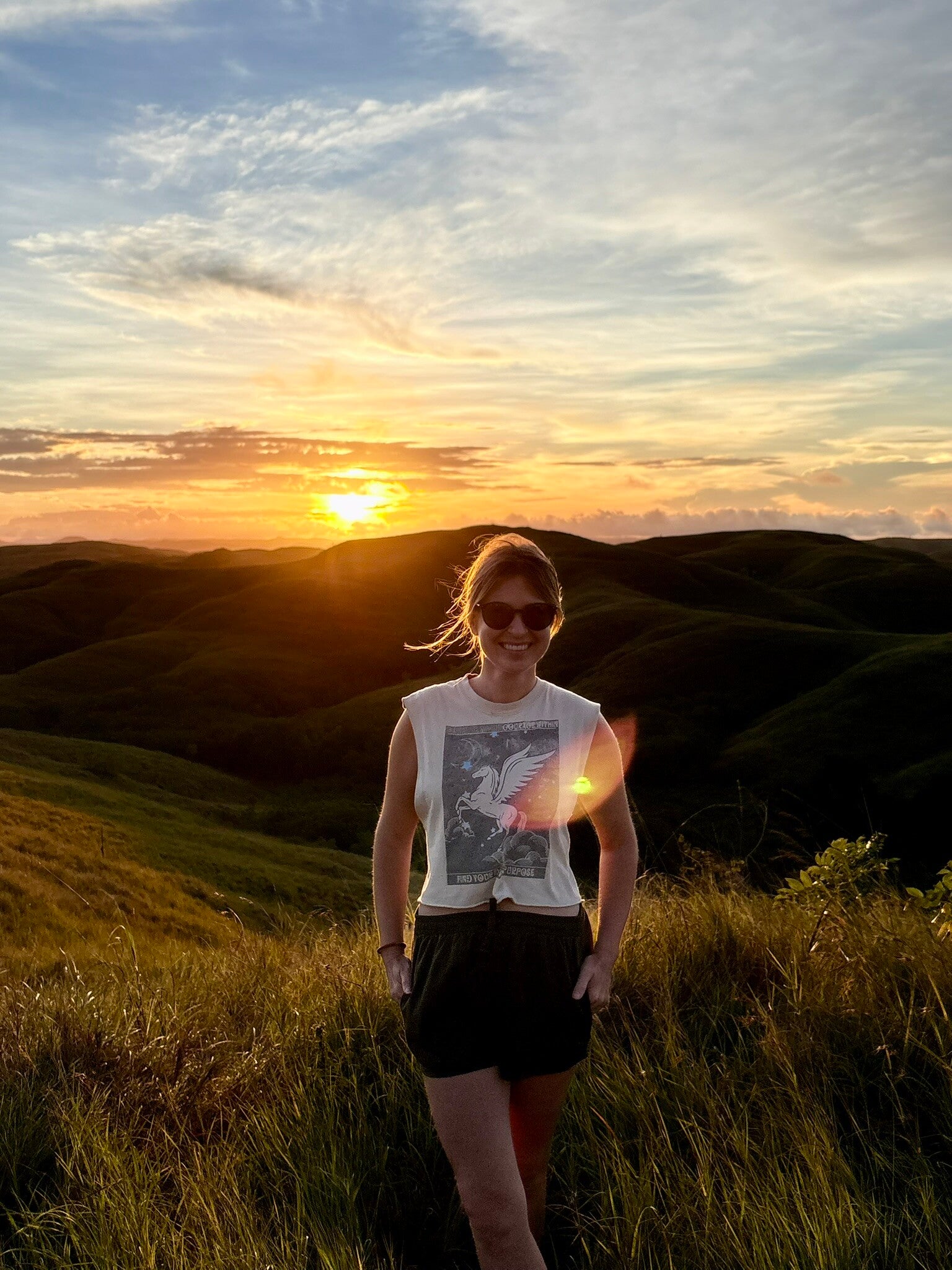
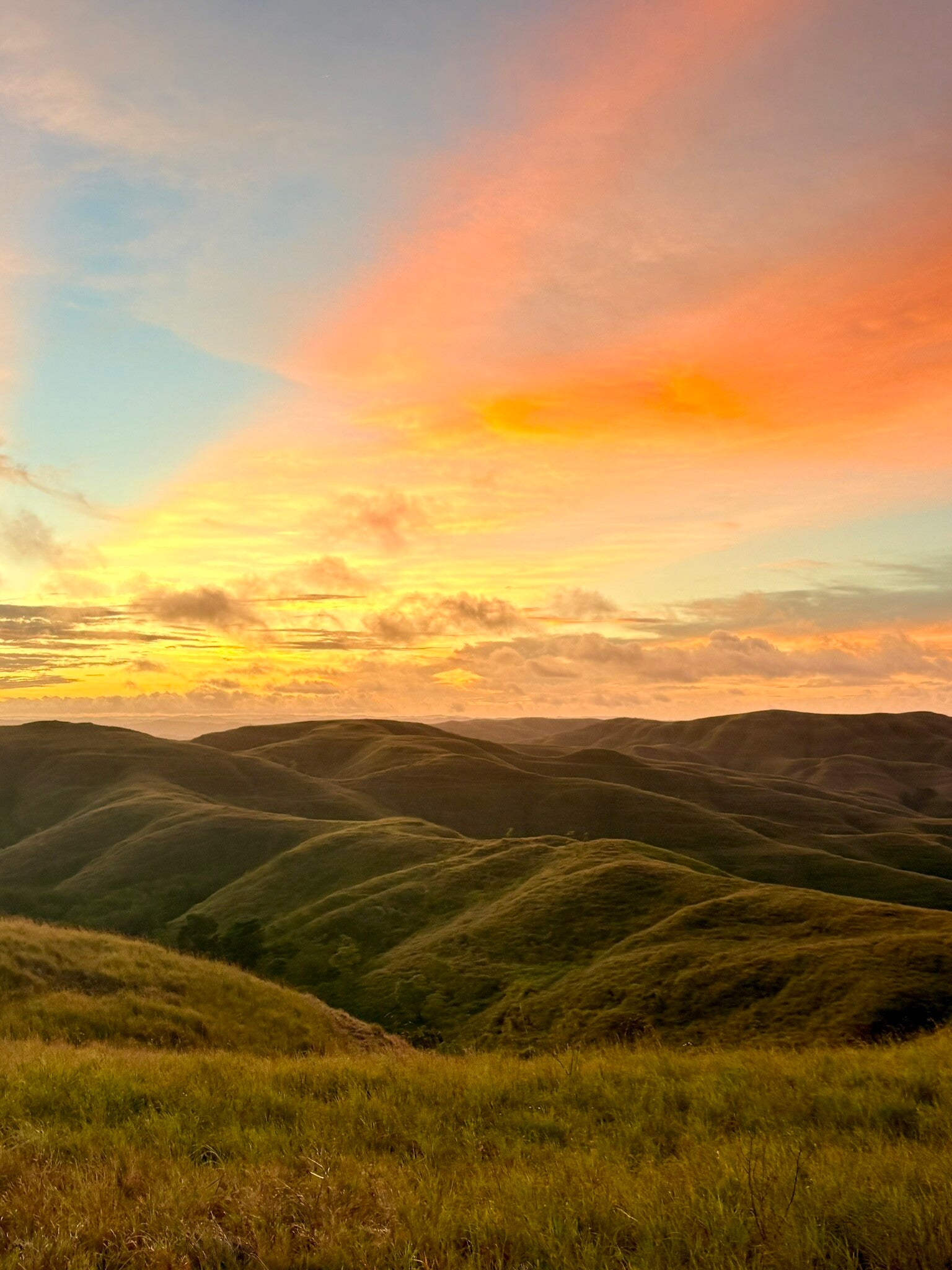
Day 3 – Tanggedu Waterfall, Tanarara Savannah and Walakiri's dancing trees
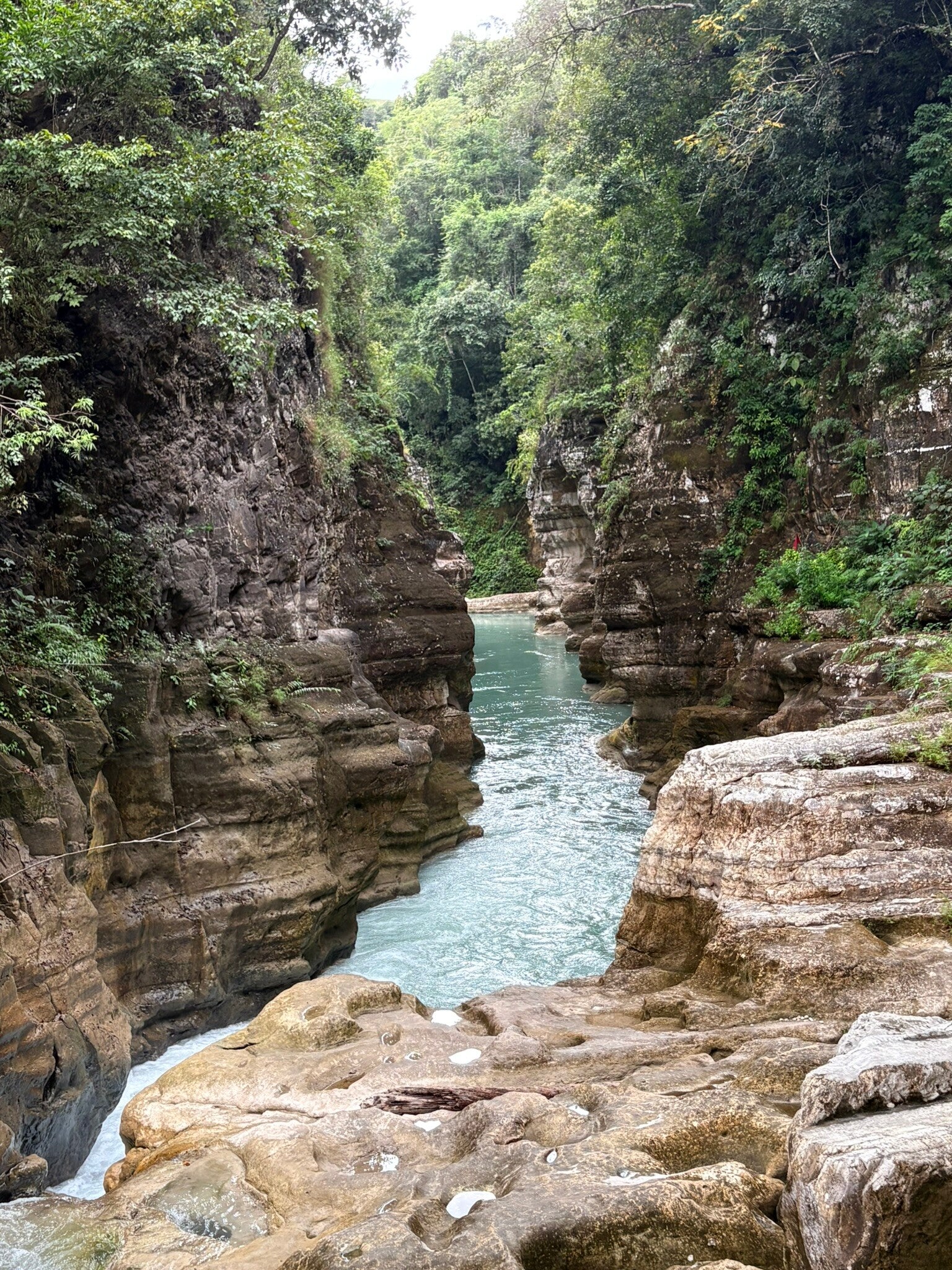
The third day began with a visit to Tanggedu Waterfall, sometimes nicknamed “Sumba's Grand Canyon”. The waterfall features a series of cascades and tiered pools surrounded by a dramatic rocky canyon. Some of the pools are great for swimming, while others make for beautiful photo spots.
To reach the waterfall, you need to climb down - and later back up - set of steep stairs, so make sure you have comfortable footwear! While the stairs are unavoidable, you can choose whether to walk for around 30 minutes to reach the start of the descent or take a motorbike taxi for 50,000 IDR (around USD 3).
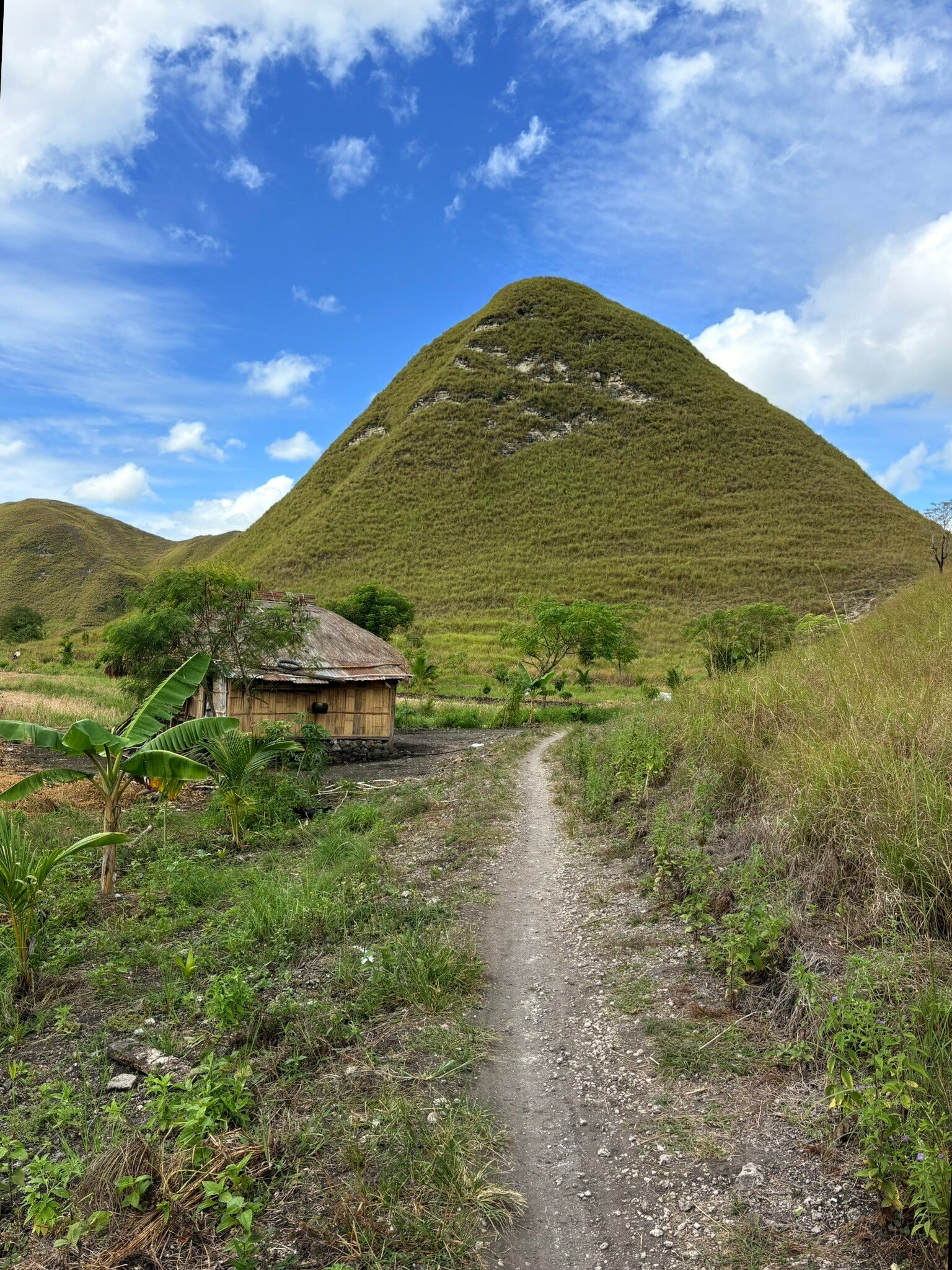
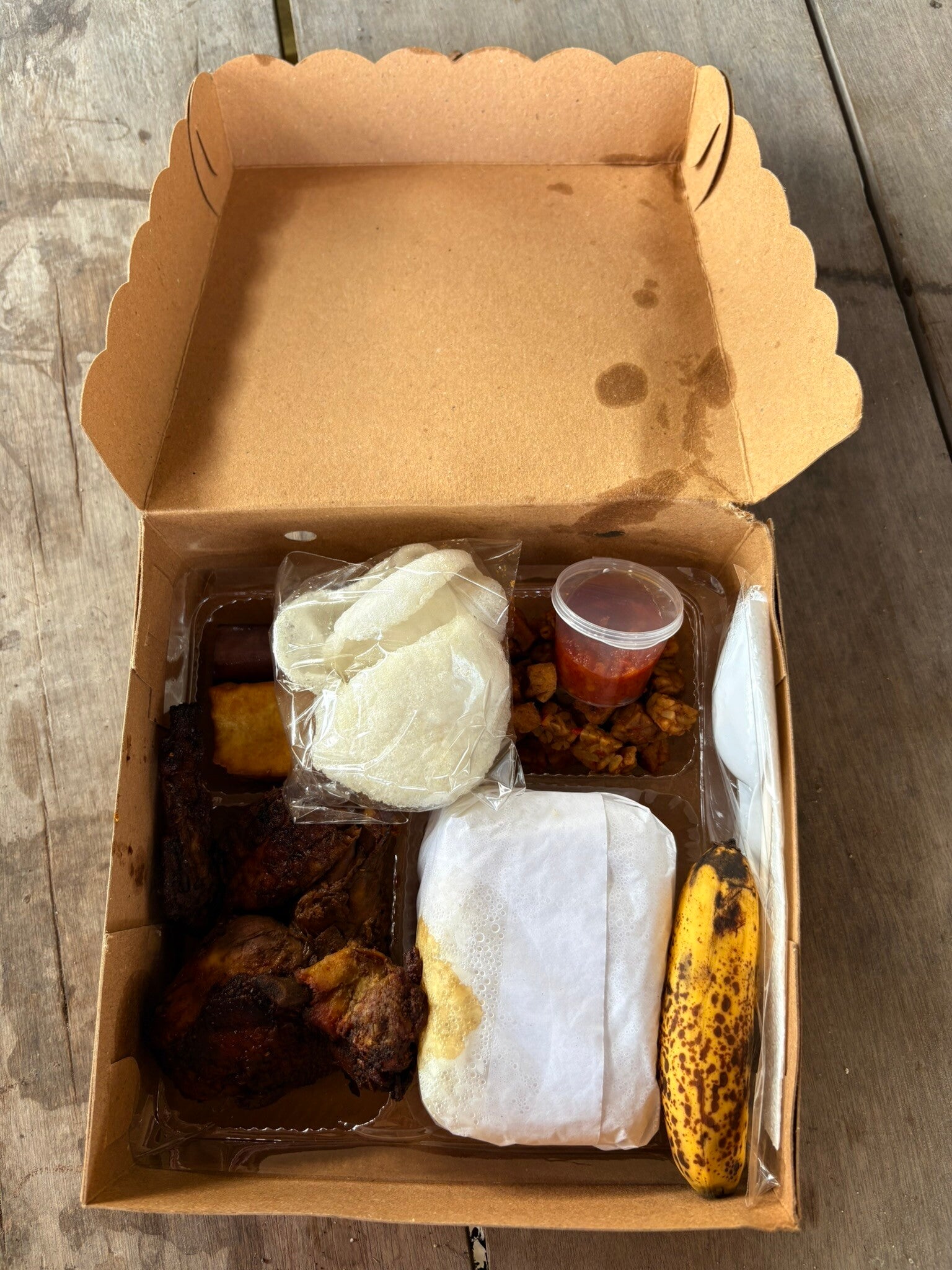
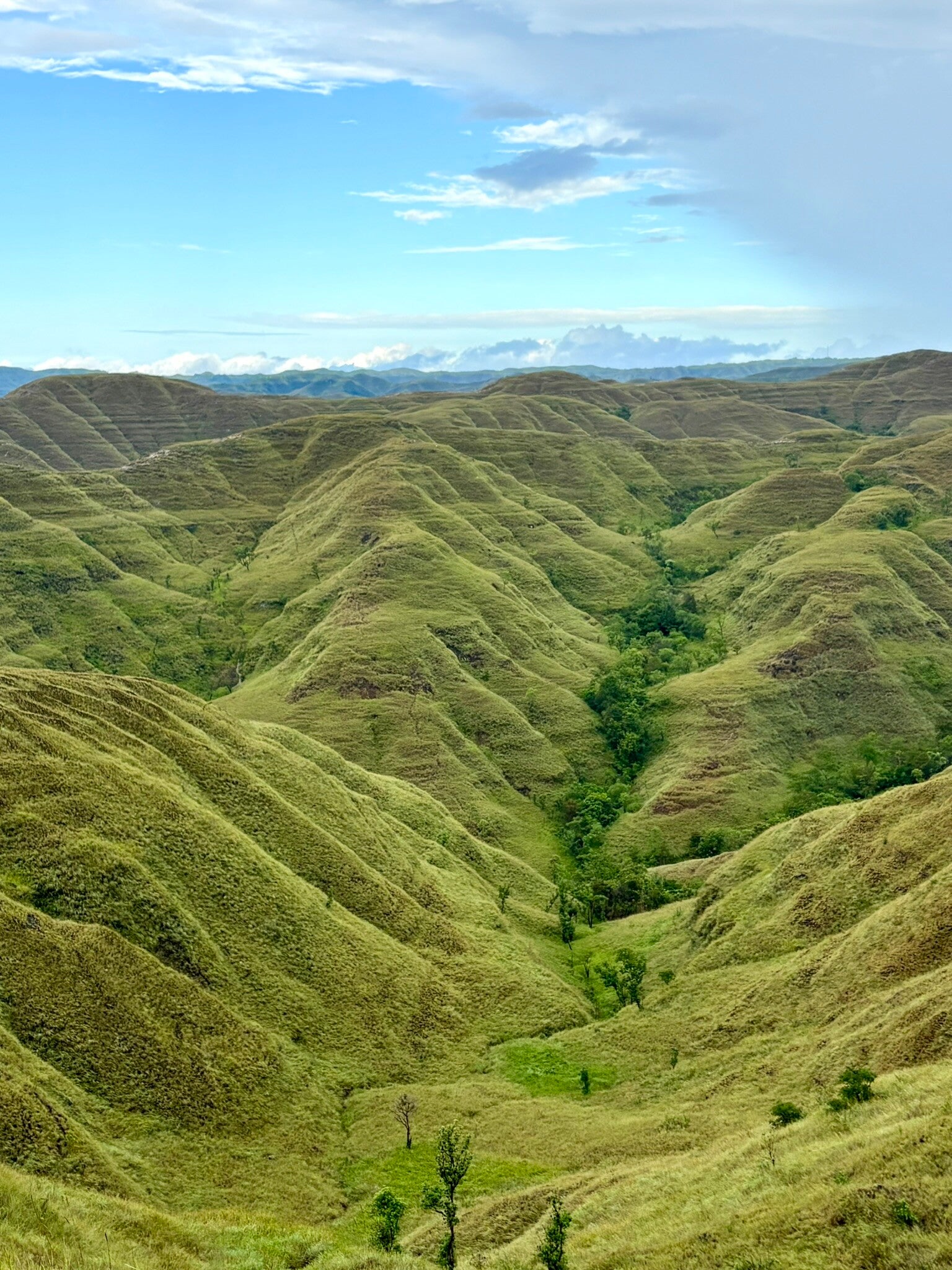
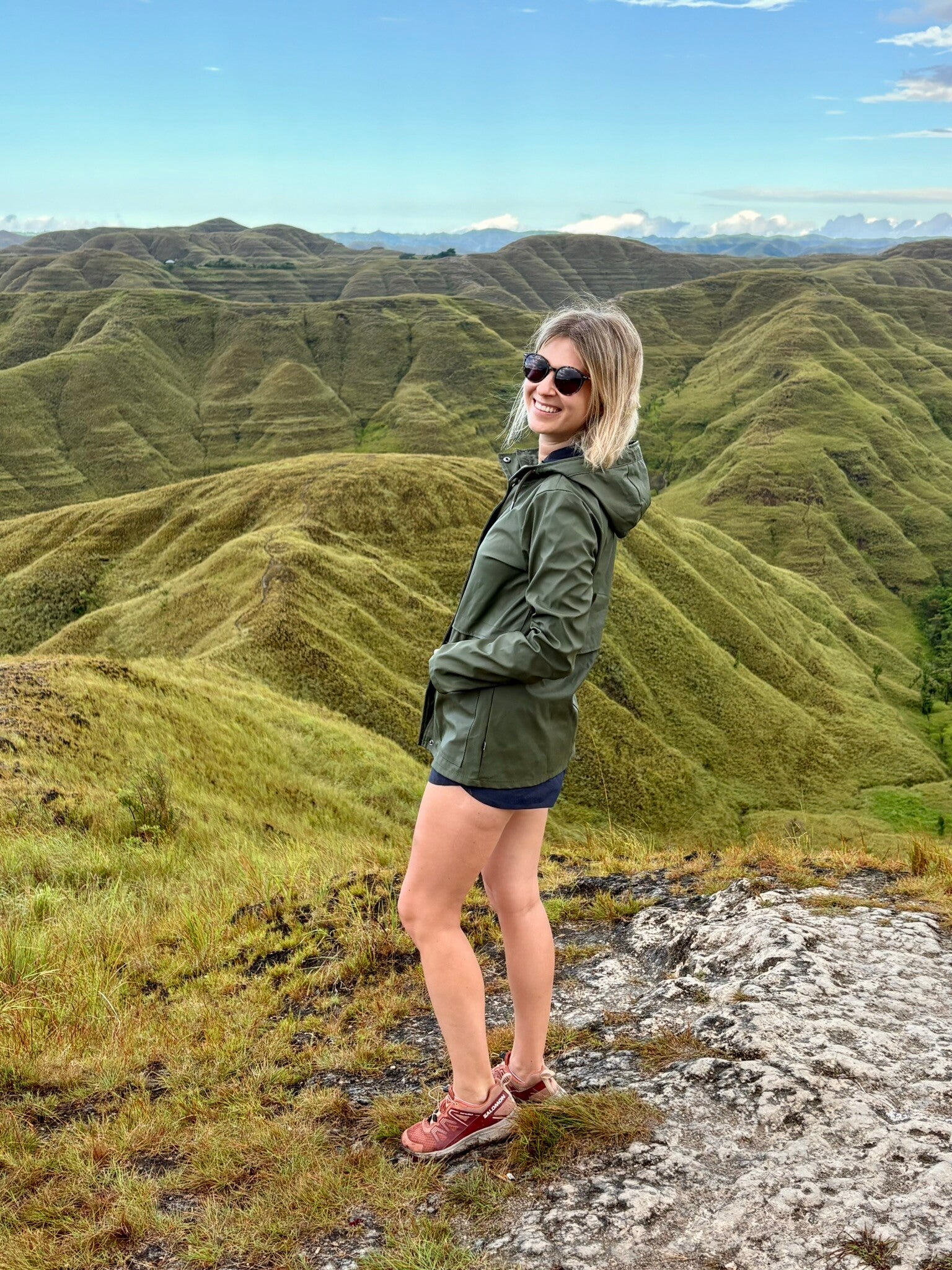
We had a delicious packed lunch by the waterfall before heading to another of Sumba's spectacular rolling landscapes - Tanarara Savannah, with its vast open grasslands that are particularly impressive from above and perfect for drone photography and videography.
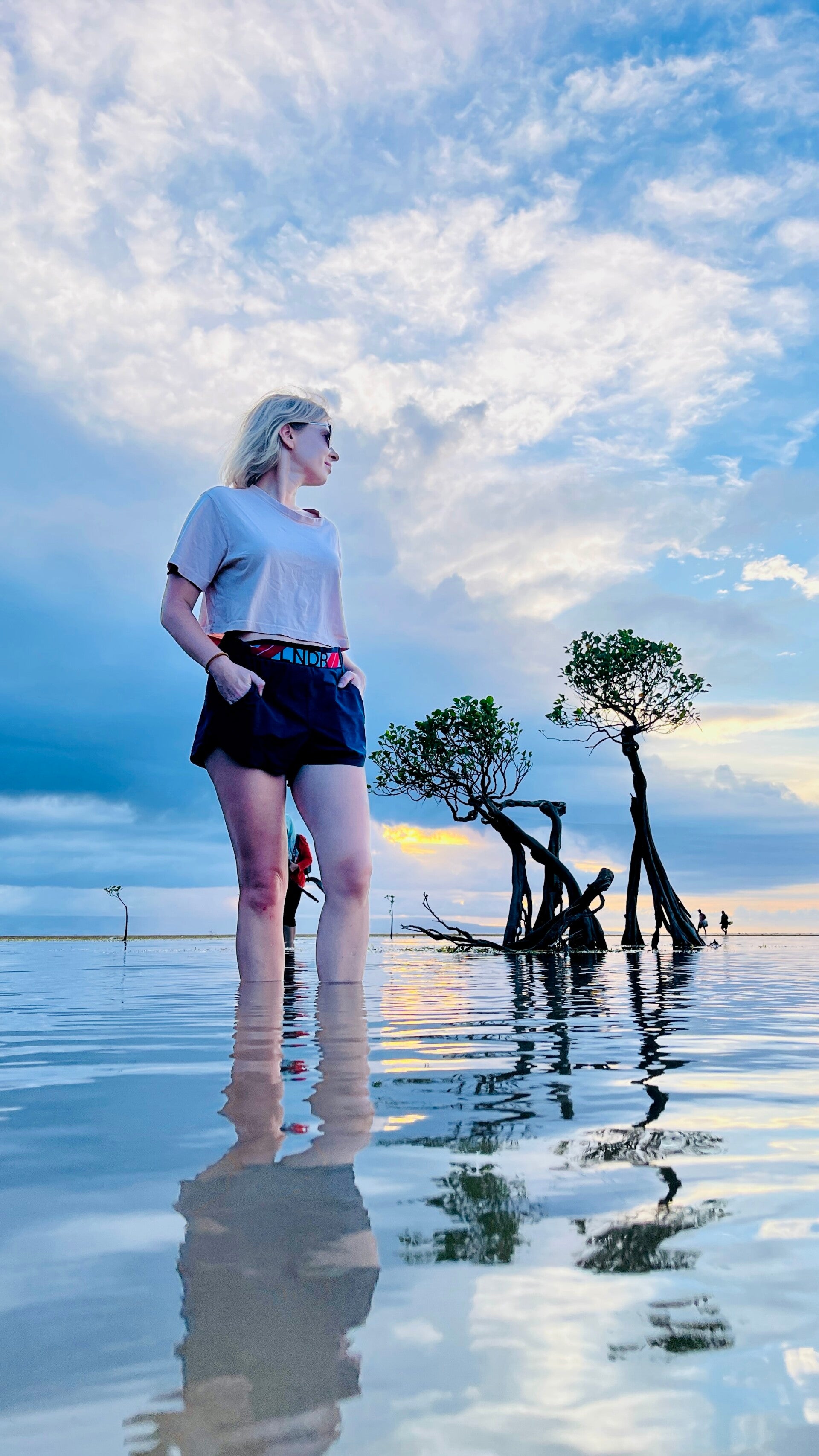
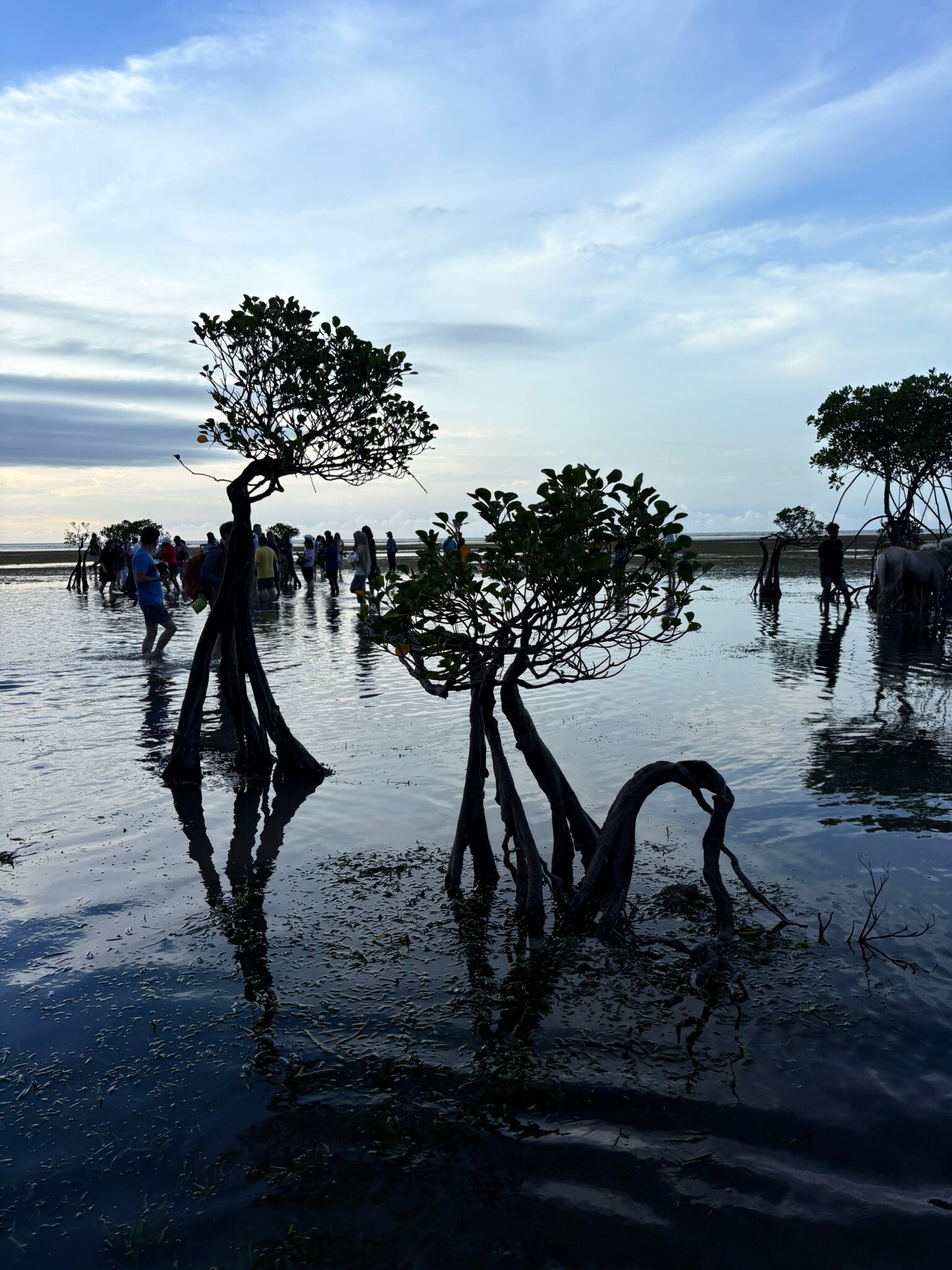
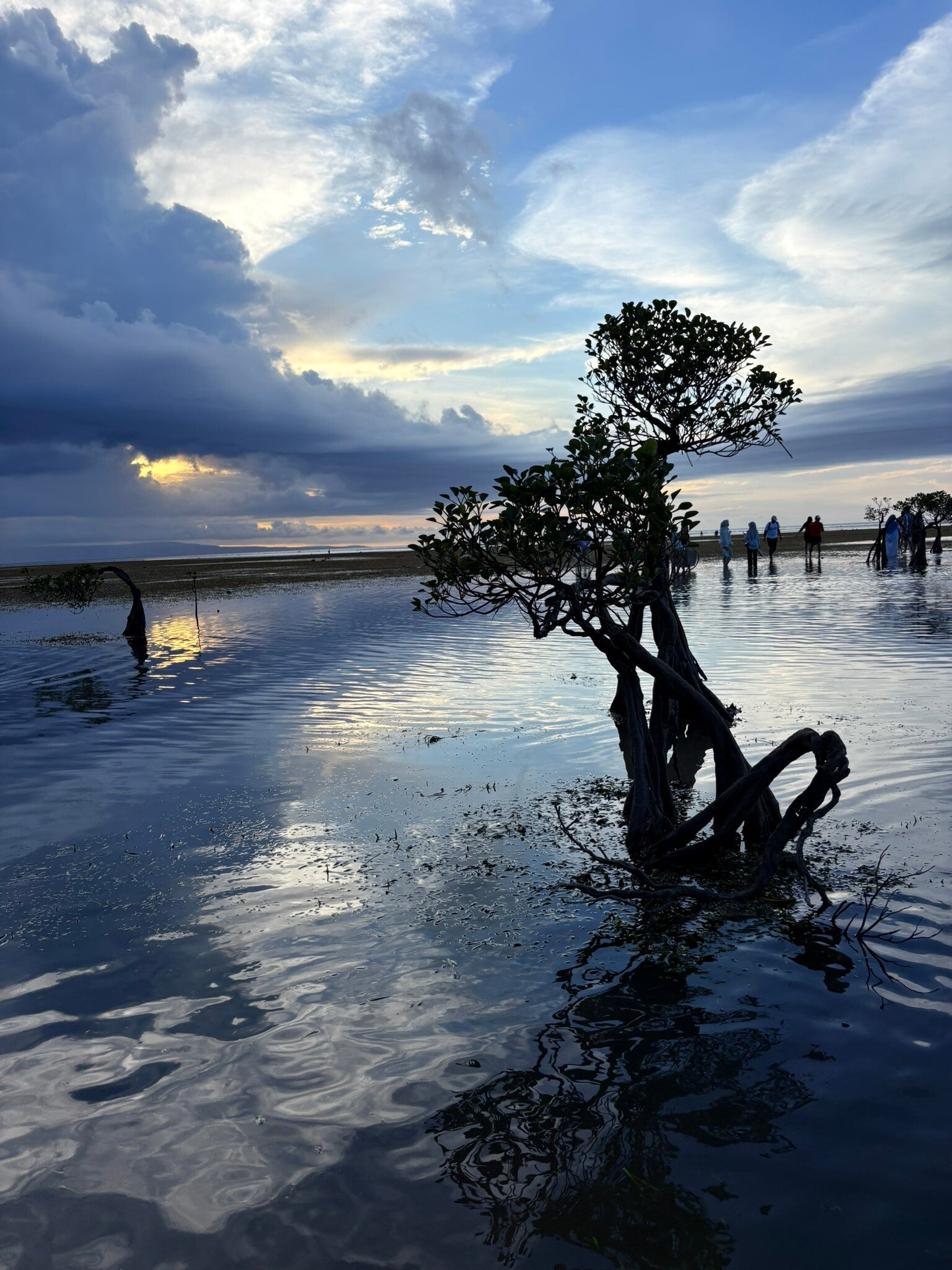
We finished the day with sunset at Walakiri Beach, famous for its so-called “dancing trees” – small, twisted mangrove trees growing along the shoreline. Their unusual shapes become especially photogenic when silhouetted against the sunset, which is exactly why Walakiri has become such a popular photography spot.
If you happen to visit during high tide, be prepared to wade through the murky mangrove water to get the best pictures.
Tip! And if you're travelling independently, I would personally avoid visiting at sunset. That's when all the tour groups and professional photographers descend on the few remaining photogenic trees like a swarm of locusts! It was easily one of the more crowded stops on our Sumba itinerary.
Day 4 - Sunrise at Tanau Hills and one last panoramic view of Sumba
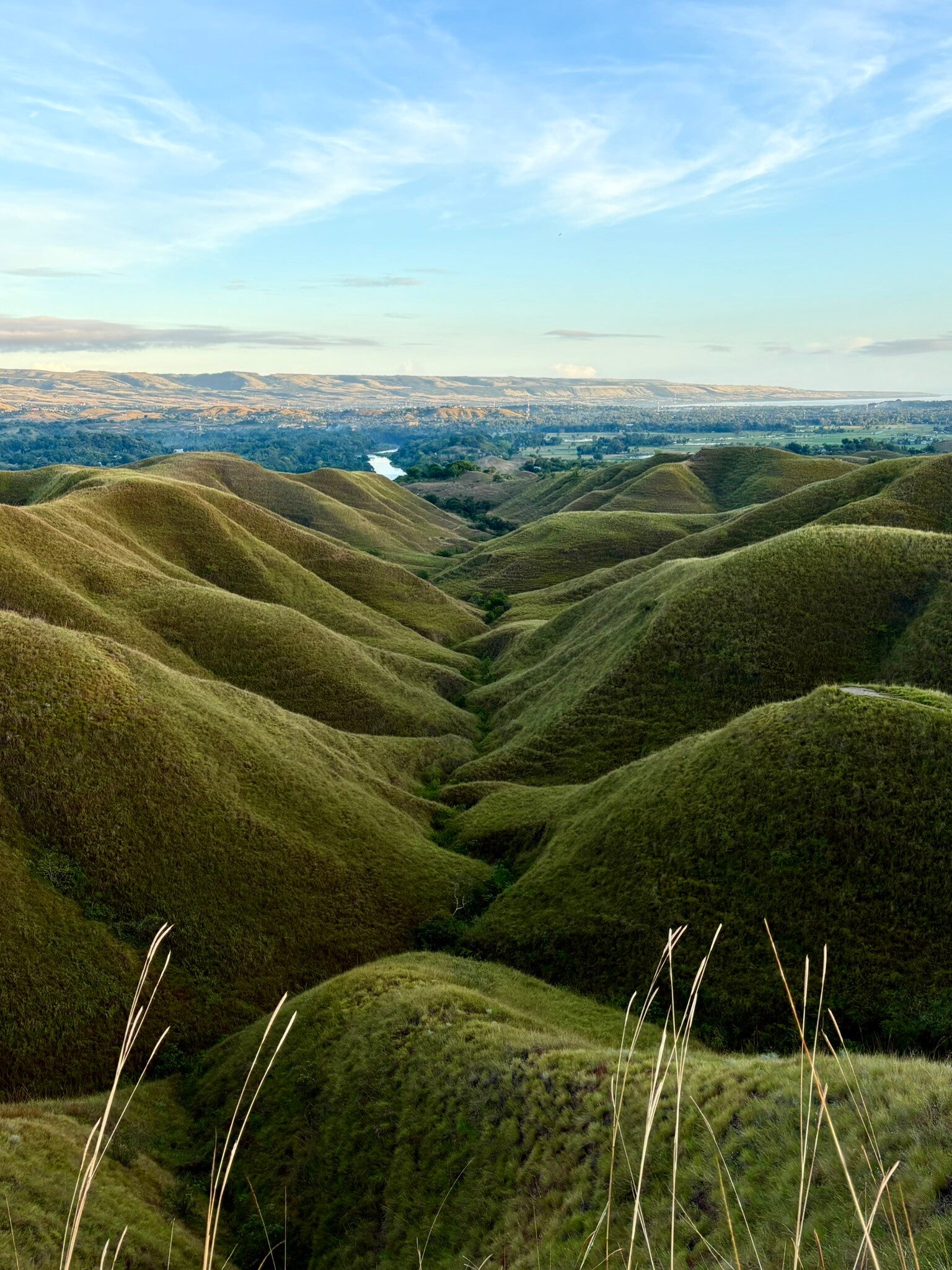
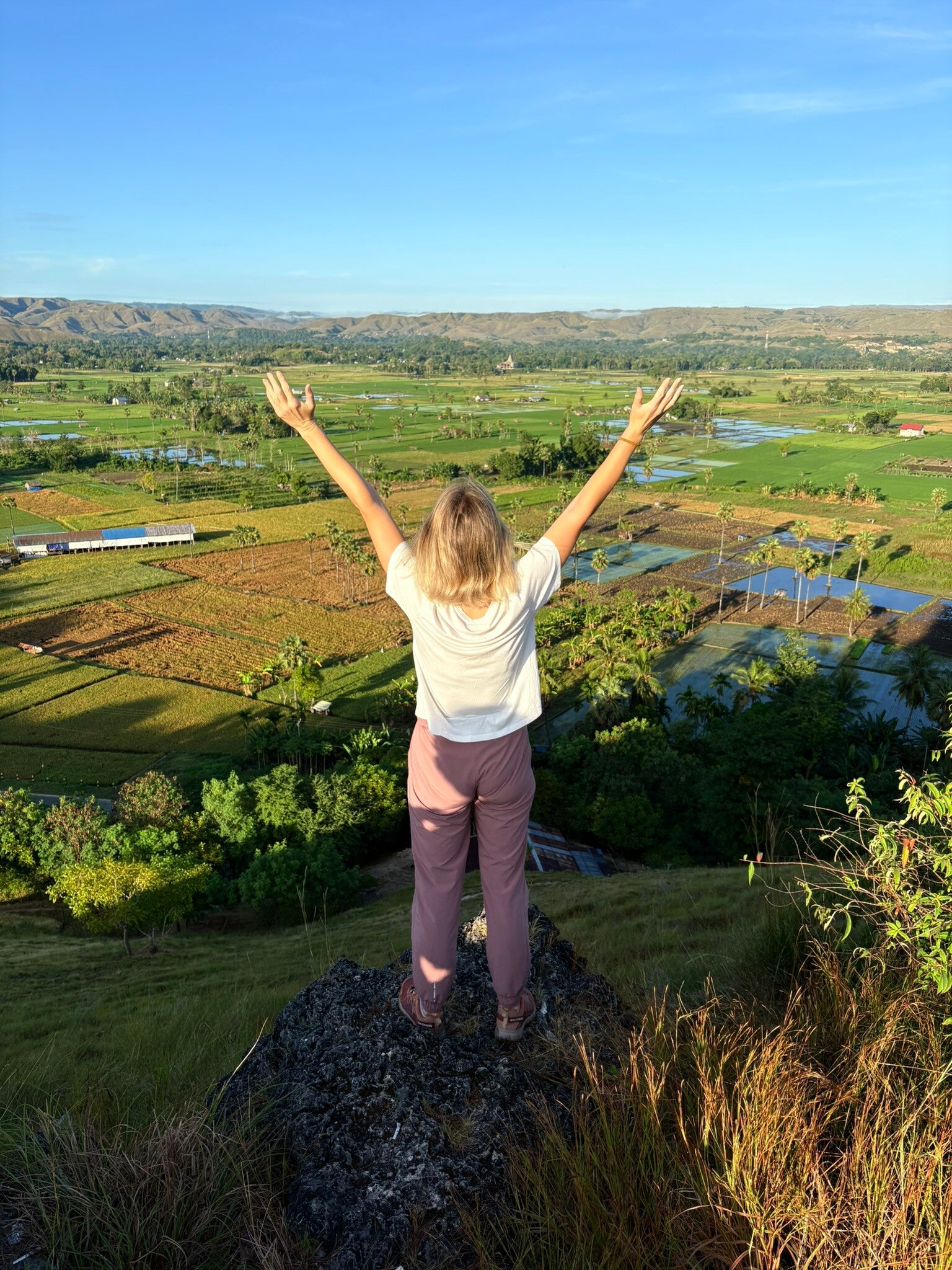
The last day of the tour was short but intense. It started with a 5 am wake-up to make it to Tanau Hills in time for sunrise. While I've yet to see a sunrise that was worth getting up that early for, that aside, Tanau Hills are absolutely gorgeous and still well worth the visit - even after all the rolling hills we'd already seen over the previous few days.
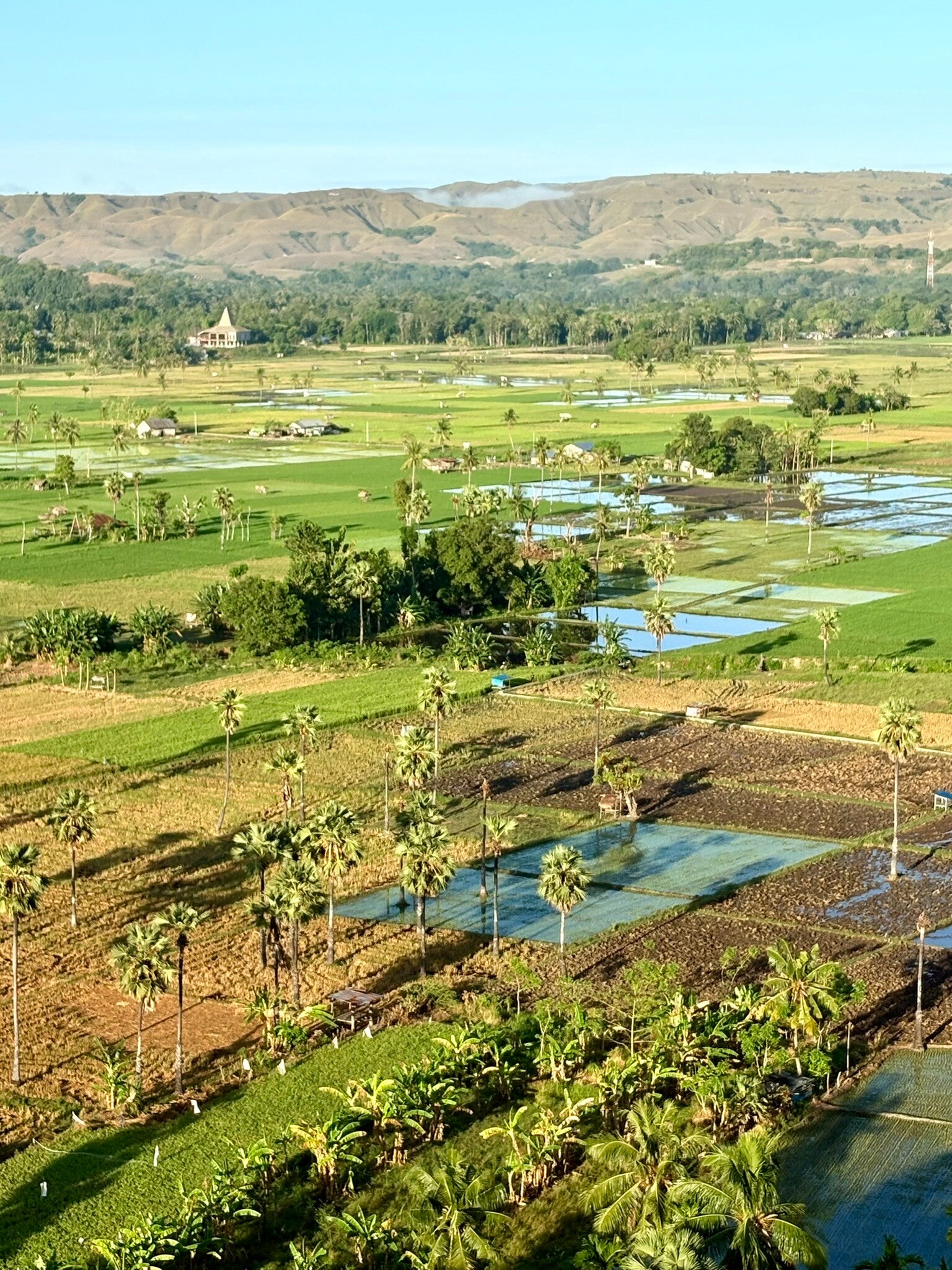
Since we had plenty of time before our flights, the agency also took us to one “optional” final stop - Bukit Persaudaraan, which offered a panoramic masterpiece of Sumba's lush landscapes.
It's absolutely worth a stop even if you're travelling independently and made for a beautiful final view of the island before heading to the airport.
My experience with Juara Indonesia
Overall, I thought the trip with Juara Indonesia was money well spent. I enjoyed having all the practicalities taken care of, and I particularly liked that they mixed local and foreign tourists in the same group, giving you a chance to interact with Indonesian travellers as well. We were well fed throughout the tour and the accommodation was decent, on a twin-share basis - although the second hotel was significantly better than the first.
The only thing worth noting is that the driver is also advertised as a professional photographer. Unfortunately, simply having a good camera doesn't necessarily make you a good photographer! I would recommend either taking some of the pictures yourself or, at the very least, double-checking the angles and photo quality along the way to avoid disappointment when you see the final pictures at the end of the trip.
Travel tip: avoid weekends and public holidays if you can
Regardless of whether you're planning to travel independently or as part of a group tour, I would recommend avoiding weekends and, especially, Indonesian public holidays if possible.
While Sumba is still only gradually being discovered by international tourists, it's already a popular destination among domestic travellers. I happened to book my trip during a long public-holiday weekend - something I wasn't aware of at the time! - and the whole experience was a bit more crowded than I had bargained for.
Sumatra island
Day 5 - The long journey to Bukit Lawang
Sumatra is the sixth-largest island in the world and one of Indonesia's most extraordinary destinations. It has everything from towering volcanoes to vast tropical rainforests inhabited by multiple endangered species. For many international travellers, one of Sumatra's biggest draws is orangutan trekking, which is relatively easy to arrange and generally cheaper than comparable experiences in Borneo. Sumatran orangutans are one of only three orangutan species in the world and are a different species from the orangutans found in Borneo. One of the best-known places to see them is Bukit Lawang, a small jungle town on the edge of Gunung Leuser National Park and one of the main hubs for orangutan trekking in Sumatra.
Getting there, however, takes some time. The closest major airport to Bukit Lawang is Kualanamu International Airport (KNO) near Medan, from where it's around a four-hour drive, depending on traffic. I would therefore reserve most of the day for transport.
Your main options are hiring a private transfer or taking a shared taxi, either of which can normally be arranged through your accommodation in Bukit Lawang. A shared taxi costs approximately 18–20 USD one way.
Days 6–7 - Two days trekking with orangutans in Gunung Leuser
Orangutan treks from Bukit Lawang range from one-day excursions to four- or even five-day jungle adventures, depending on your fitness level and sense of adventure.
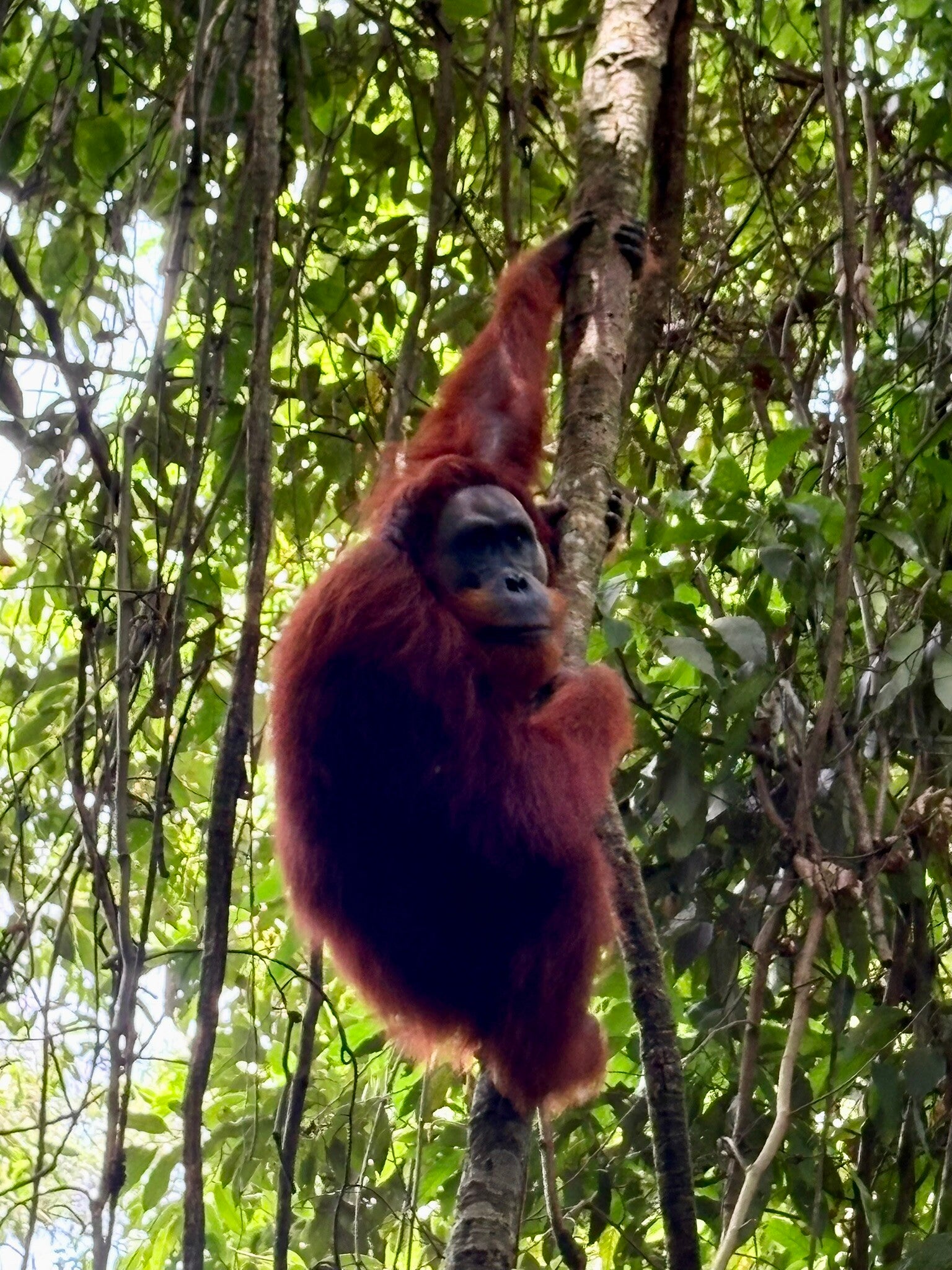
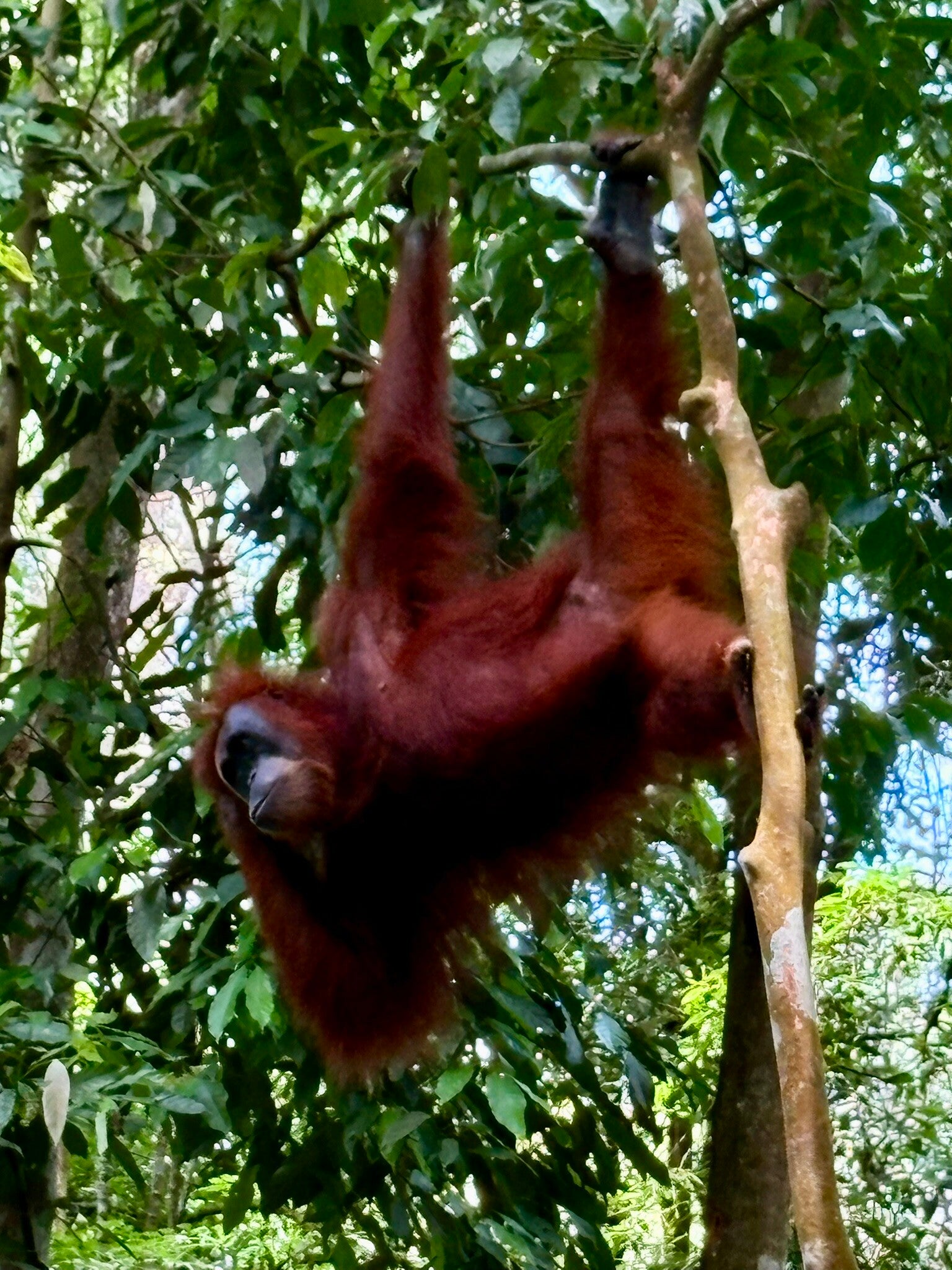
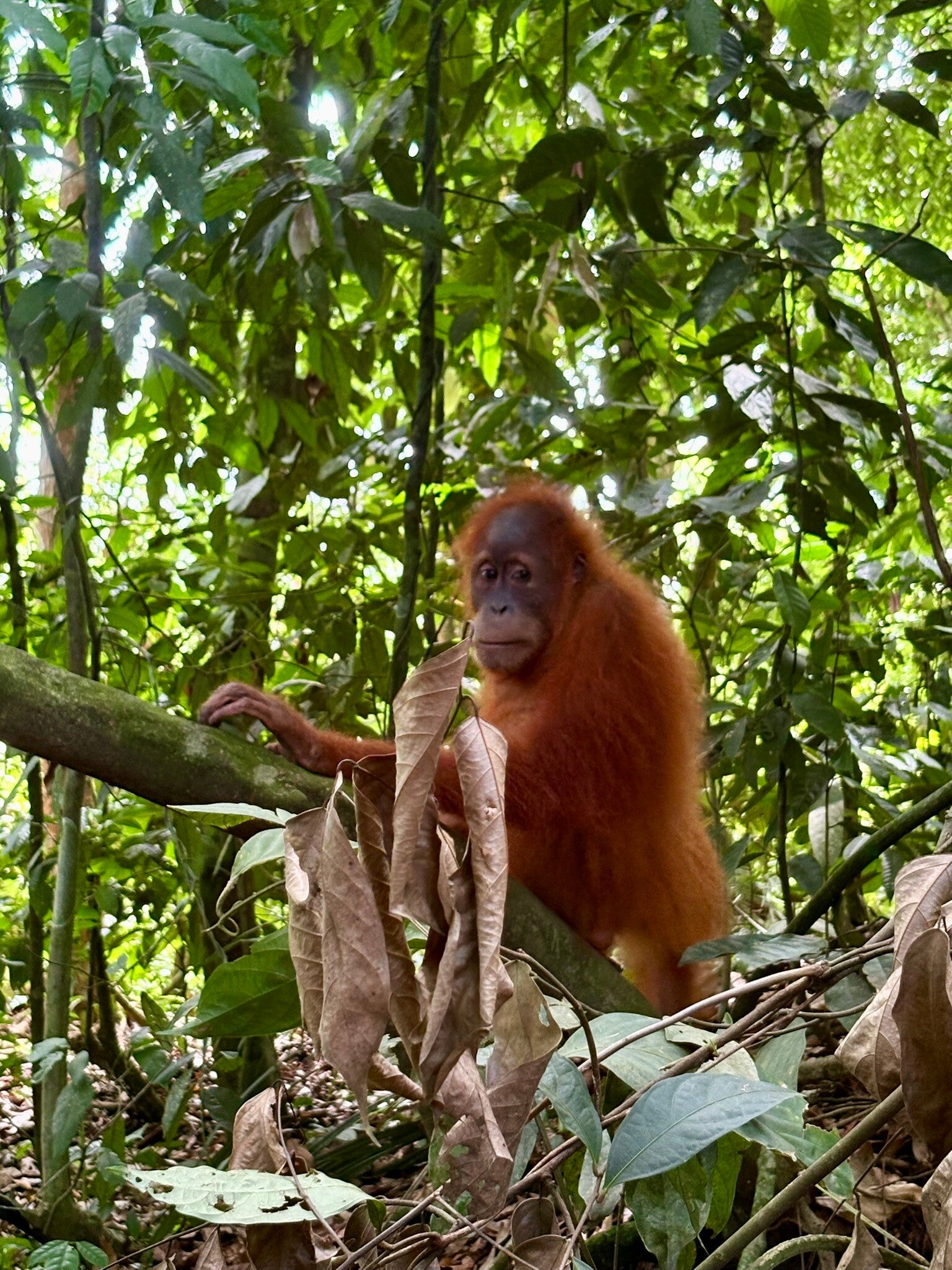
I chose a two-day trek and for me it was the perfect balance: enough time to experience the jungle properly, camp overnight by the river and, of course, see plenty of orangutans.
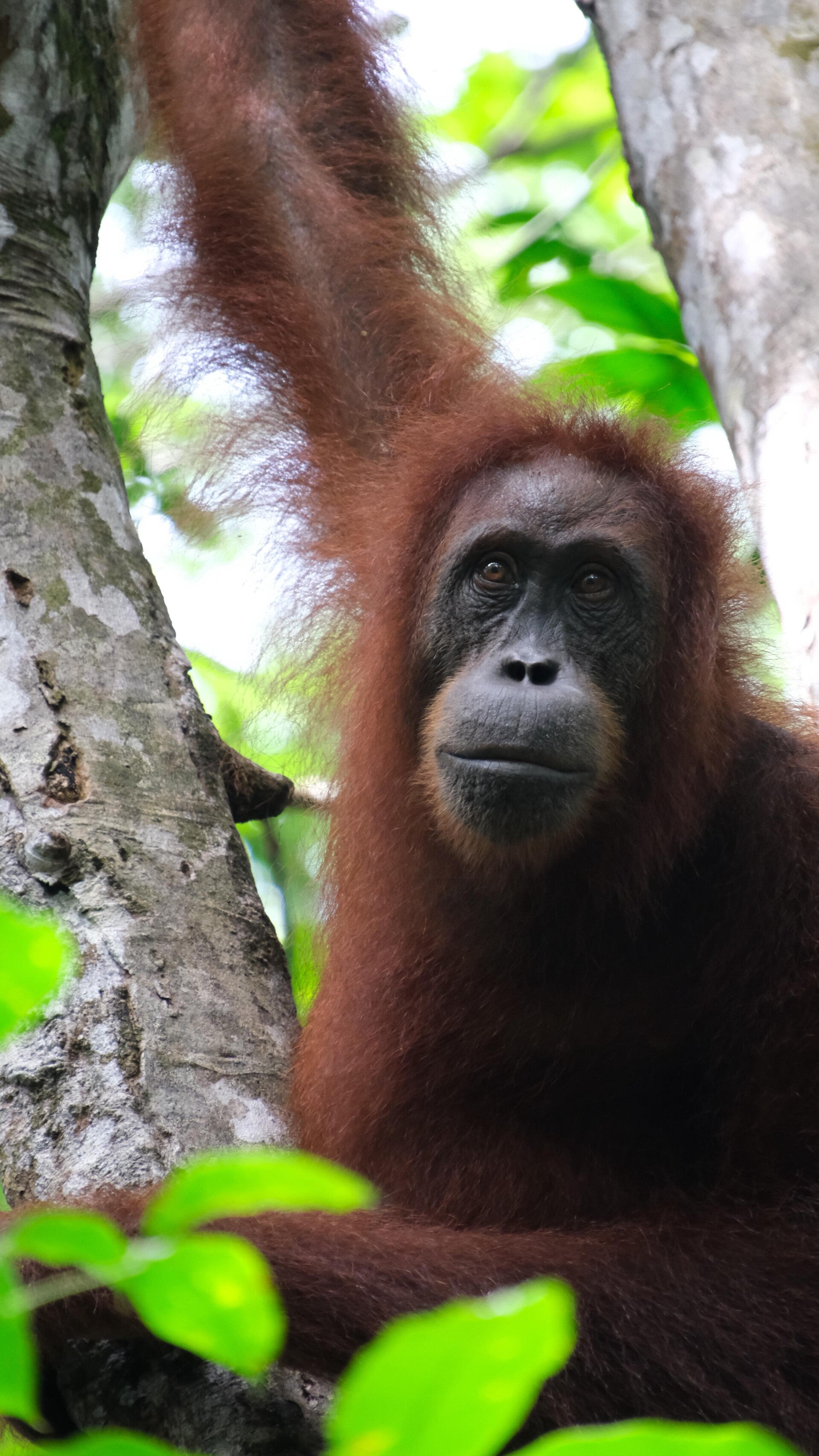
One important thing to note is that a longer trek does NOT necessarily mean you'll see more orangutans. We saw around seven on our first day and only two on the second! So I would only choose a multi-day trek if you genuinely enjoy hiking - including hiking in 90%+ humidity - rather than doing it purely in the hope of seeing more orangutans. Sightings can be just as good relatively close to Bukit Lawang as they are deeper in the jungle.
Pre-booking isn't normally necessary, as guesthouses and hotels in Bukit Lawang can help arrange a trek for however many days you want. I booked mine through EcoTravel Bukit Lawang and ended up in a great group with four other solo travellers and knowledgeable local guides.
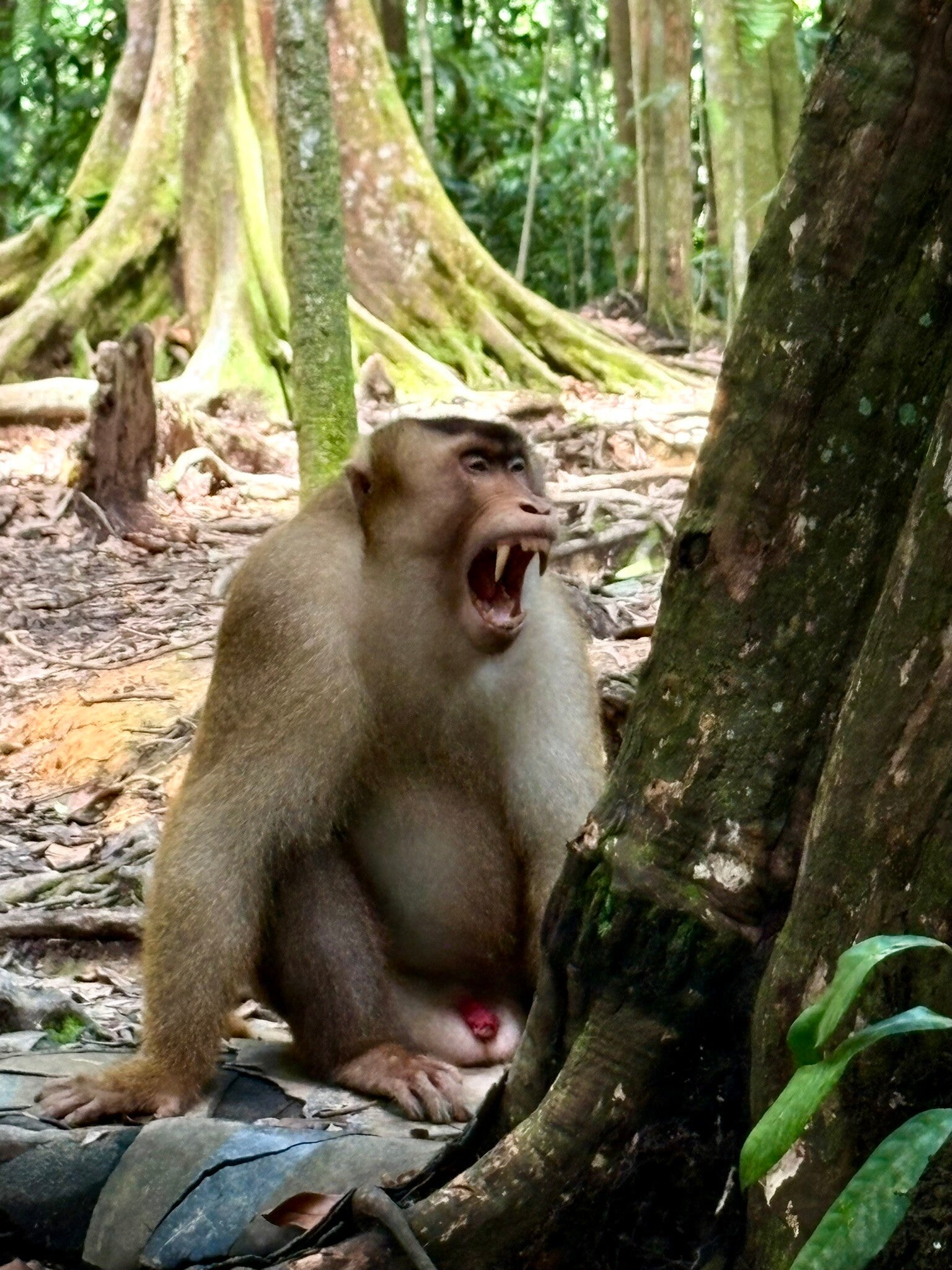
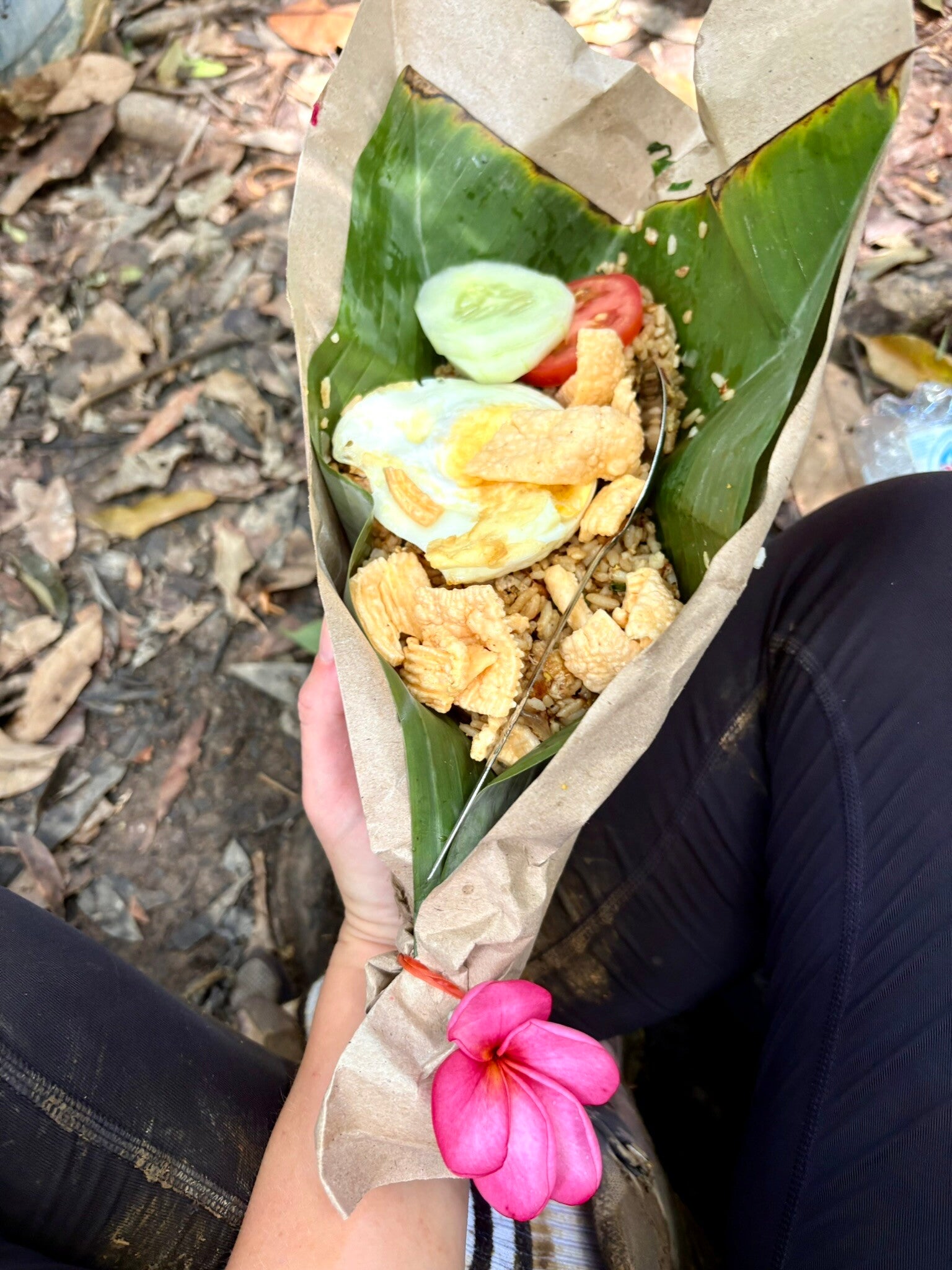
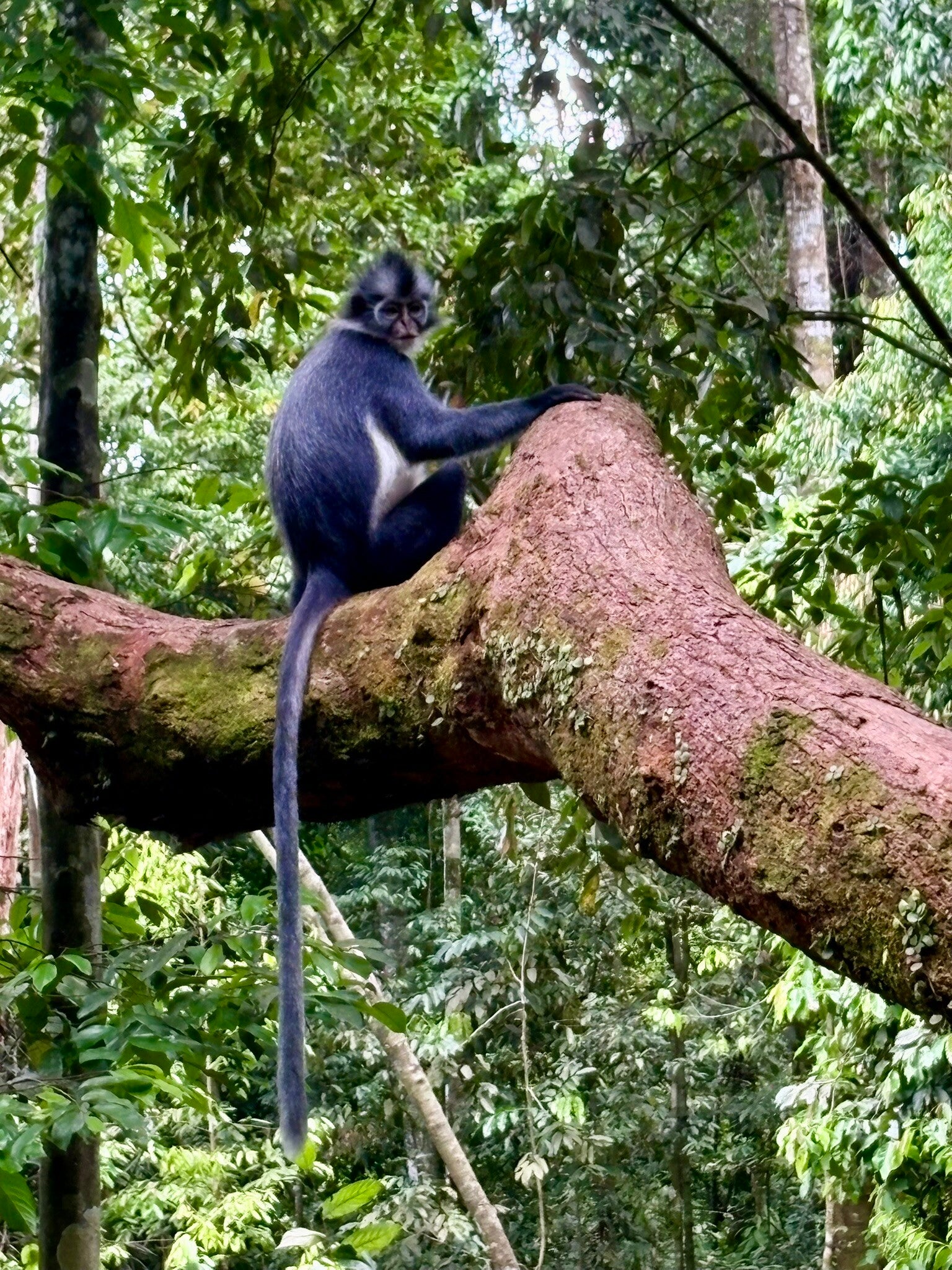
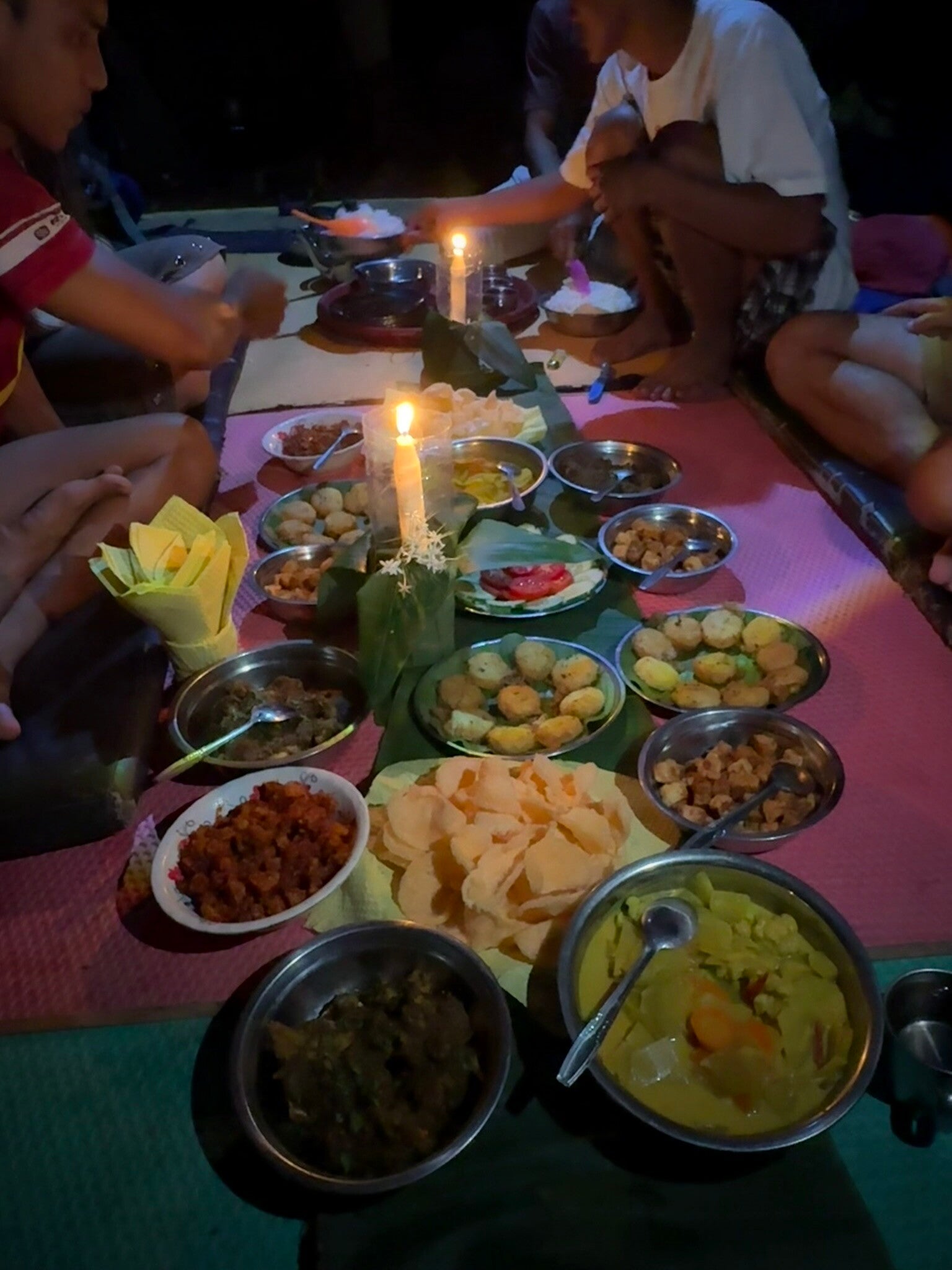
Overall, it was a fantastic experience, and I thoroughly enjoyed seeing so many orangutans: males, females, a pair together and even a mother with a tiny baby. We also spotted Thomas's leaf monkeys and plenty of macaques along the way. Both the lunch provided during the trek and the dinner and breakfast at our campsite were absolutely delicious - especially impressive given the basic cooking conditions in the middle of the jungle!
And after hours of hiking in extreme heat and humidity, having the campsite right next to the river and being able to wash off all the sweat was very much appreciated.
Tip: Make sure to trek in long trousers to help protect yourself from leeches and pack plenty of mosquito repellent.
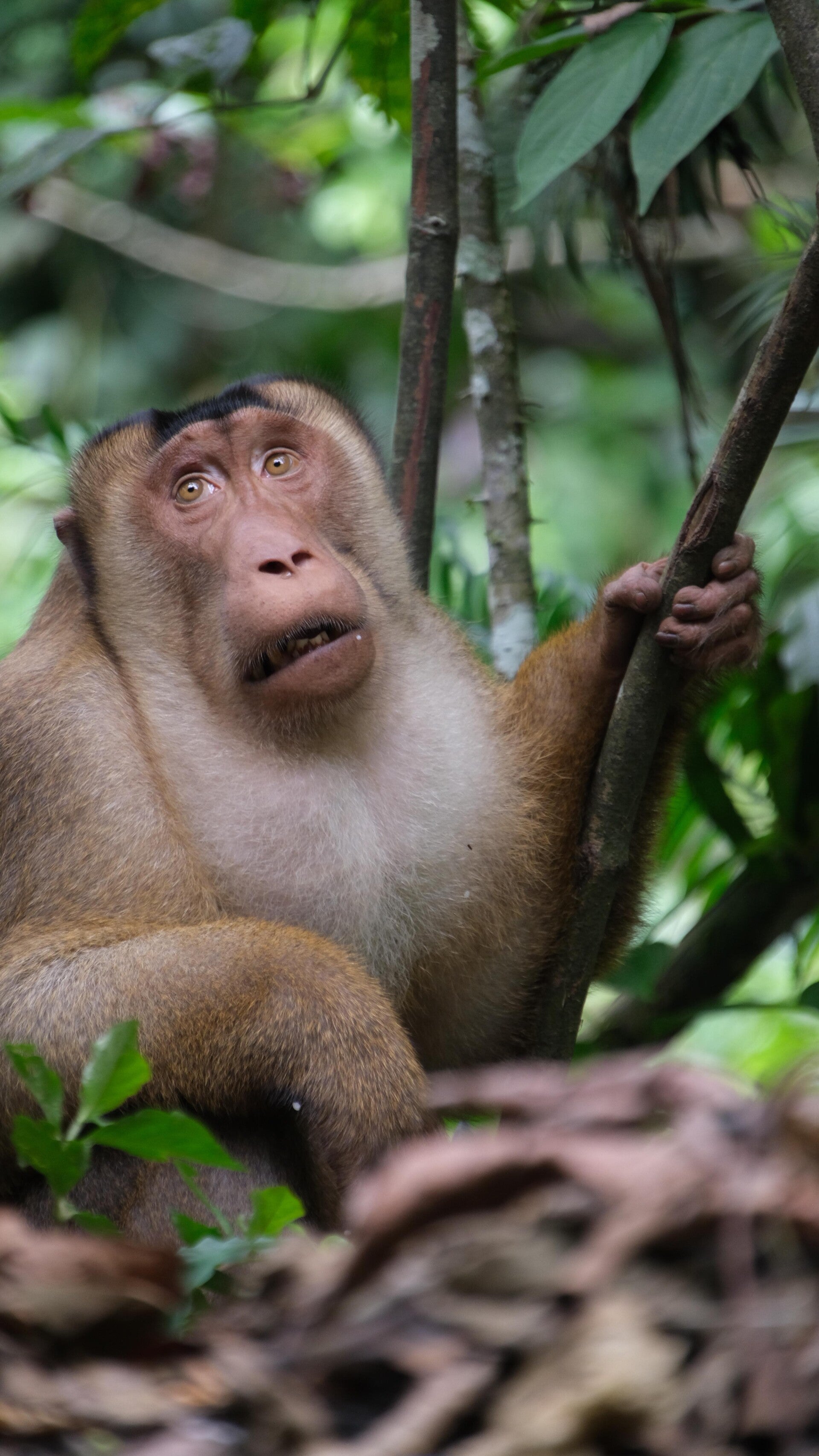
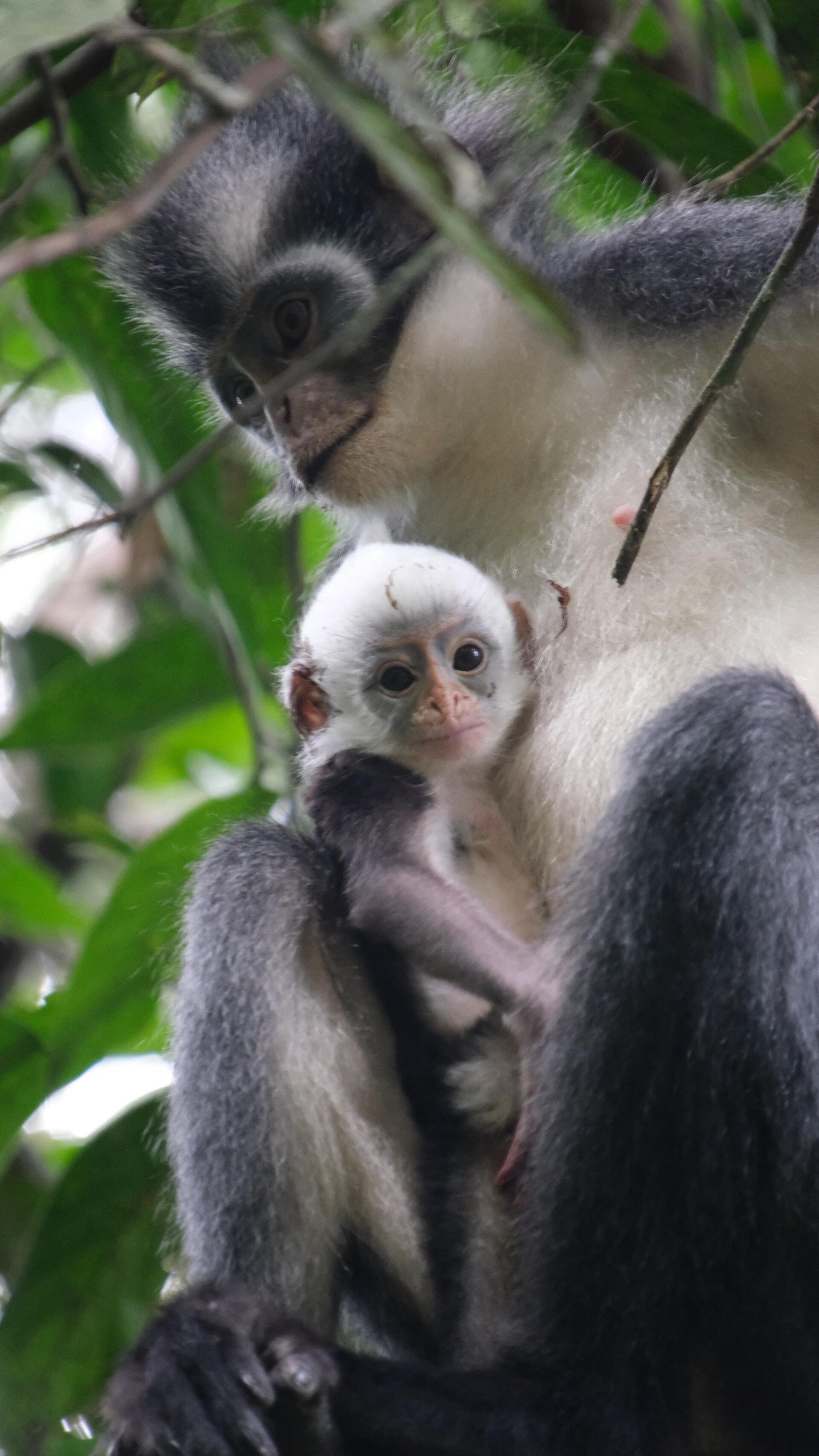
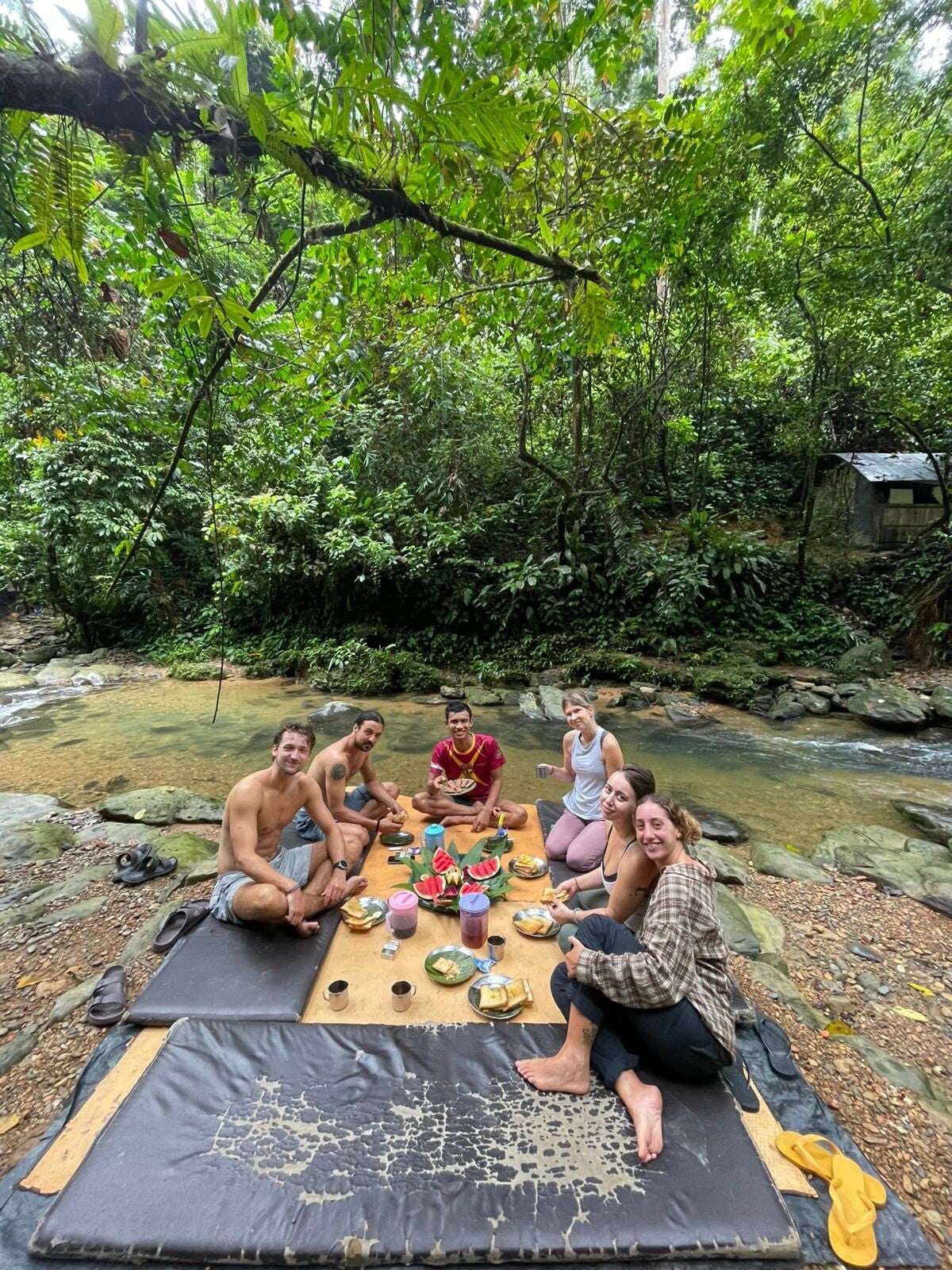
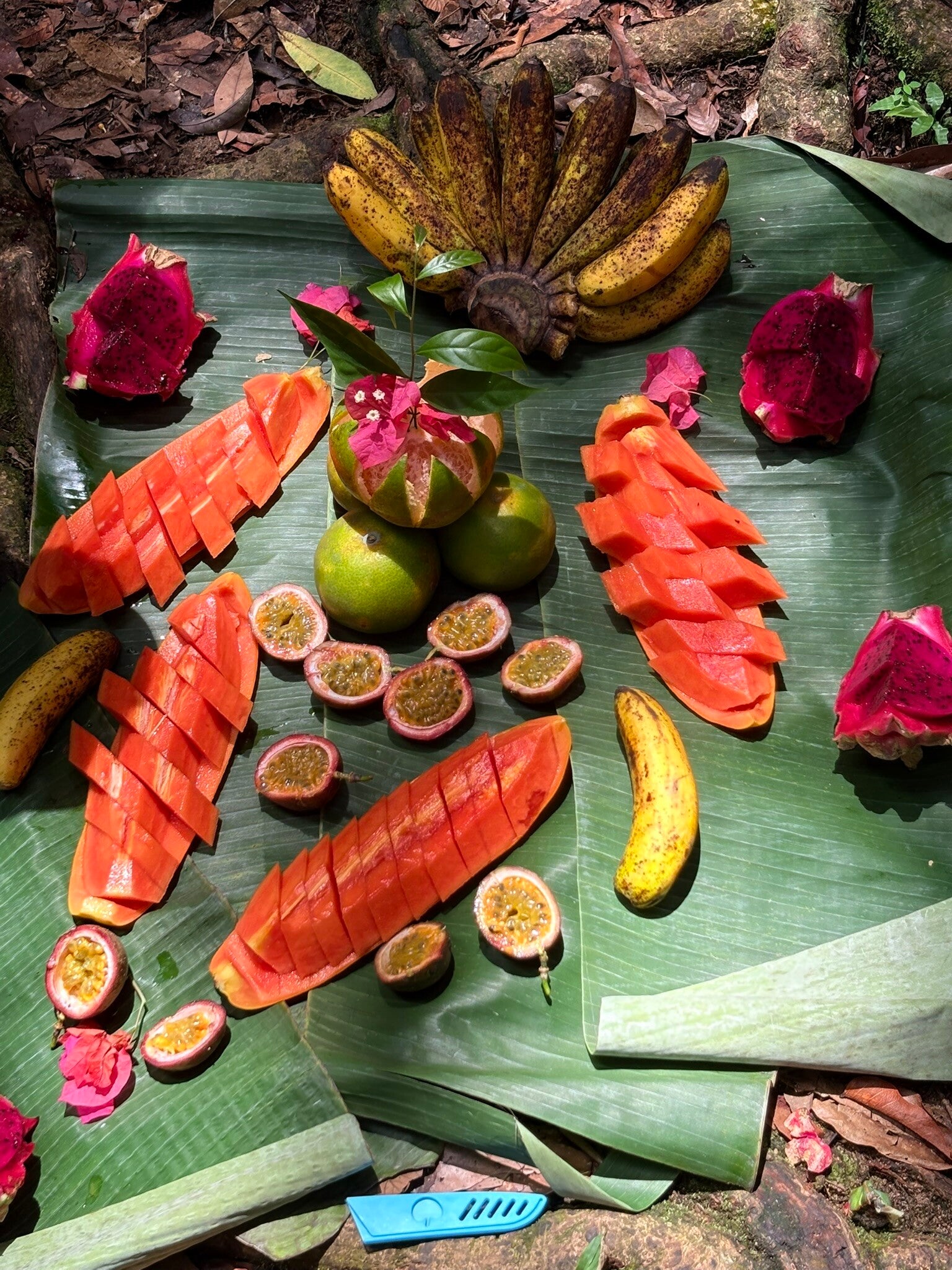
And one thing they don't really tell you beforehand...
While tour agencies don't necessarily advertise this part of the experience, the return to Bukit Lawang involves sitting on large inflatable tubes tied together while the guides navigate down the river and through the rapids.
It's a very wet, fun and surprisingly thrilling ride - there's even some airtime going over the rapids! So make sure you're comfortable with a little bit of adrenaline before signing up for the trek.
Day 8 - From Bukit Lawang to the volcano town of Berastagi
Since you're already in Sumatra, why not visit one of the many volcanoes the island is famous for? I chose the small highland town of Berastagi as my next stop and climbed Mount Sibayak, one of the most accessible volcanoes in the area.
The easiest way to get from Bukit Lawang to Berastagi is by shared taxi, departing each morning and, again, easily arranged through your guesthouse or hotel. The journey is rather long - approximately five hours - but you'll pass some gorgeous scenery along the way, with palm plantations and volcanoes rising in the background. Treat the journey as part of the sightseeing rather than simply a transfer day.
Day 9 - Sunrise hike to the steaming crater of Mount Sibayak
In Berastagi, I stayed at Kaesa Homestay, where they also organised daily guided hikes up Mount Sibayak for a very reasonable price. I don't remember the exact amount, but it was around USD 10, depending on the number of people joining.
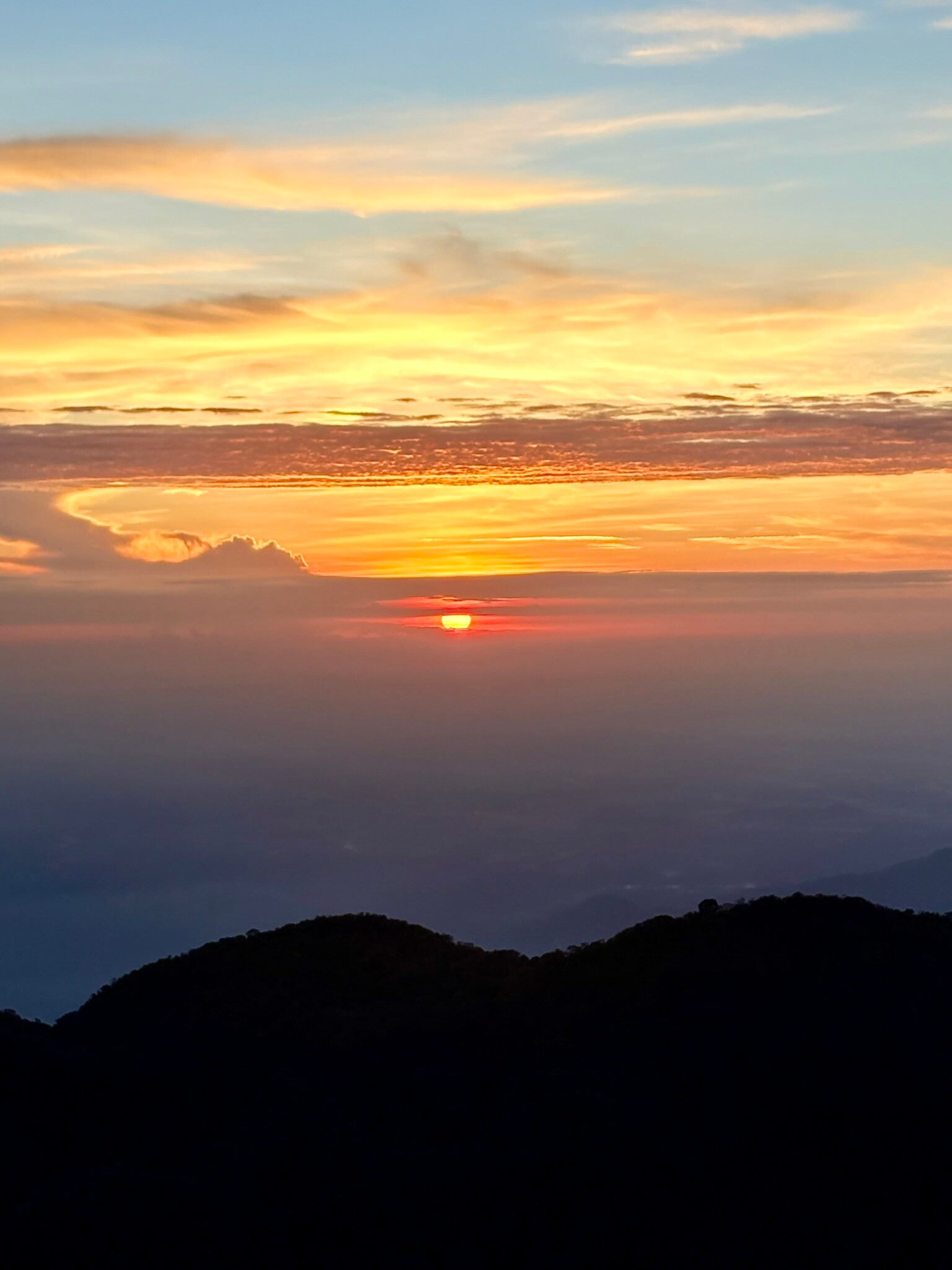
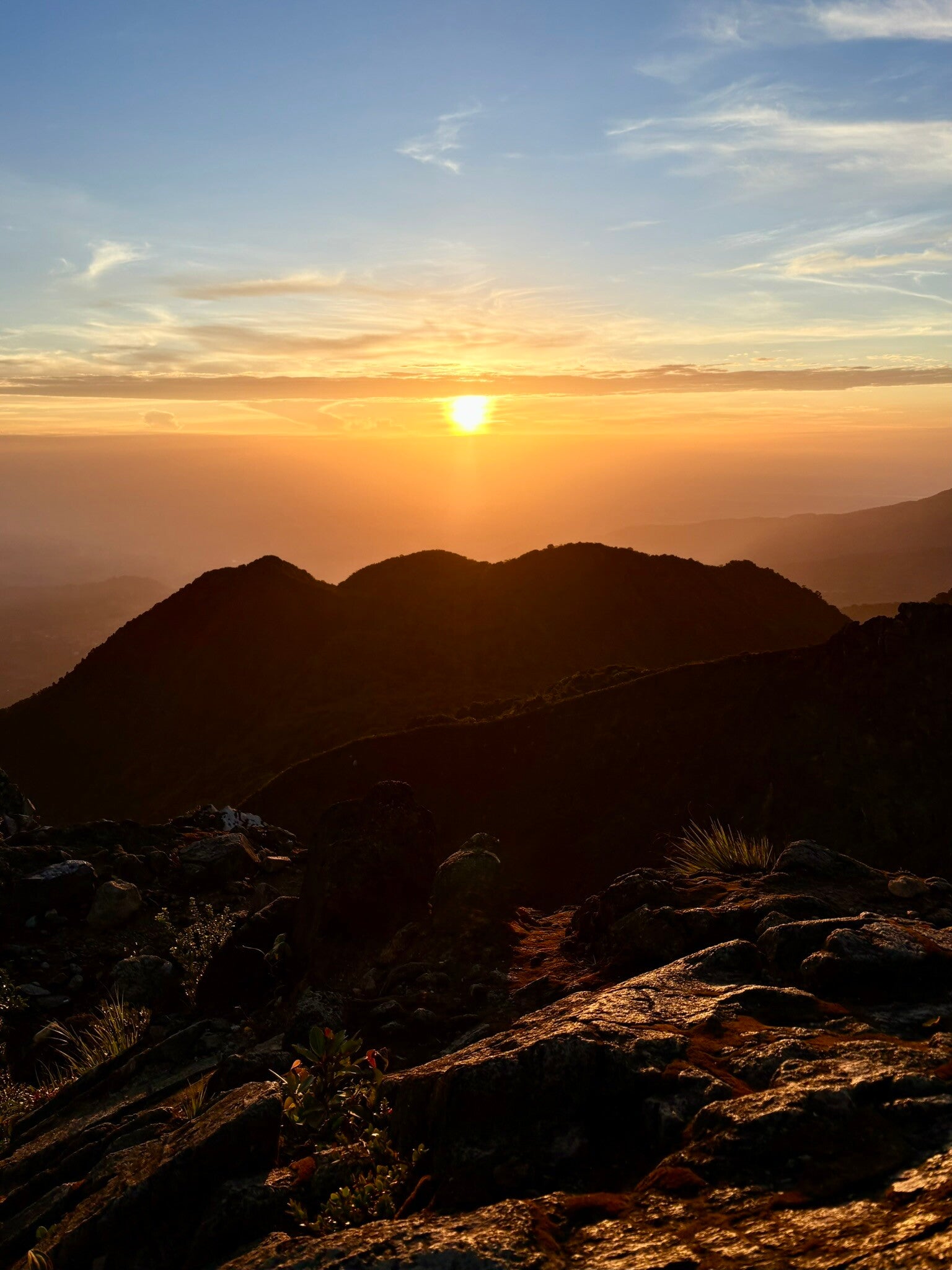
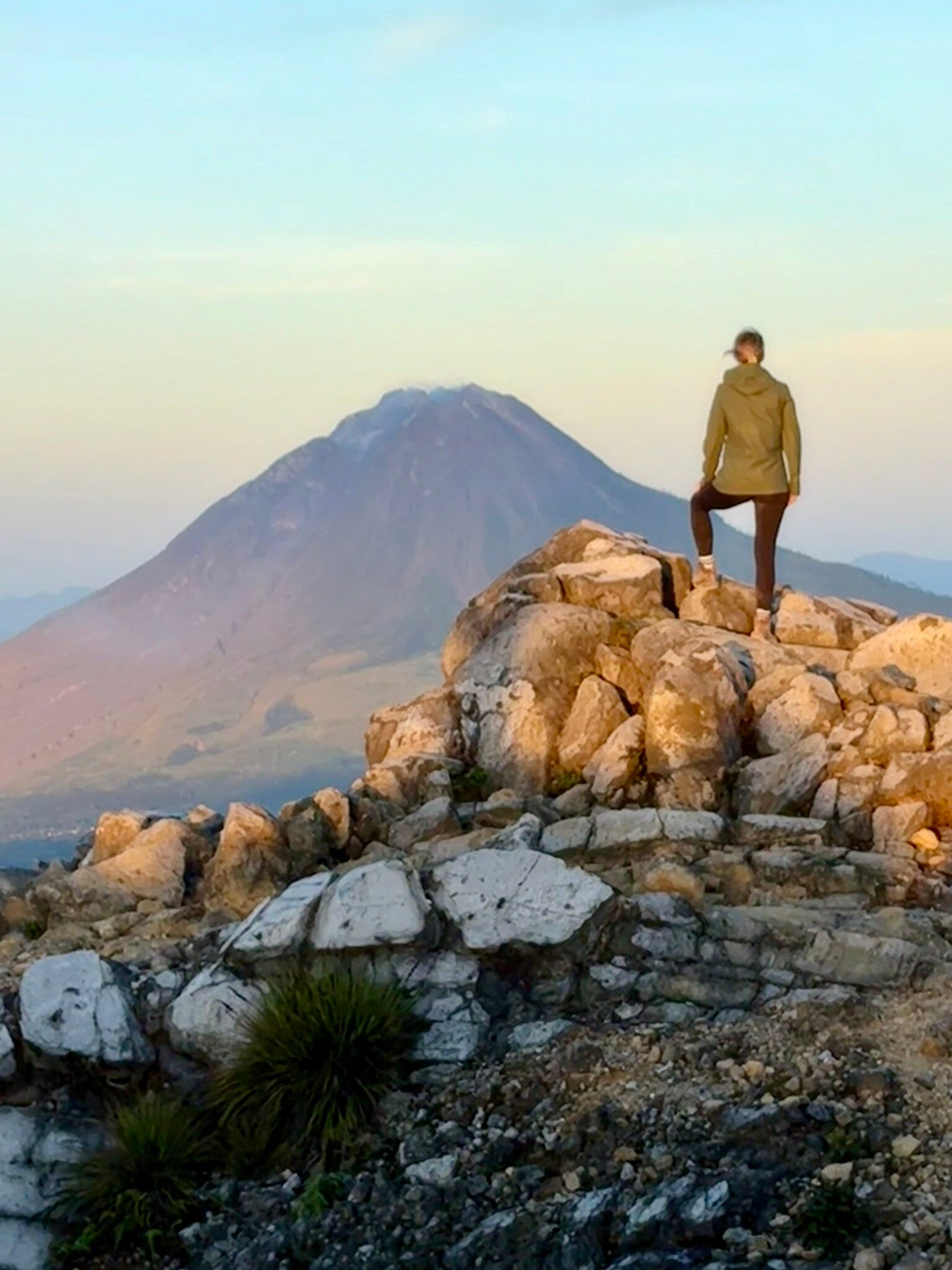
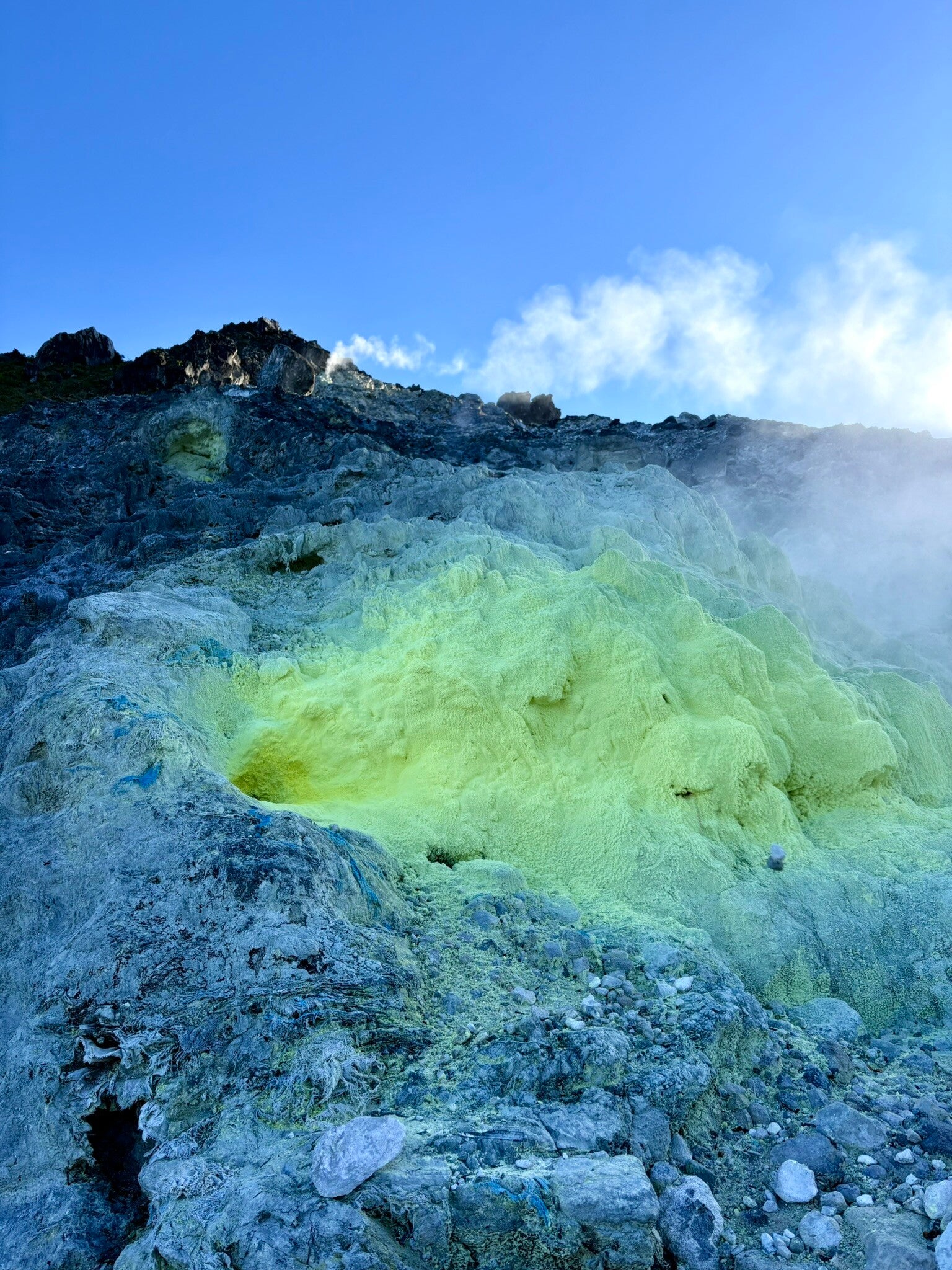
We left the homestay shortly after 4 am to reach the top of the volcano in time for sunrise, where our guide treated us to some hot tea and snacks. The hike takes approximately 1.5 hours to the top and is consistently uphill, but I didn't find it particularly arduous, aside from the fact that you'll be climbing over rocks in complete darkness! Headlamps were provided.
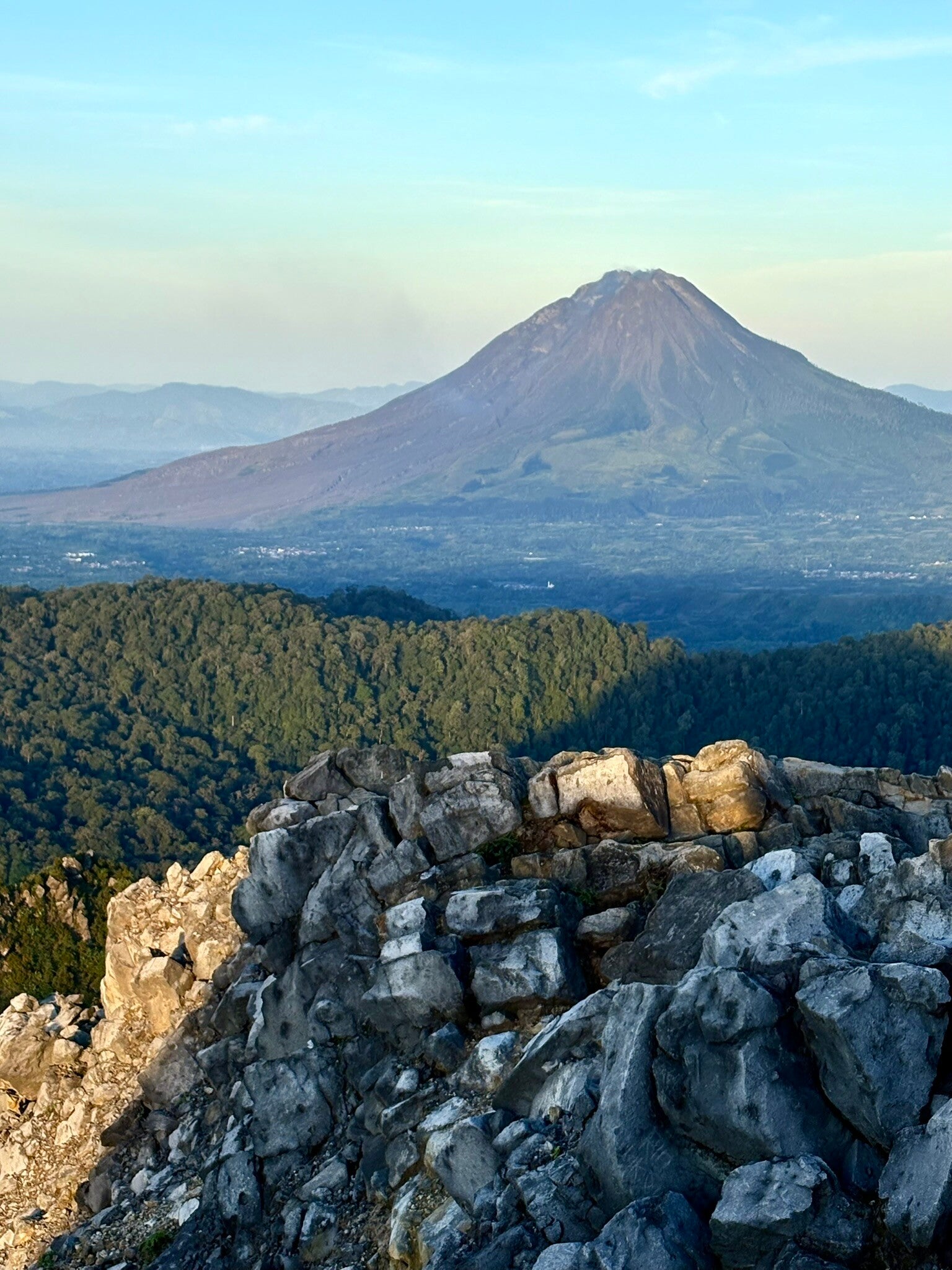
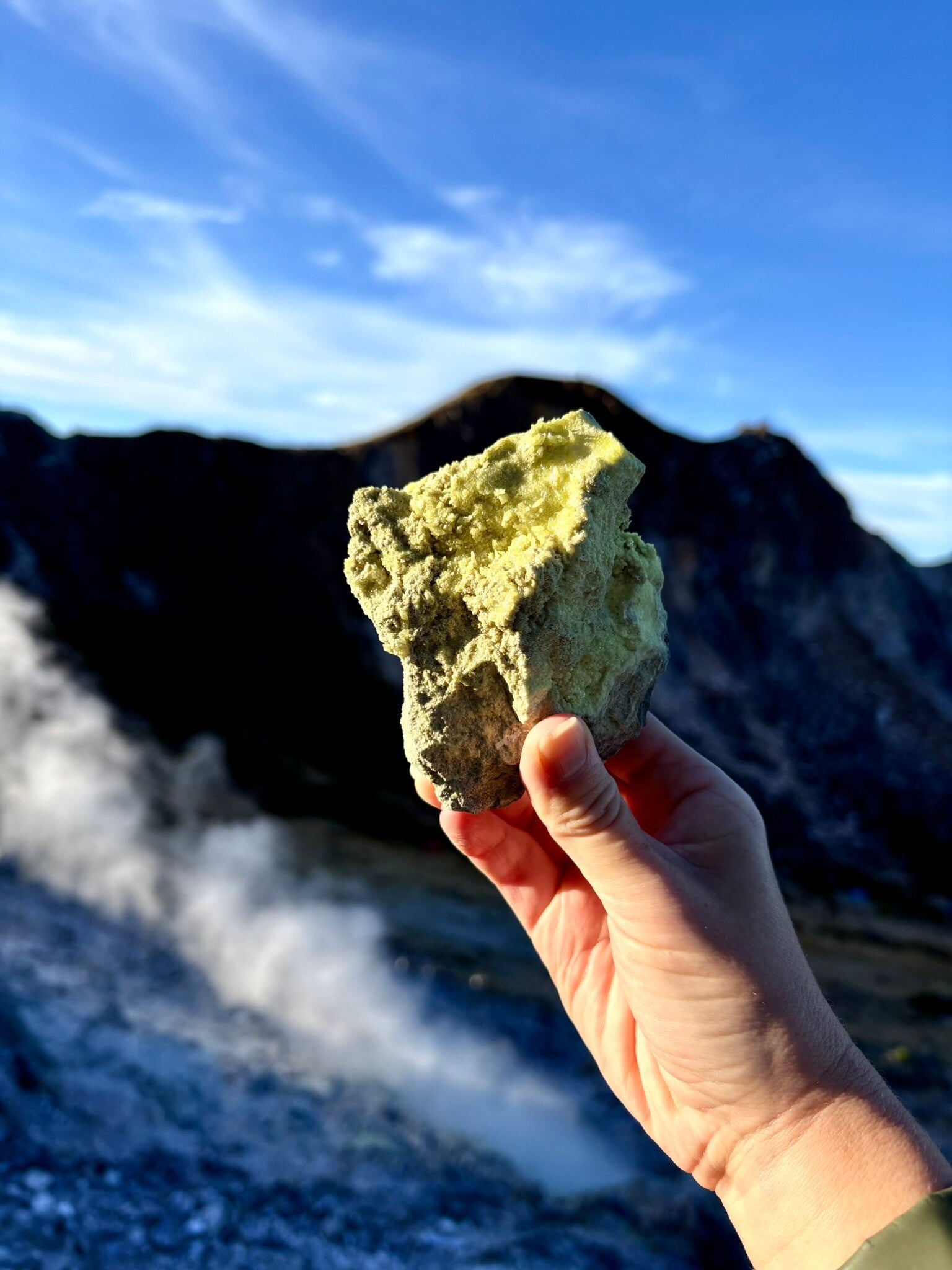
The scenery at Mount Sibayak is impressive. The volcano is still geothermally active, with steaming fumaroles and yellow sulphur deposits around the crater, while Mount Sinabung is clearly visible in the distance on a clear day.
There's also an added bonus: after the hike, you'll be taken to one of the nearby hot springs, perfect for relaxing your muscles after the climb.
Extra time around Berastagi and Sumatra
If you still have some energy - or an extra day - you can visit the spectacular Sipiso-Piso Waterfall, about an hour from Berastagi. At around 120 metres (394 ft) high, it's one of Indonesia's tallest waterfalls and drops dramatically towards the northern end of Lake Toba.
And if you have even more time in Sumatra, Lake Toba and the Mentawai Islands are two other major destinations worth considering.
Day 10 - Back to Medan and onward travels
You can reach Kualanamu International Airport (KNO) from Berastagi in one of the following ways:
- Private transfer arranged through your guesthouse or hotel - approximately 2.5 hours and 600,000 IDR (around 33 USD).
- Public transport - take a public minivan from Berastagi to central Medan (approximately 30,000–40,000 IDR / 2 USD) and then take a Grab or another public bus from Medan to the airport. The whole journey by public transport + Grab took me around 3.5 hours, but if you're tight on time, a private transfer will give you a much more predictable arrival time.
A general tip for travelling around Sumatra
Unlike Bali or Java, where you'll find plenty of tours and transport options available to book online, I found that travel in Sumatra is much more easily arranged through your accommodation.
Guesthouses and hotels can usually help organise everything from jungle treks and volcano hikes to shared taxis and private transfers. Online booking options are more limited and, in my experience, generally more expensive than arranging the same thing once you're there.
So don't worry if you can't find every transfer or activity online before your trip - a lot of the logistics in Sumatra can simply be sorted out as you go.
Day 11 - Welcome to Java: colonial Malang and its colourful villages
Now it's time to transfer to Java - the most populous island in the world and Indonesia's economic powerhouse, contributing more than half of the country's GDP. Why should you care about economics and GDP? Well, Java has a LOT to offer in terms of sightseeing, and in contrast to, for example, Sumatra, its tourism infrastructure is highly developed and pretty much everything can be booked online.
Java has dozens of volcanoes, spectacular waterfalls and several UNESCO World Heritage Sites, so let's dig in!
Getting to Java
Travelling from Medan in Sumatra, you'll likely connect in Jakarta and end up in either Malang or Surabaya, both convenient hubs for exploring East Java.
Note: If you're flying into Malang Airport, be aware that, when I visited, Grab drivers weren't allowed to enter the airport area to pick up passengers. They would accept the ride but remain at their parking spot around 2 km (6,500 ft) from the airport. You can therefore either walk out to meet them if you're travelling light or rely on the local taxis available at the airport.
Exploring Malang
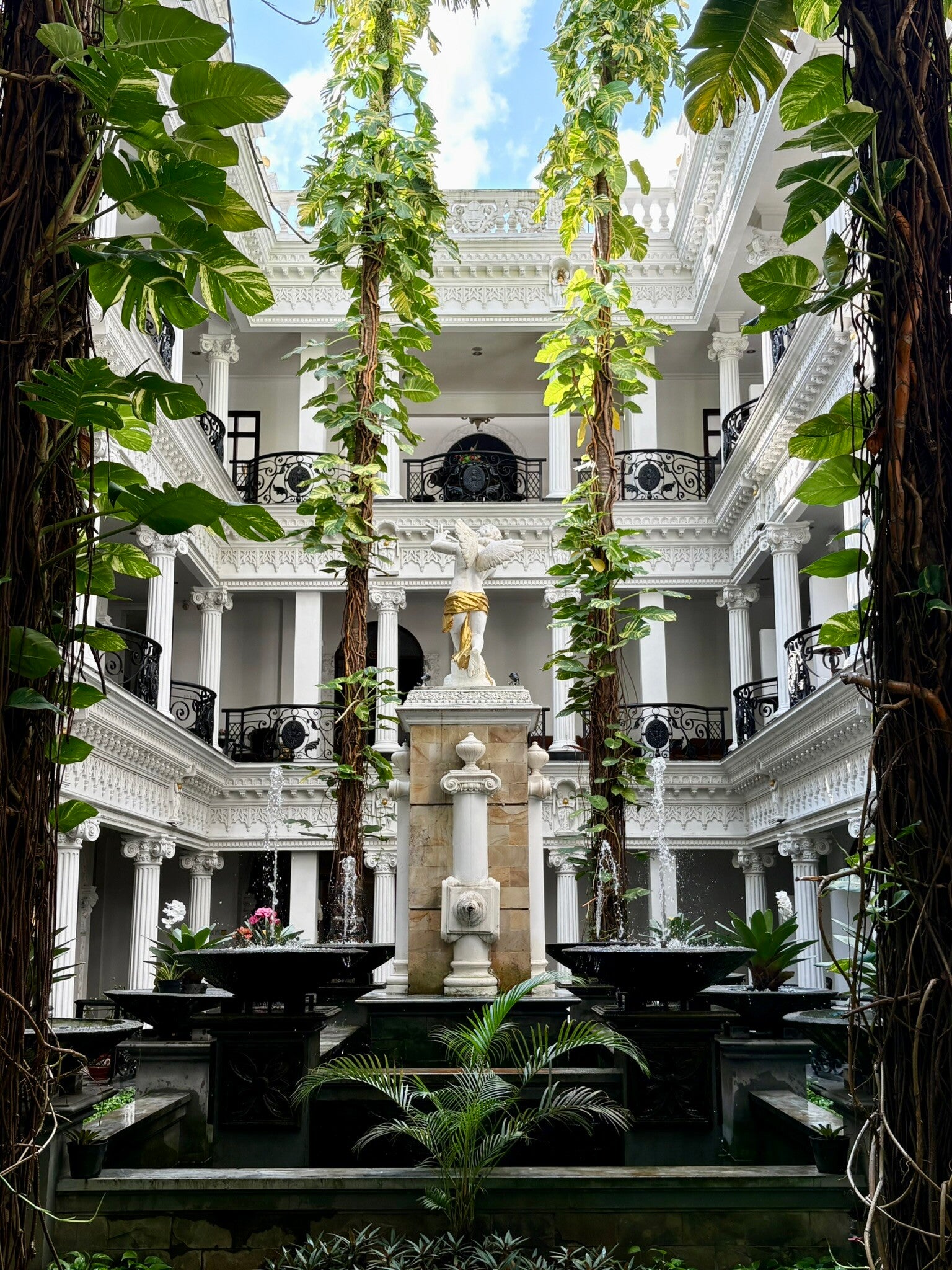
If you base yourself in Malang, I highly recommend setting aside a day to explore the city itself. It has some beautiful Dutch colonial architecture as well as formerly neglected neighbourhoods that have been transformed into colourful, photogenic villages.
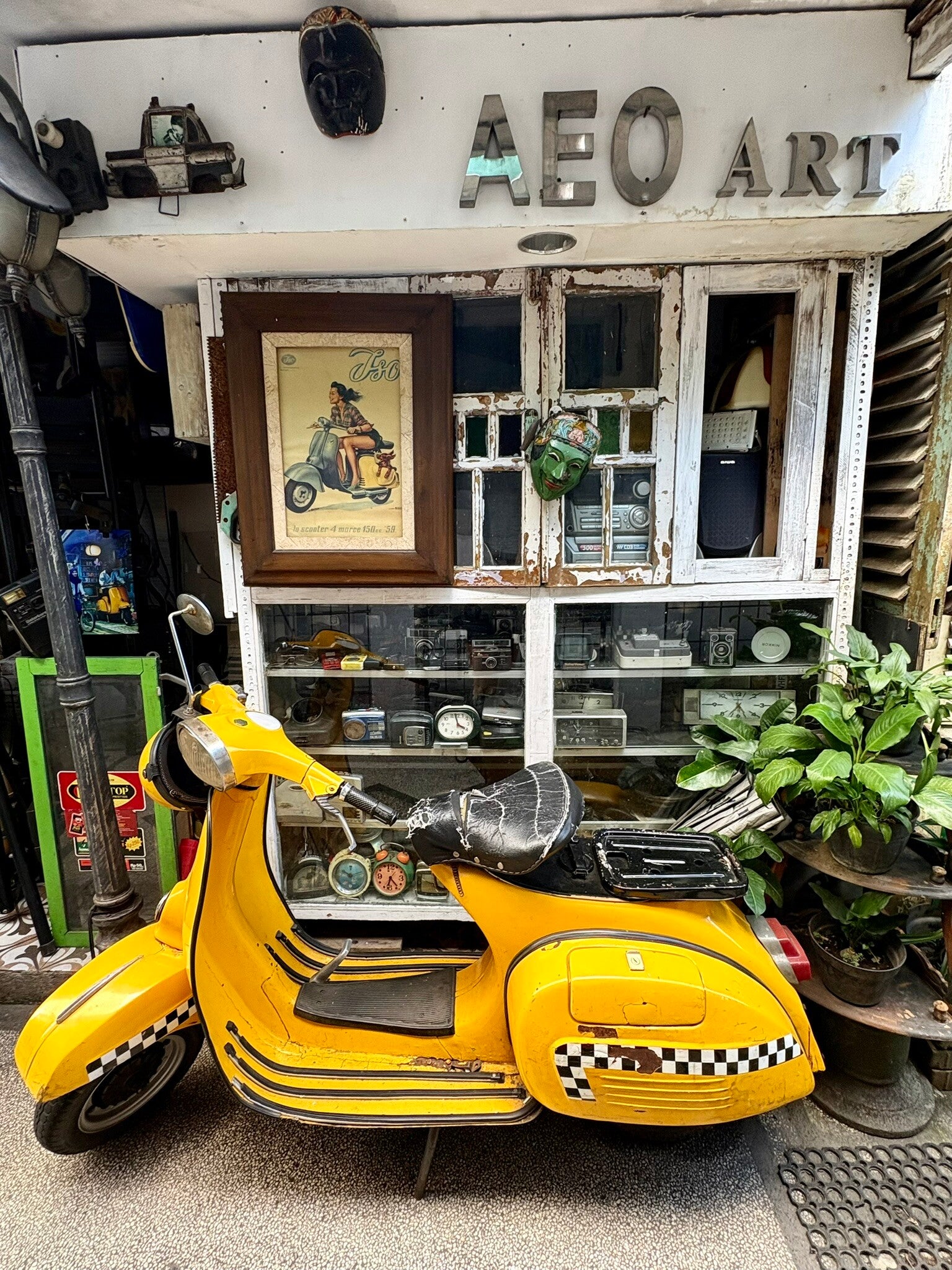
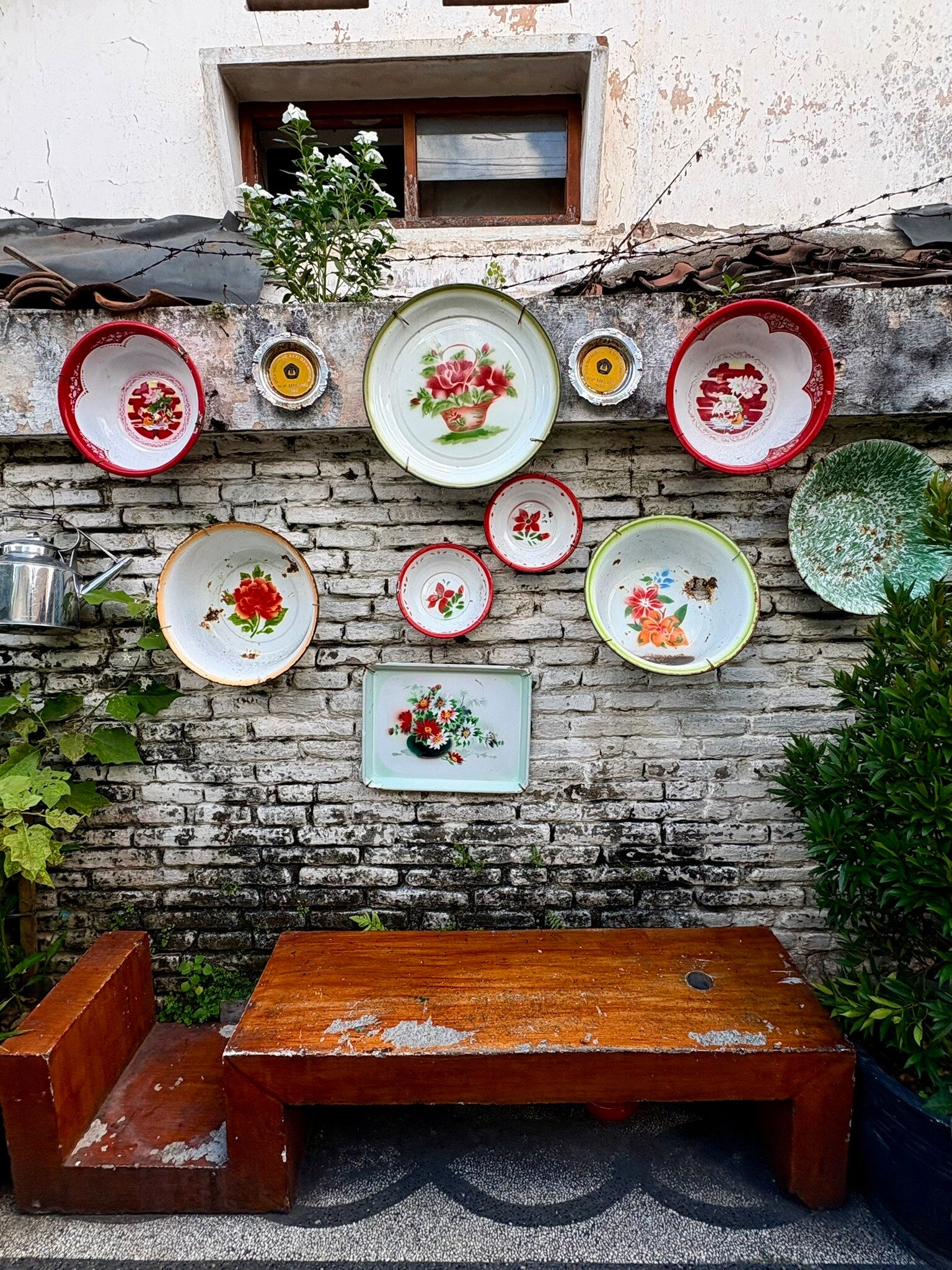
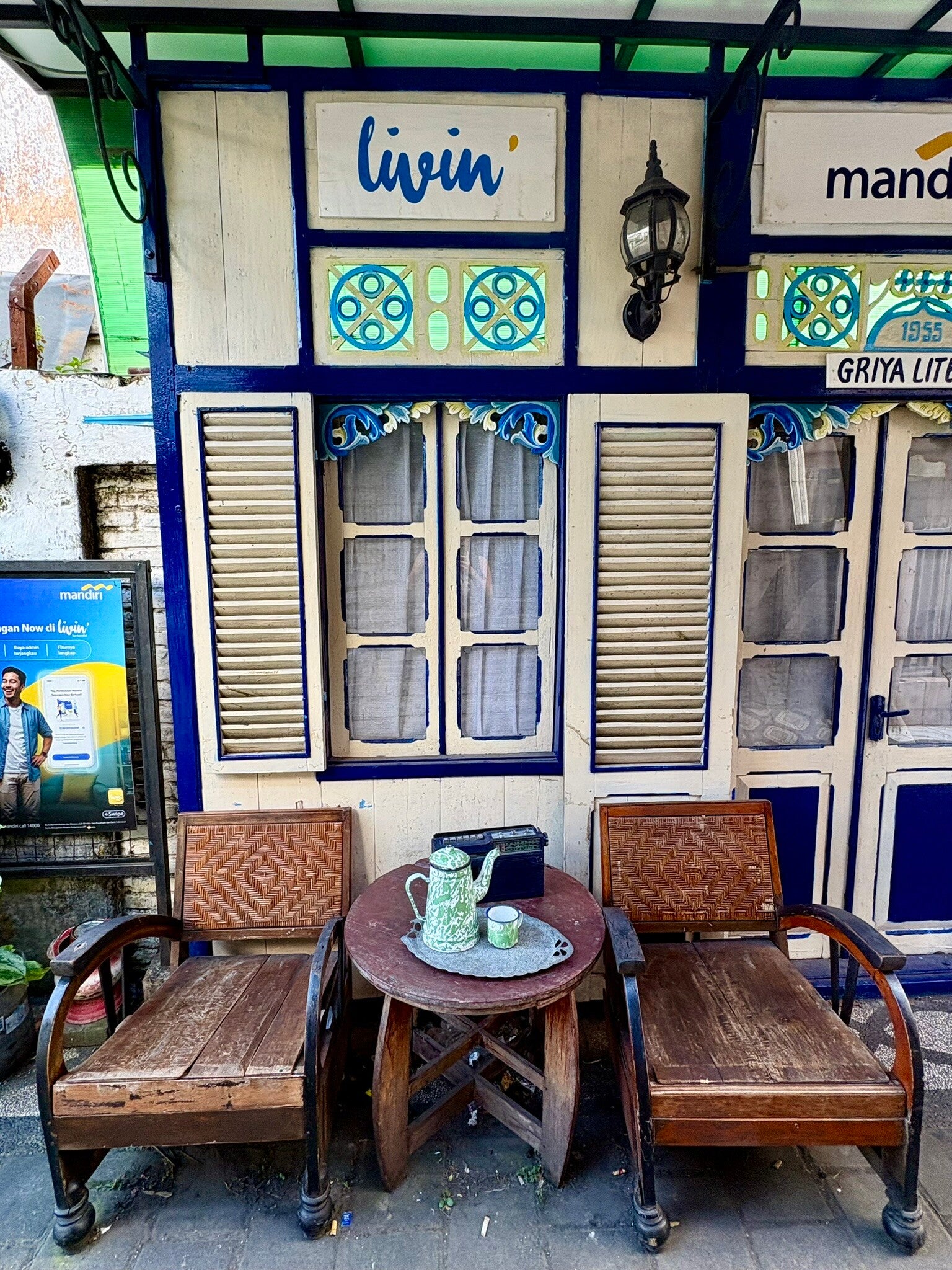
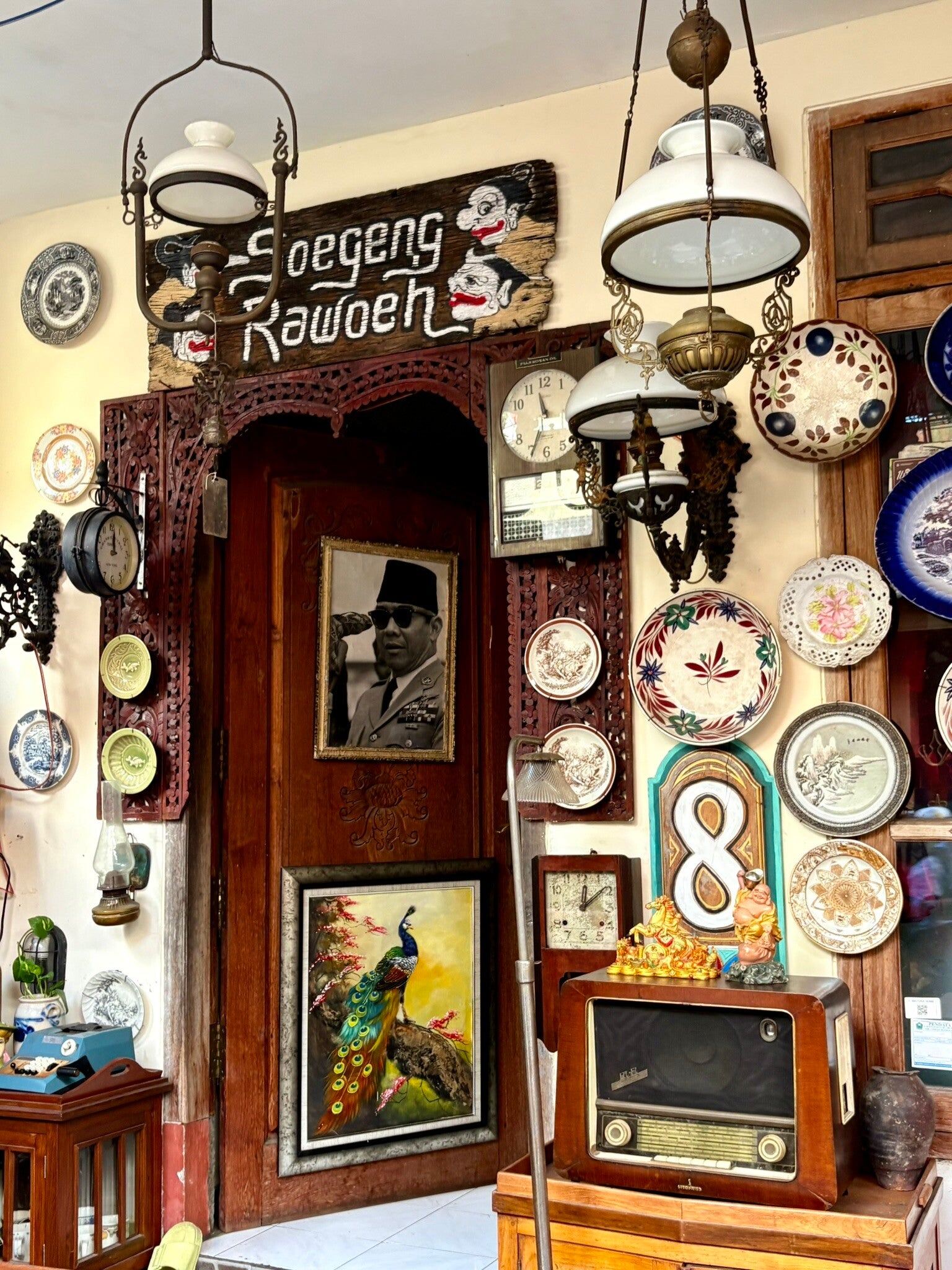
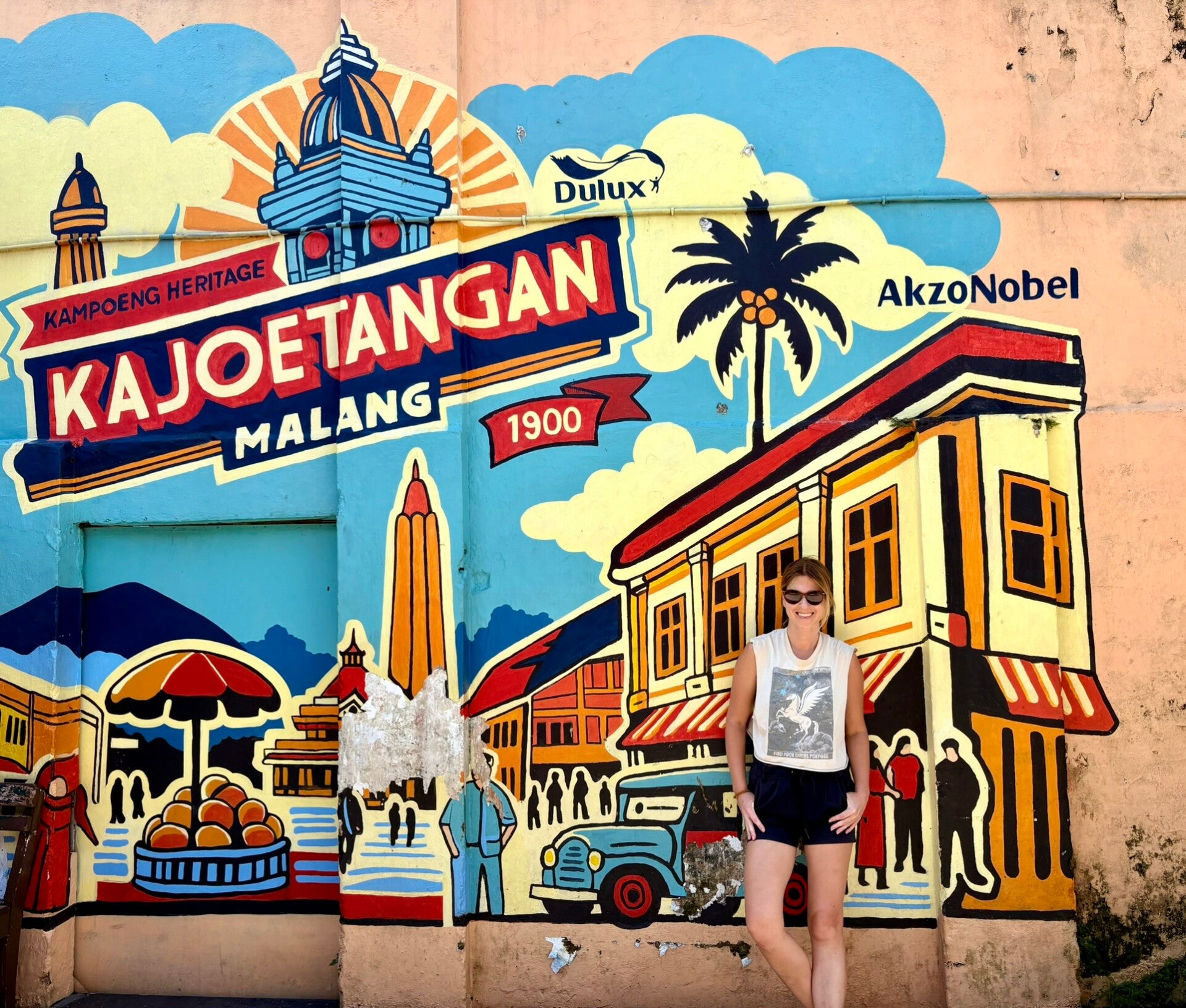
Start with Malang's colonial heritage at Kajoetangan Heritage Village, a historic neighbourhood filled with Dutch colonial-era houses, cute coffee shops and narrow alleyways decorated with antiques and old photographs. You can easily spend a couple of hours wandering around and the entrance fee when I visited was a very affordable 5,000 IDR (around 0.30 USD).
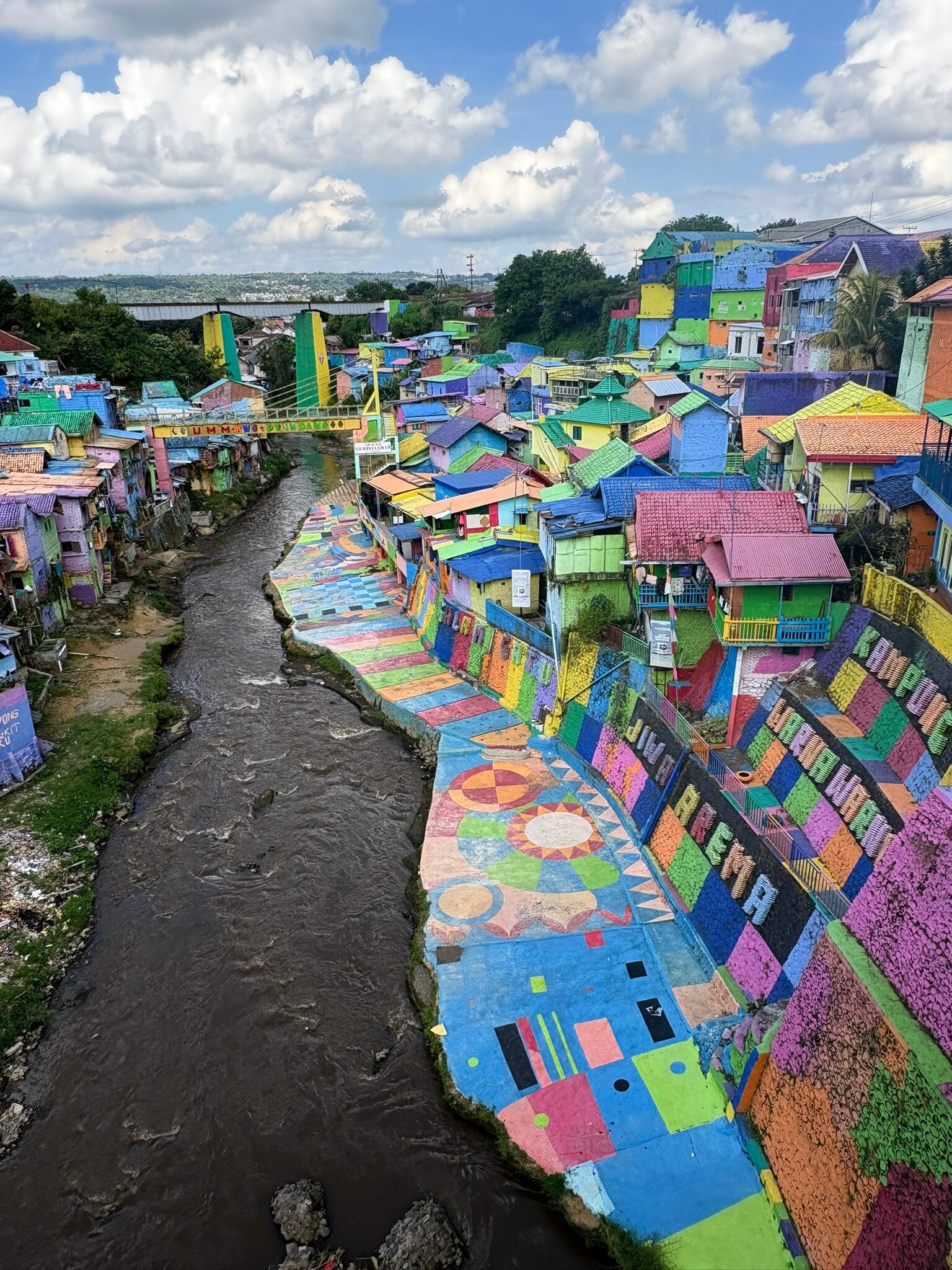
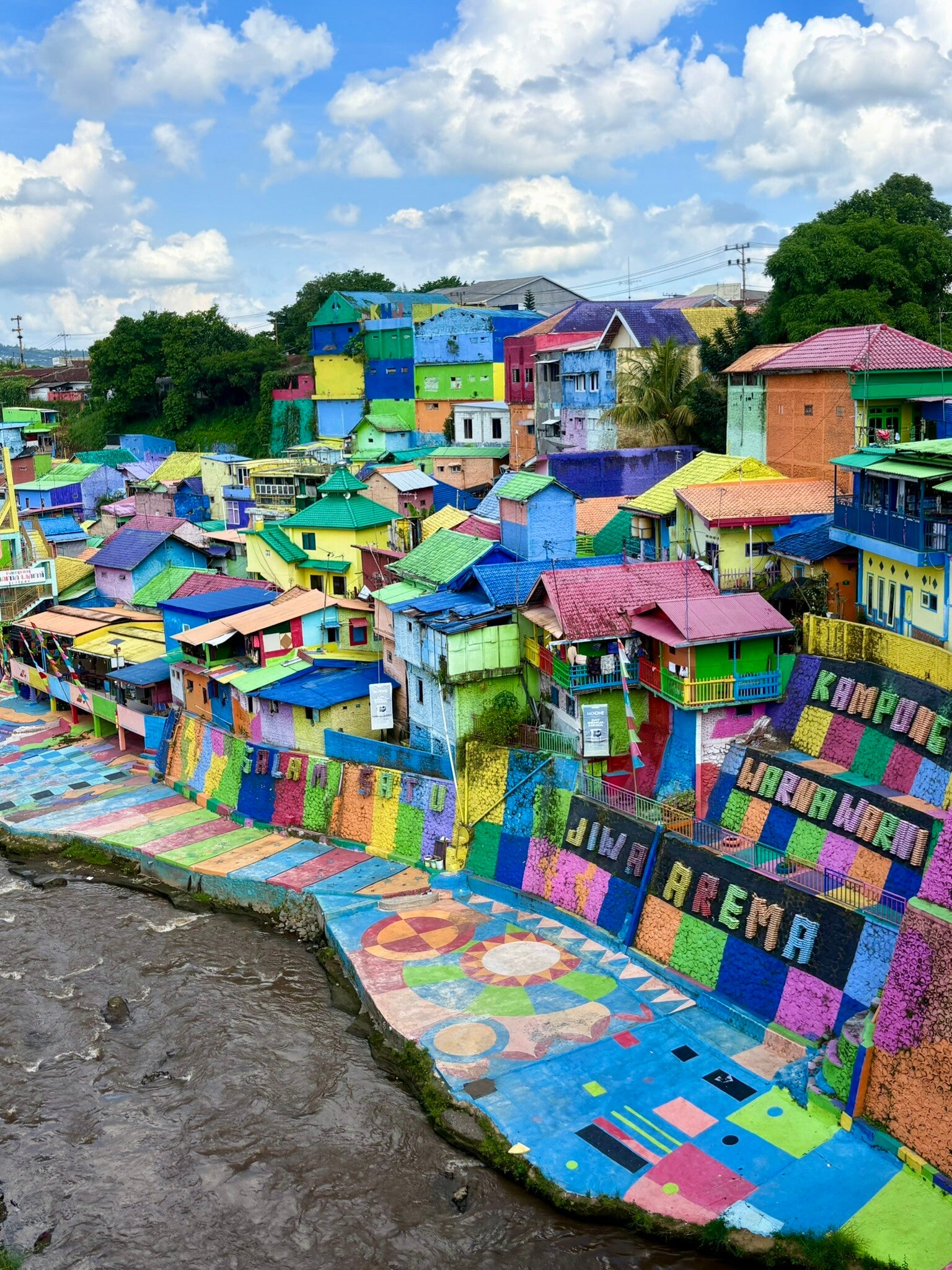
Then head to Kampung Warna-Warni Jodipan, or Jodipan Colourful Village, which has a rather inspiring story behind its transformation. Before 2016, Jodipan was a densely populated and neglected riverside neighbourhood. Then, in 2016, a group of communication students from Malang University came up with an idea to transform the area as part of a university project. They partnered with local paint company and houses, roofs, paths and stairways throughout the neighbourhood were painted in vibrant colours. The project turned out to be a huge success, transforming Jodipan into one of Malang's best-known tourist attractions and creating new opportunities for residents to earn money by selling food, drinks and souvenirs. The entrance fee when I visited was, again, a modest 5,000 IDR (around 0.30 USD). Right across the bridge from Jodipan is Kampung Tridi, another colourful village known for the 3D murals scattered throughout its streets.
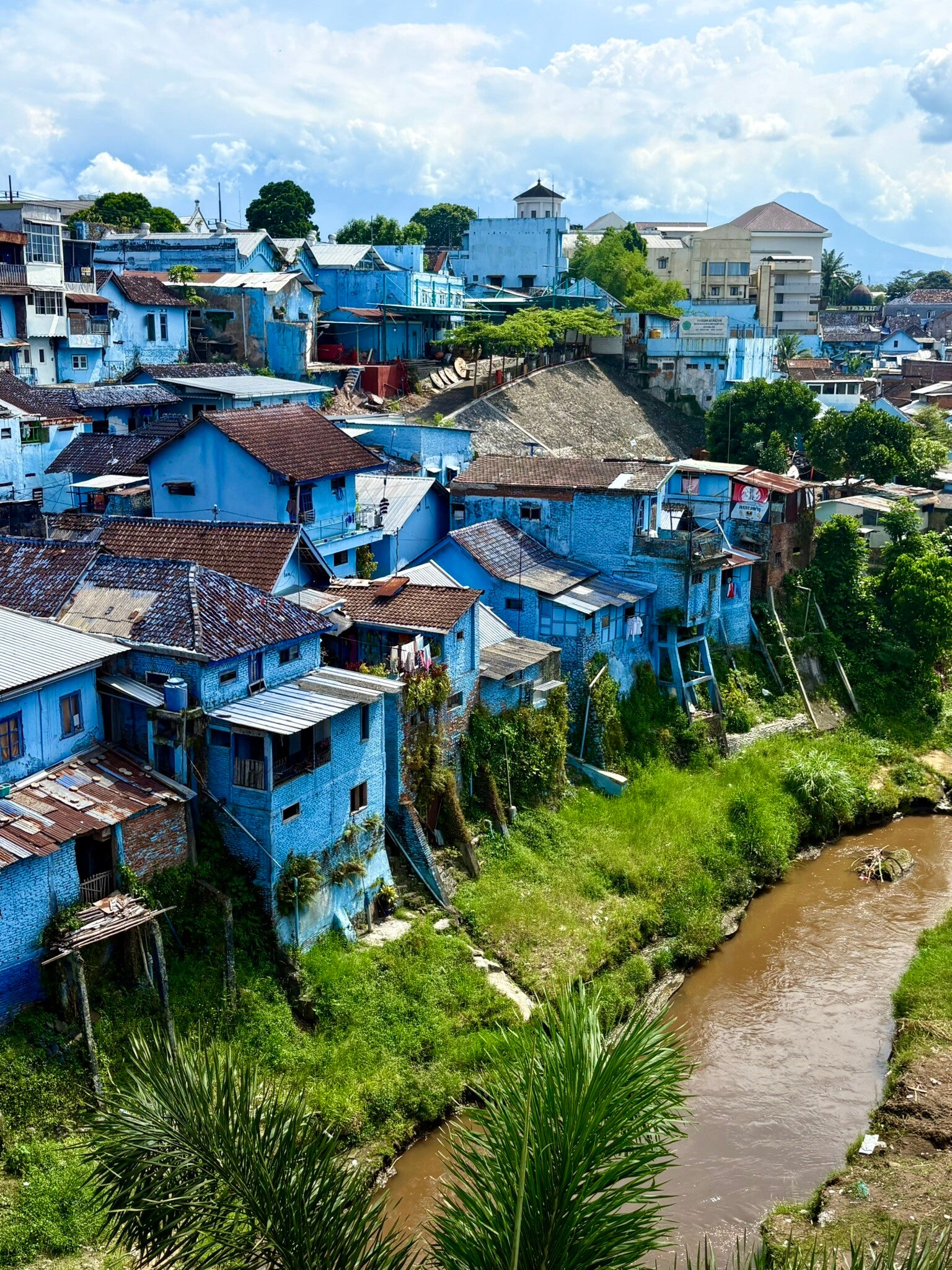
Nearby you'll also find Kampung Biru Arema, or the Blue Village, where almost everything is painted in shades of blue - a reference to the colours of Malang's beloved football club, Arema FC.
Photo tip: If you're short on time or don't feel like walking up and down all the stairs in the villages, you can get a great panoramic view from Jembatan Embong Brantas (Brantas Bridge) – just enter the name into Google Maps.
What to eat in Malang
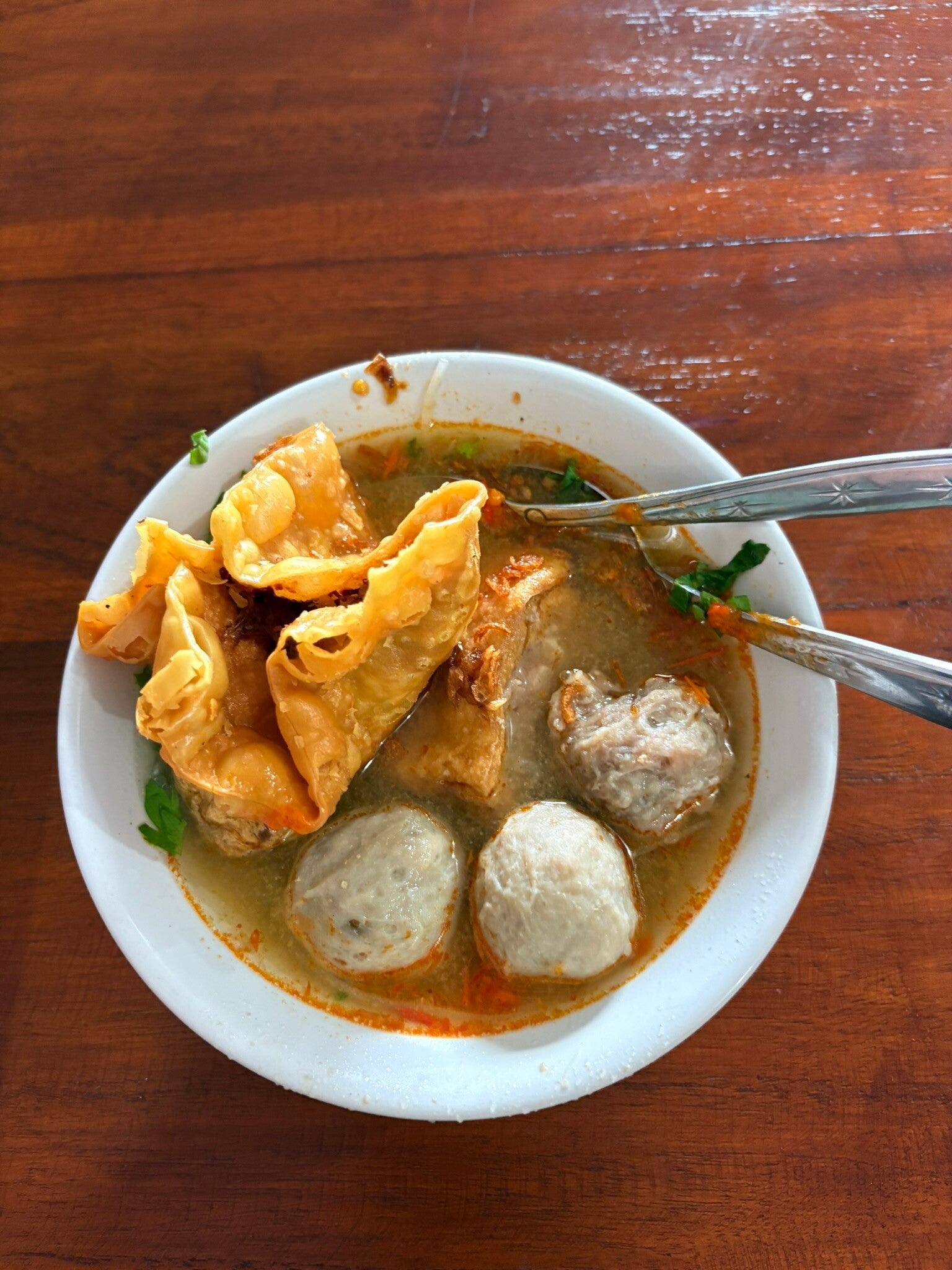
You can't visit Malang without trying the local speciality bakso - unless you're vegetarian, of course! It's a hearty soup typically served with meatballs, fried wontons, tofu and noodles. It's incredibly flavourful and filling and you can adjust the spice level to your taste as chilli is usually served on the side.
You'll find bakso everywhere in Malang, so just double-check the Google reviews before sitting down!
Day 12 - Day trip to spectacular Tumpak Sewu Waterfall
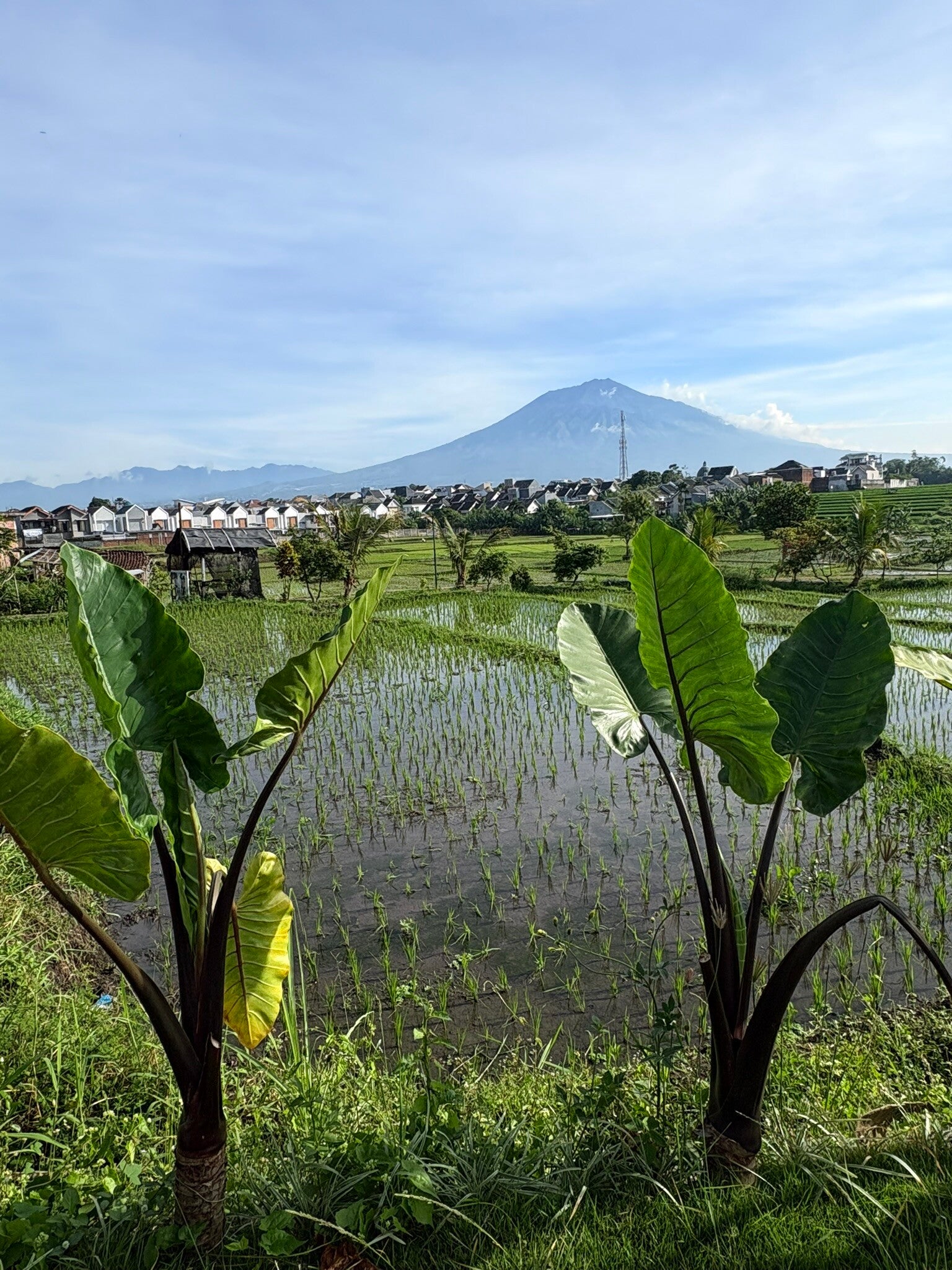
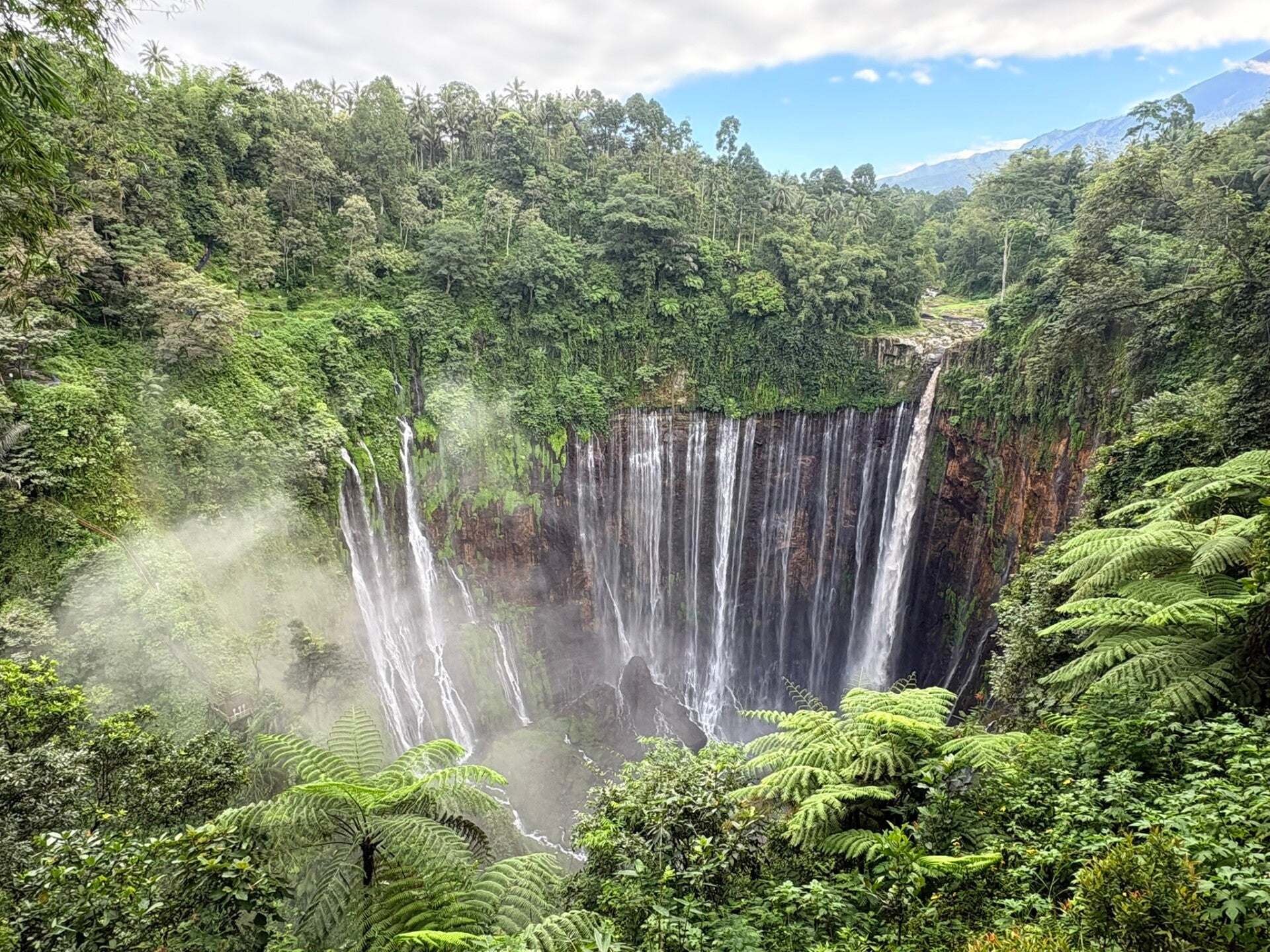
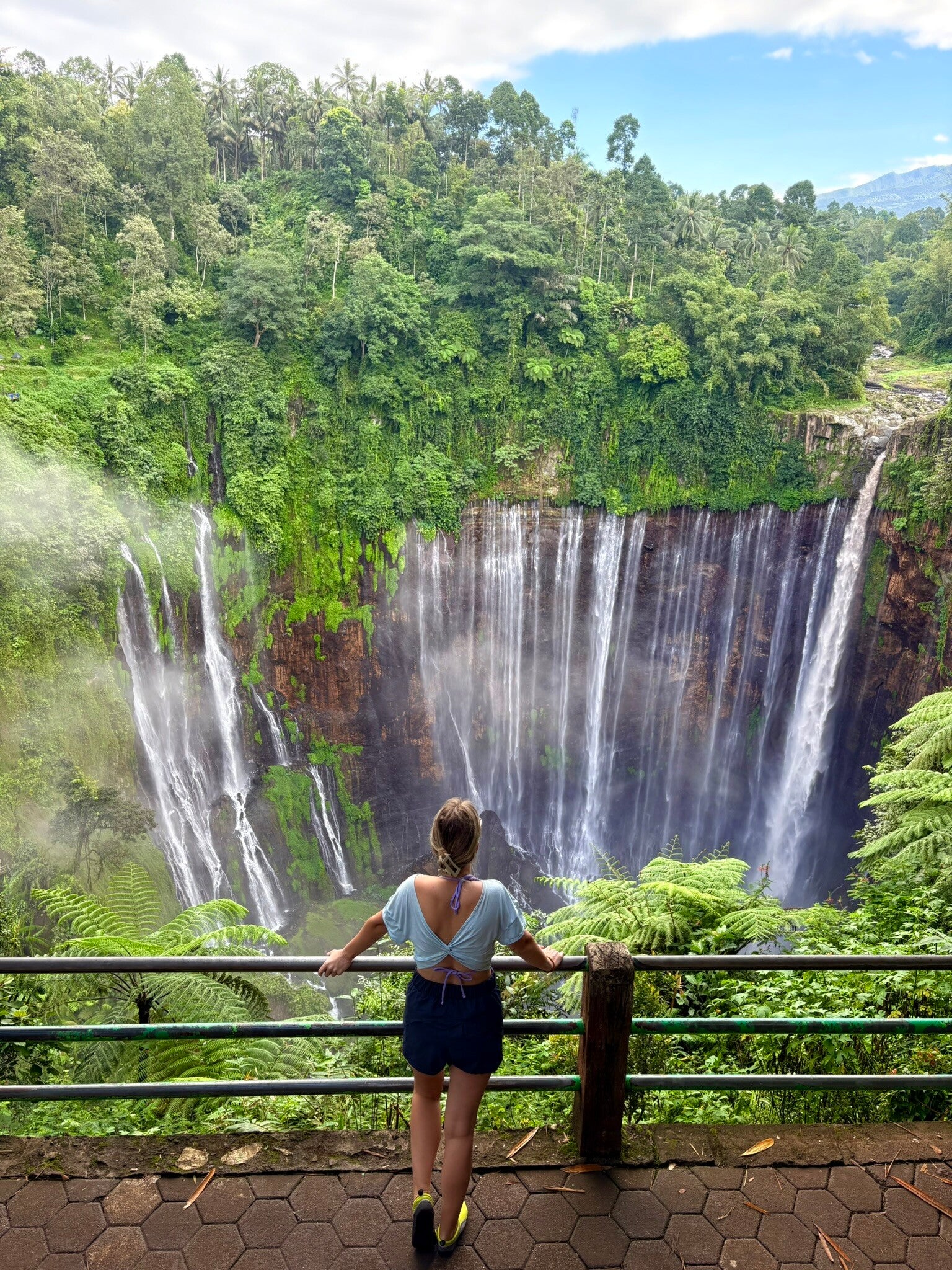
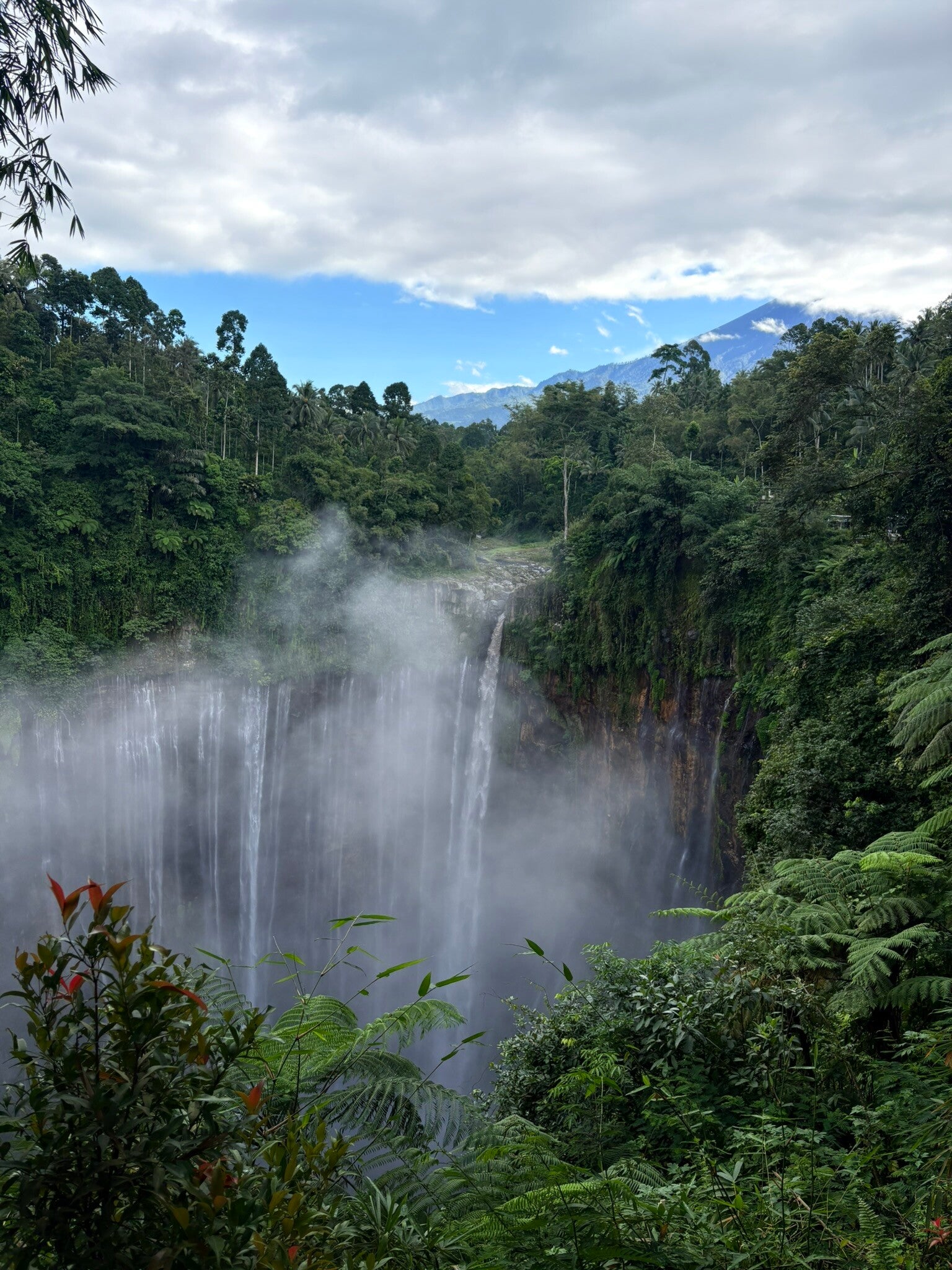
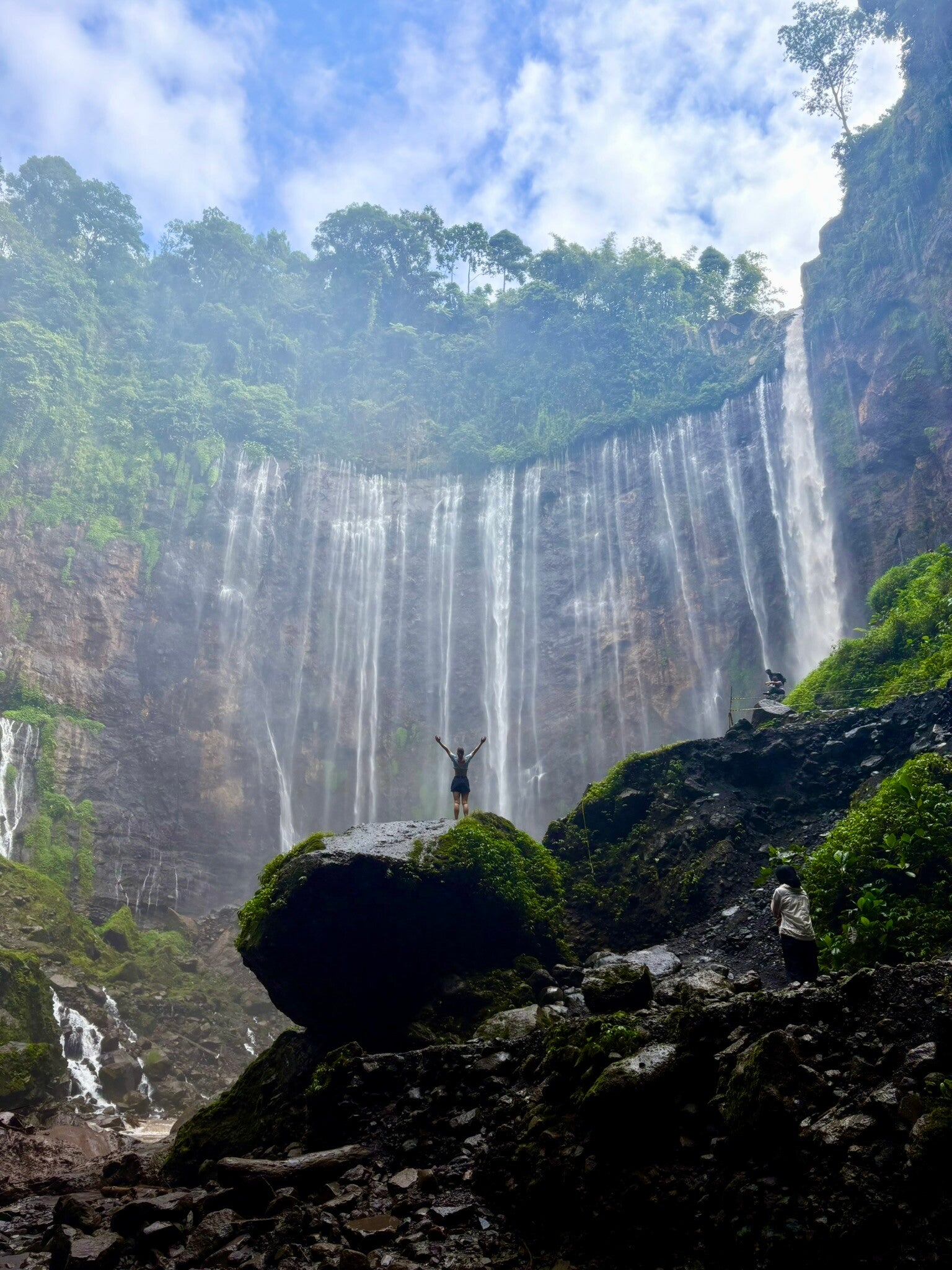
Tumpak Sewu Waterfall is definitely a bucket-list destination while in Malang. Even if you've seen many waterfalls before, this one is particularly impressive because of its unusual semicircular shape, made even more spectacular by Mount Semeru in the background.
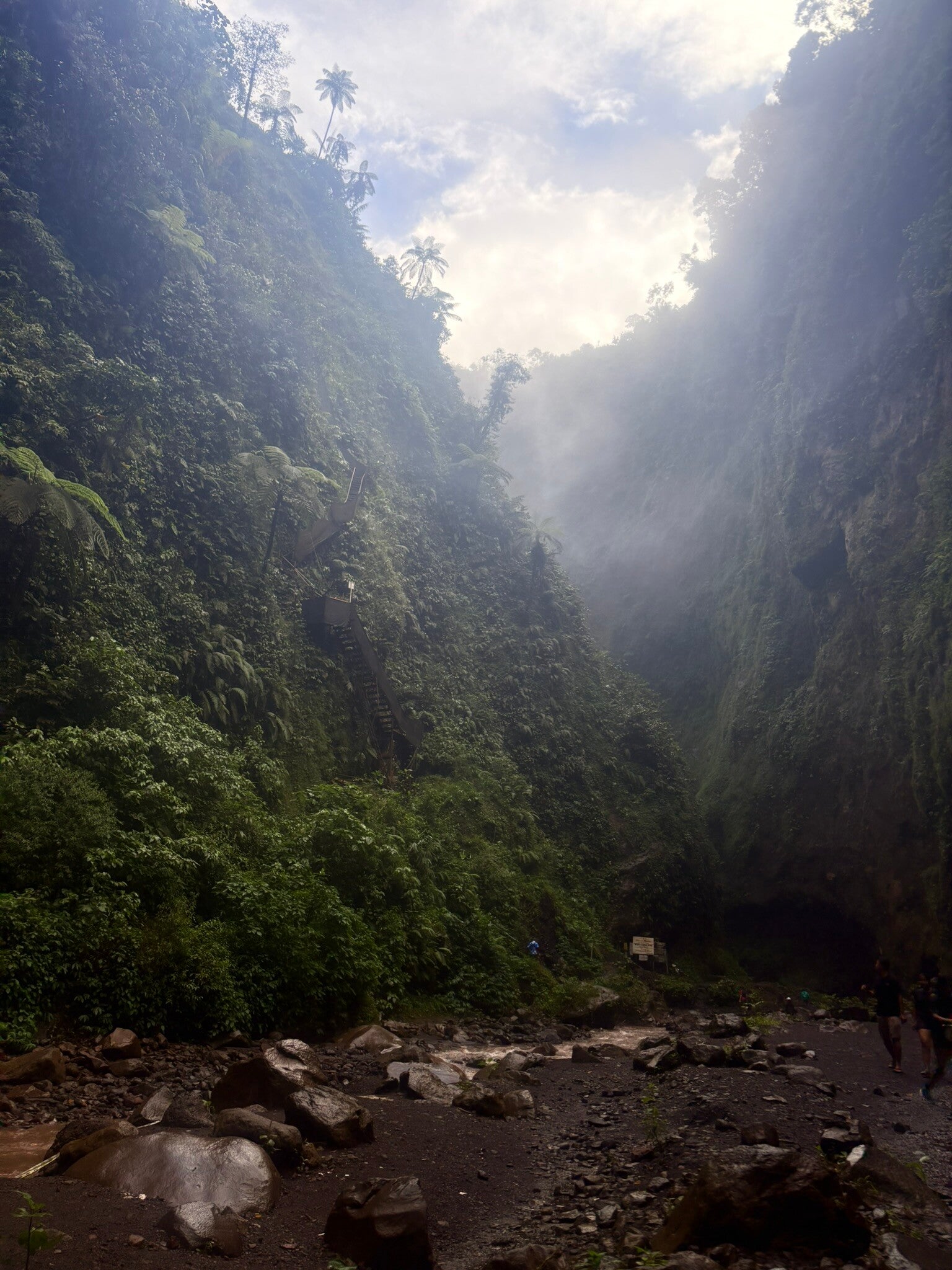
Booking a day trip from Malang is simple and easy through GetYourGuide or Viator. Be prepared for a very wet experience and wear sandals or water shoes with good grip, as the trek down into the canyon and towards the waterfall is extremely wet and slippery.
It's also a good idea to wear a swimsuit underneath your clothes, as many tours combine Tumpak Sewu with the nearby Tetes Cave and waterfall, where you'll have a chance to take a dip.
Tip: If possible, choose a tour that specifically advertises an early departure, as Tumpak Sewu gets crowded - FAST! You'll likely need to wait in line at some of the best photo spots, so arriving ahead of most tour groups can give you around 30 minutes of a much quieter experience. If you're travelling independently, try to time your visit before or after the main tour groups for a considerably more enjoyable experience.
Day 13 - Sunrise at Mount Bromo
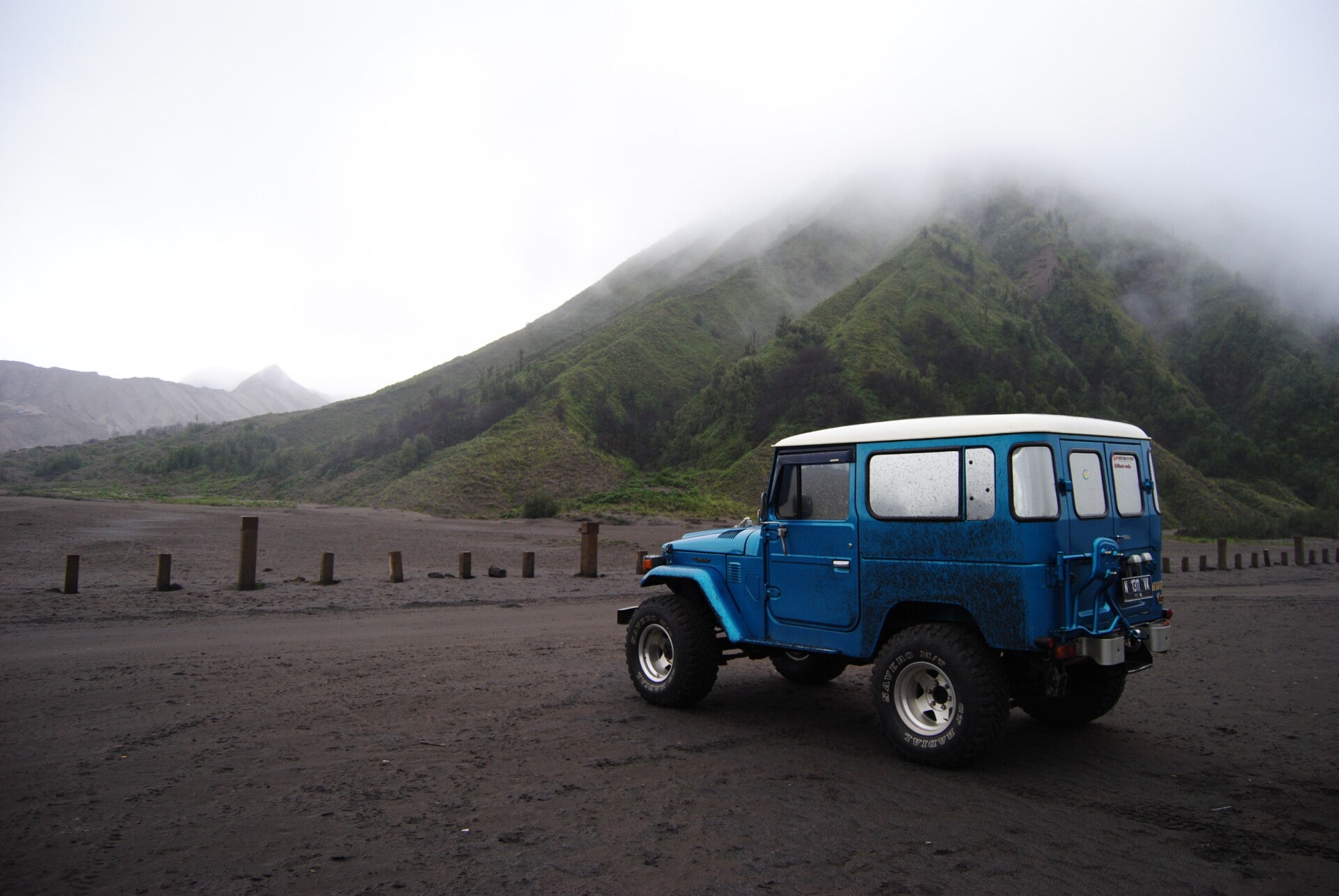
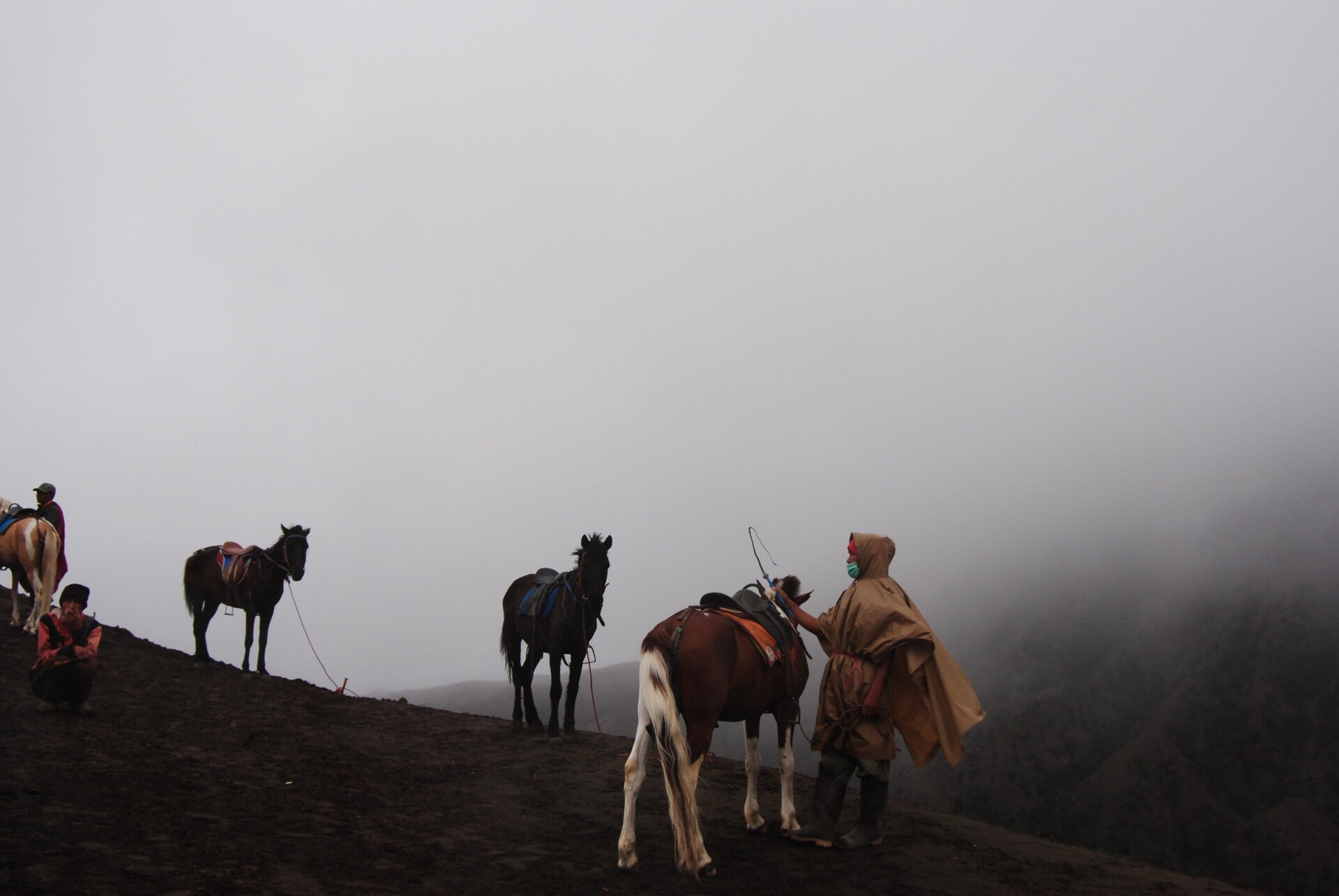
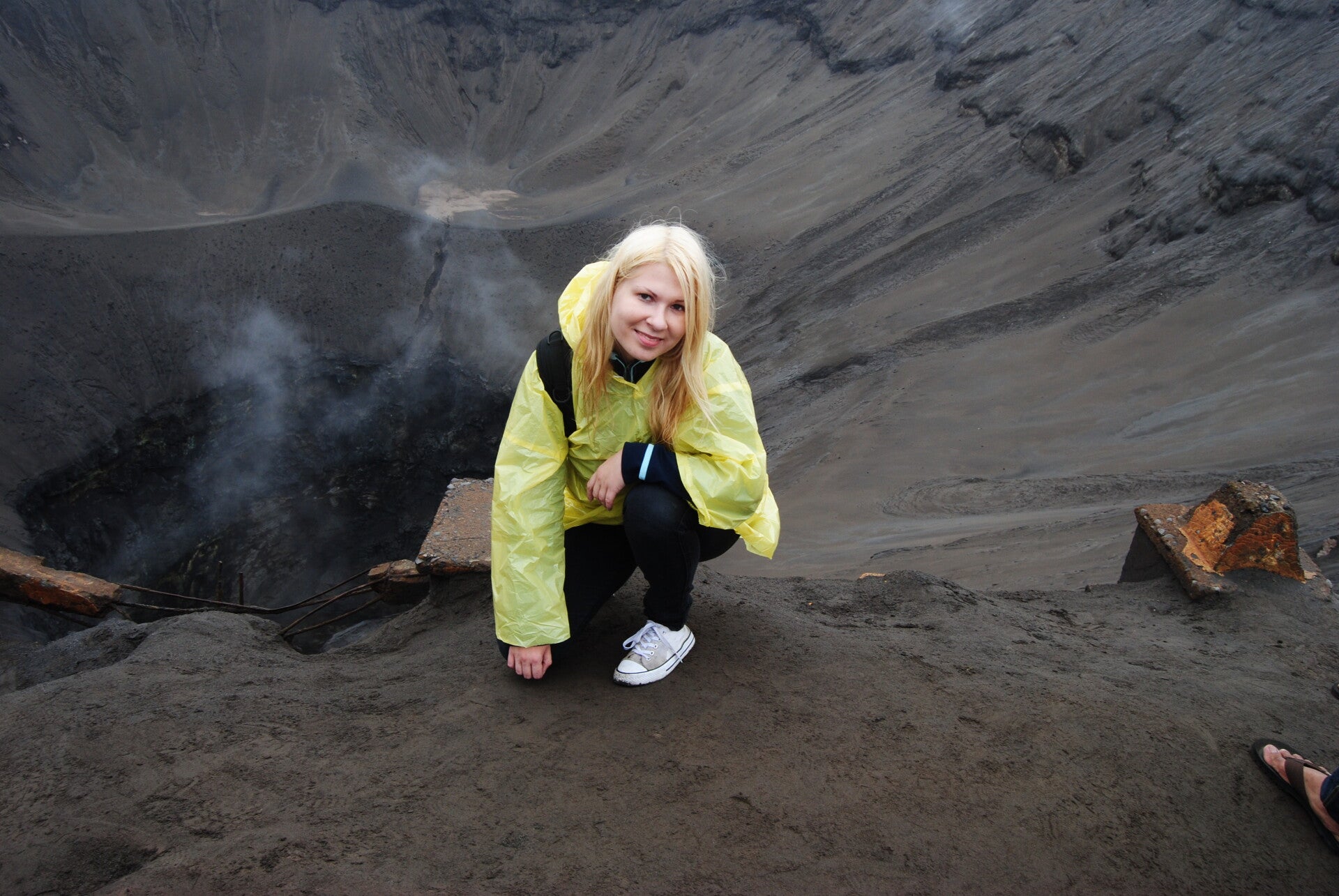
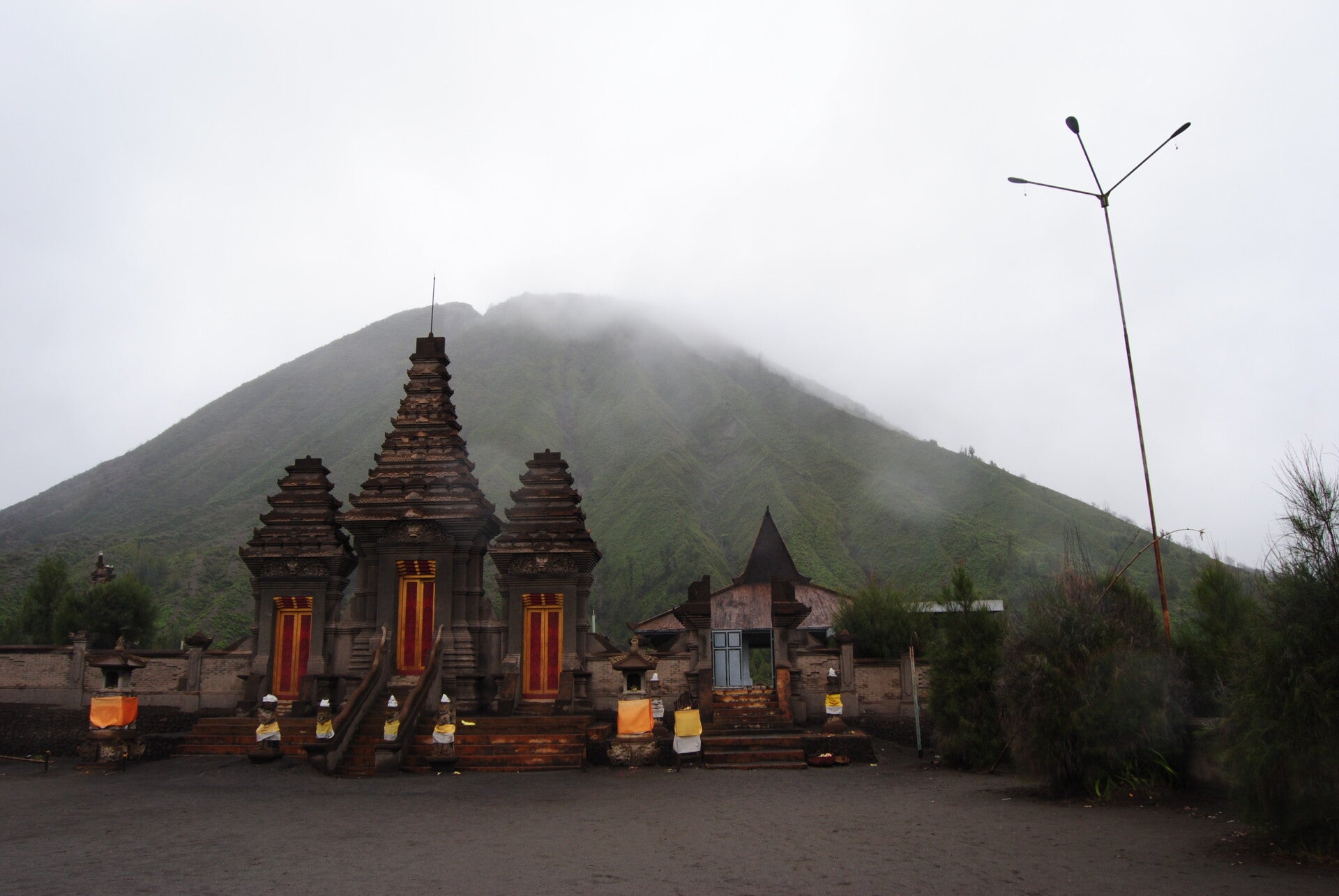
Experiencing sunrise at Mount Bromo is another not-to-be-missed experience while in East Java. Technically, this isn't really a day trip but a night trip, as most tours depart during the night or very early in the morning to catch the sunrise from Mount Penanjakan viewpoint, followed by a visit to the crater of Mount Bromo.
While I personally visited Mount Bromo 15 years ago, it still remains one of my most magical experiences in Indonesia, so it's absolutely worth the sleepless night.
Tip: If you're planning to visit Mount Bromo or do any other volcano treks in Indonesia, make sure to pack some warmer clothes. Not everywhere in Indonesia comes with jungle heat and humidity and it can get surprisingly cold at higher altitudes, especially before sunrise!
Mount Bromo has also become one of Java's most famous tourist destinations, so expect the main sunrise viewpoints to be busy. An alternative to joining an organised tour from Malang is to stay closer to the volcano itself and visit Bromo independently after the sunrise tour groups have departed.
P.S. apologies for the Bromo photo quality, they were after all taken 15 years ago!
Extra time in Java? Continue to Yogyakarta
If you have a few extra days, consider continuing to Yogyakarta, around six hours by train from Malang. It's the gateway to Borobudur, the world's largest Buddhist temple, and Prambanan, Indonesia's largest Hindu temple compound. If temples aren't your thing, you can also take a Mount Merapi lava tour from Yogyakarta.
Day 14 - Train to Banyuwangi, gateway to Ijen
Banyuwangi is another up-and-coming tourist destination in East Java, best known as the gateway to Mount Ijen, famous for its unusual natural blue fire phenomenon. However, there are plenty of other gorgeous and still relatively unknown destinations around Banyuwangi, so it definitely makes sense to use the city as your base for a couple of days.
Getting from Malang to Banyuwangi is simple and straightforward by train. Tickets can be bought online through the Indonesian railway booking system. This route is quite popular and can sell out, particularly on weekends and public holidays, so I recommend booking a couple of days in advance. The journey takes around seven hours, but the trains are modern and air-conditioned, with power outlets to charge your devices, so it's a relatively comfortable way to travel.
If you can't get a train ticket, there are also plenty of companies offering shared transfers by minivan, which you can find online or arrange through your hotel or guesthouse. The main downside is that shared transfers normally depart quite late in the evening or at night, so they may not be ideal if you want to get a good night's sleep.
Day 15 - Mount Ijen without the crowds: skip sunrise and hike after dawn
Mount Ijen is mostly famous for its rare natural phenomenon - the blue fire caused by burning sulphur-rich gases emerging from the volcano. Since the blue flames are only visible in darkness, most tours depart for Ijen during the night, often around 11 pm from Banyuwangi. So if your goal is to see the blue fire, technically your tour starts on Day 14, the same day you transfer to Banyuwangi from Malang.
IMPORTANT! When I visited Mount Ijen in June 2026, access to the blue fire was closed for safety reasons and none of the tour agencies I contacted informed tourists about this beforehand, presumably for fear of losing bookings. So make sure to check the latest situation and, ideally, talk to other travellers who have just visited before booking a tour specifically for the blue fire. Access to the crater can change at short notice depending on volcanic activity, gas levels and other safety conditions.
Is Mount Ijen still worth it without the blue fire?
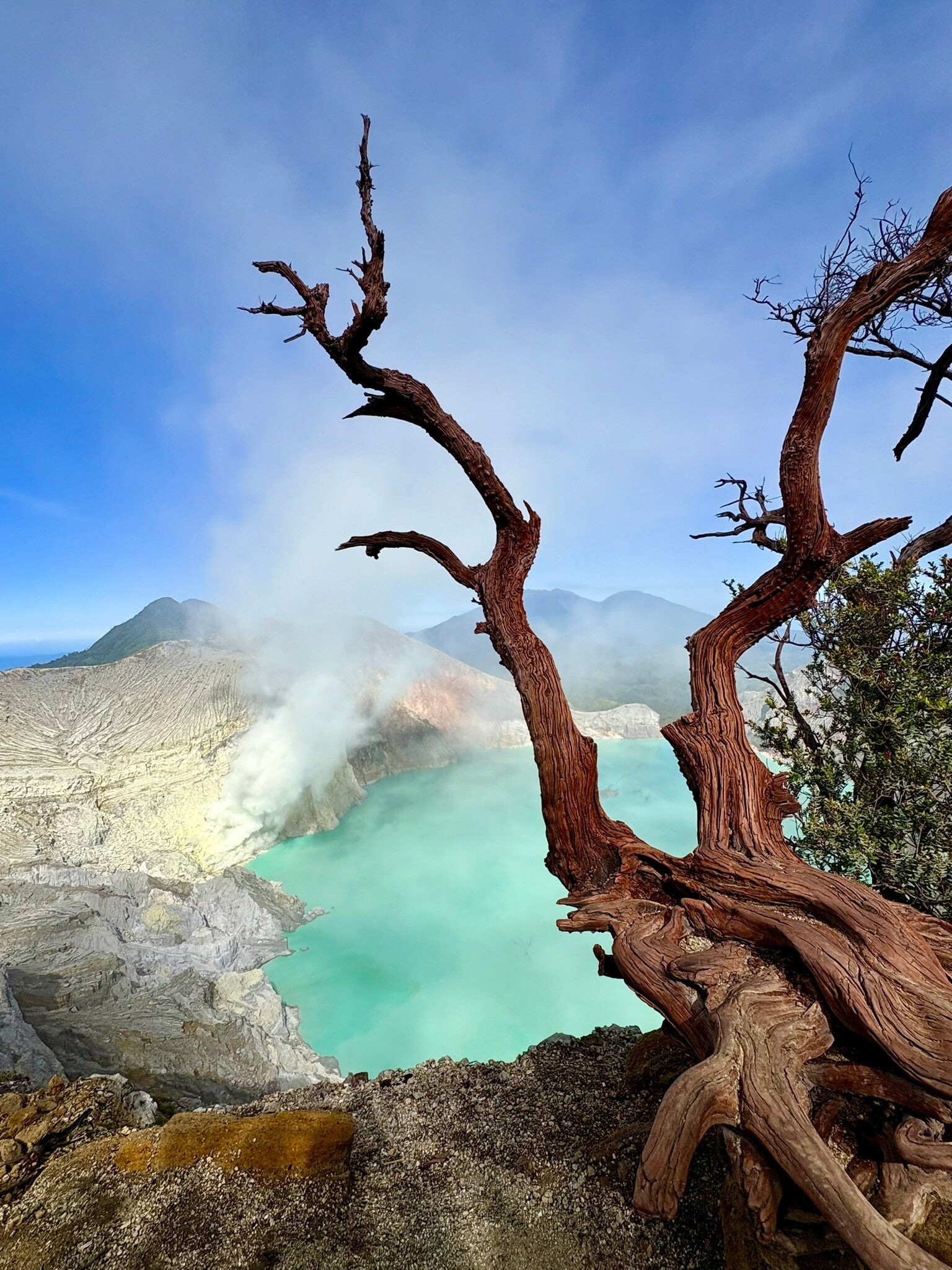
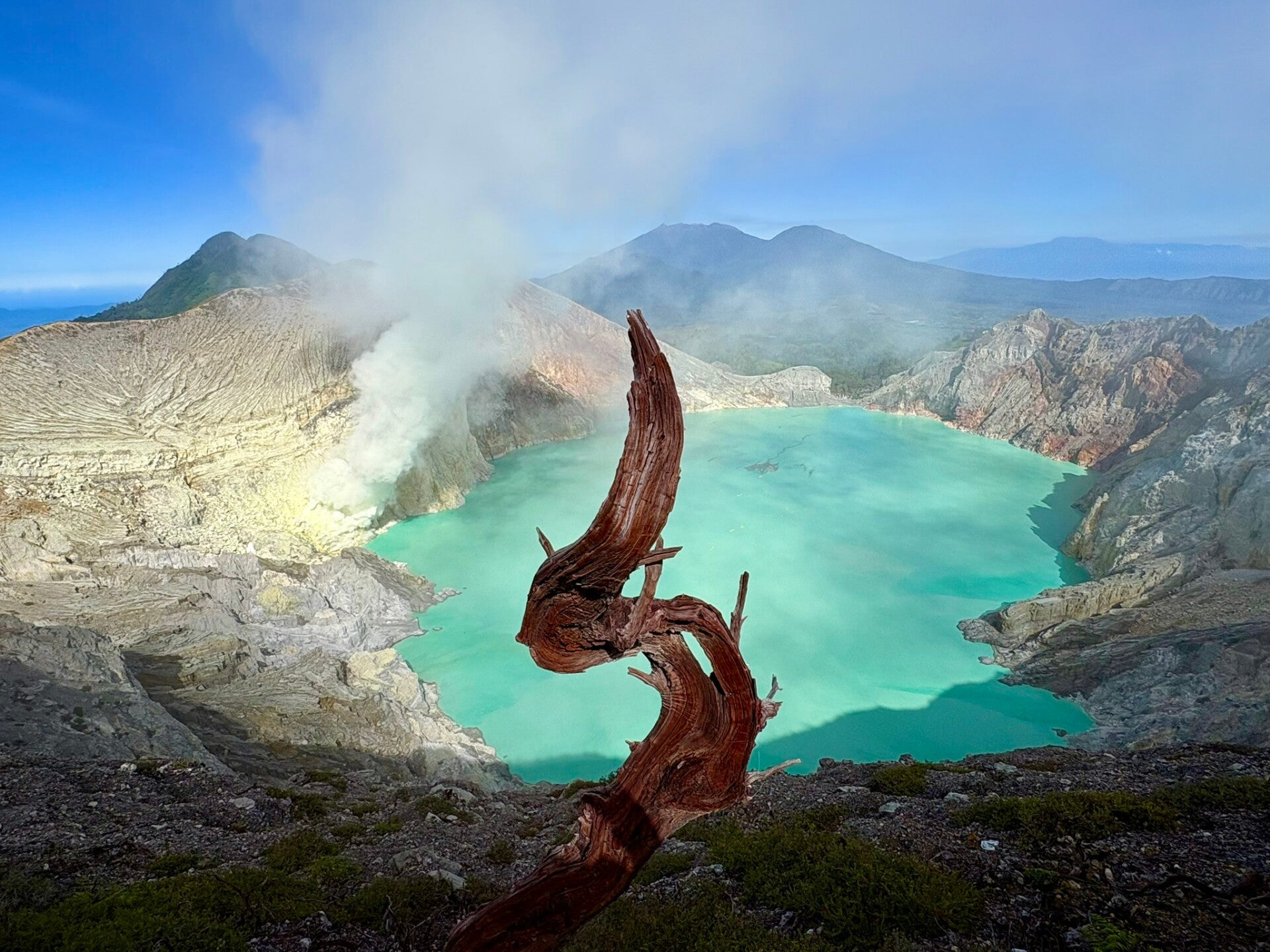
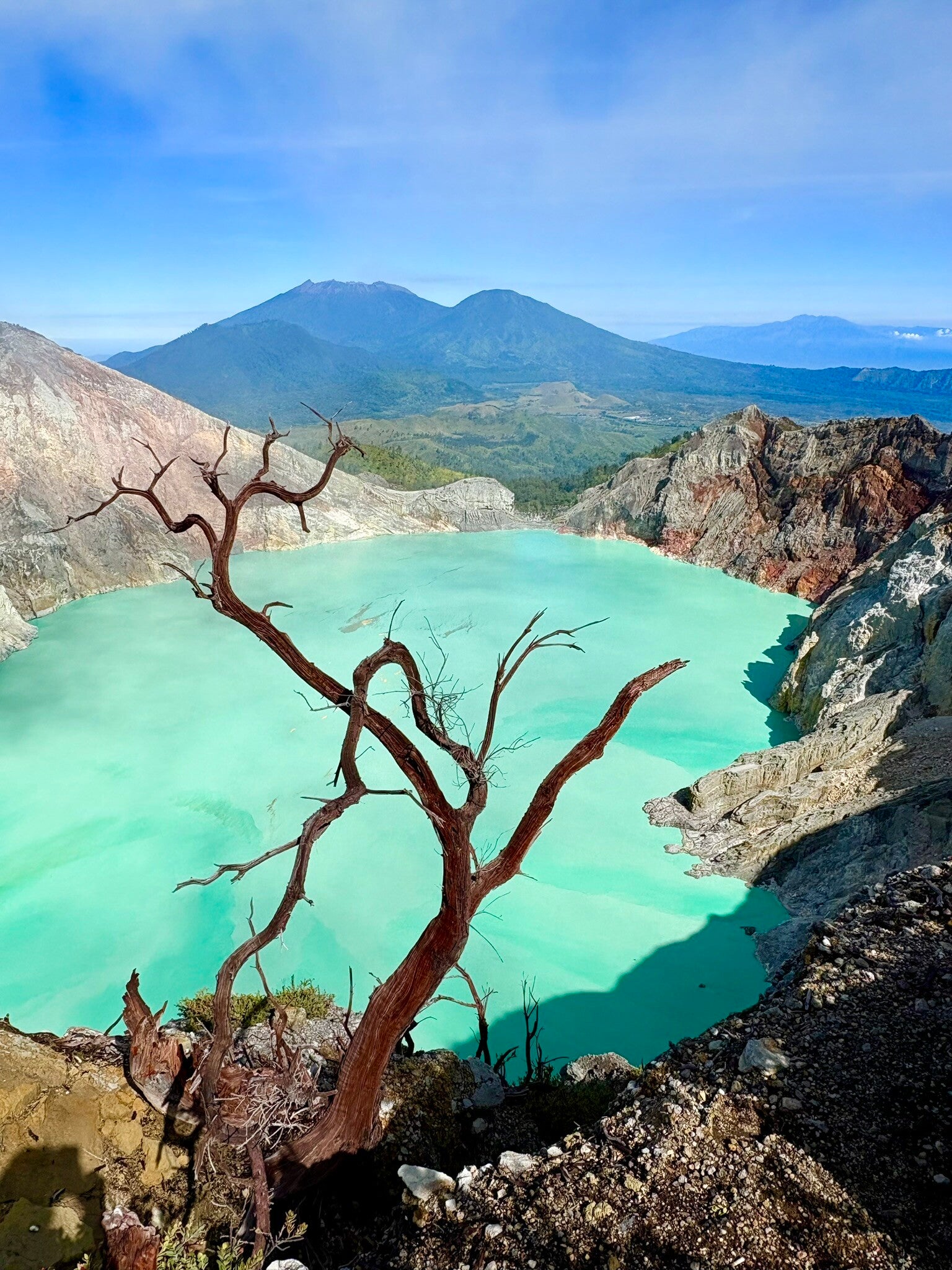
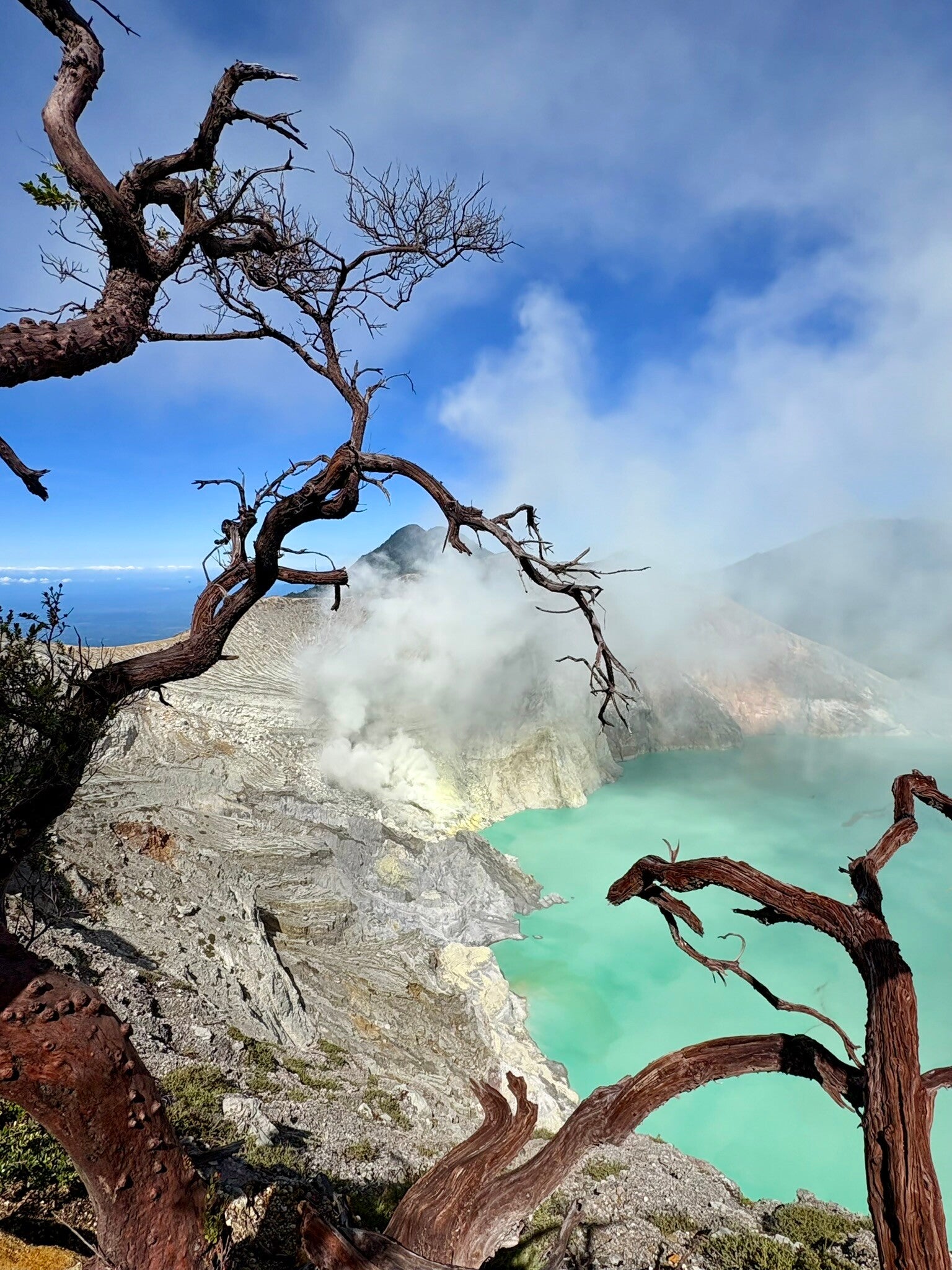
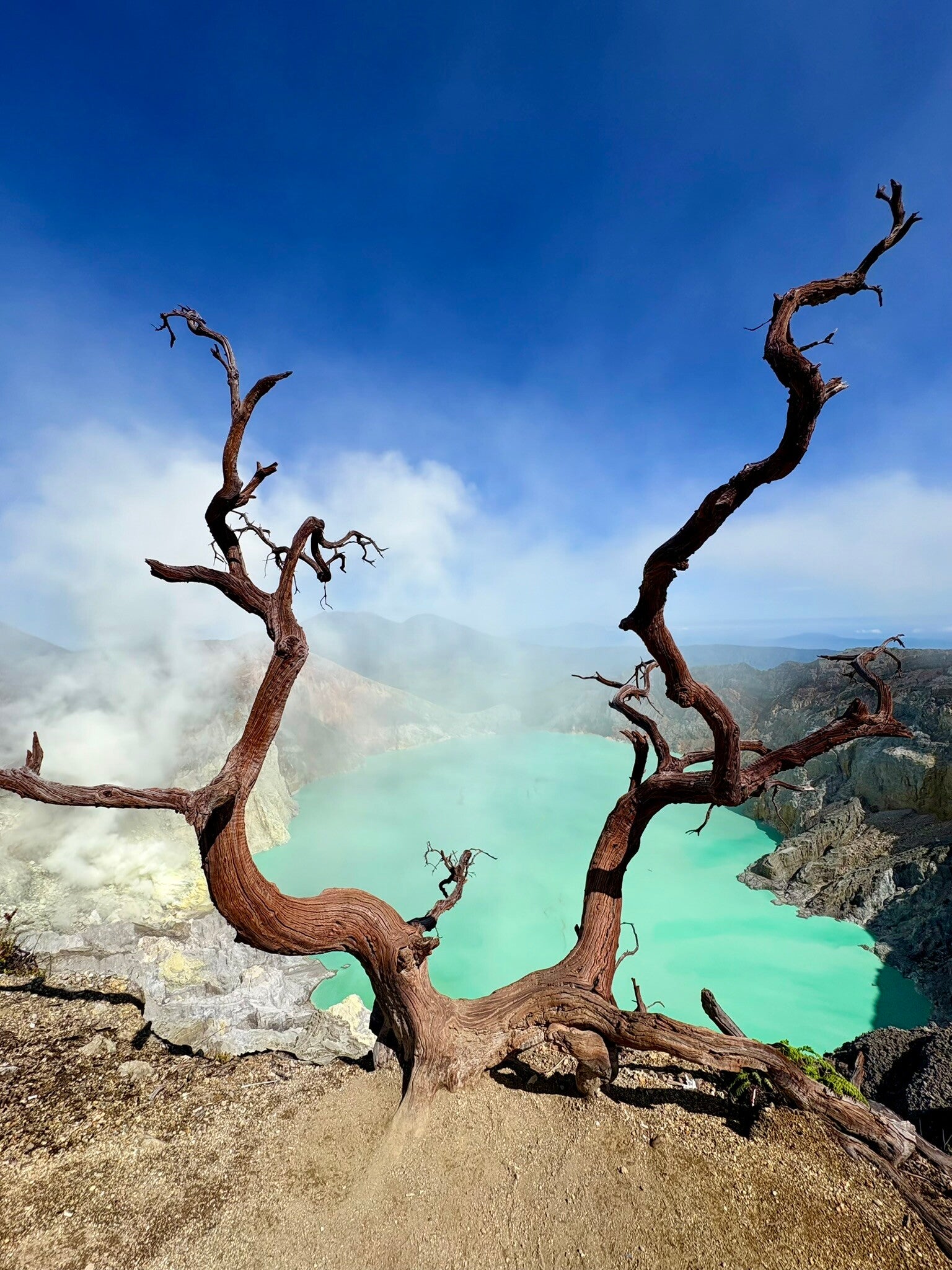
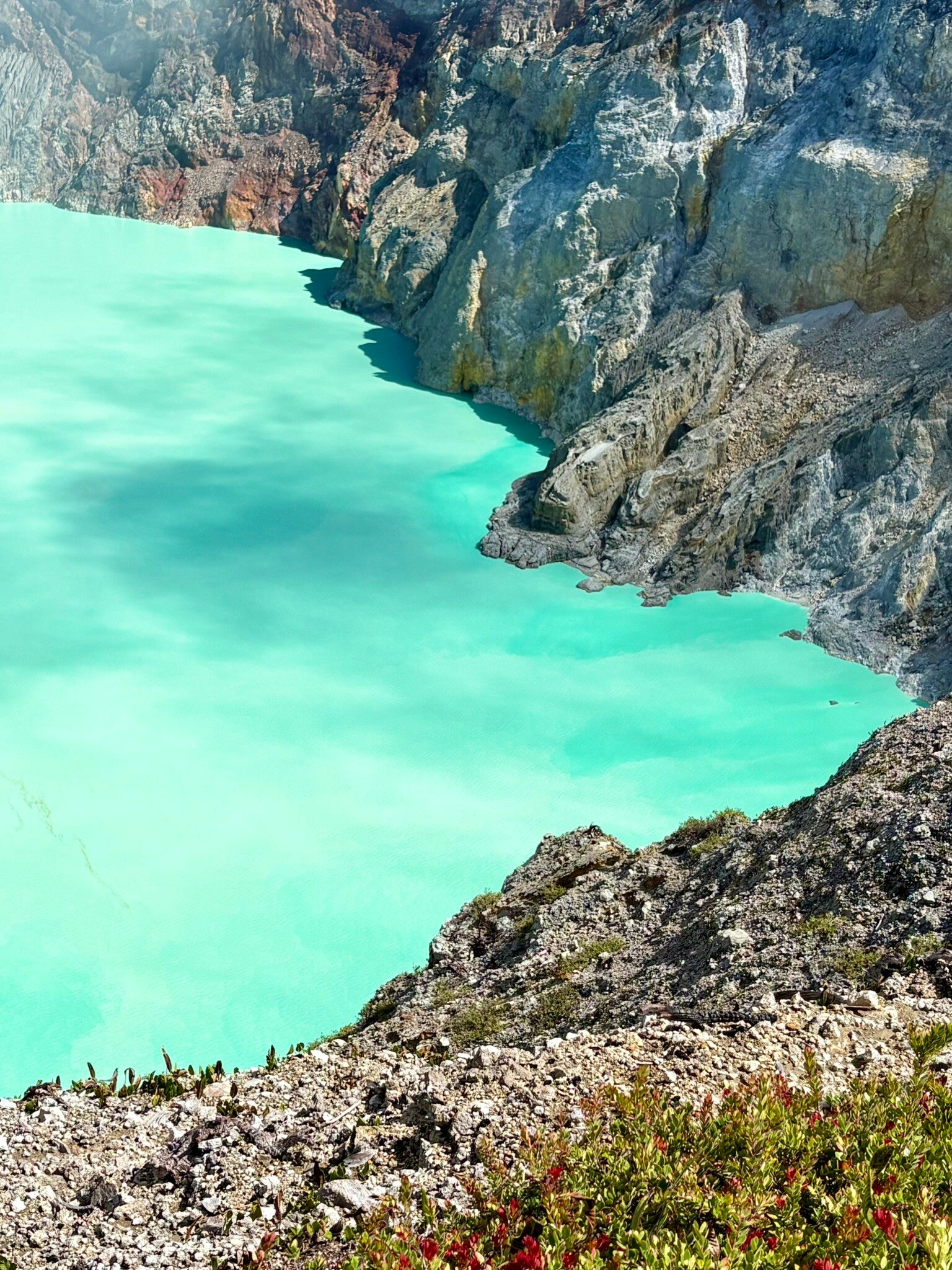
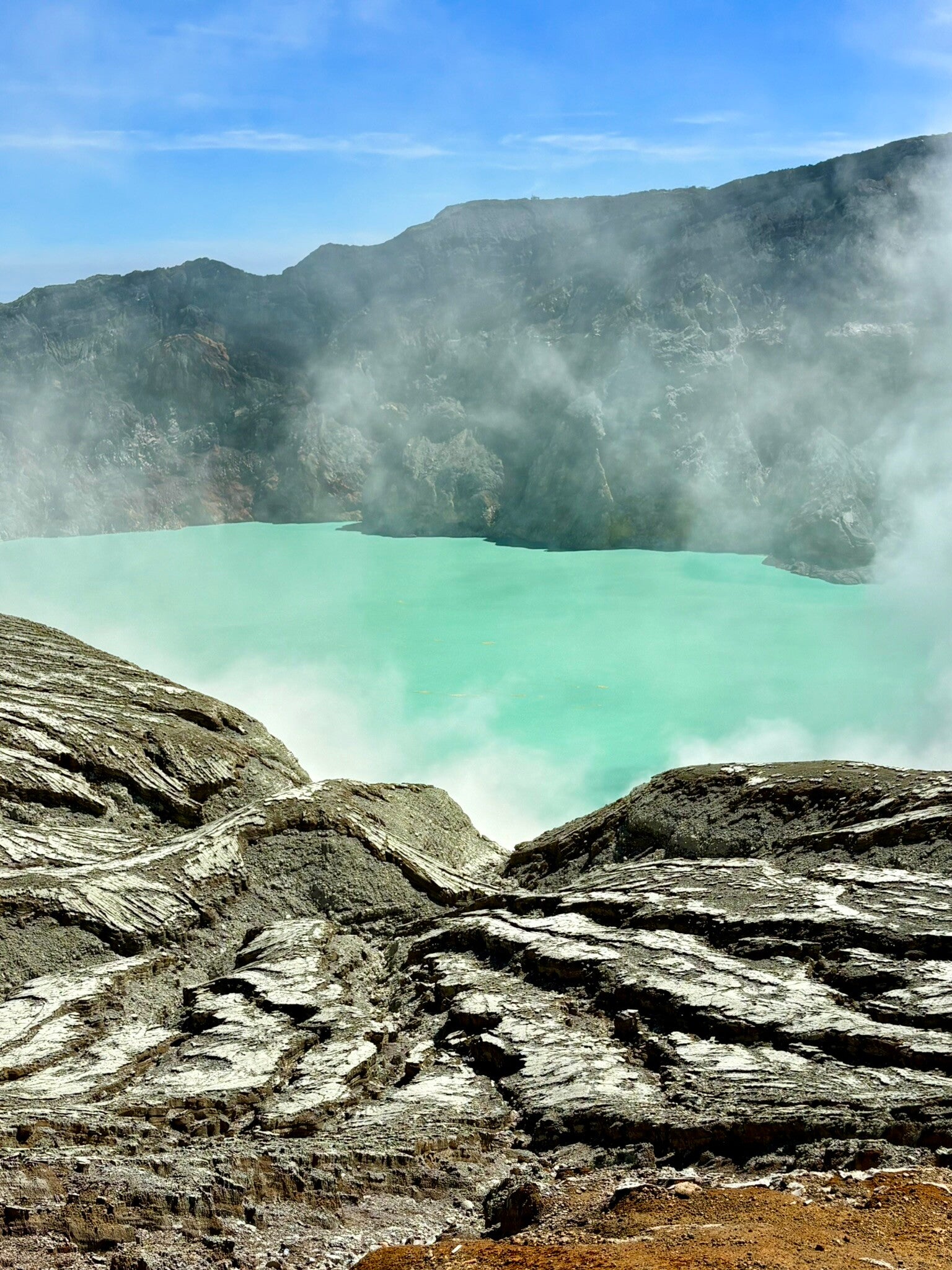
Absolutely! The turquoise acidic crater lake at the top is ridiculously gorgeous and definitely worth the hike. The only question is when to go.
Many people still choose to hike during the night because sunrise over Ijen is said to be spectacular. However, there are a few drawbacks: tours leave extremely early - or late, depending on how you look at an 11 pm departure - so you'll be hiking through the night with very little sleep and potentially 1,000–2,000 other visitors. At the top, all those people crowd around the crater rim competing for the best viewpoints and photo angles.
Since I'm not one for early mornings or crowds - and without the added motivation of seeing the blue fire - I chose to hike AFTER sunrise. I arrived at the trailhead at around 7 am and started hiking up just as the crowds were coming down. And, you guessed it: by the time I reached the top, I was almost completely alone.
I'll let the pictures speak for themselves.
Getting to Ijen for a daytime hike
If you choose to go during the night, an organised tour is probably the easiest option, as it takes care of all the logistics. If you choose to hike in the morning, however, you'll need to drive yourself or hire a private driver, as I couldn't find any public transport or organised tours catering to day hikers. I paid approximately 500,000 IDR (around USD 28) for a private transfer - still a bargain! The official hiking gate currently operates from 2 am until 12 noon, so starting later in the morning is a perfectly viable alternative to the standard night trek.
Do you need a gas mask at Mount Ijen?
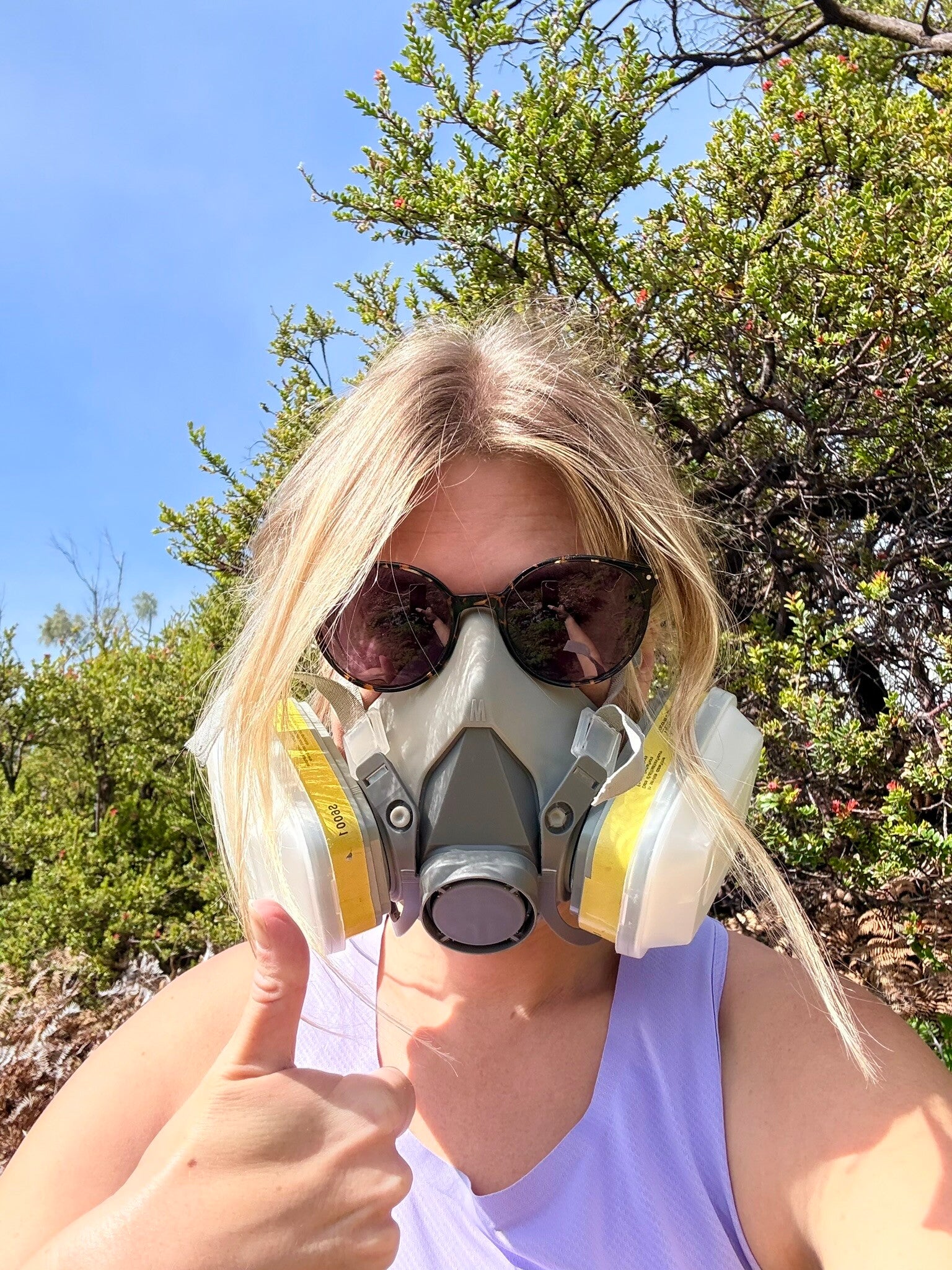
You might have seen pictures of people posing in gas masks at Ijen and wondered whether they're actually necessary. The answer depends largely on where you're going and the conditions on the day. A proper gas mask is essential if you're descending towards the blue fire, where exposure to concentrated sulphur gases is much greater. Gas conditions can also change quickly with the wind.
I rented a gas mask at the trailhead for 50,000 IDR (around USD 3) just in case. I only ended up using it for about five minutes, when the wind briefly changed direction and the sulphur smell became much stronger. So even if you're only hiking to the crater rim, I think it's the case of better to have it and not need it than need it and not have it. And, admittedly, gas masks do make for much cooler photos!
Should you book the 3-day East Java tour?
If you've been researching Java, you've probably come across tour companies offering three-day packages covering Tumpak Sewu, Bromo and Ijen, usually departing from Malang or Surabaya.
On paper, this seems like a great idea: you save both time and money while ticking off three of East Java's biggest sights. In reality, unless you're a 20-something who functions perfectly well on little to no sleep, I would reconsider. The itinerary is brutal, with very early mornings, sleepless nights and most of the supposed “rest time” spent driving between locations. I would definitely recommend basing yourself in Malang and Banyuwangi instead and doing the sights as separate day trips. It takes a little longer, but you'll probably enjoy them considerably more.
Day 16 - Enchanted De Djawatan Forest and the “Africa of Java”
Remember when I said there are other amazing destinations around Banyuwangi? Well, De Djawatan Forest is definitely one of them. It's filled with massive, centuries-old trembesi trees, whose sprawling, moss-covered branches give the forest its enchanted look and feel. Its dramatic, moody atmosphere makes for a perfect photo backdrop and it's best visited early in the morning, when it feels most magical and is less crowded.
One thing to note is that De Djawatan is incredibly popular with domestic tourists, so I would avoid visiting on weekends or public holidays due to the crowds. On the other hand, it doesn't seem nearly as popular with foreign tourists. Chances are your driver, if you visit on a tour, won't speak much English - but Google Translate works just fine!
Allow around 1–1.5 hours to explore the forest. When I visited, the entrance fee was a very modest 10,000–15,000 IDR (around 0.60–1 USD).
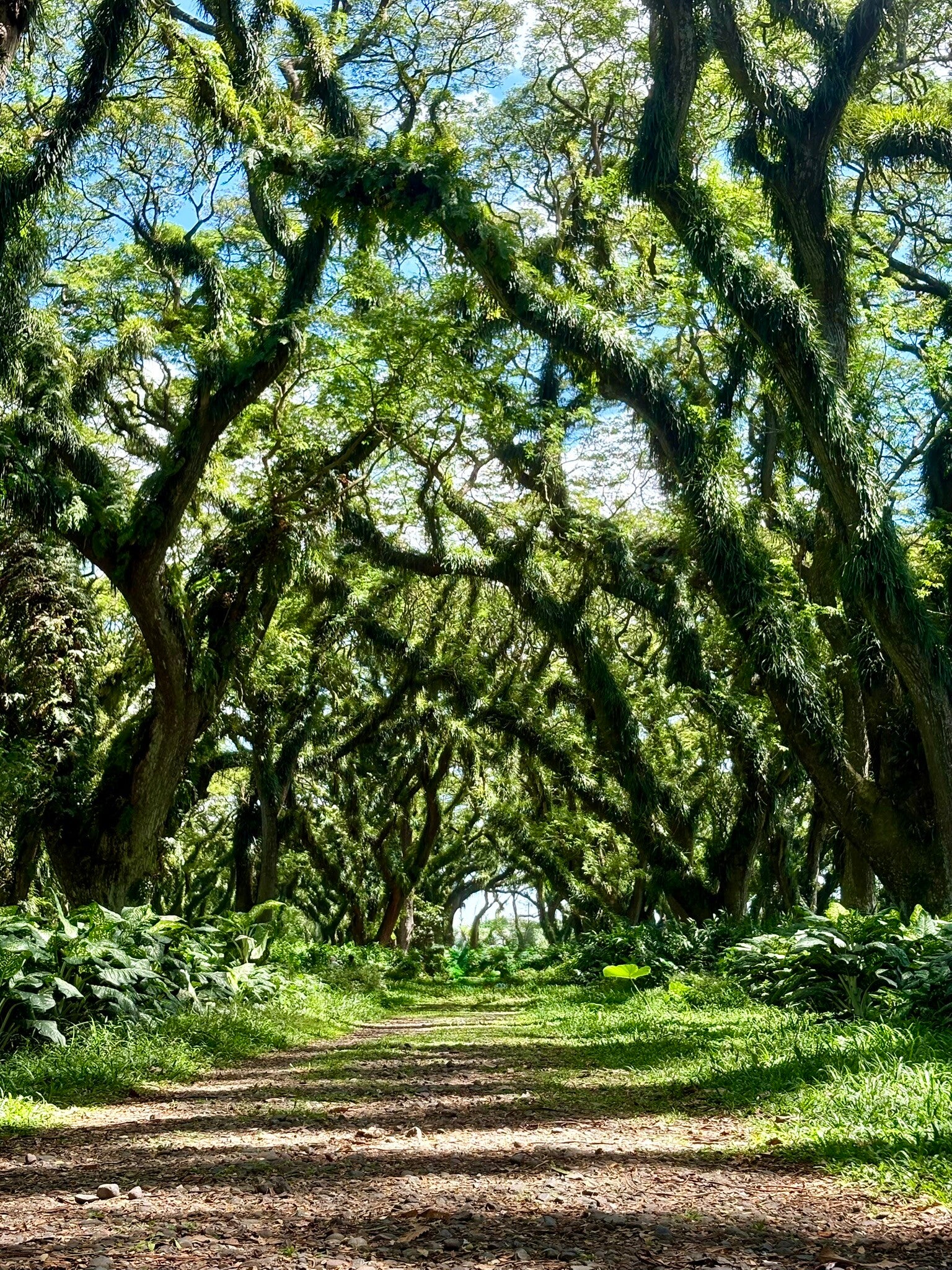
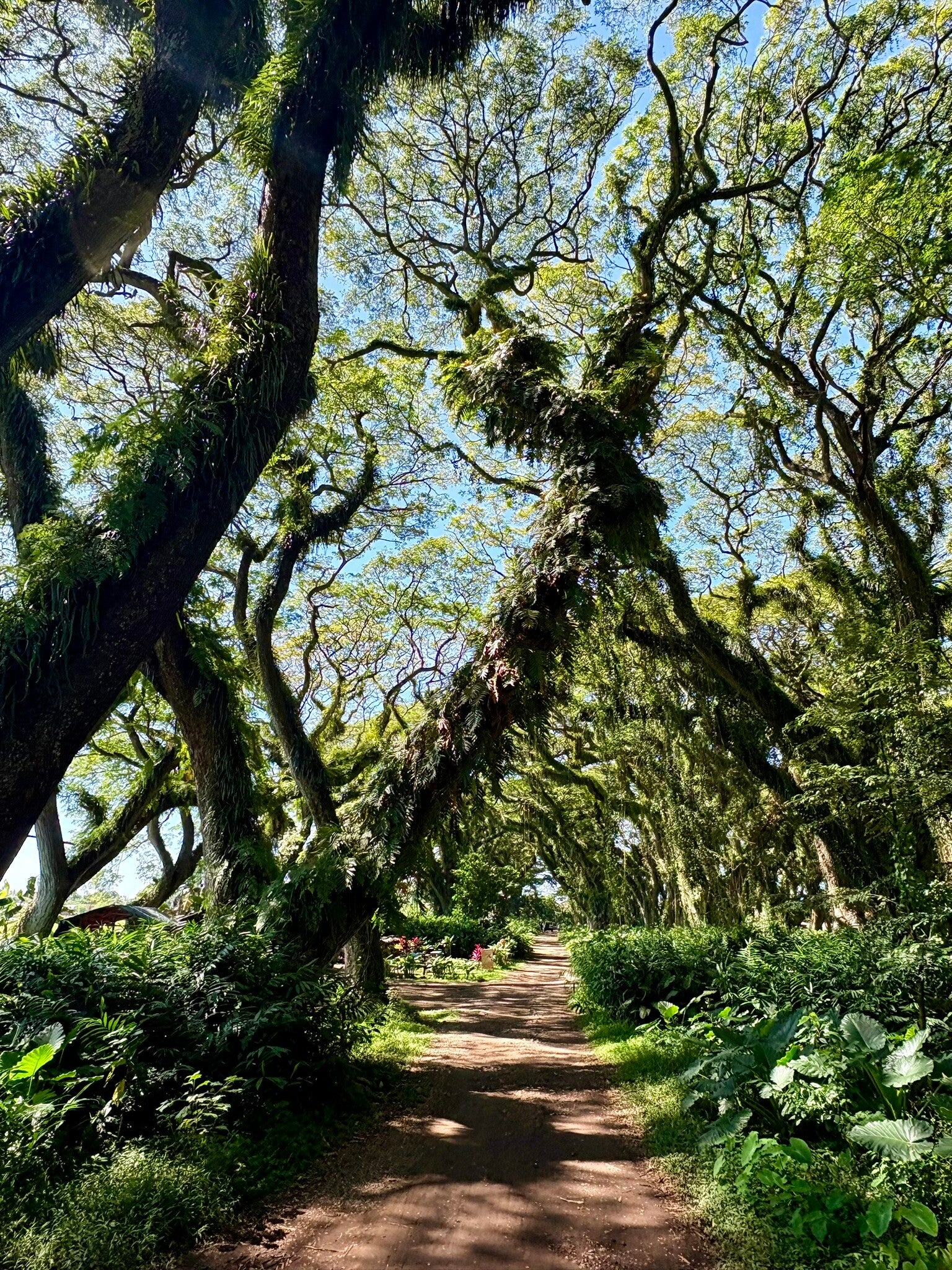
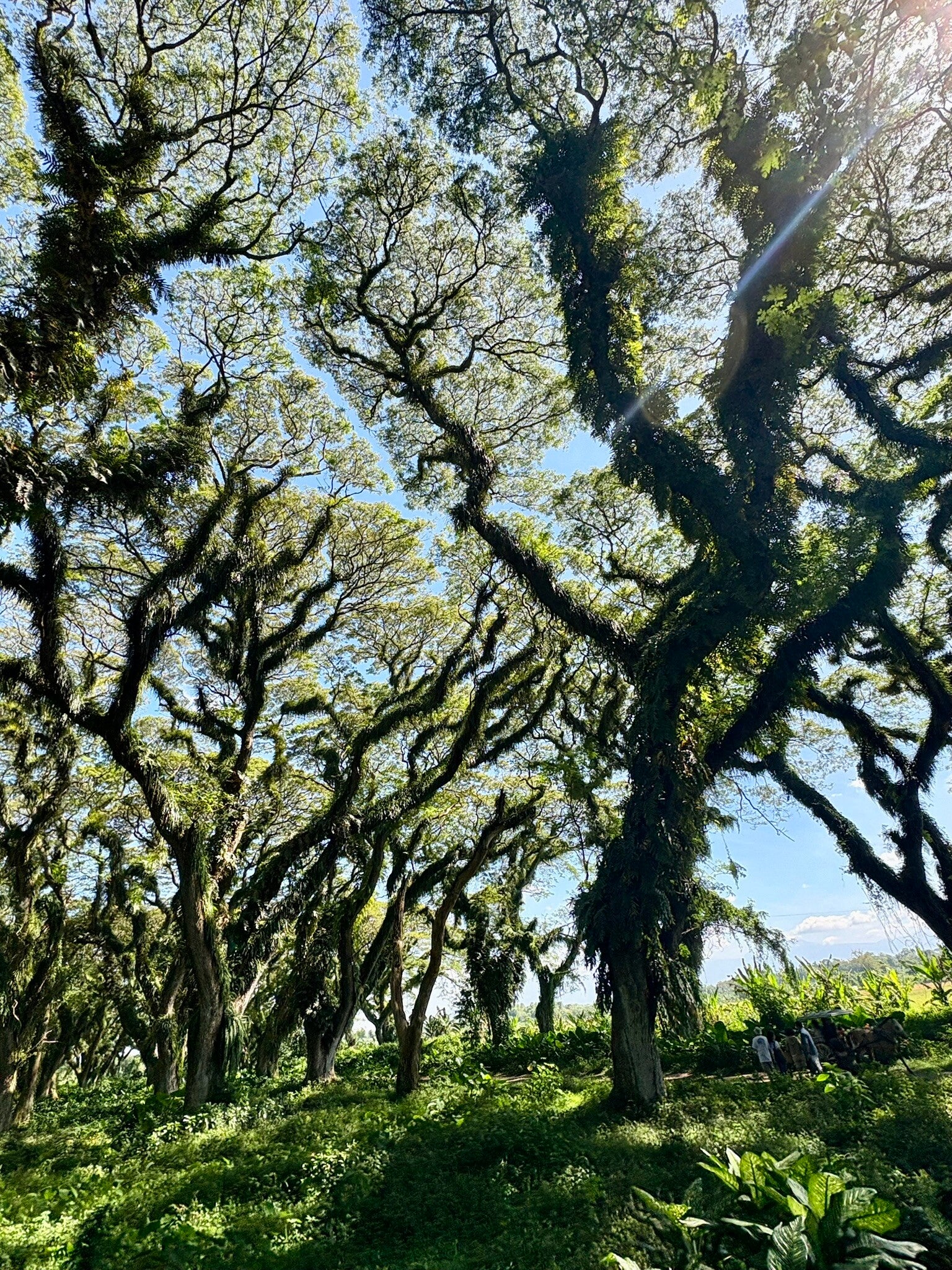
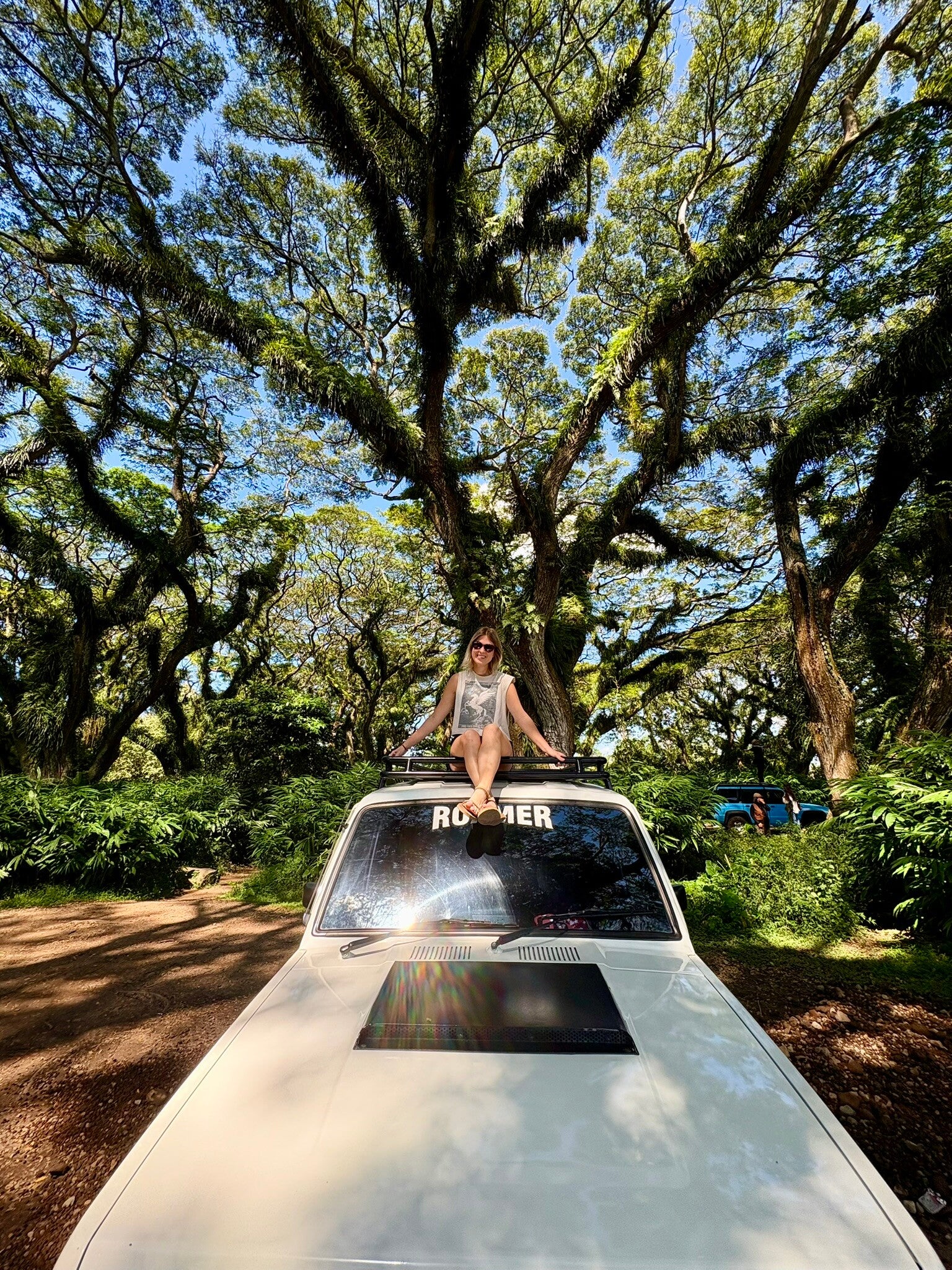
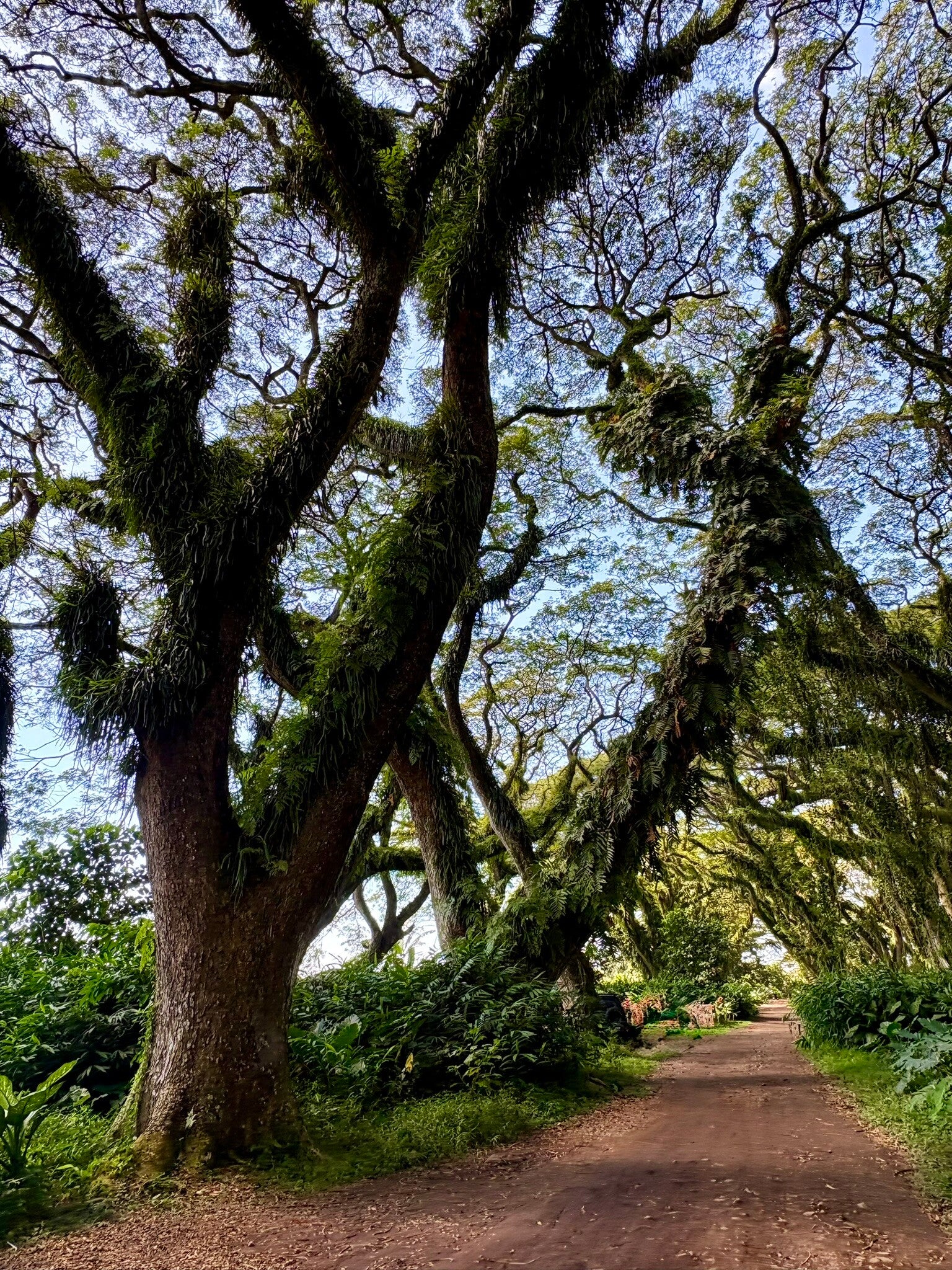
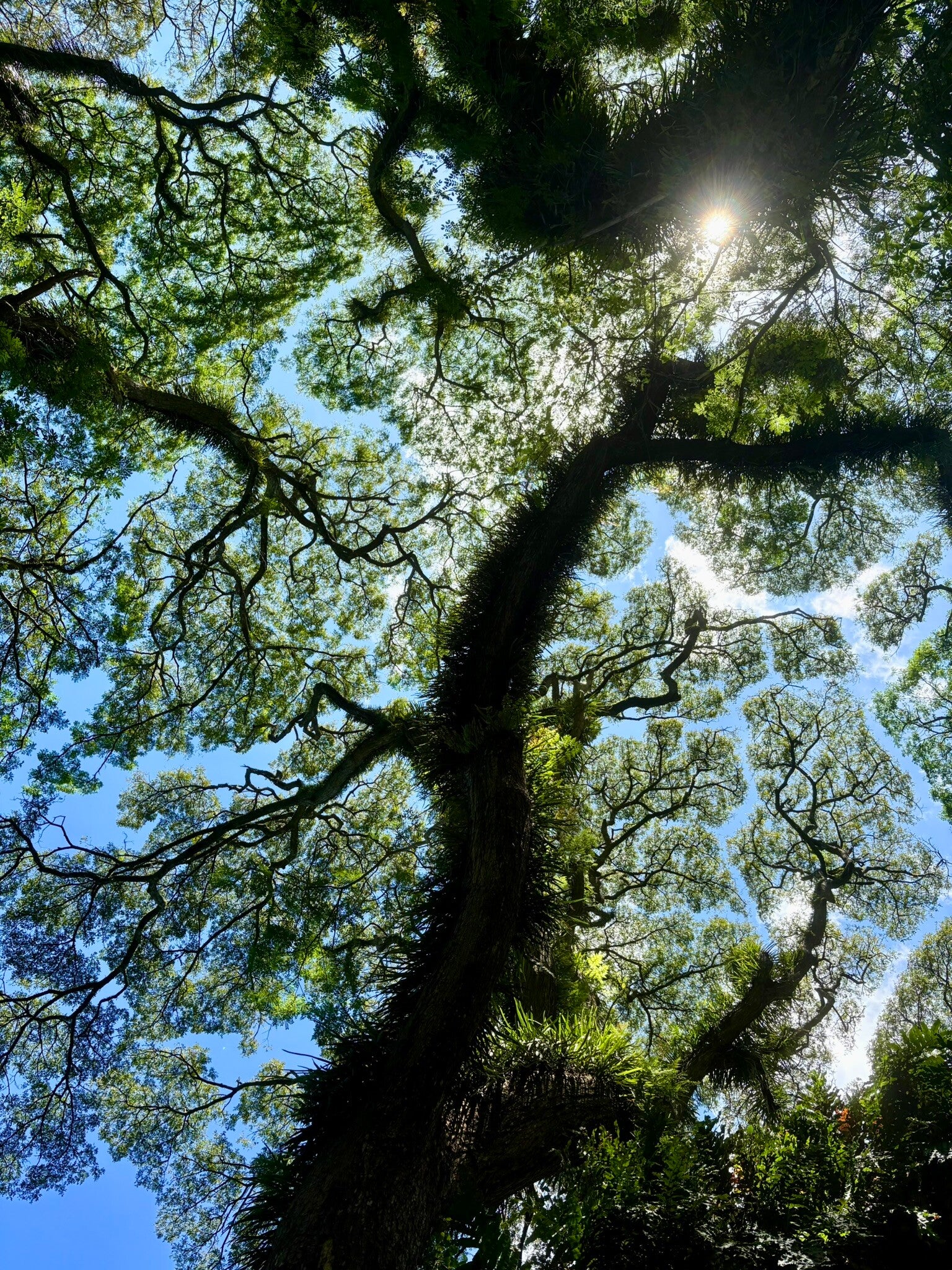
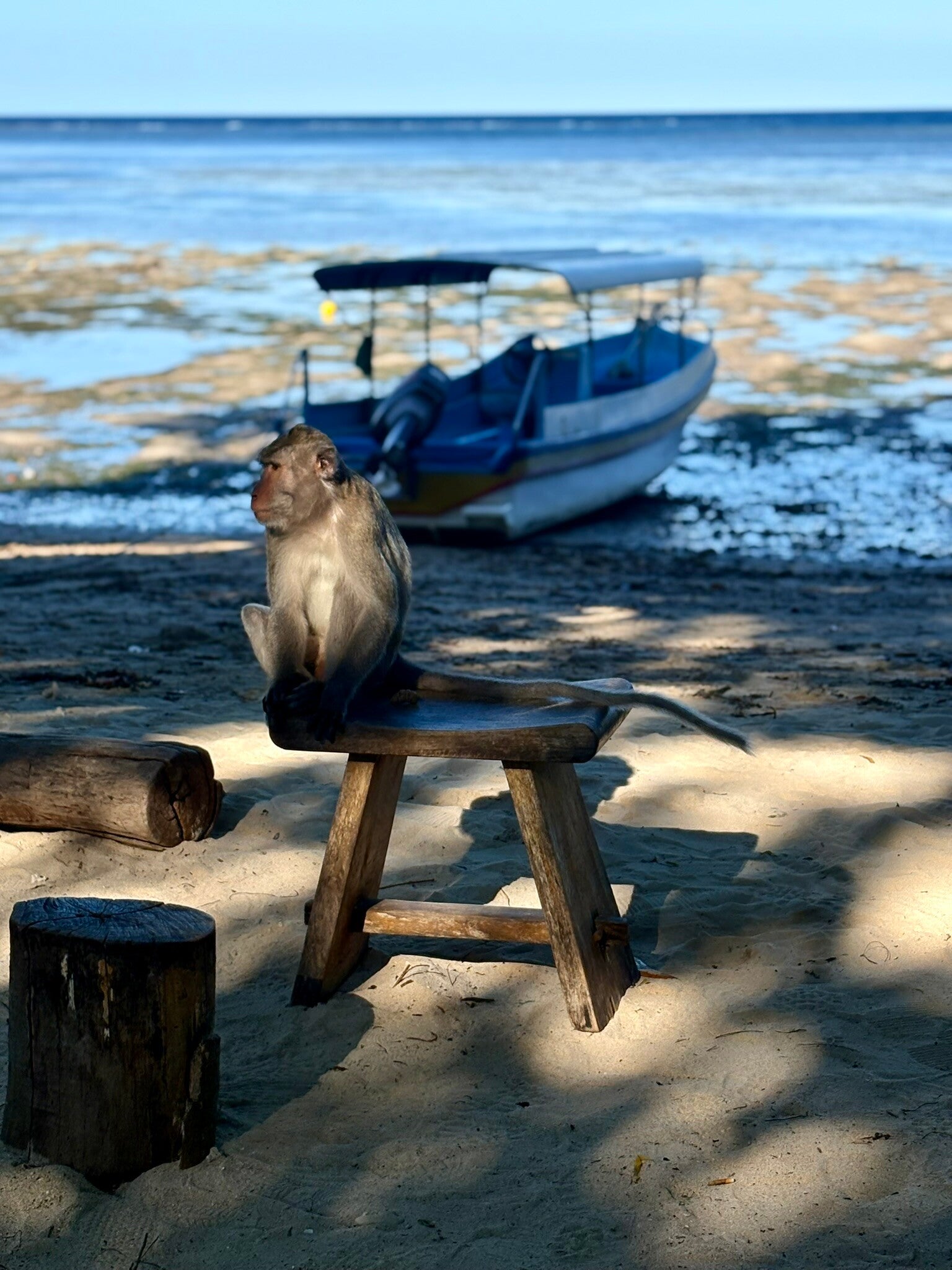
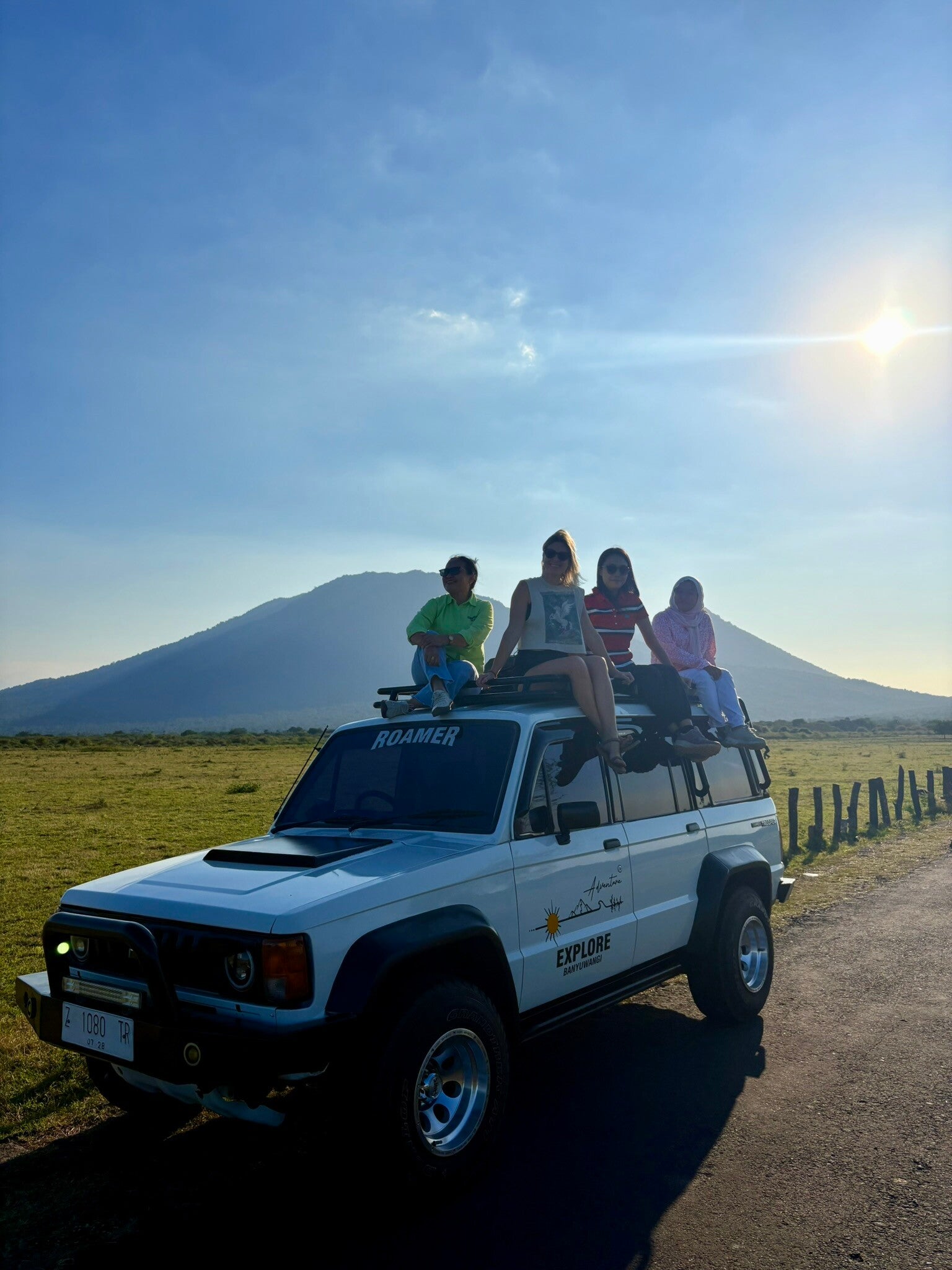
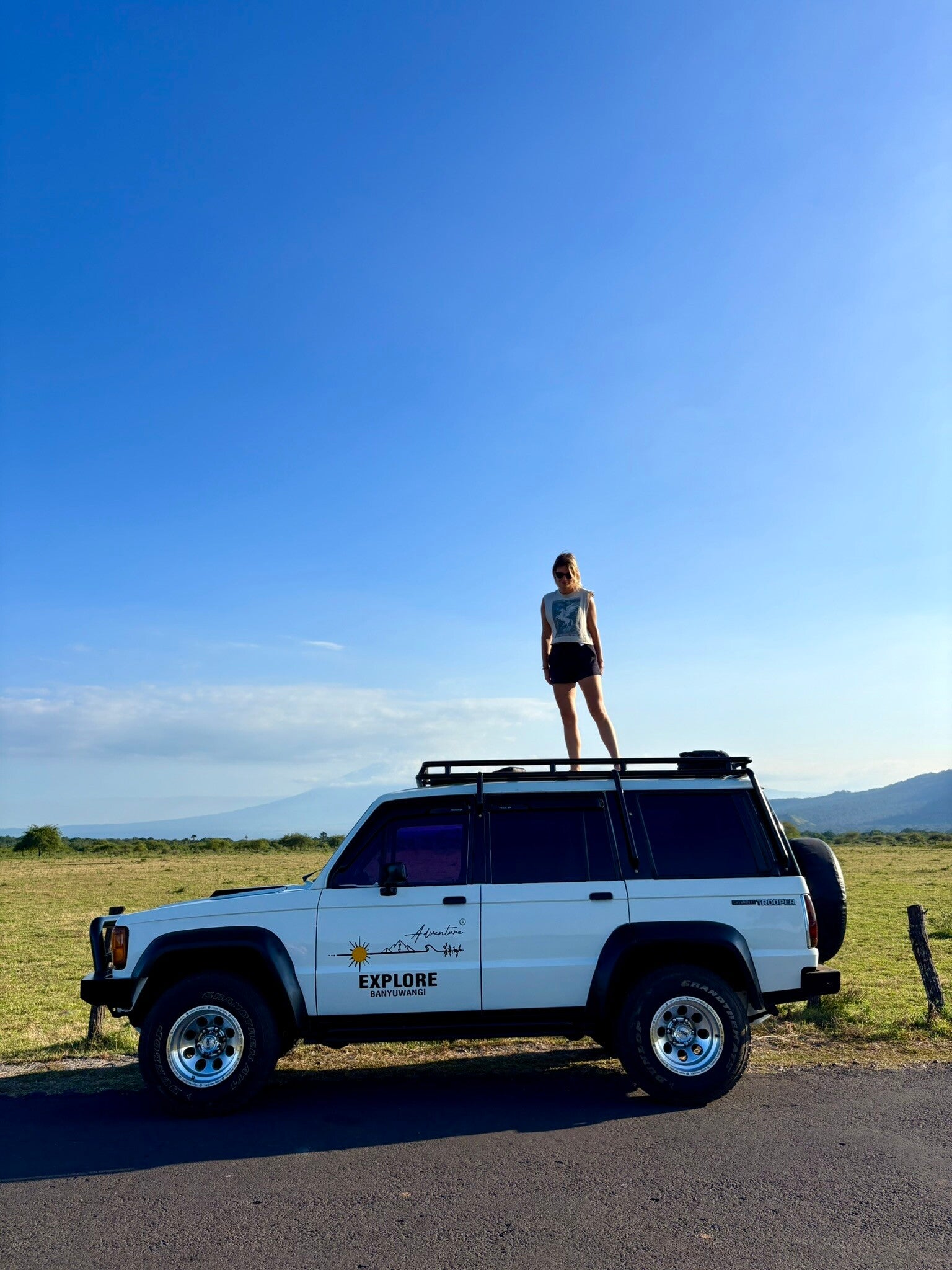
De Djawatan is only around an hour from Banyuwangi and can easily be combined with Baluran National Park, around 2.5 hours from De Djawatan or 1.5 hours from Banyuwangi. Baluran is often nicknamed the “Africa of Java” because of its vast savannah landscapes, which feel completely different from the lush jungle scenery you might associate with Indonesia. The park is home to plenty of wildlife, including monkeys, deer and numerous bird species.
However, don't necessarily expect an African-style safari with animals wandering right beside your jeep. In my experience, it was quite difficult to see wildlife up close. The tour jeeps stick to predefined roads and with so many vehicles passing through, most animals keep their distance. Regardless, it's still a fun experience to sit on the roof of the jeep, looking out over the sweeping savannah grasslands and pretending you're somewhere in Africa!
How to visit De Djawatan and Baluran
Both De Djawatan and Baluran can be visited independently if you rent a scooter or car - you don't necessarily need to take a jeep in Baluran - or as part of a day tour, which normally combines both attractions.
Tours are convenient and cost around 750,000 IDR (USD 42), but visiting independently gives you more flexibility to time your visits outside the busiest hours. That's a real advantage, as both places are very, very popular with domestic tourists.
Day 17 - The long transfer from Java to Bali
This itinerary skips Bali as a destination in its own right - there's already more than enough content out there about this beautiful island! However, Bali is a very convenient transit point between many of the other Indonesian islands, and in this itinerary, it's a stopover on the way to Nusa Penida.
While Banyuwangi looks relatively close to Bali on the map, getting all the way to southern Bali is unfortunately a rather time-consuming endeavour. The journey involves taking the ferry from Ketapang in Java to Gilimanuk in Bali, followed by a long drive or shuttle transfer south. Depending on traffic and your final destination, the entire journey can easily take around 6–10 hours.
There are plenty of shared transfer services available through 12Go Asia and similar platforms, but be very careful to check exactly what you're booking. Make sure the transfer is genuinely point-to-point, for example Banyuwangi → Kuta or Sanur, rather than a shared shuttle making drop-off stops all over Bali.
I didn't do enough research beforehand and my supposedly seven-hour (on paper) journey turned into an 11+ hour ordeal, with drop-off stops all over Bali. Eventually, I gave up, got out somewhere in the middle of the island and called a Grab instead! So learn from my mistake: the advertised journey time doesn't necessarily mean that's when you'll reach your particular stop.
Banyuwangi does have its own airport, but there are currently no direct flights between Banyuwangi and Bali, so flying isn't a particularly convenient alternative either.
Day 18 - Escape the day-trip crowds: stay overnight on Nusa Penida
While Nusa Penida is now almost as famous as Bali and only around an hour away by fast boat, there are still ways to experience the island in relative peace and without waiting in line for every photo spot.
The first rule is simple: actually stay on Nusa Penida overnight rather than visiting on a day trip from Bali. Otherwise, you'll end up at exactly the same locations at exactly the same time as literally thousands of other day-trippers.
I therefore highly recommend heading to Sanur or Padang Bai and taking a fast boat to Nusa Penida for a couple of nights. Make sure to bring enough cash for entrance fees, small purchases and other expenses, as ATMs are mostly concentrated around the more developed parts of the island and aren't always convenient when you're out exploring. Some restaurants and businesses also offer cash withdrawals for a fee, but those fees can be very steep.
Where to stay on Nusa Penida
Where you stay depends largely on whether you're planning to explore independently, hire a private driver or join an organised day tour. Most organised tours pick up travellers around the northwestern part of the island, close to the main ports, so staying there is the most convenient option if you're joining a tour.
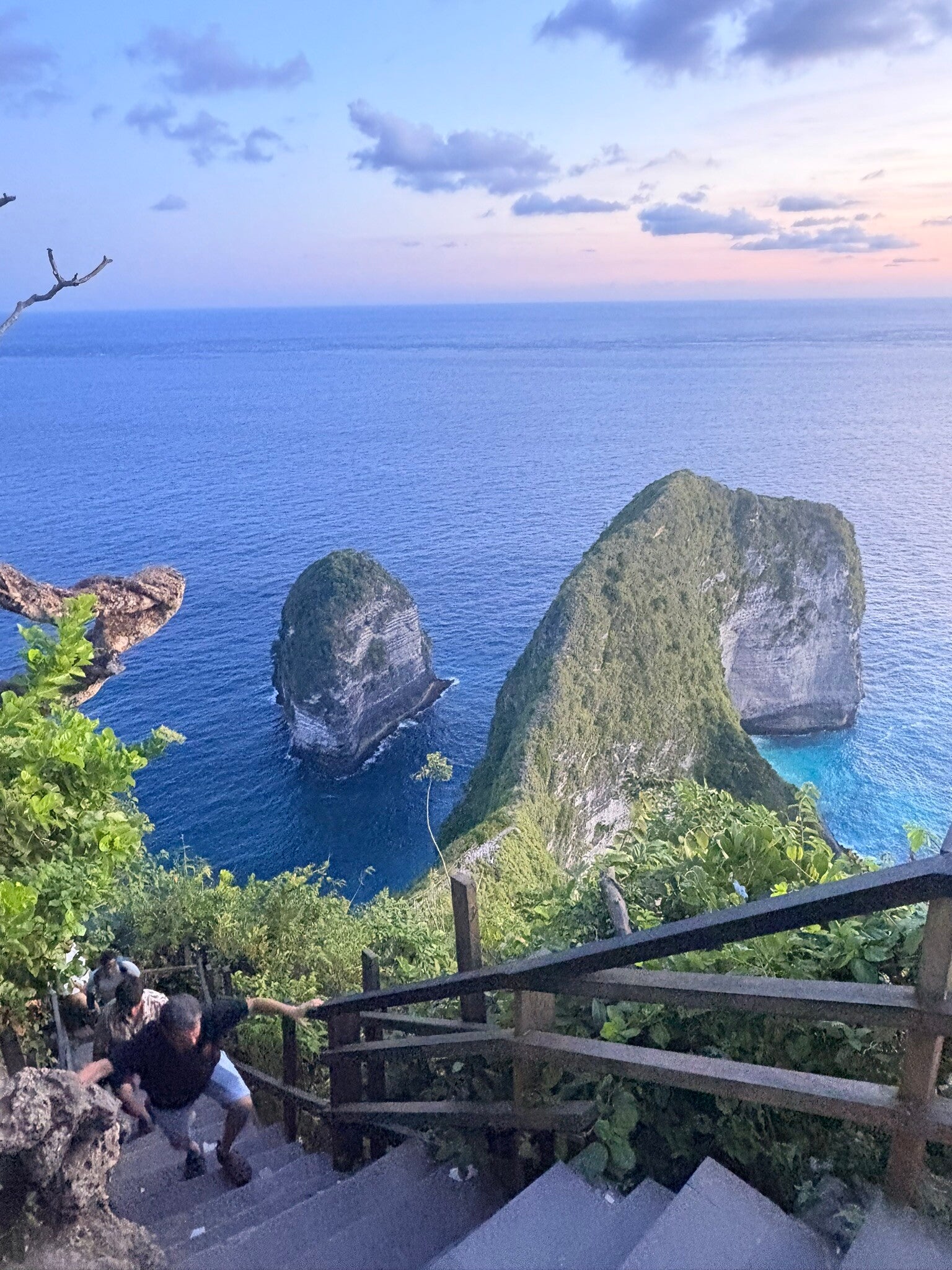
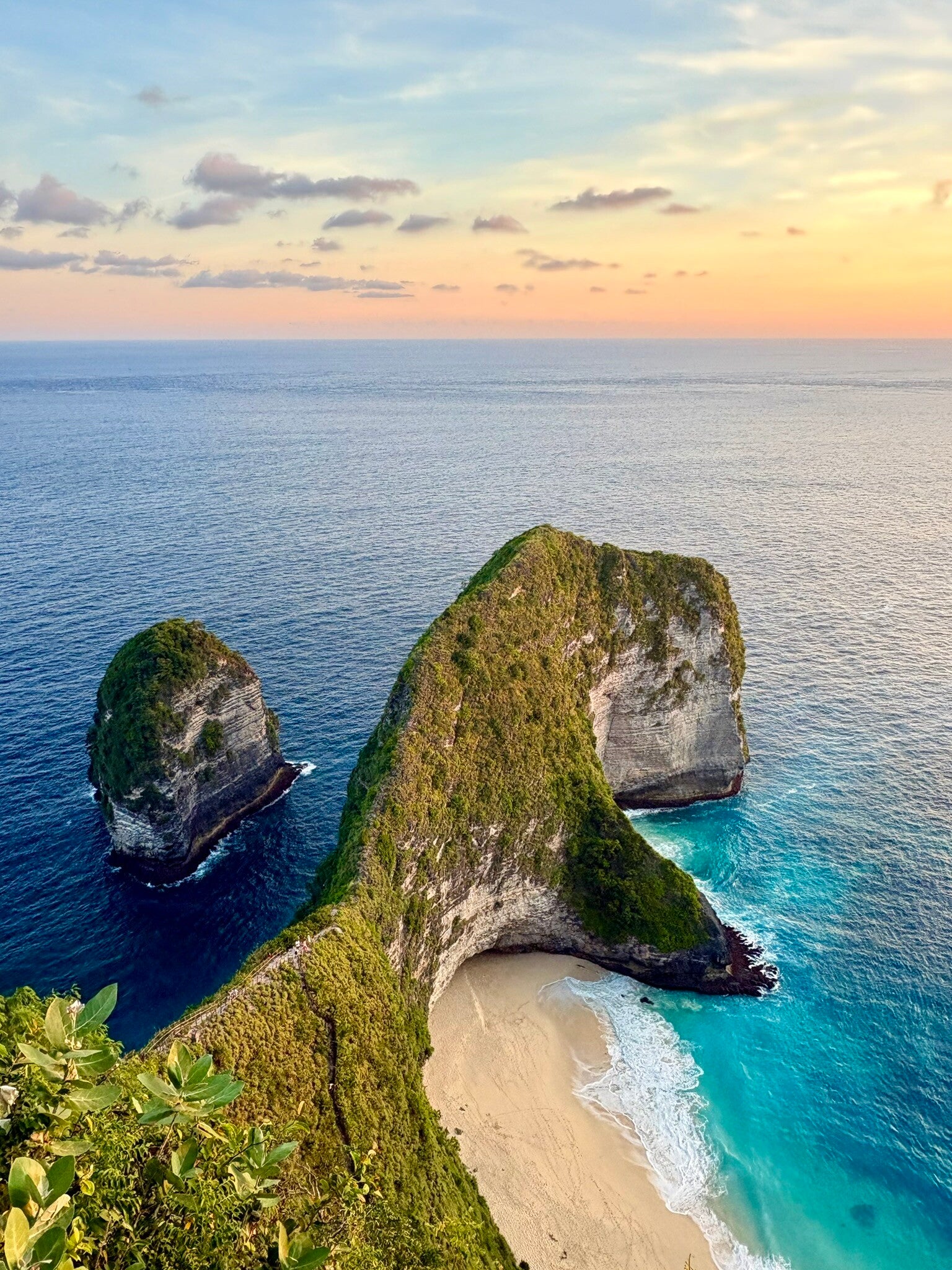
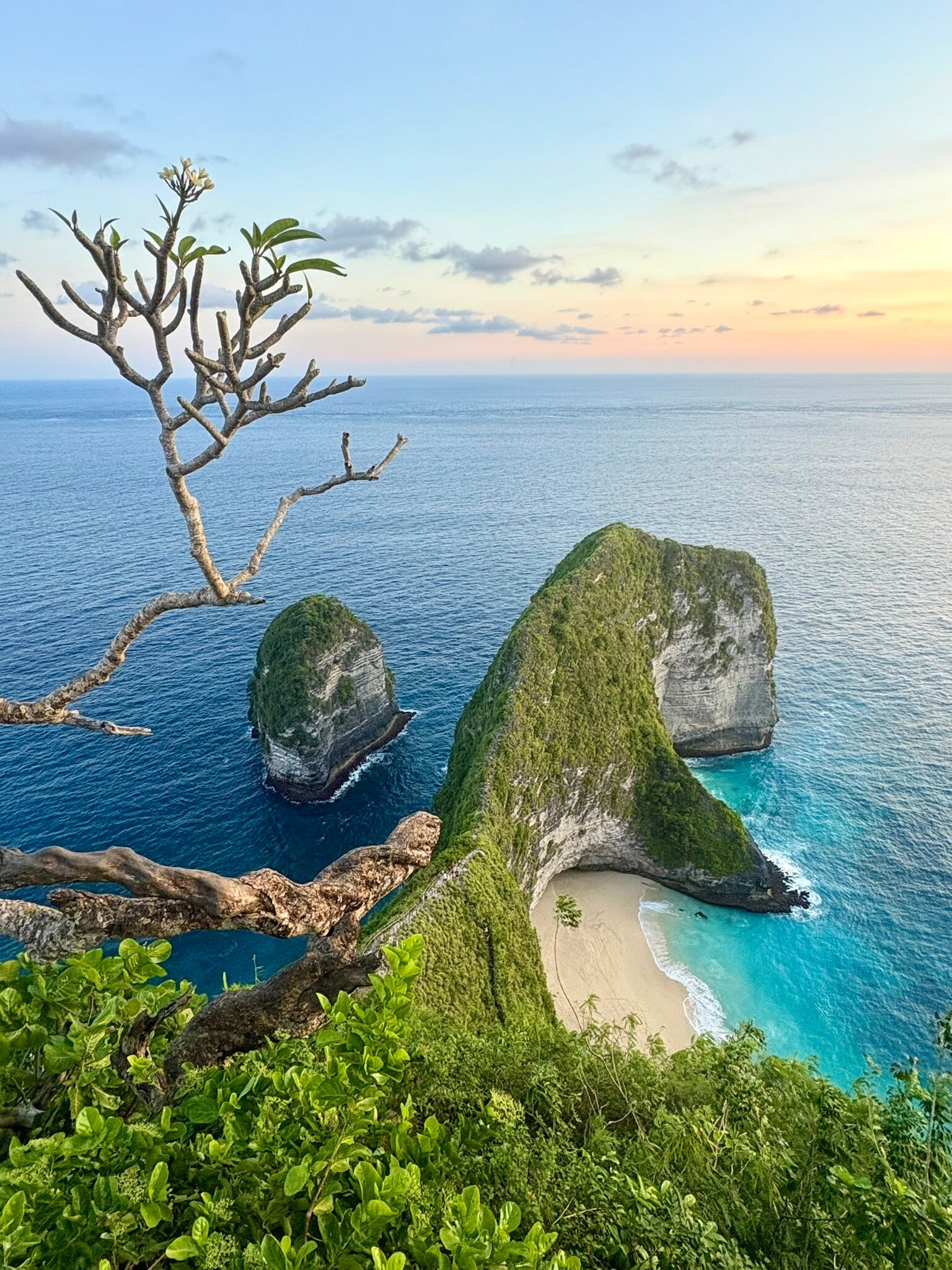
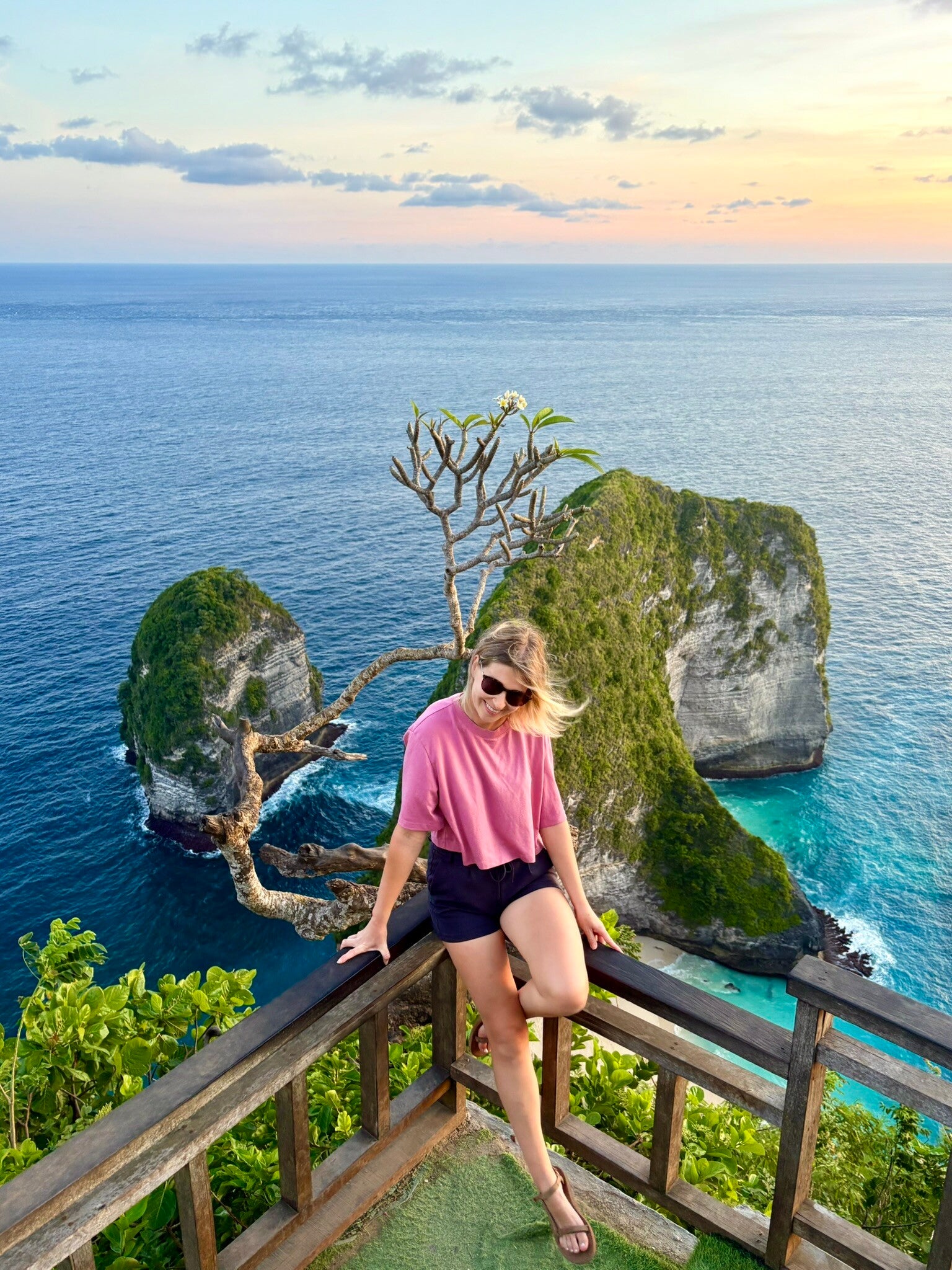
However, staying further south has its advantages if you're exploring independently or want to visit famous places such as Kelingking Beach outside peak day-trip hours. Kelingking is far from empty at sunset, but the difference compared with the middle of the day is huge - there are no massive crowds or queues, making the whole experience much more enjoyable.
Important: I would only recommend exploring Nusa Penida by scooter if you're already a confident and experienced rider. Some roads are in poor condition, with deep potholes, steep sections and very sharp turns, while traffic around the major attractions can also be heavy. If you're not comfortable riding in those conditions, hiring a private driver is a much safer and less stressful option.
Day 19 - Explore East Nusa Penida without the crowds
Spend your first full day on Nusa Penida exploring the east coast. I highly recommend starting as early as possible or visiting later in the afternoon, as the biggest crowds arrive at the main viewpoints around 9 am and start dispersing after 3 pm.
The main attractions on the east coast are:
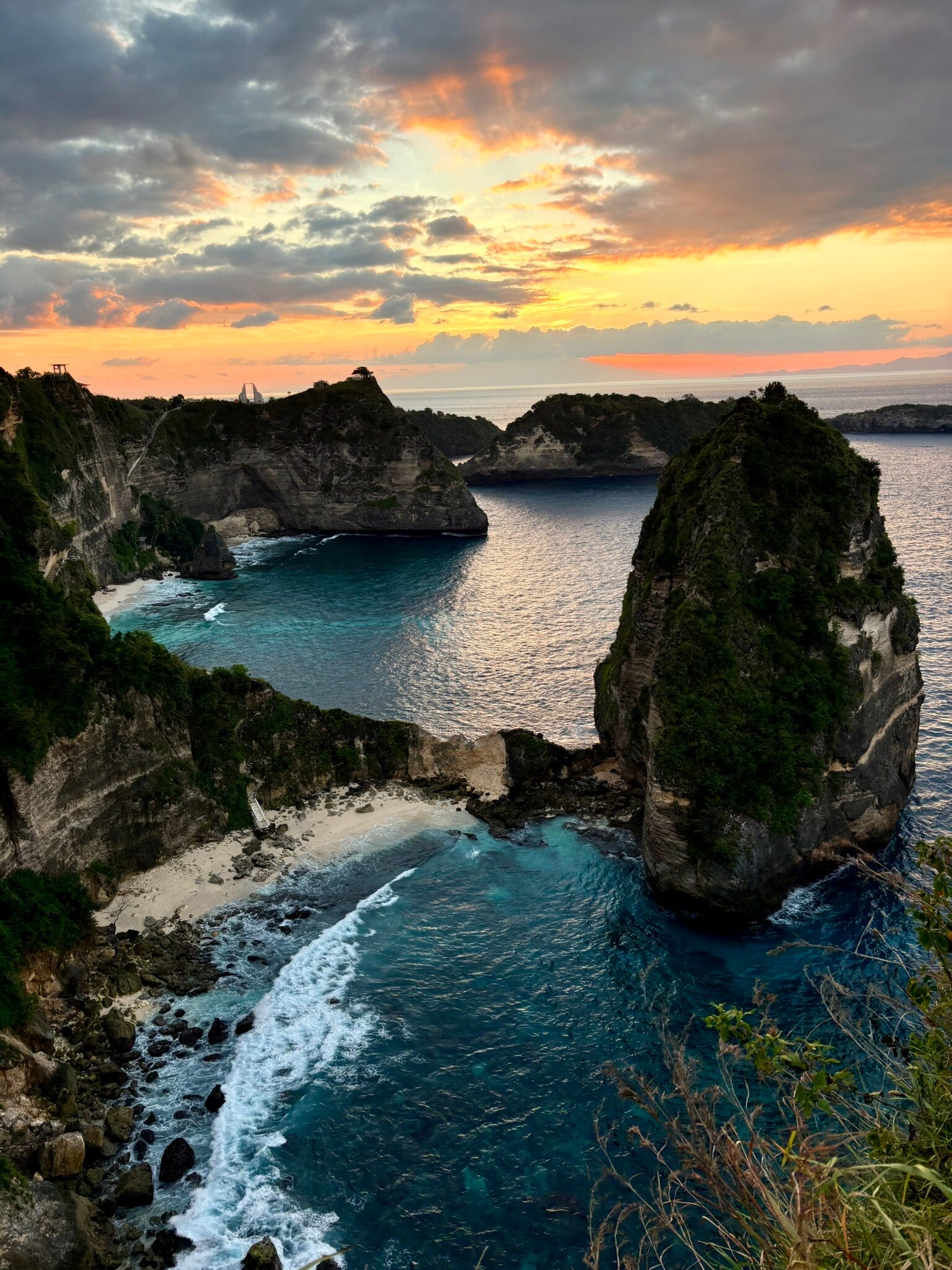
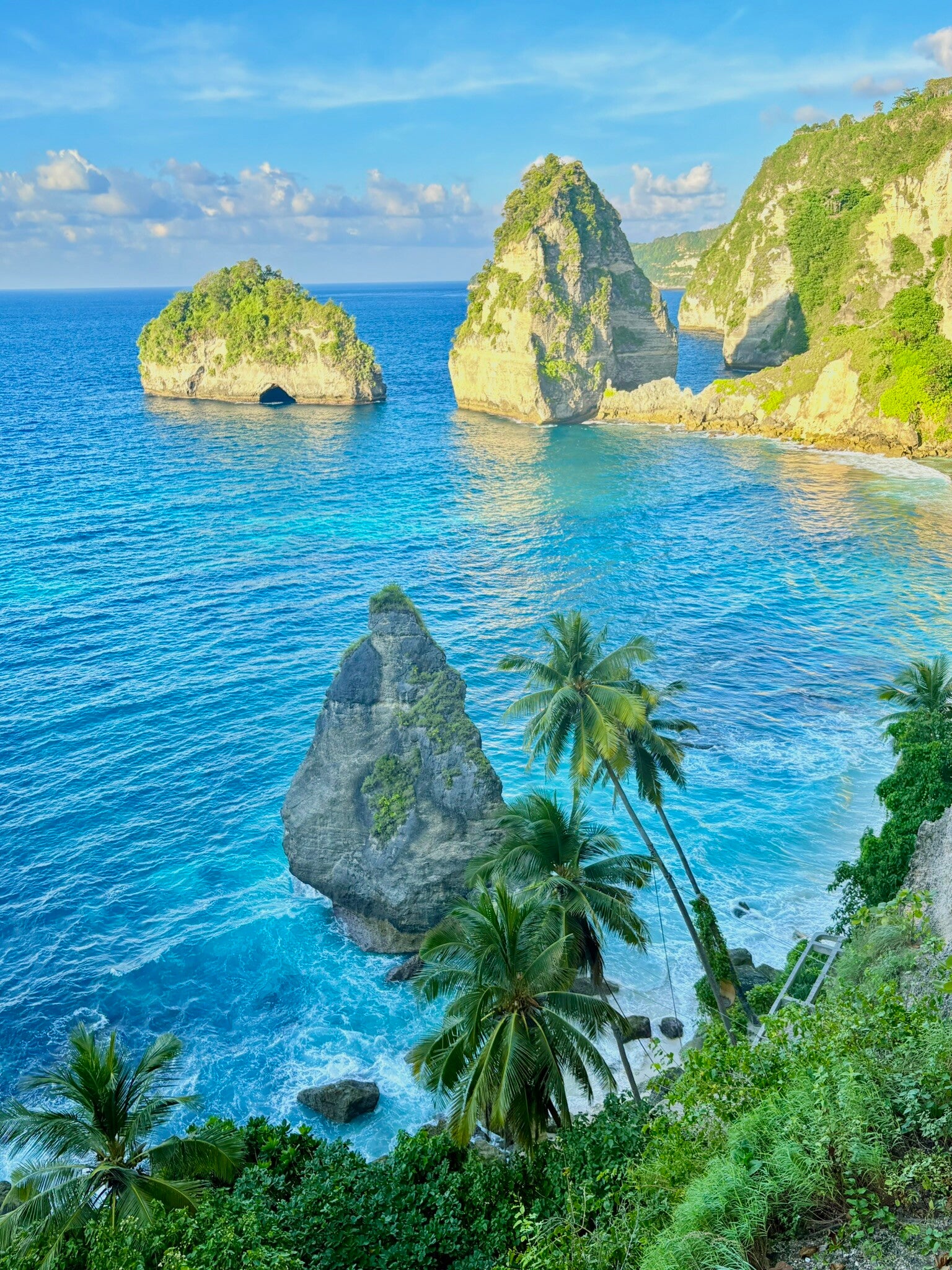
- Diamond Beach - a dramatic beach surrounded by towering cliffs, with its iconic diamond-shaped rock just offshore. You can descend to the beach via a steep staircase carved into the cliff, but swimming is not allowed due to strong waves and currents and the most spectacular view is from the top anyway!
- Thousand Islands Viewpoint - a clifftop lookout offering gorgeous ocean views, with small rocky islets scattered along the coastline.
- Rumah Pohon Tree House - one of Nusa Penida's most famous photo spots, featuring a small wooden tree house perched above the cliffs with a gorgeous ocean backdrop. Be aware that taking the classic tree-house photo costs extra on top of the entrance fee.
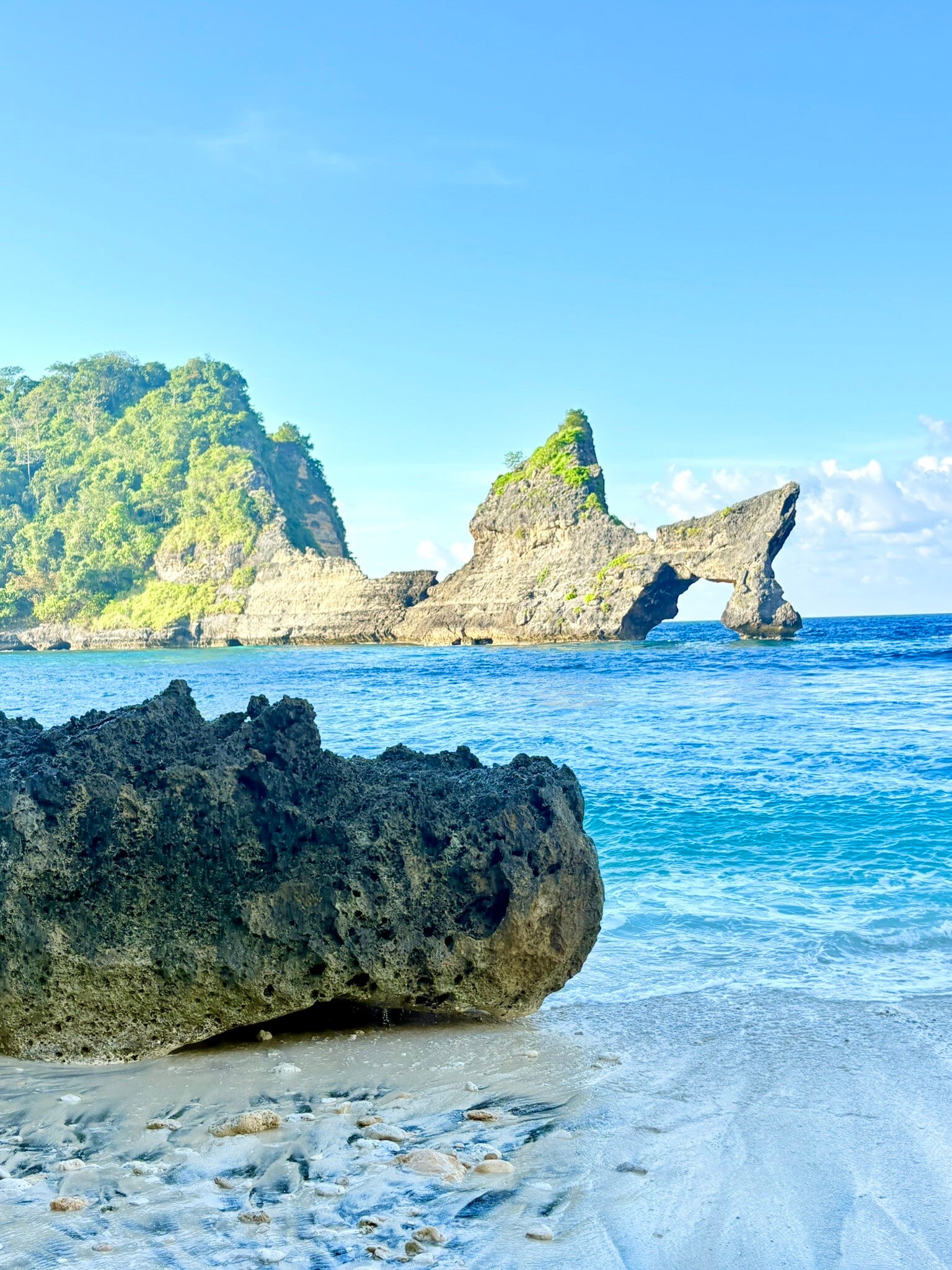
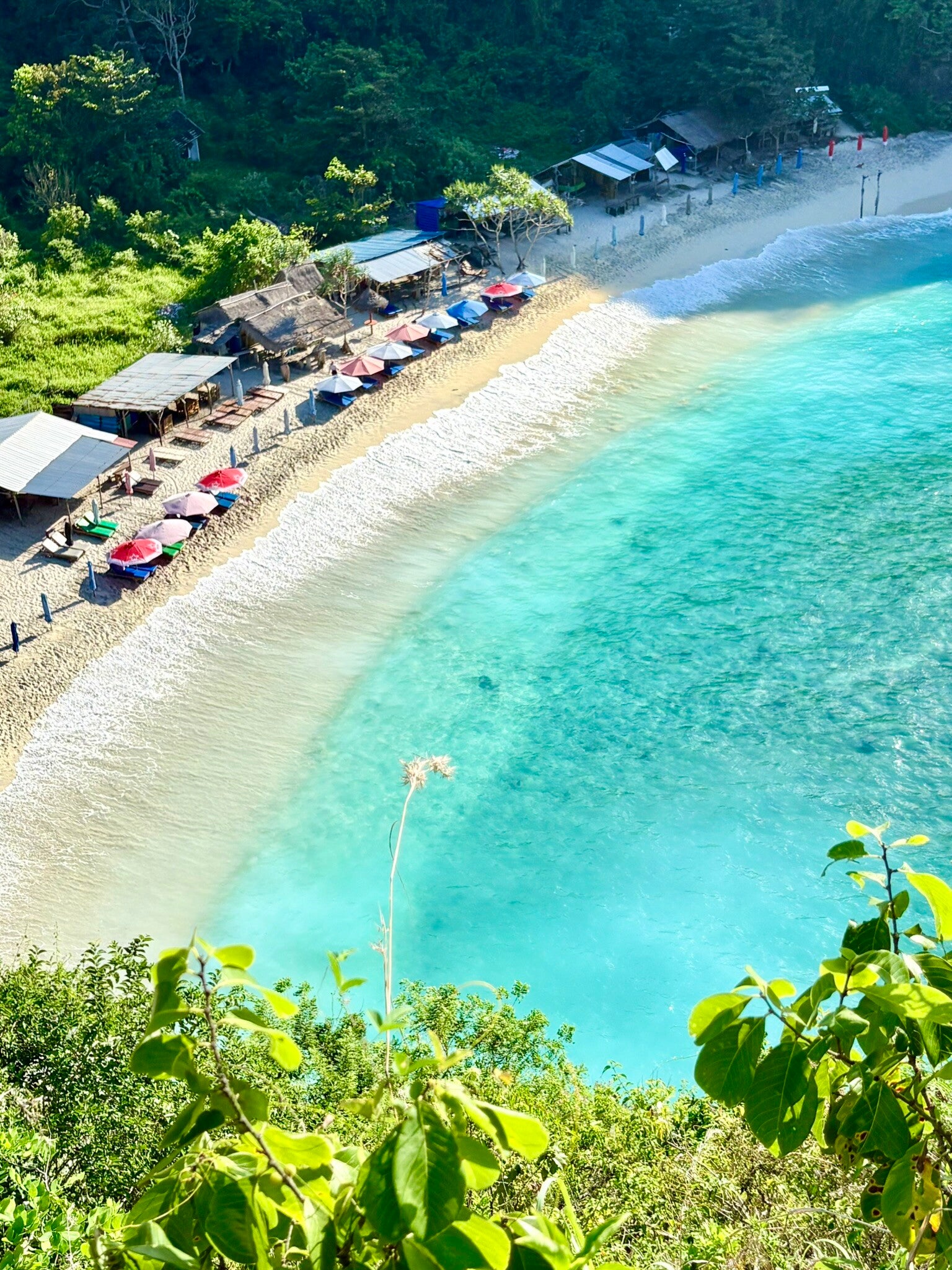
- Atuh Beach - a secluded beach tucked into a cove and surrounded by scenic cliffs.
If you're exploring independently, leave Atuh Beach until last. It's a lovely place to relax and cool off after climbing all those stairs at the other viewpoints!
Tip: Bring some cash, as several attractions charge separate entrance fees. In 2026, Diamond Beach and Atuh Beach cost around 35,000 IDR combined, while Thousand Islands Viewpoint is around 10,000 IDR. Rumah Pohon Tree House also charges an entrance fee plus an additional fee if you want the iconic tree-house photo. Prices can change quickly, so I would bring 200,000–300,000 IDR in cash to be on the safe side.
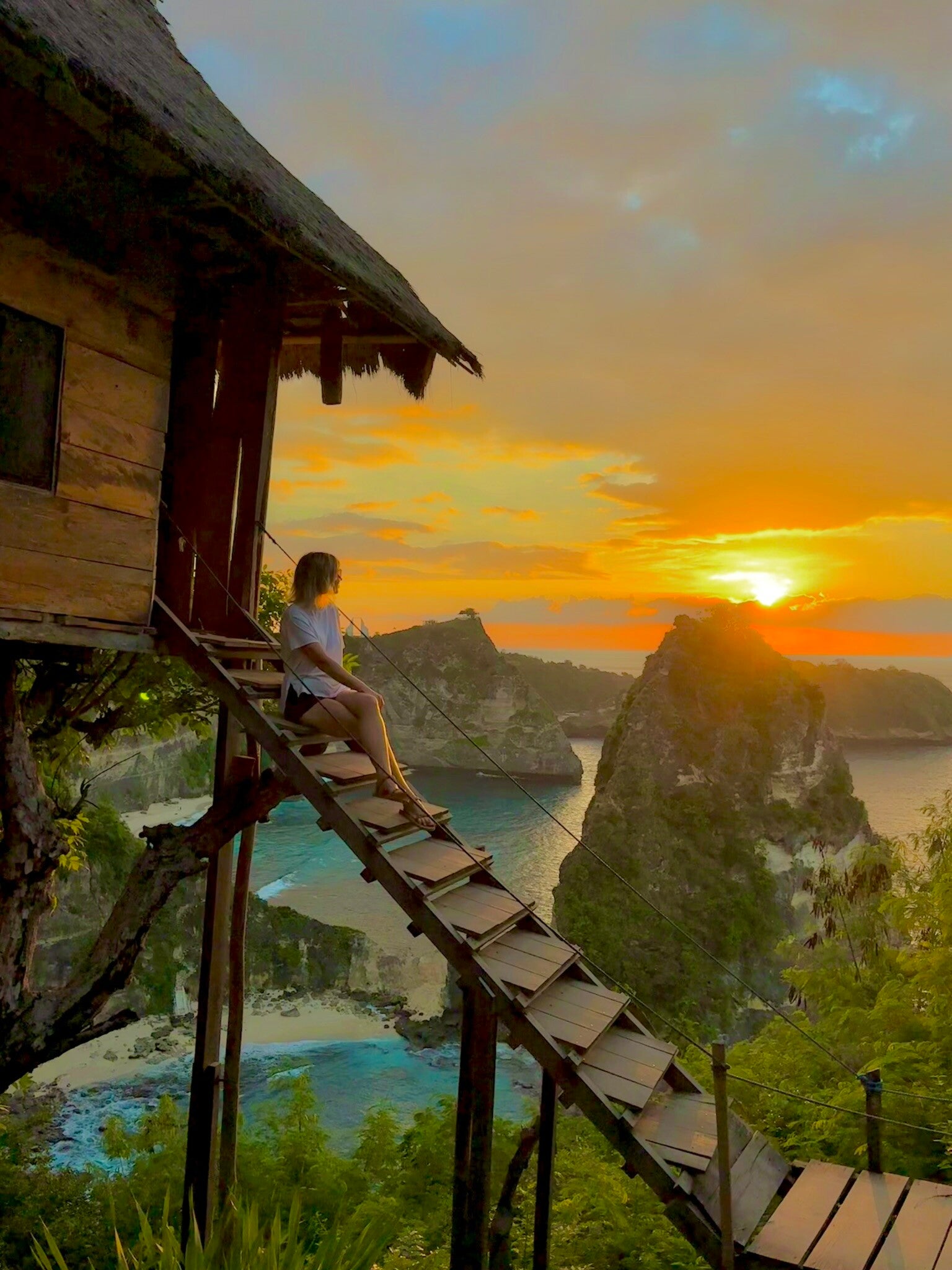
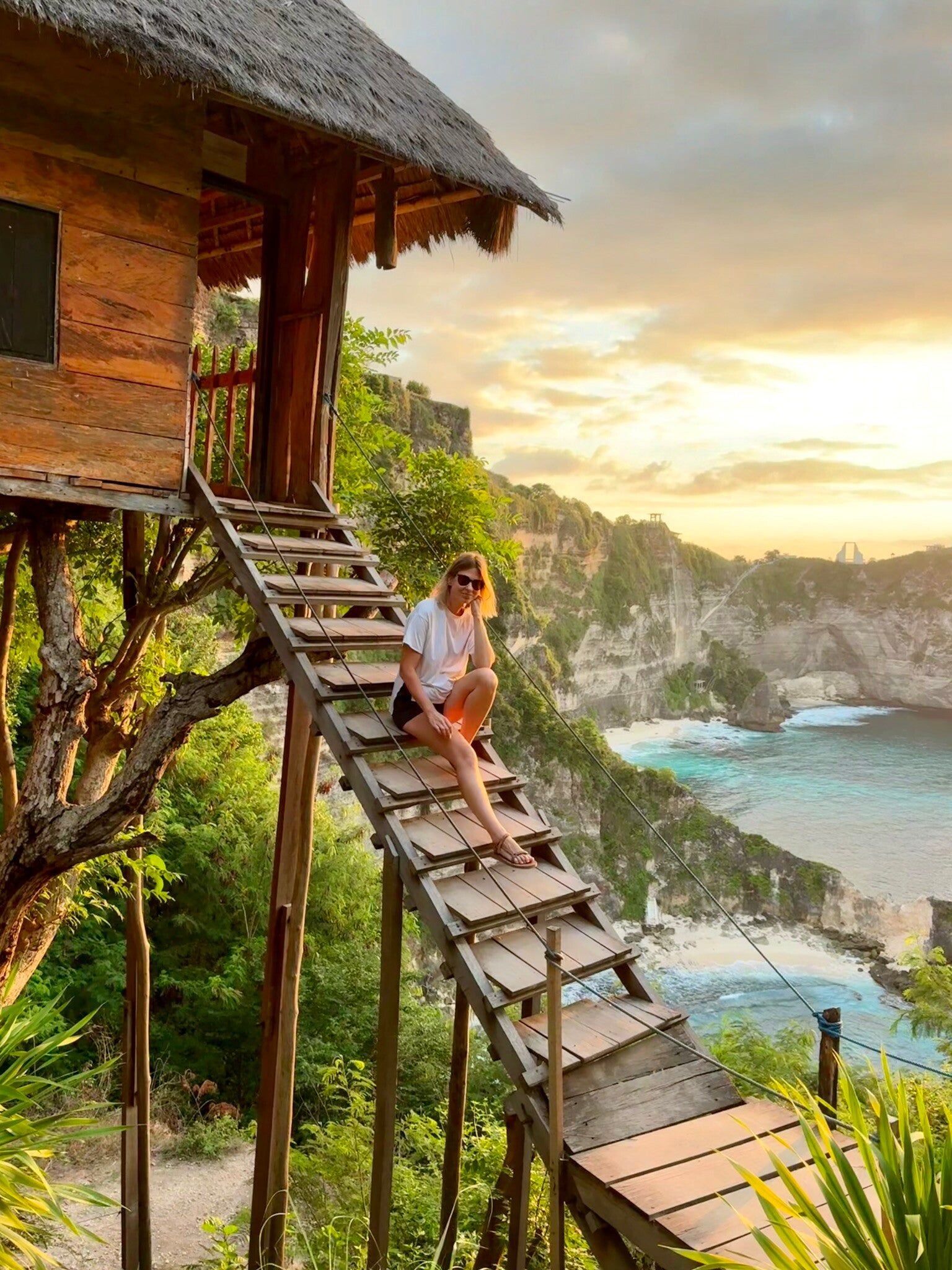
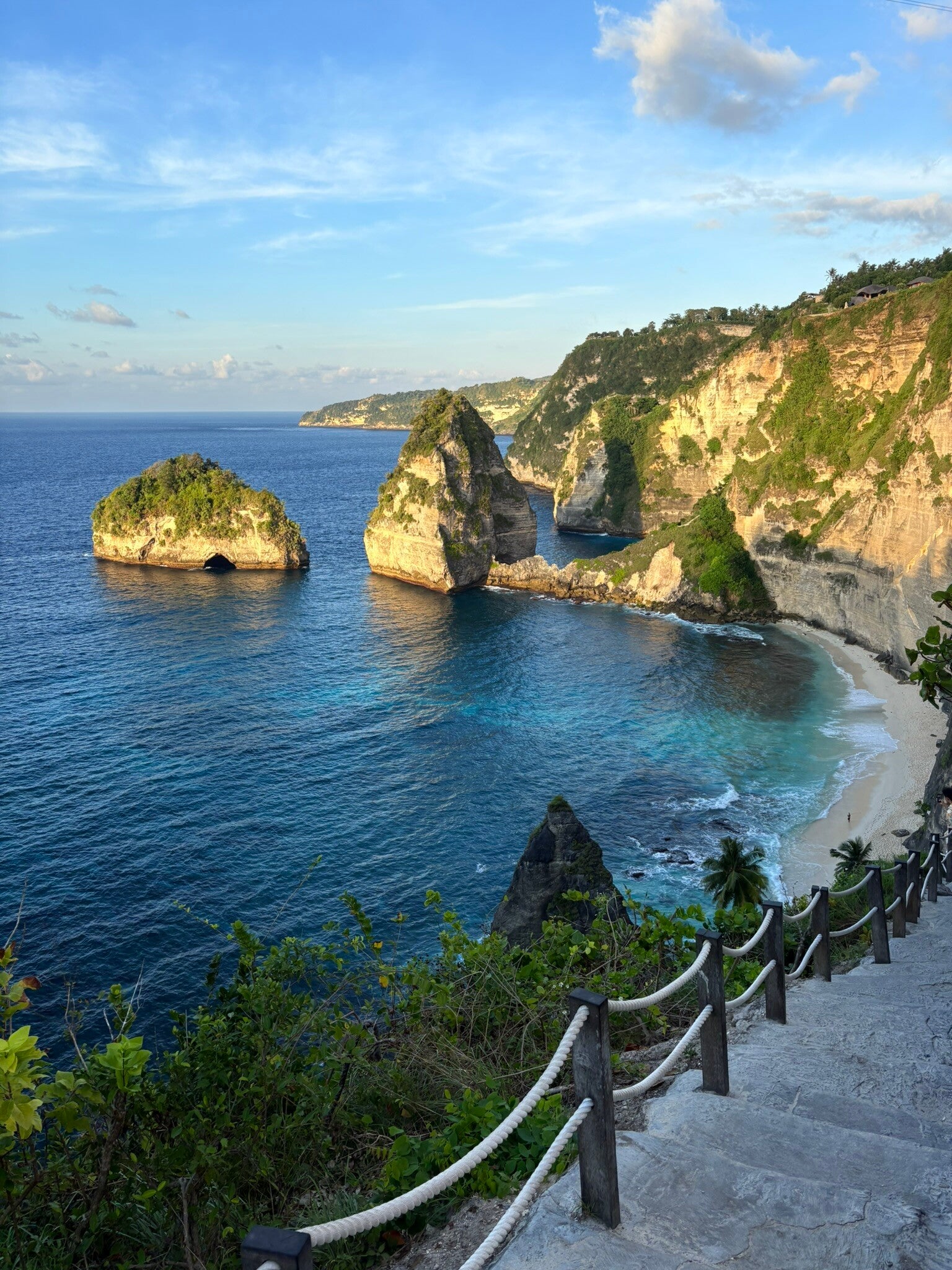
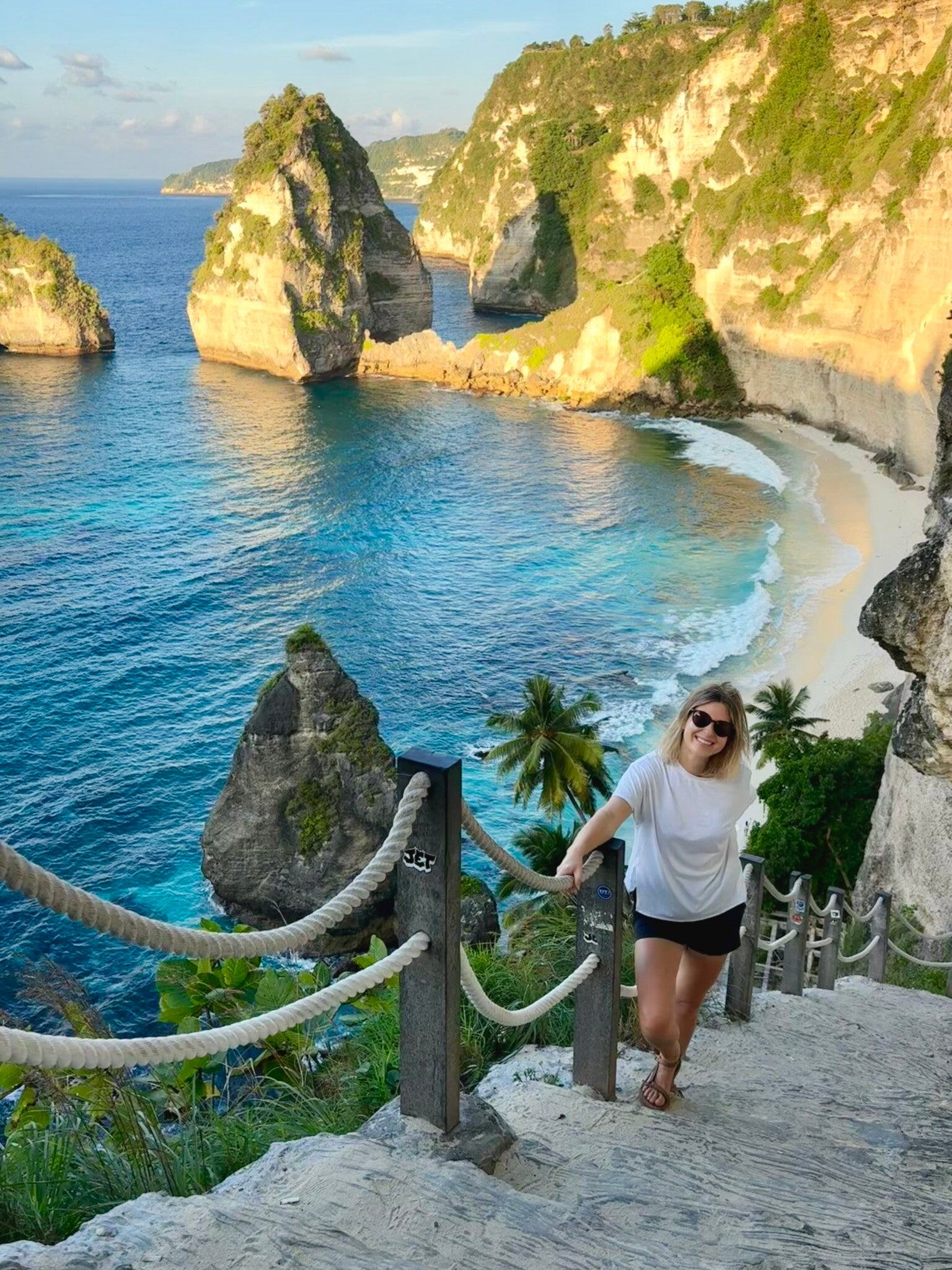
Day 20 - Explore West Nusa Penida: Kelingking Beach and coastal viewpoints
On your second full day on Nusa Penida, explore the west coast, home to some of the island's most famous viewpoints:
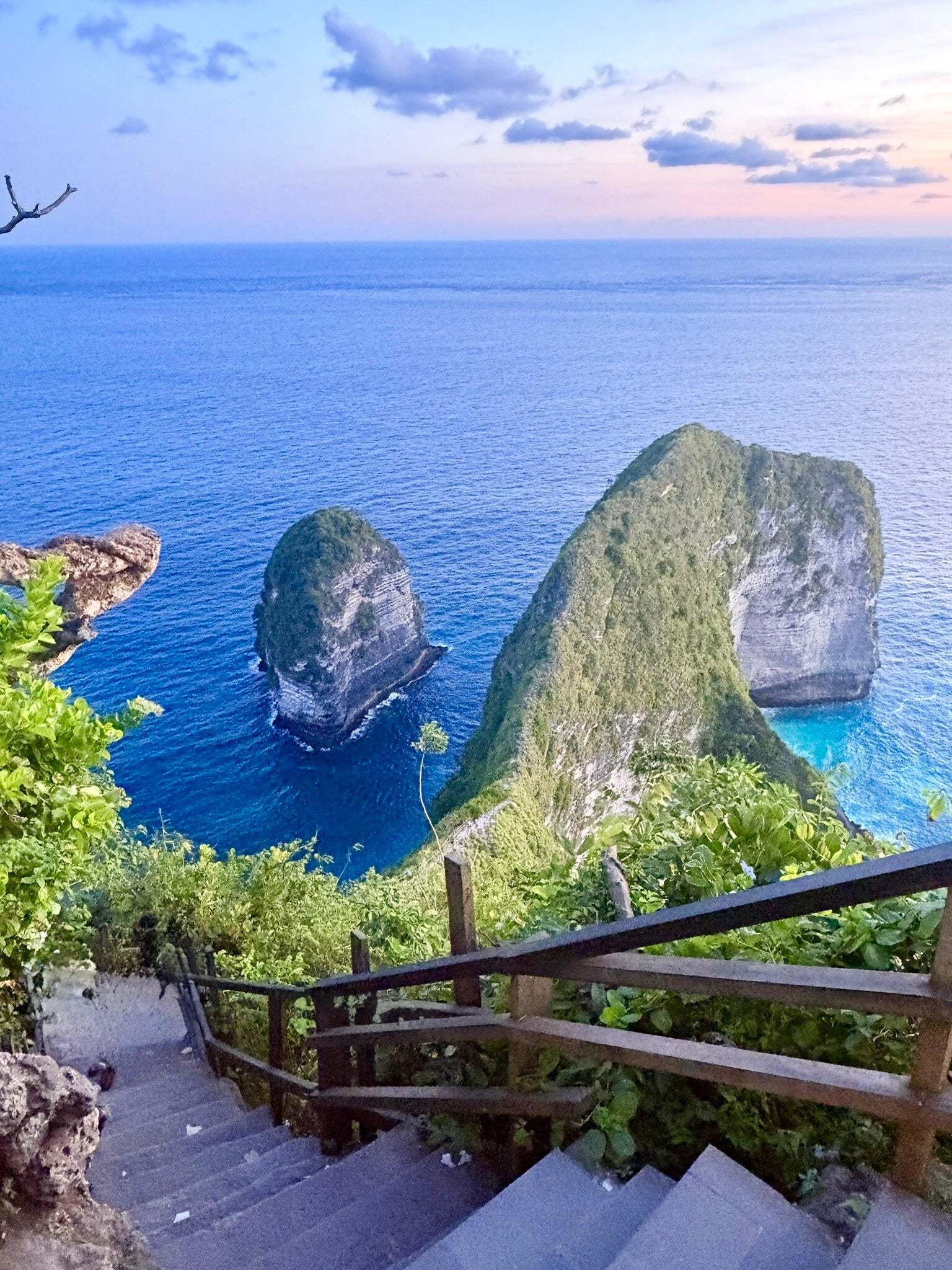
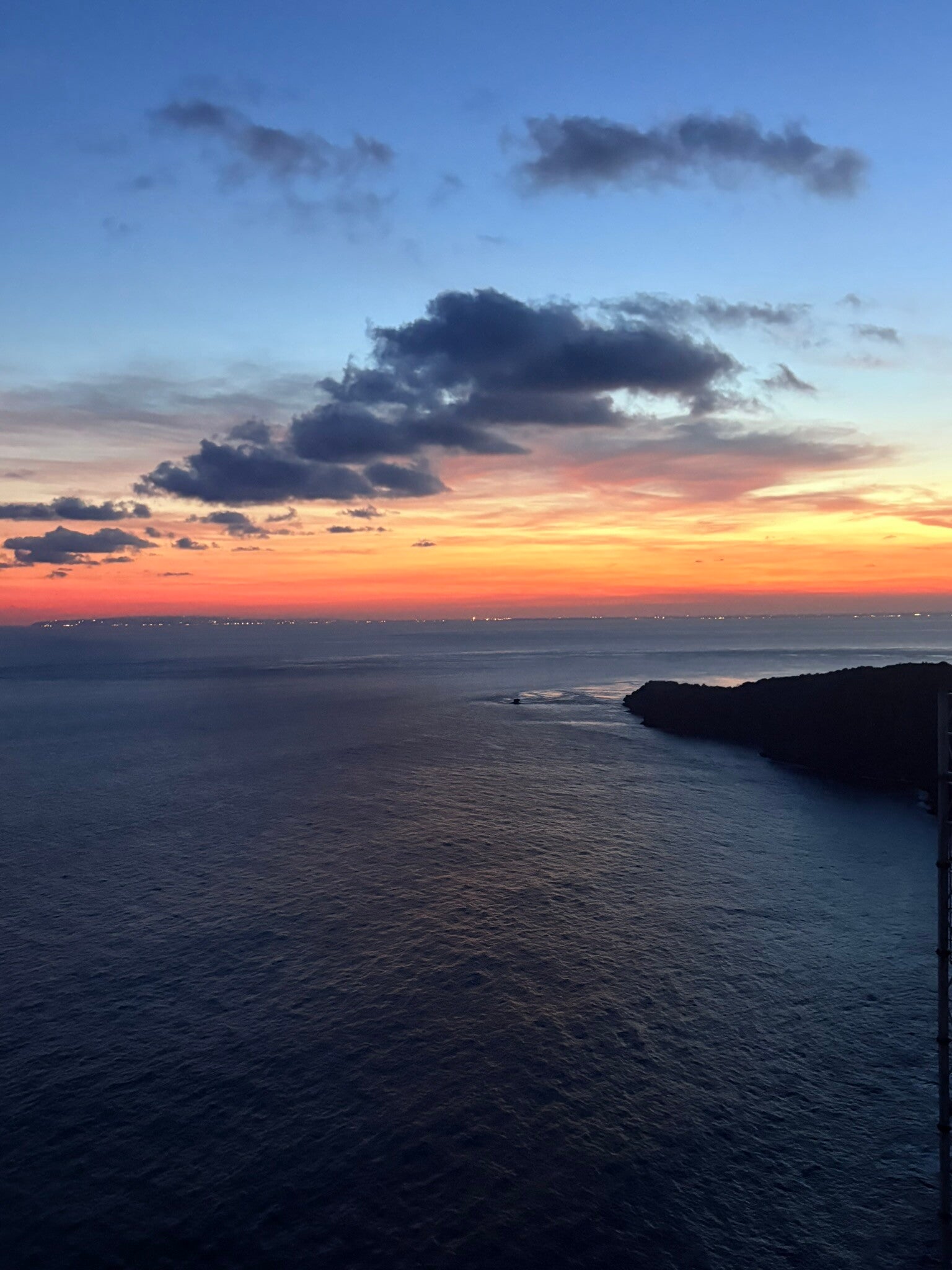
- Kelingking Beach - famous for its dramatic T-Rex-shaped cliff and rugged coastline. It's best visited in the late afternoon or evening, when most of the day-tripper crowds have dispersed. If you want to hike all the way down to the beach rather than simply admire it from above, make sure to wear proper footwear. The descent is very steep and physically demanding, taking around 1.5–2.5 hours round trip, depending on your fitness level and how long you spend at the beach.
- Angel's Billabong - a natural rock pool at the edge of the ocean, filled by seawater and often described as a natural infinity pool. While it looks inviting, unfortunately it's not safe for swimming!
- Broken Beach - a dramatic coastal viewpoint where erosion has created a huge natural rock arch over the ocean. Angel's Billabong and Broken Beach are right next to each other, so they're easy to visit together.
- Crystal Bay - a beautiful bay with much calmer water that's popular for swimming and snorkelling. Again, it's a great last stop after a day of sightseeing and hiking.
Tip: Remember to bring cash for entrance and parking fees. As with East Nusa Penida, fees are relatively small individually but quickly add up when you're visiting several attractions in one day.
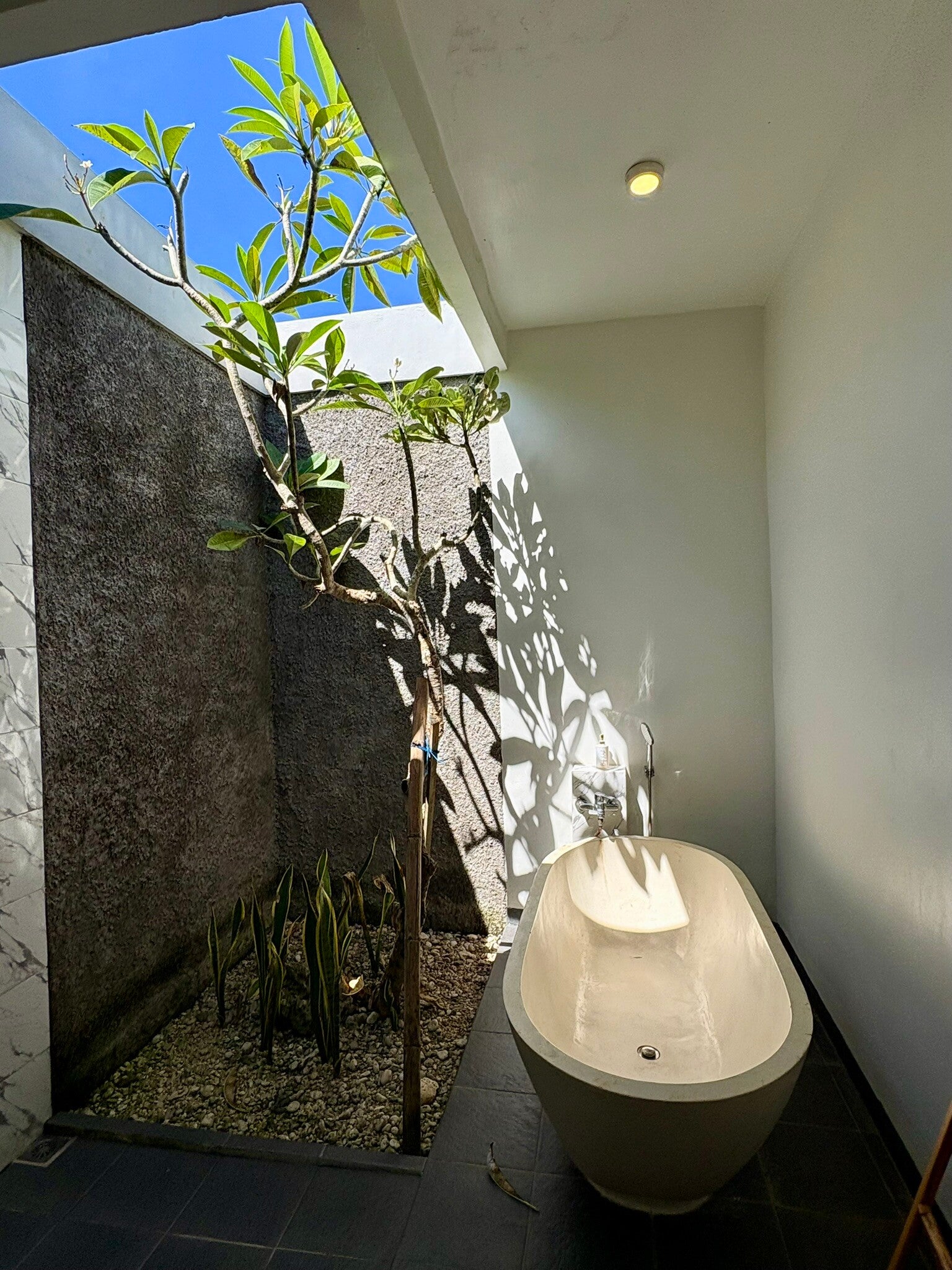
Day 21 - Snorkel with manta rays and return to Bali
Stunning viewpoints aside, Nusa Penida is also famous for its manta rays, which can be spotted around the island year-round. As a result, you'll find plenty of snorkelling and diving tours offering trips to Manta Point and Manta Bay.
Swimming with manta rays is definitely a bucket-list experience, but there are a few important things to keep in mind:
- Be prepared for waves and currents. Mantas often feed in areas with significant water movement and deeper water, so you need to be a strong enough swimmer to handle moderate currents - or wear a life vest while snorkelling.
- Sightings are never guaranteed. Mantas are wild animals, so even at places famous for regular sightings, there's always a chance you won't see any.
- Manta Point generally offers better chances than Manta Bay. If seeing mantas is your main priority, check which location your tour actually visits rather than simply booking any tour advertised as “manta snorkelling.” Manta Point is one of Nusa Penida's most reliable manta sites.
While I've heard wonderful stories from people who saw mantas while snorkelling, I unfortunately wasn't lucky enough to see one - at least not in Nusa Penida!
Manta-sighting success aside, many snorkelling and diving operators are conveniently located close to Nusa Penida's harbour, so after your trip you can take a nice shower and head straight to the fast boat back to Bali - or onwards to your next destination!
Getting away from Sanur Harbour
Important: After returning from Nusa Penida, you're likely to disembark at Sanur Harbour, where you'll be immediately swarmed by touts aggressively trying to sell you onward transport by car or motorbike.
When I visited in 2026, Grab and Gojek drivers weren't allowed to pick up passengers inside the harbour area, which effectively leaves arriving travellers at the mercy of the drivers operating there. The whole experience was an aggressive selling hell, with drivers following you around, waving Grab app in your face and trying to convince you that they're offering the same rates as the app.
Personally, I wouldn't trust those quoted prices. Once you agree to travel outside the app, you lose the transparent pricing and other protections it provides, and there's nothing stopping the driver from trying to charge you more once you and your luggage are already in the car or on the bike. So, if your luggage situation allows, I strongly recommend walking a few hundred metres away from the harbour and ordering a Grab or Gojek from there instead. You'll escape the aggressive sales tactics and get a clear, agreed price through the app before you get in.
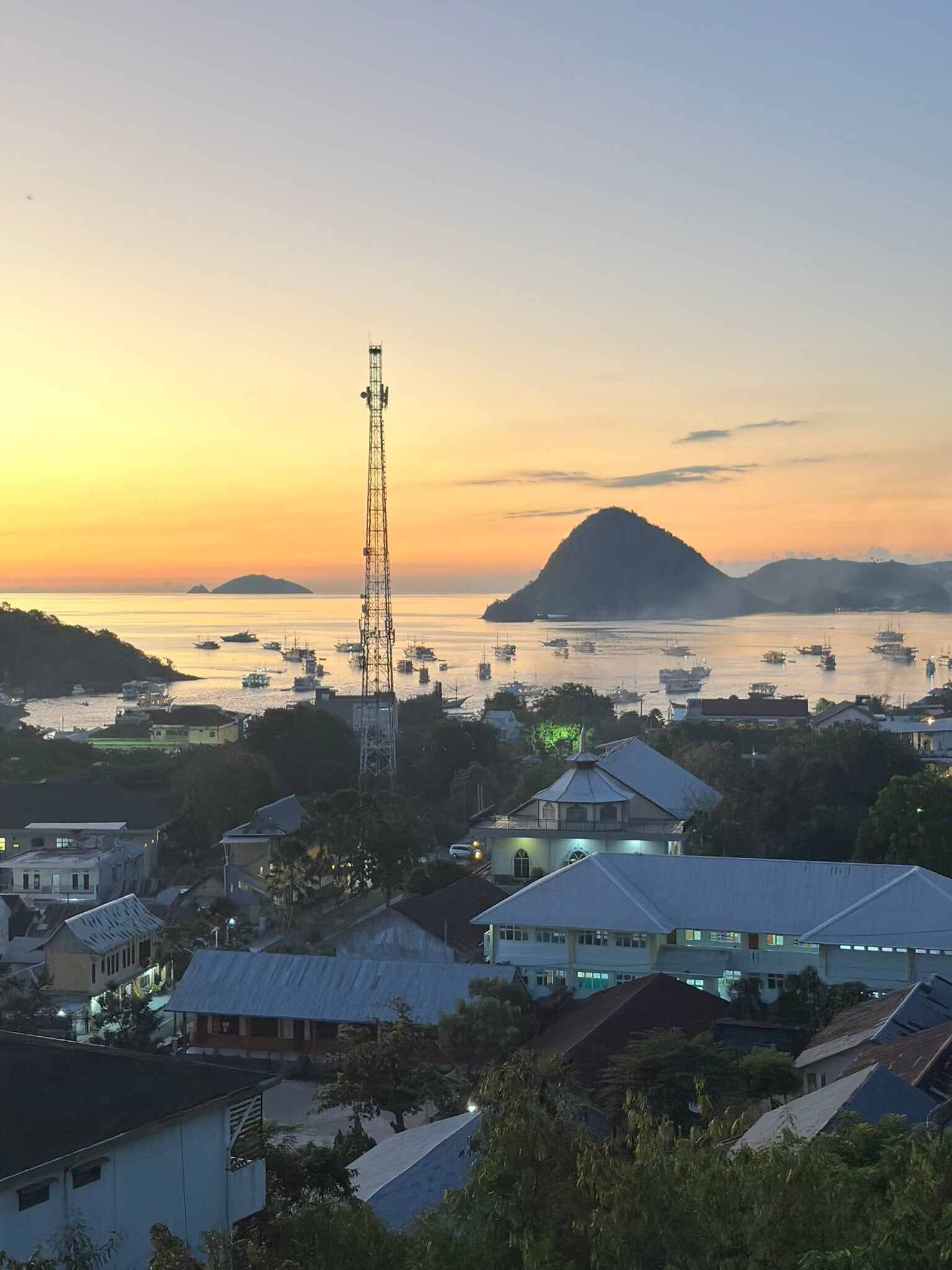
Day 22 - Fly to Flores, gateway to Komodo National Park
Flores is one of those not-to-be-missed destinations while travelling around Indonesia. While the region is mostly famous for Komodo National Park and its Komodo dragons - found nowhere else in the world in the wild - there is so much more to explore: incredible marine life (mantas, turtles, sharks - you name it!), volcanoes and unique traditional villages.
There is a lot to see and do in Flores, so how much of the island you explore will mostly depend on how much time you have to spare. In this itinerary, I'll focus on my personal highlights and recommendations.
Getting to Flores from Bali is quick and easy, with direct flights to Labuan Bajo, the main gateway to Komodo National Park and western Flores. Just note that there are several airports across Flores, so make sure you book the right one!
Day 23 - Komodo dragons, Padar Island and incredible snorkelling
There are two main ways to explore Komodo National Park:
- Day trip covering the main highlights
- Liveaboard, normally 3D2N, also visiting the key sights but at a much more relaxed pace
Which one you choose depends largely on how much time you have and how important the water activities are to you. A liveaboard is naturally less rushed, with more time spent snorkelling, swimming and enjoying the islands.
However, if you're short on time, a one-day boat tour still covers the main highlights of Komodo National Park AND gives you plenty of time in the water. I did the day tour and absolutely loved it, particularly because of all the incredible marine life we saw. If you prefer a liveaboard, simply extend this part of the itinerary accordingly.
A typical day tour includes the following stops:
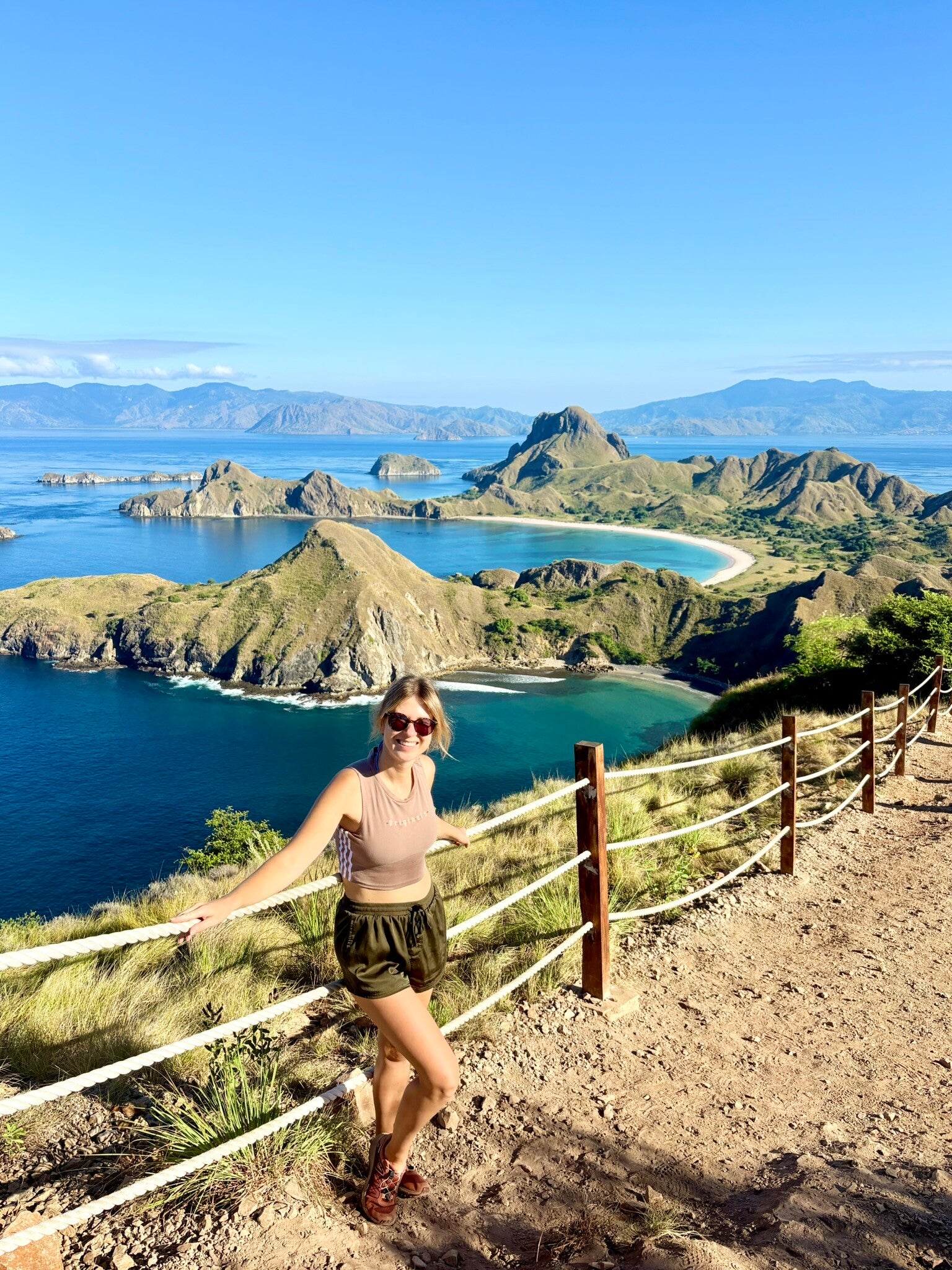
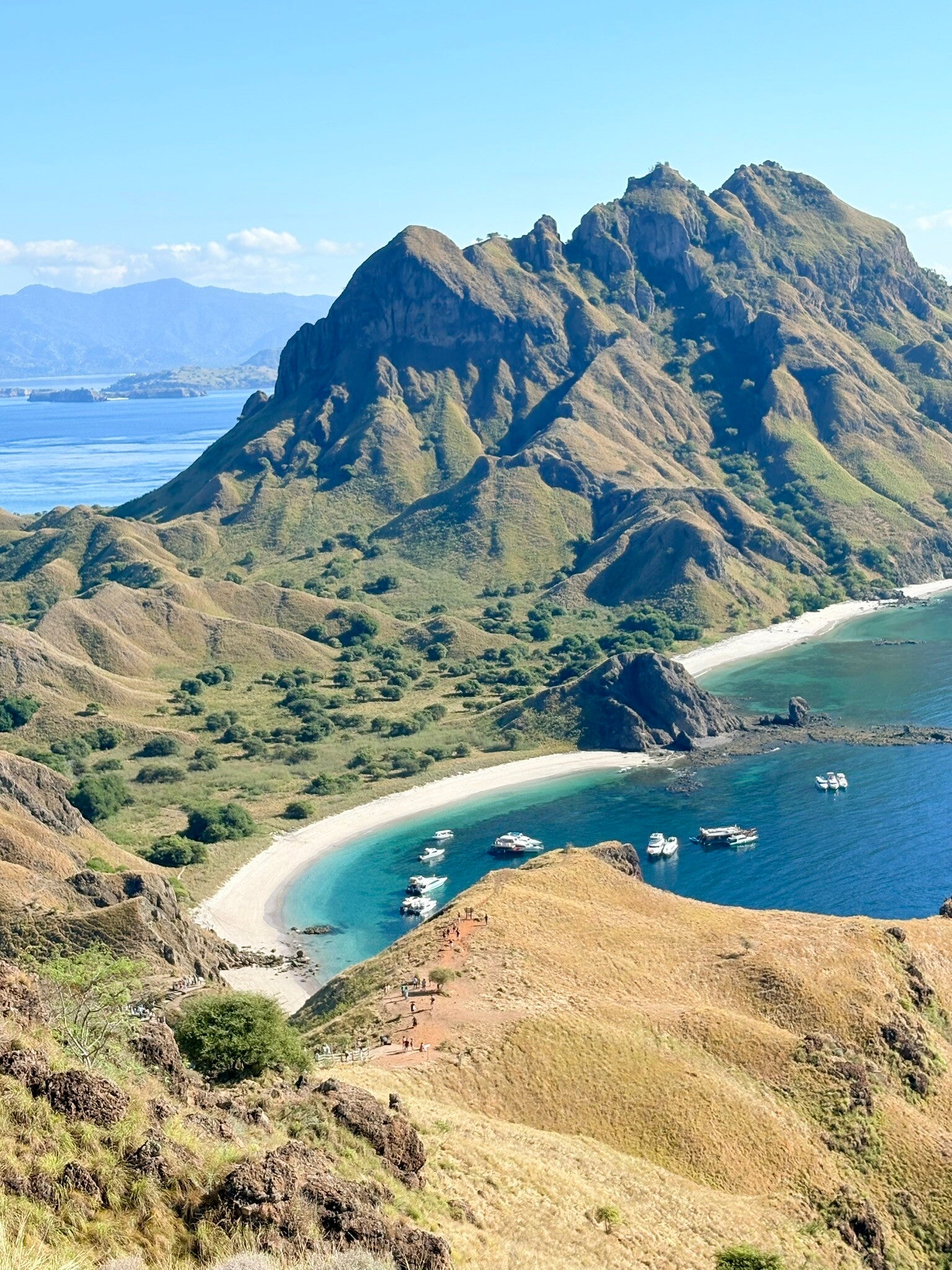
- Padar Island - famous for its dramatic panoramic views over the surrounding bays and islands. Reaching the viewpoint requires around a 20-minute uphill hike, but it is so worth it!
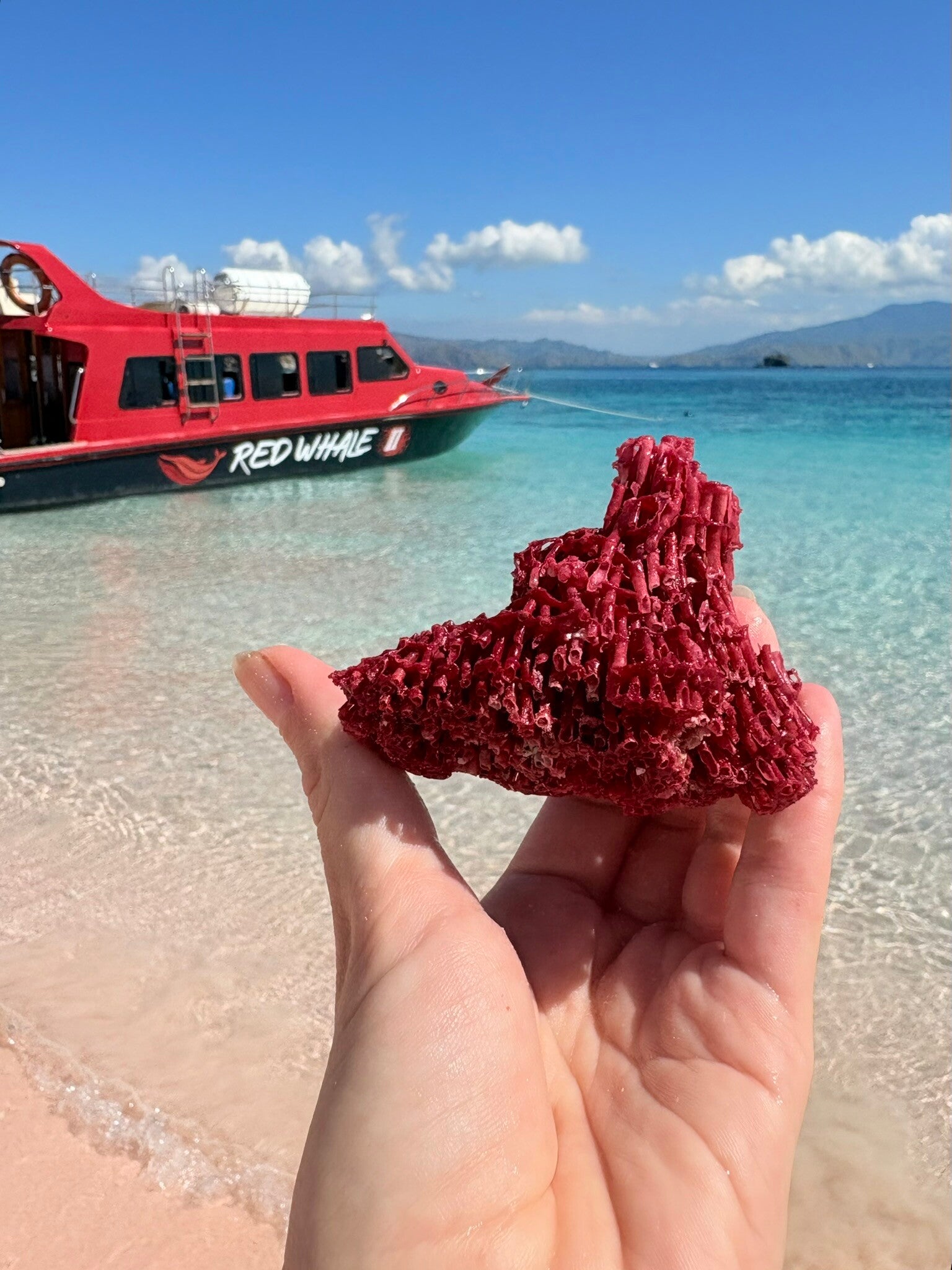
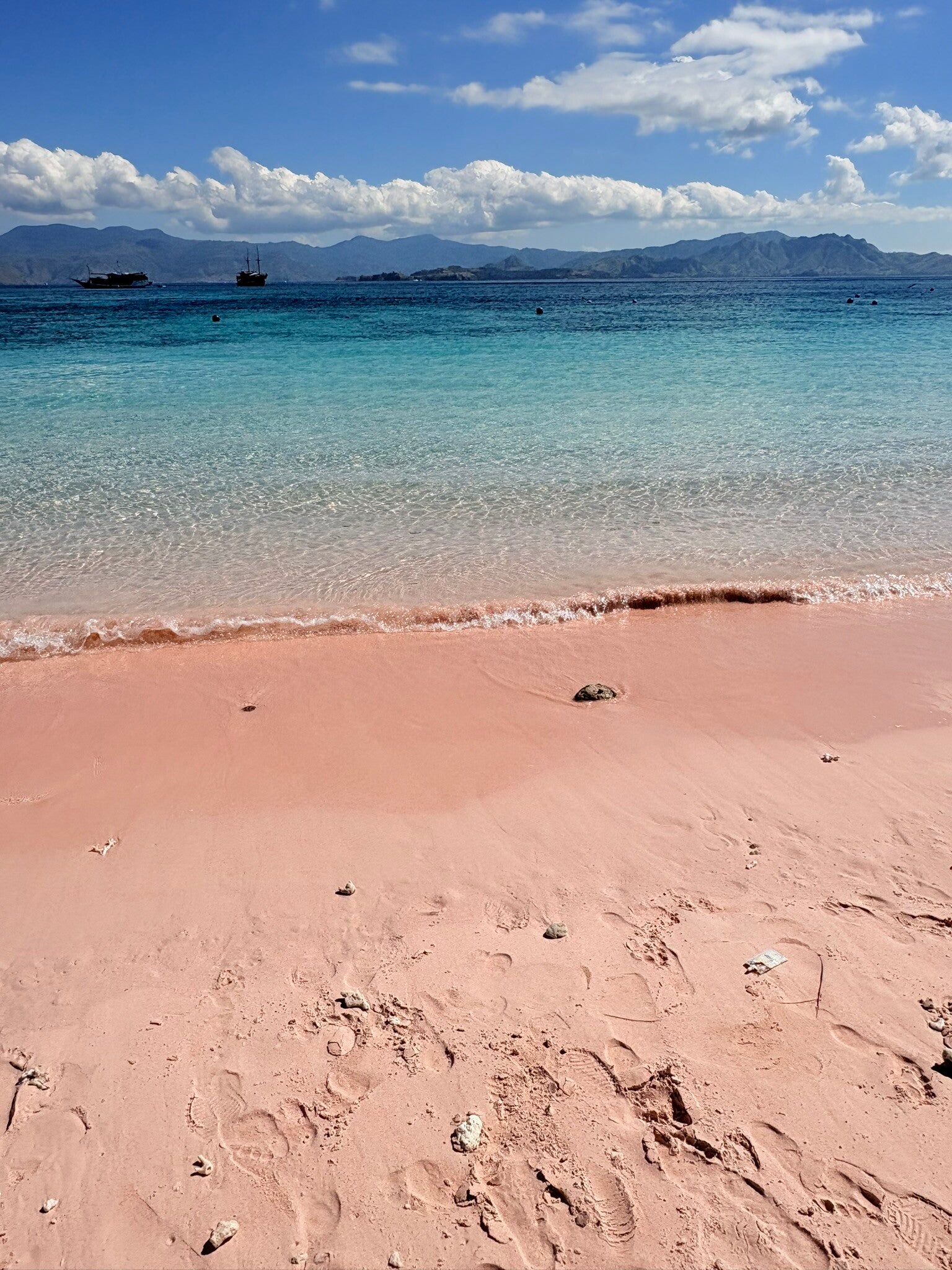
It's best visited early in the morning, both to avoid the midday heat - the trail is completely exposed - and to beat the crowds, as the viewpoint is very, very popular. This is one reason I would definitely recommend the tour I took: we arrived early enough to enjoy the viewpoint before many of the other tour groups. - Pink Beach - as the name suggests, a beach with distinctive pinkish sand, created by tiny fragments of red coral mixing with the white sand. The shallow water also makes it a beautiful spot for swimming and snorkelling.
- Komodo Island - a short guided walk in search of Komodo dragons, the largest living lizards in the world. They're endemic to this small part of Indonesia and can grow to around 3 metres in length.
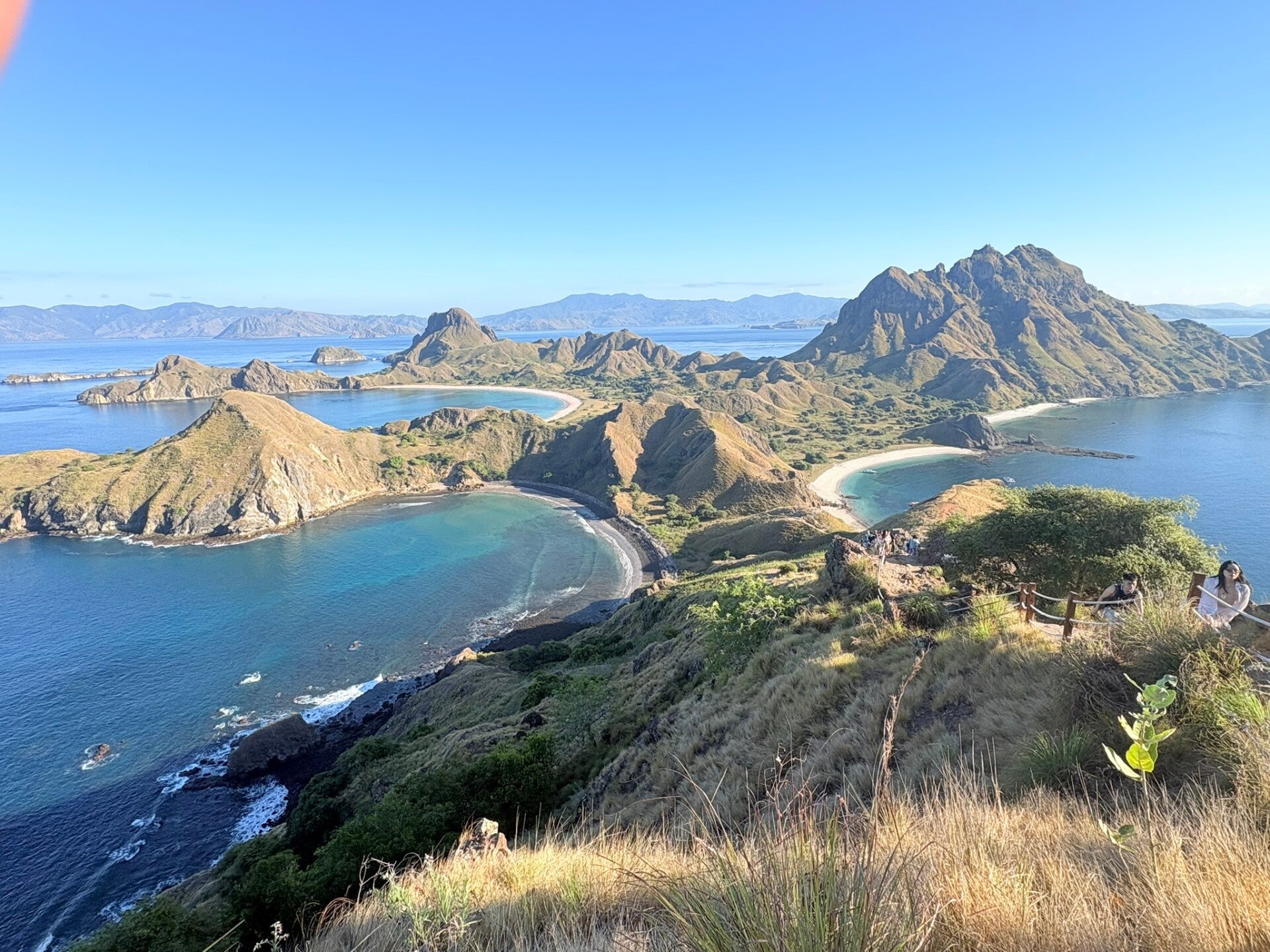
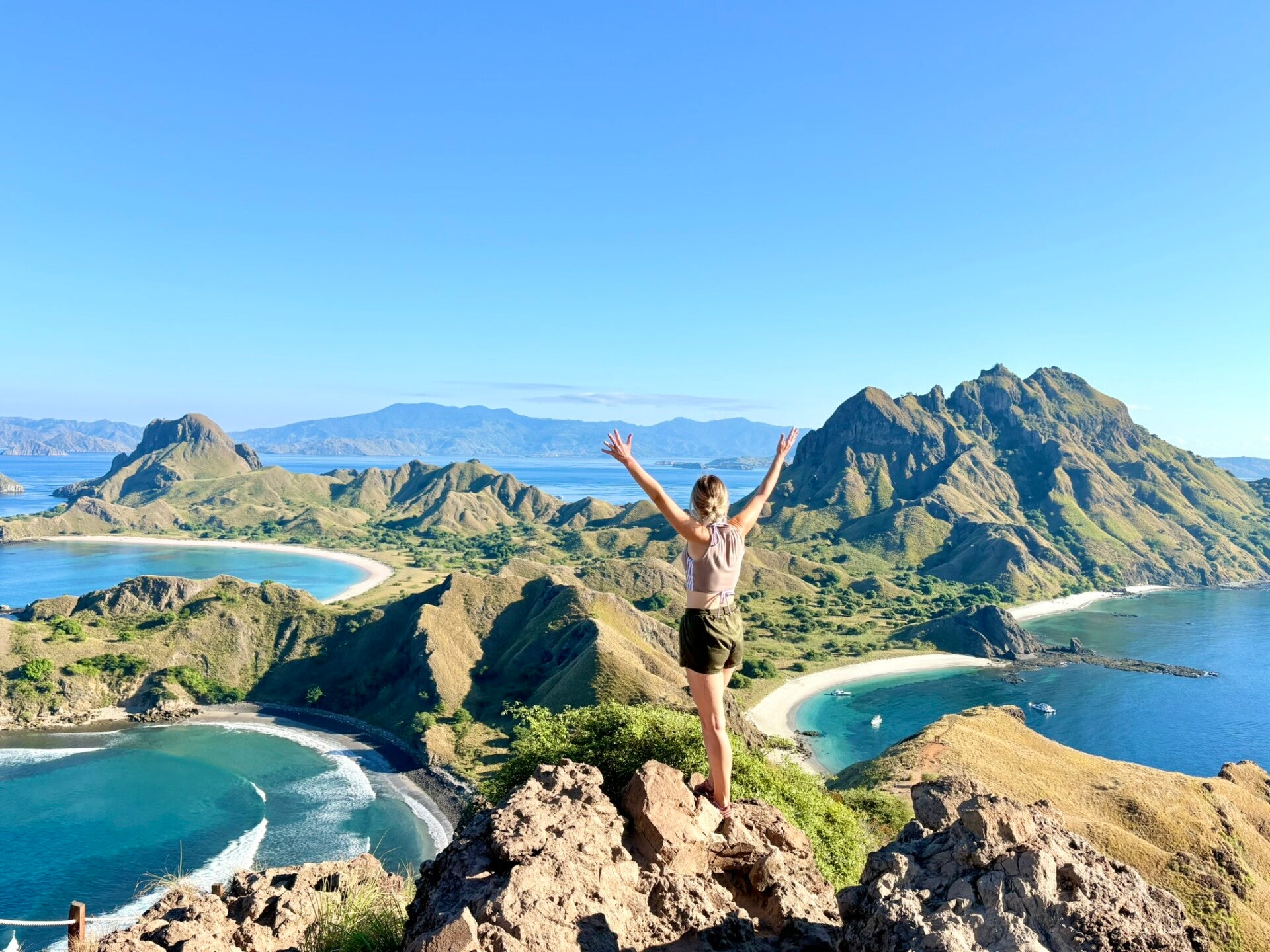
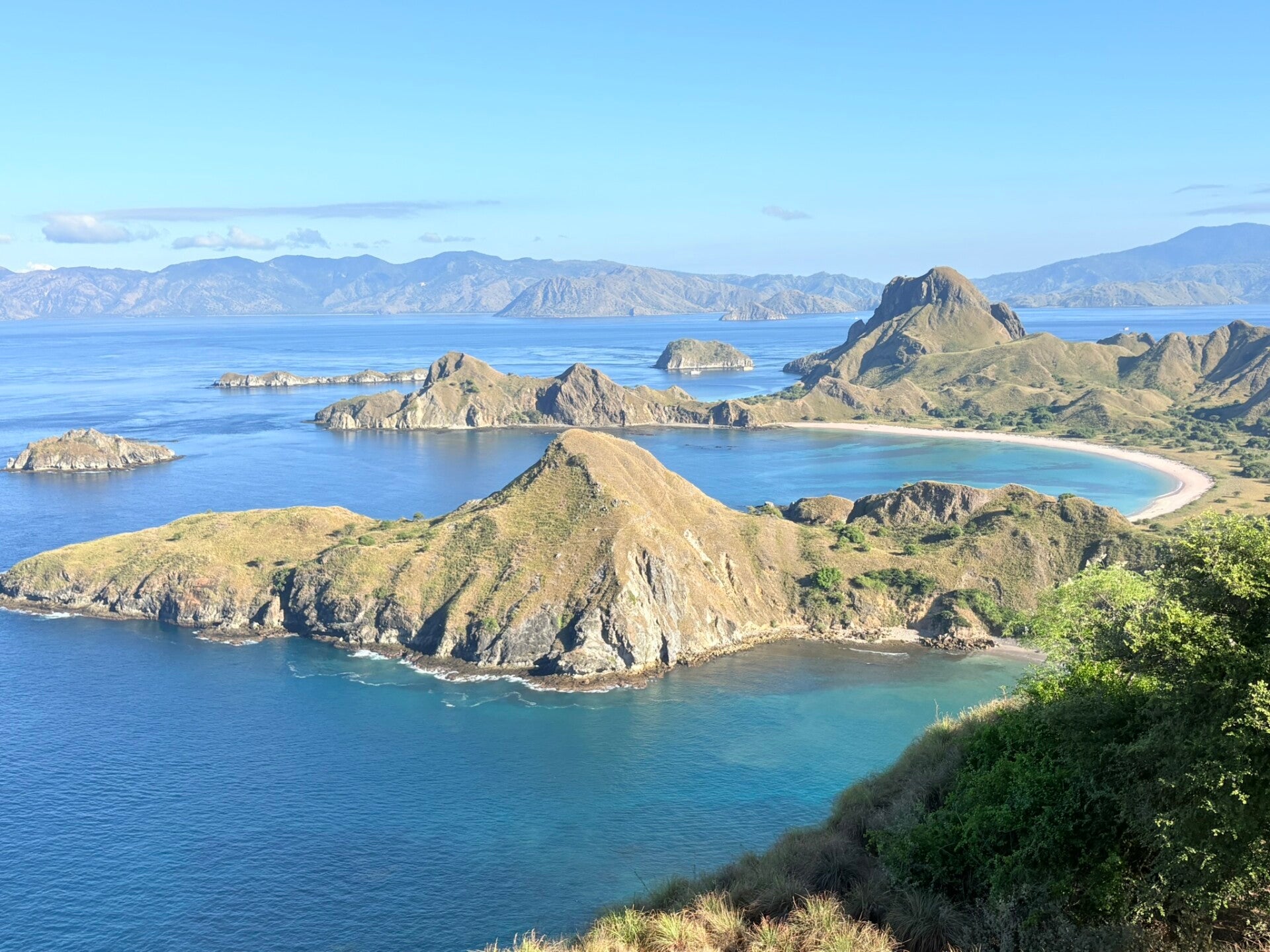
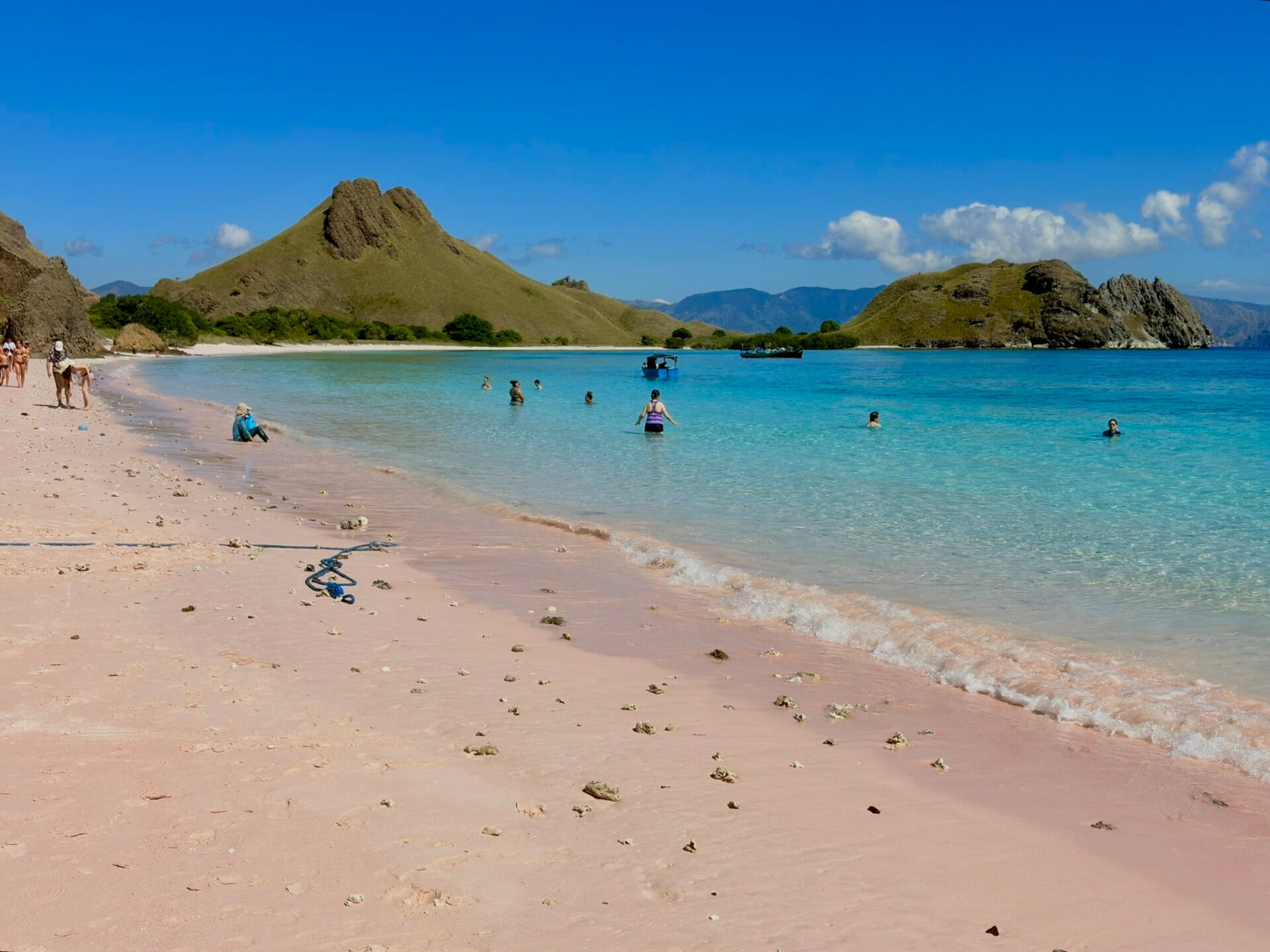
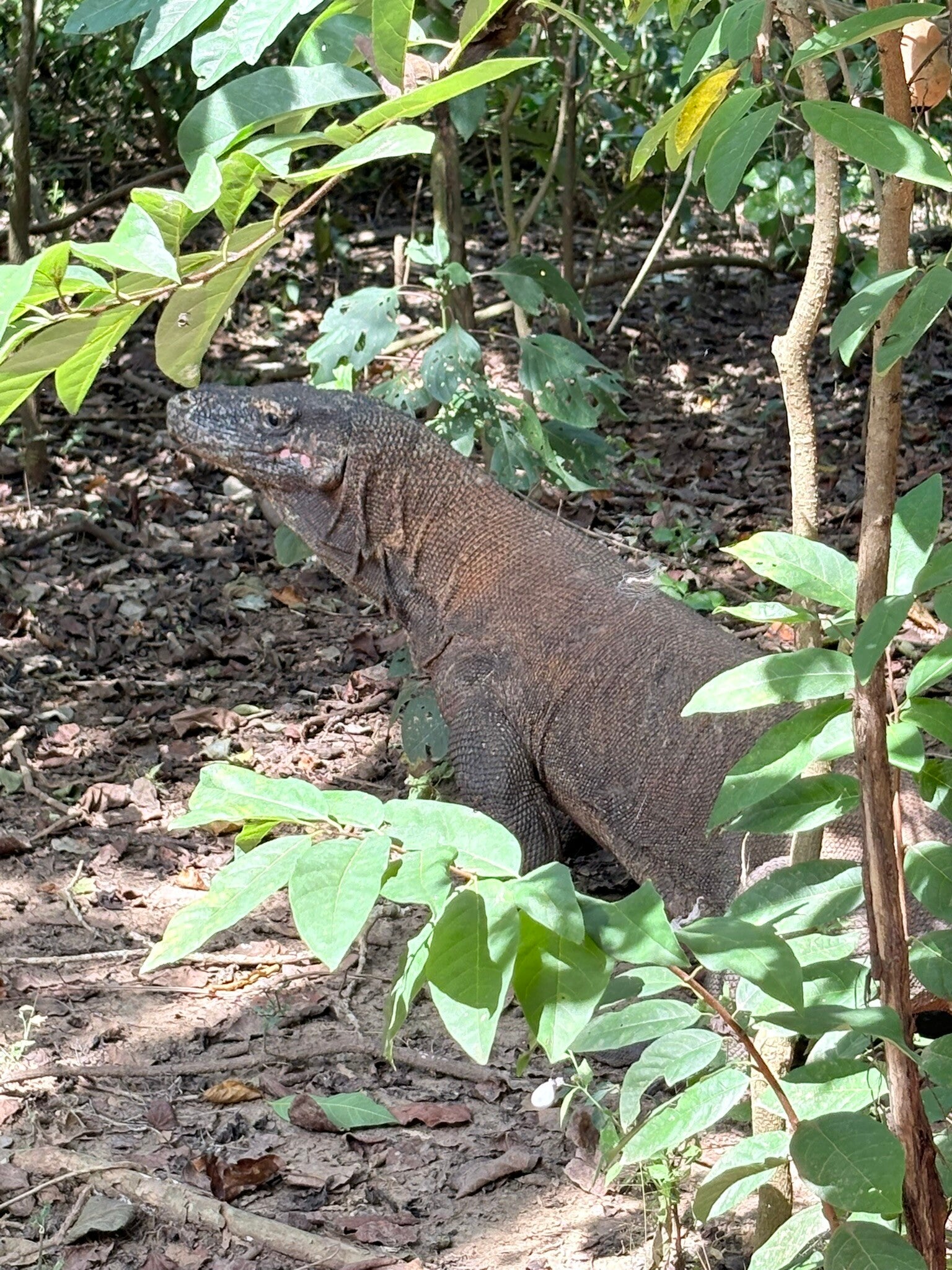
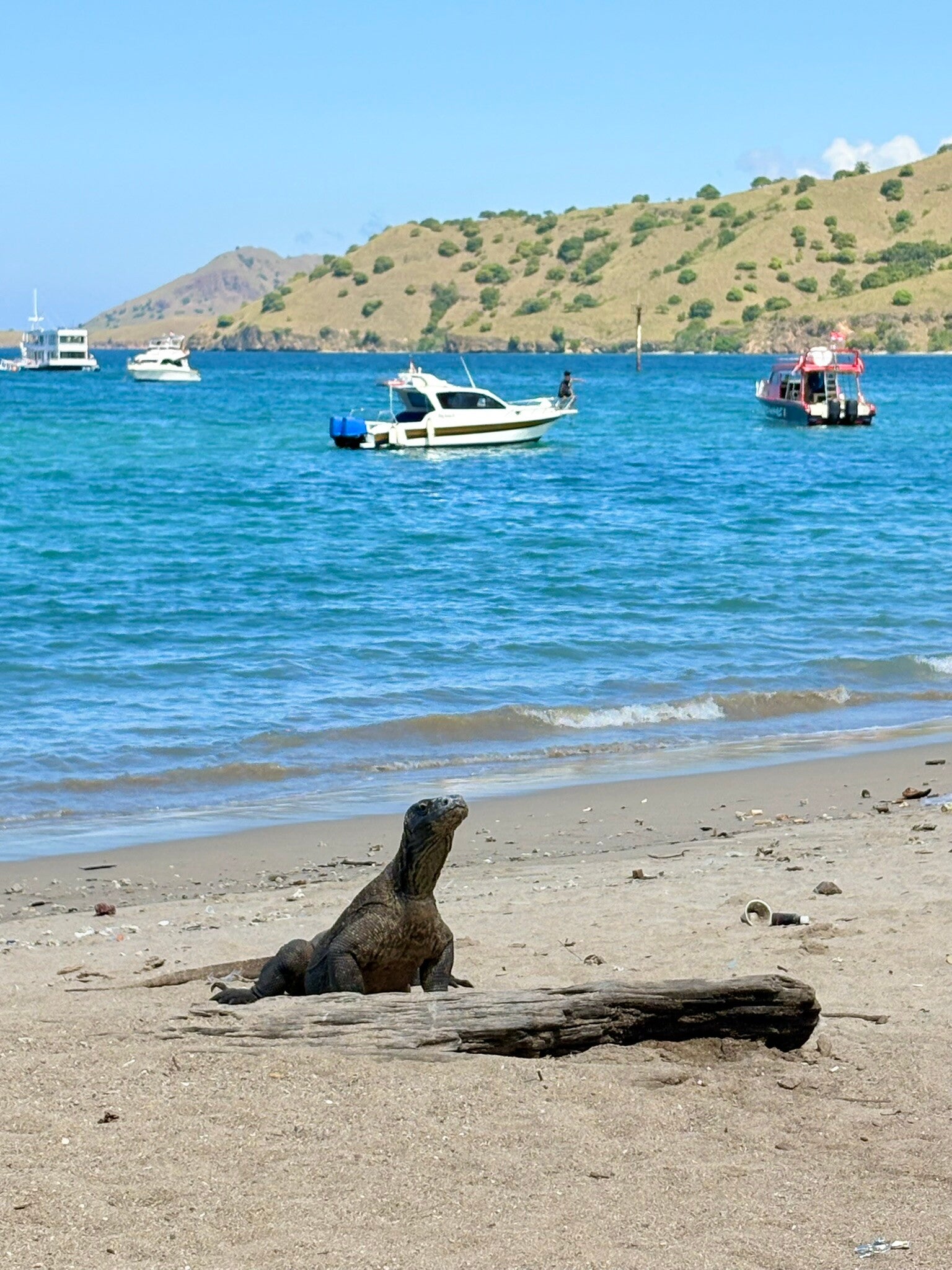
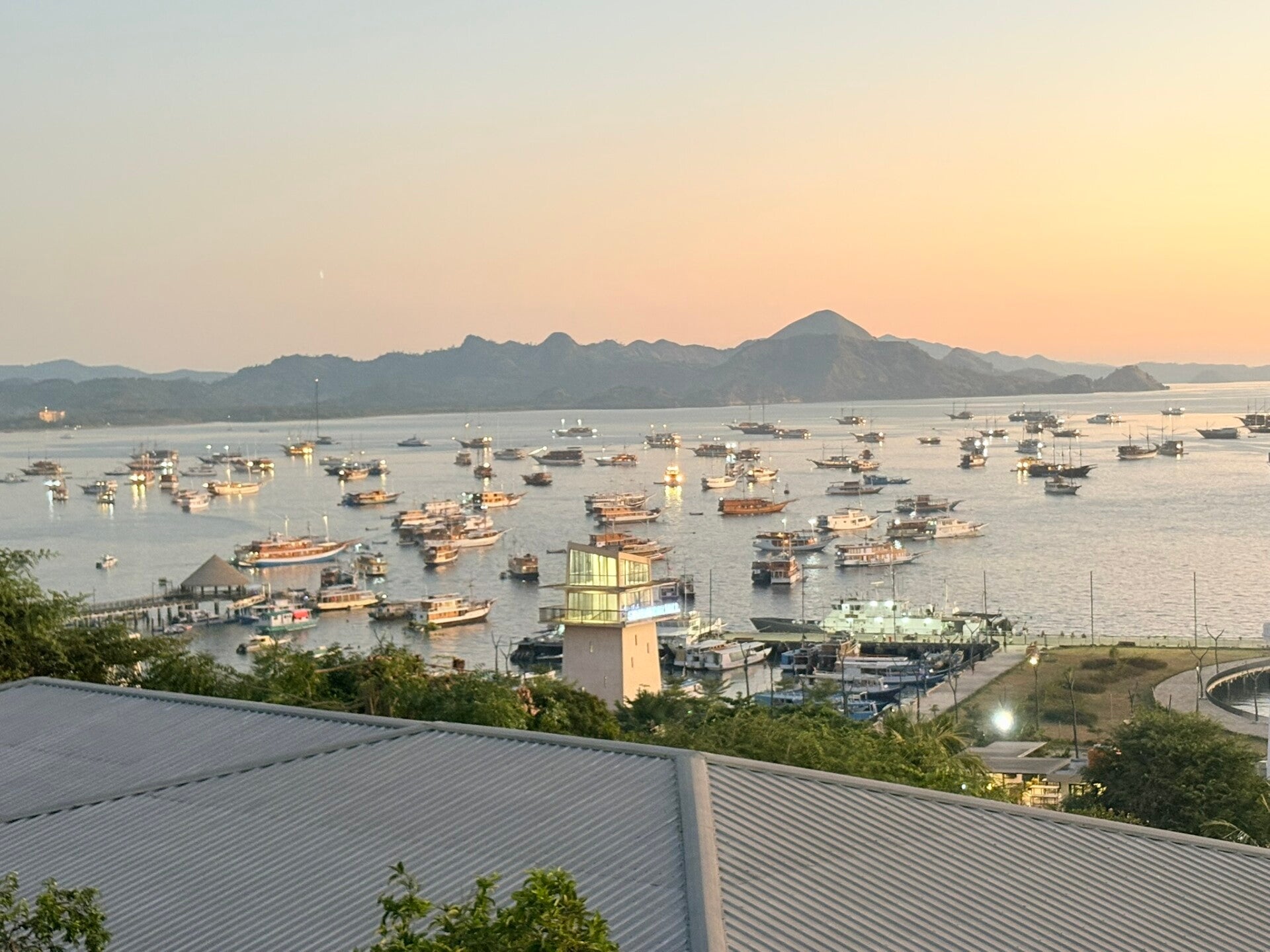
And then come the snorkelling stops:
- Taka Makassar - a tiny sandbank surrounded by gorgeous shallow turquoise water. We spotted baby blacktip reef sharks here, making it one of the highlights of the day.
- Manta Point - ironically, we didn't see any mantas here! We did, however, see turtles and stingrays, which was still amazing.
- Siaba Besar - this is where we finally got lucky with not one but several manta ray sightings. Watching these 2-metre-plus giants glide through the water was truly a bucket-list experience.
Of course, wildlife sightings are never guaranteed and someone else could have a completely different experience. But for me, the snorkelling in Komodo National Park was significantly better than in Nusa Penida!
Days 24–25 - Trek to the traditional village of Wae Rebo
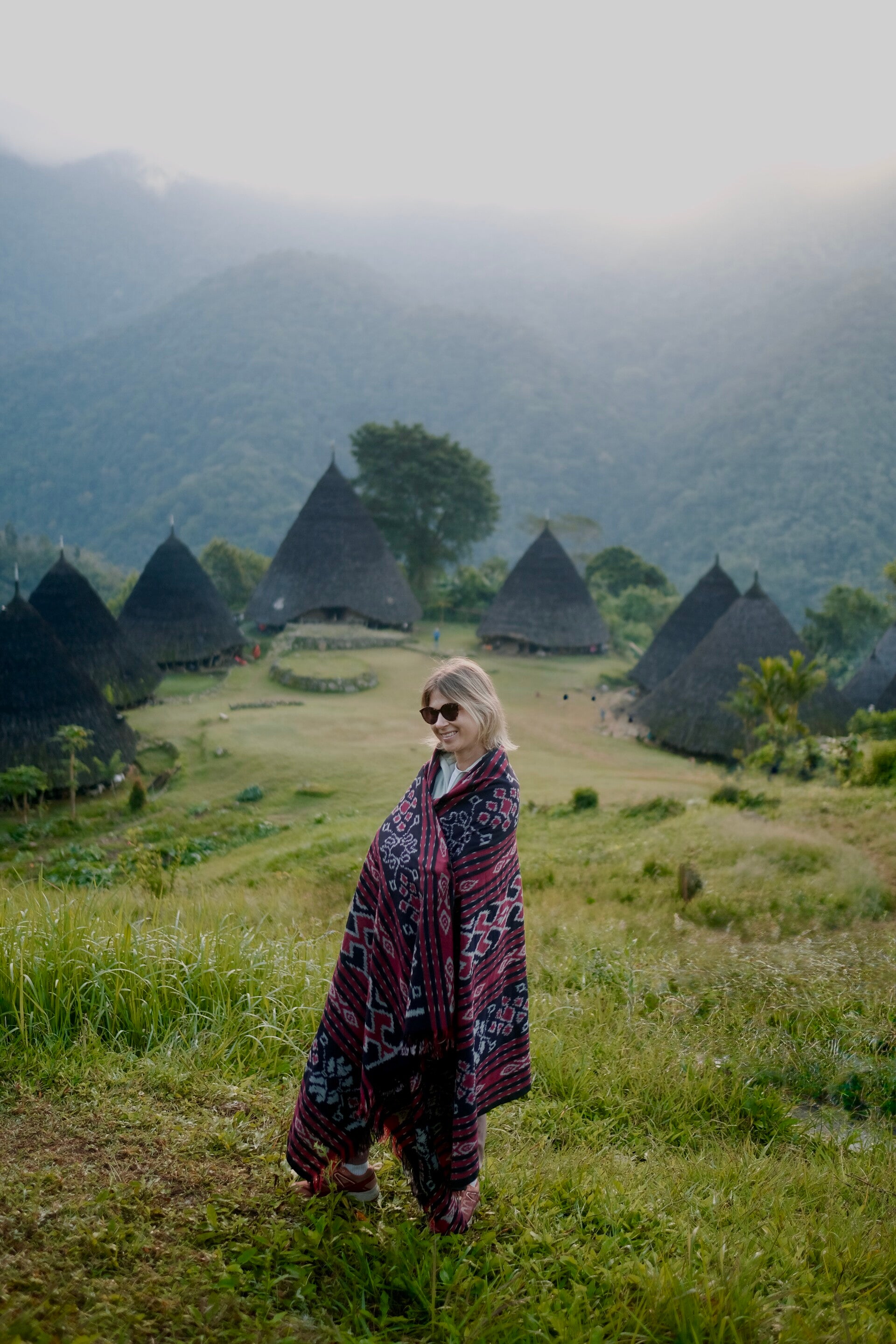
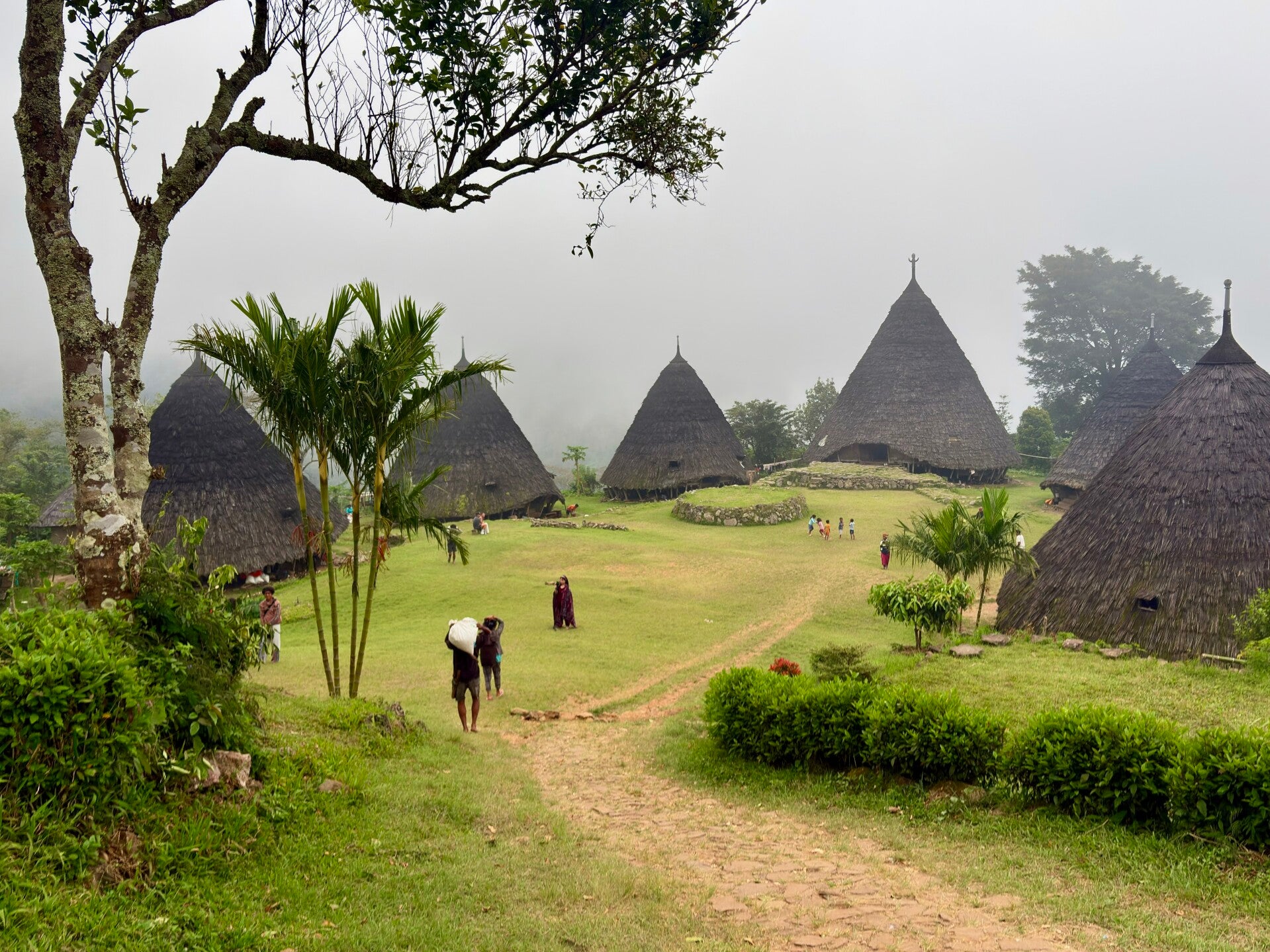
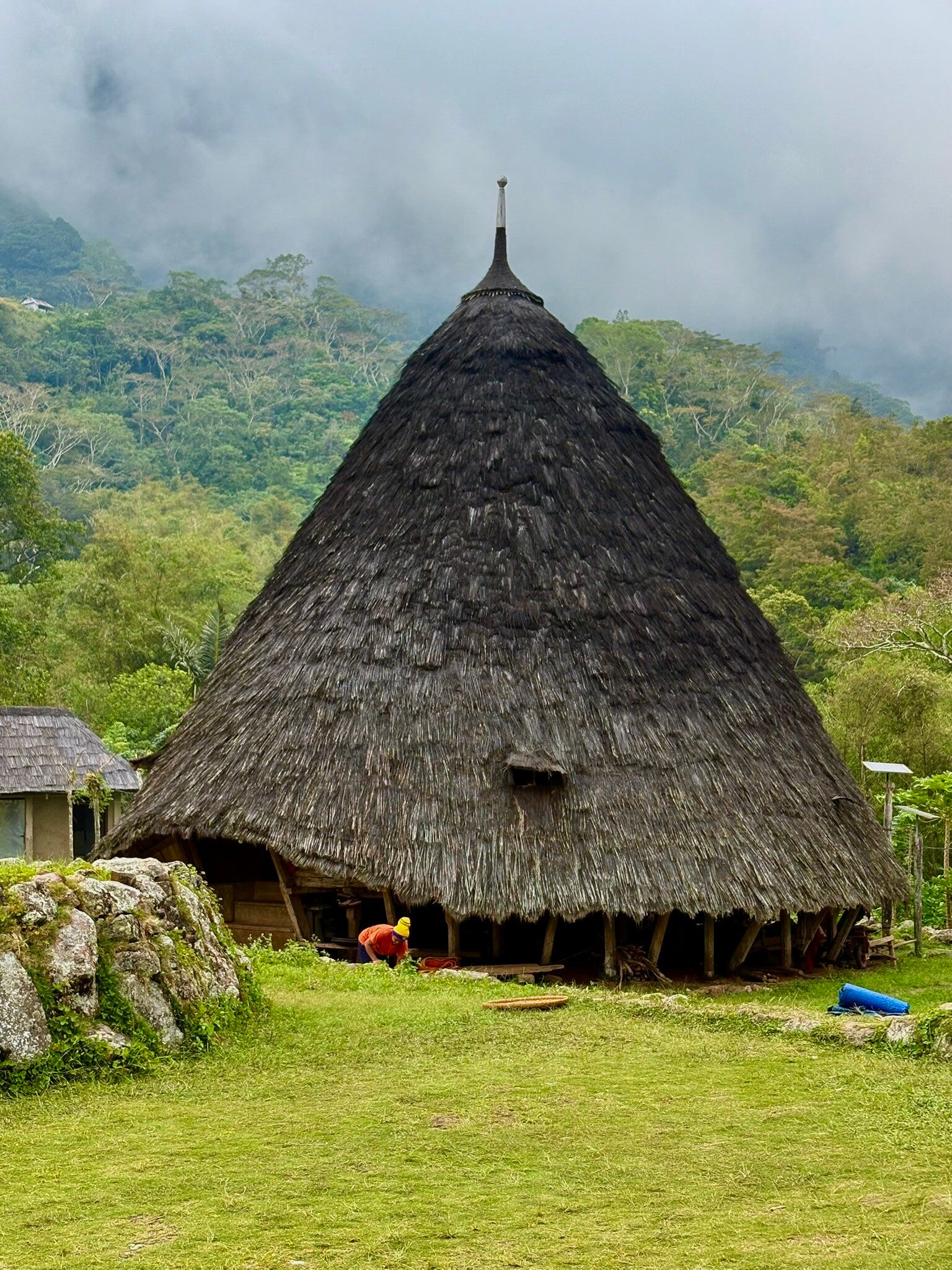
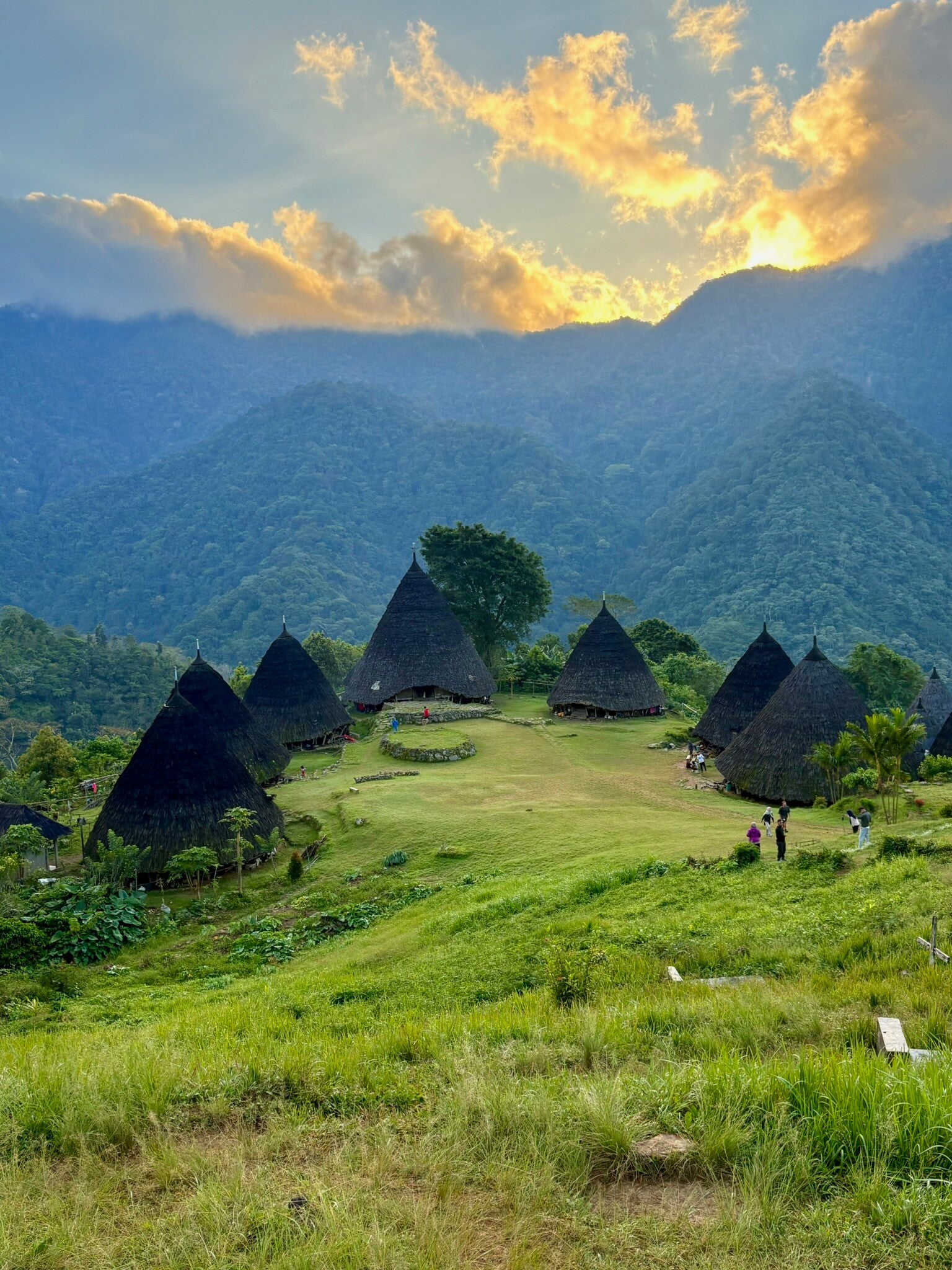
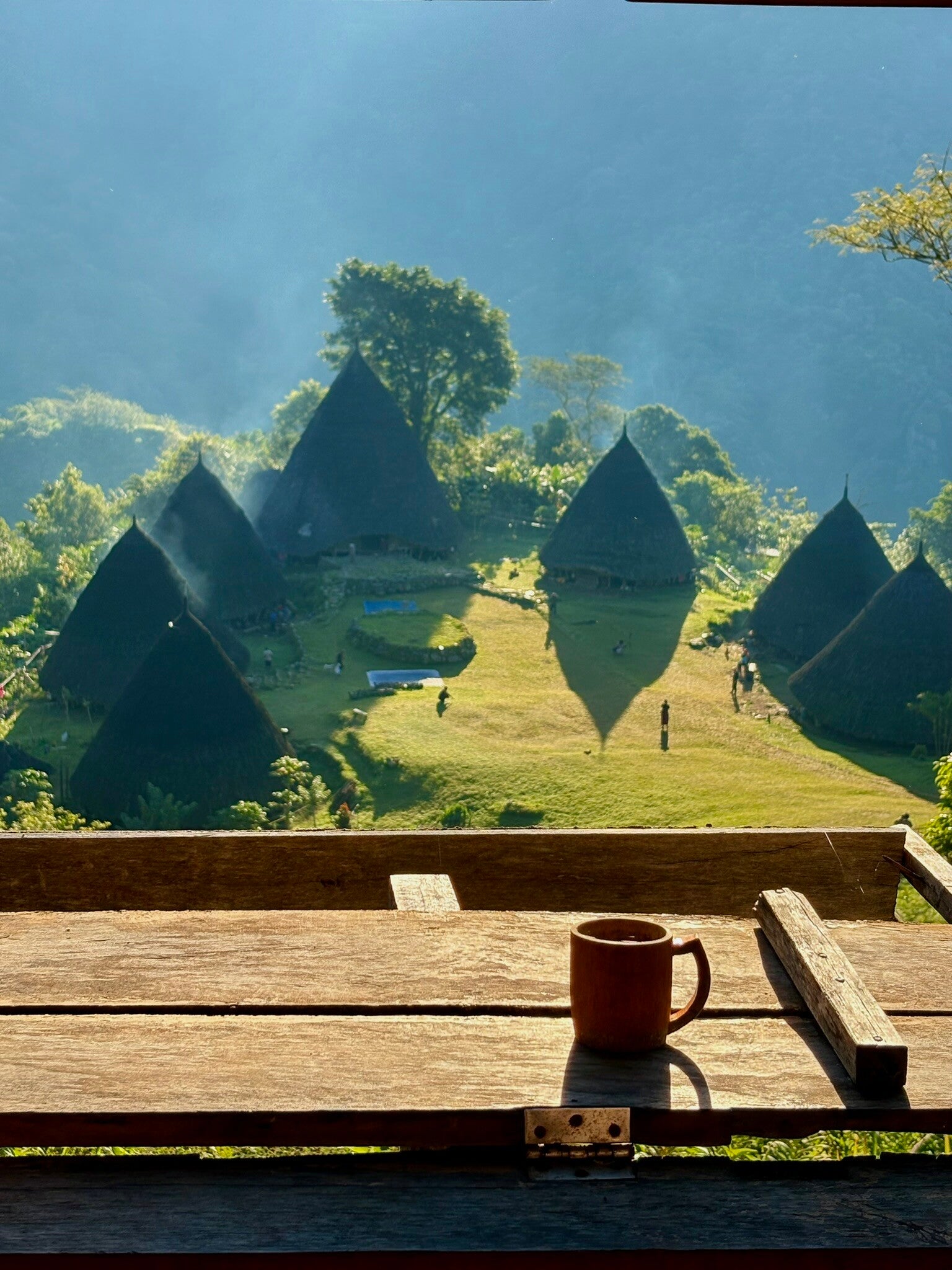
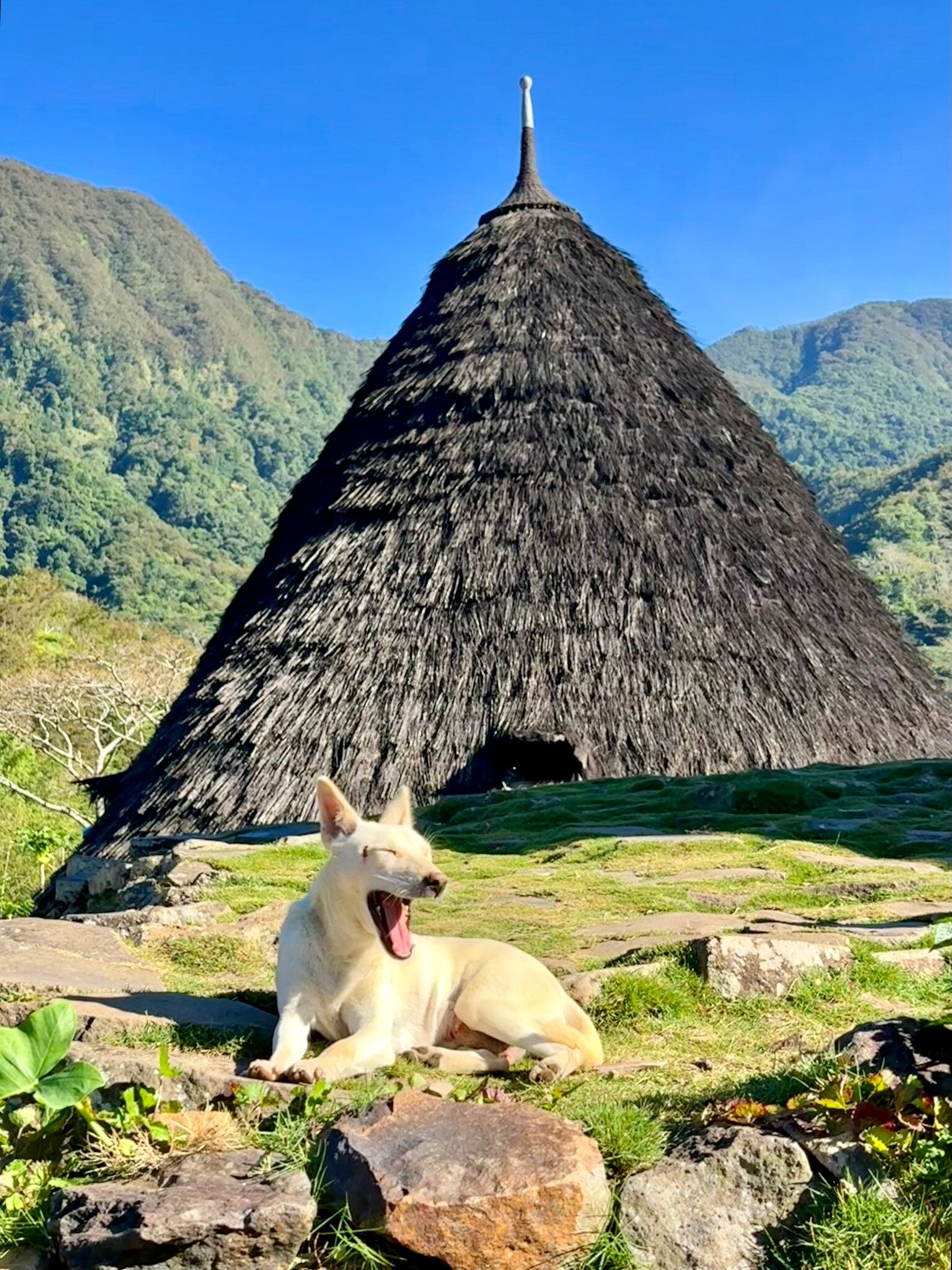
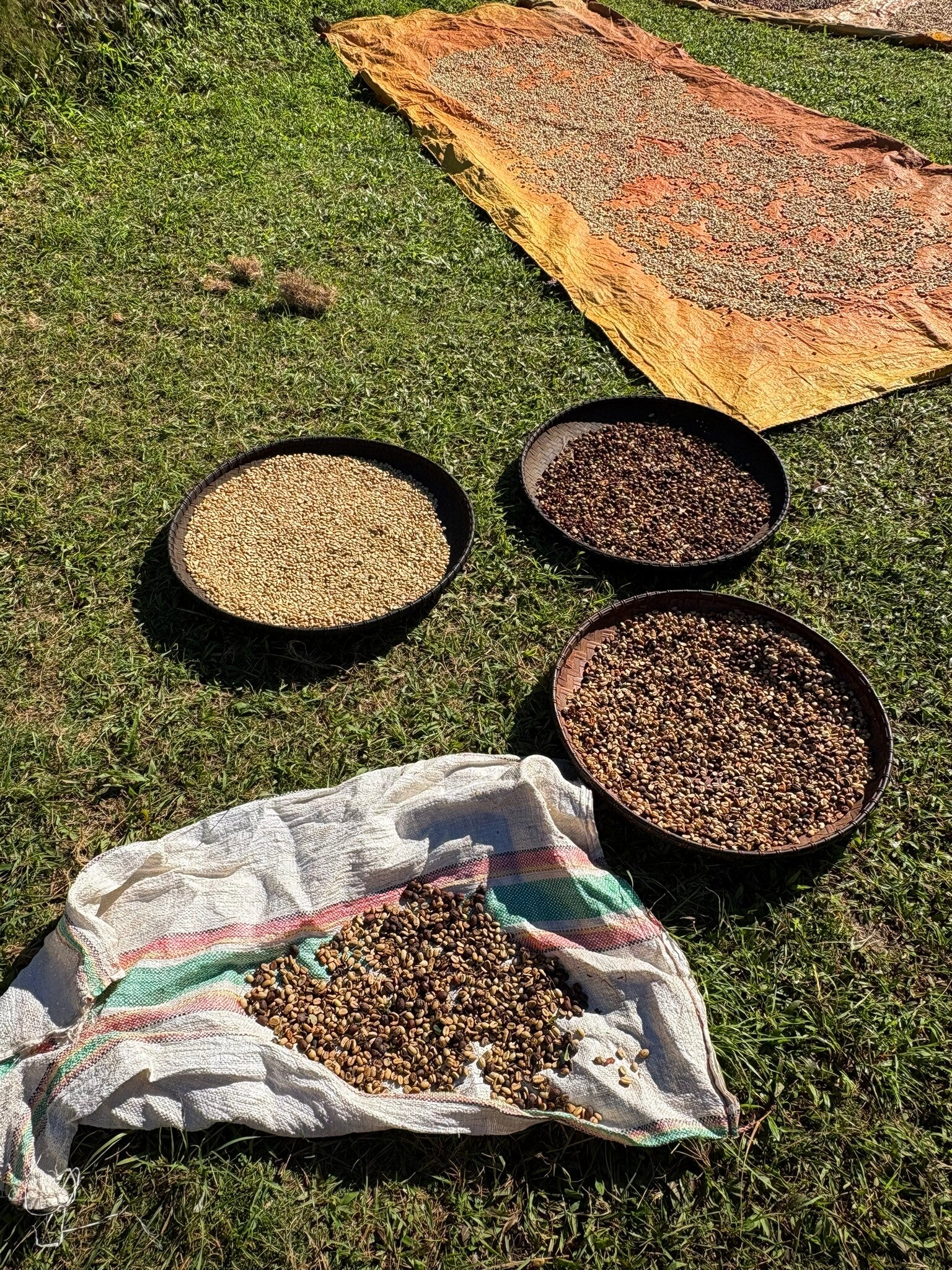
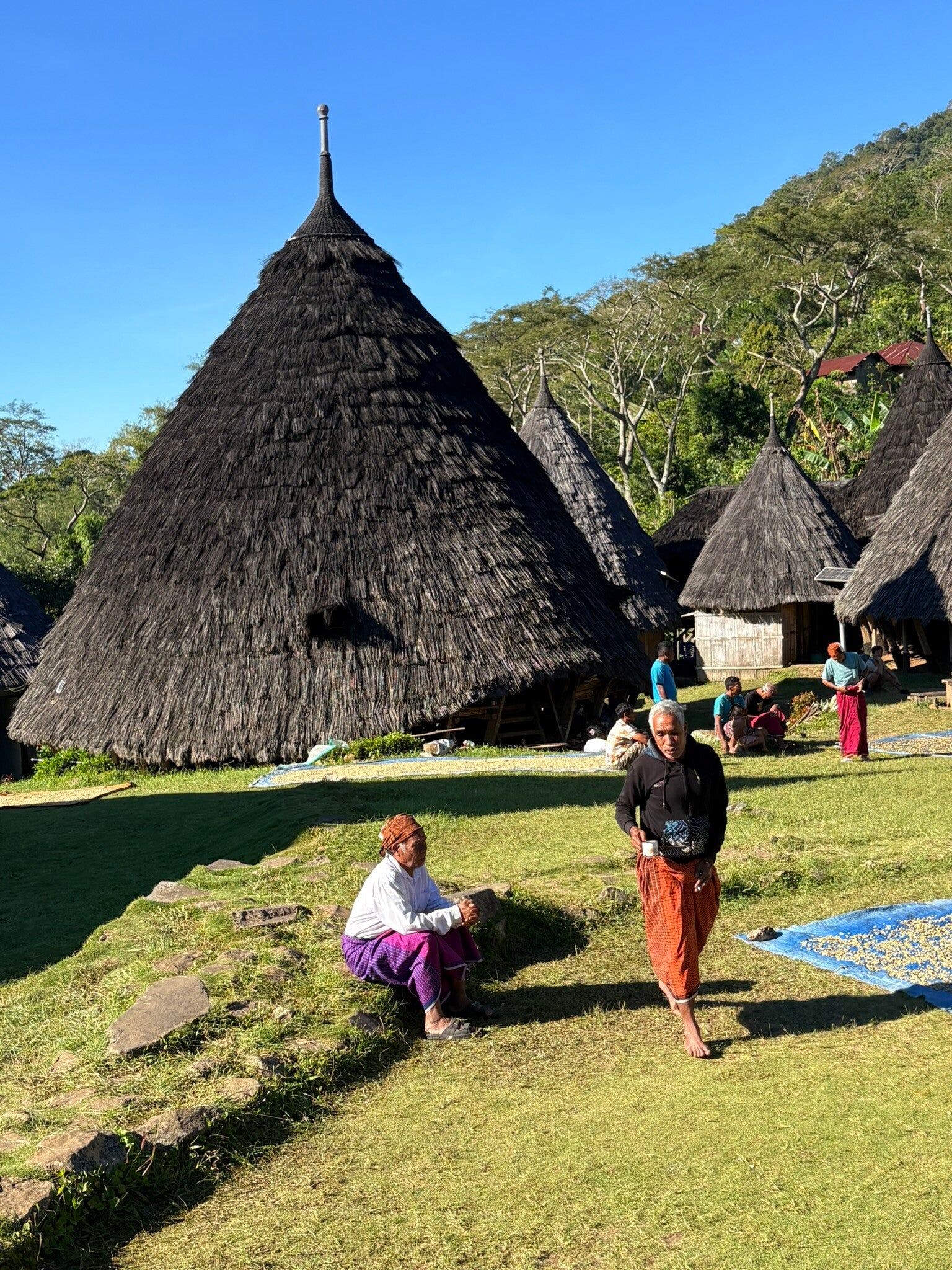
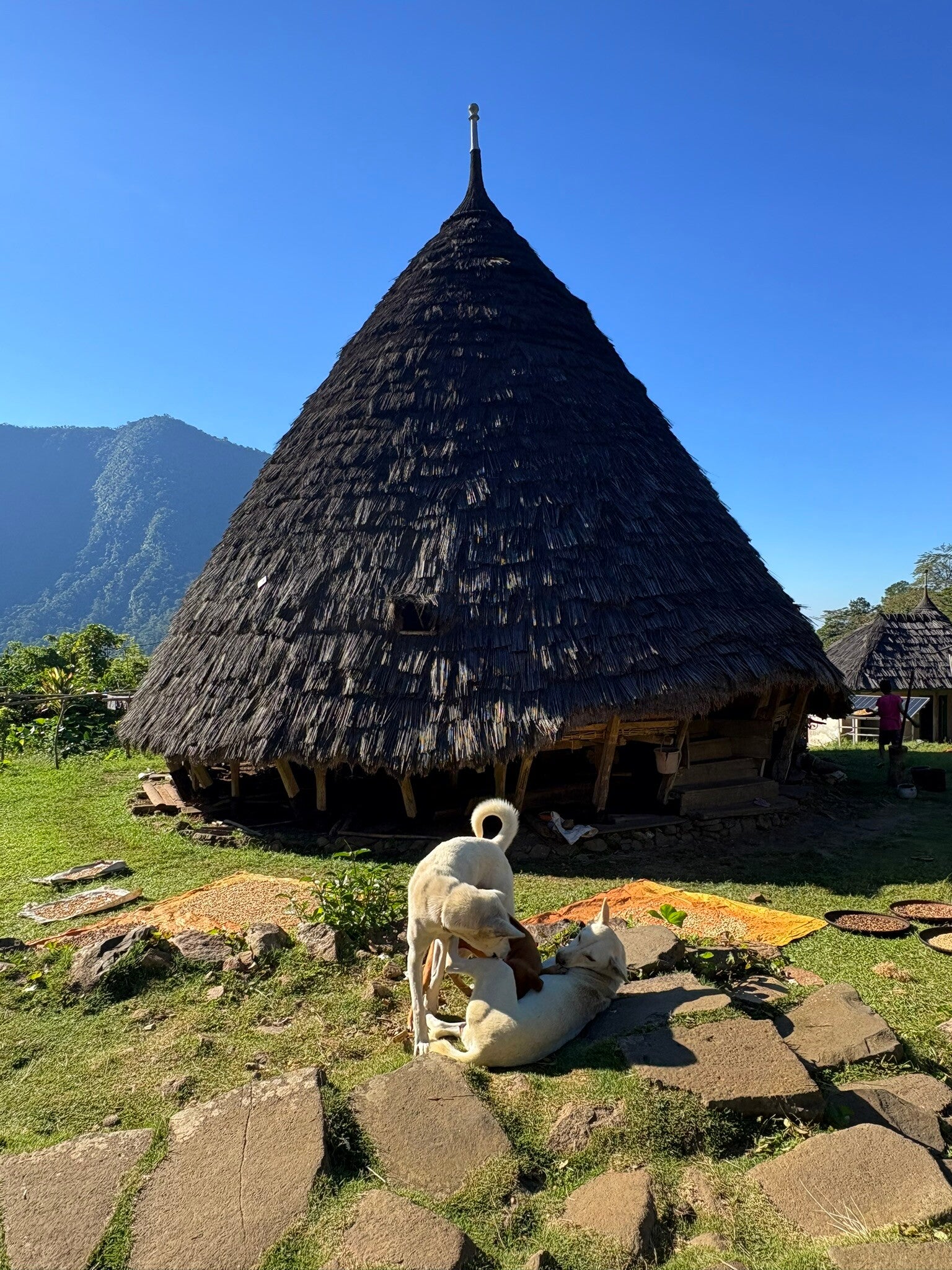
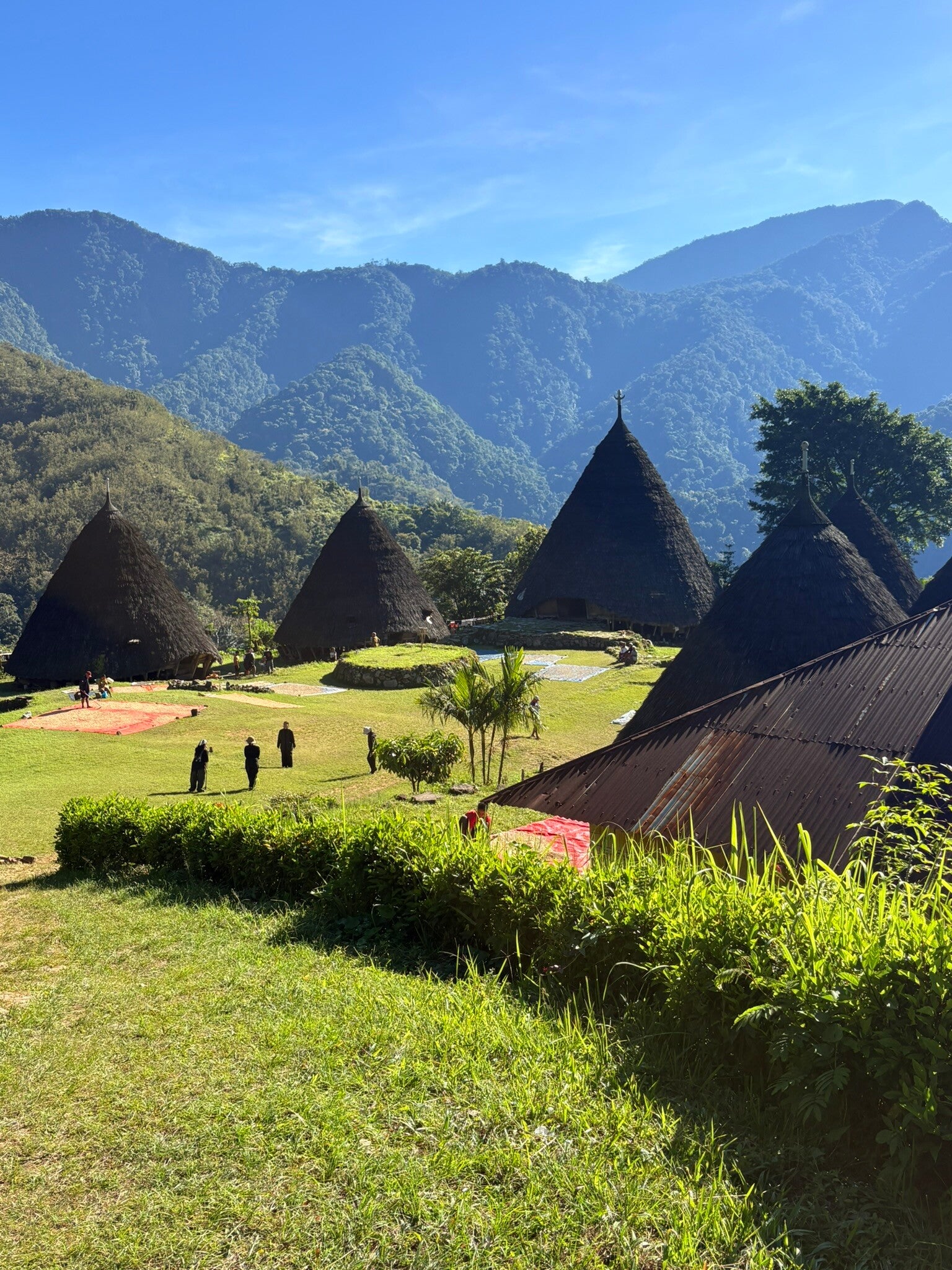
Wae Rebo village, in the mountains of western Flores, is best known for its distinctive traditional cone-shaped houses, called Mbaru Niang. These impressive structures are built entirely from natural materials such as wood, bamboo and dried palm fibres, with the structure traditionally held together using natural bindings rather than modern nails.
Tourism has become an important part of village life in the 2000s, but the Manggarai community takes preserving its traditions seriously. When you arrive, you first have to participate in the traditional Waelu'u welcome ceremony with a village elder. Until the ceremony is complete, visitors aren't allowed to wander around the village or take pictures - and this rule is strictly enforced.
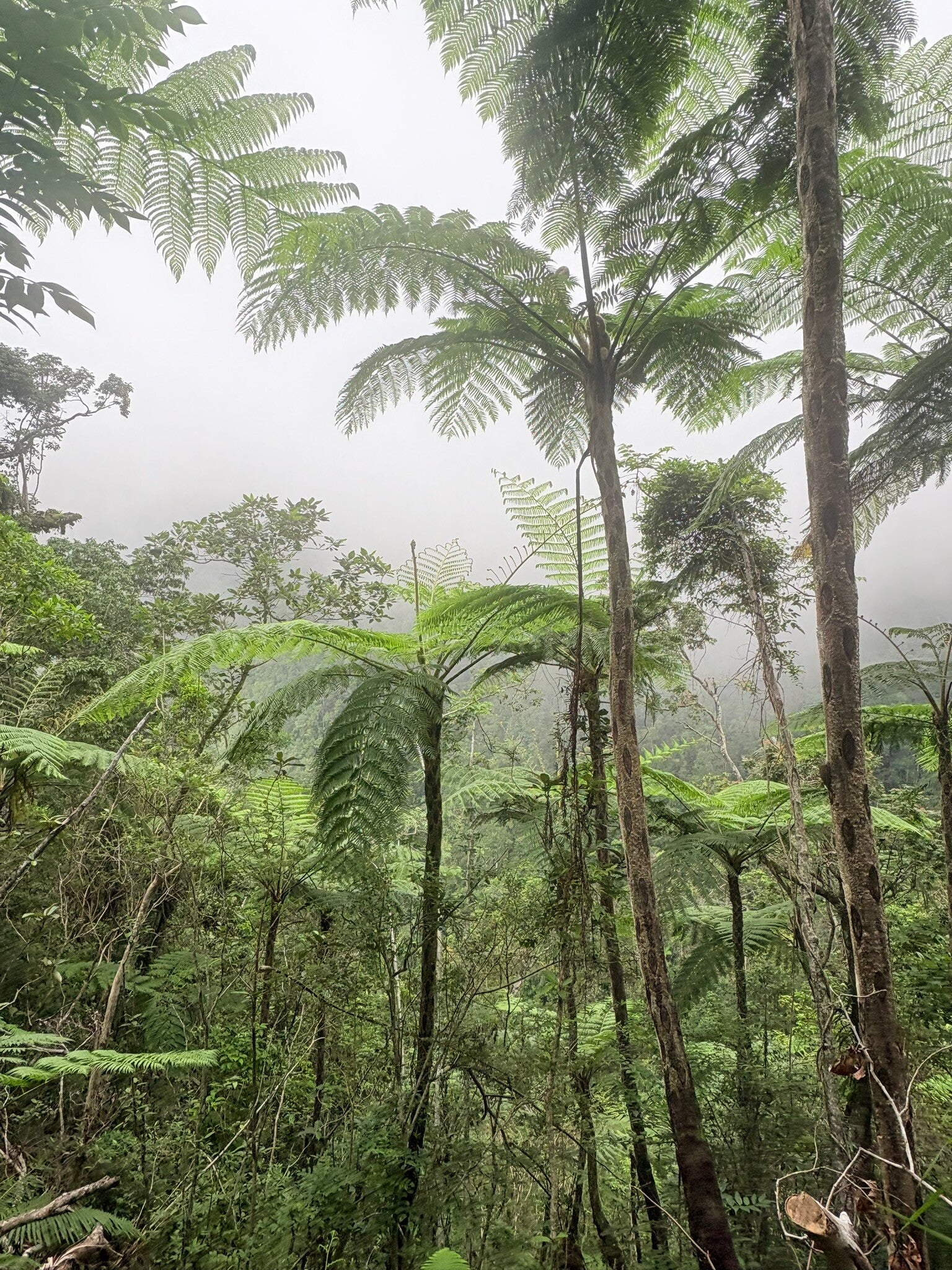
Wae Rebo can be visited on a two-day trip from Labuan Bajo, including an overnight stay in the village. The hike takes around 2–3 hours each way through the forest and hills. And don't expect the hike to keep the tourists away! When we visited, the tourist-to-local ratio felt like approximately 4 to 1. Even though Wae Rebo is far from an undiscovered destination, I still found the whole experience authentic enough to warrant the trip. A Q&A session with the village elder before dinner was particularly interesting and provided a unique opportunity to learn more about Manggarai culture, village life, religion and local traditions.
What to expect when staying overnight
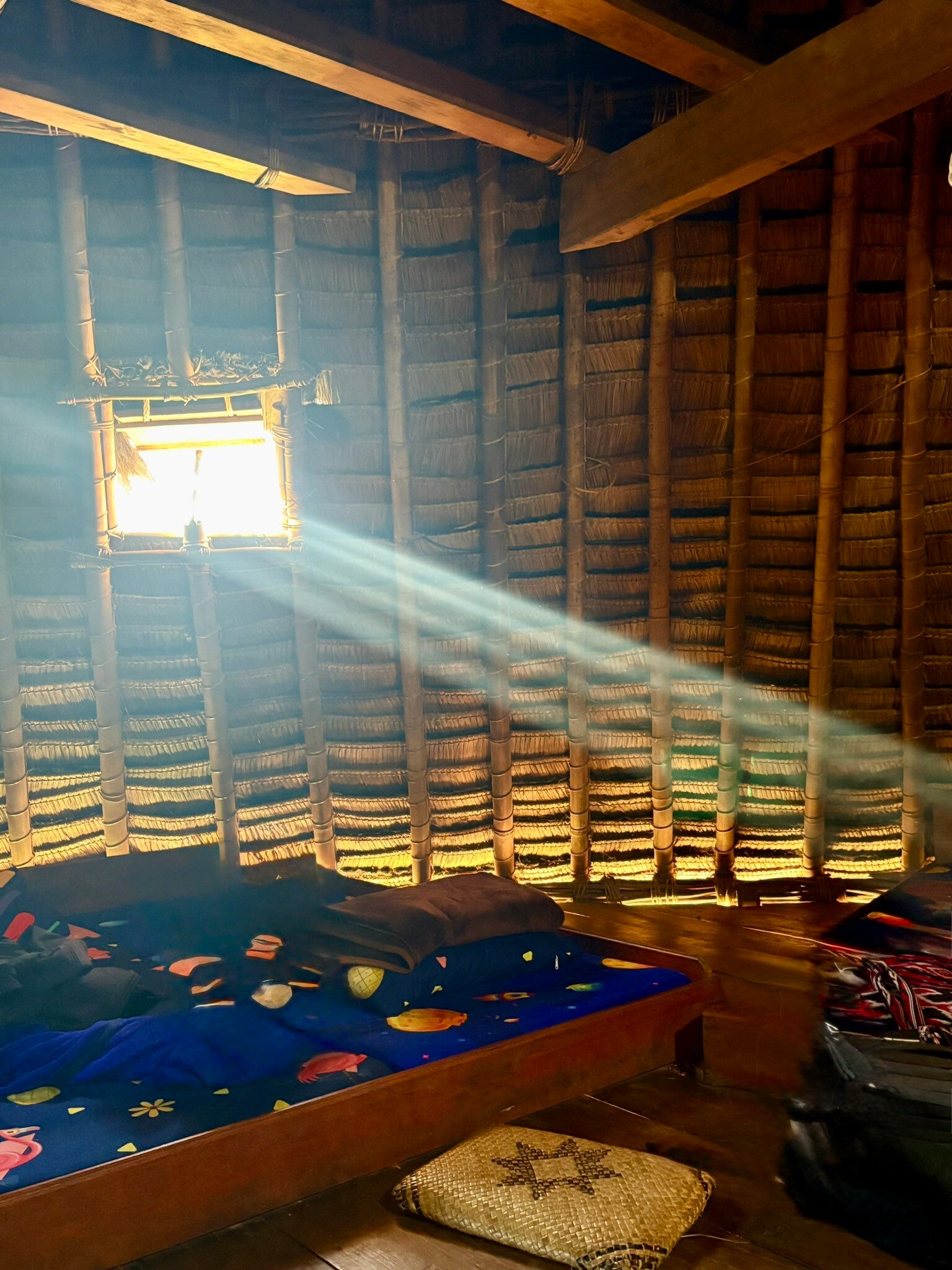
Before undertaking the trek, be aware that conditions in the village are very basic. There is running water, but it's cold and showers are taken using buckets. Overnight accommodation is also communal: you'll sleep on a mattress in one large shared space, potentially alongside 20–30 other travellers, depending on how busy the village is that night.
So don't come expecting a comfortable mountain retreat-– the basic conditions are very much part of the Wae Rebo experience.
Day 26 - Fly to Bali and escape to the Gili Islands
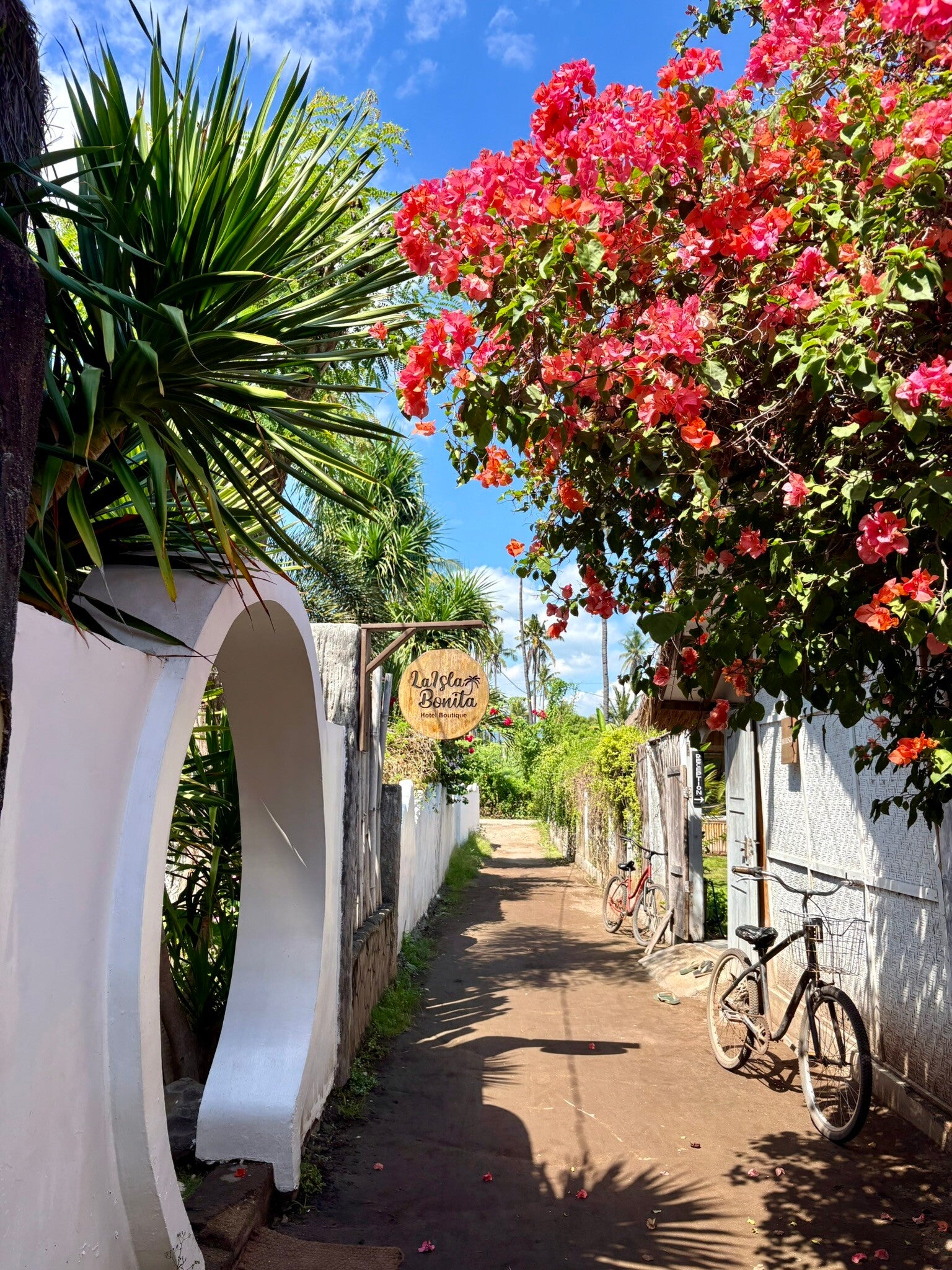
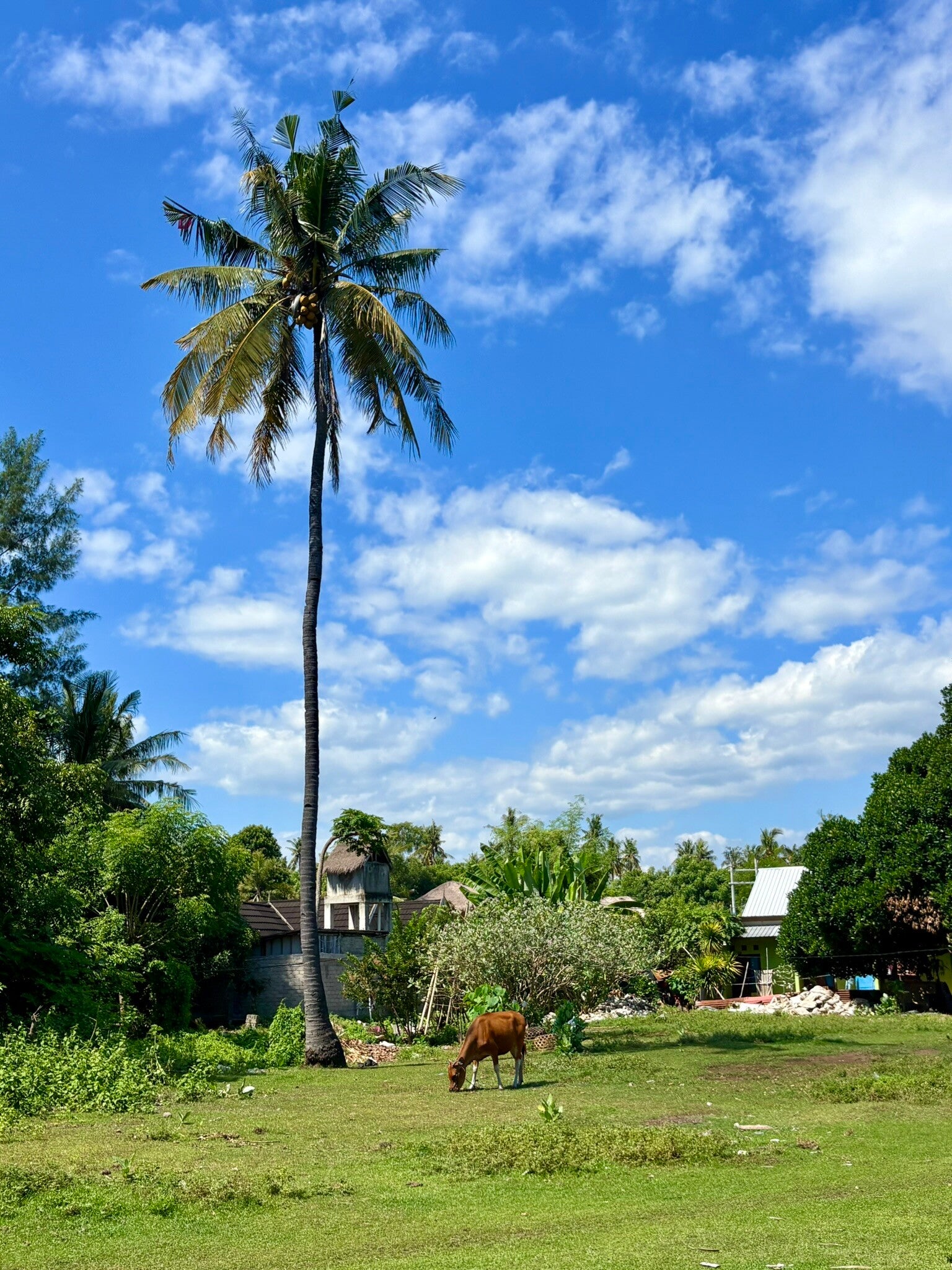
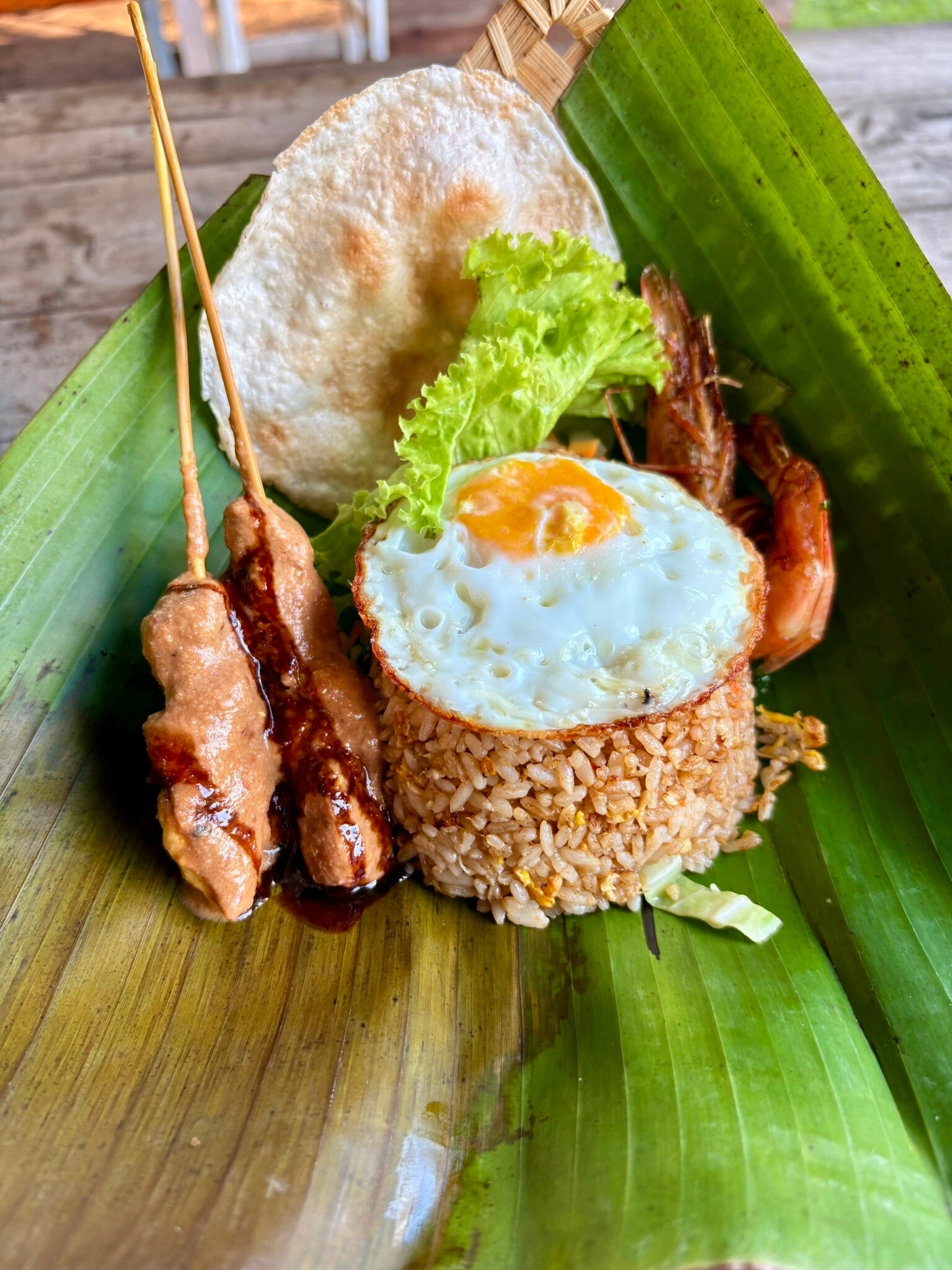
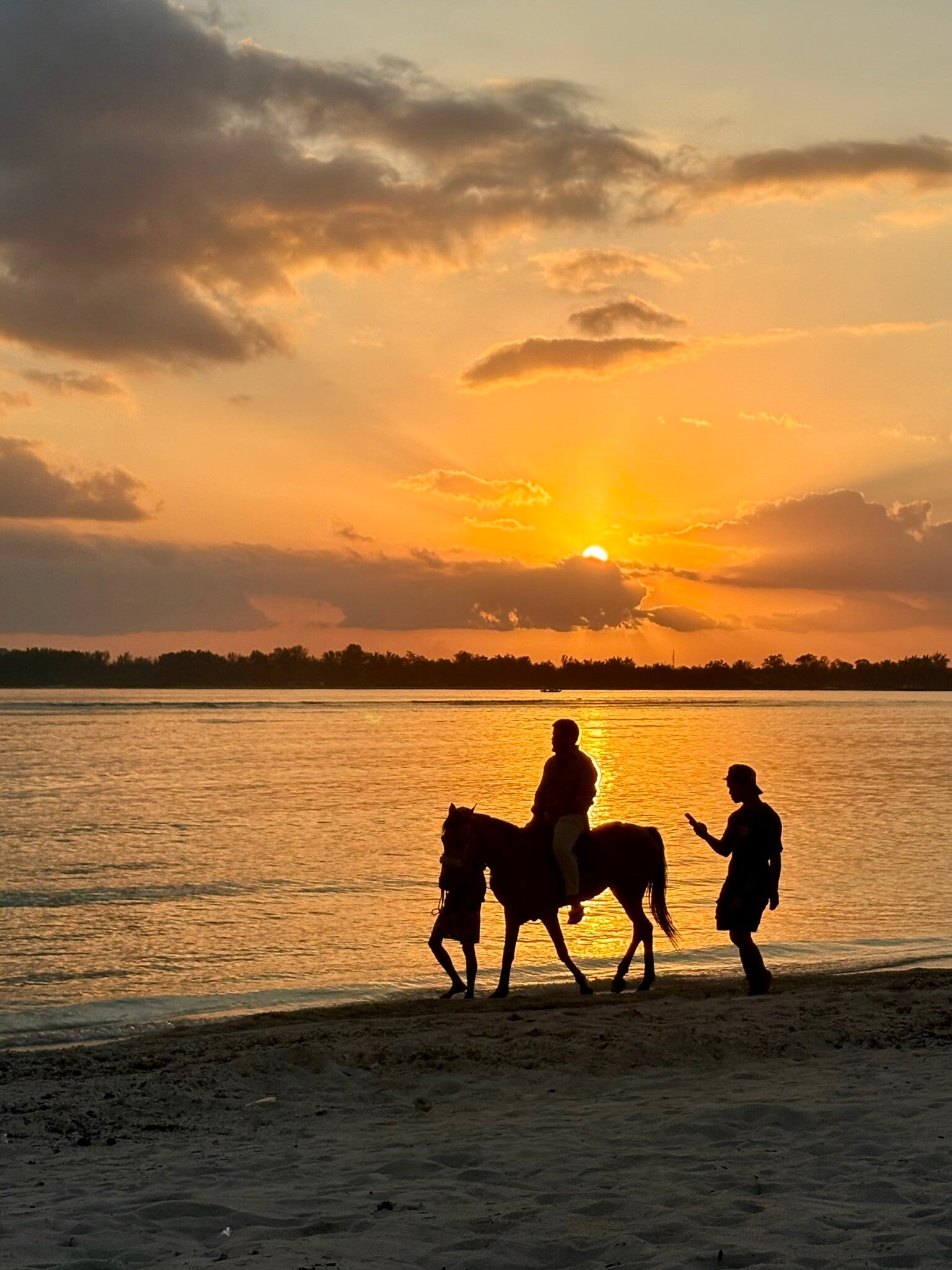
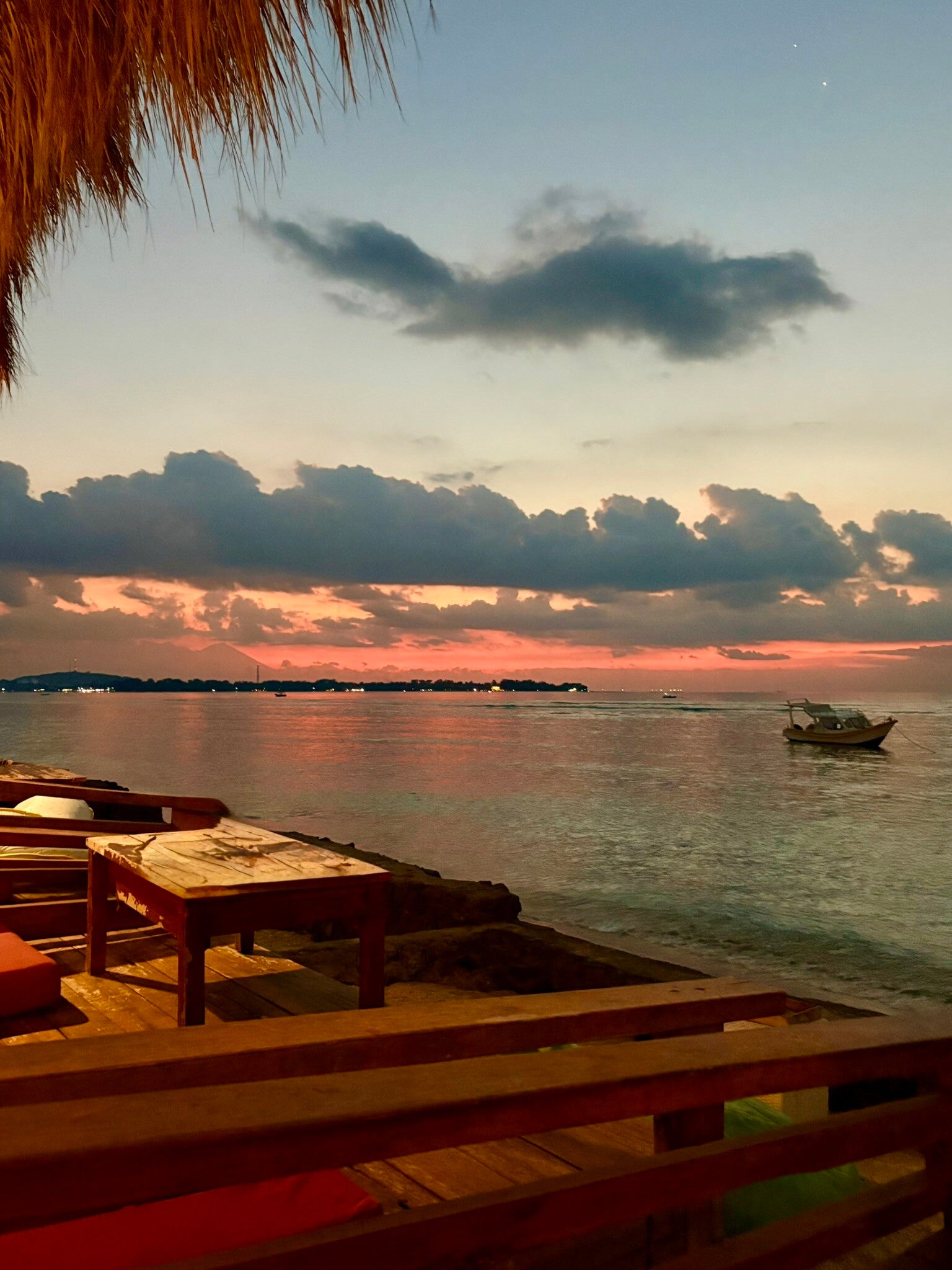
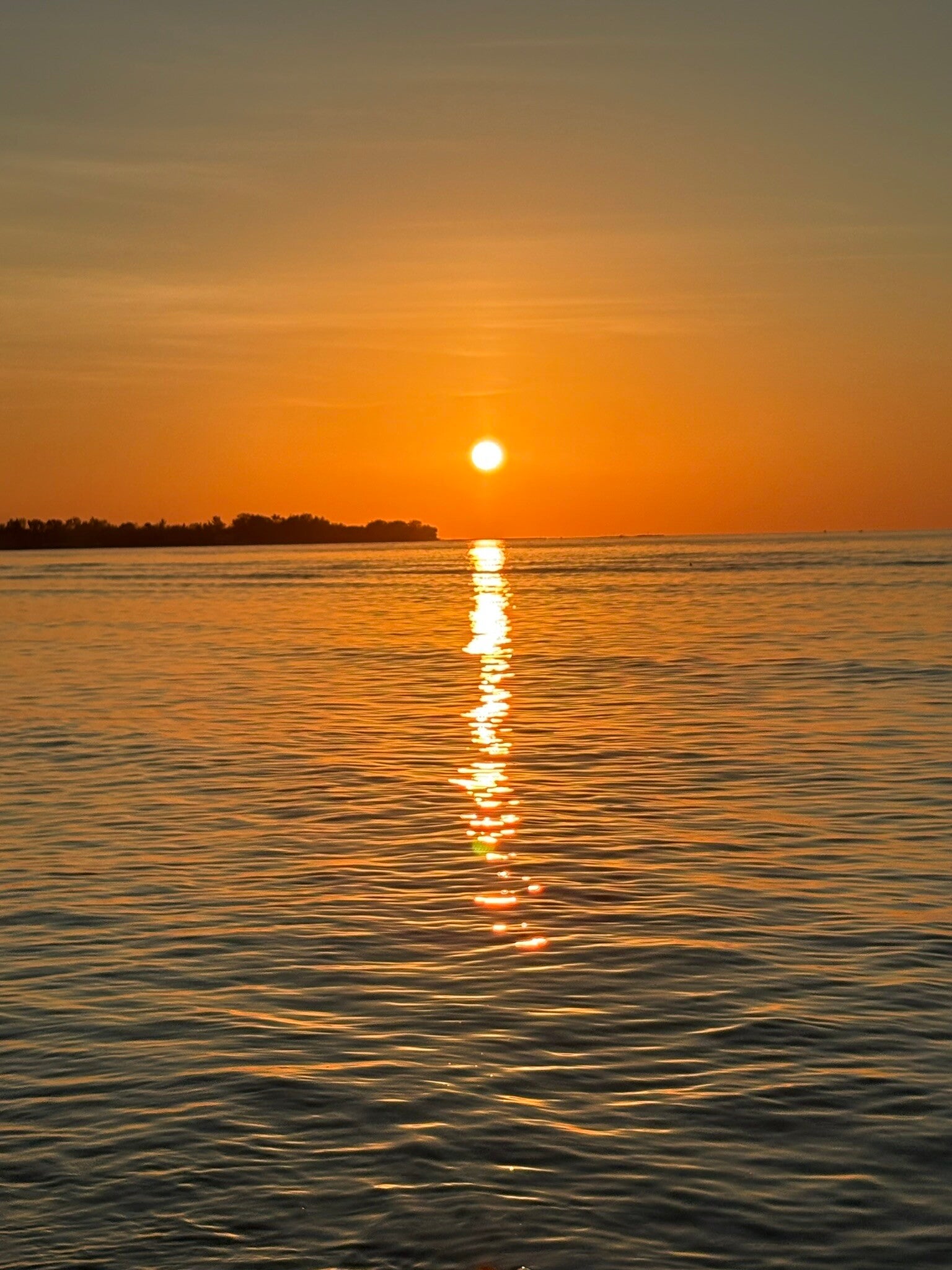
After all the intensive sightseeing, it's finally time to relax on one (or several!) of the paradise-like islands Indonesia has to offer. The Gili Islands are located just off the coast of Lombok and can be easily reached by fast boat from either Bali or Lombok. They're a perfect end-of-the-trip destination to relax, snorkel, soak up the sun and enjoy some good food.
If you're wondering which island to choose, here's a quick rundown:
- Gili Trawangan (Gili T) - the largest and most developed of the three Gili Islands and famous for its nightlife. If you want to finish your trip with some unforgettable nights out, Gili T is your pick.
- Gili Meno - the smallest and quietest of the three and particularly popular with couples. If you're travelling with your loved one and aren't looking for a party, aim for Gili Meno. It's also famous for its underwater sculpture installation, although you can easily visit it on a snorkelling trip from the other islands as well.
- Gili Air - somewhere in between the other two, with a relaxed but social atmosphere and a good mix of solo travellers and couples. It's also popular with yogis and digital nomads.
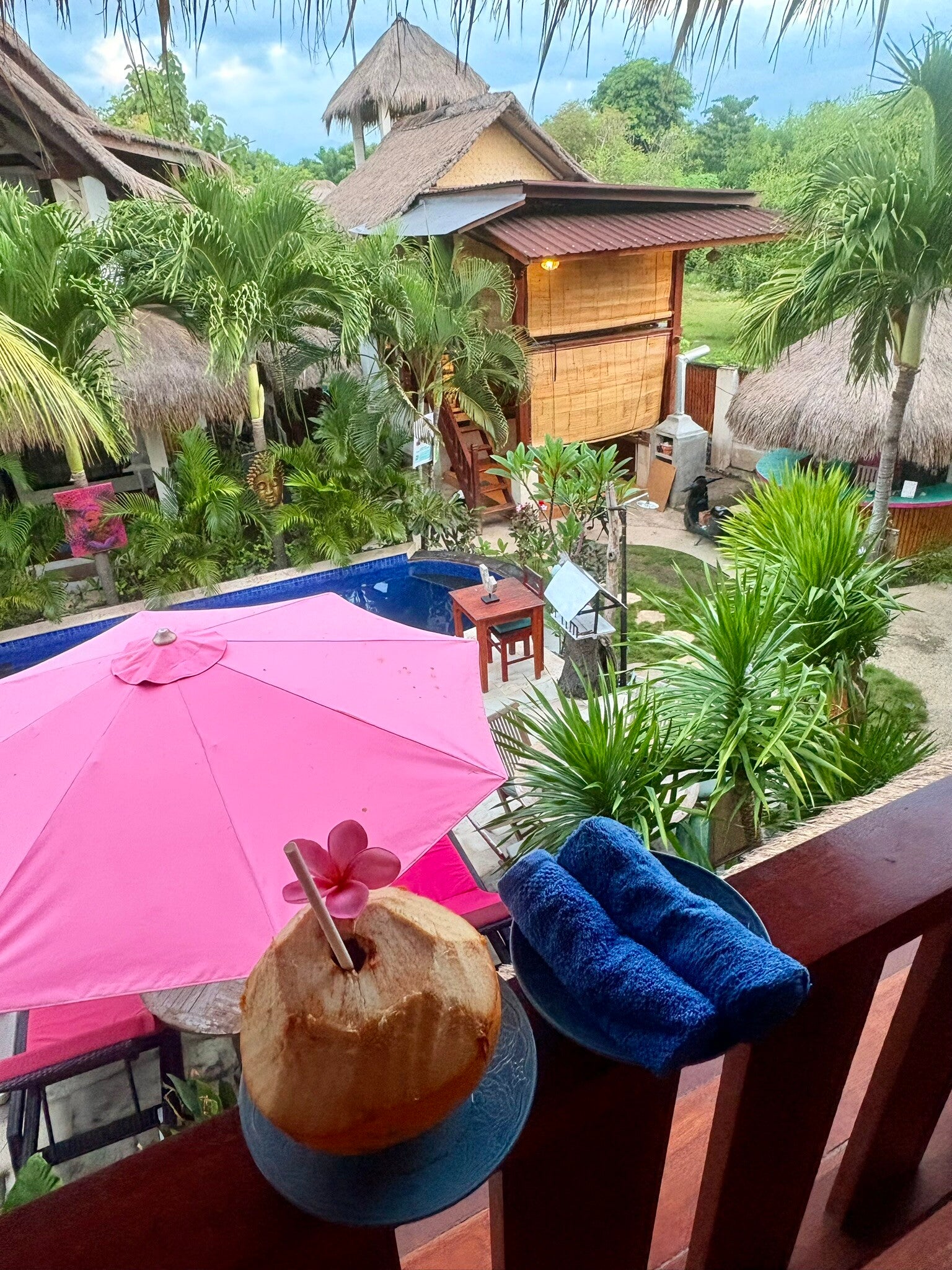
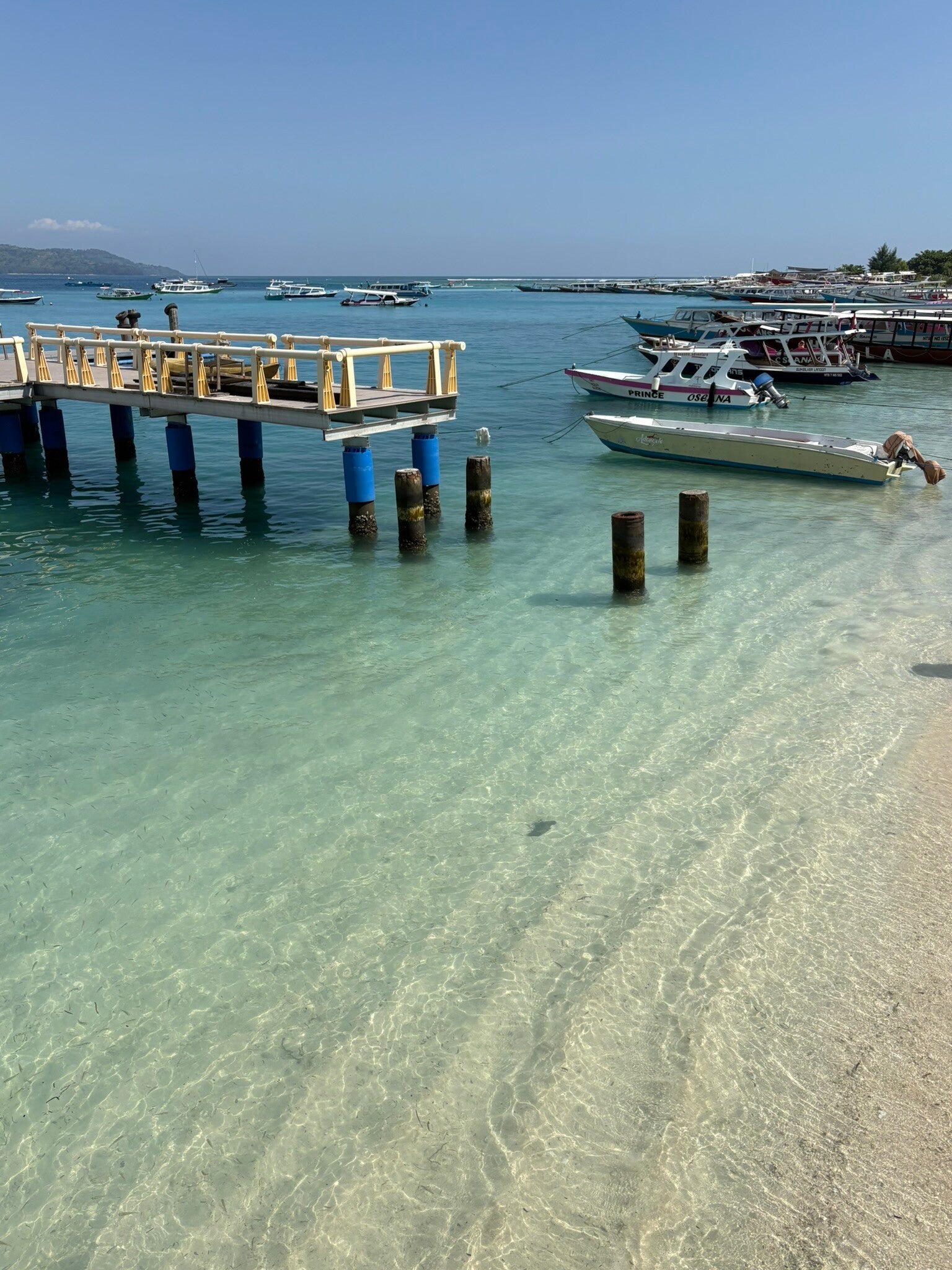
Snorkelling and diving around the Gili Islands
The Gilis are particularly well known for diving, snorkelling and frequent sea turtle sightings. You can join a guided snorkelling tour, take diving lessons or simply rent a mask and fins from one of the many beachside shops and head into the water independently.
That's exactly what I did on Gili Air, where I spotted two huge sea turtles just off the coast! Regardless of which Gili Island you choose, the easy access to marine life is one of the biggest highlights - you don't necessarily need to book a tour to have an amazing snorkelling experience.
Days 27–28 - Relax on the Gili Islands or use them as buffer days
After almost four weeks of volcano hikes, jungle treks, waterfalls, traditional villages and countless transfers between islands, you've earned a couple of days of doing absolutely nothing! Spend the final two days relaxing on your Gili Island of choice, swimming, snorkelling, eating good food and enjoying the beach. Or, if you prefer to keep moving, split the time between the Gili islands - they're close enough to make island hopping easy.
Alternatively, treat these two days as buffer days for the rest of the itinerary. This itinerary involves a lot of moving around and delays due to weather, cancelled boats or changed plans are always possible. You might also simply fall in love with one destination and want to stay longer. Having two flexible days at the end means you can extend your time in Sumatra, Java, Nusa Penida or Flores without having to sacrifice another part of the trip.
If everything goes according to plan, there's certainly nothing wrong with spending those extra days on a beach with no sightseeing agenda whatsoever!
Four weeks in Indonesia - is it enough?
Yes and no. Four weeks is enough to experience an incredible variety of what Indonesia has to offer, but nowhere near enough to see it all. This itinerary covers six islands and everything from orangutans and Komodo dragons to volcanoes, waterfalls, traditional villages and manta rays – and still barely scratches the surface.
It's a packed itinerary, so don't feel like you have to follow every day religiously. Skip the places that don't appeal to you, stay longer in the ones that do or use the final buffer days to slow things down. And if after four weeks you're exhausted and need a holiday from your holiday, well... that's what the Gili Islands are for.
Add comment
Comments
Hi ! What a great trip !
A few question
Do you travel alone ?
I’ m a solo traveler but never did a long trip solo like that
Can you give me the budget approximatively for a month
I would like to add togean Islands too , but Indonésia is so big and beautiful hard to make a choice. (i went already to raja ampat it’s amazing )
Thanks !!
Hi Cristel,
Thanks a lot! And yes, it is extremely hard to choose with Indonesia, it’s so beautiful and diverse!
Yes, this trip I went alone. I normally don’t provide as it is extremely individual and heavily influenced by accommodation choices. I travel mid-range, no hostels but no fancy hotels either, I believe I spent about 2000-2500 eur for a month including domestic flights.