Sri Lanka packs an impressive amount into a relatively small island: ancient cities, elephant safaris, mountain hikes, ridiculously scenic train rides, Buddhist temples and tropical beaches can all fit into a two-week trip.
This 14-day Sri Lanka itinerary follows a classic north-to-south route, starting near Colombo Airport before travelling through Sigiriya, Kandy and Ella, then continuing to the south coast, Galle and finally Colombo.
It's a fairly active itinerary, but one that gives you an incredible variety of experiences without spending your entire holiday in transit.
Things to know before travelling around Sri Lanka
Sri Lanka may be just a few hours from Southeast Asia, but culturally - and in terms of tourism infrastructure - it can feel quite different.
Temple etiquette in Sri Lanka
Sri Lanka is a predominantly Buddhist country and religious sites are taken seriously. Covering your shoulders and knees and removing your shoes is standard when visiting Buddhist temples, but there are a few additional rules specific for Sri Lanka.
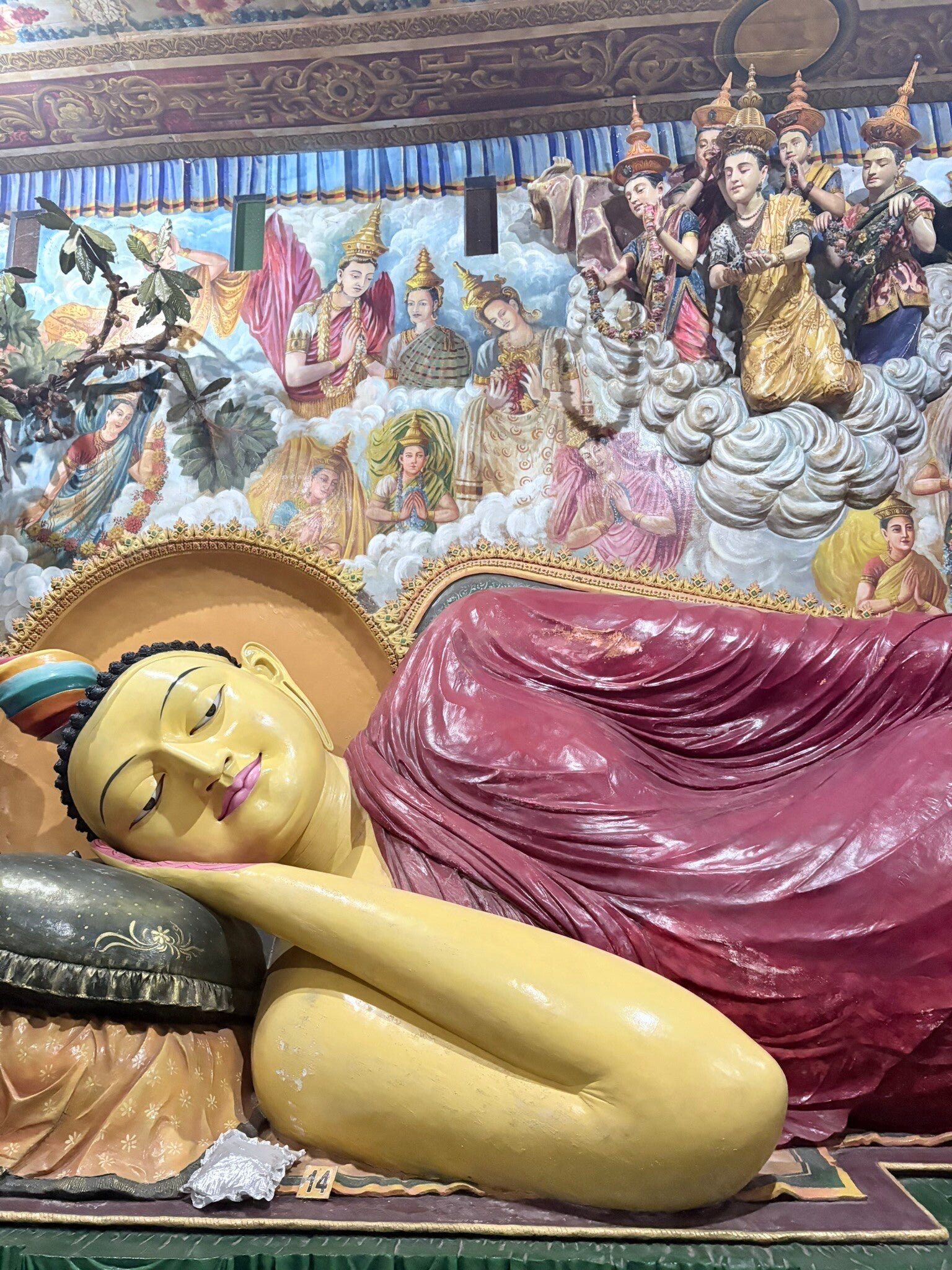
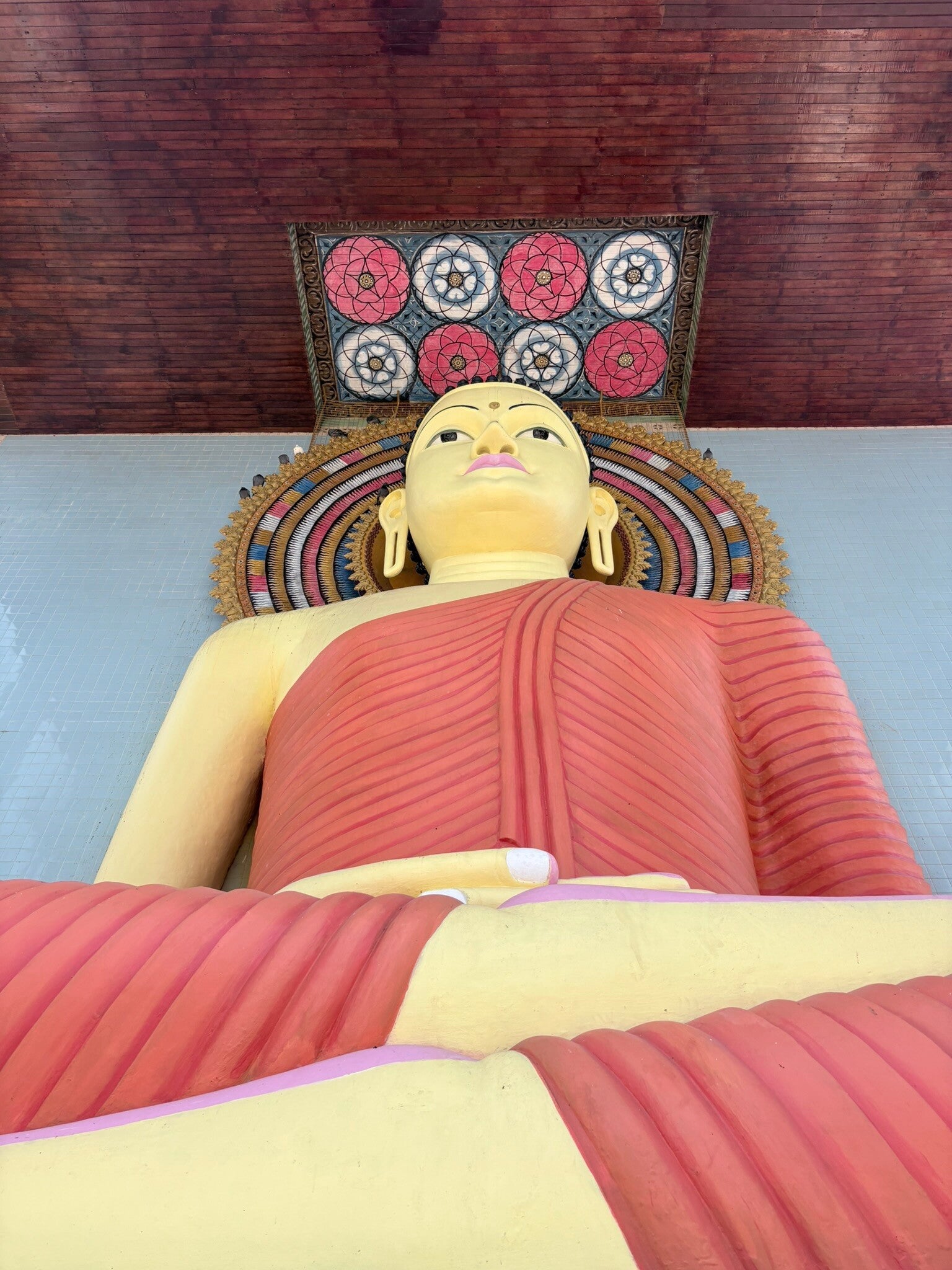
In particular, don't pose for photos or selfies with your back towards a Buddha statue or image. I saw this rule being quite strictly enforced by supervisors at several temples.
You may also need to remove your shoes before entering the entire temple grounds rather than simply before stepping inside a building. At larger sites, this can mean walking several hundred metres without shoes (not particularly pleasant when the pavement has been baking in the afternoon sun). Larger temples normally have designated shoe-storage facilities, where a small donation for safekeeping may be expected, so bring cash.
Tip: Bring socks. Your feet will thank you.
Using PickMe in Sri Lanka
Sri Lanka has its own ride-hailing app called PickMe, which works similarly to Uber or Grab. However, in my experience, it comes with a few local quirks.
Firstly, I had considerably more success when setting the payment method to cash rather than card. With card payments selected, drivers would accept my ride, call me and then not move towards the pick-up point until I changed the payment method to cash.
Secondly, while PickMe is theoretically available across much of Sri Lanka, I found it far more reliable in larger cities such as Colombo, Negombo and Kandy. In Ella, getting a ride through the app was impossible during my visit, as drivers can charge much higher (agreed) rate on a curb side pickup and simply no one accepted ride requests on the app.
WhatsApp is essential
If you book a (private) tour through platforms such as GetYourGuide or Viator, or arrange a bus ticket or transfer through 12Go Asia, don't be surprised if much of the actual organisation happens through WhatsApp.
In my experience, tour and transport companies use WhatsApp for confirming pick-up locations, times and other details. Make sure you have the app installed and working before your trip.
English is widely spoken
English is widely taught in Sri Lankan schools and I was genuinely impressed by how easy it was to communicate. Tuk-tuk drivers, street sellers and people working in tourism almost always spoke at least some English.
Just remember that conversational English doesn't necessarily mean fluency - speaking slowly and using straightforward language goes a long way.
Is Sri Lanka easy to travel solo?
I found Sri Lanka considerably more convenient to travel as a couple or with other people than alone, mainly because so much tourism is built around private transport and private tours.
Unlike some Southeast Asian destinations, I found relatively few organised day tours where a solo traveller could simply buy one seat and join a group. Private tours can be very affordable when two or three people split the cost, but considerably less so when you're paying the entire amount yourself.
The same applies to longer transfers. Local intercity buses are extremely cheap but infrequent and often have only standing space, regardless of the duration of travel. Private transfers are much easier - but again, much better value when the cost is shared.
With the basics covered, let's get into the itinerary!
Day 0: Arrival in Sri Lanka
You'll most likely arrive at Bandaranaike International Airport, which is actually much closer to Negombo than central Colombo.
You therefore have two obvious options: head to Colombo, roughly an hour away depending on traffic, or stay in Negombo, around 20 minutes from the airport.
I chose Negombo because of the much shorter transfer and saved Colombo for the end of the trip.
Getting from Colombo Airport to Negombo
You can easily arrange a ride through PickMe. Check the exact meeting point in the app, as you may need to walk around 100 metres outside the airport gate to where PickMe drivers are allowed to stop. It's not a long walk.
Day 1: Negombo city tour and transfer to Sigiriya
If you're staying in Negombo, you might as well see what the city has to offer before heading inland.
Sri Lankan cities aren't particularly pedestrian-friendly, with heavy traffic and limited pavements in many areas, so I found a tuk-tuk tour an easy way to explore Negombo. It only takes a couple of hours and covers a surprisingly diverse collection of religious sites, including Buddhist and Hindu temples as well as Christian churches. Make sure your clothes cover your knees and shoulders and wear shoes that are easy to take on and off.
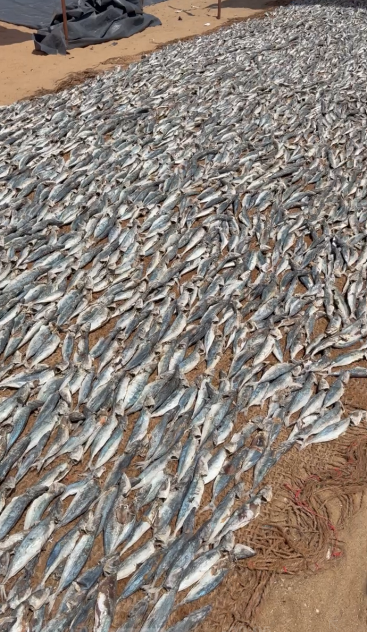
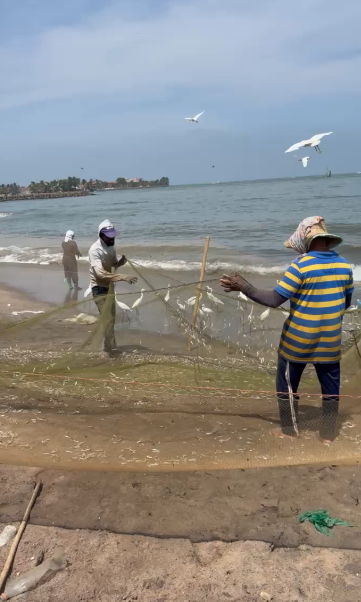
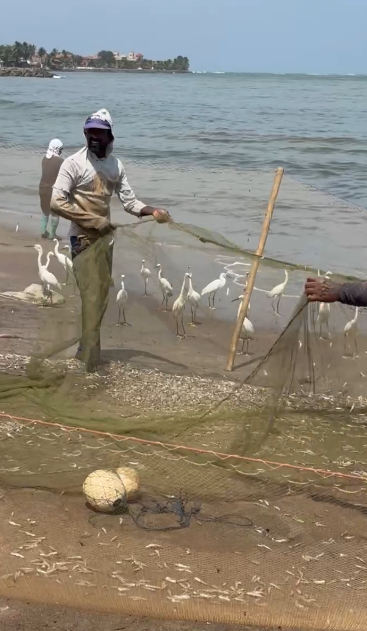
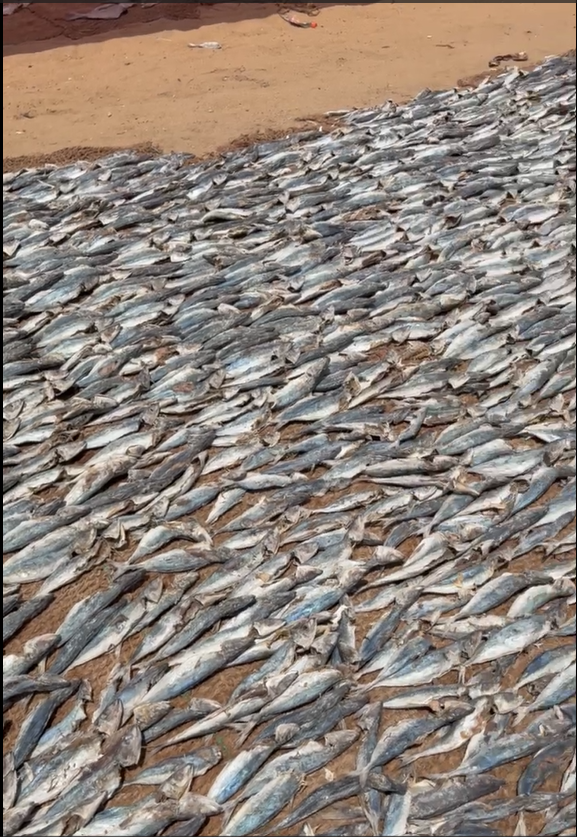
Another stop on the tour that's worth mentioning is the Negombo Fish Market. You may have seen fish markets elsewhere, but this one is quite an experience. I saw metres upon metres of fish laid out to dry, fishermen untangling the day's catch from their nets and the actual market selling everything from enormous tuna to shark meat.
Negombo to Sigiriya
After exploring Negombo, continue to Sigiriya. The journey is around 150 km and takes roughly 3.5 hours for a the price of 32 USD for a shared transfer. You can book a shared transfer via 12 go asia or a private one via your hotel or guesthouse, which may actually work out cheaper per person if you're travelling with someone.
If you're on a tight budget, you can also do the journey entirely by local bus for around USD 2–3. It requires three buses: Negombo → Kurunegala → Dambulla → Sigiriya. However, it can take up to 6 hours with no guarantee of a seat!
Day 2: Elephant safari and Sigiriya Rock
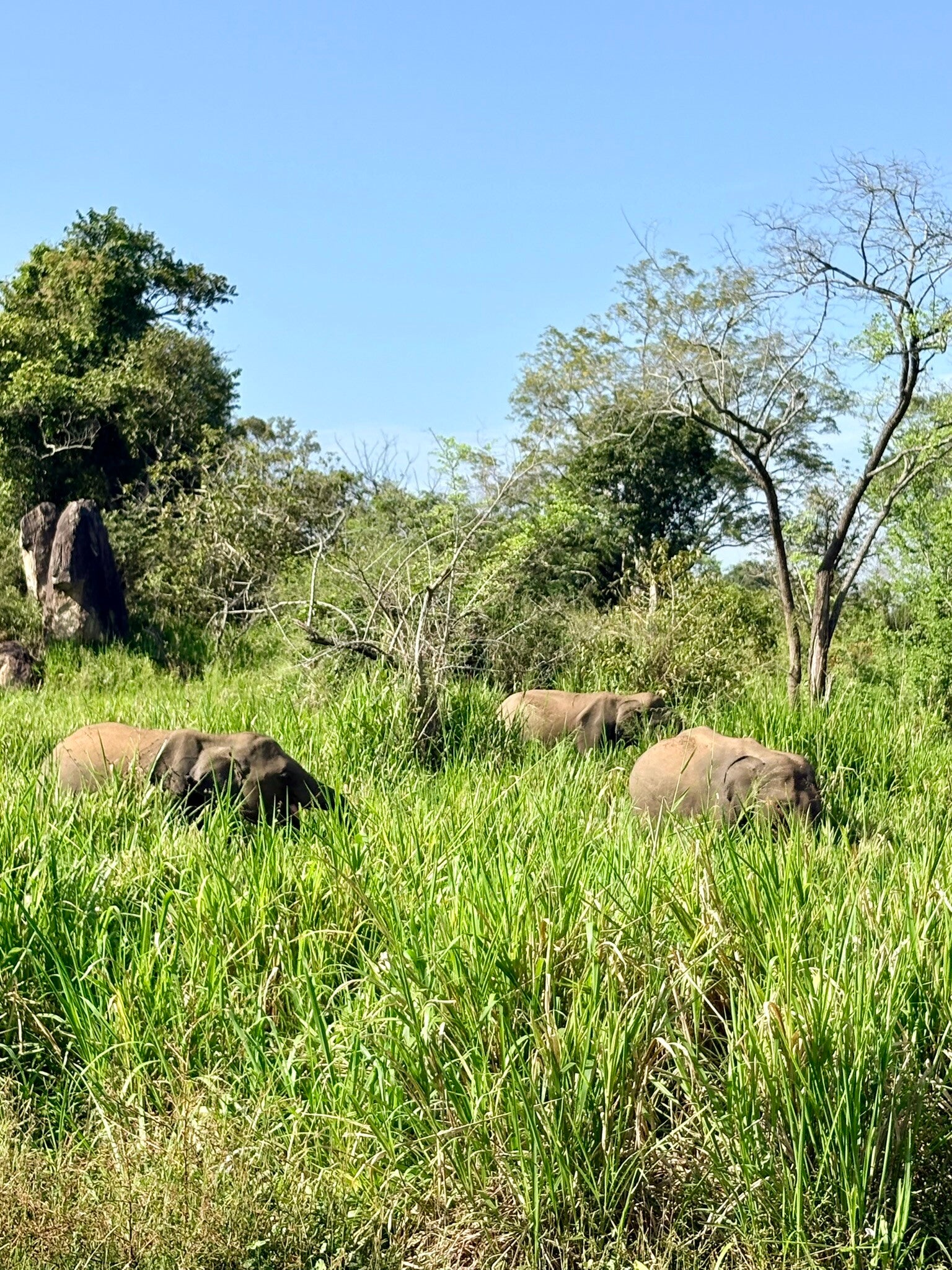
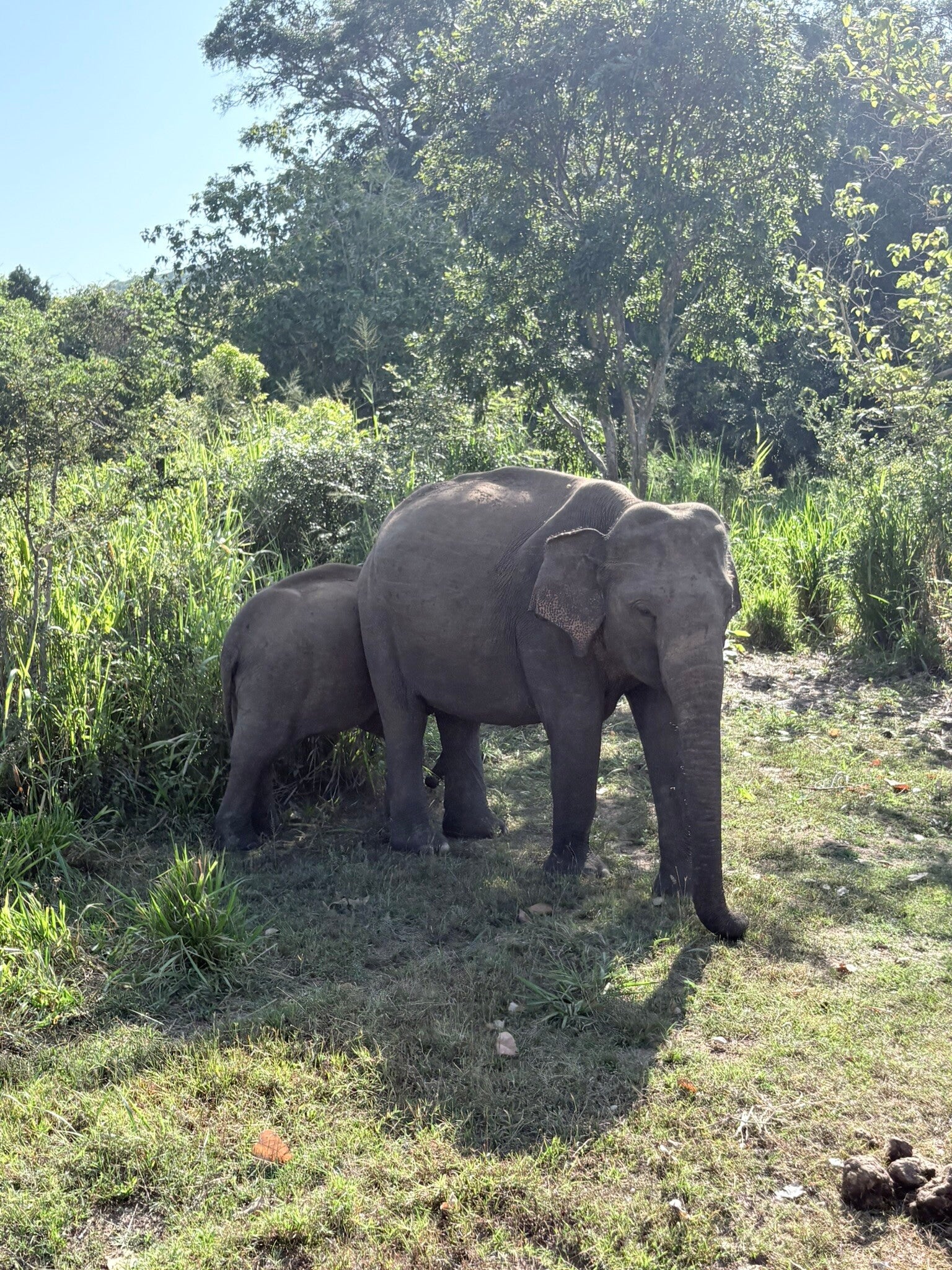
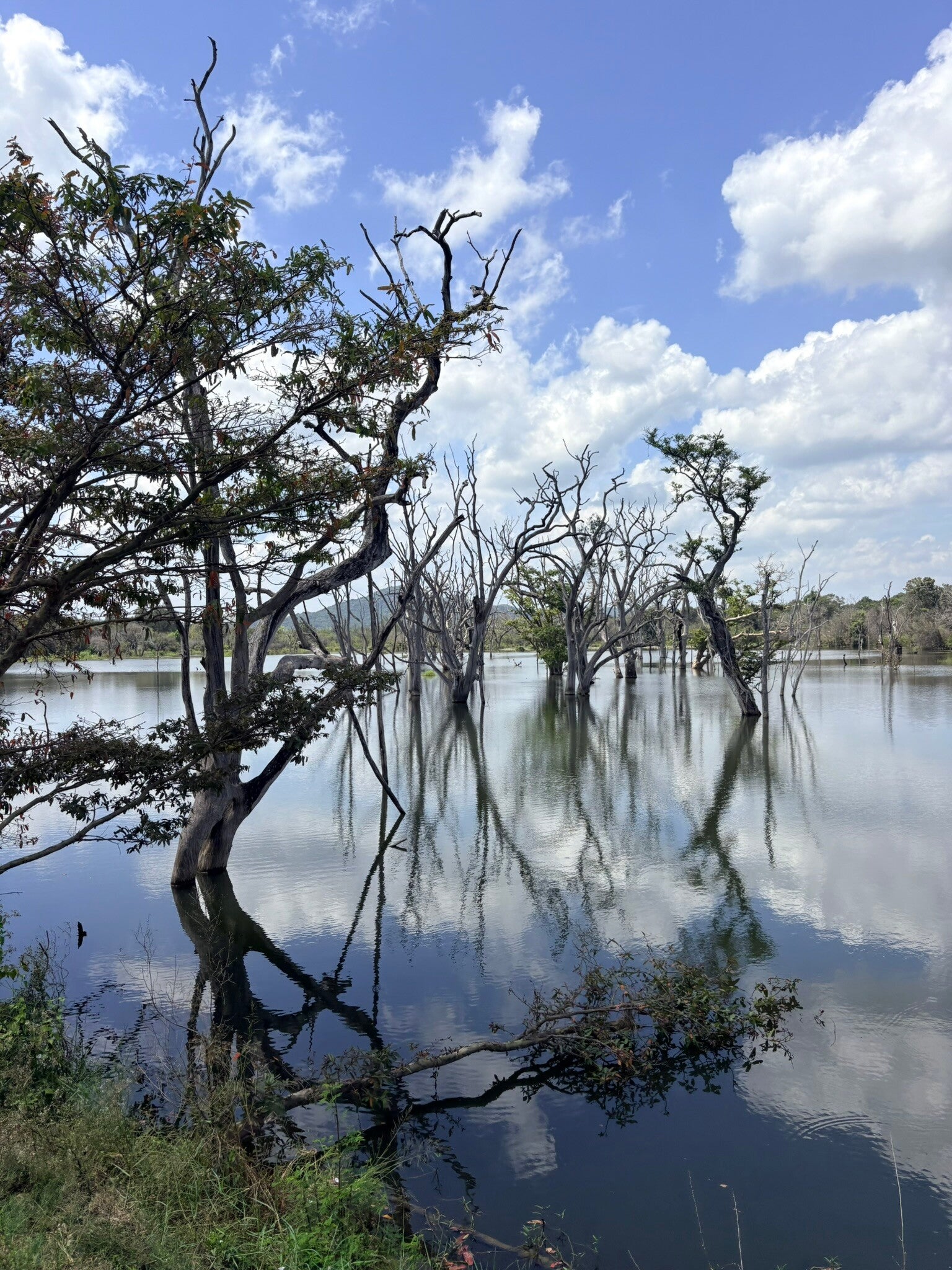
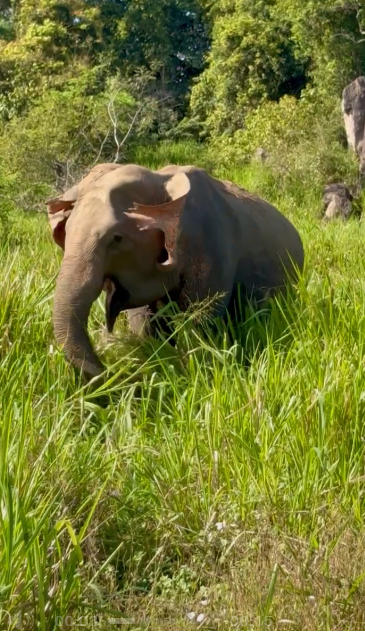
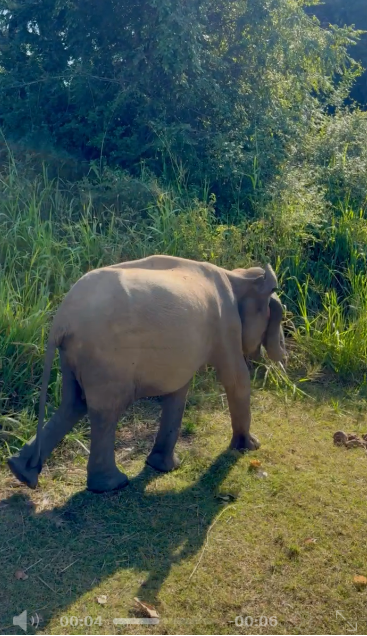
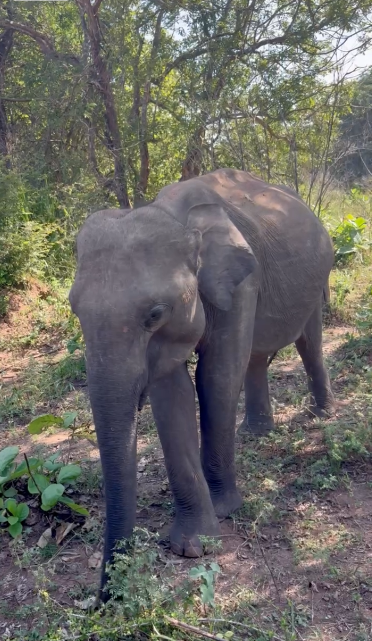
There are several famous places to go on safari in Sri Lanka, including Yala and Udawalawe in the south, but I highly recommend considering an elephant safari around Sigiriya. It's cheaper, less crowded and there are so many elephants that elephant sightings are all but guaranteed.
I visited Hurulu Eco Park, where I paid 13,000 LKR (around USD 40) for a private safari including pick-up from Sigiriya and entrance fees. If you're travelling with someone else, the per-person transport cost can be significantly lower.
My experience here was fantastic: there were plenty of elephants and I also saw wild peacocks and other birds. A half-day safari felt more than sufficient. I recommend morning safari, as it's less hot which means a bigger chance to see animals.
Sigiriya Rock
In the afternoon, you can relax in the small, peaceful town of Sigiriya or head to Sigiriya Rock, also known as Lion Rock.
This enormous rock fortress is one of Sri Lanka's most recognisable landmarks. King Kashyapa built his royal citadel here in the 5th century, complete with palace structures, gardens and an extraordinary system of reservoirs. It is also one of Sri Lanka's more expensive attractions: the foreign visitor ticket costs USD 35.
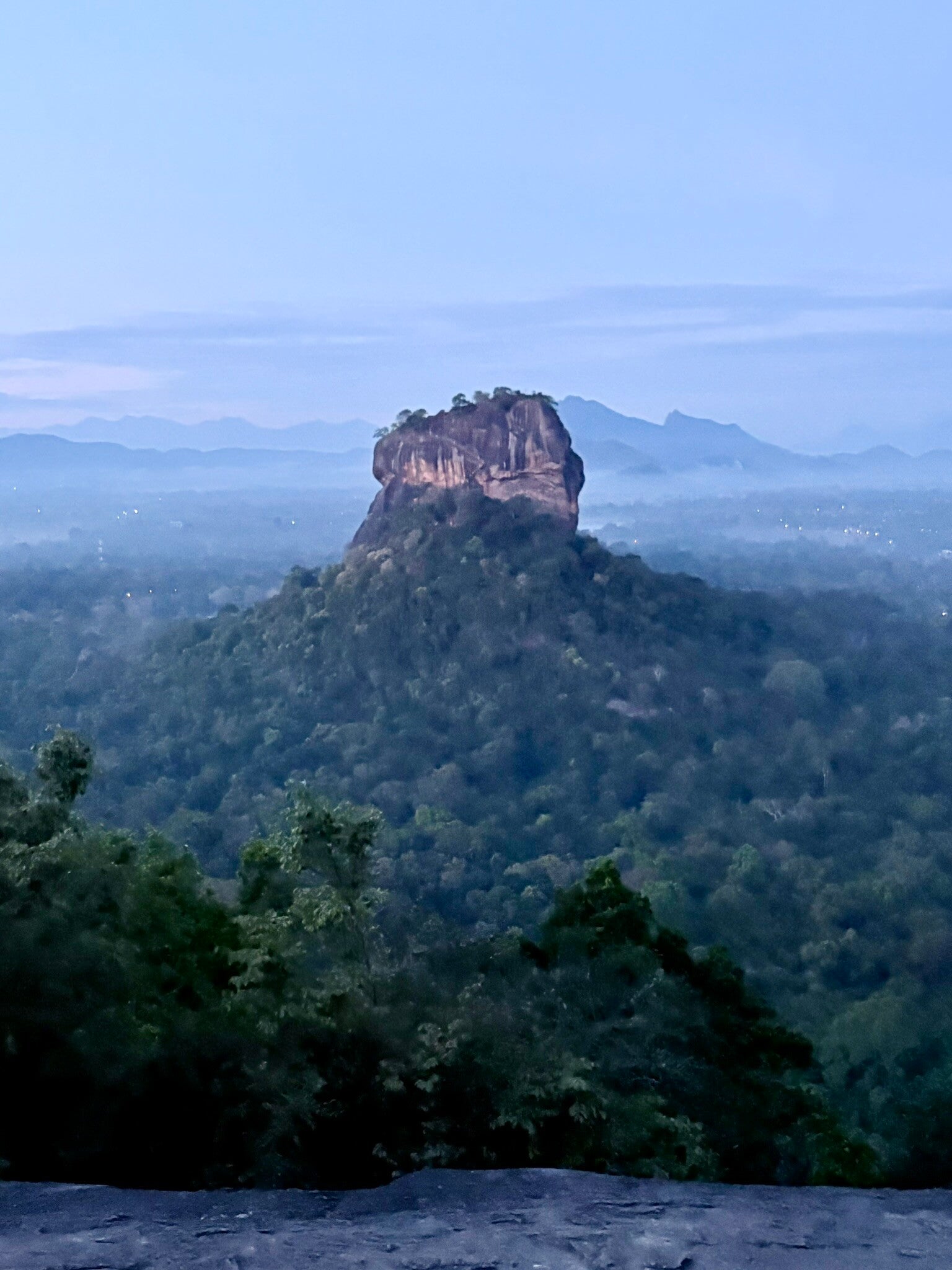
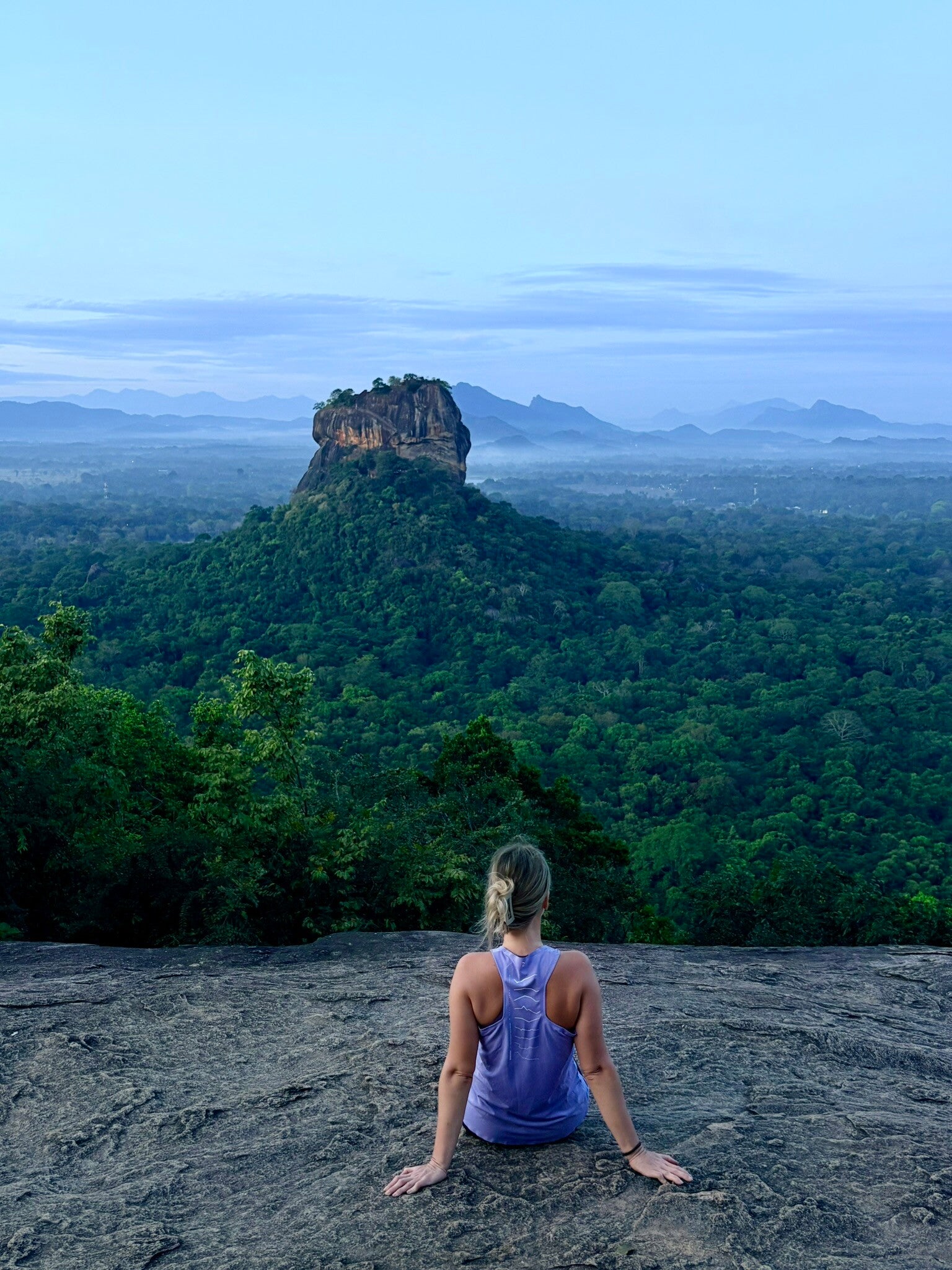
I personally didn't climb Sigiriya Rock. Instead, I chose Pidurangala Rock, which gives you a spectacular view towards Sigiriya itself - more on that tomorrow.
Tip: Be careful when travelling around Sigiriya after dark, particularly on quieter roads. Wild elephants do roam the surrounding area (and there have been tourist fatalities in Sigiriya), so taking a tuk-tuk rather than walking is the safer option.
Day 3: Pidurangala Rock at sunrise and Dambulla Cave Temple
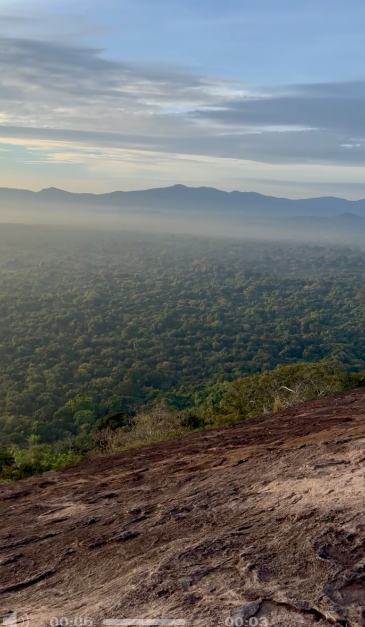
I highly recommend climbing Pidurangala Rock for sunrise. For starters, it's considerably cheaper than Sigiriya Rock, with entrance costing around 1,000 LKR (roughly USD 3) when I visited in 2026. The route is well enough marked for the pre-dawn climb and it takes only around 20–30 minutes depending on pace.
Most importantly, the view is magnificent. Sunrise appears over the jungle on one side, while the unmistakable shape of Sigiriya Rock dominates the landscape on the other. The only word of warning: the final section involves scrambling over rocks, so some sure-footedness is required. It's not simply a walk all the way to the summit.
During the descent, you can also visit the Buddhist temple on the rock. Bring something to cover your knees and shoulders if you plan to enter.
Dambulla Cave Temple
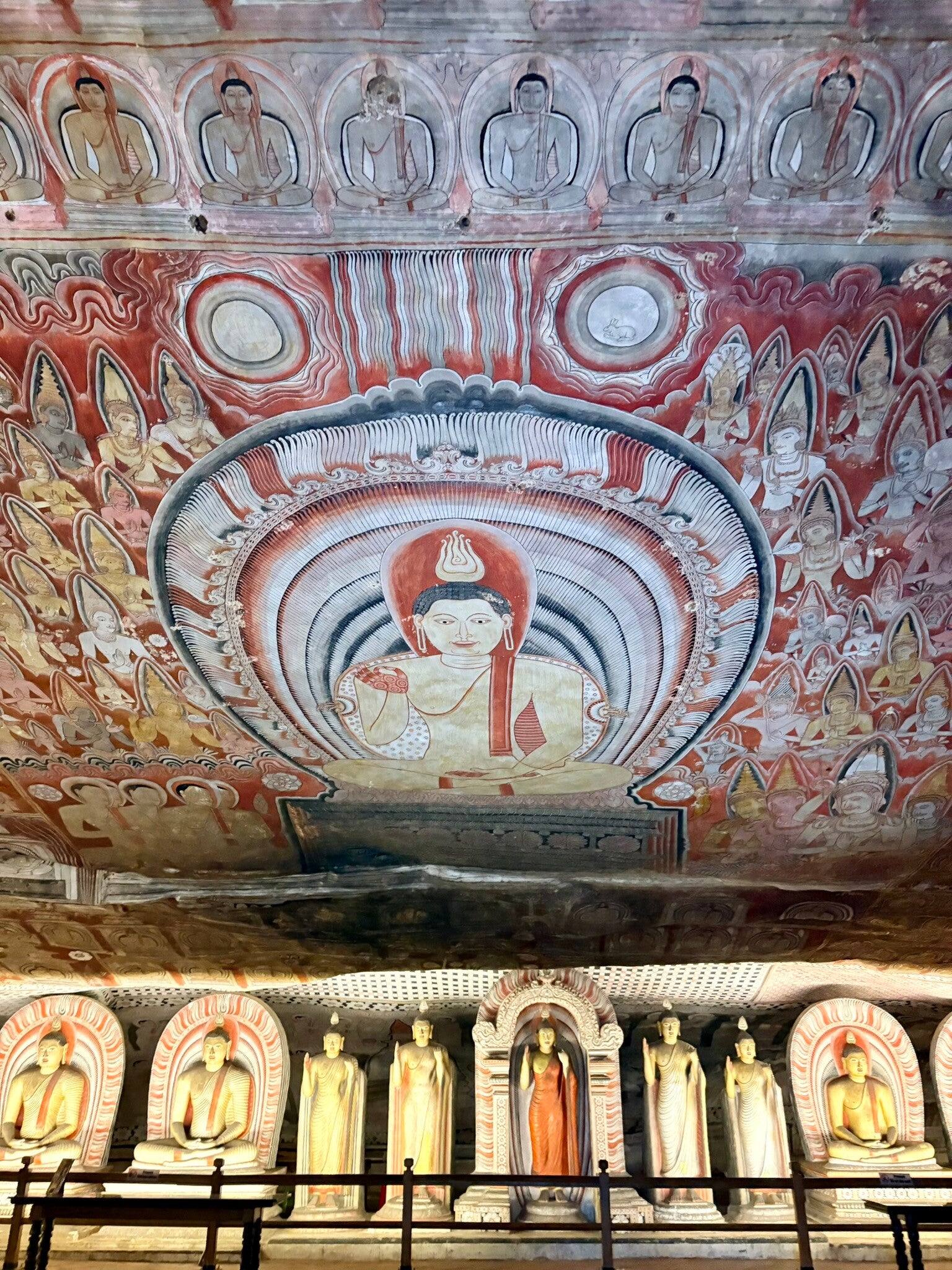
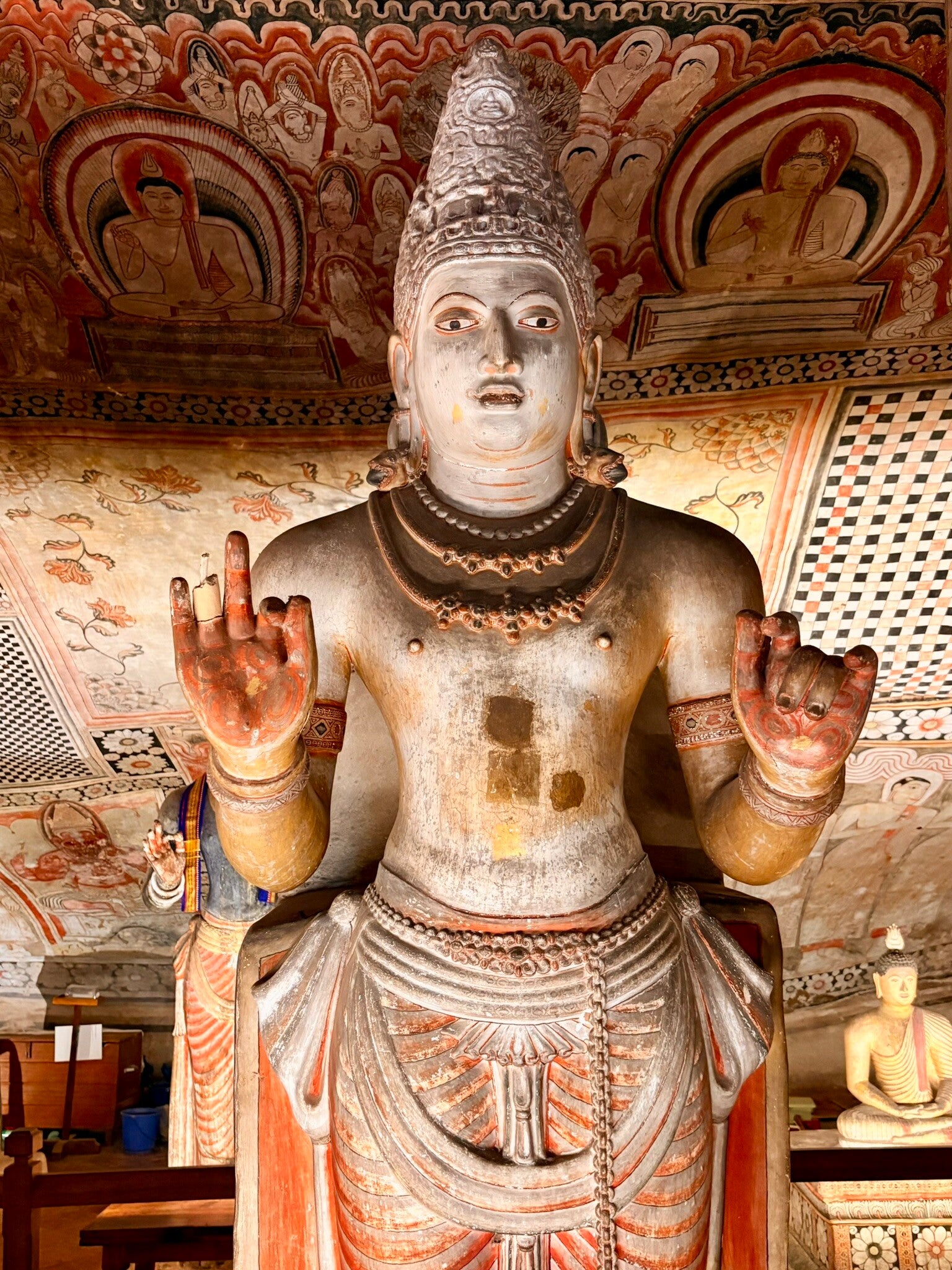
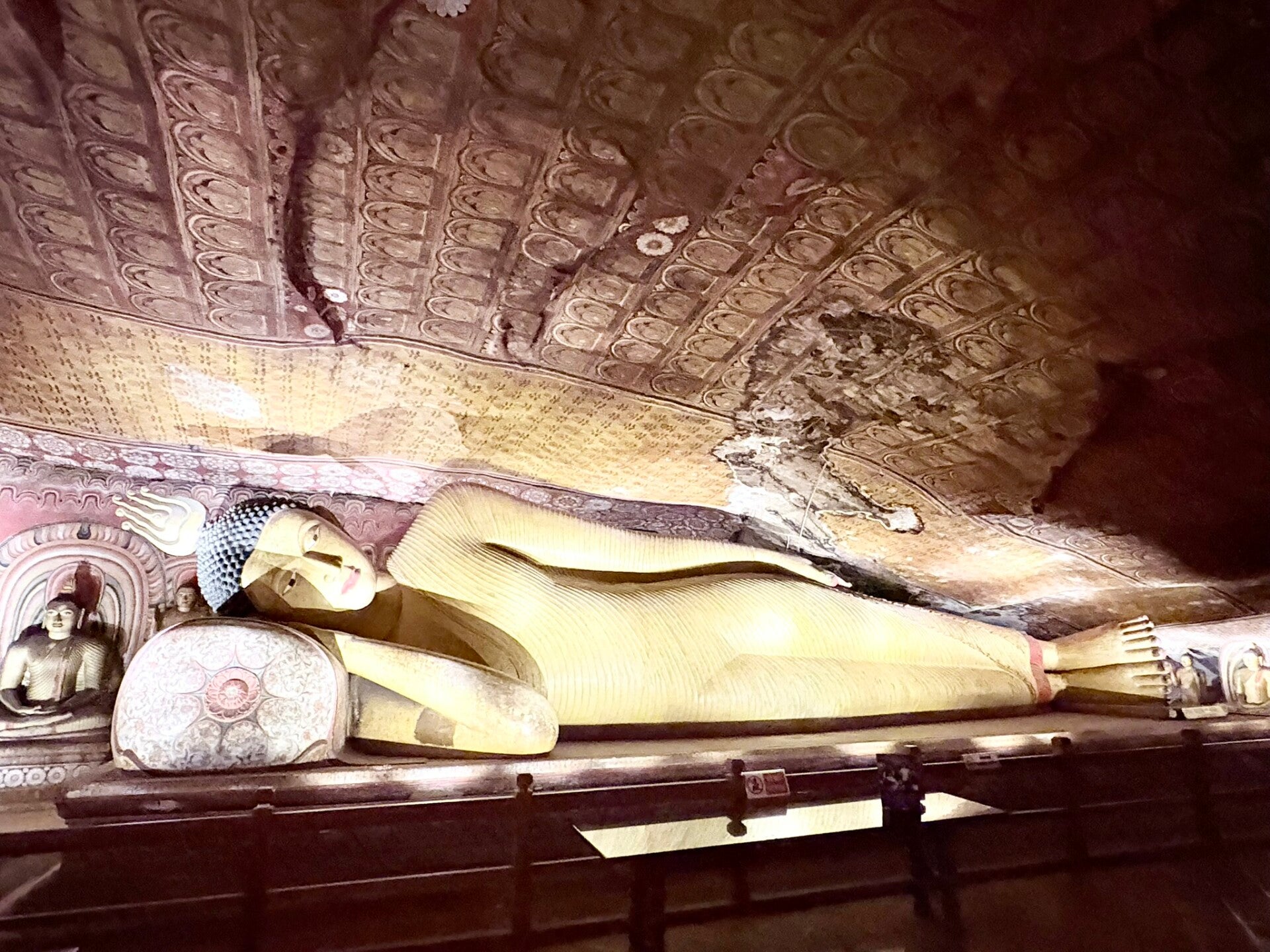
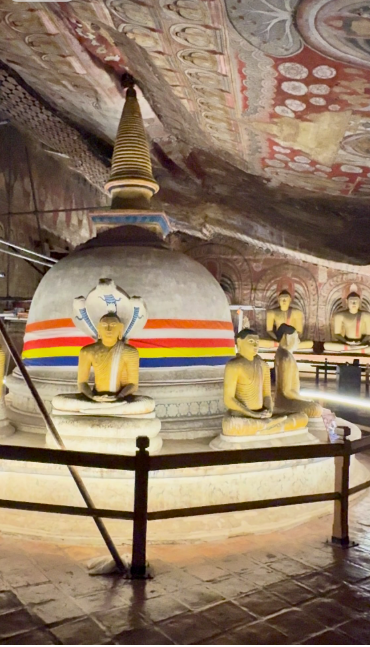
In the afternoon, head to Dambulla Cave Temple, one of Sri Lanka's most important Buddhist sites. The complex consists of five cave shrines filled with Buddhist statues and extraordinary paintings covering the walls and ceilings. The caves have been used by Buddhist monks for more than 2,000 years and the artwork you see today developed over many centuries as successive rulers expanded and restored the complex.
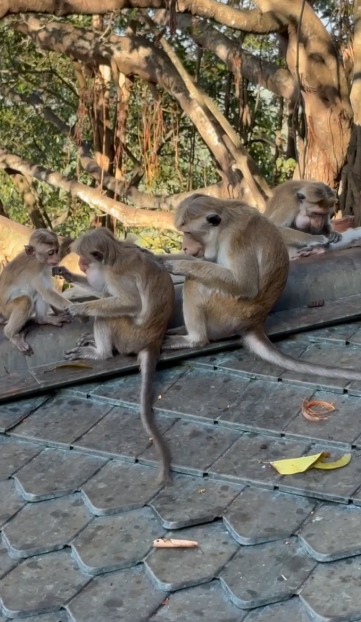
The caves themselves are truly impressive and as an added bonus you'll probably encounter plenty of playful monkeys around the grounds (just keep an eye on your belongings).
And, once again: bring socks. You have to leave your shoes some distance from the caves and the ground gets hot in the afternoon.
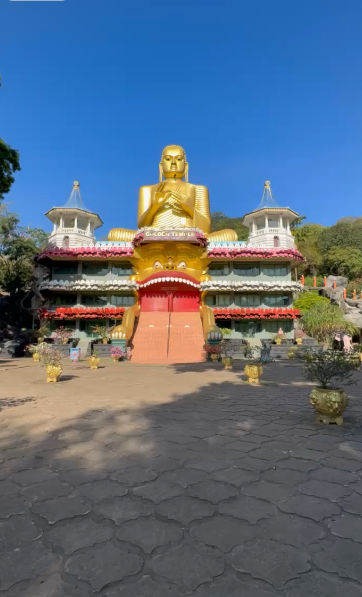
There are several routes back down from the temple, so make sure you choose the one leading towards Sath Paththini Devalaya and the Golden Temple, with its enormous golden Buddha.
Day 4: Ancient City of Polonnaruwa
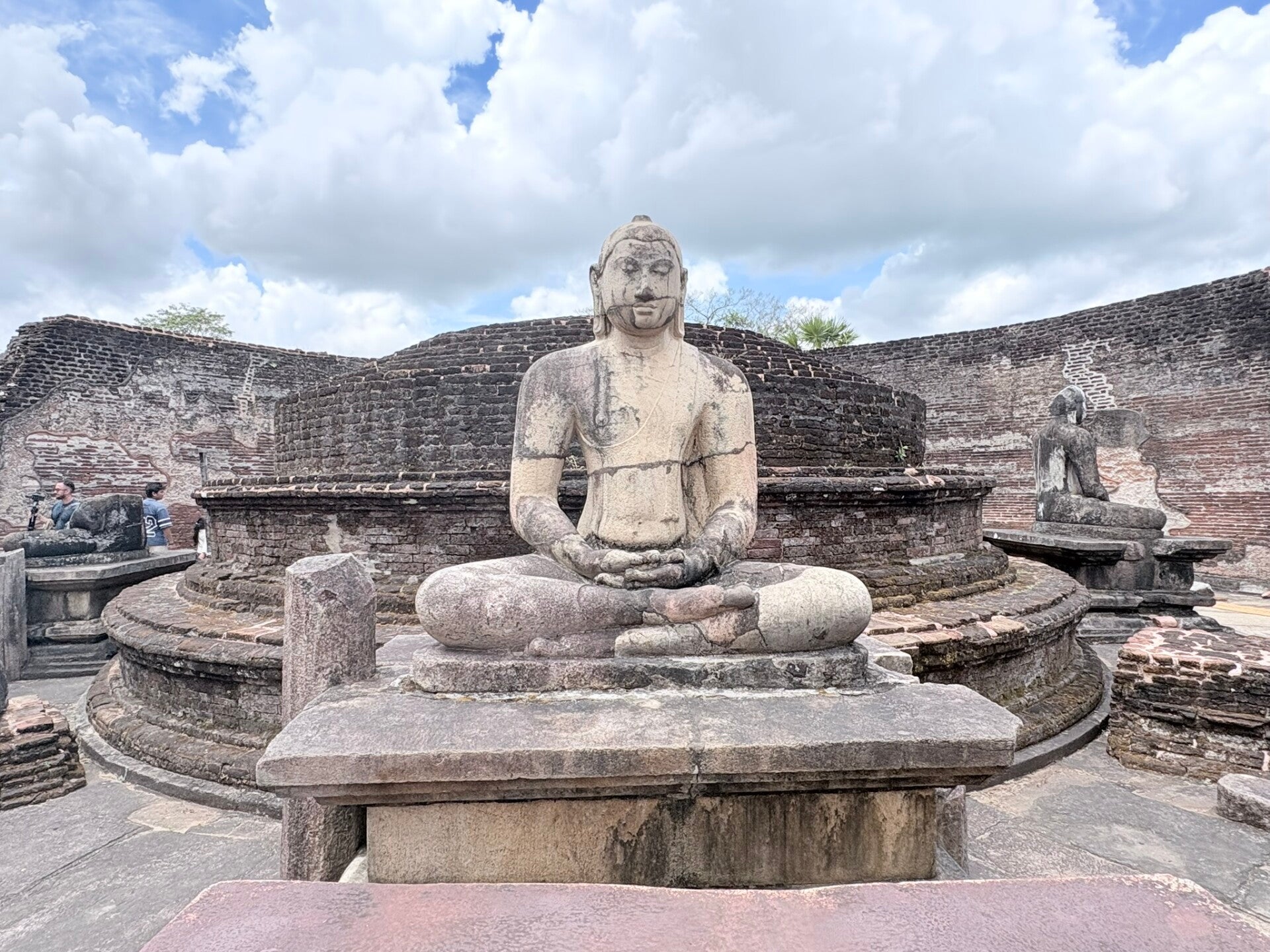
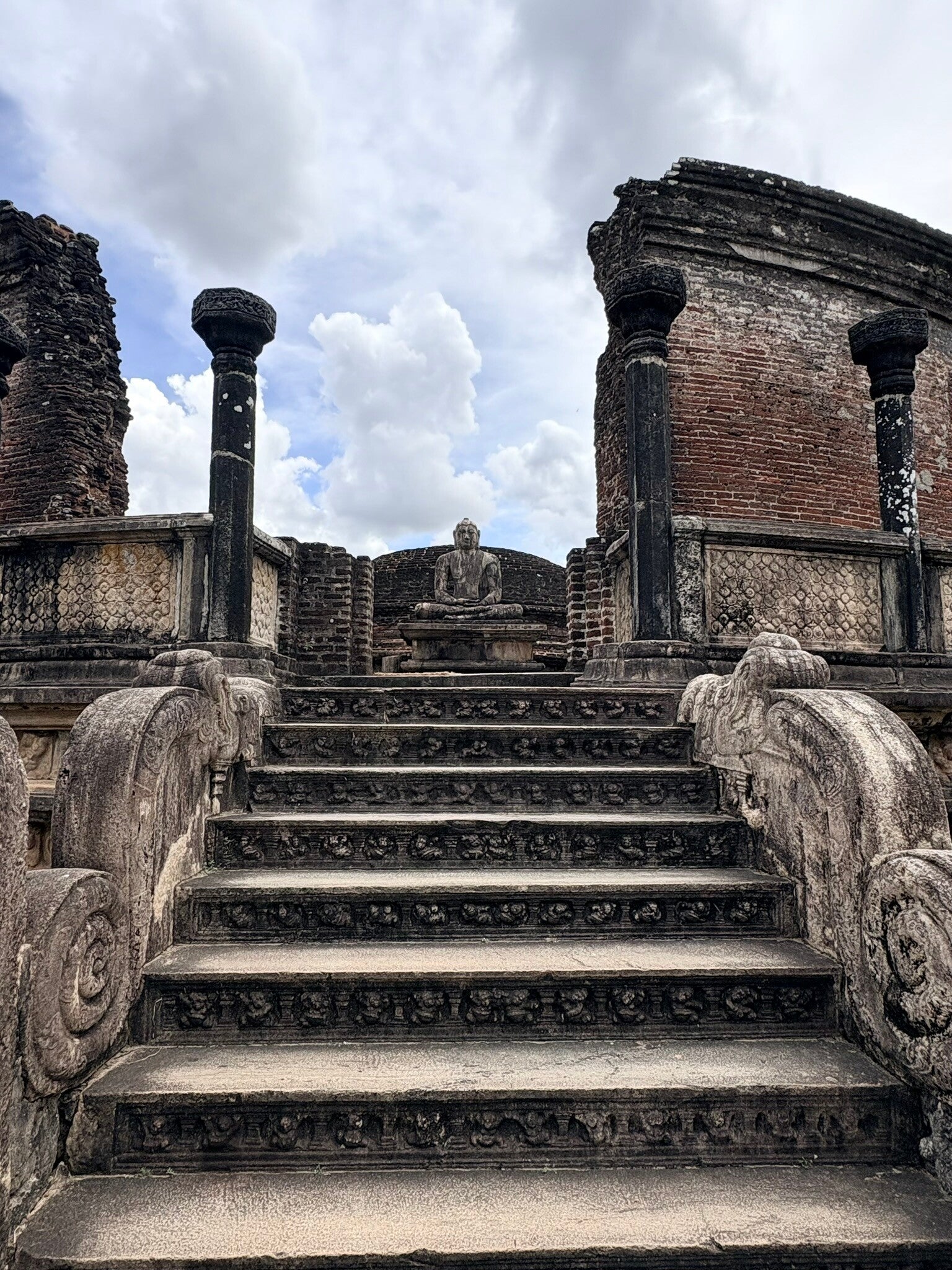
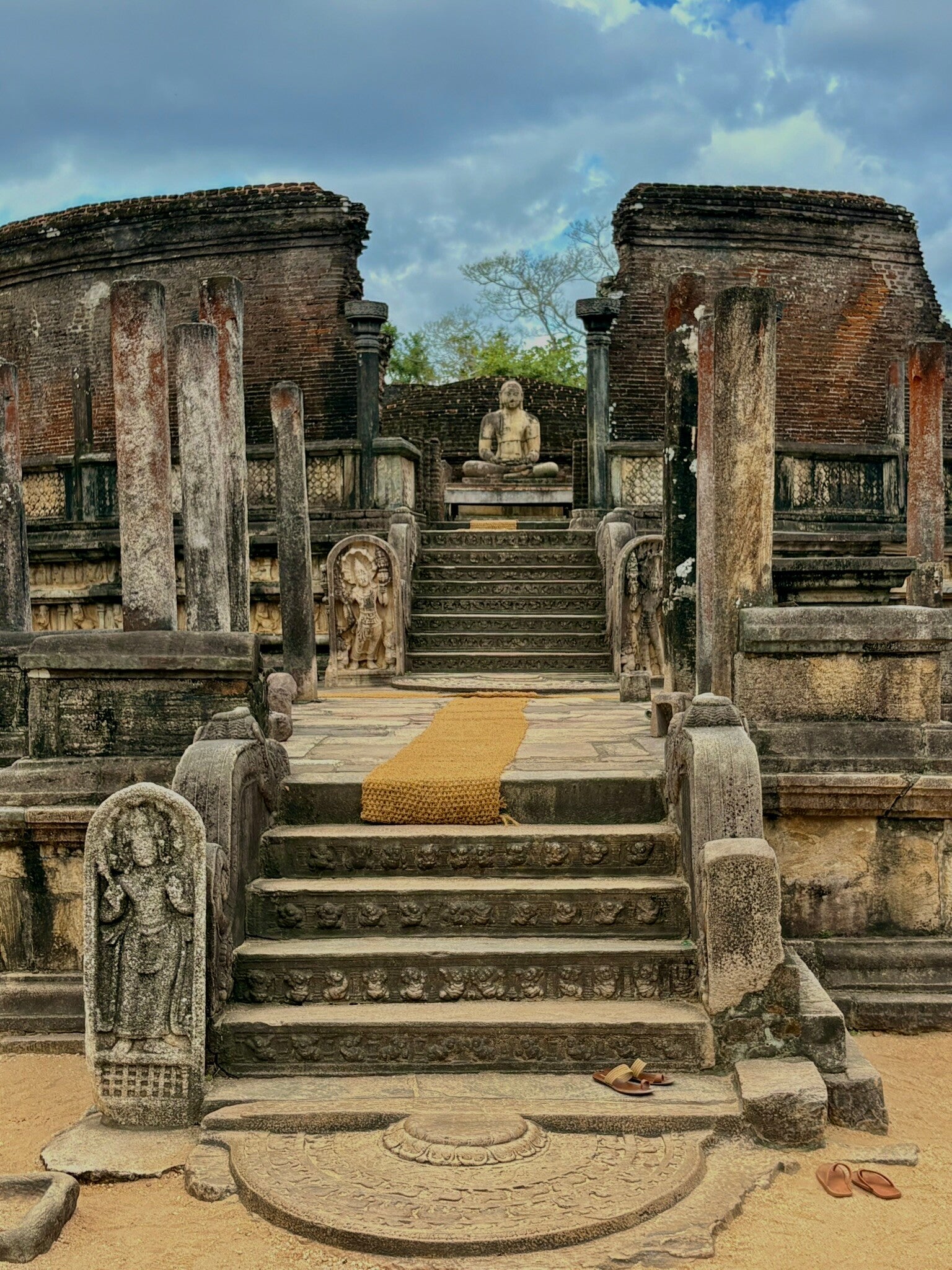
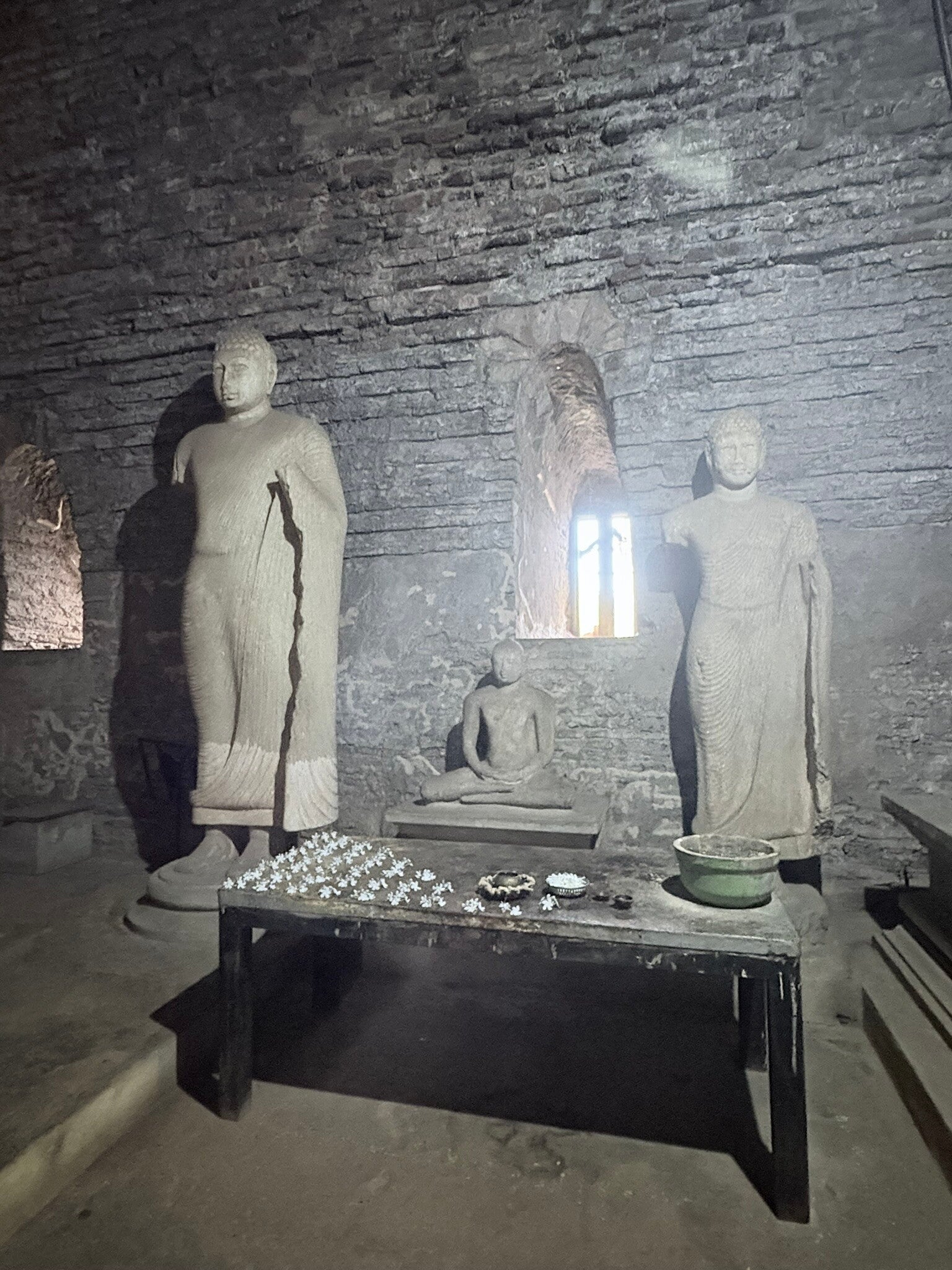
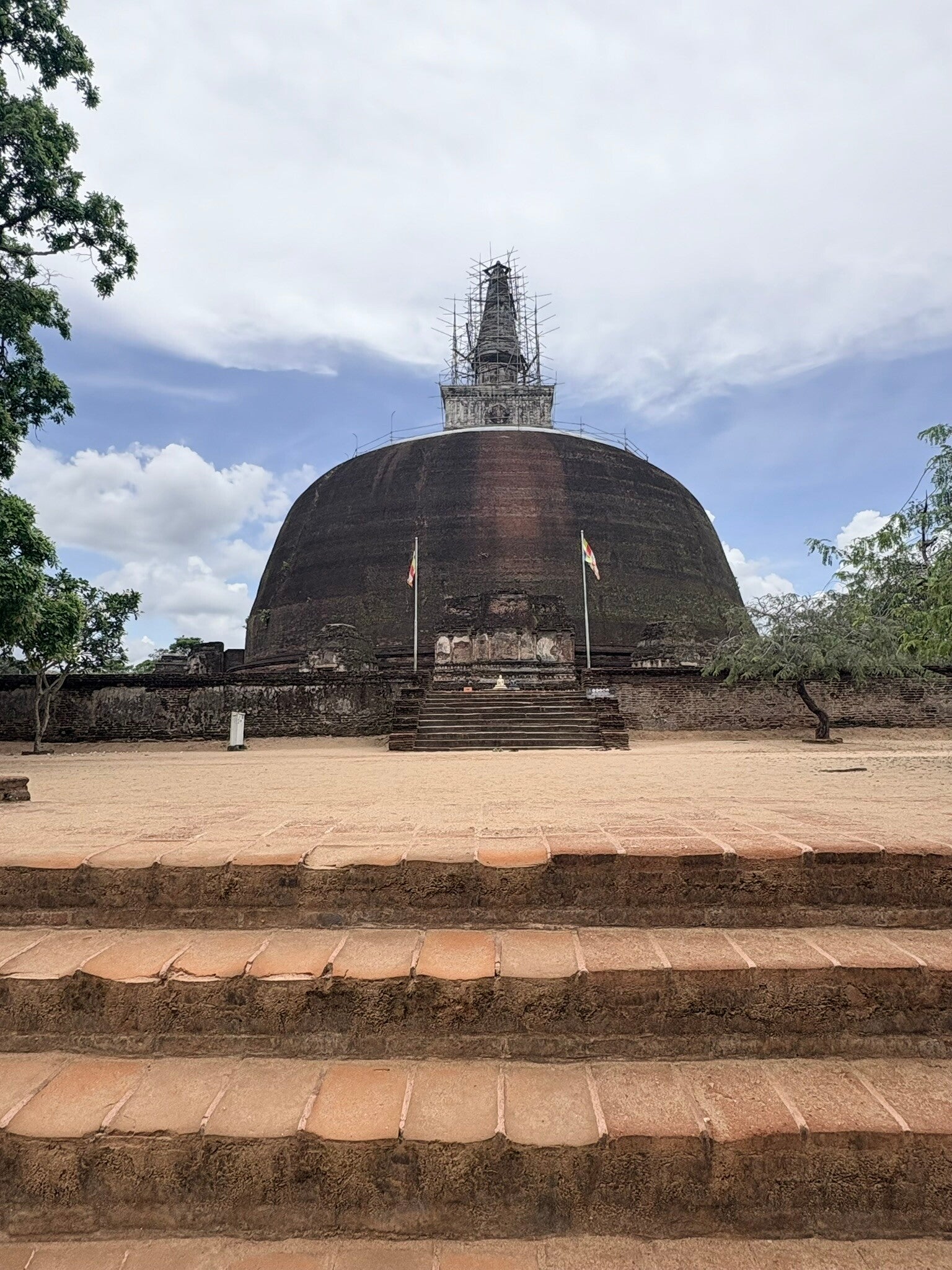
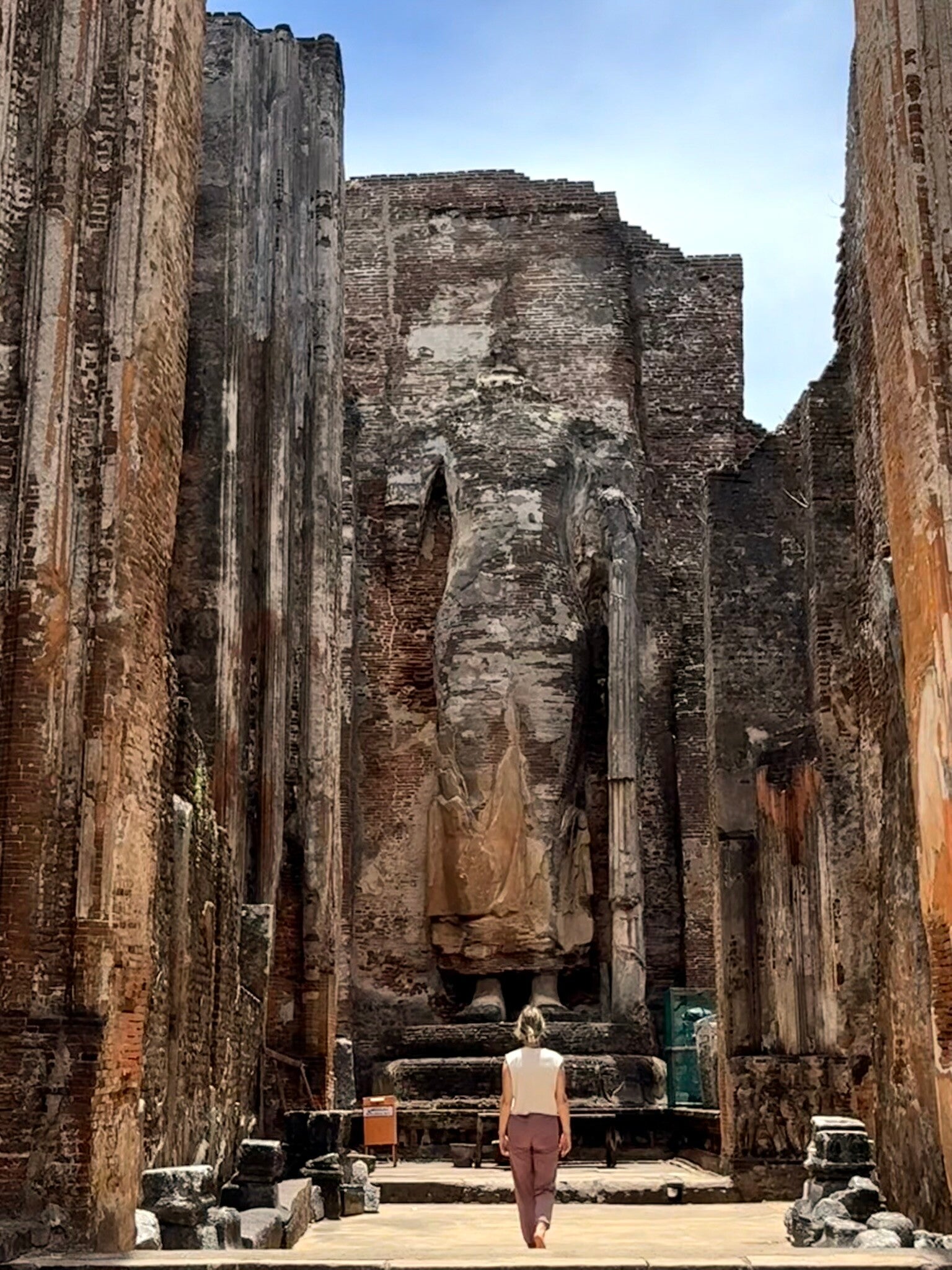
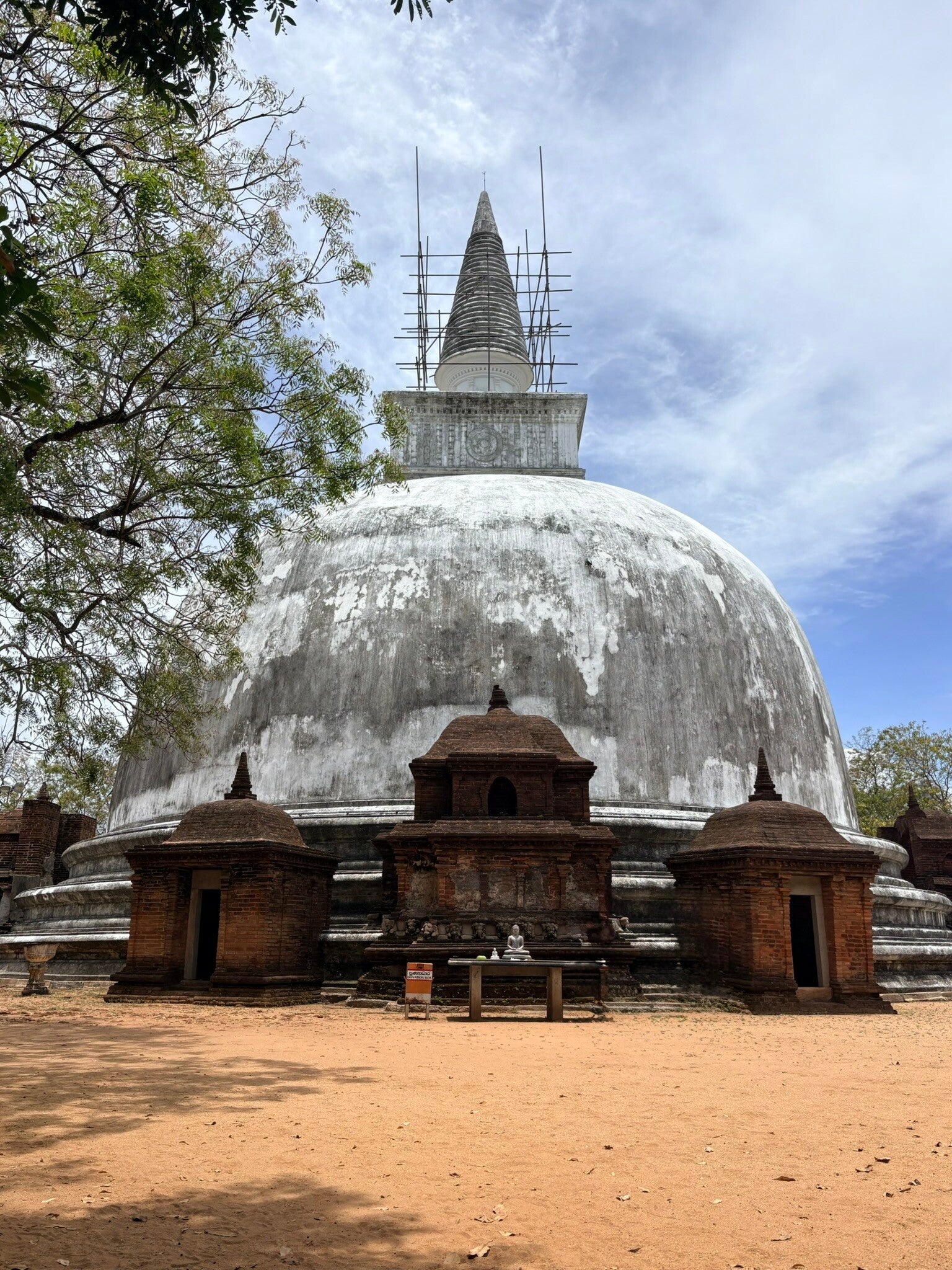
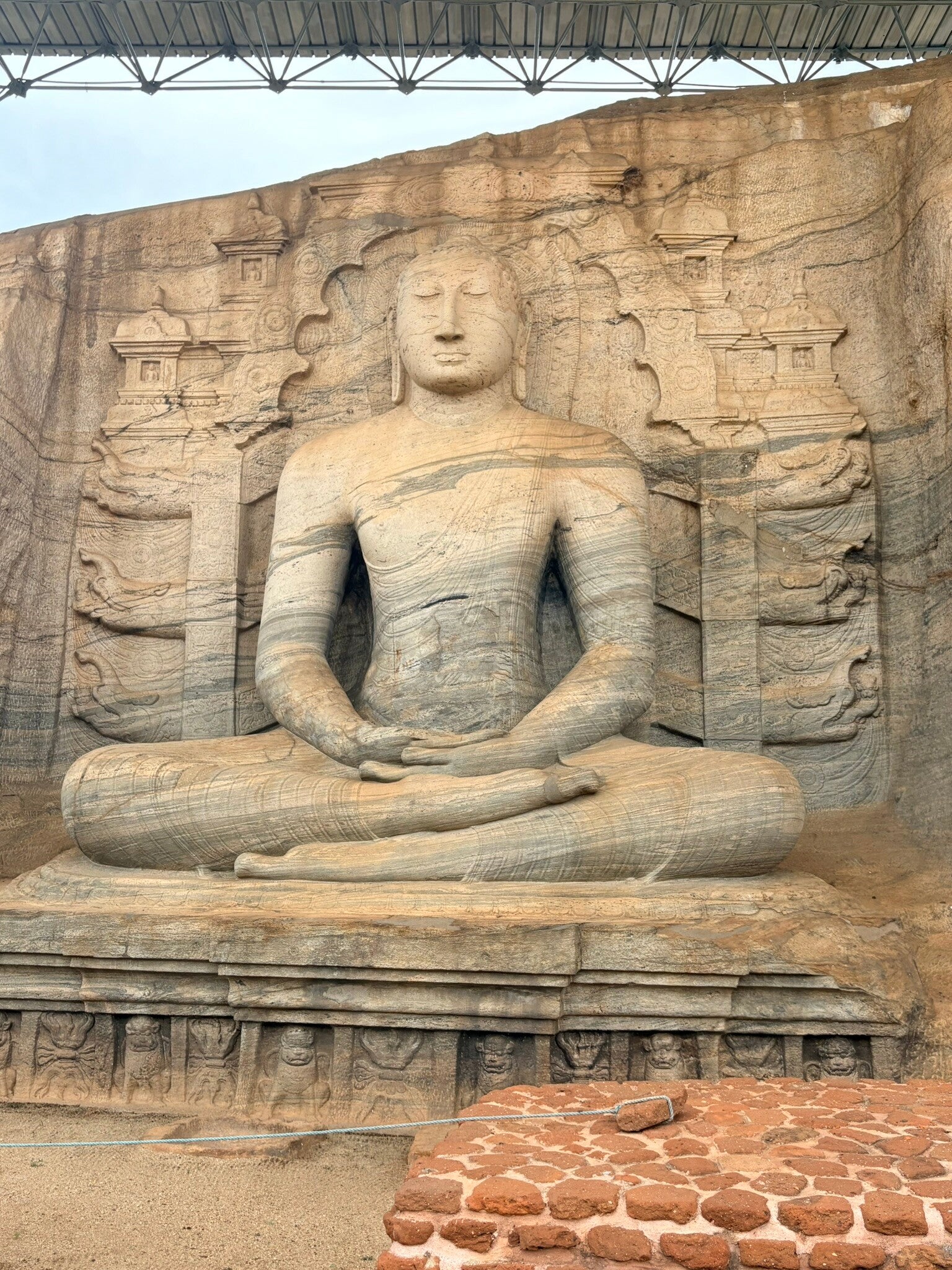
The Ancient City of Polonnaruwa is less famous among international visitors than Sigiriya, but certainly not less impressive. Once Sri Lanka's royal capital, Polonnaruwa is essentially an enormous open-air museum, with the ruins of ancient palaces, temples, monasteries and giant Buddha statues scattered across a vast area.
And I mean enormous - it isn't called an ancient city for nothing!
Polonnaruwa is around 1.5 hours from Sigiriya and the visit easily takes up most of a day. The best way to explore is by rental bicycle, available near the entrance, or by tuk-tuk if your driver is permitted to enter the relevant areas. I really don't recommend trying to walk the whole thing, even if you normally enjoy walking. The site is vast, hot and has limited shade.
And yes, bring those socks again. Several sacred areas require you to remove your shoes.
The foreign visitor ticket costs USD 30, which I found completely worth it simply for the sheer scale of what you can explore. Near the official ticket office, I encountered people offering cheaper unofficial tickets. I would strongly recommend buying yours from the official counter instead as your admission contributes to the management and conservation of this UNESCO World Heritage Site.
I did the trip with Breeze Ceylon Trails, which arranged pick-up from my homestay in Sigiriya and included several viewpoints along the way. I paid USD 48 for a full day of tuk-tuk transport. As with many private tours in Sri Lanka, the cost per person works out much better if you're travelling with someone else.
Day 5: Transfer to Kandy
The journey from Sigiriya to Kandy takes roughly 2.5–3 hours and can be booked through 12Go Asia or arranged through your accommodation. Shared transfers were around USD 15 when I travelled in 2026.
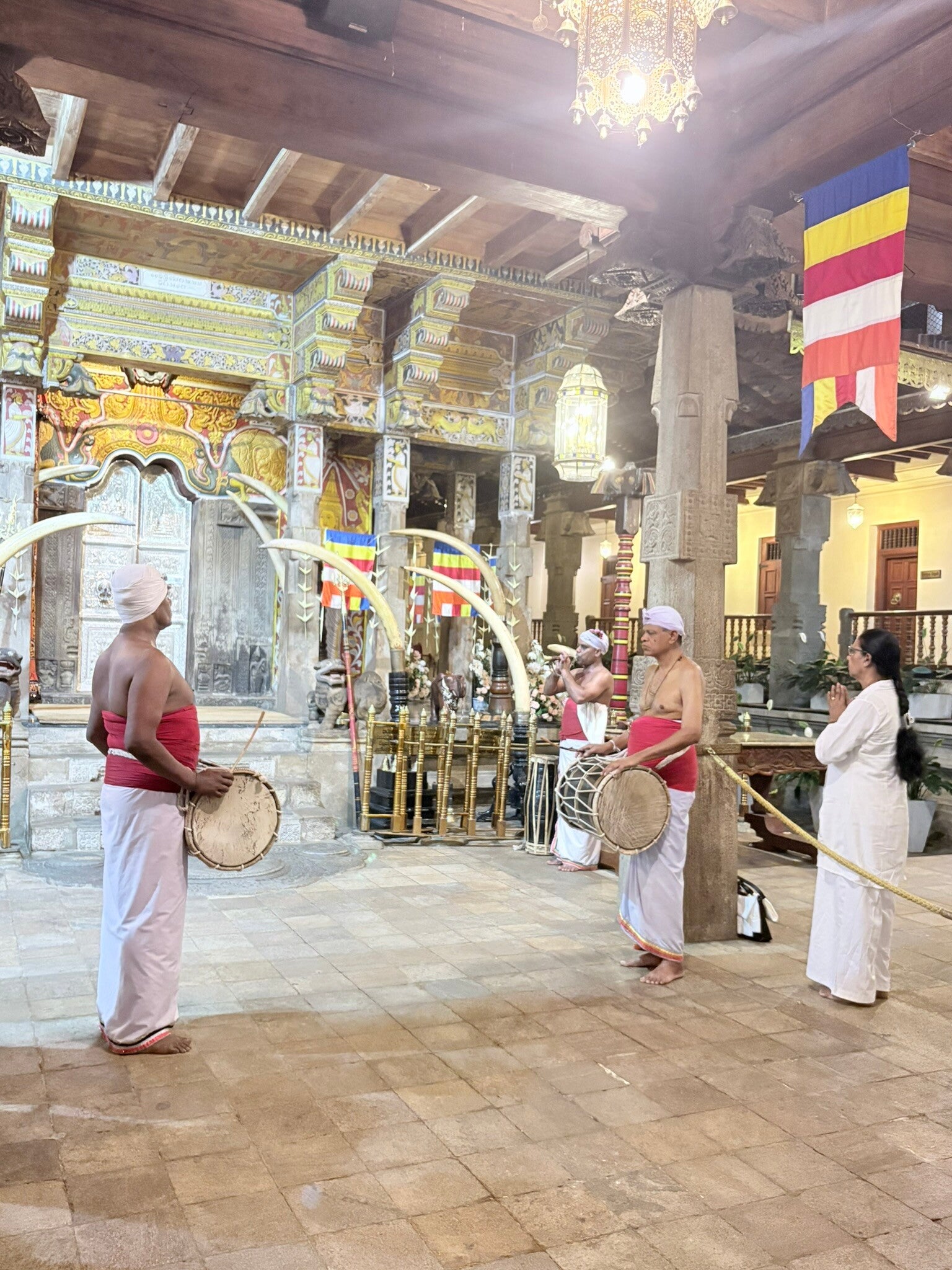
Once in Kandy, take a walk around Kandy Lake before visiting the city's most important attraction: the Temple of the Sacred Tooth Relic.
Temple of the Tooth
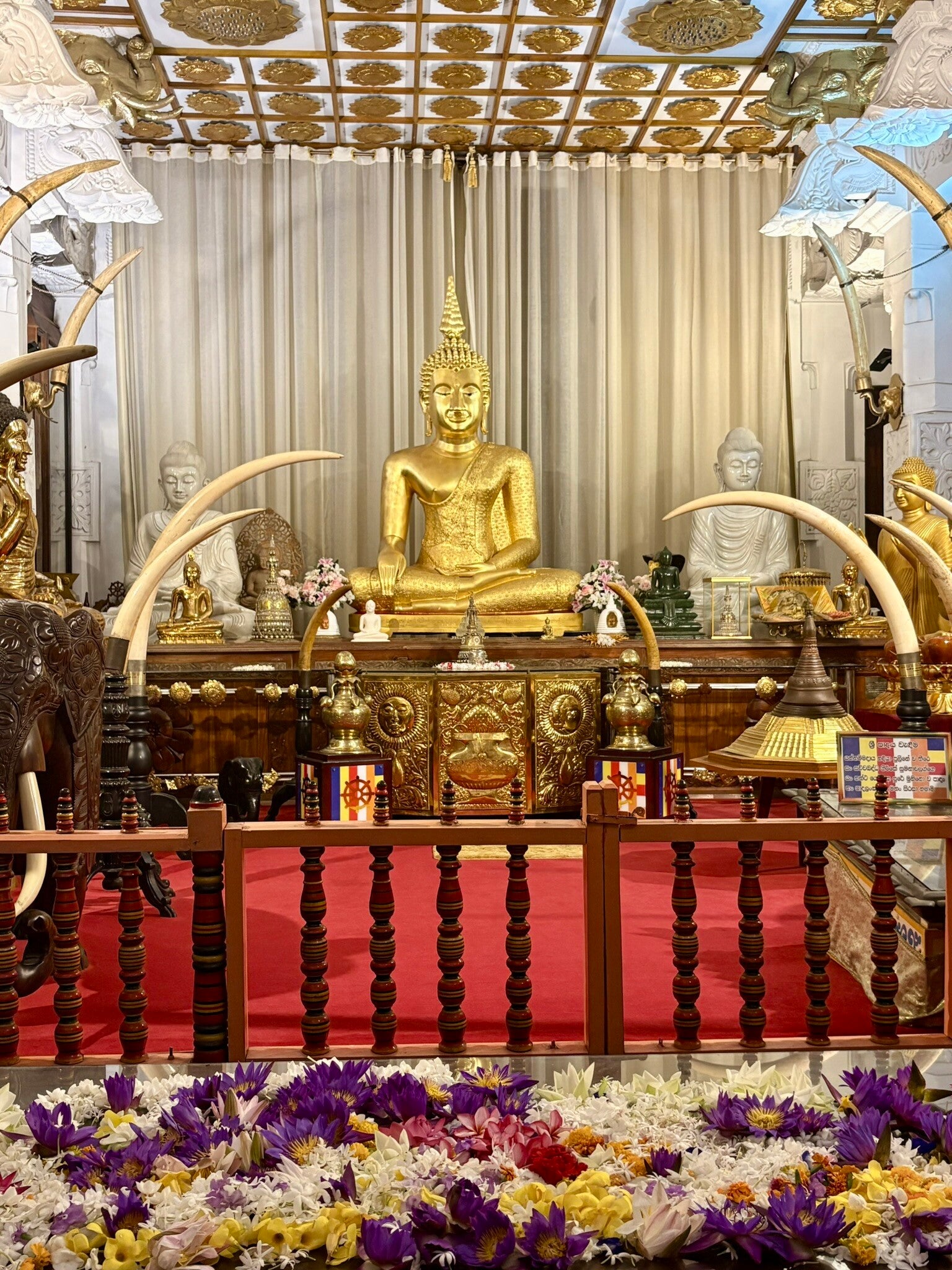
The temple is one of the most sacred Buddhist sites in Sri Lanka because it houses a relic traditionally believed to be a tooth of the Buddha. According to Buddhist tradition, the tooth was recovered from the Buddha's funeral pyre and eventually brought to Sri Lanka in the 4th century CE. Possession of the relic became closely connected with the right to rule the island, which explains why it was historically kept near Sri Lanka's royal court.
Don't expect to actually see the tooth. It is preserved inside seven nested golden caskets within the temple's inner shrine.
Foreign visitor admission was 2,000 LKR (around USD 6) in 2026. Once again, modest clothing is essential and be prepared for plenty of shoeless walking.
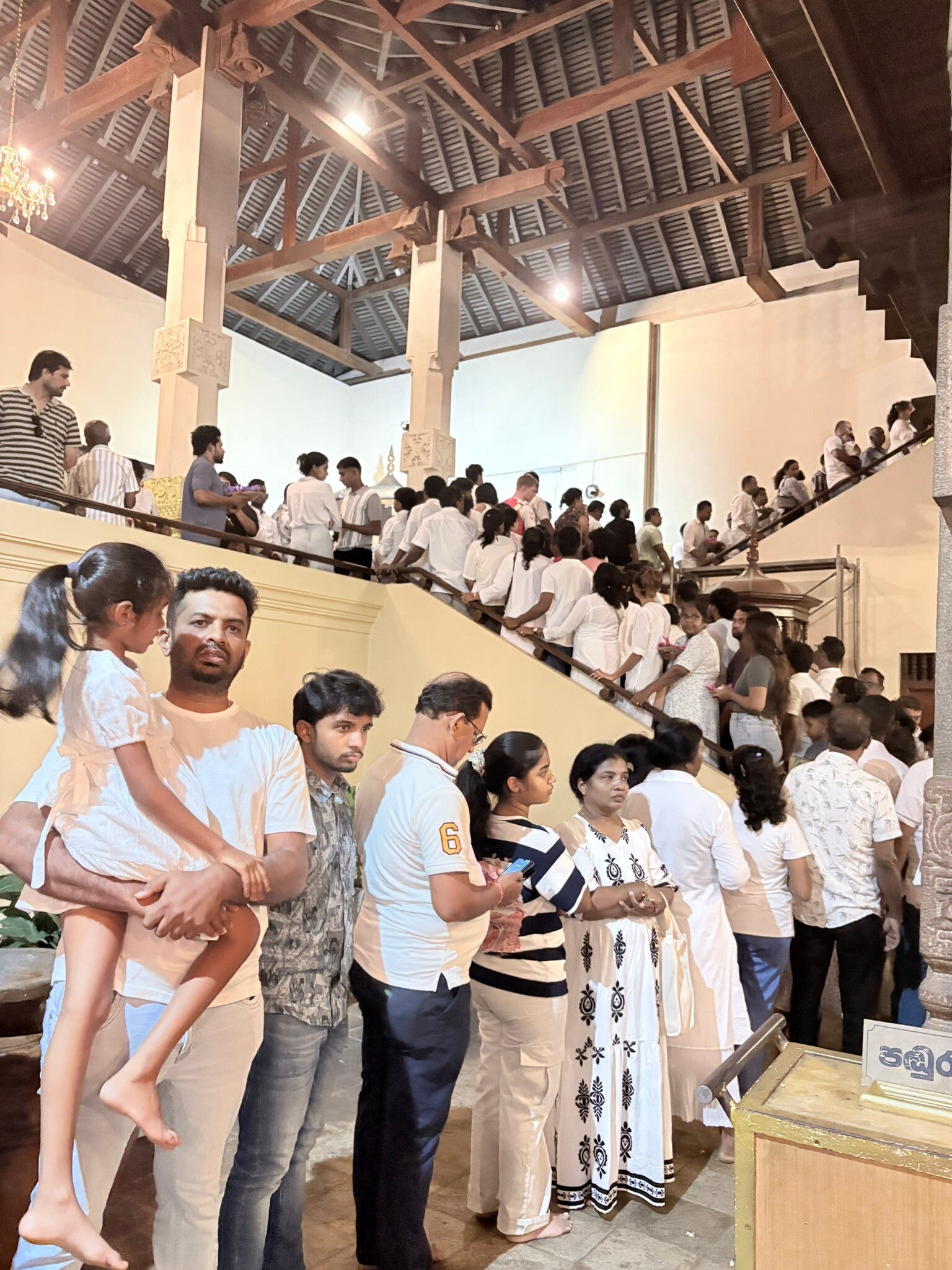
My photos show considerable crowds because I visited around the Sinhala and Tamil New Year in April, when large numbers of locals were visiting the temple and making offerings. Outside major holidays and religious occasions, your experience should be considerably calmer.
Day 6: Kandy viewpoints and Ambuluwawa Tower
You can cover many of Kandy's main sights and the surrounding area in a single day by tuk-tuk. Local drivers know the standard sightseeing routes well and a full day generally cost around 7,000–8,000 LKR (roughly USD 21–24).
The standard route includes several viewpoints over Kandy, the Temple of the Tooth (if you haven't visited already) and the Royal Botanic Gardens in Peradeniya. On the way towards Ambuluwawa, you will also stop at a tea factory for an introduction to tea production and a tasting.
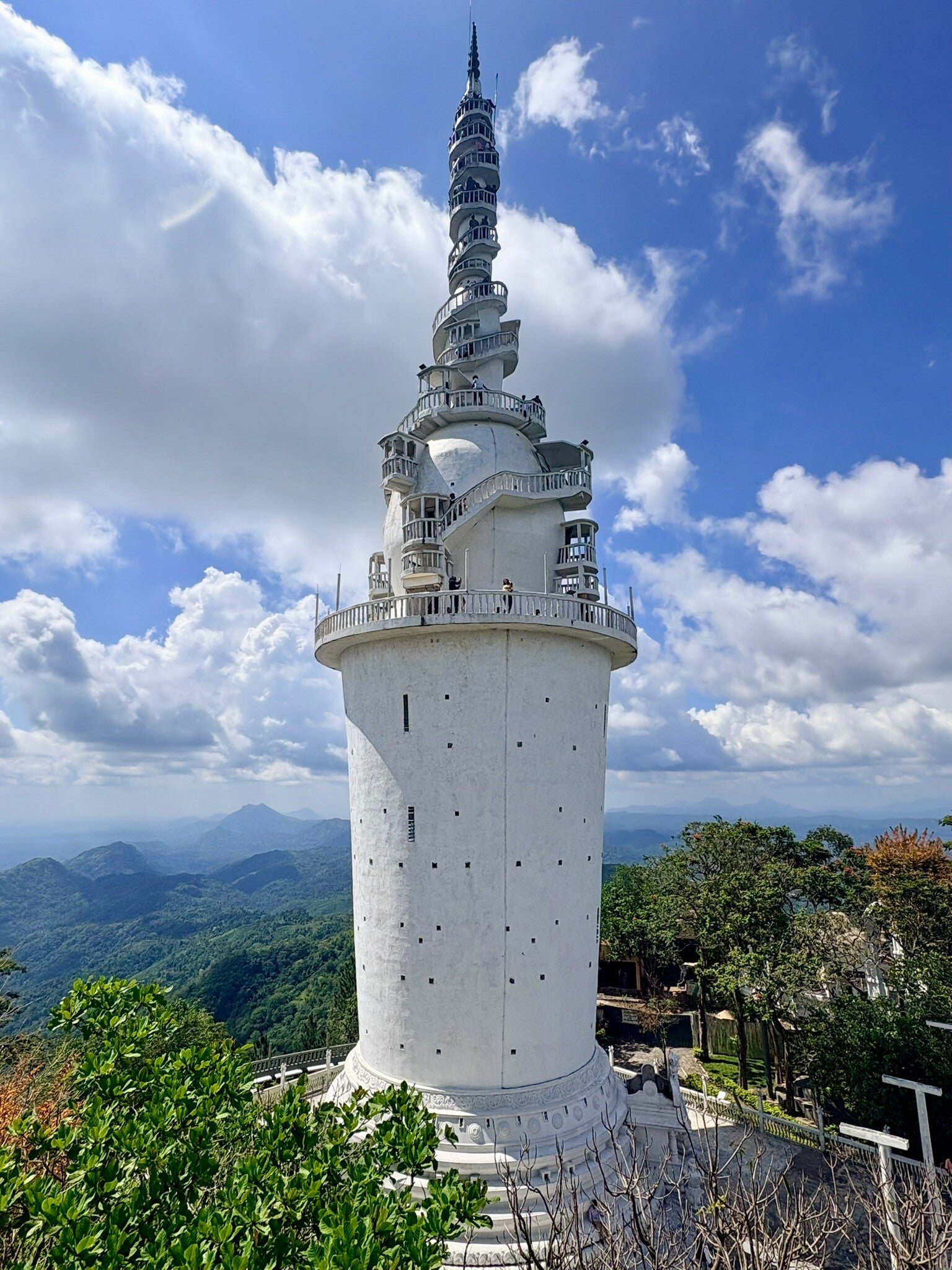
For me, though, the highlight was easily Ambuluwawa Tower.
Climbing Ambuluwawa Tower
Foreign admission is 2,750 LKR (around USD 8–9), with payment in cash at the entrance. Your Kandy driver will typically drop you at the lower parking area, where you have to switch to a local tuk-tuk for the winding drive up towards the tower. The hairpin road itself comes with some gorgeous mountain views.
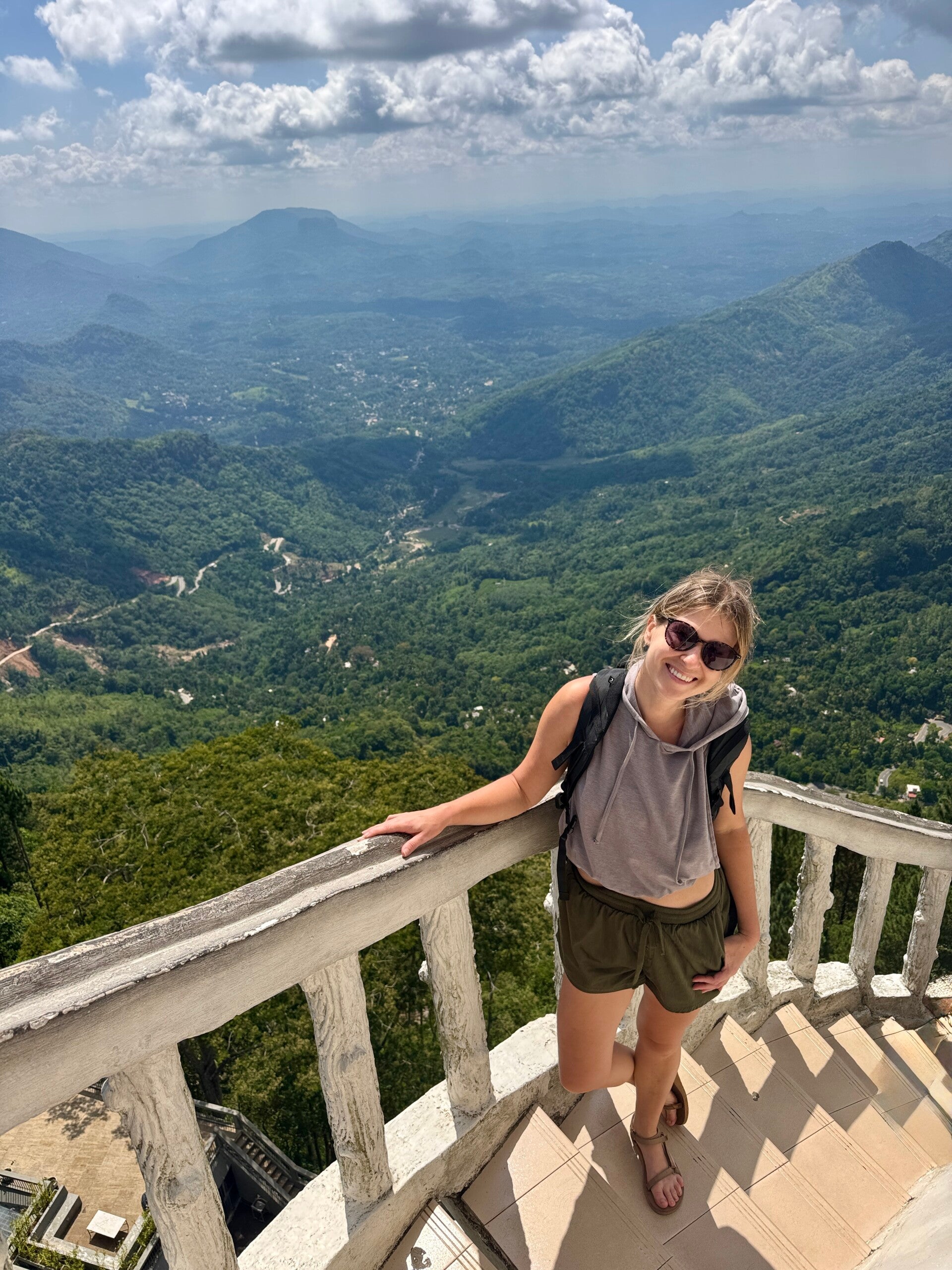
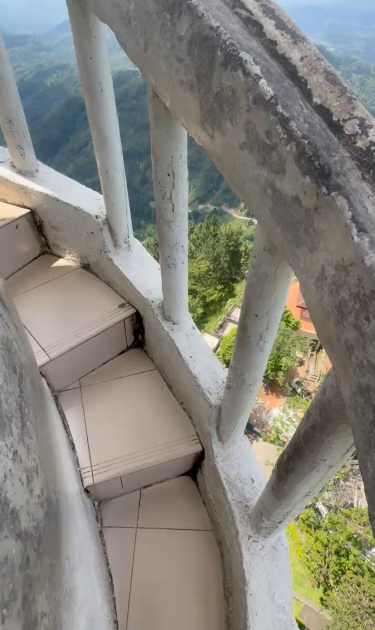
Then comes the fun part. Ambuluwawa's white spiral tower gets progressively narrower as you climb, with an exterior staircase wrapping around the structure and increasingly spectacular views over the surrounding mountains. The passage becomes very narrow and the railing isn't particularly high, so no fear of heights is essential. If you're wondering how two people are supposed to pass each other on those tiny stairs, the tower has openings in its central structure where you can briefly step inside and let other visitors squeeze past.
There's also a smaller tower directly opposite Ambuluwawa that gives you a great unobstructed view of the main tower itself - perfect if you actually want a picture of Ambuluwawa rather than just pictures from it.
You don't necessarily need to pre-book this day trip. It's easy to arrange through your accommodation or simply negotiate with a tuk-tuk driver on the street directly!
Day 7 - The famous Kandy to Ella train
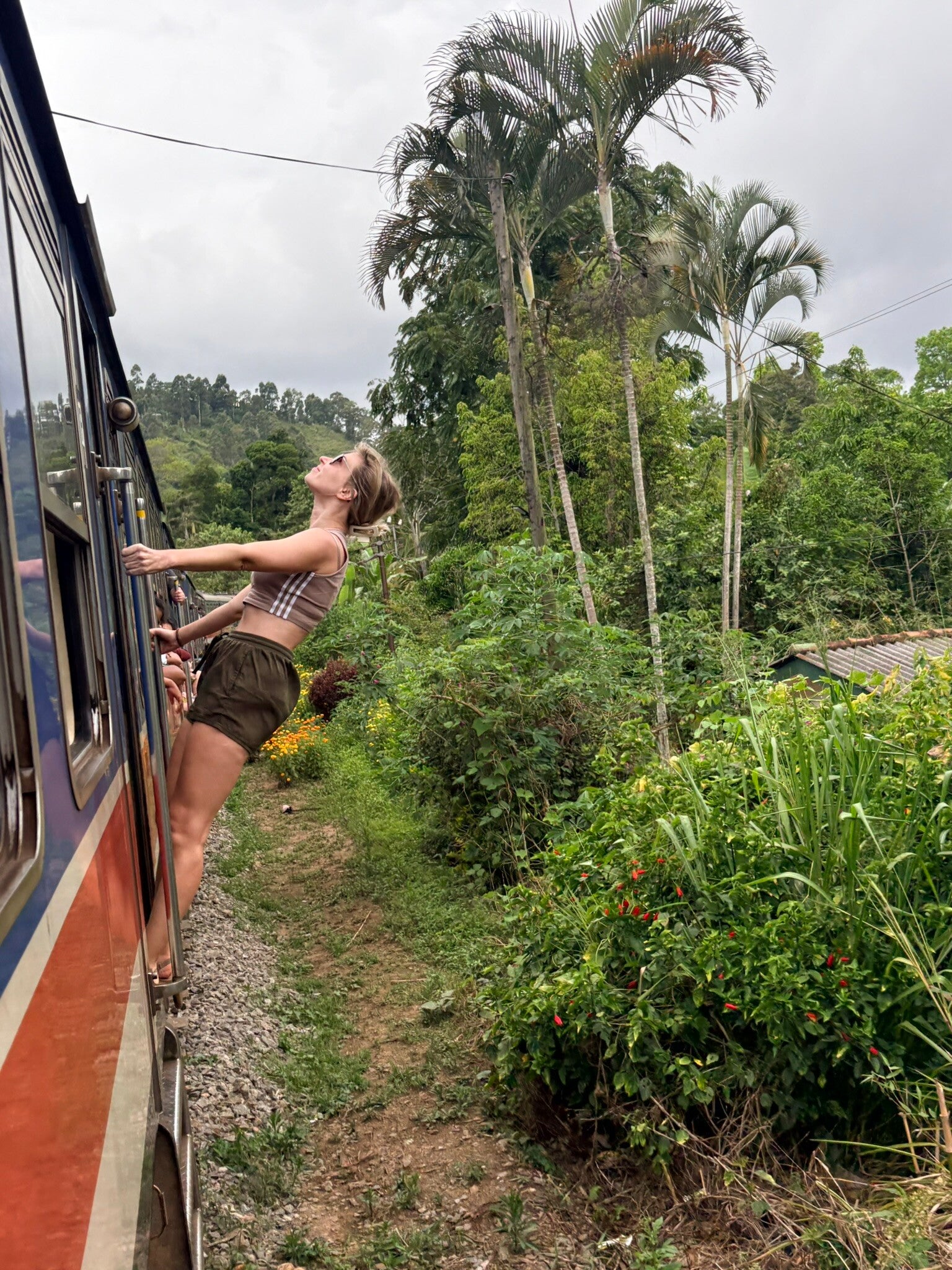
This is definitely not one of your boring transit days. The Kandy-Ella train is famous for a reason: it winds through Sri Lanka's Central Highlands, or Hill Country, with gorgeous views of mountains, tea plantations and valleys along the way.
A few tips from my experience:
- Choose your seat carefully. On the Ambewela–Ella stretch I travelled, I found the left-hand side facing the direction of travel considerably more scenic. For the full Kandy–Ella journey, recommendations vary because the railway twists through the mountains and the best views change sides, so don't panic if you can't choose your seat.
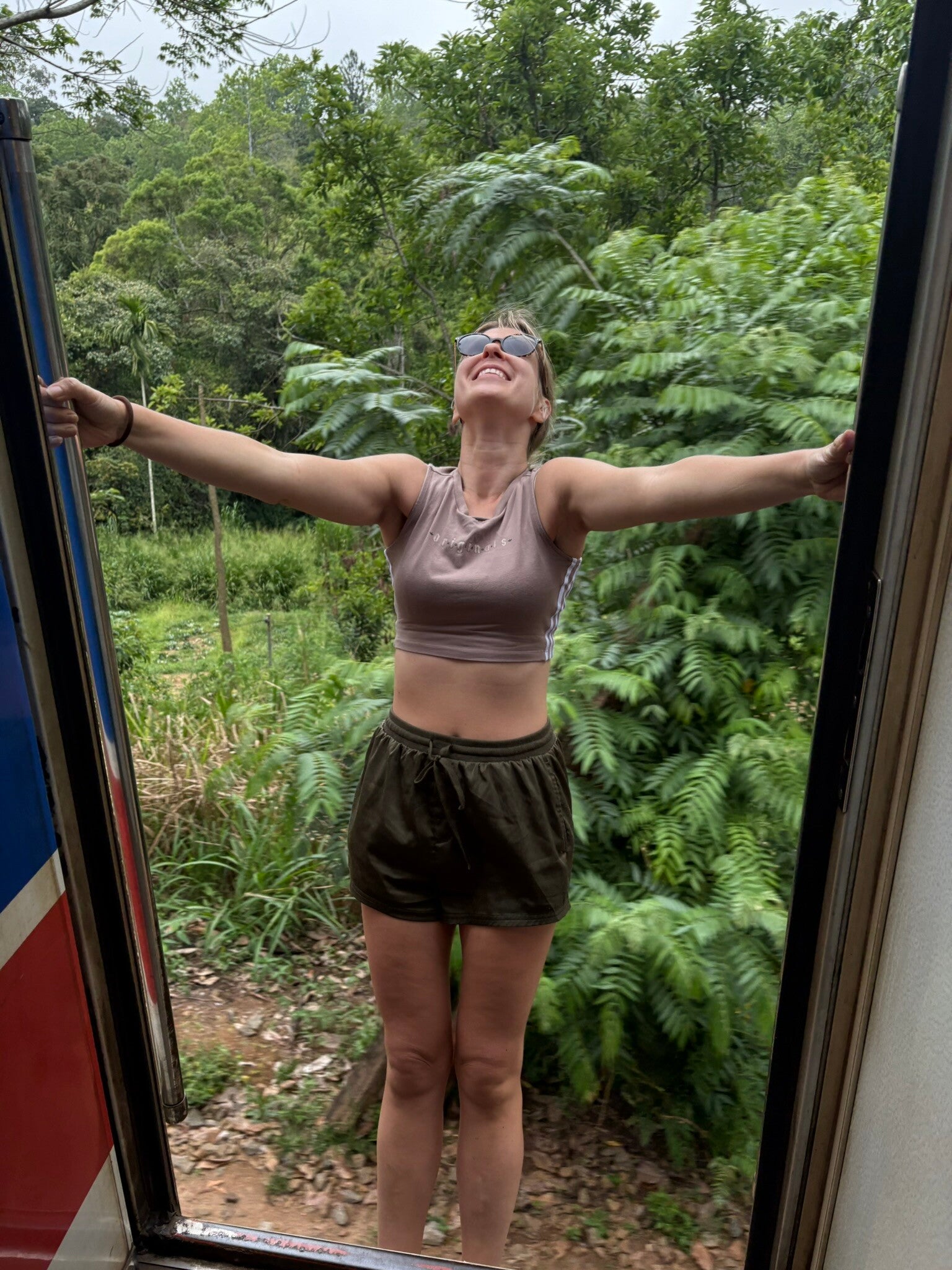
- I would choose 2nd or 3rd class over 1st class. The windows open, giving you much better views, fresh mountain air and the classic Sri Lankan train experience. The open train doors on the 2nd and 3rd class are also part of the experience! First-class air-conditioned carriages generally have sealed windows and closed doors.
- If you want a guaranteed seat, book early. Reserved seats can sell out well in advance, particularly during busy periods. You can book 2nd- and 3rd-class reserved seats through the official Sri Lanka Railways reservation system.
- The price difference can be enormous. When I travelled, reserved tickets being sold online for my Ambewela–Ella stretch started at around USD 22, while an unreserved ticket bought directly at the station cost around USD 1. So your choice really comes down to how much you value the security of having a reserved seat versus saving some money.
- If reserved seats are sold out on an official site, but having a guaranteed seat is important to you, you still have options. Resellers such as Viator and GetYourGuide often have tickets available, although they can cost 20–30 times more than an unreserved ticket bought at the station.
I travelled during the 2026 oil crisis, when tourist numbers and transport patterns were somewhat unusual, so even last-minute tickets came with a seat. Don't necessarily expect to get equally lucky during a normal high season!
Once you arrive, Ella station is only a few minutes' walk from the town centre and many accommodations, which makes this one of the more convenient arrivals you'll have in Sri Lanka.
A note about my route in spring 2026
When I travelled in spring 2026, parts of the Hill Country railway were still closed following damage caused by Cyclone Ditwah in late 2025. Because of this, I couldn't do the full Kandy-Ella train journey and instead travelled by road from Kandy to Ambewela, then took the train from Ambewela to Ella.
Good news if you're travelling now: this disruption was temporary. Sri Lanka Railways restored the damaged Ambewela–Nanu Oya section in June 2026, so trains are once again running through this part of the Hill Country. Always check the latest railway updates before travelling, though, as schedules can change.
Day 8: Little Adam's Peak and Nine Arches Bridge
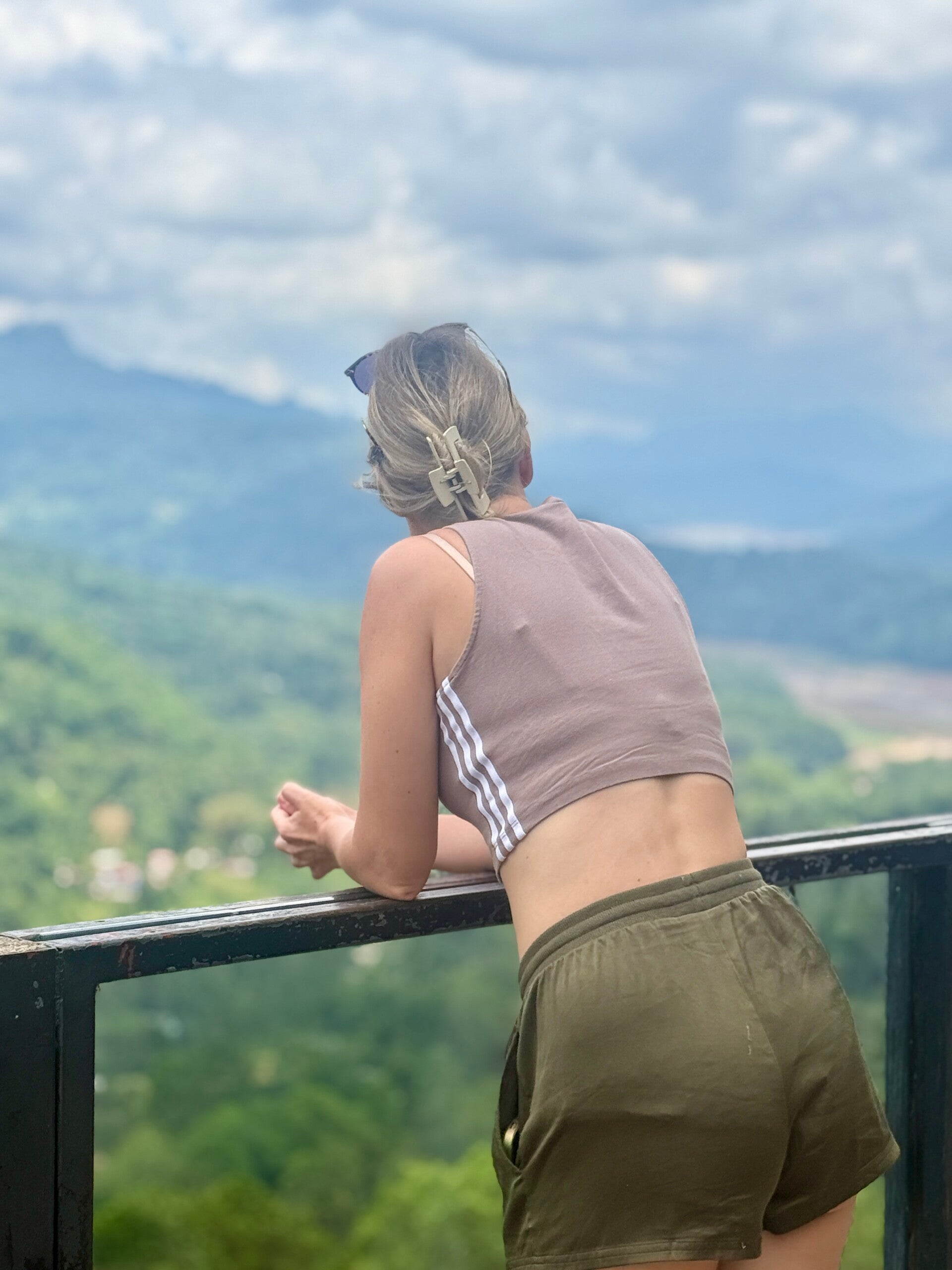
Spend your first morning in Ella hiking Little Adam's Peak and visiting the Nine Arches Bridge before the crowds arrive. The trailhead for Little Adam's Peak is only around a 10-minute drive from Ella and the climb takes roughly 30 minutes. It's relatively easy compared with tomorrow's Ella Rock hike. I arrived shortly after sunrise rather than for sunrise itself and the views were still absolutely gorgeous.
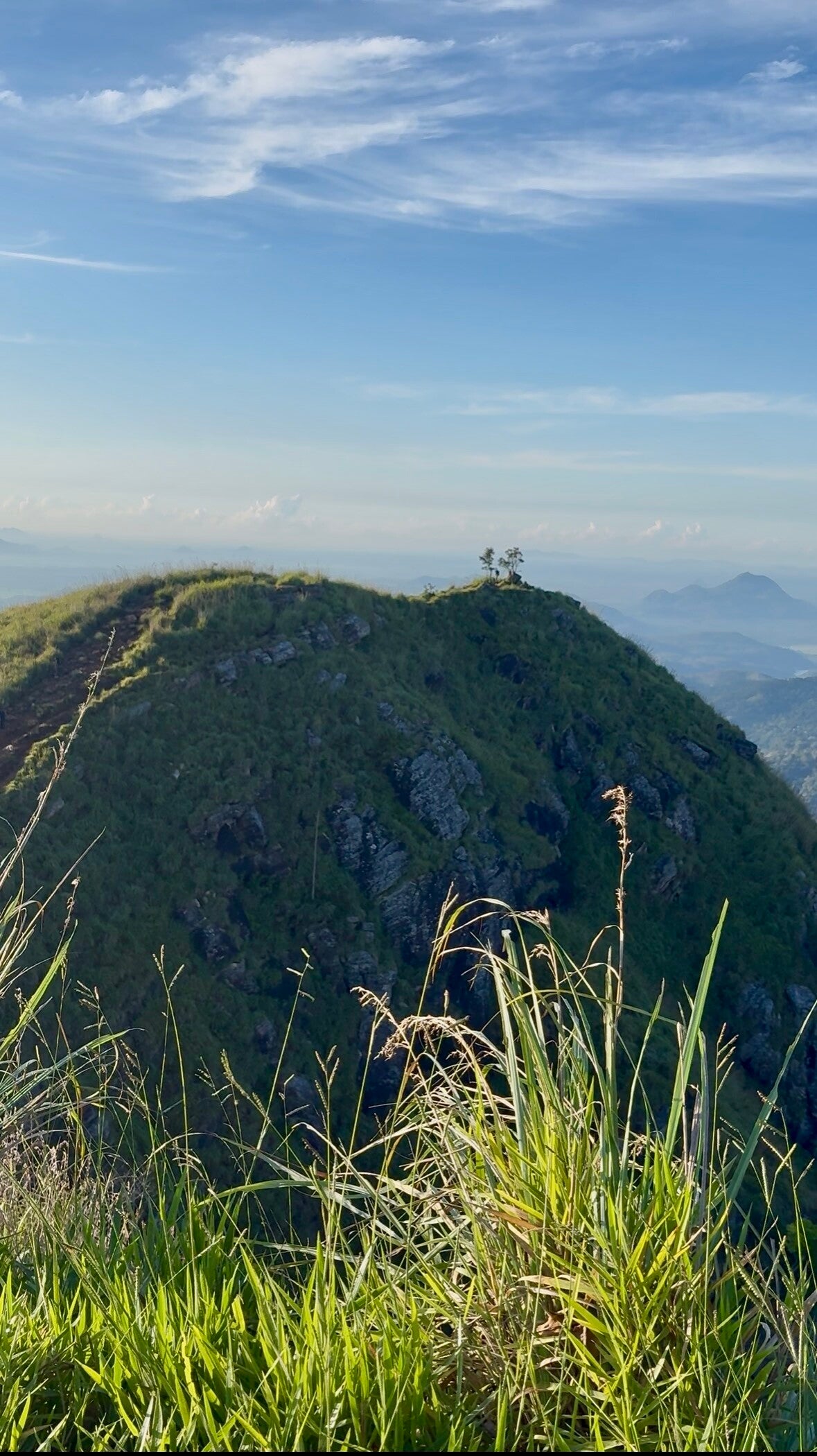
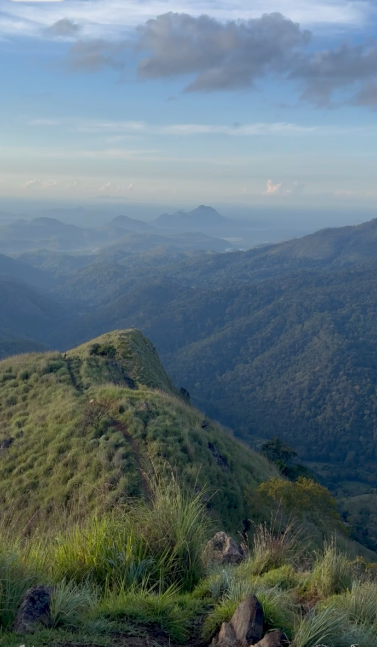
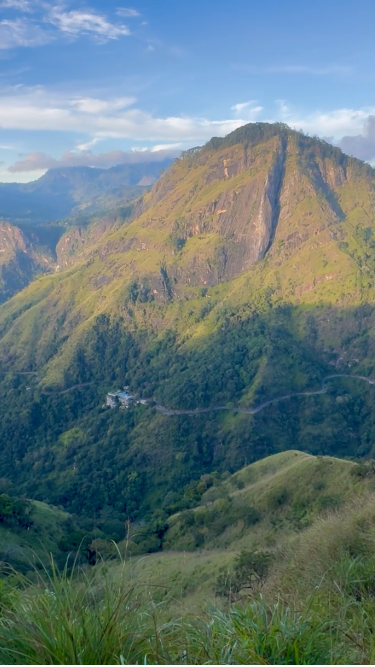
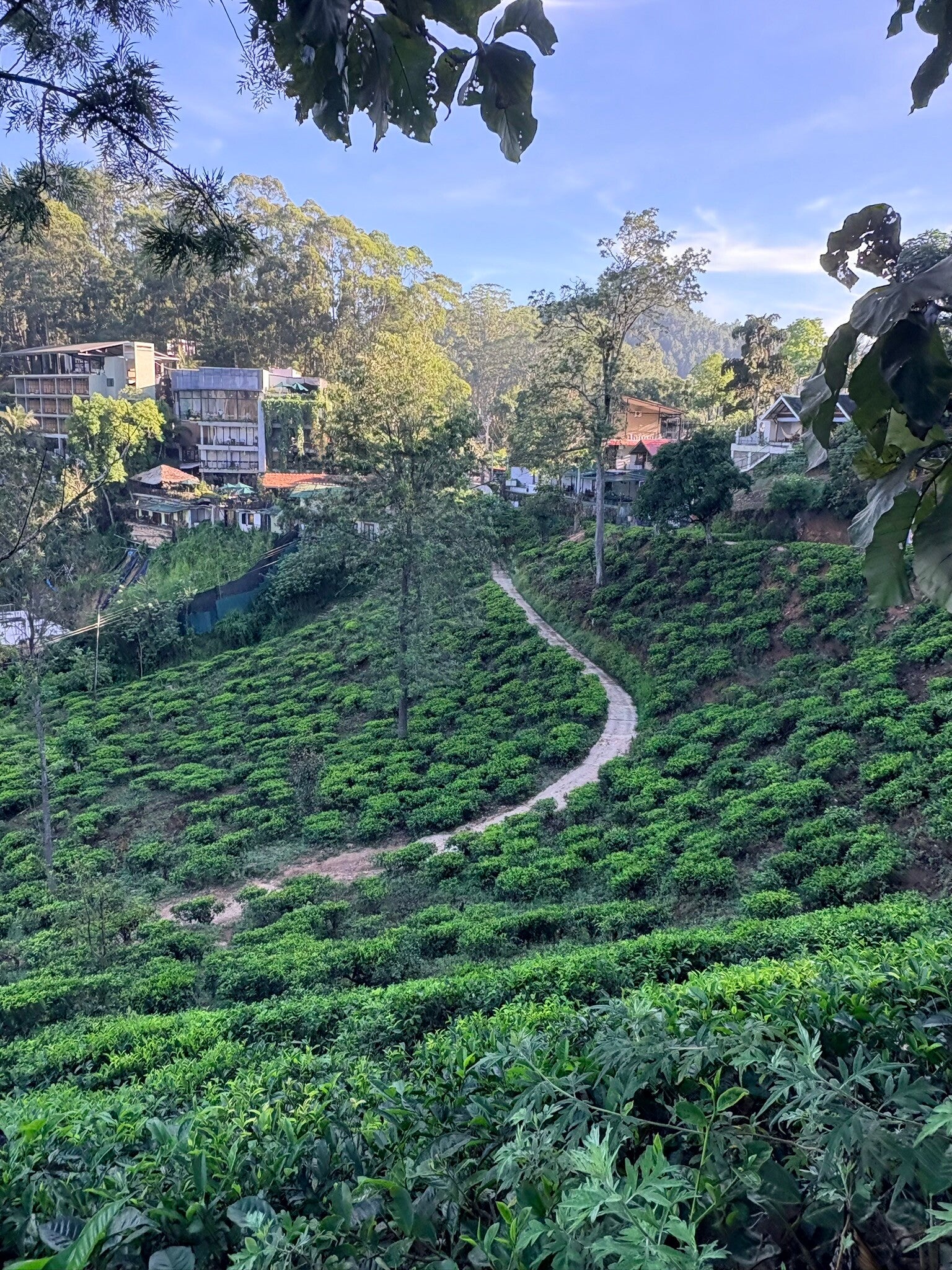
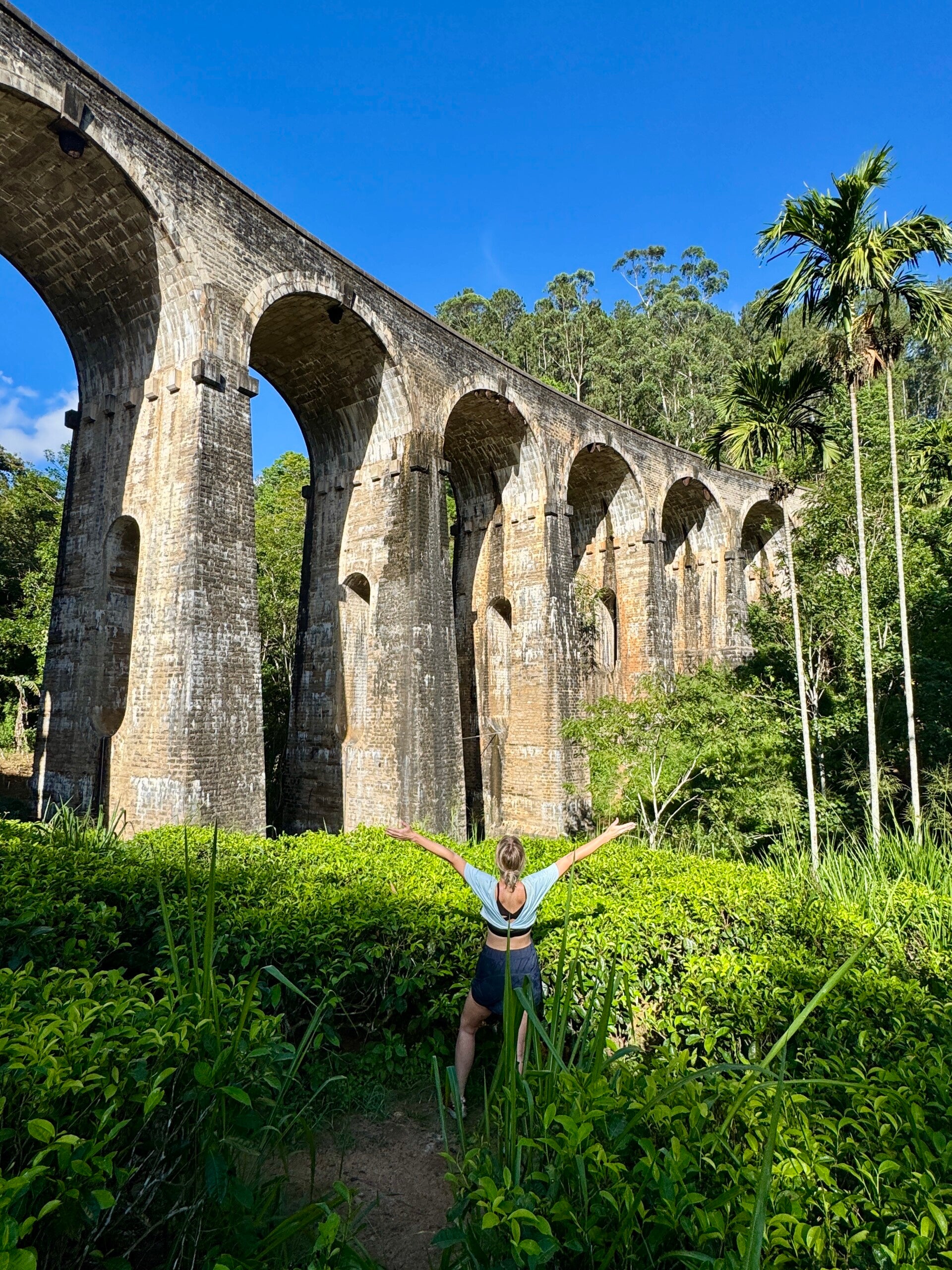
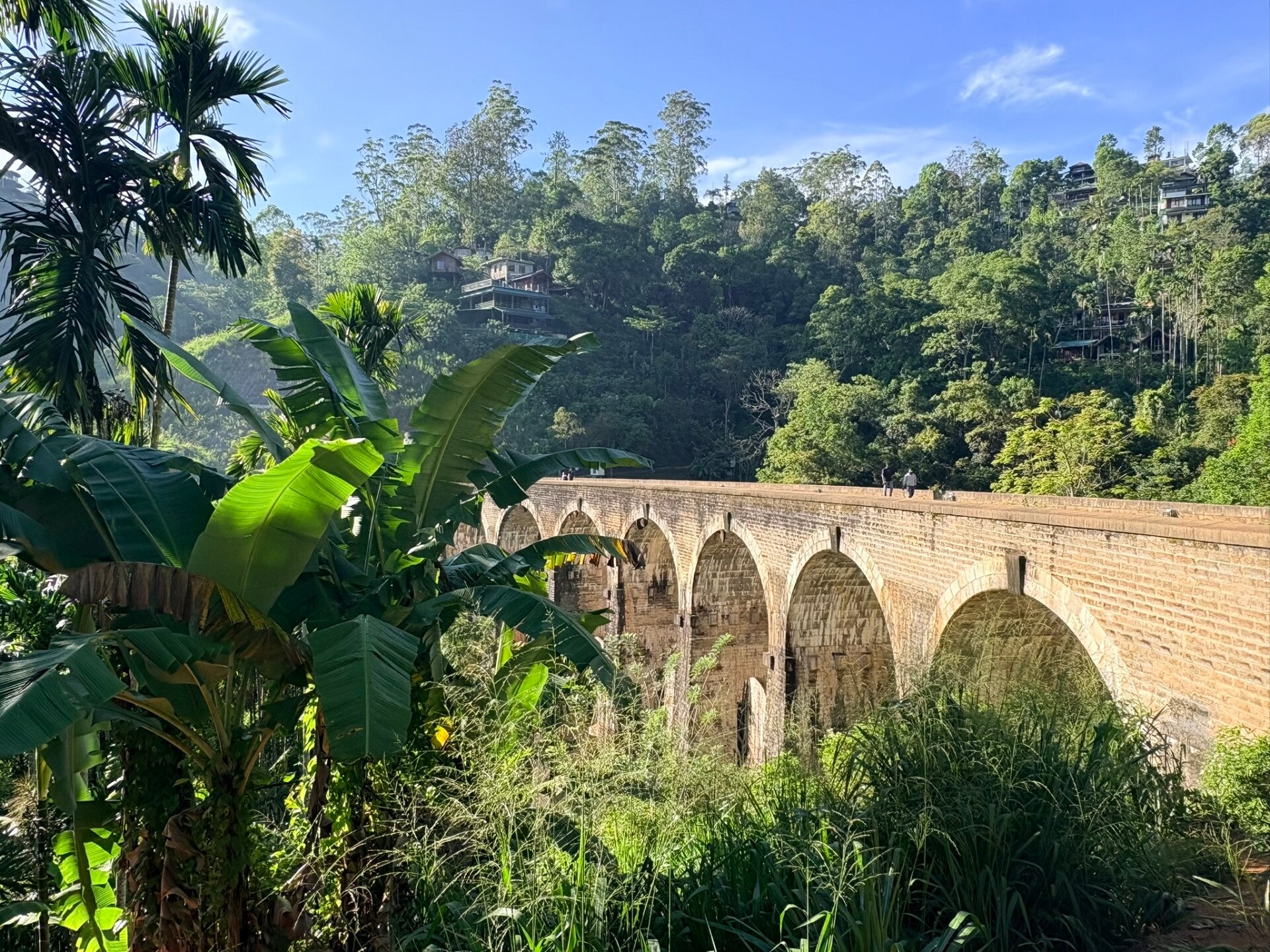
From Little Adam's Peak, it's roughly a 40-minute walk to Nine Arches Bridge. Google Maps will get you there without much trouble. If you hike Little Adam's Peak for sunrise, you'll probably reach the bridge around 7–8 am, a perfect time to see it before larger tour groups start appearing.
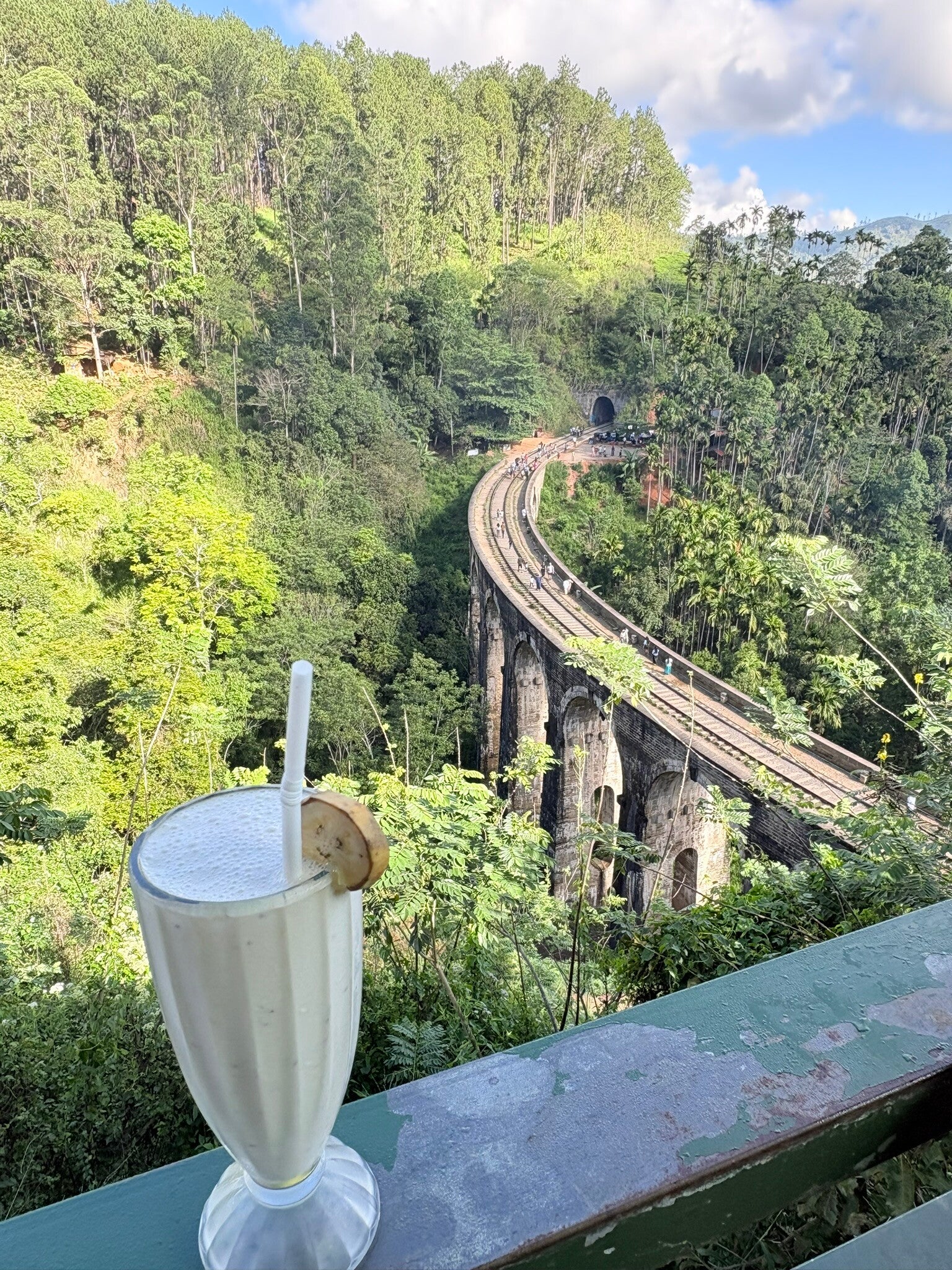
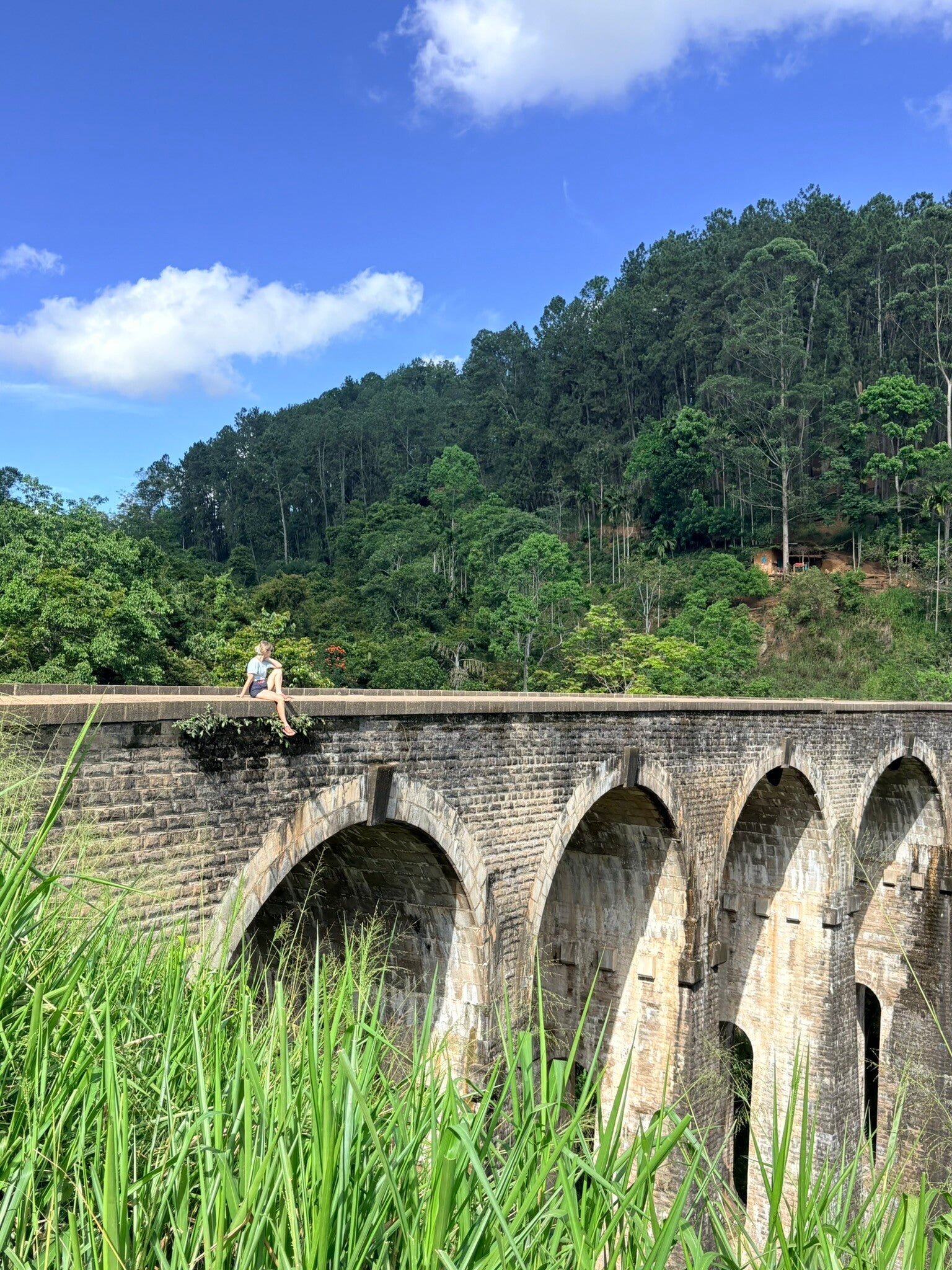
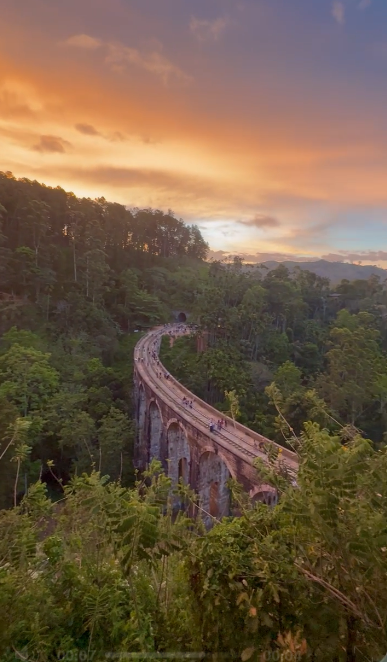
There are several ways to experience the bridge. You can walk along the railway tracks, head down towards its base among the tea bushes or climb up to one of the cafés overlooking it. The latter two were by far my favourite perspectives, as evidenced by the pictures!
Tip: If you want the classic picture of a train crossing the bridge, check the railway timetable but don't expect Swiss-level punctuality! Trains aren't particularly frequent and schedules can shift. I didn't see a single train crossing the bridge but it didn't take anything away from the experience. The setting is magical regardless.
Since you'll probably finish fairly early, spend the hottest part of the afternoon enjoying Ella's cafés, restaurants or wellness options. An Ayurvedic massage isn't a bad way to recover from an early start.
Day 9: Ella Rock
On your second day in Ella, tackle Ella Rock. After seeing it from Little Adam's Peak, you might wonder whether climbing another nearby mountain is really worth the effort.
It is.
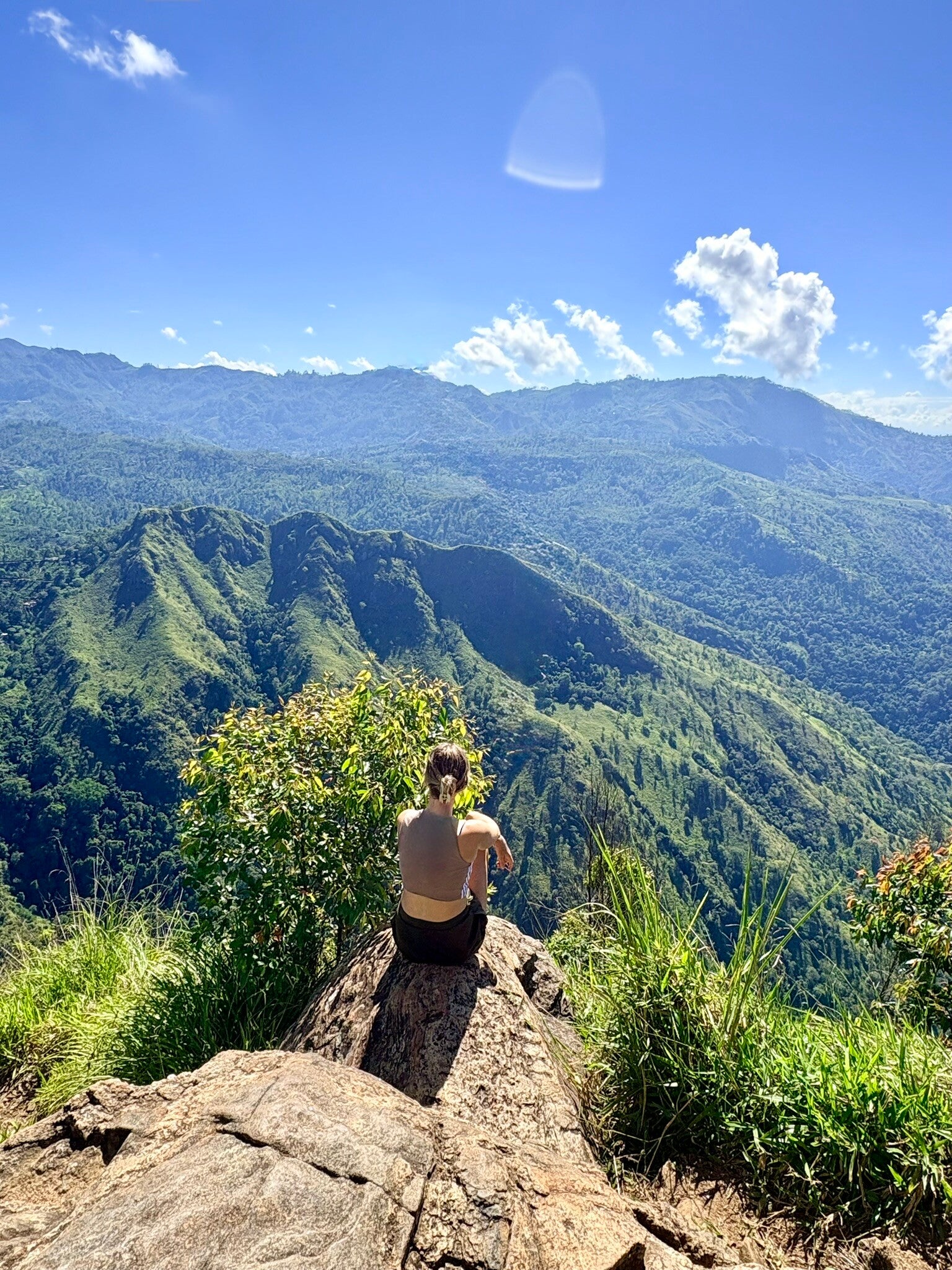
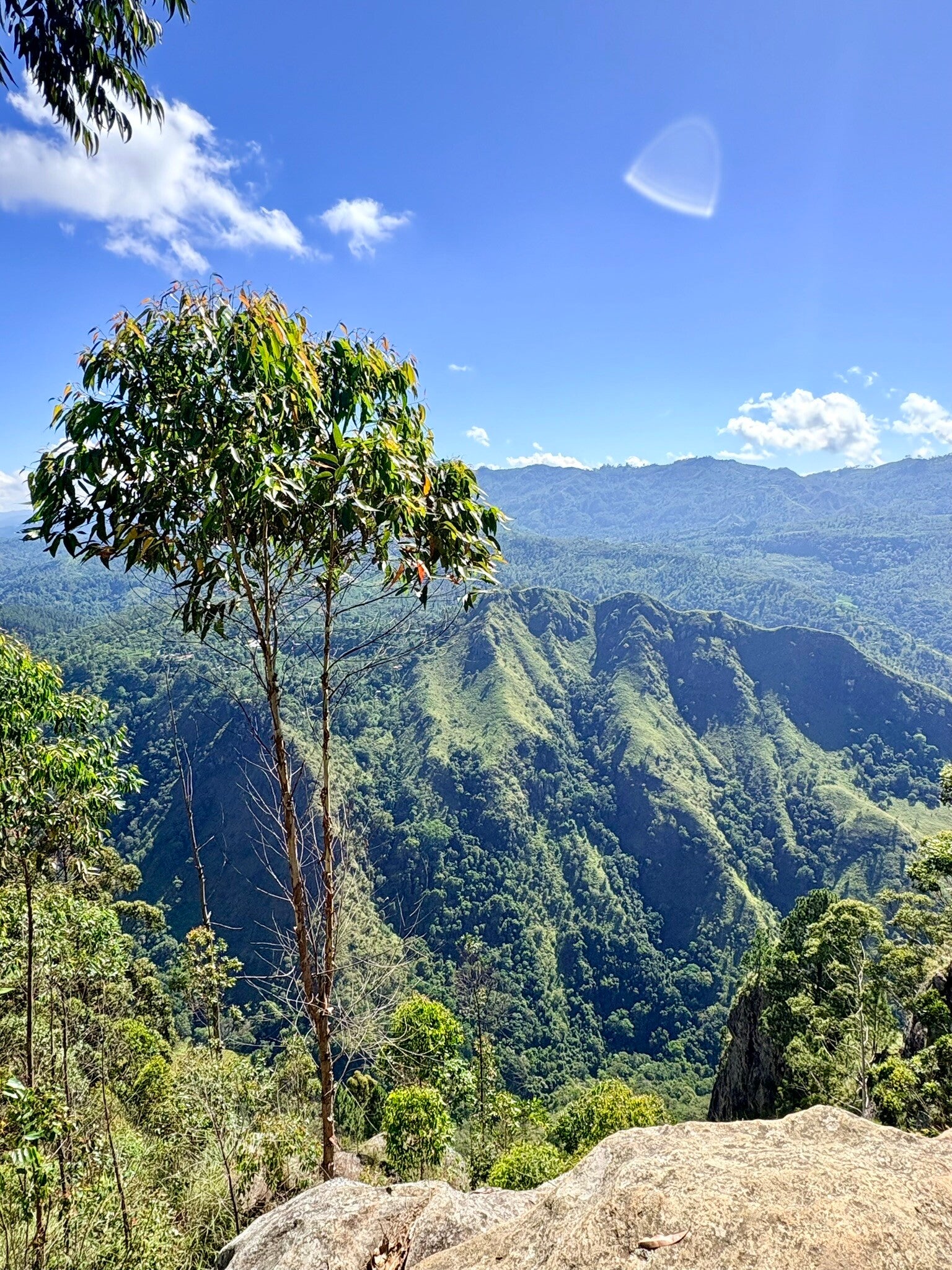
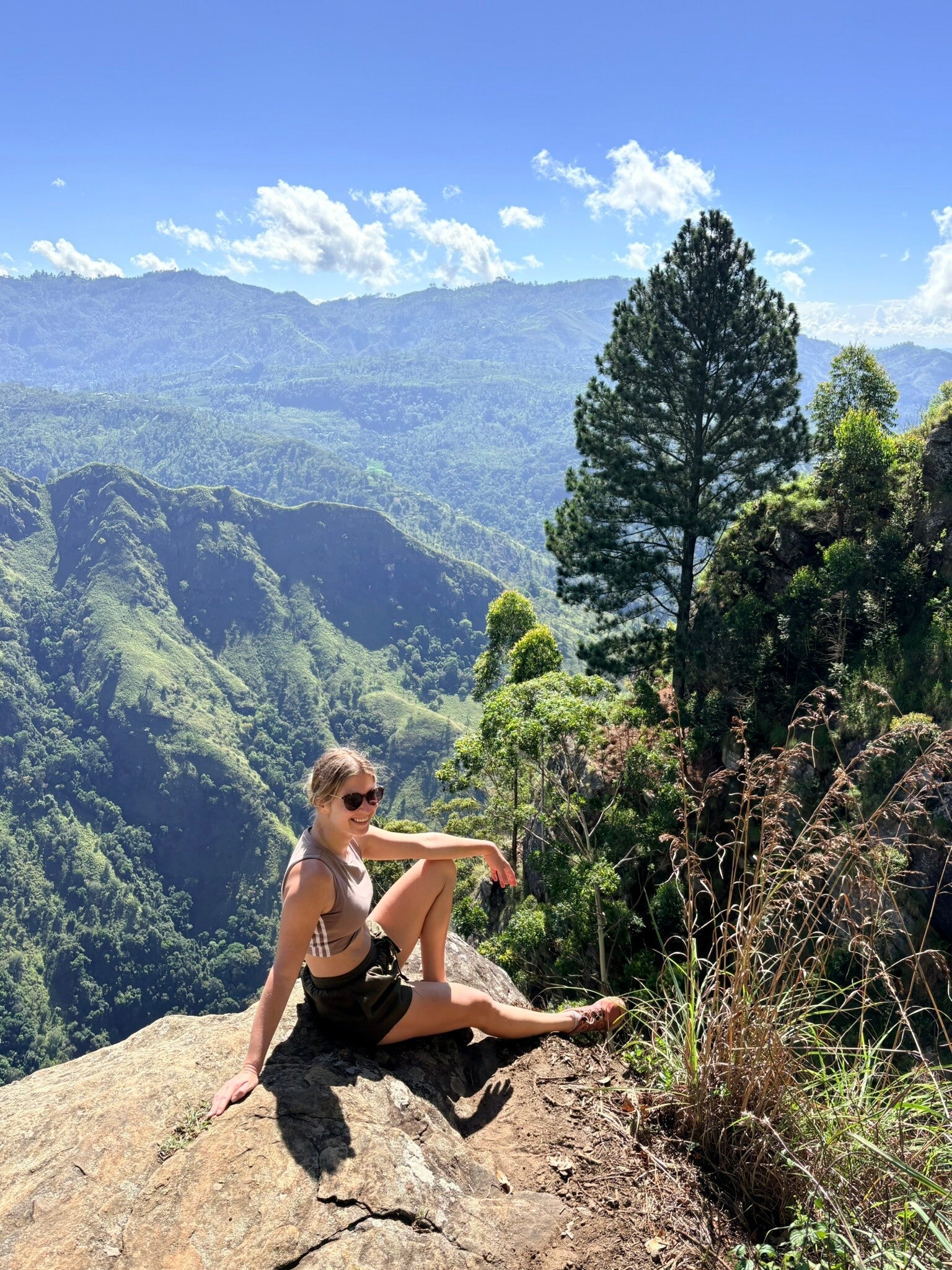
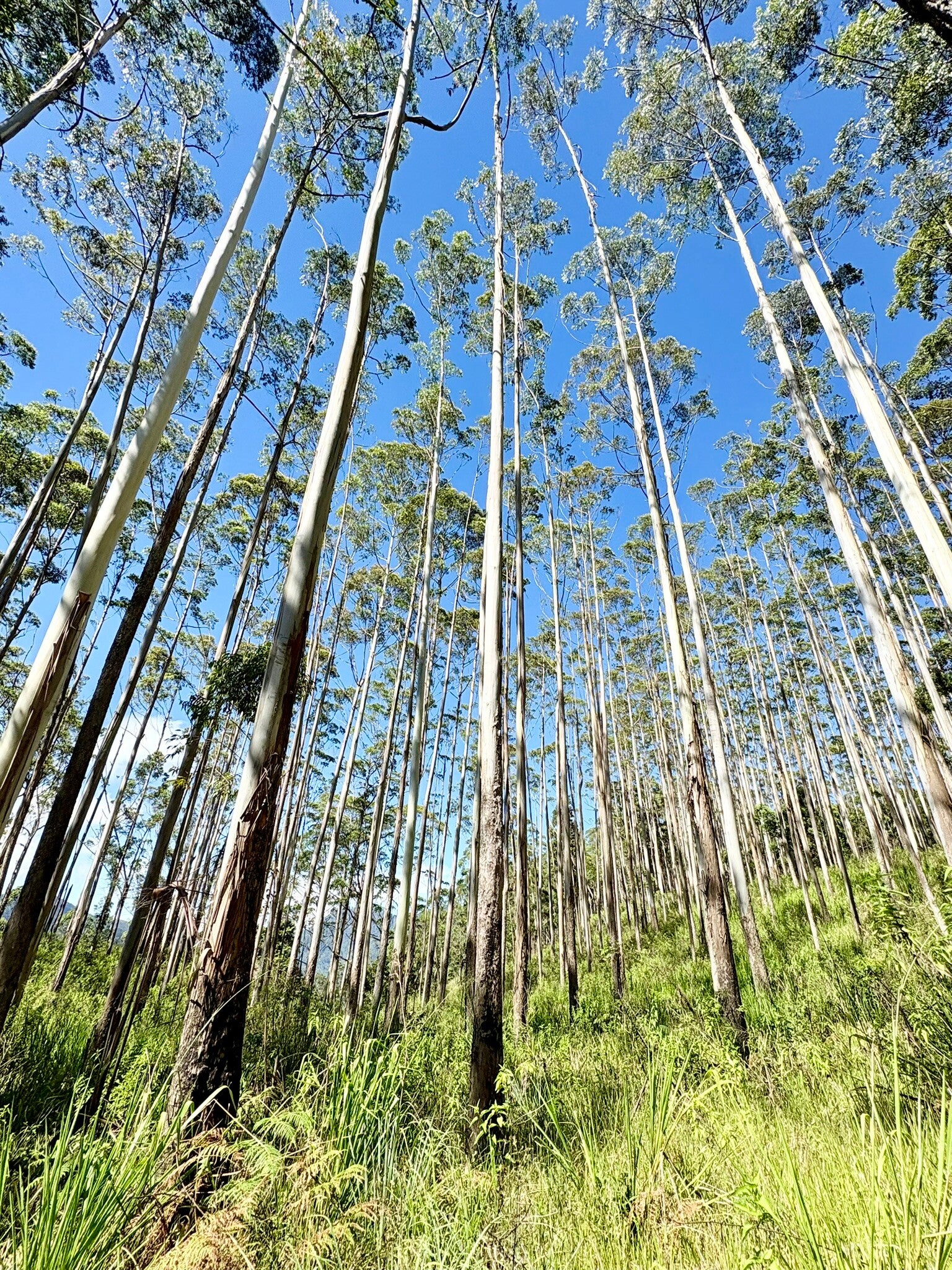
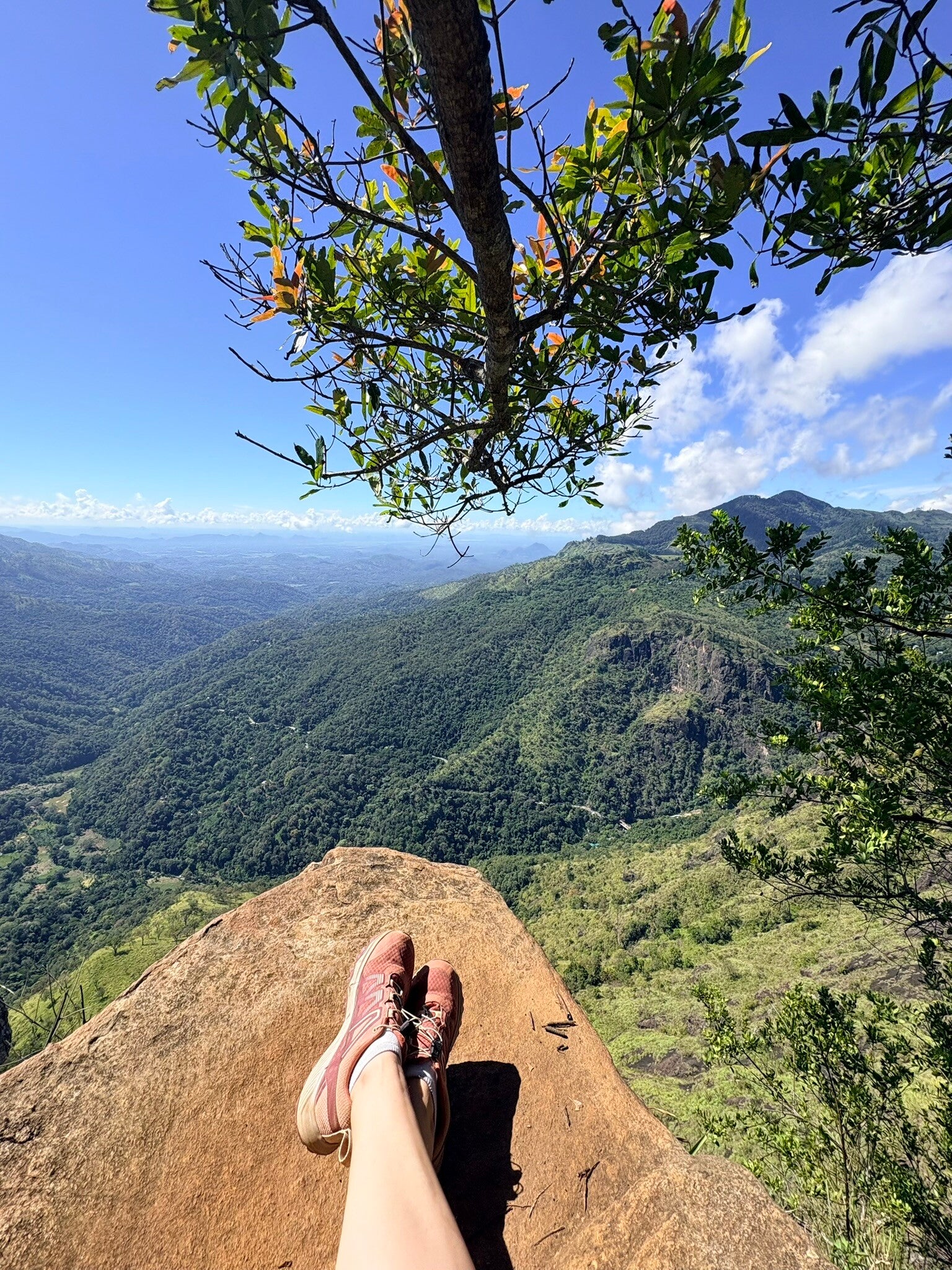
The scenery from Ella Rock is surprisingly varied, with 6 (!!) viewpoints across completely different sections of the surrounding landscape. Foreign visitor admission is 940 LKR (around USD 3) in 2026 and the hike is considerably longer and more strenuous than Little Adam's Peak, taking around 3–4 hours return, depending on your pace.
It starts off deceptively gently, passing through beautiful tea plantations, before becoming steep and rocky towards the end. Leave enough time for the summit itself. Exploring all the viewpoints can easily add another hour. Bring snacks, as there are no food options once you're up on the mountain.
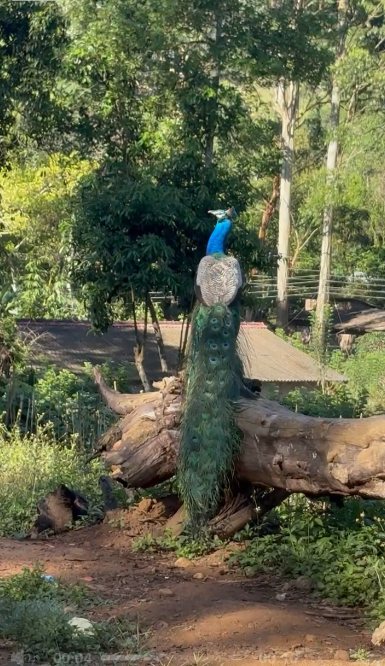
Tip! Keep your eyes open for wildlife too. I started the hike around 7 am to avoid the midday heat and spotted both pheasants and peacocks on the trail!
Day 10: Head south to the beaches
If the tea-factory stop near Kandy wasn't enough, you can spend the morning visiting one of the many tea plantations around Ella and learning more about tea cultivation.
Then it's time to leave the mountains and head south to the beaches. Sri Lanka gives you plenty of options here. Tangalle and Dikwella are good choices if you want something quieter, while Mirissa has considerably more developed tourist infrastructure and a livelier atmosphere.
Even if you spend a few days relaxing somewhere quieter, I'd still recommend visiting Mirissa - if only to see Coconut Tree Hill.
Getting from Ella to Sri Lanka's south coast
You can either arrange a private transfer or embrace the local passenger bus.
The price difference is enormous. In 2026 a private transfer on the Ella–Tangalle route is around USD 75, while the local bus cost only around USD 2–3. Unfortunately, the difference in comfort is equally enormous.
These routes are popular, and unless you catch an early bus (check the schedule with your accommodation), you will likely end up standing for a significant portion of the journey. That's no small feat when you're looking at around 3.5 hours to Tangalle or roughly five hours towards Matara, near Mirissa.
Add winding roads and frequent braking and acceleration, and you'll get an unexpectedly good arm workout from holding on for dear life!
A note about Sri Lanka's beaches
The beaches themselves can be beautiful, with warm water and tropical scenery, but I was surprised by the amount of rubbish I encountered on some public beaches.
This obviously varies hugely by beach, season and recent weather, so I wouldn't assume every public beach will look the same. But if having a meticulously maintained stretch of sand is important to you, a resort with a managed beachfront may be a safer bet.
Day 11: Beach day
After ten fairly active days of safaris, temples, hiking and travelling, you've definitely earned a day of doing absolutely nothing. Spend the day at whichever beach you've chosen as your base.
There's deliberately no itinerary for today - find a nice stretch of beach, go for a swim and give your legs a break before continuing along the south coast.
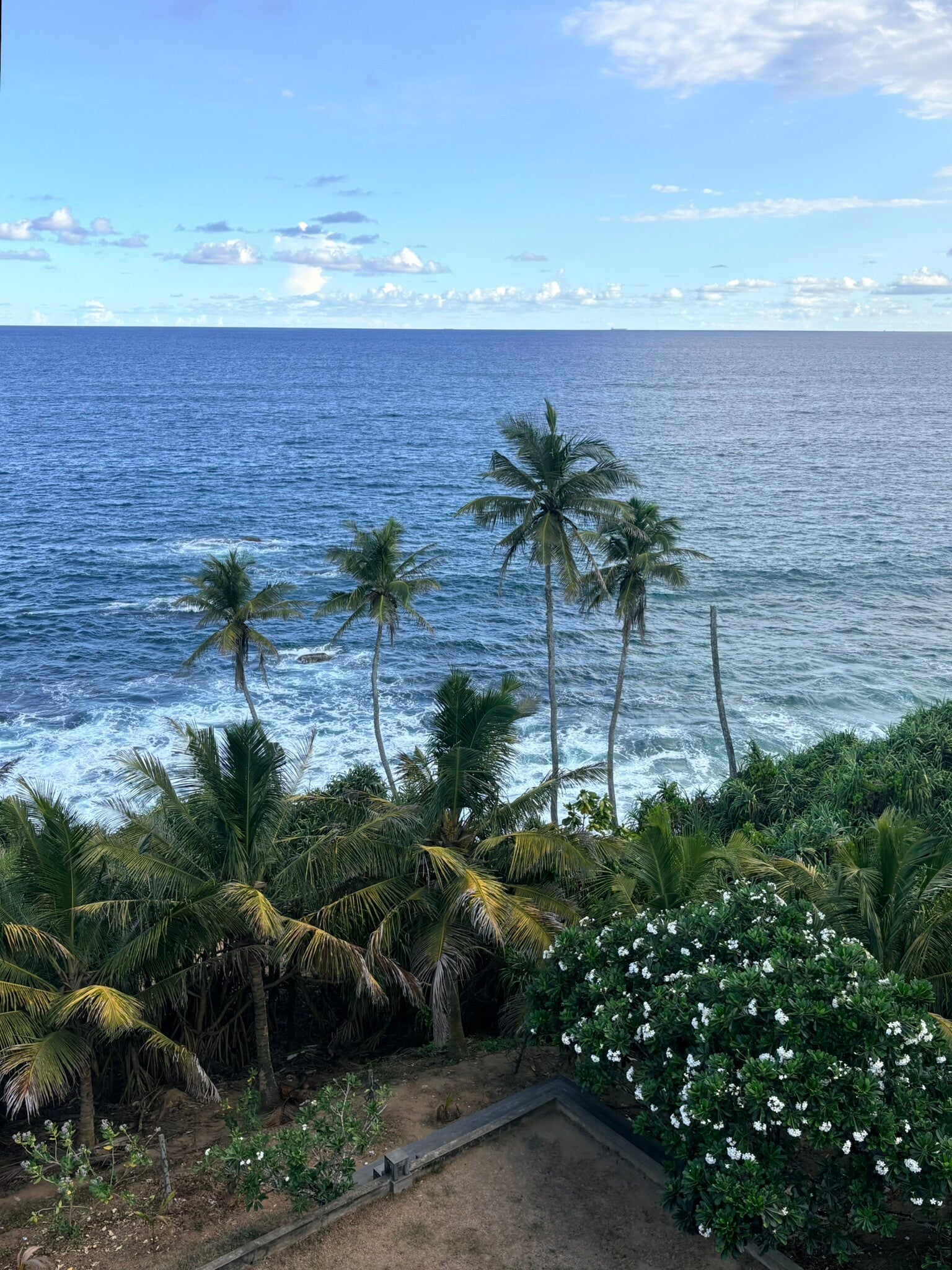
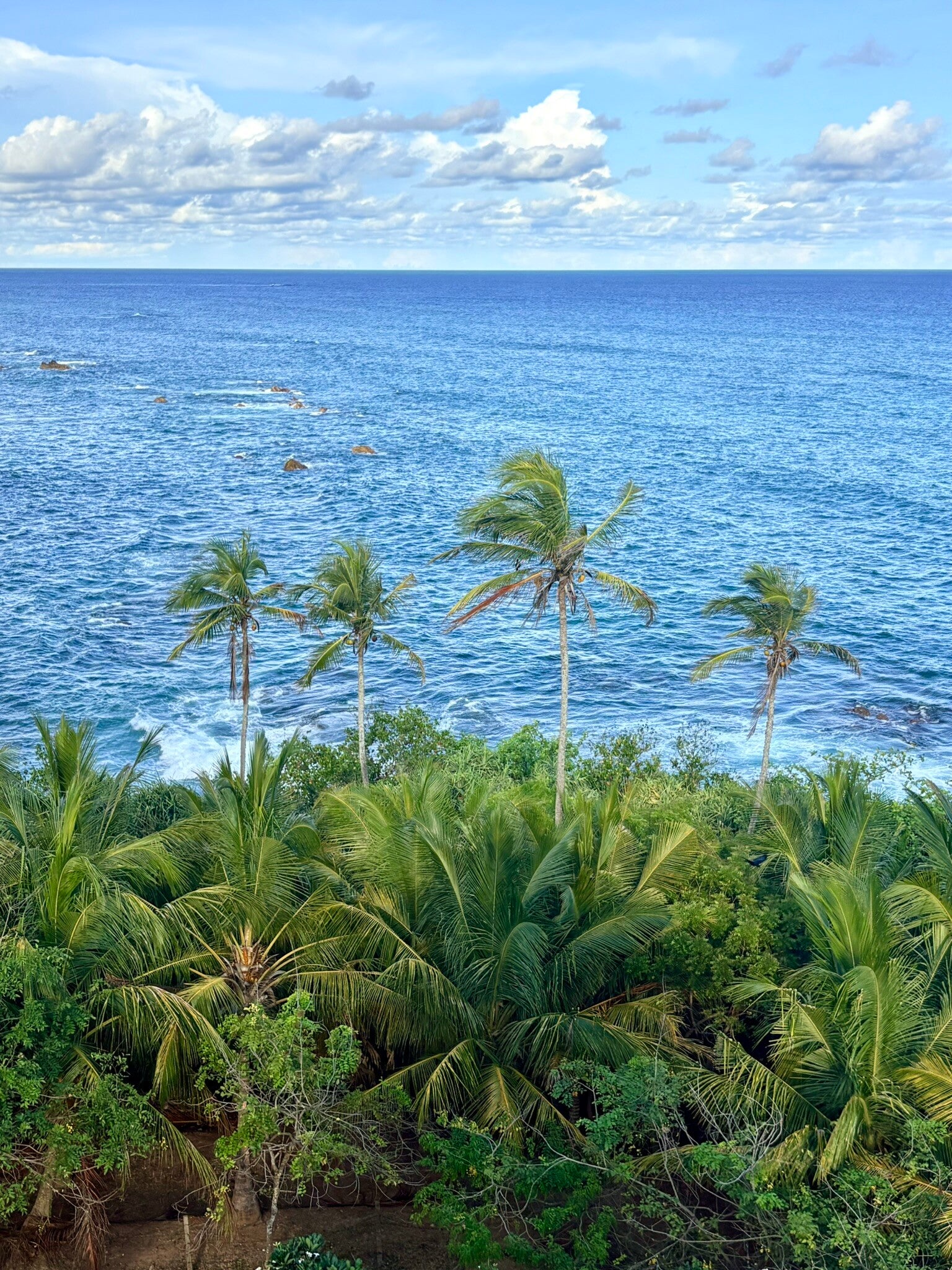
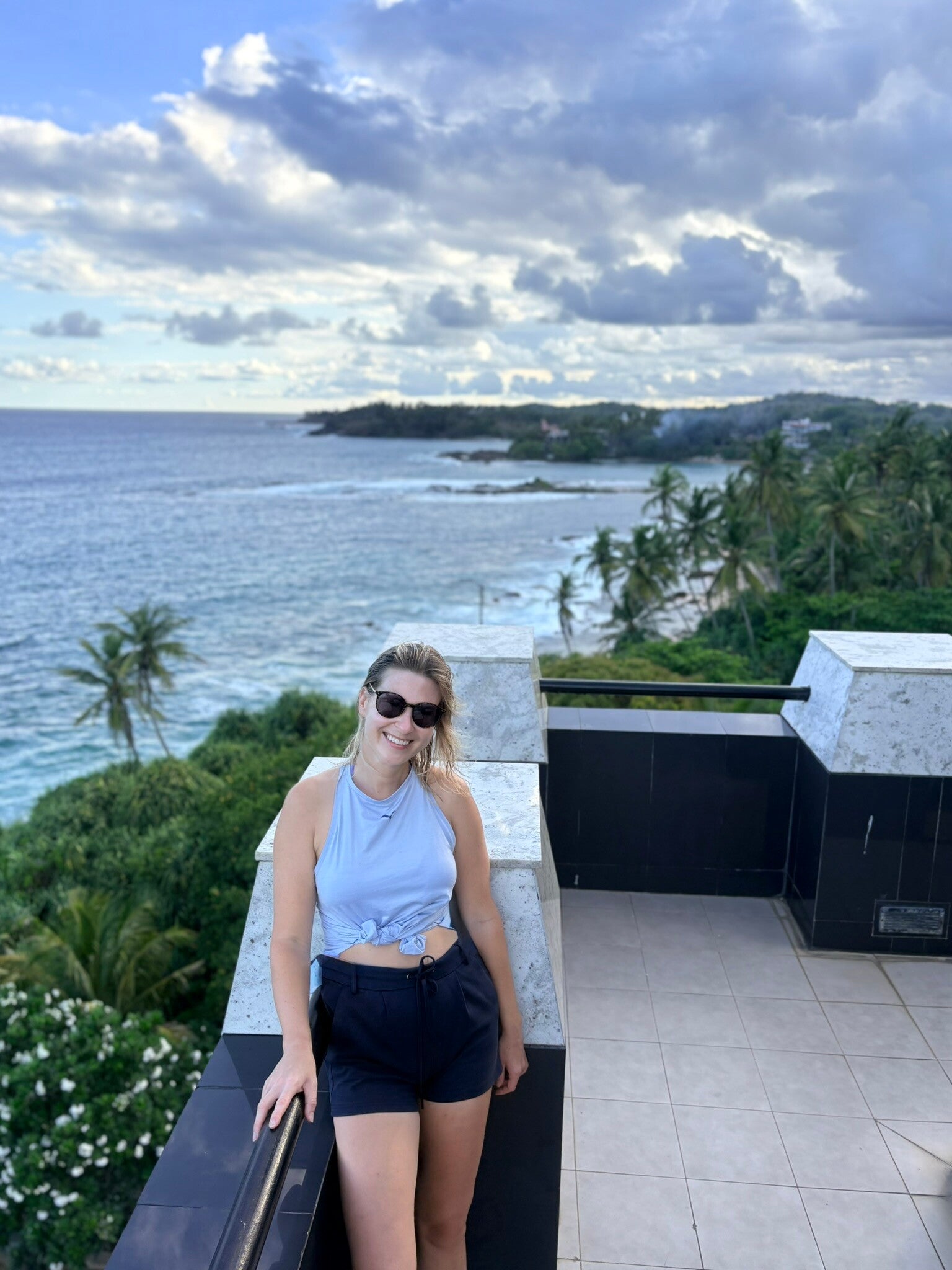
Here are a few shots of Tangalle's coast from Tangalle Navy Monument for inspiration.
Day 12: Coconut Tree Hill and Mirissa
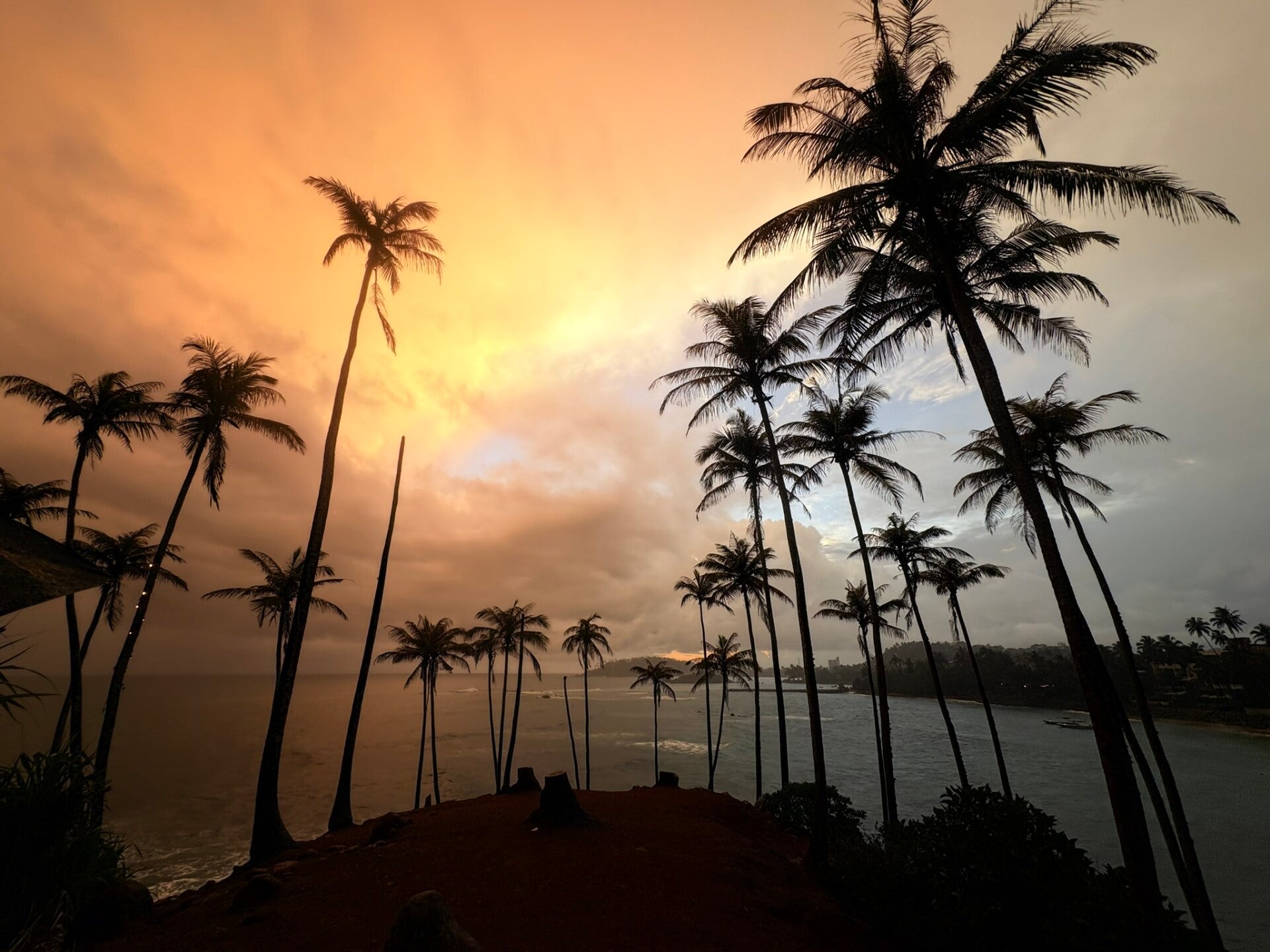
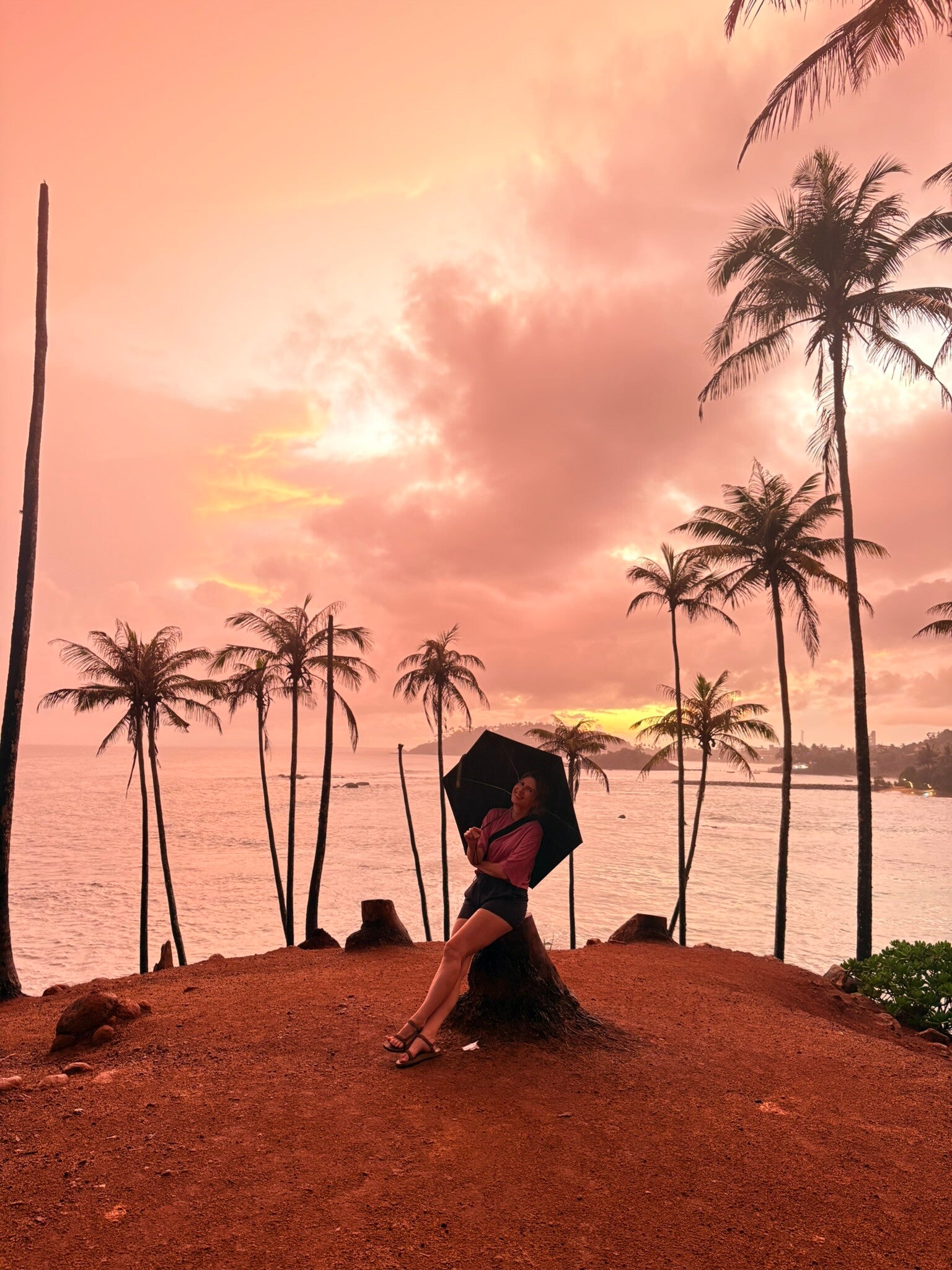
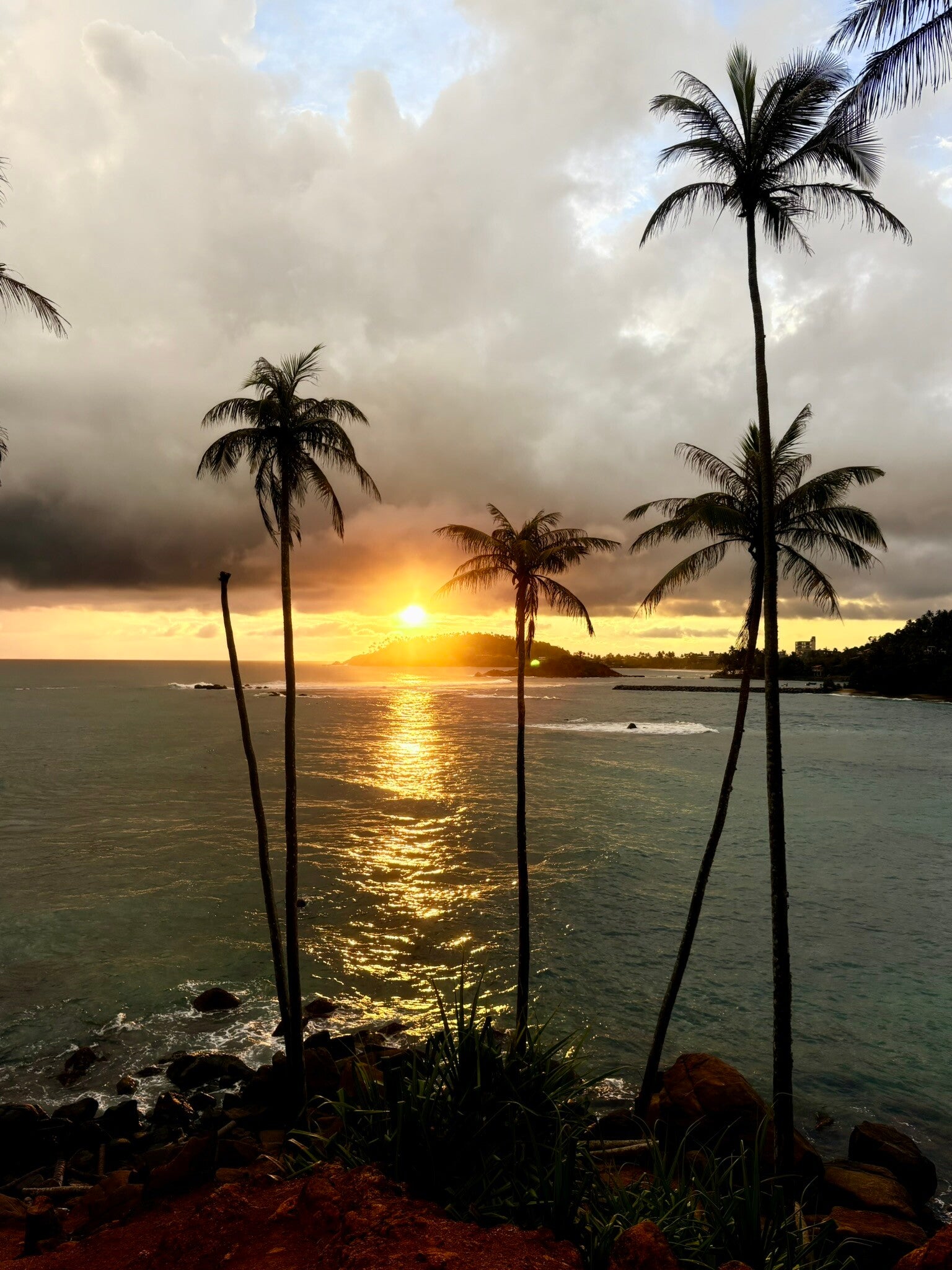
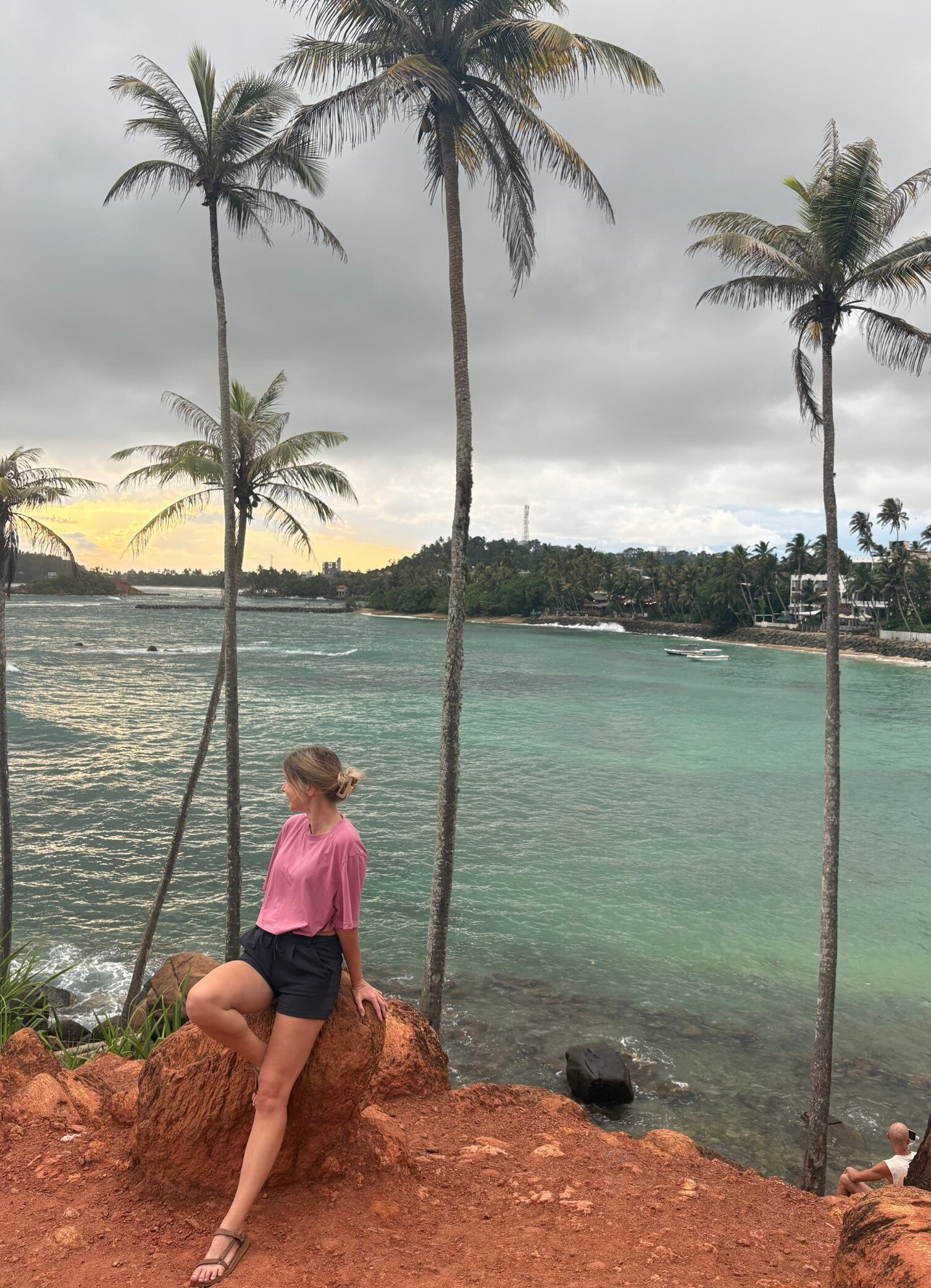
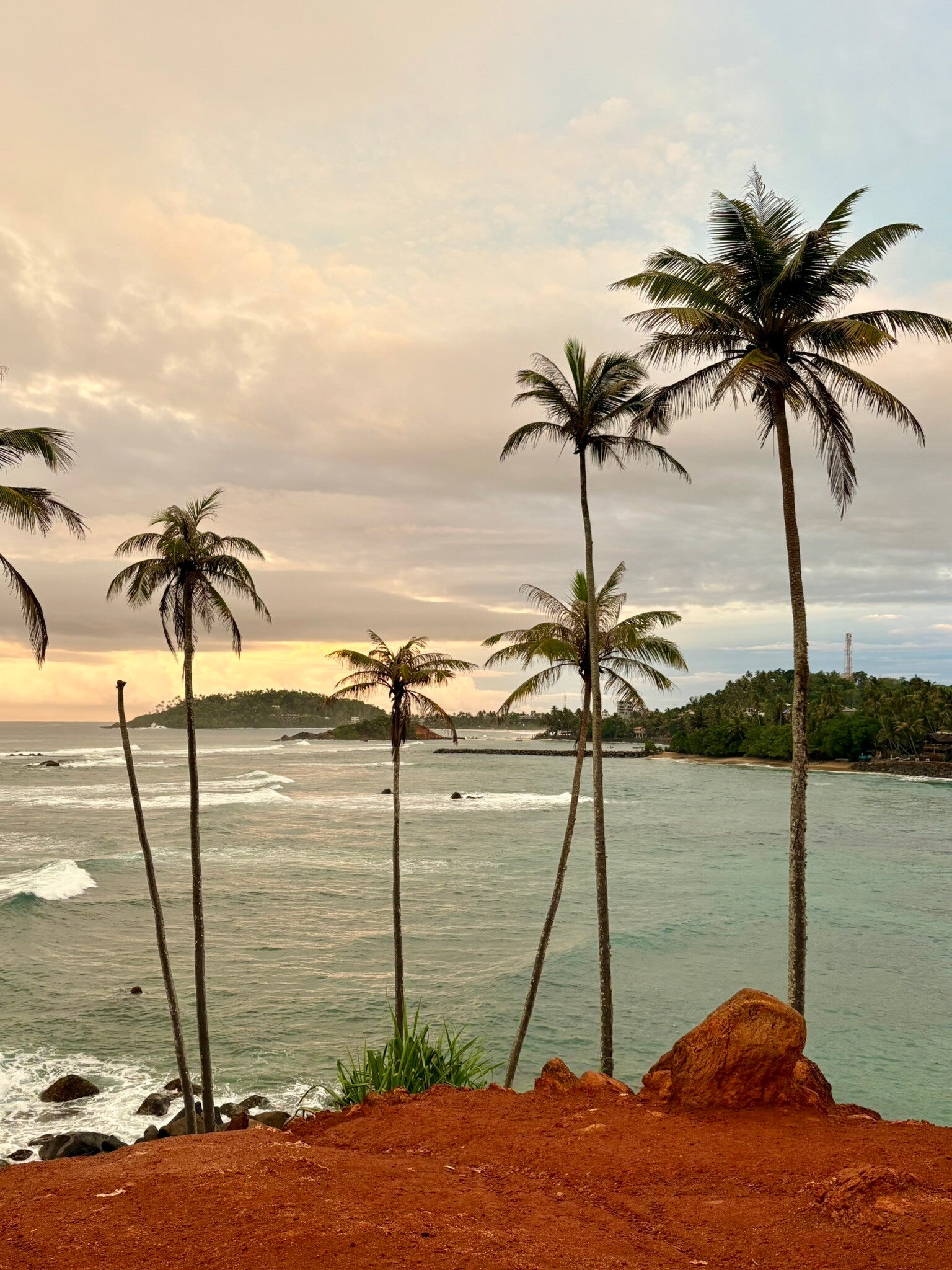
After your beach day, continue along the south coast to Mirissa, where it's time to add a little sightseeing back into the itinerary. Unsurprisingly, the best times to visit Coconut Tree Hill are around sunrise and sunset. I chose sunset, and I'll let the pictures speak for themselves.
Don't expect to have it to yourself, though. Coconut Tree Hill is extremely popular, so you'll need a little creativity if you want photos without dozens of other people in them.
I got unexpectedly lucky: it started raining while I was there and most people left. The sky remained incredibly colourful, leaving me almost completely alone on the hill.
Sometimes bad weather has its advantages!
Parrot Rock
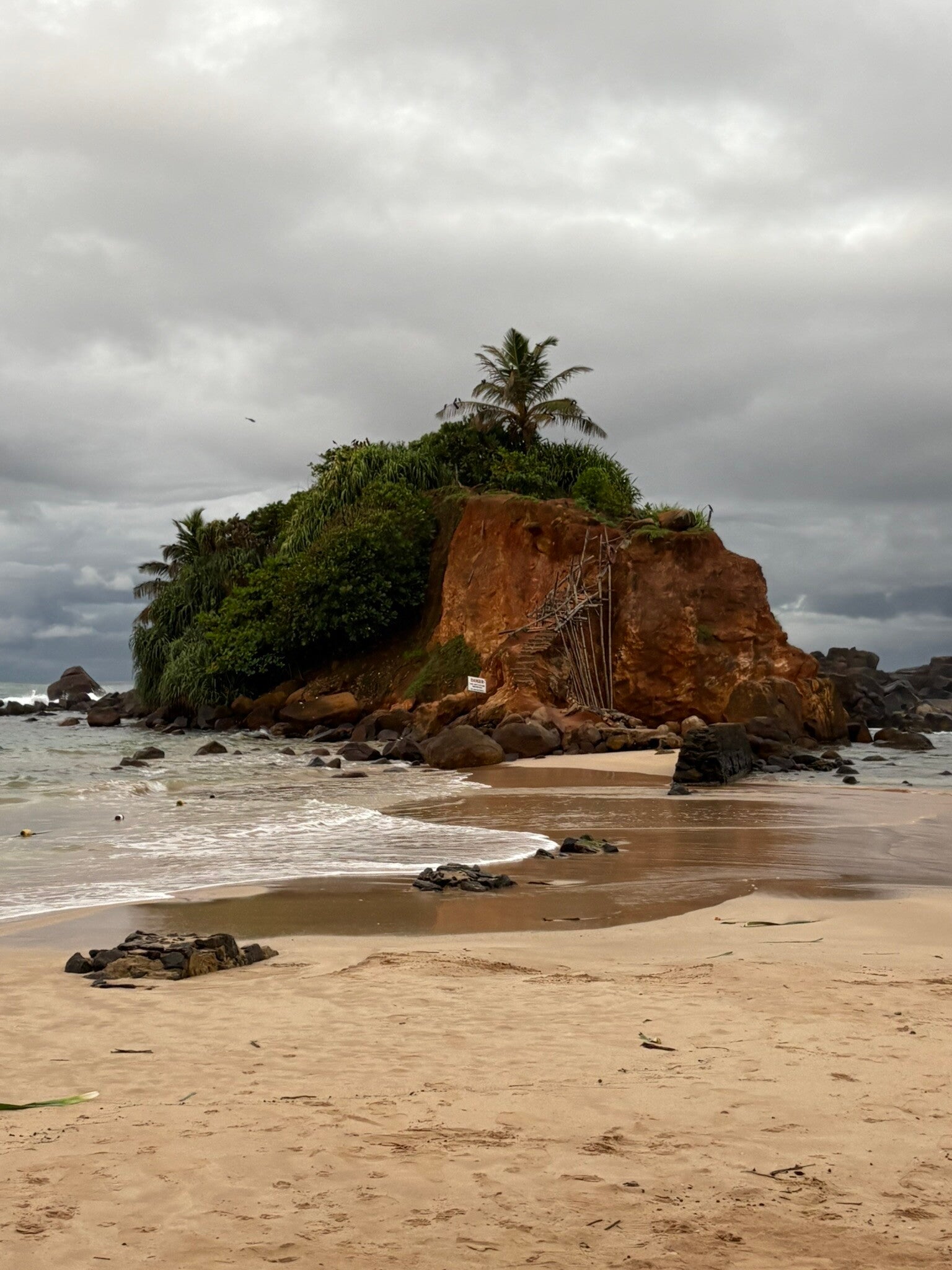
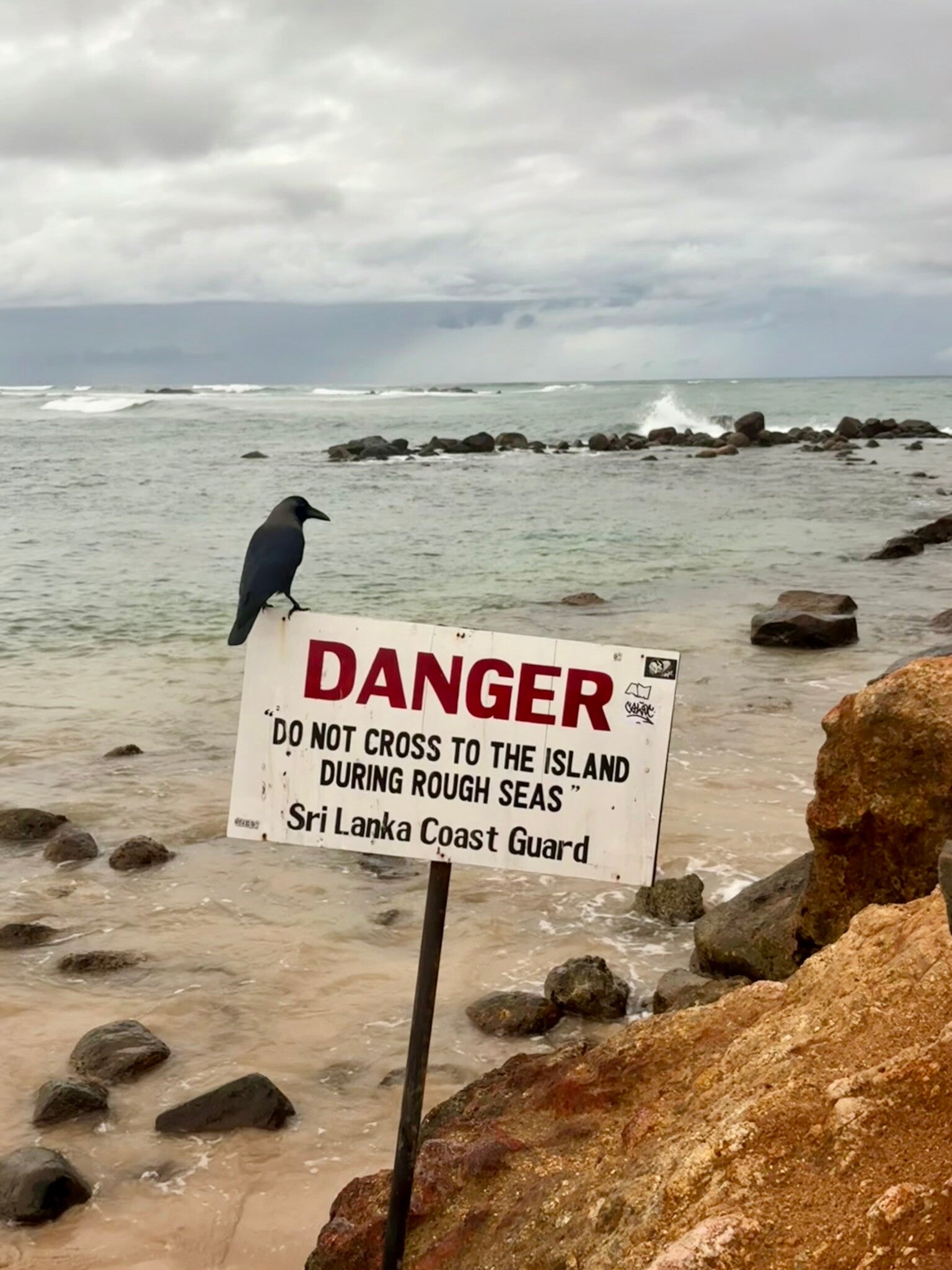
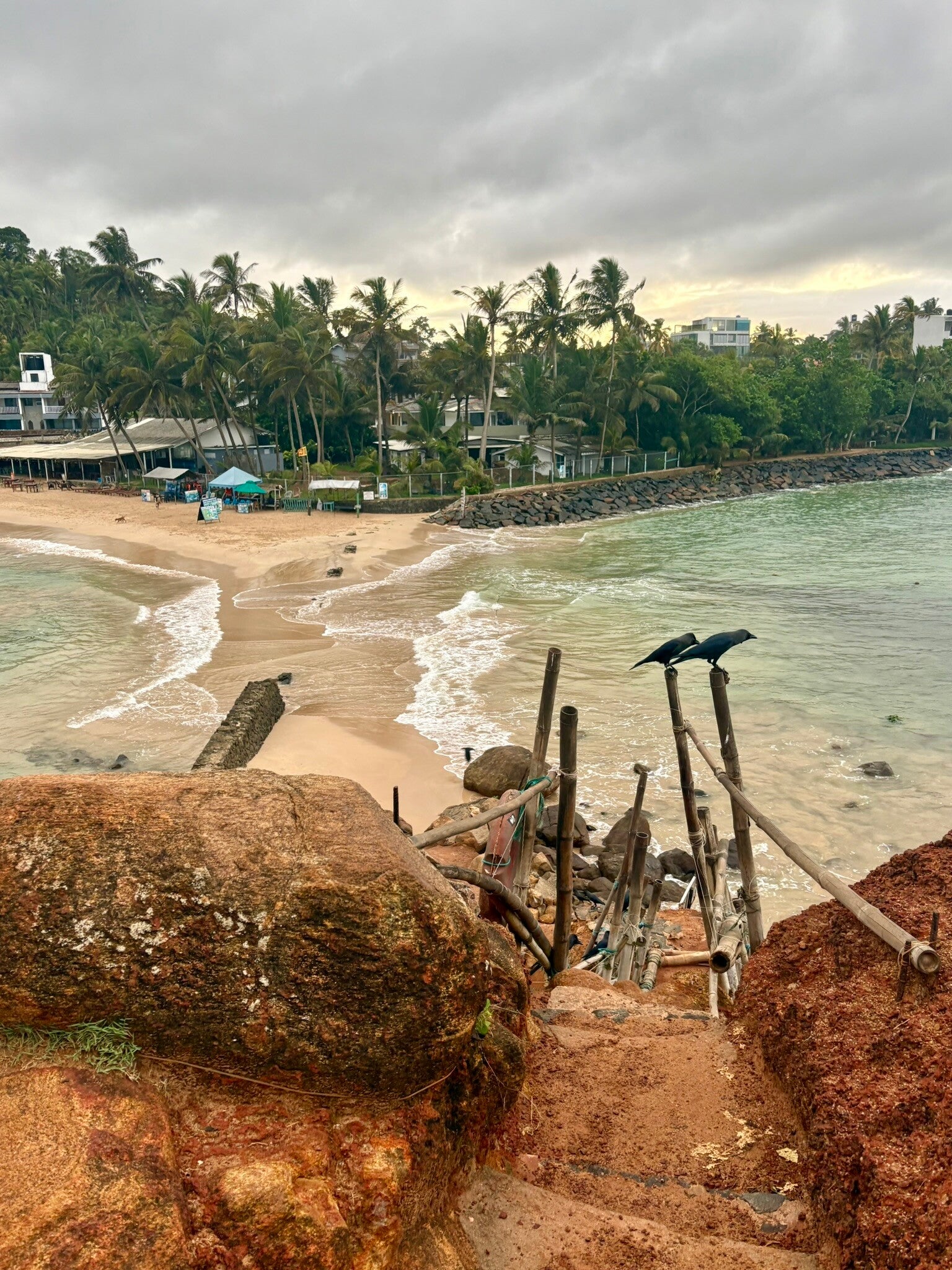
Another Mirissa viewpoint worth visiting is Parrot Rock, a small rocky outcrop just off the beach.
Exactly where the name comes from isn't particularly well documented. One explanation is that the shape resembles a parrot's head from certain angles while other local stories claim that parrots once inhabited the rock. Currently, the residents appeared to be almost exclusively crows.
Regardless of the name, it's still a fun little scramble with a lovely view over Mirissa's shoreline.
A note about turtle tourism
You'll see plenty of operators offering sea-turtle experiences along Sri Lanka's south coast, particularly around Mirissa and Unawatuna.
Be selective. Some experiences involve feeding wild turtles to keep them close to shore or allowing tourists to touch them, which can disrupt their natural behaviour and cause unnecessary stress.
Personally, I'd rather keep an eye out for turtles while swimming or walking along the beach as you're quite likely to spot one without needing a tour.
If you're specifically interested in turtle conservation, the Sri Lanka Coast Guard runs an official Turtle Conservation Project, protecting nesting sites and releasing hatchlings at several locations along the south coast, including Mirissa and Unawatuna.
Day 13: Galle
From Mirissa, continue west towards Galle by private transfer, tuk-tuk or public bus depending on your desired comfort level.
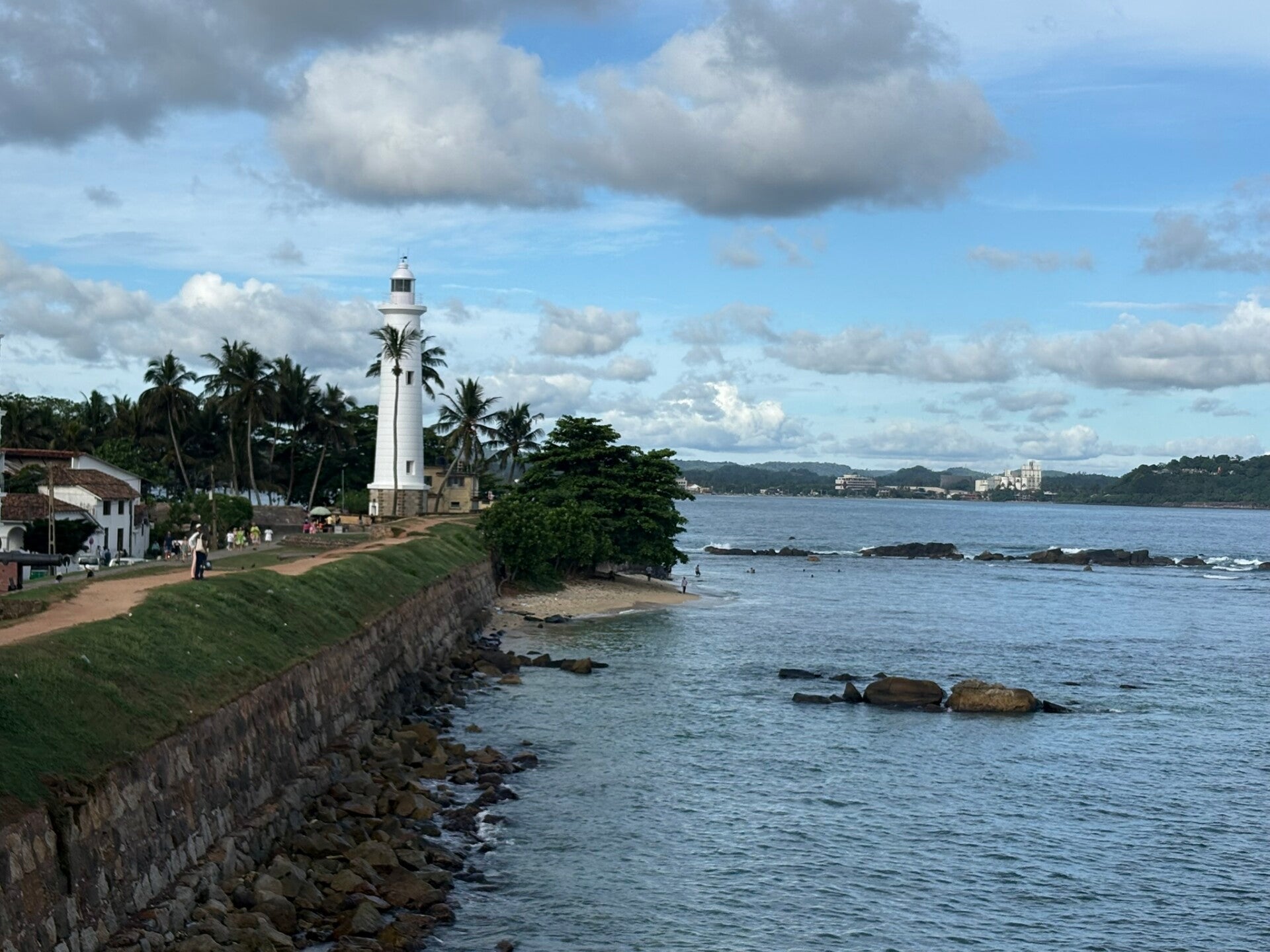
Galle feels completely different from the other places on this itinerary, largely because of its visible colonial history. Galle Fort was first established by Portuguese, expanded by Dutch and is one of the best-preserved European-built fortified cities in South Asia but with architecture adapted to local climate and traditions.
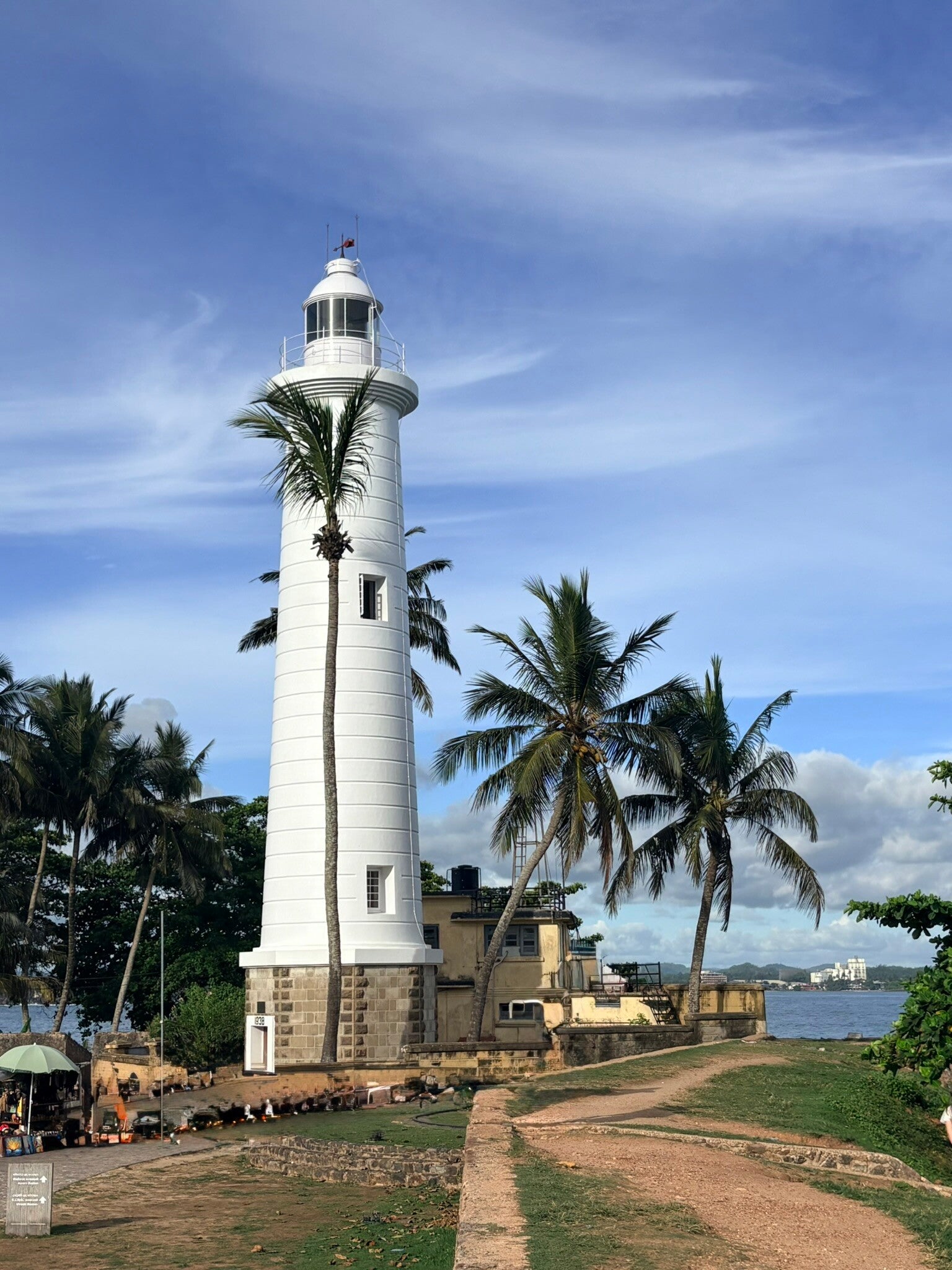
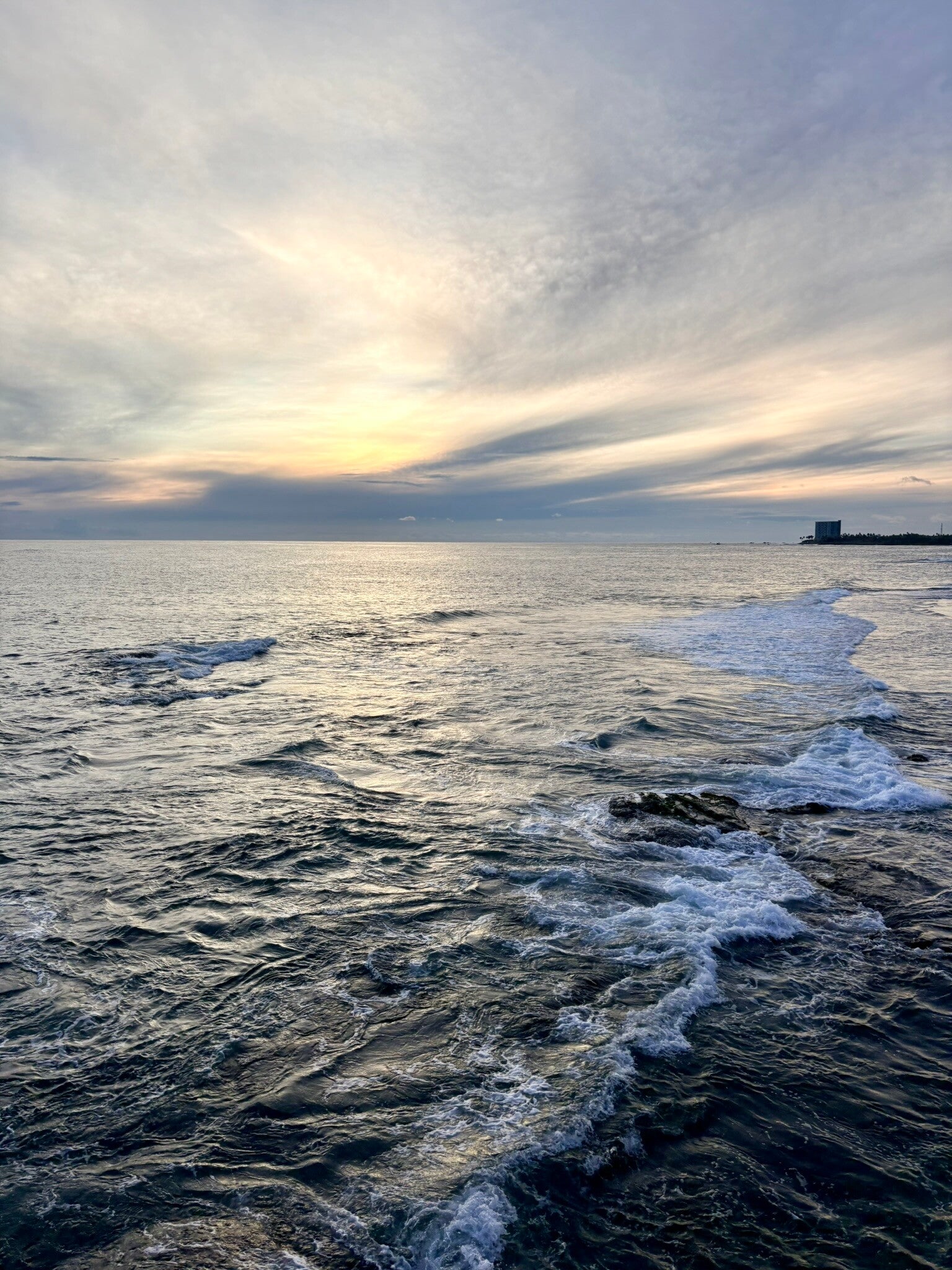
The fort is enormous and feels like a little town of its own, with hotels, guesthouses, cafés, shops and homes inside its walls. You can enter the fort area for free and simply wander around. The most recognisable landmark is the Galle Lighthouse, sitting right beside the sea and easily one of the most photographed places in the city.
You don't really need more than half a day to explore the fort itself, although you could easily stay longer if you want to slow down or visit nearby beaches.
Day 14: Colombo
From Galle take the scenic 2nd or 3rd class (for open windows) train to Colombo. The train passes by the oceanside and, if possible, take a seat on the left side for gorgeous views. This train is also much less crowded than Kandy-Ella train so you should be good with purchasing tickets at the train station on the date of departure! Alternatively, you can also purchase tickets online for 25 USD.
Exploring Colombo by tuk-tuk
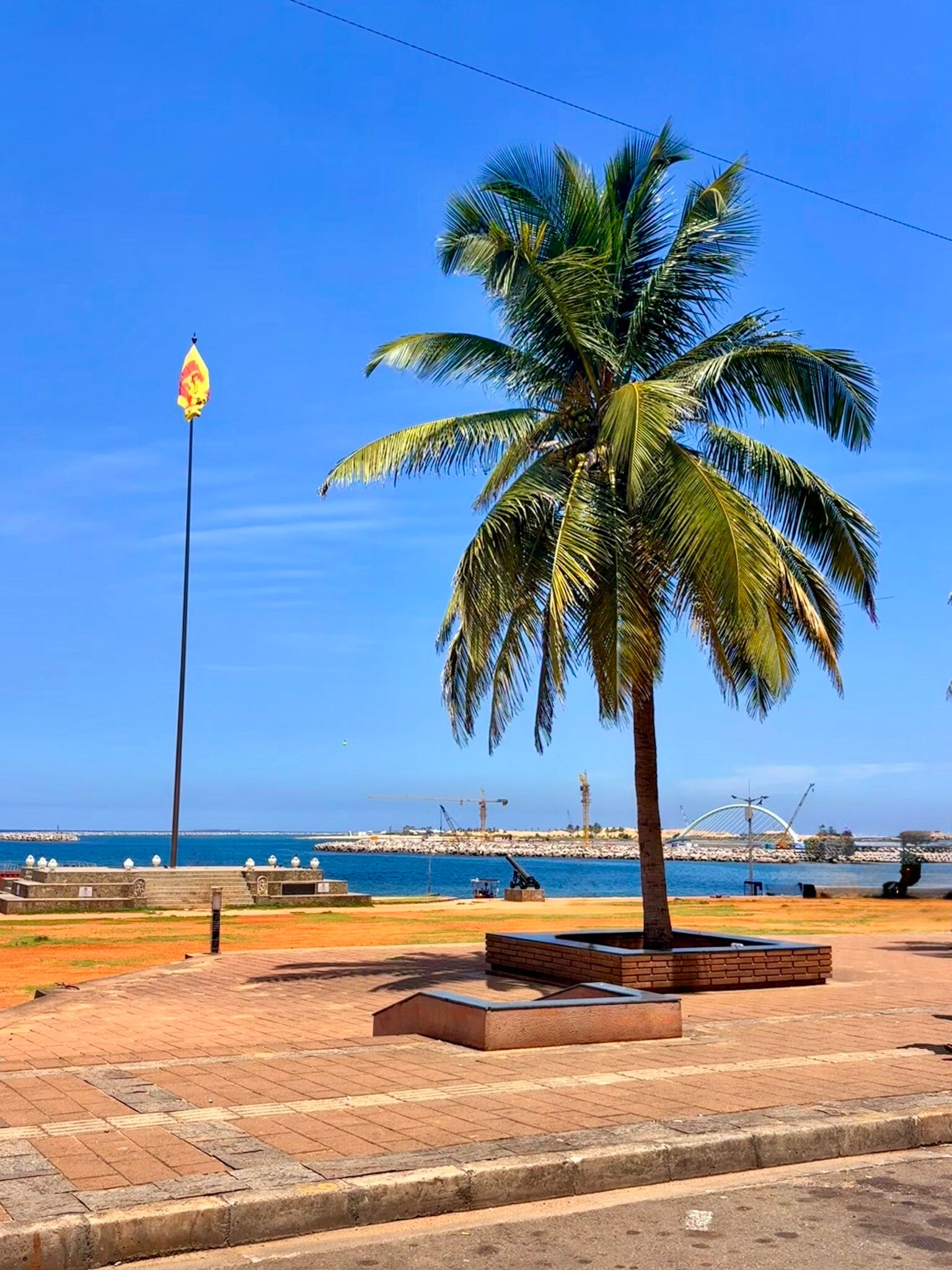
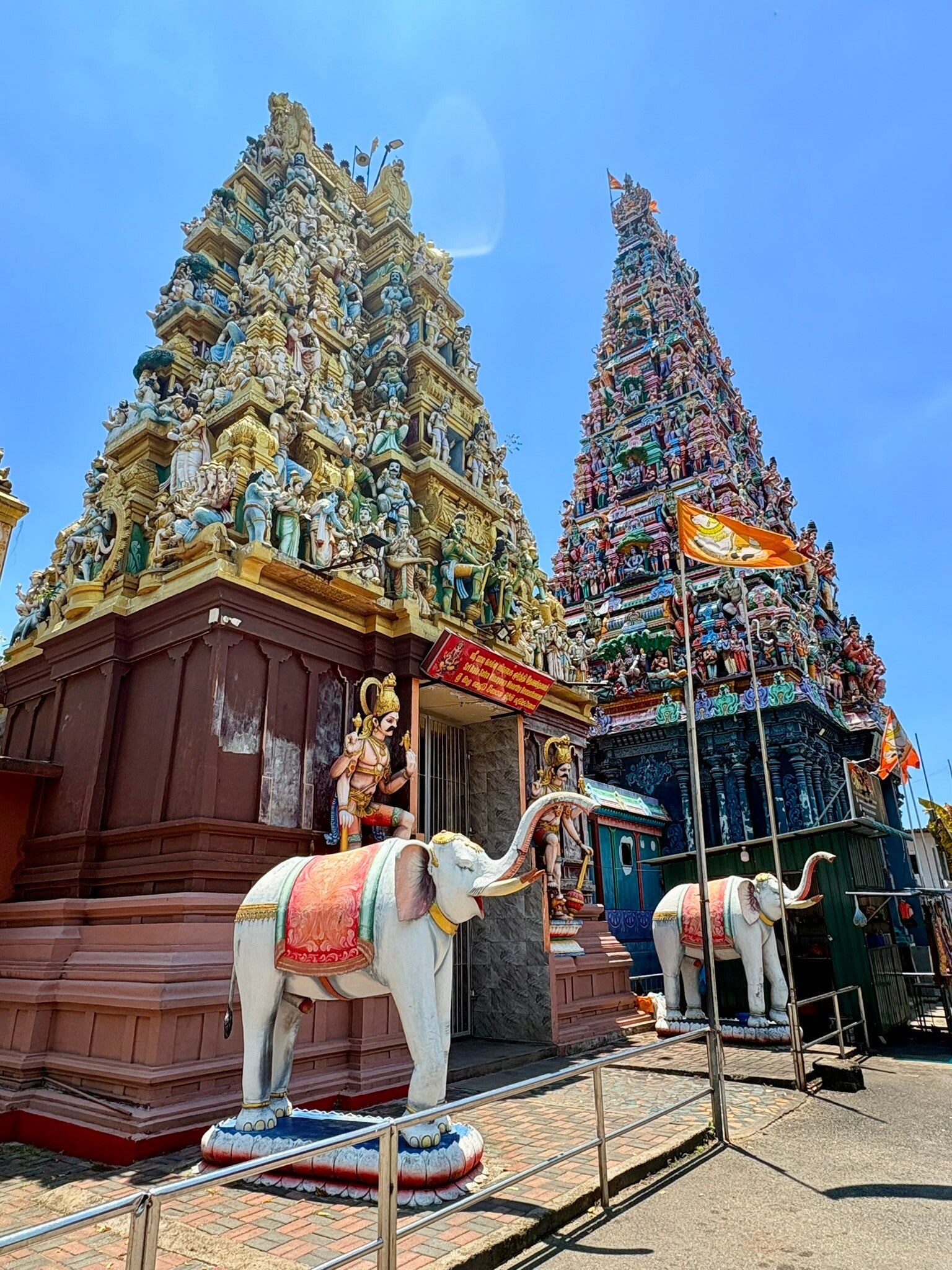
Unless you particularly enjoy big, hectic cities, I think half a day is enough to get a good introduction to Colombo. I visited on a Sunday, so traffic was thankfully much calmer than usual and I managed to see almost all the main sights without too much chaos.
A tuk-tuk tour is an easy way to explore because you don't need to organise separate transport between each stop, and the driver often doubles as a guide, explaining some of Sri Lanka's and Colombo's history along the way.
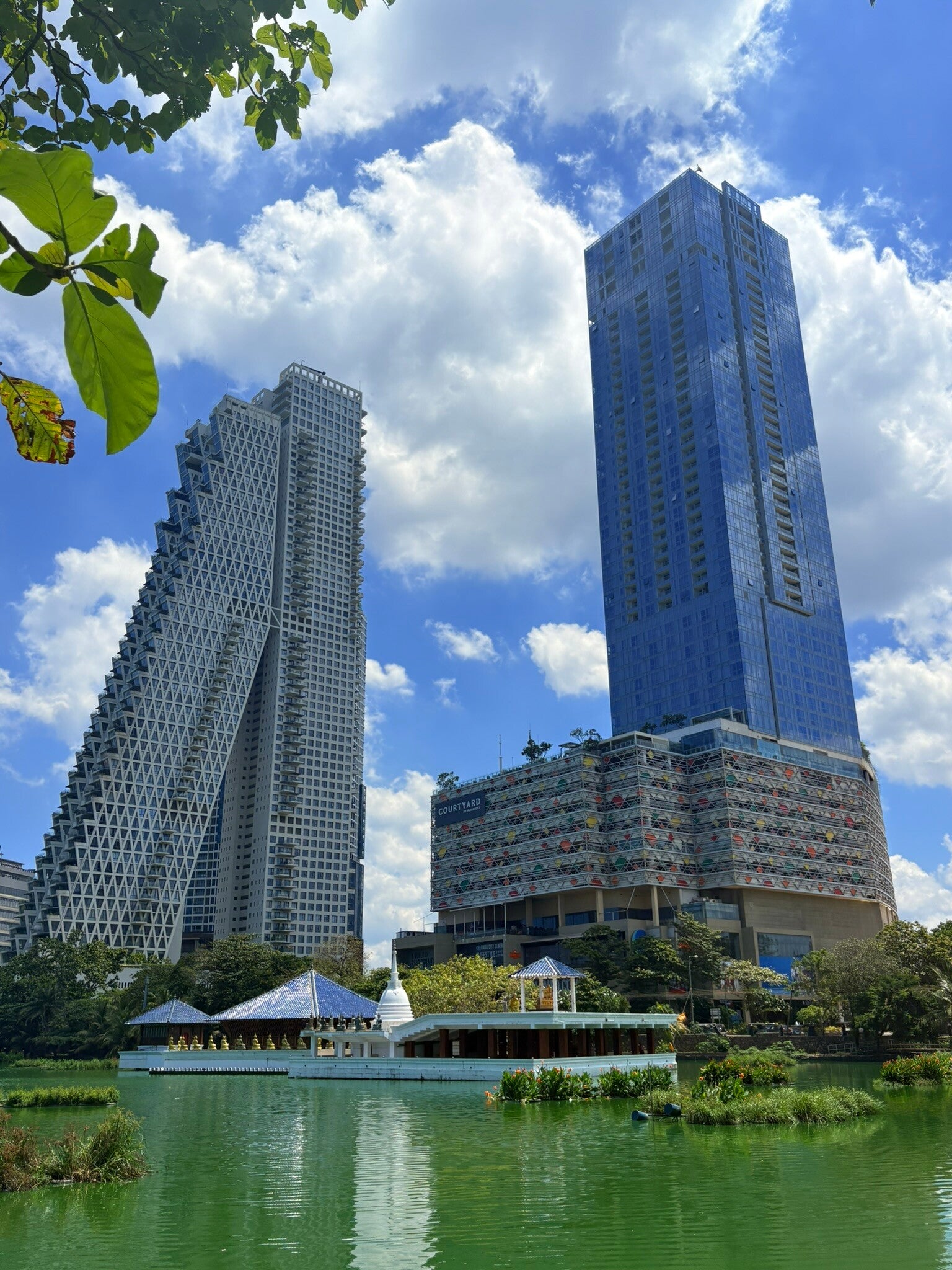
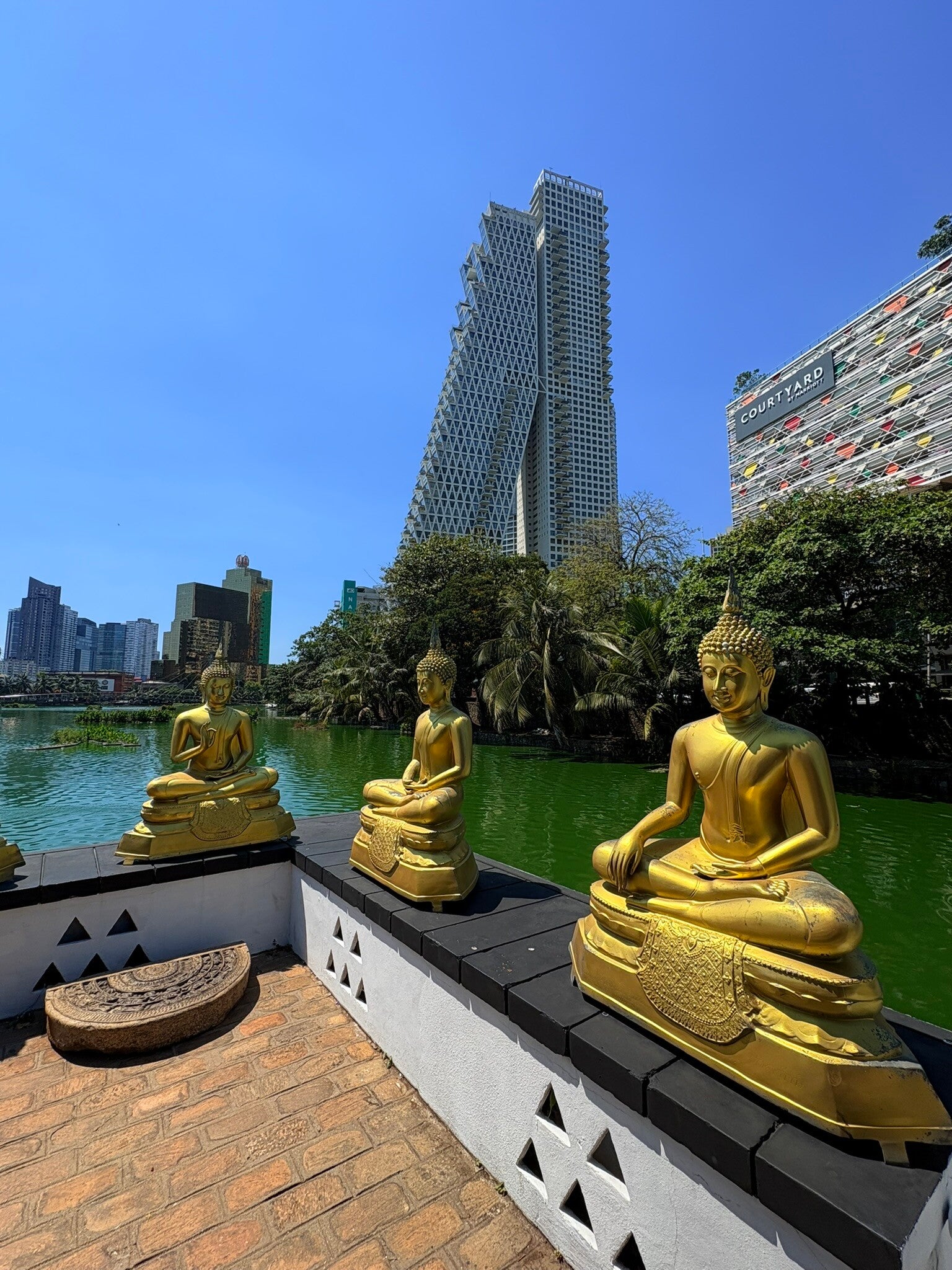
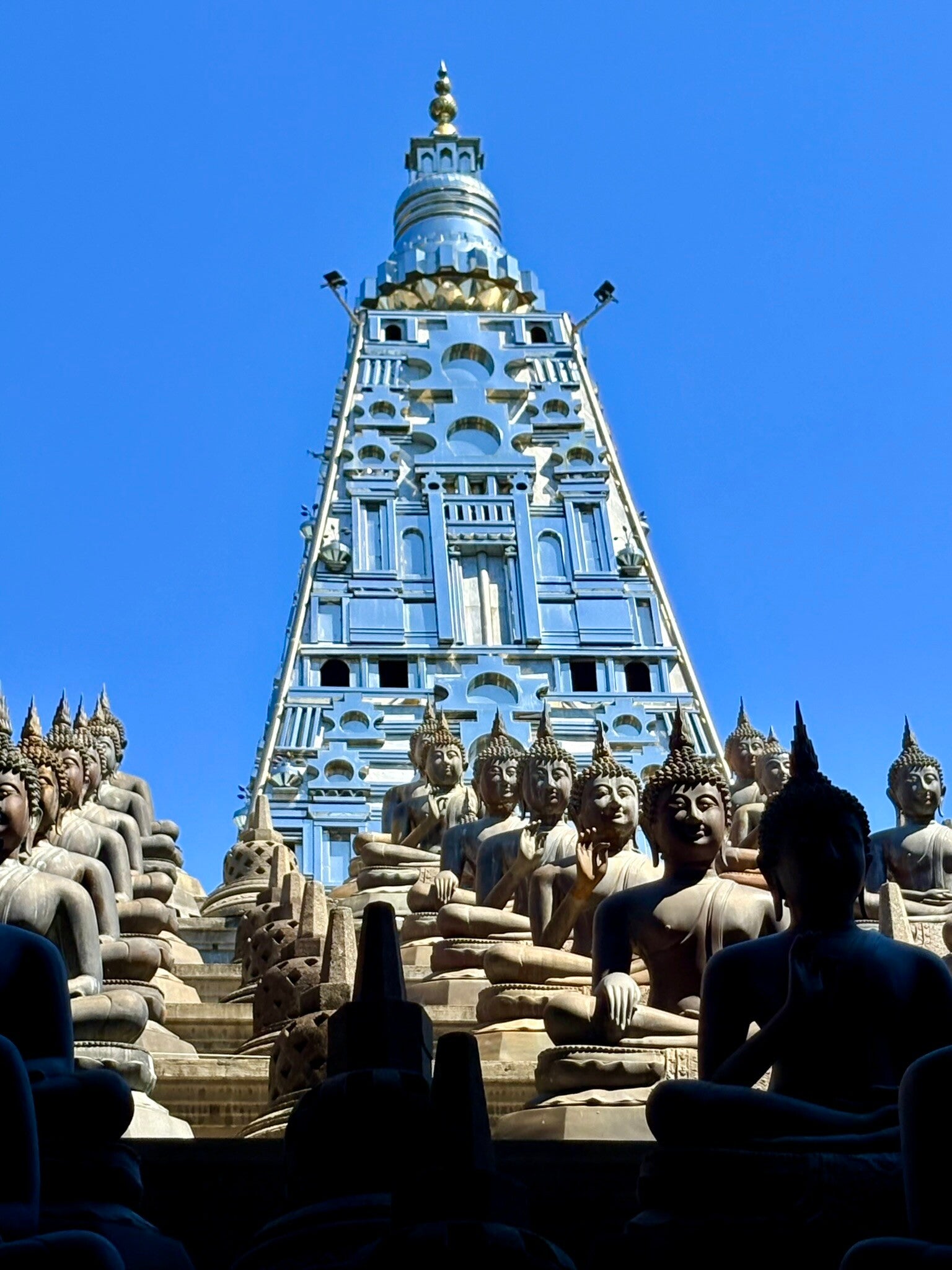
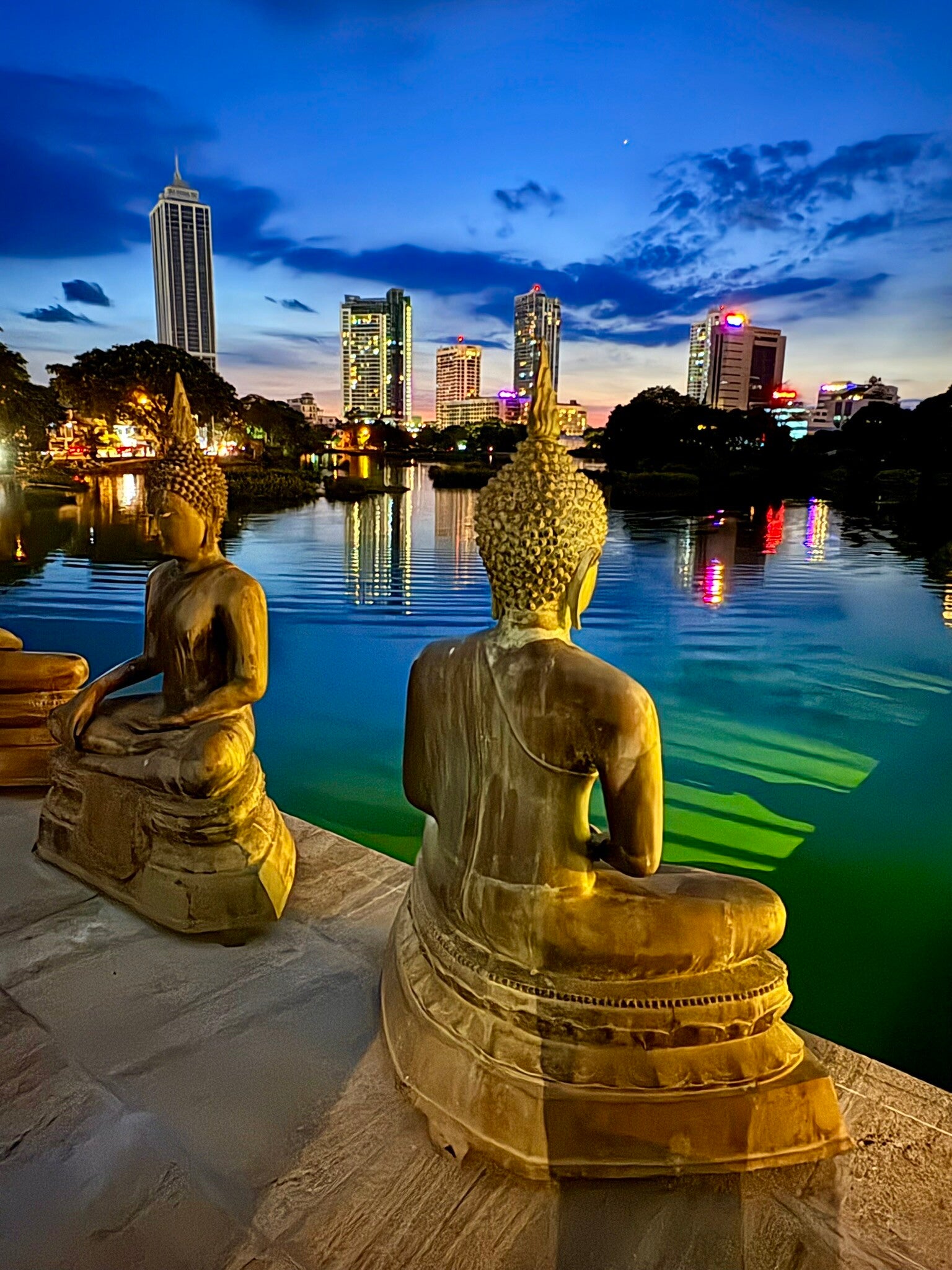
The experience is quite affordable and tours cost roughly USD 10–20 per person, depending on their duration. My highlights included Colombo's old town, the Maritime Museum, Gangaramaya Temple and Seema Malaka Temple. If possible, return to Seema Malaka after dark. The small temple sits directly on Beira Lake and looks particularly beautiful illuminated against Colombo's modern skyline.
Is two weeks in Sri Lanka enough?
Absolutely, although you'll probably leave with a list of places you didn't manage to visit. This route packs a lot into 14 days, but that's exactly what makes Sri Lanka such an interesting destination. Within two weeks, you can go from elephant safaris and ancient capitals to misty mountain hikes, tea country, tropical beaches and colonial Galle.
If I were to give just one piece of advice, it would be not to underestimate the travel itself. Distances on the map may look short, but buses, traffic, winding mountain roads and railway journeys can make getting around an experience in its own right.
Luckily, in Sri Lanka, that's often half the fun.
Add comment
Comments