Moldova is one of Europe’s least-visited and most overlooked destinations.
Often bypassed in favour of its more famous neighbours, this small country offers an authentic, off-the-beaten-path experience for curious travellers looking for something different. It combines a lively capital, warm hospitality, world-class wineries and, perhaps most unusually, the breakaway region of Transnistria - a self-governing territory that functions much like a separate country despite not being internationally recognised as one.
Thanks to Moldova’s small size, it also makes a great (and remarkably affordable!) destination for a long weekend.
Day 1 - Discover Chișinău
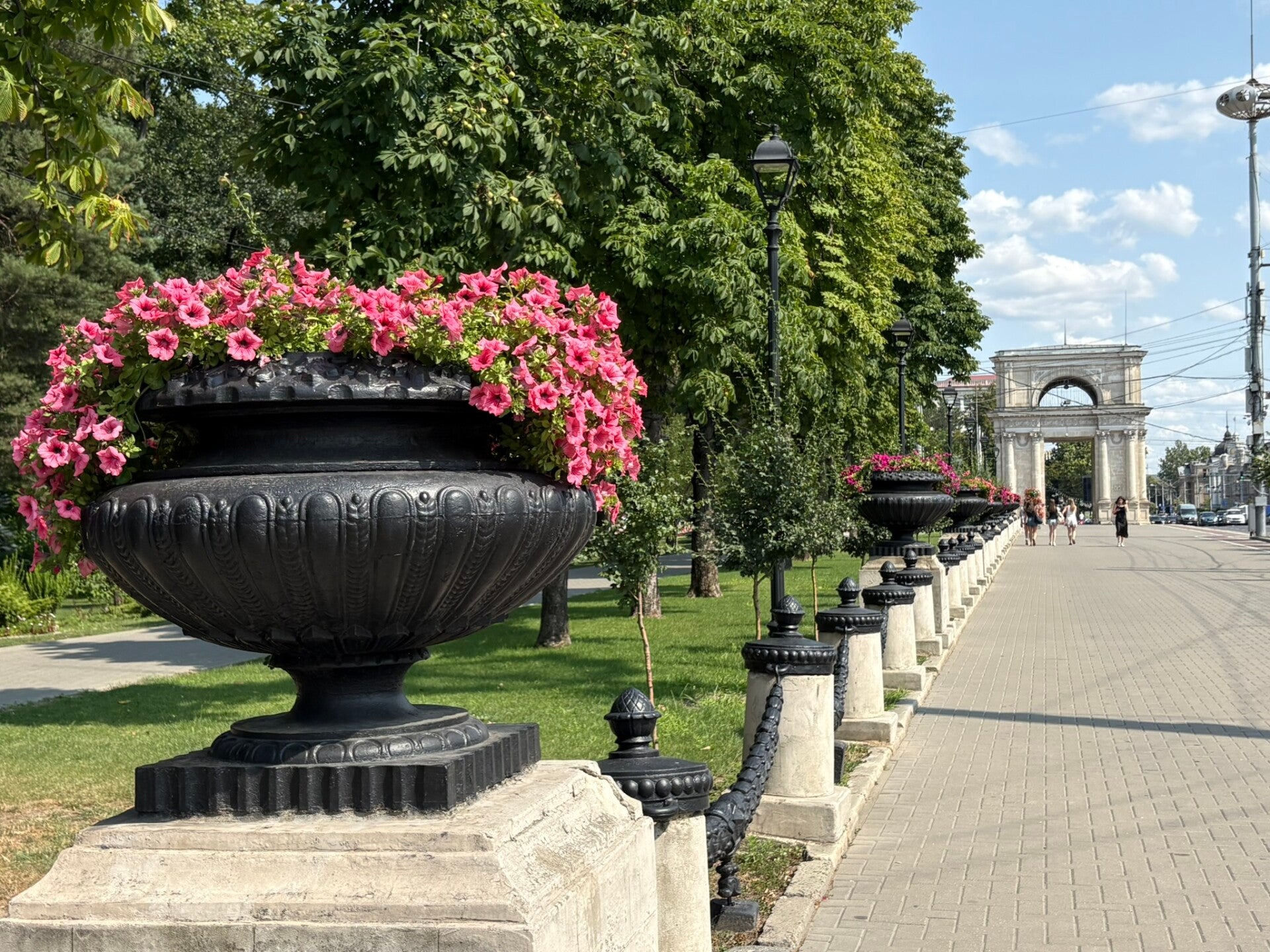
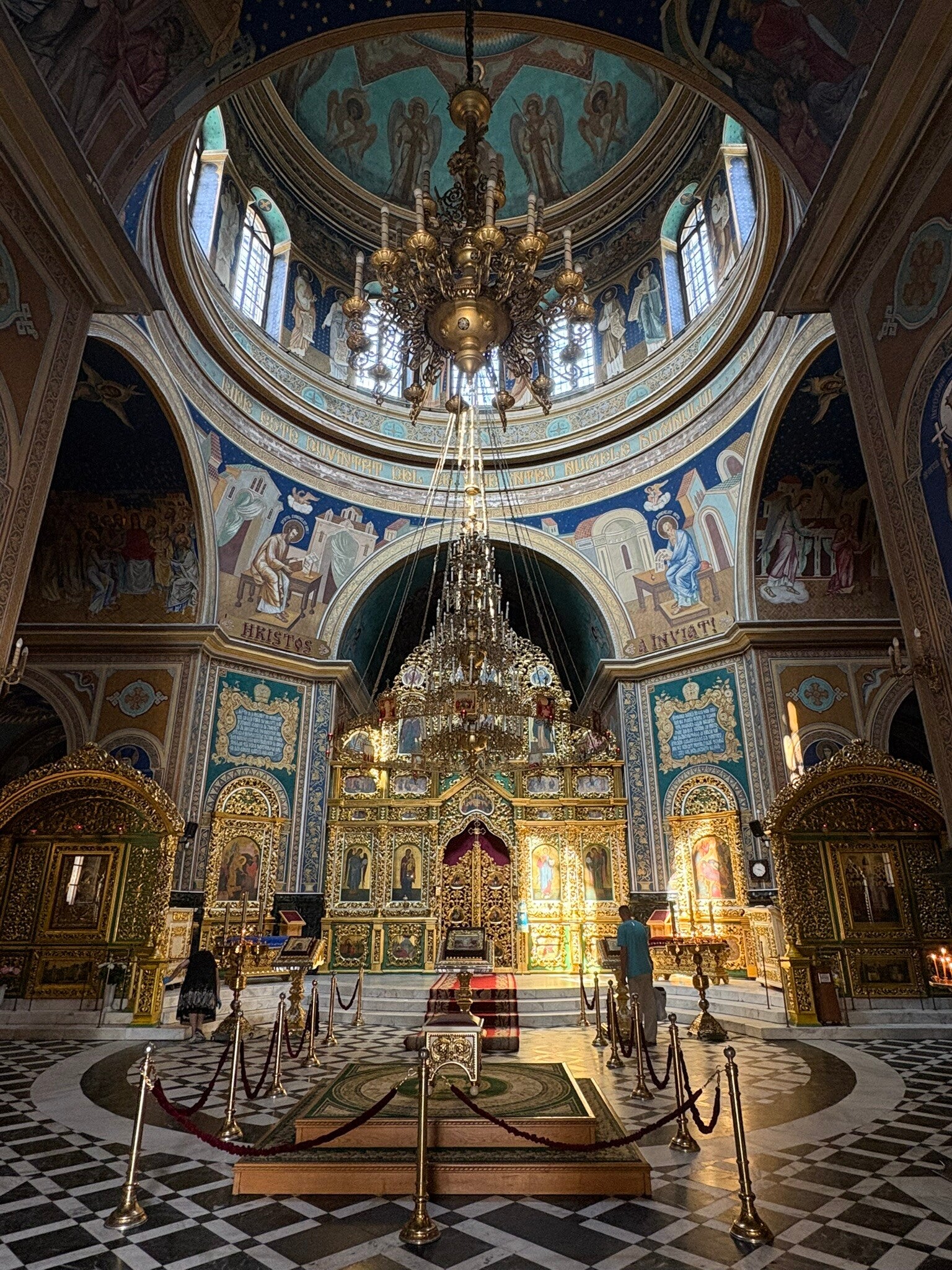
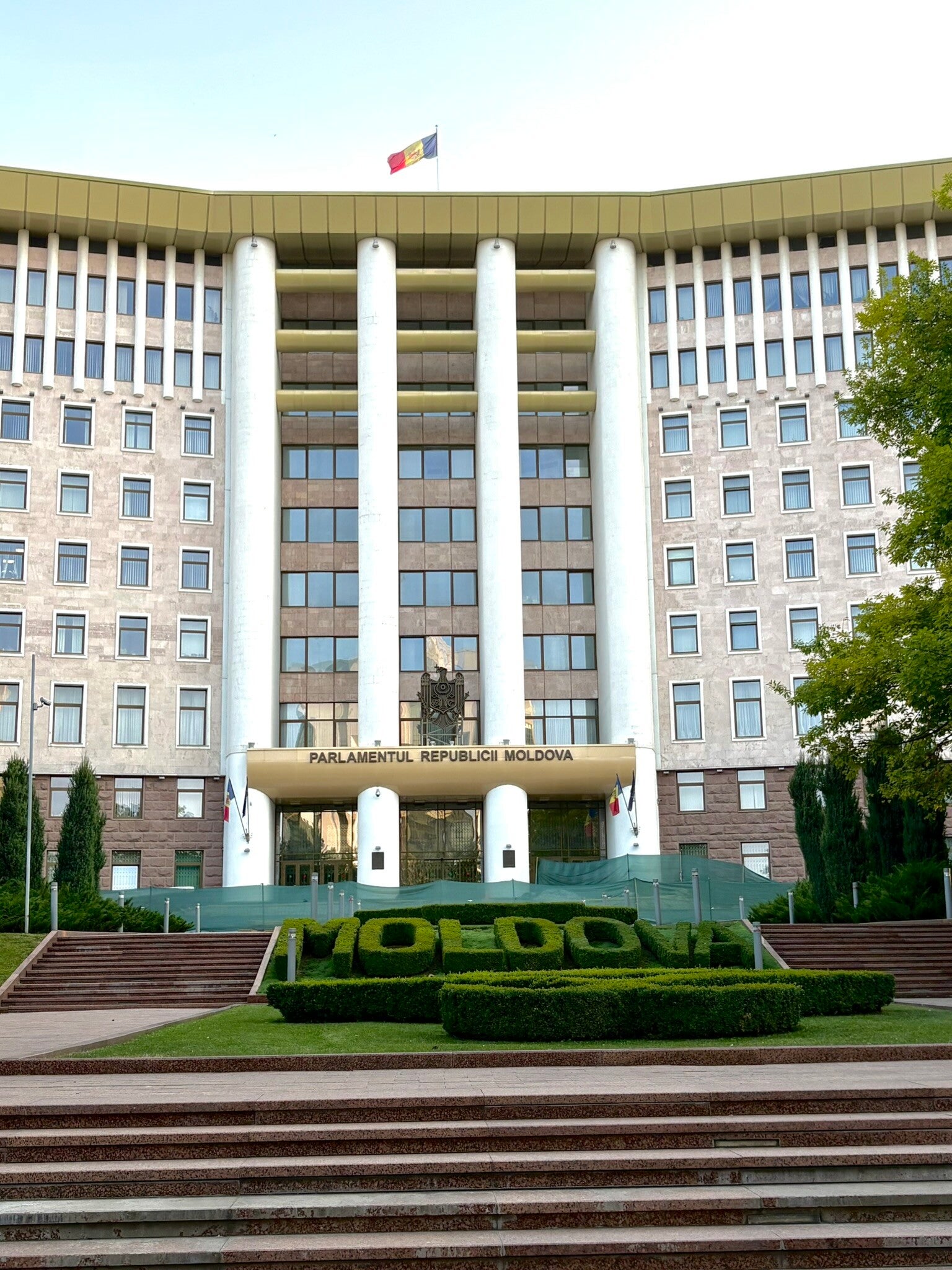
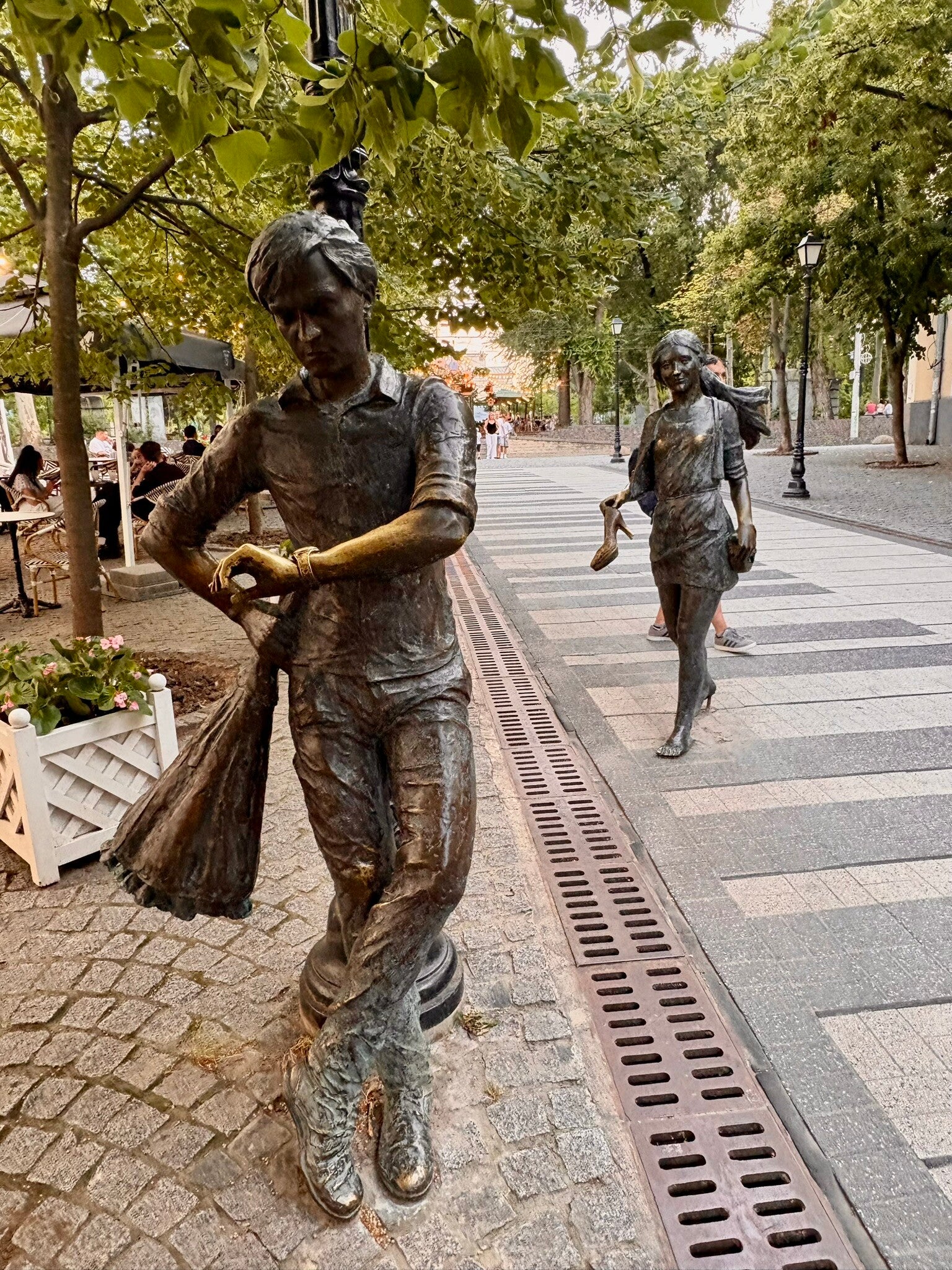
Spend your first day discovering Moldova’s capital Chișinău and learning about the country’s history and present-day realities on a walking tour.
A three-hour walking tour is a great introduction to the city, covering not only Chișinău’s history and key landmarks but also giving you useful recommendations for further exploration.
A fair word of warning, though: Chișinău is rather understated. If you are looking for spectacular architecture and postcard-perfect sights, you may find the city somewhat lacking in that department. What it does offer is a fascinating history and a unique identity shaped by Moldova’s position between Eastern and Western Europe.
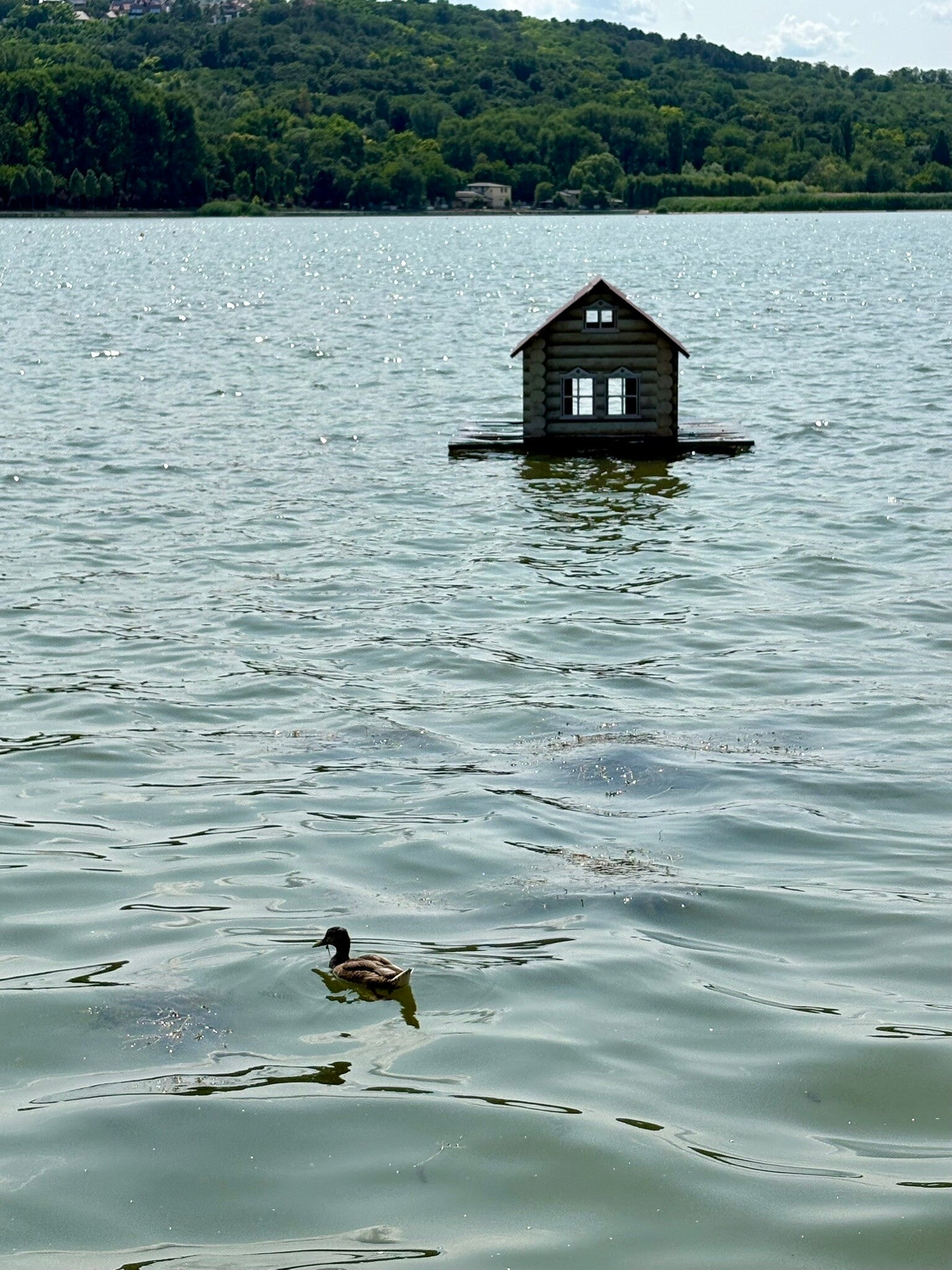
Try some traditional Moldovan food
After the tour, stop for lunch at La Plăcinte, a popular restaurant chain specialising in Moldovan and regional cuisine. Some local favourites worth trying include:
- Plăcinte – traditional pastries with sweet or savoury fillings such as cheese, cabbage, potatoes, pumpkin or cherries.
- Zeamă – a traditional Moldovan chicken soup, typically served with homemade noodles.
- Guguță Hat Cake – a dessert inspired by the hat of a beloved Moldovan children’s-book character. It is traditionally made from rolled crêpes filled with sour cherries and layered with sweetened sour cream, creating the shape of a tall woolly hat.
What else to do in Chișinău
After the walking tour and lunch, you have several options:
- Stroll around Valea Morilor Park - a large park centred around an artificial lake and surrounded by greenery and tree-lined paths. It is a popular place for walking, jogging or simply relaxing by the water. You will also find cafés and terraces around the park.
- Wander through Piața Centrală - Chișinău’s sprawling central market and a great place to experience everyday local life. It is particularly good for fresh fruit and vegetables during summer and autumn.
- Have coffee at CoffeeMolka - an atmospheric café with an eclectic, almost museum-like interior. One of its specialities is coffee served with liqueur (particularly popular during colder months).
Day 2 - Transnistria: The “Country That Doesn’t Exist”
One day gives you a good introduction to Chișinău, so spend your second day exploring somewhere completely different: Transnistria, a narrow breakaway region stretching between Moldova and Ukraine.
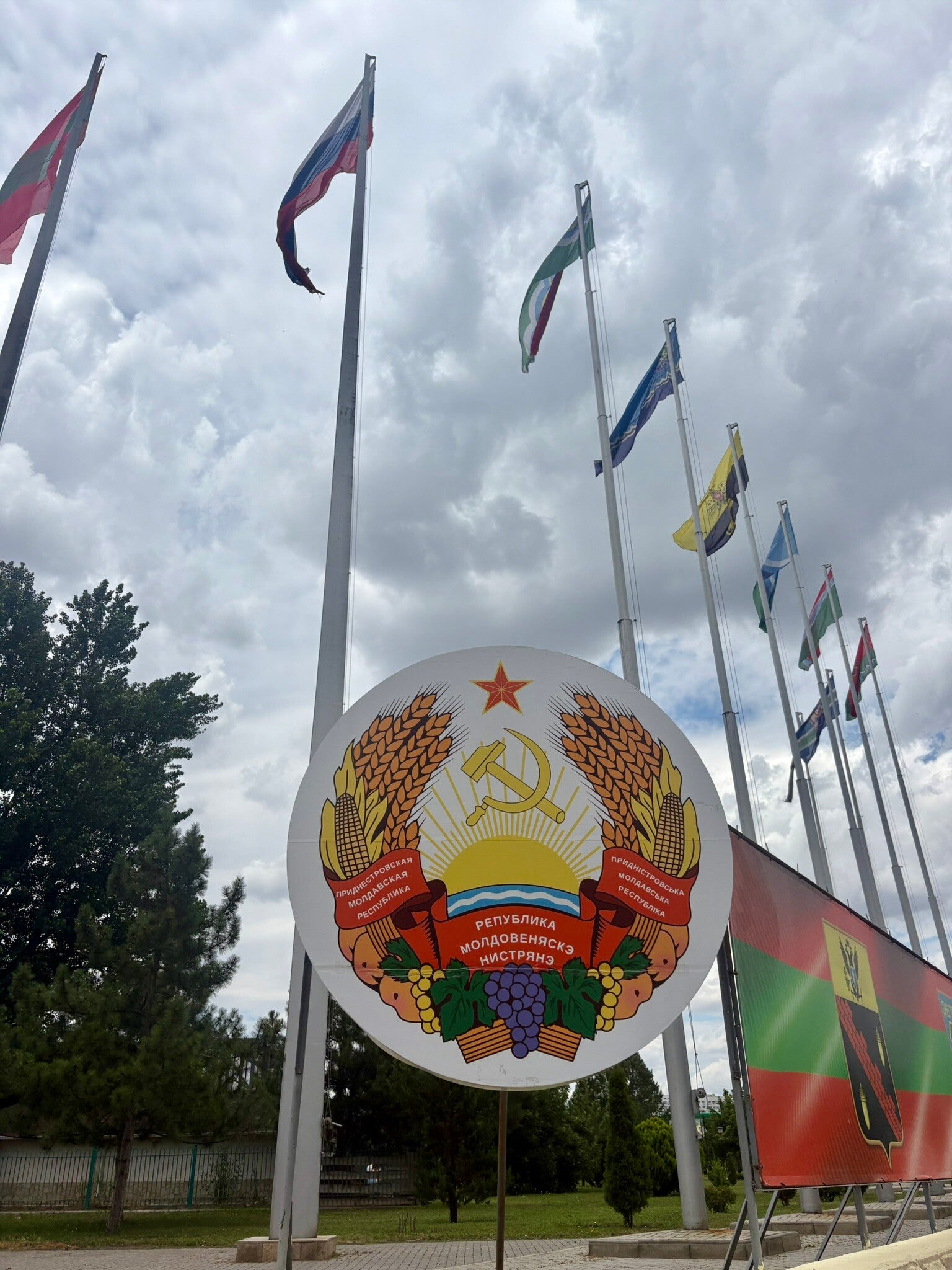
The region declared sovereignty in 1990 amid a separatist movement and the collapse of the Soviet Union. Following a brief war with Moldova in 1992, it remained outside the effective control of Moldova’s central government. Its authorities officially call it the Pridnestrovian Moldavian Republic (PMR), often shortened to Pridnestrovie. While it functions as a de facto independent state, internationally it is recognised as part of Moldova and its independence is not recognised by any UN member state.
While Transnistria does not appear on world maps as an independent country, in practice it functions as one as it has:
- Its own government and parliament
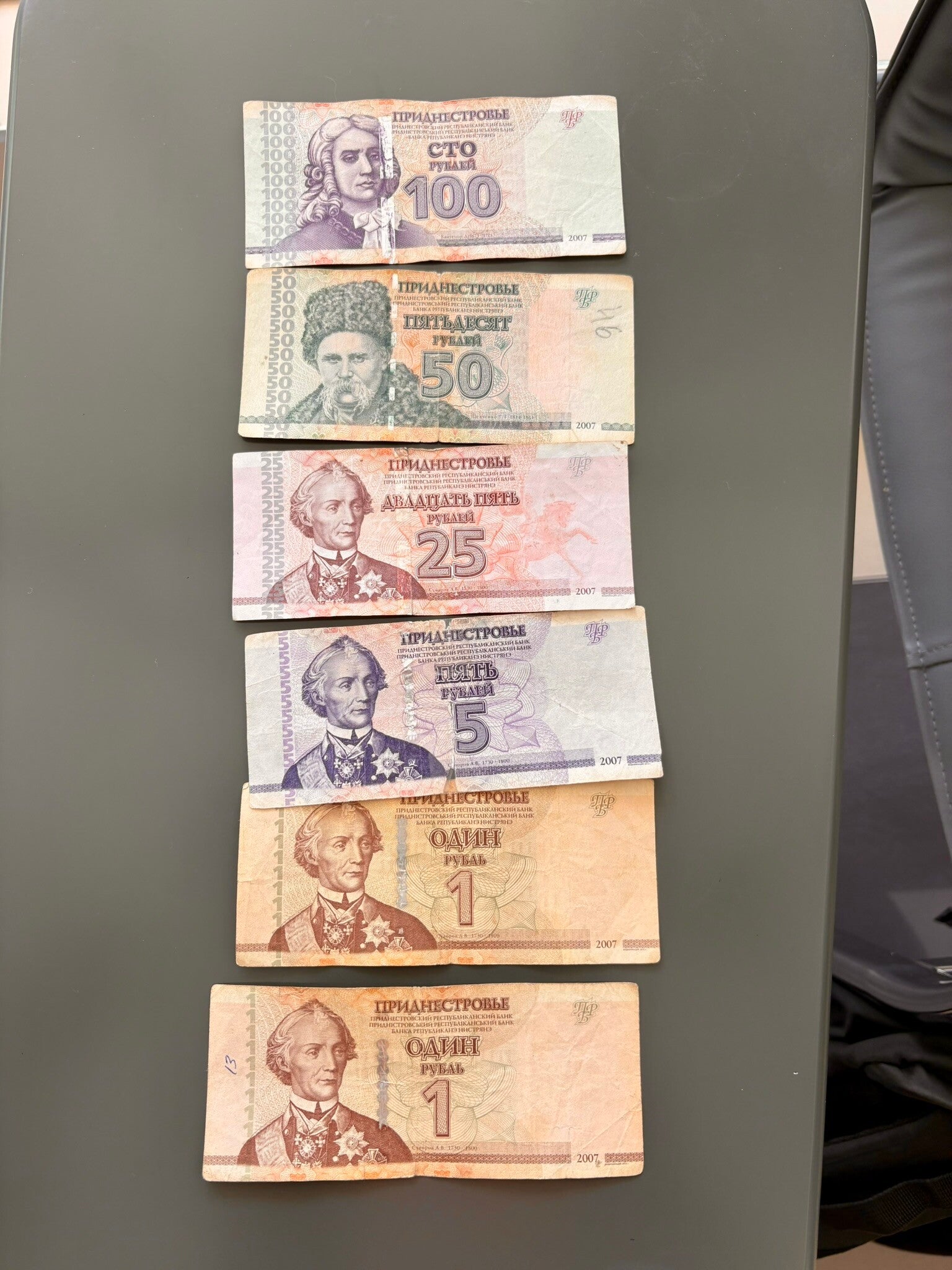
- Its own currency, the Transnistrian ruble, which is only within the region
- Its own banking and payment infrastructure (Transnistrian Banks issue their own cards, separate from international payment infrastructure)
- Its own police and armed forces
- Border controls and passports (local can have both Transnistrian, Moldovan or Romanian passports, but can only travel with non-Transnistrian ones)
- Its own postal system
- Its own vehicle registration plates
Important! Western-issued Visa and Mastercard cards do not work in Transnistria, so you should carry cash and exchange it locally for Transnistrian rubles.
Why visit Transnistria?
Transnistria is particularly fascinating for several reasons:
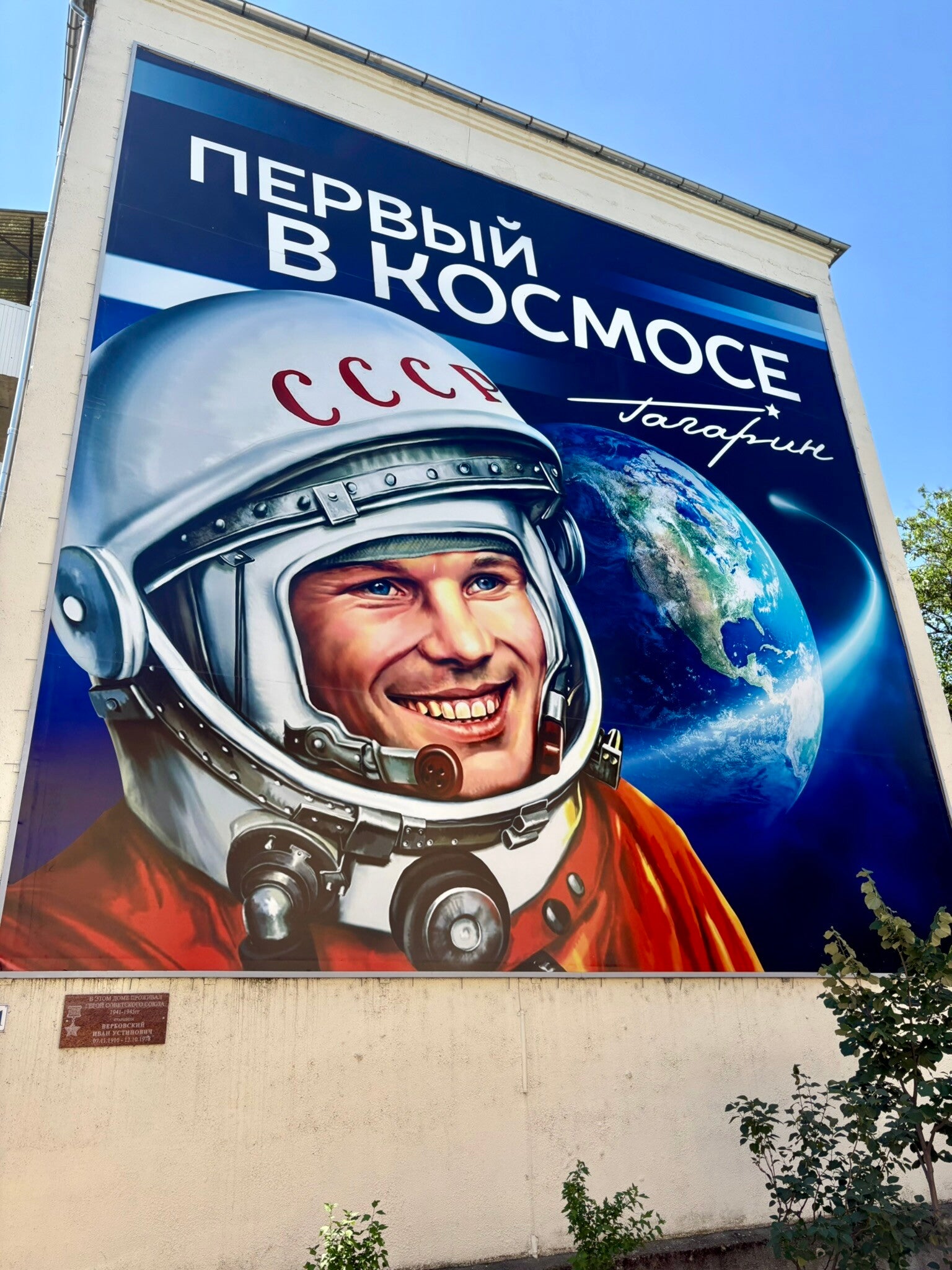
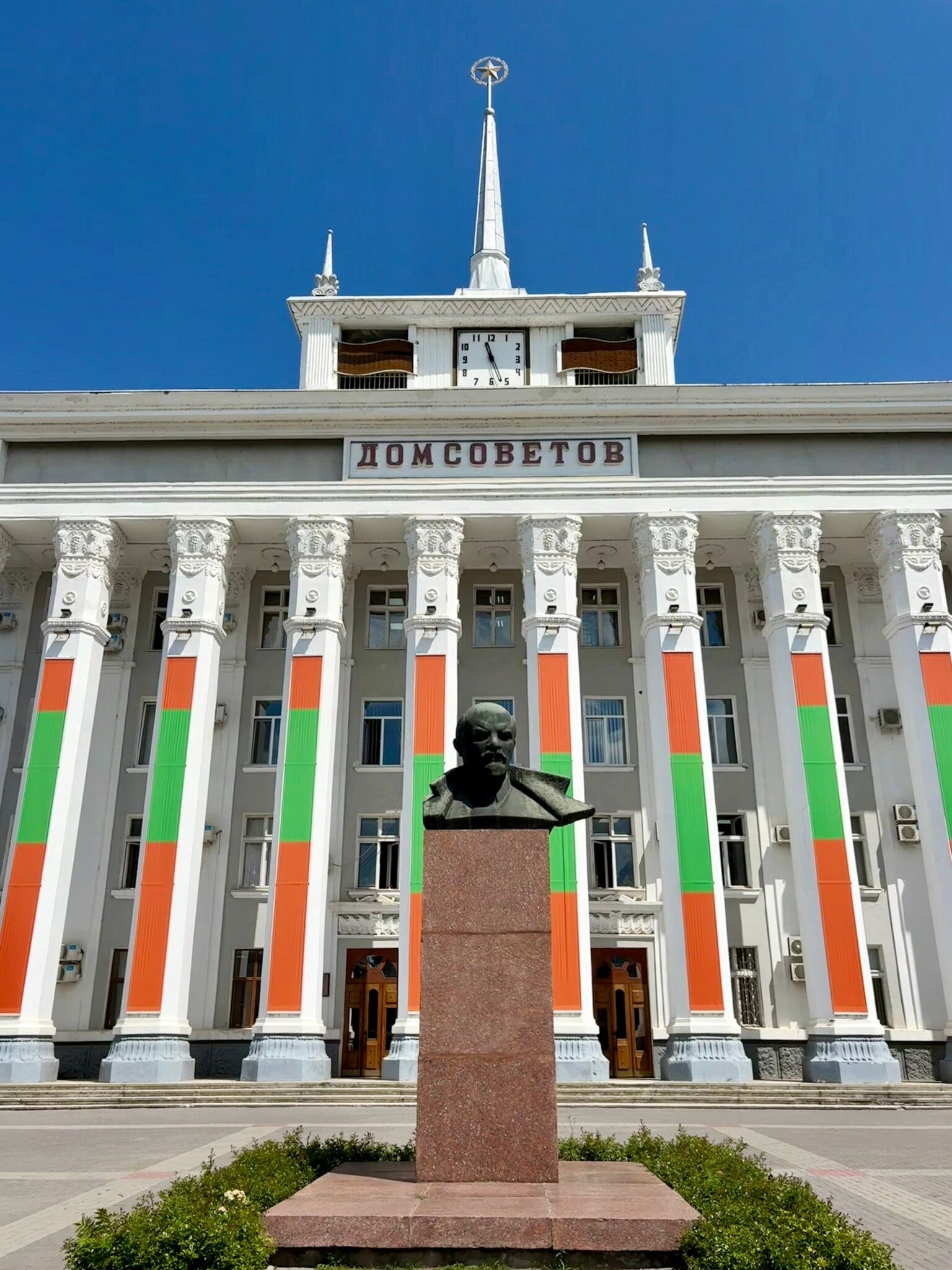
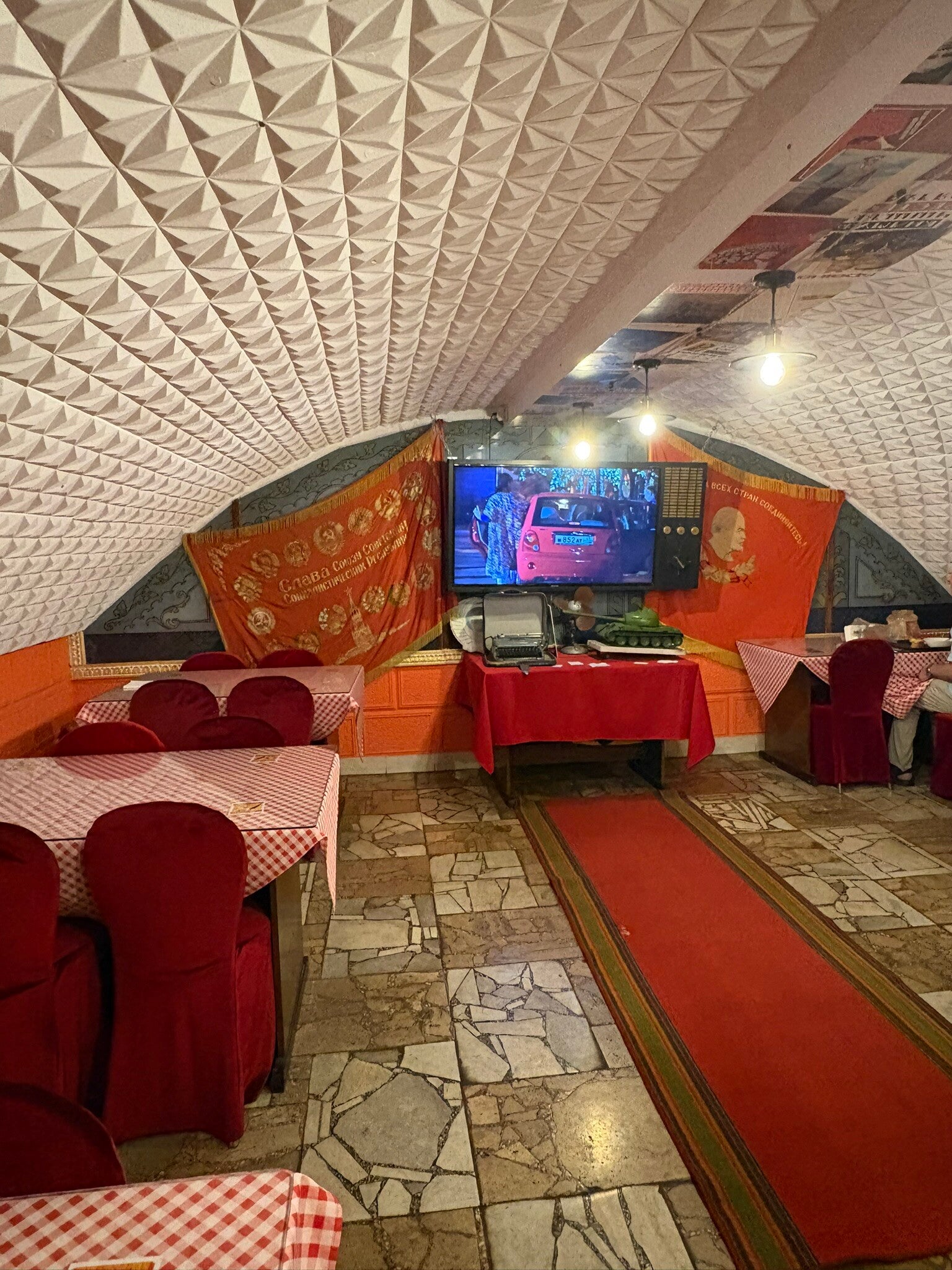
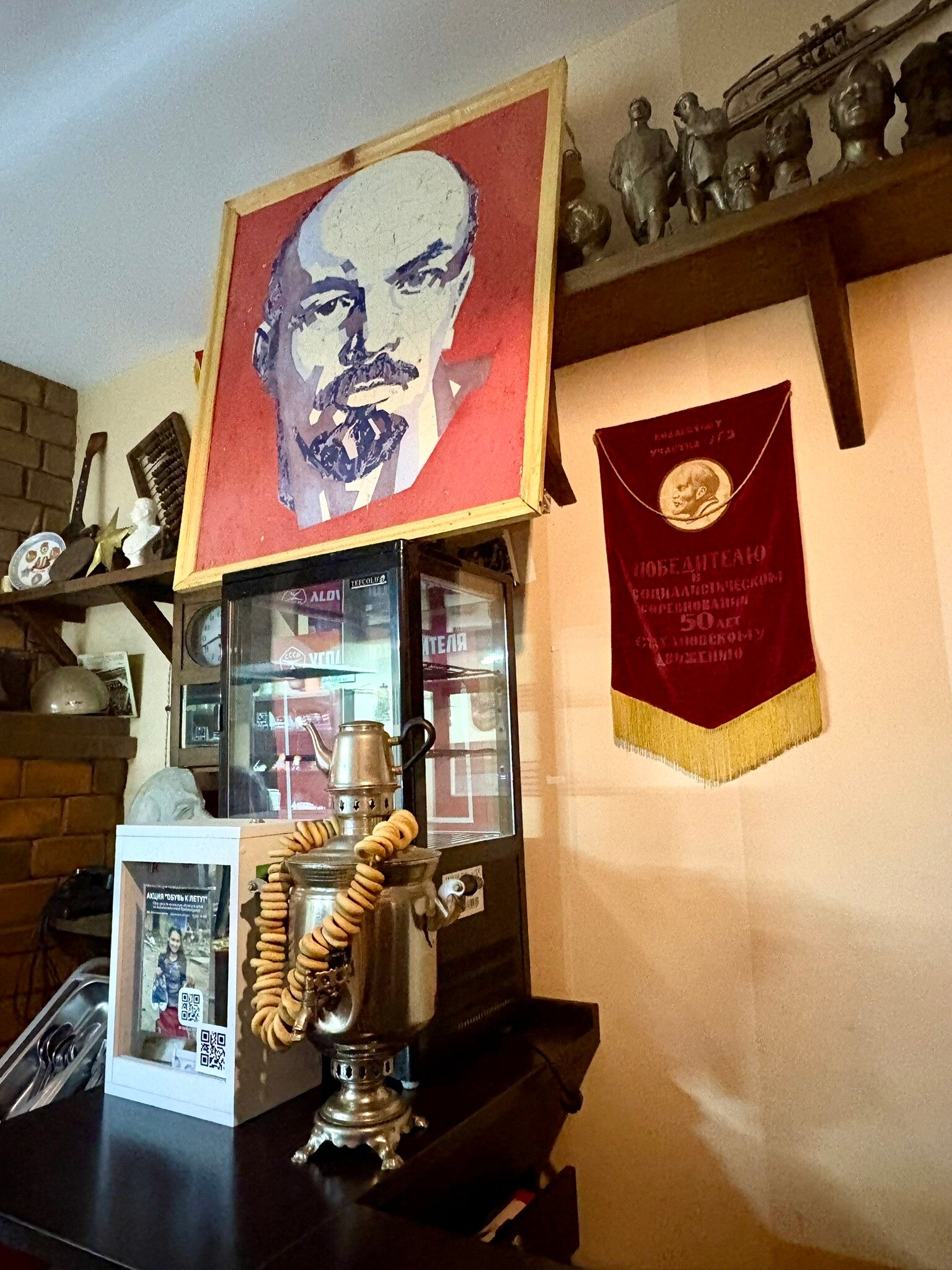
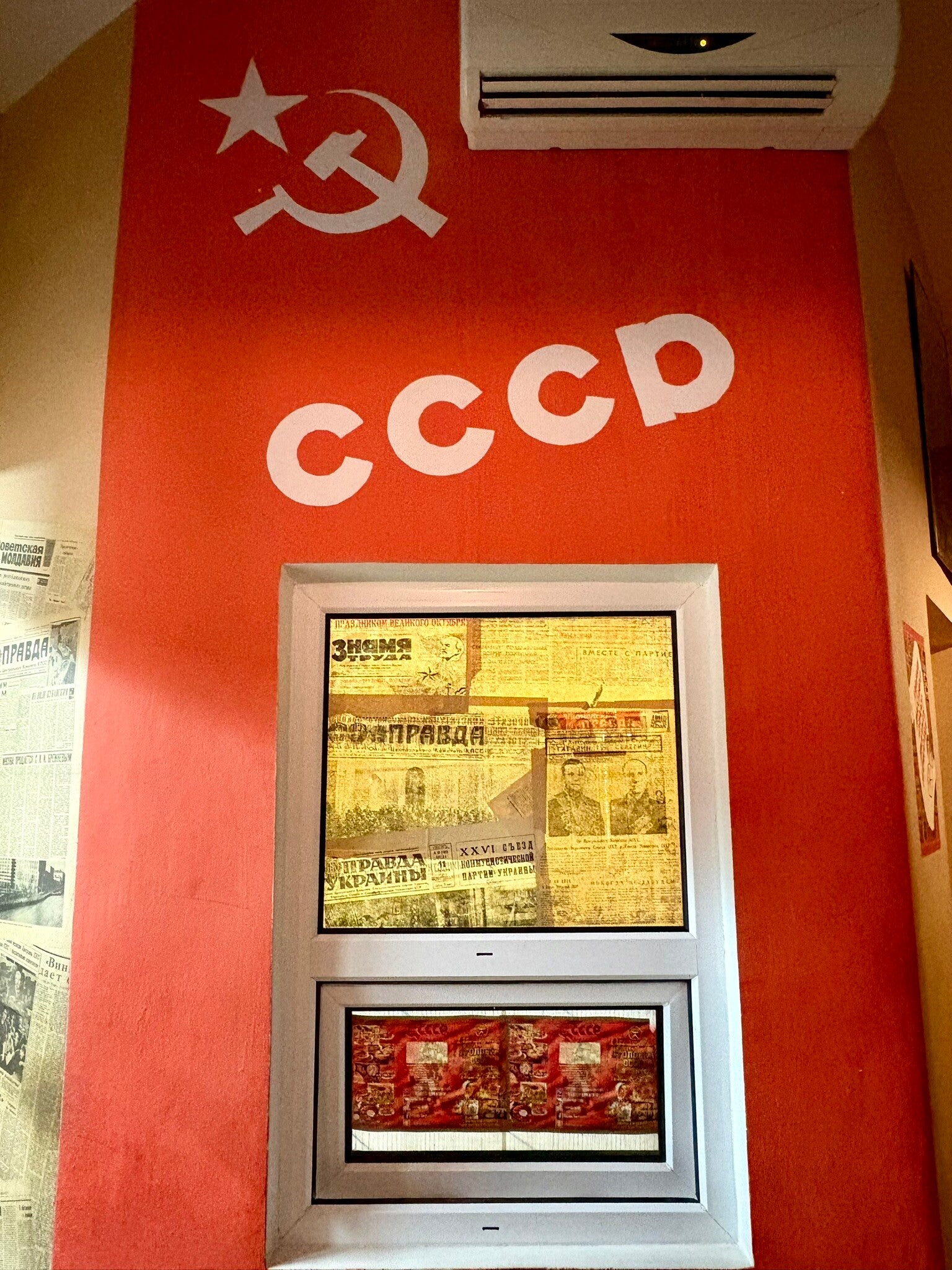
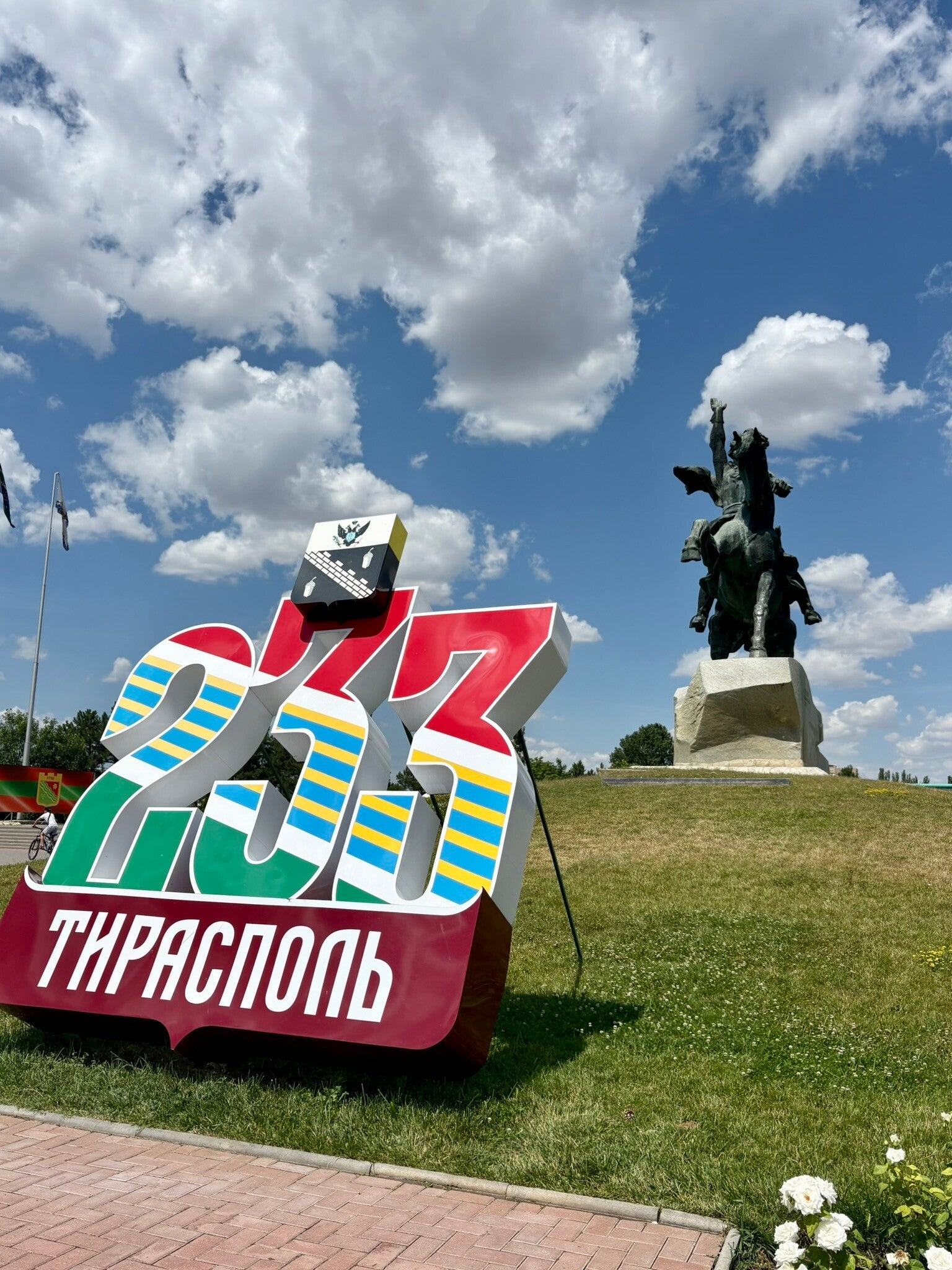
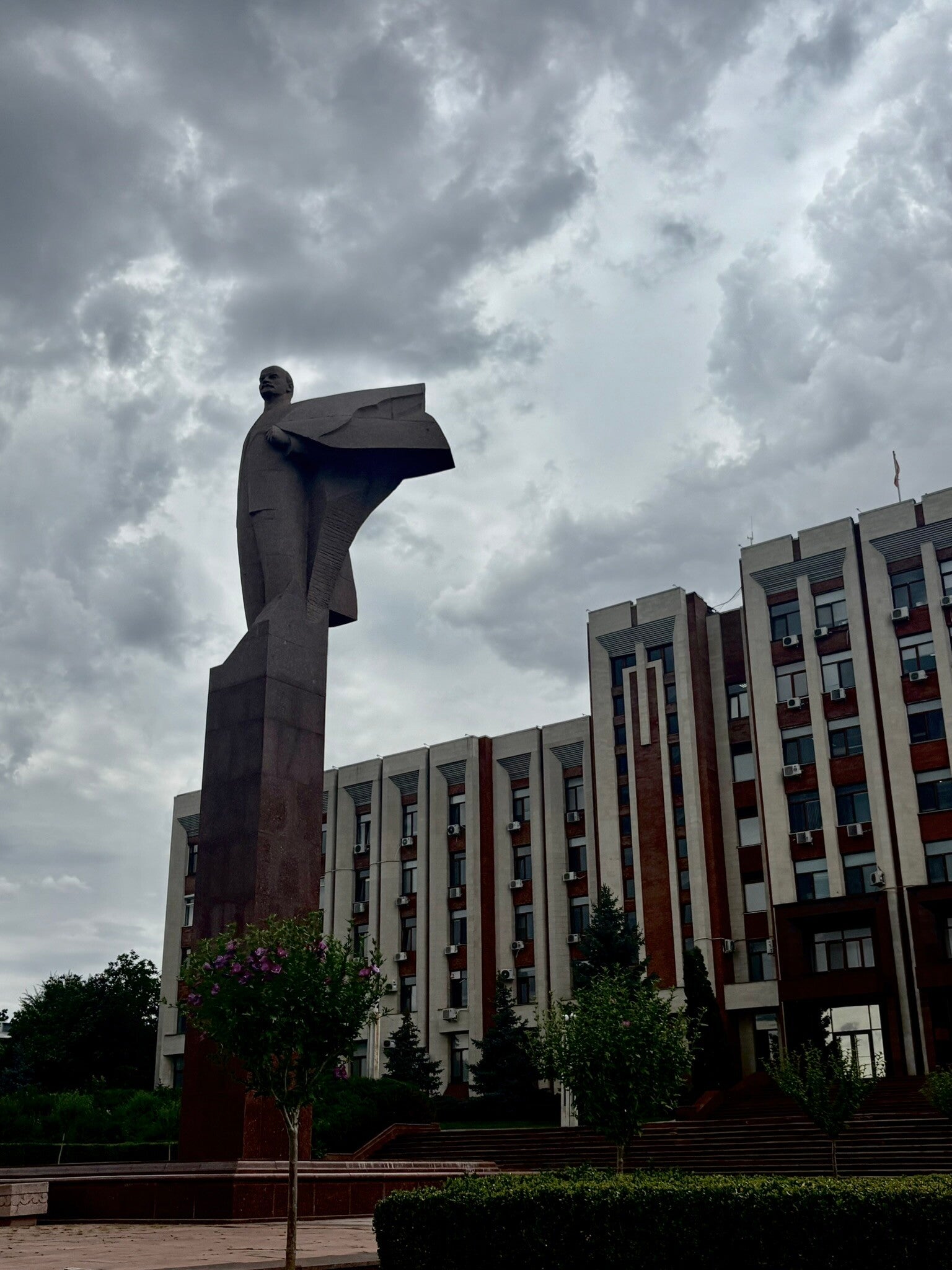
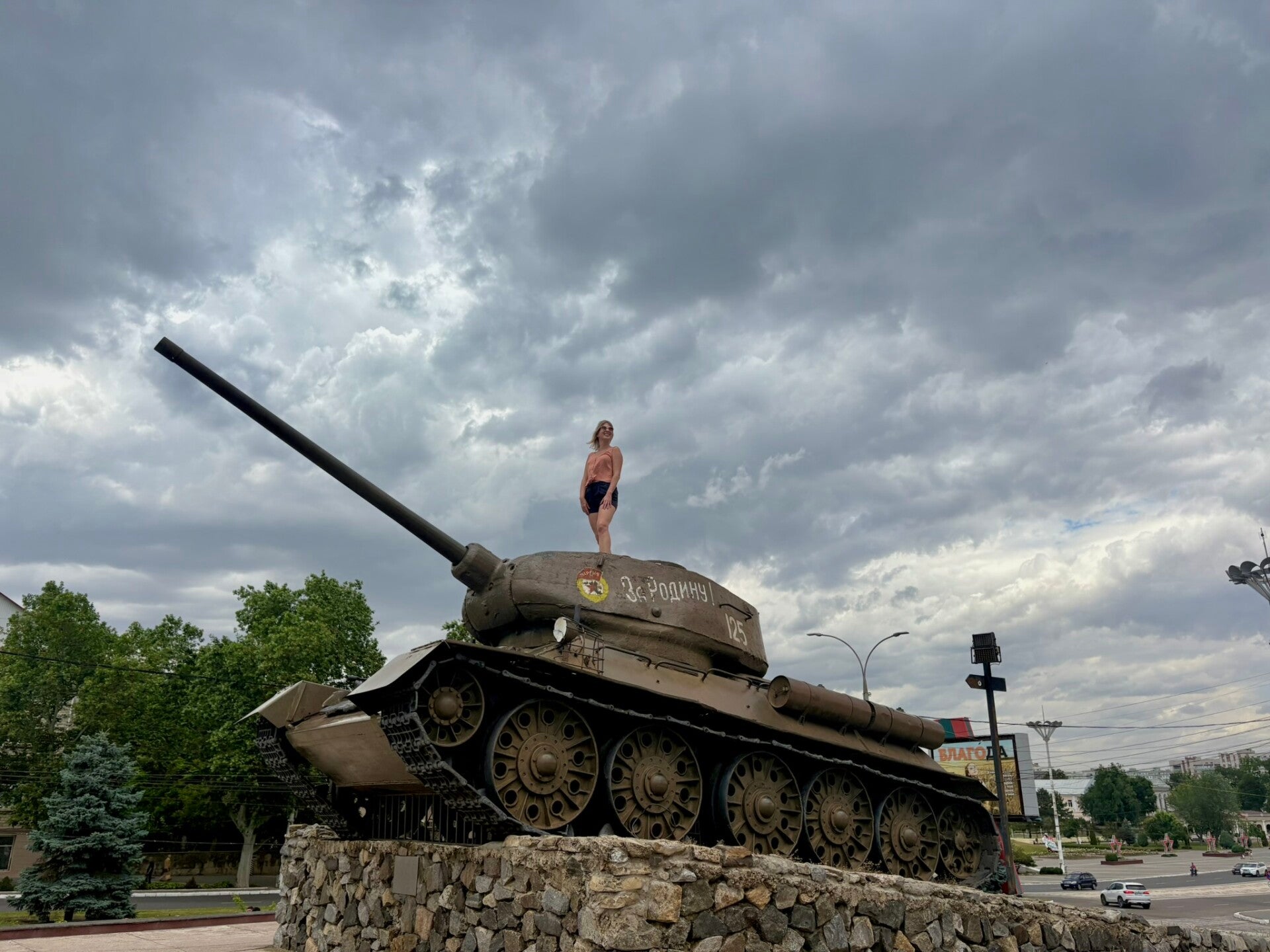
- Soviet legacy - central Tiraspol is filled with reminders of the Soviet era: Lenin statues, hammer-and-sickle symbols, war memorials, Soviet-style architecture and military monuments. This has given Transnistria its popular reputation among travellers as a place where the Soviet Union appears to have been frozen in time.
- Its unusual cultural mix - Russian, Ukrainian and Moldovan/Romanian influences coexist throughout the region. Russian dominates everyday public life, while Moldovan (written officially in Cyrillic within Transnistria and in Latin alphabet in "mainland" Moldova) and Ukrainian also have official status.
- FC Sheriff Tiraspol - Tiraspol is home to Moldova's most successful football club, Sheriff Tiraspol, which made international headlines after qualifying for the UEFA Champions League group stage in 2021 and famously defeating Real Madrid 2-1 at the Santiago Bernabéu.
- The Sheriff conglomerate - the football club forms part of the wider Sheriff business empire, whose interests include supermarkets, petrol stations and other businesses throughout the region.
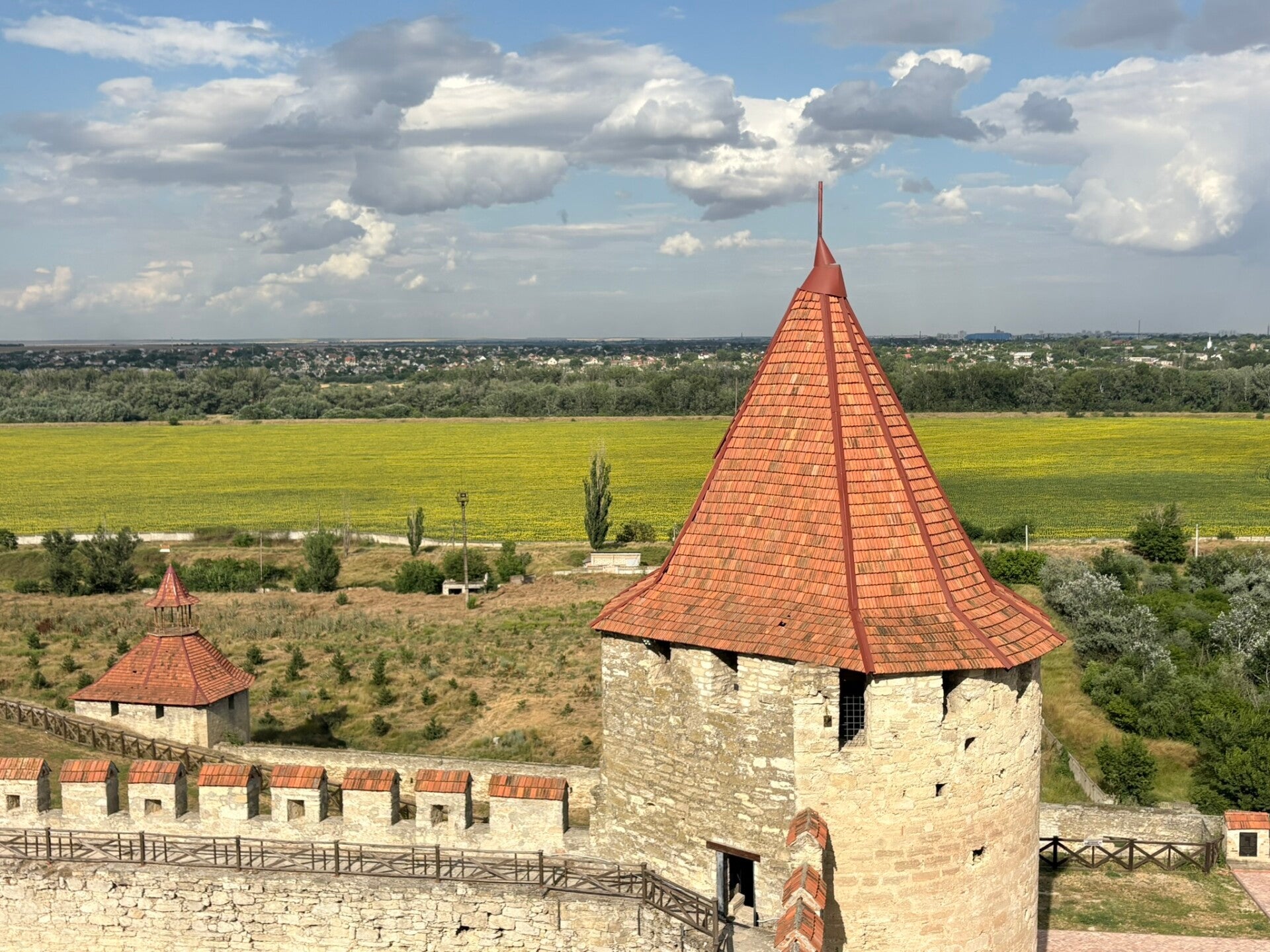
- Bender Fortress - just outside Bender city stands an impressive historic fortress complex, whose present form dates largely from the Ottoman period.
A note on the name “Transnistria”
While Transnistria is the name commonly used internationally, the region’s authorities and some locals prefer Pridnestrovie. The name Transnistria also carries historical sensitivity: during World War II, a much larger Romanian-administered territory bearing the same name became a major site of Holocaust persecution and mass murder. This historical association is one reason some residents prefer Pridnestrovie.
So, Can You Visit Transnistria?
Yes, but it is important to check the latest travel advice before going. Because of Transnistria's proximity to Ukraine and the ongoing regional security situation, some governments currently advise against or discourage travel to the region. On a personal note, I felt completely safe visiting in July 2026.
Option 1: Take a guided tour
The easiest way to visit Transnistria is on a guided day tour. You can find various options through platforms such as Viator and GetYourGuide.
Guided tours typically take care of the logistics: picking you up in Chișinău, assisting with the crossing into Transnistria and introducing you to an English-speaking local guide in Tiraspol.
The main downside is the price. While Moldova itself is very affordable, organised Transnistria tours can cost around US$90 or more, depending on the provider and whether you choose a private or group tour.
Option 2: Visit independently
If you are feeling more adventurous, it is also possible to visit Transnistria independently.
Take a marshrutka to Tiraspol - minibuses connect Chișinău with Tiraspol and are considerably cheaper than organised tours. Journey times are typically around two hours, depending on traffic and formalities at the checkpoint.
- Expect immigration controls - Transnistrian authorities operate their own checkpoints and immigration procedures. Visitors are normally issued a temporary entry permit slip specifying how long they may stay (it's normally 24h). Keep this document safe until you leave the region.
- Staying overnight is possible - accommodation in Tiraspol and elsewhere in the region can be booked online through international accommodation platforms (e.g. booking.com).
- Prepare for limited connectivity - international roaming will NOT work reliably in Transnistria. Download offline maps and anything else you might need before entering the region.
- Bring cash - Western cards do not work in Transnistria. Bring Moldovan lei, euros or dollars and exchange money locally when necessary.
- Download offline translation - English is not widely spoken and Russian is the main language used in everyday life. Having Russian downloaded in Google Translate can be extremely useful.
In essence, both guided and independent travel are possible. Independent travel is considerably more budget-friendly, while a guided tour provides much more historical and political context in a language you understand and makes practicalities such as transport, immigration formalities and currency exchange easier.
Extra Credit: If You Have More Time in Moldova
If you have more than a couple of days in Moldova, consider adding:
- Cricova or Mileștii Mici wineries - both are famous for their enormous networks of underground wine cellars and galleries.
- Orheiul Vechi - an archaeological and historical complex set dramatically above a river and surrounded by limestone cliffs and traditional countryside. Combine it with nearby Butuceni village.
- Soroca Fortress - a historic fortification, dramatically positioned beside the Dniester River.
- Țipova Monastery - a monastery carved in a rock and overlooking the Dniester river.
Final Thoughts
This two-day itinerary gives you just enough time to experience two very different sides of Moldova: from the relaxed and increasingly European-facing capital of Chișinău to the Soviet-influenced breakaway region of Transnistria.
Together, they offer a fascinating glimpse into Moldova’s complicated history, culture and identity and make this small, often-overlooked country far more interesting than its lack of tourist crowds might suggest.
Add comment
Comments
Love the Chisnau / Transnistria 2 day itinerary. Definitely on my bucket list