This 3-week itinerary is tailored for adventurous travelers seeking unique experiences, from exploring the iconic Uyuni Salt Flats to immersing yourself in the lush jungles of Rurrenabaque. You'll discover diverse landscapes, fascinating wildlife, and the historical significance of cities like Sucre and Potosí. While this itinerary is designed for those ready to embrace adventure, it can easily be adjusted based on your available time and preferences.
Day 1: Arriving in La Paz and Acclimatizing 🛬
Welcome to La Paz! Your Bolivian adventure begins here, whether you're traveling from Europe, the Americas, or neighboring Peru.
- From Peru: Take an overnight lie-flat bus from Cusco or Arequipa (around 13 hours each) or fly directly to La Paz airport from Cusco. If you're coming from Puno, consider a scenic transfer to La Paz that includes a visit to Isla del Sol on Lake Titicaca.
Acclimatization: Preparing for the Altitude
La Paz is situated at an altitude of 3,650 m (12,000 ft) above sea level. If you’re already acclimated from your travels in Peru, you should be fine. However, if this is your first destination, make sure to spend adequate time acclimatizing to avoid altitude sickness!
- Consider taking over-the-counter preventative altitude sickness medication, such as Diamox, or follow local practices by drinking coca leaf tea to help manage potential symptoms.
Money Matters: Currency Exchange 💵
An important note for your Bolivian travels: bring fresh USD banknotes. Bolivia is currently (2025) facing a severe USD shortage, and you can exchange dollars for local Bolivianos at nearly double the official exchange rate. While the official rate is about 7 Bolivianos for 1 dollar, some exchange booths (not banks!) offer up to 12.7 Bolivianos for 1 dollar. It’s advisable to exchange money locally and pay in cash rather than using cards.
Day 2: Discovering Local Culture and Cuisine 🎭🍽️
Experience the Cholitas Wrestling Show
If you're feeling well enough, immerse yourself in a unique cultural experience by attending a Cholitas wrestling show. This vibrant event features indigenous women (Cholitas) wrestling in a style reminiscent of Mexican lucha libre, complete with masked heroes, acrobatics, and dramatic storylines. The shows, popularized in the neighboring city of El Alto as part of a women’s empowerment movement, take place every Thursday and Sunday. While primarily attended by tourists, it remains an entertaining expression of pride in Bolivian indigenous identity.
Taste the Flavors of Bolivia: Food Tasting Tour
If Cholitas wrestling isn't on that day, indulge your taste buds by joining a Bolivian food tasting tour! Several companies offer these tours, typically featuring 3 to 7 dishes. However, make sure that the tasting menu includes cheese empanadas, my absolute favorite Bolivian dish. They are distinct from empanadas found in other Latin American countries, making them a must-try!




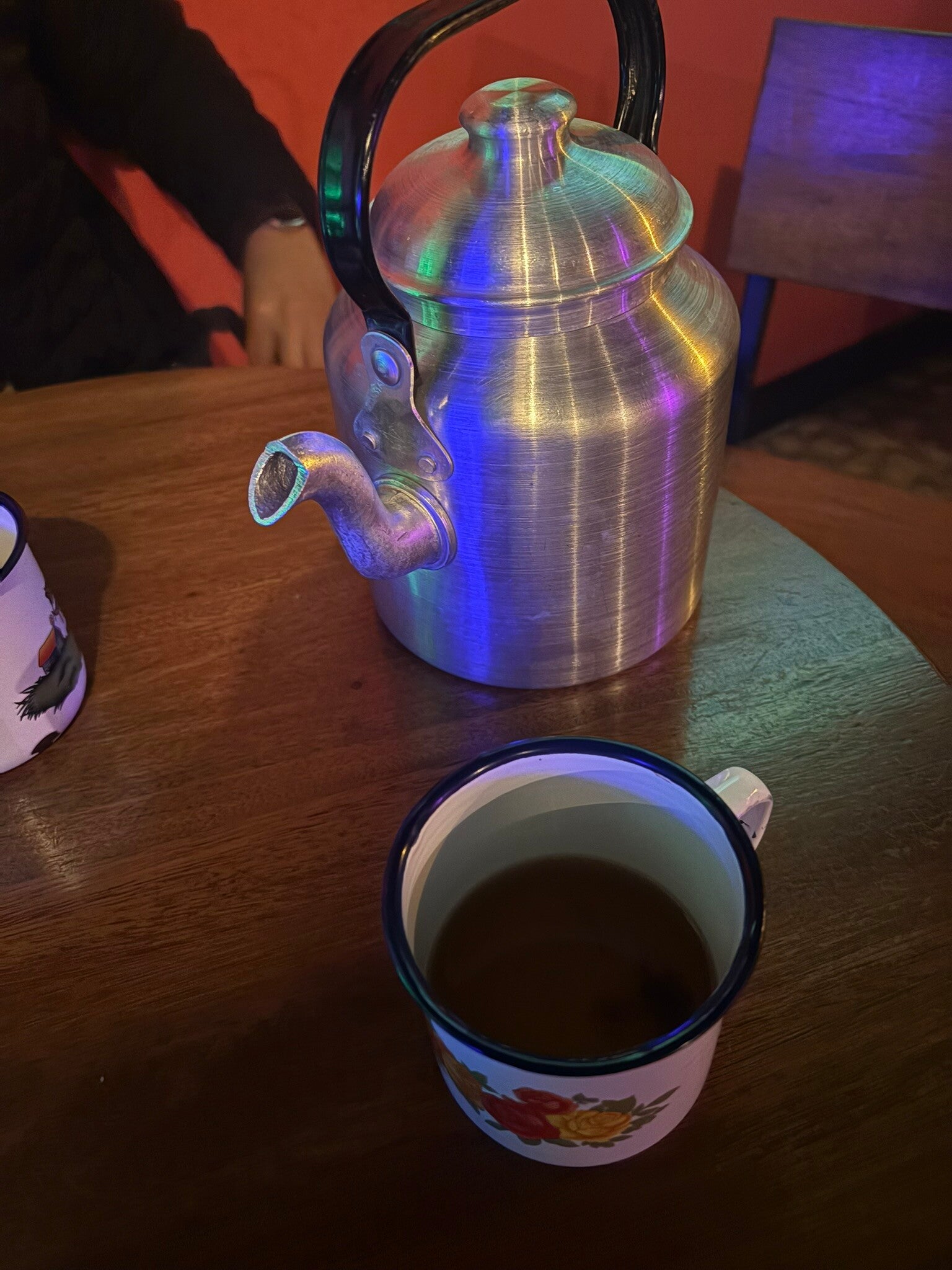

Day 3: Exploring the Wonders of La Paz 🏙️
Guided Walking Tour: Uncovering La Paz
Get to know La Paz by joining a tips-based walking tour. I recommend using Alpaca Steps, as their guides have a high level of English (which isn't always guaranteed in South America!) and will show you not only La Paz but also the neighboring city of El Alto, which sits even higher at 4,150 meters (13,600 ft)—making acclimatization even more important.
The cities of La Paz and El Alto, as well as Bolivia as a whole, are unique. Having a guide provides valuable insights into cultural, political, and societal peculiarities. You will learn about:
- Bolivians' perception of time: how the past is viewed as being in front and the future behind
- Dress codes of indigenous women
- Sacrifice rituals to Mother Earth when new buildings are constructed
- Many other curious, interesting and something even shocking insights
Scenic Cable Car Ride:🚡
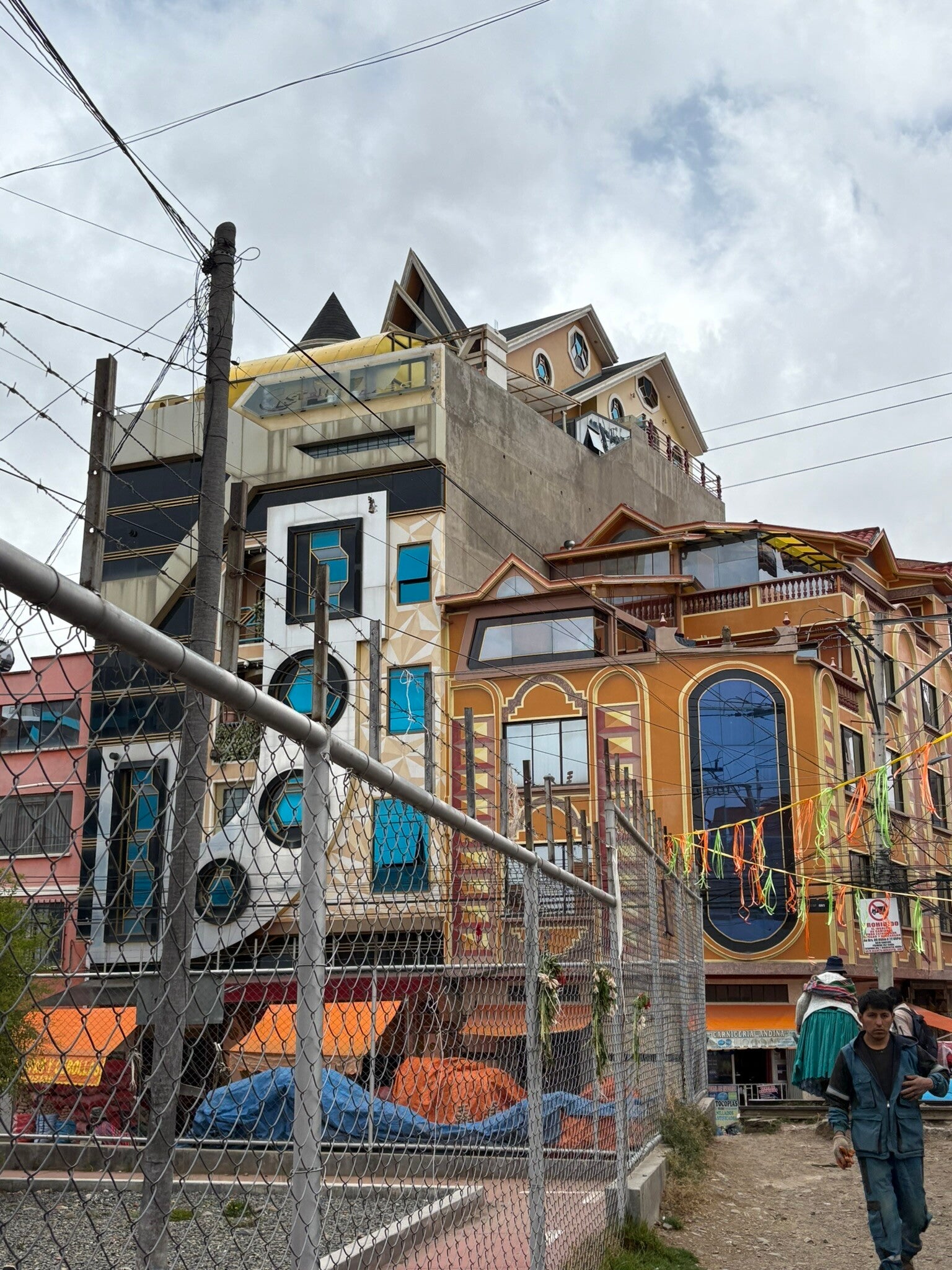
You will also take a cable car to El Alto, Bolivia's fastest-growing city primarily inhabited by indigenous Aymara people. The cable car ride offers stunning views of sprawling La Paz below. Notably, La Paz cable car system is the largest urban cable car system in the world, constructed by an Austrian firm, and safely transports 250,000 passengers every single day.
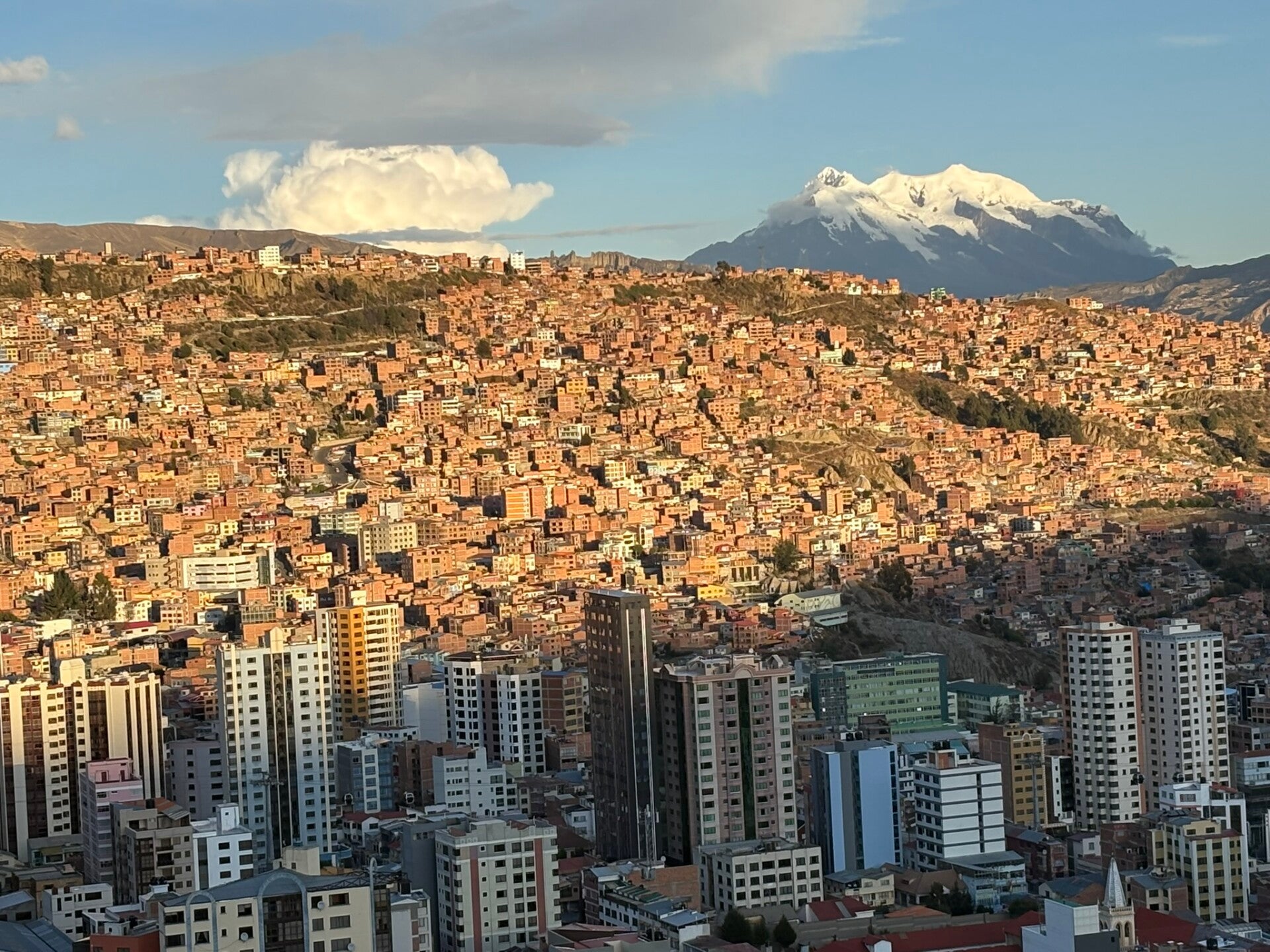
Tip for the evening: if you have the time and energy, plan to be at the Killi Killi viewpoint (in La Paz) around sunset. The view of the city in the soft evening light, with the mountains in the background, is absolutely gorgeous.
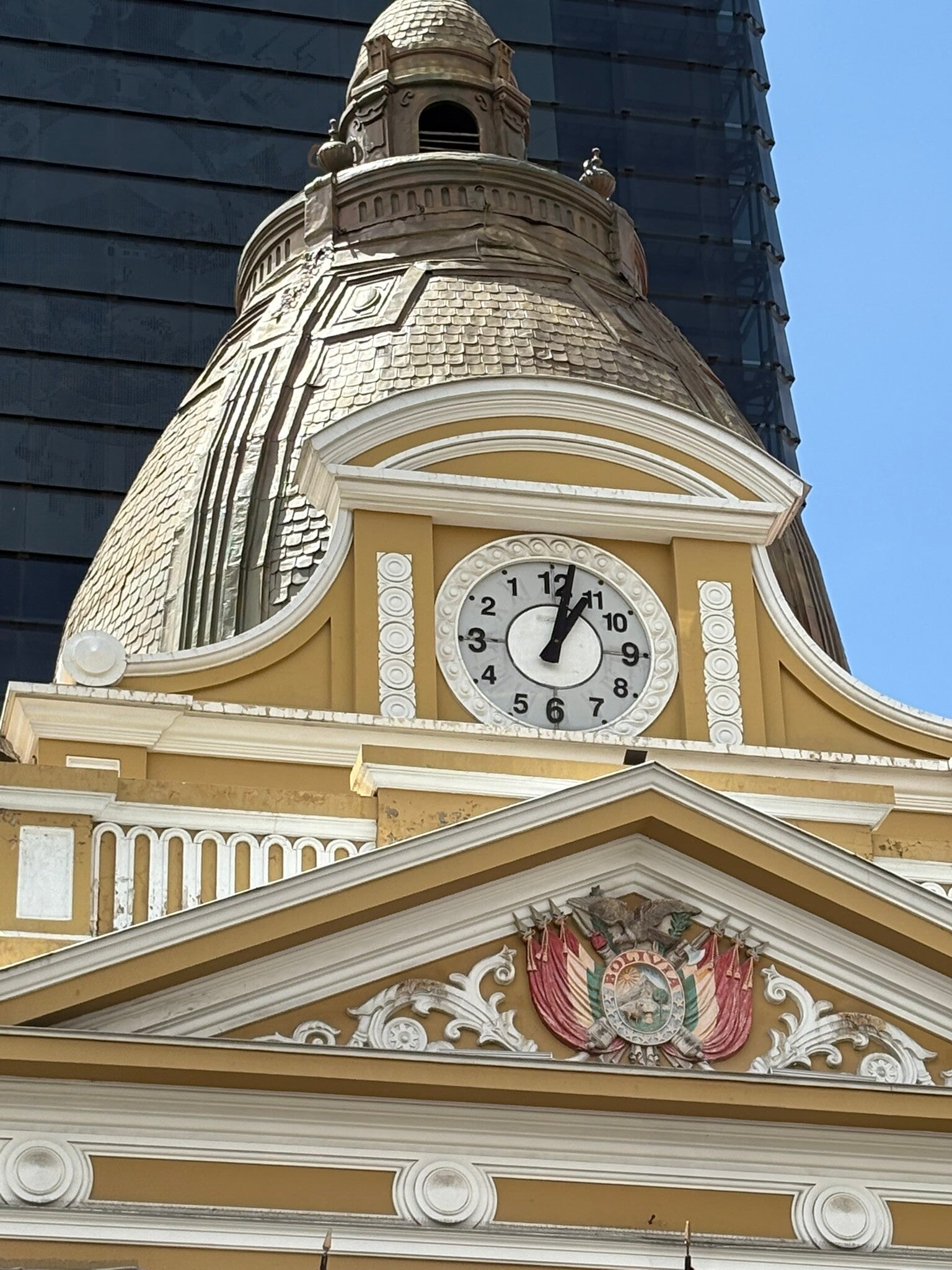
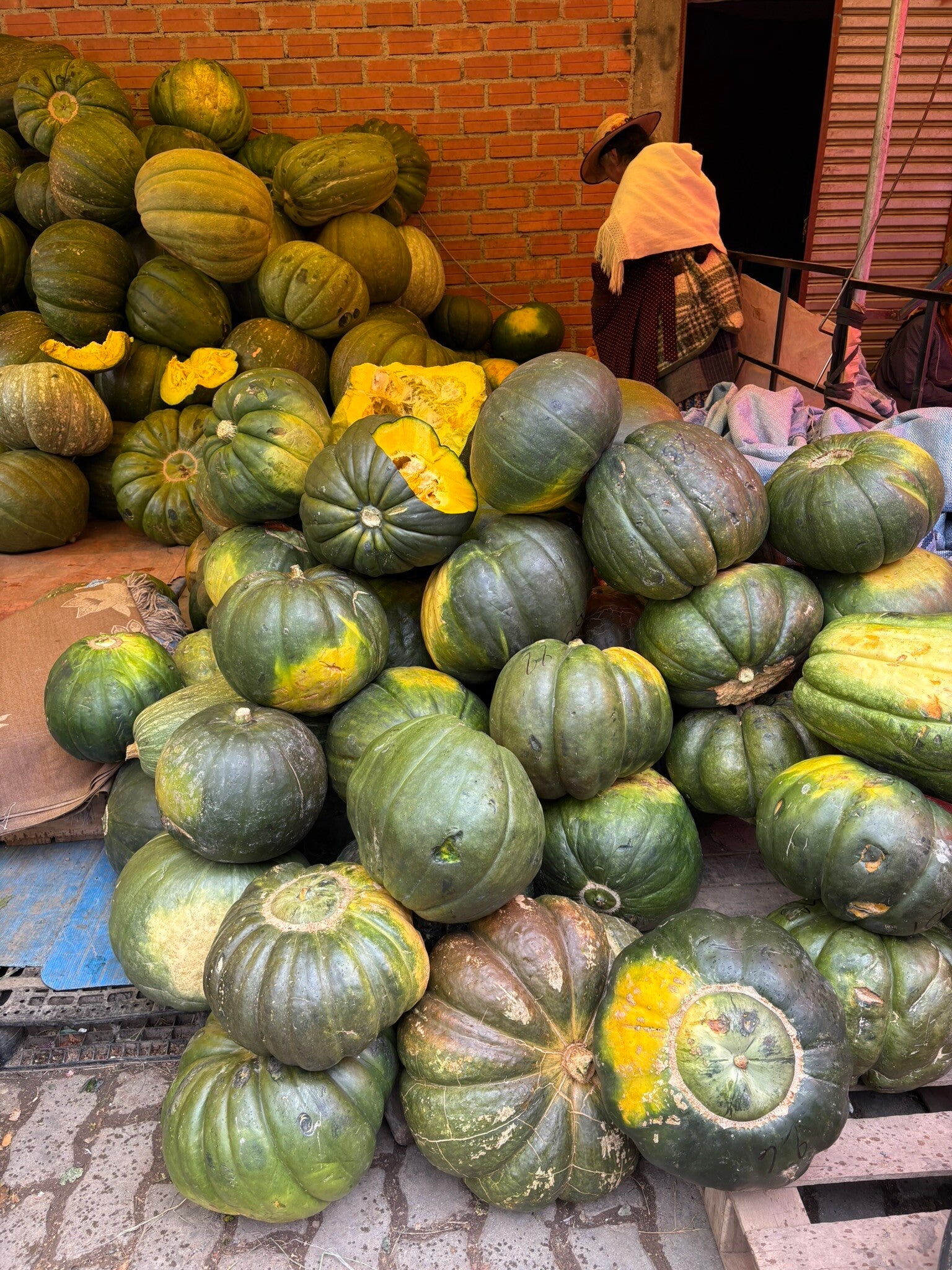
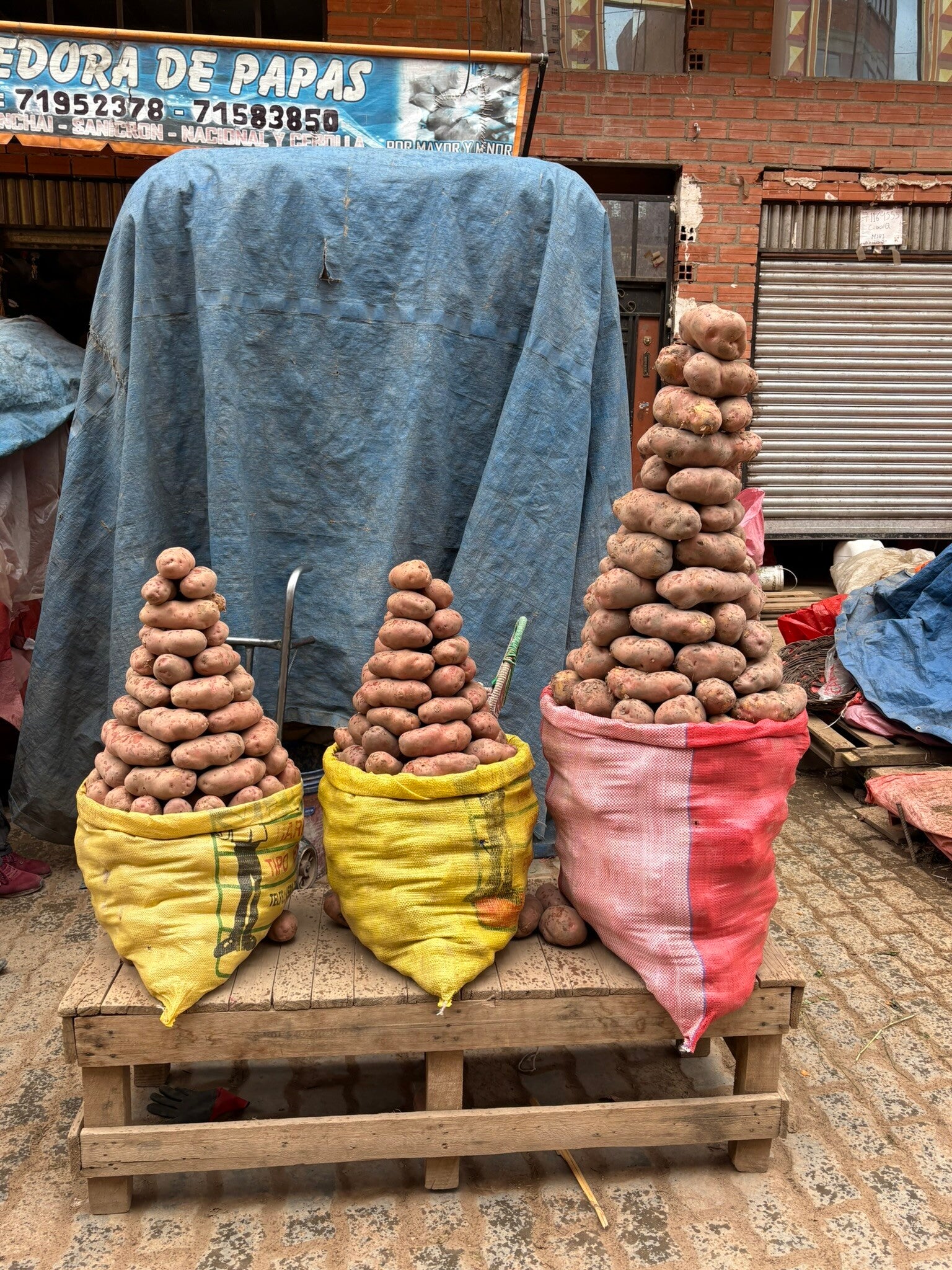

Day 4: Discovering the Spectacular Neighboring Canyons 🌄
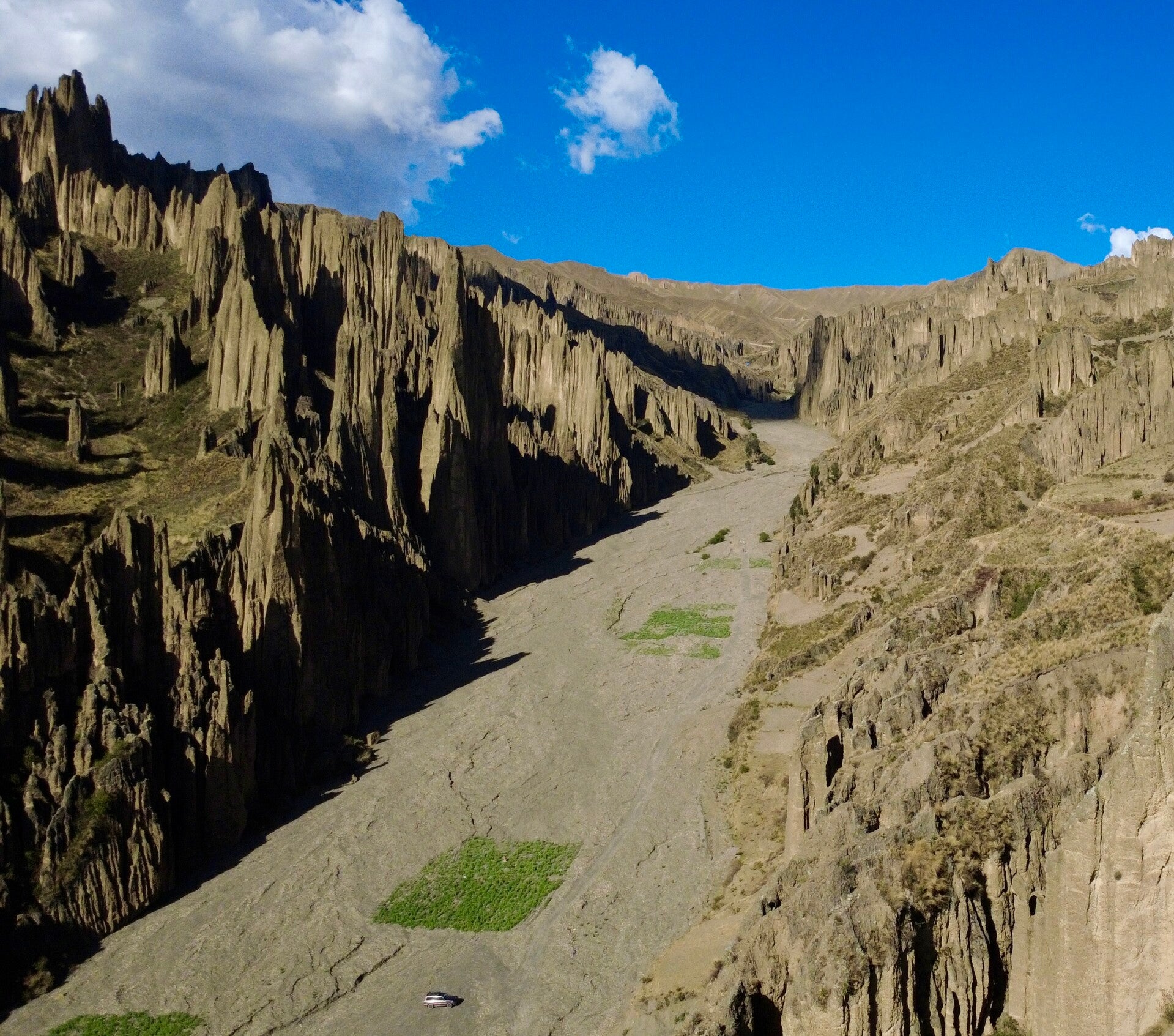
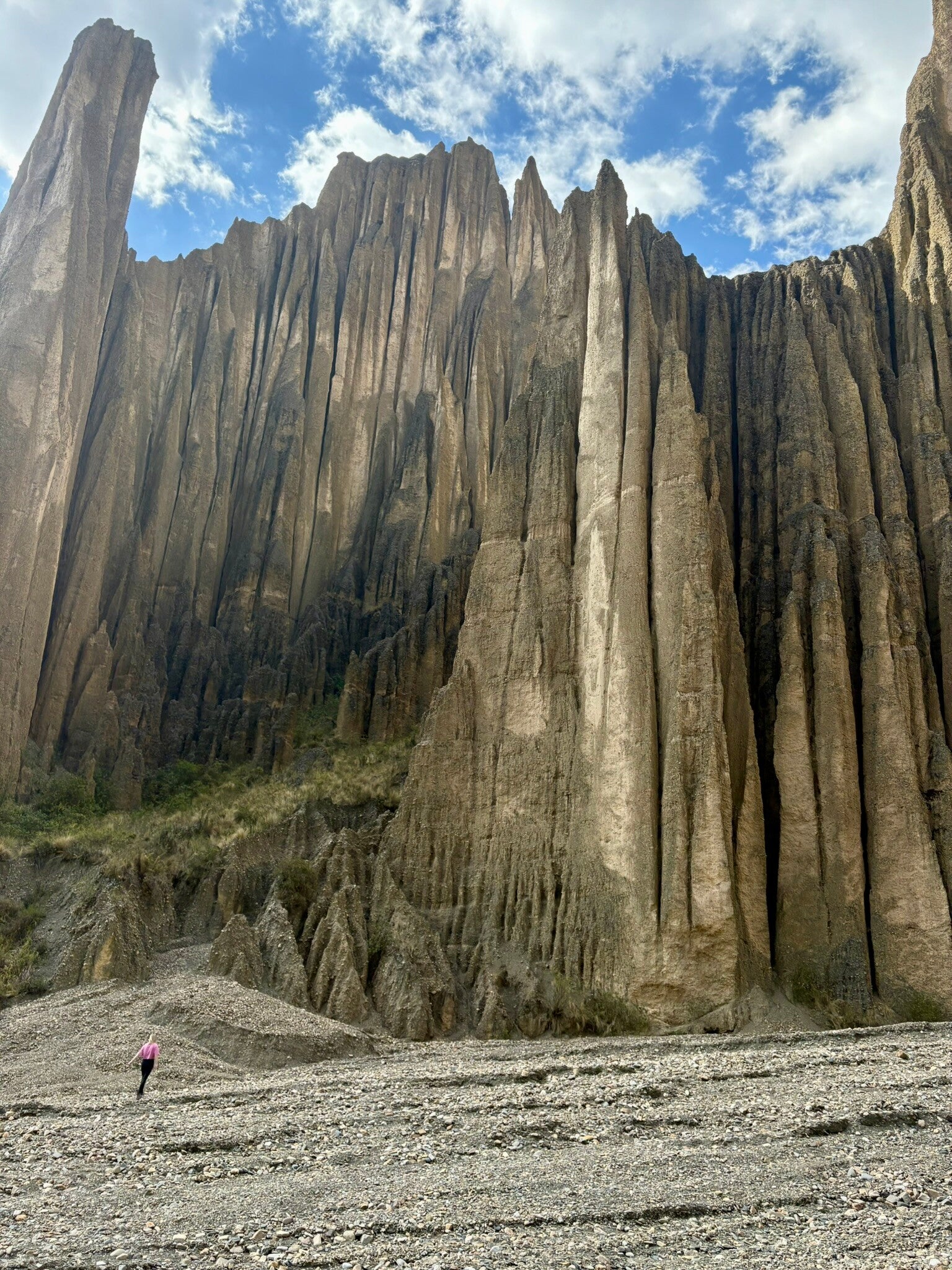
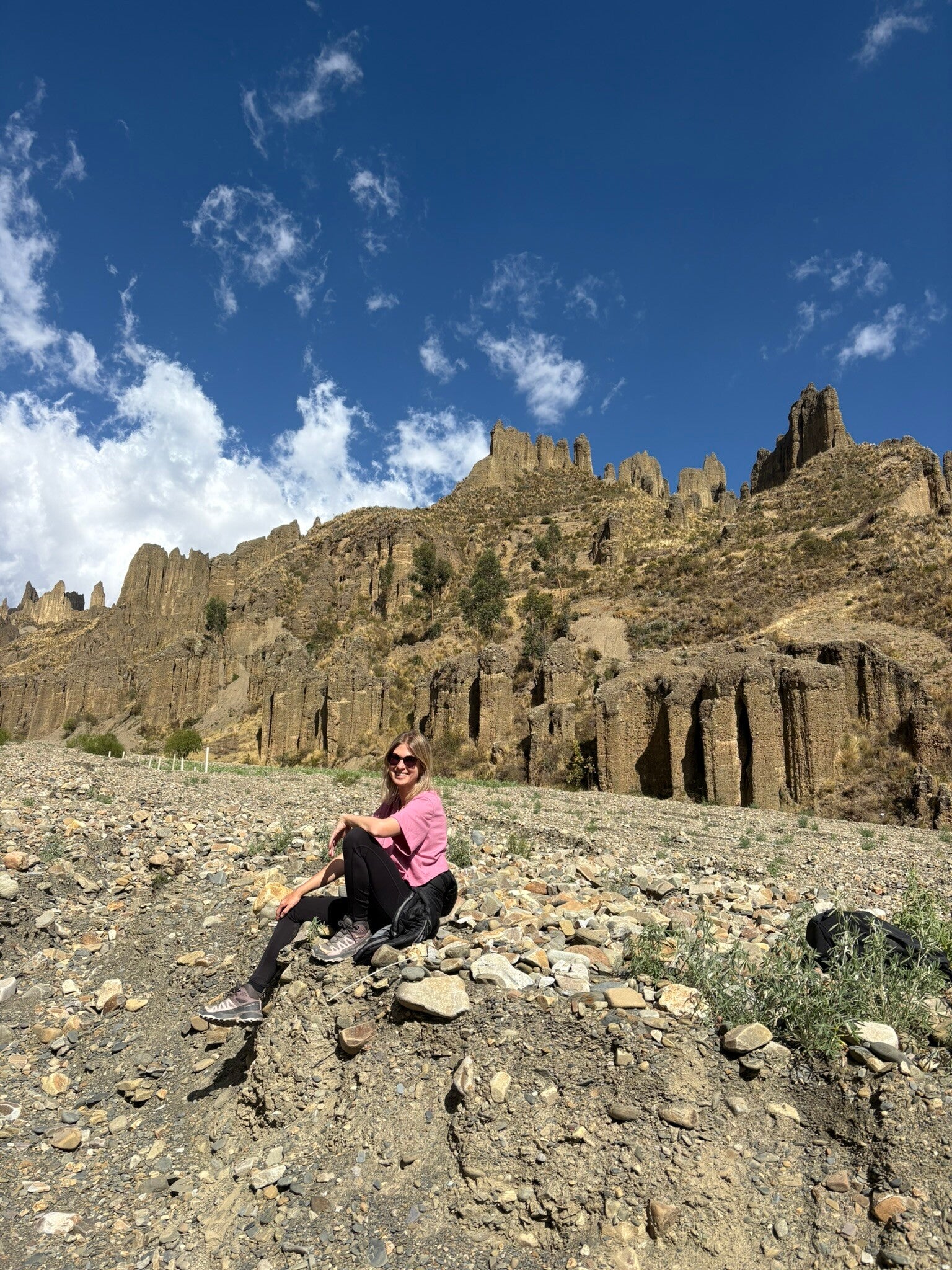
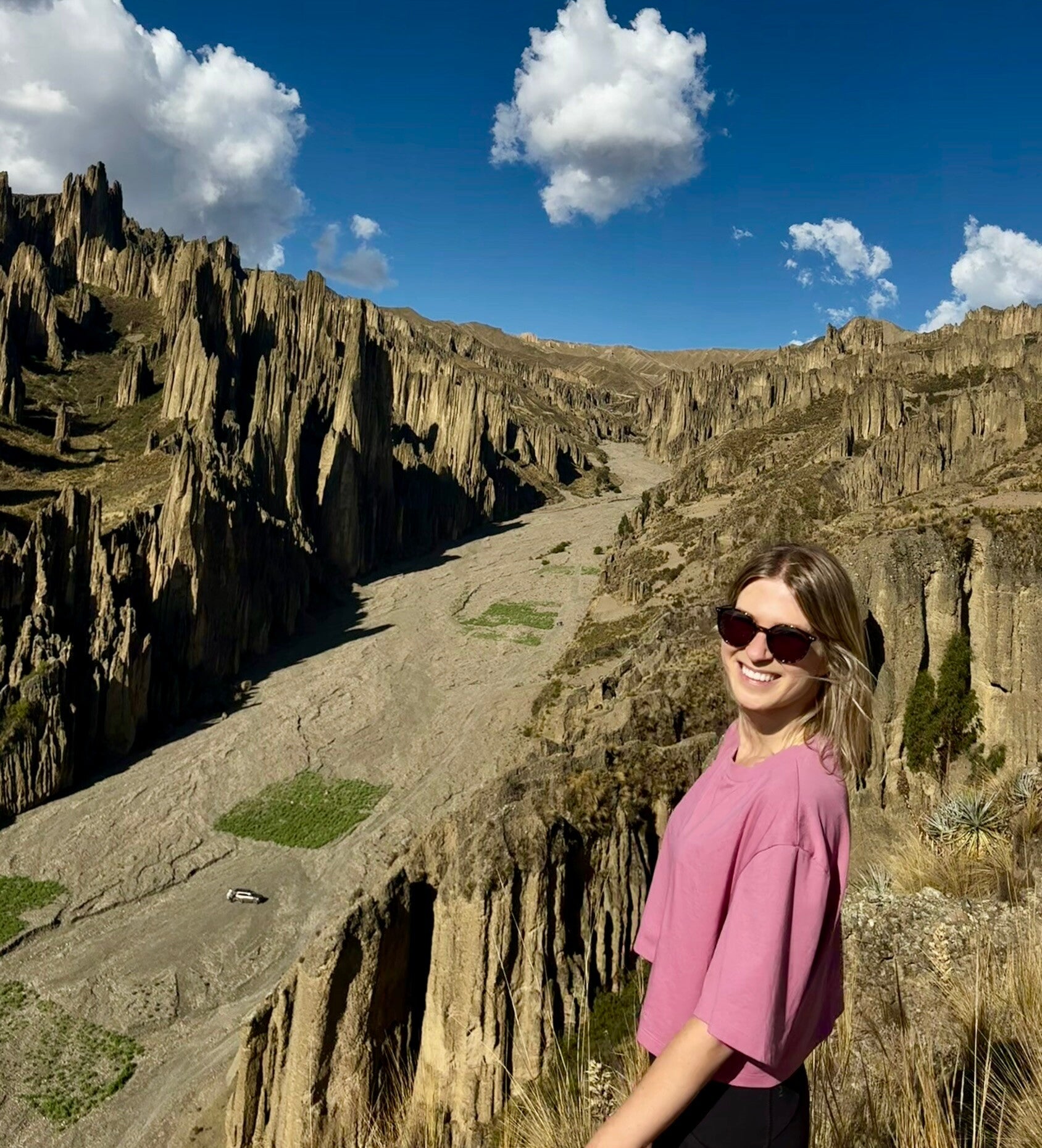
Go outside the city of La Paz and explore Valle de Las Animas and/or Valle de la Luna. Both valleys are known for their breathtaking rock formations, but Valle de la Luna is closer to the city and tends to be more touristy. For a more tranquil experience, I chose to visit Valle de Las Animas, which promised fewer crowds and more spectacular views.
You can easily reach Valle de Las Animas by taking a taxi from La Paz, allowing you to explore at your own pace. Alternatively, consider joining a guided tour. I booked a tips-based tour on GuruWalk, and it was fantastic!
The experience began with two scenic cable car rides that offered gorgeous views of the surrounding landscape, followed by a taxi for the last third of the journey. Our guide shared fascinating local traditions, such as visiting Valle de Las Animas when couples face difficulties. We also learned about the local categorization of mountains into male and female, with Valle de Las Animas being considered a male mountain due to its spiky mountaintops.
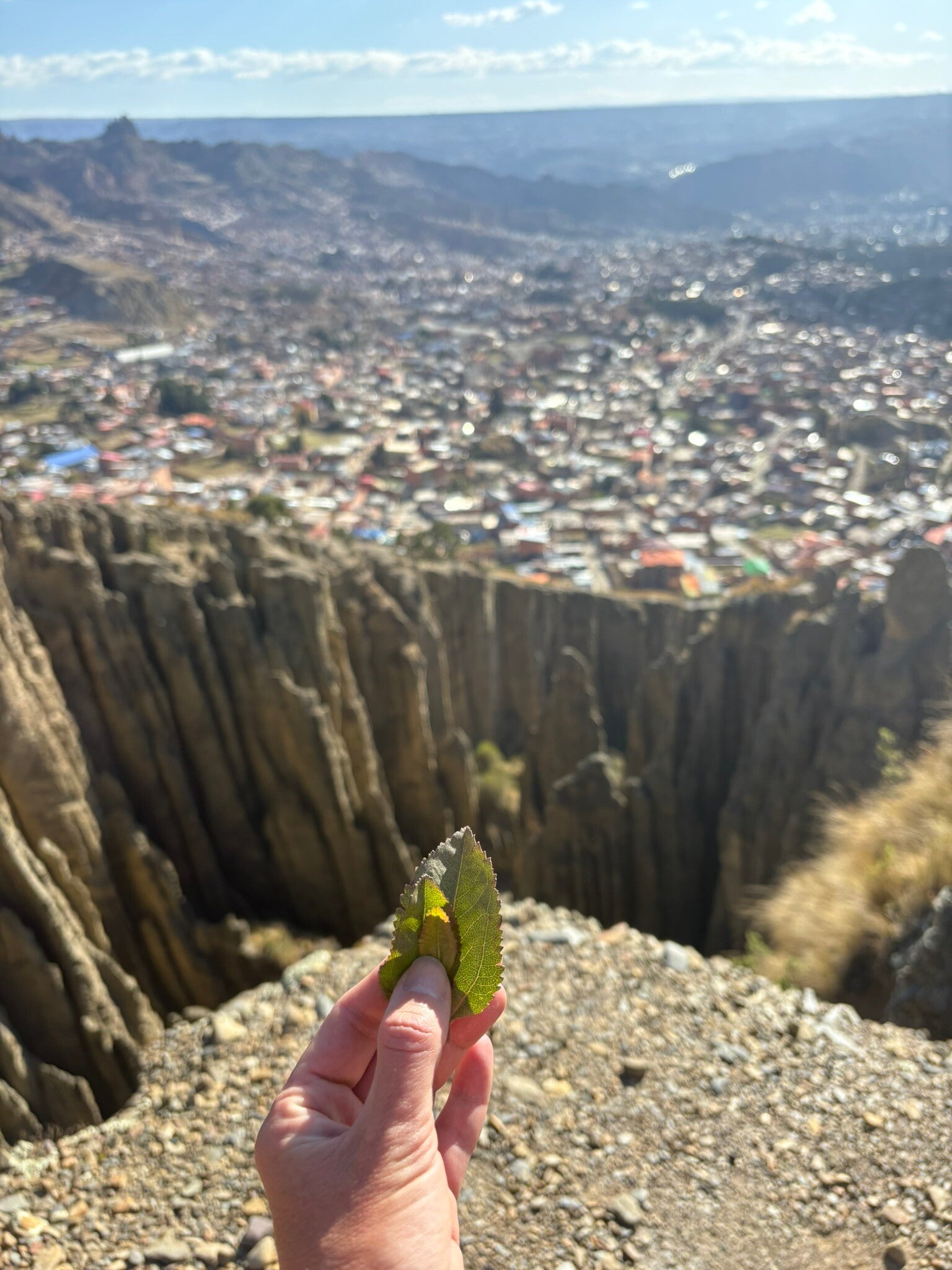
Once at Valle de Las Animas, we stopped at several viewpoints to capture amazing pictures of the stunning rock formations. As part of our experience, we performed a small ceremony with coca leaves to ask Pacha Mama (Mother Earth) to grant us three wishes. For the return trip, we took a local minibus and enjoyed two more cable car rides, soaking in the views one last time before heading back to La Paz.

Day 5: Adventure or Exploration in La Paz 🚴♂️
You have two options for spending this day in La Paz: a thrilling biking adventure or a more relaxed exploration of the city's mystical side.
Biking the Death Road
If you're feeling adventurous, consider biking the Death Road. While I haven't personally done this, it is undeniably one of the most famous attractions in La Paz.
The road earned its ominous name when it was the only route connecting La Paz with the Yungas rainforest region before a new road was constructed in 2006. In its worst years, 200-300 people died annually due to extremely hazardous conditions, including unpaved surfaces, lack of guardrails, sheer drops, blind corners and landslides.
Today, the former Death Road is primarily used for adventure cycling tours, allowing riders to descend 3,000 vertical meters (10.000 ft) over 60 km (37 mi). Here are some of the most reputable firms to book your biking adventure with:
While these companies may be on the pricier side (especially by Bolivian standards), they prioritize safety and precaution—an area where you definitely don't want to cut corners.
Exploring La Paz: Mystical Side
If you prefer a more relaxing day, you can explore the mystical side of La Paz by visiting the Witches' Market and the General Cemetery.
Witches' Market 🧙♀️
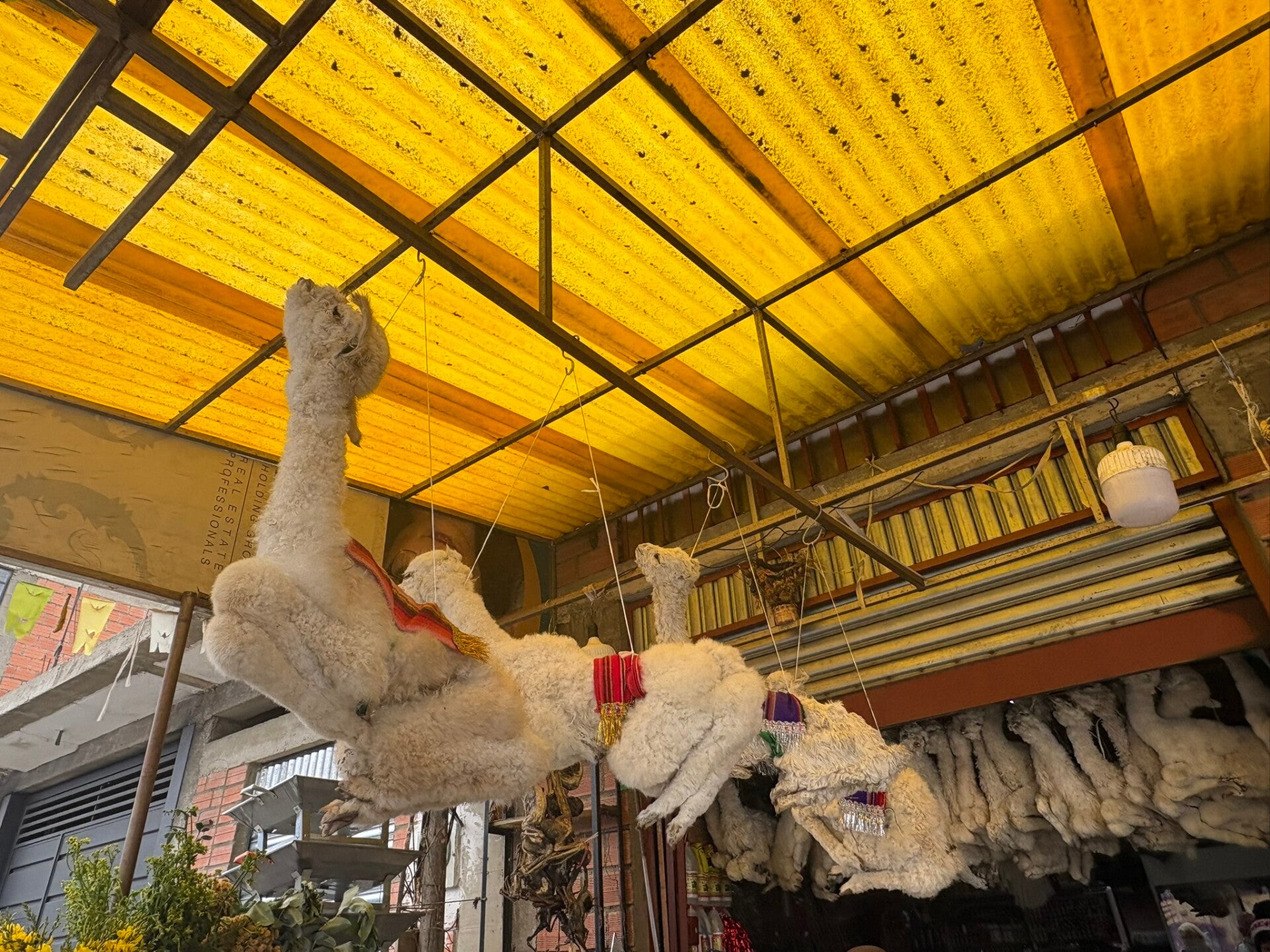
The Witches' Market is primarily run by chifleras, market women who sell a variety of ritualistic items in their shops (Chiflerias). Here, you can find everything from potions for love, money, and health to dried llama or alpaca fetuses used as offerings to Pacha Mama (Mother Earth).
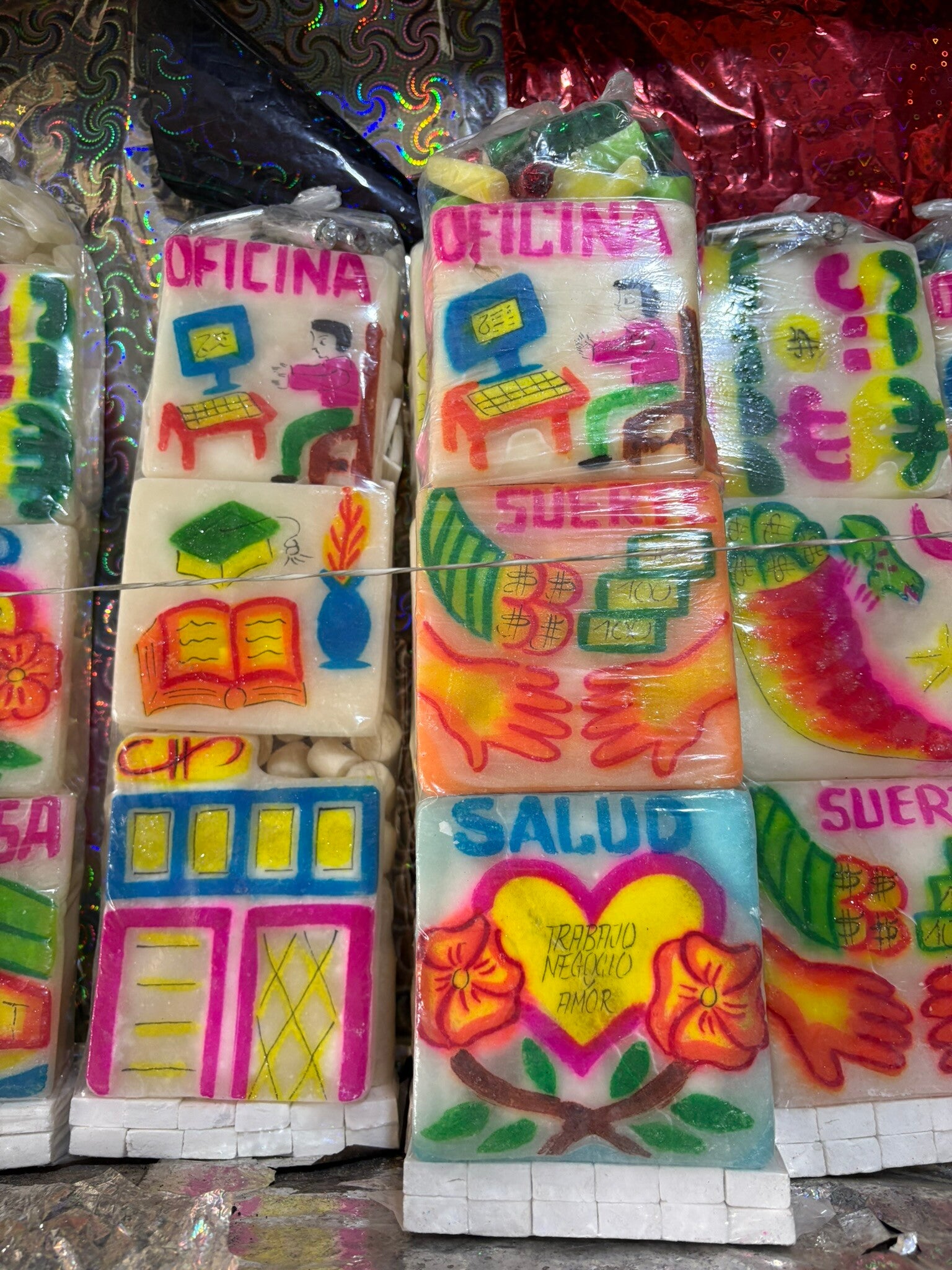
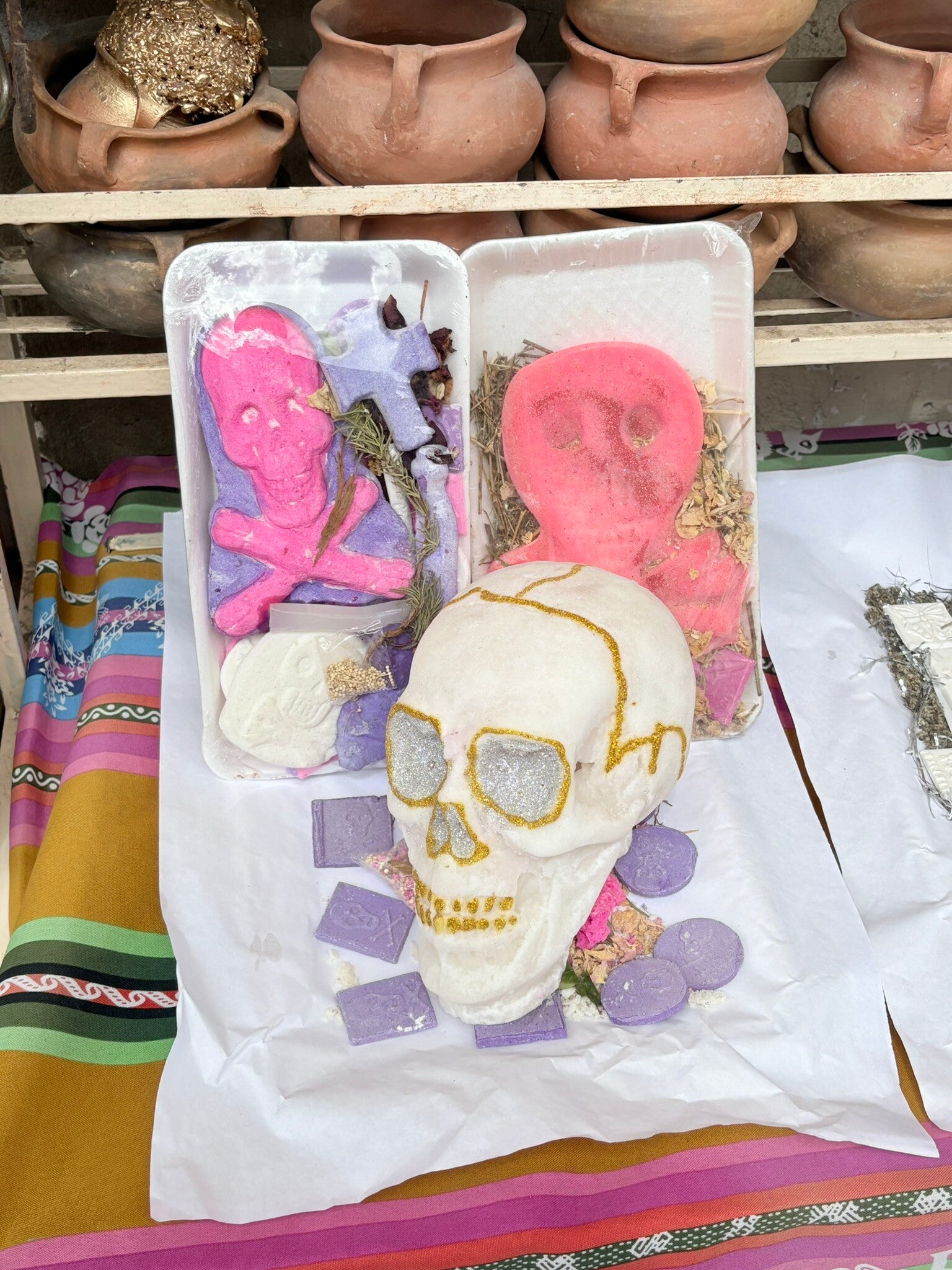
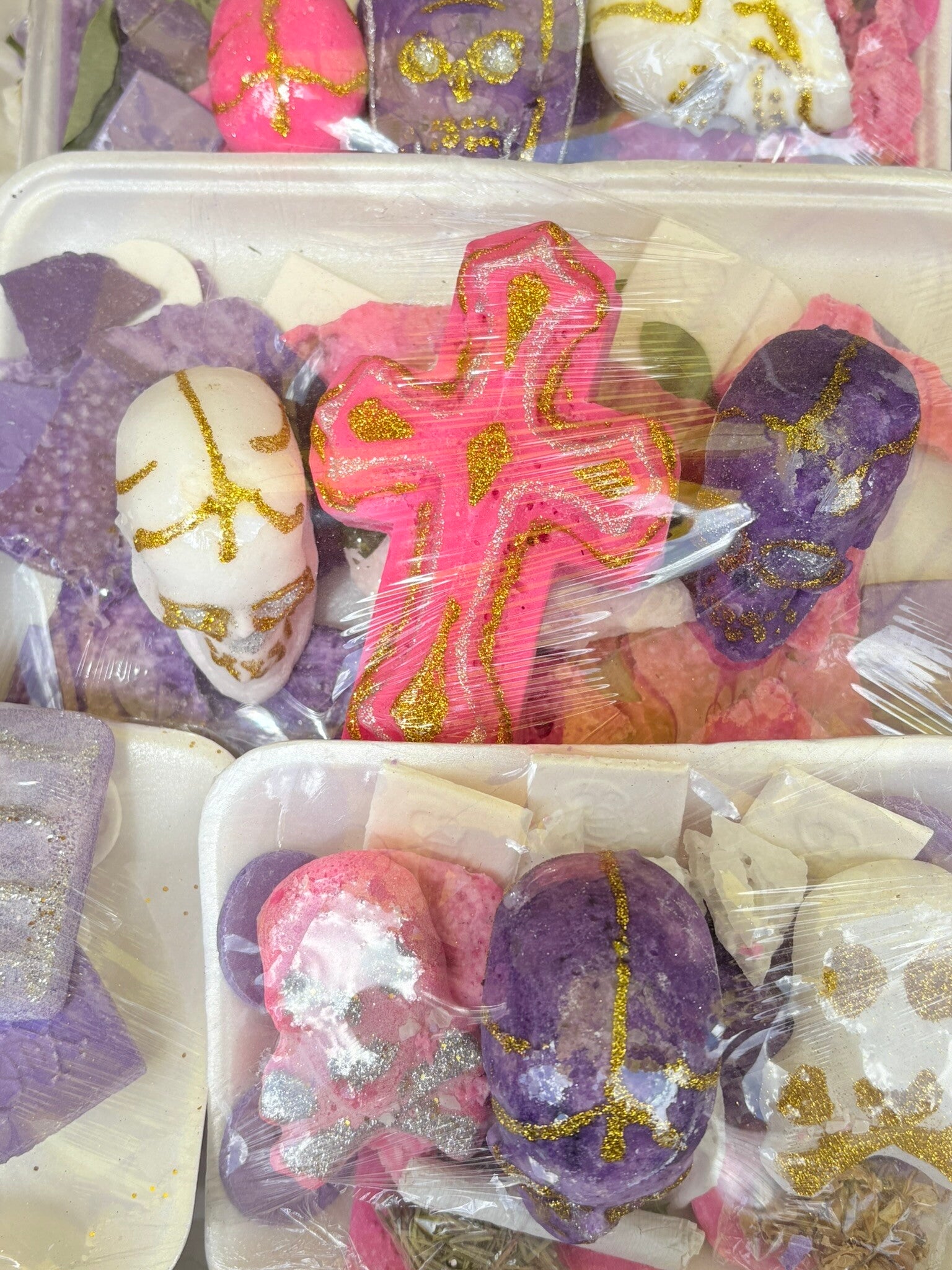
You'll also notice colorful blocks of sugar candy for sale, which are not meant for eating but are offered as sacrifices to Pacha Mama. Each block has distinct purposes, such as health, financial success, or office achievements. However, some Chiflerias also have a darker side, selling black magic potions intended to inflict harm or misfortune on others.
General Cemetery 🌸
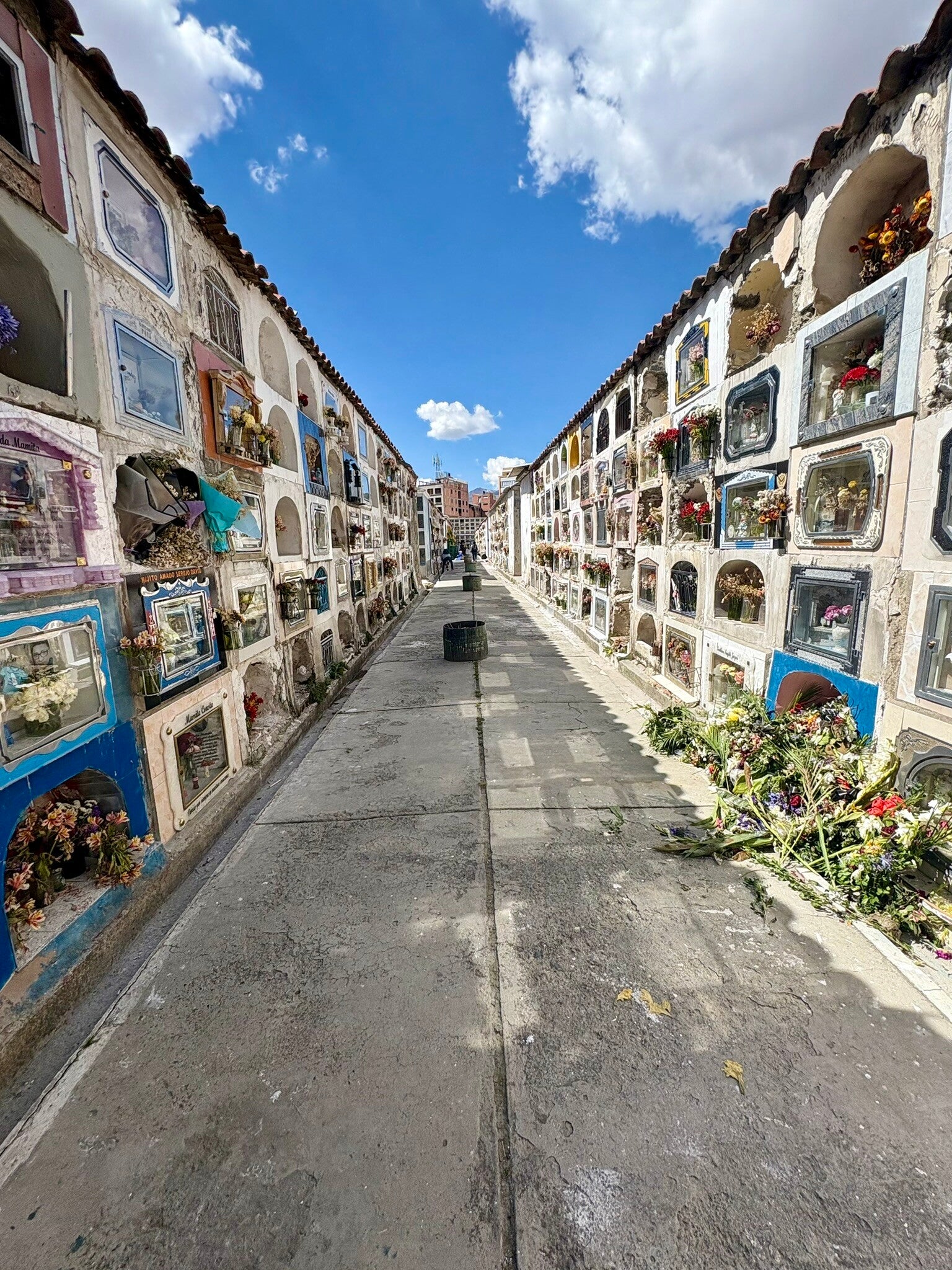
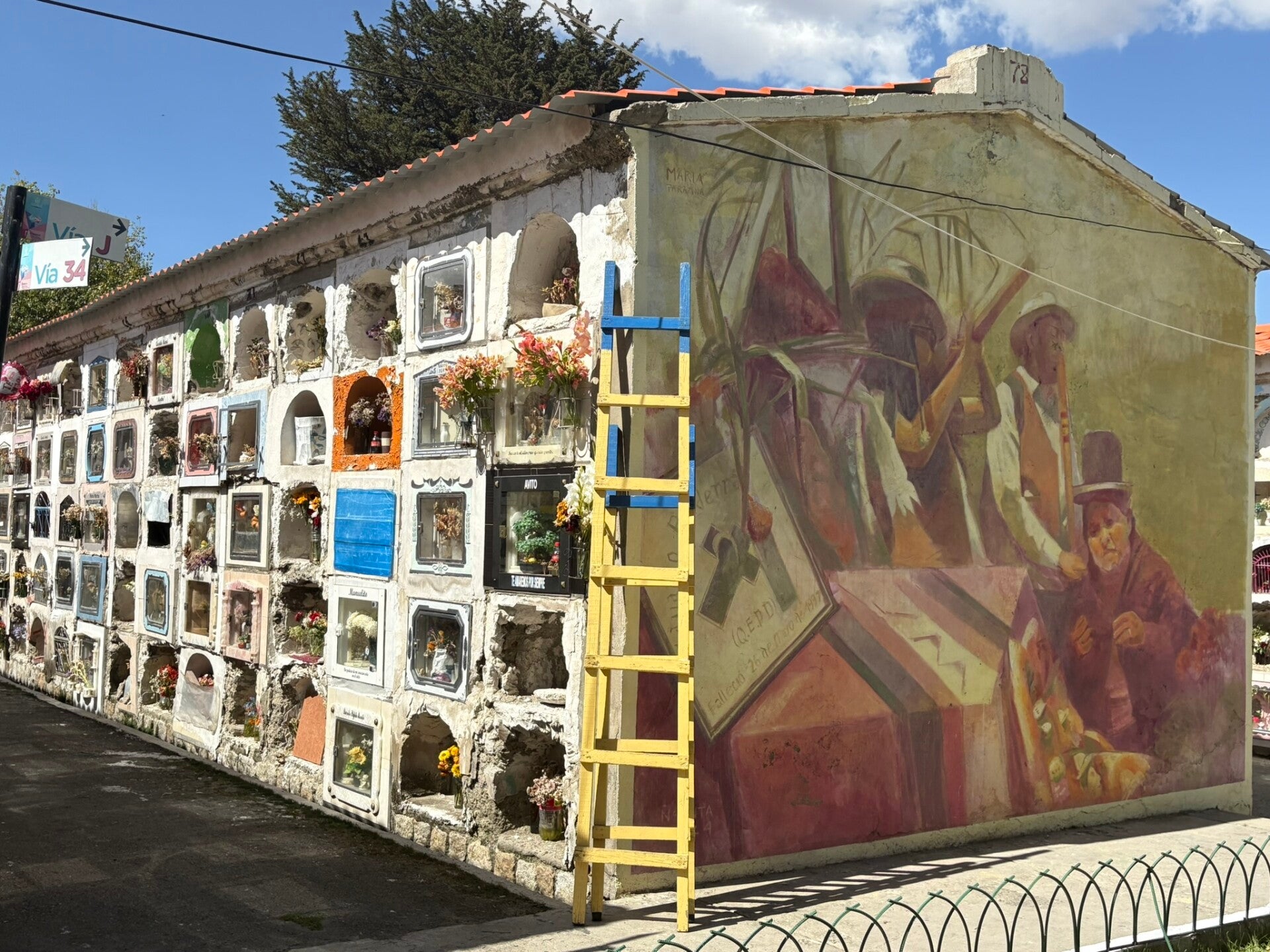
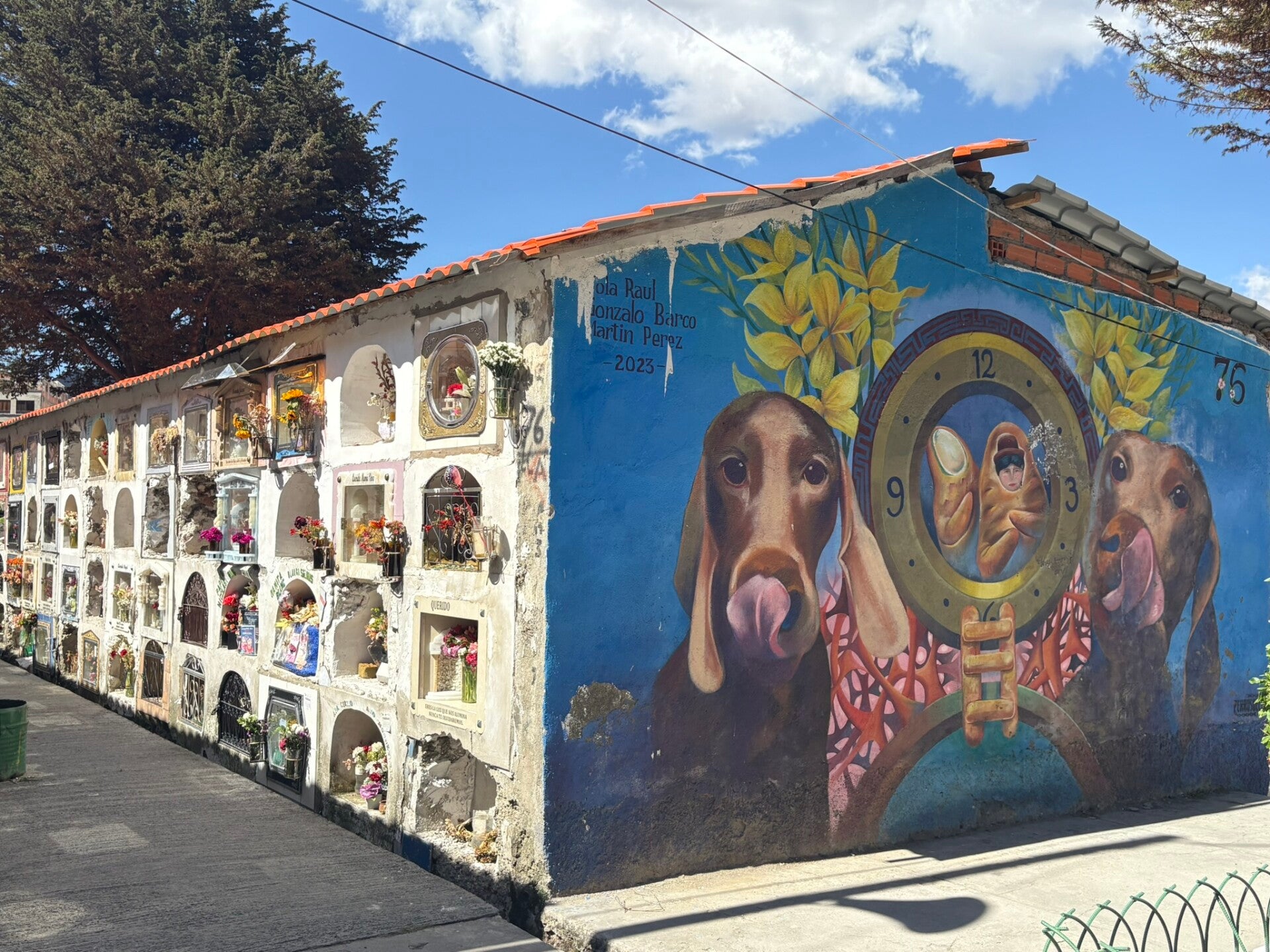
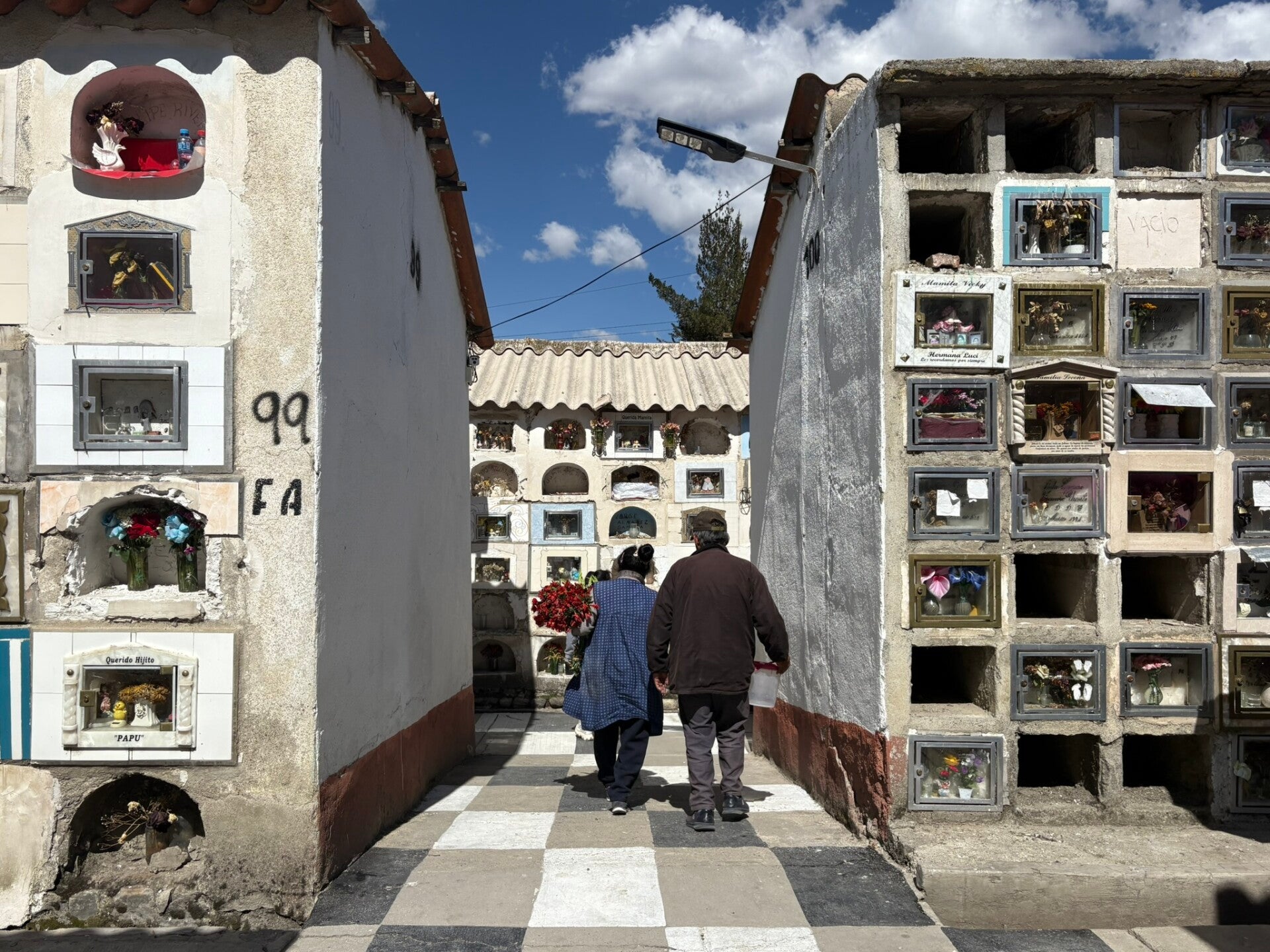
Once you've satisfied your curiosity at the market, you can visit the General Cemetery in La Paz. You might wonder why a cemetery is a tourist attraction, but it resembles a city of the dead with its labyrinth layout, narrow streets (complete with street names!), mausoleums, sculptures, chapels, and elaborate murals.
This visit provides insight into Bolivian culture, as many visitors leave offerings like Coca-Cola, alcohol, coca leaves, and other items for their departed loved ones. In Bolivian belief, the dead are not considered completely gone but are still spiritually present and influencing the lives of the living. The cable car running right over the general cemetery adds to the eerie feeling that the worlds of the living and the dead are still connected.


Day 6: Visit Lake Titicaca and Isla del Sol 🌊☀️
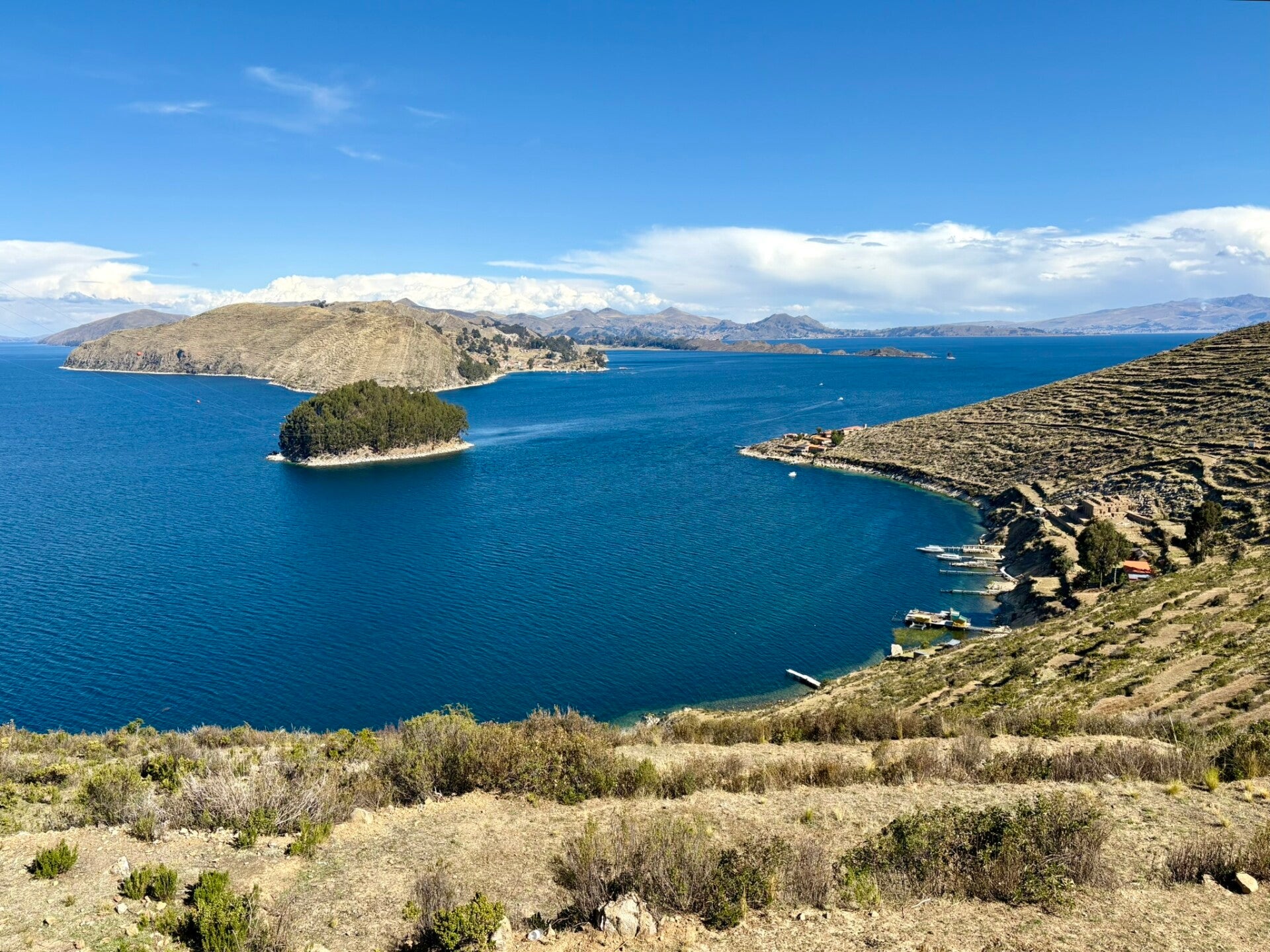
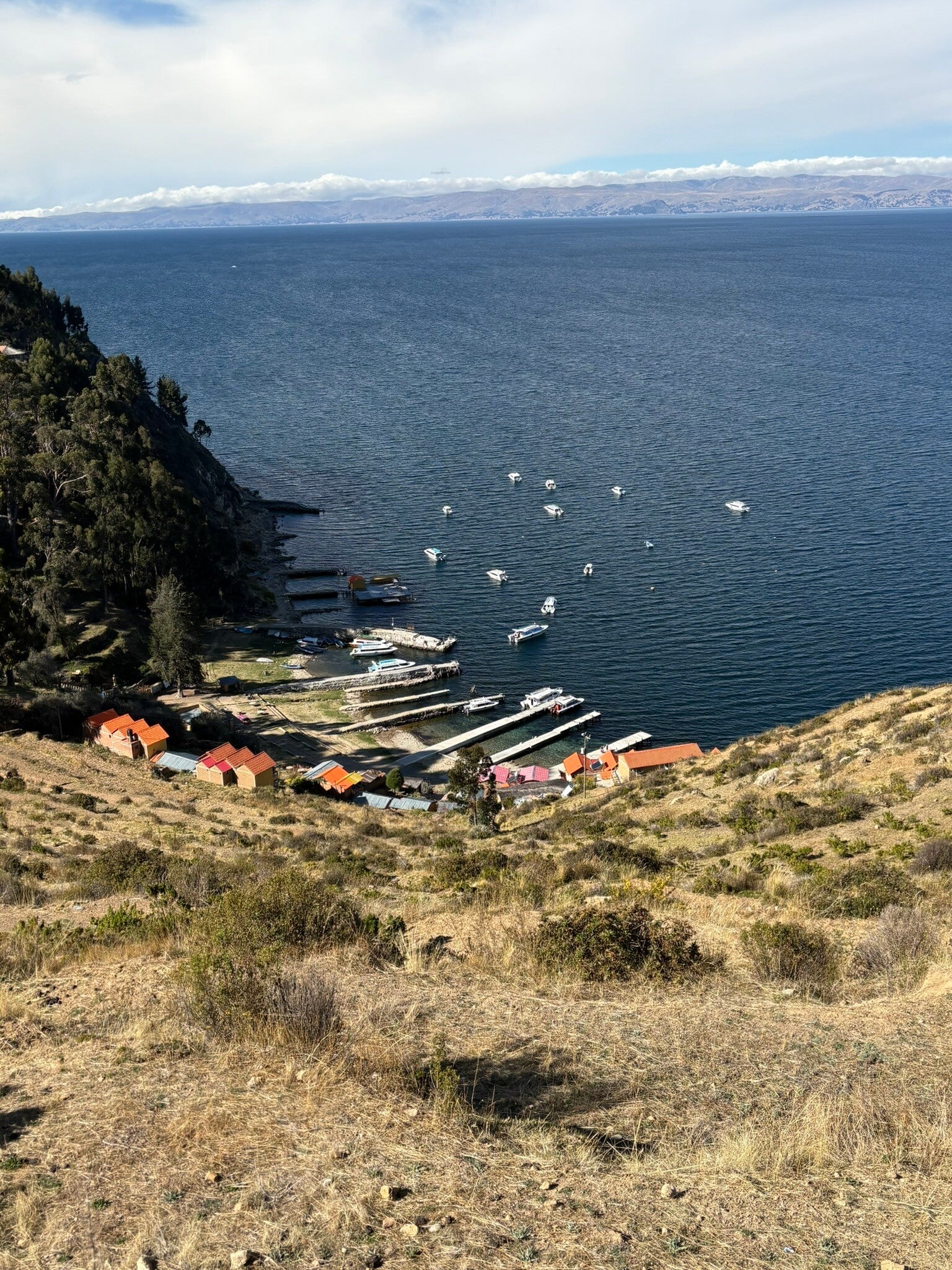
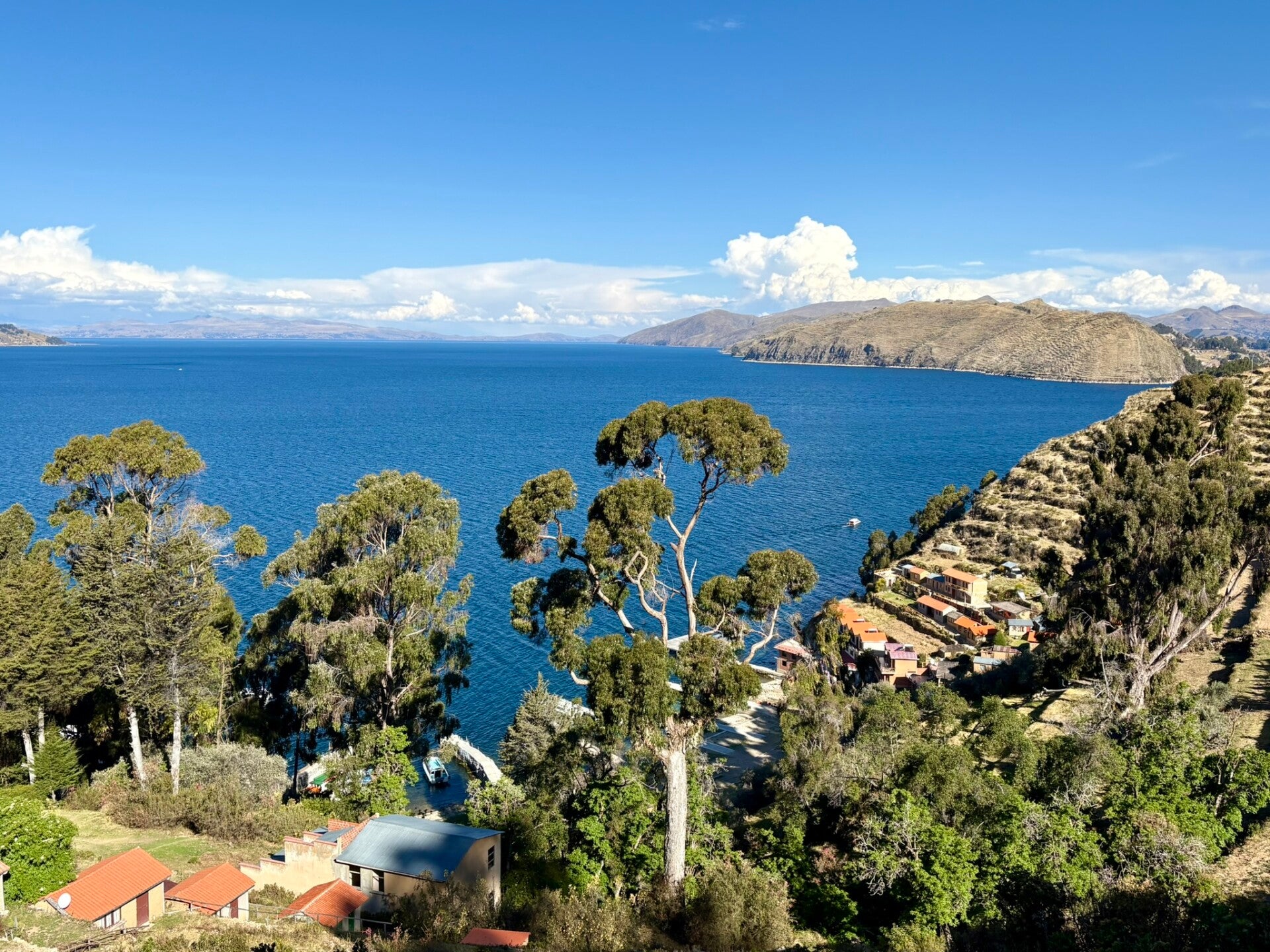
Today, embark on a journey to Lake Titicaca, renowned as the highest navigable lake in the world, situated at approximately 3,812 meters (12,507 feet) above sea level. This stunning lake spans both Bolivia and Peru and is definitely worth a visit during your travels.
The Bolivian side of Lake Titicaca is particularly famous for Isla del Sol and Isla de La Luna (Island of the Sun and Island of the Moon), both known for their rich Inca history and tranquil, almost otherworldly atmosphere. If you have time, I highly recommend staying on one (or both) of the islands for a couple of days to disconnect from the hustle and bustle of the rest of Bolivia.
Day Trip Option
If your schedule only allows for one day, a day trip from La Paz is still worthwhile. Most tours typically include a visit to Copacabana, a charming port town on the shore of Lake Titicaca (not to be confused with the beach in Rio de Janeiro). From Copacabana, you'll take a boat to Isla del Sol, where you can explore its beautiful landscapes, Inca ruins and enjoy the peaceful ambiance of the island.



Day 7: Start of the Jungle Tour 🌿
Your next destination is a jungle and pampas (pre-jungle wetlands) tour that departs from the small jungle town of Rurrenabaque. While you may not immediately associate Bolivia with jungle tours, I can promise it will be one of the best experiences in the country if you love nature and can tolerate a few mosquito bites!
Choosing a Tour Agency
I opted for a 5D4N jungle and pampas combo tour with Mashaquipe, one of the largest and more reliable tour agencies in Rurrenabaque. I chose them not because they were the cheapest (you can definitely find lower prices), but because of their stellar reviews, quick communication via WhatsApp, and group departure that fit my schedule. Overall, the tour itinerary, accommodations, and especially the food service were excellent and well worth the money.
The only drawback was our guide, who had limited English proficiency and struggled to communicate during the tour. This seemed to be an isolated issue, as other groups with the same company reported no problems. I recommend inquiring about being assigned a fluent guide before booking your tour.
Getting to Rurrenabaque
You can reach Rurrenabaque by taking an overnight bus from La Paz. If you prefer more comfort, you can fly. The only airline with direct flights from La Paz to Rurrenabaque is EcoJet. Be sure to search specifically for them, as their flights do not appear in regular flight search engines like Google Flights.
The advantage of flying is that you land early in the morning, and tour companies generally pick you up from the airport, allowing you to start the tour on the same day. Keep in mind that flights don’t operate every day, so double-check both flight and tour availability before booking. If you take the overnight bus, I recommend choosing an earlier option to ensure you arrive in time for the tour, even with potential delays (which are not uncommon). However, the tour agency is likely to wait for you in case of bus delays, so just confirm that with them beforehand.
---------
I will describe my full jungle and pampas experience, which will help you decide on the right number of days for your adventure, as options are available for jungle only, pampas only, and various combinations of both.
First Day in the Jungle
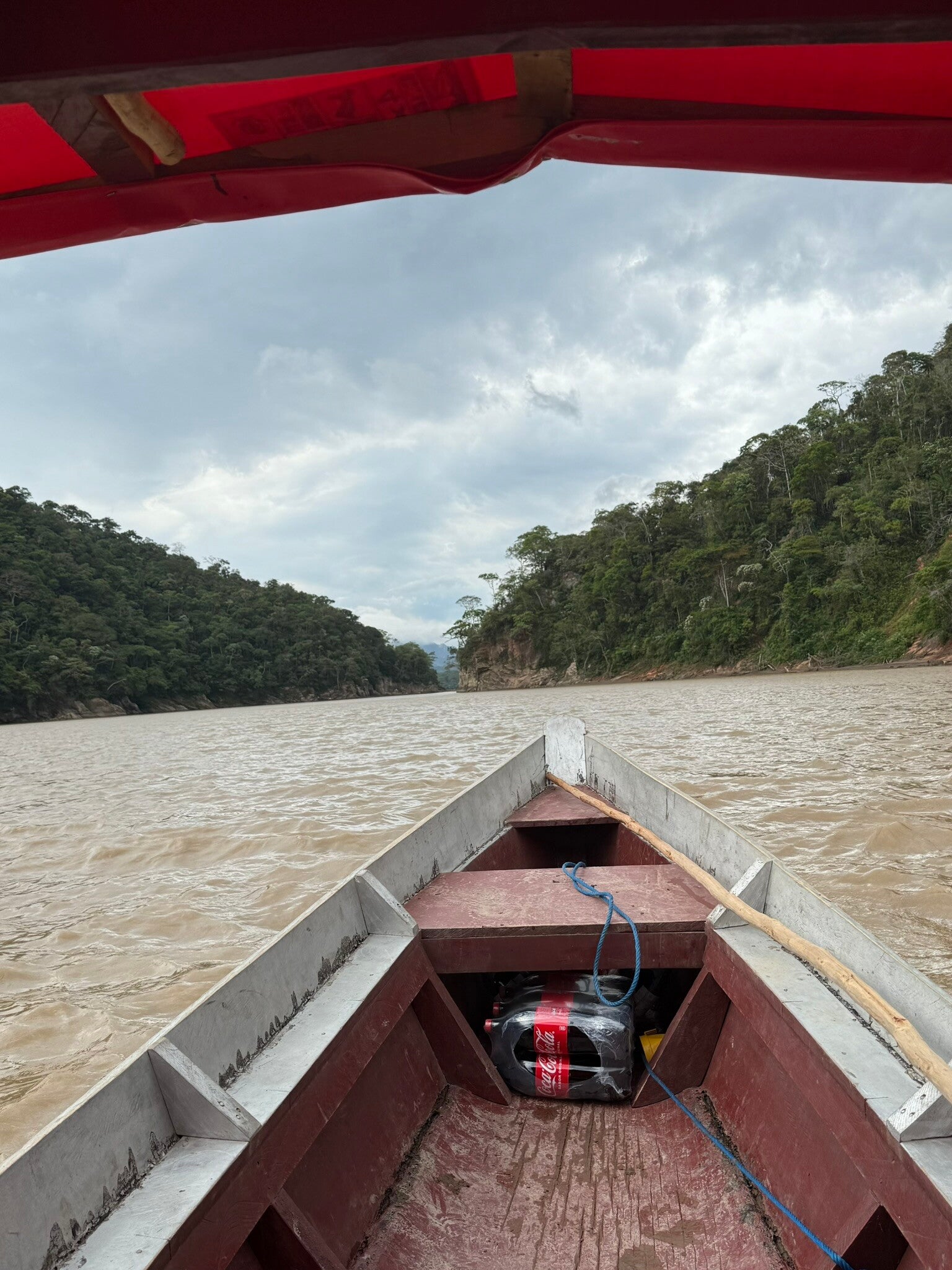
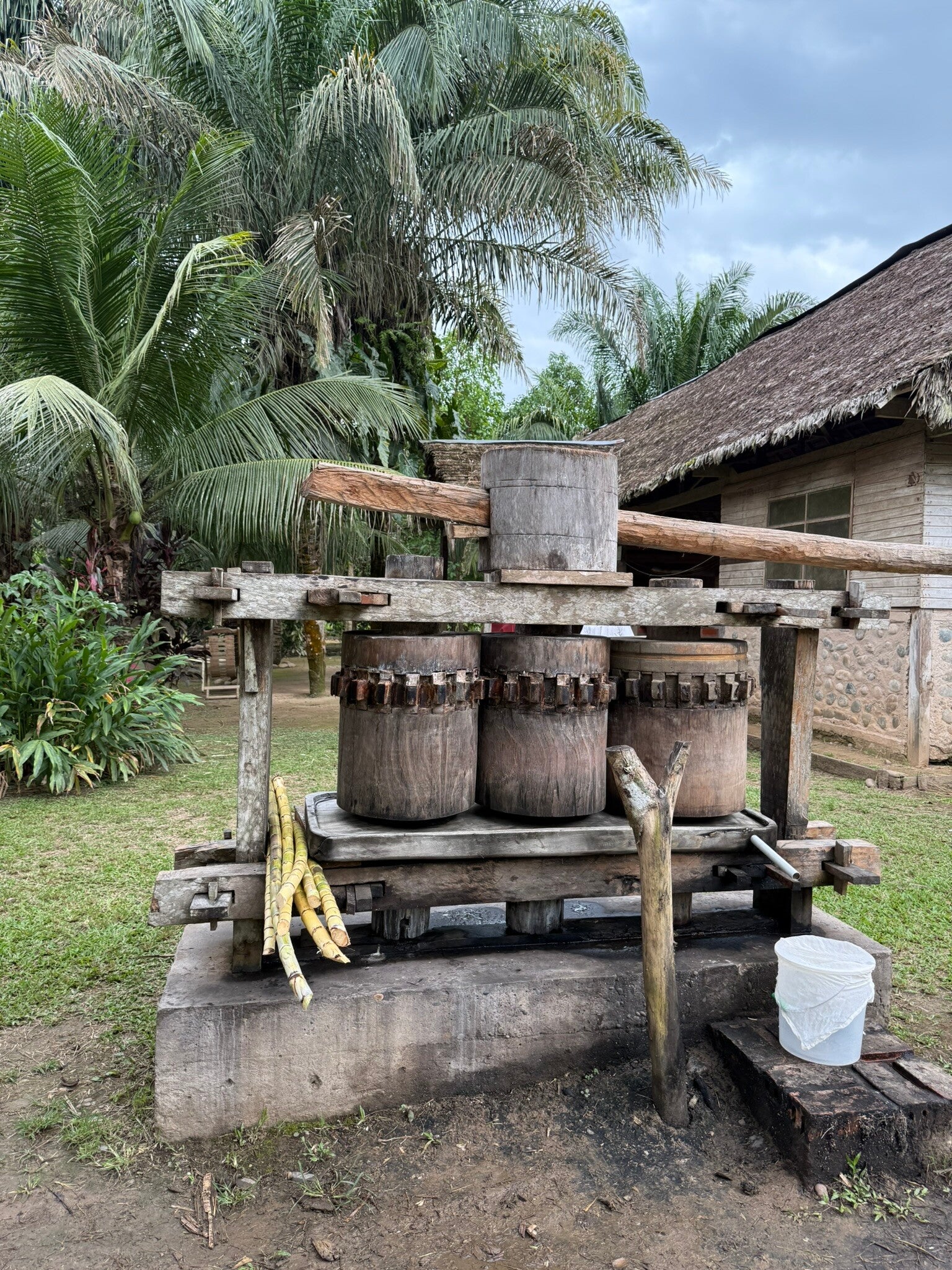
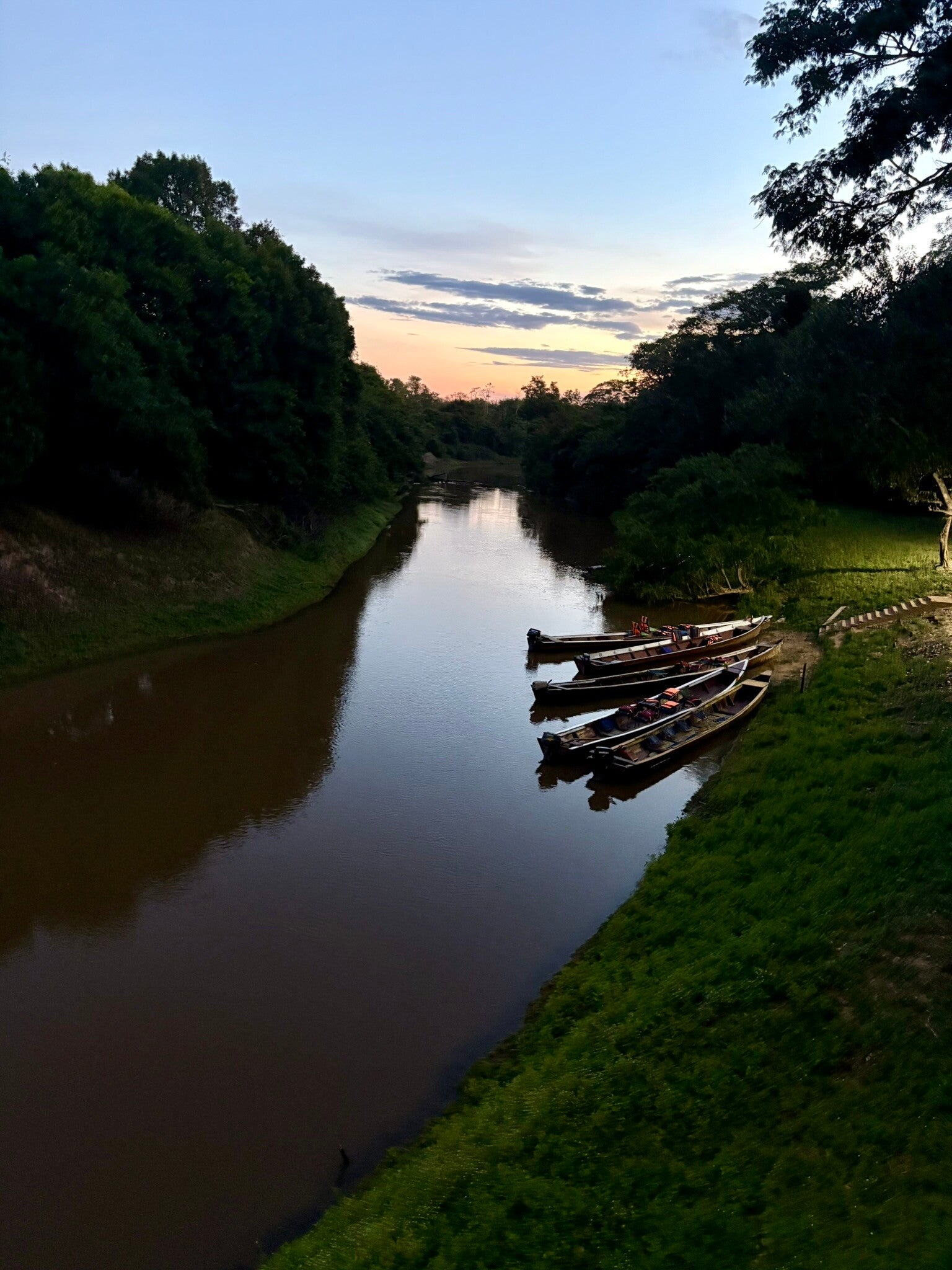
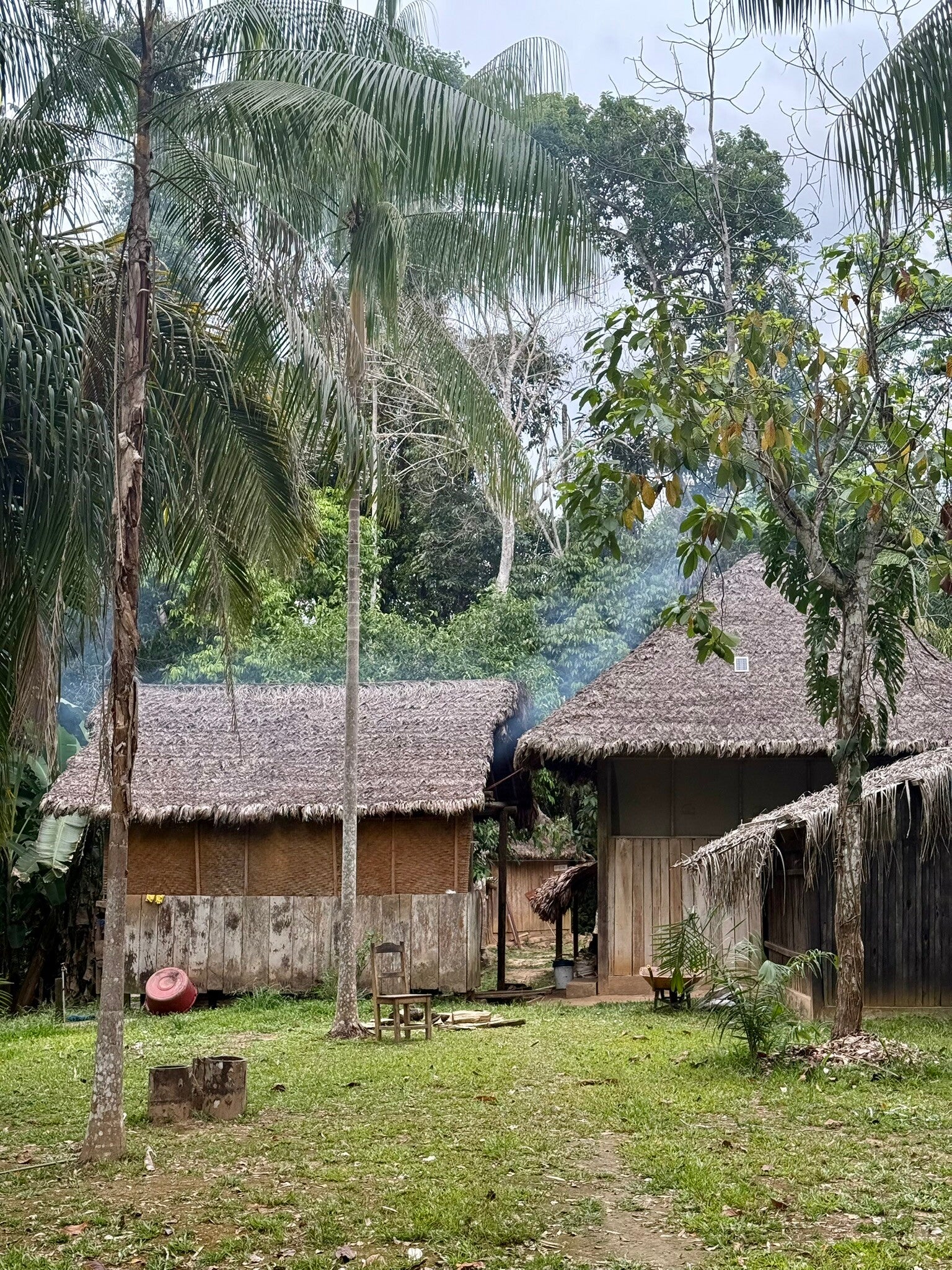
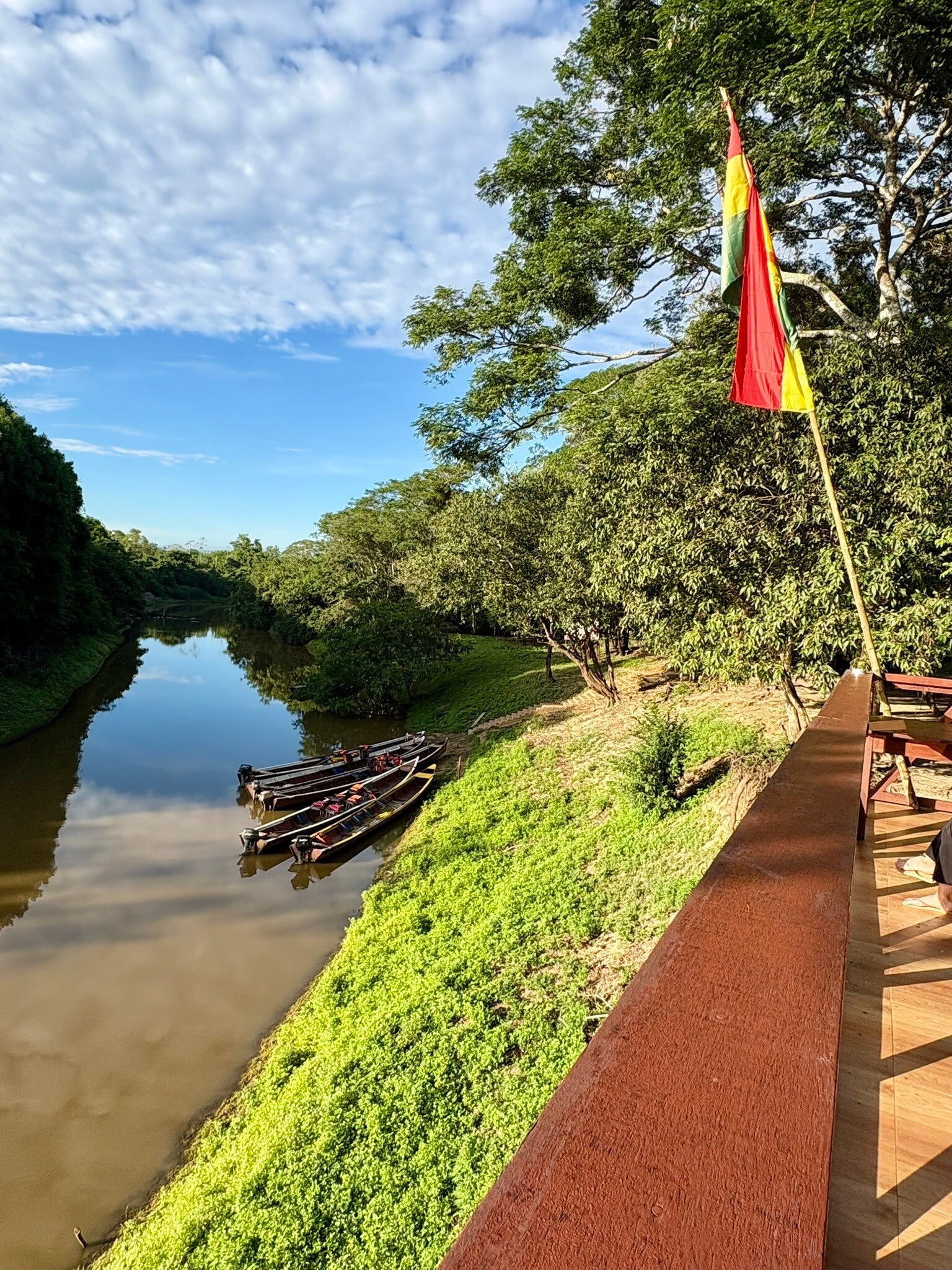
After being picked up by a mototaxi (an adventure in itself with three people and luggage!), we were taken to the office to pay the tour amount in cash and store items not needed during the tour. We then boarded a boat that took us on a 2-hour journey to the lodge in the jungle. Along the way, we made a stop at a local village where we squeezed and savored fresh sugar cane juice using an artisanal pressing machine.
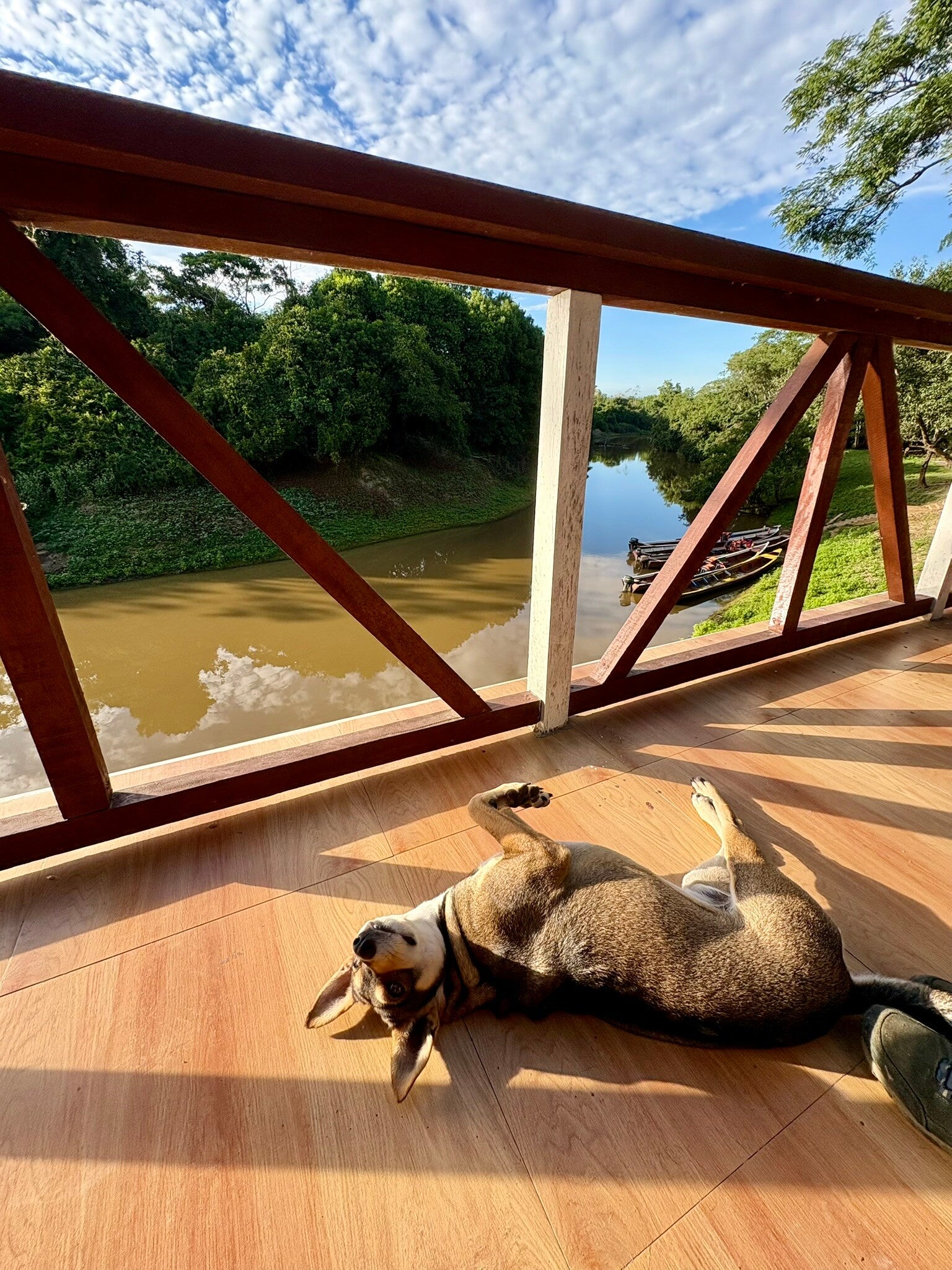
Upon arriving at the lodge and checking into our rooms (which featured double or twin beds and private showers), we were treated to a delicious three-course lunch—impressive given the limited facilities in the middle of the jungle. After lunch and a brief rest, we embarked on a jungle trek to look for wildlife.
The trek was more of a vigorous hike than a leisurely walk, as we maintained a quick pace for 3 hours and spotted some capuchin monkeys and an agouti (a small rodent). Following this, we enjoyed a buffet dinner (again, the food quality was amazing!) before heading out for a short night walk to search for more wildlife.
The night walk wasn’t particularly exciting as our main “finds” included spiders, cockroaches and a rat. 🕷️🐭
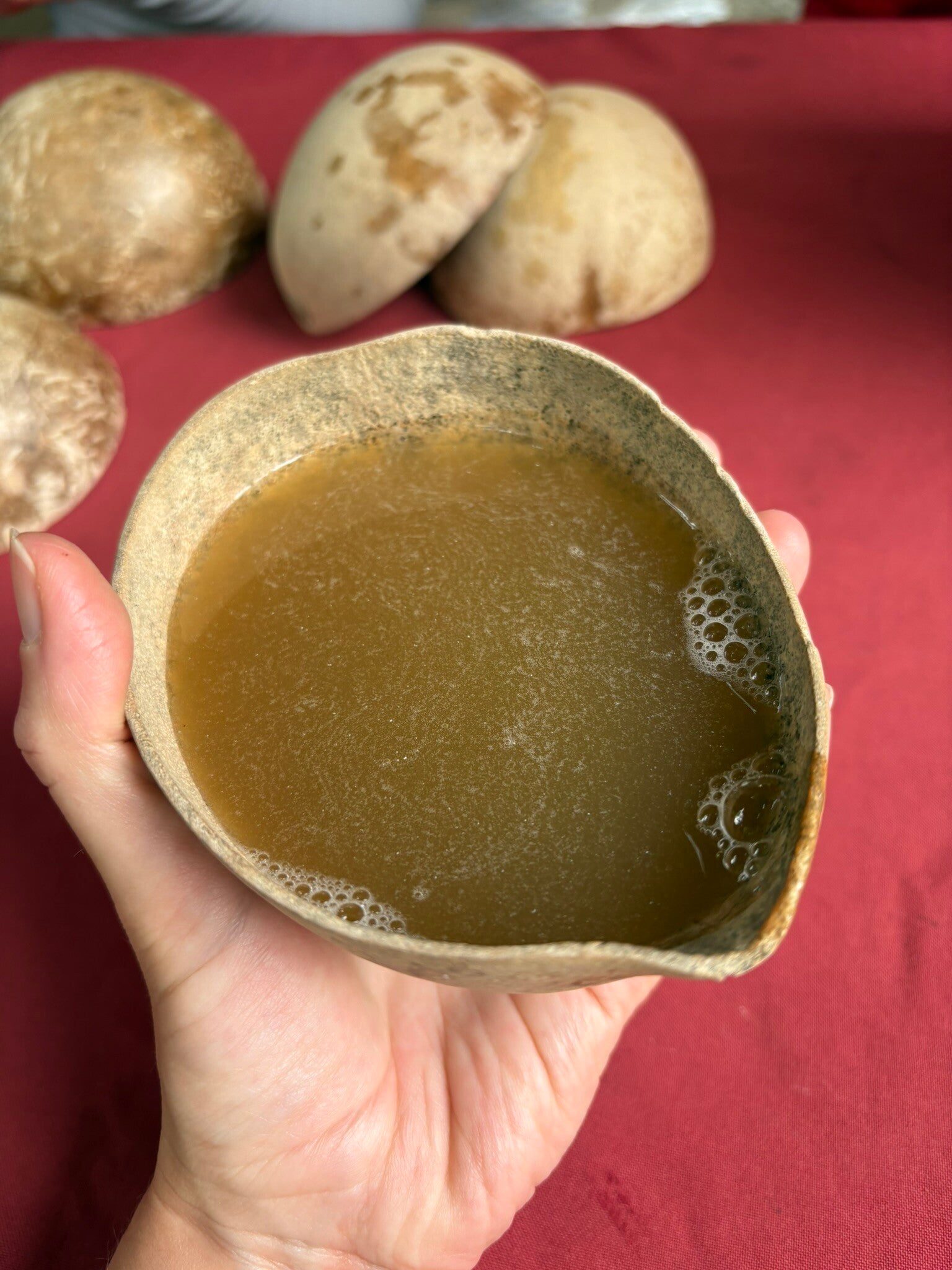
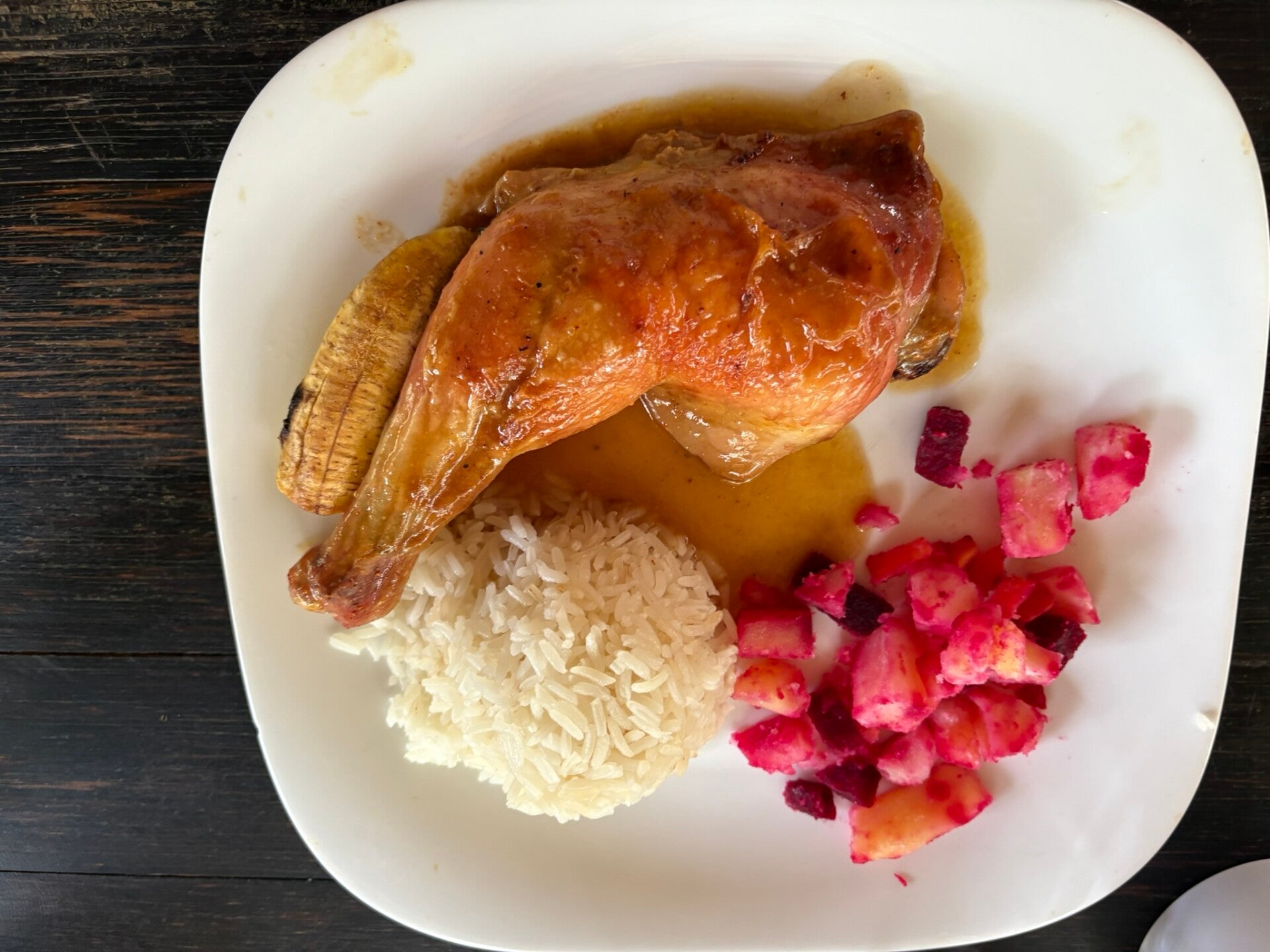
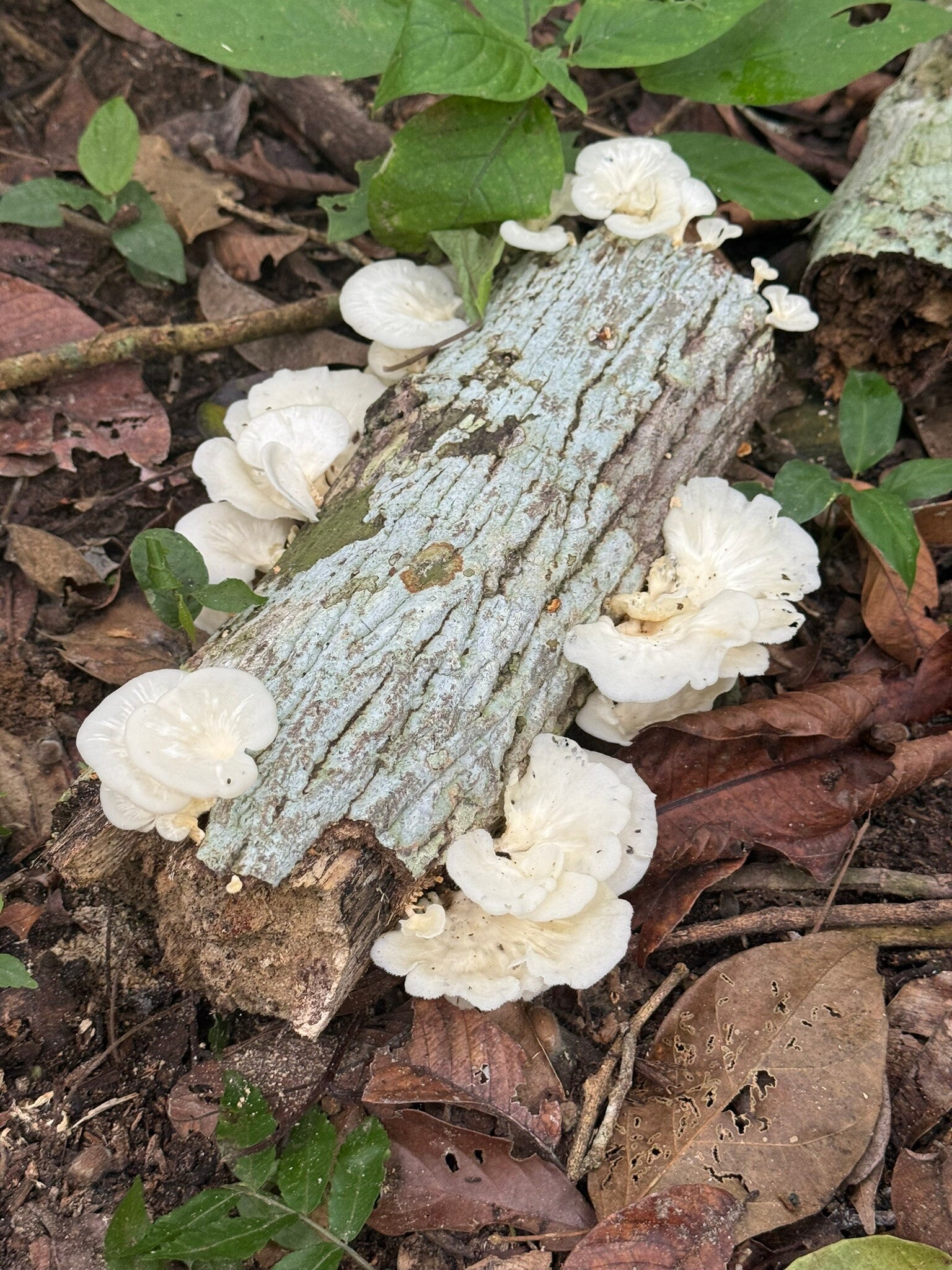

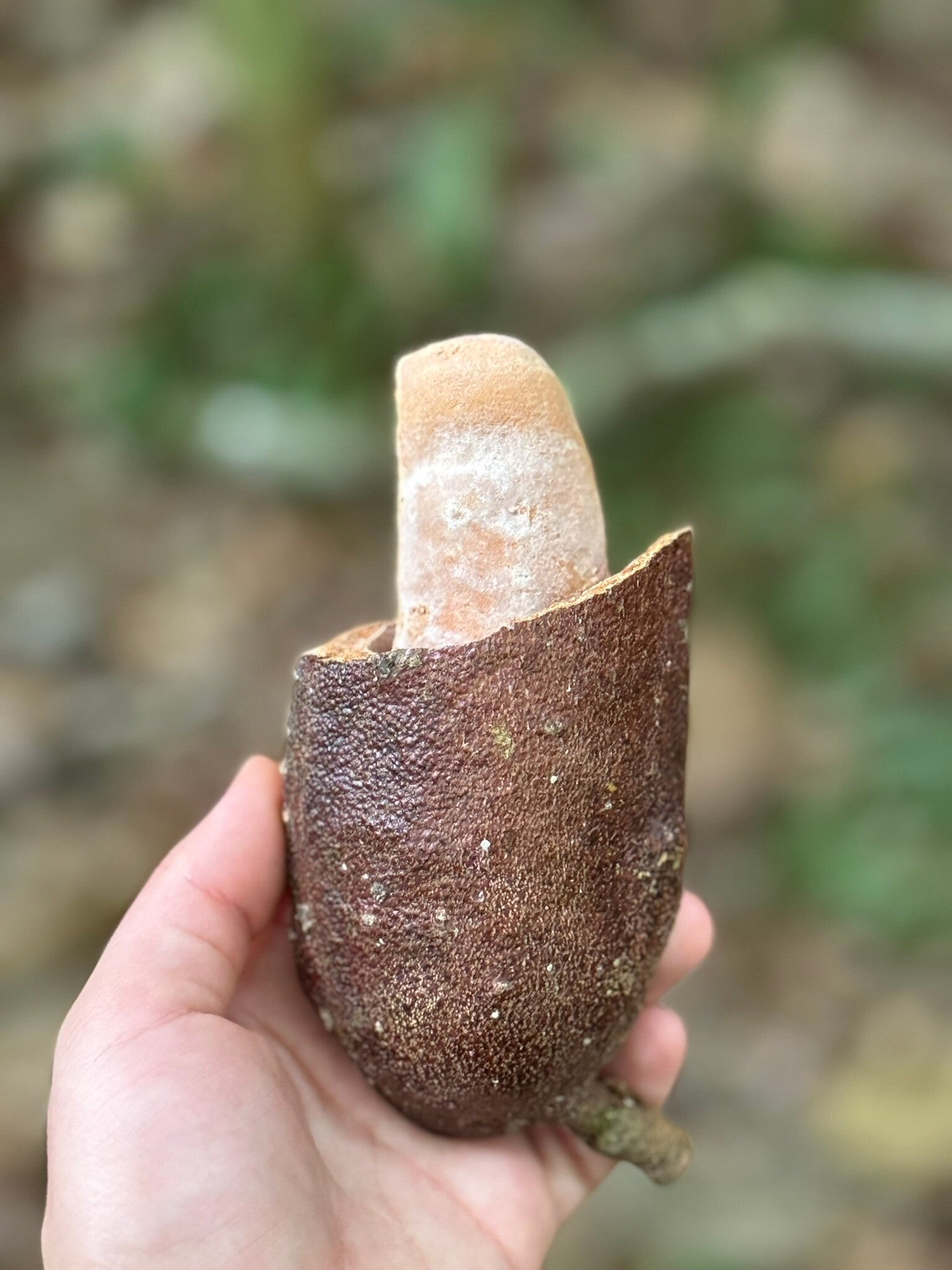
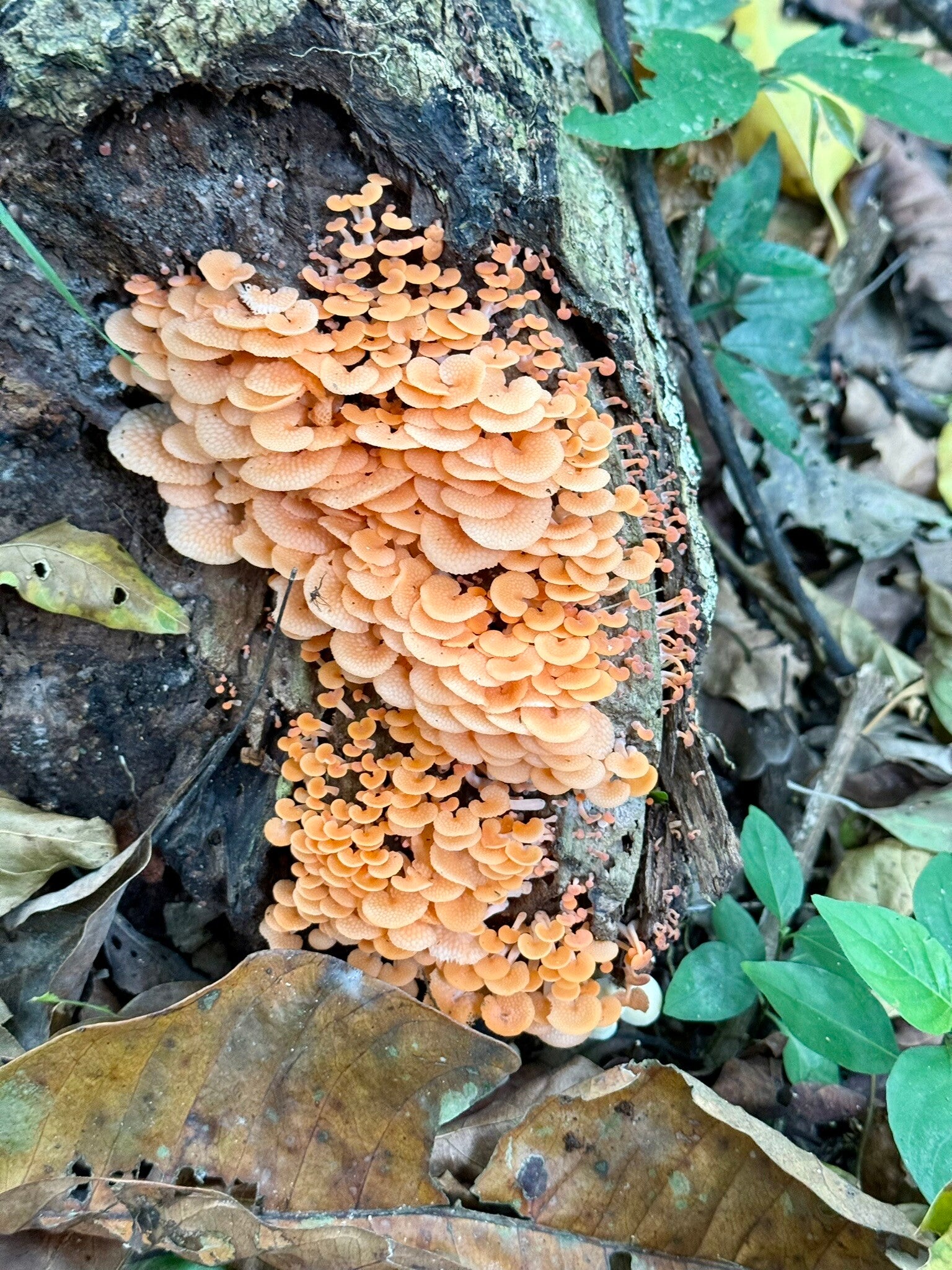
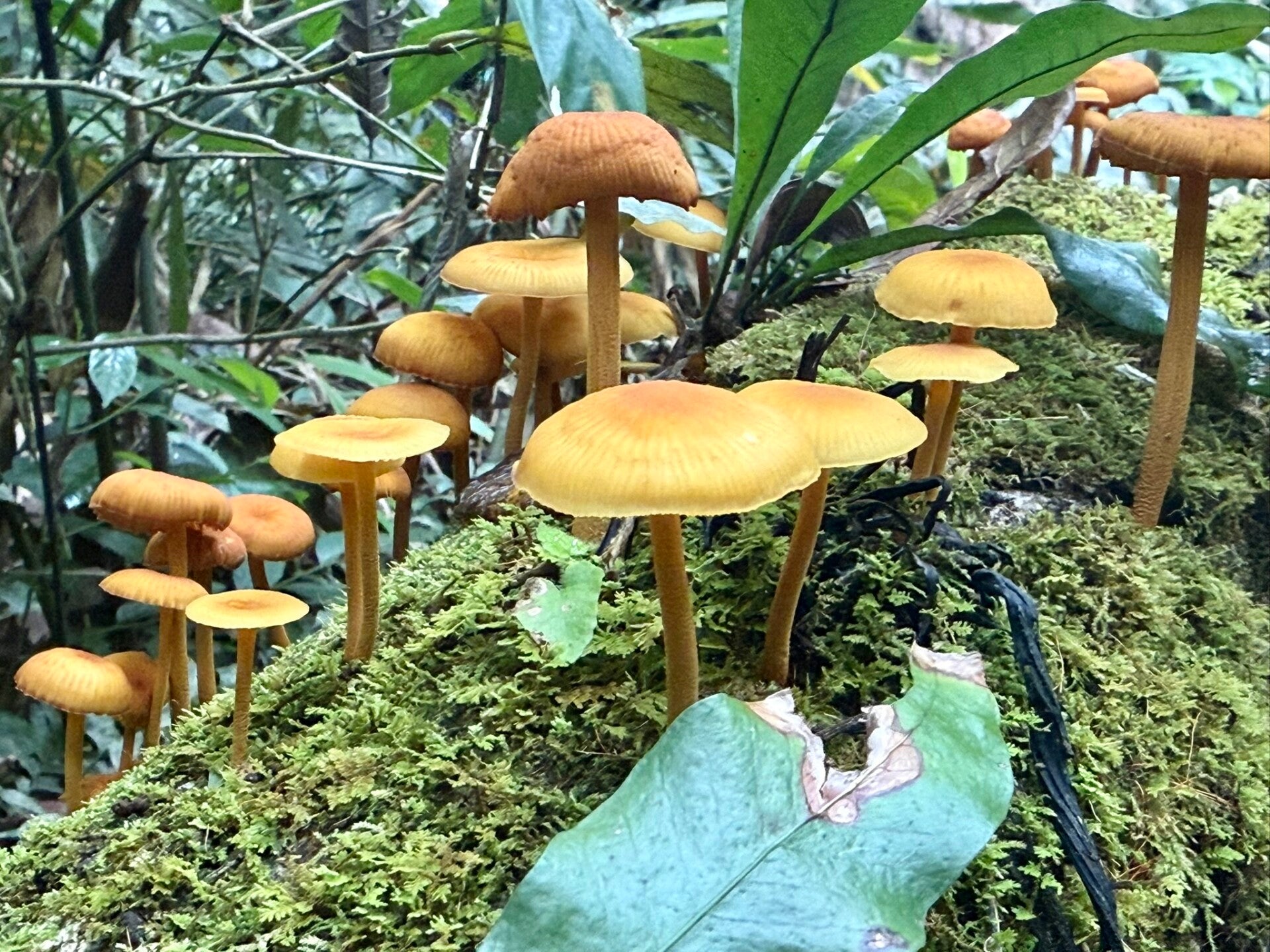

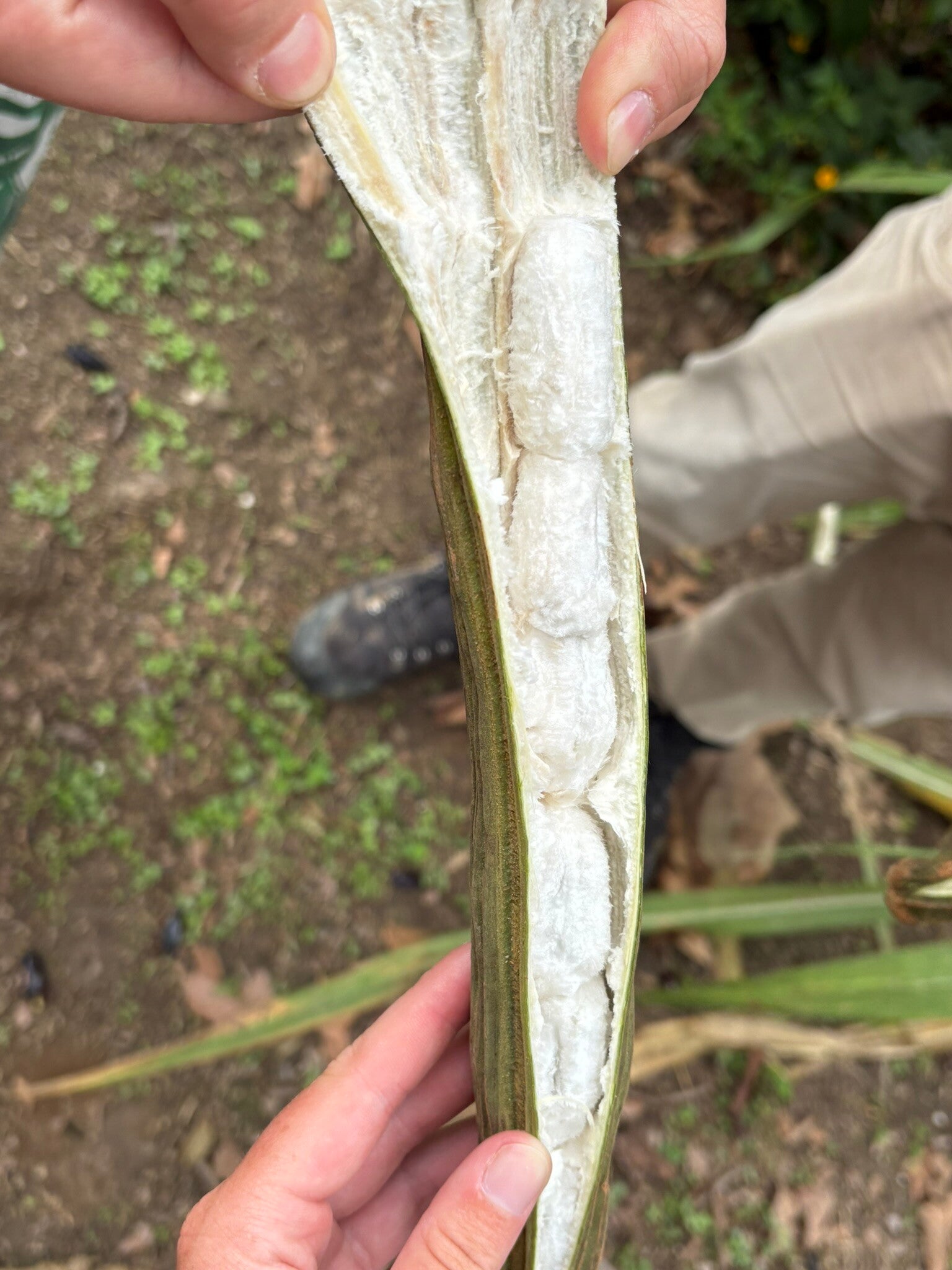
Day 8: Camping in the Jungle ⛺️
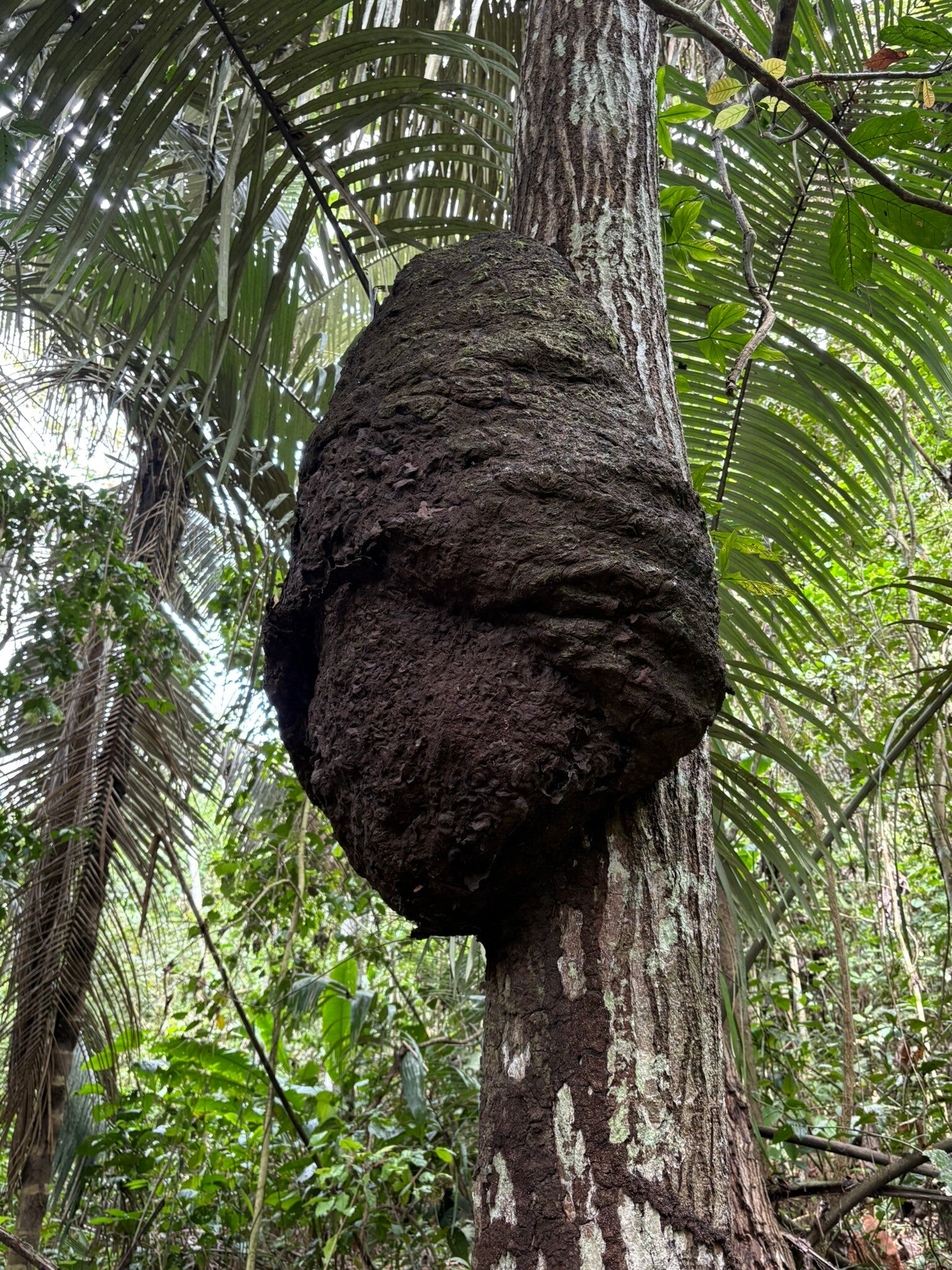
The second day in the jungle began with a hearty buffet breakfast before we set out on a 4-hour trek deeper into the wilderness. A jungle camping experience is included in all 3-day jungle tours, whereas those opting for a 2-day tour will miss out on (or gladly skip?) the camping adventure.
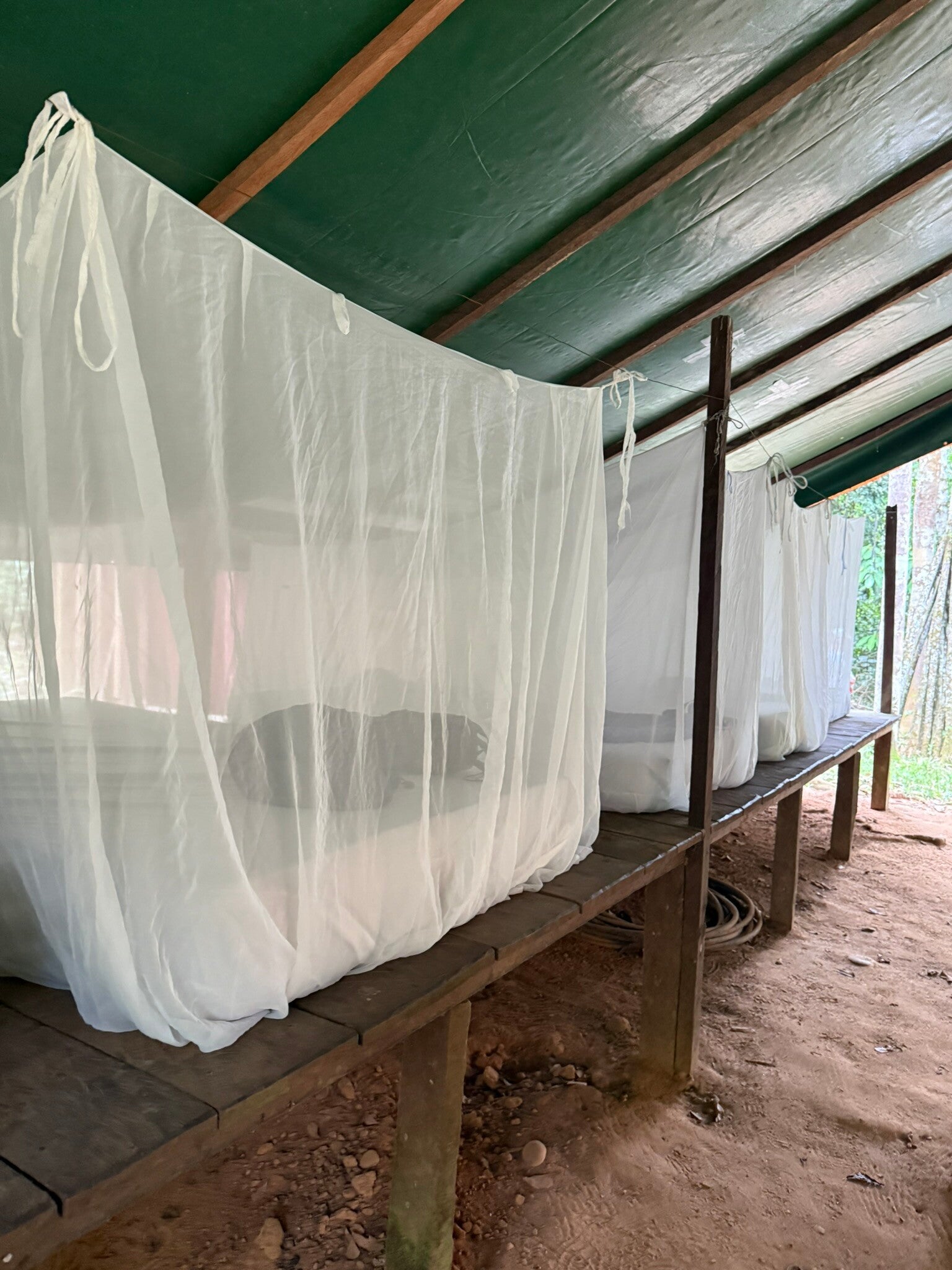
After trekking for 4 hours without much wildlife sighting, we arrived at the Mashaquipe campsite. This campsite featured flushing toilets, a shower and a wood shed with elevated structures where thick mattresses were provided. Note that camping facilities can vary by tour company and ours was quite fancy compared to others!
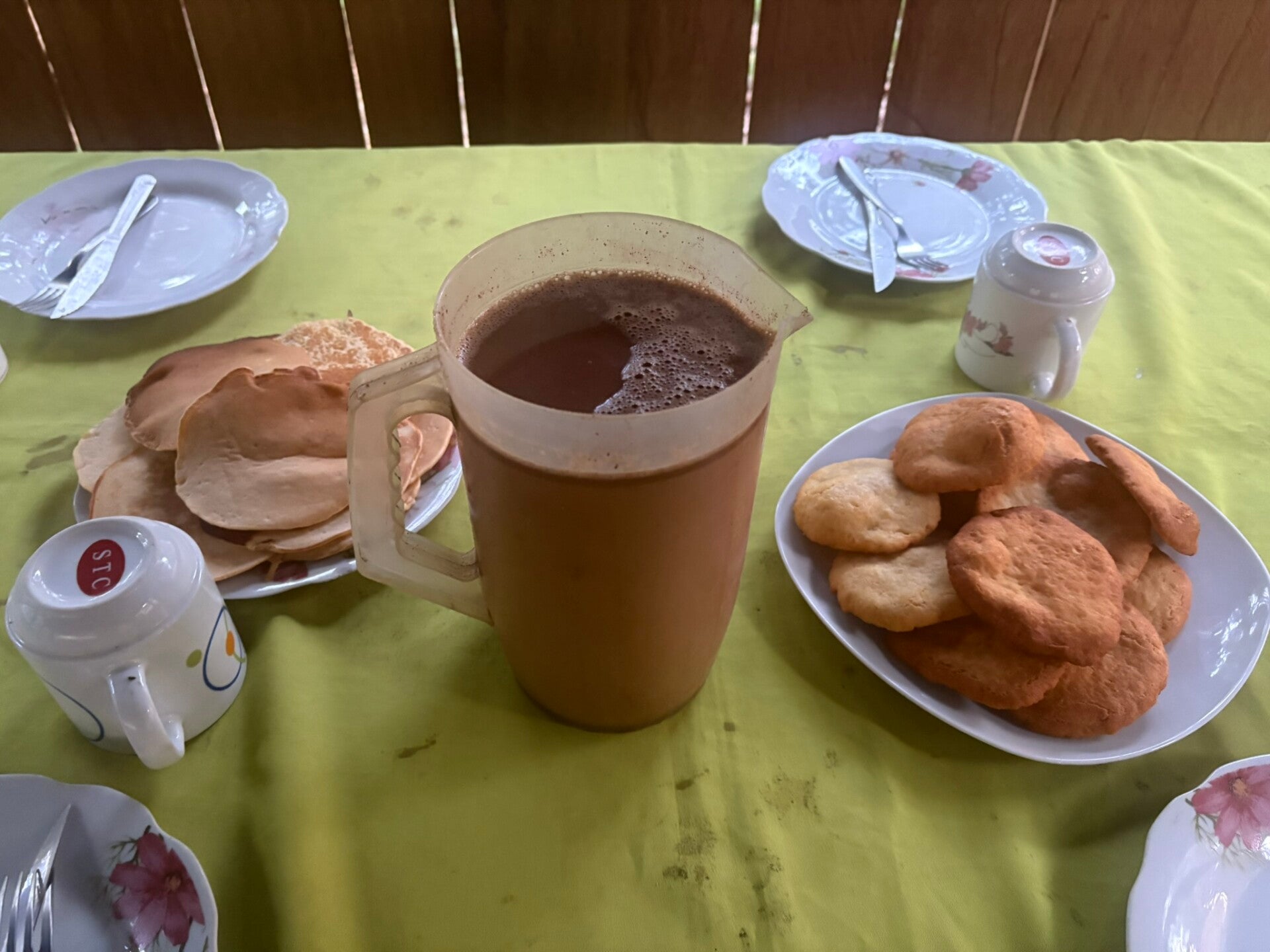
We prepared our sleeping area by securing mosquito nets over the mattresses and the company provided sleeping bags. Believe it or not, nights in the jungle can get quite chilly, so pack more than just short sleeves! After settling in, lunch was cooked at the campsite—delicious and of good quality, especially considering the remoteness of the location.
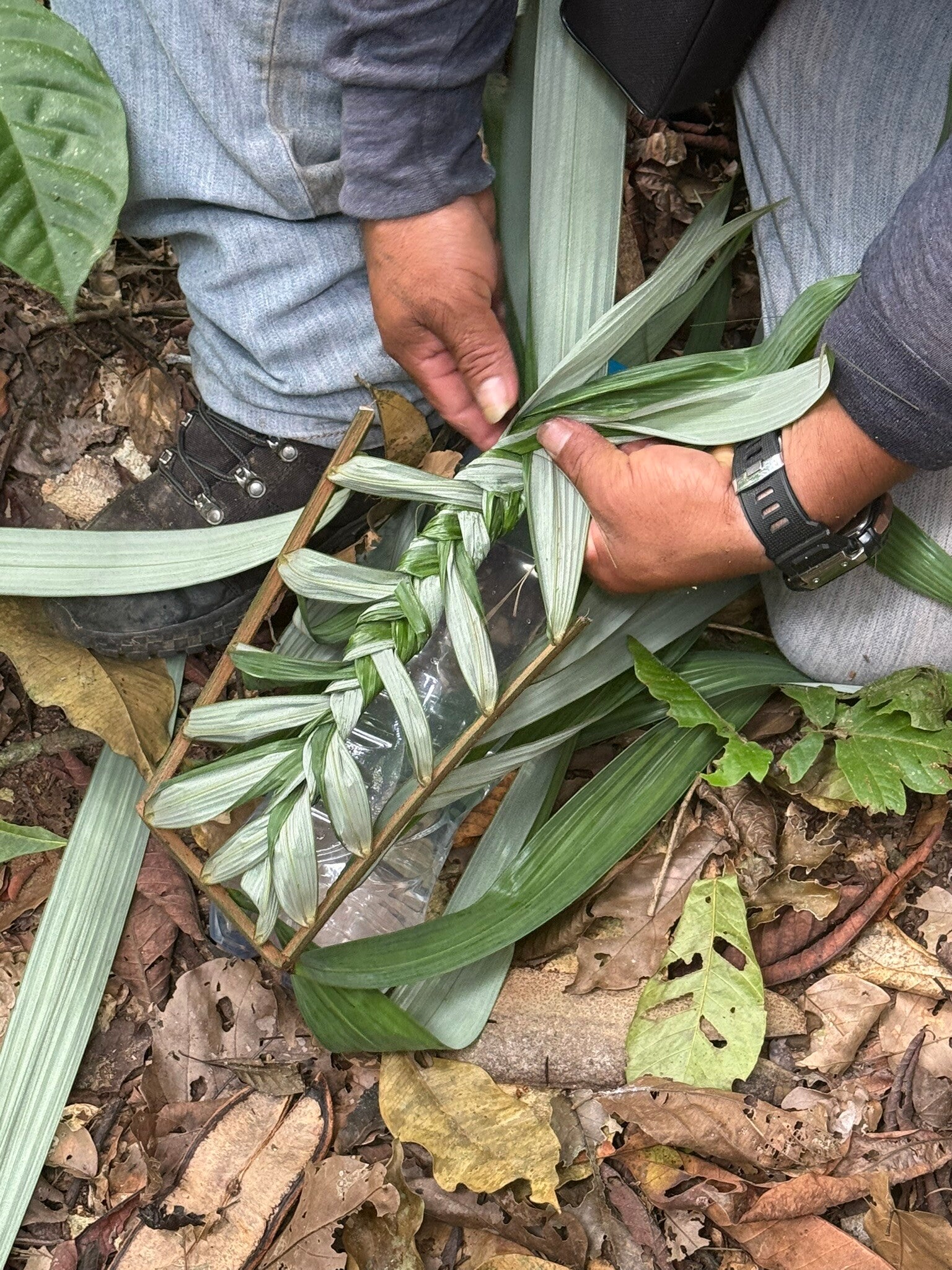
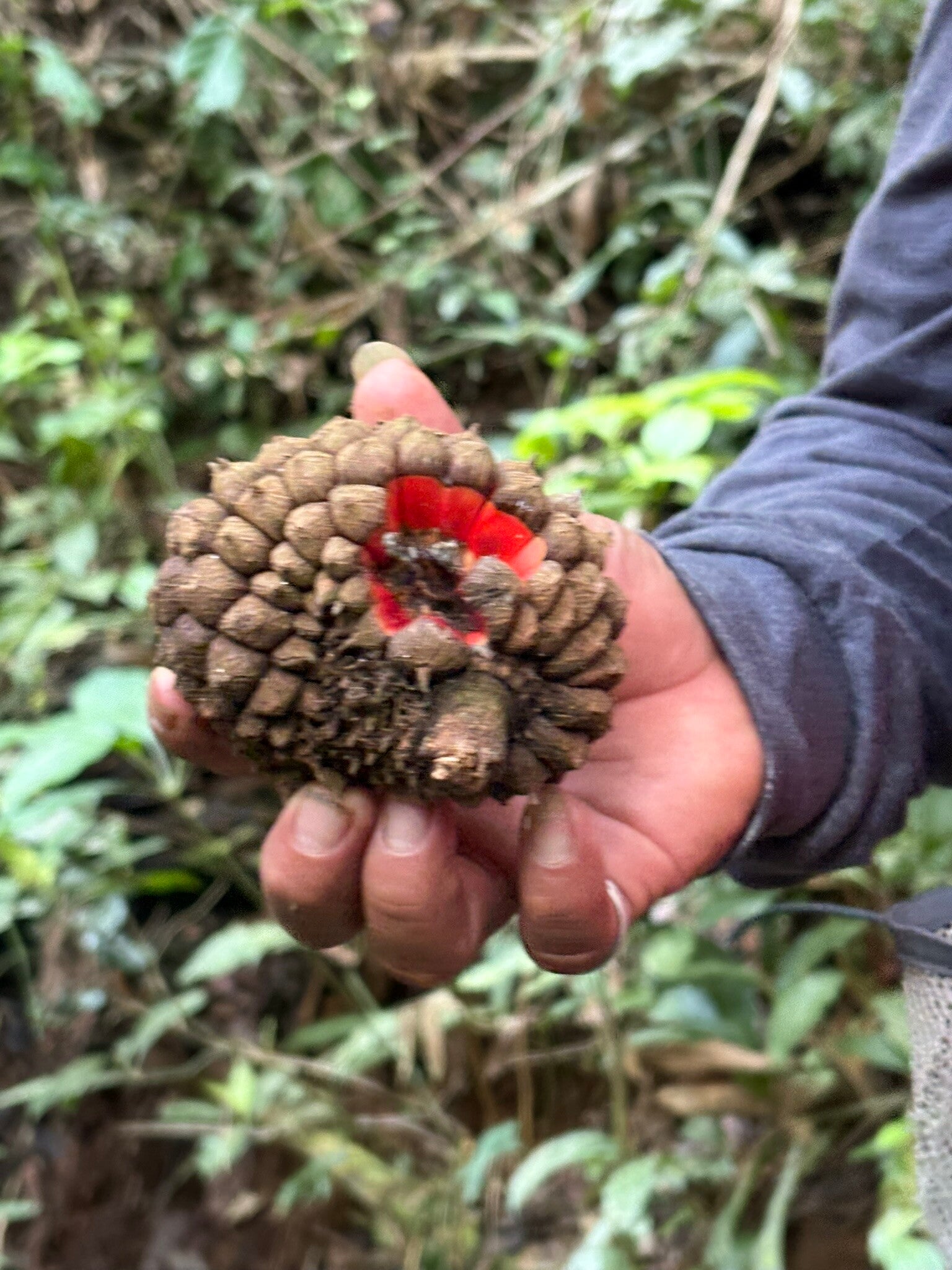
After lunch and a brief rest, we embarked on another trekking adventure to spot animals. We waded through the thick jungle (our guide often used his machete to clear the path) and were fortunate enough to see both red howler monkeys and spider monkeys. Observing the spider monkeys was particularly impressive, and we even noticed their distinct floral scent lingering on the path, which could easily be mistaken for flowers! 🌺
After dinner, it was time for an early night, as an early morning wake-up awaited us.

Day 9: Observation of Macaws in the Jungle 🦜
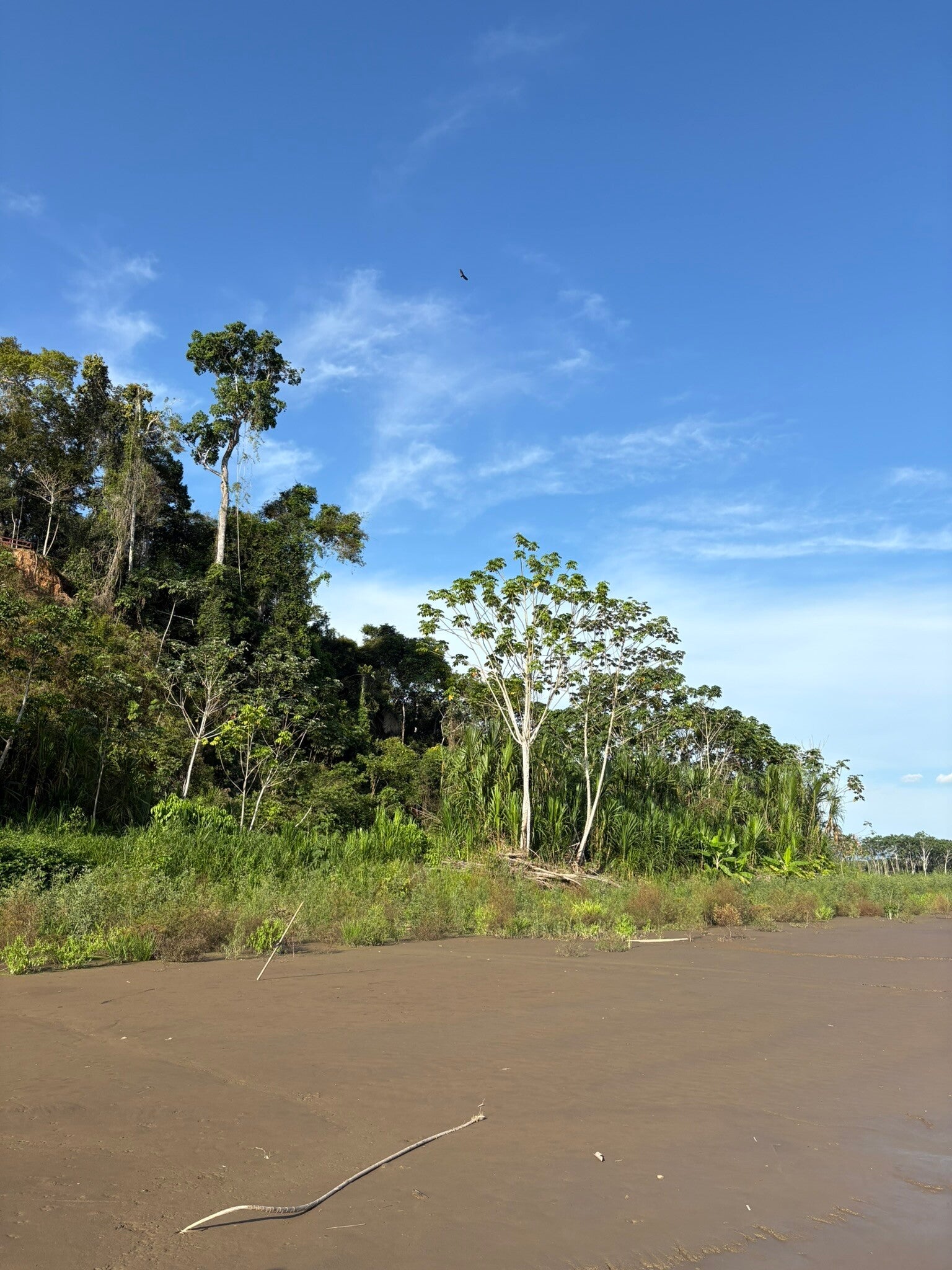
On the morning of our third day, we packed up the campsite after breakfast and trekked approximately 2 hours to a viewpoint where we could see numerous macaws flying around and perched in the trees quite close up. It was a spectacular sight!
After enjoying the view, we continued to an observation deck nearby, which overlooked a wall where macaws were nesting, providing another angle to observe these beautiful birds.
Afterward, we loaded our bags onto a motorboat and boarded a makeshift raft made of six wooden logs (one log for each person). We then floated down the gentle stream of the river back to our campsite.
After lunch at the campsite, those who booked the 3-day jungle tour prepared to depart back to Rurrenabaque. Meanwhile, we had the option to choose an additional activity—free time, handicrafts, or fishing. Since we had been trekking quite a bit over the past few days, our group opted for a fishing trip in the nearby river.
Each of us was given a makeshift fishing rod and a piece of meat as bait, targeting predatory fish such as piranhas and other carnivorous fish of the Amazon River basin. After what turned out to be a slow two hours of fishing, we returned to the lodge with sand fly bites but no fish. Luckily, the chef had us covered with a delicious local fish dinner!



Day 10: Start of the Pampas Tour
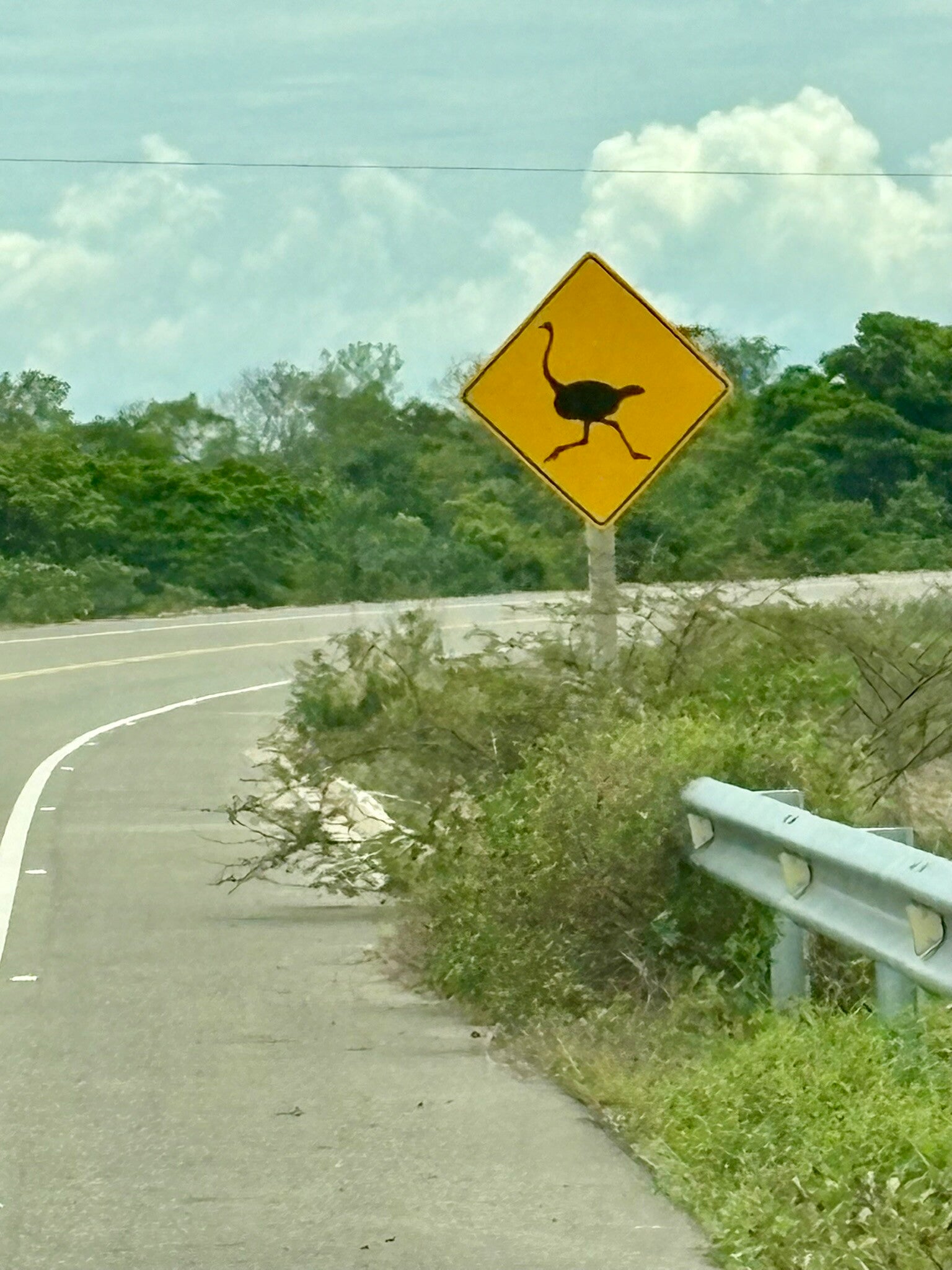
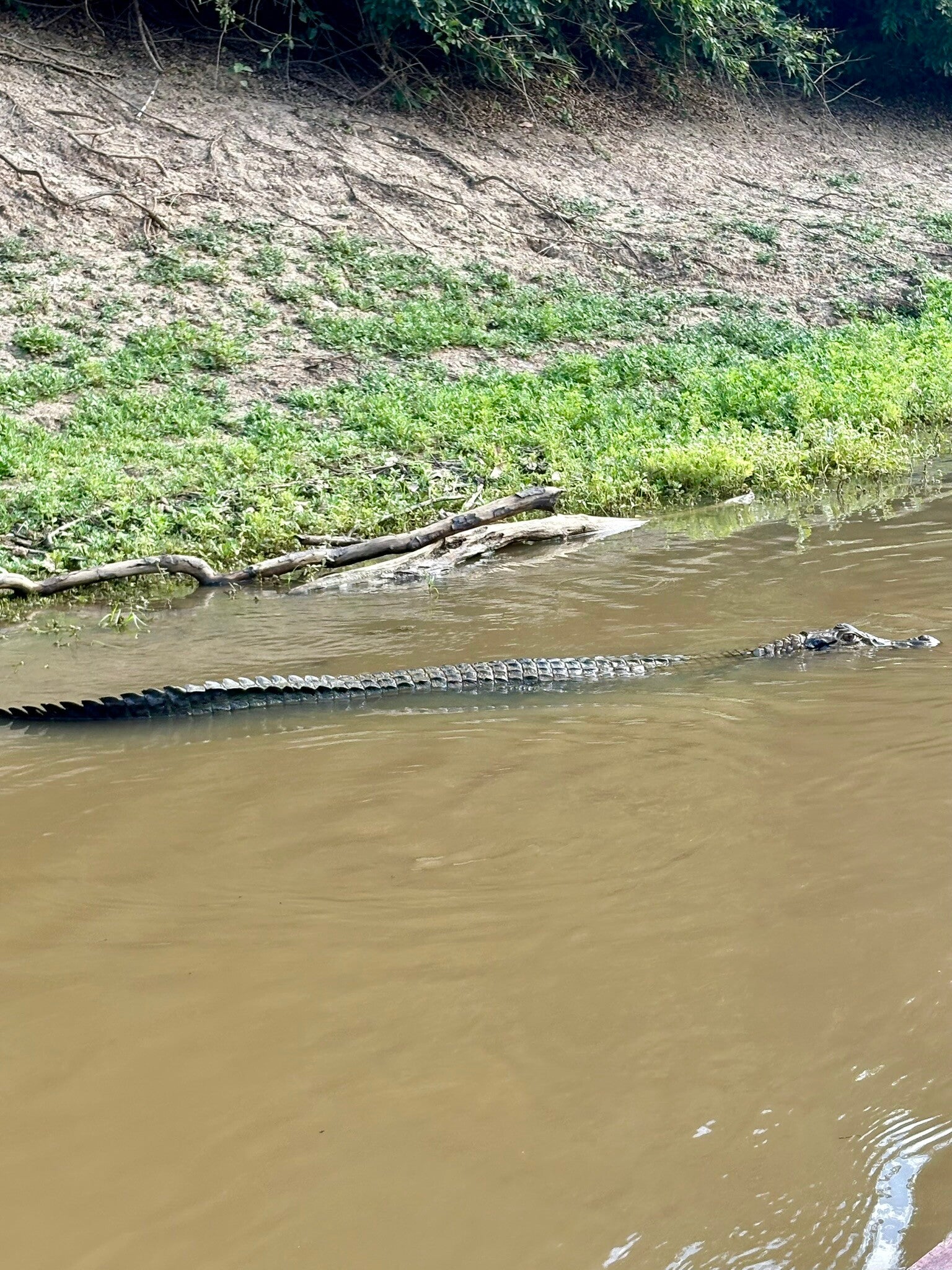
After enjoying a hearty buffet breakfast, we took the boat back to Rurrenabaque and made a quick stop at Mashaquipe's office to pick up other travelers who would be joining us for the pampas (wetlands) tour. The subsequent 3-hour drive to our pampas lodge was quite entertaining, resembling a safari with opportunities for animal spotting along the wetlands beside the road. We were fortunate enough to see a sloth with a baby, several capybaras, caimans, and even ostriches!
Settling In and Wildlife Boat Tour
Upon arrival, we settled into our lodges, which again featured private bathrooms and hot showers (though the hot shower wasn't necessarily needed in the extreme heat of the pampas!). Note that the pampas are typically hotter than the jungle and more swarming with mosquitoes, so packing long pants and sleeves is essential. The mosquitoes here are particularly aggressive and can bite through clothing, so you may even want to resort to ponchos or raincoats for extra protection.
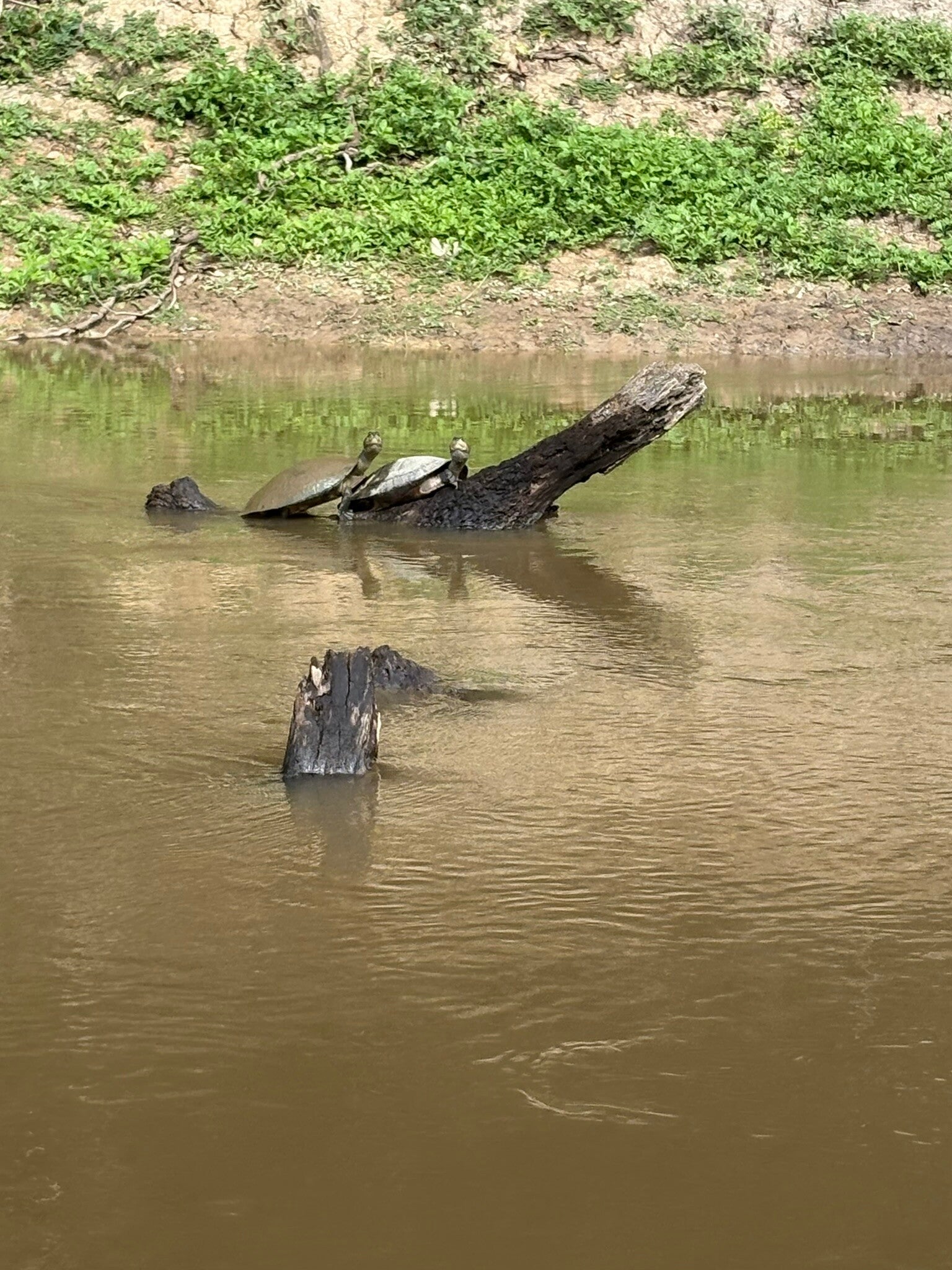
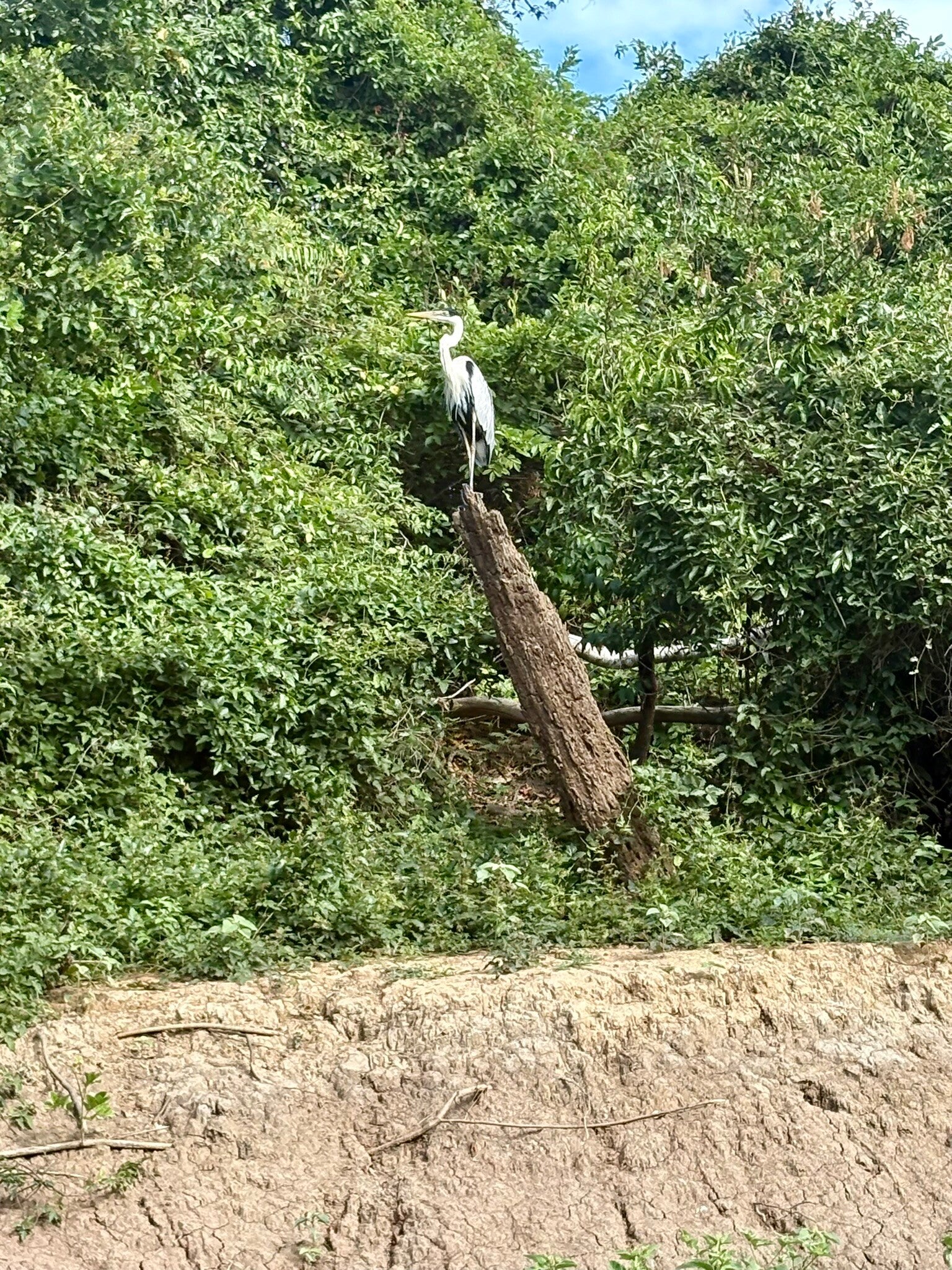
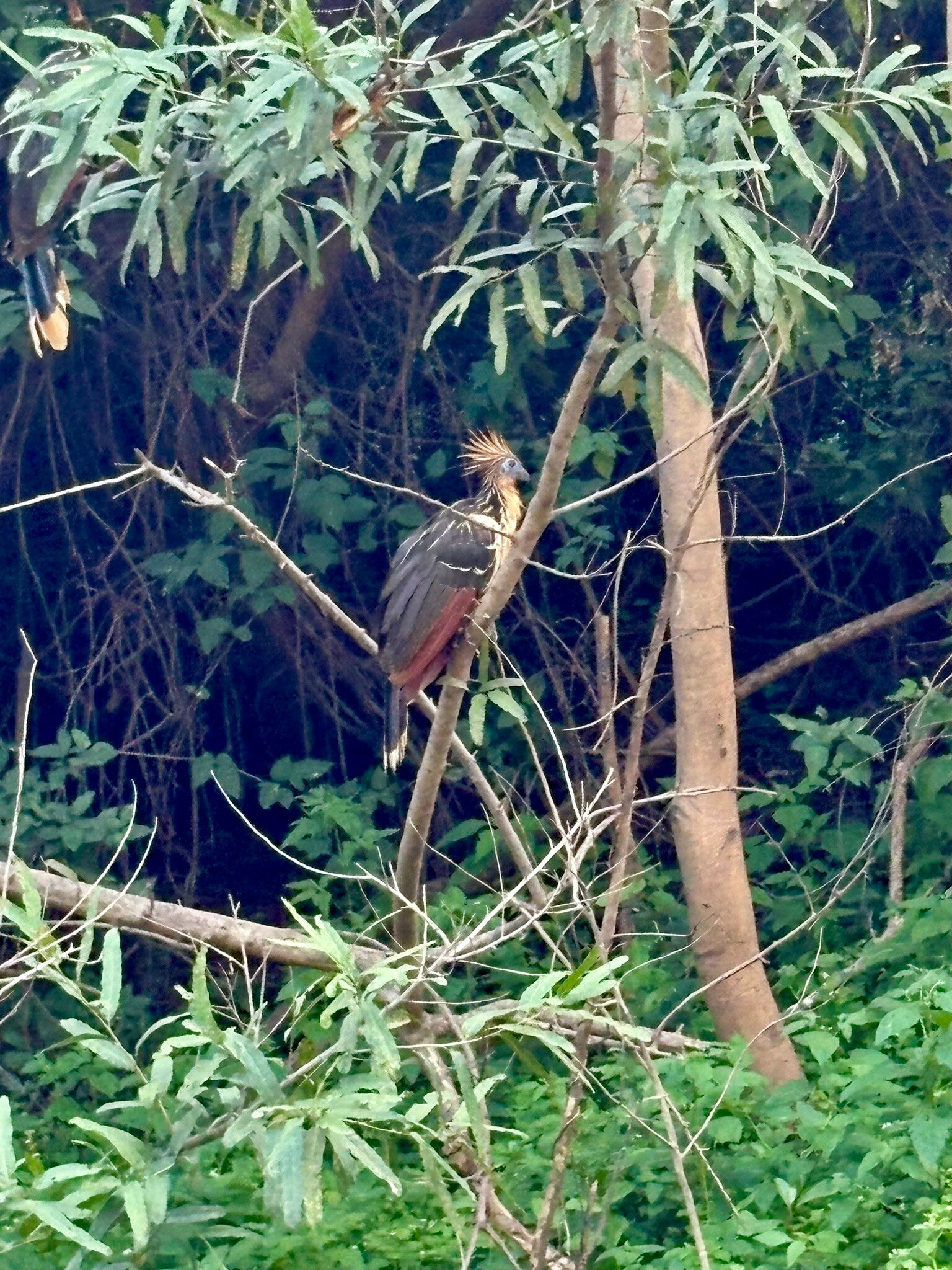
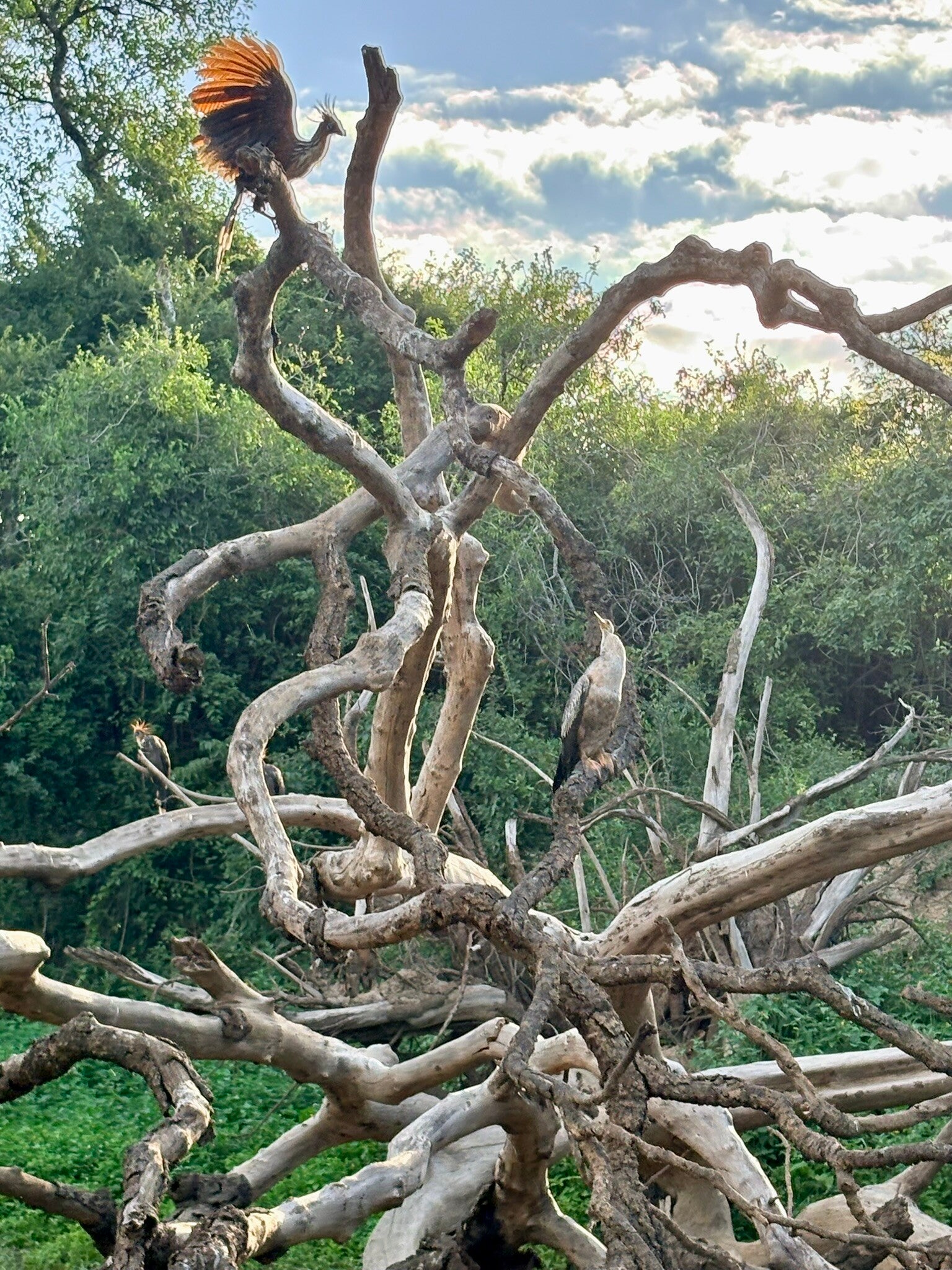
After lunch, we embarked on a boat tour to observe wildlife along the riverbanks. The animal sightings during this excursion were even more frequent than during our drive, as we encountered dozens of caimans, turtles, jungle birds, and quite a few capybaras.
Evening Adventure
After dinner, we took a short walk to a nearby lagoon to witness the caimans' eyes shining in the dark when illuminated by a flashlight. The view was absolutely spectacular, as the numerous glowing eyes resembled stars in the night sky! Unfortunately, capturing this experience in photos proved quite difficult. We also learned that the color of the caiman's eyes when illuminated can indicate whether it is a male or female! 🌌👀


Day 11: Pampas Continued 🌿🐍
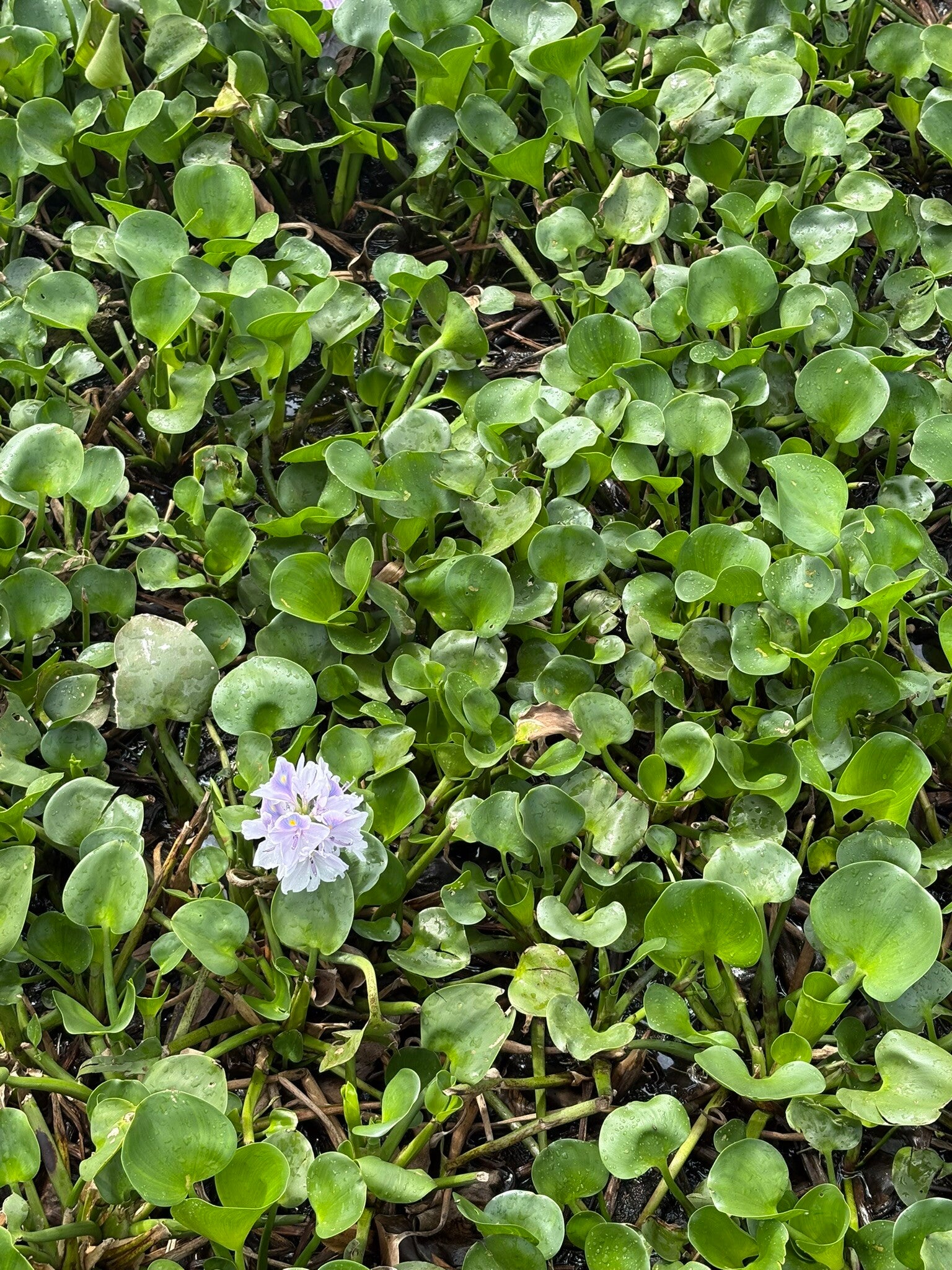
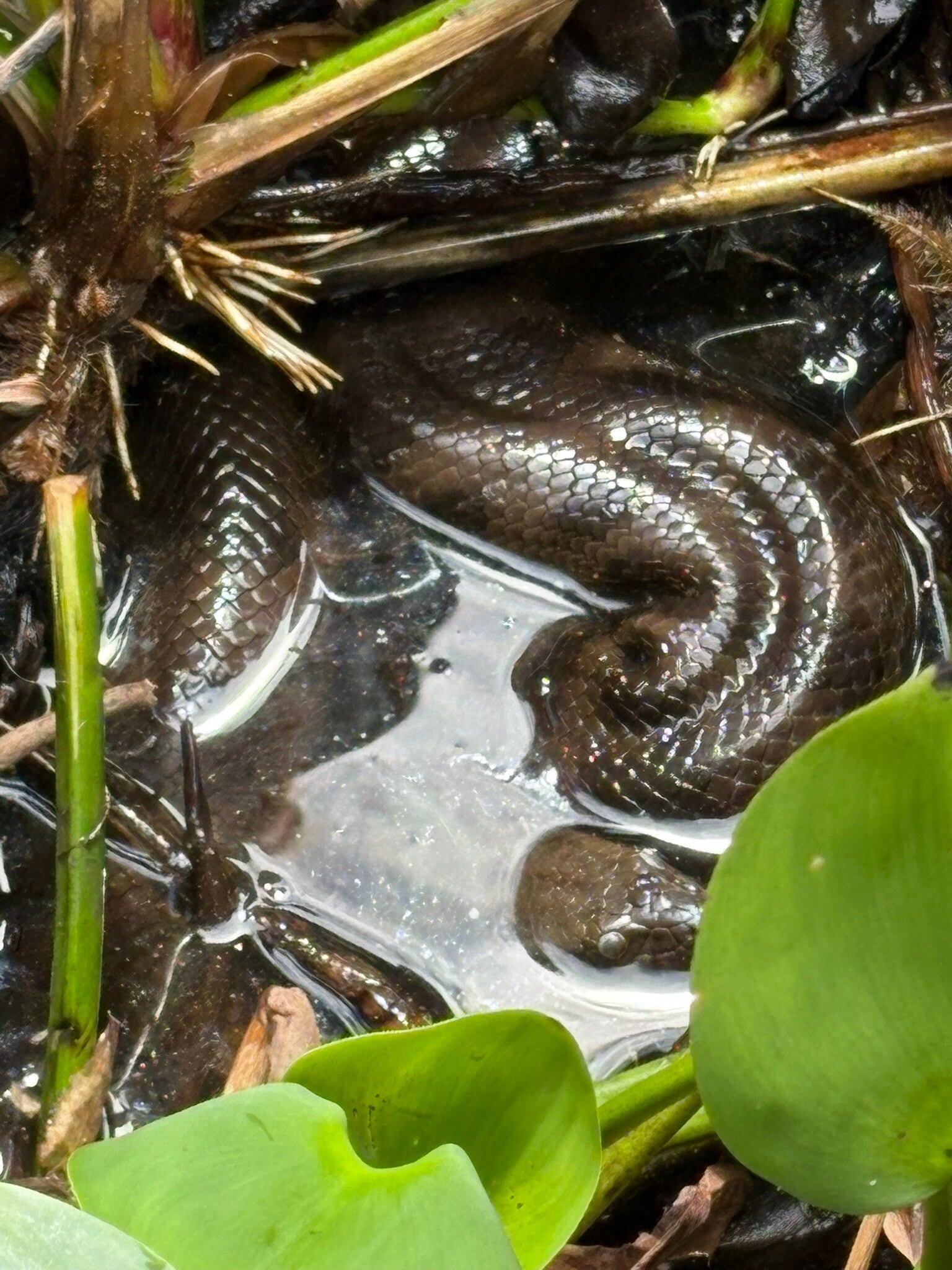
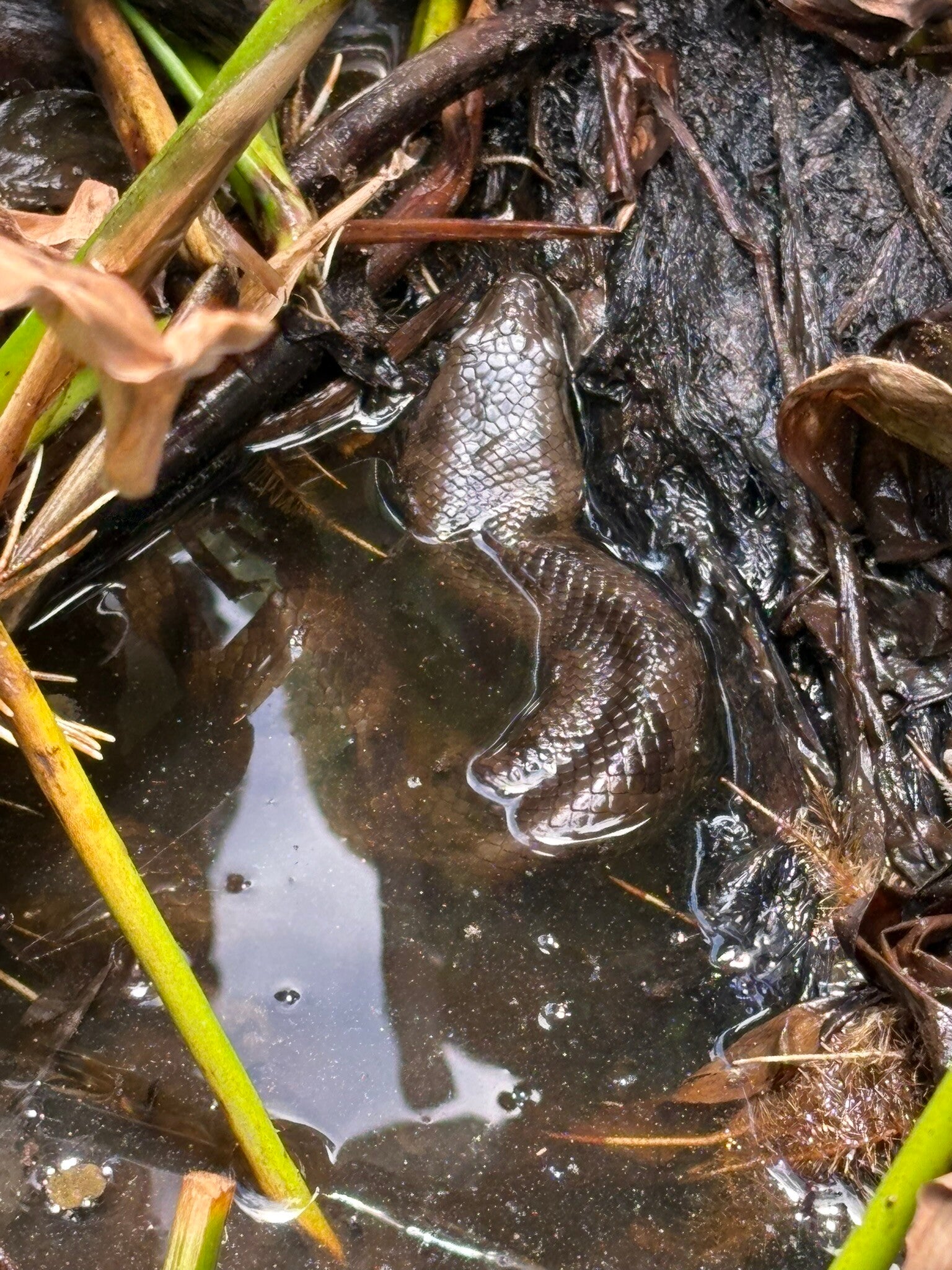
On the morning of day 5 of the tour, we all dressed up in rubber boots, armed with wooden sticks, and took a boat to a specific area of the wetlands to search for anacondas. These large snakes can grow up to 5 meters (16 feet) long, but they are especially adept at hiding under the lush wetland vegetation, making them difficult to spot. The wooden sticks are essential to ensure we don’t accidentally step on them or on camouflaged caimans!
Anaconda Search
While it’s not guaranteed that anacondas can be found every time, we were very lucky to encounter an approximateöy 3-meter (10-foot) snake nestled beneath the dense vegetation. The size could only be estimated, as ethical tour companies refrain from physically touching anacondas to avoid stressing the animals.
To make the day even better, on our way back from the wetlands, we were fortunate enough to see pink river dolphins hunting and blowing water bubbles in the river.
Bonus: Extra Day in the Pampas 🌅
While I personally did not experience the last day in the pampas and returned to Rurrenabaque after lunch on day 5, I’ll share the rest of the pampas itinerary so you can decide if an extra day is worth it.
On the 5th day after lunch, you would drive to a lagoon where you have a good chance (depending on the season) of witnessing the playful pink river dolphins again. These curious creatures are likely to approach boats, providing an exciting experience for those lucky enough to see them.
On the morning of the 6th day, piranha fishing is on the agenda. Unlike the relatively uneventful fishing day in the jungle, you are likely to catch not just one but many piranhas along the riverbanks in the pampas. If piranha fishing is on your bucket list, staying one more night could be a great option!
Options After the Jungle and Pampas Tour
After completing the jungle and pampas tour, you’ll have several options:
- Relax in Rurrenabaque: Spend some time unwinding after the intense sightseeing. Depending on your flight schedule (as flights do not operate every day), you may be forced to take this option anyway.
- Fly Back to La Paz: Return to La Paz and either relax or engage in activities you might have missed before heading to Rurrenabaque.
- Fly to Sucre: You can fly to Bolivia's official capital, Sucre. However, this route isn’t very straightforward. You would first fly to La Paz and since there are usually no direct flights from La Paz to Sucre, you’ll typically need to connect via Santa Cruz. It sounds like a hassle, but it’s usually pretty smooth—distances are short, and baggage and security tend to be quick.
Days 12-13: Rest and Recreation in Rurrenabaque 🌴🌞
I opted for a combination of the 1st and 3rd options for my next steps, as there were no flights out of Rurrenabaque during the weekend. This provided me with well-needed rest time in this charming, walkable and safe jungle town. Rurrenabaque has a relaxed atmosphere, making it a perfect place to recharge before continuing the journey through Bolivia.


Day 14: Exploring Sucre 🌆
Sucre is Bolivia's de facto capital and undoubtedly the most beautiful city in the country. Known for its stunning whitewashed colonial buildings, cobblestone streets and baroque churches, Sucre exudes a distinctly European charm. Founded by the Spanish in 1538, the city boasts mansions, cathedrals, and administrative buildings designed in European styles. Today, Sucre is affectionately called "the White City" and its historic center is recognized as a UNESCO World Heritage Site.
A Modern Touch
In addition to its impressive architecture, you’ll notice that Sucre is more modern and tourist-friendly compared to other Bolivian cities. The service at restaurants is generally quicker, more locals speak English, and while supermarkets are close to non-existent in other parts of Bolivia, Sucre has them as we know them in the West.
Discovering the Historical Center
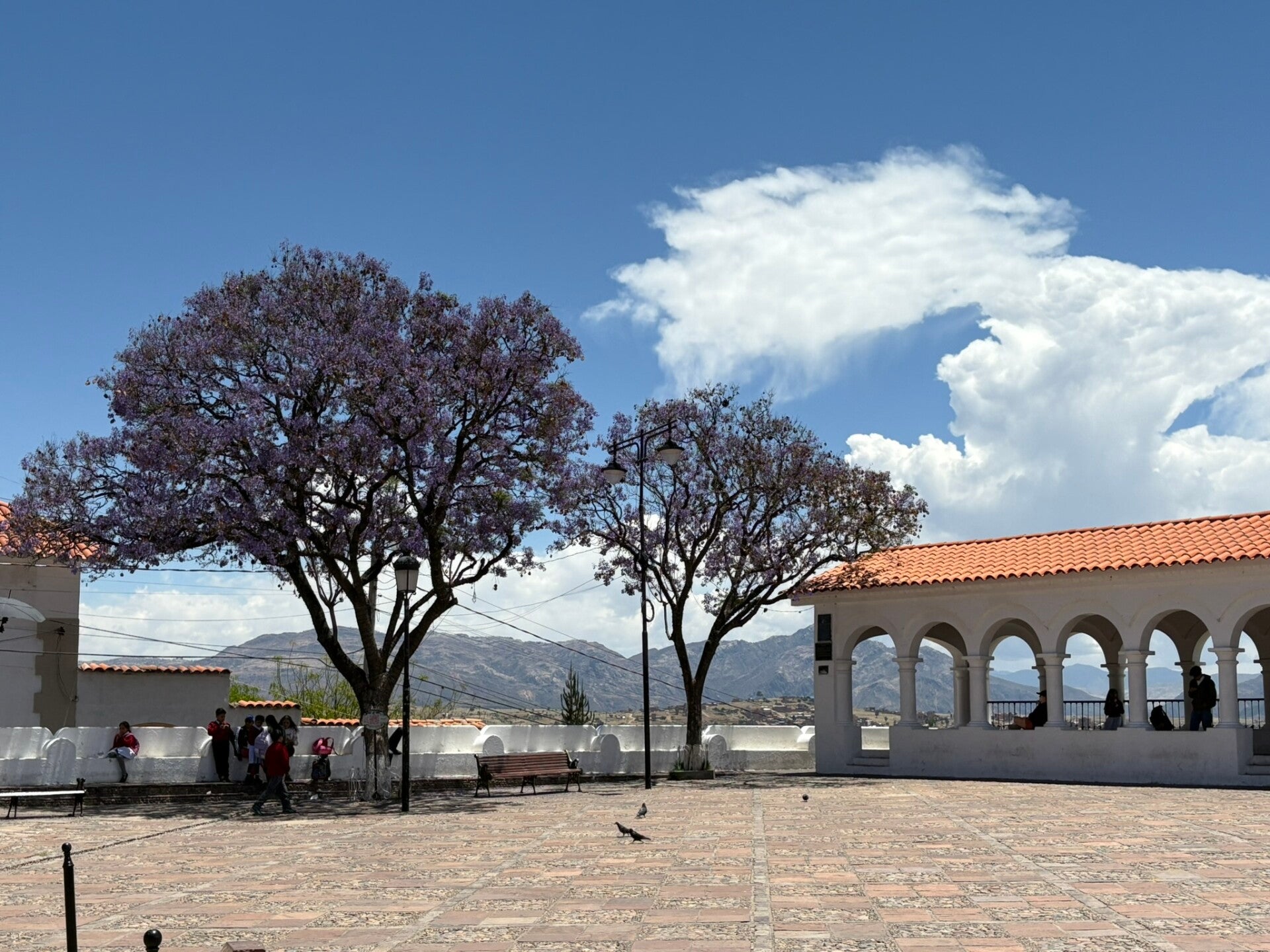
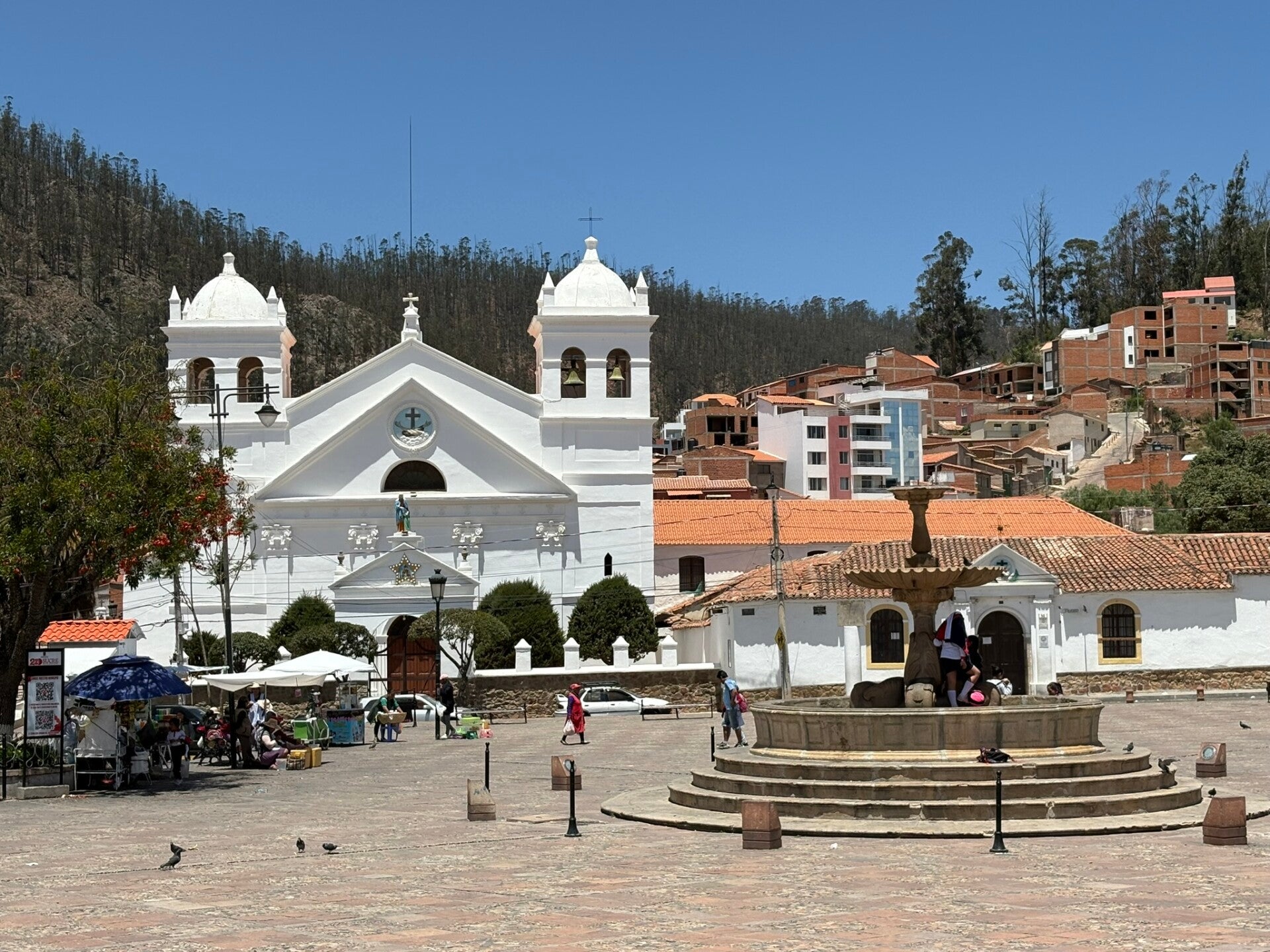
Spend your first day getting acquainted with Sucre's historical center and learning about its Spanish heritage by joining a walking tour. Keep in mind that these tours typically cover significant sites from the outside. After the tour, make sure to visit the Church of Saint Philip of Neri for magnificent views of the city.
While it's called a church, the building actually serves as a girls' school in the morning and as a museum in the afternoon. It is open for visits between 2:30 PM and 5:00 PM (as of 2025), and the entrance fee is 17 BOB (approximately 2.5 USD), which includes a short guided tour and free time to explore the rooftops of the building. The views from the top are absolutely stunning and I’ll let the pictures do the talking! 📸
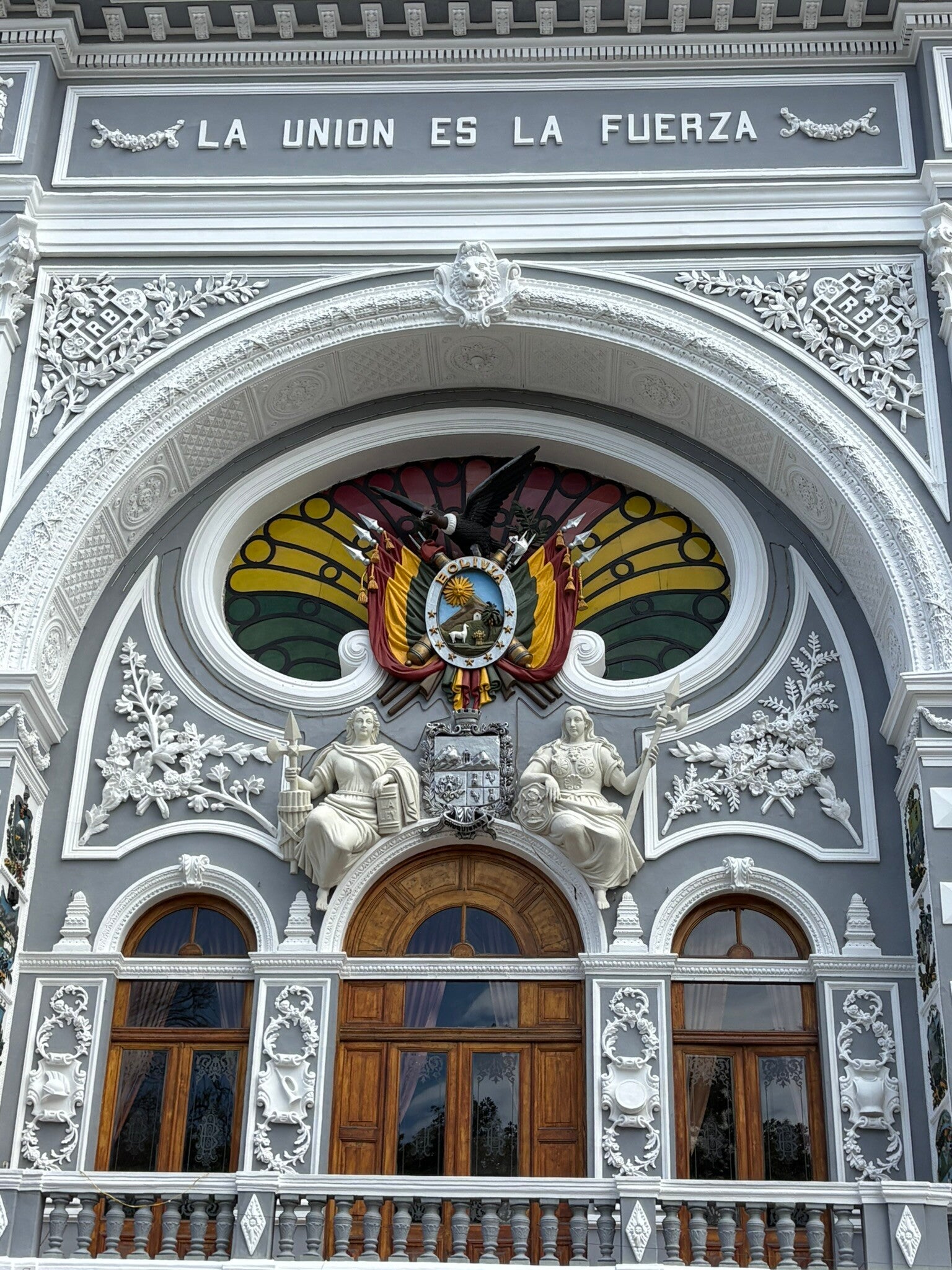
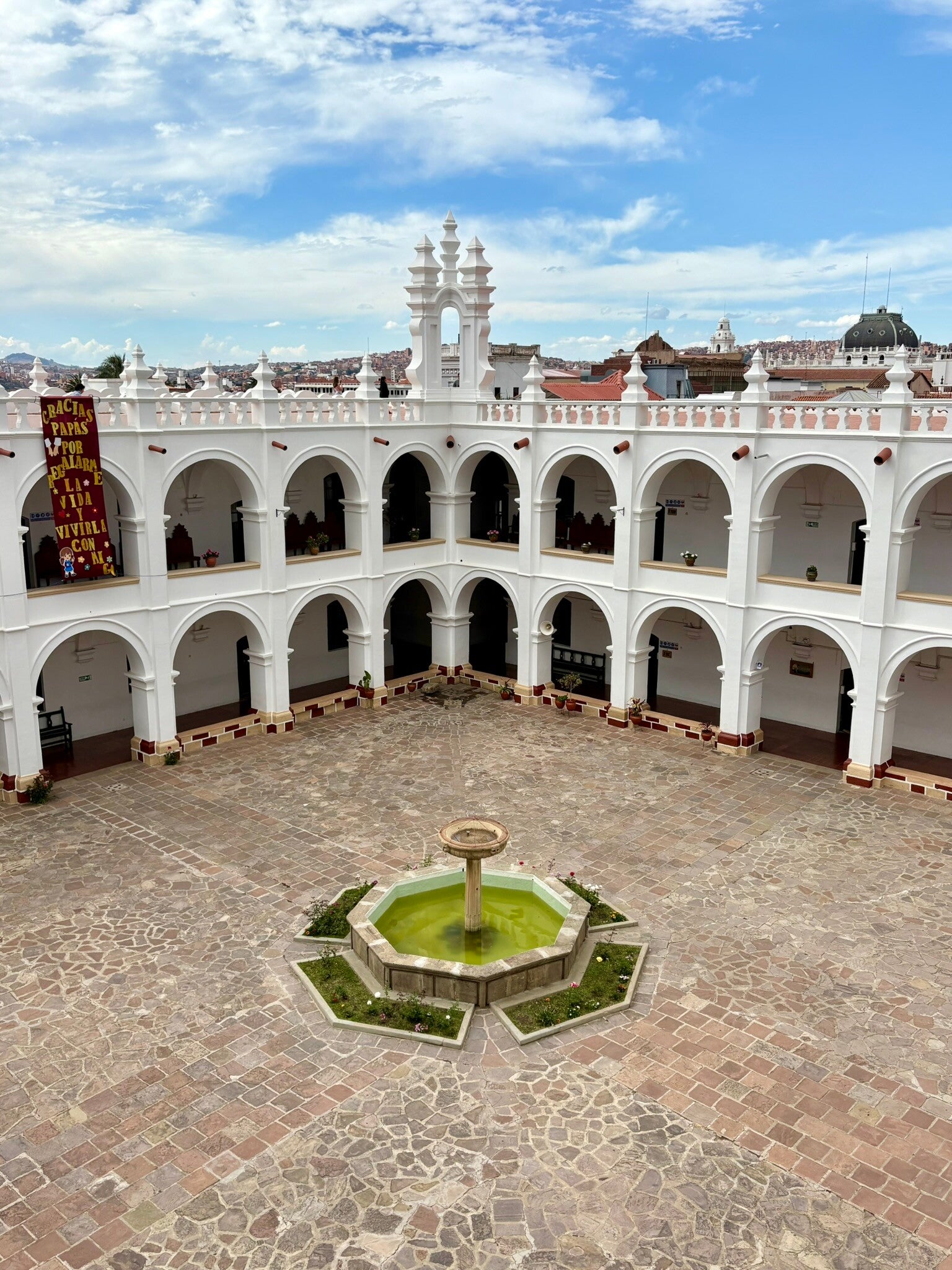
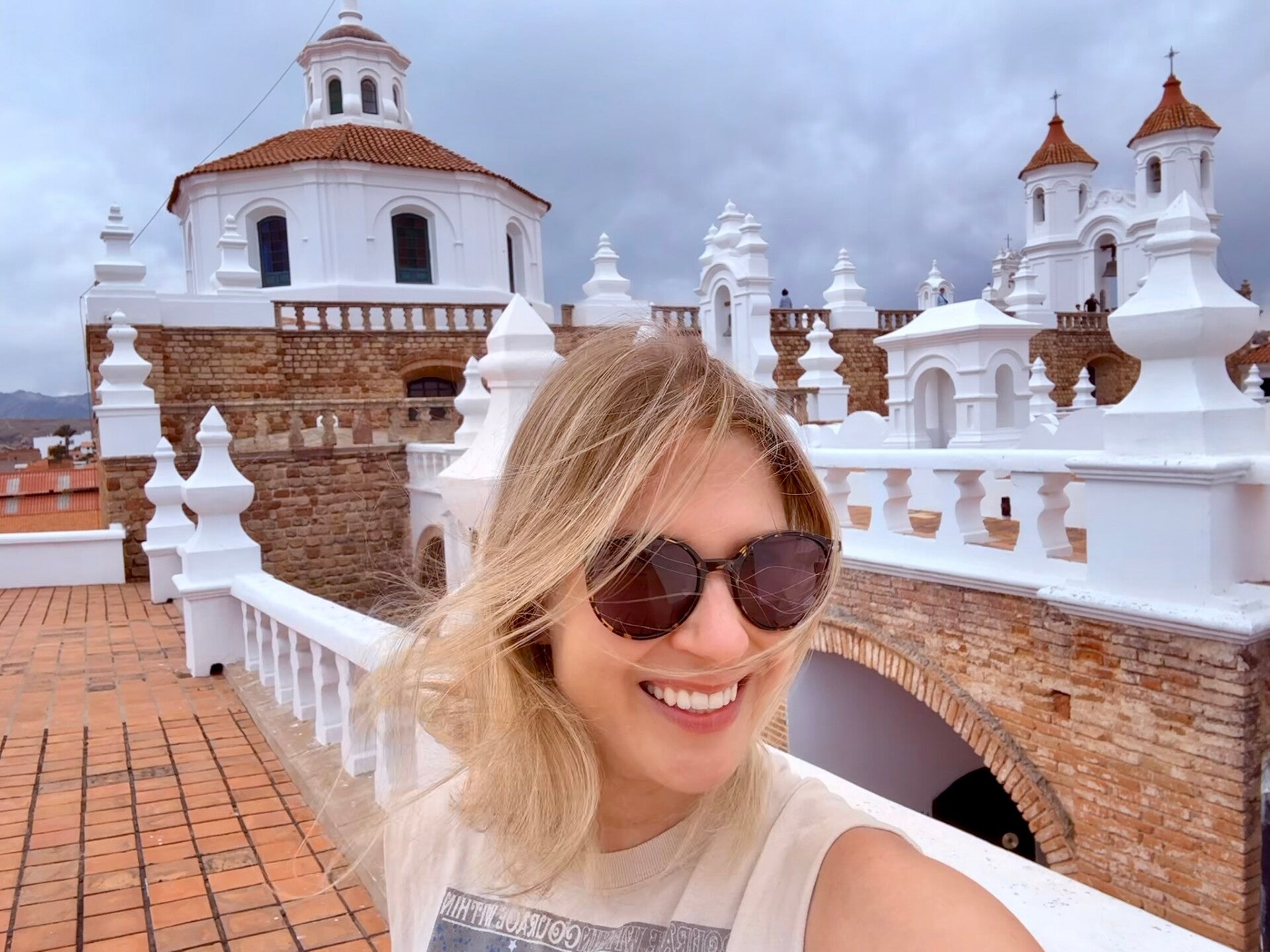
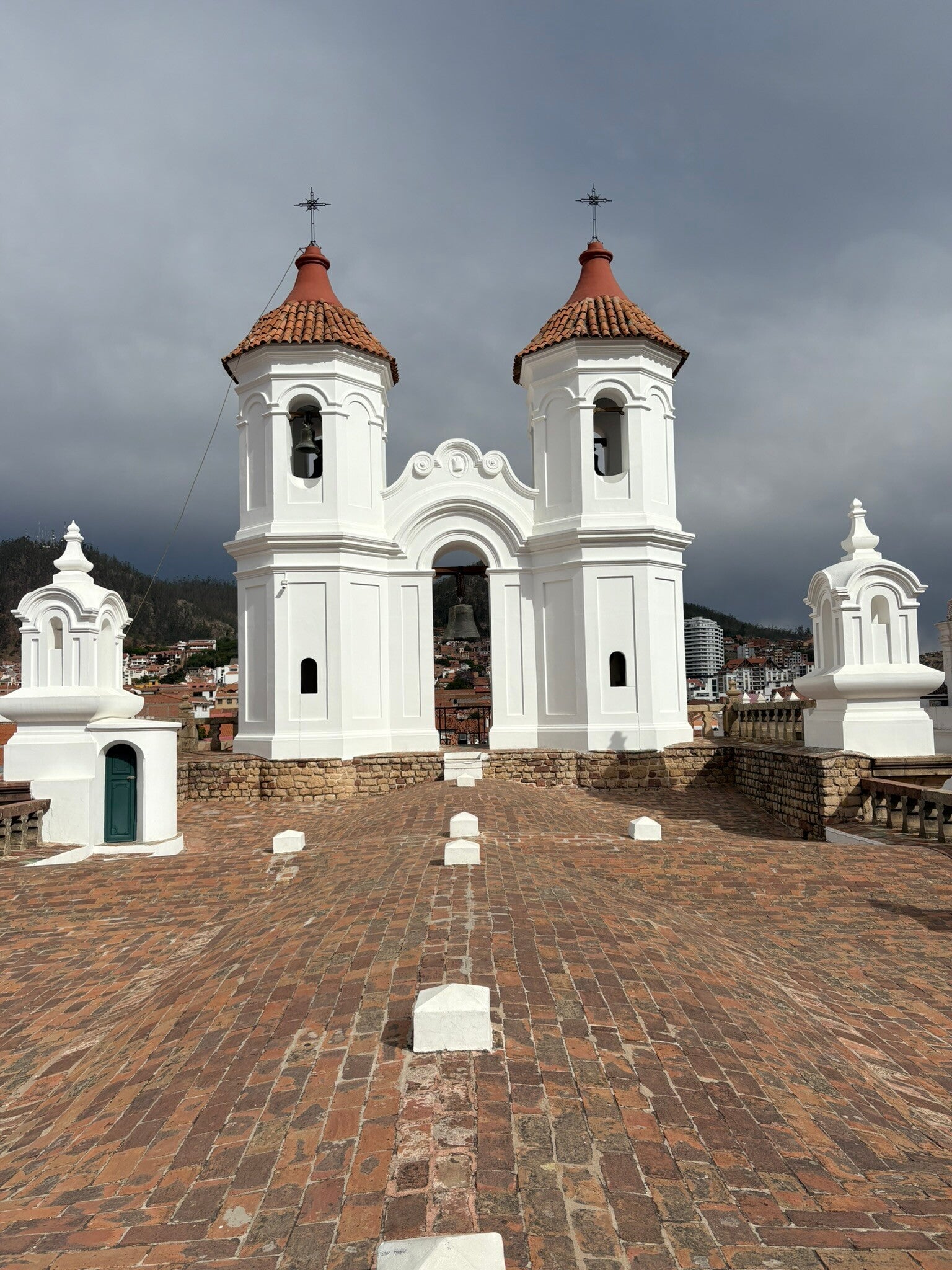
Day 15: Rooftop Views and Dinosaur Footprints 🦖
This morning, I recommend visiting the Gobierno Departmental de Chuquisaca building. While it's not apparent from the outside, this building features a stunning rooftop accessible to tourists for a modest fee of 15 BOB (approximately 2 USD) (2025 prices). You might wonder if it’s worth visiting another rooftop after the Church of Saint Philip of Neri, and the answer is absolutely yes, as each building offers a completely different perspective.
The rooftop of the Church is beautiful in and of itself, but the view of Sucre is somewhat limited. In contrast, the rooftop of the Government building, while fairly plain itself, provides the best panoramic view of all of Sucre. Spending about 30 minutes here is definitely worth it. Just be mindful that to reach the rooftop, you'll need to navigate steep and winding open-space stairs, so only attempt this if you don’t suffer from vertigo or a fear of heights.
Dino Footprints Adventure
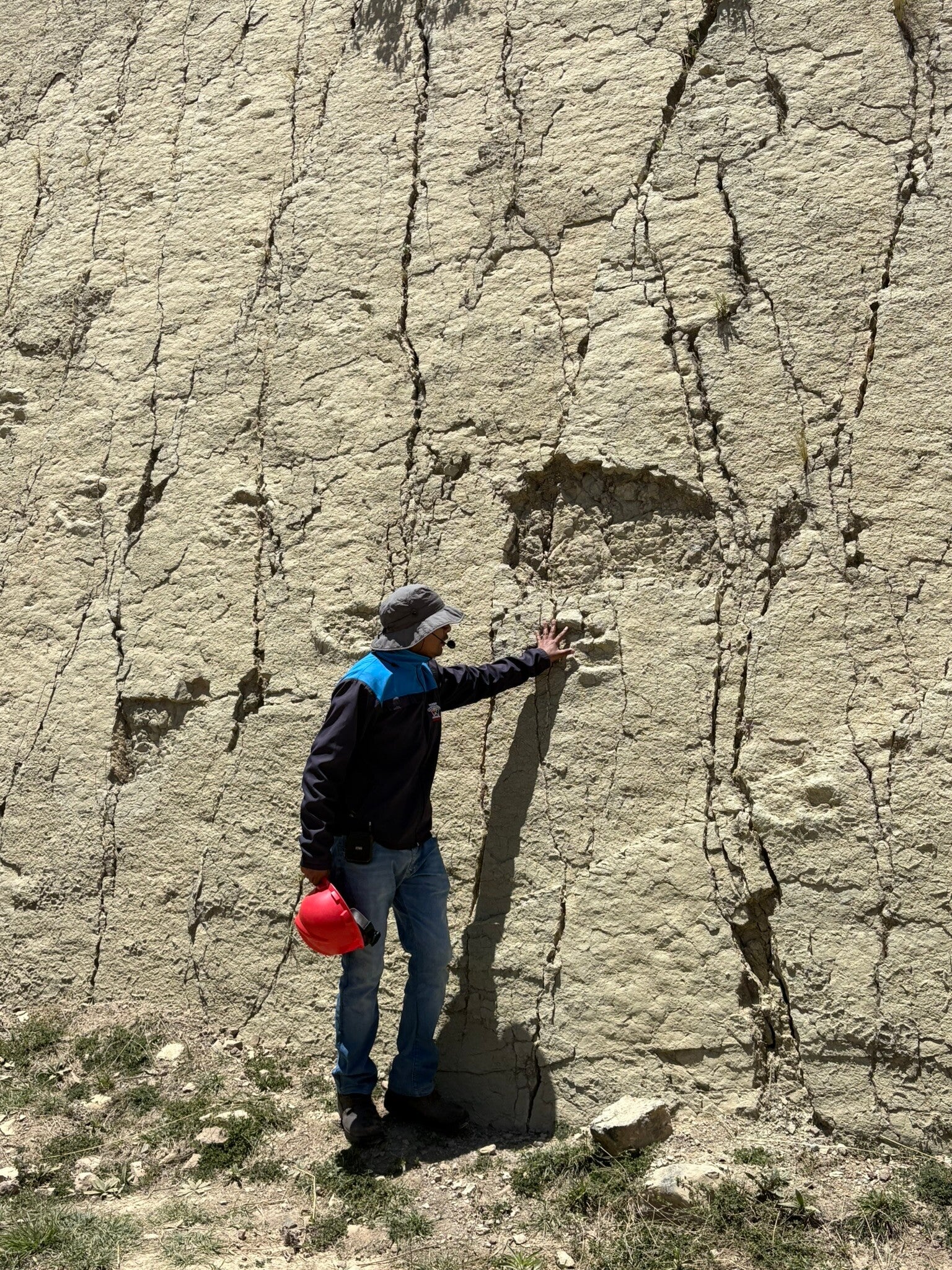
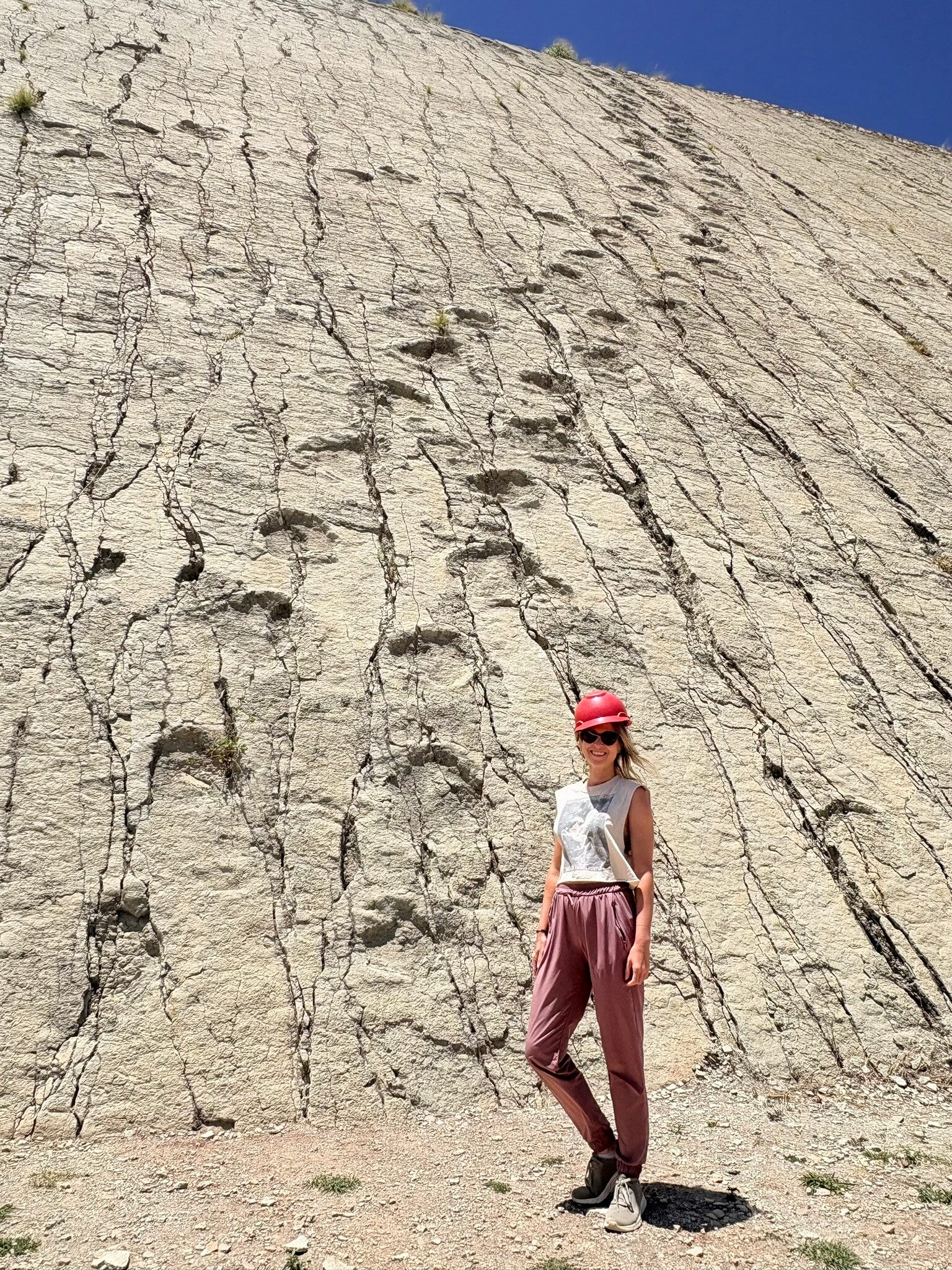
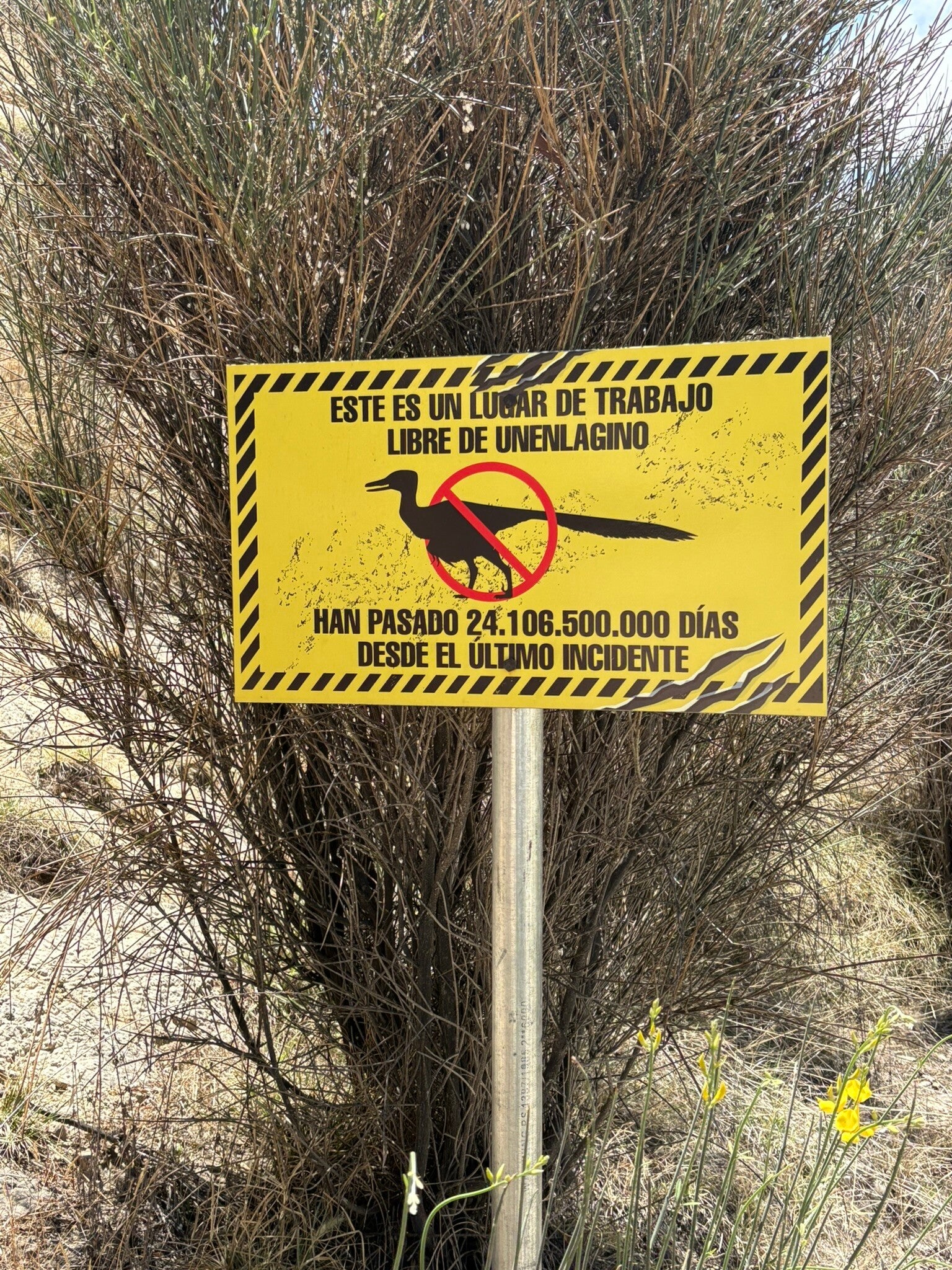
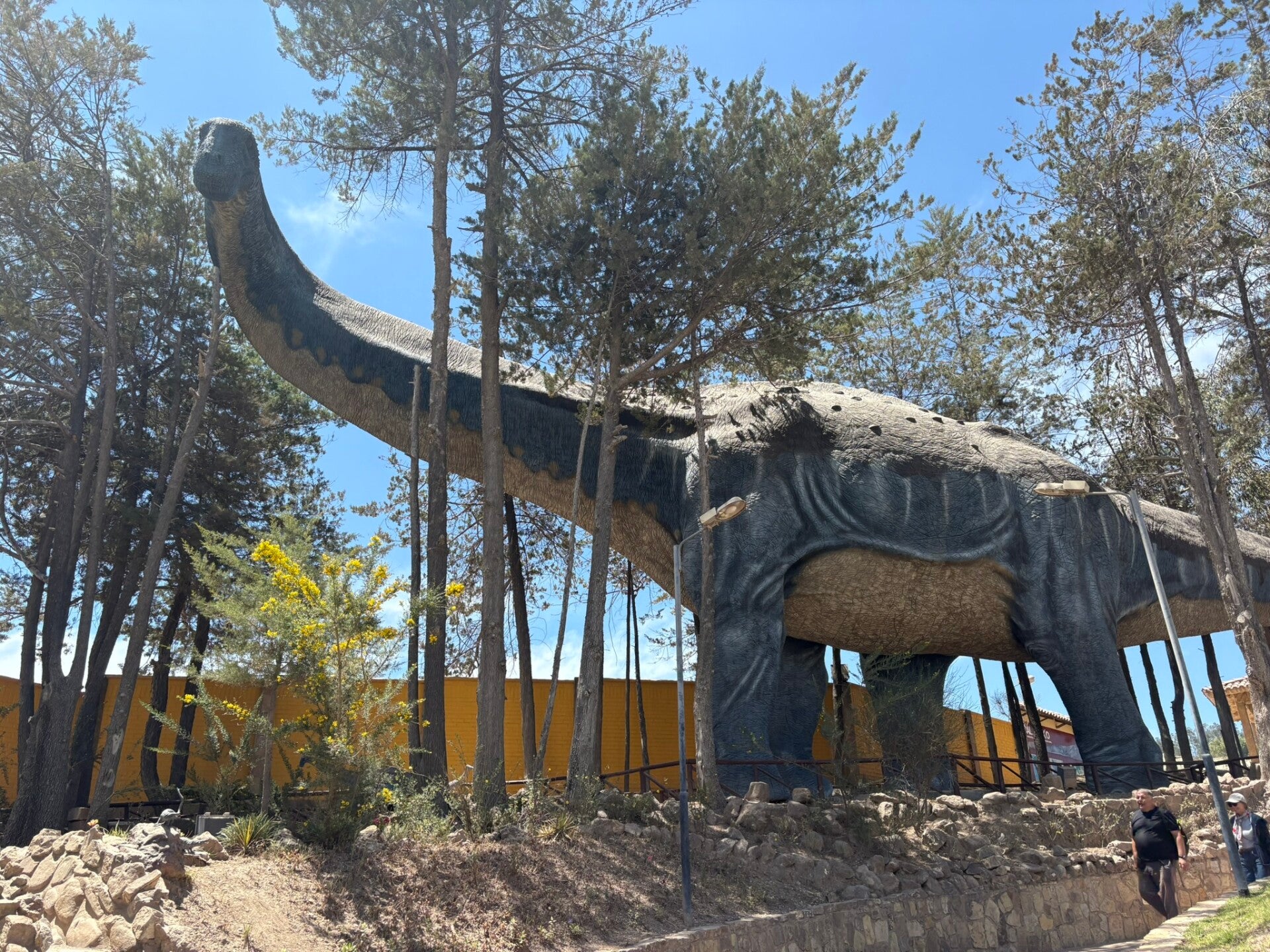
After soaking in the rooftop views, hop onto the Dino Bus, which stops right next to the government building (Plaza 25 de Mayo). The dinosaur-themed tourism in Sucre began in 1994 when a cement factory accidentally uncovered a significant number of dinosaur footprints while digging for minerals. Now visitors can explore the dinosaur footprints along with the Parque Cretático, a dinosaur-themed park.
The Dino Bus runs several times a day, however, there’s a caveat. While you can always access Parque Cretático and view the dinosaur footprints from a distance, only guided tours starting at 12:00 PM and 1:00 PM include an up-close visit to the footprints. Therefore, my strong advice is to take the Dino Bus leaving at either 11:00 AM or 12:00 PM to ensure you arrive in time for the close-up footprint tours.
The entrance fee of 30 BOB (approximately 4 USD) includes a guided tour of the park and the footprints. The return trip on the Dino Bus costs 15 BOB (approximately 2 USD). 🚌


Day 16: Sucre Castles and Rooftops 🏰
On your last day in Sucre, consider visiting a lesser-known gem: Glorieta Castle, located approximately 5 km (3 miles) outside of the city.
The castle was commissioned by a wealthy Bolivian couple who invested their riches from silver mining into philanthropy and the creation of their dream residence. Constructed in the late 19th century, Glorieta Castle showcases an eclectic architectural style that blends Gothic, Moorish, Baroque and Renaissance influences. The couple drew inspiration from their travels across Europe, combining their favorite styles into one eclectic yet stunning building.
Its fairytale appearance gives it a resemblance to a Disney castle, making it an ideal half-day trip from Sucre. Just a heads-up: while the castle's exterior is impressive, the interior is sparsely furnished, so you’ll need to use your imagination to fill in the blanks. The taxi ride from Sucre city center costs around 20 BOB (approximately 3 USD). For your return trip, you can take a collectivo (shared minivan) for 2-3 BOB (about 0.5 USD) or catch one of the taxis available around the castle.
Enjoying Café Mirador San Miguel
After exploring the castle, treat yourself to a visit at Café Mirador San Miguel, located in the tower of the San Miguel Church. This café spans five floors all the way to the bell tower and features a beautiful interior design that merges a typical coffee shop aesthetic with religious symbols.
The service is kind and efficient, but be aware that you’ll need to place your order at the ground floor before taking a seat on one of the higher floors—it's a fair system for the servers! ☕
Afternoon Stroll in Simon Bolivar Park
If you still have energy left in the afternoon, take a leisurely stroll around Simon Bolivar Park. This lovely park offers beautiful views of the Supreme Court and features a small scale replica of the Eiffel Tower.


Day 17: Journey to Potosí 🚌🏔️
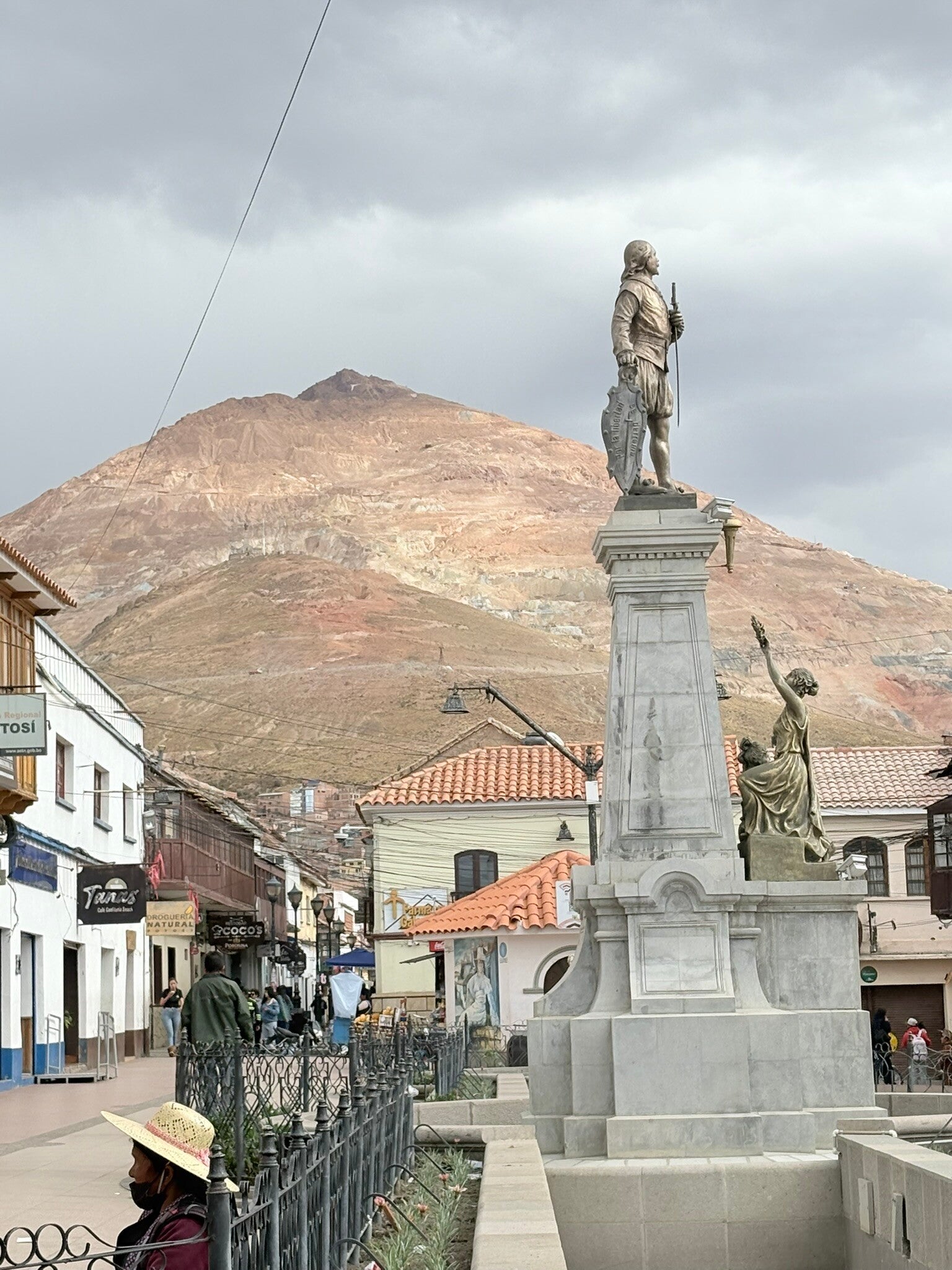
Potosí is a great stop between Sucre and Uyuni, where you’re undoubtedly heading to witness the largest salt flats in the world. Once a thriving city in the 17th century, Potosí was one of the richest towns not only in South America but in the entire world, thanks to its booming silver mining industry. This wealth significantly contributed to the Spanish Empire's riches and funded its global expansion.
Unfortunately, Potosí is now a shadow of its former glory, but it remains fascinating to experience its rich history through storytelling, architectural styles, and visits to the still-functioning mine.
Getting to Potosí
Potosí is about 4 hours away from Sucre by bus, with frequent departures throughout the day. Keep in mind that, in addition to your bus ticket, you will also need to pay a small bus terminal usage fee when departing from both Sucre and Potosí. Bus prices vary depending on the company, but they typically remain affordable at around 4-5 USD.
Afternoon Walking Tour
Assuming you take a morning bus to Potosí, you can spend the afternoon on a walking tour to delve deeper into the city's dramatic history. While I unfortunately missed this opportunity, after the tour you can visit the San Francisco Church for the views of Potosí from the rooftop. The church is open from 8:00 AM to 12:00 PM and 2:00 PM to 5:30 PM on weekdays. 🕍
Day 18: Visit the Potosí Silver Mine ⛏️
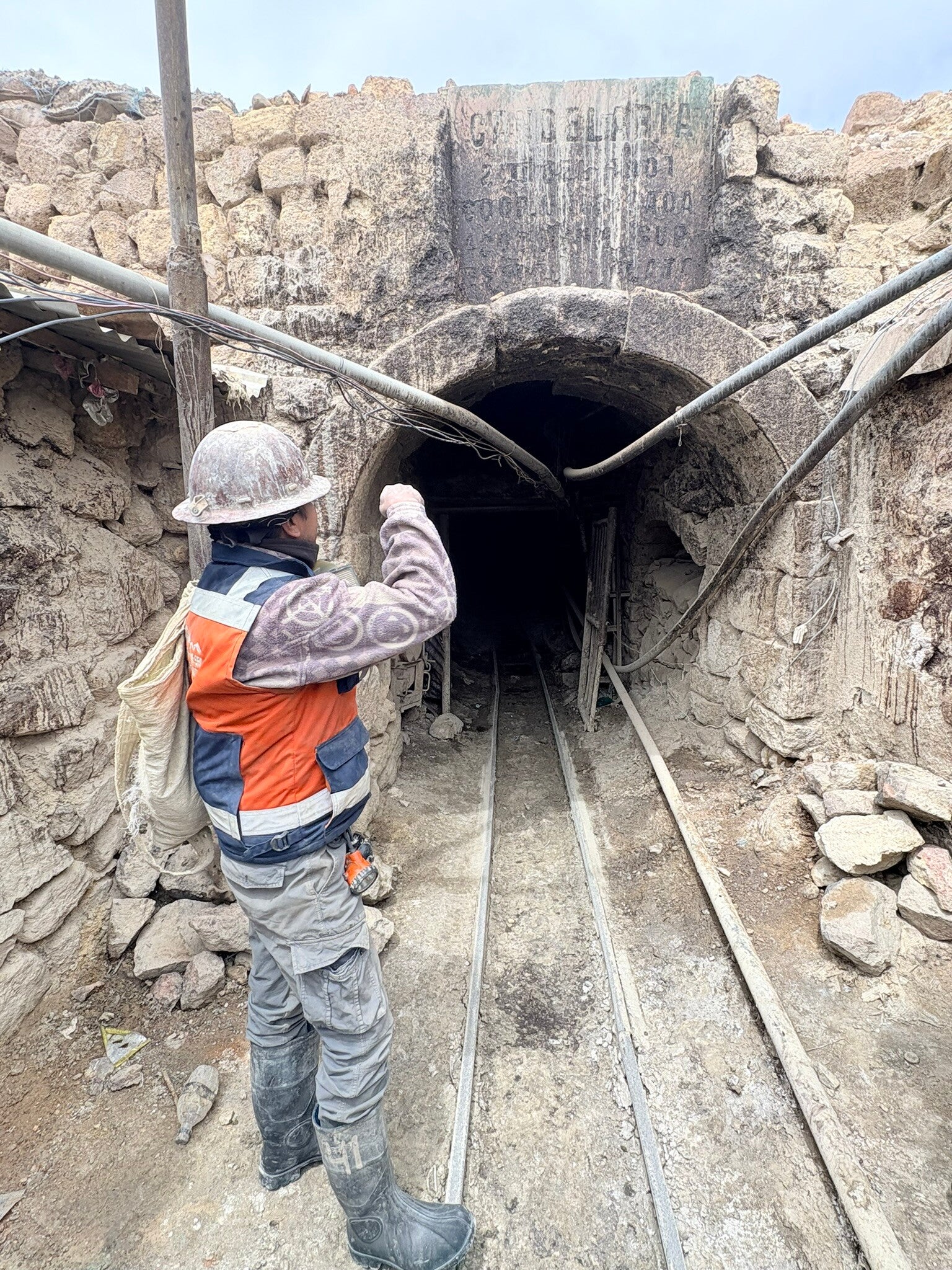
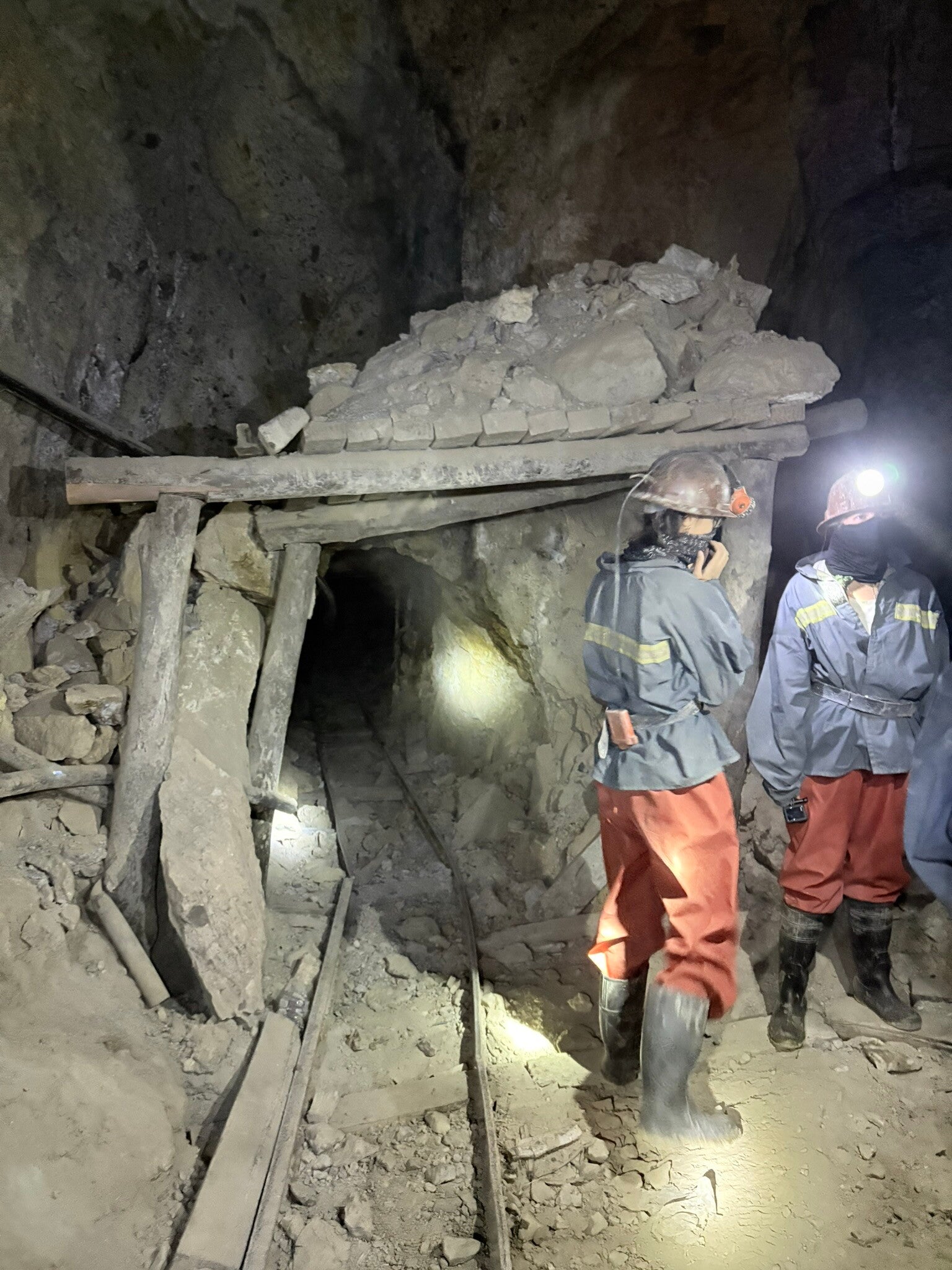
Visiting the Cerro Rico silver mine in Potosí is the absolute must-do while in the city. This approximately 3-4 hour tour offers a profound insight into the reality of miners, whose conditions have remained largely unchanged over the years.
Insights into Mining History and Current Conditions
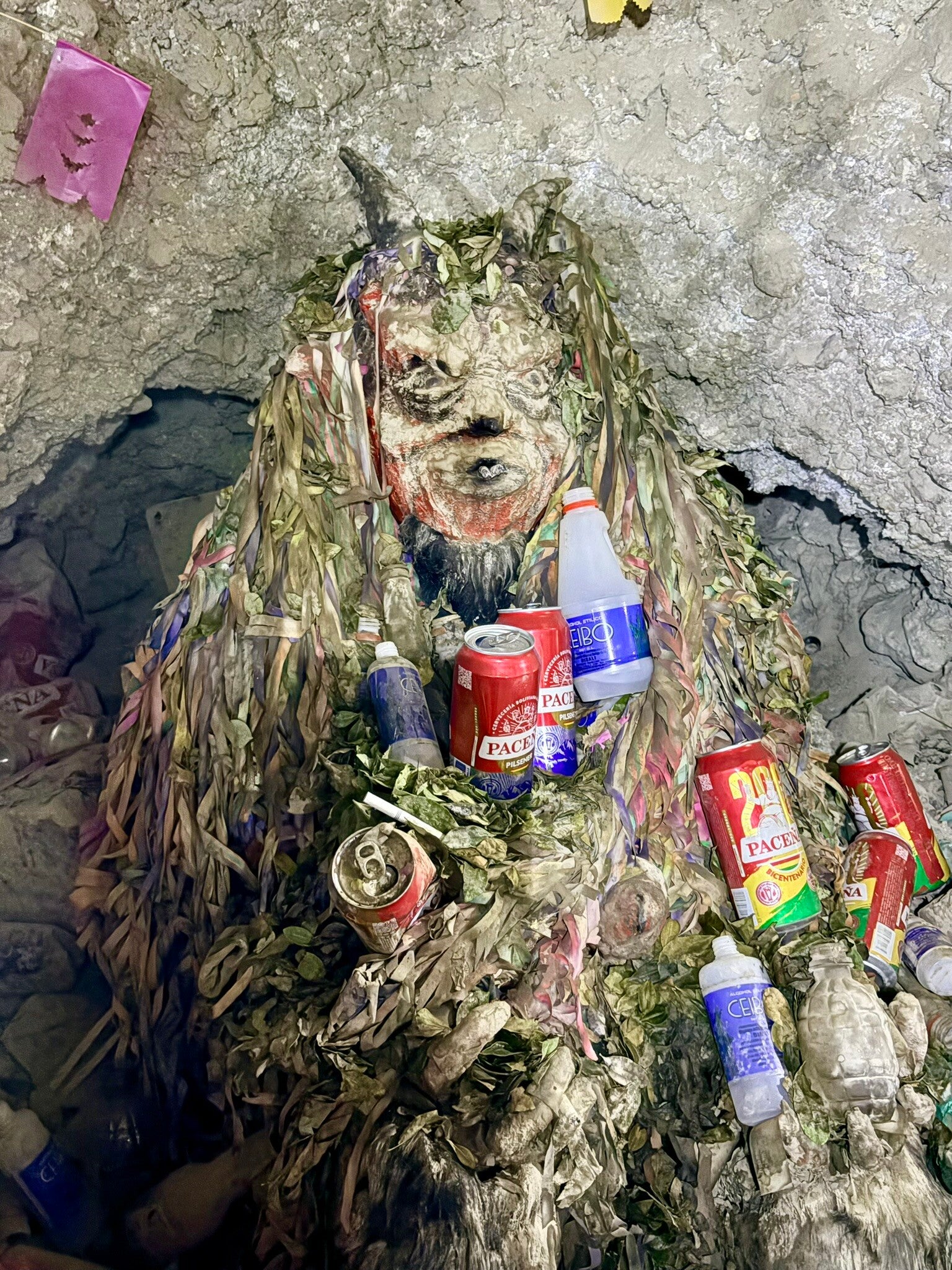
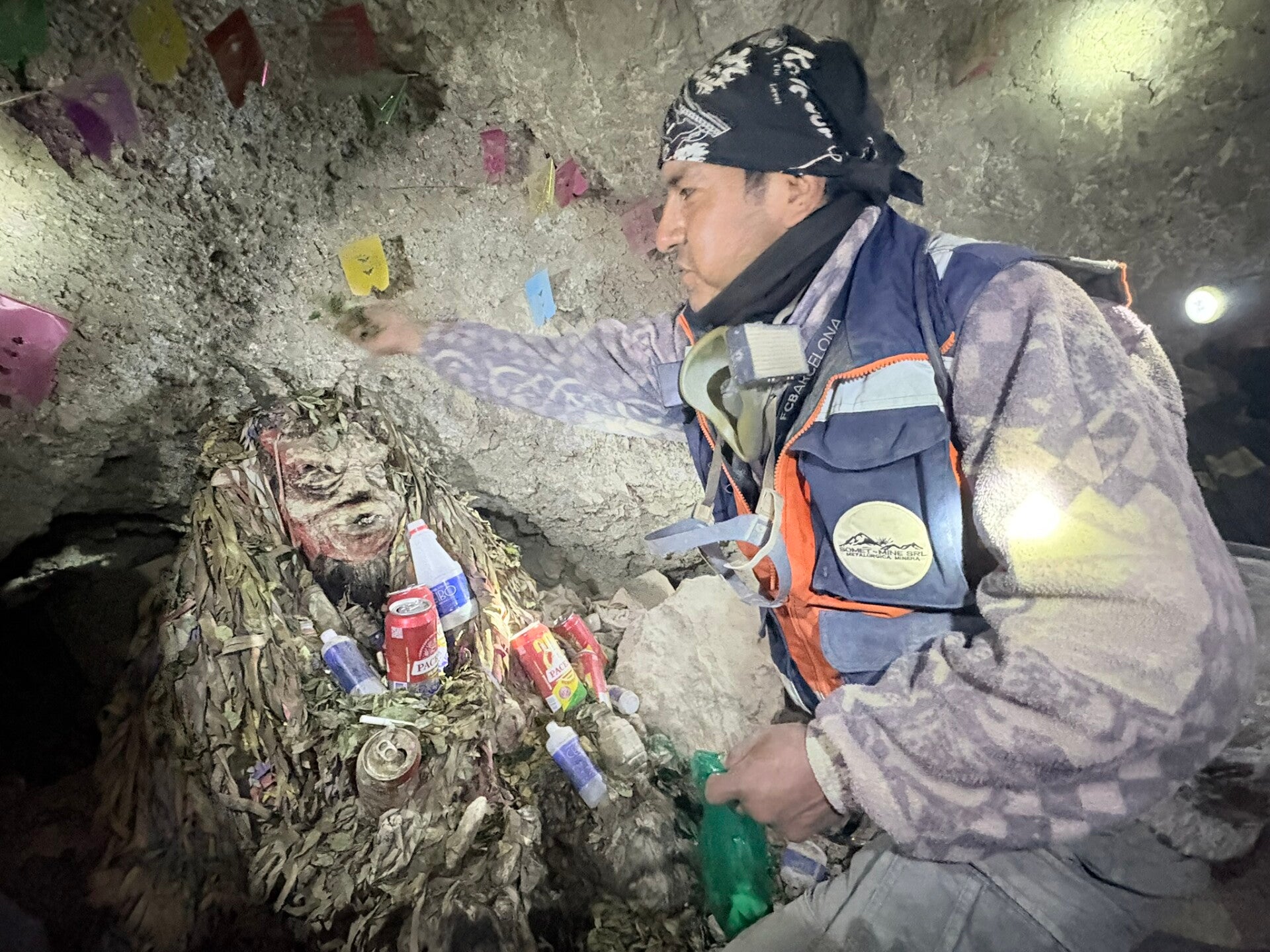
During the tour, you’ll learn about the mountain's bloody history and why it is referred to as "the mountain that eats men." You’ll discover the miners' beliefs and traditions, such as sacrificing animals to the mountain and worshipping El Tío (a devil-like ruler of the mine), as well as their current practices to keep themselves safe and mentally stable.
Although the silver in the mine is nearly depleted, miners continue to extract other minerals like tin, zinc and lead using manual methods, including dynamite, pickaxes and shovels. The extensive tunneling over the centuries has made Cerro Rico resemble Swiss cheese from the inside and the mountain is slowly sinking.
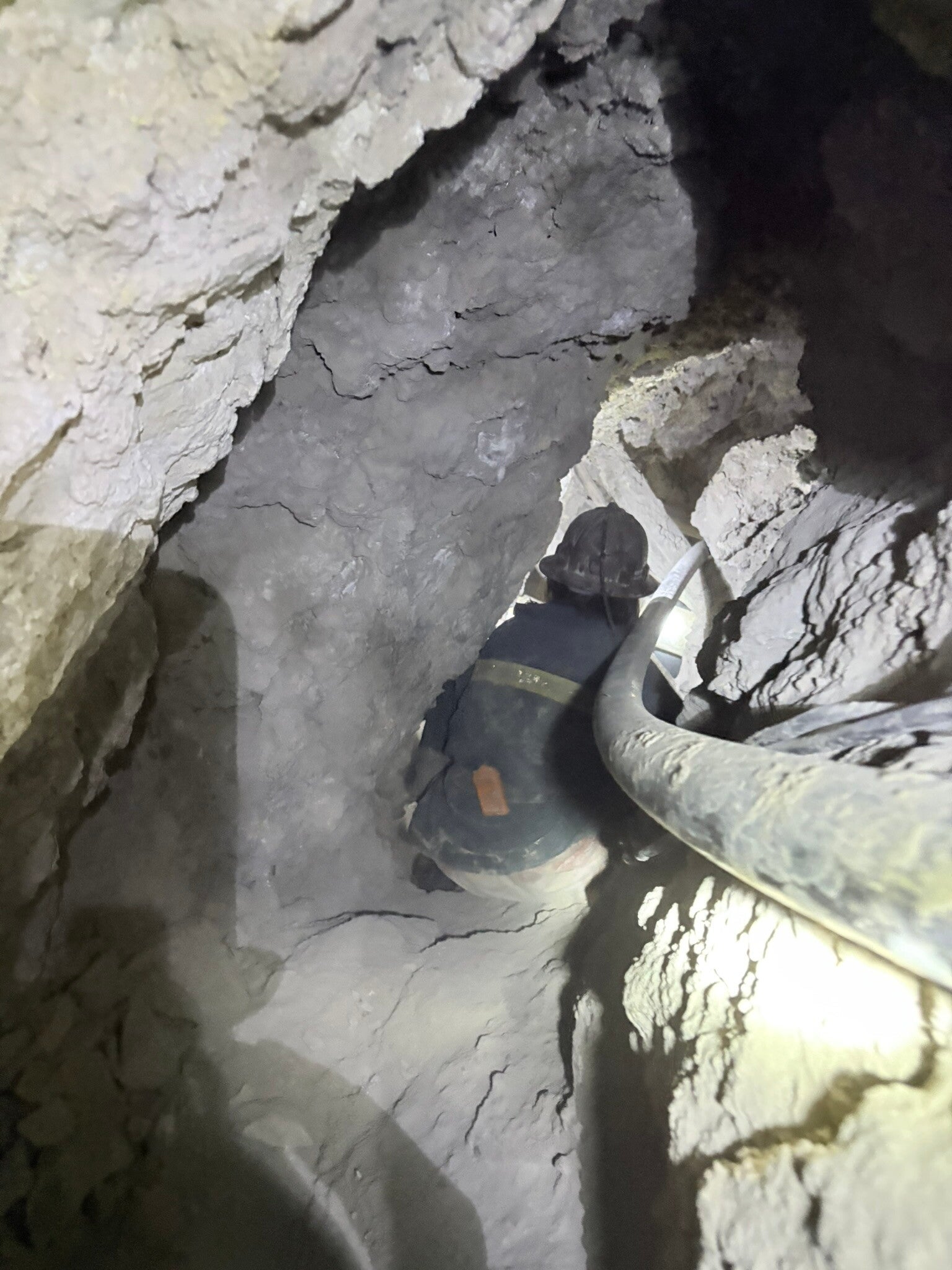
The working conditions in the mine are treacherous, characterized by frequent collapses, a toxic environment and limited safety precautions. As a result, the average lifespan of miners is only 45-50 years. While the mining site is impressive and absolutely worth visiting, be prepared for a sobering experience.
Important Considerations
- Physical Demands: Be aware that during the tour you will often need to walk hunched over to fit through the tunnels and there is at least one section where crawling on your back is required. This tour is not suitable for individuals with claustrophobia.
- Health Precautions: Due to the dusty air and limited ventilation in the mine, wearing a medical mask or bandana is required. The tour is also not suitable for those with asthma or breathing problems.
- Safety Gear: All tour agencies conducting mine visits provide safety gear (including clothes, helmets, headlights and waterproof boots).
- Ensure you wear clothes you don’t mind ruining, as you will get very dirty and dusty even if outer clothing is provided!
- Bring extra cash for gifts: you will be brought to a mini market to buy gifts for the miners, such as coca leaves, local liquor (singhani), cigarettes and soda. Miners appreciate these gifts, so budgeting 10-30 BOB (approximately 2-4 USD) for this purpose is a good idea.
I did the tour with Koala Tours, which is one of the largest and most reputable mine tour companies in Potosí. Their guides are former miners and part of the tour ticket (160 BOB / 23 USD) goes directly to the miners. My experience with Koala Tours was a bit mixed: while I appreciated supporting miners and ethical tourism (to the extent possible), the guide's time management left much to be desired.
Next Steps
I recommend doing the mine tour in the morning and then taking a 4-hour bus to Uyuni in the afternoon. This way, you'll arrive in Uyuni the night before and be ready to start your Salt Flats tour fresh and rested. The town of Uyuni has little to offer besides being a hub for tours, so you won’t need to dedicate time to explore it.

Day 19: Exploring the Uyuni Salt Flats 🧂
Today marks the beginning of a classic 3-day Uyuni salt flats tour, offered by various tour companies. Uyuni, the largest salt flat in the world, spans over 10,000 square kilometers (38,600 square miles) and is a primary reason why many visitors include Bolivia on their travel itinerary.
Tour Overview
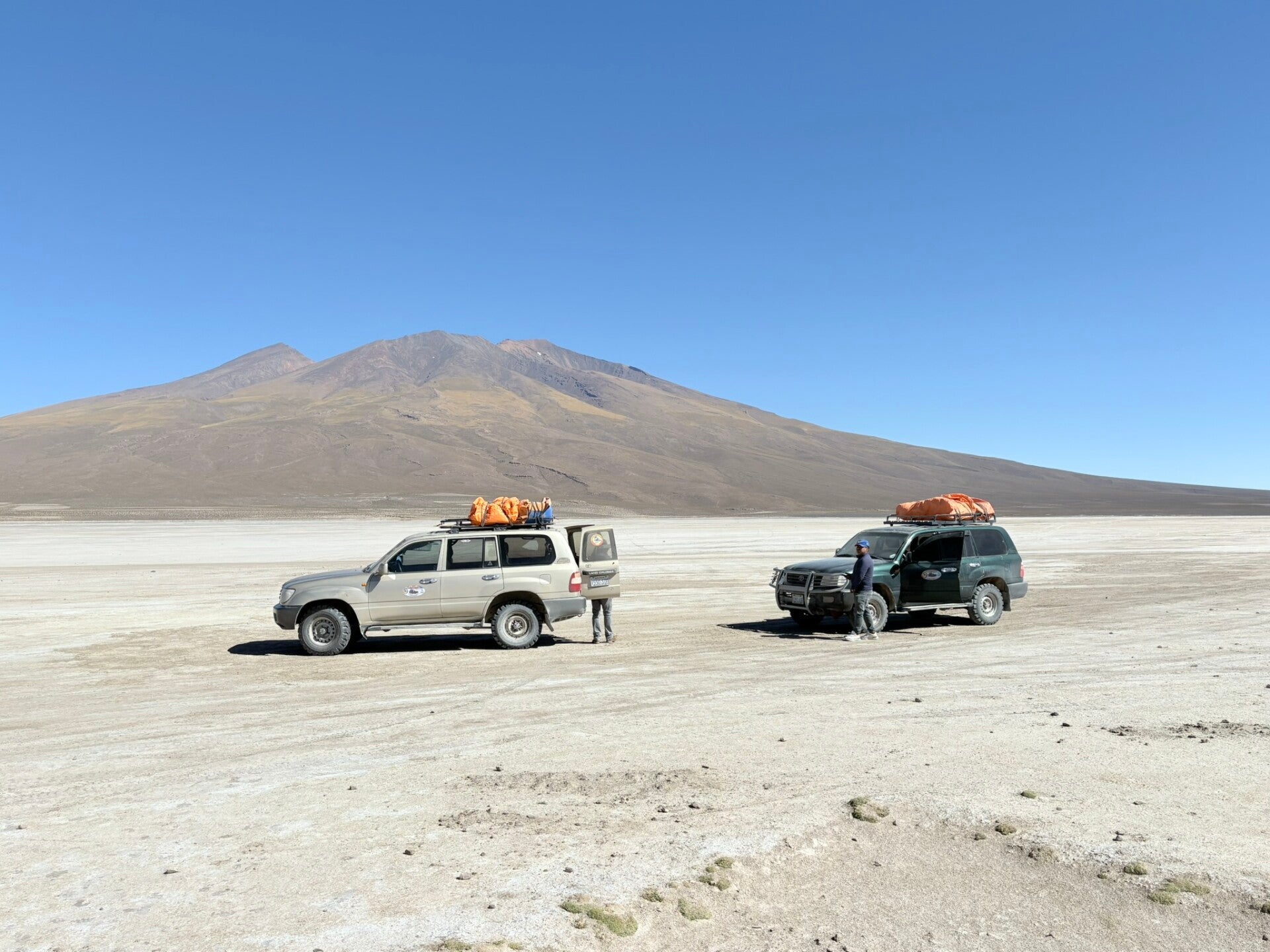
While agencies advertise the tour as a 3-day salt flats experience, it's important to note that only the first day is spent on the salt flats. The subsequent two days involve visits to beautiful national parks featuring lagoons, flamingos and geysers. Overall, the 3-day tour is well worth the time and money, as long as expectations are managed regarding how much time is actually spent on the salt flats!
I opted for Andean Salt Expeditions and booked the medium comfort package tour. I was quite satisfied with the quality of the accommodations and the service provided. All tour companies generally follow the same itinerary, so the main differences lie in the accommodations and level of service.
Day One Highlights
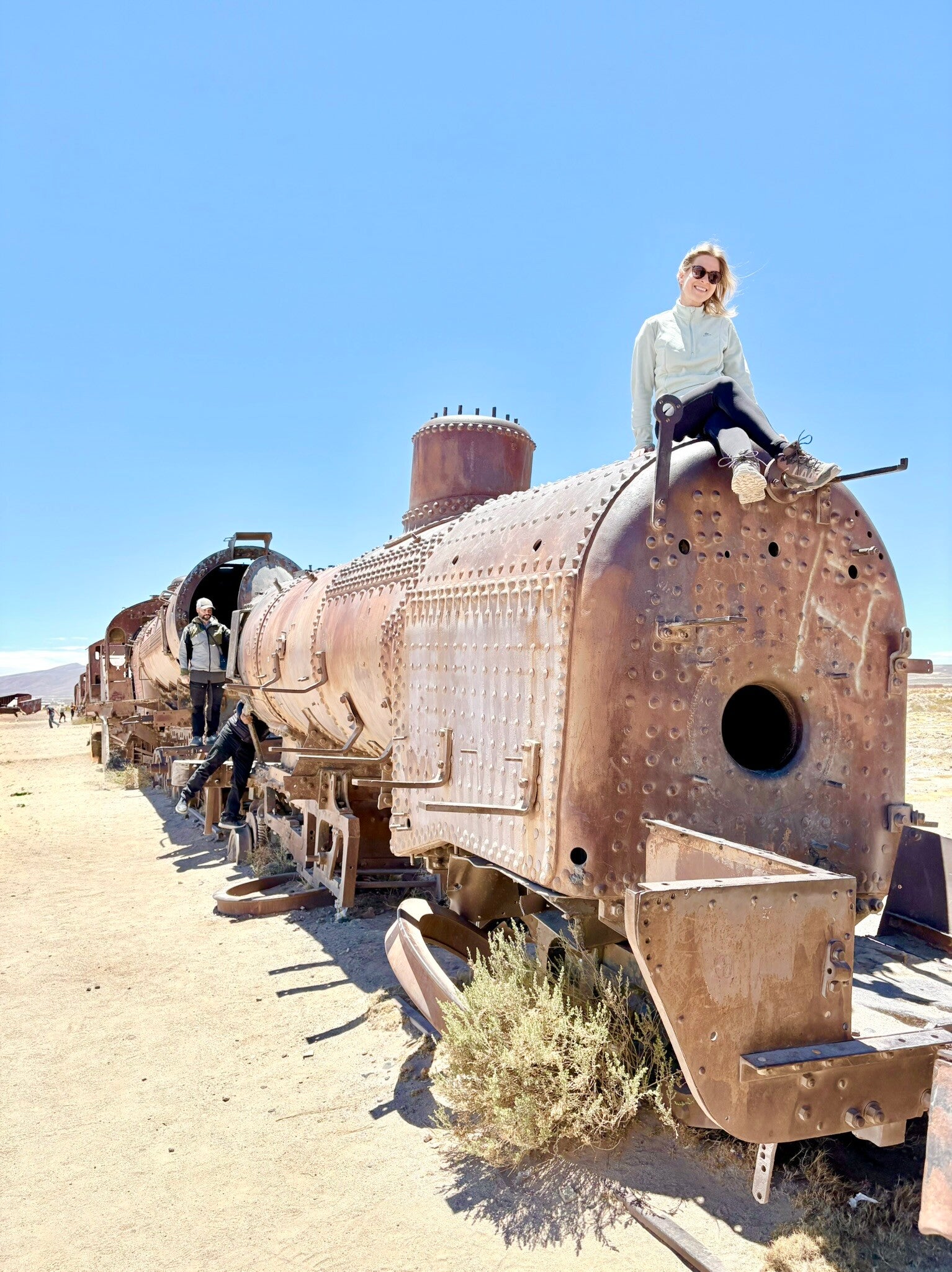
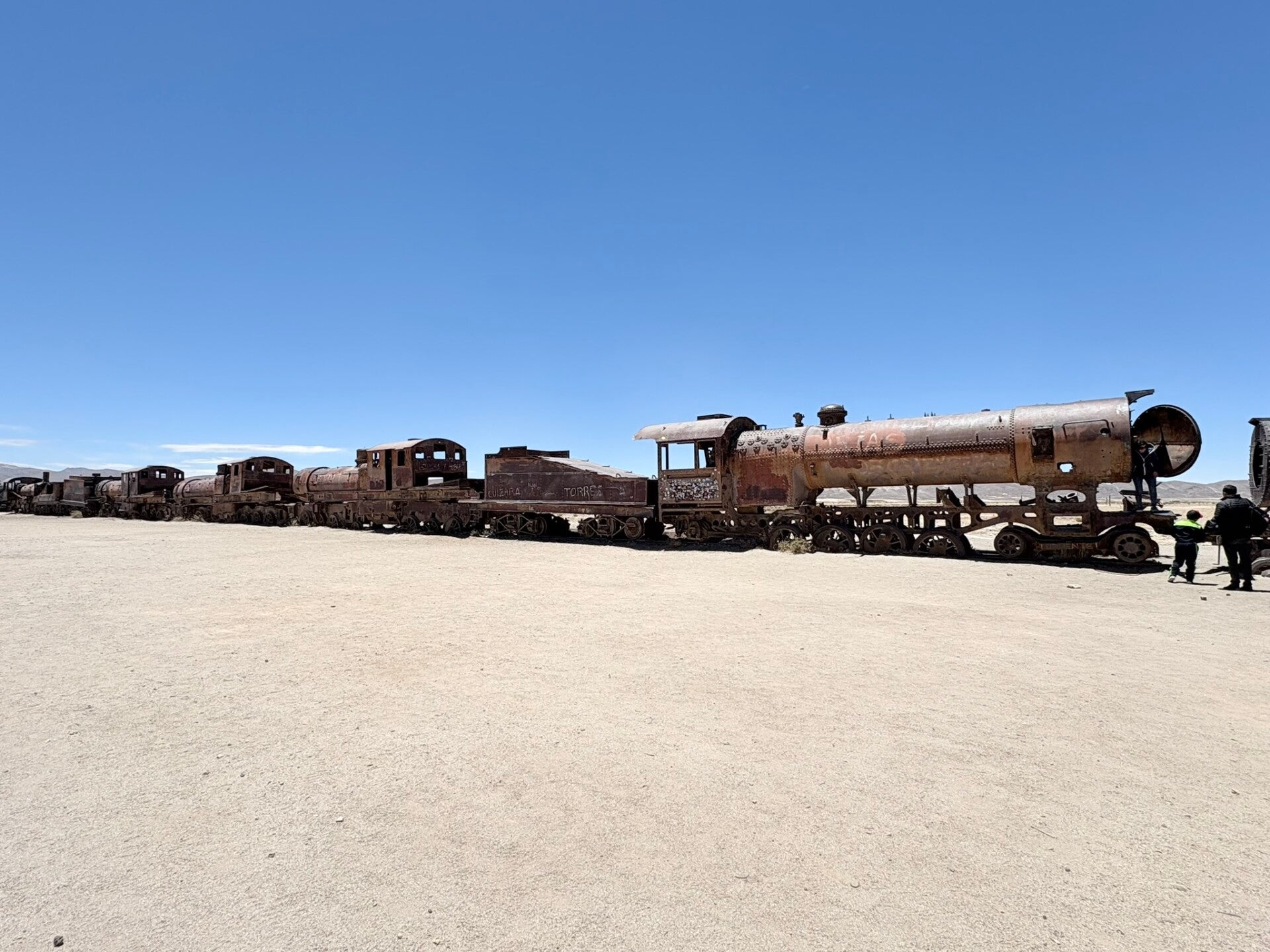
The first day of the salt flats tour begins with a visit to the train cemetery, a remnant of Bolivia's ambitions to become a major railway hub in the late 19th century. Today, the train cemetery near Uyuni serves as a popular tourist hotspot where visitors can climb on top of and inside the locomotives for striking photos. Keep in mind that since almost every Uyuni salt flat tour stops here, it will not be an uncrowded experience!
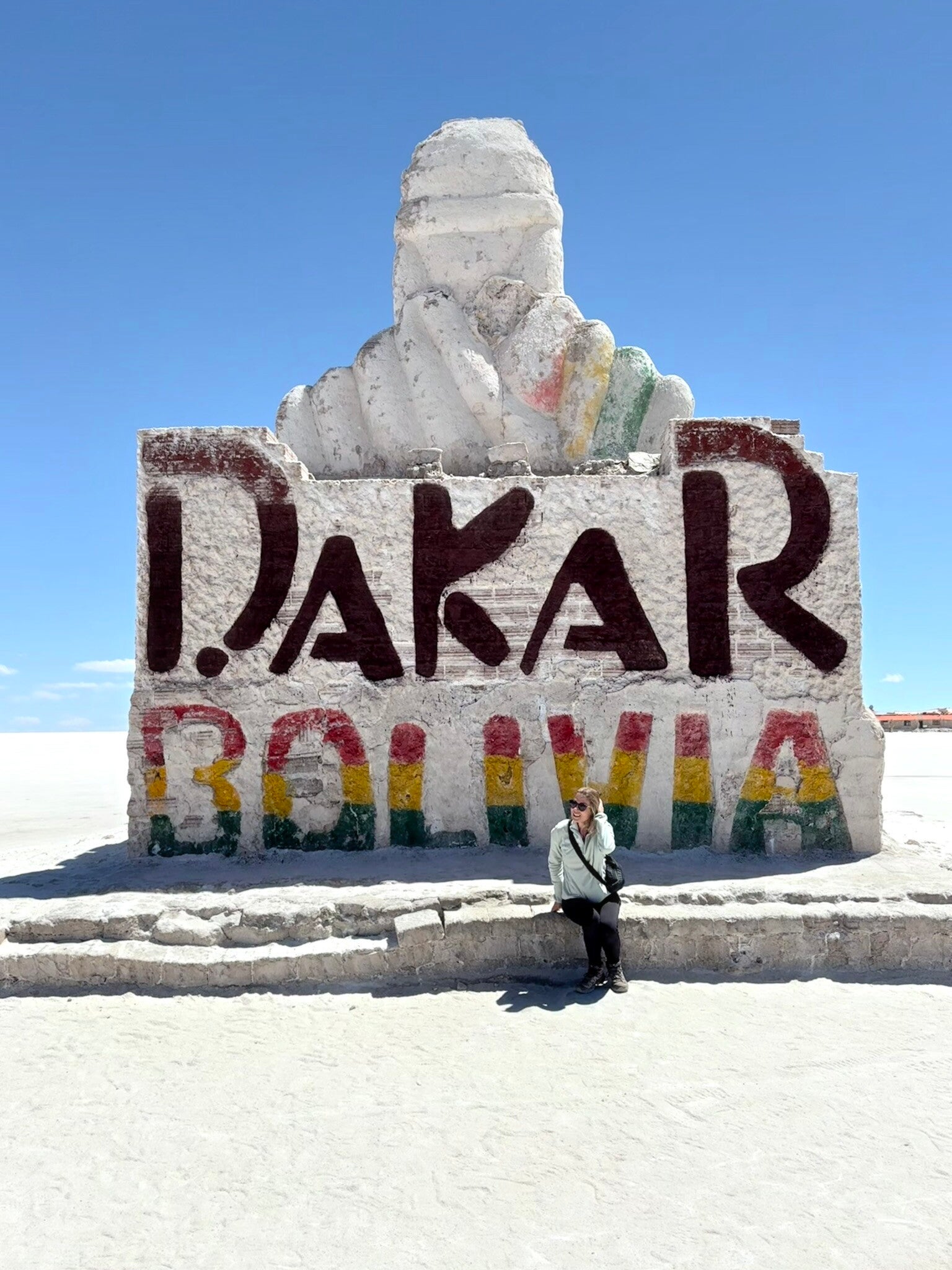
The tour continues toward a lunch spot near the "Dakar" sign, which commemorates the Dakar Rally that passed through Bolivia from 2014 to 2018, significantly boosting tourism in Uyuni.
After lunch where many tour companies gather, the vehicles separate and venture into more secluded areas of the desert for unique photo opportunities. The flat, white surface of the salt flats is perfect for creating optical illusions and guides are always helpful if you have creative photo ideas! 📸
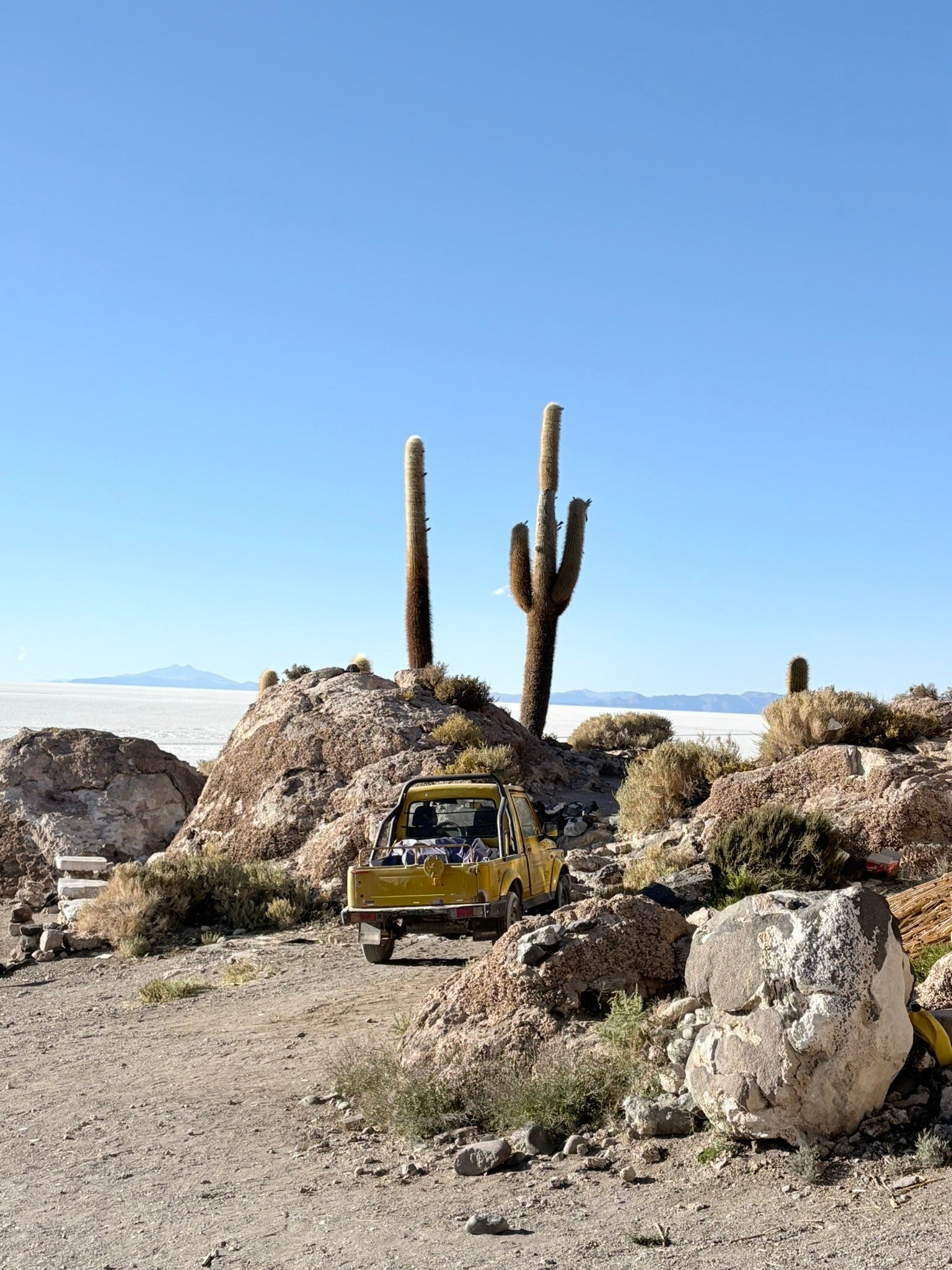
After the photo session, the tour continues on to the Incahuasi island. However, do not expect water, as it's an island of cacti, some of which are hundreds of years old! The contrast of the white salt flats against the tall cactus trees—some reaching up to 10 meters (30 feet)—makes for truly unique landscape photographs. 🌵
After exploring Incahuasi Island, we witnessed a sunset over the salt flats while enjoying snacks and drinks provided by the tour company. Our overnight stay was at a salt hotel, where salt is used instead of regular flooring, providing natural insulation in the harsh desert climate.
Practical Notes
- Dry Season vs. Wet Season: It's worth mentioning that the experience of the salt flats differs between the dry season (most of the year) and the wet season (December to April). The wet season can create beautiful mirror effects on the salt flats, but also poses risks of difficult road conditions and tour cancellations. I visited during the dry season, where departures were guaranteed and the salt flats were passable, though there was no mirror effect. If that is important to you, plan your tour during or at the end of the rainy season when puddles may still be present, yet tours are less likely to be cancelled.
- Acclimatization: If you're arriving in Uyuni after Sucre or Potosí, you're likely already acclimated to the altitude. This is especially important as most of the tour takes place at elevations over 3,000-4,000 meters (10,000-13,000 feet). If you skip Sucre and Potosí, I highly recommend acclimating in La Paz or in another higher-altitude city in Bolivia before visiting the Uyuni salt flats.




Day 20: Volcano Views and Lagoons 🌋
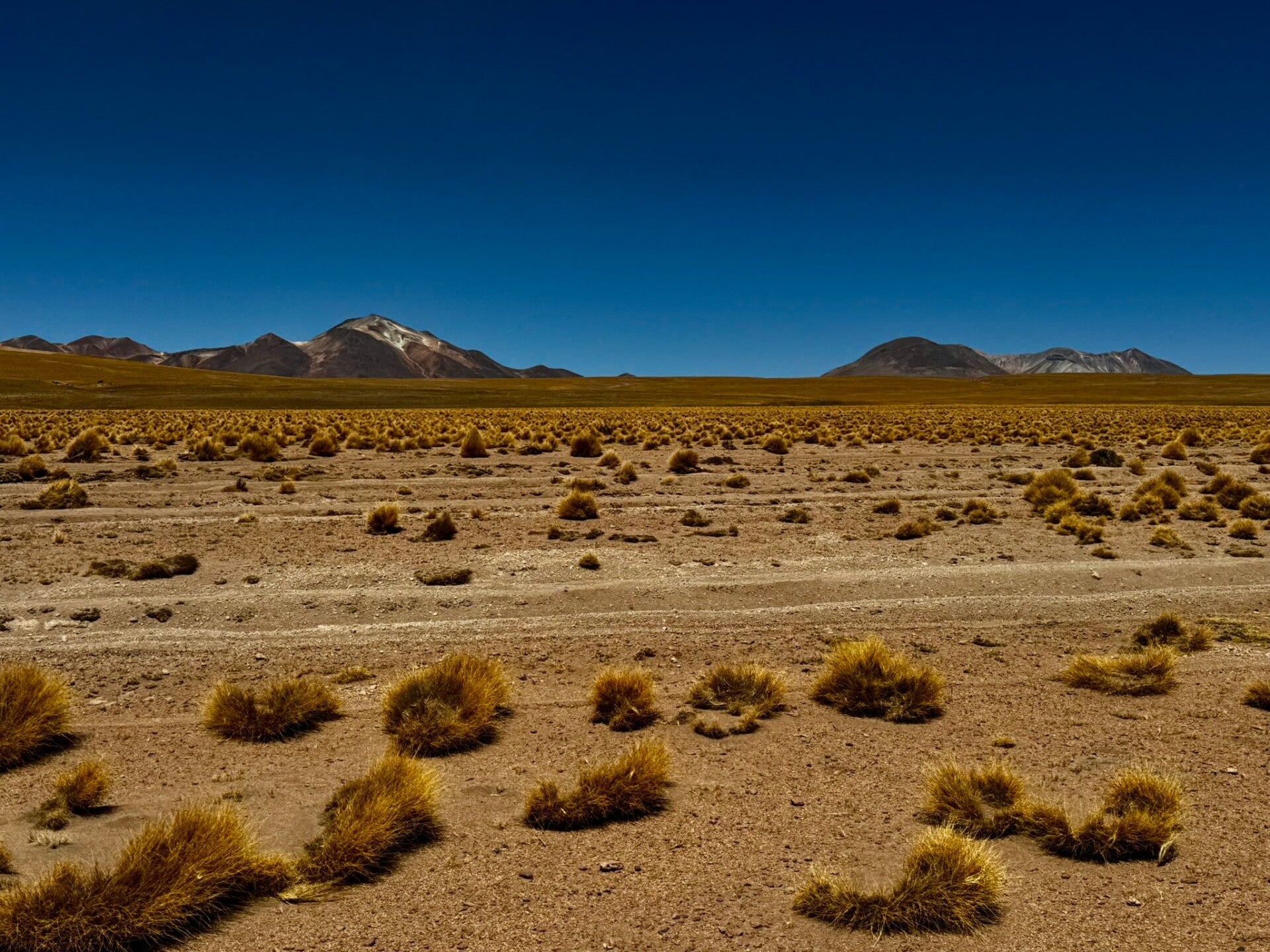
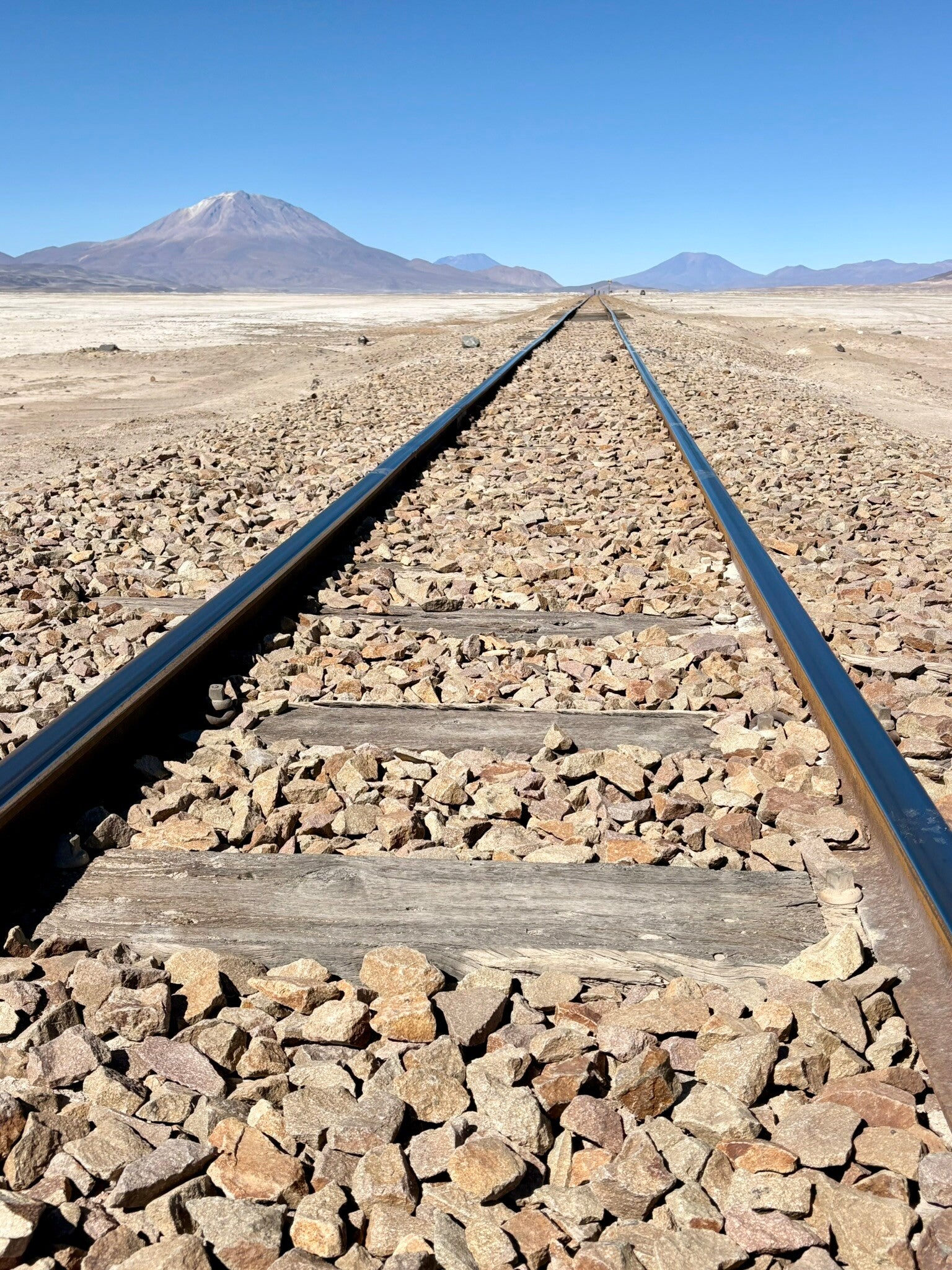
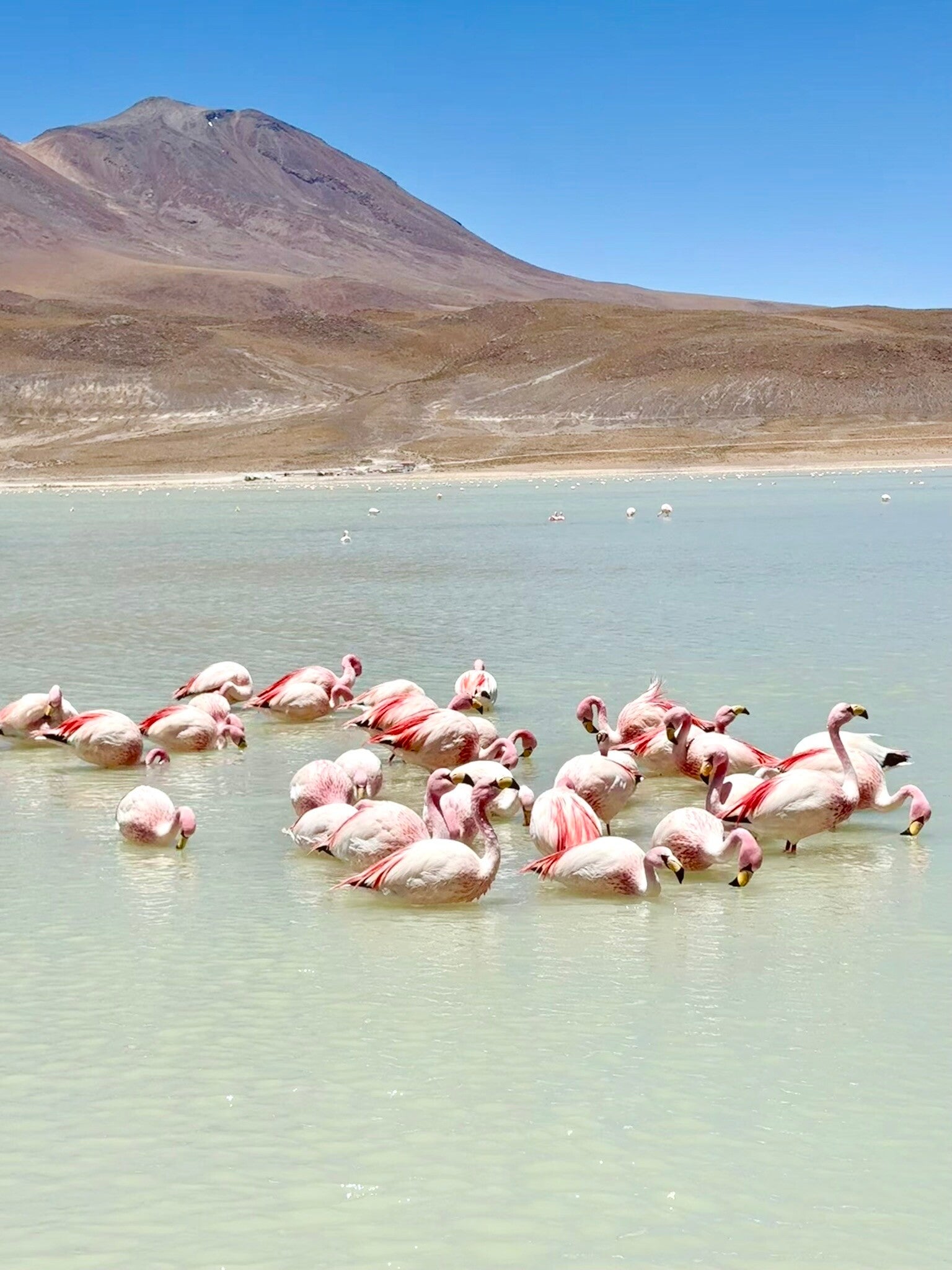
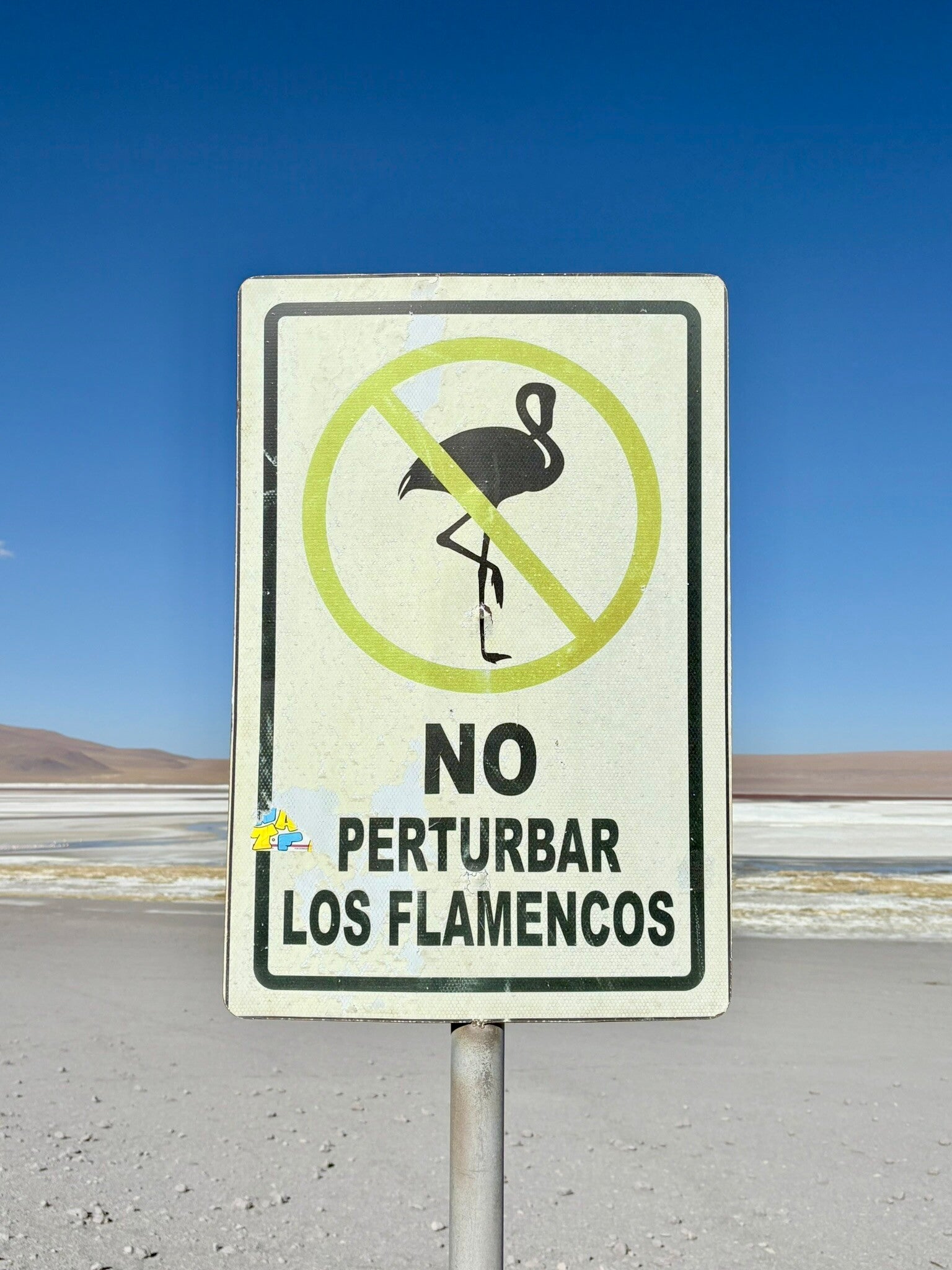
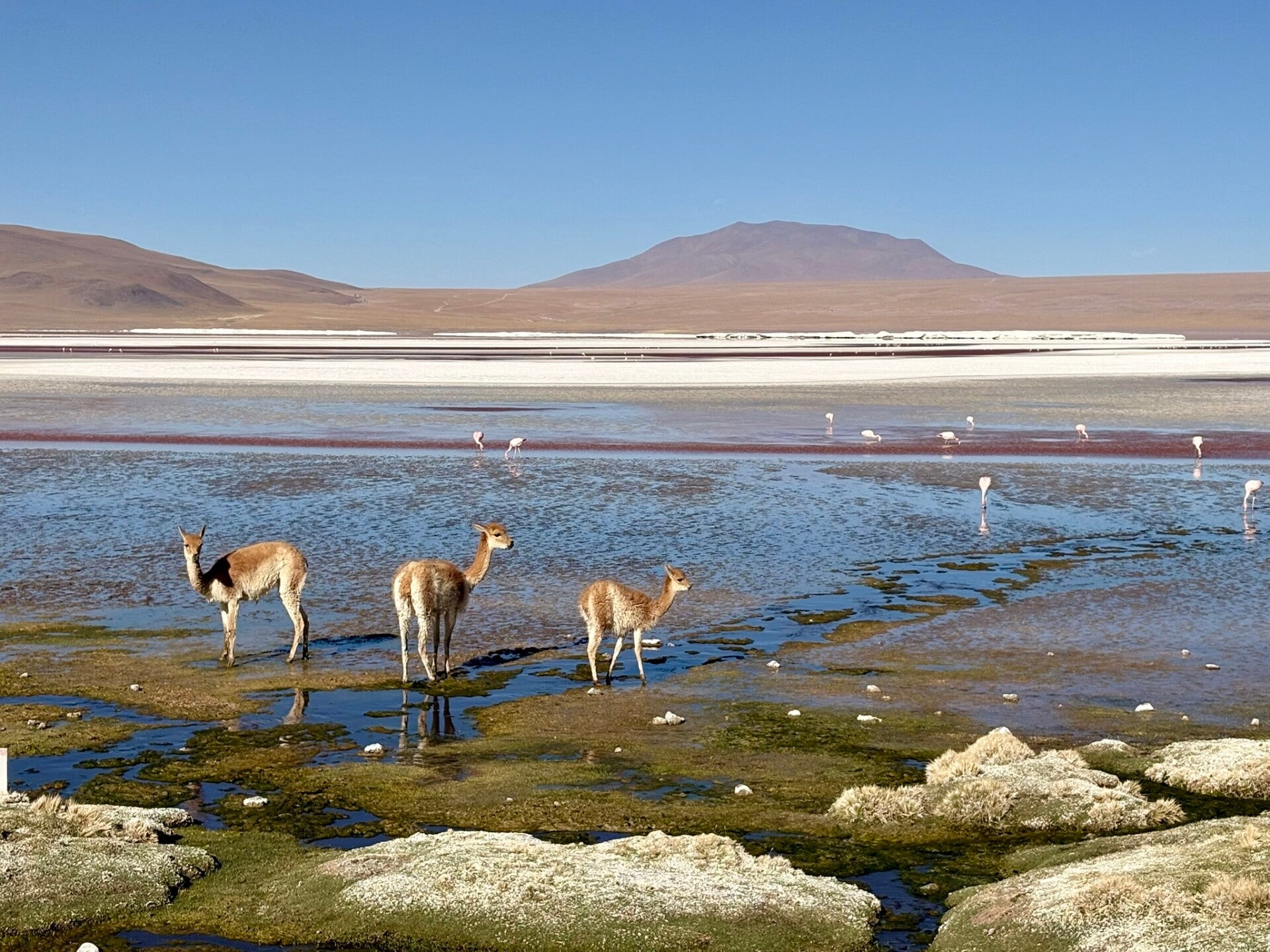
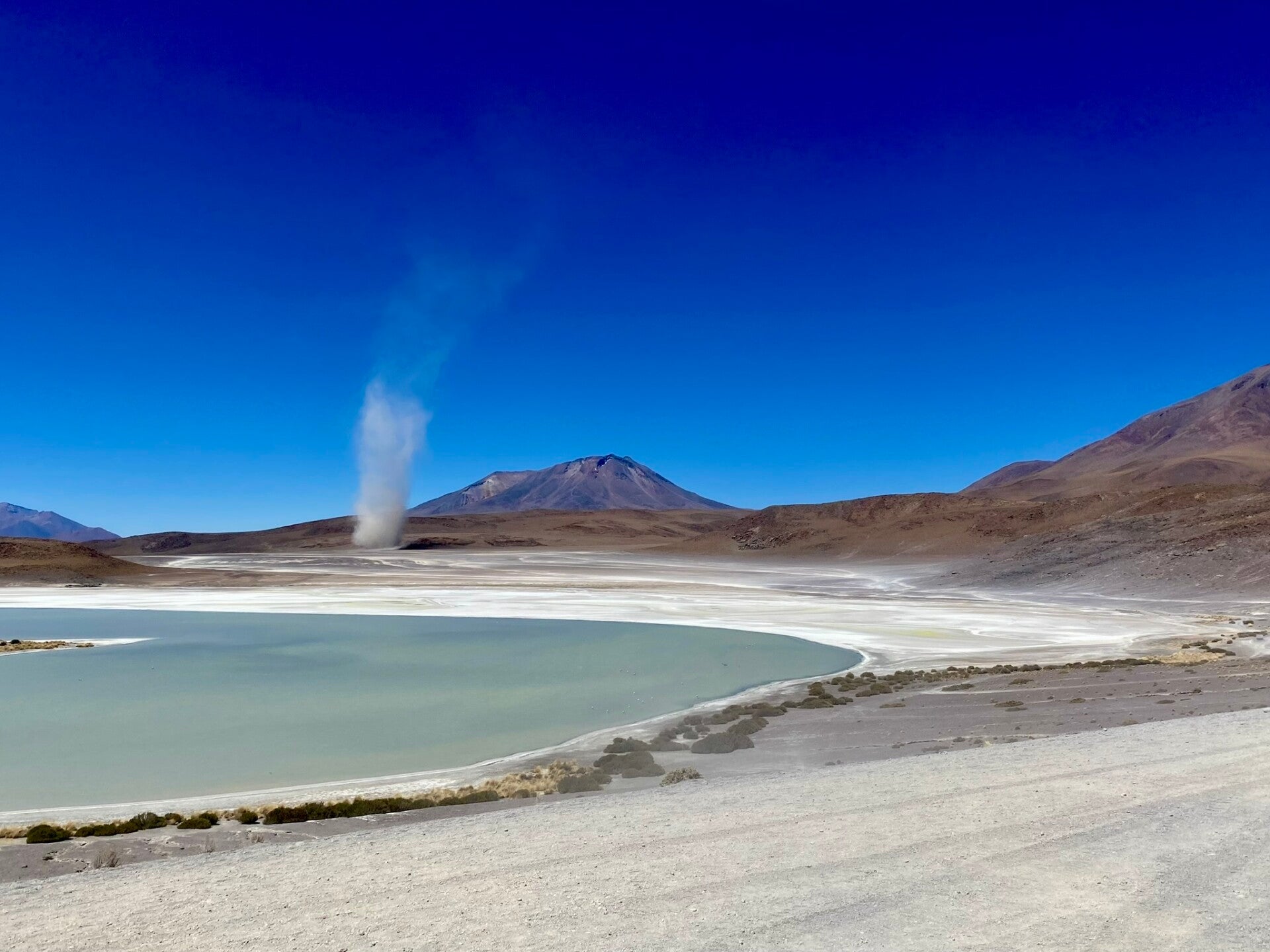
The second day of the tour begins with breathtaking views of volcanoes in the desert and an array of lagoons, lagoons and more lagoons (again with some stunning volcanoes in the background). You’ll be visiting Laguna Canapa and Laguna Hedionda, which are seasonally inhabited by three species of flamingos that you can observe from a respectful distance, ensuring you don't disturb these beautiful animals. 🦩
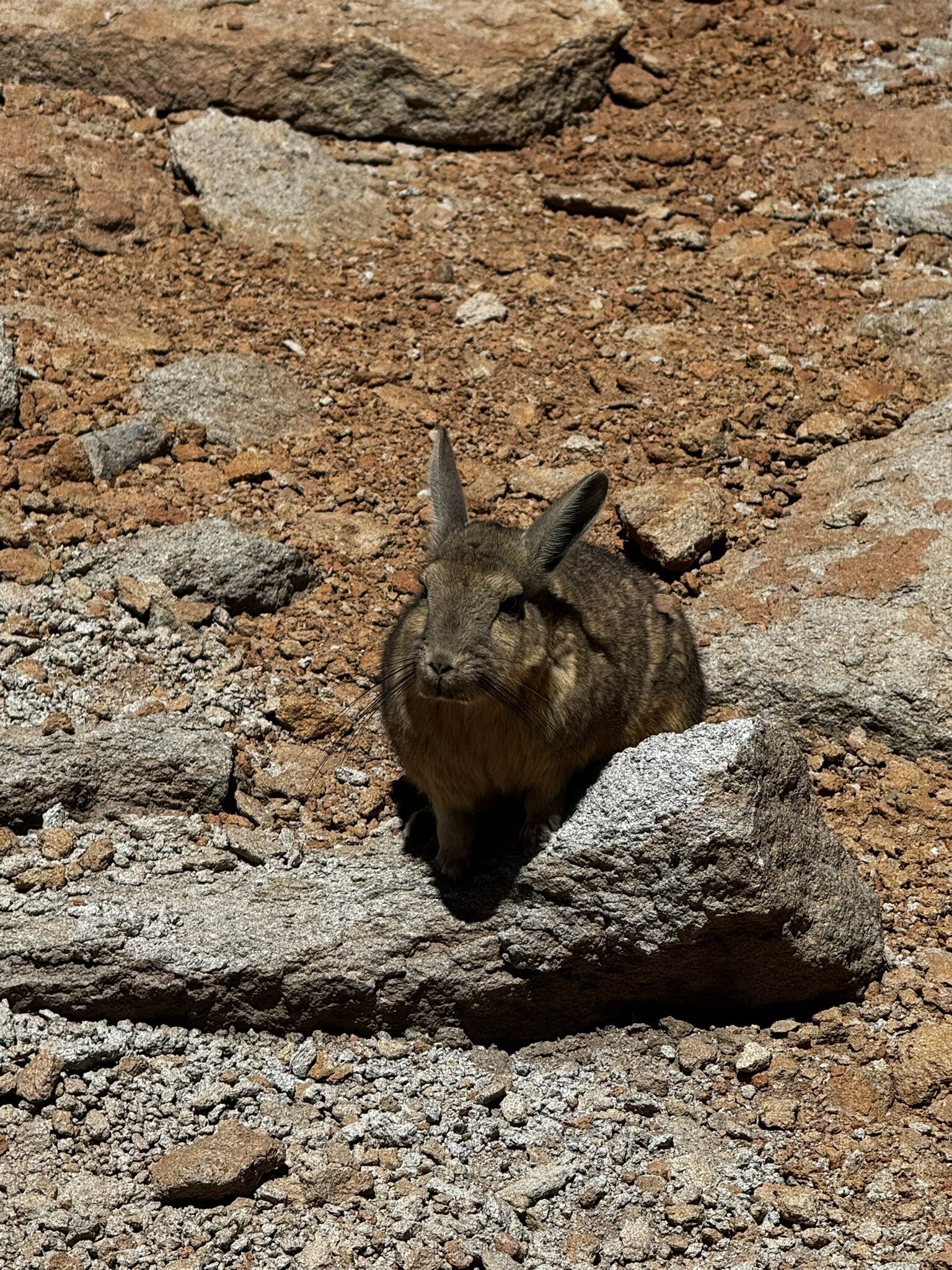
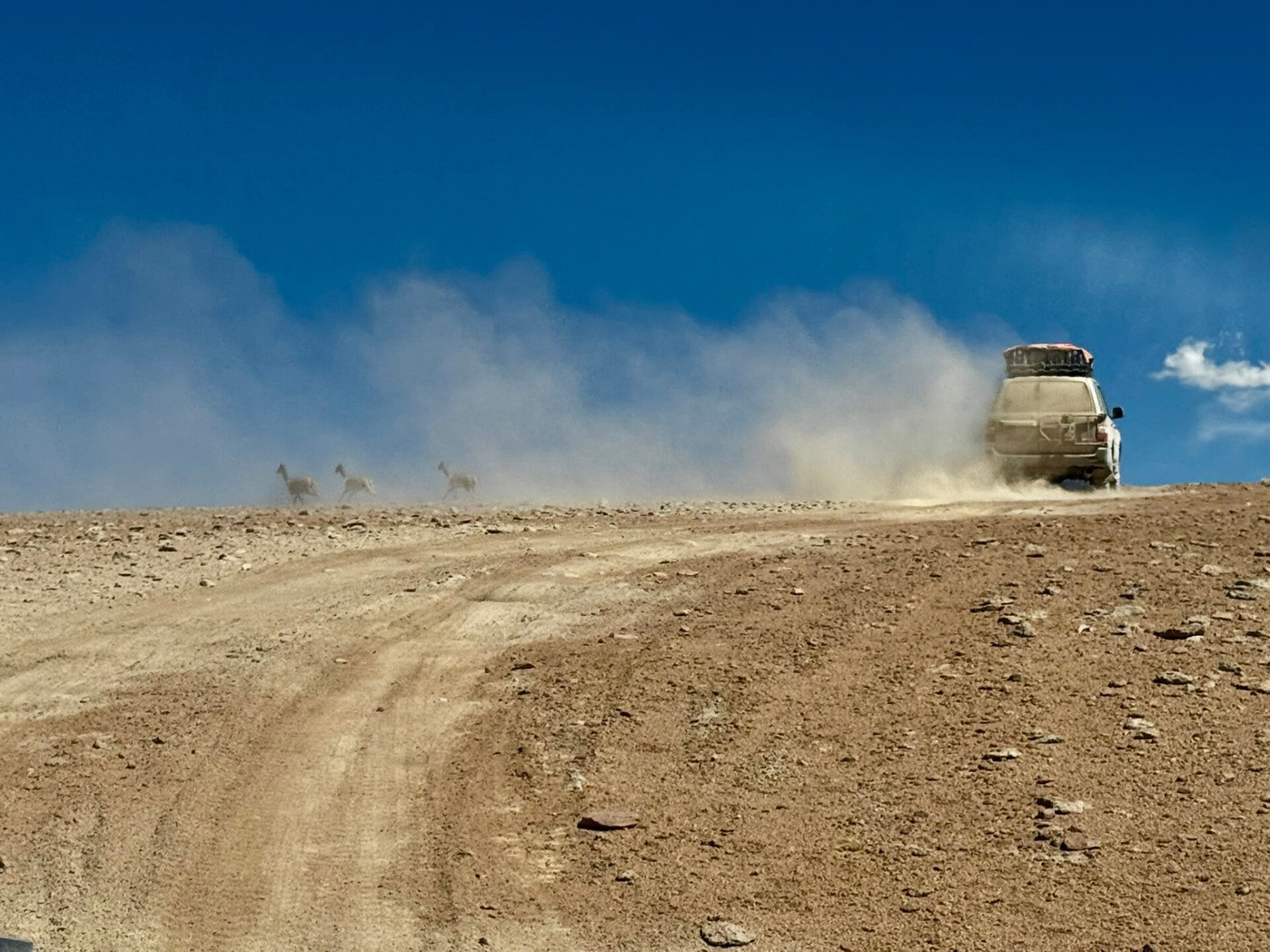
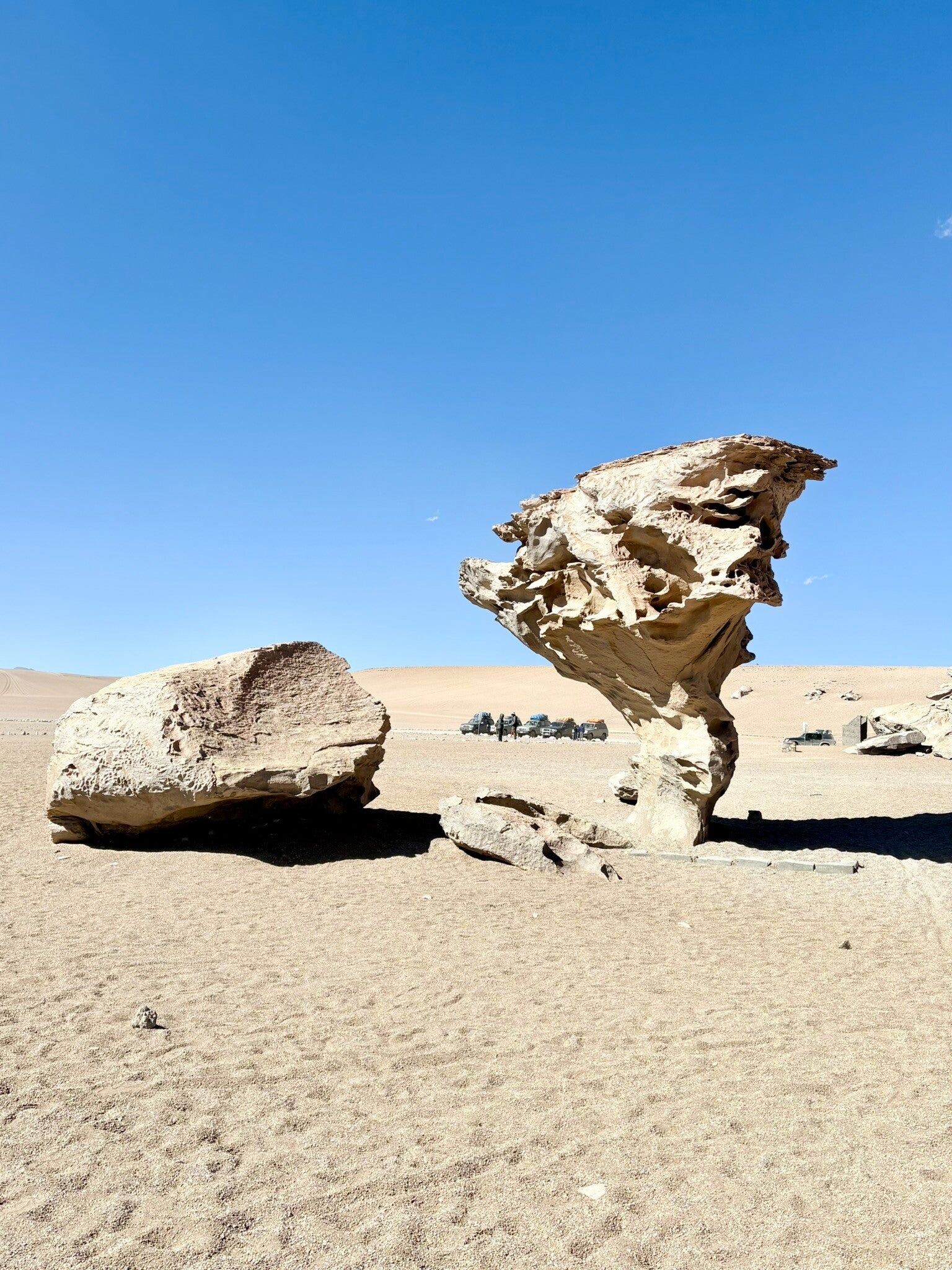
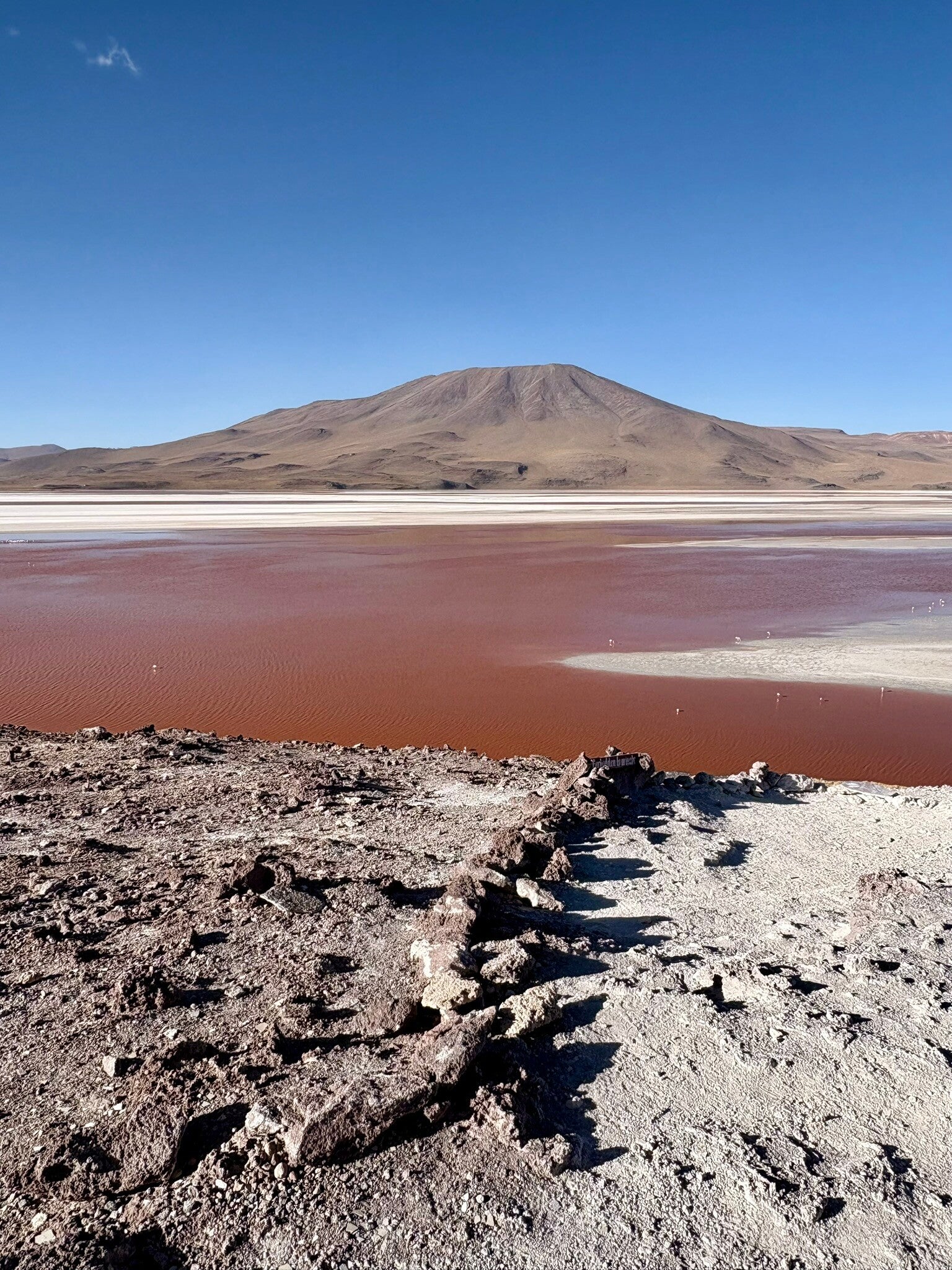
In the afternoon, the itinerary takes you to the National Reserve Eduardo Abaroa to explore volcanic lava formations. The journey continues with a visit to the Red Lagoon (Laguna Colorada), renowned for its striking red coloration caused by algae and plankton. If you’re lucky, you may spot not only flamingos but also vicuñas (wild llama cousins) grazing peacefully alongside the lagoon.
Dinner, accompanied by local Bolivian wine, is provided at a humble guesthouse, which boasts not one but two nearby bars where you can enjoy a local beer with your guide and fellow travelers. 🍻
Practical Notes
- Dress Warmly: This day can be especially cold and windy due to the exposed high-altitude landscapes, so make sure to pack enough layers and windproof clothing!
- Altitude Preparation: You will be sleeping at an extreme altitude of over 4,000 meters (13.000ft), so ensure you're properly acclimated or have altitude sickness medication on hand. Many in my group struggled with sleep due to the altitude.

Day 21: Geysers and Deserts 🌌
The itinerary for the third day varies slightly depending on whether you choose to transfer back to Uyuni or continue south to San Pedro de Atacama in Chile, which is less than 100 km (62 mi) away from where the tour ends on the morning of Day 3. The morning itinerary is the same for all participants and includes:
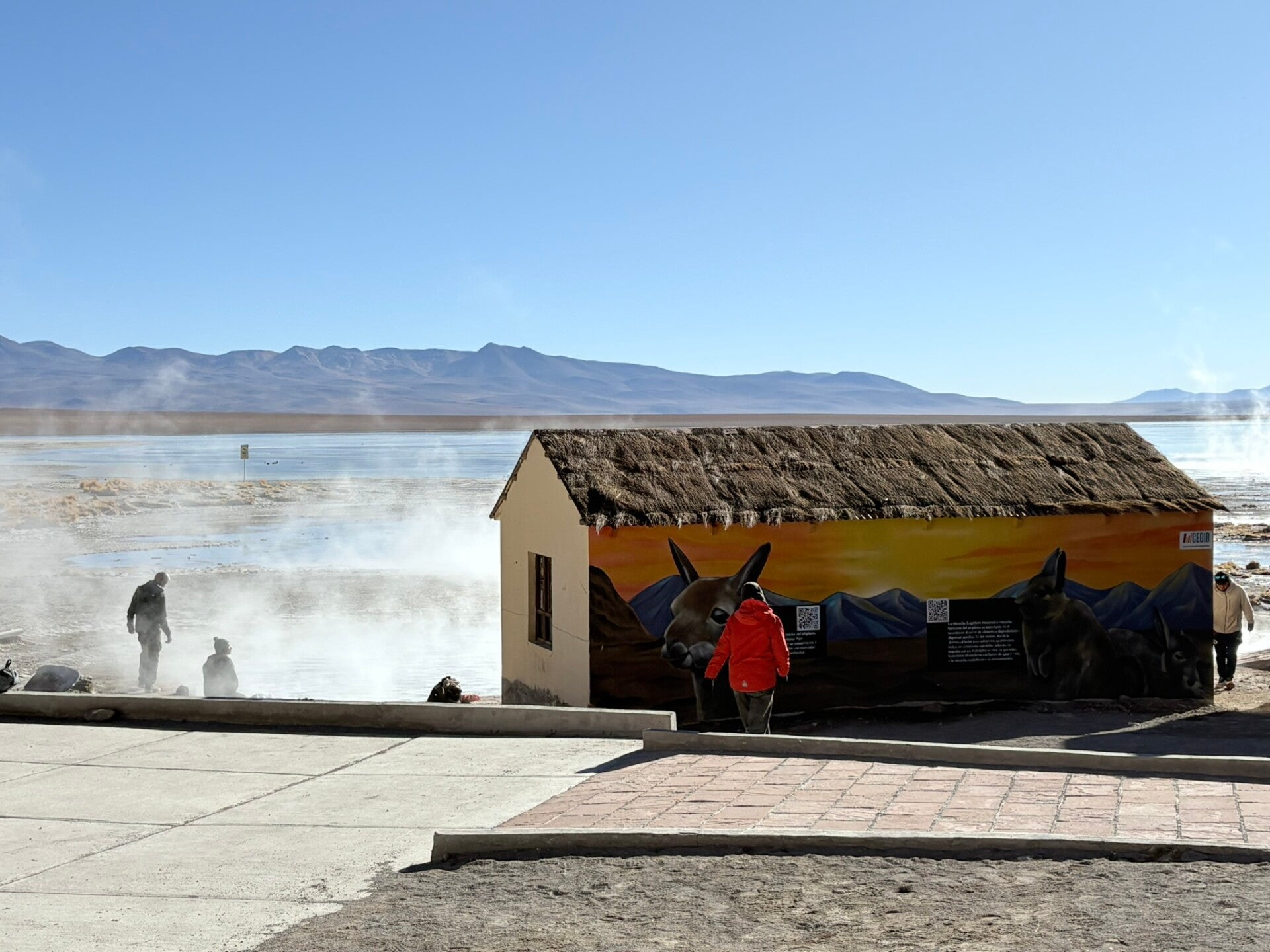
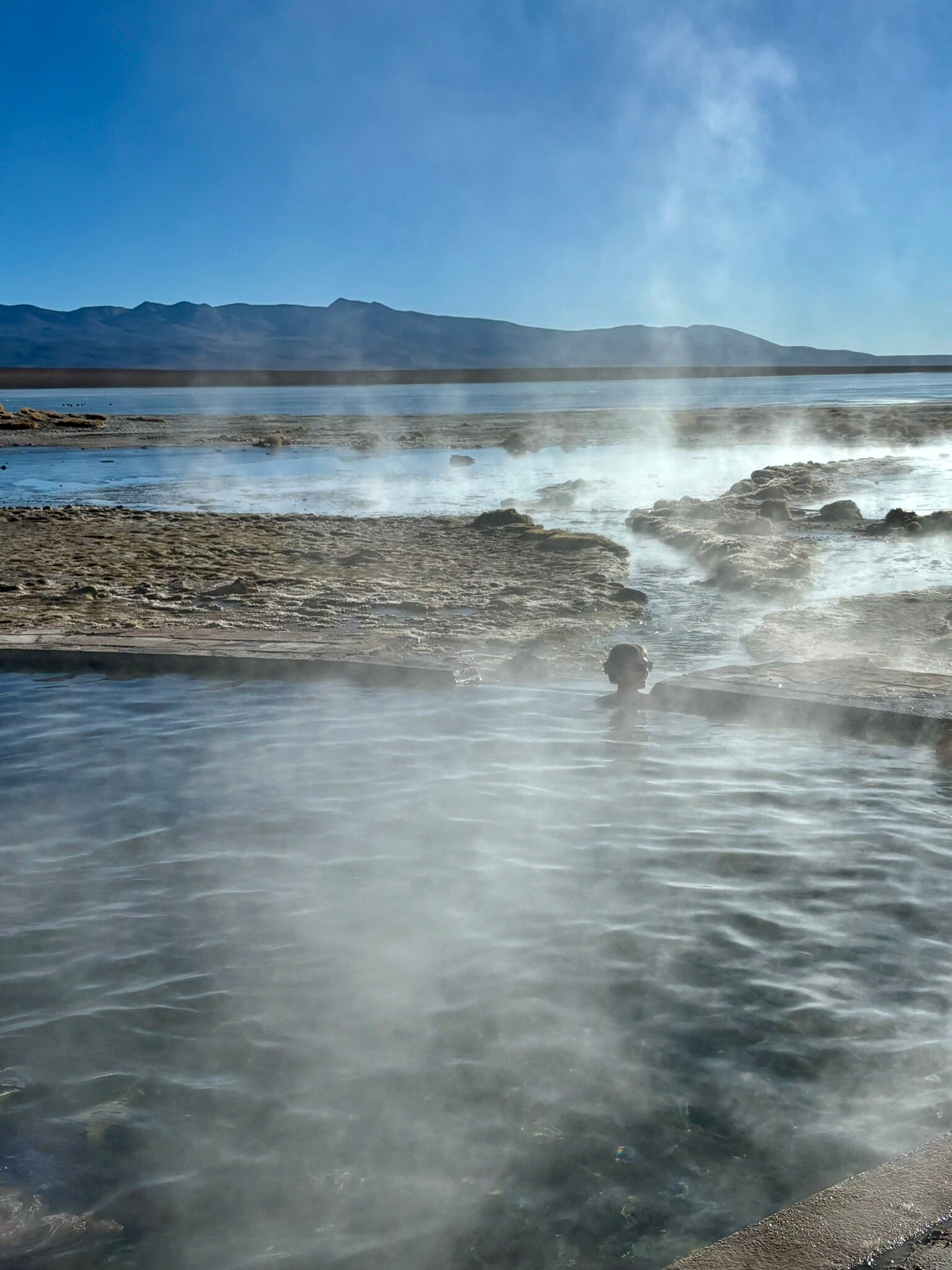
- Natural Hot Springs at Laguna Chalviri: Enjoy a dip in 28°C-30°C (82°F–86°F) water, which feels especially warm on a chilly desert morning.
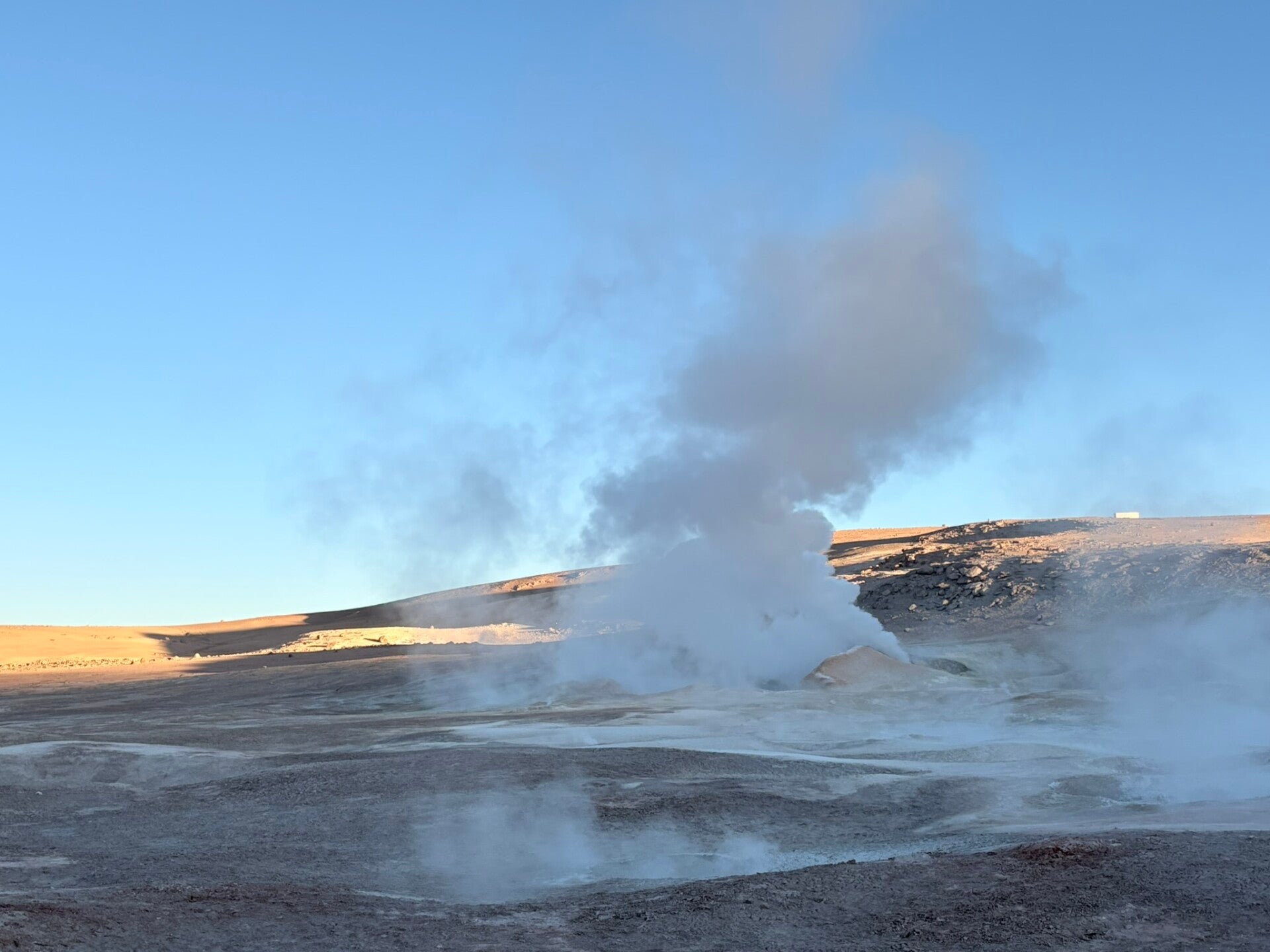
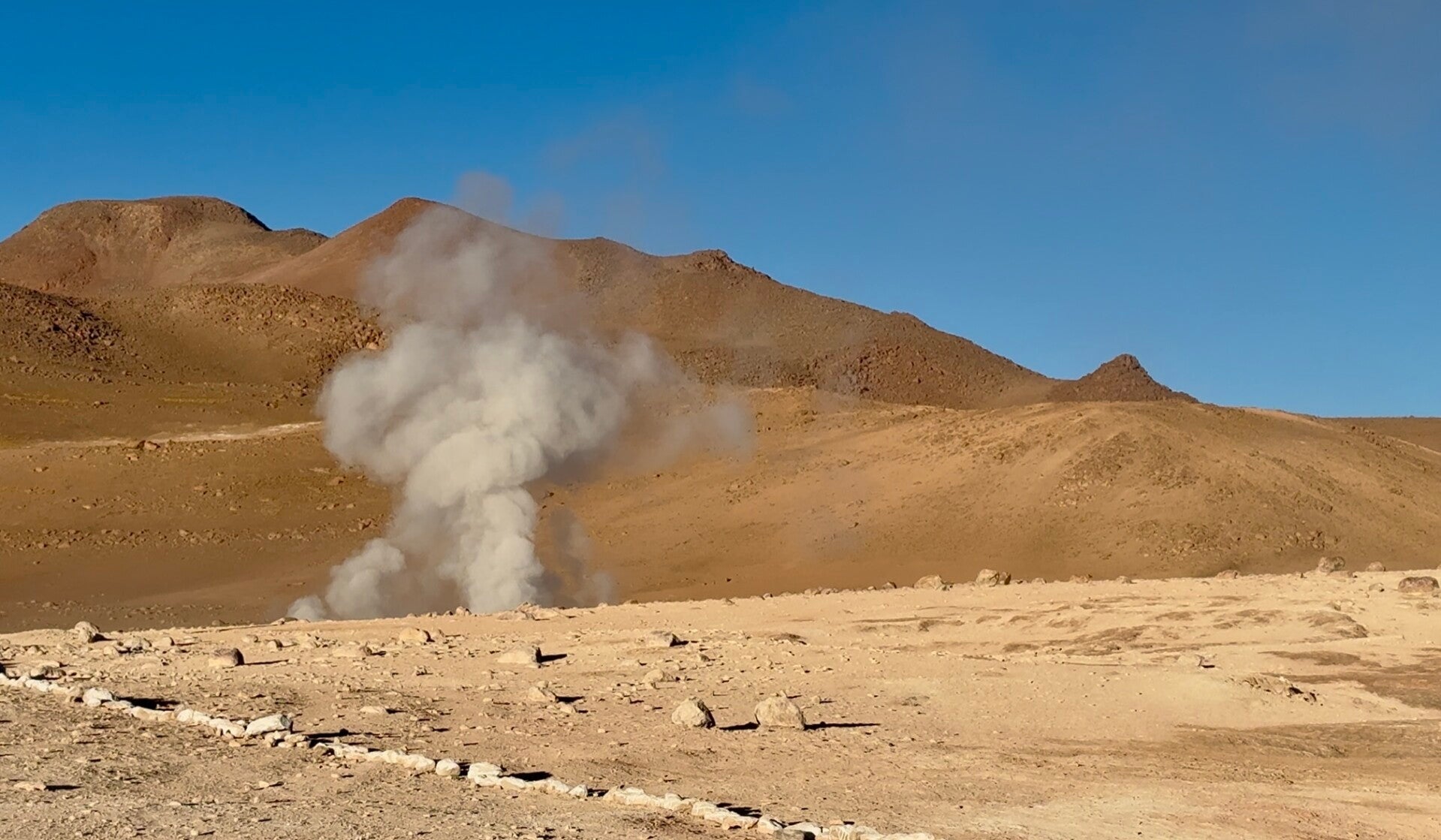
- Geysers Volcanic Zone (Sol de Manana): Explore a geothermal field with bubbling mud pots, steam vents and boiling lakes.
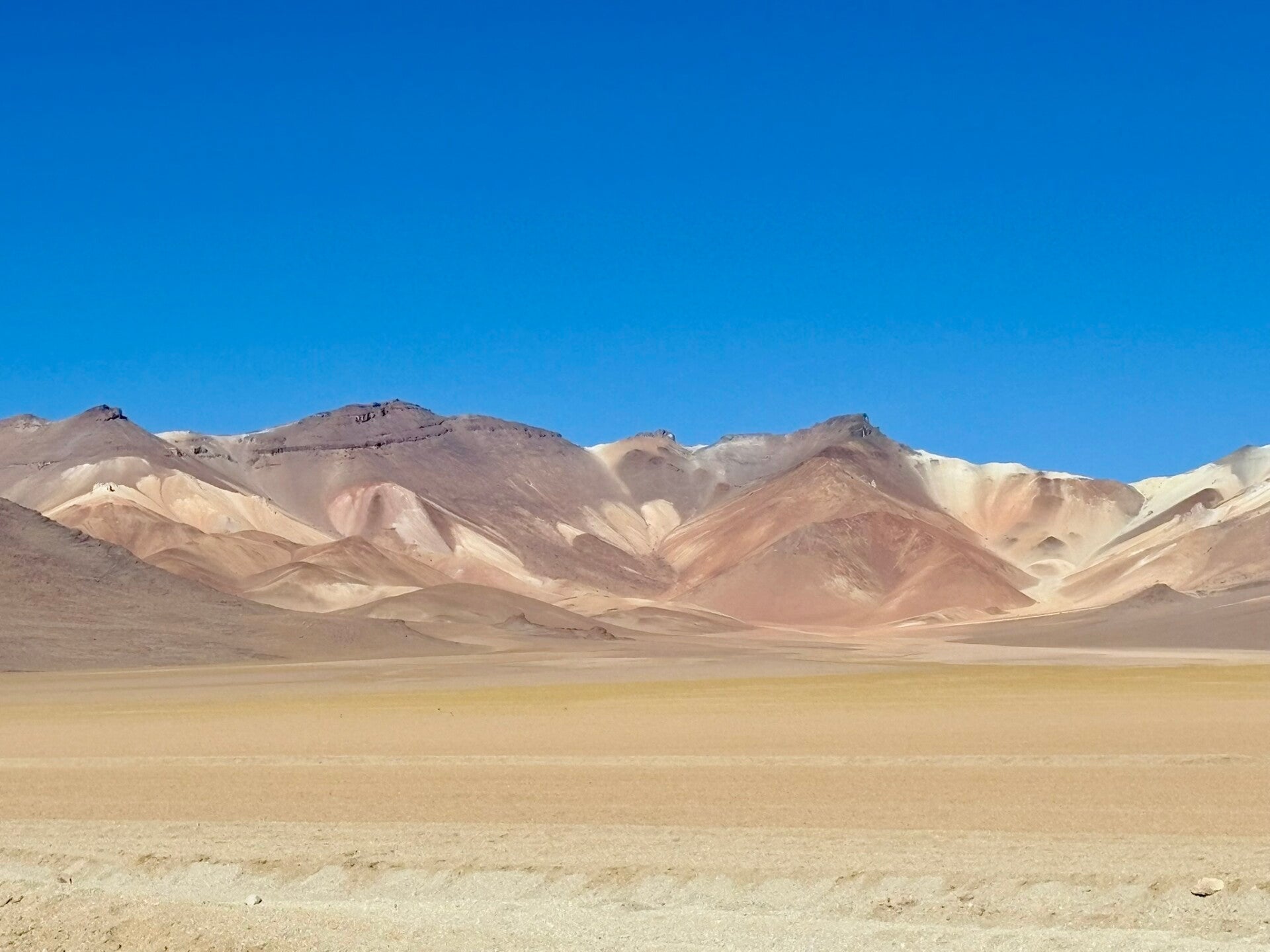
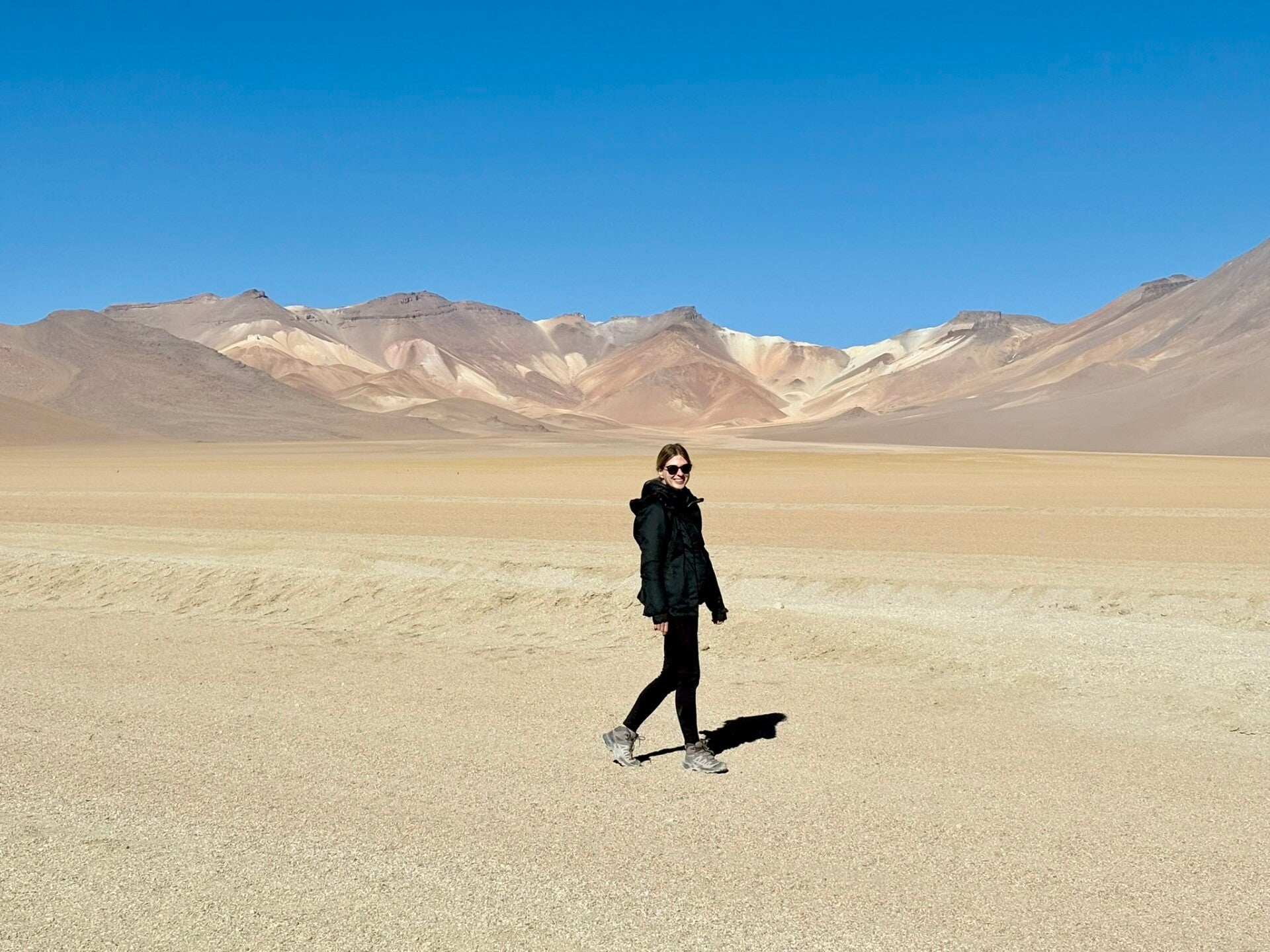
- Salvador Dali Desert: Experience landscapes reminiscent of surrealistic paintings.
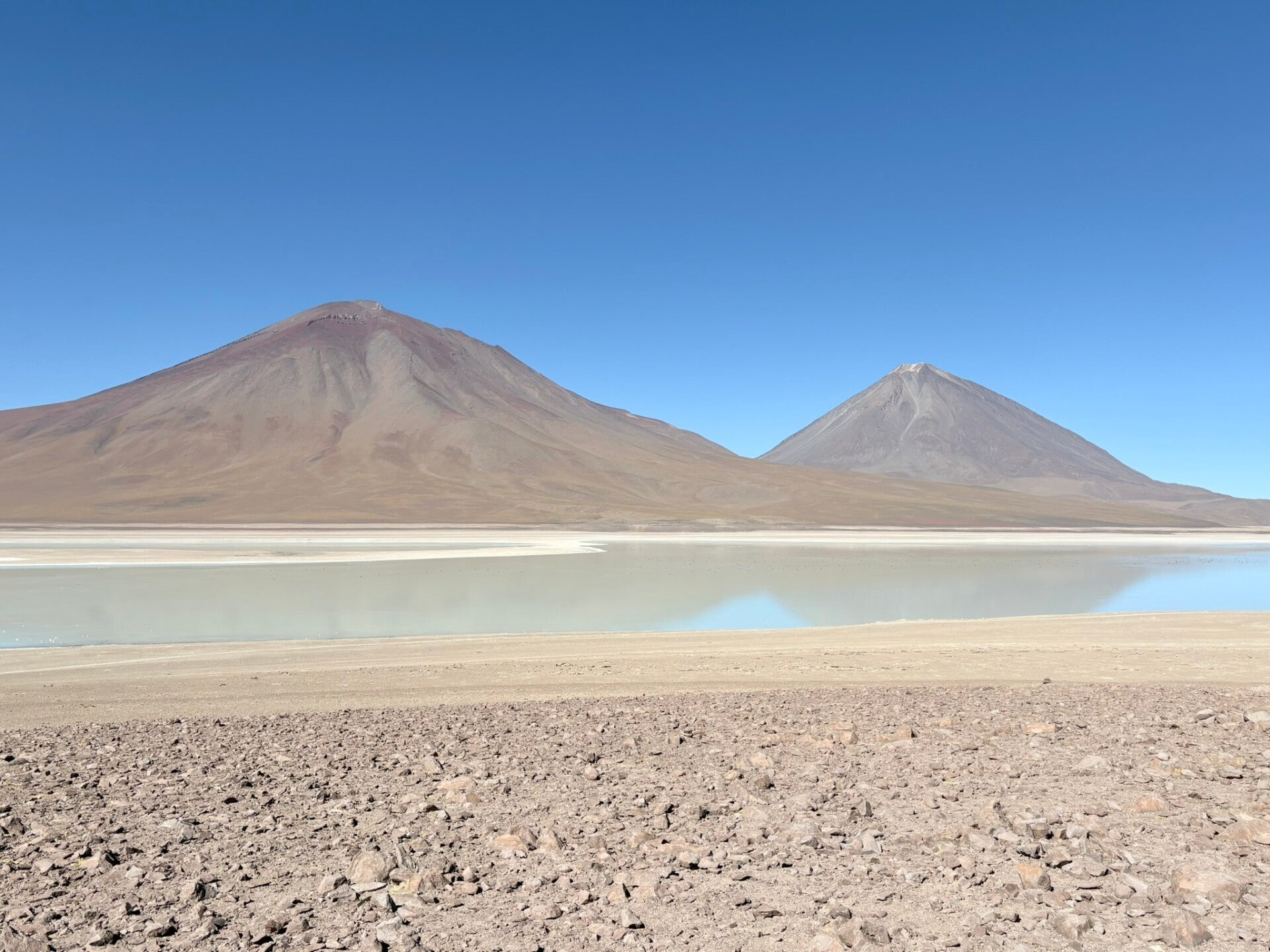
- Laguna Verde: Marvel at the gorgeous green lagoon at the base of Licancabur Volcano.
This packed but stunning itinerary starts very early to fit all activities in before lunch!
After visiting the Green Lagoon, you have two options:
- Transfer to San Pedro de Atacama: Continue with the transfer for an extra fee of 20 USD, arriving in San Pedro around noon.
- Return to Uyuni: Head back, taking a scenic route through San Cristobal, the Valley of Rocks (featuring petrified lava formations) and Lagoon Villa Mar.
Practical Note
For those transferring to San Pedro, please note that breakfast on the last day is very early (it could be as early as 4:30 AM!), and lunch is not included, so make sure to pack enough snacks for the journey! 🍫


Add comment
Comments
Incredible blog 👏😁
Thank you
Glad you like it Adam and Ioana!