Northern Chile feels like landing on another planet: sun-bleached desert landscapes, lagoons that shift color by the hour, volcanoes on the horizon, and nights so clear they make you look up even if you’re “not a stargazing person”. This 7-day itinerary is designed for a smooth, practical stay in San Pedro de Atacama—the best base for exploring the Atacama Desert—followed by a few classic days in Santiago.
Day 0 - Arrive in San Pedro de Atacama
The town of San Pedro de Atacama is the perfect base to explore the Atacama Desert, which is famous for being one of the driest places on Earth. San Pedro sits at a "comfortable" altitude of 2.400m (approx 7.900 ft) so you're unlikely to suffer from altitude sickness and the temperate is pleasant almost all day.
If you’re coming from Uyuni (Bolivia):
You’ll typically arrive around lunchtime, which makes this a perfect “reset” day. Grab food, take a nap, and then sort your tours for the next few days without stress.
The easiest way to book is simply walking down Calle Caracoles, where tour agencies sit door-to-door and usually stay open until around 8 pm. You can compare itineraries, ask what’s included, and book on the spot.
If you’re flying in:
The closest airport is Calama (CJC), about 1.5 hours from San Pedro. Shared transfers are common and usually cost around $15–20 USD one way. Depending on your arrival time, you can keep it relaxed or, if you’re feeling energetic, you can even book an afternoon/evening tour for the same day.
Personal note about tour agencies: we booked with Rica Rica Travel because they had so many great reviews, but our experience was a bit mixed. All the guides spoke excellent English and the food provided was amazing, however, the scheduling left a lot to be desired. On at least a couple of tours, we were picked up much later than the scheduled time, and on another tour, my friend and I ended up on separate buses! So definitely do your own research before choosing an agency.
Day 1 — Moon Valley + Stargazing
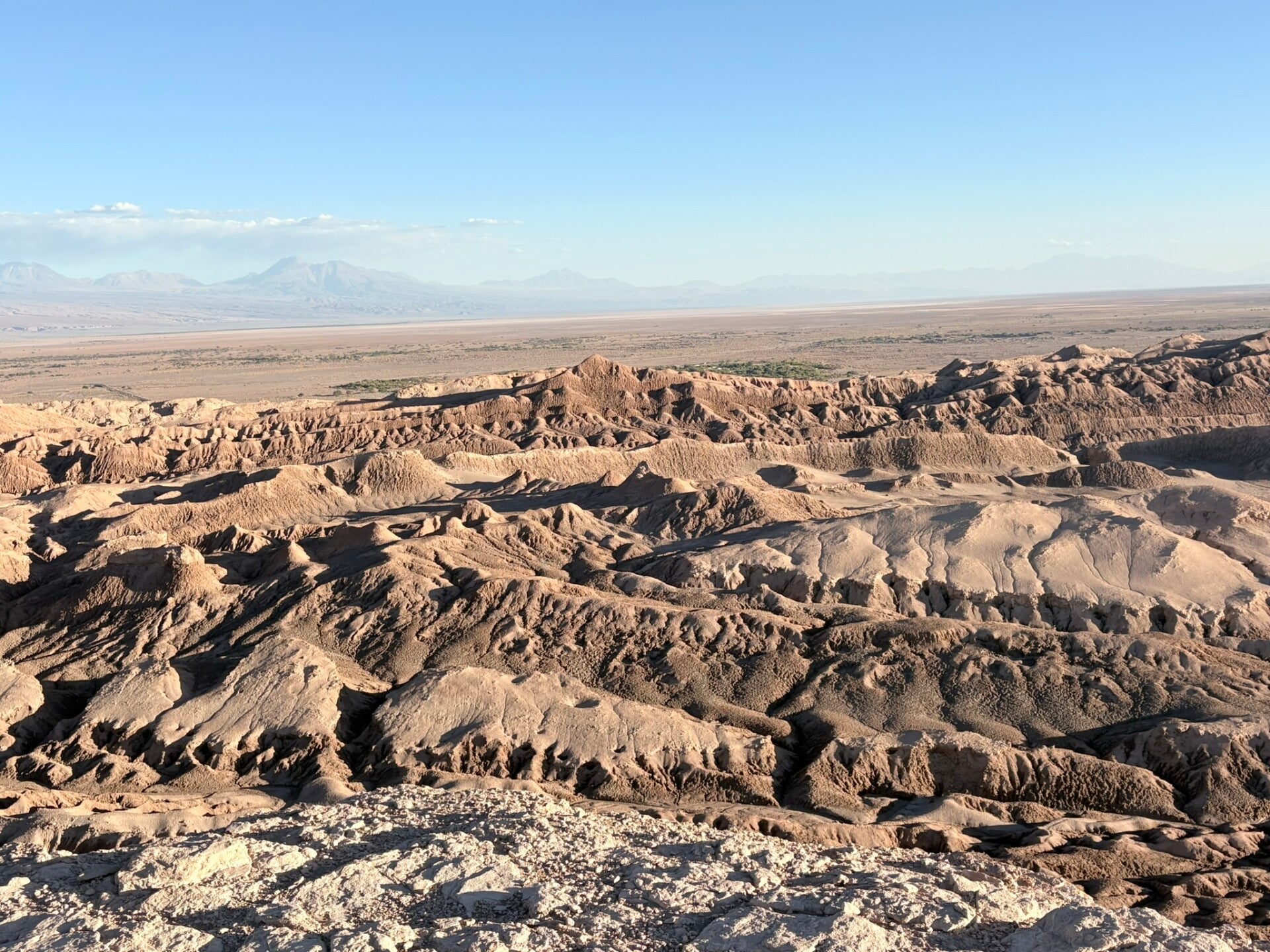
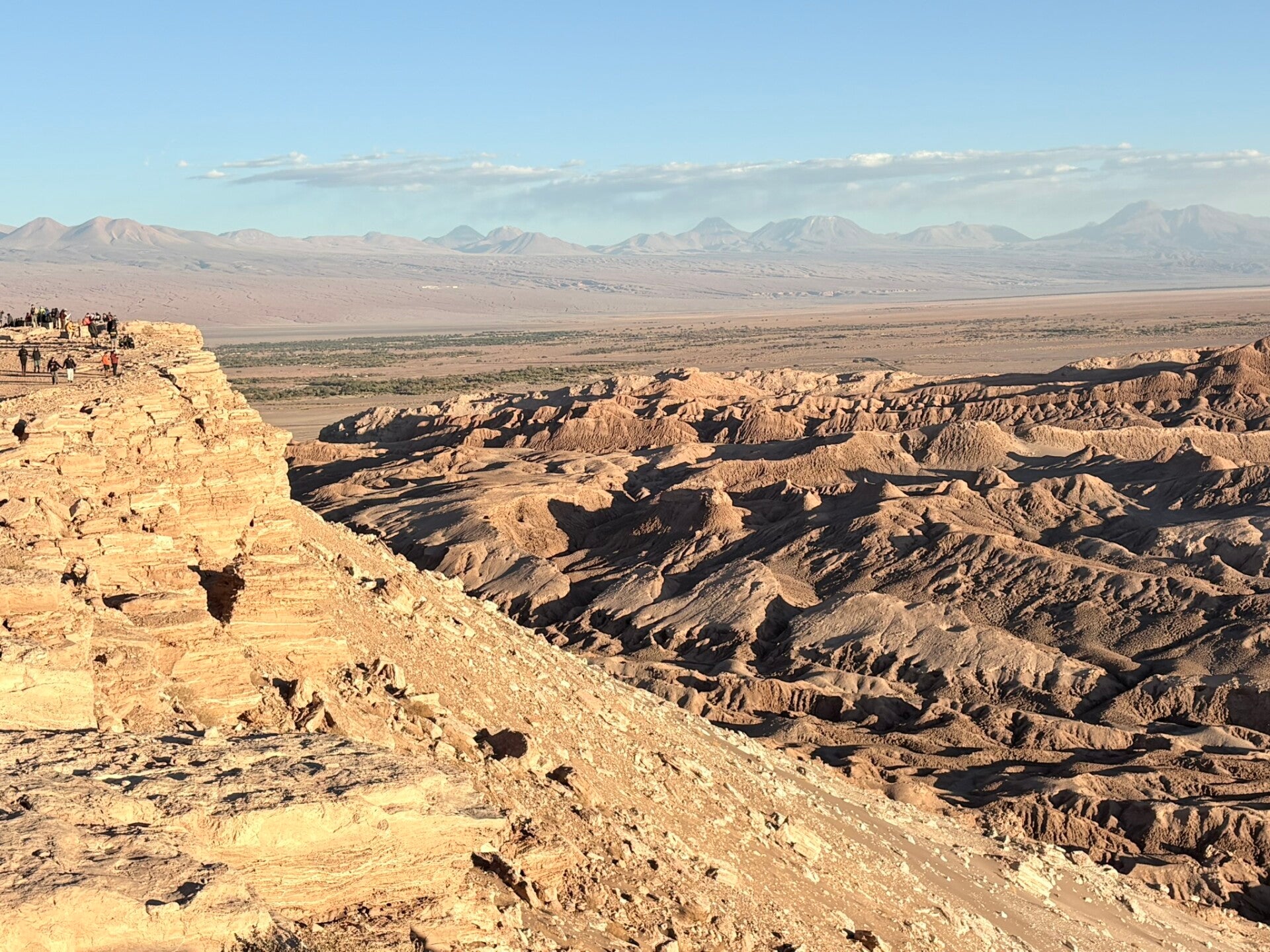
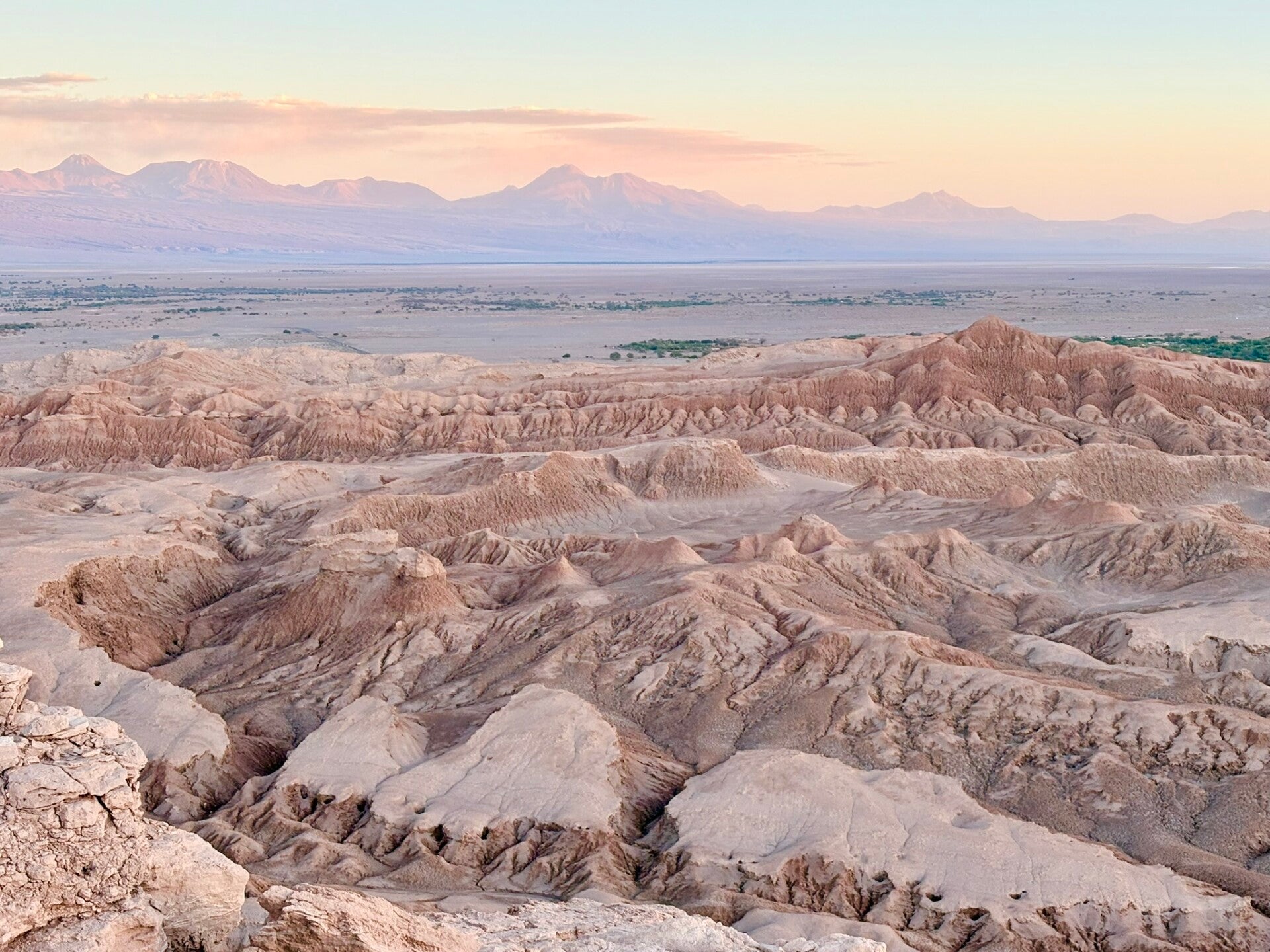
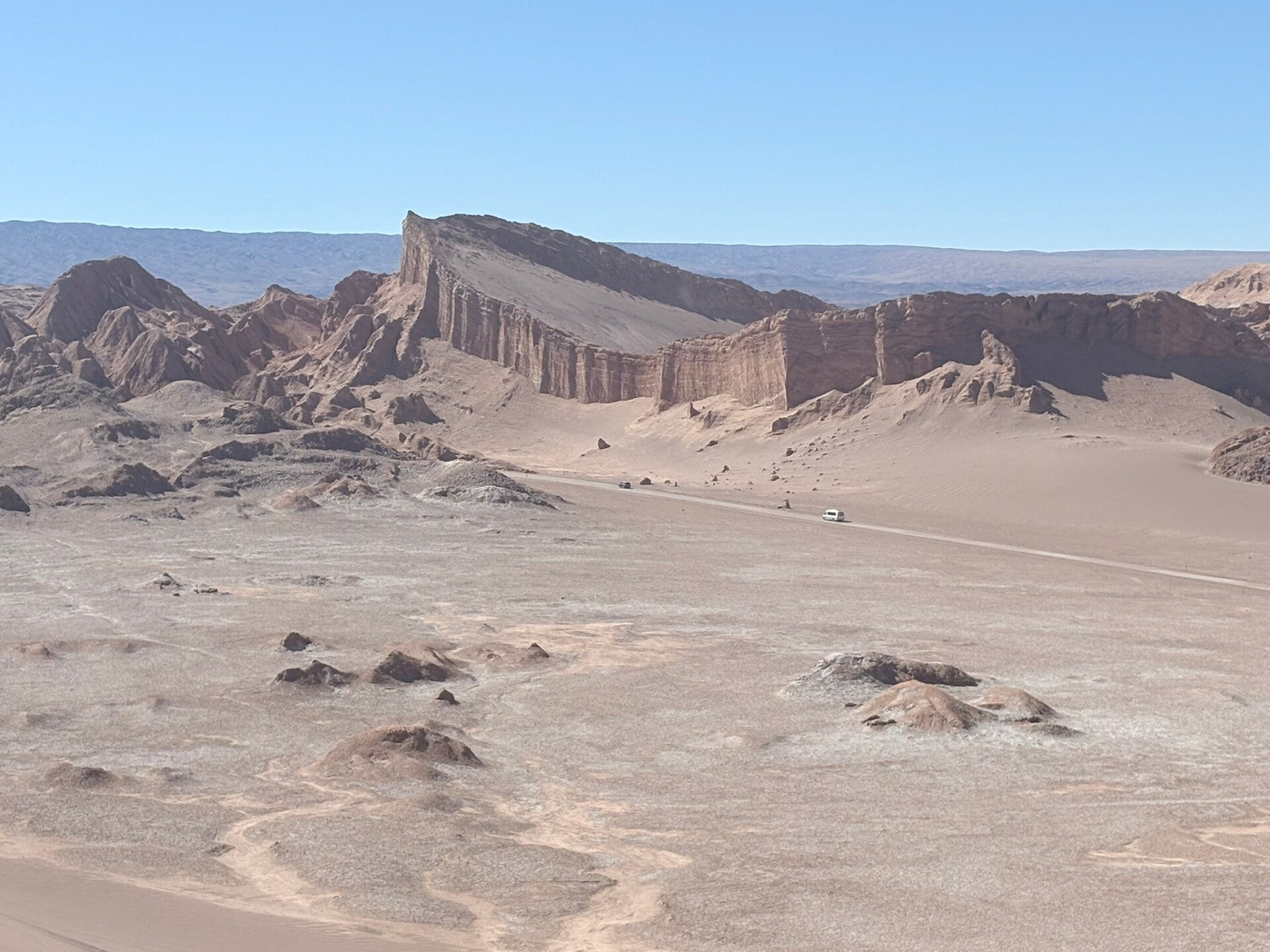
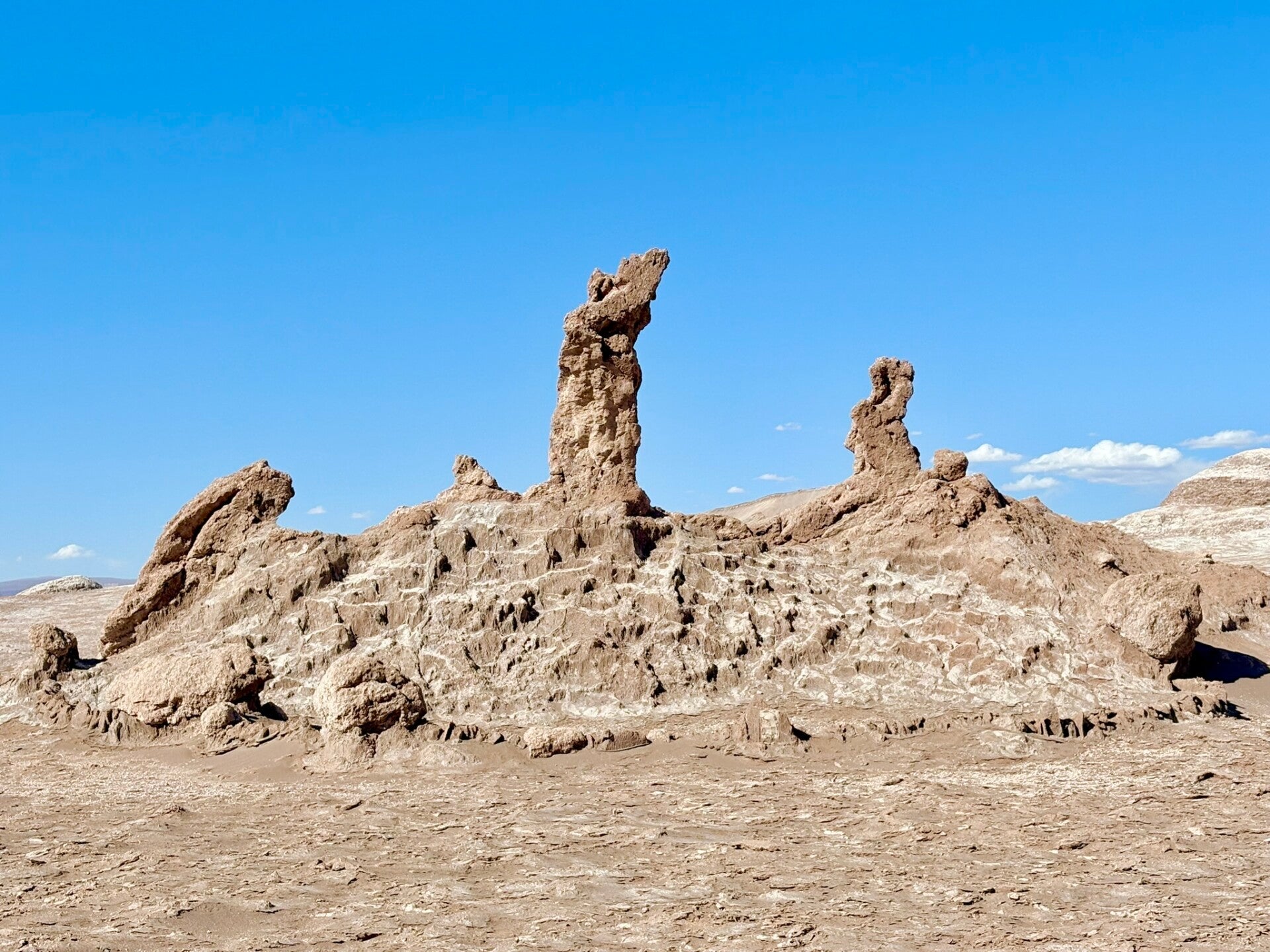
Valle de la Luna (Moon Valley) 🌙
Moon Valley tour normally runs in the afternoon and ends with sunset. Expect sand dunes, sharp rock formations, and big desert views that look even better as the light softens.
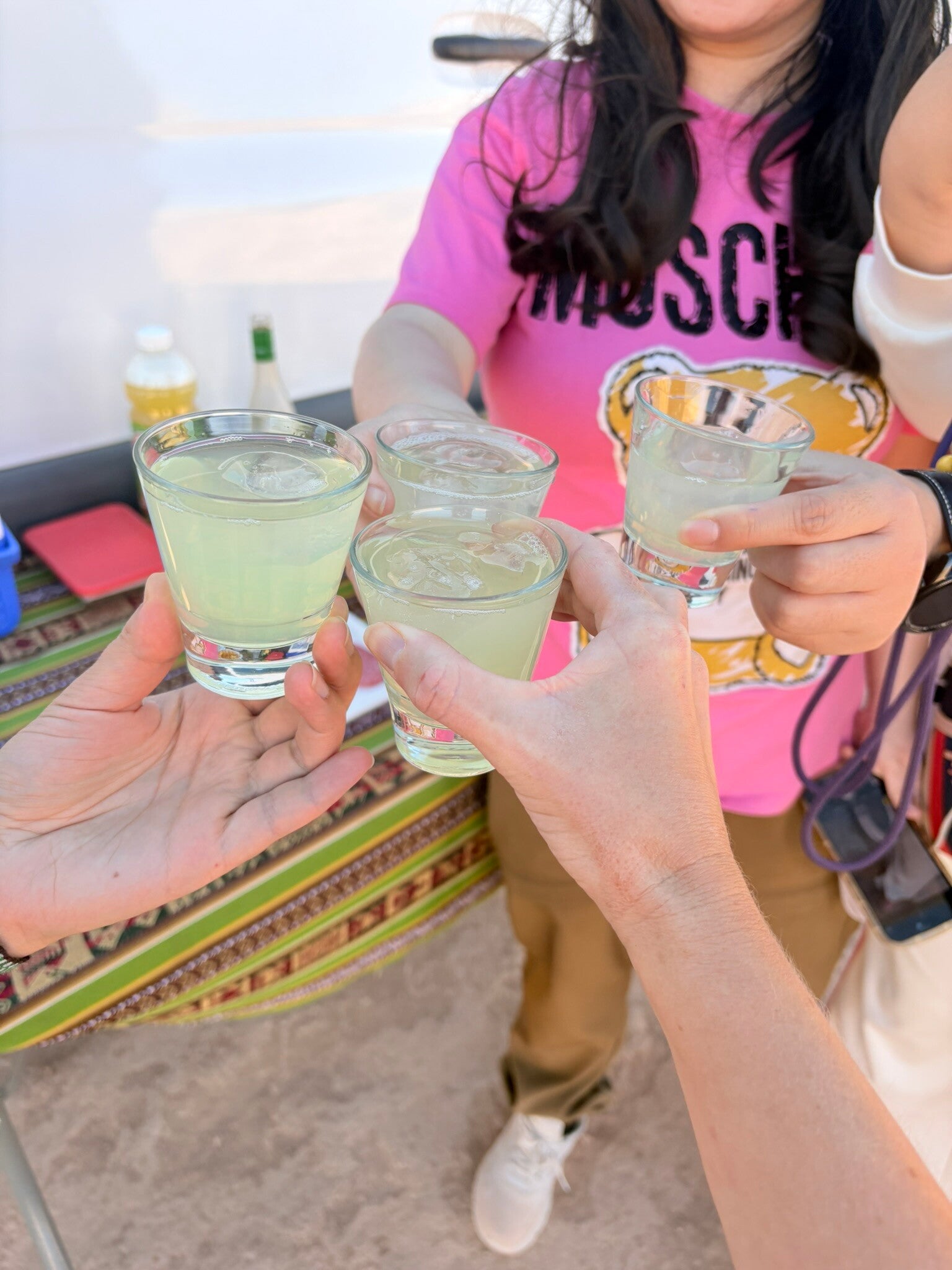
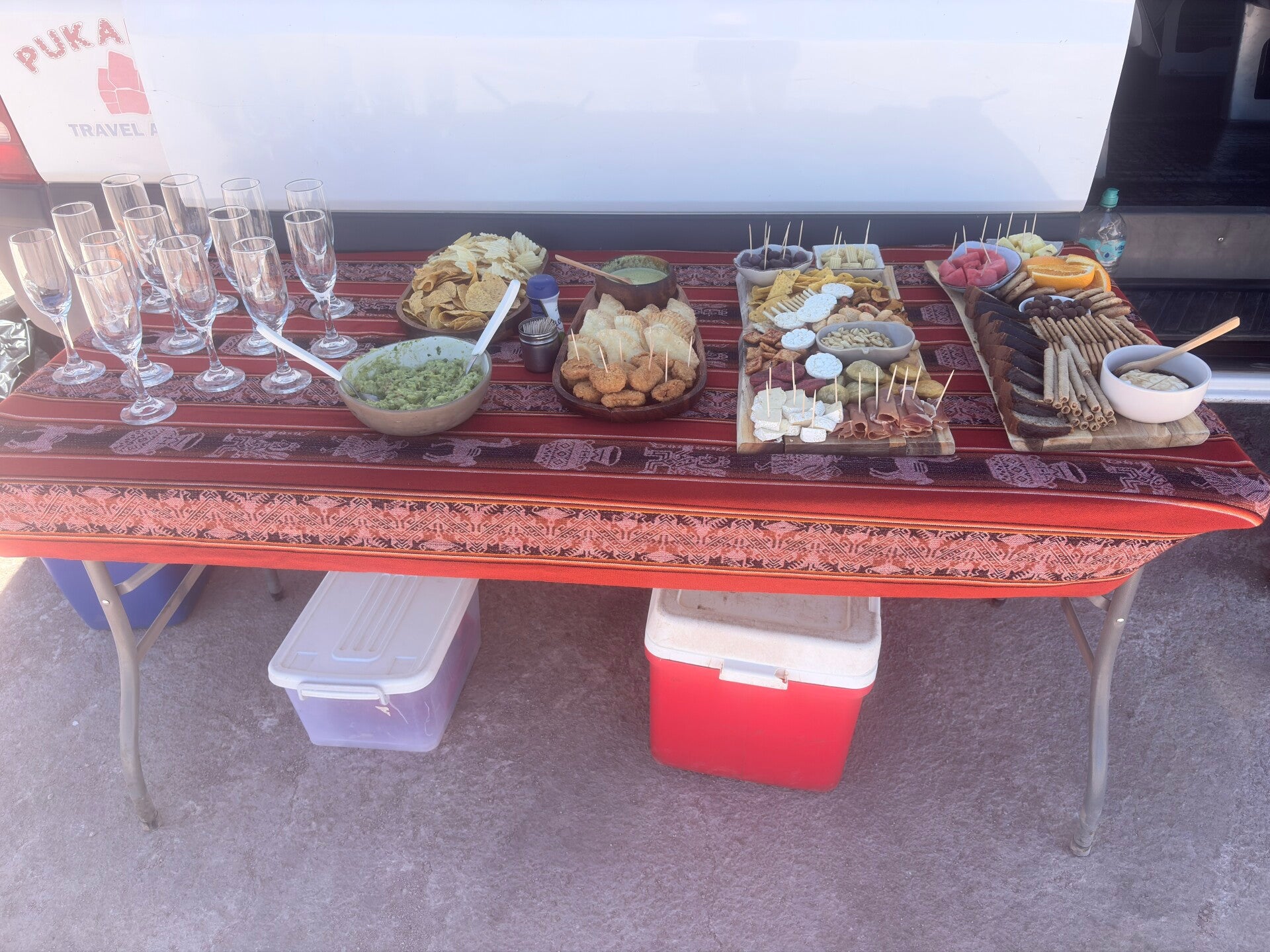
Most tours last 4–5 hours, with a bit of walking and a sunset stop. Many agencies include a “snack”, which in Atacama often means a full-on tapas spread (cheese, meats, fruit, crackers etc.) plus a pisco sour—so you may not need a big dinner afterwards.
Stargazing tour 🔭
Tour companies normally pick you up around 8–9 pm and drive a short distance outside of town to a small observatory setup with telescopes.
One honest tip before booking: check the visibility conditions first. The fuller the moon, the less visible are the stars and the tour agencies may not warn you about that to not lose the sale. Also, these tours are usually best for astronomy beginners rather than serious hobbyists (equipment is not exactly state of the art).
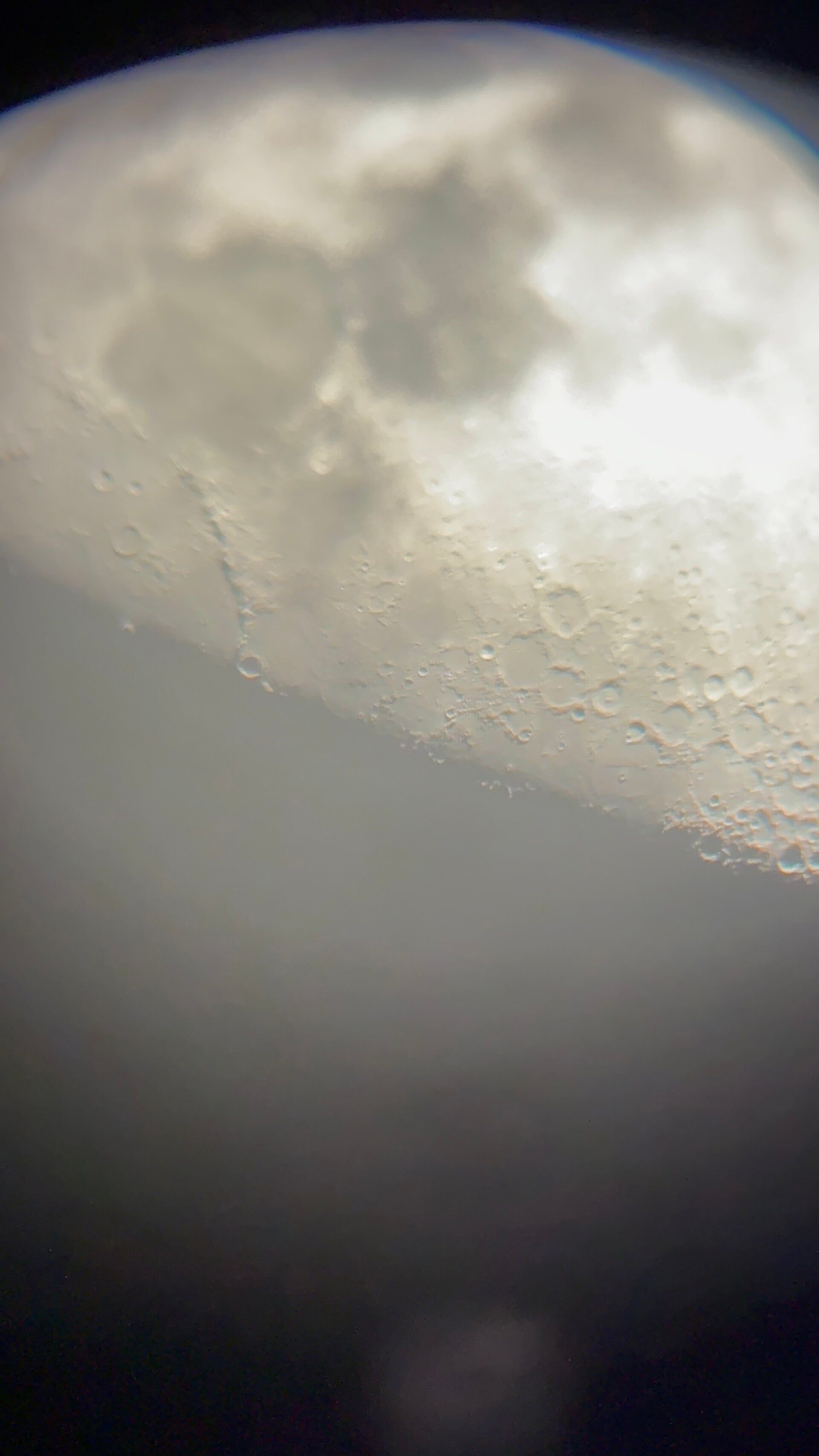
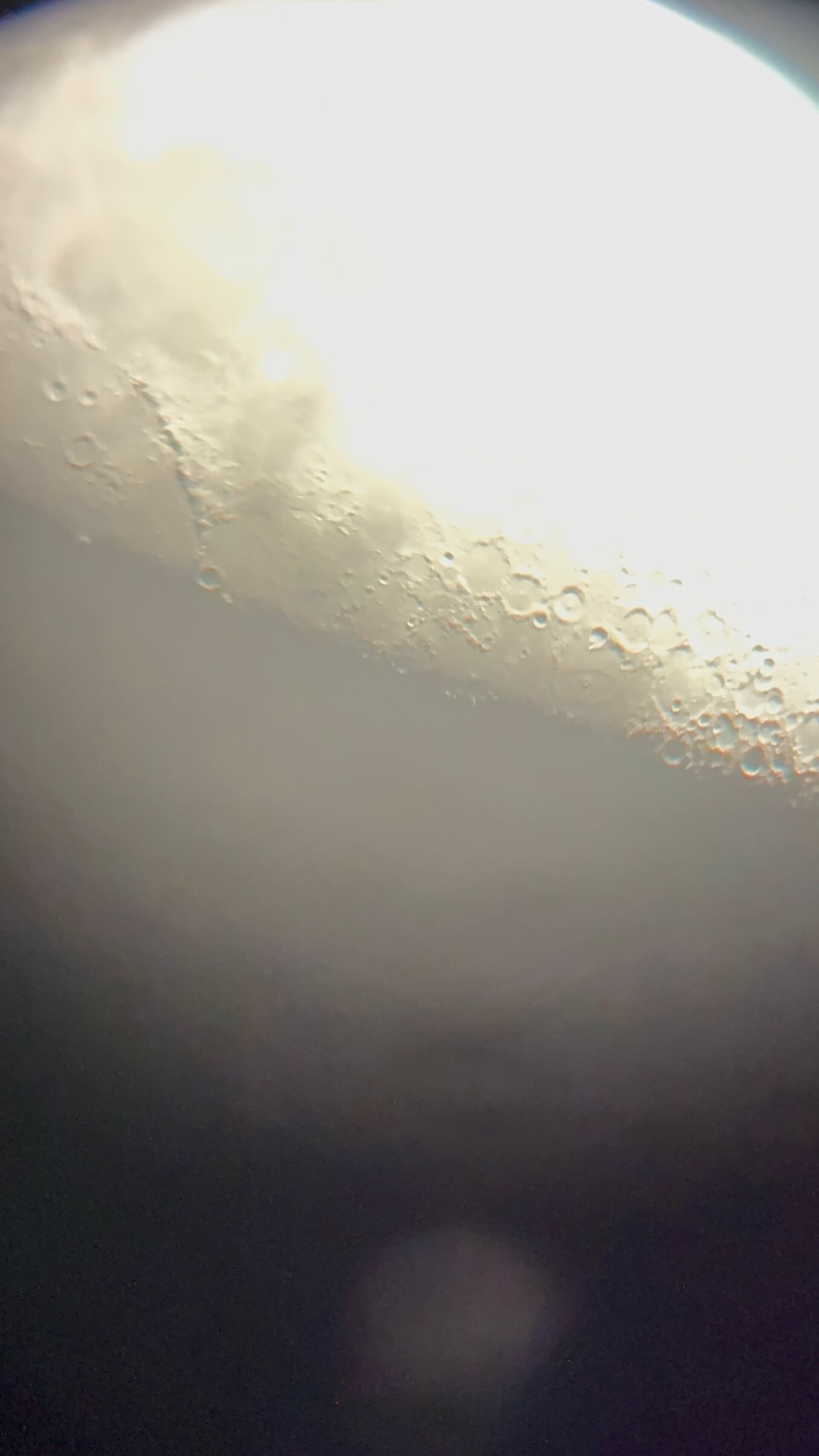
However, even on an average night, you can often still see impressive highlights such as moon craters and Saturn’s rings. This activity also includes 2-3 photos of you under the stars which are then shared a few days later.
This night tour also included tapas-like snacks, hot drinks (trust me, they are needed during desert nights!) as well as Pisco sour. You’re usually back at your accommodation around midnight–1 am.
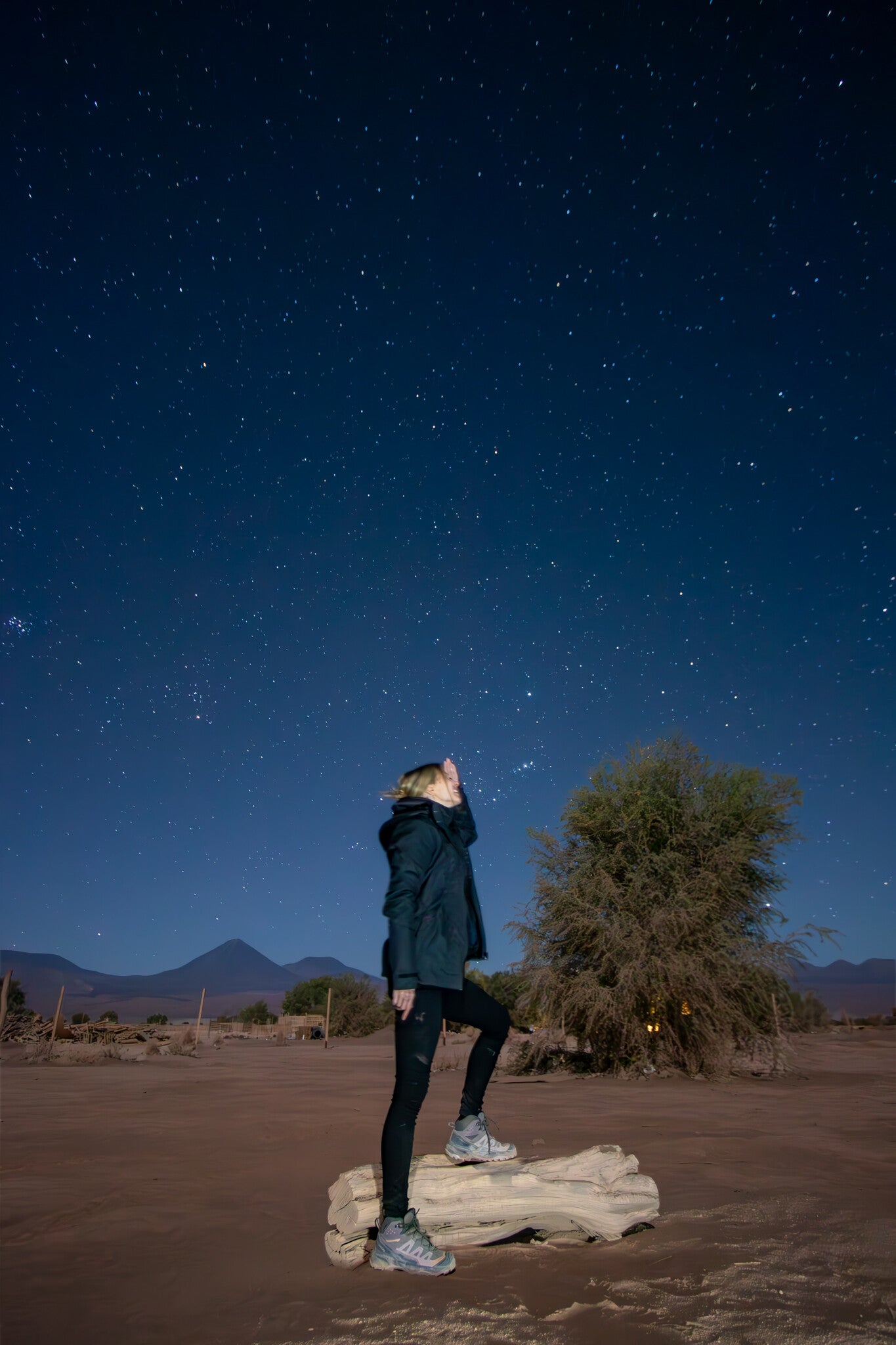
Day 2 - Lagoons, lagoons and more lagoons
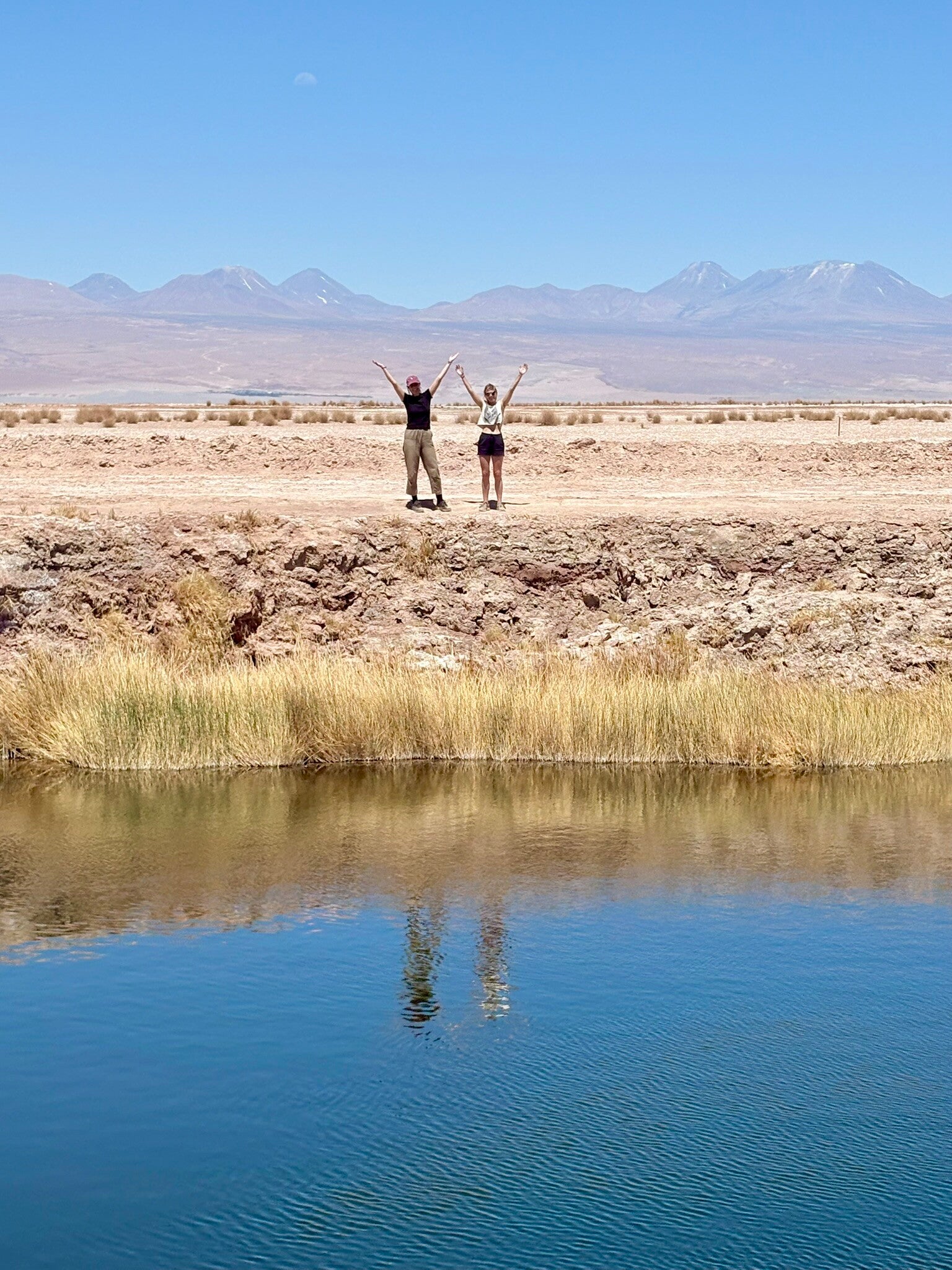
After the late night, this is a great sleep-in morning. In the afternoon, head out on the Laguna Cejar tour, which usually includes multiple other lagoon stops.
Cejar is the headline because it’s the one where you can swim, or rather float due to high salt content. The other lagoon stops (often Tebenquinche and Ojos del Salar) are different in mood but just as memorable, especially in late-day light with volcanoes in the background.
A few practical notes:
- No sunscreen is allowed in Laguna Cejar (it’s a protected area).
- The water is chilly (often around 14–16°C / 57-60°F), so most people don’t stay in long.
- Tours usually provide a robe, and there are showers to rinse the salt off.
- The included "snack" is very generous—eat a lighter lunch beforehand.
If your schedule is tight, you can combine tours (e.g., Tatio geysers in the morning + lagoons in the afternoon), but it’s a long day. If you can spare the time, splitting them across different days is noticeably more enjoyable.
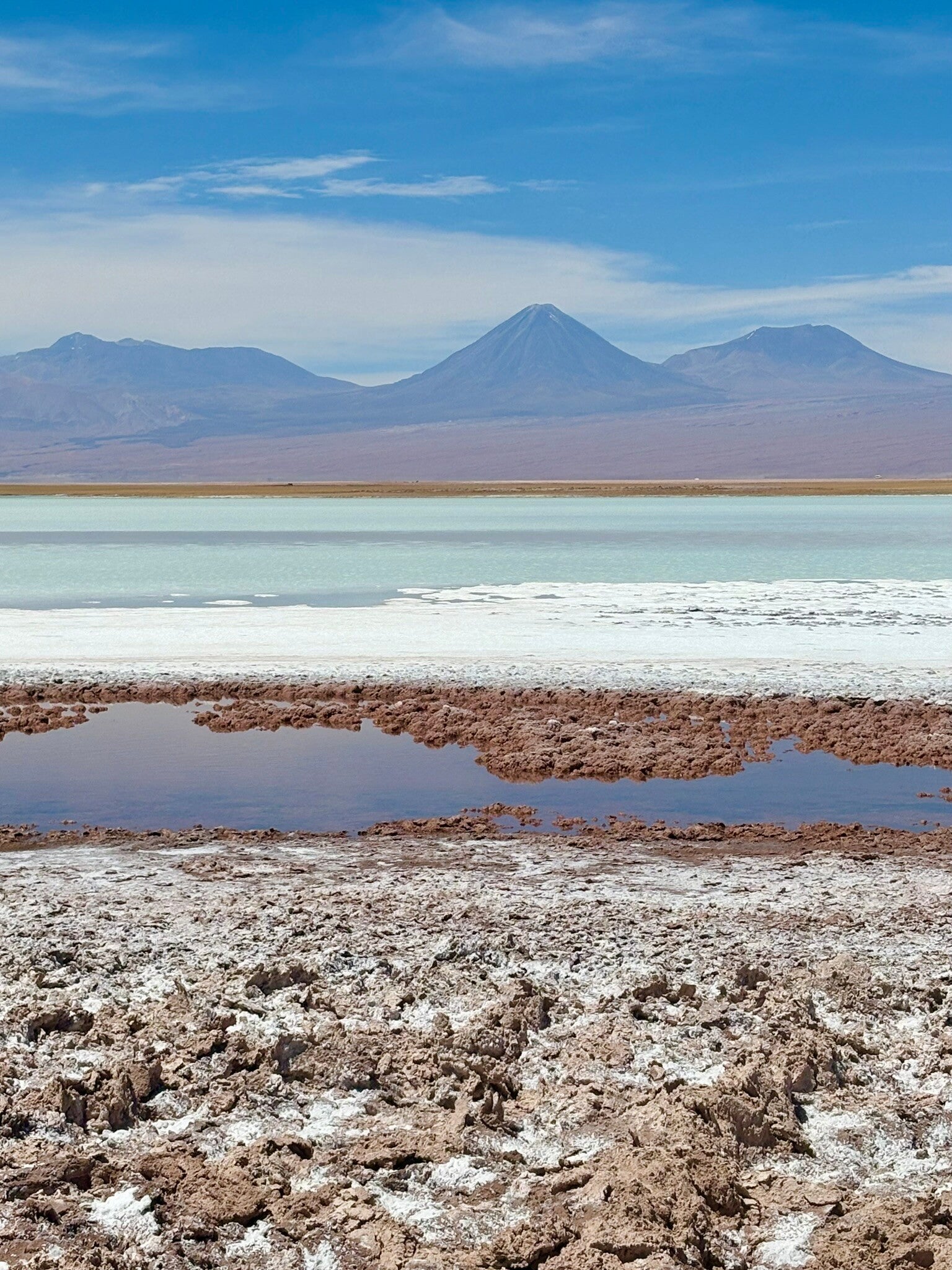

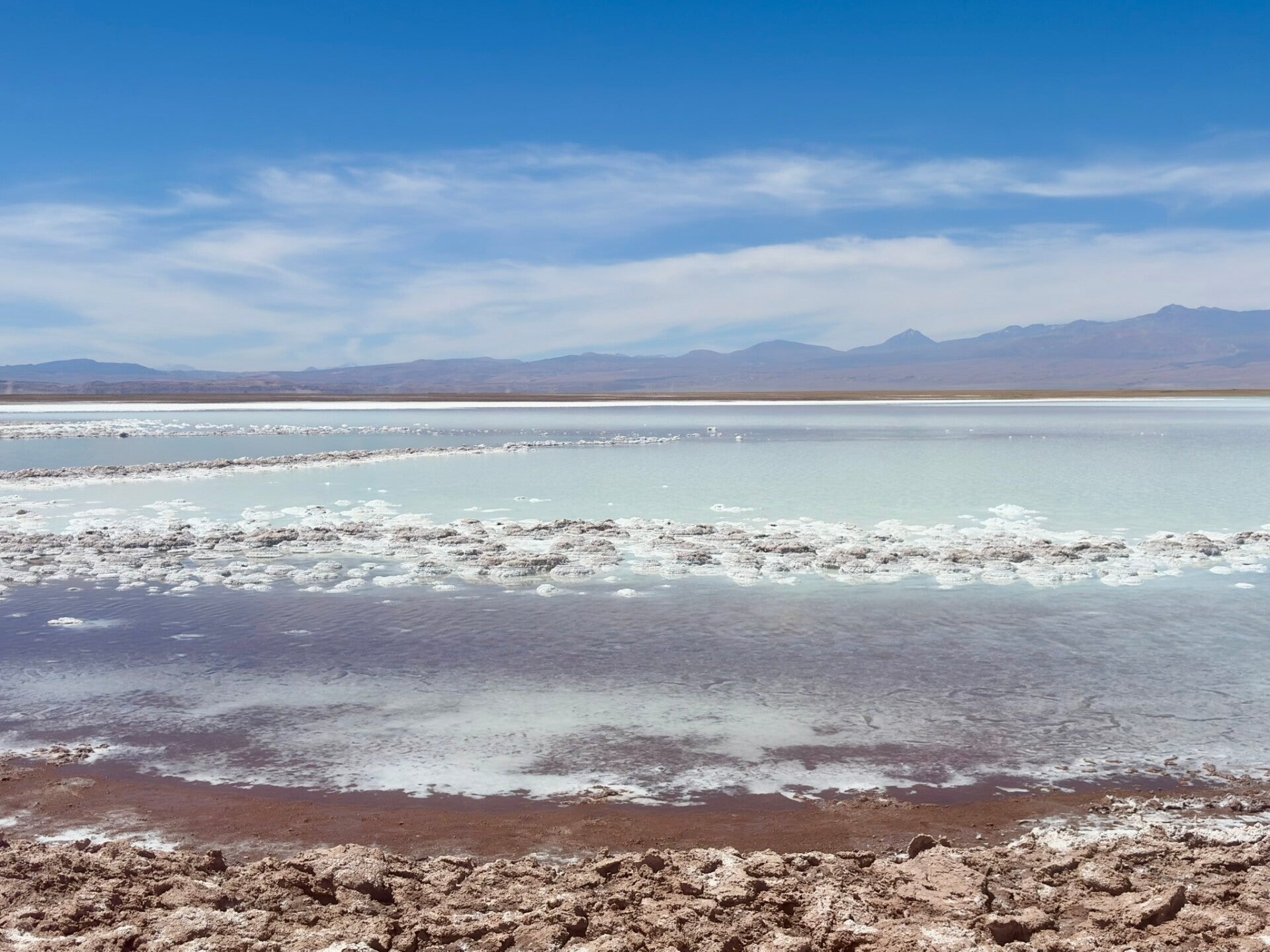

Day 3 — Piedras Rojas (Red Stones) + high-altitude lagoons
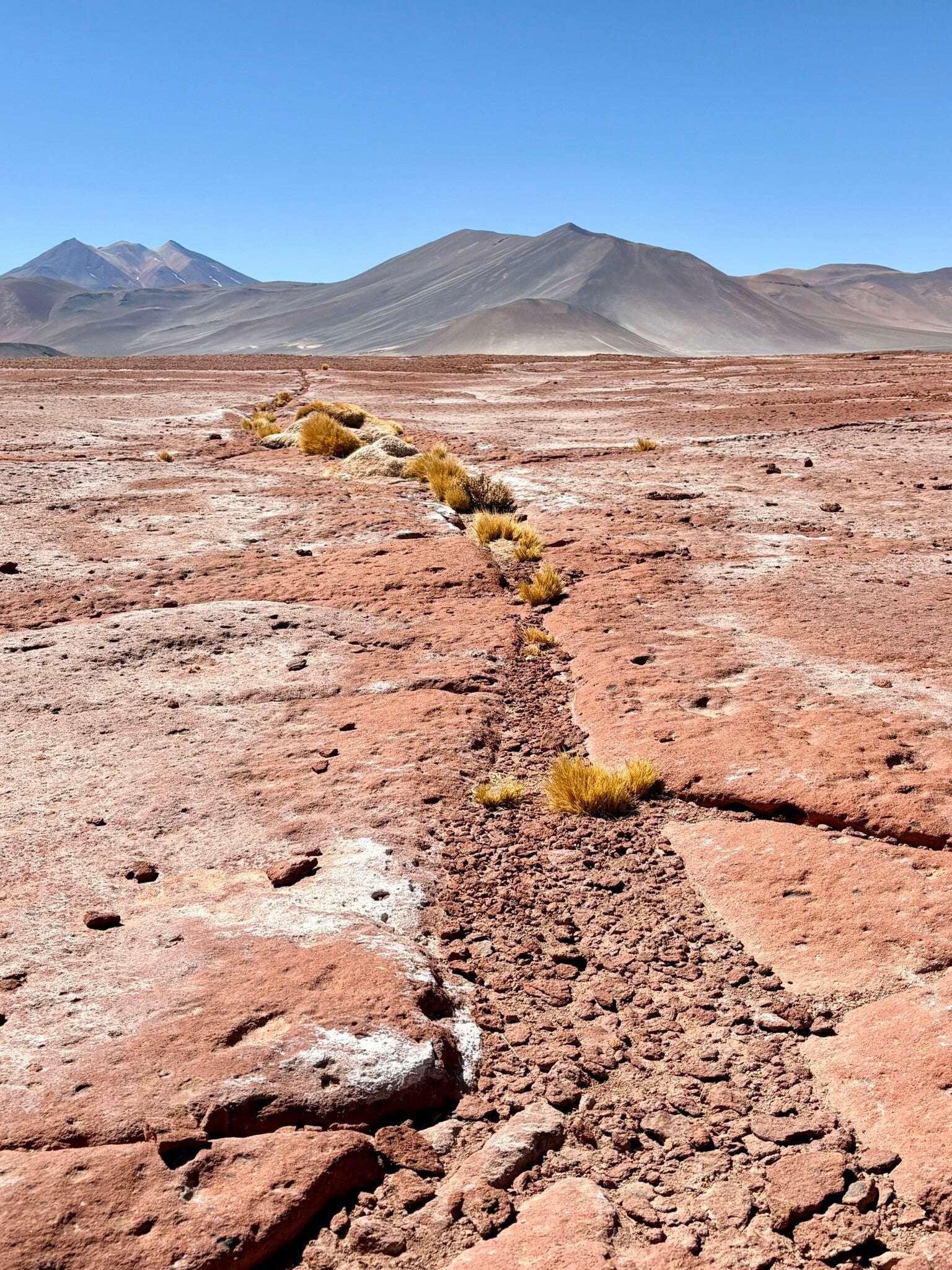
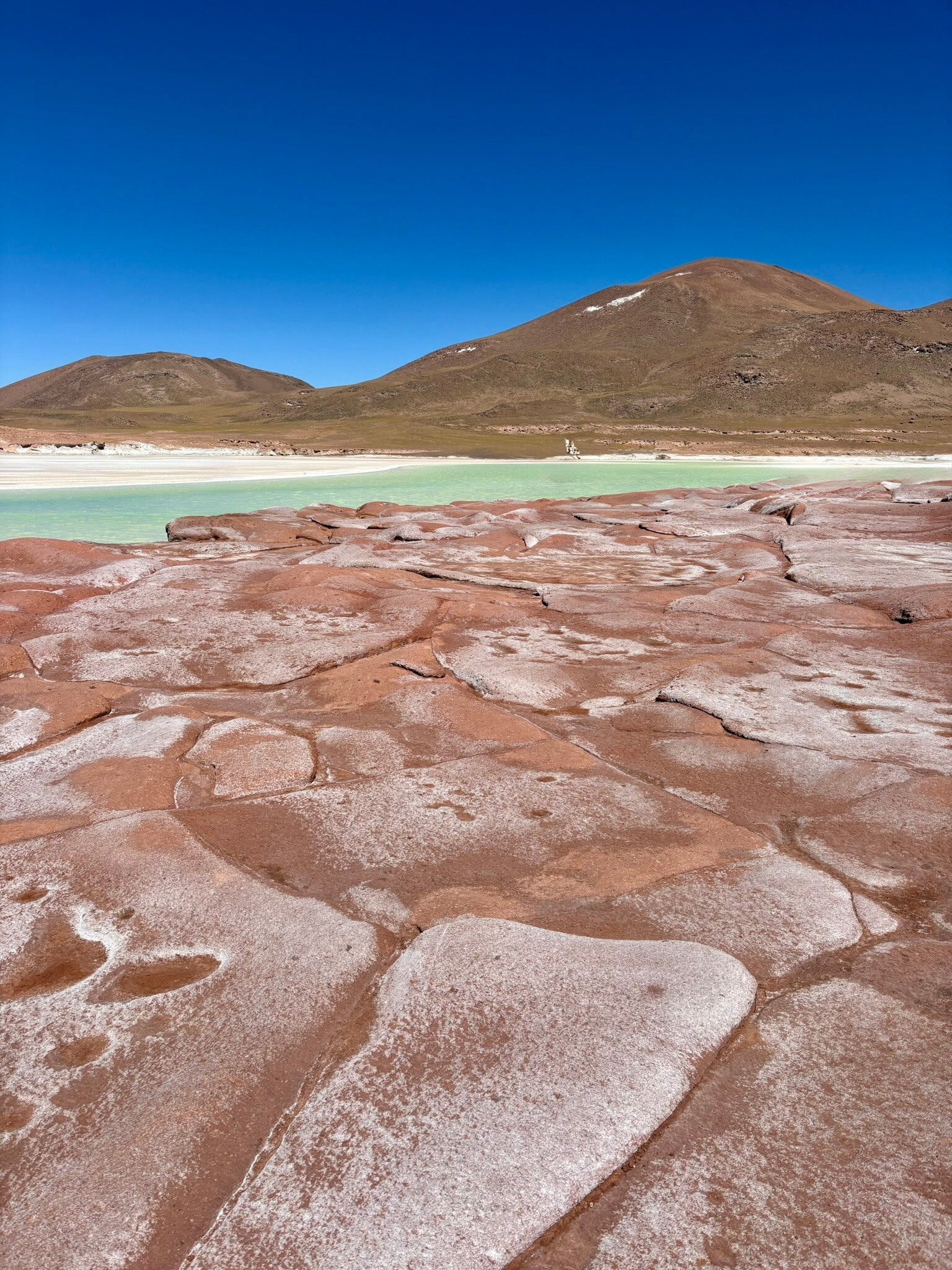
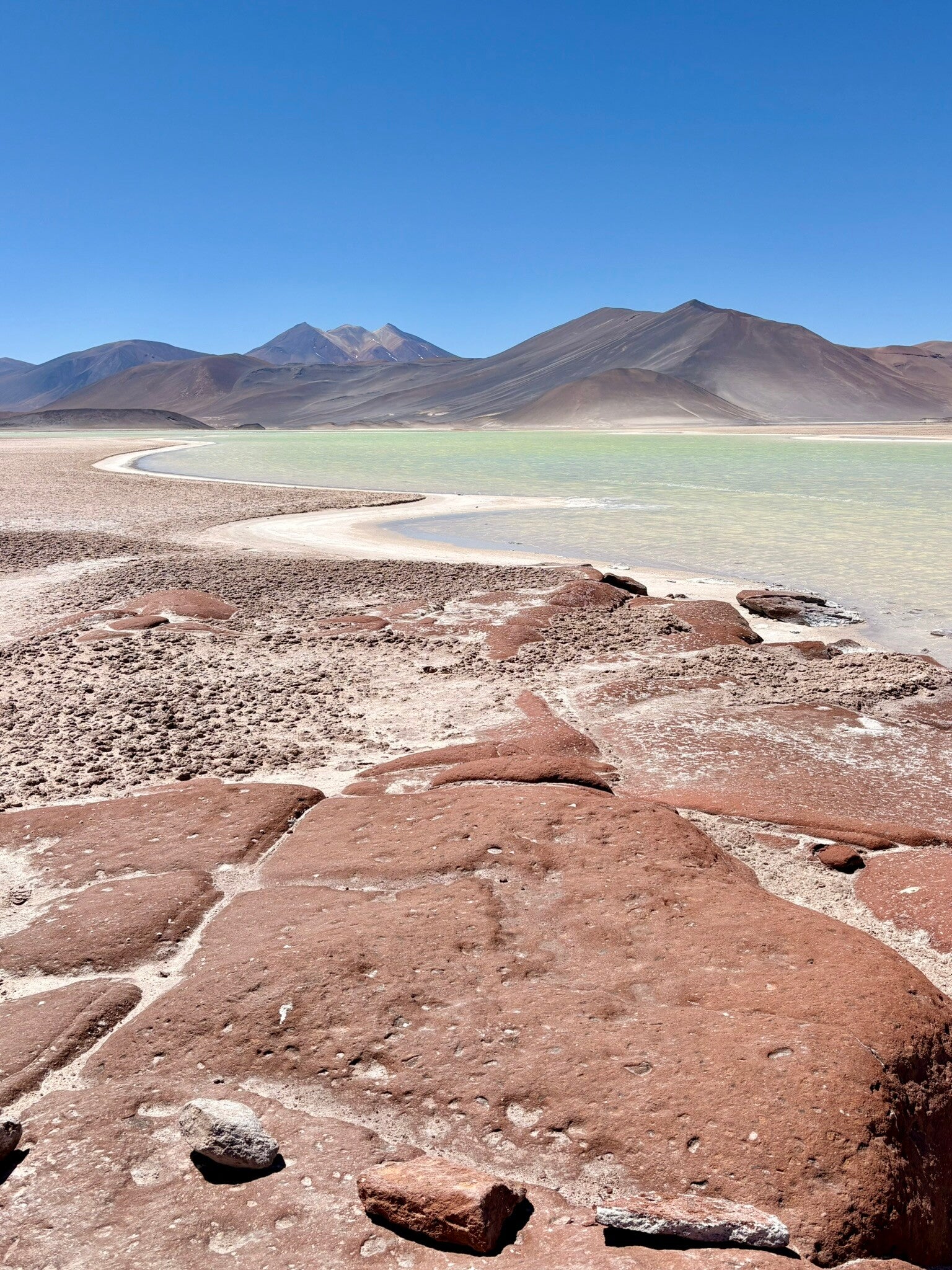
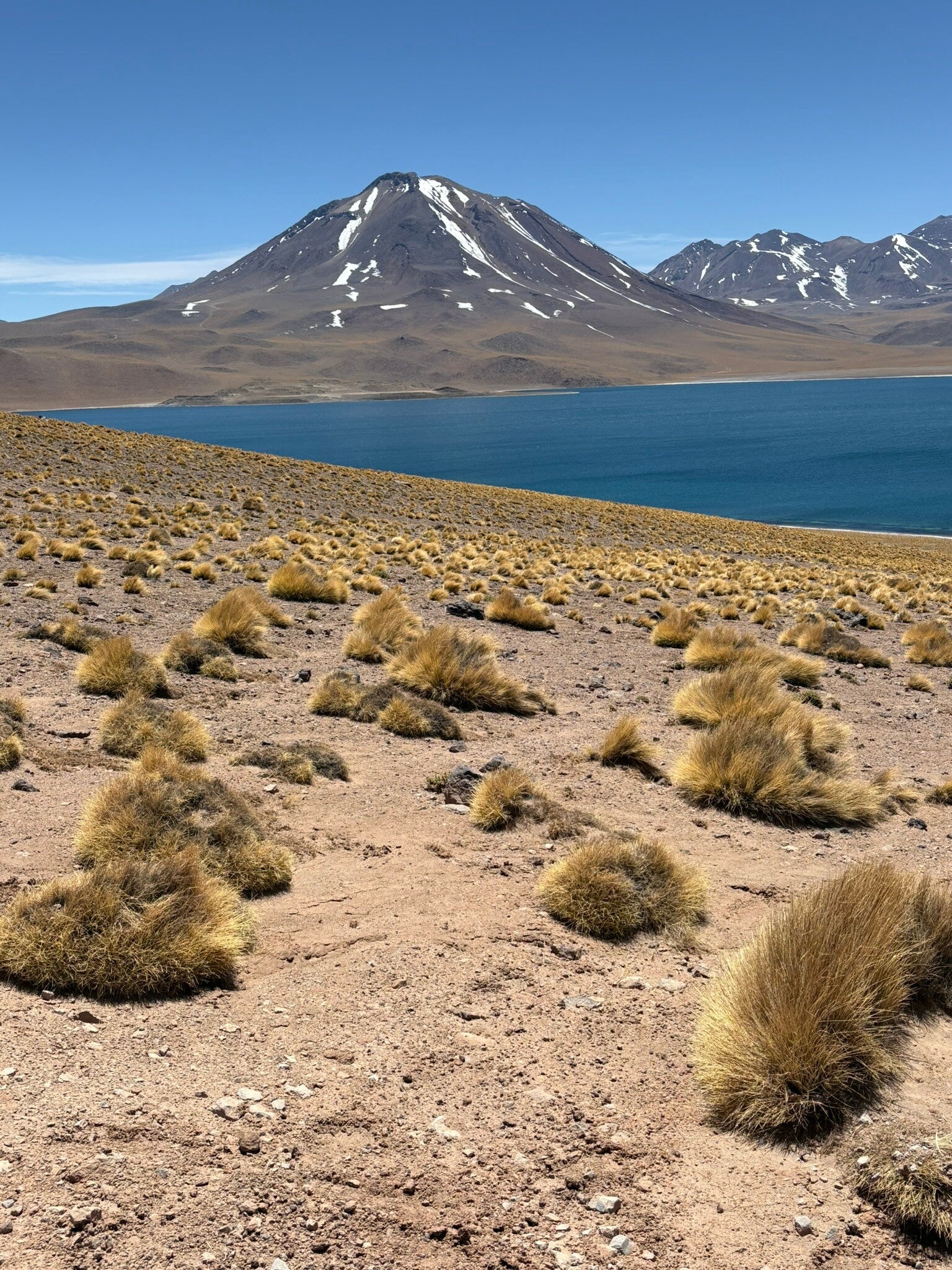
This is a full-day “wow” tour. The name focuses on the red rocks, but the real magic is the variety: wide-open high-altitude landscapes, lagoons in different shades, and volcanoes that look unreal against the sky.
Most itineraries include Lagunas Miscanti and Miñiques, plus the standout viewpoint at Piedras Rojas / Salar de Talar, where rust-red terrain meets bright turquoise water.
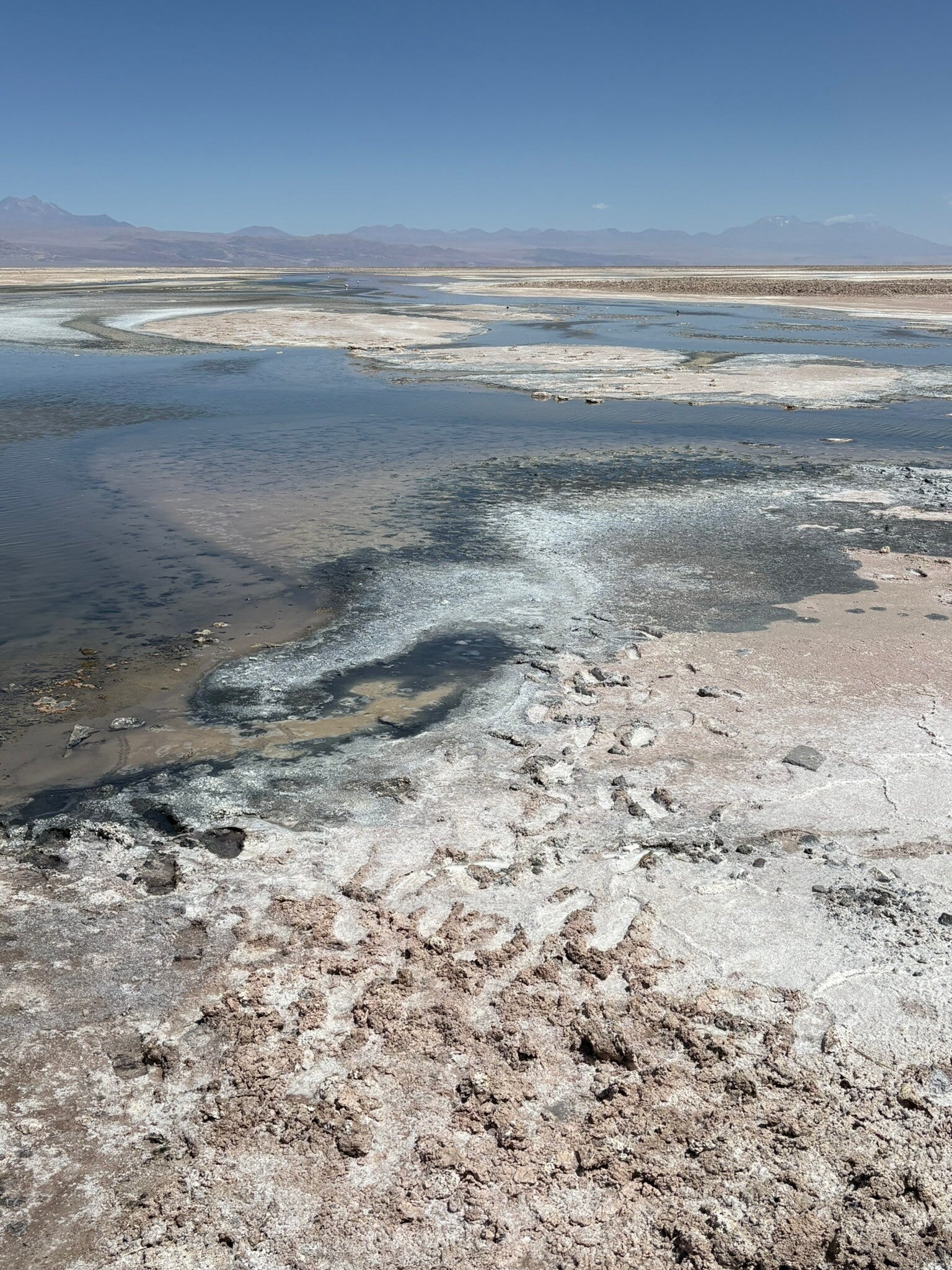
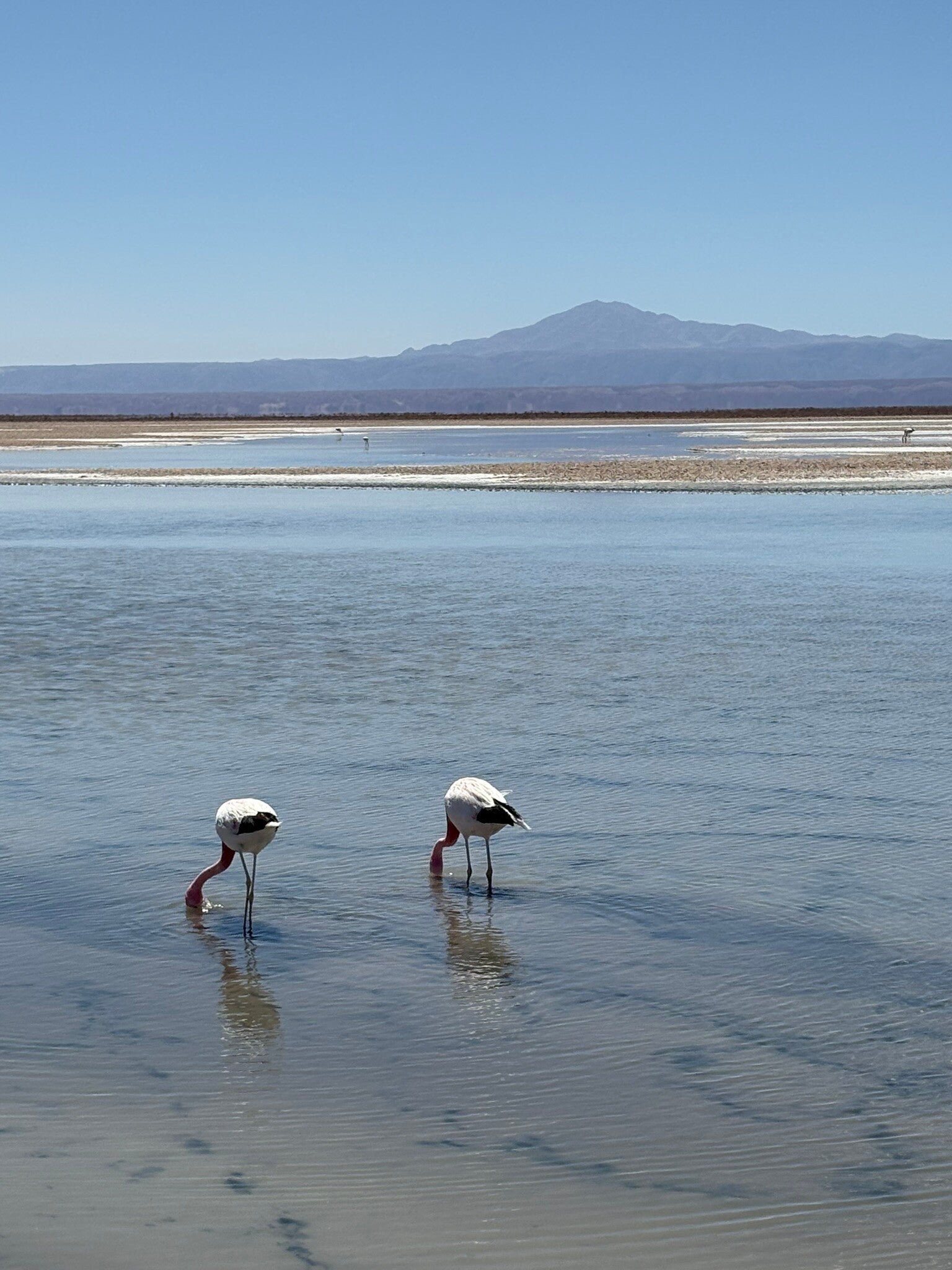
You’ll often also stop at Laguna Chaxa for flamingos—especially fun if you didn’t catch them in Bolivia (or if you simply never get tired of flamingos, which is valid).
Important context: Piedras Rojas sit at roughly 4,200 m (approx 13.800 ft) altitude so only book this tour if you feel fully acclimated to the altitude. Additionally, it is much colder and windier than at San Pedro so dress like it’s winter—even if it’s summer in town.
Day 4 — Tatio Geysers (early start) + fly to Santiago
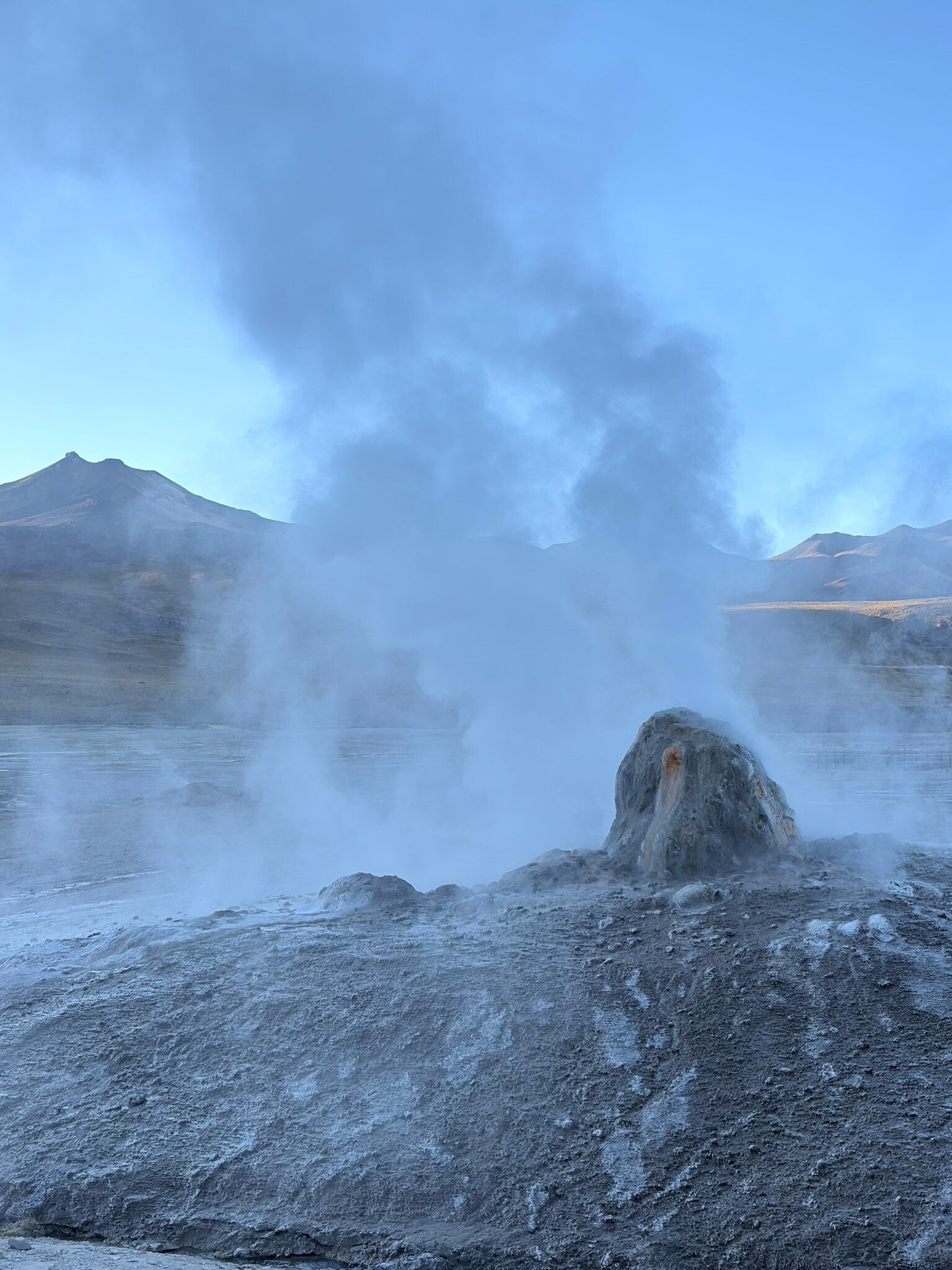
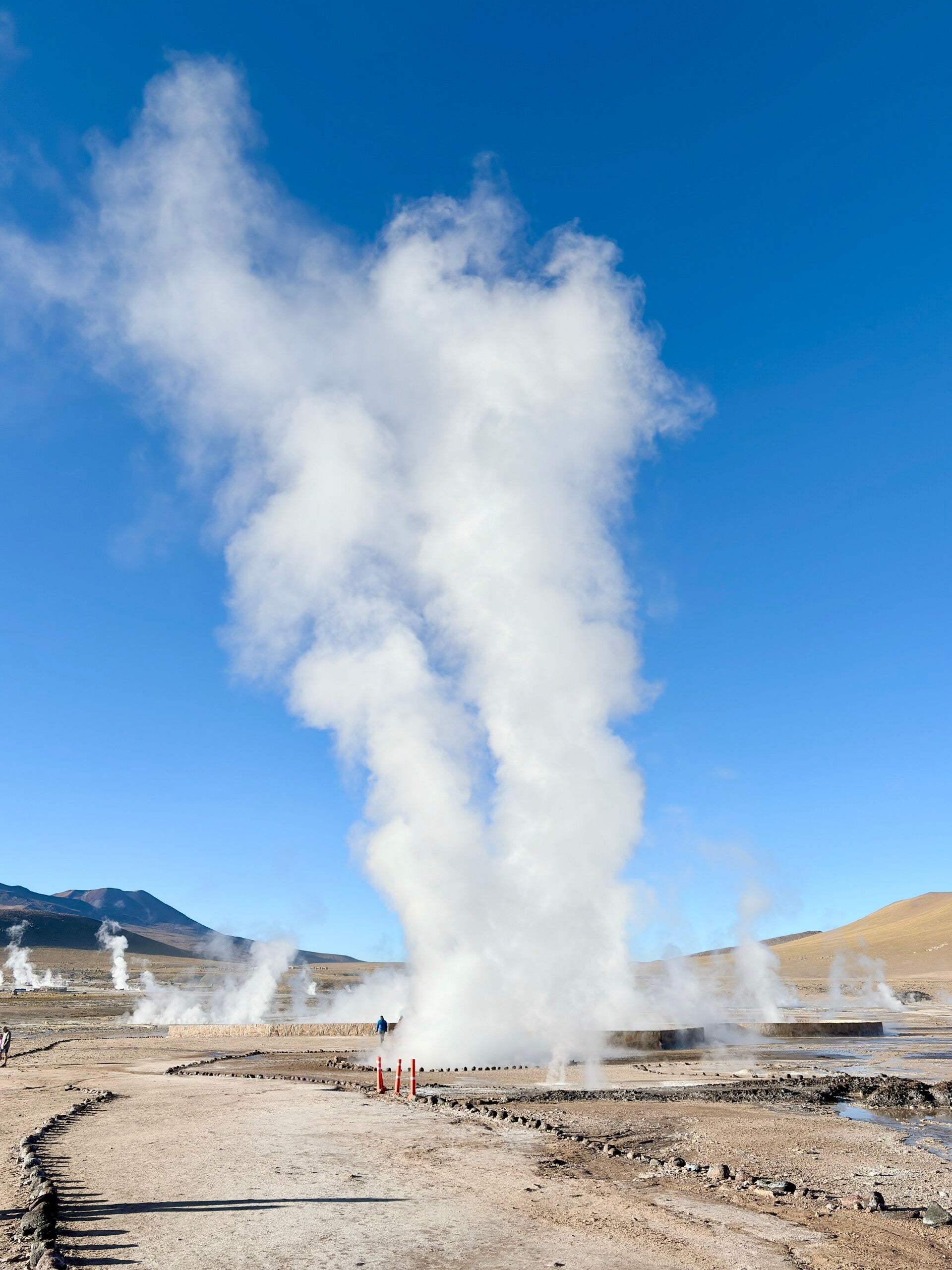
Spend the morning of the 4th day visiting the third largest geyser field in the world - Tatio geysers (the other two are in the USA and Russia). The tour starts around 5 am as geysers' activity is strongest in the morning because of overnight temperature drops and pressure that builds overnight.
The geyser field, similar to Piedras Rojas, is also situated at roughly 4,200 m (13.800 ft) altitude, and can be below freezing temperature in the early morning so dress accordingly! I had six layers on and still had to borrow an additional jacket from the guide!
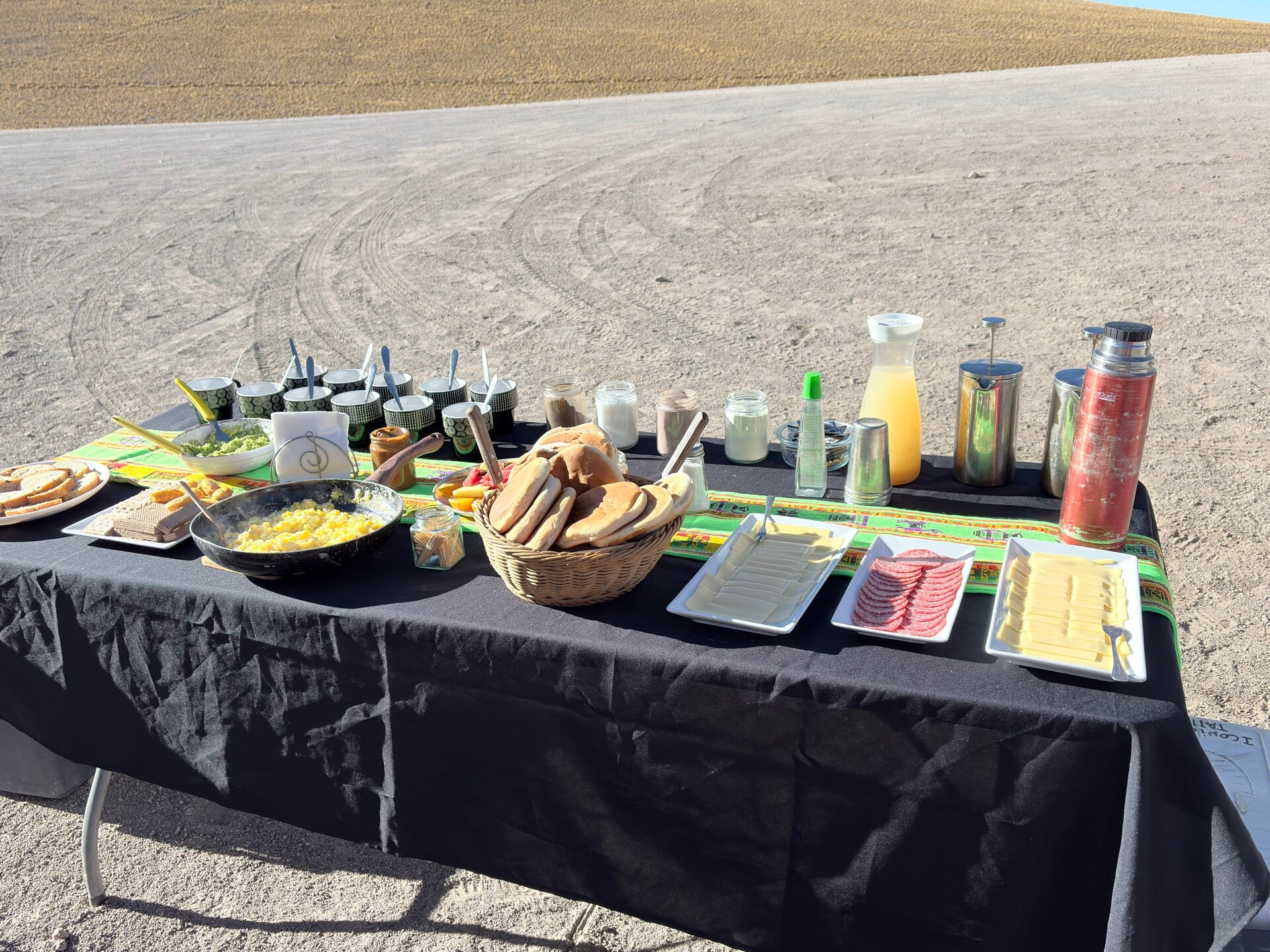
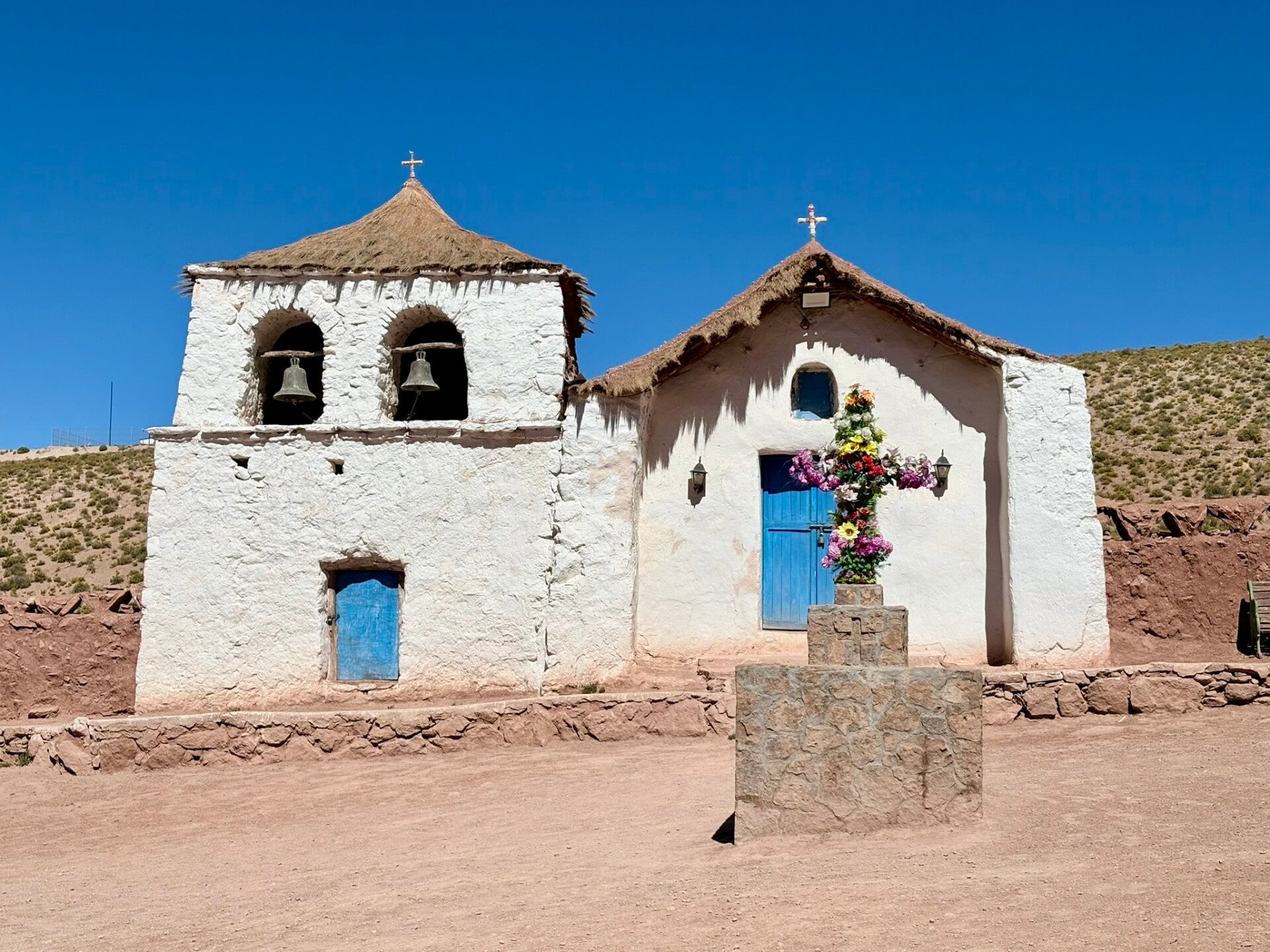
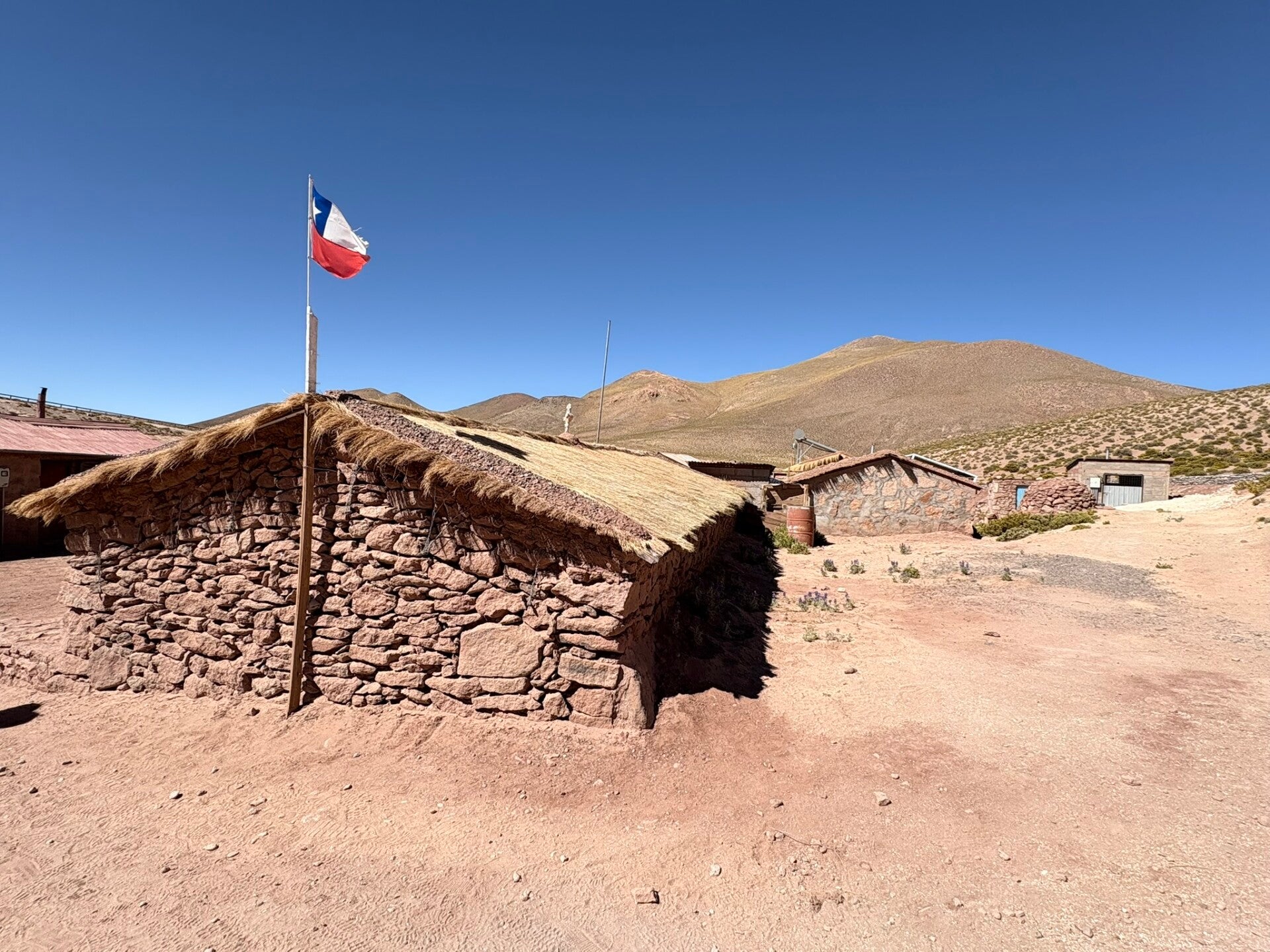
After the geysers, tours usually include a hearty picnic breakfast and a few extra stops (views, wildlife, and often the tiny village of Machuca, which is as photogenic as it is quiet).
Because this is a morning tour, the afternoon is a good window to transfer to Calama airport and fly to Santiago.
If you have extra days in San Pedro, consider Lagunas Baltinache or Rainbow Valley for a different palette of landscapes.

🏙️Day 5 — Exploring Santiago (two walking tours, two very different vibes)
A great way to get a feel for Santiago is on foot. I started with a classic old town walking tour (tips-based) via GuruWalk, and I can genuinely recommend doing it with Carlos if you get the chance—he made the history feel alive and added a thoughtful, critical perspective rather than just repeating the usual talking points.
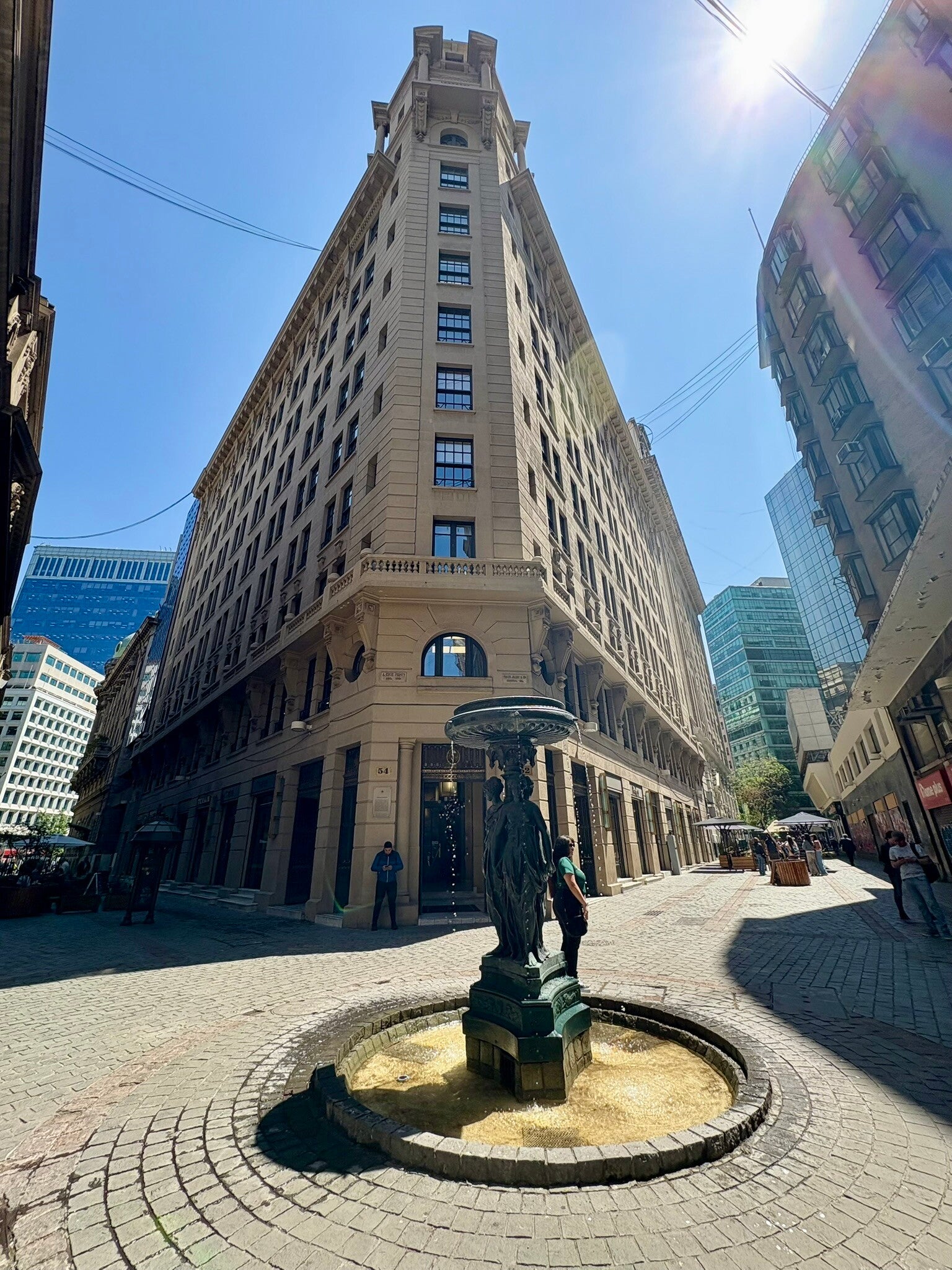

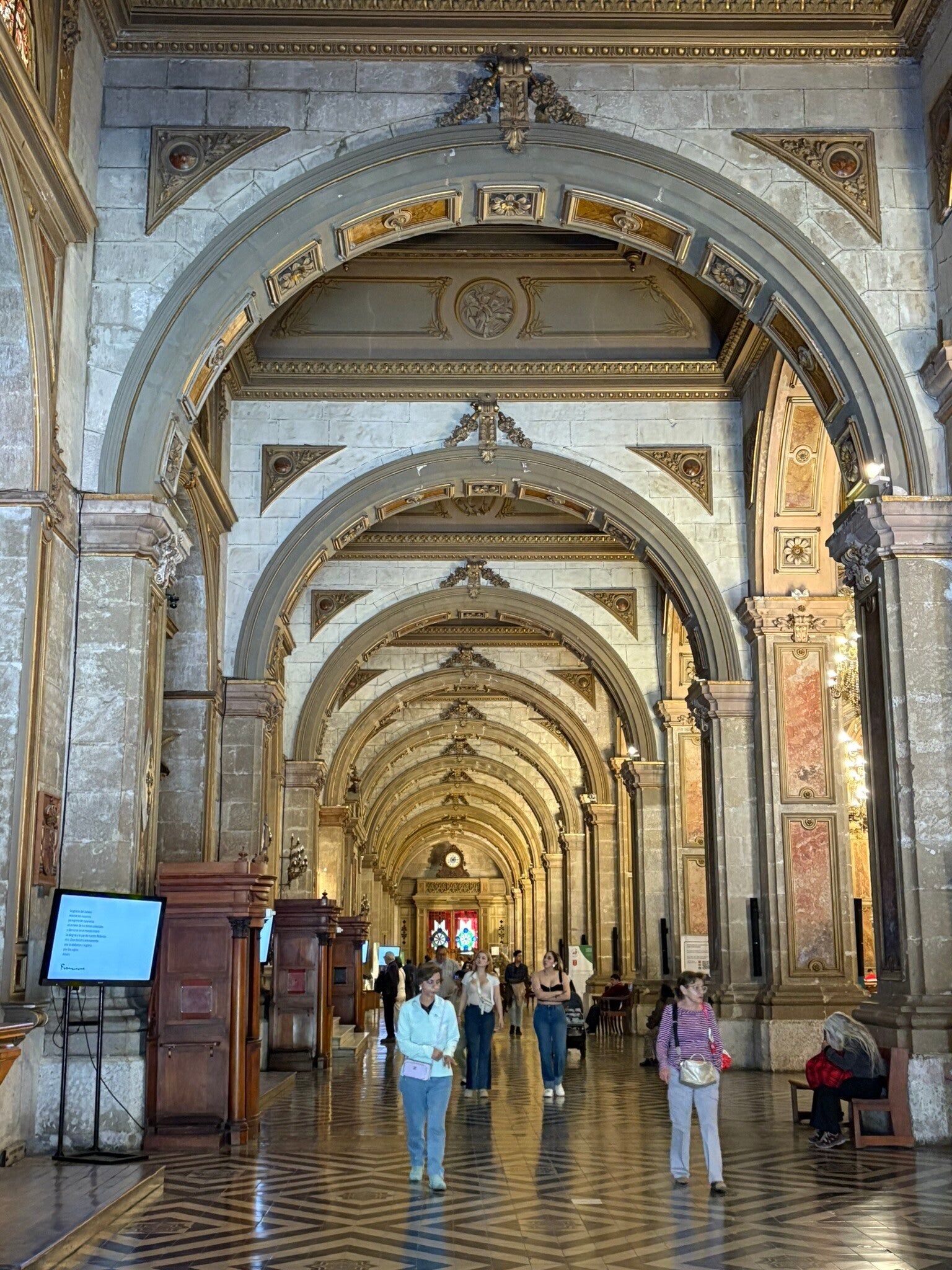
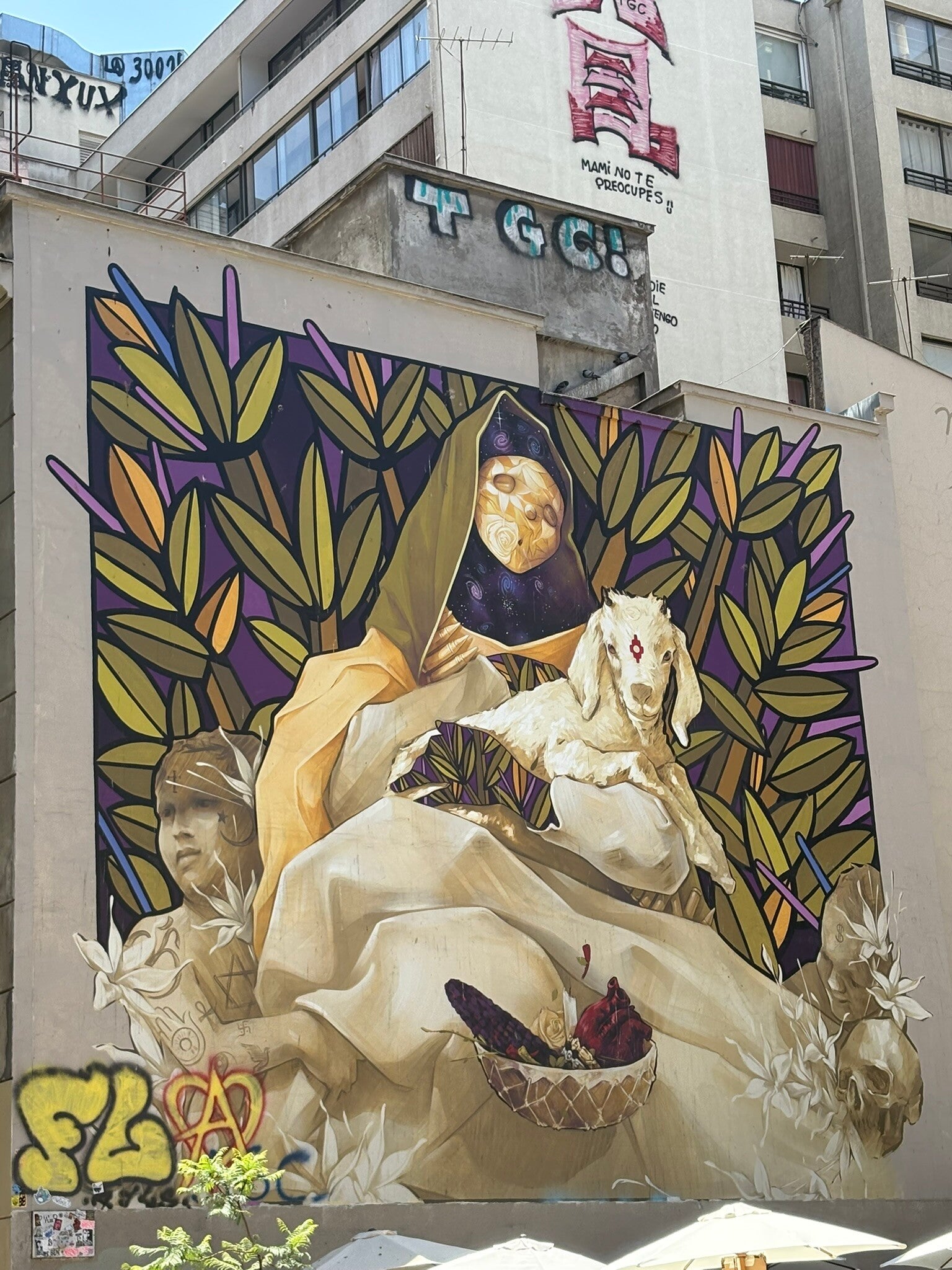
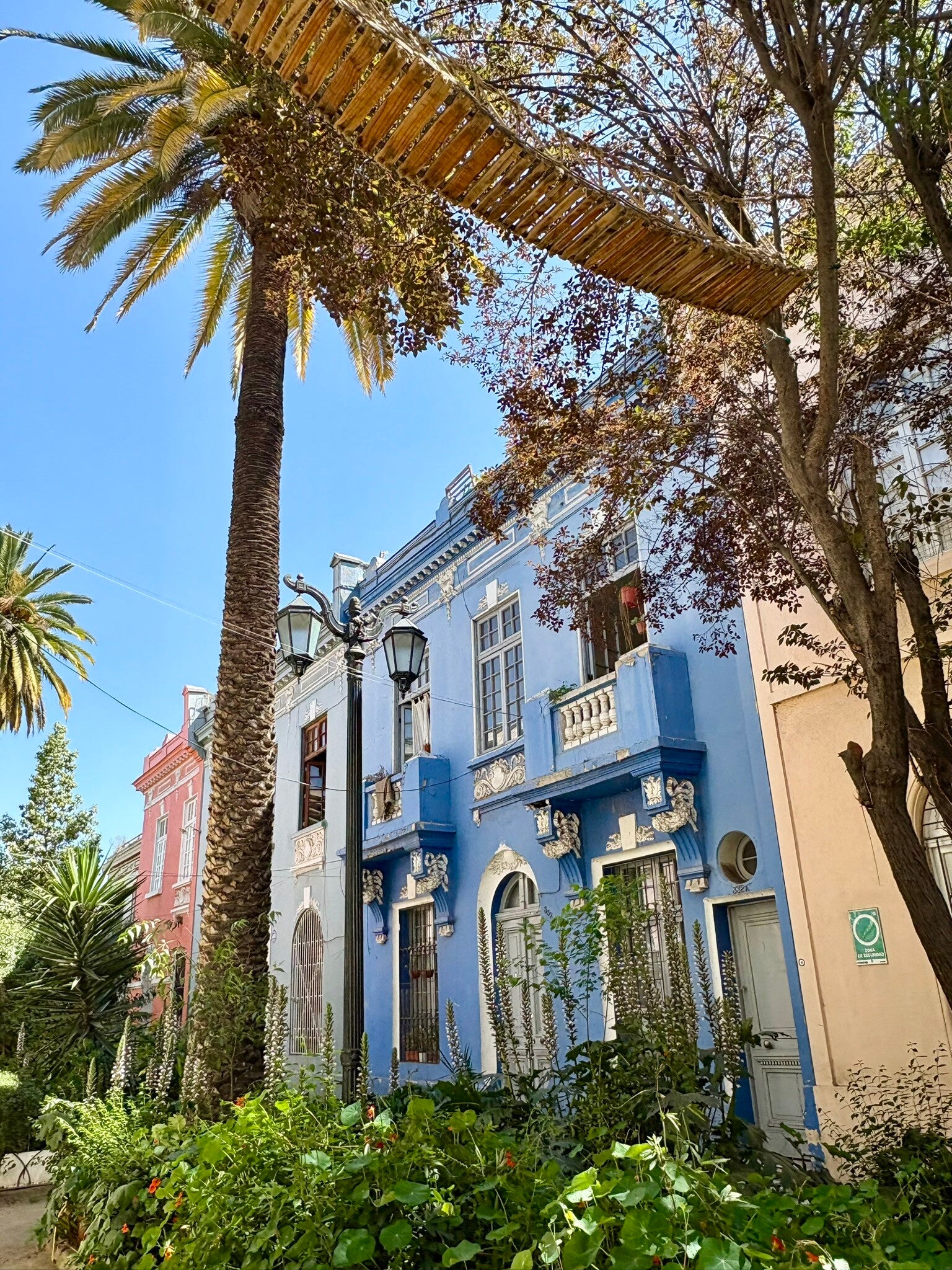
After that first tour, I wanted to see more than just the central highlights. Like many big cities, Santiago’s center can feel a bit uneven depending on the day and time, and the atmosphere changes quickly from one area to the next. So I booked a second walk in Barrio Yungay, and it was a perfect contrast: colorful streets, calmer residential corners, beautiful churches, and a more “local neighborhood” feel. We even passed a very unassuming street where the Chilean president (in 2025) lived—which felt surprisingly low-key.
If you only do one thing today, I’d still recommend at least one walking tour—it’s the fastest way to understand the city beyond just “places to see.” 🚶♀️
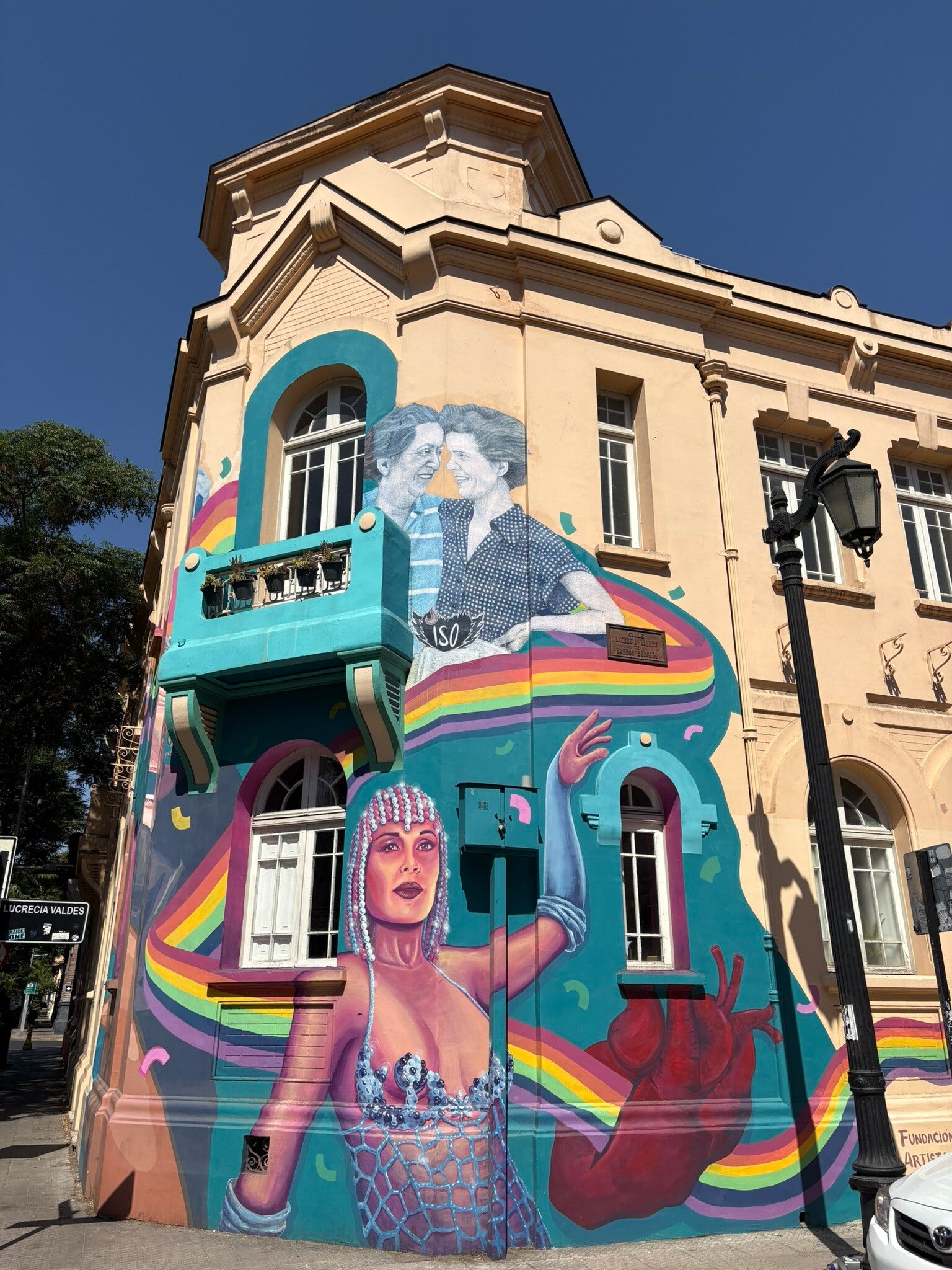
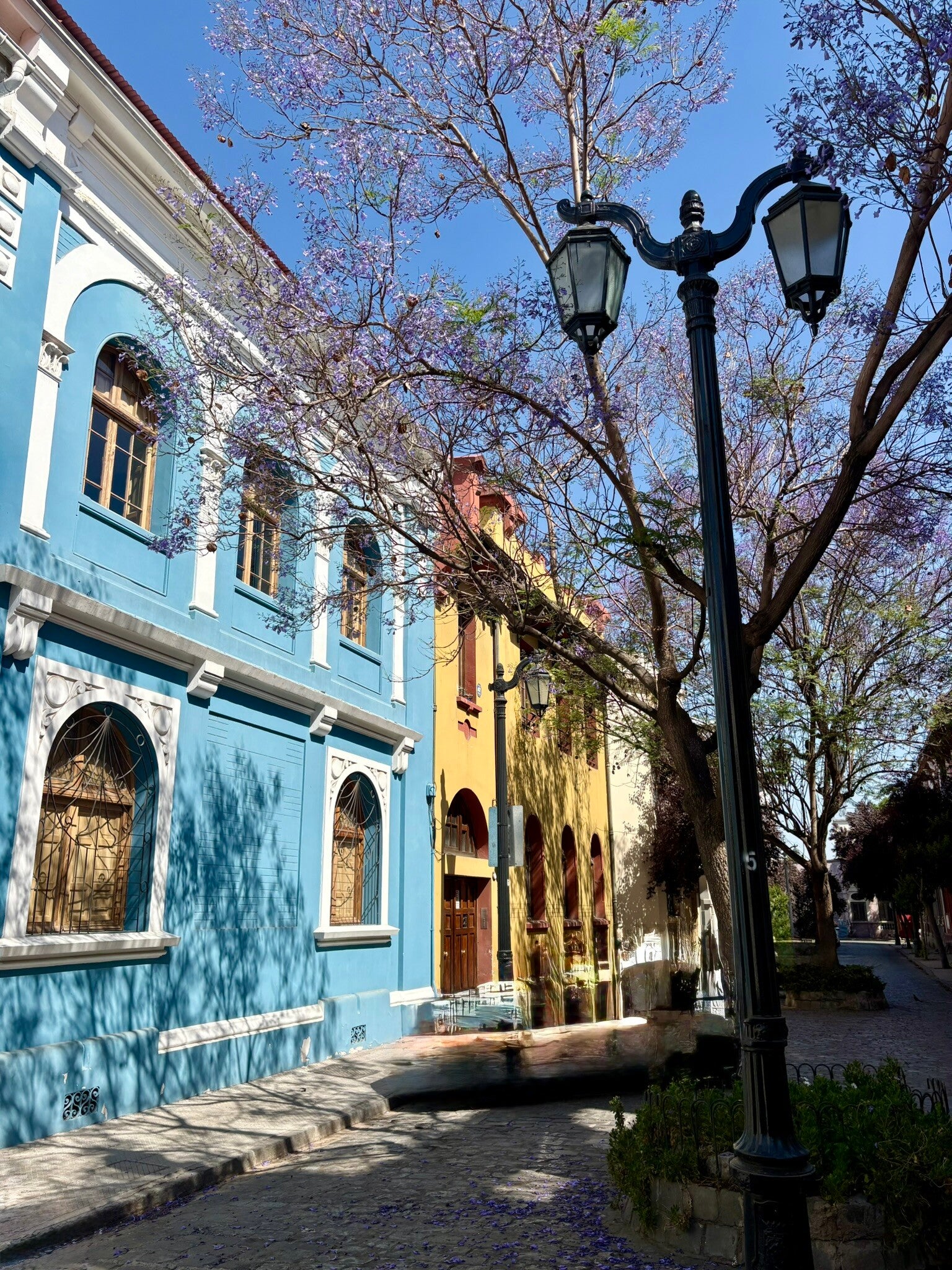
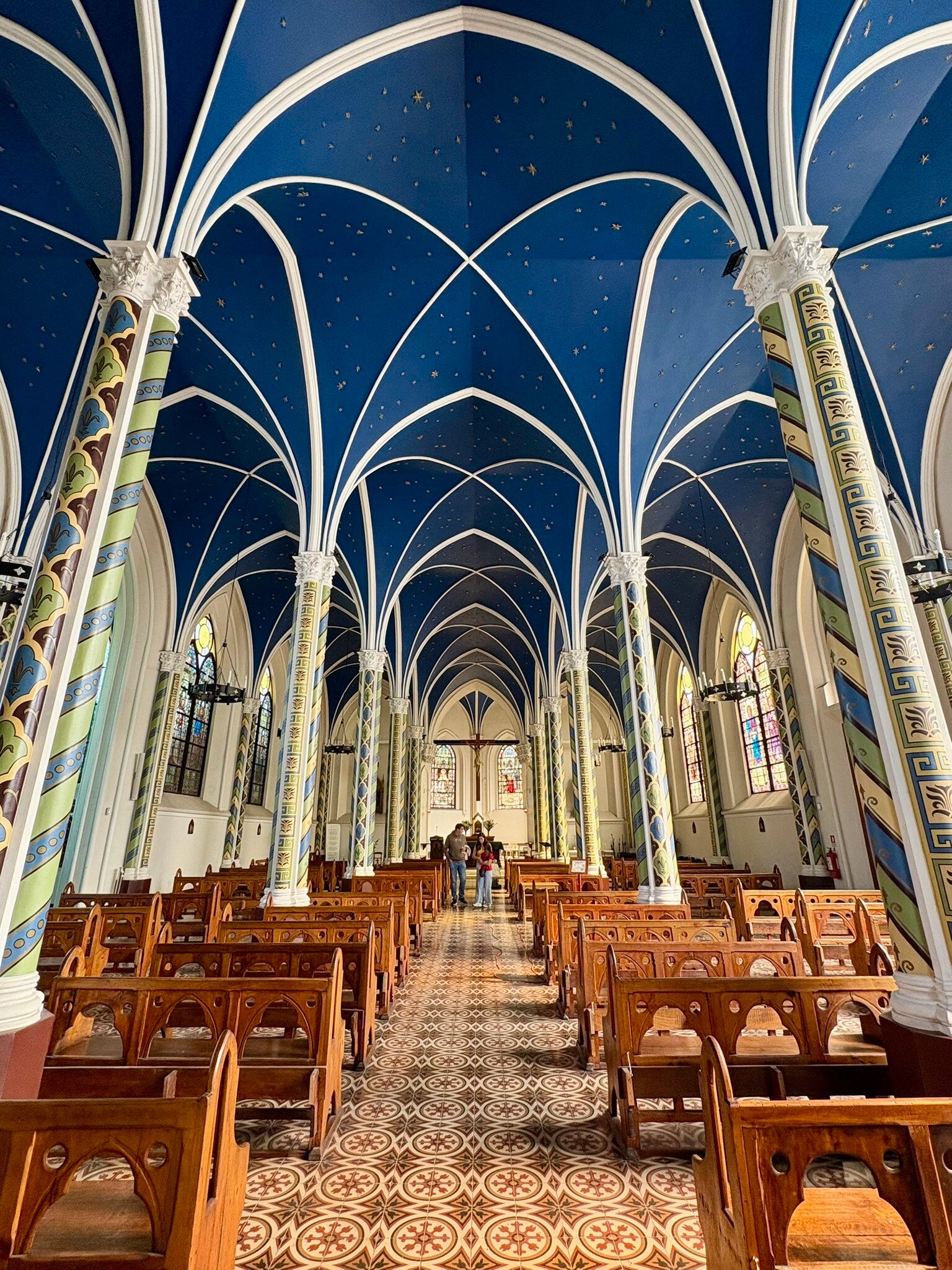
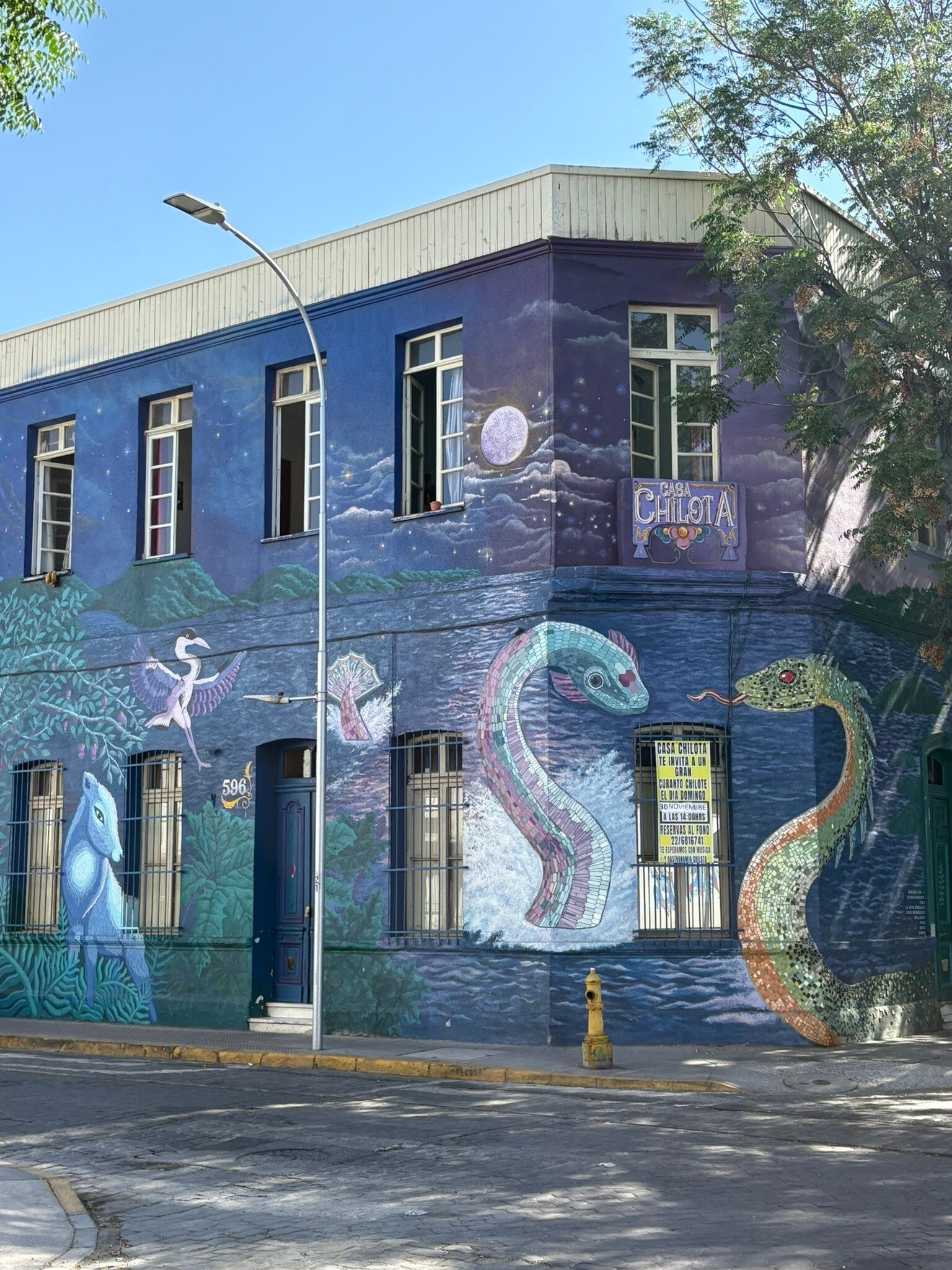
🏞️ Day 6 — Santiago from above
You can spend your 2nd day in the city exploring it from above and you have two excellent options:
Cerro Santa Lucia
A smaller historic hill right in the center, free to enter, with several viewpoints and a short, easy climb. It’s a quick win if you’re short on time.
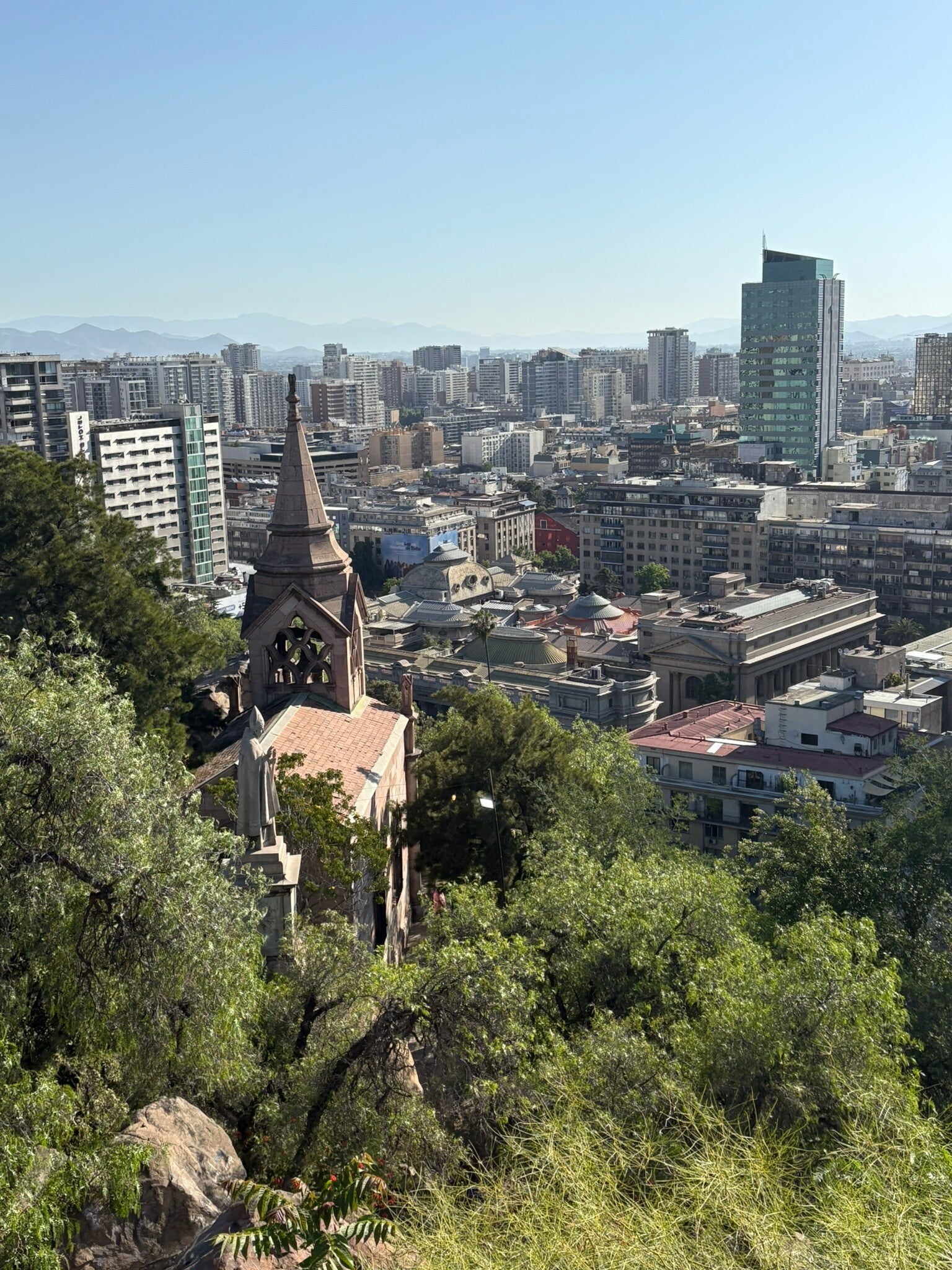
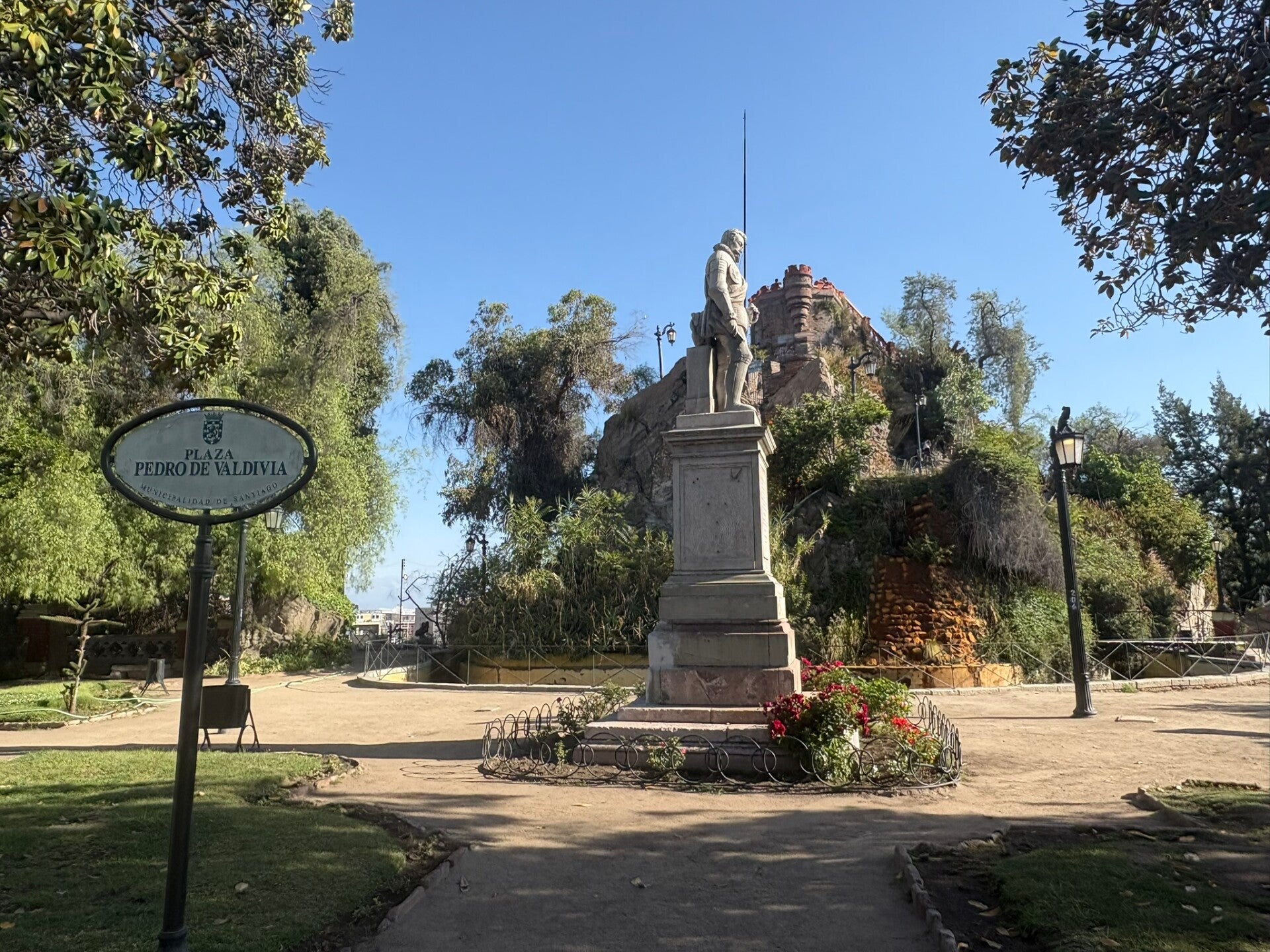
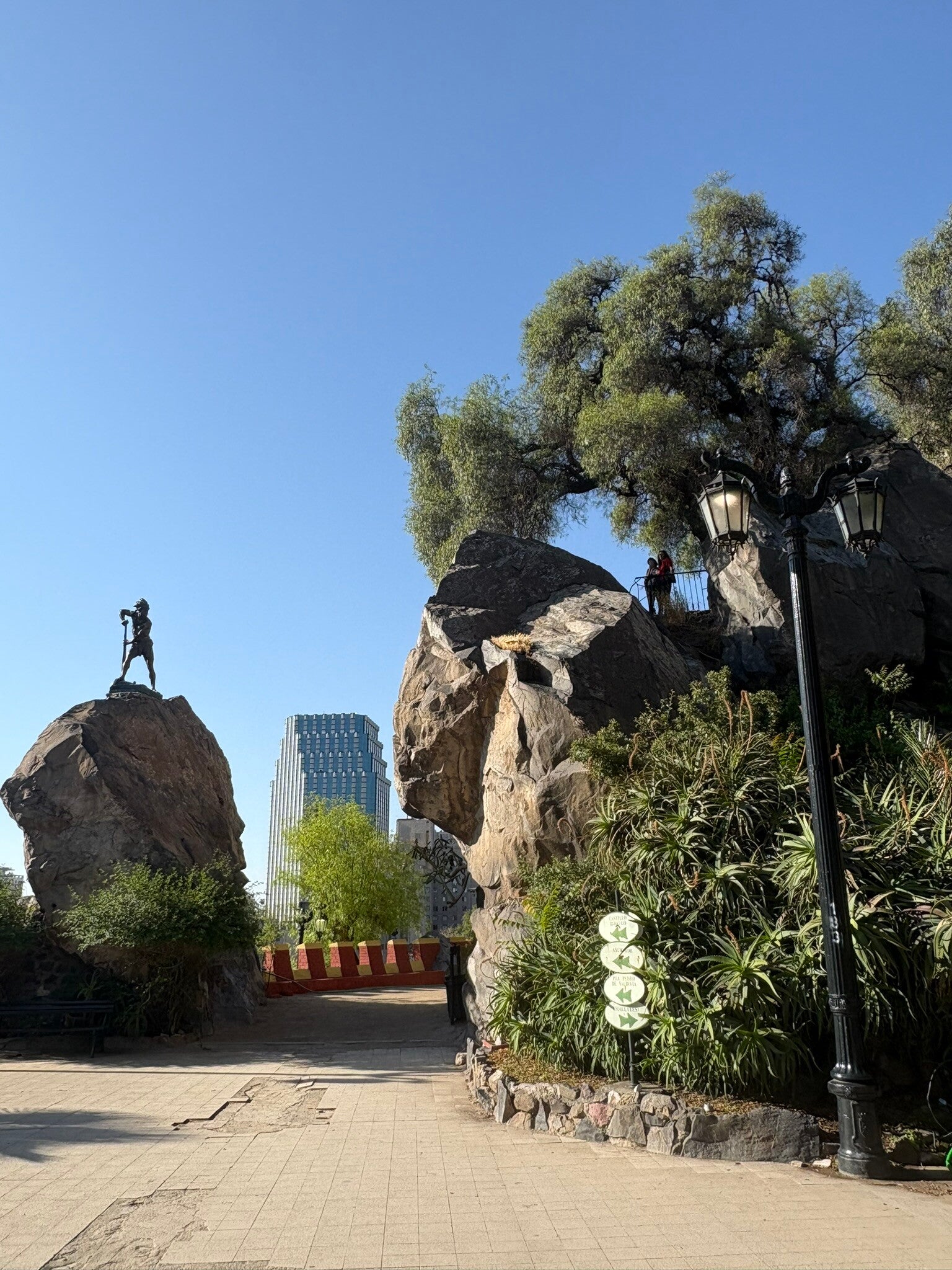
Cerro San Cristobal (Parque Metropolitano)
Bigger, greener, and more “weekend in the city”. You can hike up or take the cable car (teleferico) for around 2,000 CLP (~$2.5 USD). On a clear day, the Andes backdrop is the main event.
Pro tip: the Japanese Garden near the Teleferico Santiago is a calm, lovely stop if you want a breather.
Alternative if you want something different 🪦
The Cementerio General can be surprisingly fascinating—full of elaborate mausoleums and Chilean history. It’s worth a visit with a guide if you enjoy architecture and stories.
🎨 Day 7 — Valparaiso + Vina del Mar (day trip)
Take a day trip from Santiago to visit Valparaíso, a UNESCO World Heritage city, and Viña del Mar, a nearby resort town.
Valparaiso (UNESCO) 🎭
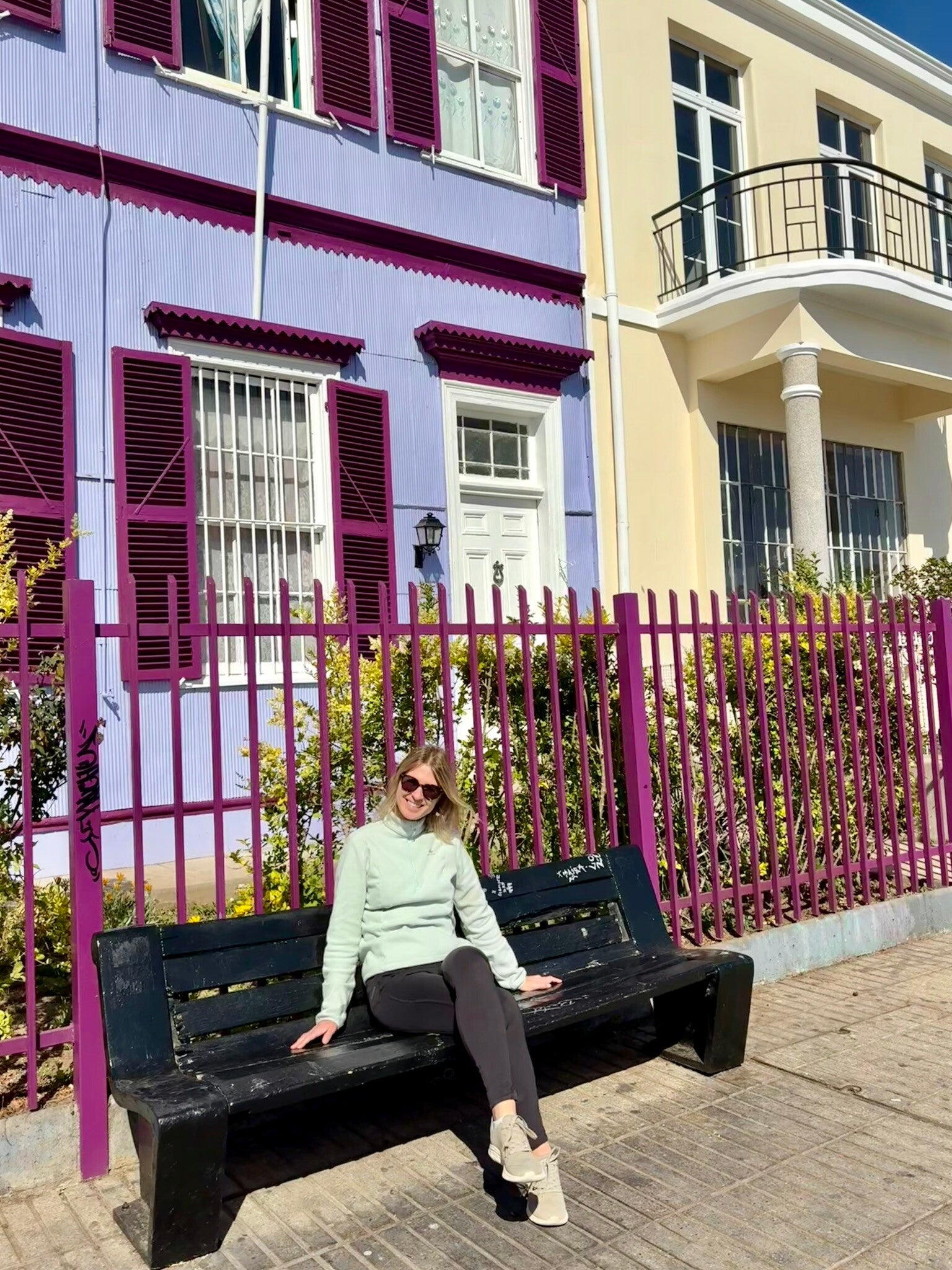
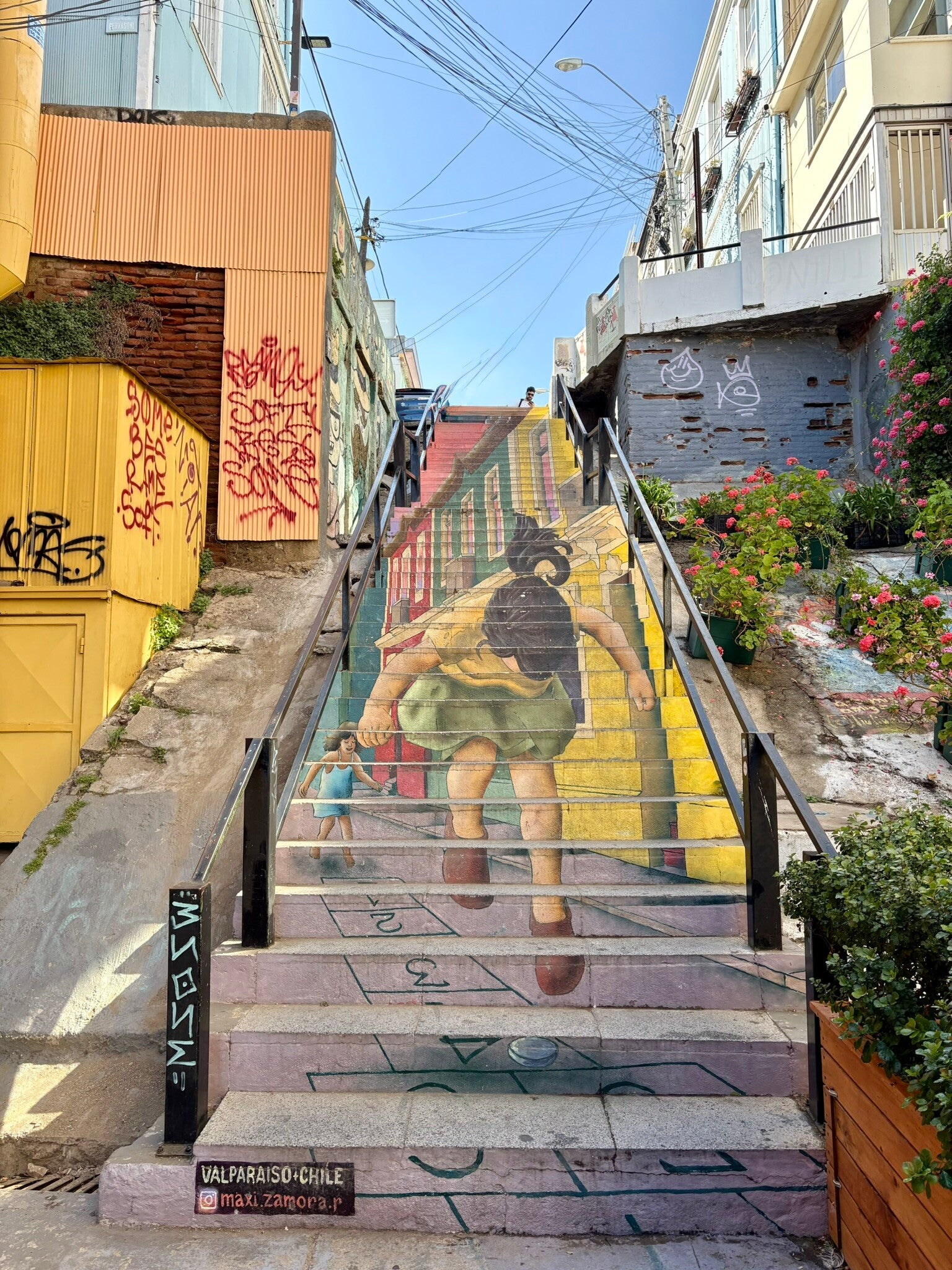
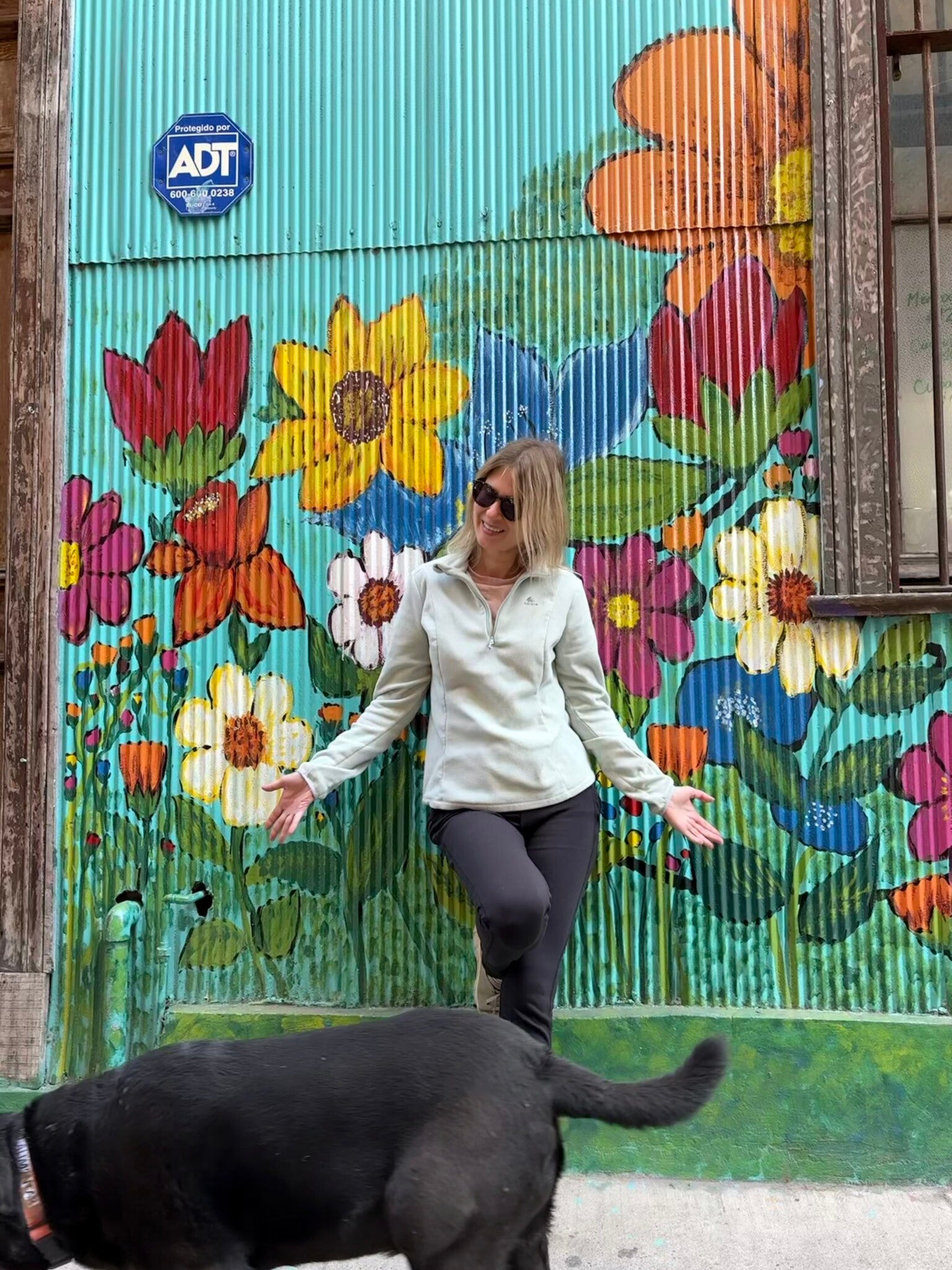
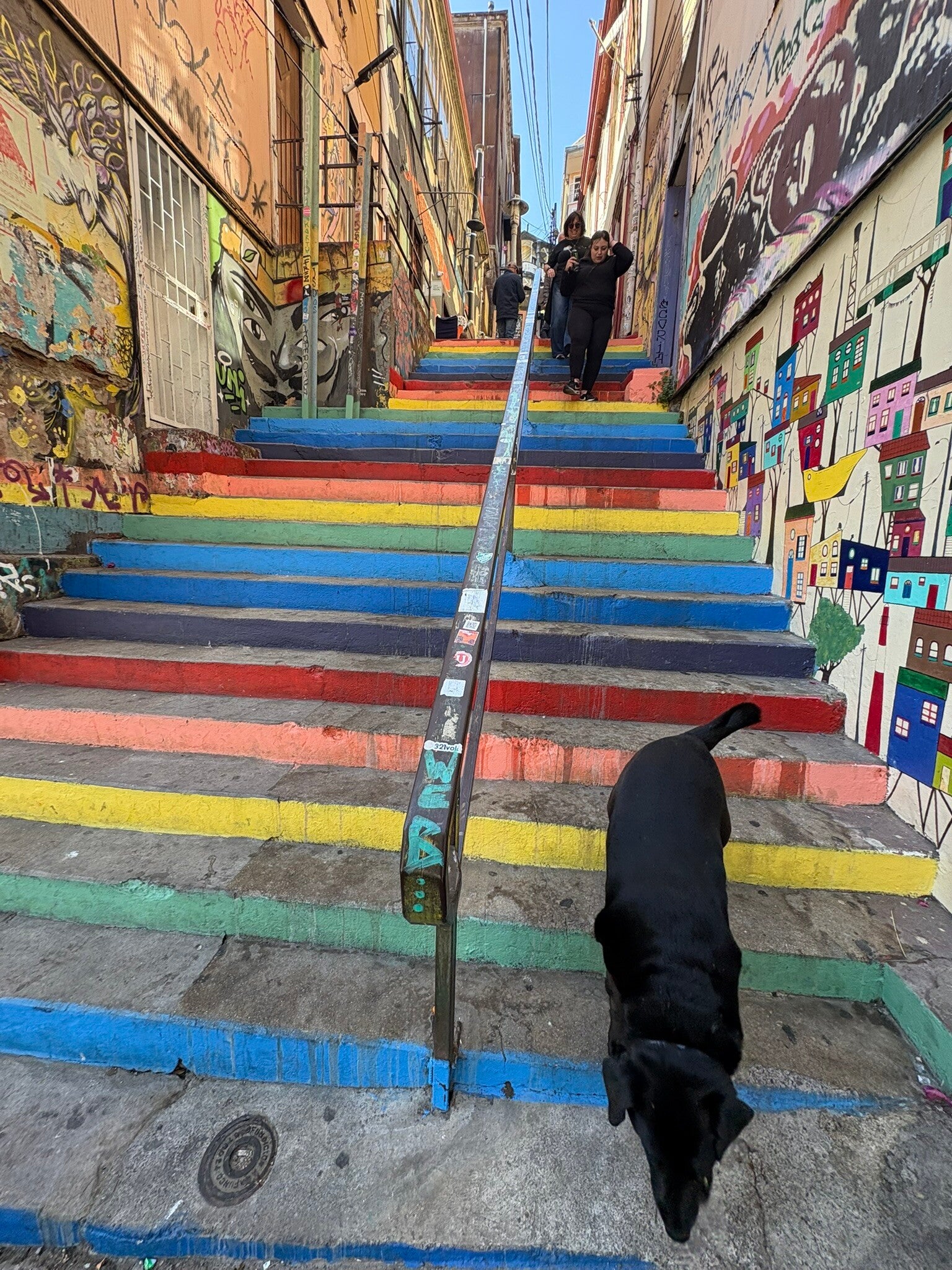
Valparaiso is colorful, chaotic, artistic, and built on hills—so expect stairs, viewpoints, funiculars, murals, and streets that feel like open-air galleries. It has a strong bohemian legacy (including Pablo Neruda connections), and it’s one of the most visually distinctive cities in Chile.
Unfortunately, Valparaiso is not only street art but also pickpocketing capital of Chile, so be careful with your belongings. Locals have a saying that thieves here can steal your socks with your shoes still on!
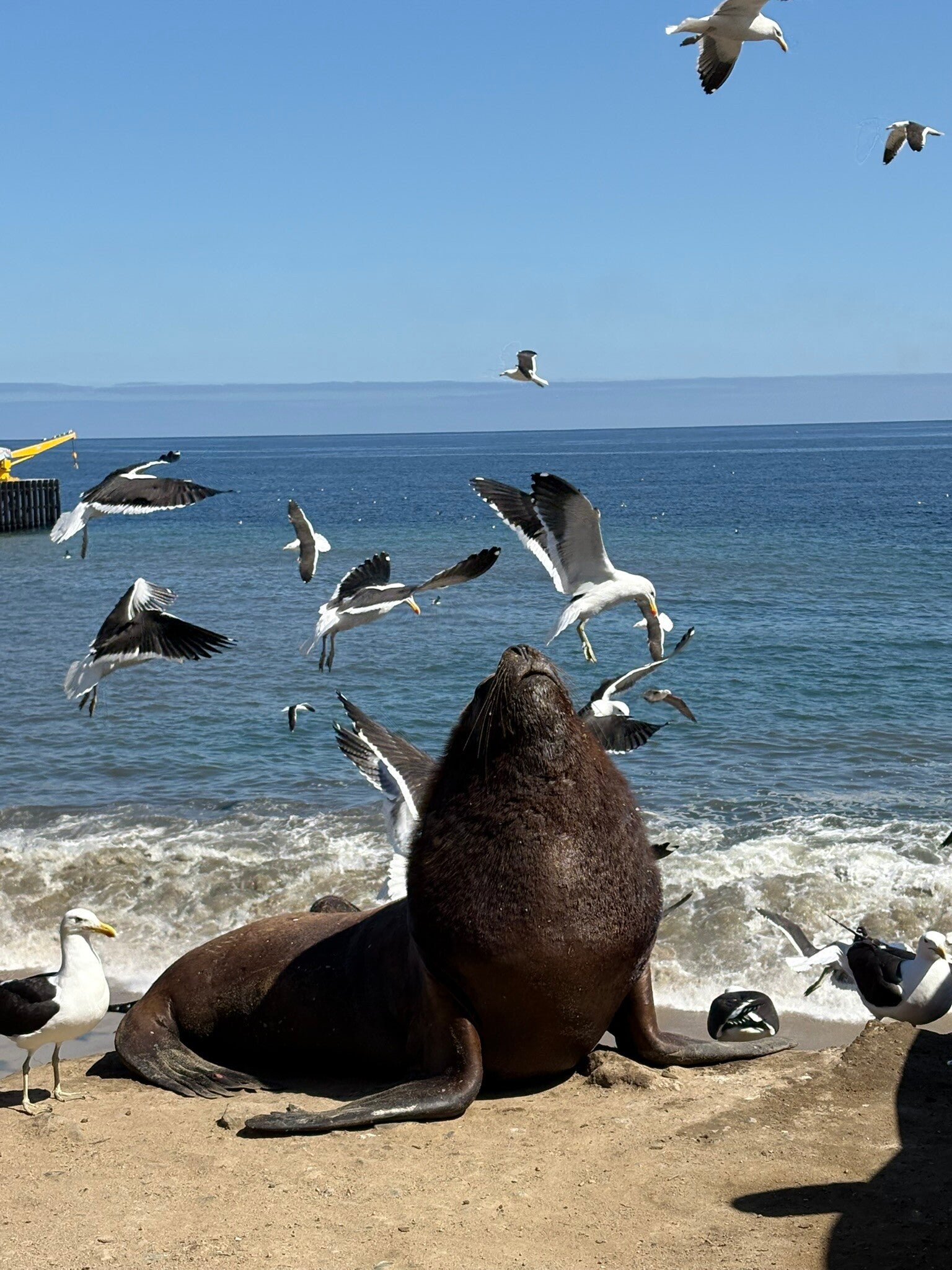
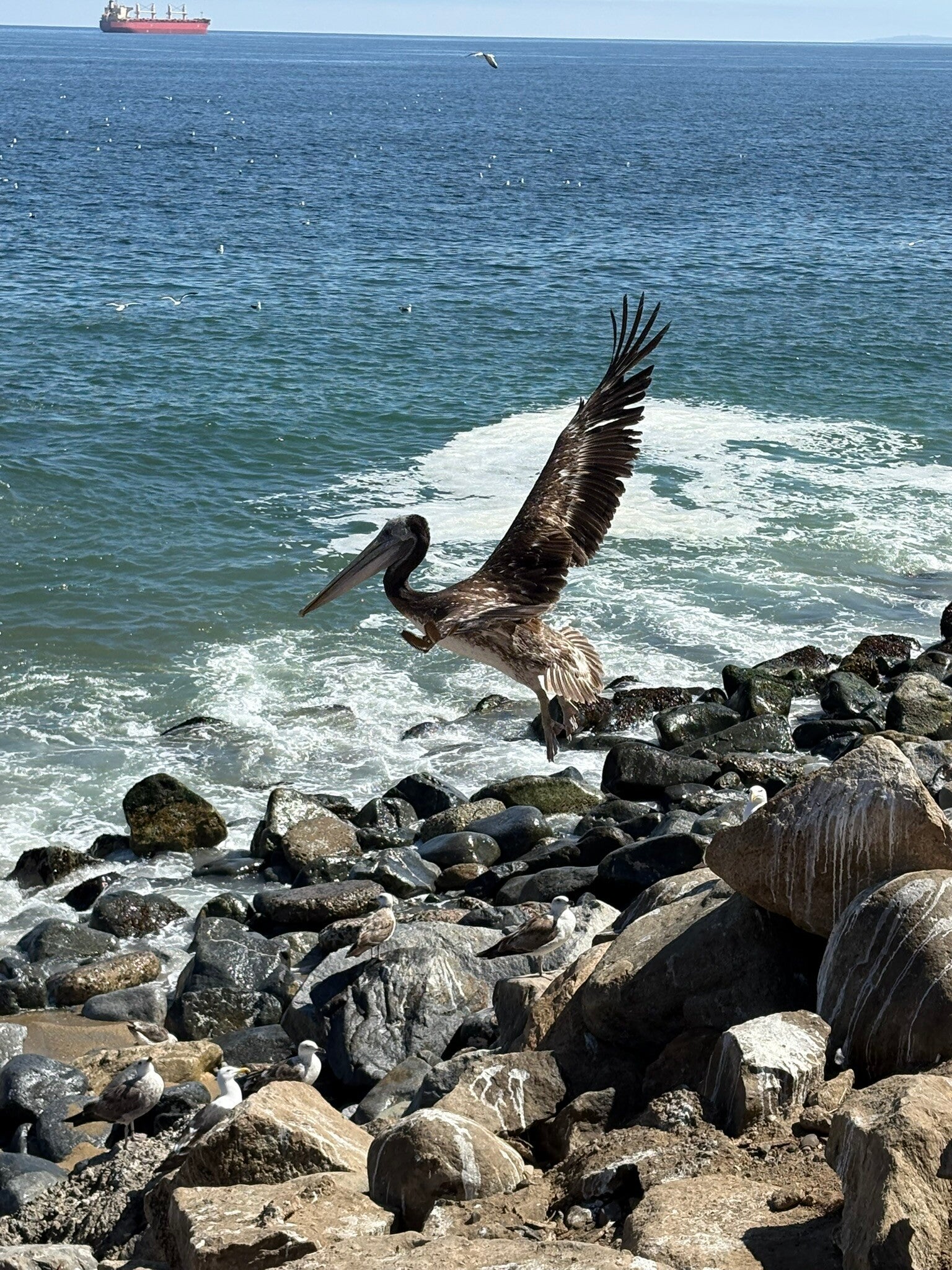
If you go down to the port, you're almost guaranteed to spot sea lions and pelicans hanging around the docks (along with a strong “working port” smell that comes with the territory!).
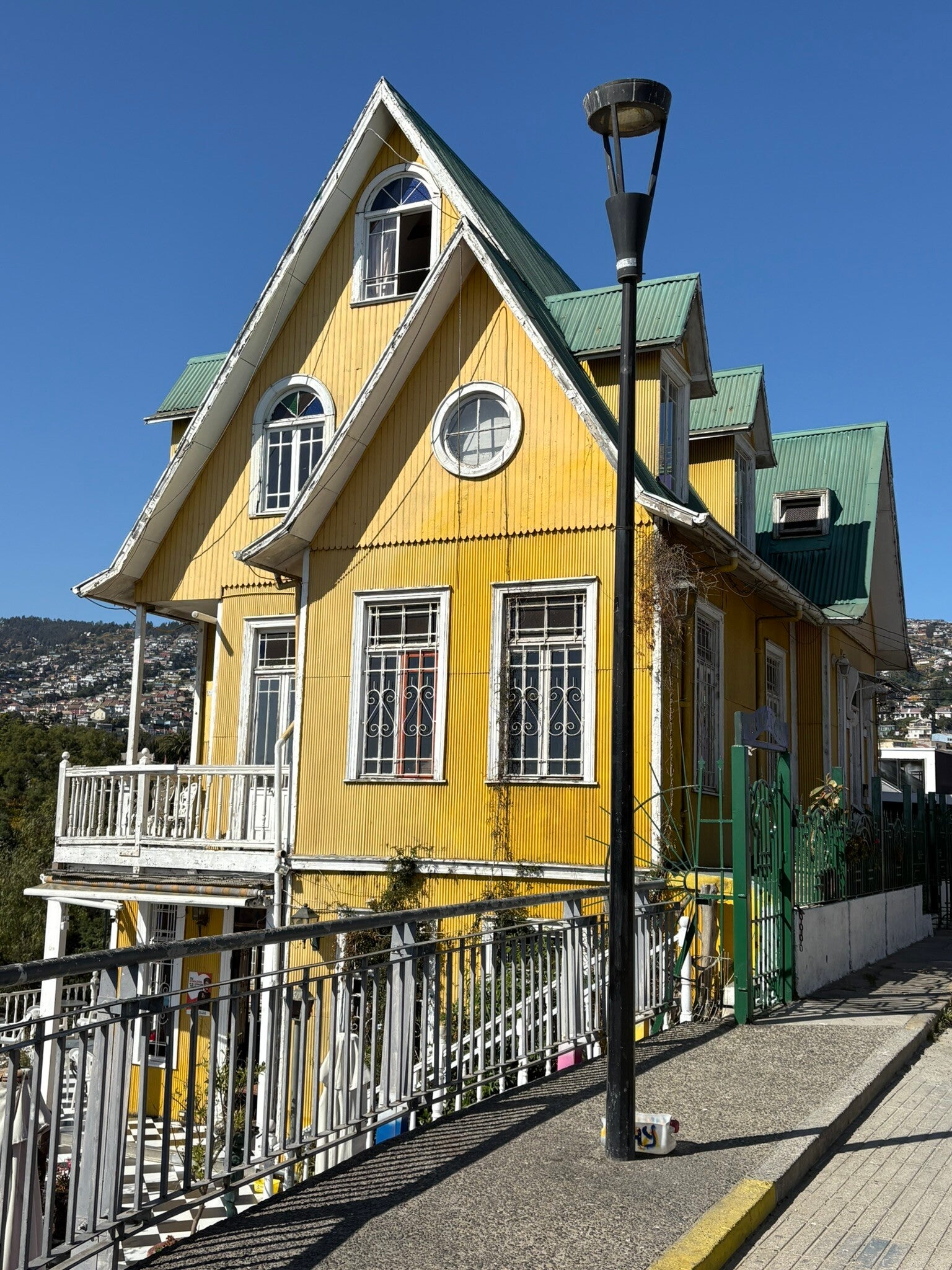


Vina del Mar 🌴
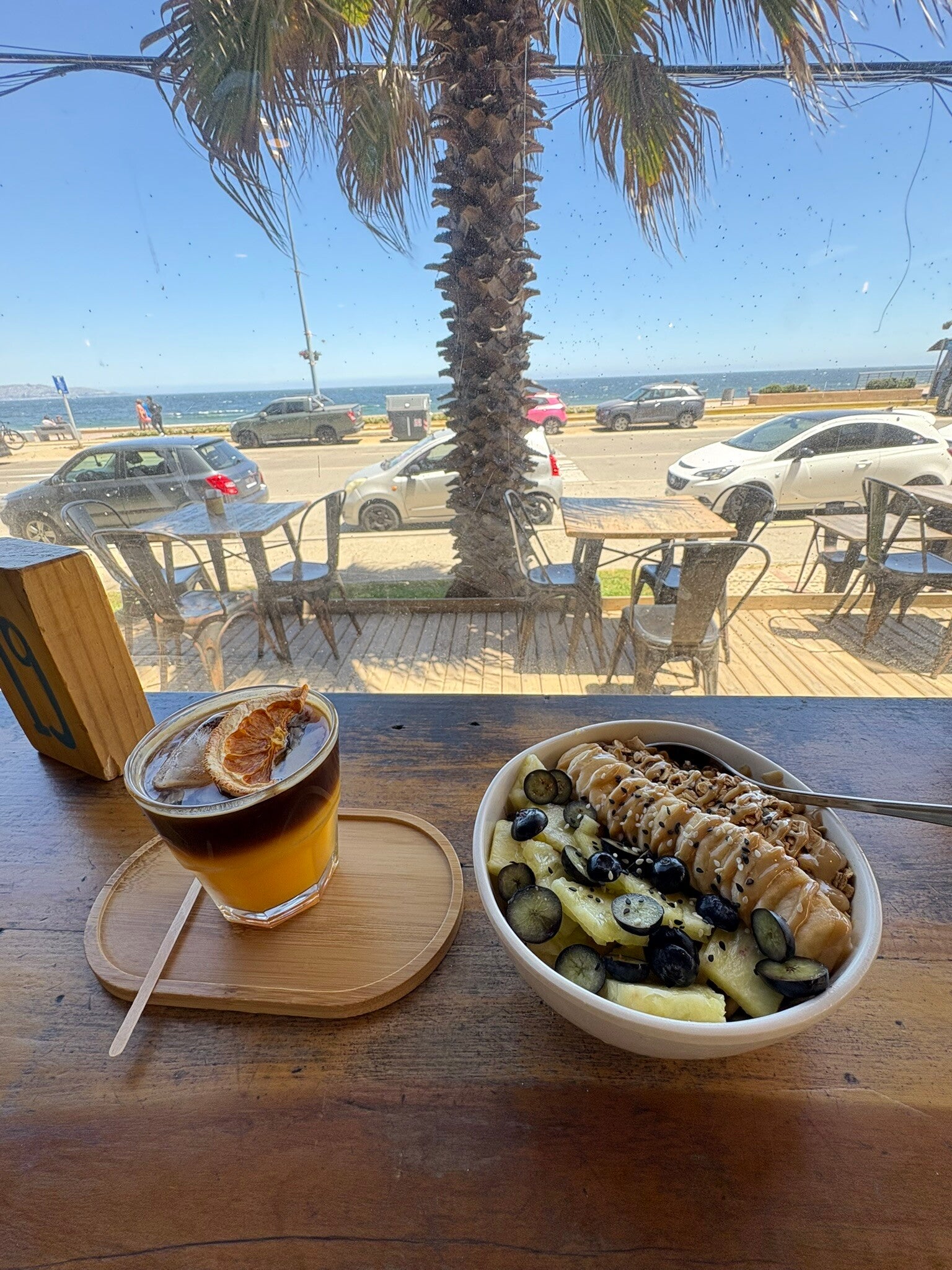
Next stop is a resort town of Vina del Mar which could not look more different from Valparaiso - it is modern, full of beautiful sandy beaches and palm lined boulevards. Unfortunately, most of the beaches in Vina del Mar are not suitable for swimming due to powerful rip currents and ice cold water.
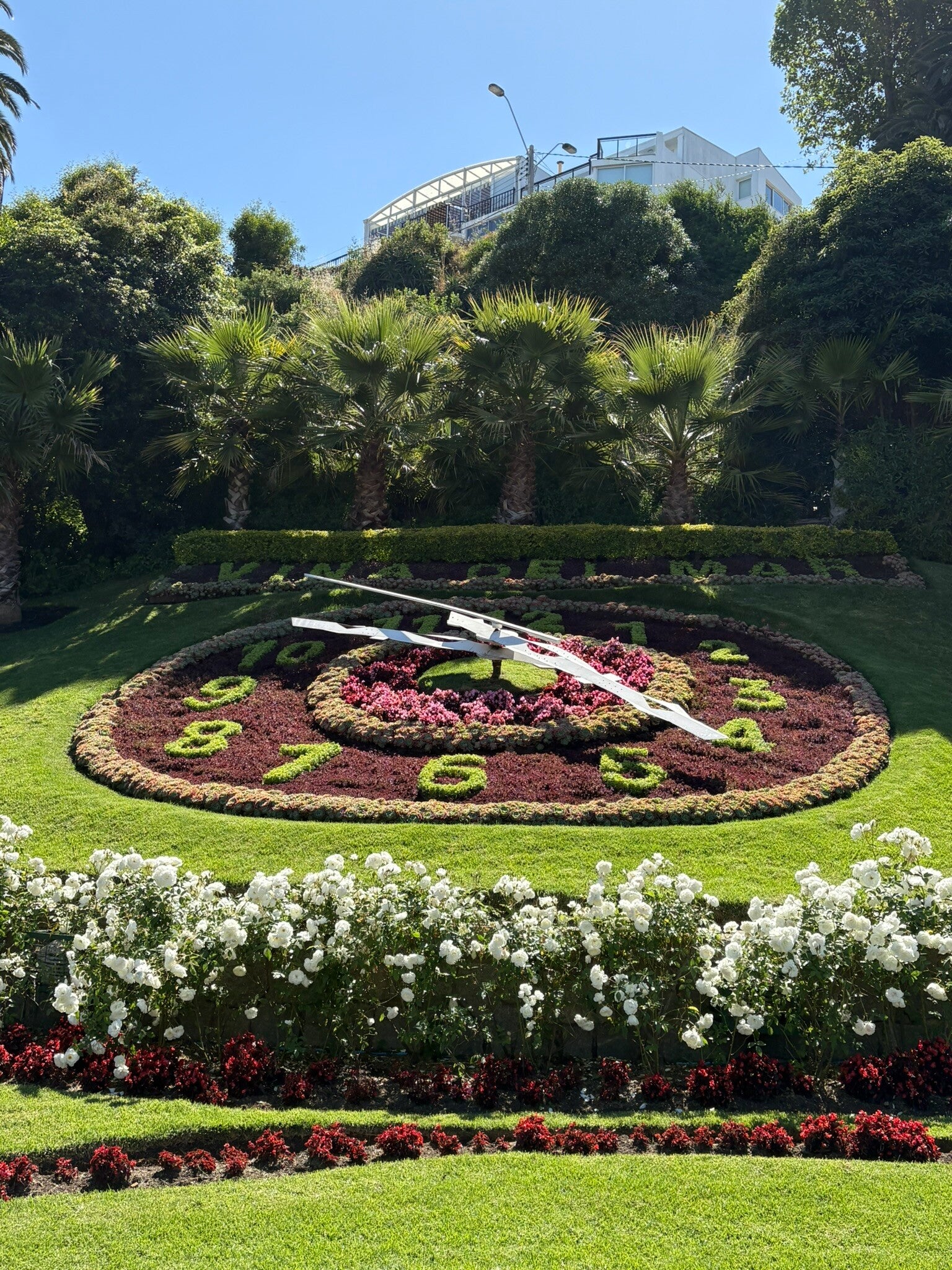
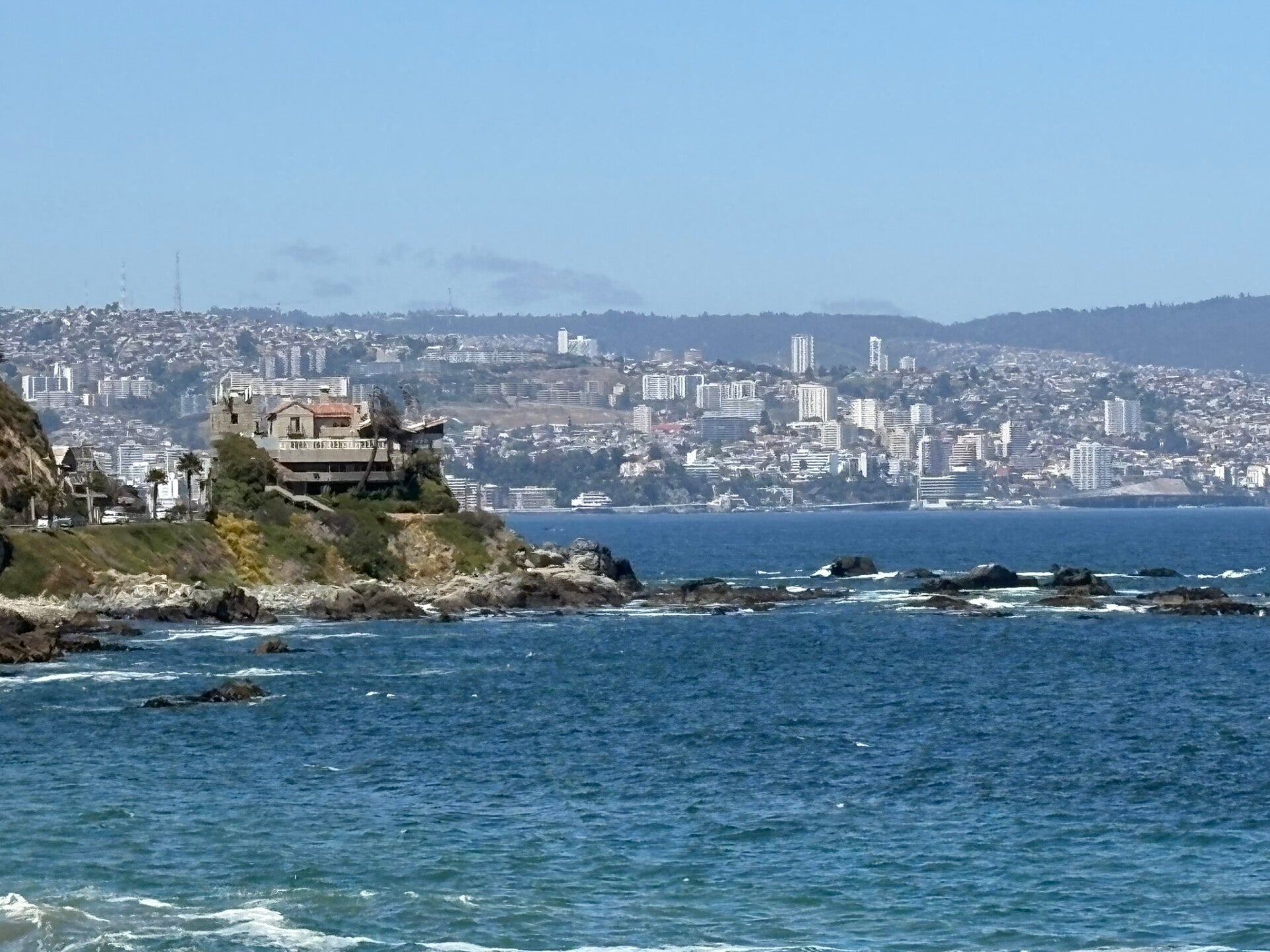
However, Vina del Mar is famous for other things, such as international Vina del Mar song festival happening each February, flower clock imported from Switzerland and historic Wulff Castle.
How to do it (tour vs independent)
A combined day tour from Santiago is convenient, but it can feel rushed—especially in Valparaiso, which deserves at least half a day. If you care most about Valparaiso, consider doing it independently: buses from Santiago take roughly 1.5–2 hours, and getting between Valparaiso and Vina del Mar (which feels like one big urban settlement) is easy by metro/bus/Uber.
✨ Quick recap (best rhythm)
San Pedro works best when you balance one late night (stargazing) with a slower morning (lagoons), and save the high-altitude days (Piedras Rojas + Tatio) for when you’re feeling well acclimatized and strong. After the more adventurous days in San Pedro de Atacama, Santiago is a welcome change of pace—an easy, relaxed city break to round out the trip.
Add comment
Comments
Thank you for such excellent information and your photos are beautiful.
This is so helpful! If you had to choose between these:
Astro tour
lagoon Cejar
Tatio
Which one would you take out?
thanks for comments Journey J and Jen.
@Jen I would take out Astro tour