Dear Traveller,
This itinerary is designed to be ambitious but realistic: it mixes high-impact “must-sees” with recovery days, keeps logistics straightforward (buses, domestic flights, collectivos) and includes the practical tips that make a big difference - like starting early at popular sites, bringing cash where needed, and planning around weather and crowds. Use it as a structure you can follow day-by-day, or as a menu to pick from depending on your pace and interests. Enjoy!
Mexico City (CDMX): what to expect 🏙️
Mexico City is one of the largest and most vibrant cities in the world, with around 26 million people in the metropolitan area. It’s often said to be the city with the second-highest number of museums worldwide, and it’s also a paradise for iconic street food like tacos and tamales.
That said, all the incredible offerings come with one “cost”: traffic. And yes - it can be worse than Rio de Janeiro, Buenos Aires or New York. Pack patience along with your sunscreen.
Because of the city’s scale, variety, and (yes) commute times, you’ll want at least 5–6 days to cover the main highlights at a reasonable pace - so let’s dive in.
CDMX Day 1: Walking the Historic Center and Frida Kahlo’s Casa Azul
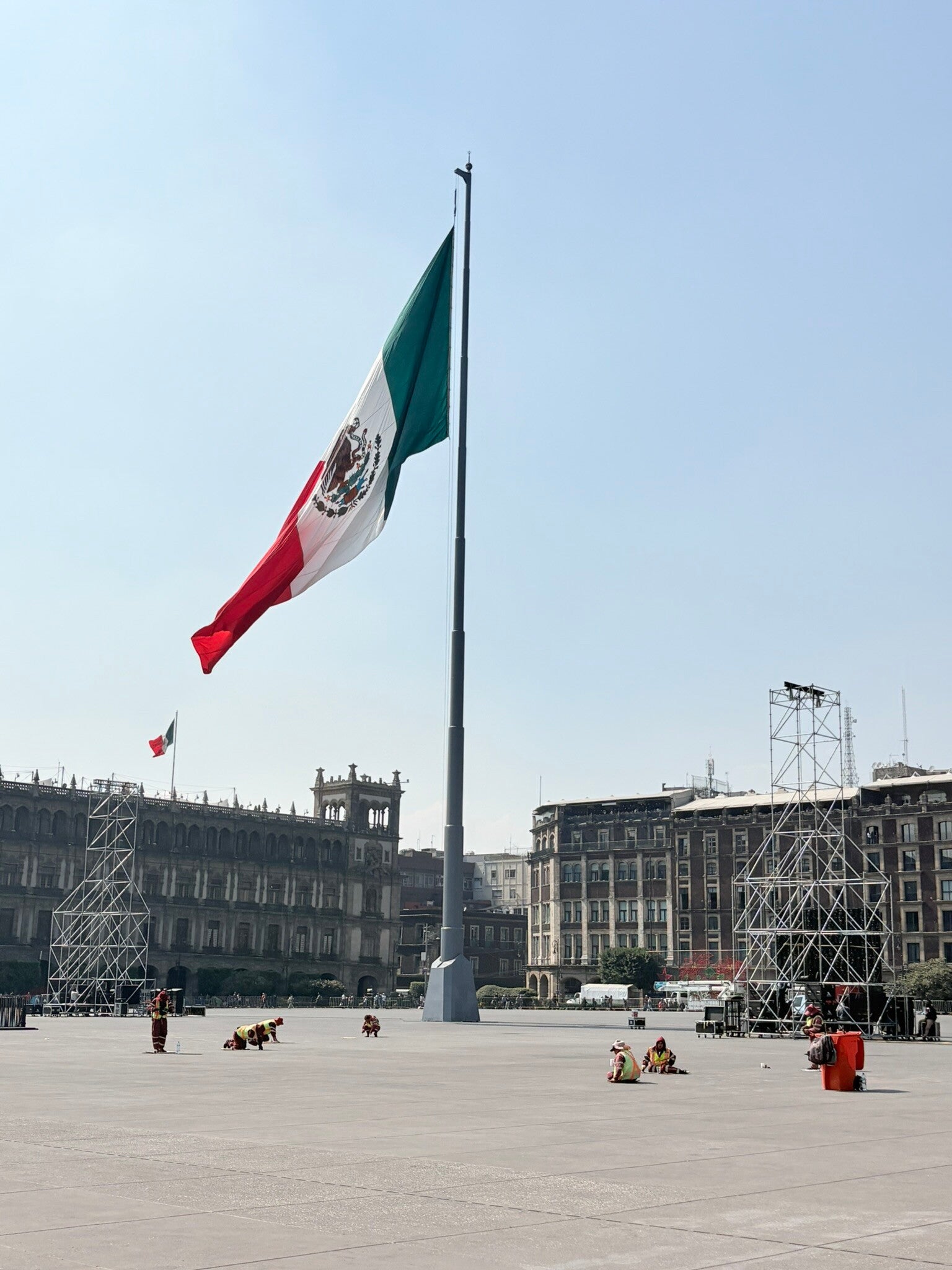
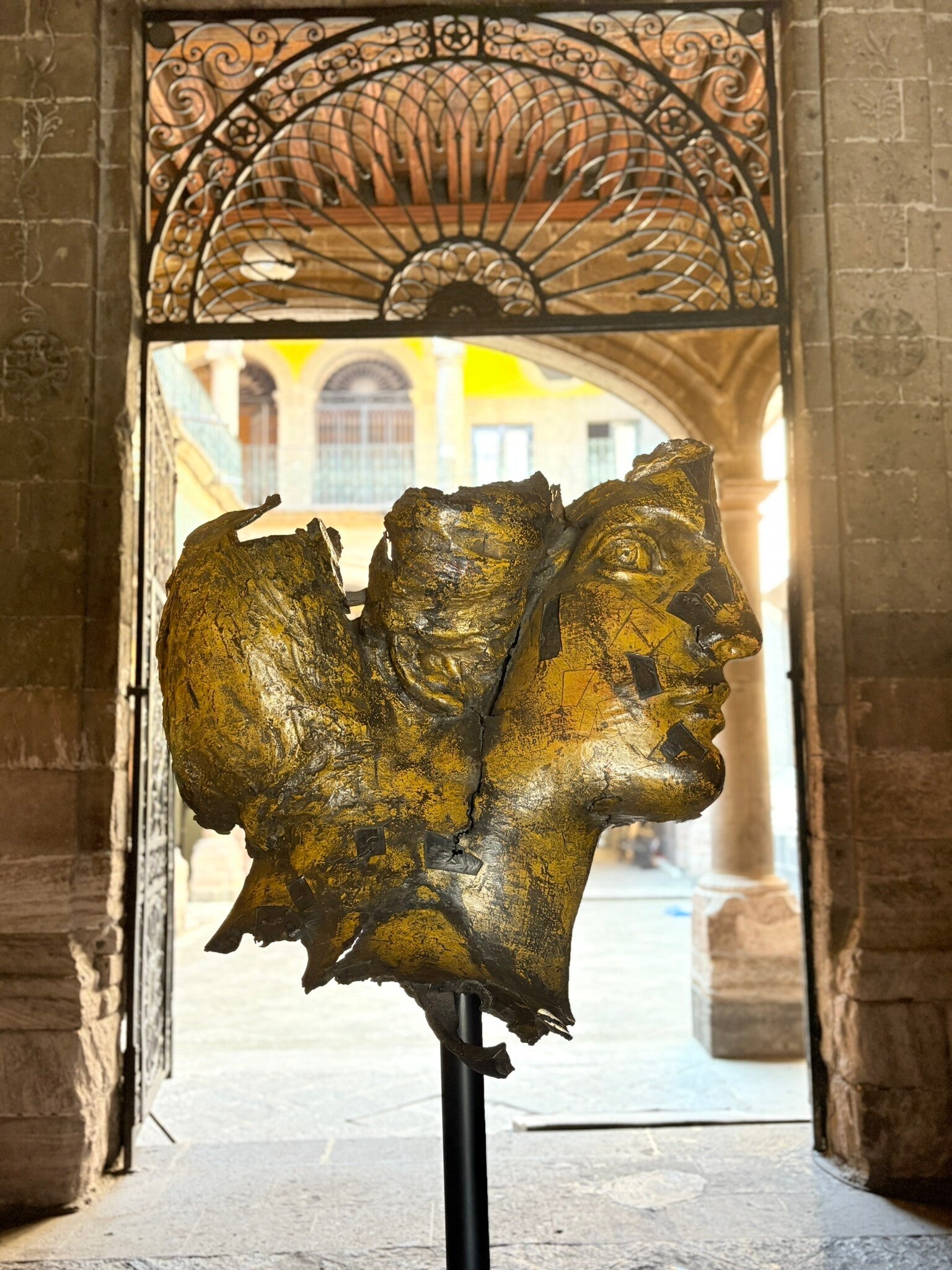
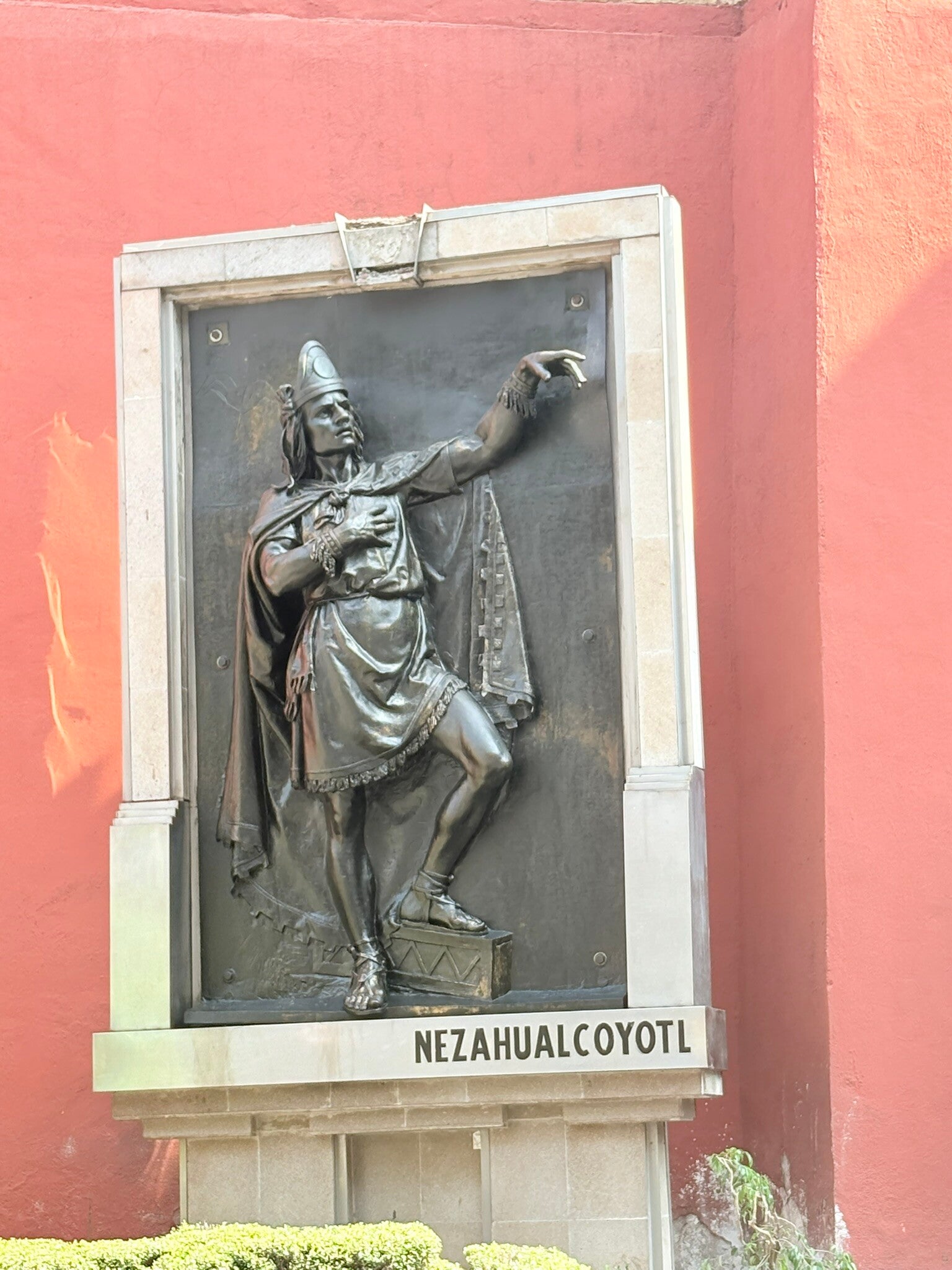
CDMX, as locals call it, is a historic city built on the ruins of the Aztec capital Tenochtitlán. It offers countless ruins, grand historic buildings and fascinating stories - best shared by a guide on a walking tour. The tour ends at Palacio de Bellas Artes, a perfect stop to visit a museum that houses large murals by Diego Rivera and other 20th‑century Mexican artwork. Entrance to the museum is 95 MXN (about 5 USD).
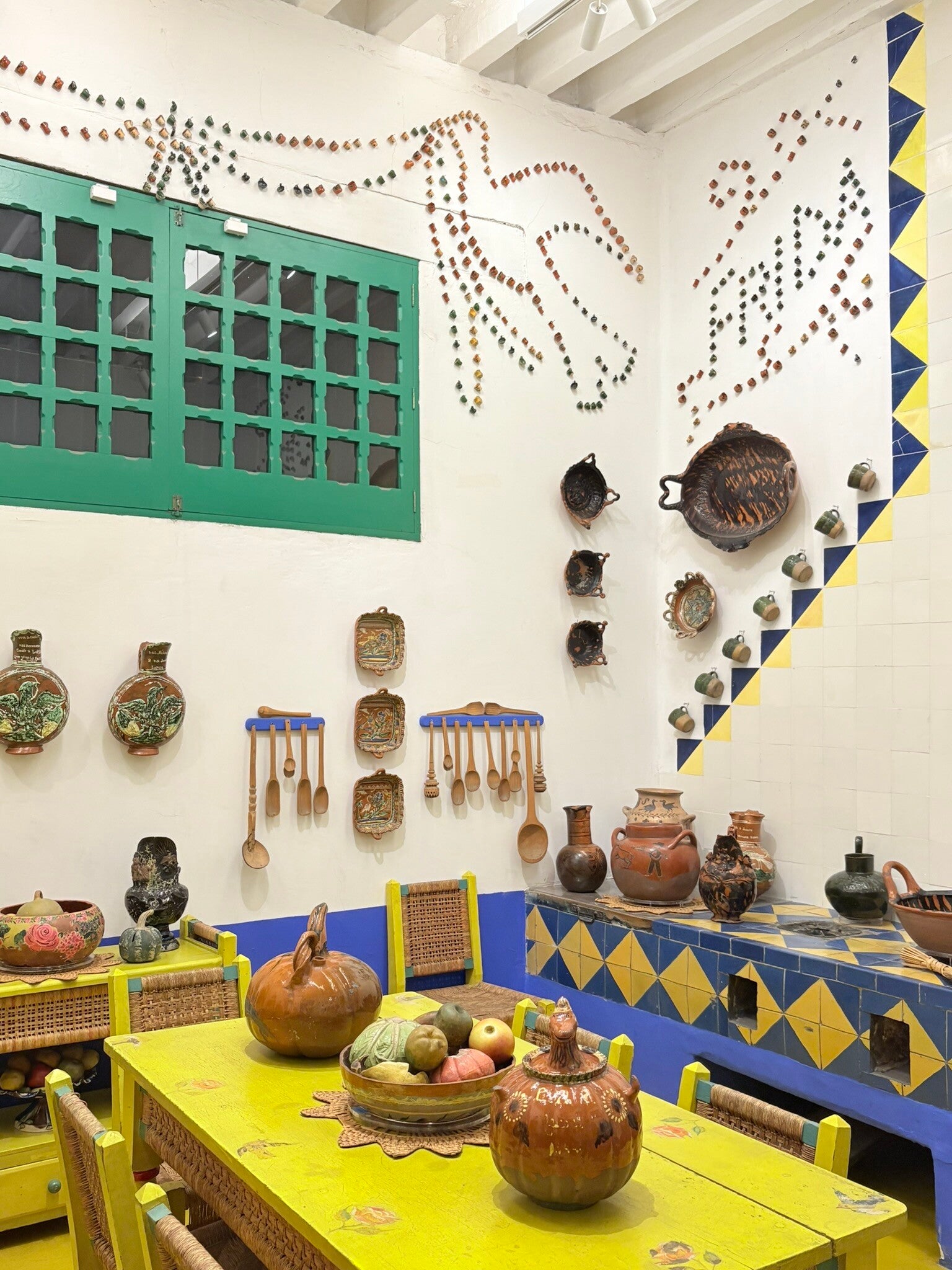
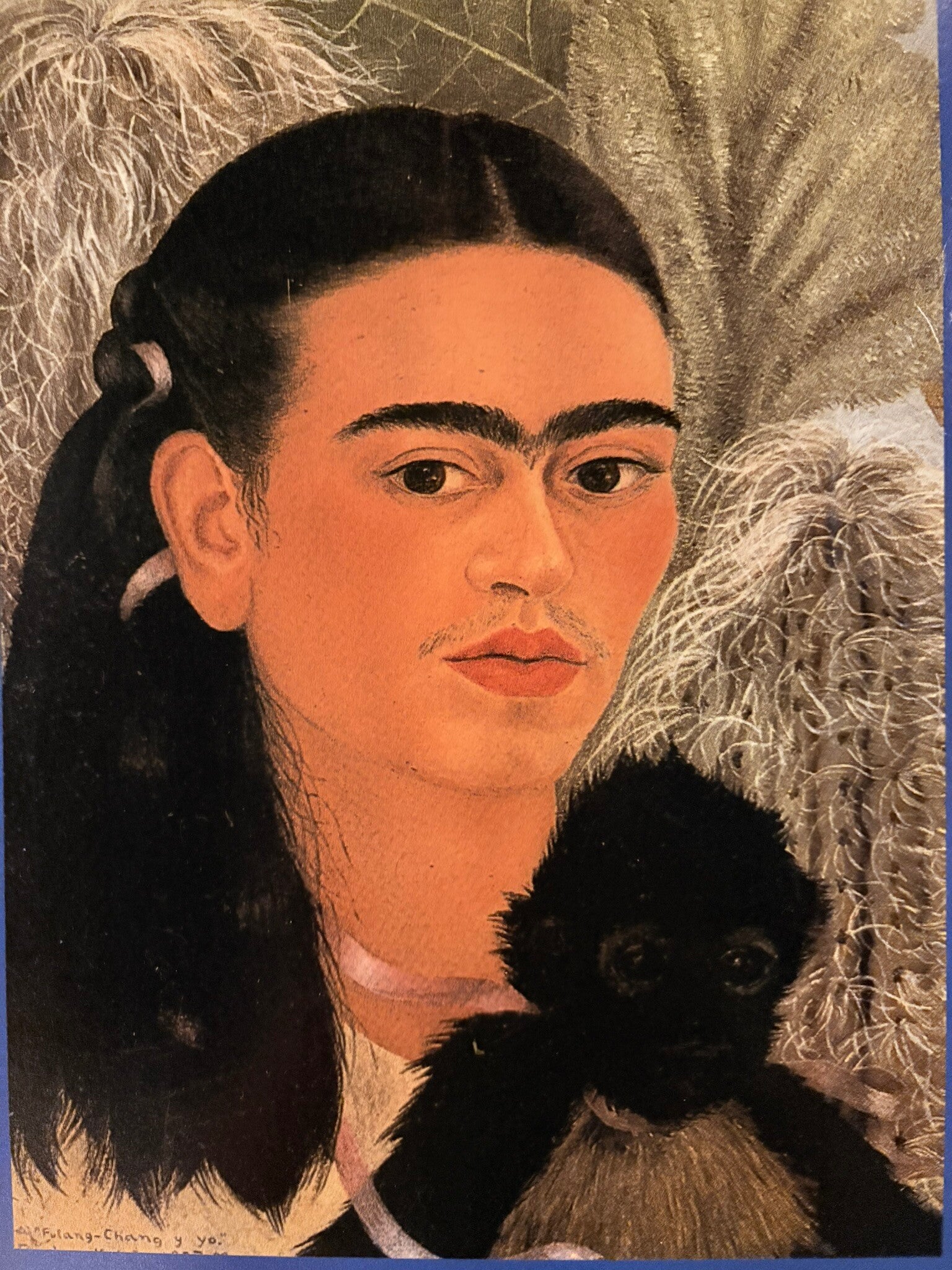
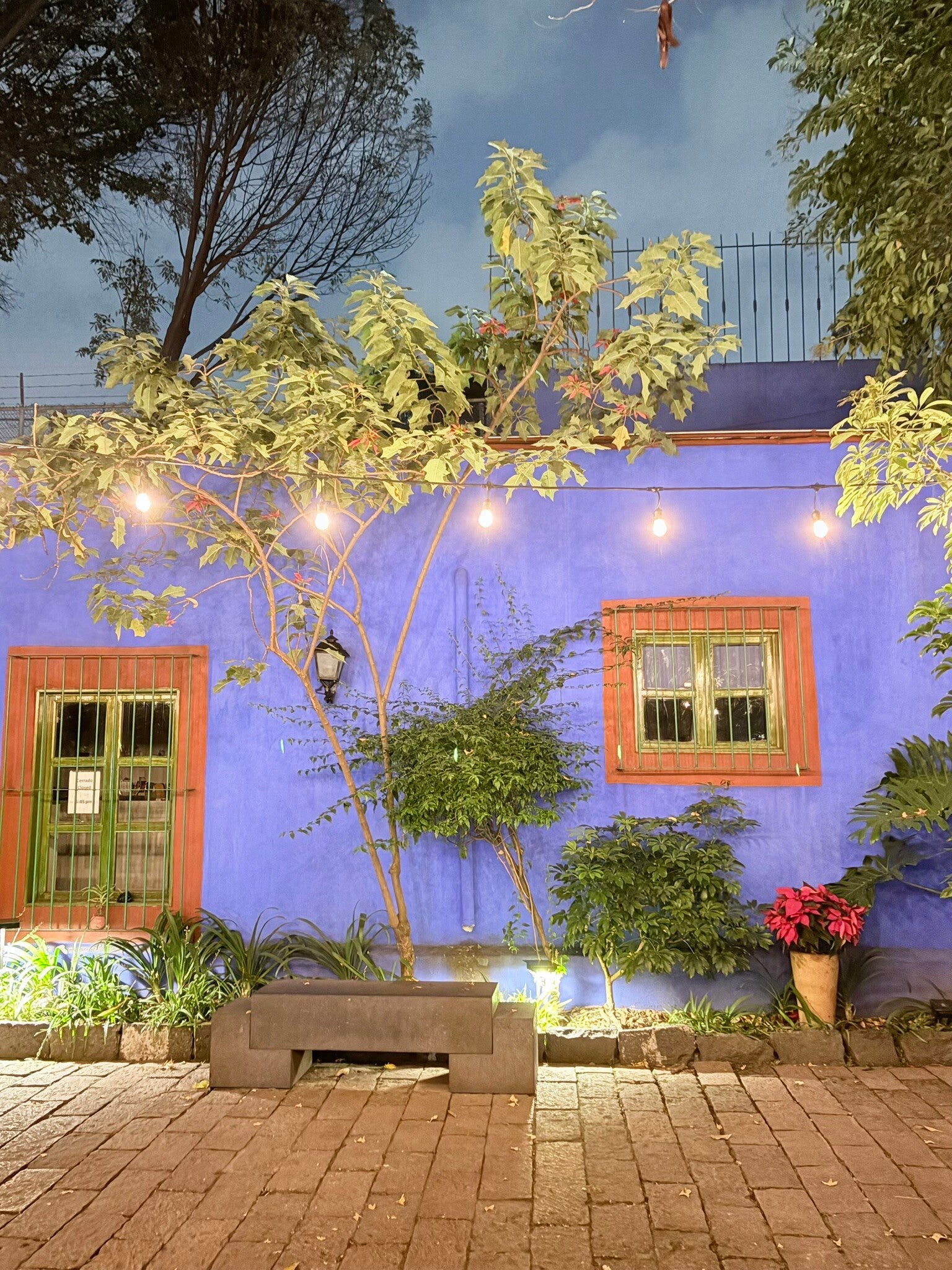
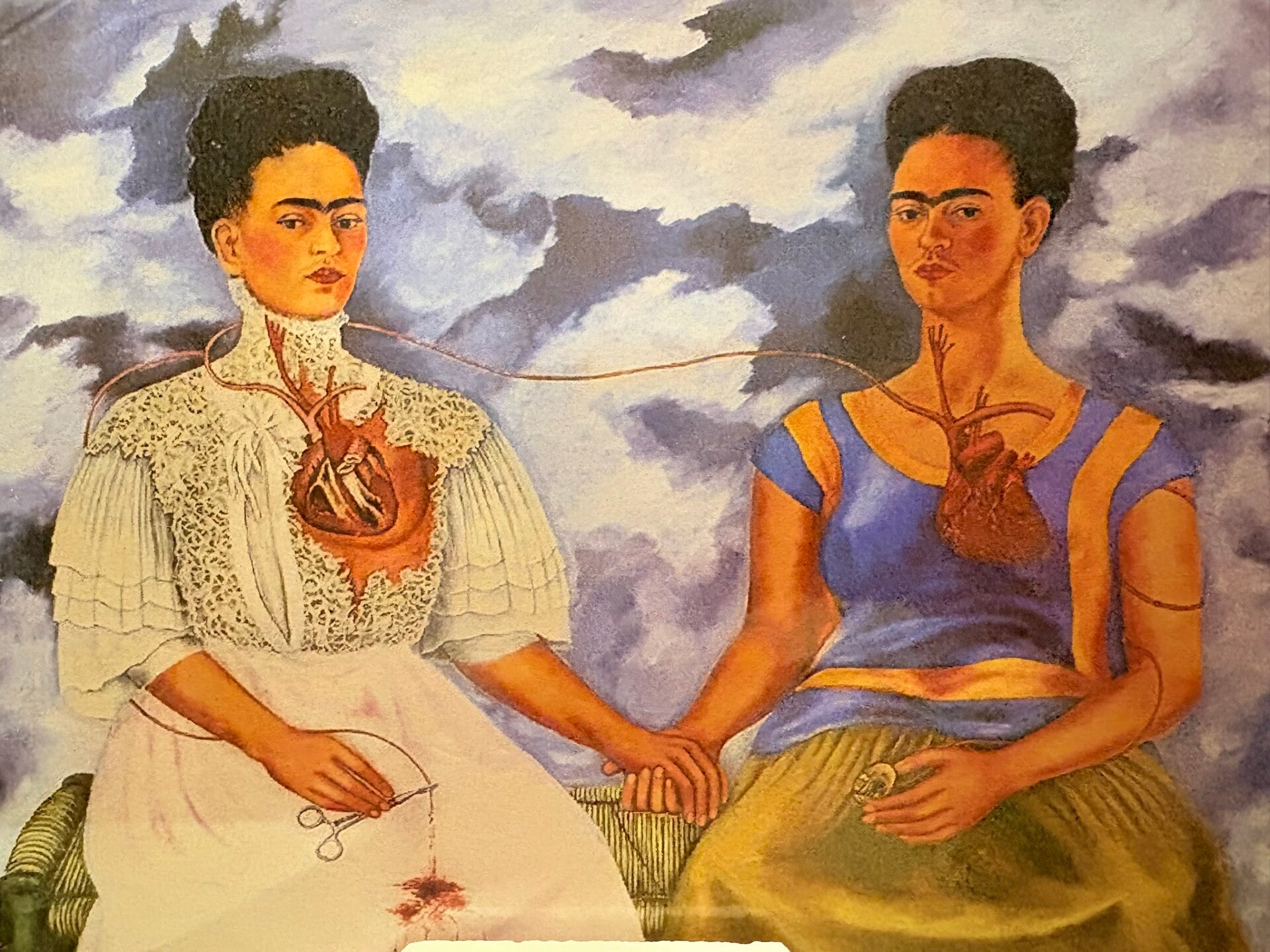
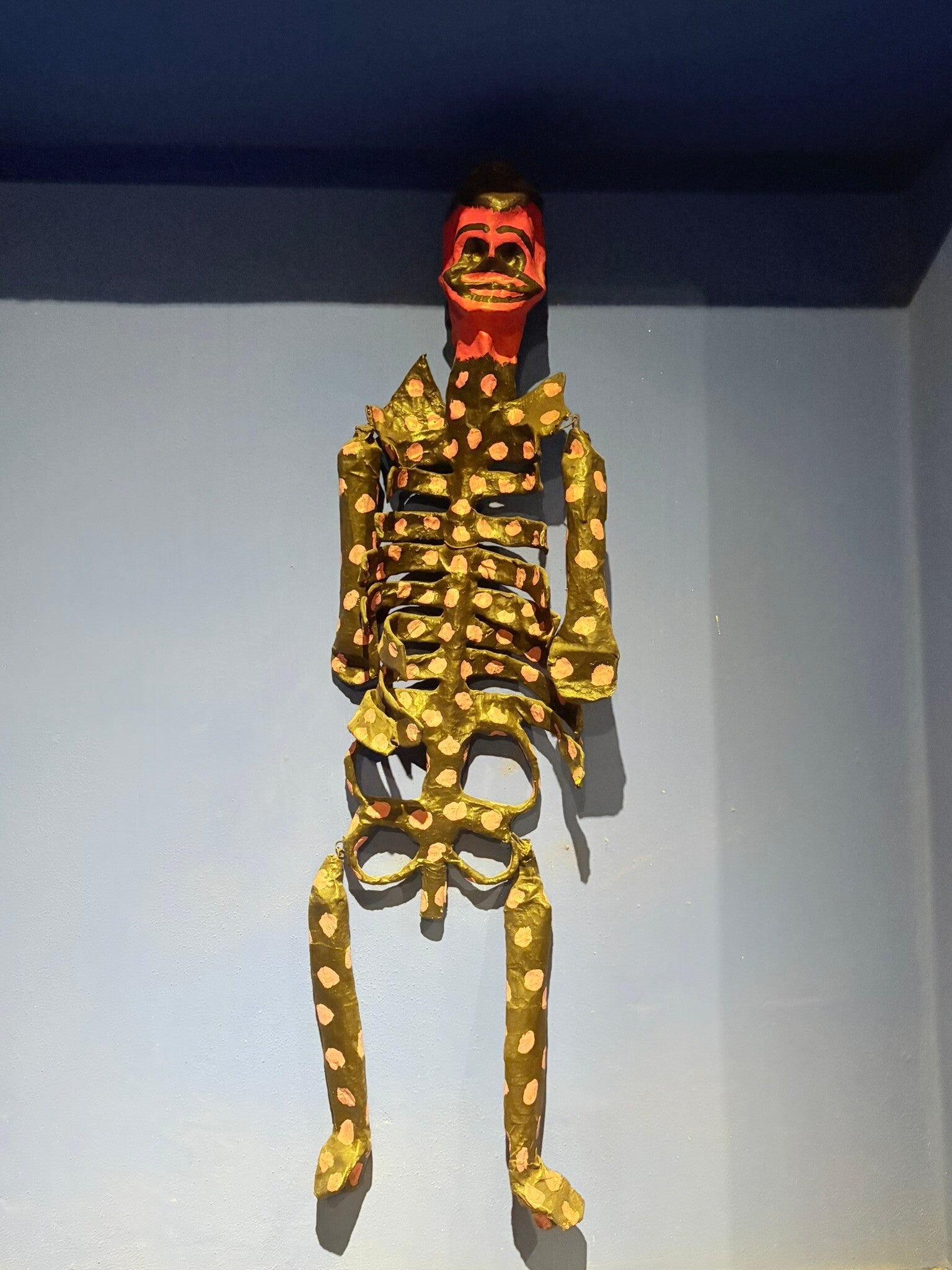
In the afternoon, you can head to Casa Azul - Frida Kahlo house turned into a museum after her death. Frida Kahlo has become globally famous for her deeply personal self-portraits and her bold, unapologetic identity, emphasizing her Mexican folk style and imperfect femininity, including unibrow and 'mustache'. She turned her physical pain and trauma into art, by painting her medical corset and sayings like 'why do I need legs if I have wings to fly'. Her museum space is up close and personal, exposing everything from her art collection, to her bedroom and ashes, as well as some of her artworks and dress collection.
Note: Frida Kahlo Museum is extremely popular and tickets often sell out days or weeks in advance. Be sure to plan ahead and book early!

CDMX Day 2: Exploring Chapultepec Castle and a Lucha Libre Show
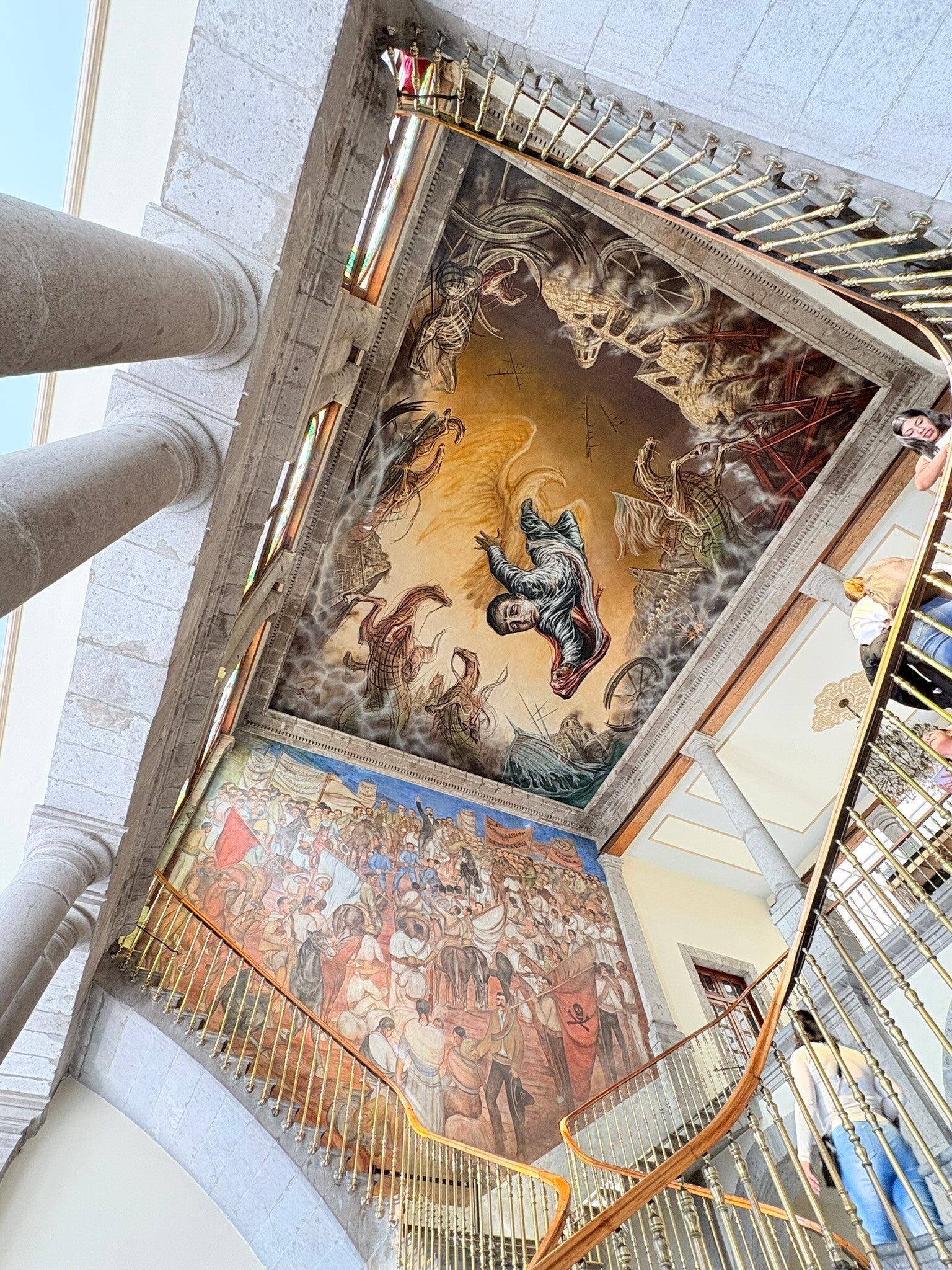
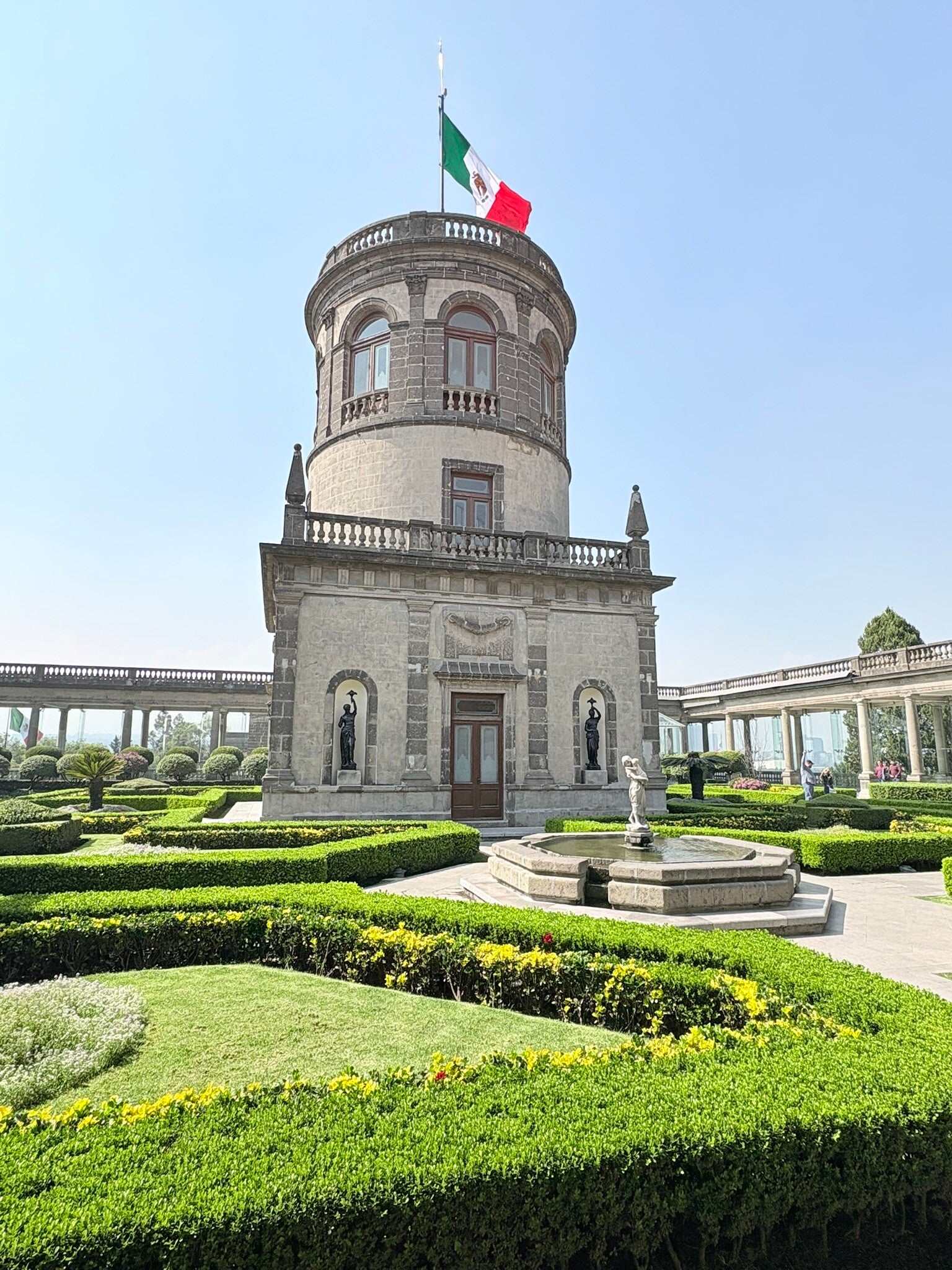
On your second day in Mexico City, head to Chapultepec Castle - a historic hilltop castle and museum located in Chapultepec Park. Built in the 18th century, it’s the only real royal castle in the Americas and once served as the residence of Emperor Maximilian I of Mexico (yes, Mexico used to be an empire!).
Today the castle is divided into two parts:
- National Museum of History: learn about Mexico’s history from prehispanic times to the 20th-century revolutions. It’s also interesting to learn about Mexico’s long-standing rivalrous relationship with the United States and that the current states of Texas, Arizona and New Mexico used to belong to Mexico after its independence from the Spaniards. Unfortunately, all the information is in Spanish only, but if you don’t speak the language, it’s worth walking through the museum and getting a visual impression of the country’s history.
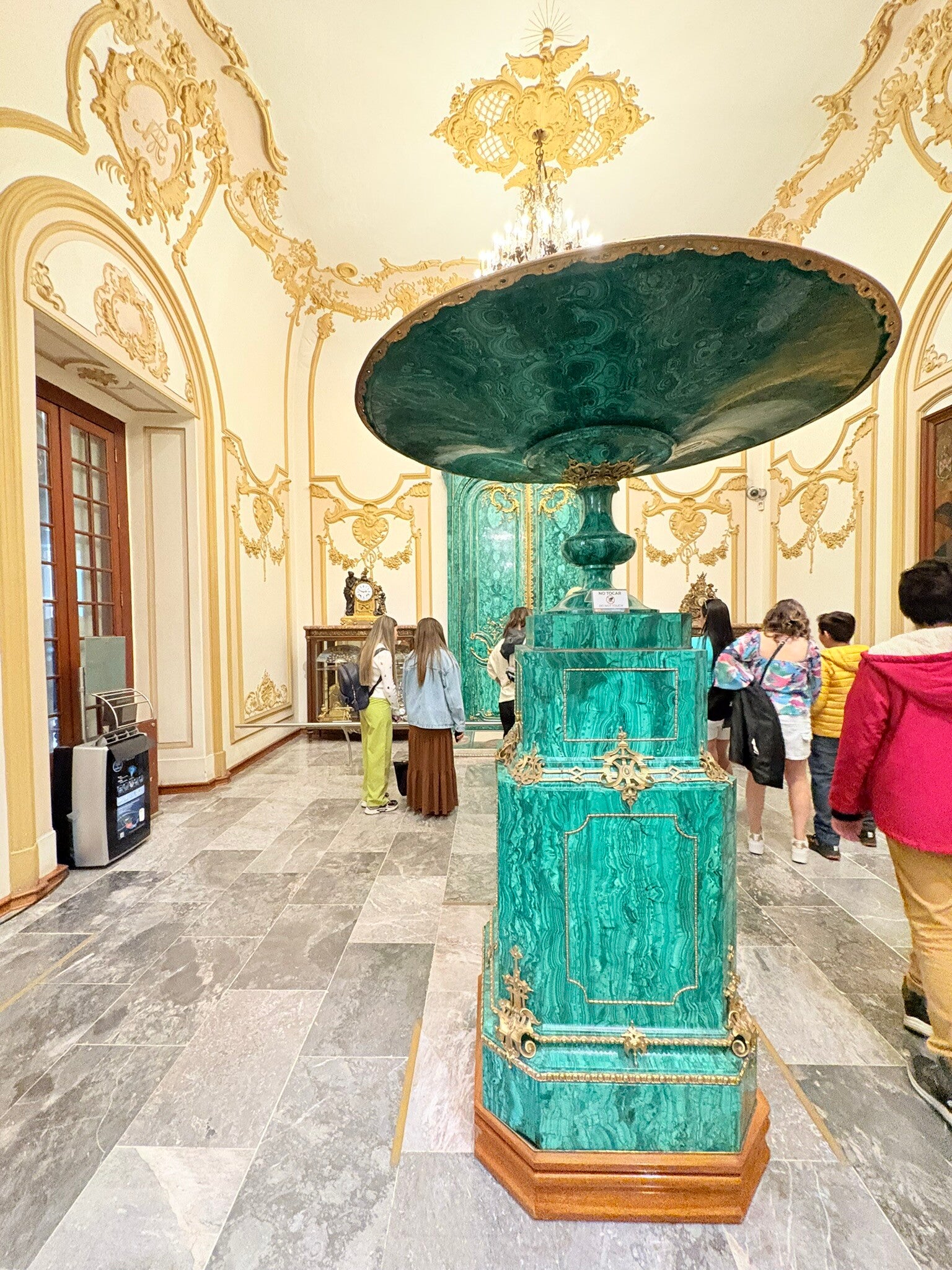
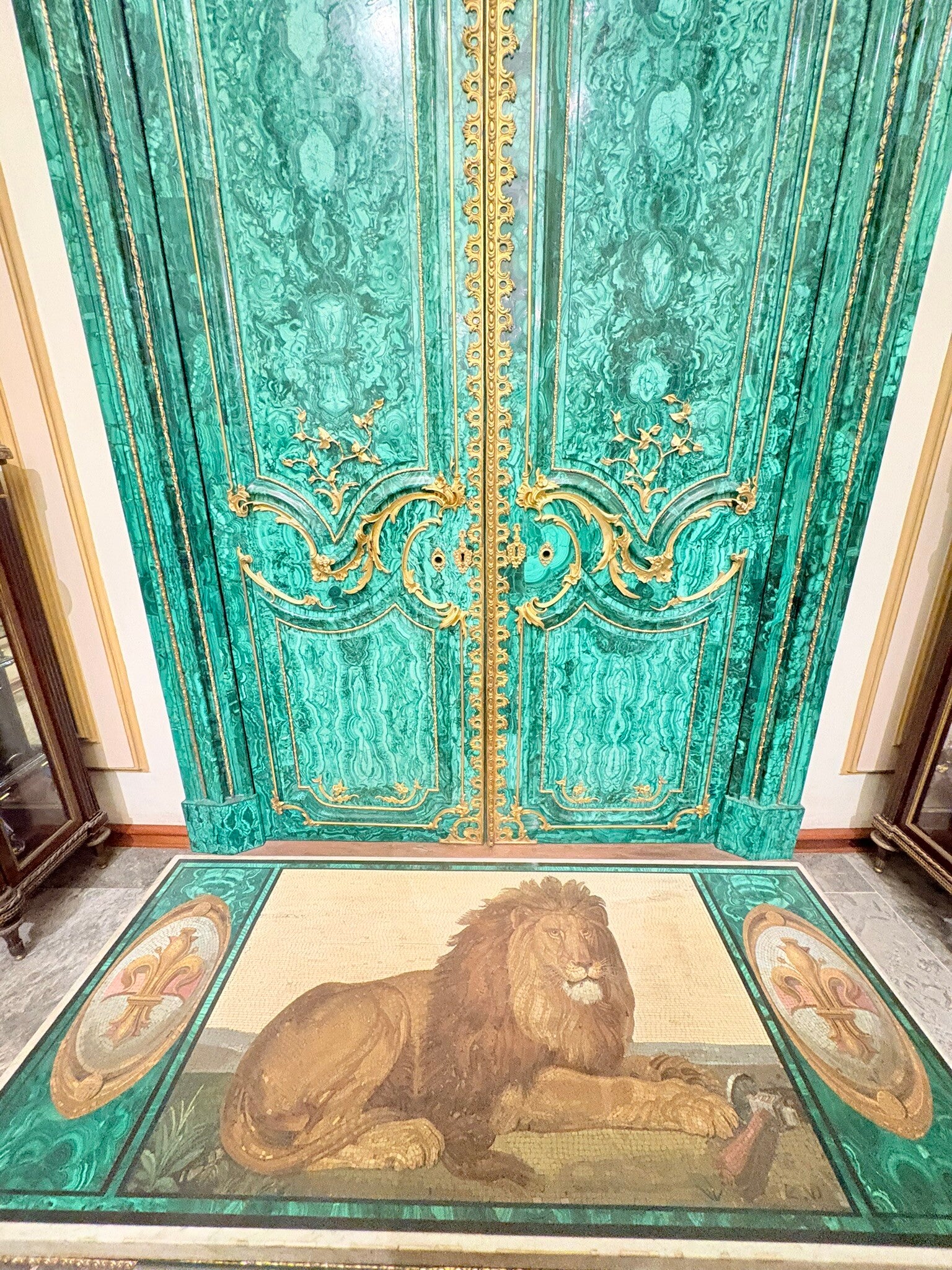
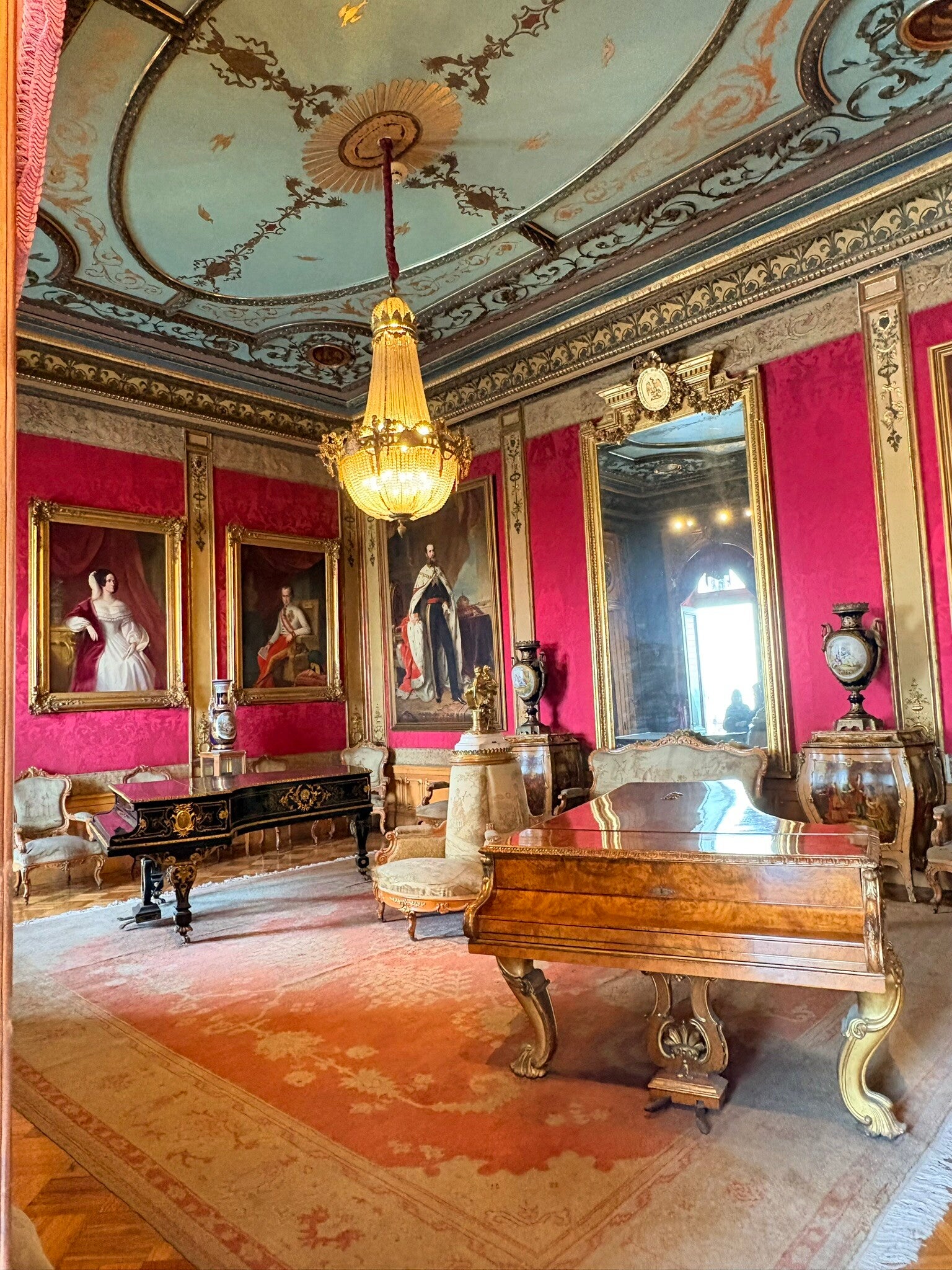
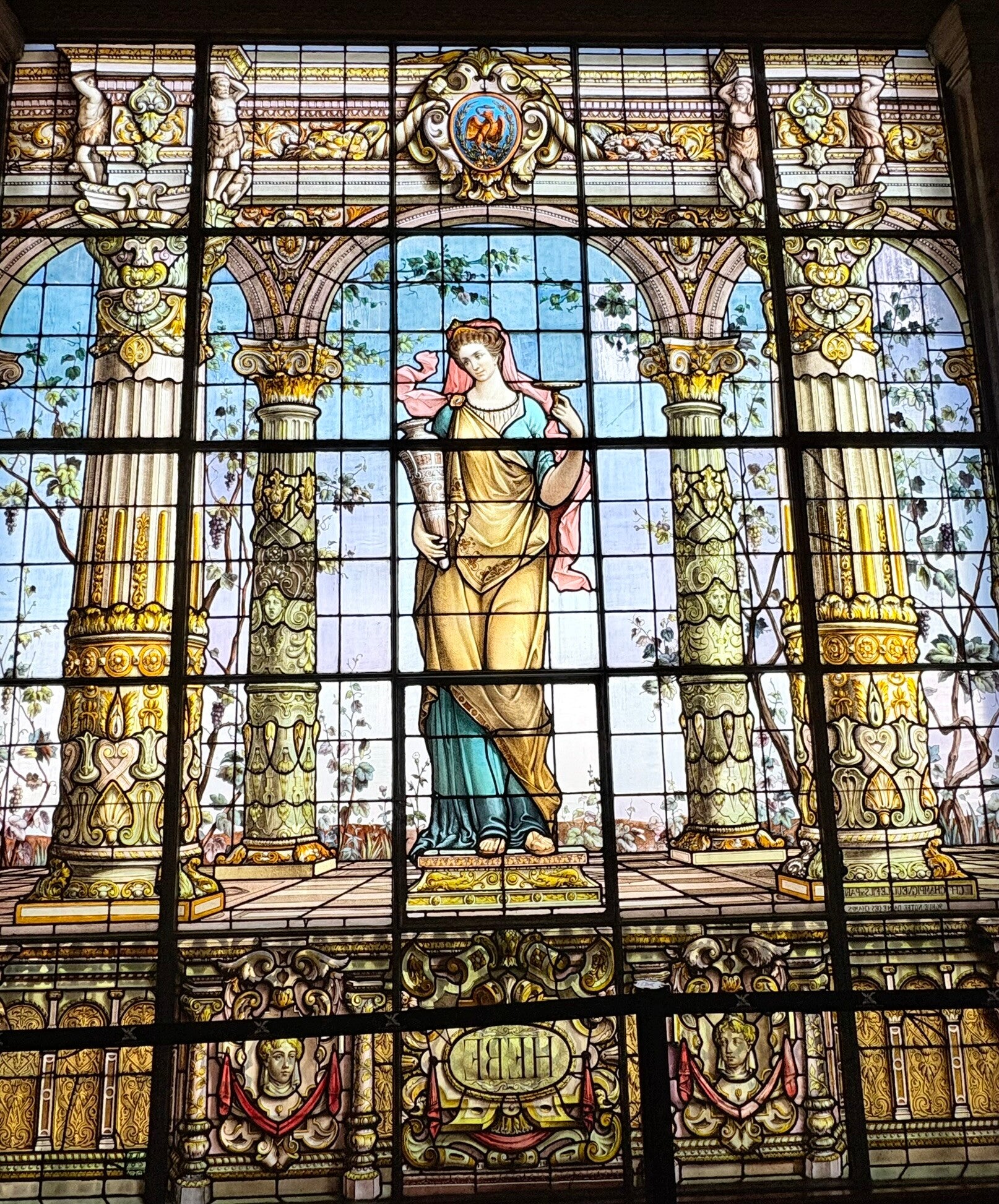
- Residence of Maximilian I and his wife: here you get to see (but not enter) the actual historic quarters of the emperor. The castle features elegant European-style rooms, including the throne room, private bedrooms, dining hall, as well as terraces and gardens overlooking Mexico City.
The entry price is 100 MXN (approx. 6 USD), it includes both parts of the castle and no prior reservation is needed.
In the evening, attend a lucha libre show - Mexico’s version of professional wrestling. It’s a colorful, theatrical sport that mixes athletic wrestling moves with dramatic storytelling. Wrestlers wear bright symbolic masks and costumes to represent their wrestling identity (and conceal the actual one), and roles are usually clearly divided into ‘tecnicos’ (good guys) and ‘rudos’ (bad guys).
Matches are fast, acrobatic and full of exaggerated drama, which makes for a great spectacle even if you know nothing about lucha libre!
The most famous lucha libre venue in Mexico City is Arena México (also known as Cathedral of Lucha Libre), hosting the biggest, most traditional fights in a stadium of about 16,500–17,000 spectators.
Ticket prices can vary anywhere between 150 MXN to 1,000 MXN (8–55 USD) depending on the day of the week, event and seat type. Note, that lucha libre shows are typically on Tuesdays, Fridays and Sundays.
CDMX Day 3 - Anthropology museum and an optional escape to Coyoacan
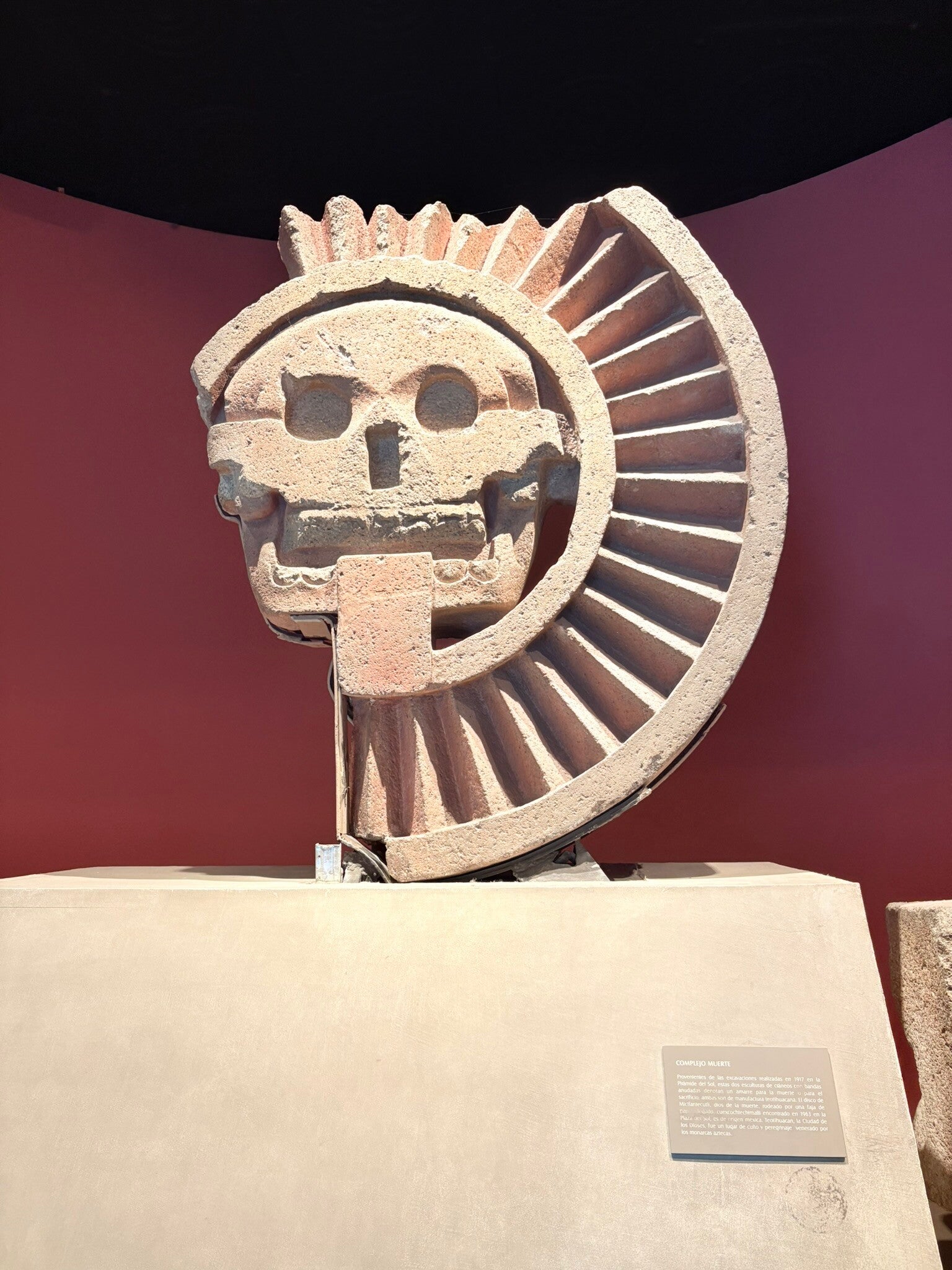
Today you can visit another impressive museum in CDMX: the Museo Nacional de Antropologia. It’s Mexico’s most important museum and one of the best archaeology museums in the world. It houses extraordinary artefacts from Mexico’s ancient civilisations, including the famous Aztec Sun Stone (Piedra del Sol). This monumental piece - 3.6 metres / 12 ft in diameter - depicts the Aztec view of the universe and its “five suns” and is truly breathtaking in person.
Other noteworthy highlights include:
- massive Olmec stone heads
- Maya jade masks and carved glyphs
- reconstructed temples and tombs
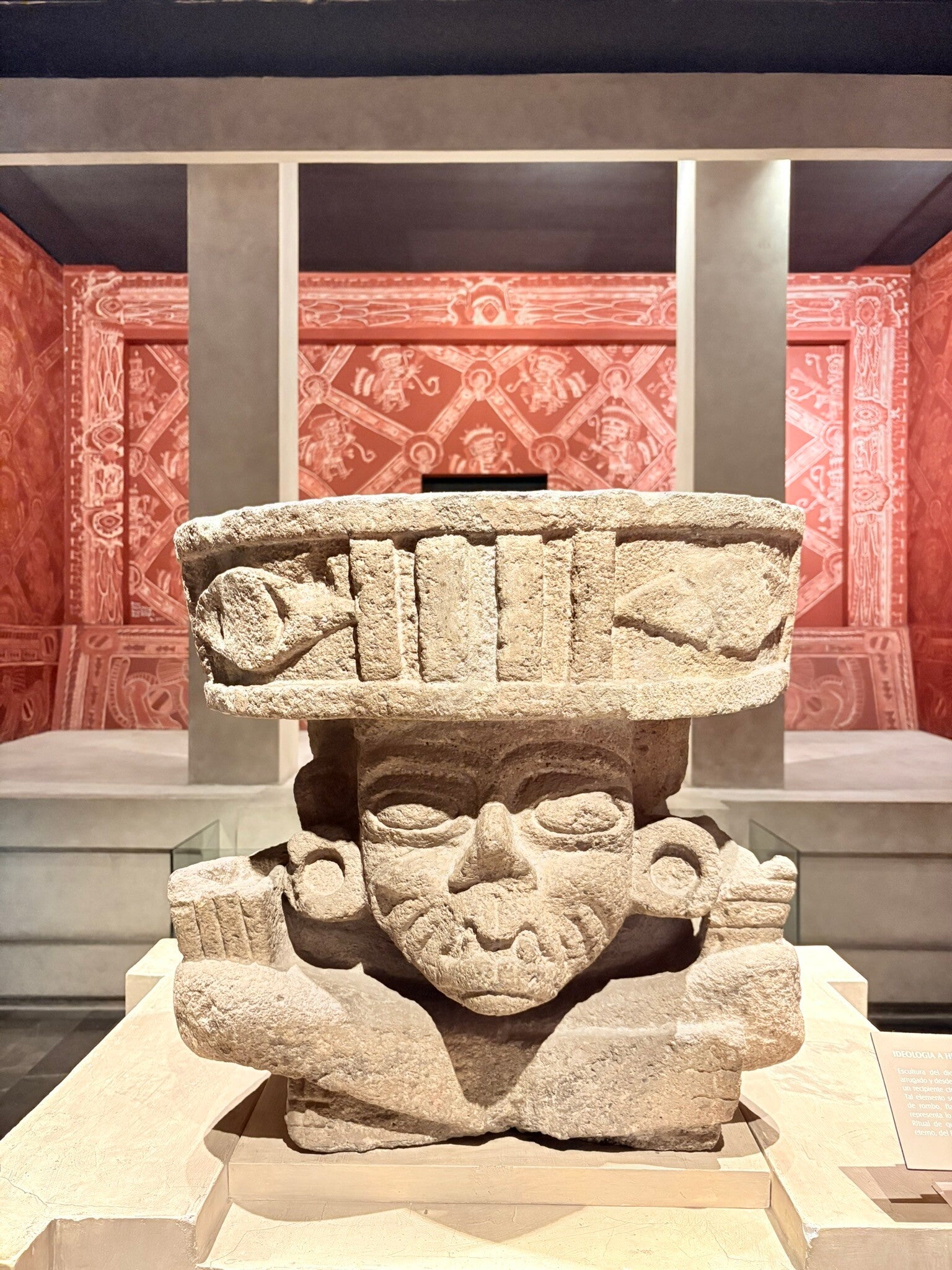
The museum is organised by culture - Aztec (Mexica), Maya, Teotihuacan, Zapotec and others. It’s also huge, so plan at least 3–4 hours to get a proper impression of the ancient civilisations on display. Luckily, there’s a restaurant and a cafe on site if you want to take a break and recharge.
The entrance fee is again a modest 100 MXN (around USD 6) and no advance reservation is needed.
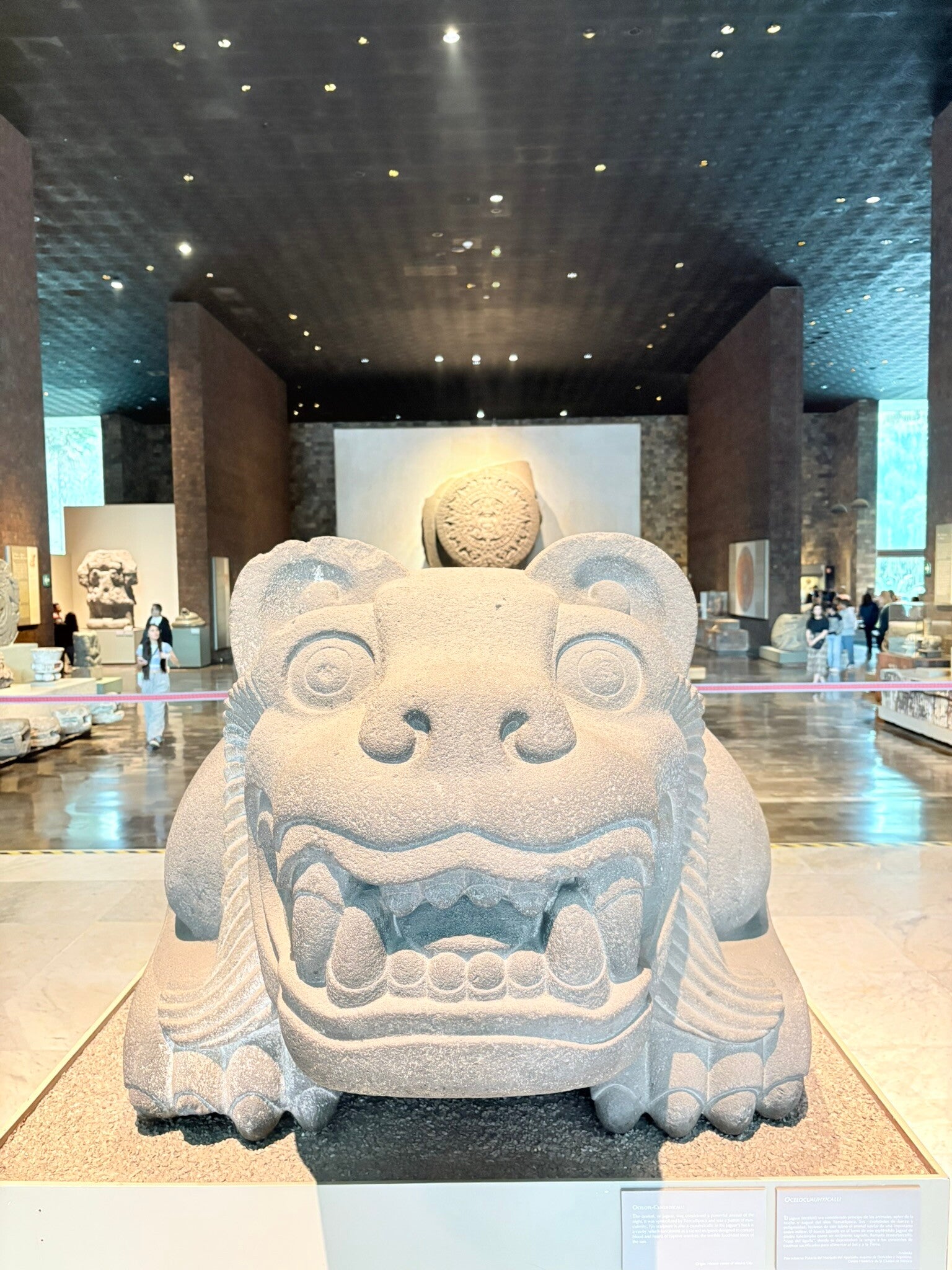
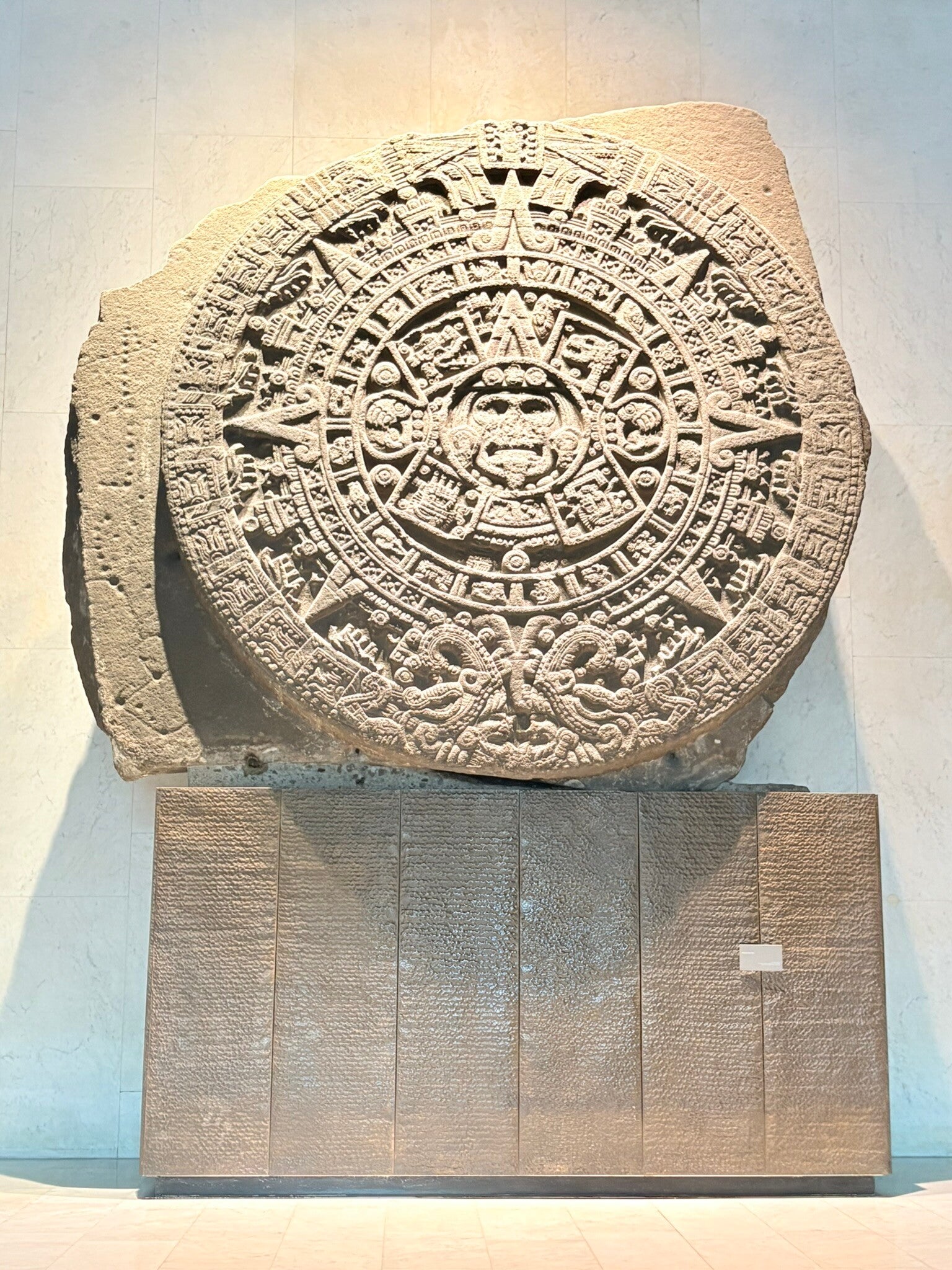
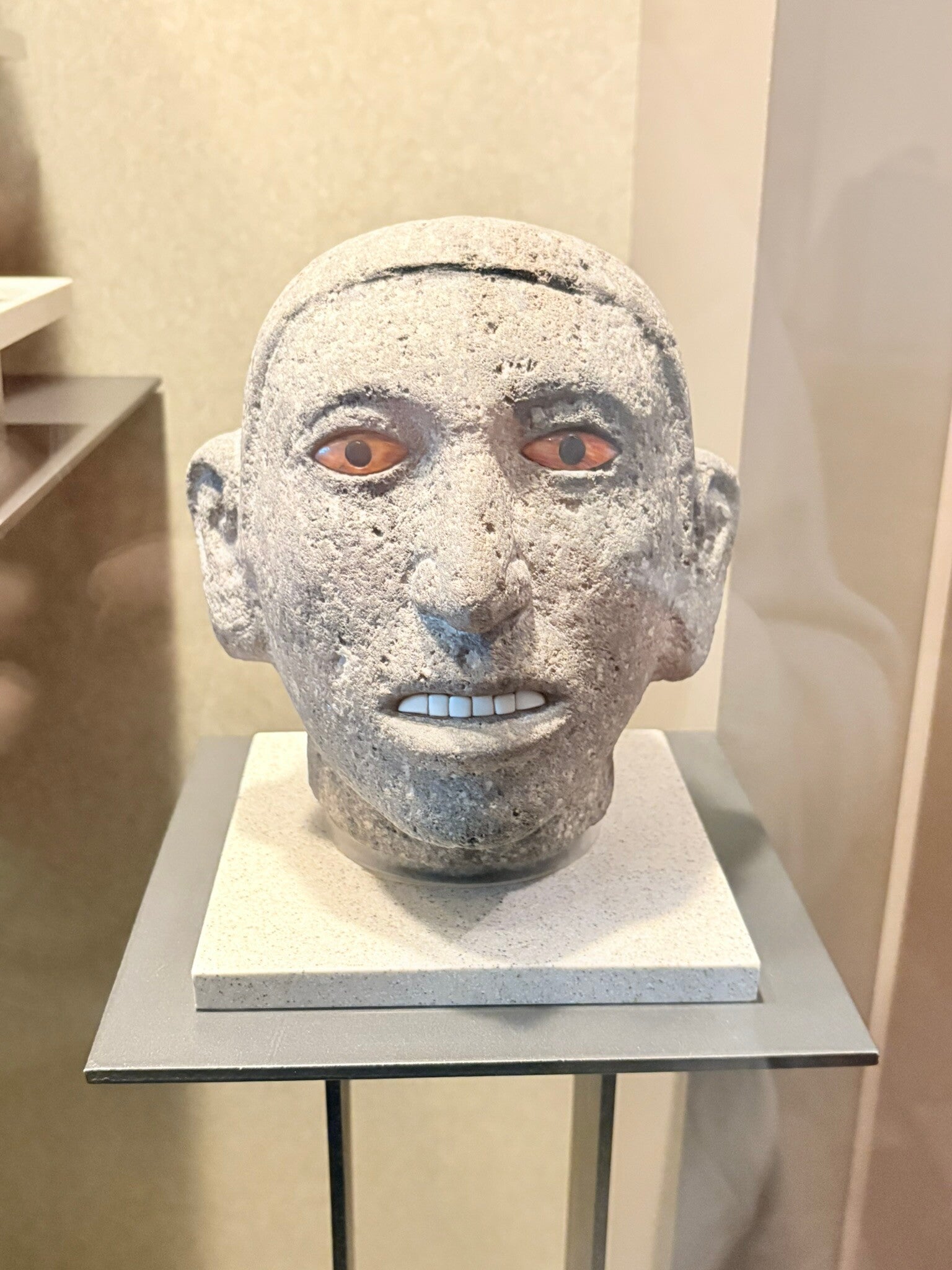
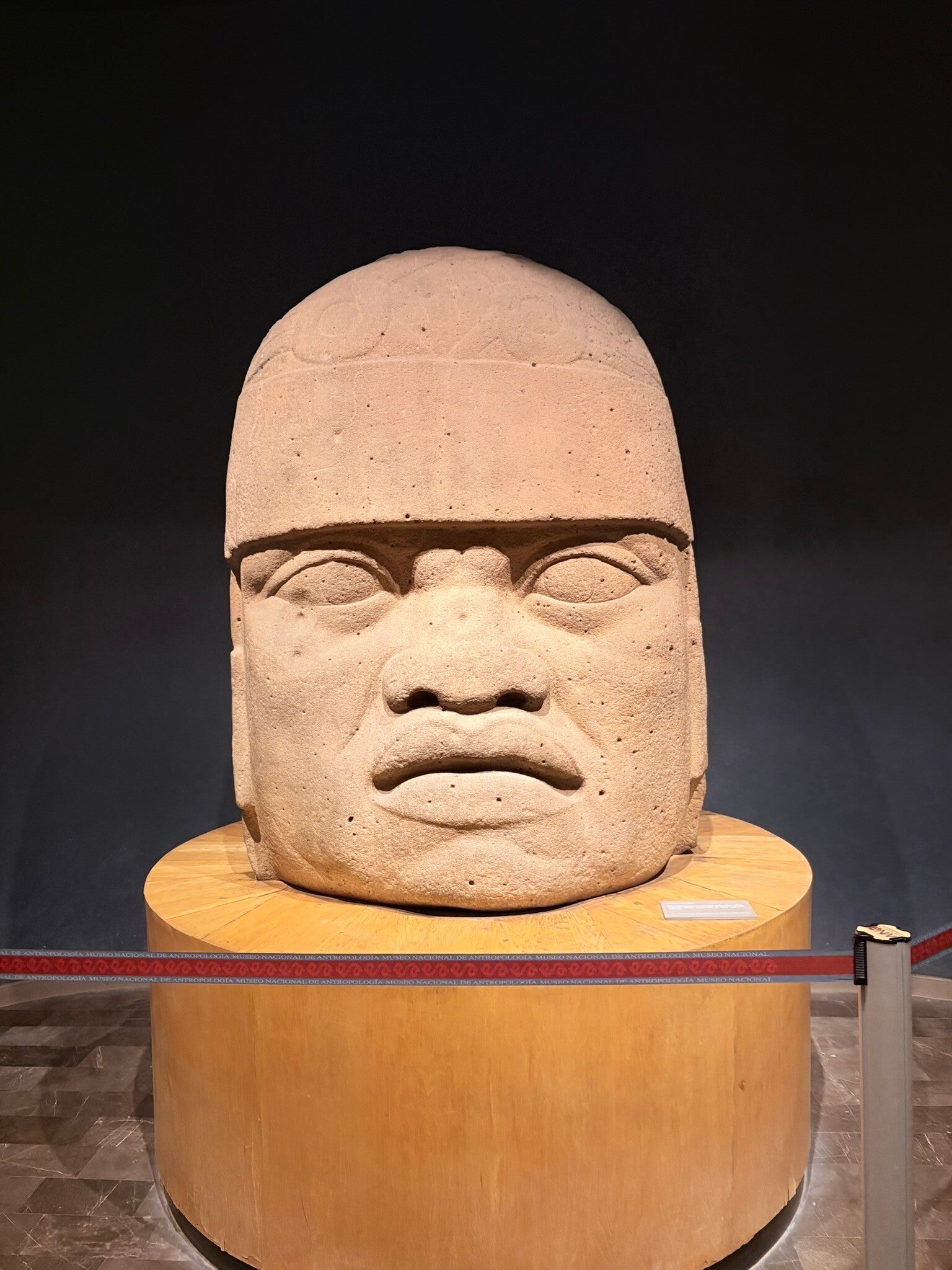
If you still have energy left, you can also visit the nearby (by CDMX standards) neighbourhood of Coyoacan, famous for its colonial architecture and village-like feel within the metropolis.
CDMX Day 4 - day trip to Tolantango (hot springs, caves and a thermal river)
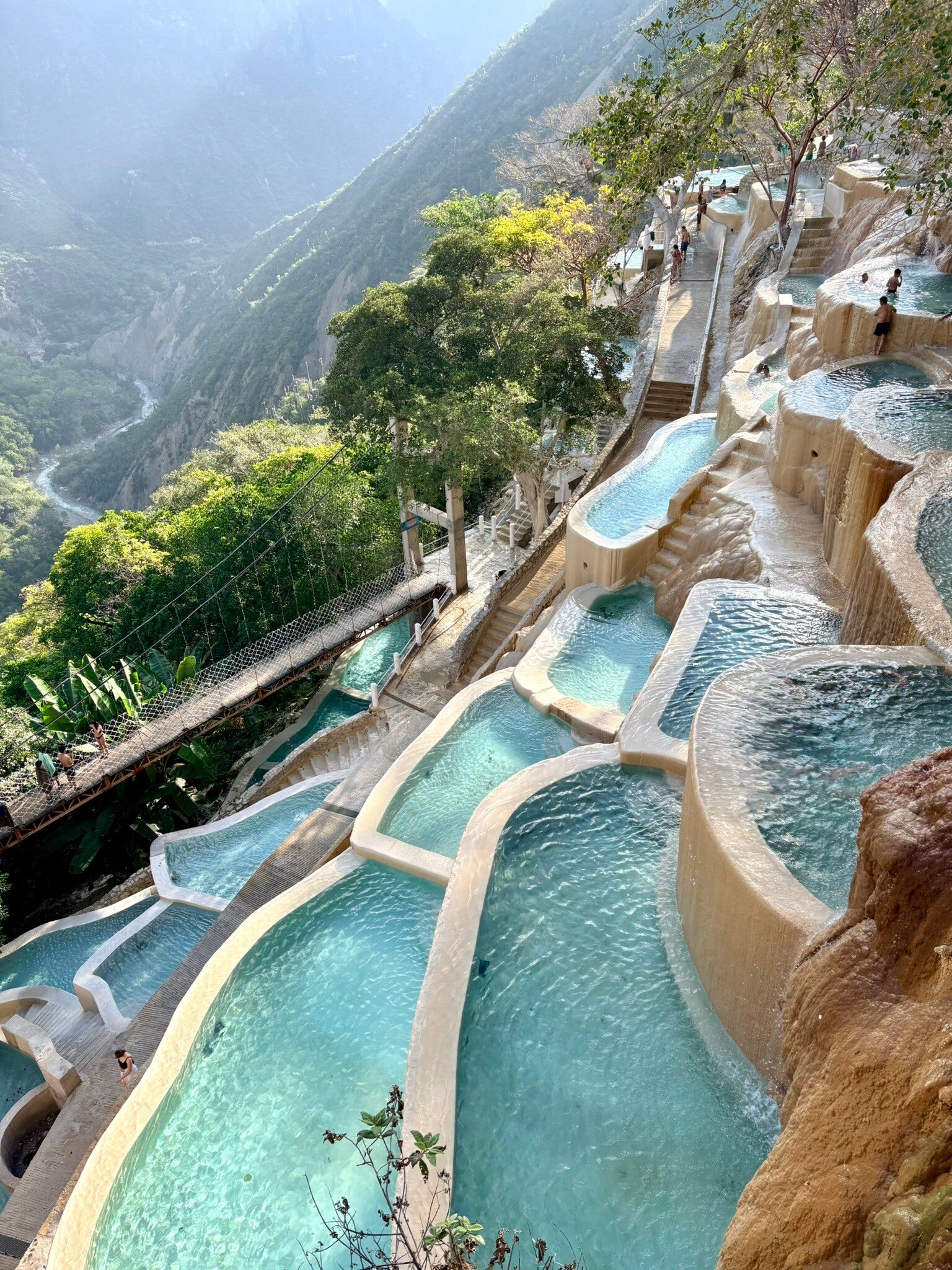
One of the can’t-miss adventures while visiting CDMX is a day trip to Grutas de Tolantongo, a canyon of natural hot springs and thermal baths about a 3-hour drive from the city. While it’s definitely a long day (and can feel a bit daunting), I can assure you it’s 100% worth it.
Grutas de Tolantongo is a natural hot-spring canyon and there are several activities you can do - whether you’re visiting independently or with a tour:
- Start with the thermal pools (pozas)
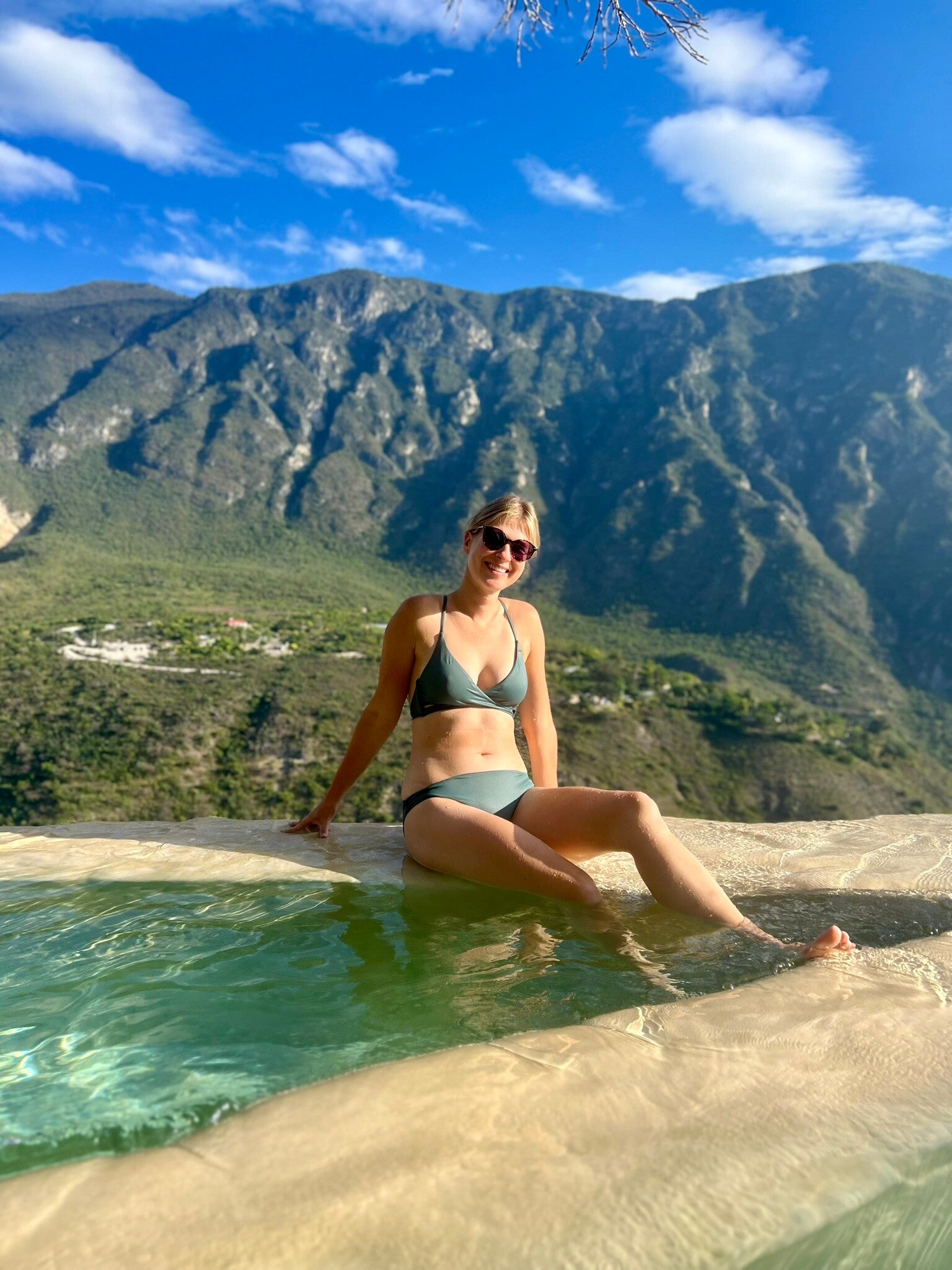
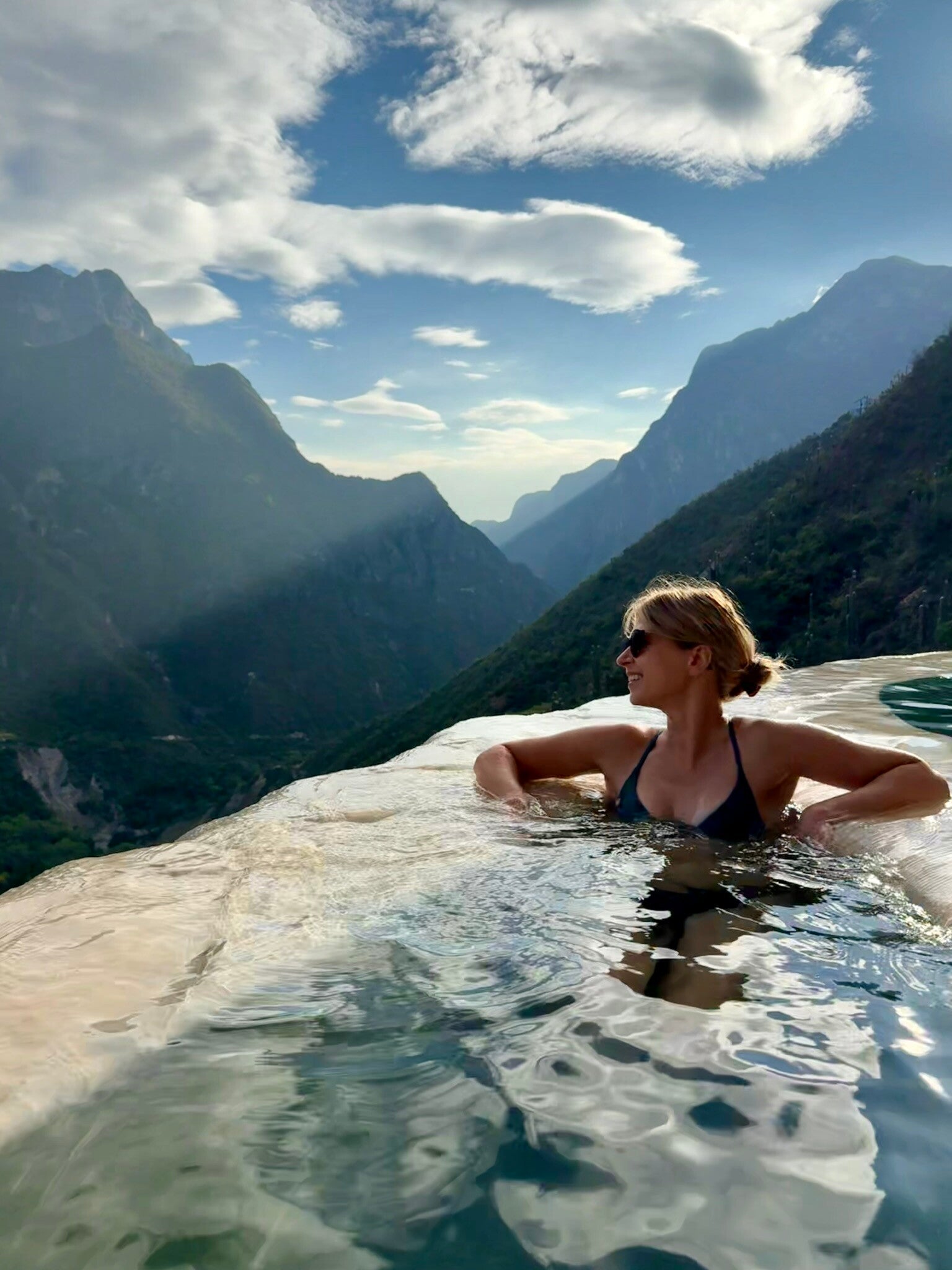
These are manmade infinity pools built into the cliffside, filled with naturally hot, mineral-rich water. If possible, arrive right at opening time (8:00 am) to avoid the biggest crowds. - Head to the tunnel
While the pools are the most famous (and most photographed) part of the site, the water tunnel was by far the best experience for me. It’s a narrow passage where hot water pours from above and the water depth varies from ankle to torso high. In the deeper sections, there’s a rope to hold onto.
If you’re exploring independently, bring phone with waterproof case (for light) or a waterproof torch that can be fully submerged. It’s dark inside the tunnel, but that’s part of the appeal. There’s also a wider section with rocks where you can sit - our guide even switched off the torch for a moment for us to appreciate the silence, darkness and connection with nature.
Note: this isn’t suitable if you’re afraid of enclosed spaces or have breathing difficulties, as it’s very hot and humid inside (like a natural sauna). - Visit the cave with the waterfall
After the tunnel, head to another cave where a strong waterfall pours from above and crashes into the water inside. The water flow gives a surprisingly powerful “massage,” so hold onto your swimsuit! - Unwind in the thermal river
Yes, even the river is warm. It has gentle cascading sections that feel like mini pools, plus small waterfalls for a much softer massage than the waterfall cave.
If you have more than one day, there are nearby hotels for an overnight stay and camping facilities by the river are also available.
I did this as an organised tour with an early departure from CDMX to avoid crowds and overall it was a well-run, enjoyable experience.
CDMX Day 5 - Xochimilco canals and the Island of the Dolls
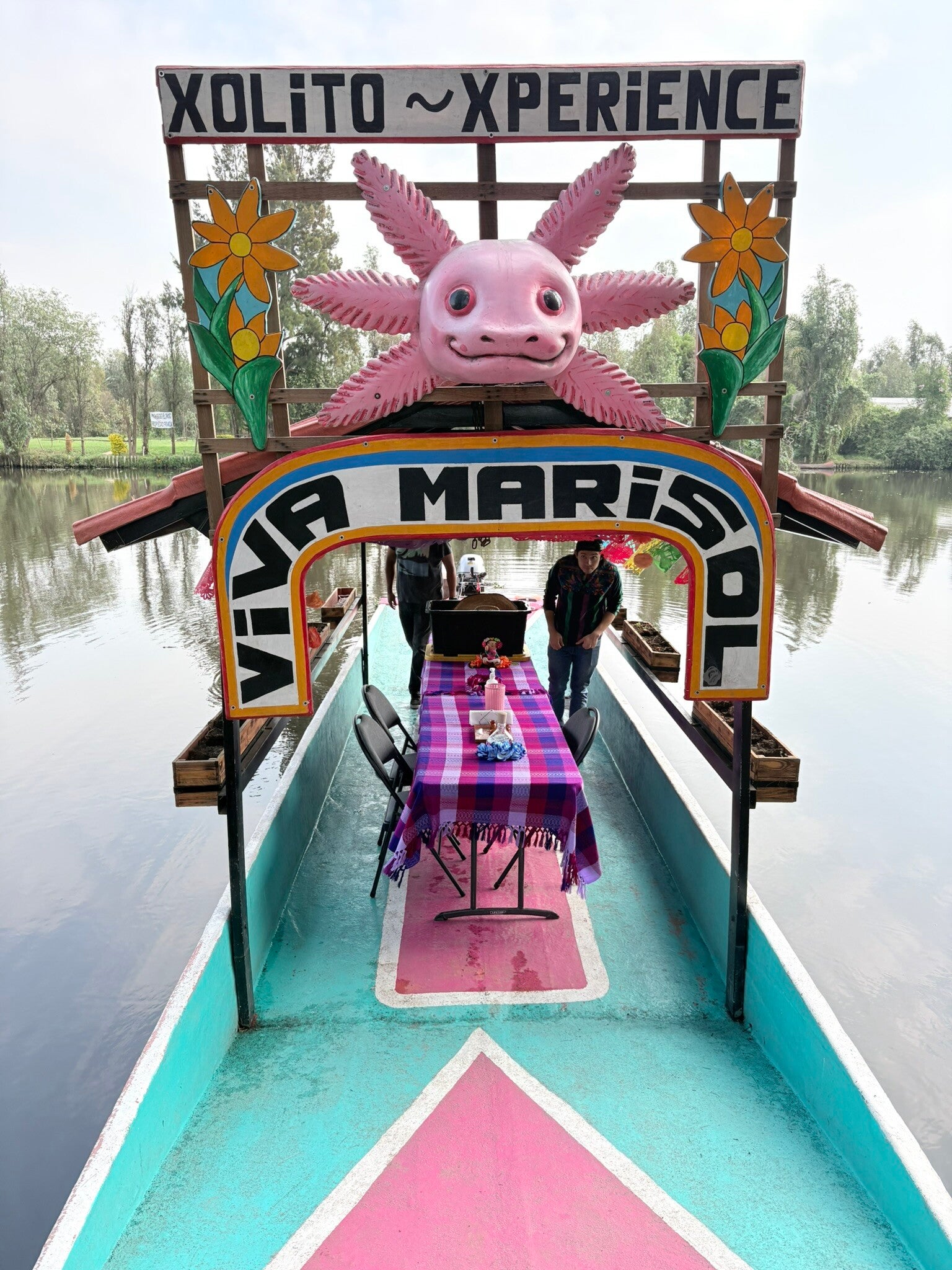
After a few busy days, it’s time to slow down in Mexico City with a half-day trip to Xochimilco, a UNESCO World Heritage site known for its ancient canal system, floating gardens and colourful trajinera boats (which you’ll ride as well).
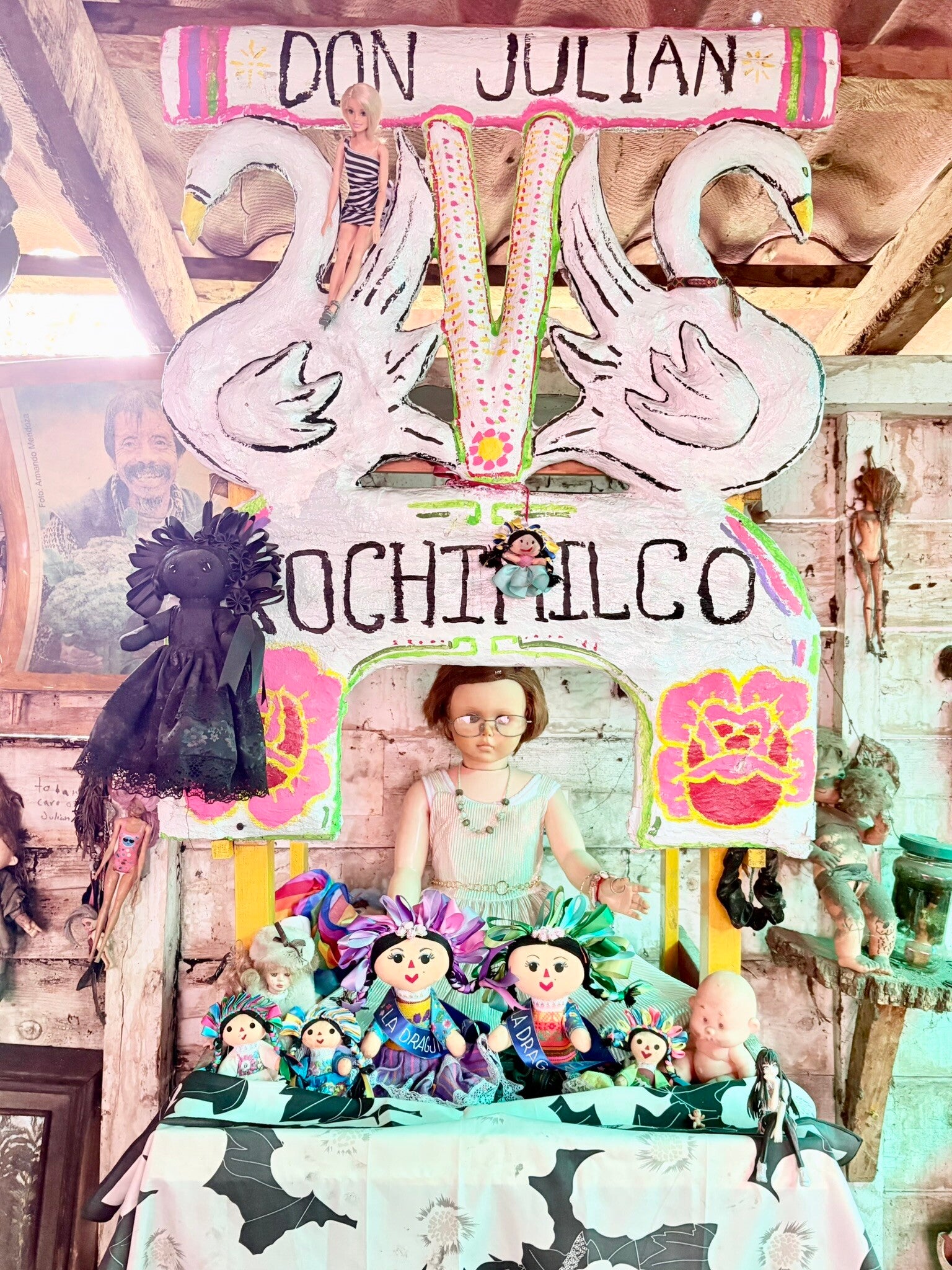
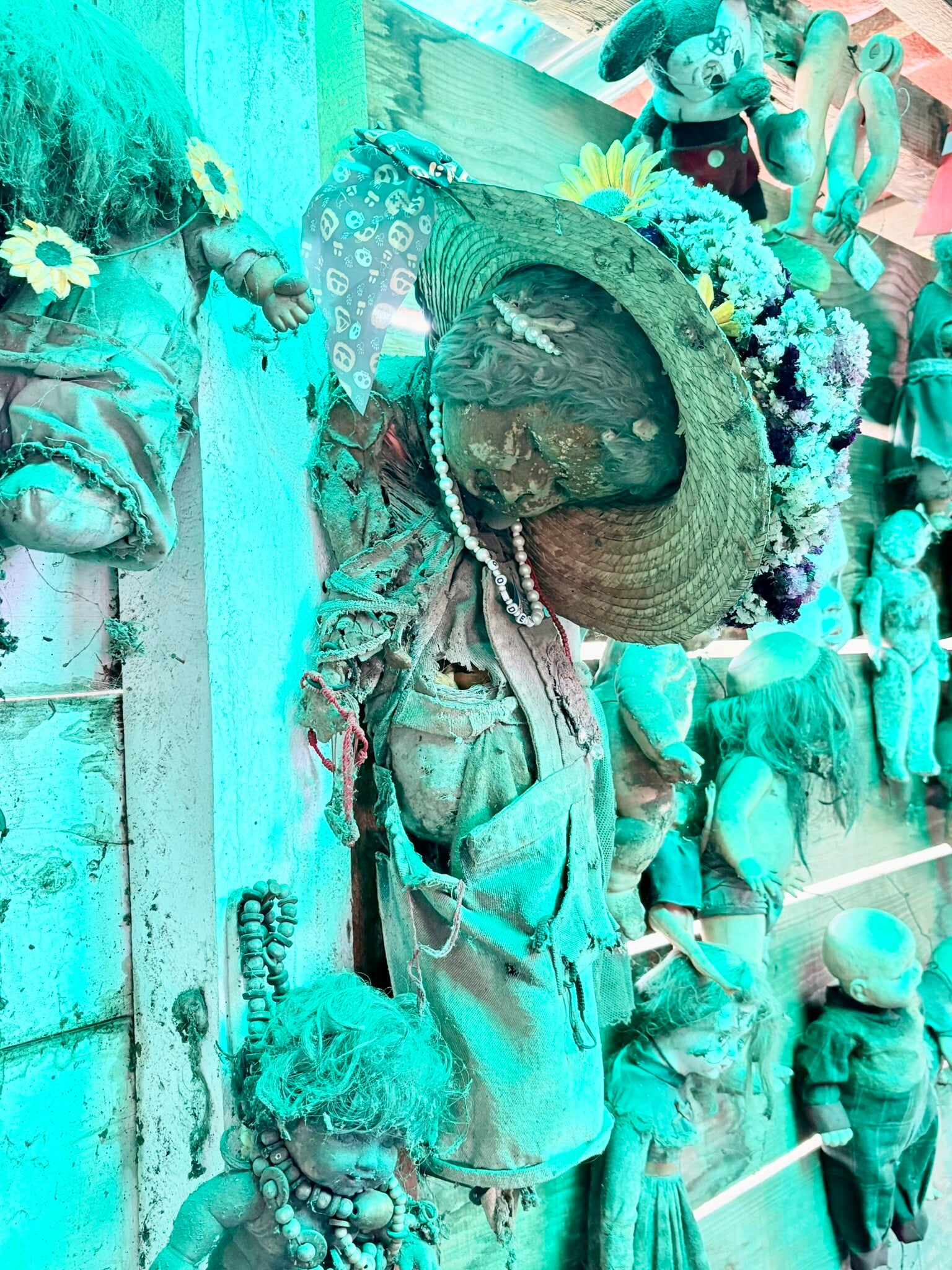
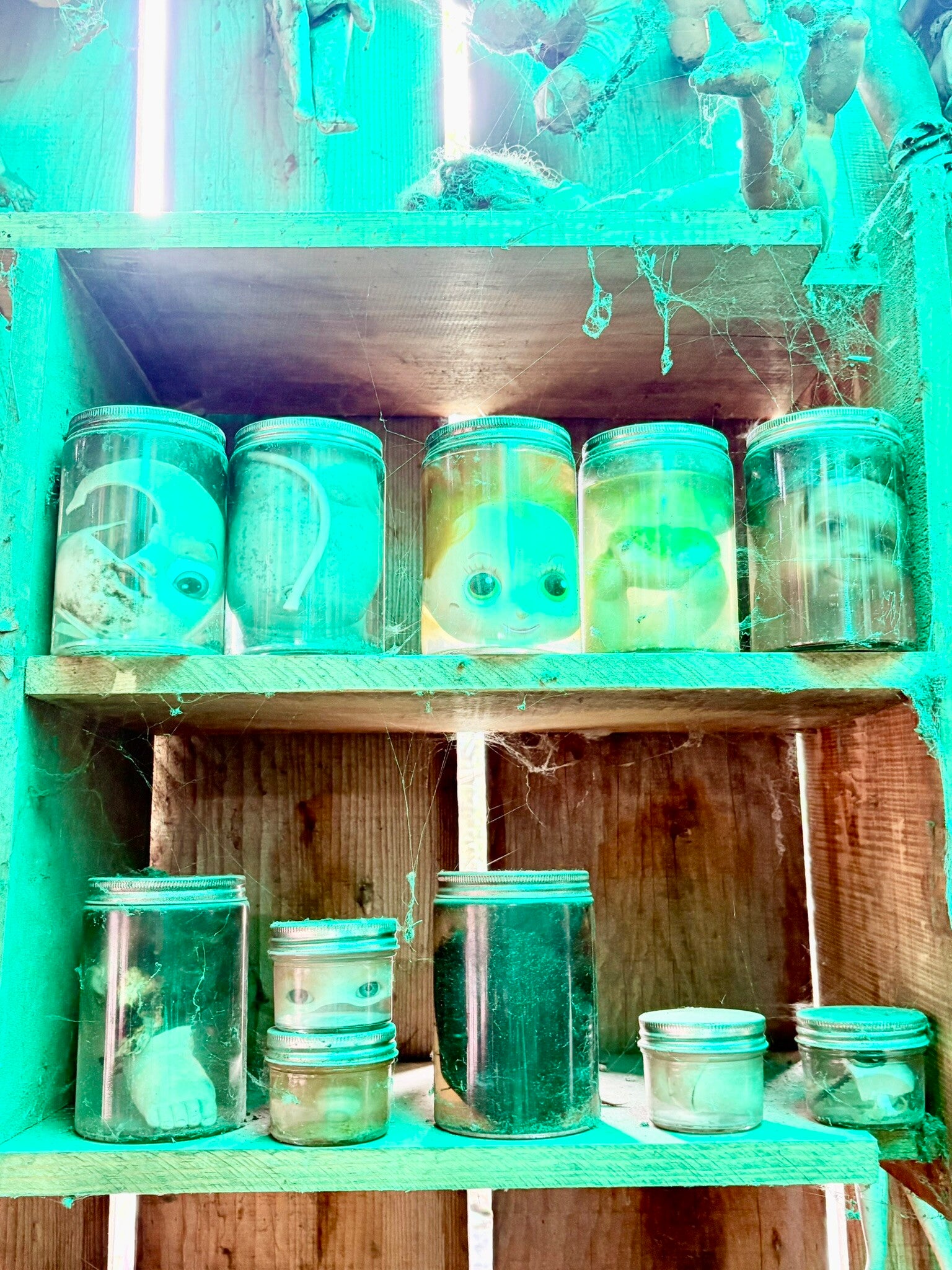
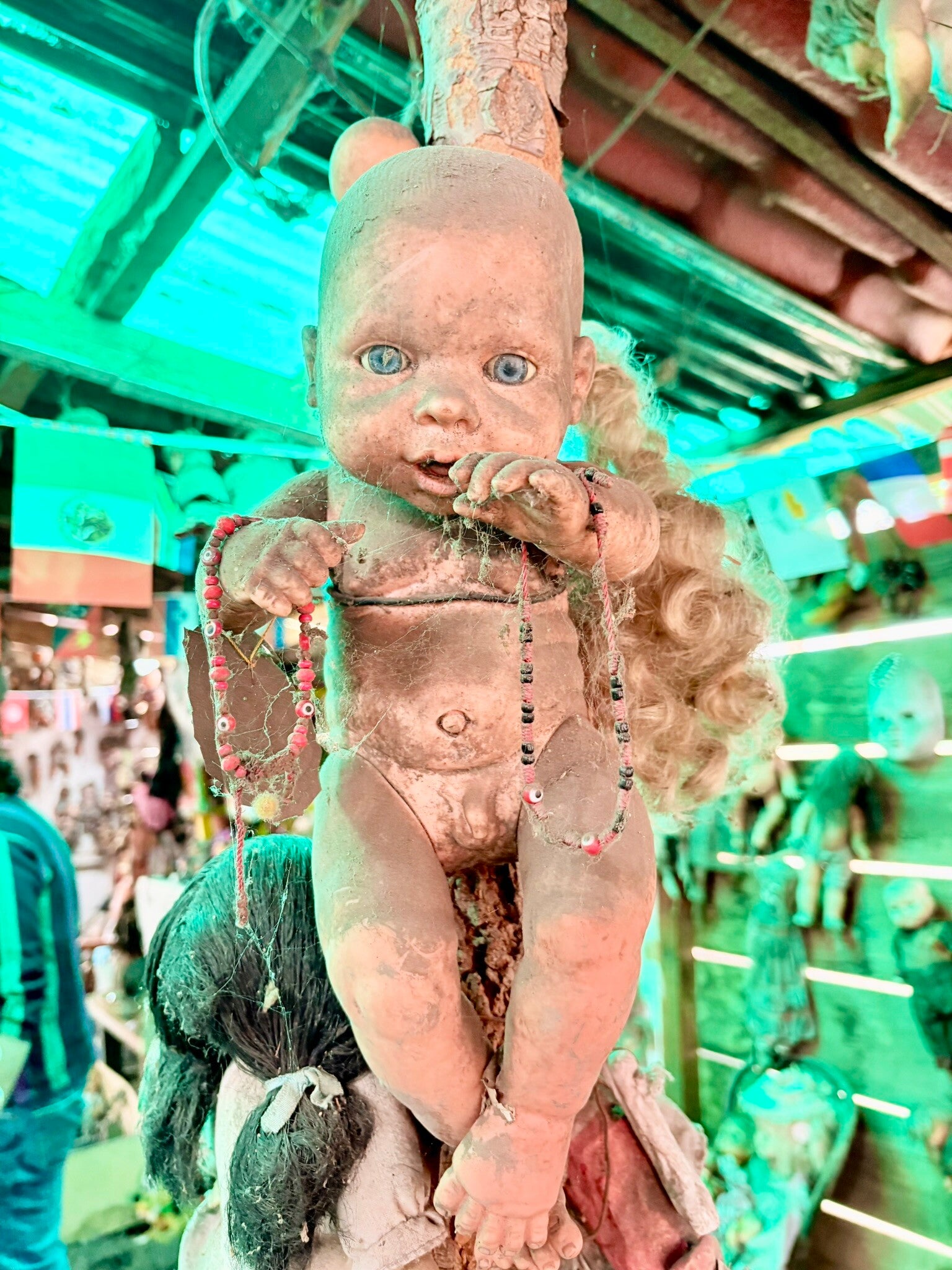
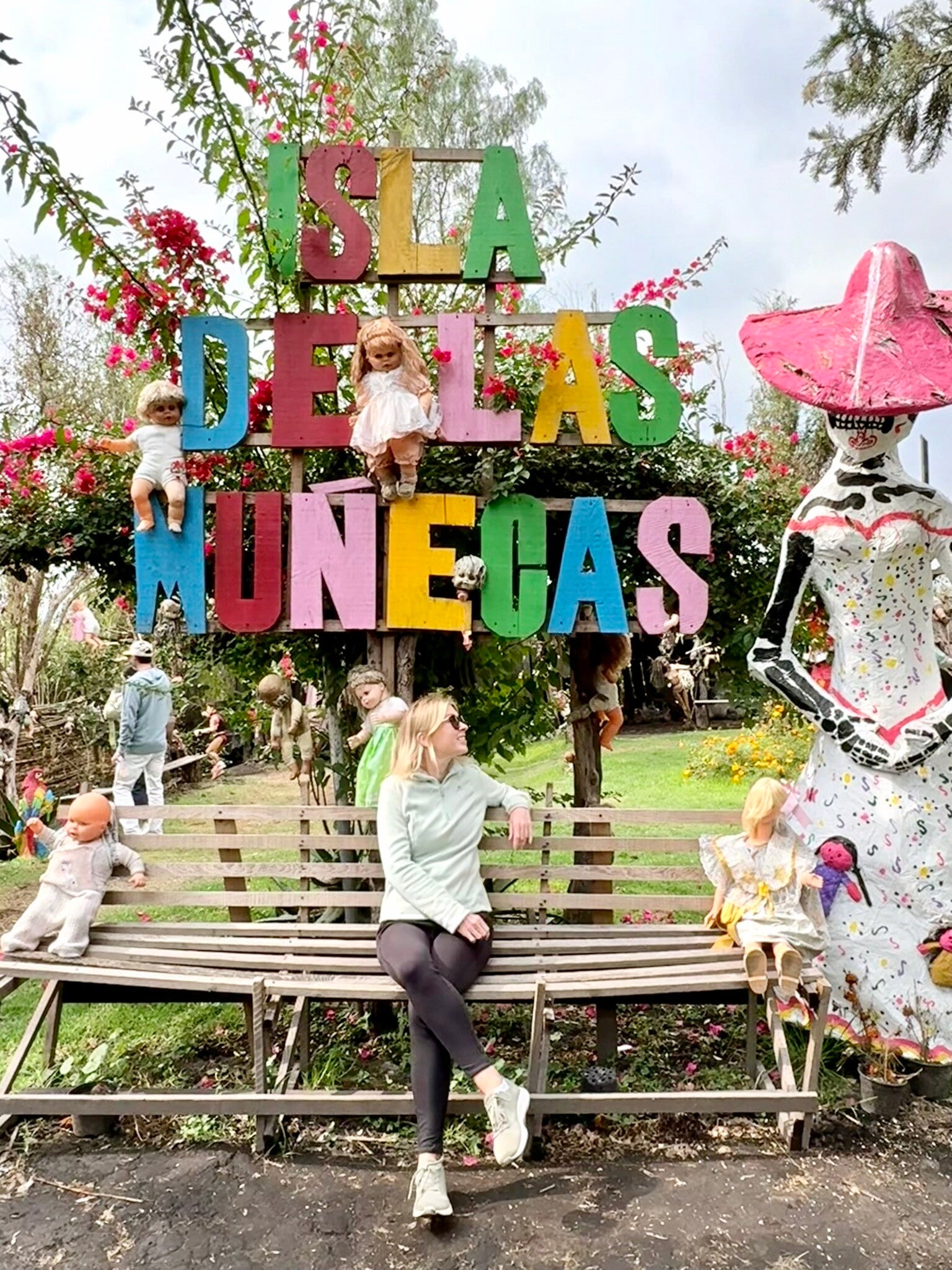
After some time cruising through the canals, you’ll be taken to the Island of the Dolls, a stop that definitely falls into the category of dark tourism. It’s not for everyone, so I’ll share the context and my experience - then you can decide whether it’s something for you.
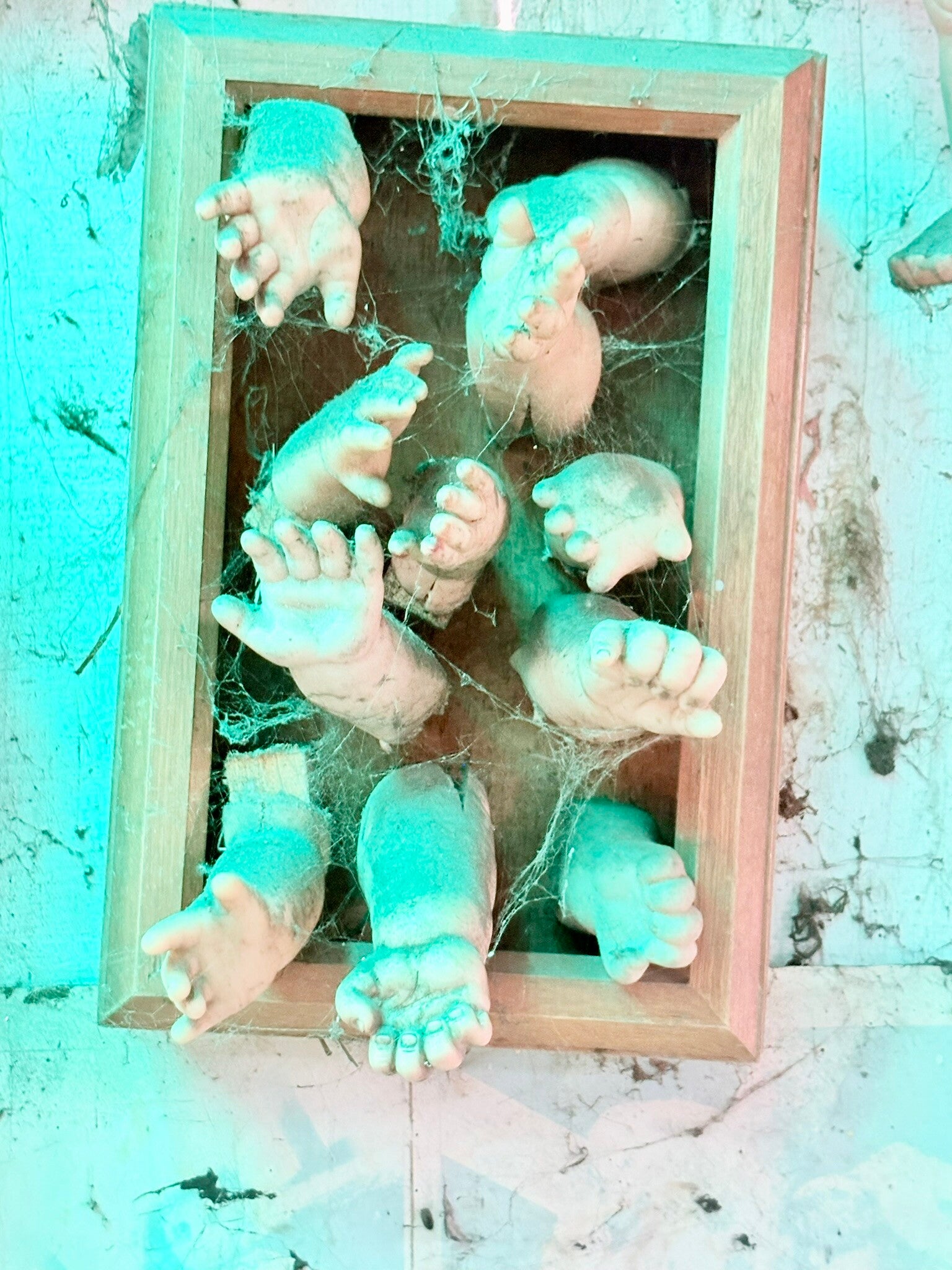
The Island of the Dolls has a tragic origin story dating back to the 1950s, when a farmer living on one of the islands found the body of a murdered young girl. The crime was never solved. Later, he found a doll on the island and threw it away, only for it to keep reappearing in different places. After speaking to a shaman, he came to believe it was the girl’s spirit wanting to play and he began collecting dolls for her.
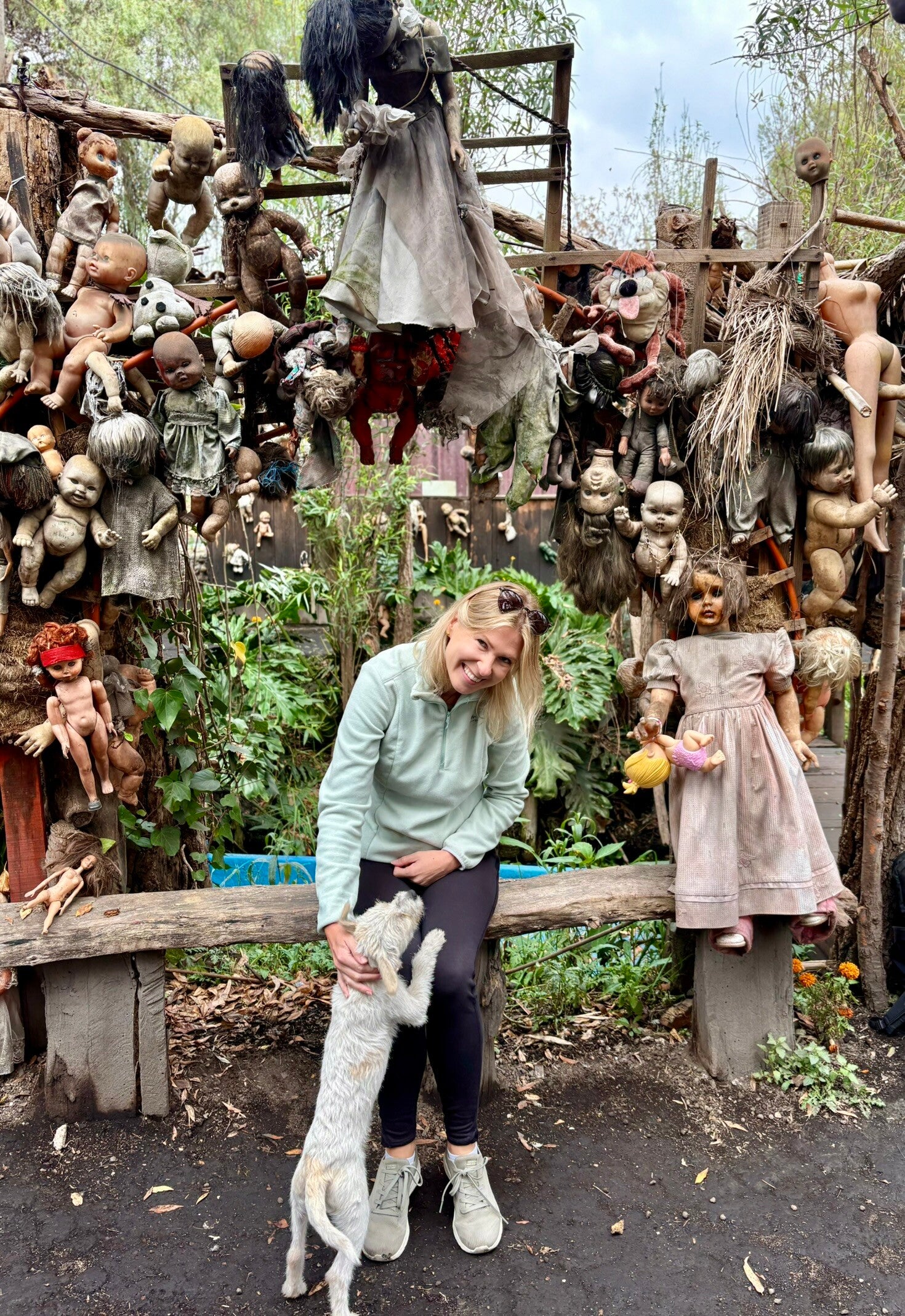
Over time (and especially after the farmer’s death), the dolls became increasingly unsettling - damaged, decapitated, pierced and displayed across the island. While now it’s a tourist attraction (even Lady Gaga filmed here), it still holds spiritual meaning for some locals. One belief is that you can bring a doll and “leave” your bad energy behind on the island with it, while touching the dolls that are already there can transfer negative energy to them.
Should you go? 🤔
- If you’re into unusual history and eerie places, it’s definitely memorable and unique.
- If horror vibes and decapitated Barbies aren’t your thing, choose a classic Xochimilco tour instead - many skip the island and focus on the canal experience (often with music, snacks and tequila/mezcal).

CDMX Day 6 - Teotihuacan pyramids up close (and by hot air balloon)
Today it’s time for another out-of-the-city adventure: Teotihuacan pyramids, located about one hour from Mexico City.
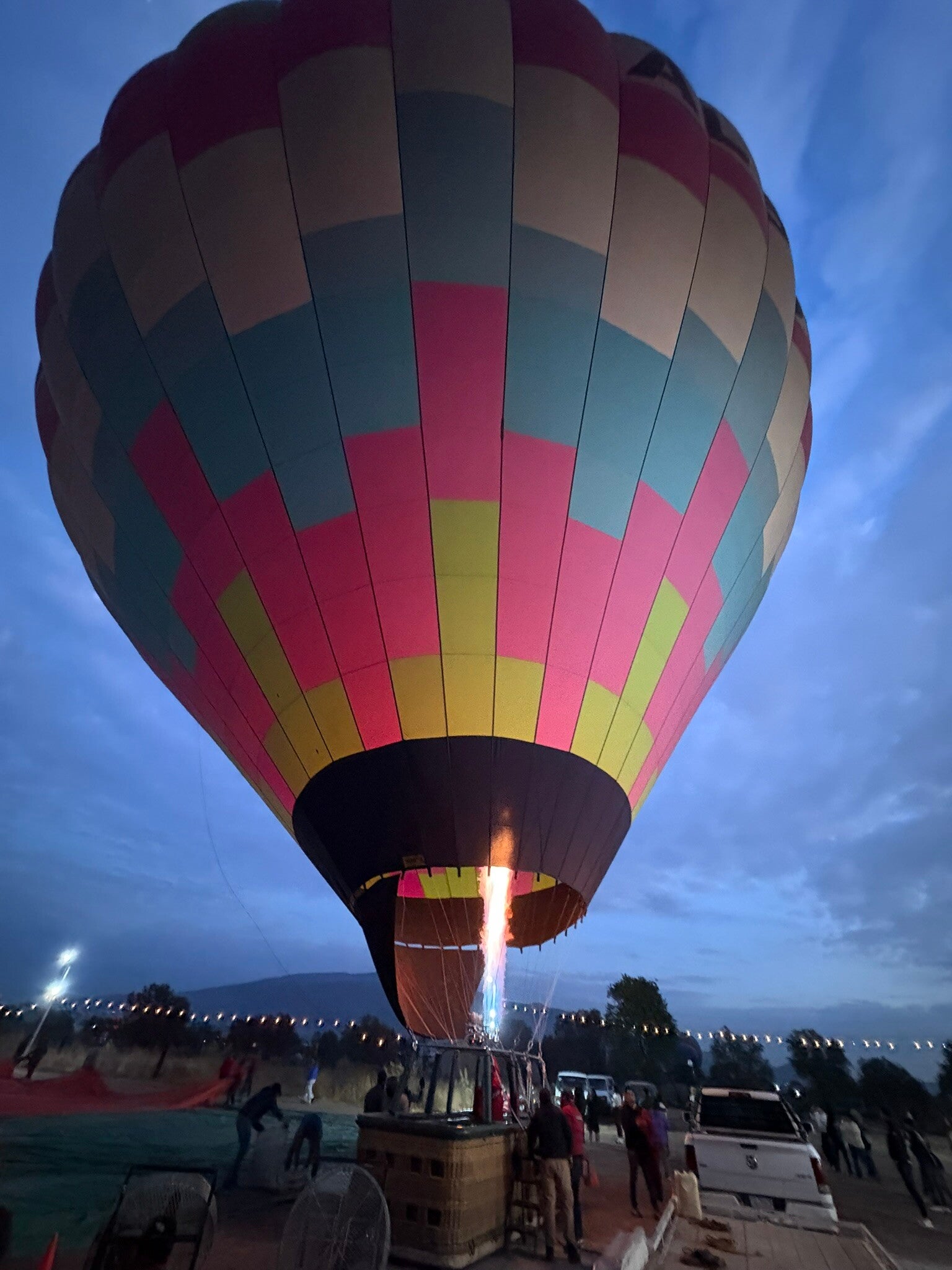
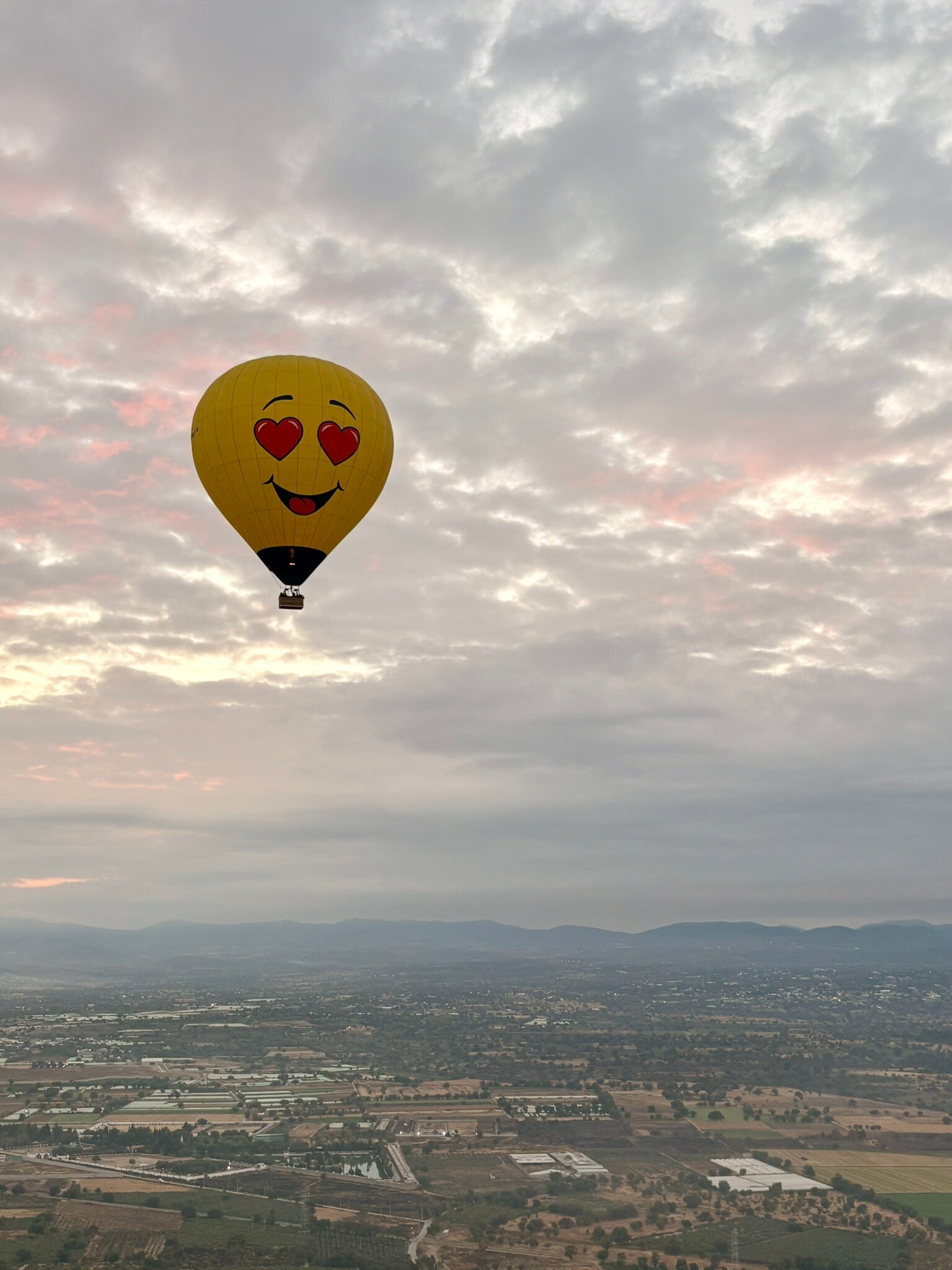
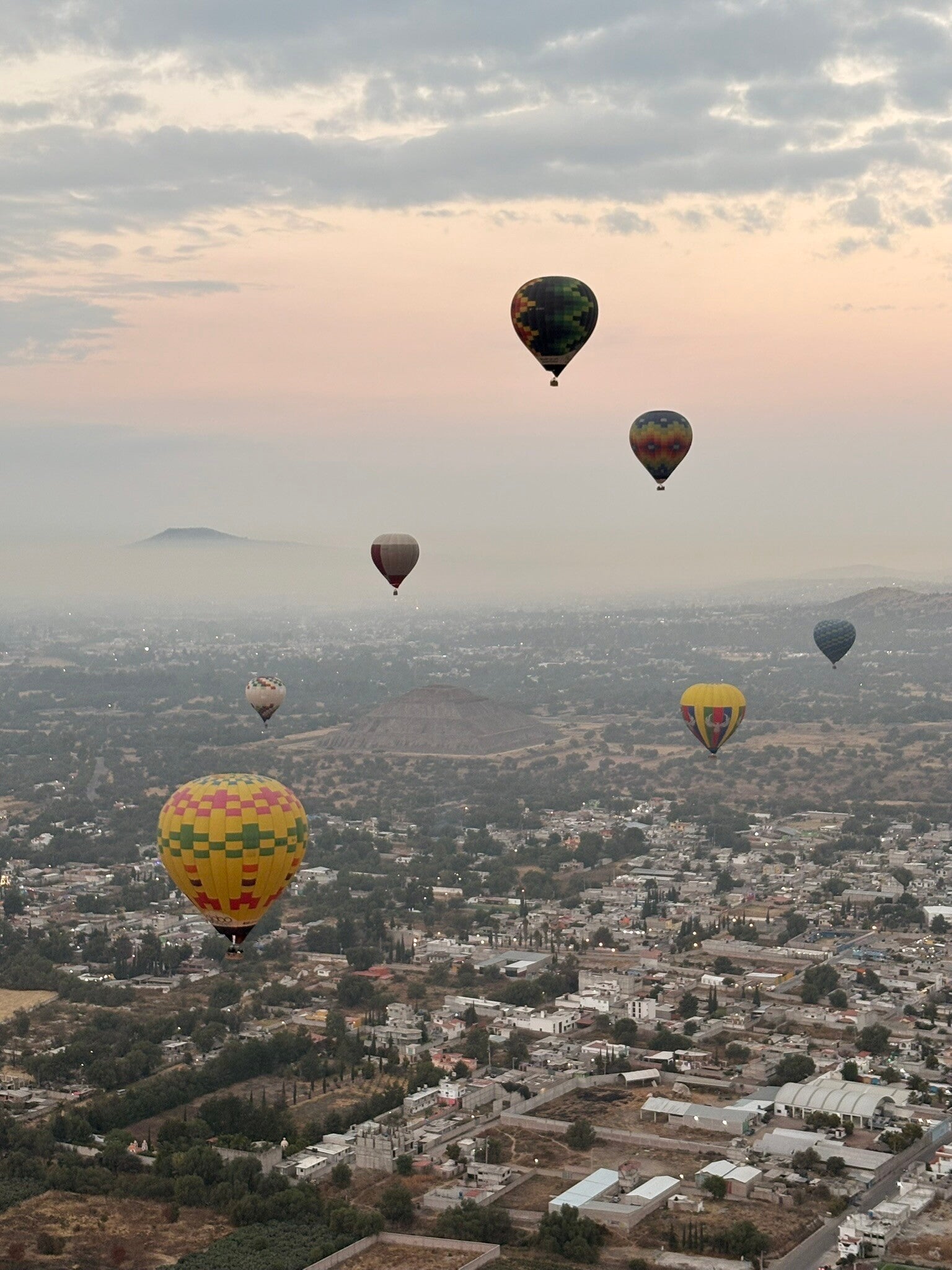
I decided to experience it from two perspectives - on the ground and from the air - by taking a hot air balloon flight over the pyramids. It’s not a cheap activity, so here’s an honest breakdown to help you decide whether it’s worth it.
Hot air balloon over Teotihuacan: what to expect
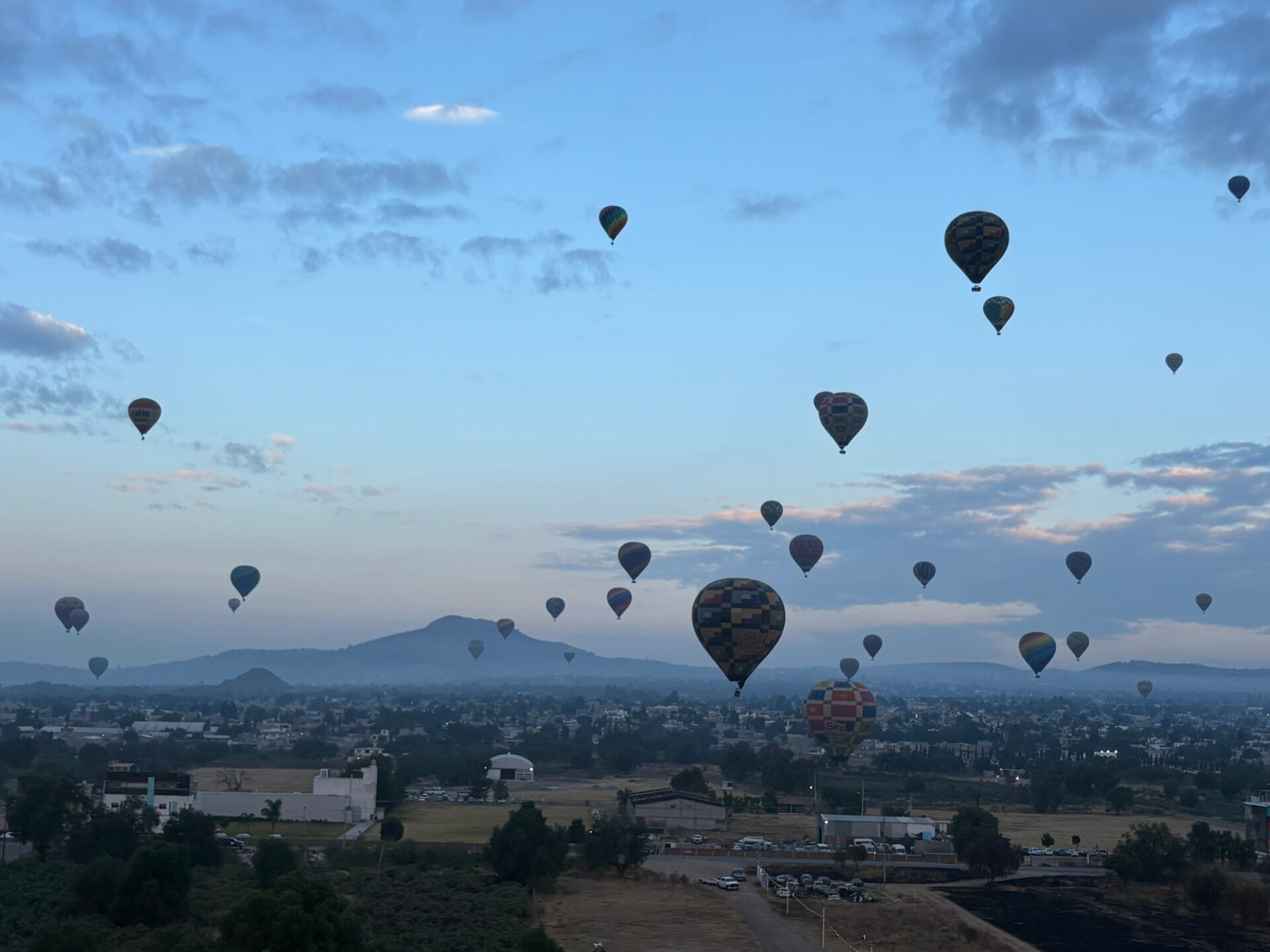
Balloon flights happen very early in the morning, when conditions are safest and most predictable. That means an early start, with pickup typically around 4:00–4:30 am.
A typical flow looks like this:
- Arrive at the balloon base near Teotihuacan (coffee/tea + light snacks usually provided)
- Take off around sunrise
- Flight time: usually 30–45 minutes, depending on conditions, pilot decisions and landing logistics
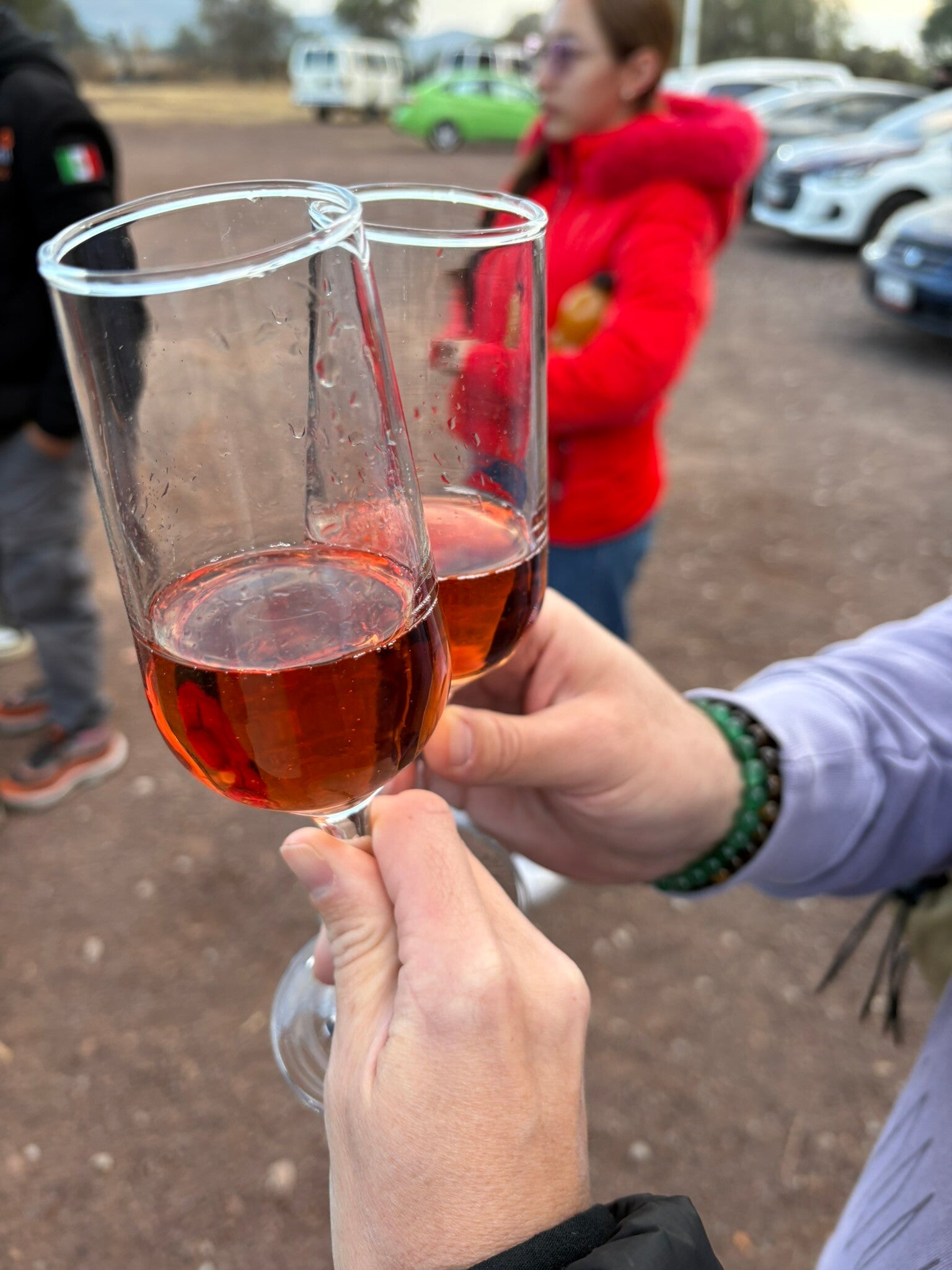
- After landing: a glass of sparkling wine + transfer to the breakfast place (if included in your booking)
My honest experience (pros + cons)
Your experience can vary a lot - even within the same company. A friend and I booked with the same provider: he had a great time, while my flight had a few drawbacks.
What I didn’t love:
- Our basket was packed with around 20 people, so:
- it was hard to get photos without people in the background
- it was difficult to secure a good viewing spot at the edge of the basket
- Our balloon was one of the last to take off and one of the first to land, so we were only in the air for about 30 minutes
- Despite being marketed as “flying over the pyramids,” the balloons don’t get very close. We had only a few minutes where the pyramids were clearly visible (more in the distance than directly underneath).
What was still great:
- Even with the limitations, it was undeniably beautiful - especially at sunrise, with dozens of balloons in the sky. I’m glad I did it, but I wanted to share the reality so you can set your expectations.
After the flight, breakfast is served in a natural cave and you get local coffee, ice tea and a choice of chilaquiles or omelets. The food is average by Mexico standards but it does the job.
After the breakfast you will be taken for tequila, mezcal and local Mexican liquors tasting experience which will inevitably lead to you being taken to an overpriced souvenir shop. Don't fall for it, and buy souvenirs directly at the pyramids or in the Mexico city!

Visiting the pyramids (on foot)
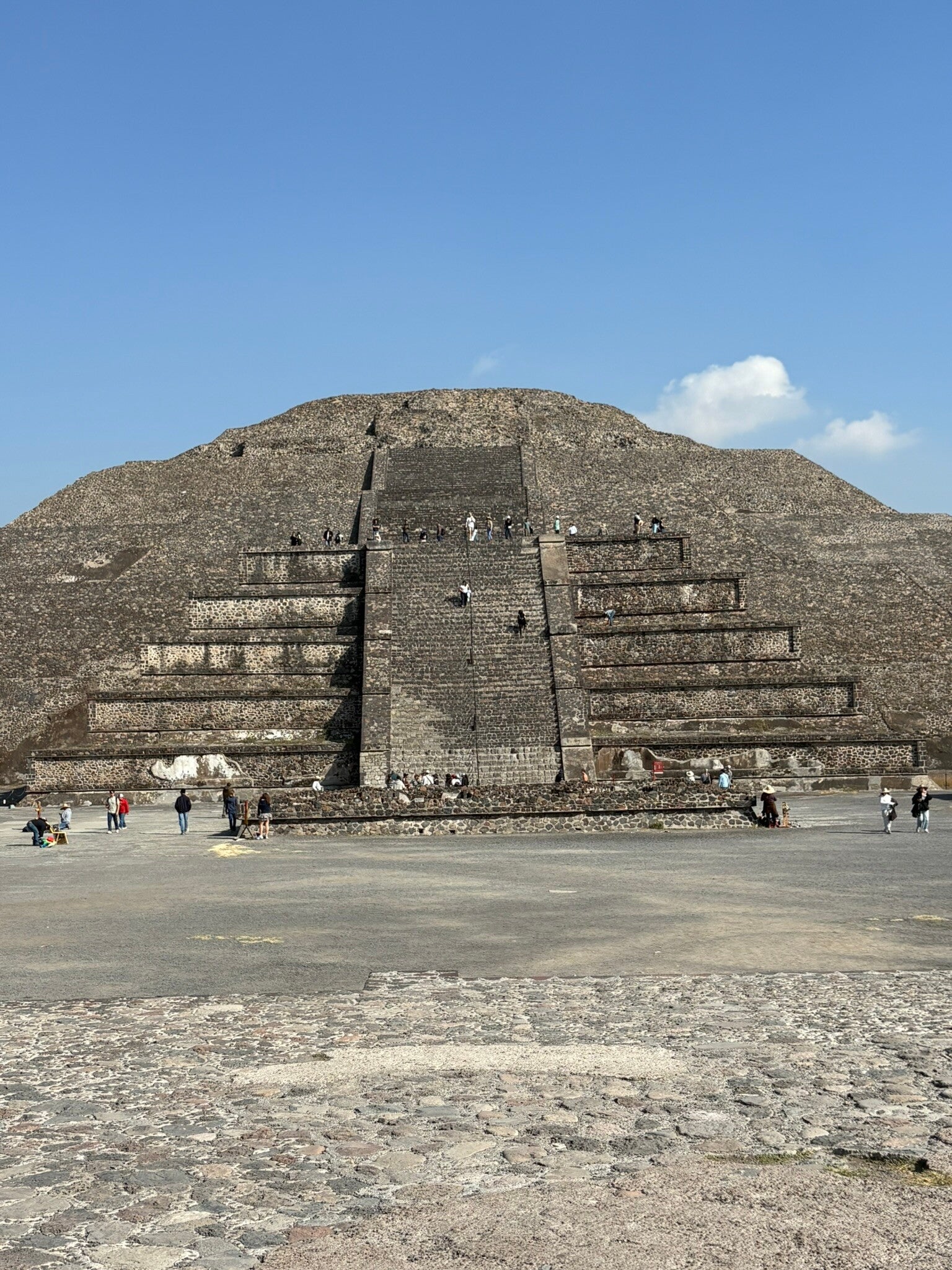
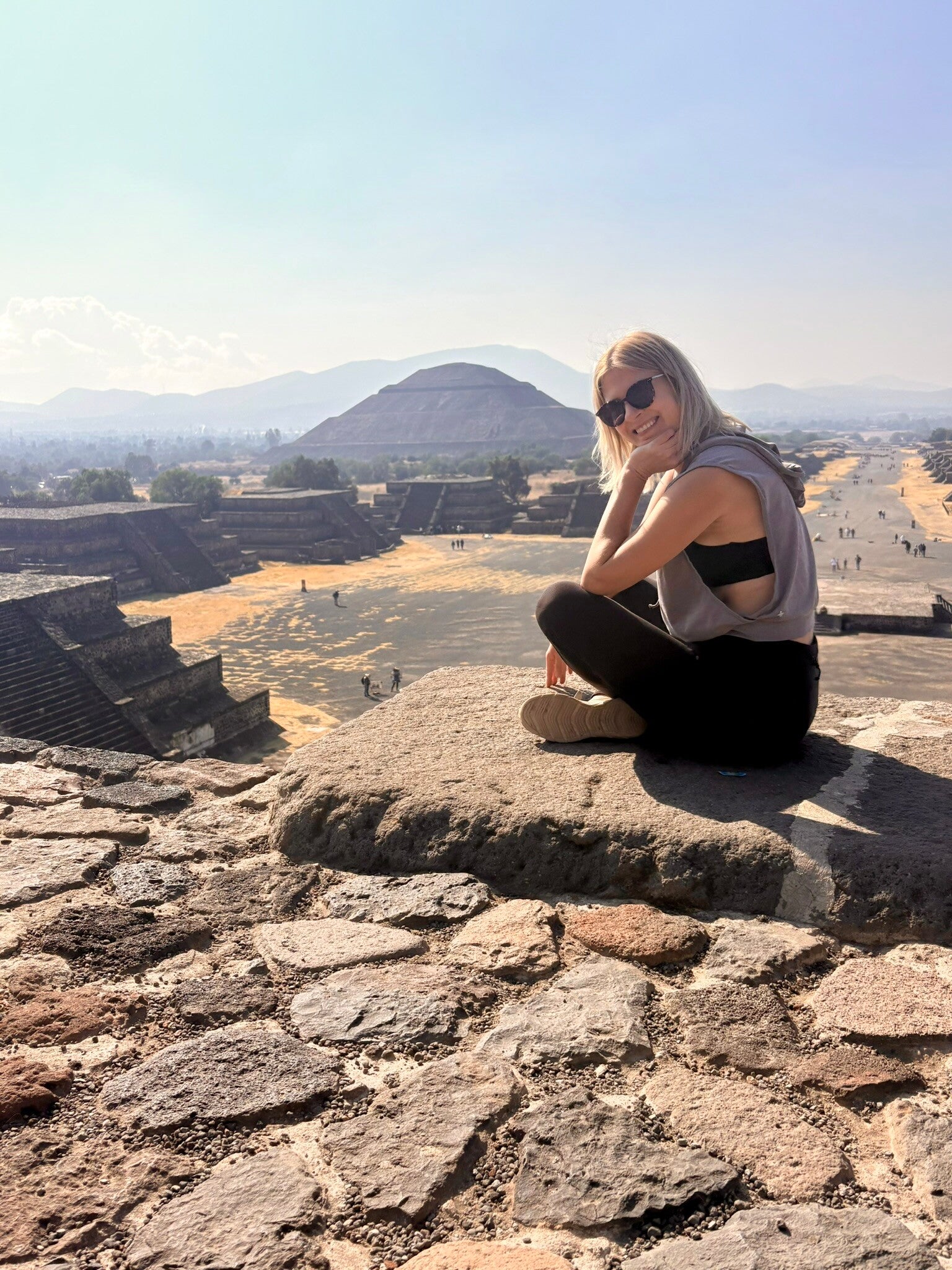
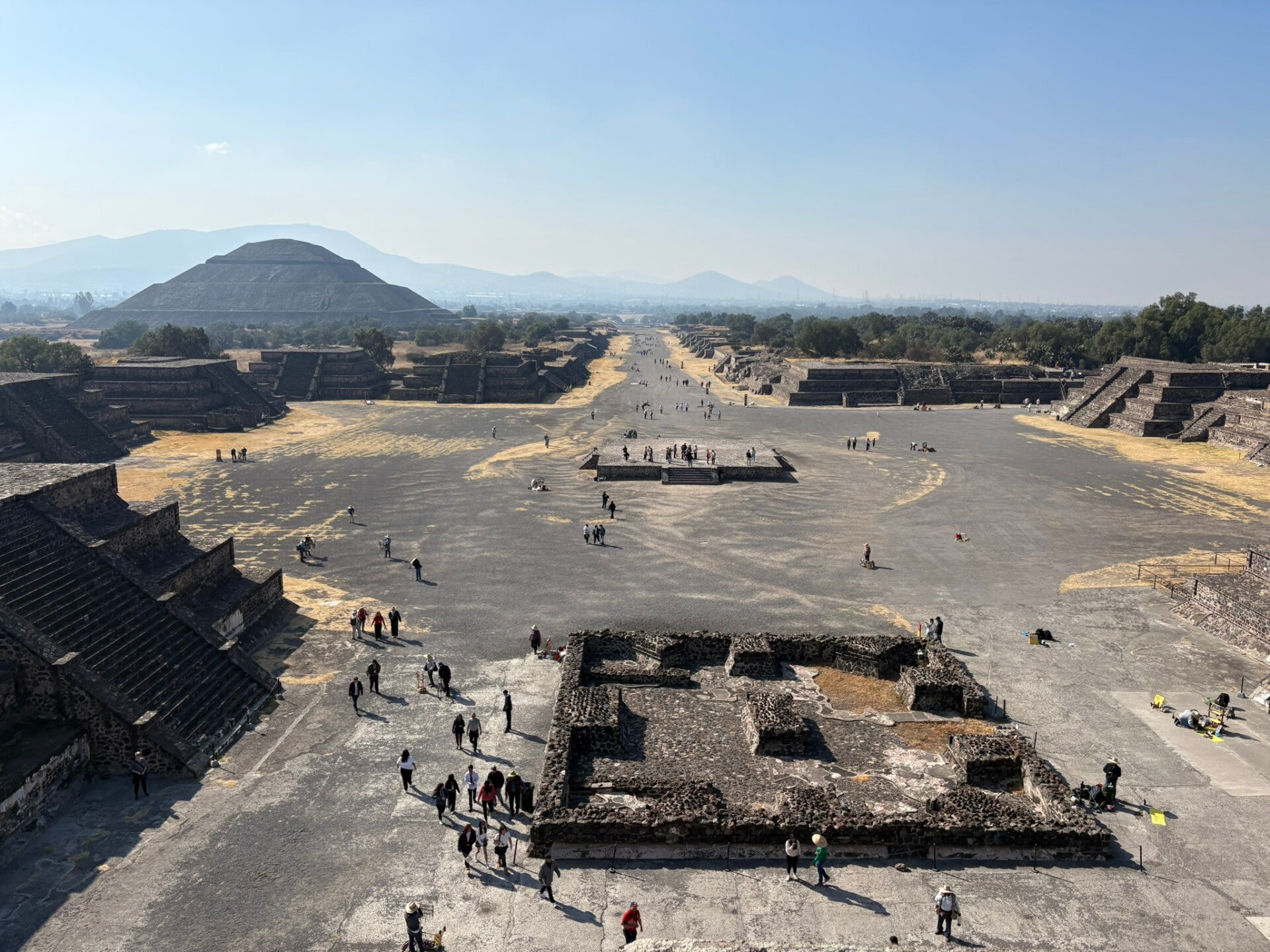
After that, you will be taken to the pyramids themselves. Entrance is not included, however, it is only about 100 MXN (USD 6). You need about an hour to visit the Teotihuacan complex, which used to be one of the largest ancient cities in the Americas. The main structures in the archaeological area are the Pyramid of the Sun and the Pyramid of the Moon. The Pyramid of the Moon is the most impressive, as you can climb to the top, giving you a gorgeous view of the ancient city.
Final take: is the balloon worth it?
If you love unique experiences and sunrise views, the balloon ride can be a memorable add-on - just be aware that basket size, flight length and proximity to the pyramids can vary. Either way, Teotihuacan itself is absolutely worth visiting for its grandeur alone - whether you see it from above or only up close.
Day 7- Puebla: colonial streets and flavorful cuisine
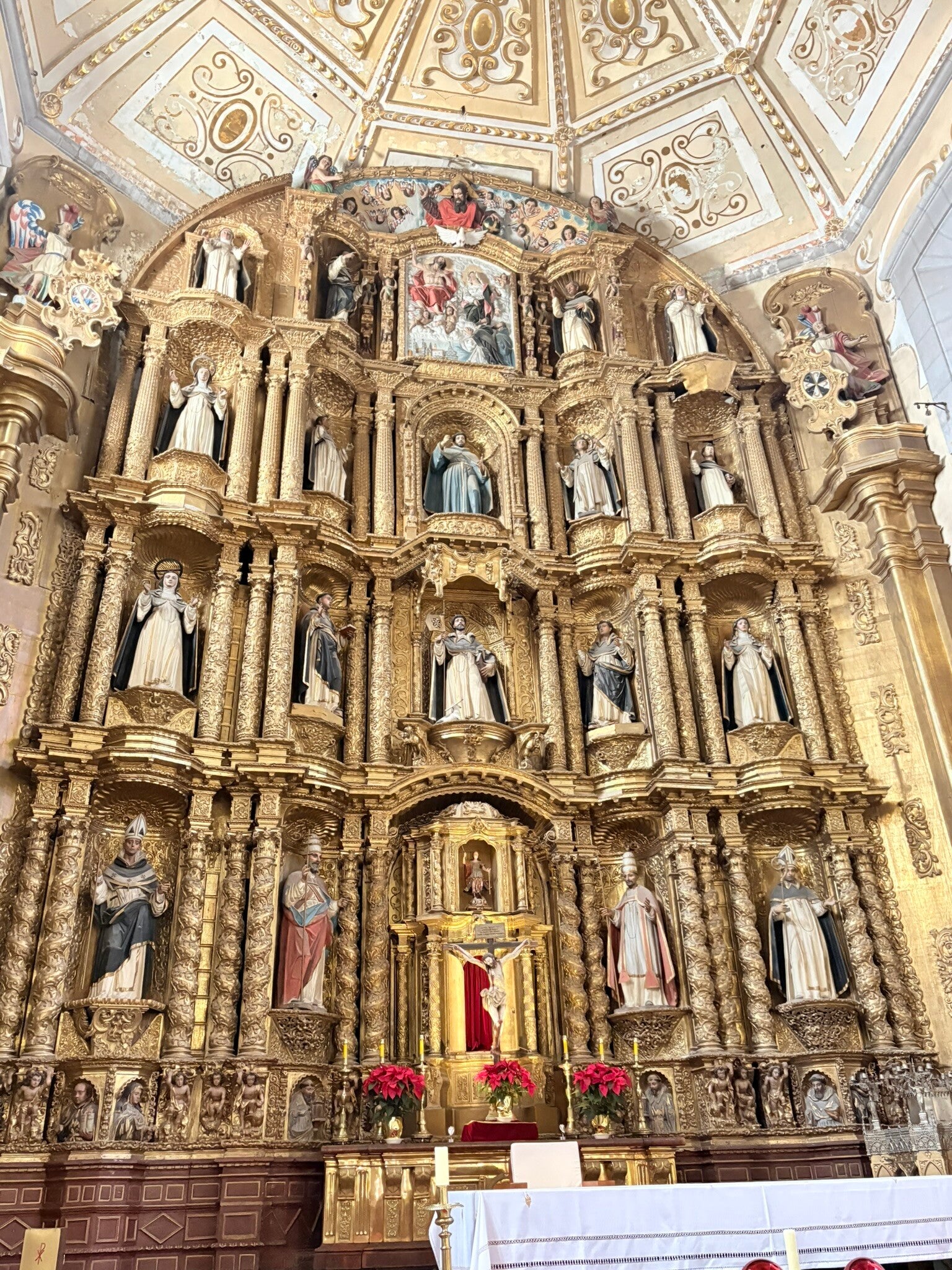
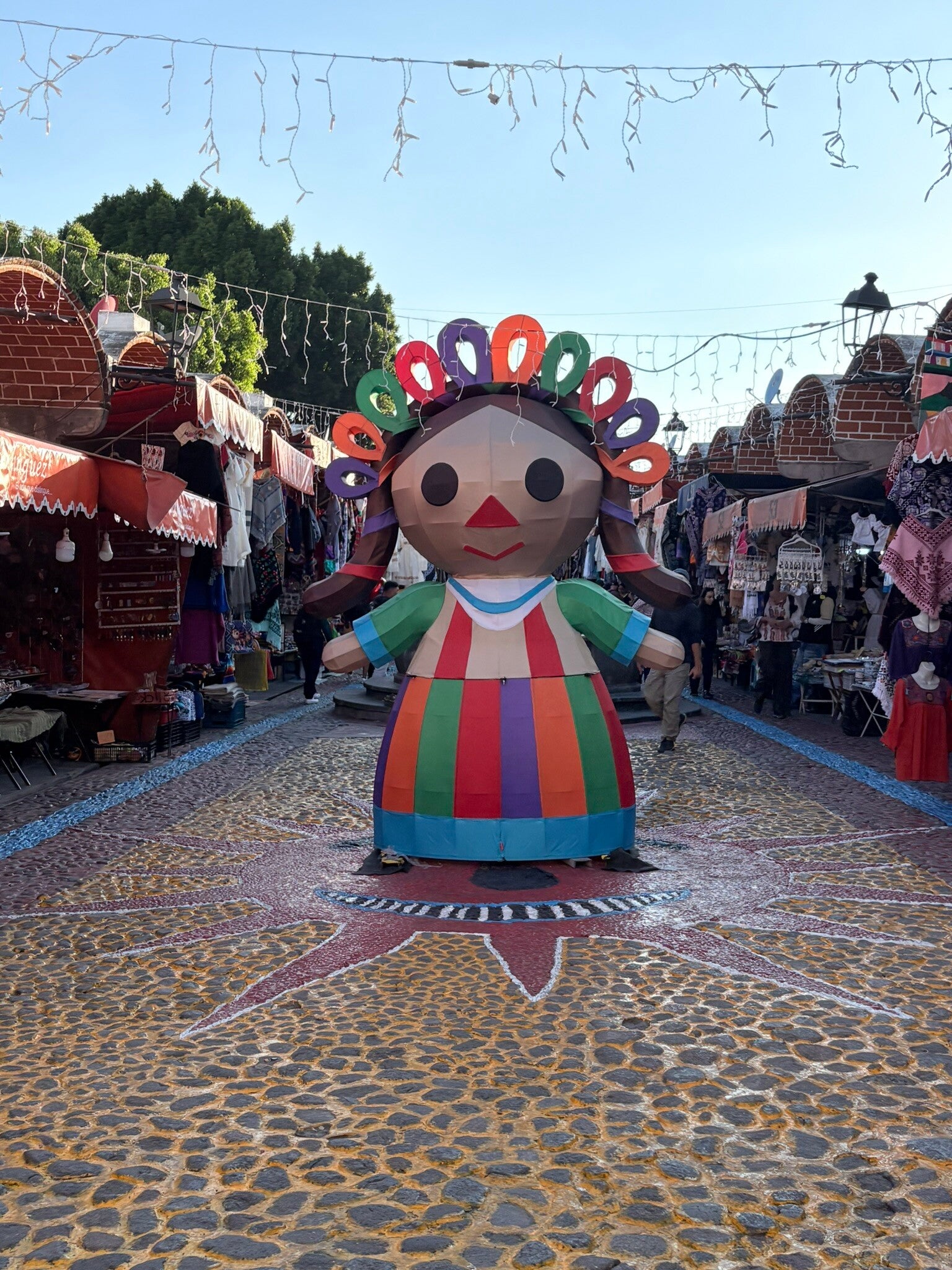
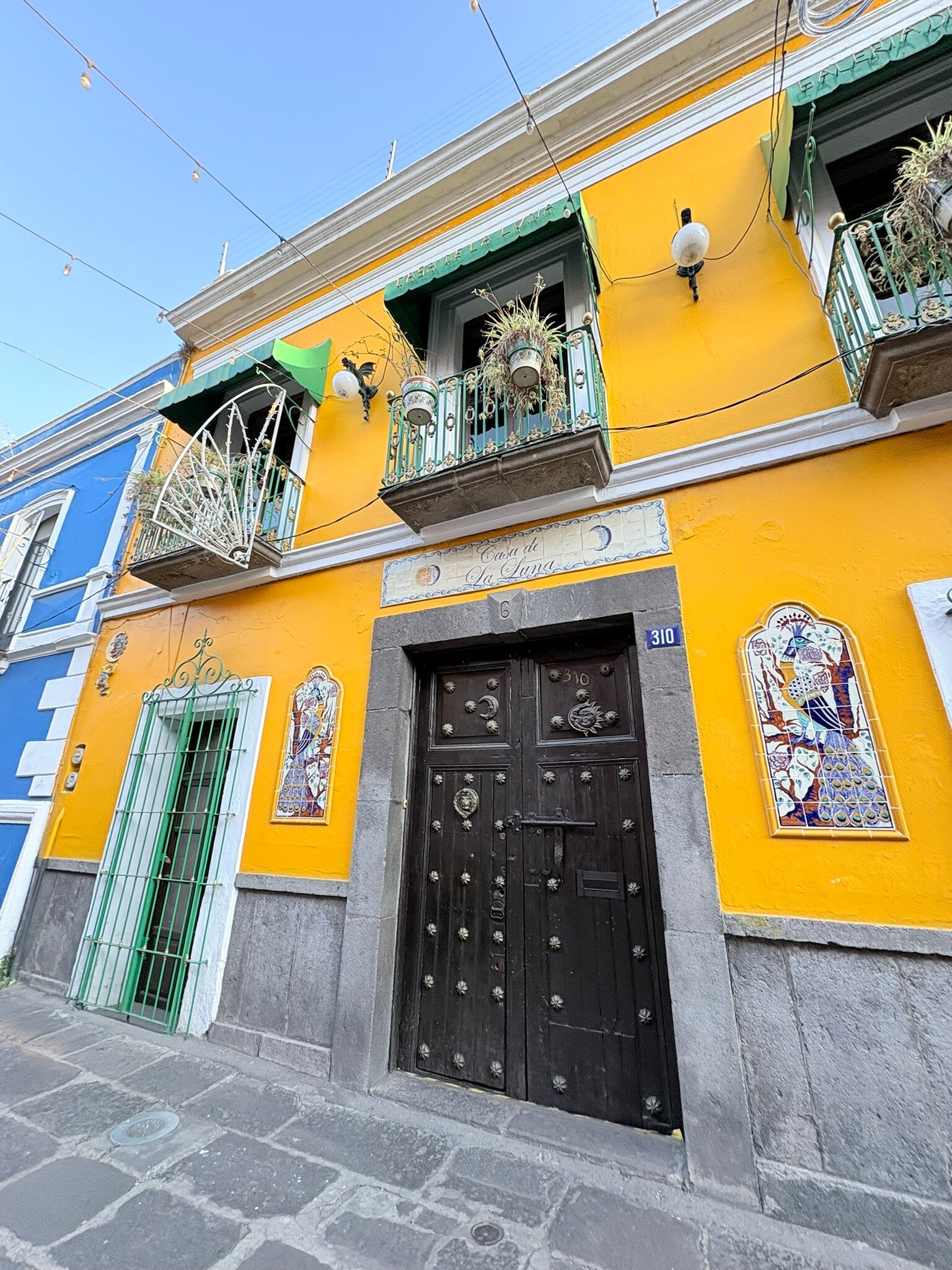
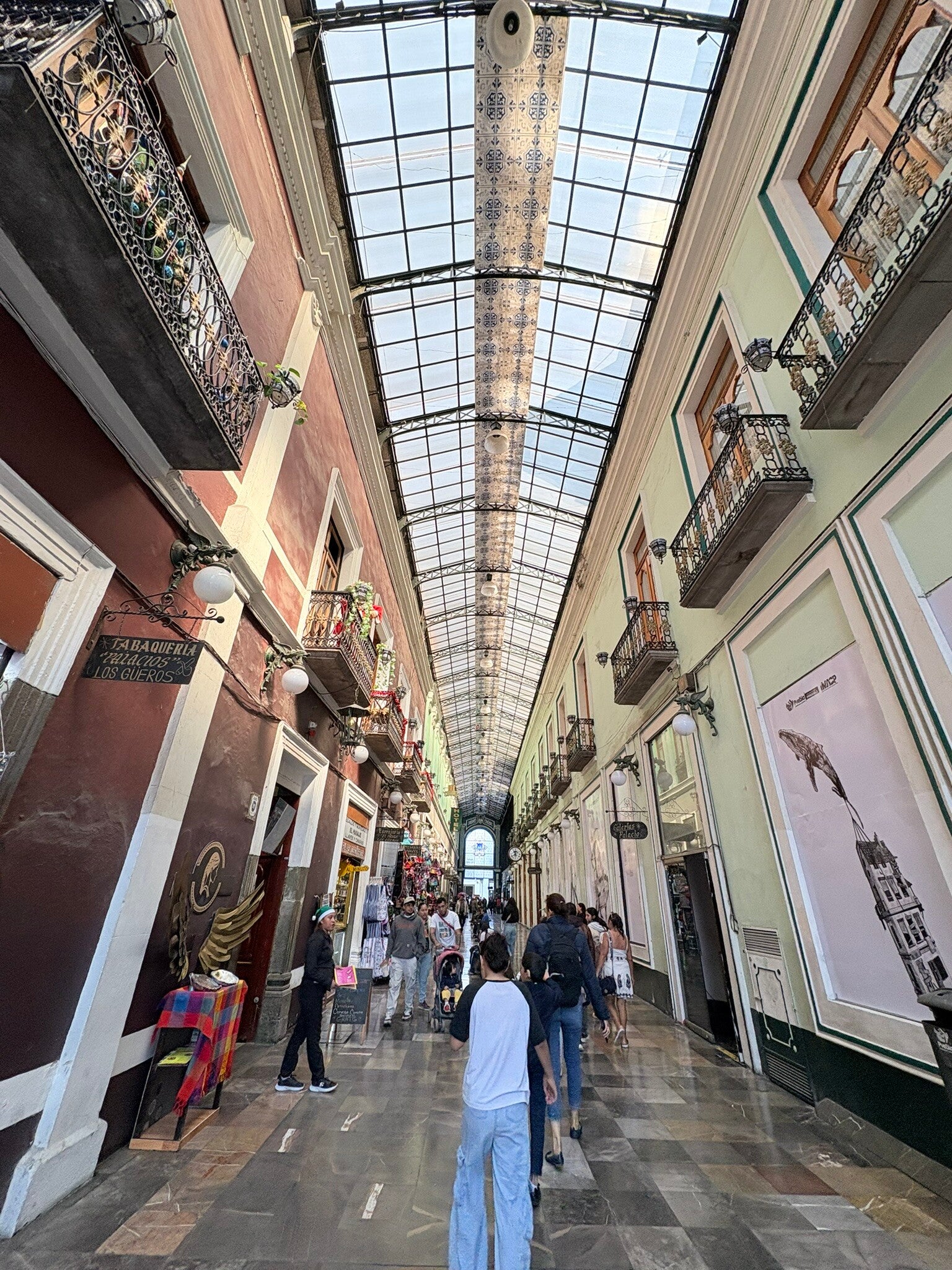
If you need some rest from Mexico City’s craziness but aren’t ready to head to the beaches yet, Puebla - about 2 hours away by bus - is a great option. It’s much smaller than CDMX (“only” around 2 million people in the city) and far more manageable, with a strong colonial feel, ornate churches and colourful streets.
You can visit Puebla as a day trip from Mexico City or, if you have more time (or are continuing to Oaxaca), you can stay a couple of nights and also visit the nearby town of Cholula.
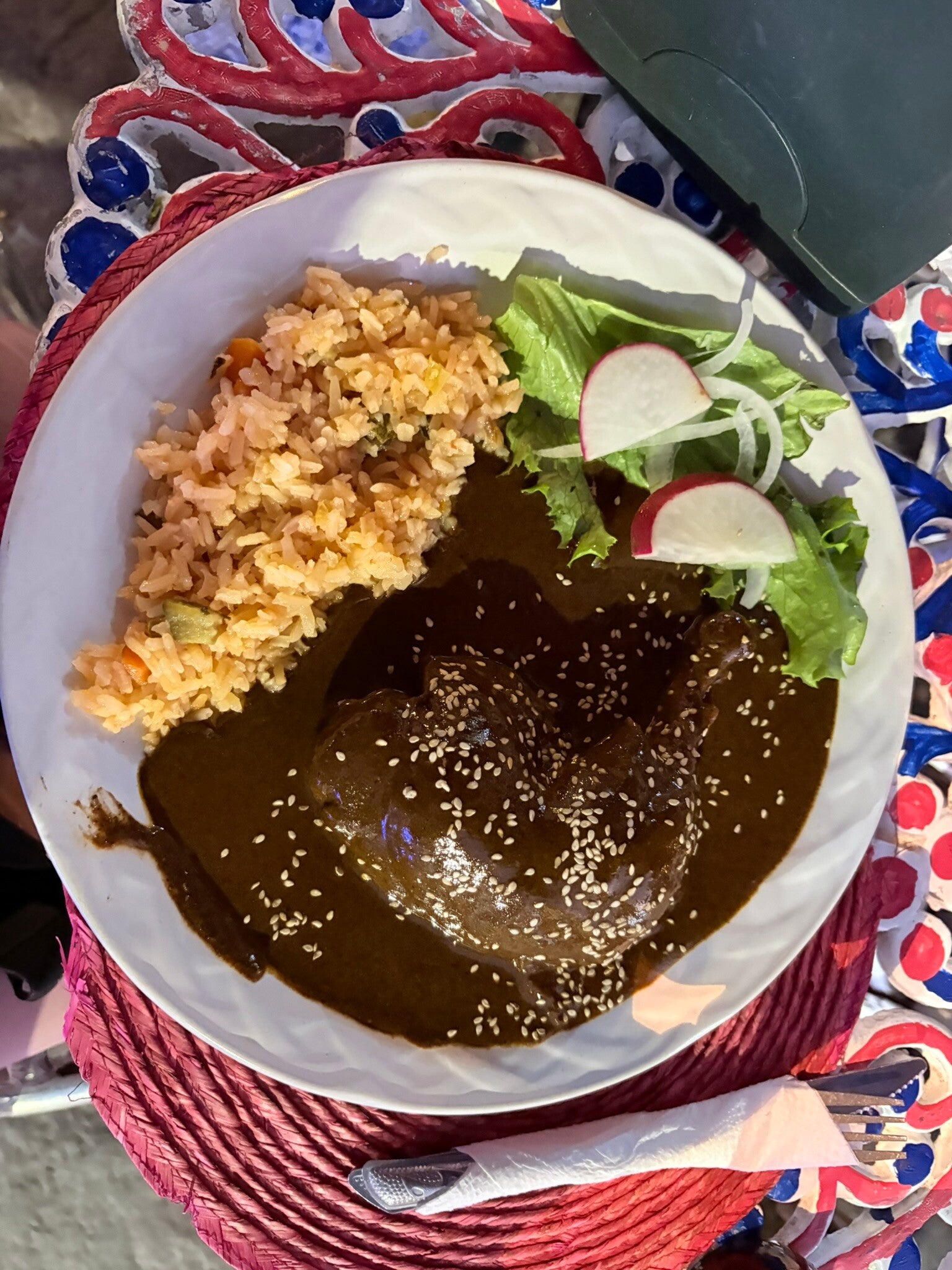
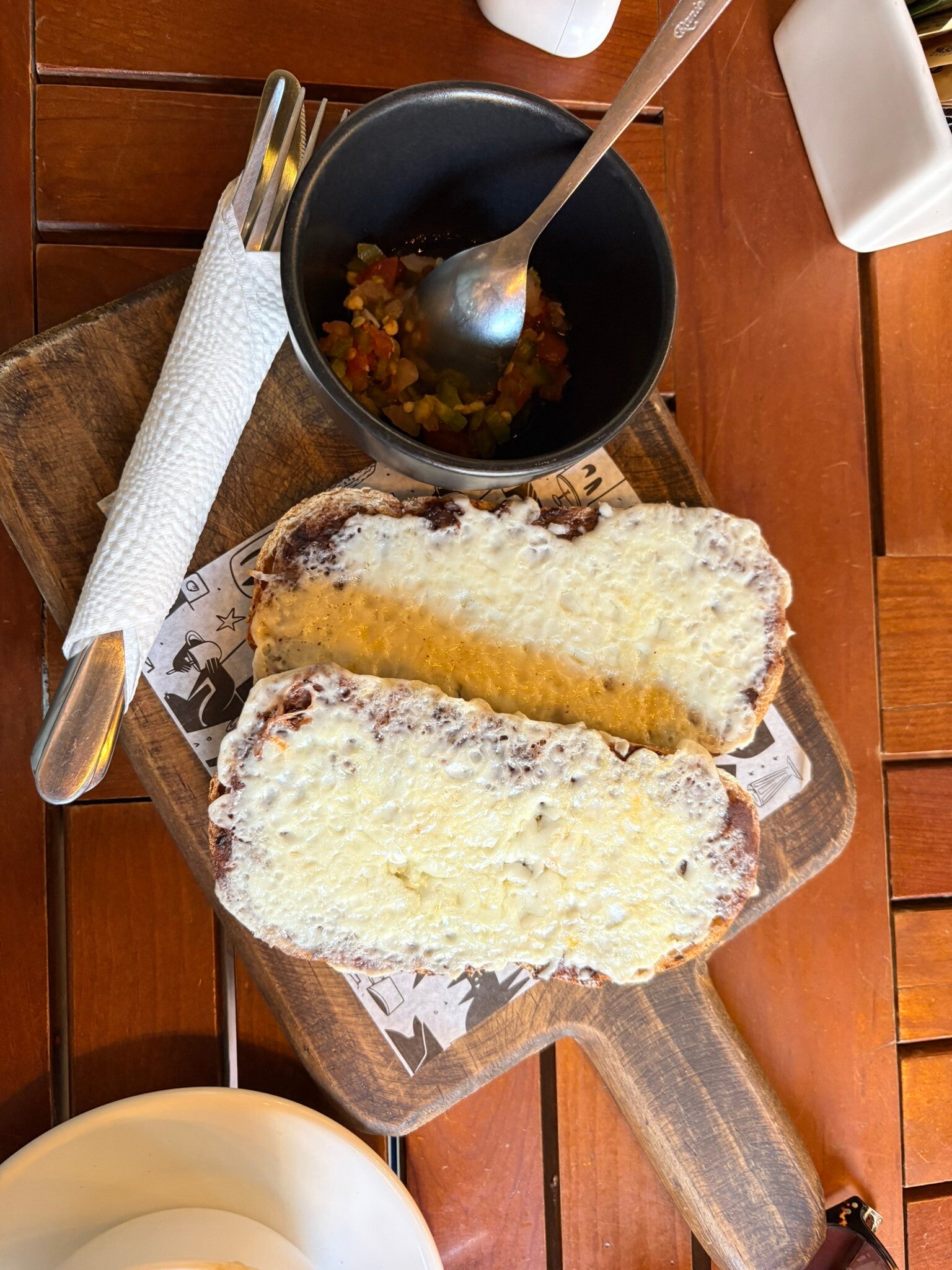
I can highly recommend this Puebla walking tour, as the guide provided interesting context about Puebla’s past, explained symbolism used in churches, highlighted cultural heritage (such as colourful Talavera tiles) and introduced famous Puebla dishes and drinks - plus where to try them.
Food is a key part of Puebla’s heritage, as the city is famous for:
- Mole poblana (a rich sauce made with chillies, spices, nuts and chocolate, among other ingredients)
- Chiles en nogada (stuffed peppers filled with meat and other ingredients)
If time permits, you can also visit:
- Biblioteca Palafoxiana - a historic library that looks like something straight out of Harry Potter
- Calle de Dulces - a great place to buy local sweets for yourself or as gifts
Another must-try in Puebla is pulque, a traditional fermented drink made from agave plants. You can enjoy it in classic pulquerias such as El Nahual Pulqueria or Calavera Coyote: Pulqueria.
Day 8 - Magical town of Cholula
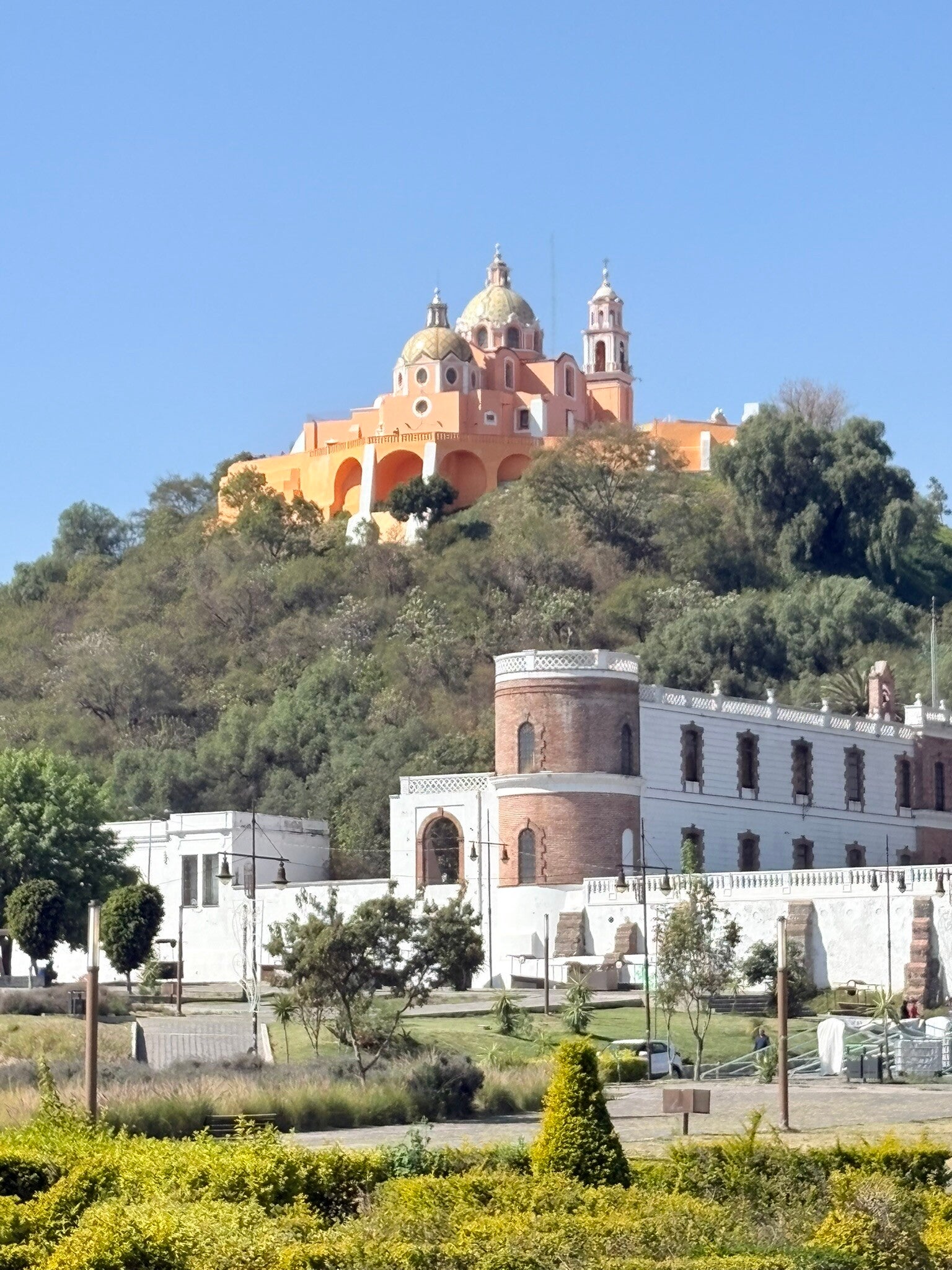
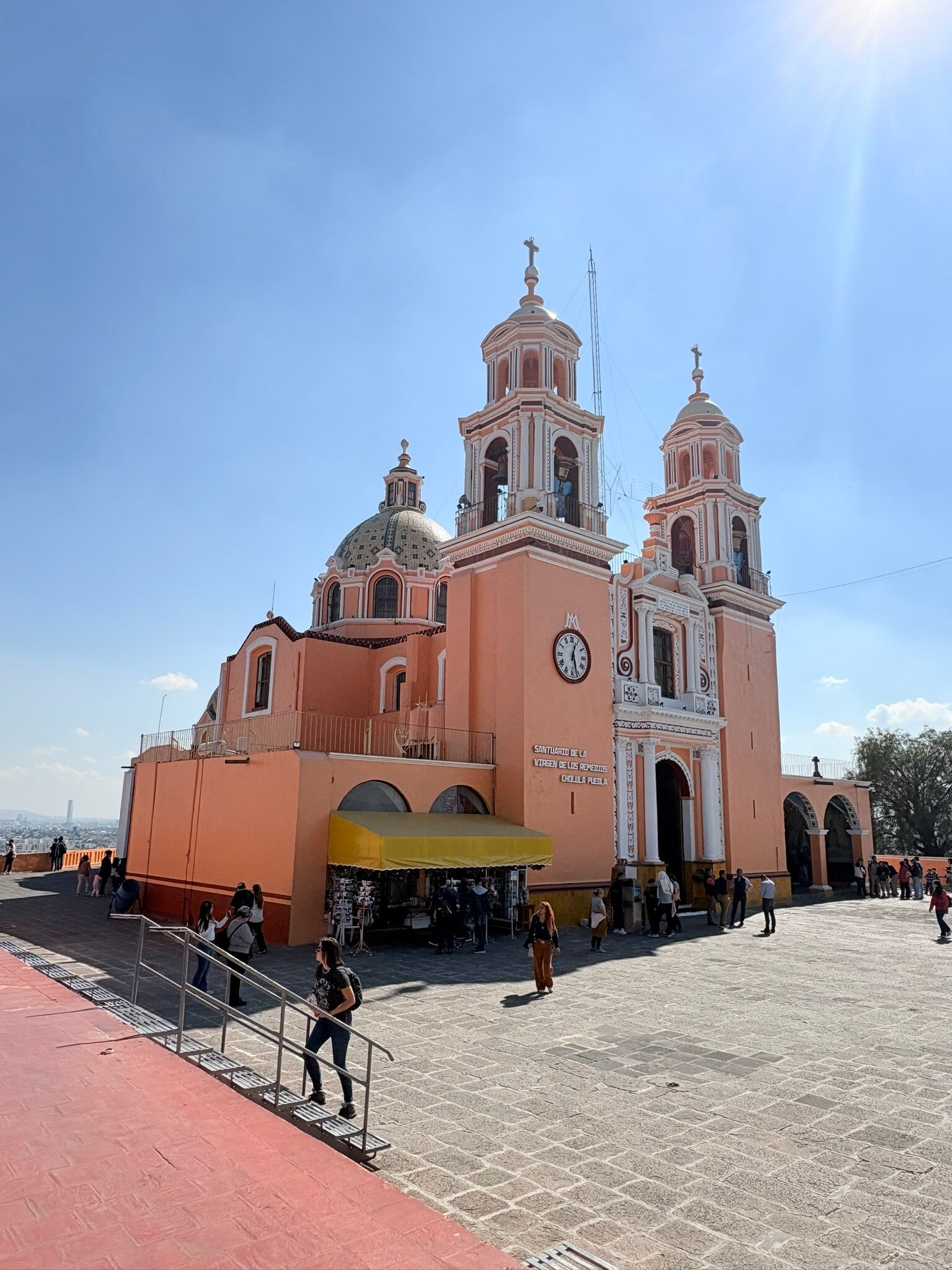
Another day trip option from Puebla (or Mexico City) is Cholula, one of Mexico’s Pueblos Magicos (“Magical Towns”). This is a designation by the Mexican government for towns with special cultural, historic or symbolic value.
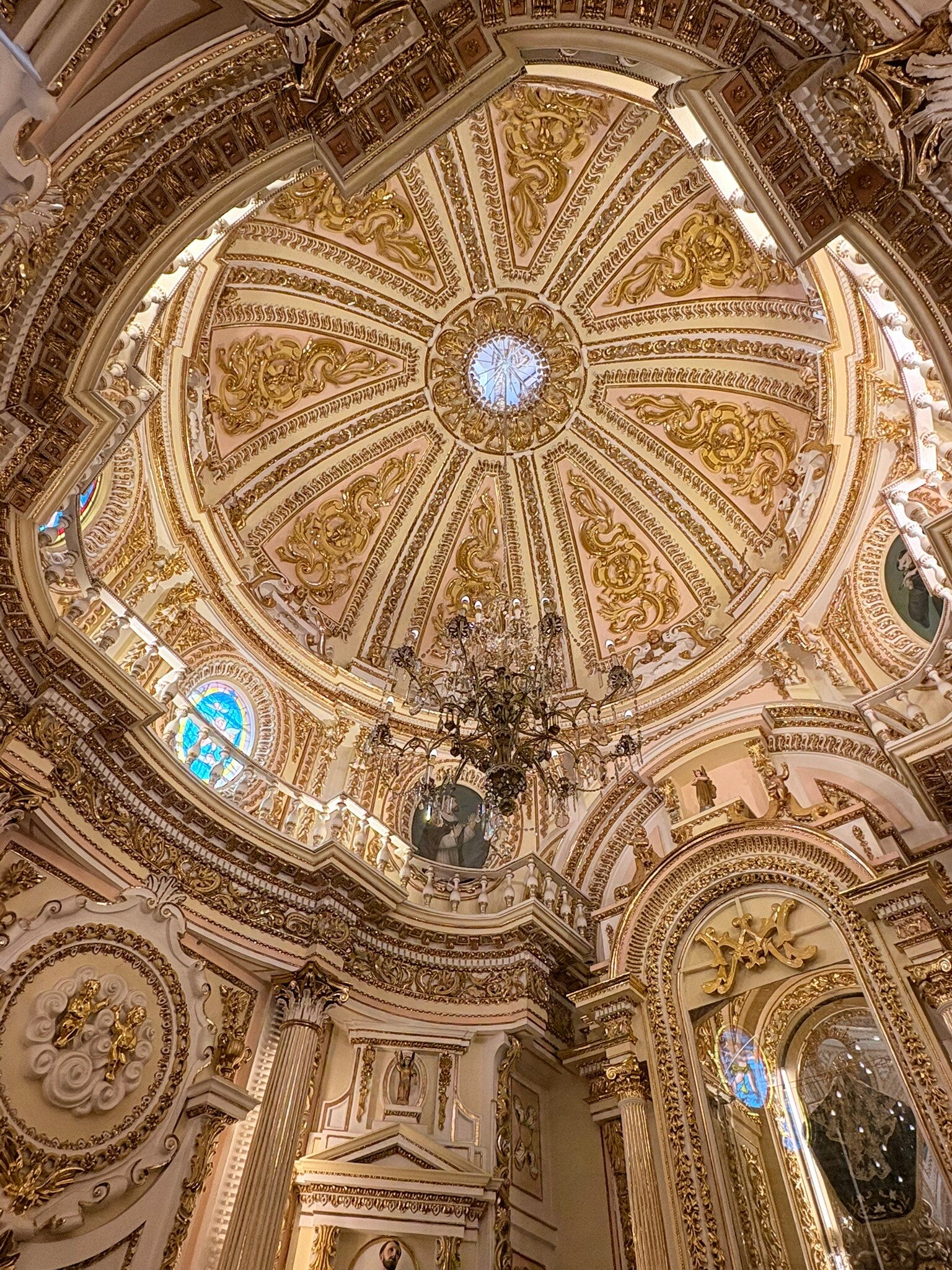
Cholula earned this title because it’s home to the Great Pyramid of Cholula - the largest pyramid in the world by volume - dedicated to the god of wind. In colonial times, a Catholic church was built on top of the hill and today it provides a scenic viewpoint over the town. Cholula is also known for its many neighbourhood churches and religious celebrations, which take place almost every day.
While Cholula’s history is fascinating, a quick word of warning: if you arrive expecting a breathtaking pyramid like Chichen Itza, you may be disappointed. Although the pyramid is the largest by volume, the ruins aren’t visually impressive and you need a strong imagination (or a really good guide) to imagine this religious centre as it once was.
That said, Cholula is a charming town and well worth a half-day trip from Puebla - it takes only about 40 minutes by public transport.
Day 9 - Getting to Oaxaca
On a good day, Oaxaca is about 4–5 hours by bus from Puebla (or a flight away from Mexico City). However, when I visited in late 2025, many roads were under construction and it took us around 7 hours instead. If possible, I’d recommend not booking activities on your arrival day, as travel time can be unpredictable.
Day 10 - Oaxaca: world class food, mezcal and culture
Oaxaca is one of Mexico’s most famous destinations, known for its indigenous heritage, world-class cuisine and ancient pre-Hispanic ruins.
If you’ve been travelling in Mexico for a while, chances are you’ve already heard people rave about Oaxaca’s food culture. One of the main things to do here is, well, eat. If you don’t have much time in the city, a great way to sample a wide range of local flavours is to join a food tour: portions are usually small and you’re almost guaranteed to try many iconic dishes in a short time.
Some of the most emblematic Oaxacan specialties include:
- The seven moles (you may have already tried mole in Puebla, Oaxaca simply has more variety - yes, seven different mole sauces)
- Tlayudas - giant crispy tortillas filled with refried beans, Oaxaca cheese and sometimes meat
- Memelas - lightly toasted corn tortillas topped with refried beans and cheese. They may sound similar to tlayudas, but memelas are smaller and thicker and more common as breakfast than a full meal
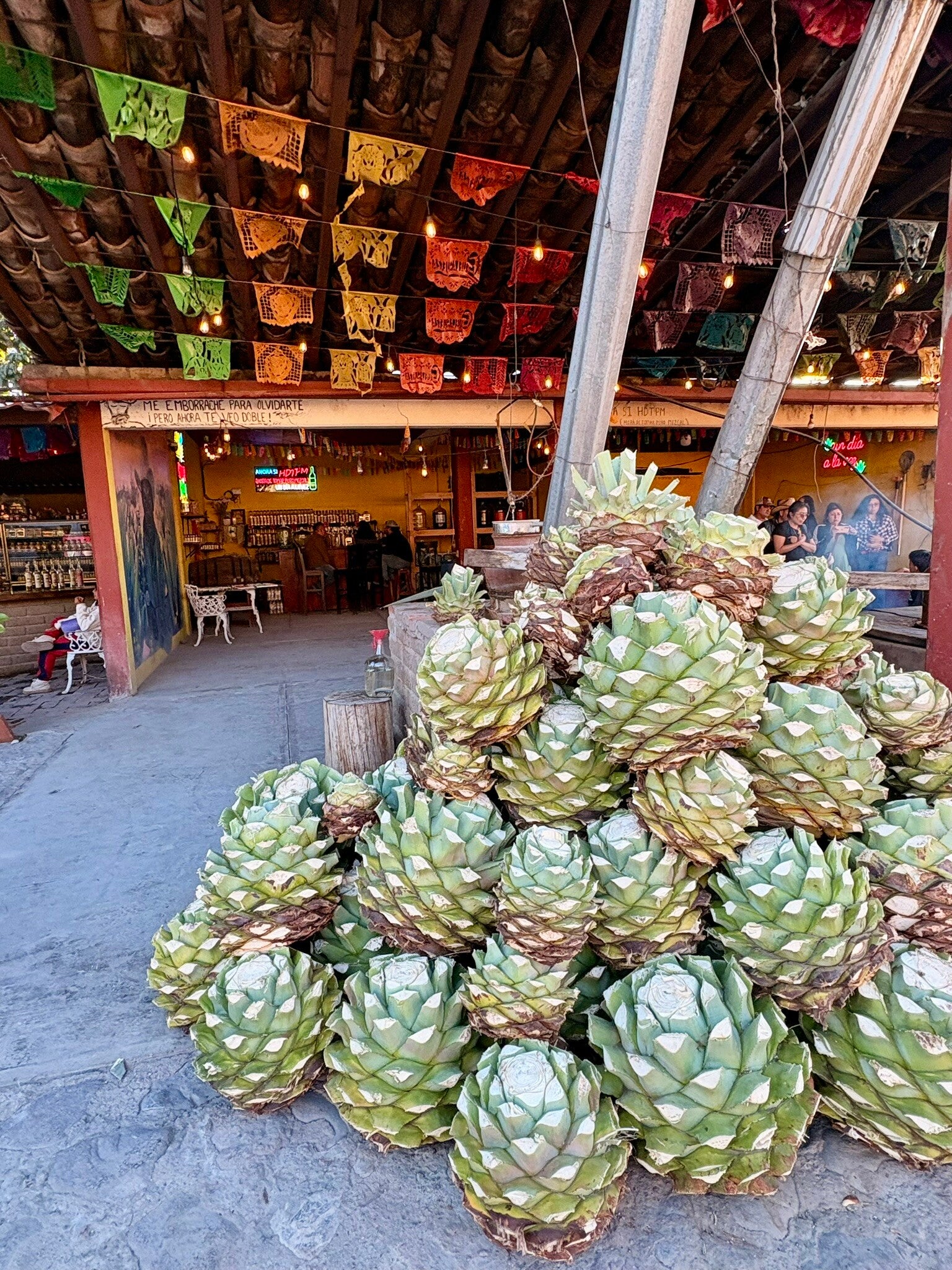
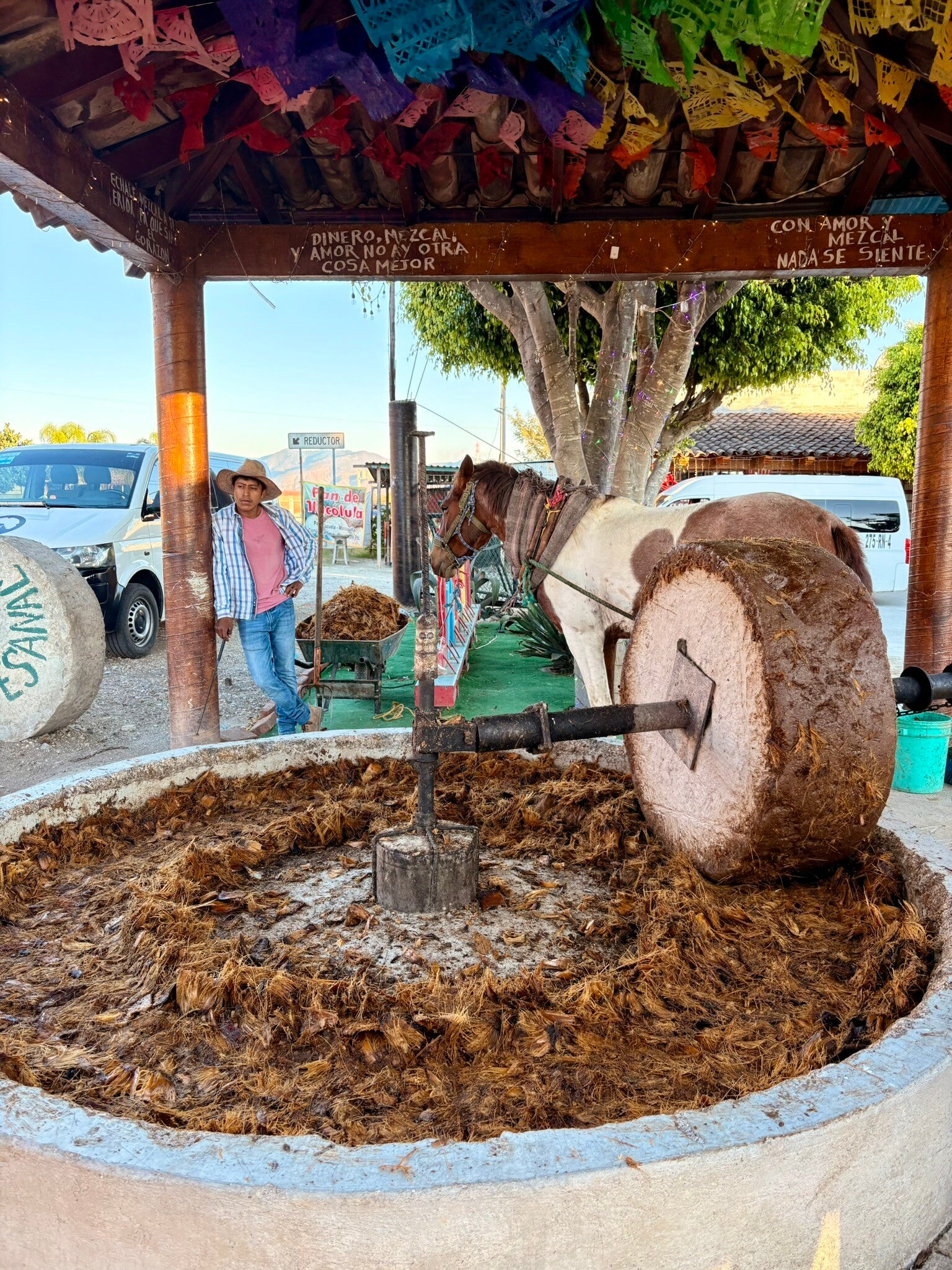
- Mezcal - whether you love or hate this smoky agave spirit, there’s no denying it’s emblematic of Oaxaca, as the region is at the heart of mezcal production in Mexico
- You can try mezcal on your own, but if you take any guided tours in Oaxaca, it’s very likely they’ll include a mezcal tasting stop as well
Another food tip in Oaxaca is to visit a famous street food stand featured in the Netflix documentary Street Food: Latin America. It’s called Carmen’s Tacos during the day and Carmen’s Empanadas at night. As you might guess, it serves different dishes depending on the time - and the best part is that you can try them both. During the day, it’s traditional rolled chorizo tacos, while at night you can try empanadas, including the ones with the famous mole amarillo.
Once you’re fully stuffed with Oaxaca’s cuisine, you can walk it off by joining a historic walking tour to learn more about Oaxacan culture, its history and its current way of life.
Day 11 - Visit Hierve El Agua: petrified "waterfalls"
Hierve El Agua (literally “the water boils”) is one of the most popular day trips from Oaxaca. It’s also one of the only two known places in the world with large petrified “waterfalls” (the other being Pamukkale in Turkey).
While it’s not an actual waterfall, the petrified formation was created when mineral-rich groundwater reached the surface, degassed and caused calcium to gradually harden over time.
At Hierve El Agua, you can walk a short hiking trail with several viewpoints over the “falls”, including a path down to the base. Another activity is bathing in the geothermal springs at the top while enjoying the mountainous views. Just a heads-up: the springs are definitely not warm!!
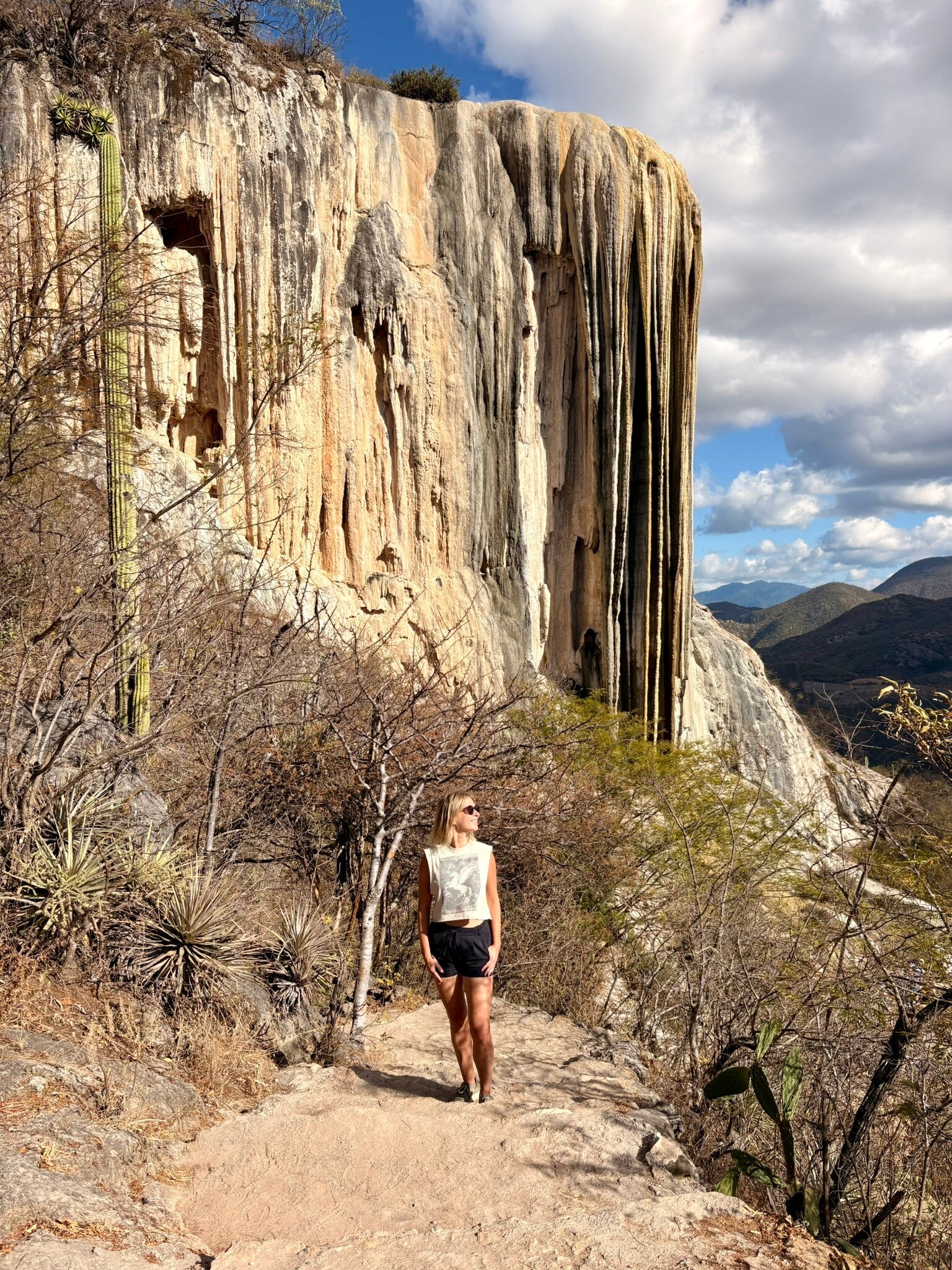
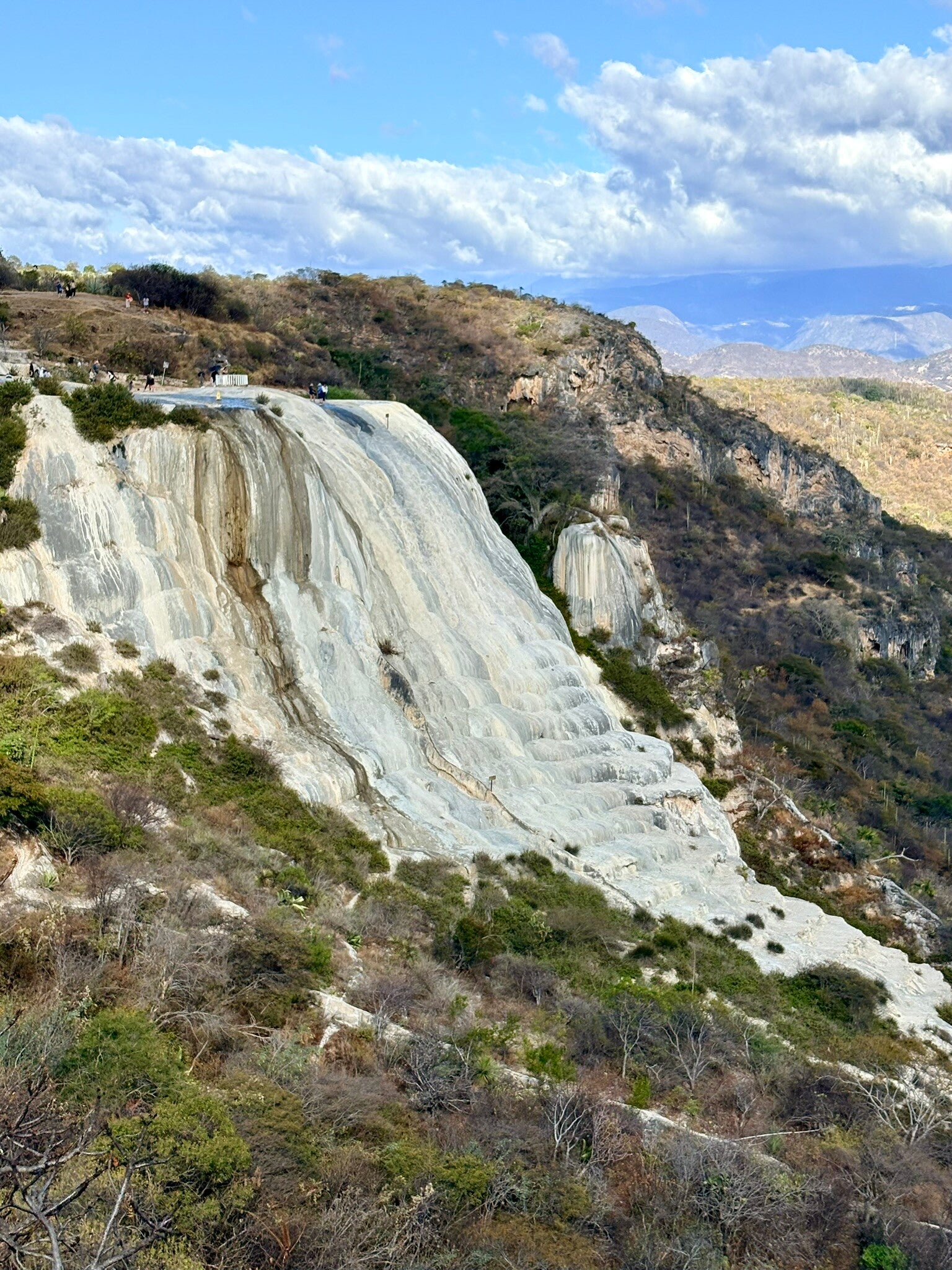
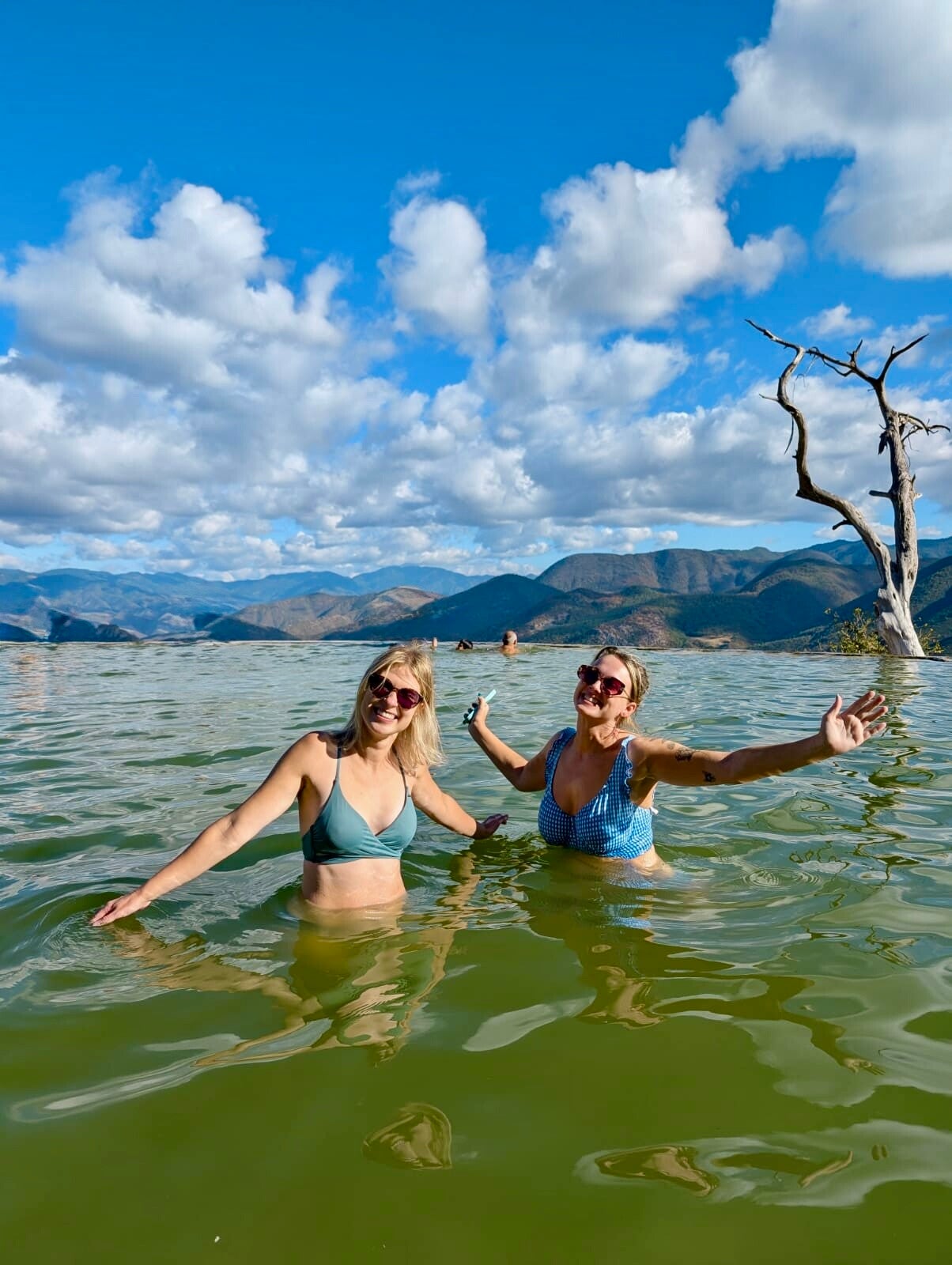
I took a day trip to Hierve El Agua that also covered:
- The Tule Tree - famous for having the thickest tree trunk in the world, with a circumference of over 40 metres. It’s also estimated to be around 2,000 years old.
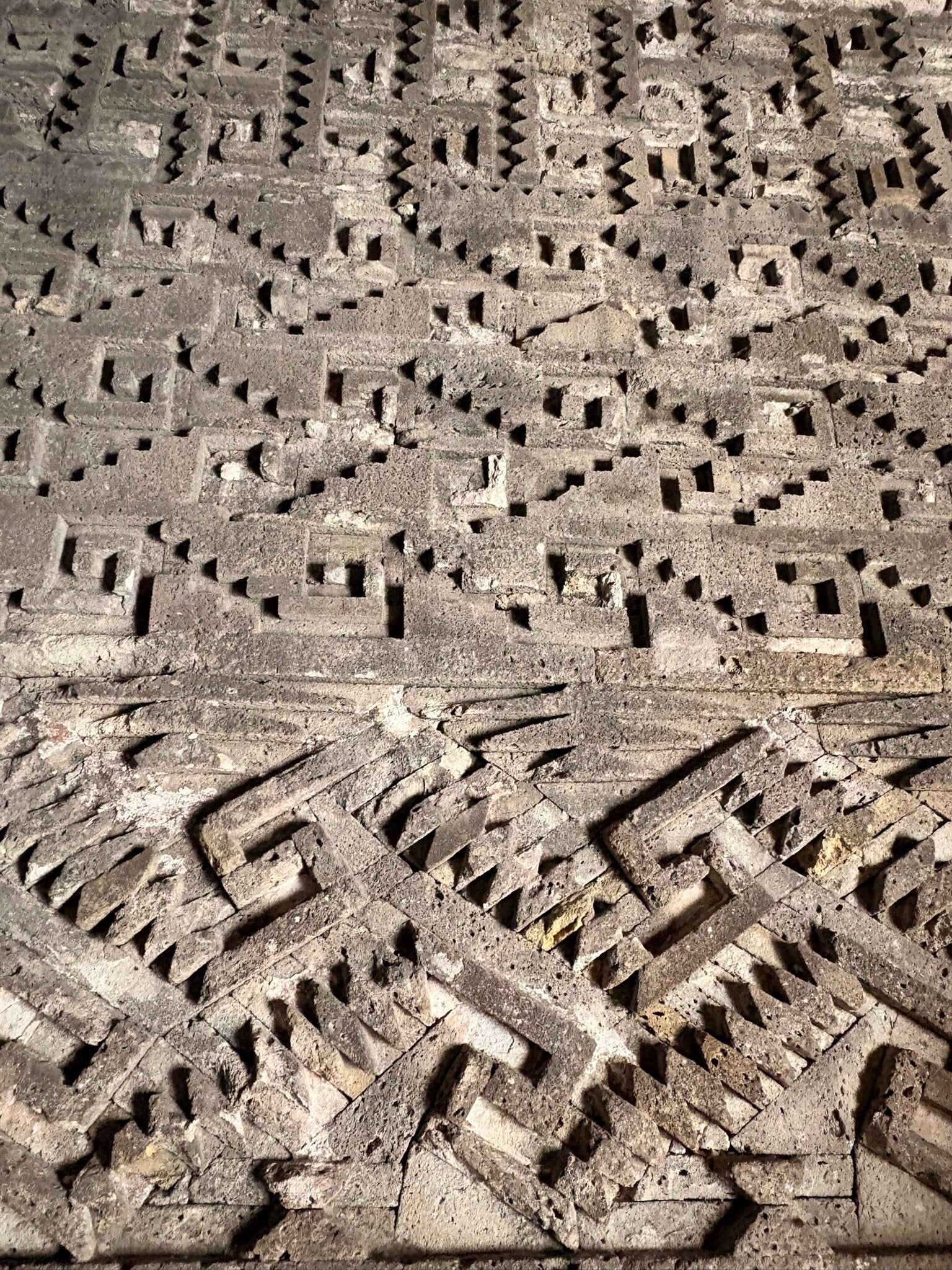
- Mitla archaeological site - a Zapotec city made up of palace-like complexes, best known for its intricate stone mosaics symbolising natural elements.
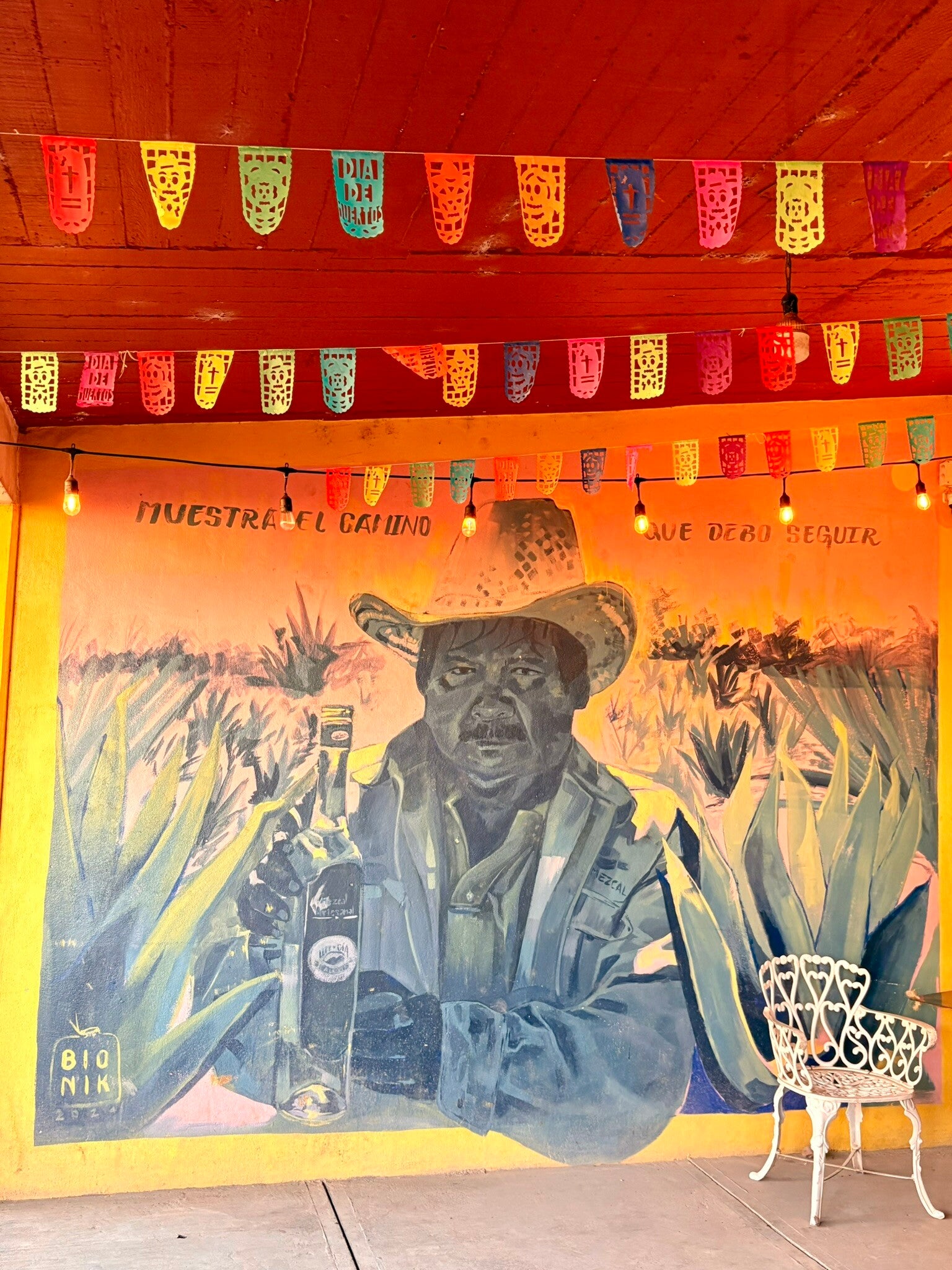
- Mezcal tasting at a local distillery, plus visits to local artisans (carpet weaving, candle making, etc.).
It’s a full and busy day, but it’s a great way to see (almost) everything Oaxaca has to offer outside the city in one go.

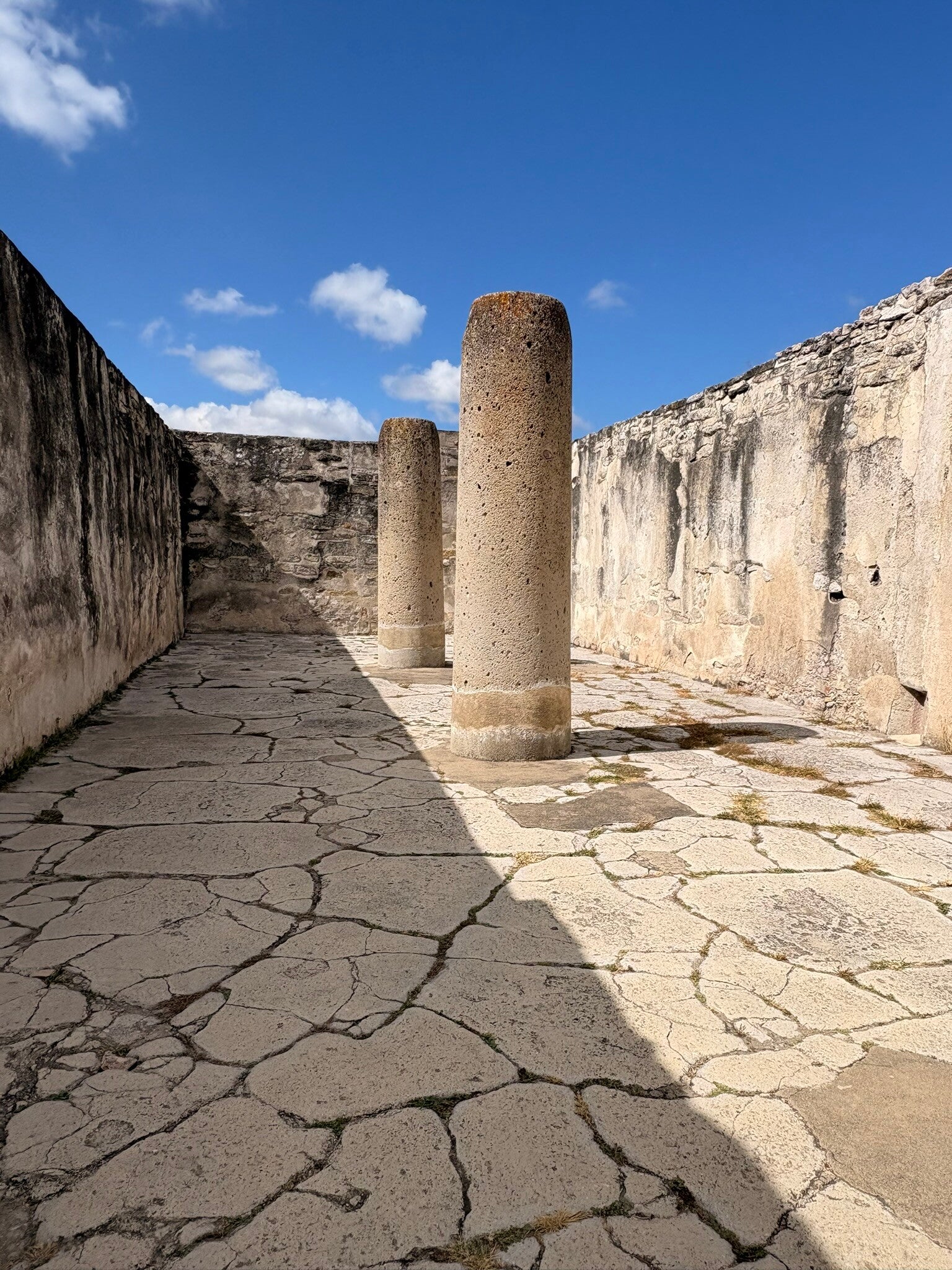


Day 12 - Oaxaca deeper dive: street art, Monte Alban and local festivals
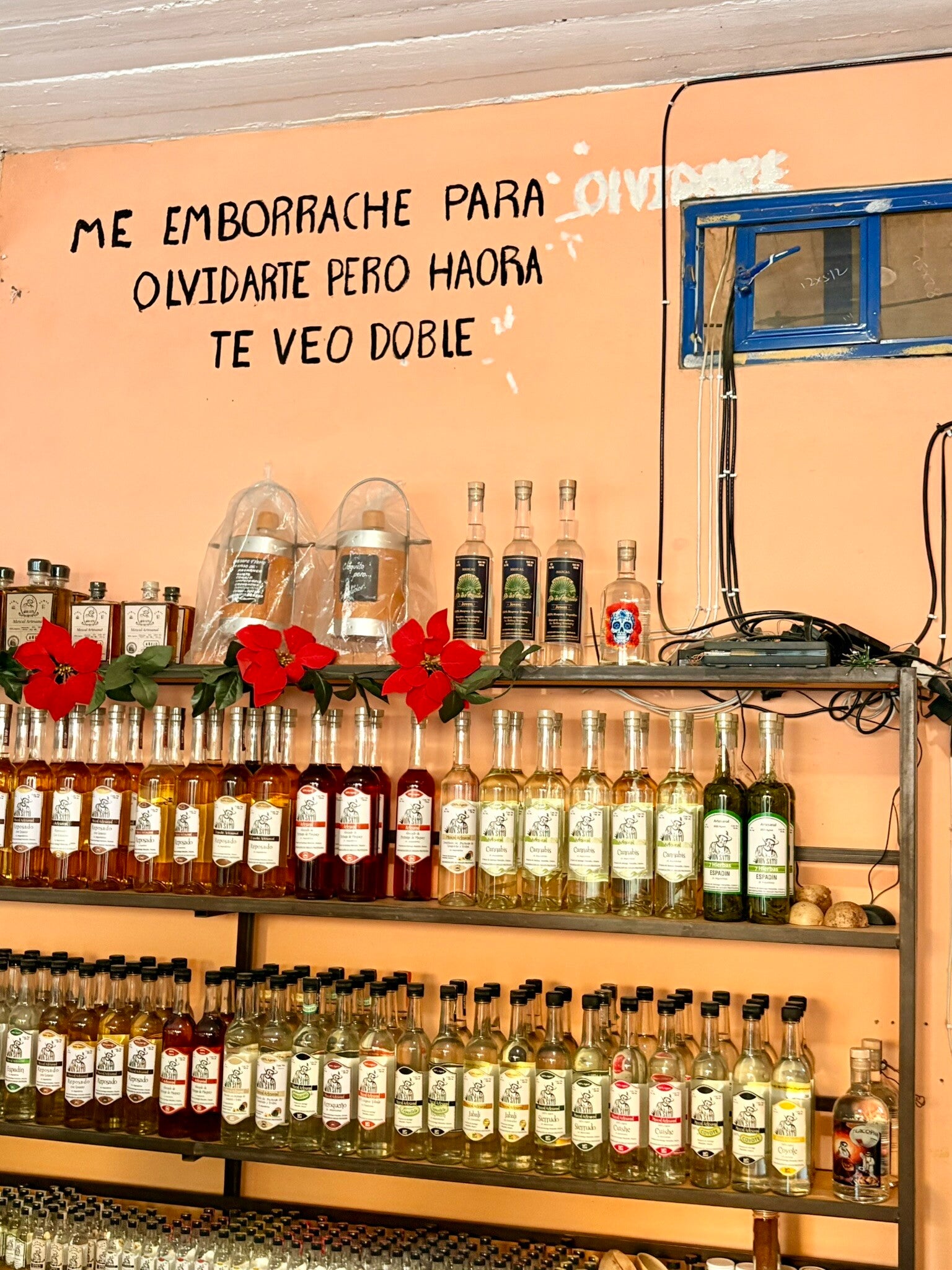
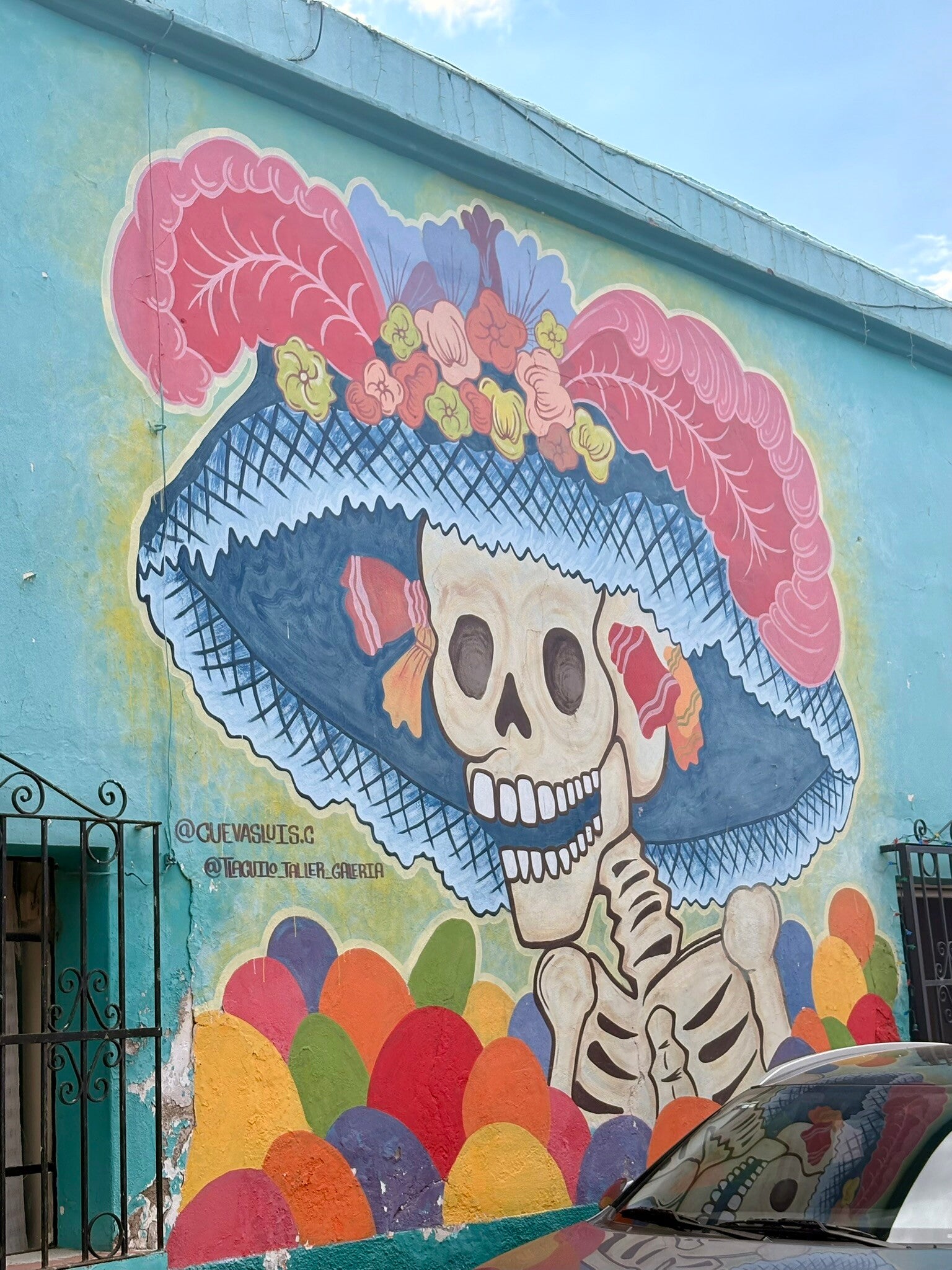
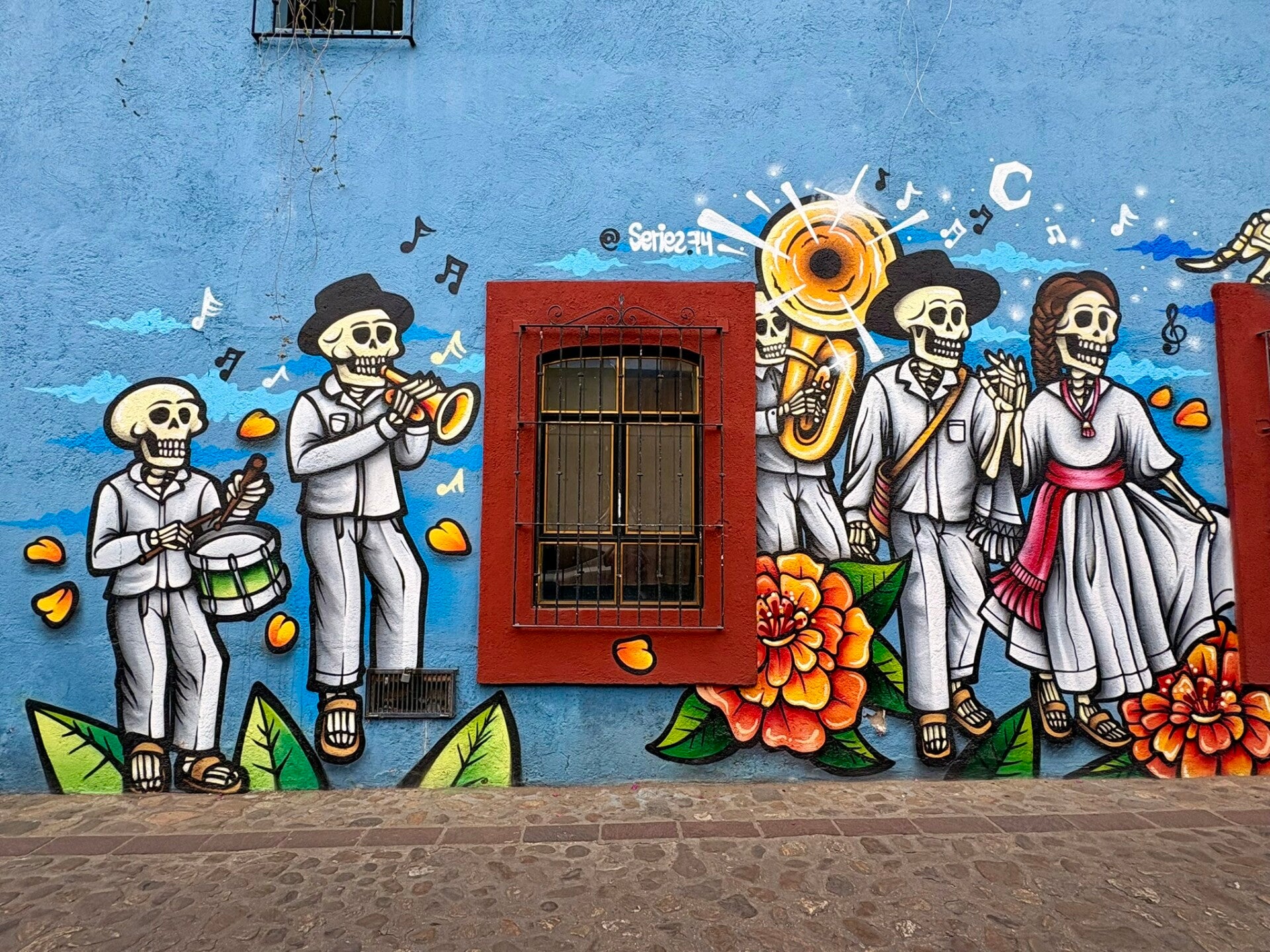
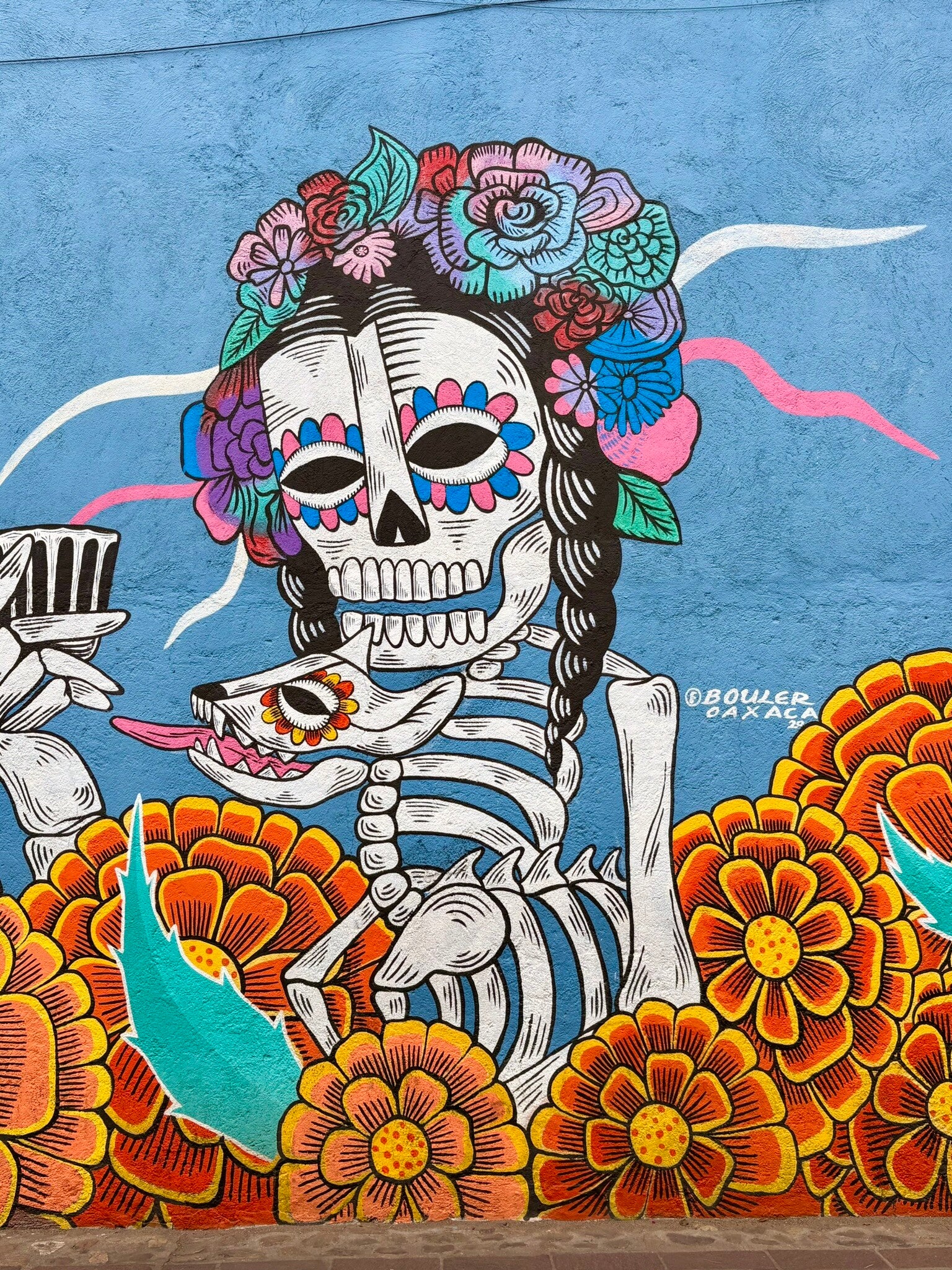
I highly recommend doing a street art walking tour in Oaxaca. I really enjoyed it, as the street art here is full of Mexican symbolism - so you get to learn more about Day of the Dead imagery, as well as other Mexican celebrations and tributes to famous Mexicans. The tour also explains Mexico’s history, traditions and beliefs, linking them back to the murals and graffiti, which makes it both picturesque and genuinely informative.
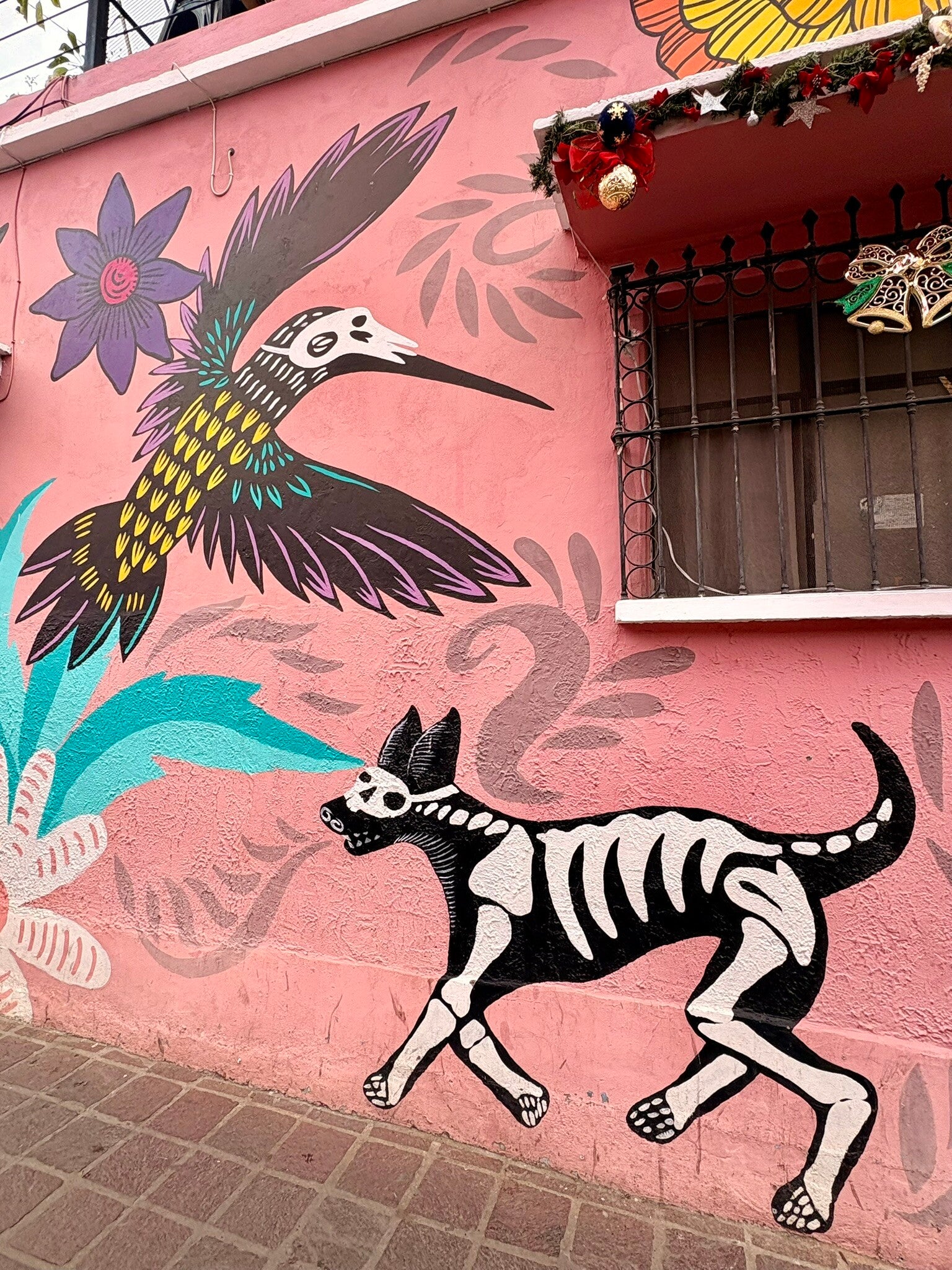
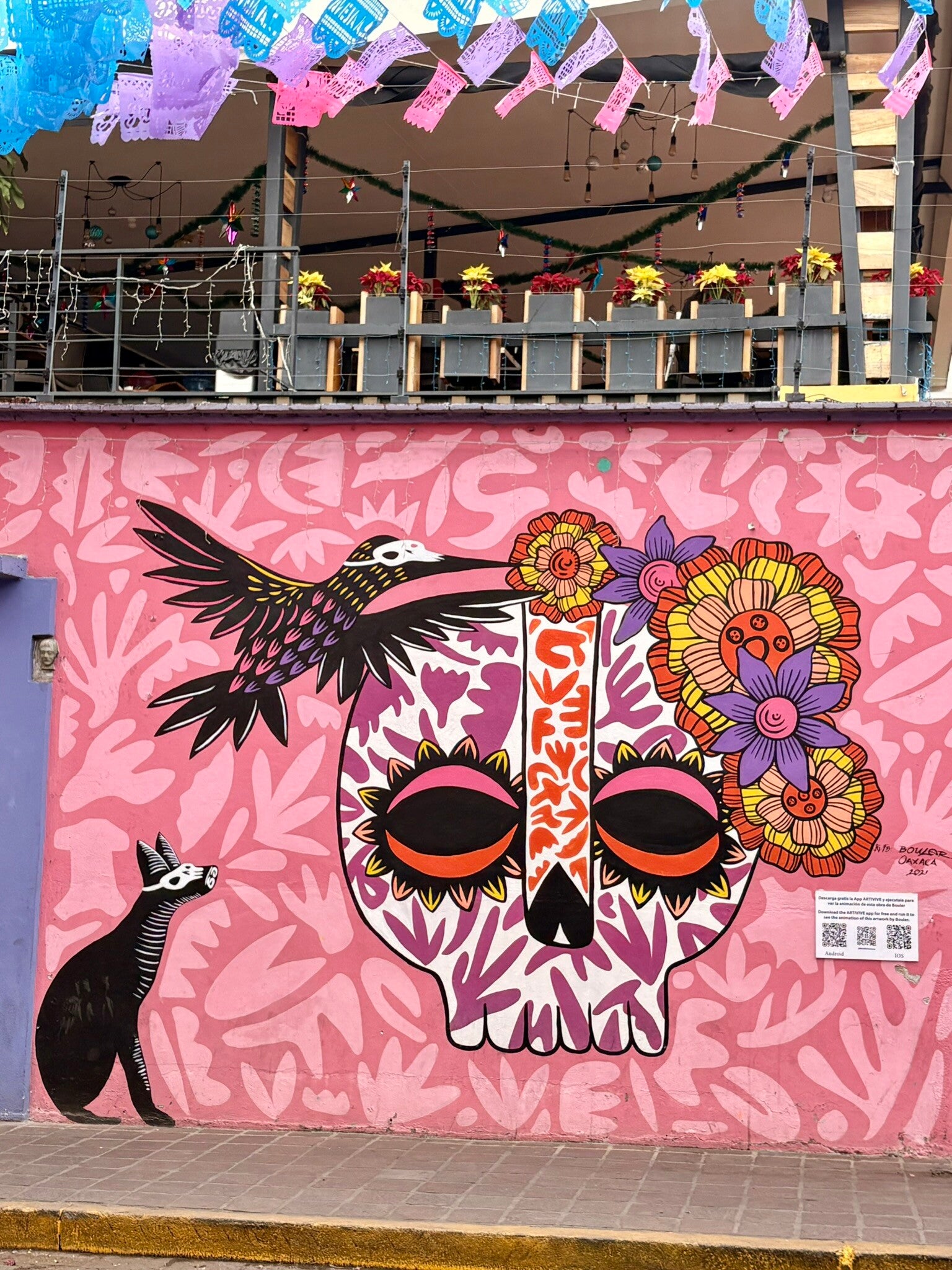
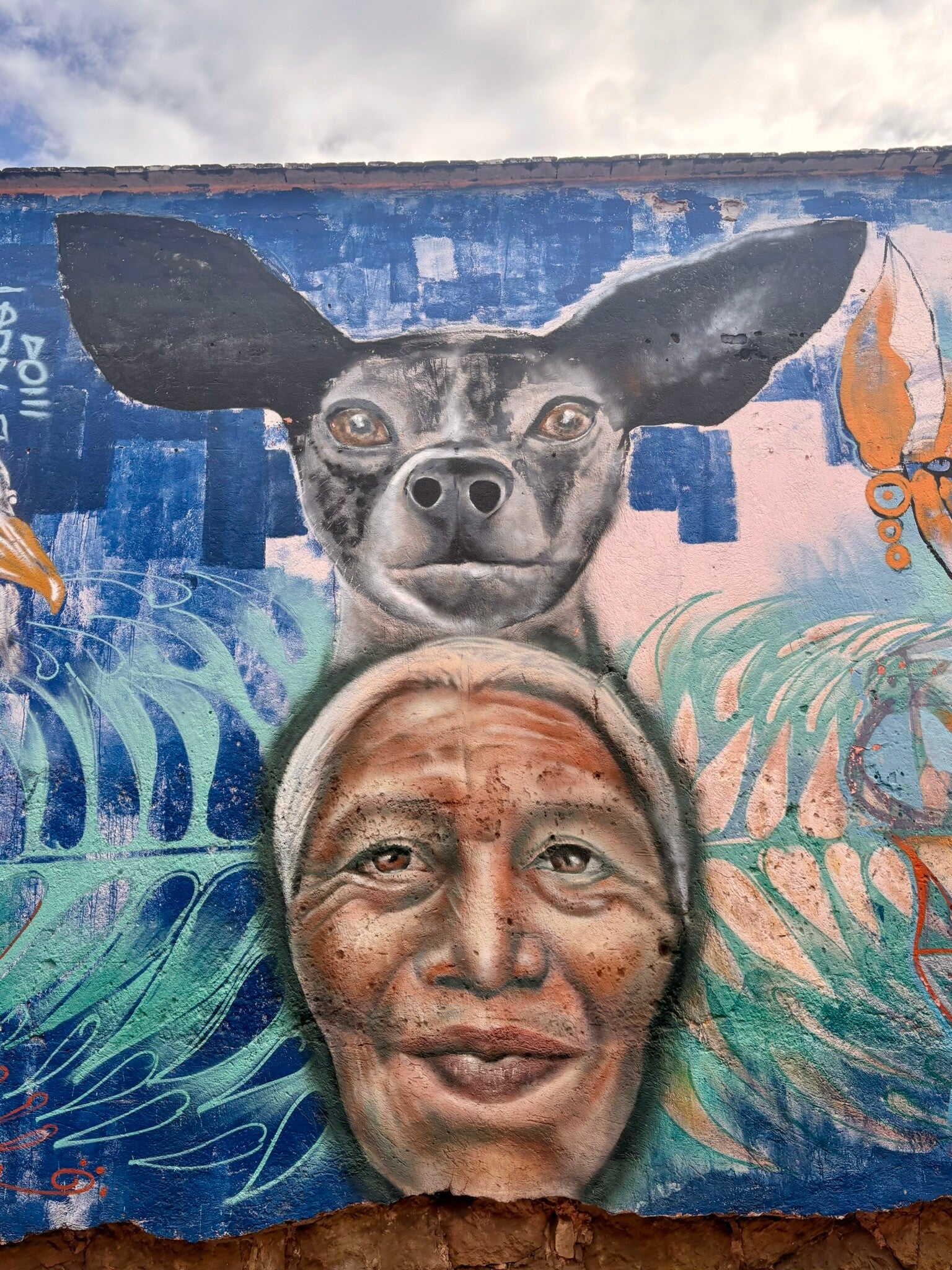
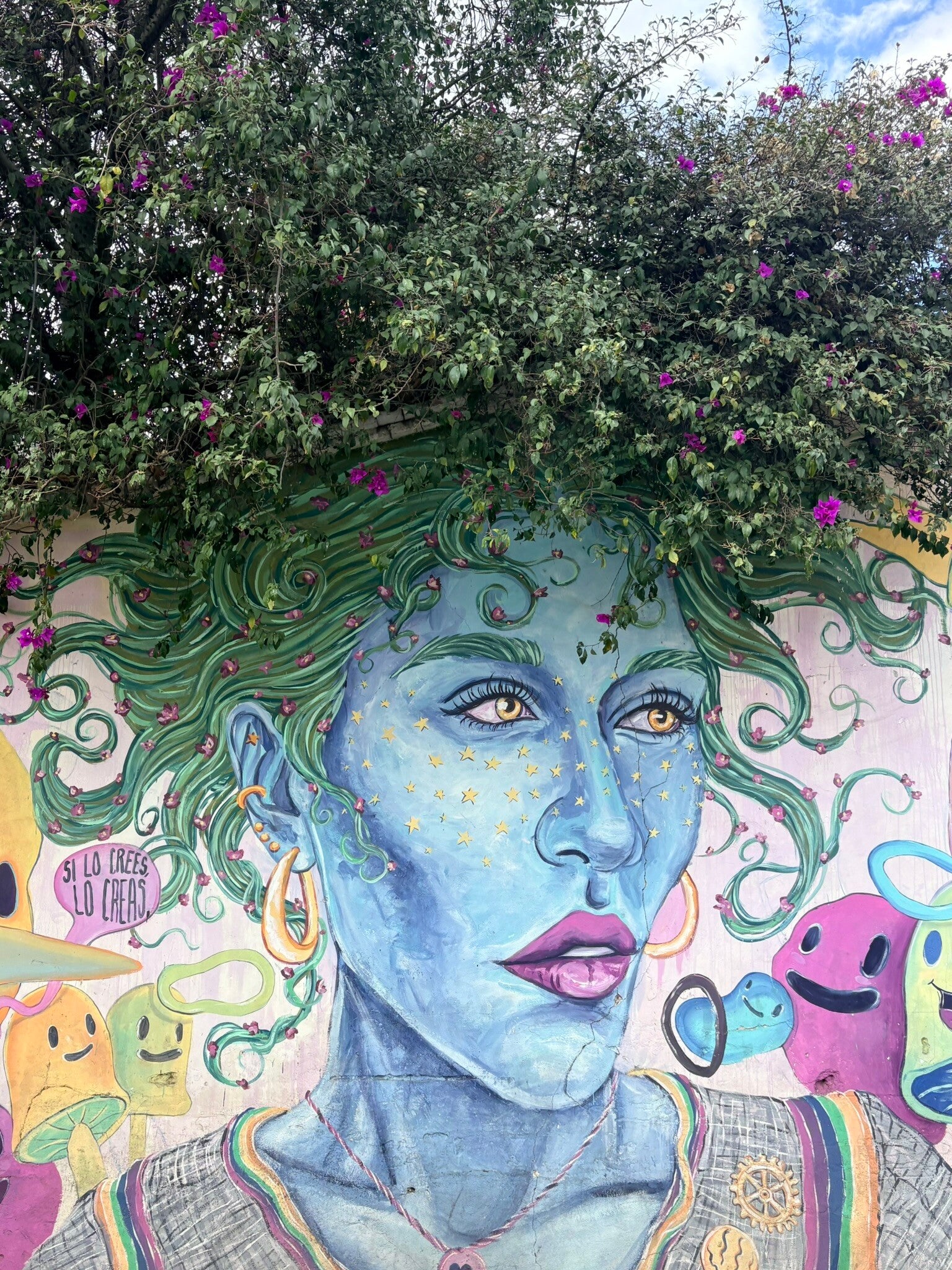
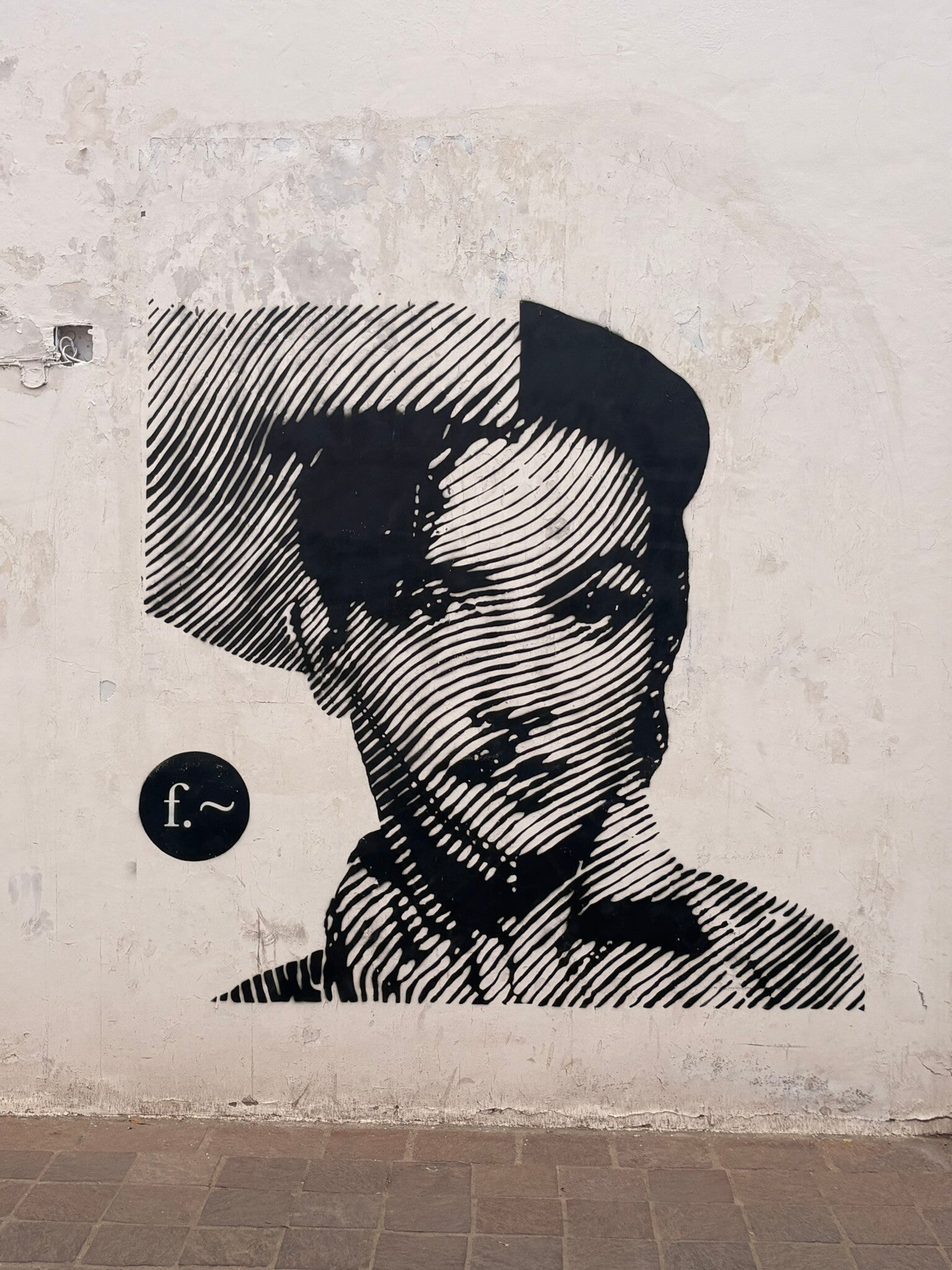
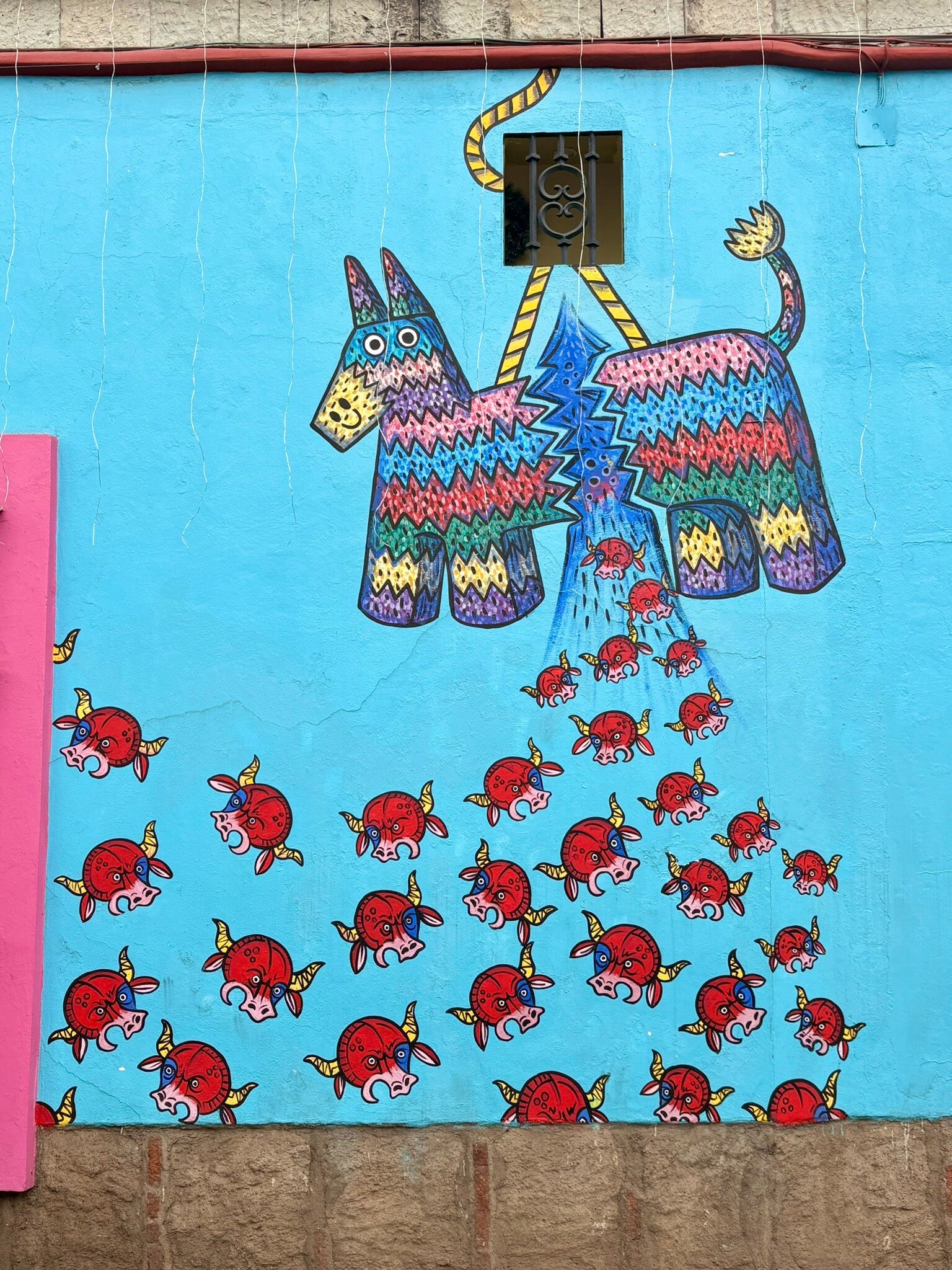
If you still haven’t had your fill of ancient ruins, you can spend the second half of the day visiting Monte Alban, a UNESCO-listed Zapotec city on a mountaintop. Getting there is quite easy on your own:
- Taxi: 150–250 MXN (USD 9–15) one way
- Collectivo marked “Monte Alban”: 50–80 MXN (USD 3–5)
Pro tip: look for festivals 🌟
Oaxaca has plenty of officially recognised major festivals - and even more community and local celebrations. Even if you’re not visiting during the world-famous Day of the Dead, ask around to see what else might be happening during your trip.
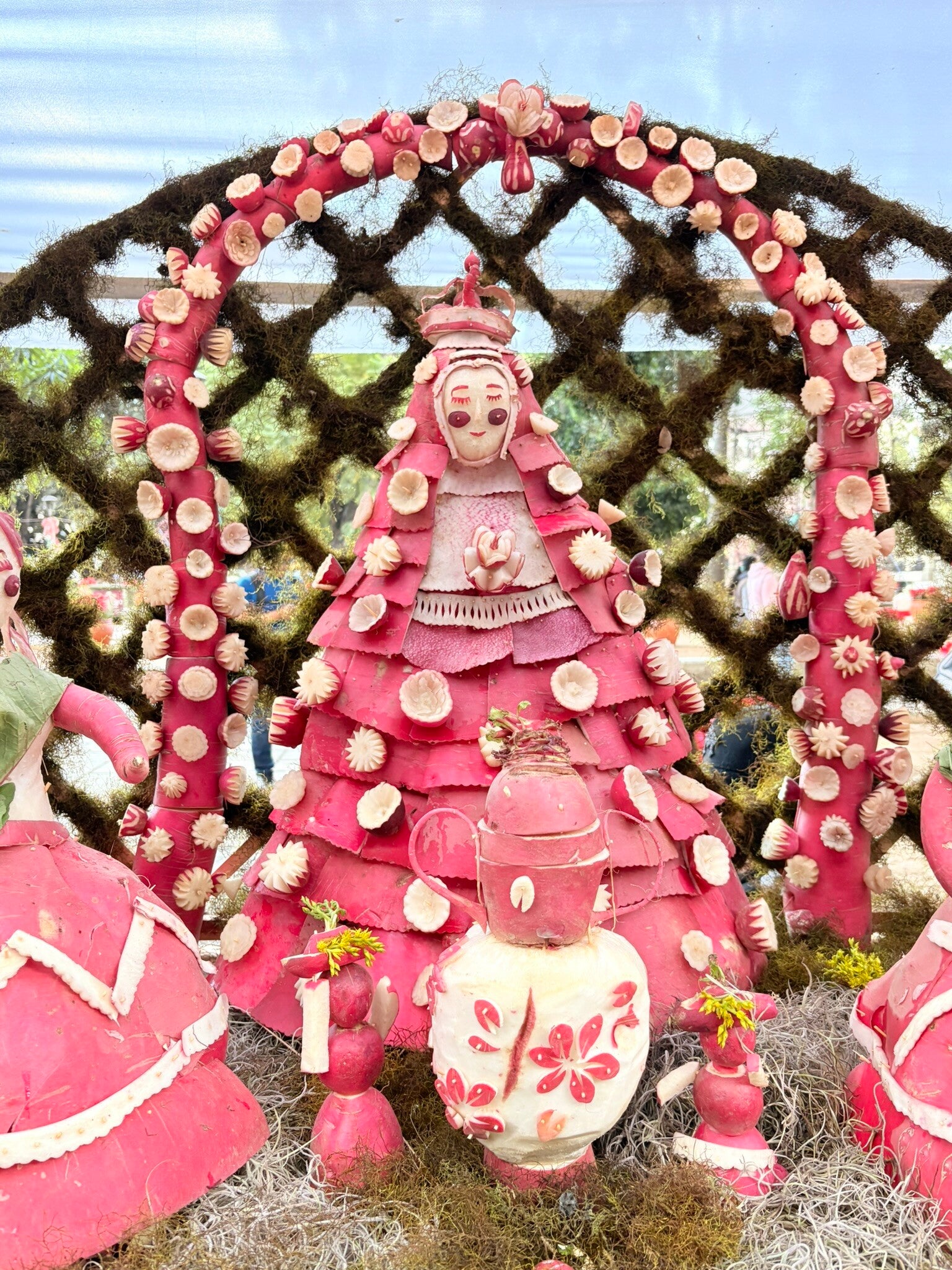
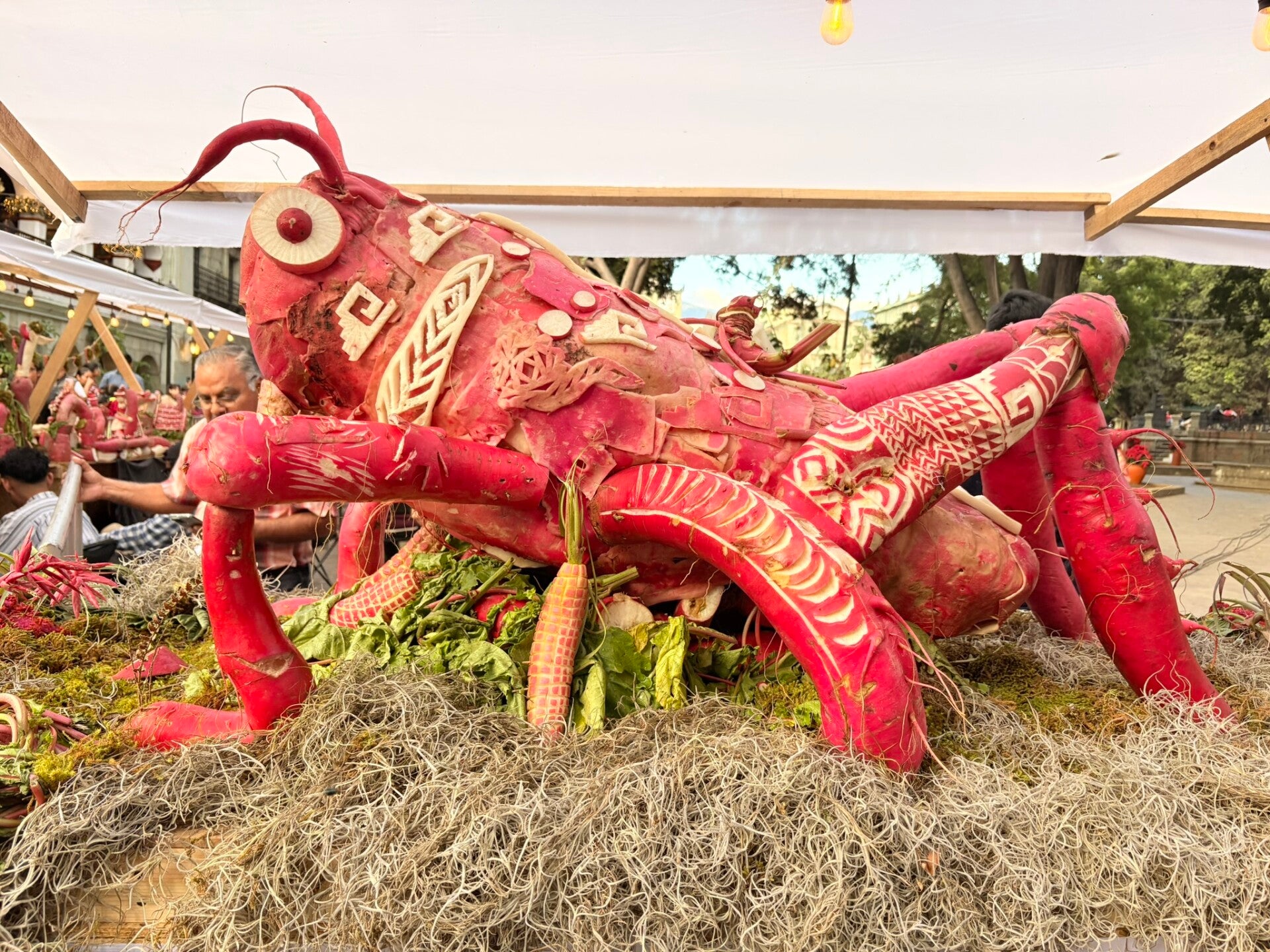
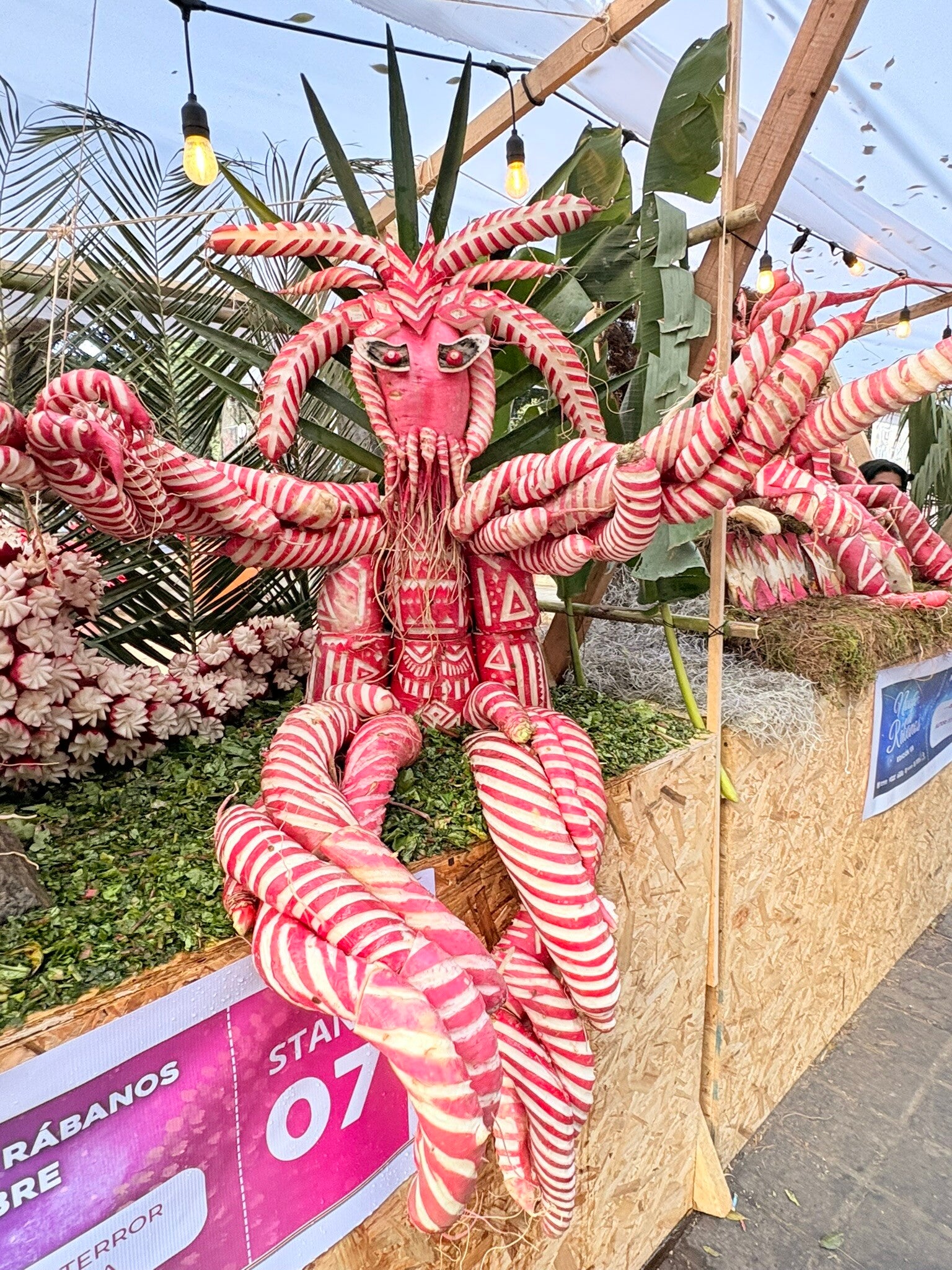
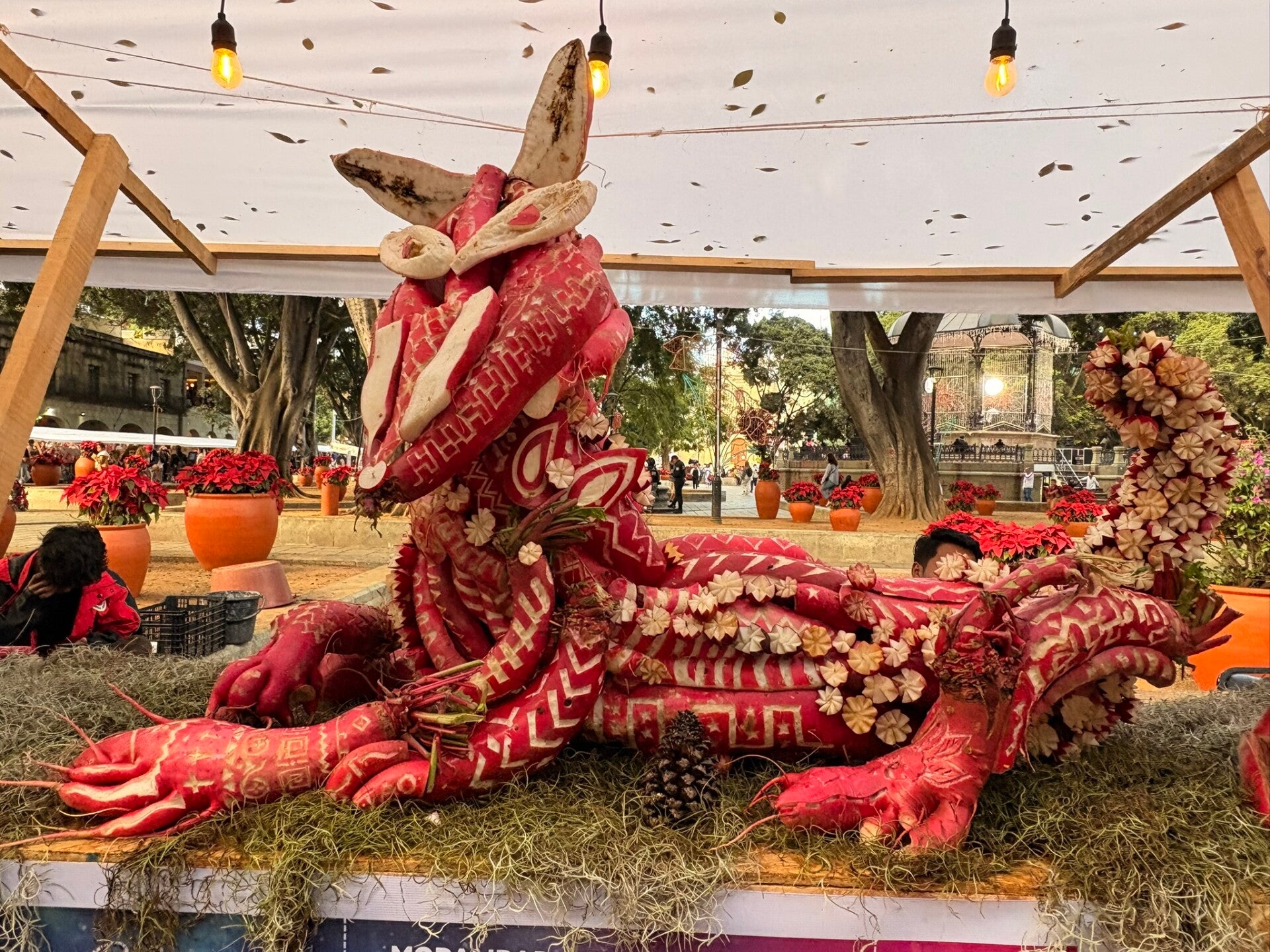
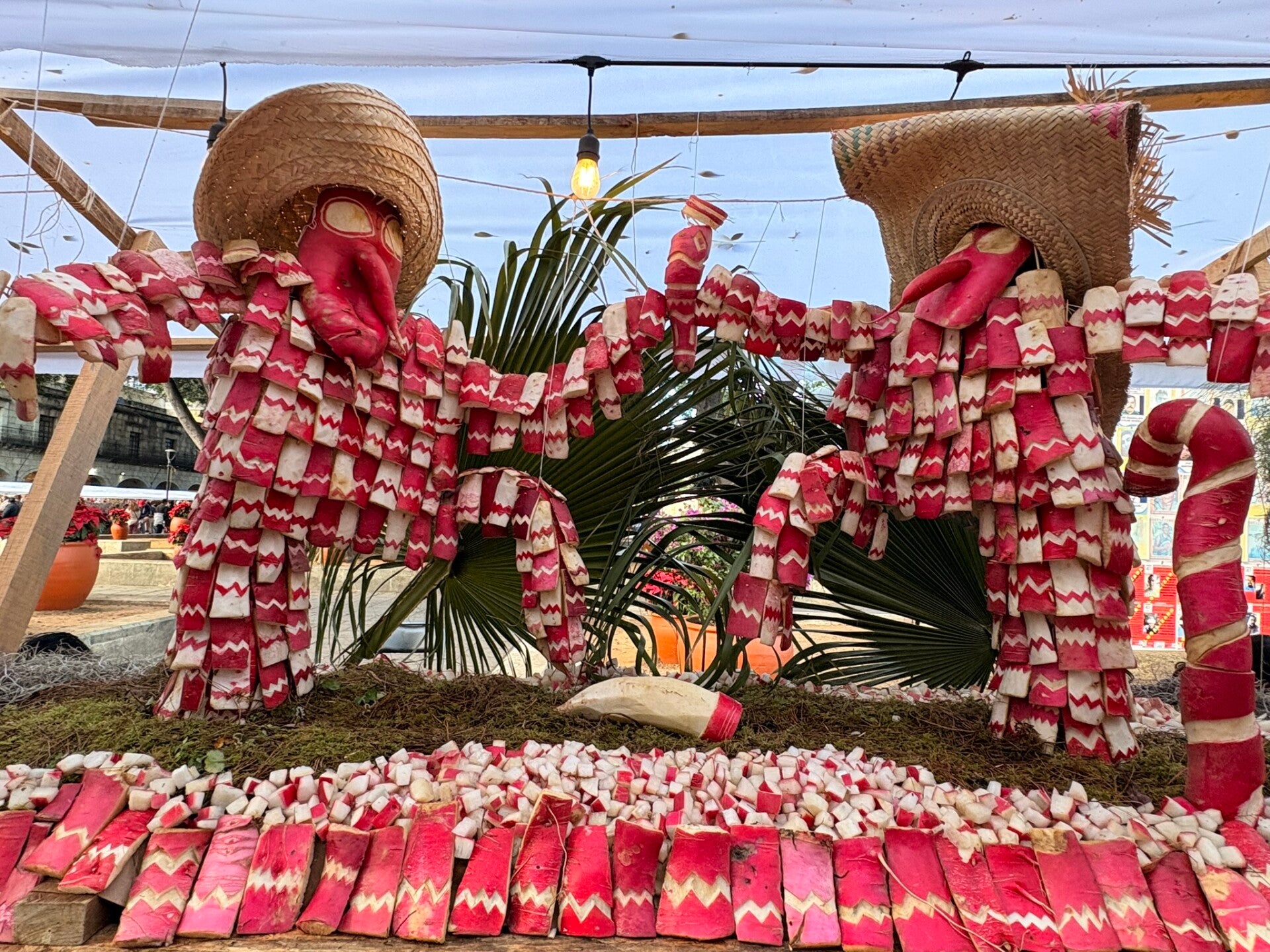
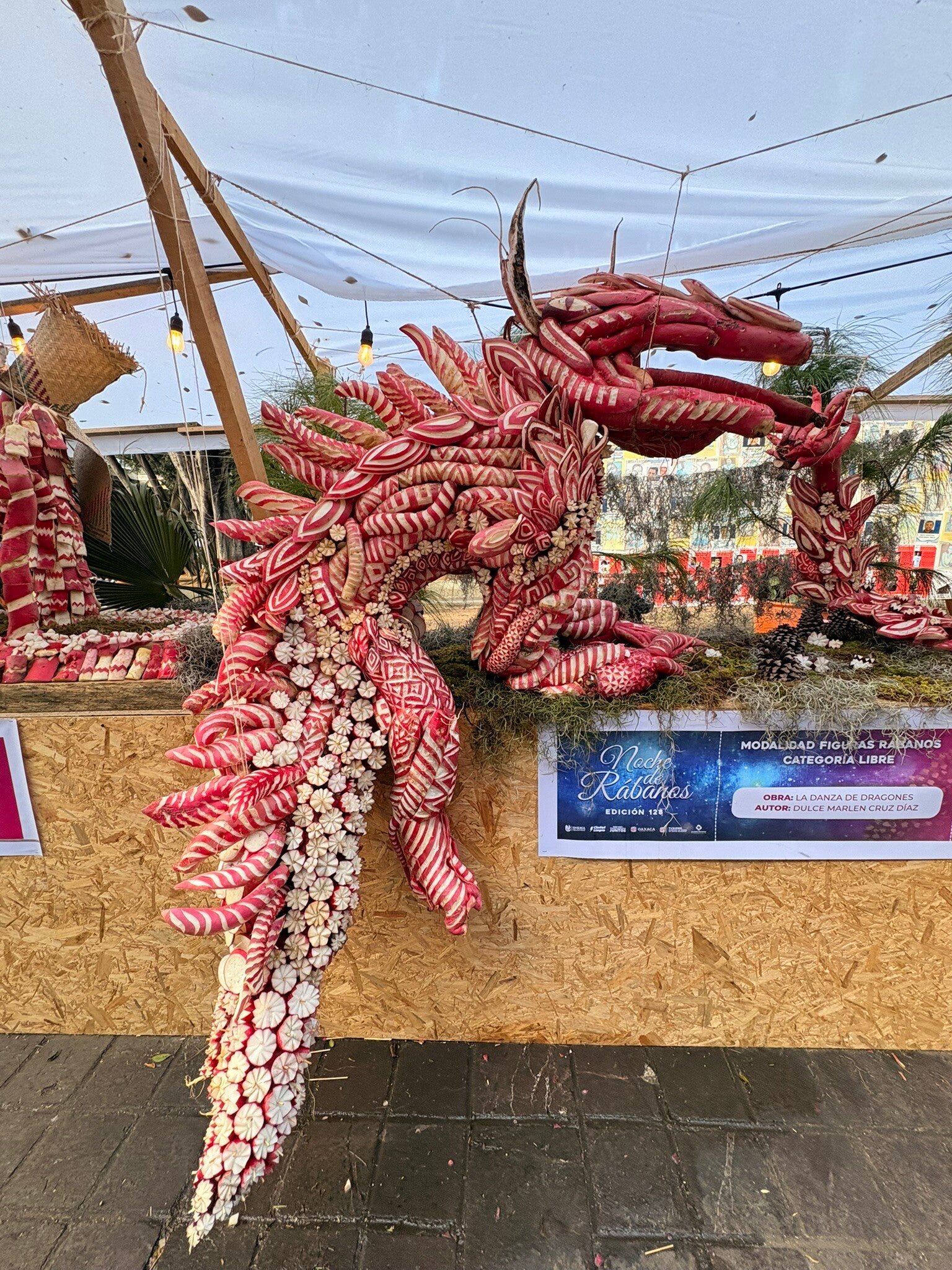
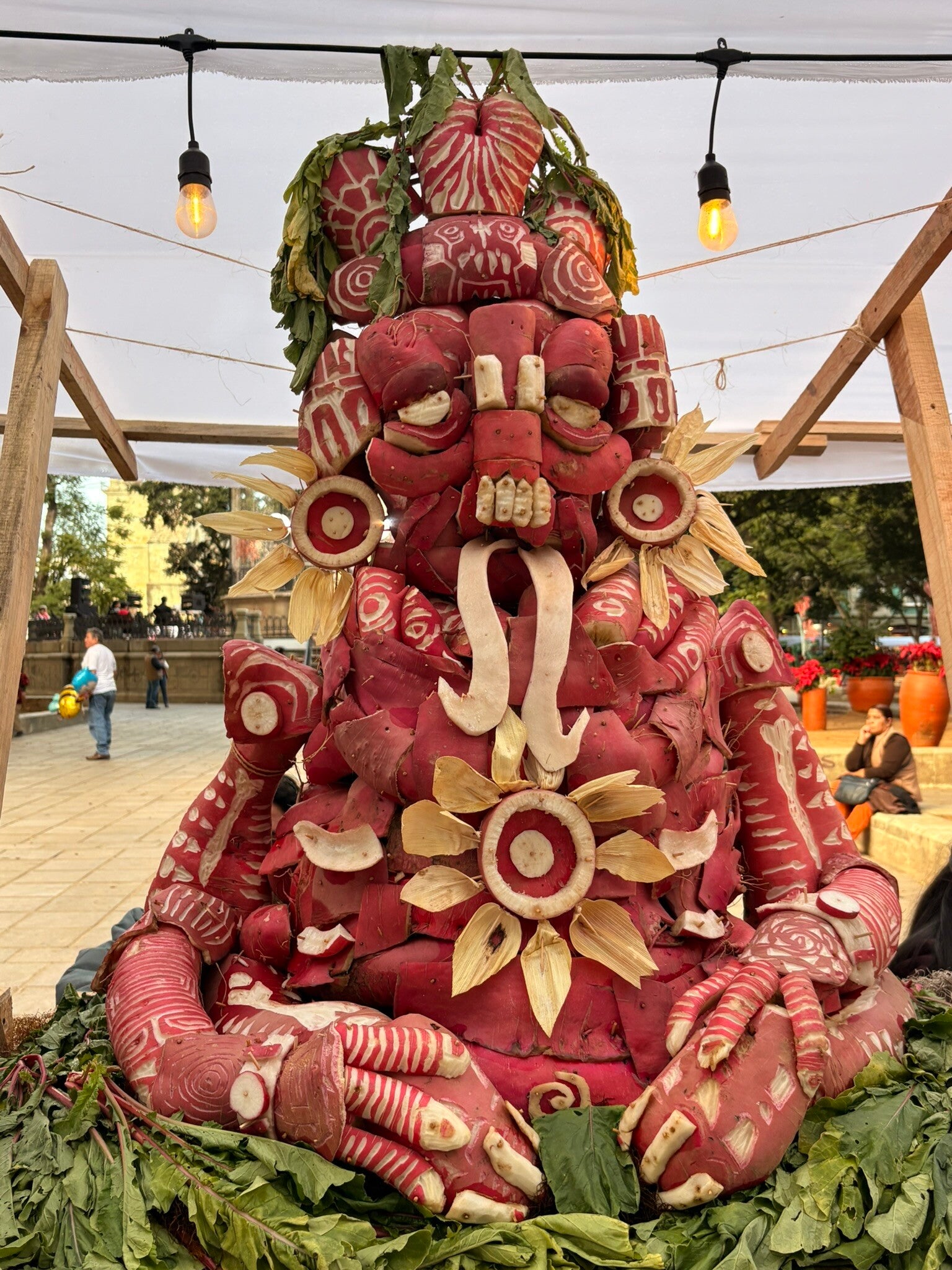
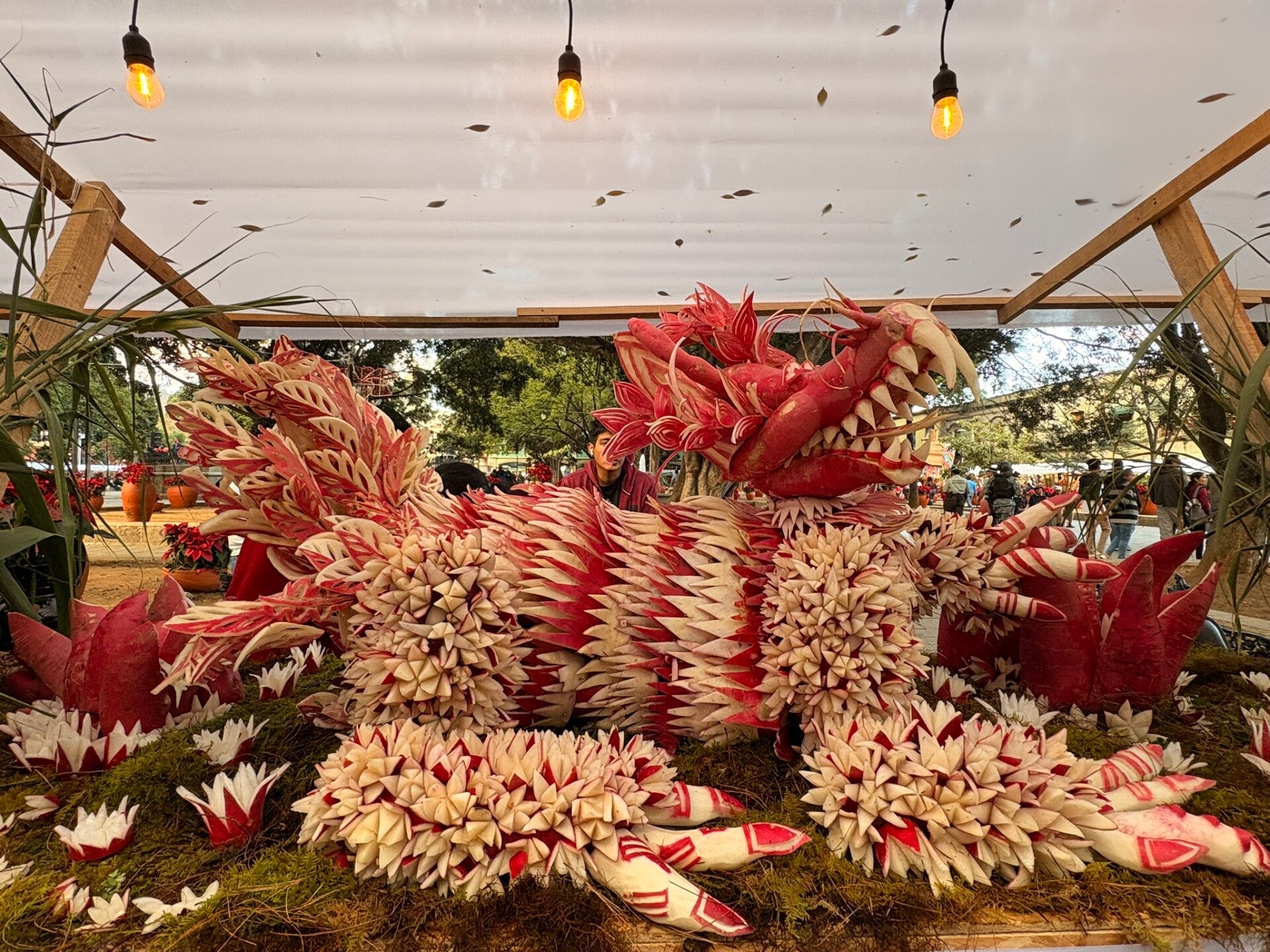
When I was there, the Radish Festival (Noche de Rabanos) took place on the 23rd of December. Radishes may not sound exciting on their own, but think of it like a snow-sculpture festival, just with radishes instead of snow. Some of the carvings are incredibly detailed (see for yourself!)

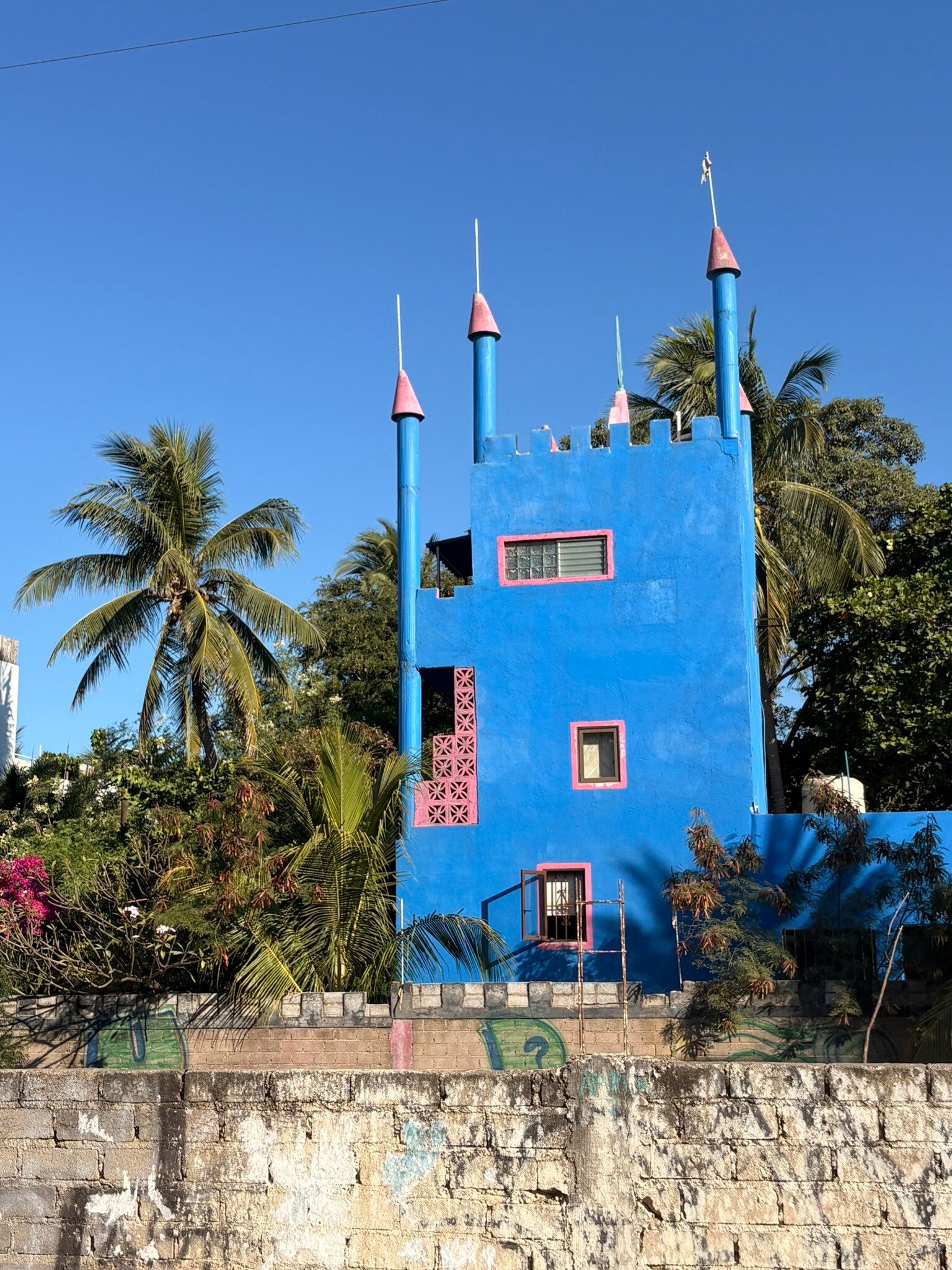
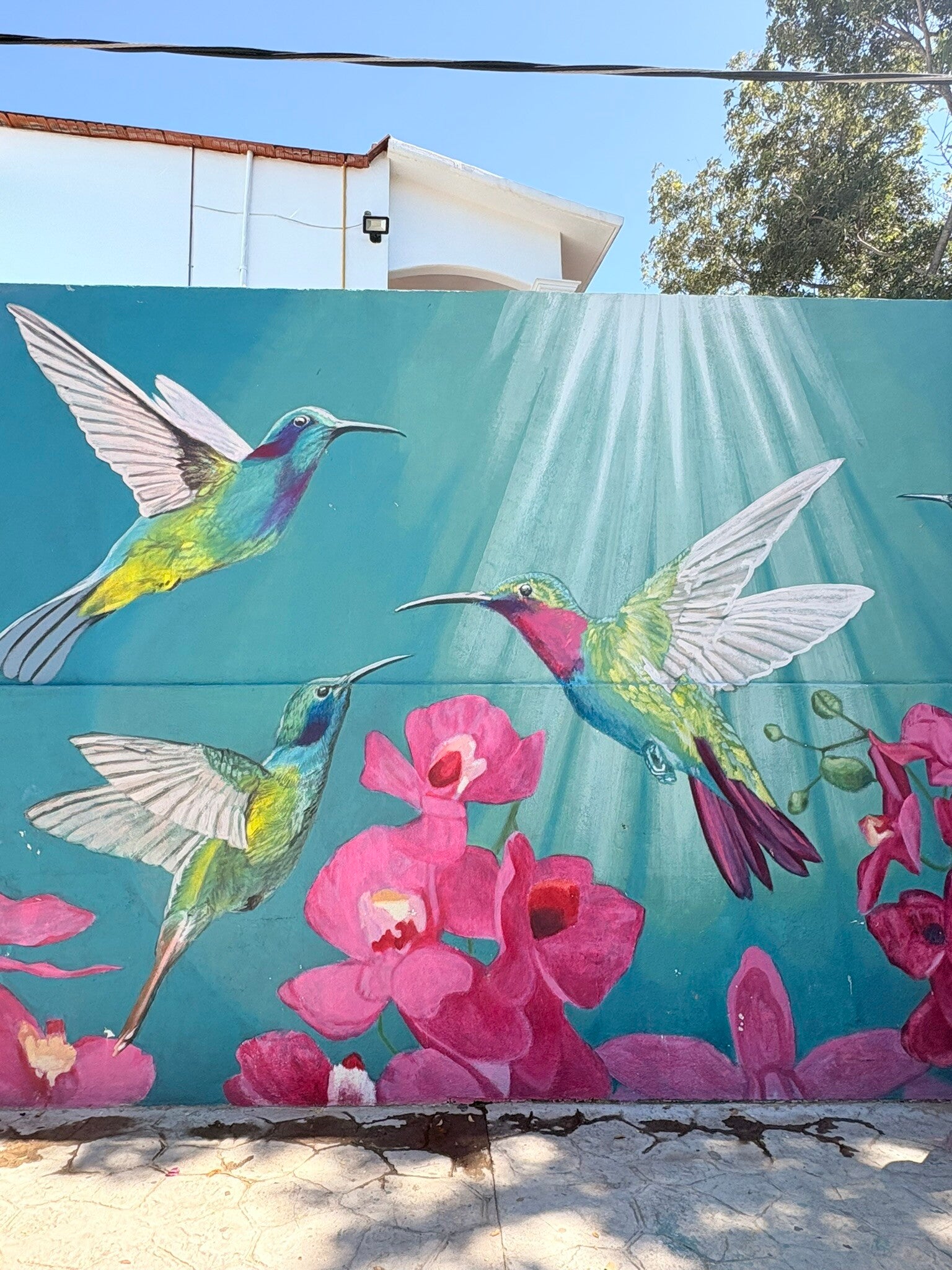
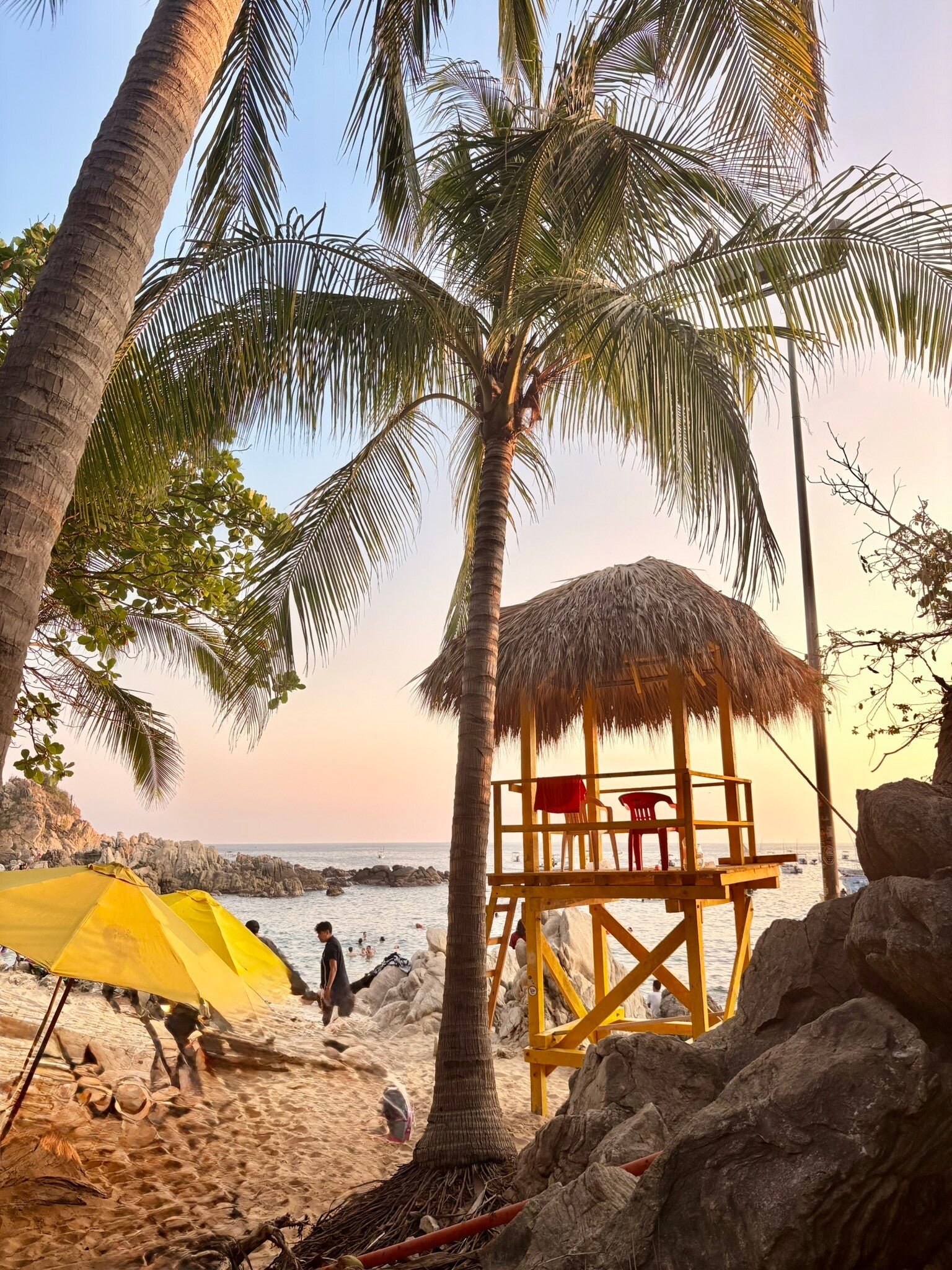
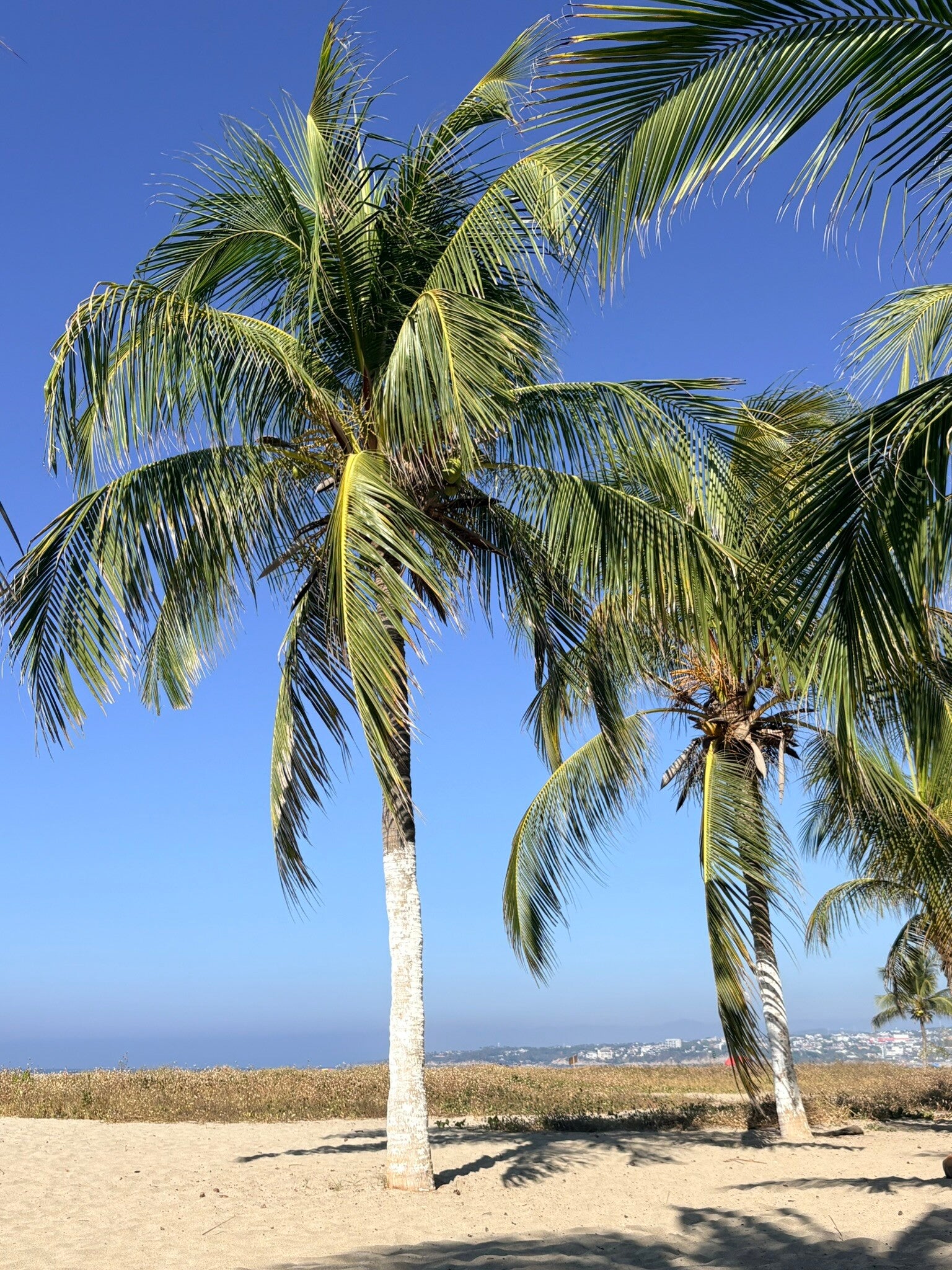
Days 13-15 - Unwind in Puerto Escondido: beaches, wellness and laid-back vibes
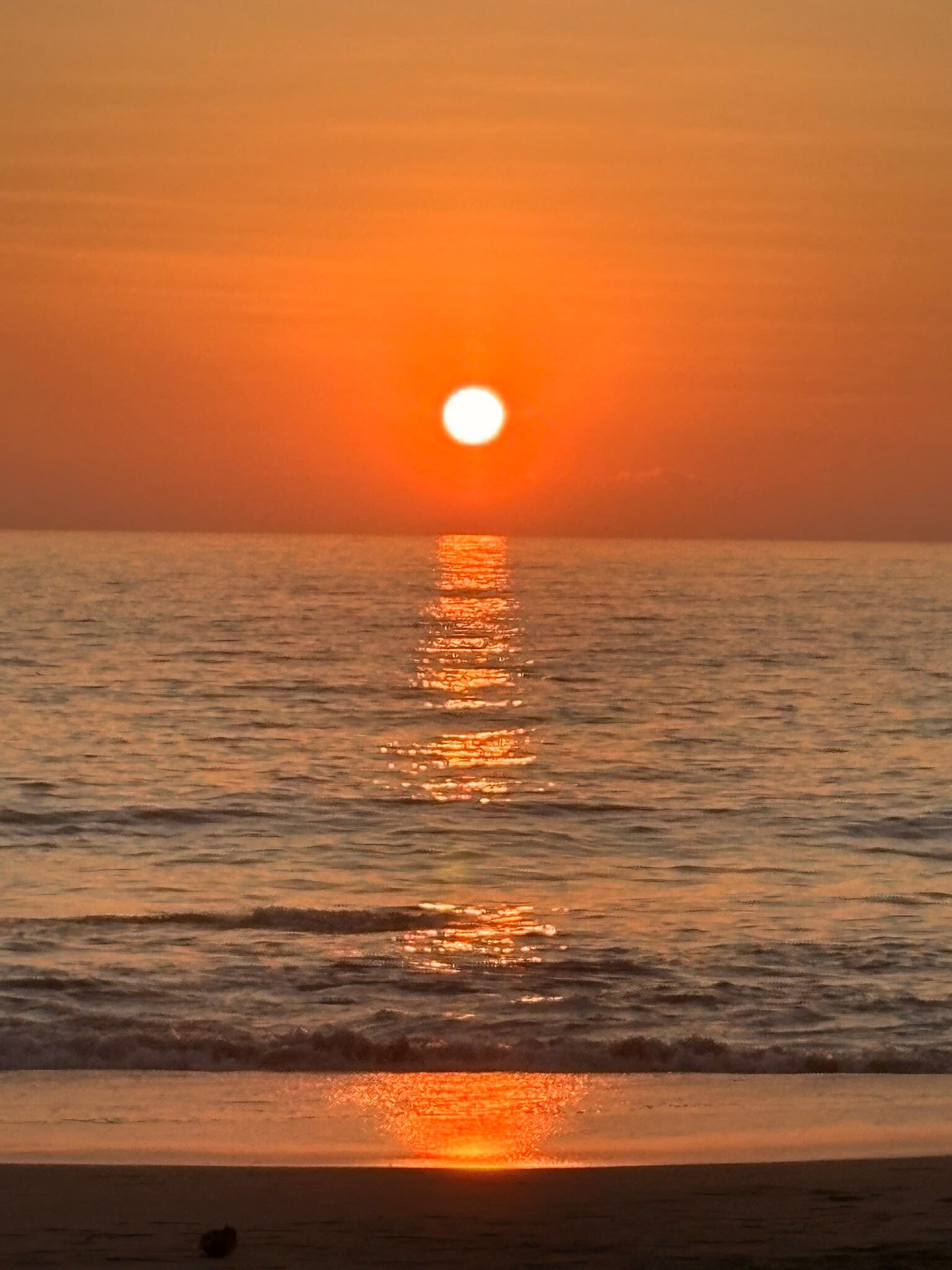
After busy days travelling around western Mexico, it’s time to slow down in the beach paradise of Puerto Escondido. While it’s best known as a surfing destination, there are plenty of things to do (besides relaxing) if surfing isn’t your thing.
Here are a few ideas:
- Have a beach day or go for a swim
While Zicatela Beach and Playa Principal have strong waves that are often better for surfing than swimming, there are more sheltered beaches with calm, warm water that are great for swimming, such as Playa Carrizalillo, Puerto Angelito and Playa Manzanillo. - Try a Temazcal ceremony - a traditional Mexican sweat bath ritual for physical cleansing and spiritual renewal
- You sit in a small dome-shaped clay structure (a sauna of sorts) and sweat over heated volcanic stones, with water infused with medicinal herbs
- Depending on the provider, a guide may lead the ceremony or you may follow the suggested breathing exercises on your own (in more commercial setups)
- The ritual symbolises a return to the womb of Mother Earth, followed by rebirth
- Note: it is very, VERY hot inside (much hotter than a typical Western sauna), so make sure you’re well hydrated and don’t have serious health conditions before doing it
- After 20–30 minutes in the hut (if you can last that long!), the experience may also include a clay scrub, cold shower and a massage (common in more wellness-oriented temazcal practices)
Trust me: both the cold shower and the massage will feel like a complete rebirth after the intense heat of the Temazcal!
- Go kayaking
- Take a bioluminescence tour (glowing water caused by microscopic plankton)
Double-check before booking that it’s the right season and that the moon conditions are favourable! - Eat well and go out
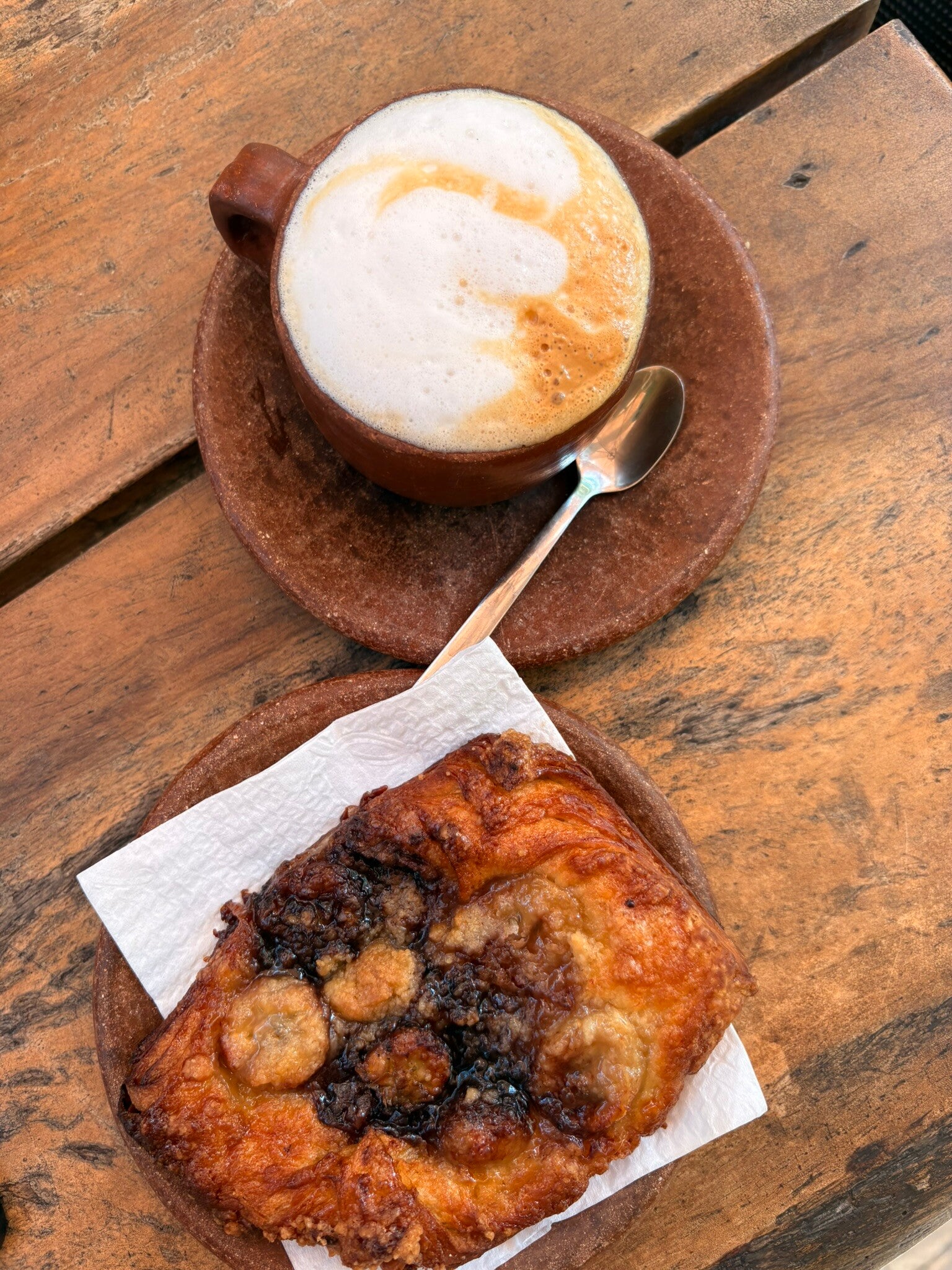
Puerto Escondido has a fun, social scene and plenty of great places to eat and grab a drink.
PS: about turtle-release tours 🐢
In Puerto Escondido, you’ll see many agencies advertising turtle release tours. I purposely did not include this activity, because after reading more reviews and doing deeper research, it’s hard to find an operator that combines conservation and tourism in a truly ethical way. Unfortunately, many releases happen at sunset, when turtles become easy prey for seagulls (in nature, they would typically head to the sea in complete darkness but then tourists wouldn’t get their Instagram shots!).
----
Overall, Puerto Escondido has a very different vibe than the resort destinations in the Yucatan Peninsula. It’s more bohemian and laid-back and a great place to fully disconnect.
Day 16 - travel to Yucatan peninsula
After exploring Mexico’s west coast, it’s time to head to one of the most touristy (for a reason!) regions in the country: the Yucatan Peninsula. It’s famous for ancient Maya archaeological sites, unique landscapes (think cenotes!) and turquoise beaches. This is where the well-known resort towns like Cancun and Tulum are located, but if that's not your style, there are plenty of more local places to stay in Yucatan that still let you explore everything the peninsula has to offer.
I decided to base myself in Merida, which is one of the best bases for visiting Maya archaeological sites - meaning less time spent on transport. Another benefit Merida has over Cancun is more affordable accommodation, since it’s less internationally famous as a tourist destination. You can easily get from Puerto Escondido or CDMX to Merida, Cancun or Tulum via domestic flights that depart several times a day.
If you choose to stay in Merida, you can spend the rest of the day exploring its quaint old town or joining a walking tour. I thoroughly enjoyed the one I did - Fernando is clearly passionate about Mexico’s (and Merida’s) history and I learned a lot in an entertaining way. The tour also included plenty of food recommendations and ideas for things to do in Merida.
Day 17 - Chichen Itza (plus Cenote Suytun and Izamal)
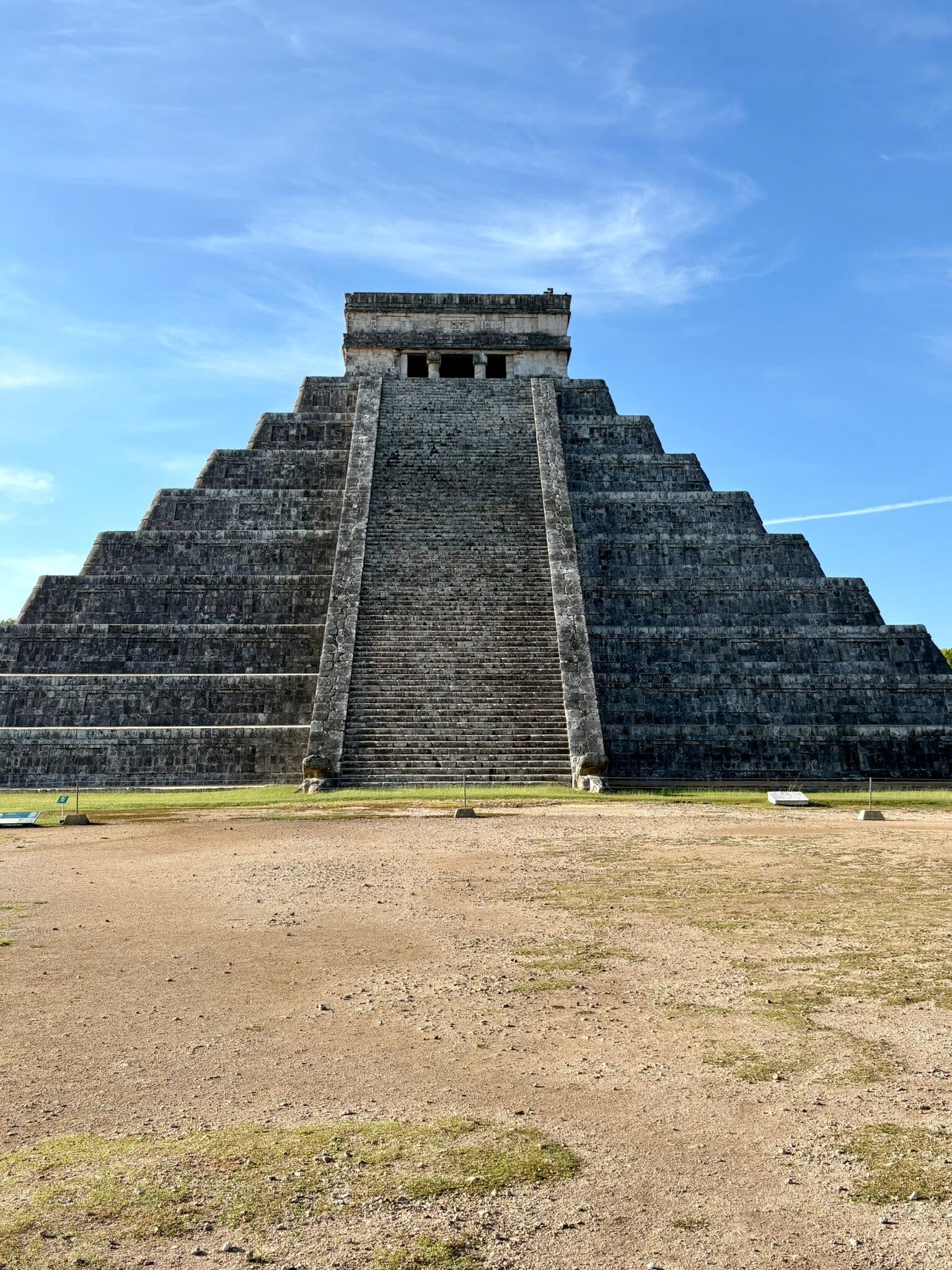
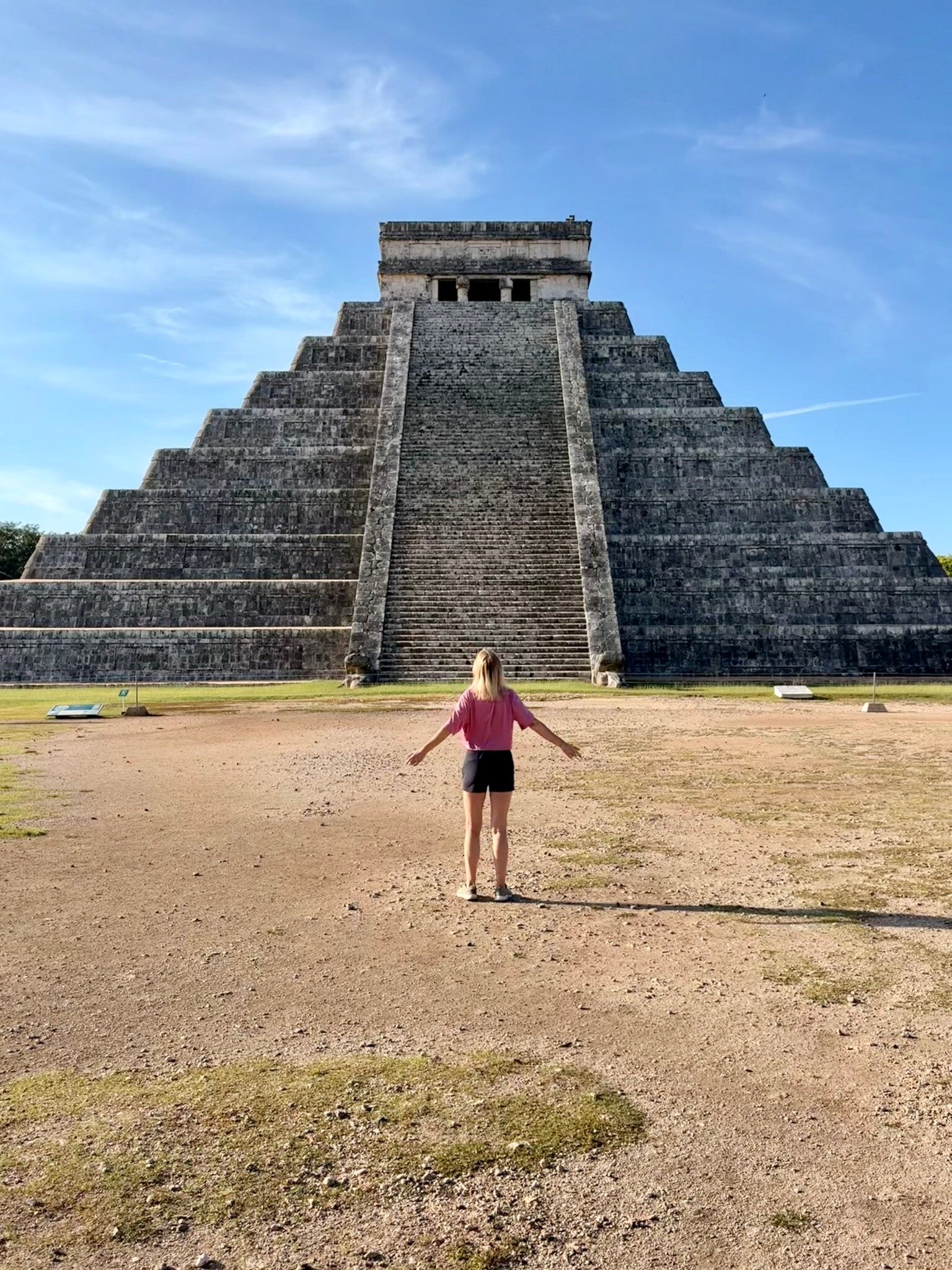
Visiting Chichen Itza is an absolute must while in Mexico - it was recognised as one of the New 7 Wonders of the World in 2007. While it isn’t the largest or the oldest pyramid in Mexico, it was chosen because of how much science, politics and symbolism is built into the site. (And as it happens, the number 7 was considered lucky in Mayan culture - so the symbolism continues: 7 wonders selected in 2007.)
Because Chichen Itza is internationally famous, it gets extremely crowded and the site is also overrun by souvenir vendors. The best way to mitigate this is to enter right at opening time (8:00 am), when there are fewer people and vendors are just setting up so more likely to leave you alone.
You can usually find tours with early departures. I went with Eco Expeditions Mexico and loved the experience from start to finish - our guide Delio was super interesting and overall a great guide.
What you’ll see at the archaeological site
A guided tour really brings the place to life, because it highlights details you would likely miss on your own. At Chichen Itza you’ll typically cover:
- El Castillo (the main pyramid)
Your guide will explain:- the Mayan calendar built into the structure
- the descending serpent phenomenon visible during the spring and autumn equinoxes
- the site’s impressive acoustic engineering
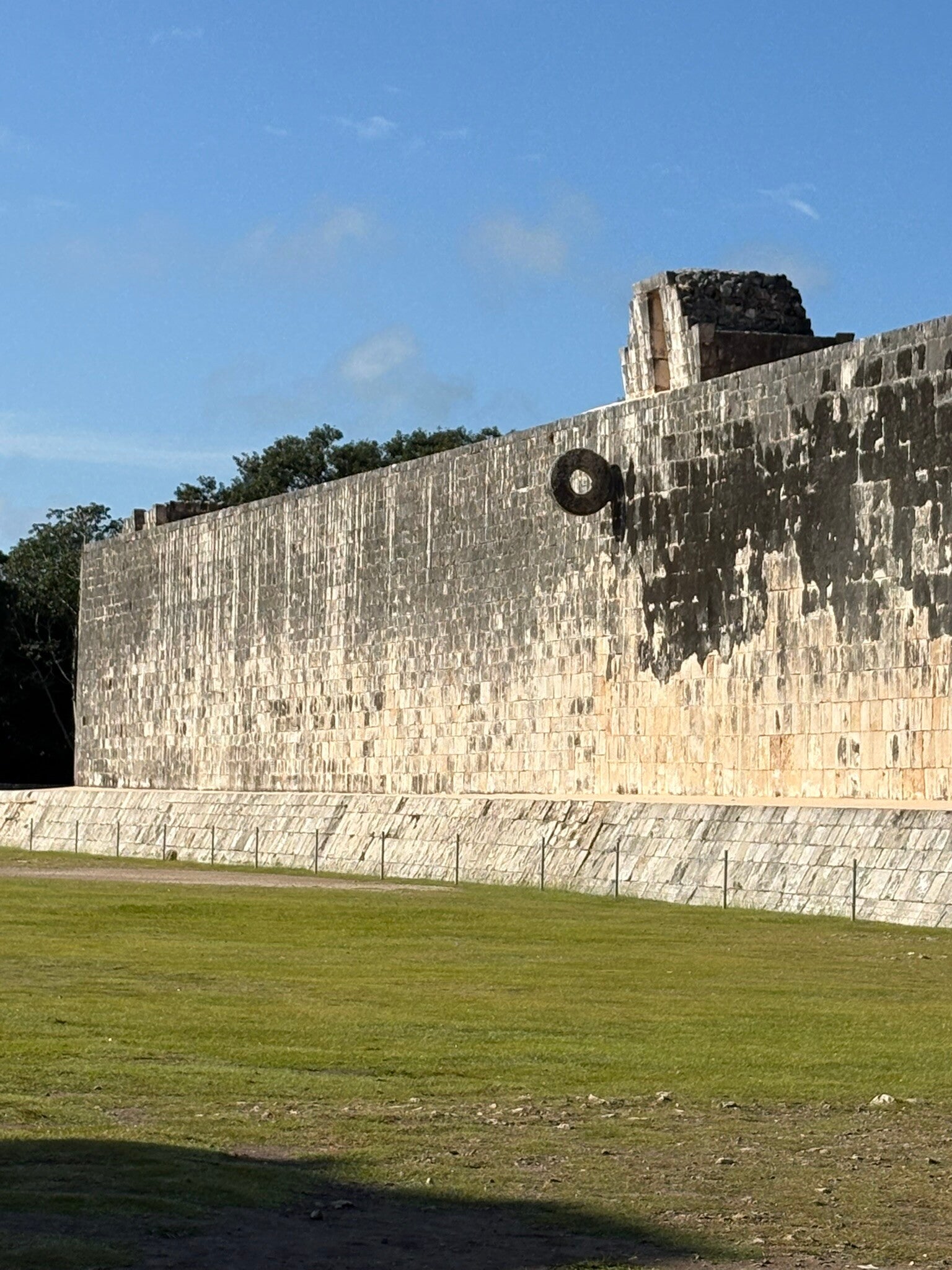
- The ball court (pok ta pok)
You’ll visit the court of the famous Mayan ball game. The name is said to come from the sound the rubber ball makes when it bounces off the walls. The game served both:- religious purposes (including connections to ritual sacrifice) and
- sport/entertainment.
- Free exploration time
After the guided part you’ll usually have time to explore independently, including:- sacrificial cenotes (natural freshwater sinkholes) where human bones were recovered
- other structures across the site.
Entrance fee: 671 MXN (~USD 39) for foreigners - bring cash.
I won’t spoil more, but I’ll strongly recommend doing Chichen Itza with a good guide. The extra context and symbolism makes an already fascinating site feel truly alive.
Bonus stop: Cenote Suytun
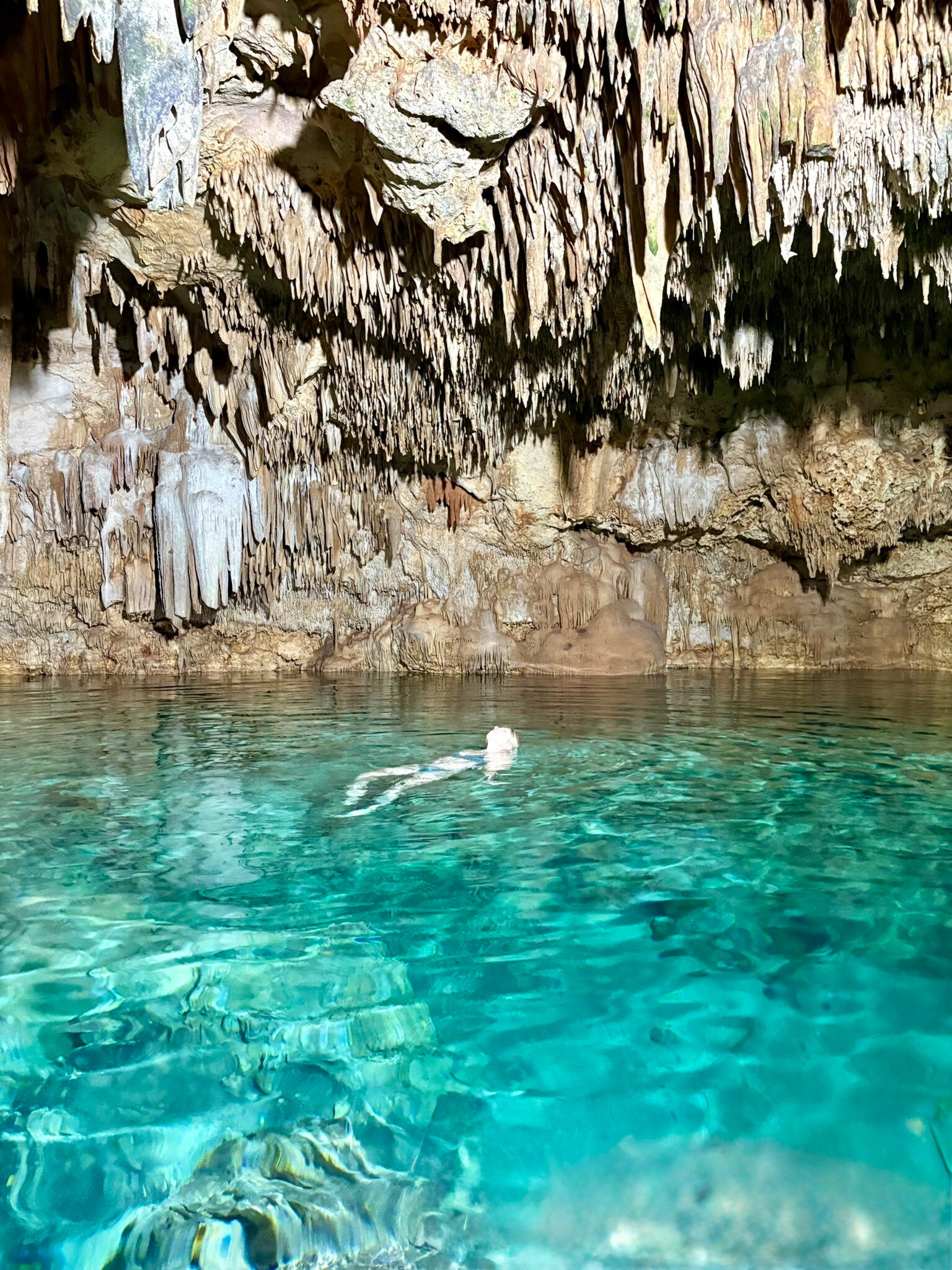
Many Chichen Itza tours combine the visit with a cenote. We visited Cenote Sotuta, which was a close contender for the highlight of the day.
While Yucatan has many cenotes, a lot of them are crowded and require mandatory lifejackets, which can be inconvenient if you’re already comfortable in the water. Cenote Sotuta, on the other hand, felt much more special:
- it’s a private cenote (literally in someone’s backyard!)
- our tour group of three were the only people there
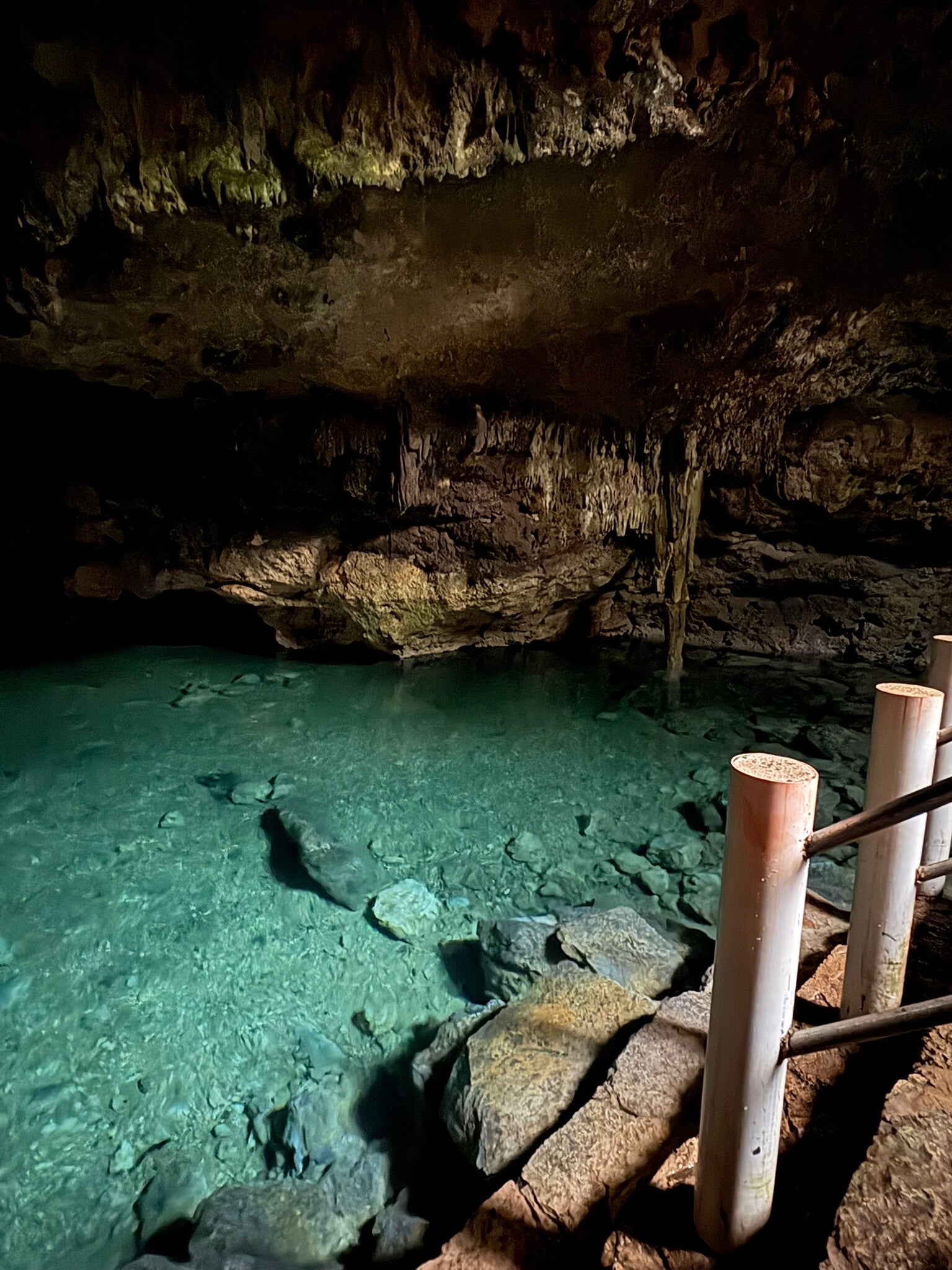
- the underground cenote is gorgeous with:
- stalactites and stalagmites
- clear water and tiny fish
- a rope you can hold to float and admire the “ceiling”
- lifejackets available but not mandatory if you’re comfortable
The family who owns the cenote also serves a delicious lunch, including famous Yucatan dishes like lime soup and tacos with cochinita pibil (shredded pork).
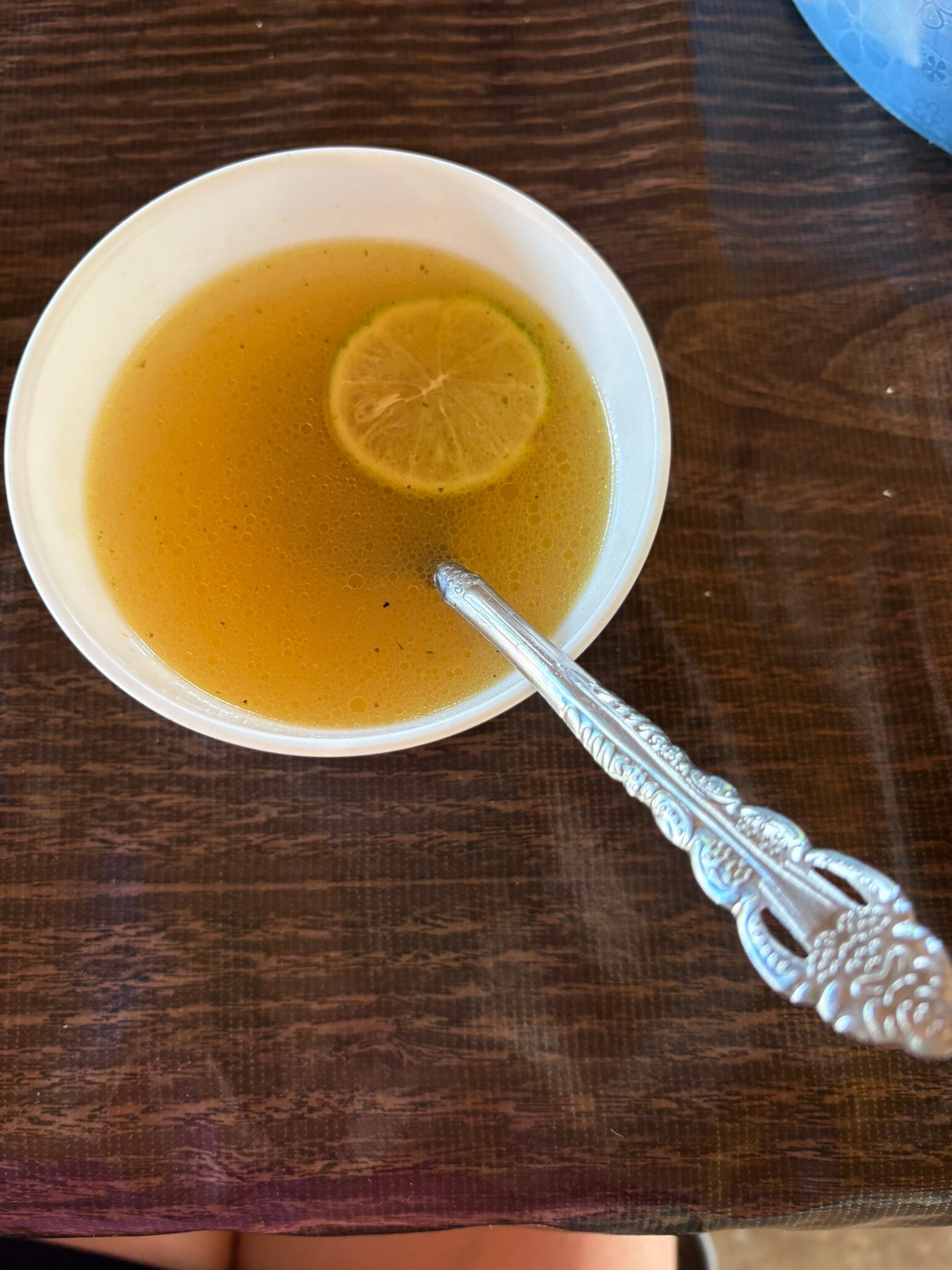
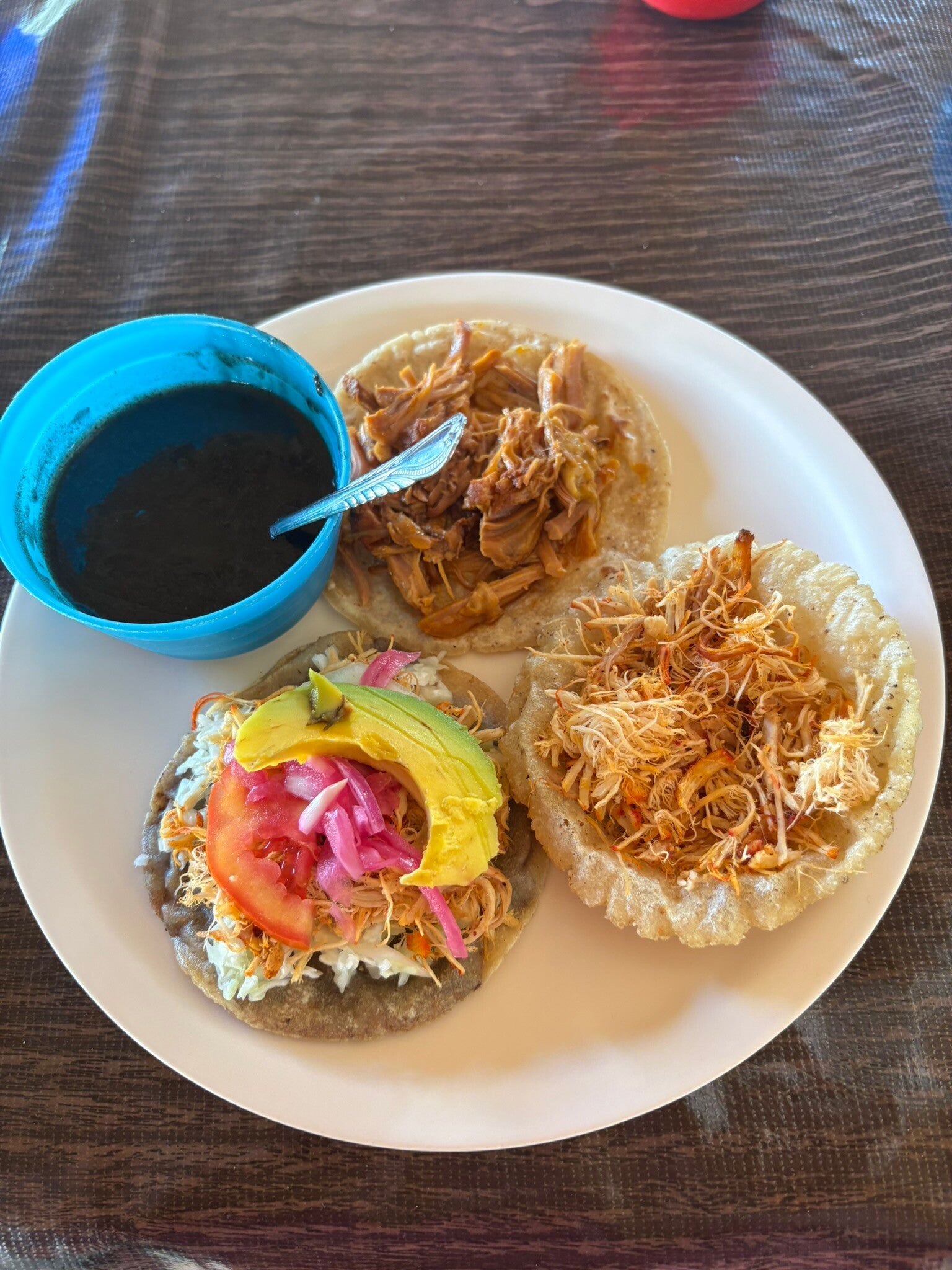
Last stop: Izamal (the “magic town”) 💛
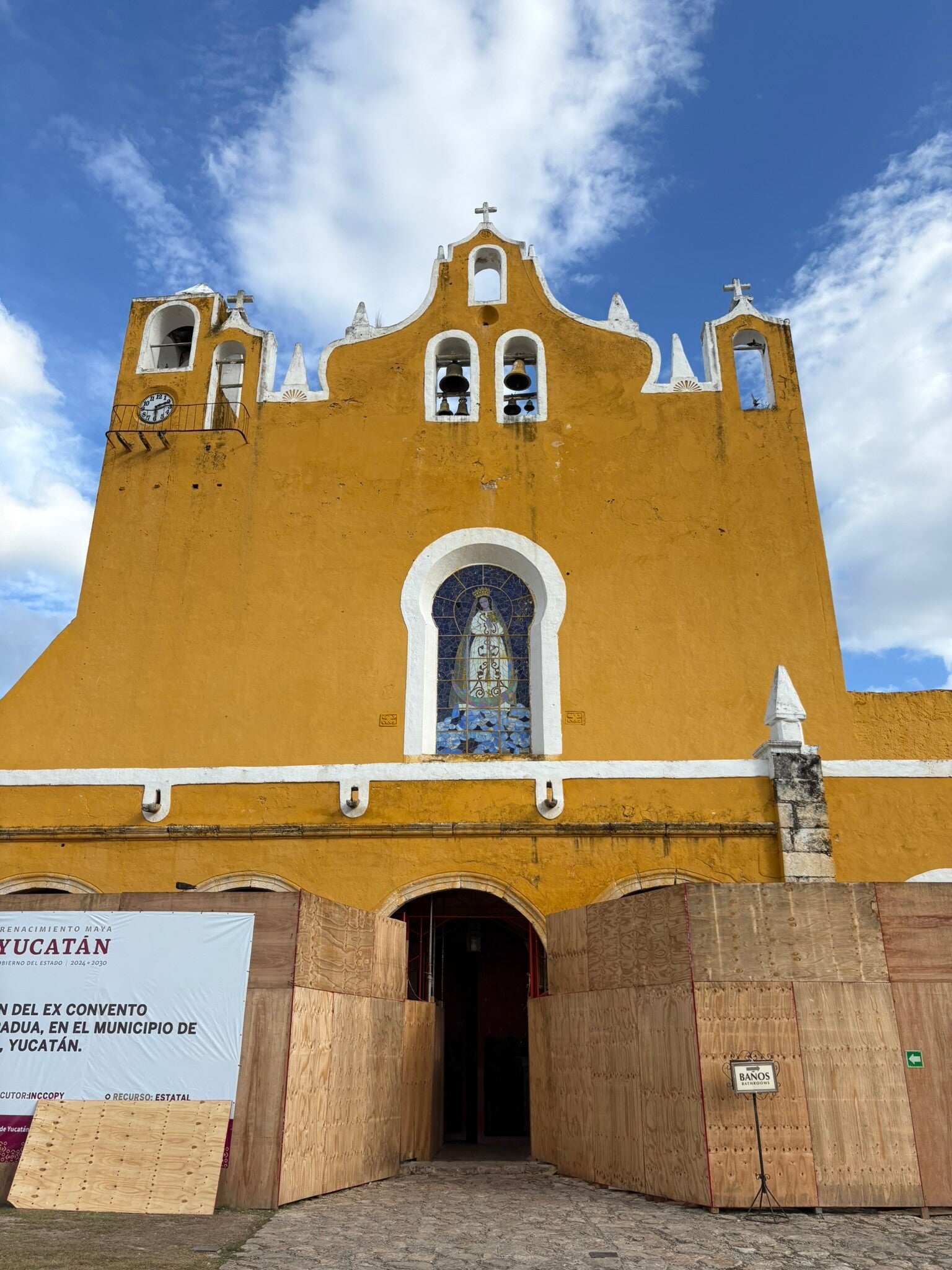
The final stop of our tour was Izamal, one of Mexico’s officially designated Magical Towns, similar to Cholula described on Day 8. Izamal qualifies because it used to be a Maya pilgrimage site dedicated to the Mayan sun god. Nearly all the buildings are painted bright yellow, symbolising both Mayan solar tradition and the colour of the Virgin Mary in Catholic faith (gold as heavenly favour).
What to do there:
- climb the remains of the Kinich Kak Moo pyramid (even if mostly for sport and not the views)
- visit the photogenic Convento de San Antonio de Padua
Izamal is beautiful, but it’s probably the least impressive stop after Chichen Itza and the cenote - unless you care deeply about symbolism. If your tour doesn’t include it, I don’t think it’s worth a separate trip: you can cover it in about an hour and the commute is at least 2 hours return from Merida.
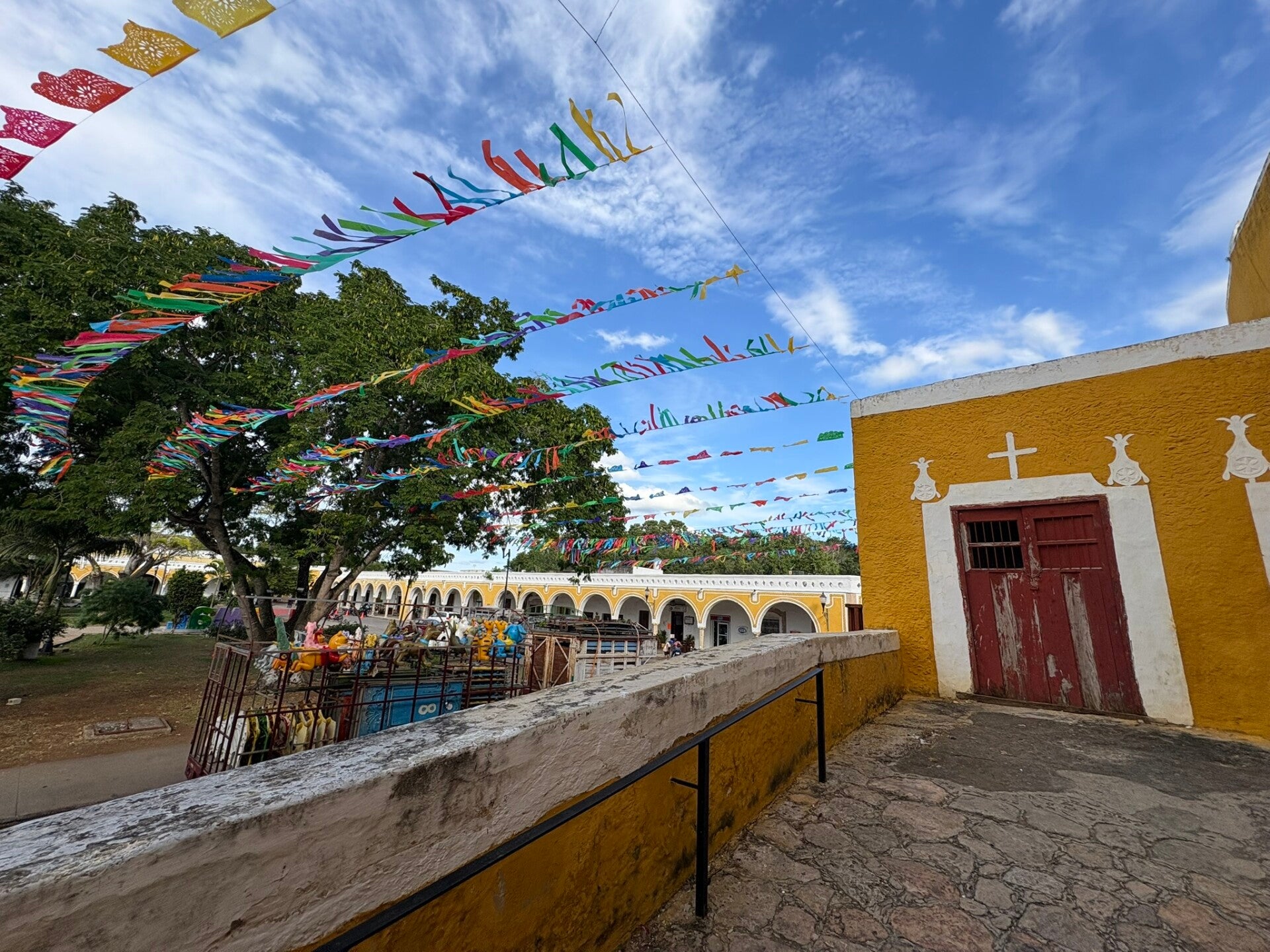
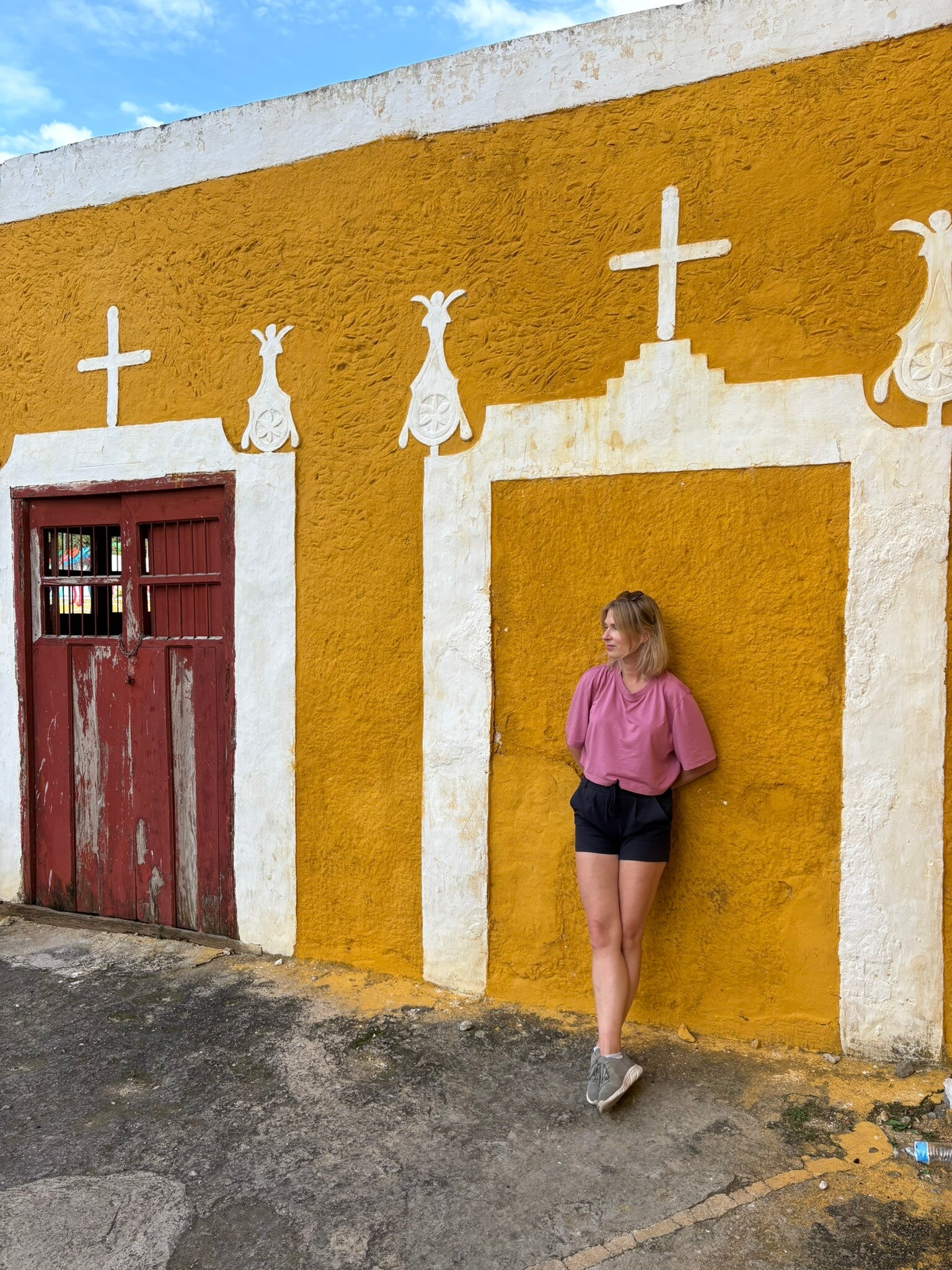
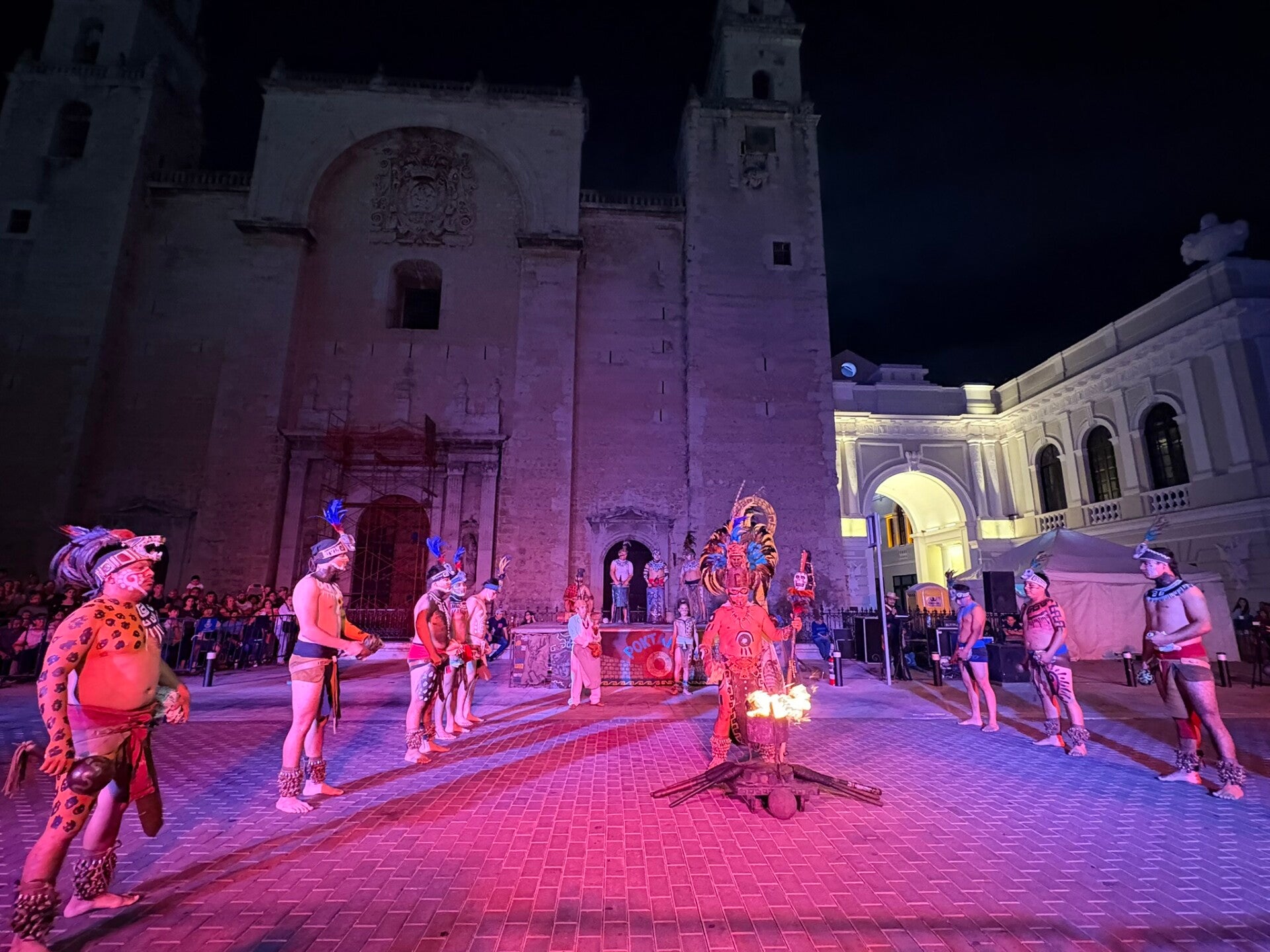
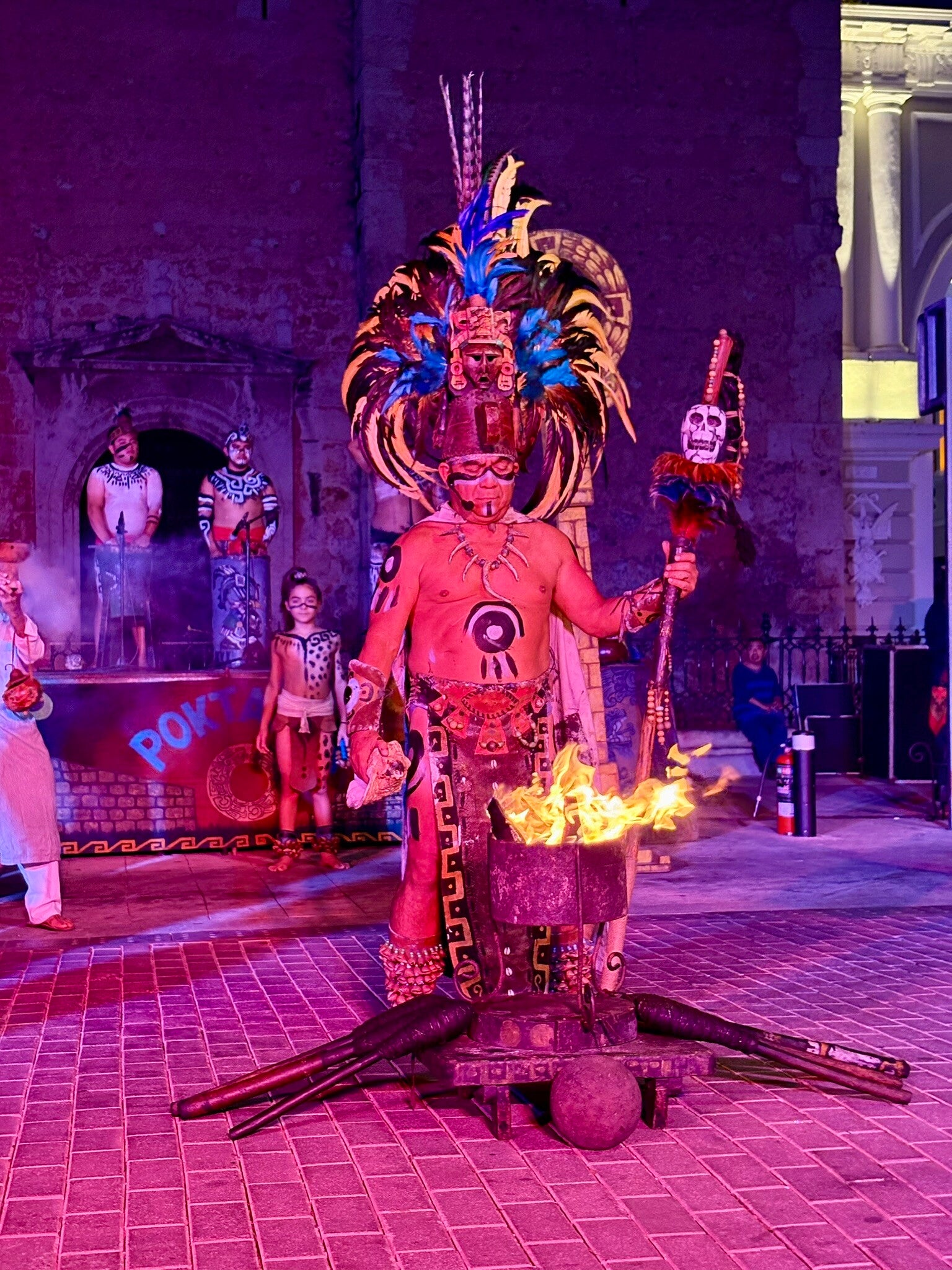
Today you learned about the ancient game of Pok Ta Pok and how the Maya played it. While the game is ancient, it still lives on today - just without the sacrifice part. You can watch a free Pok Ta Pok game every week in Mérida, in front of the Mérida Cathedral. Games are usually held on Fridays at 8:00 pm, but it’s best to check locally closer to your visit, as days can vary. I highly recommend going - the dramatic flair and the athletic performance with the heavy rubber ball are truly impressive!

Day 18 - Las Coloradas & Rio Lagartos (pink lagoons + wildlife)
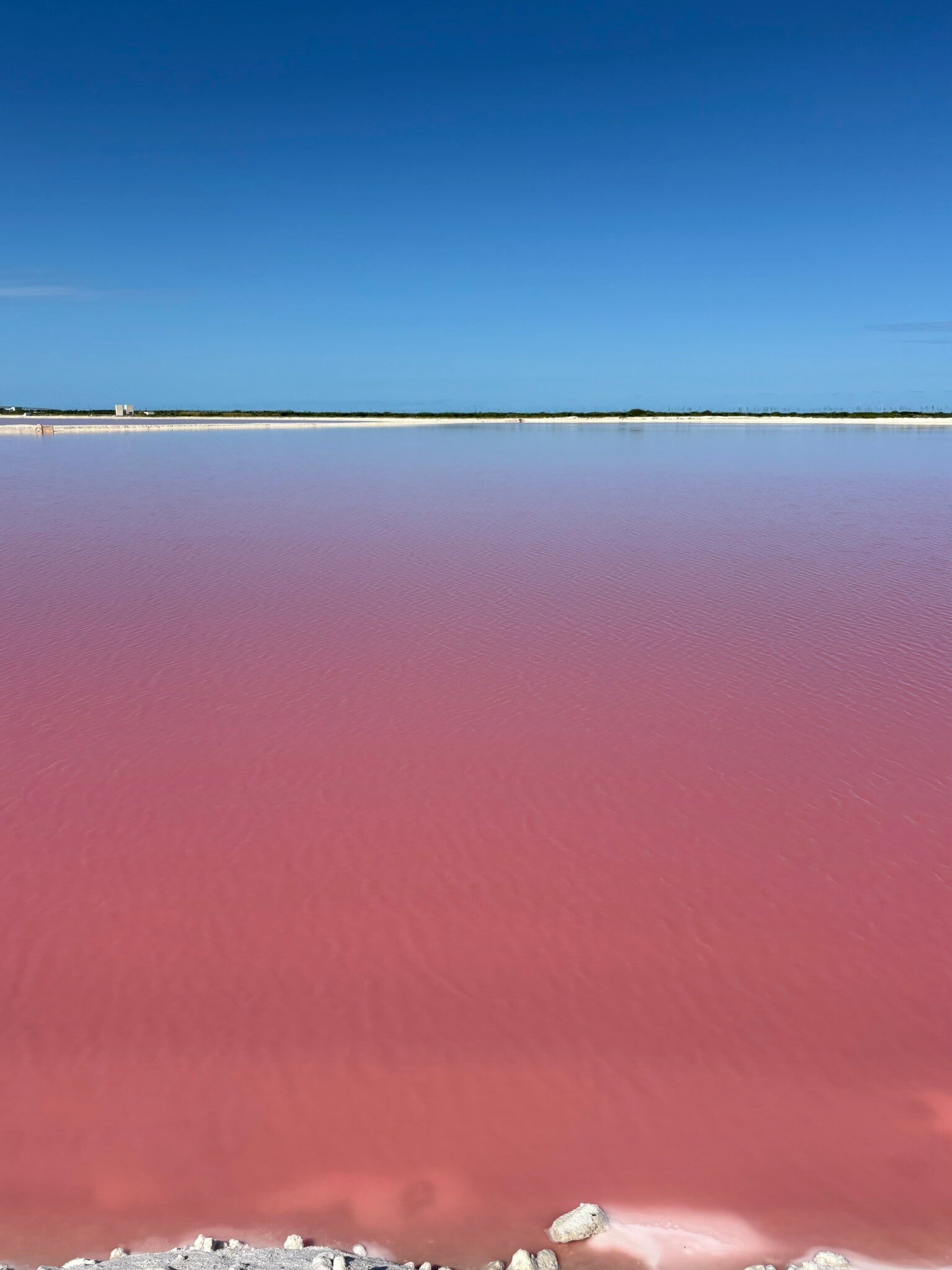
This is one of those day trips with long hours on the road that is totally worth it in the end. Las Coloradas is one of the most unique places in the Yucatan Peninsula (and probably in the world): a series of saltwater lagoons and evaporation ponds used for salt production, famous for their bright pink and rose colours. The shades can look different depending on the weather and time of day, but the colours are natural - the pigment-producing microorganisms thrive in the extremely salty water.
Because Las Coloradas is an active salt-harvesting operation, you can’t enter independently: you’ll need a guide and you can only access designated areas. That said, the sections you’re allowed to visit are still absolutely spectacular and it really looks just as pink in real life - these photos are not photoshopped!!

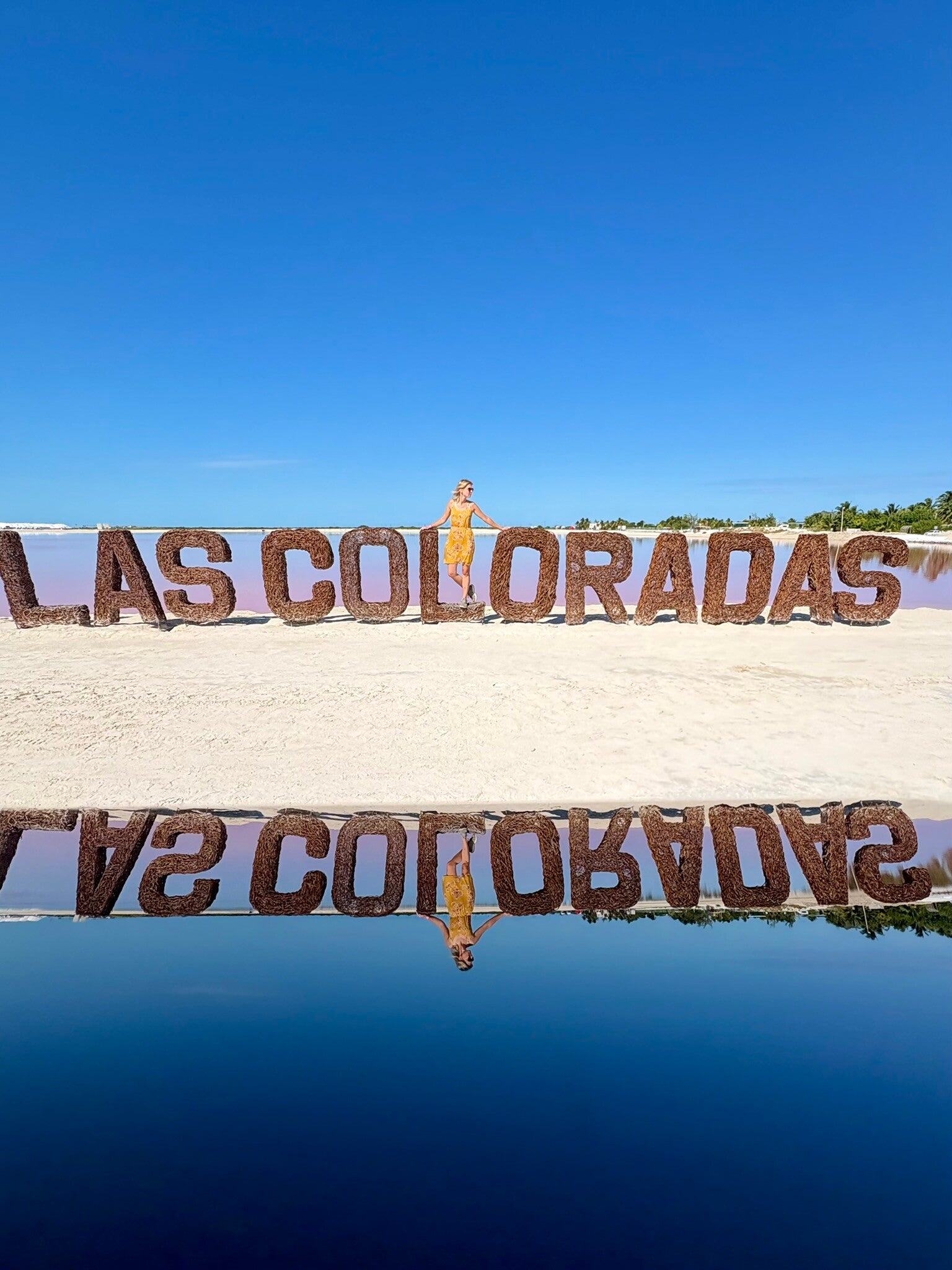
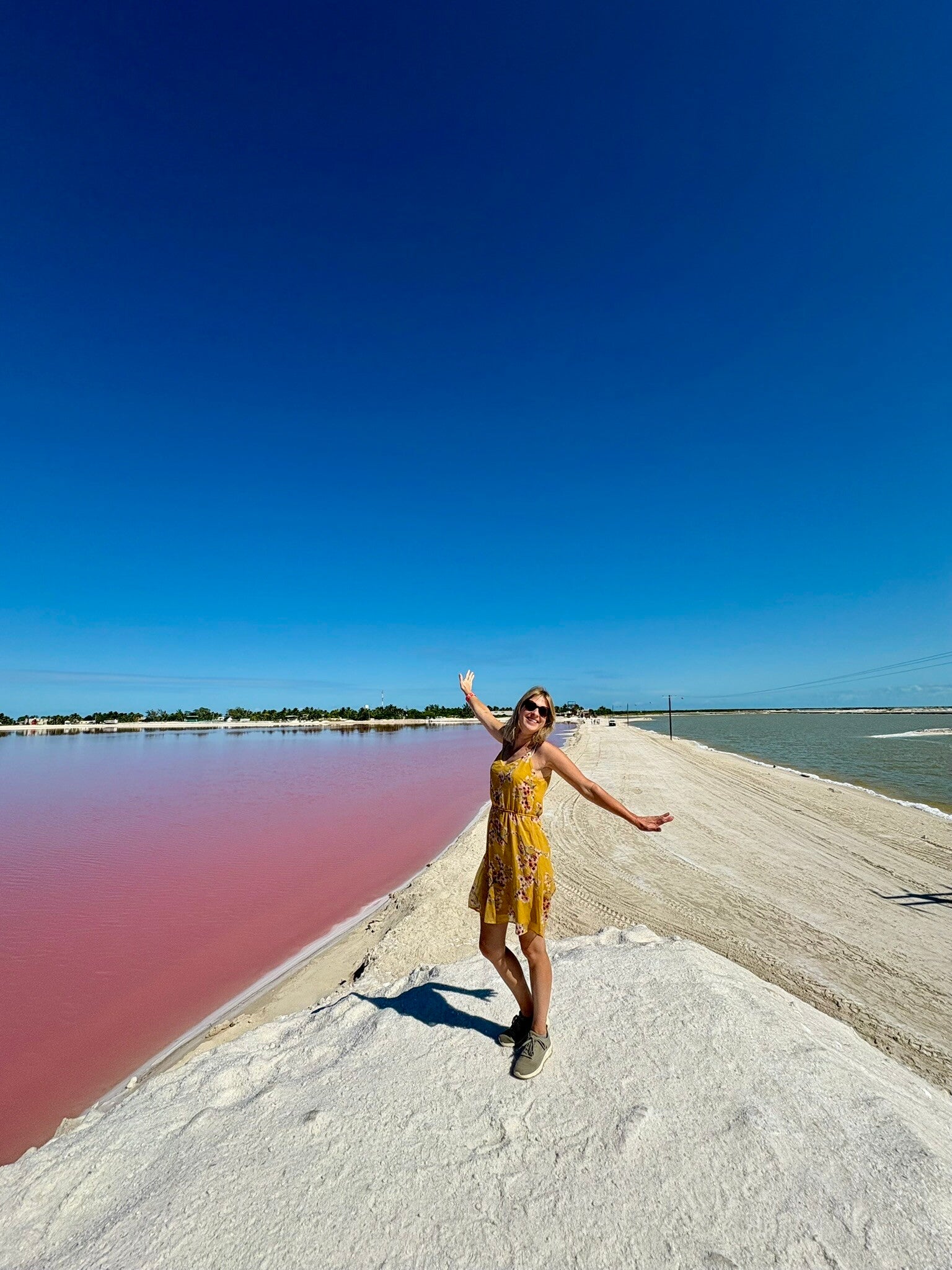
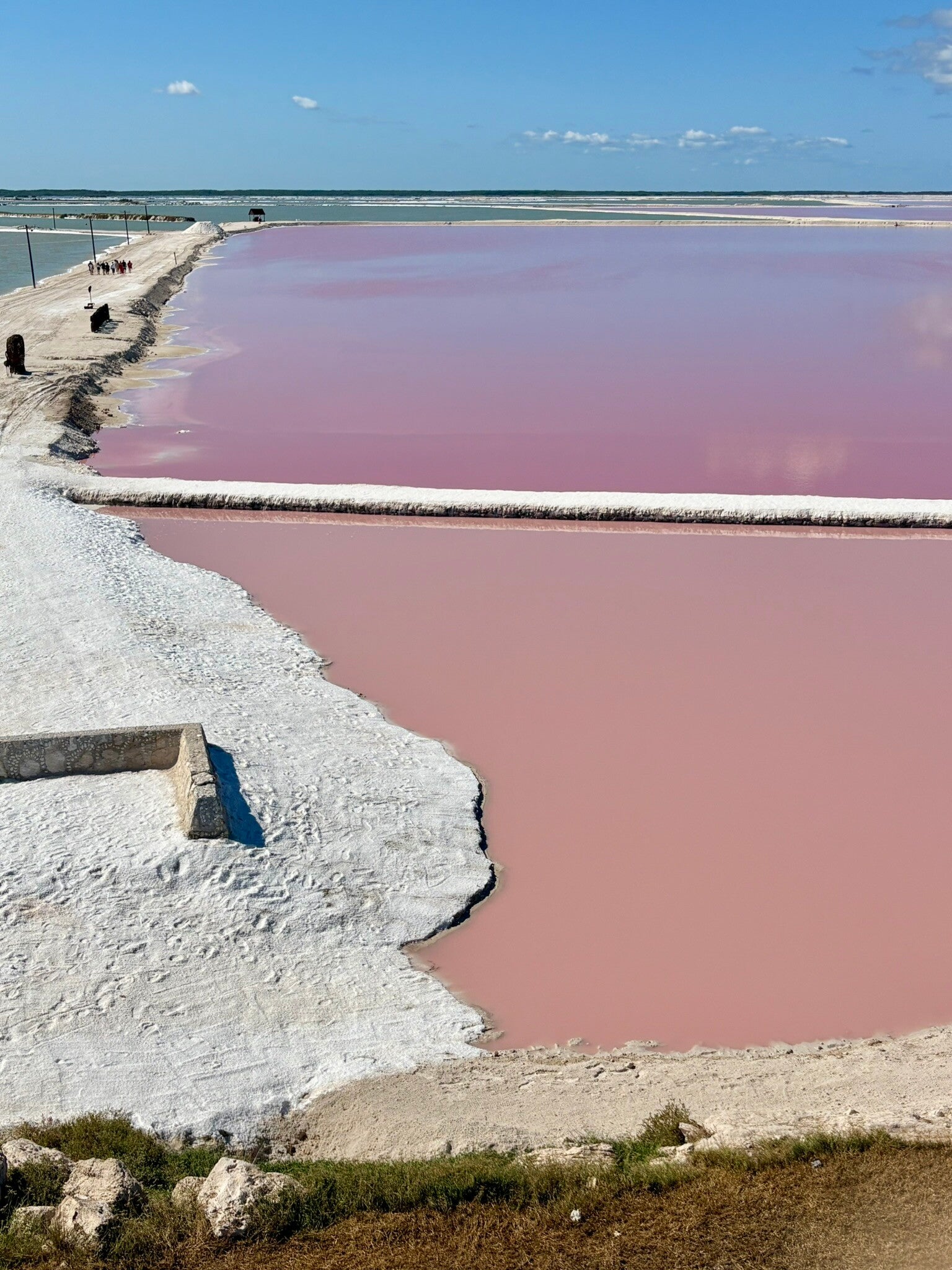
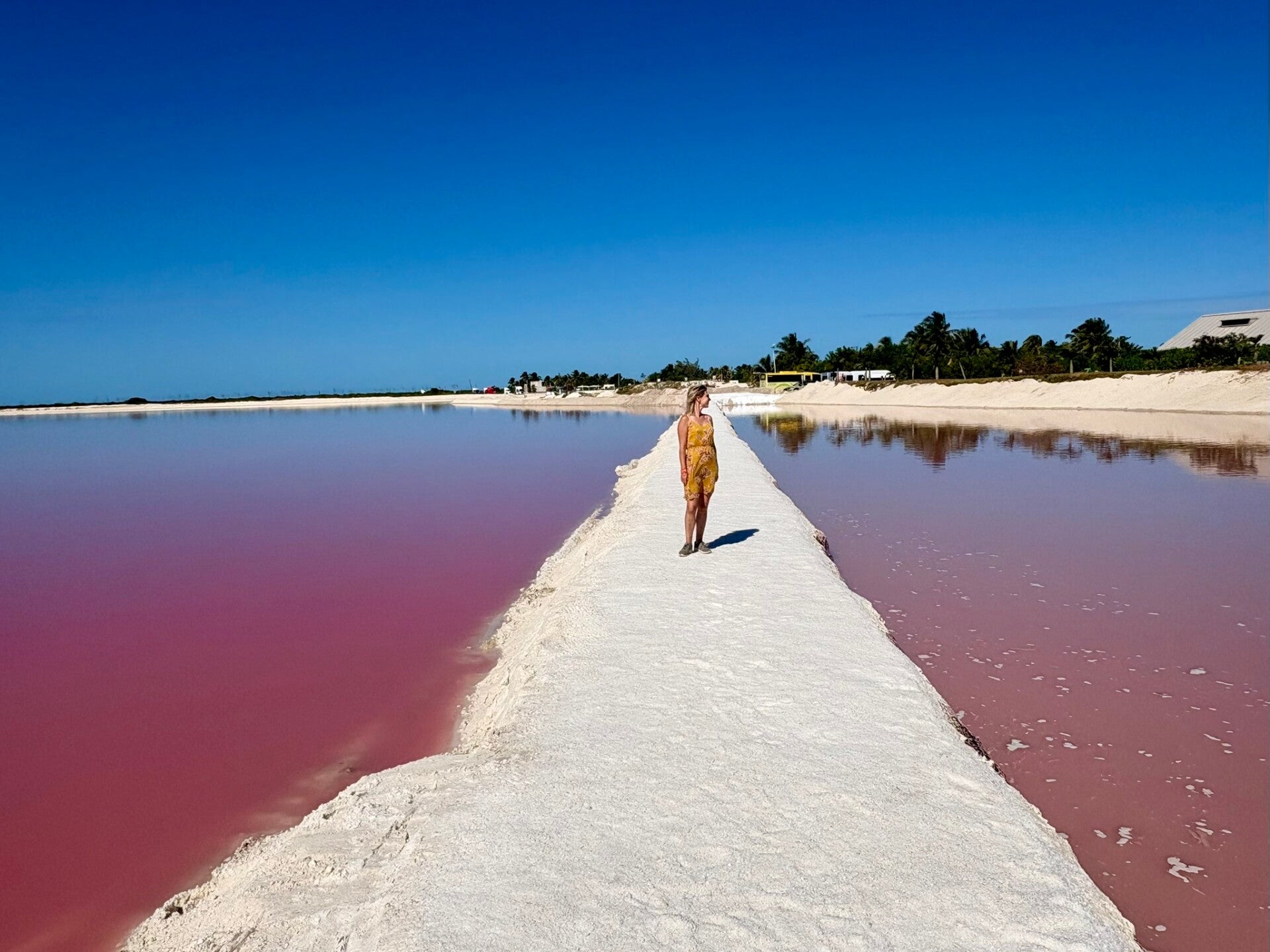
If you book a Las Coloradas tour from Merida or Cancun/Tulum, it will often include a stop at a wild beach (no facilities) for a quick swim. Just keep in mind that “wild” doesn’t always mean clean in Mexico - our beach was quite dirty but it was still refreshing to jump in the water.
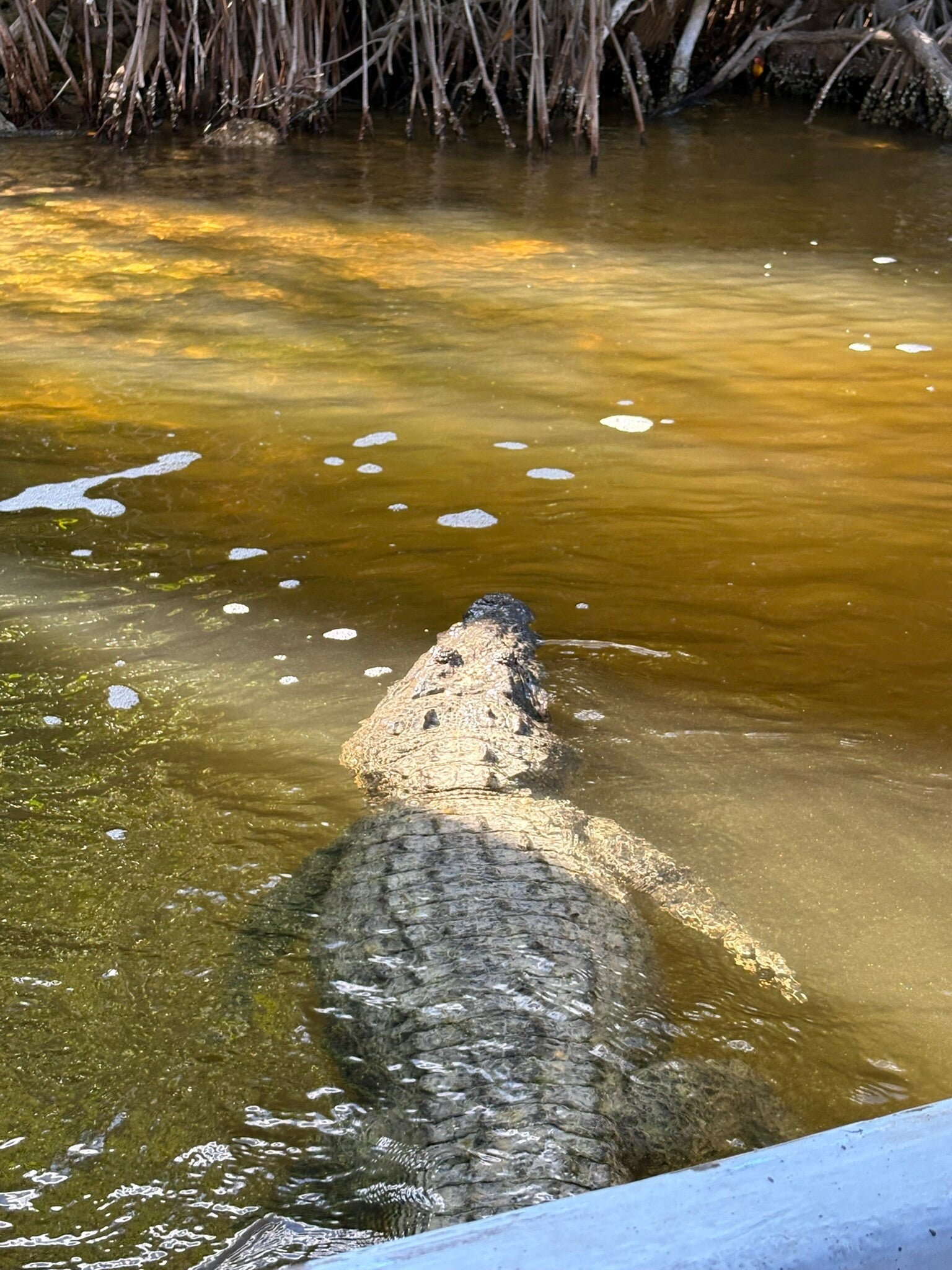
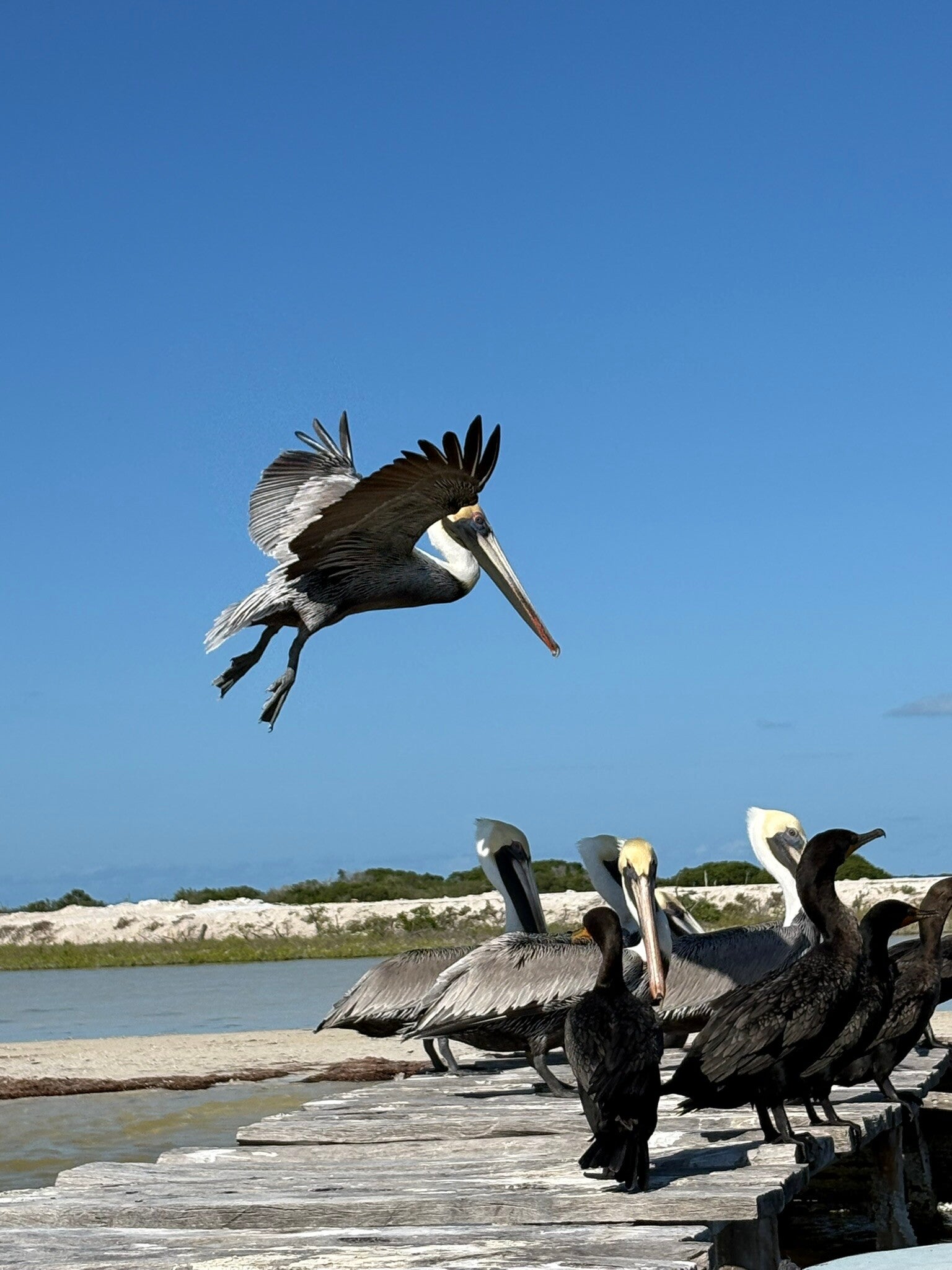
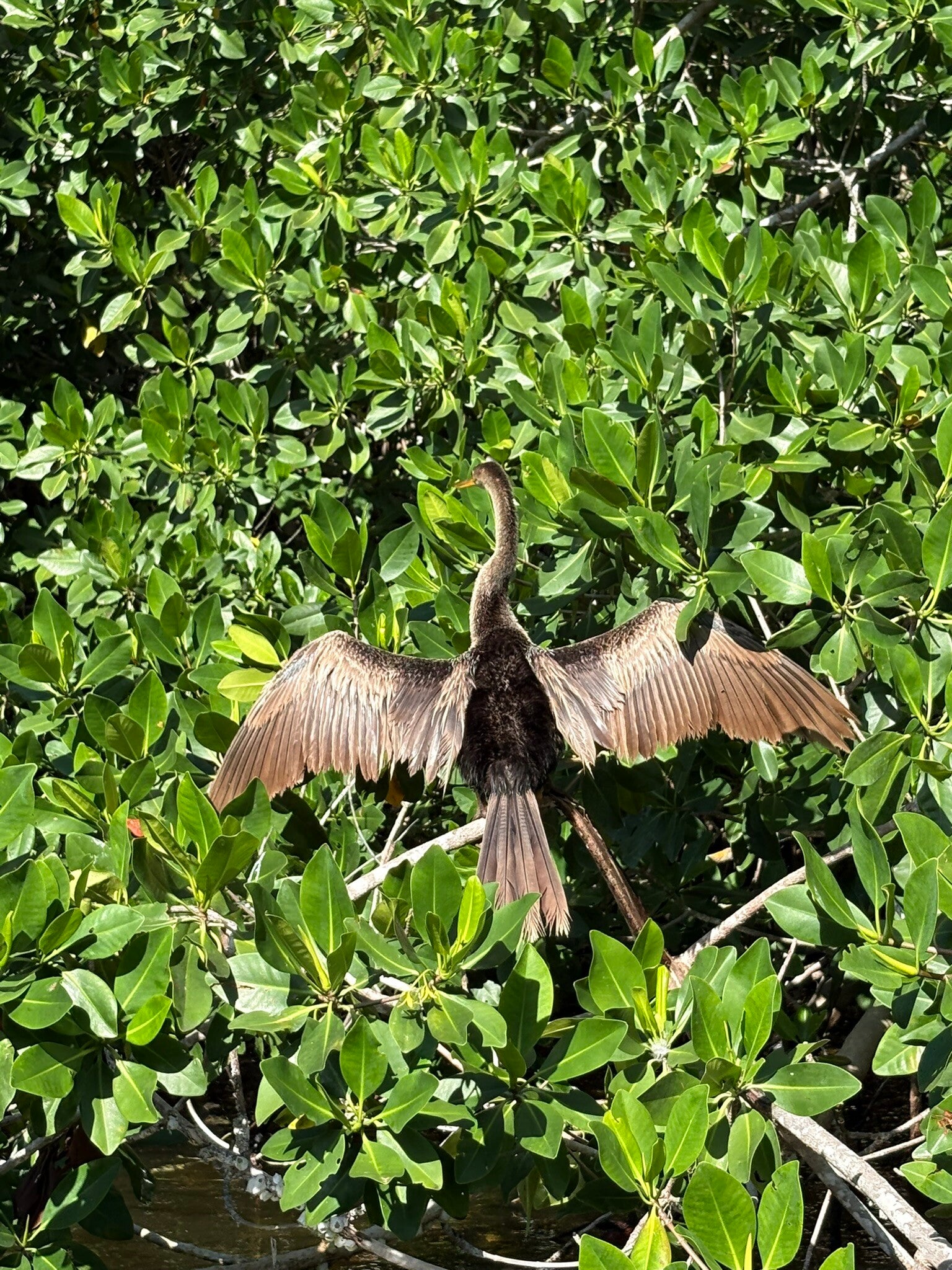
The next stop is usually a boat ride in the Rio Lagartos reserve. The name is a bit misleading: it’s not really a river (rio) but a coastal lagoon connected to the Gulf of Mexico. During the ride you can typically spot crocodiles, flamingos, pelicans and other birds. The boat may also stop at another beach for an optional swim and Mayan clay treatment, where you apply clay to your face and/or body to exfoliate and cleanse the skin.
I did this as an organised tour but you can also rent a car and drive yourself if you don’t mind spending many hours on the road.
The biggest tip: try to arrive at Las Coloradas in the late morning, before noon, as that’s when the colours are usually at their brightest. And if the weather is cloudy, it’s honestly not worth the trip - the colours will look much more muted and far less impressive.
Day 19 - Uxmal: a quieter Mayan masterpiece
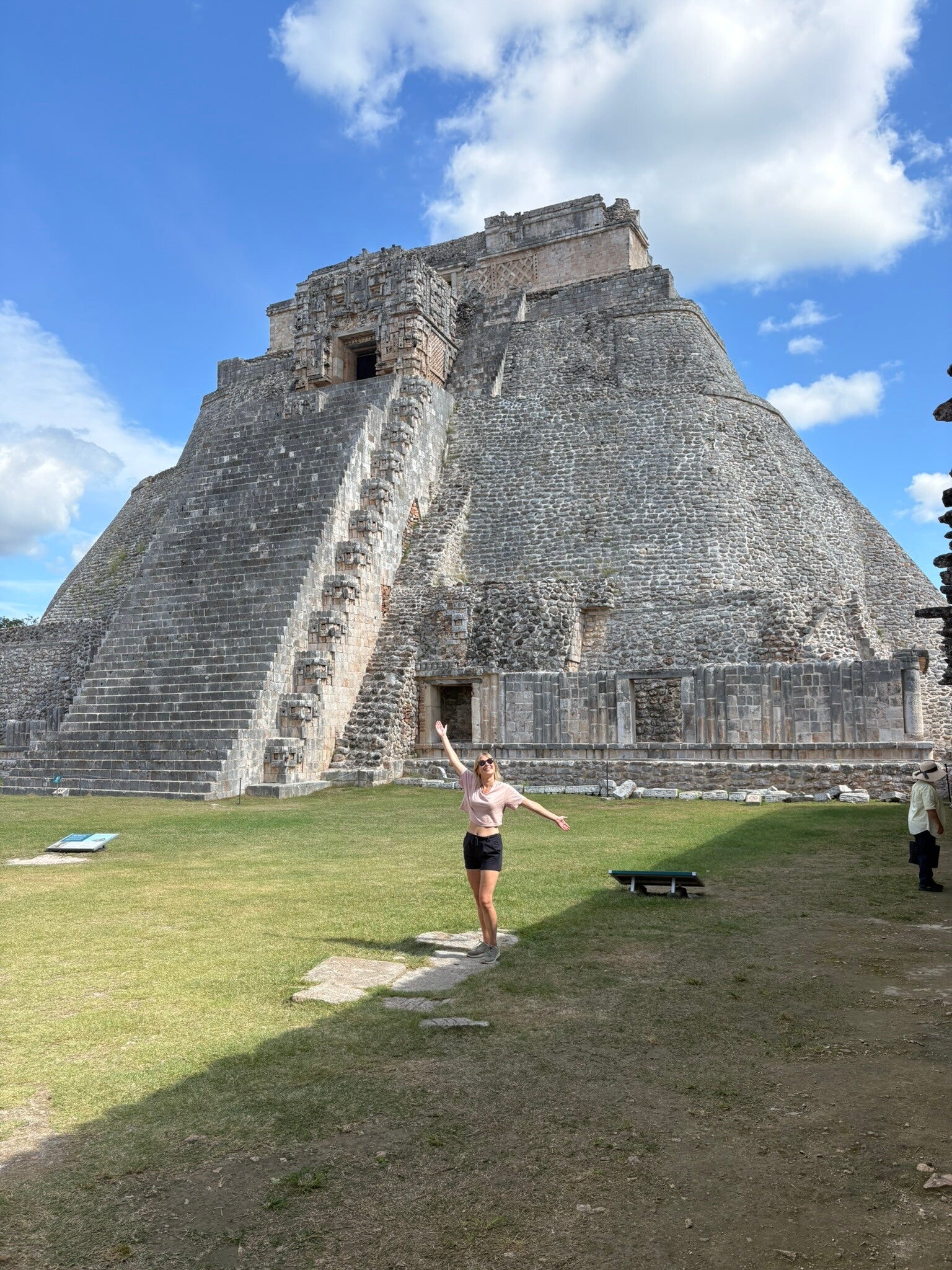
If you’re interested in Mayan architecture, culture and traditions but hate crowds, Uxmal is a great alternative (or supplement) to Chichen Itza. The site is just over an hour from Merida and is much lesser-known, meaning it’s significantly less crowded. Entry is 556 MXN (~USD 33) for foreigners, cash only.
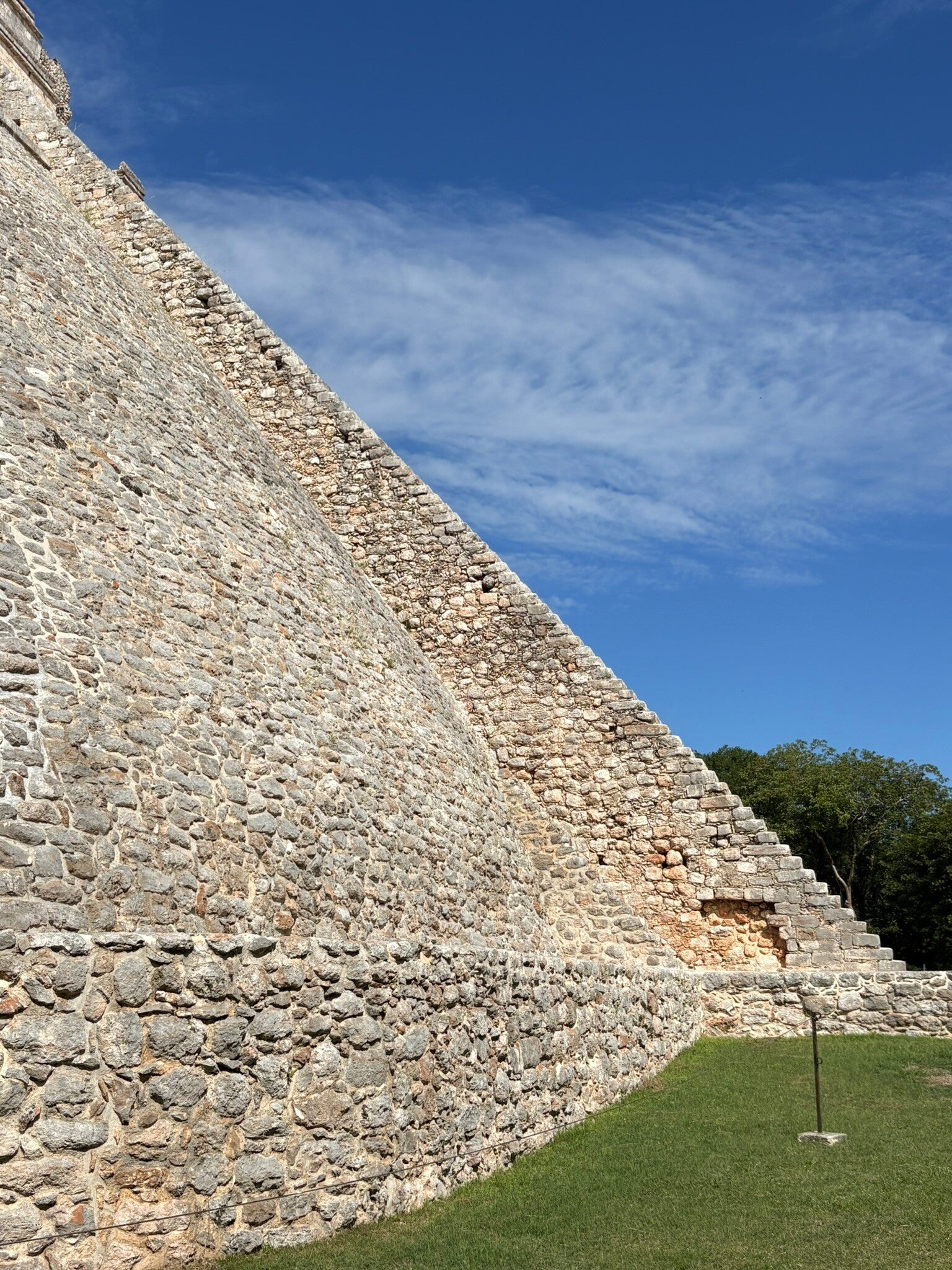
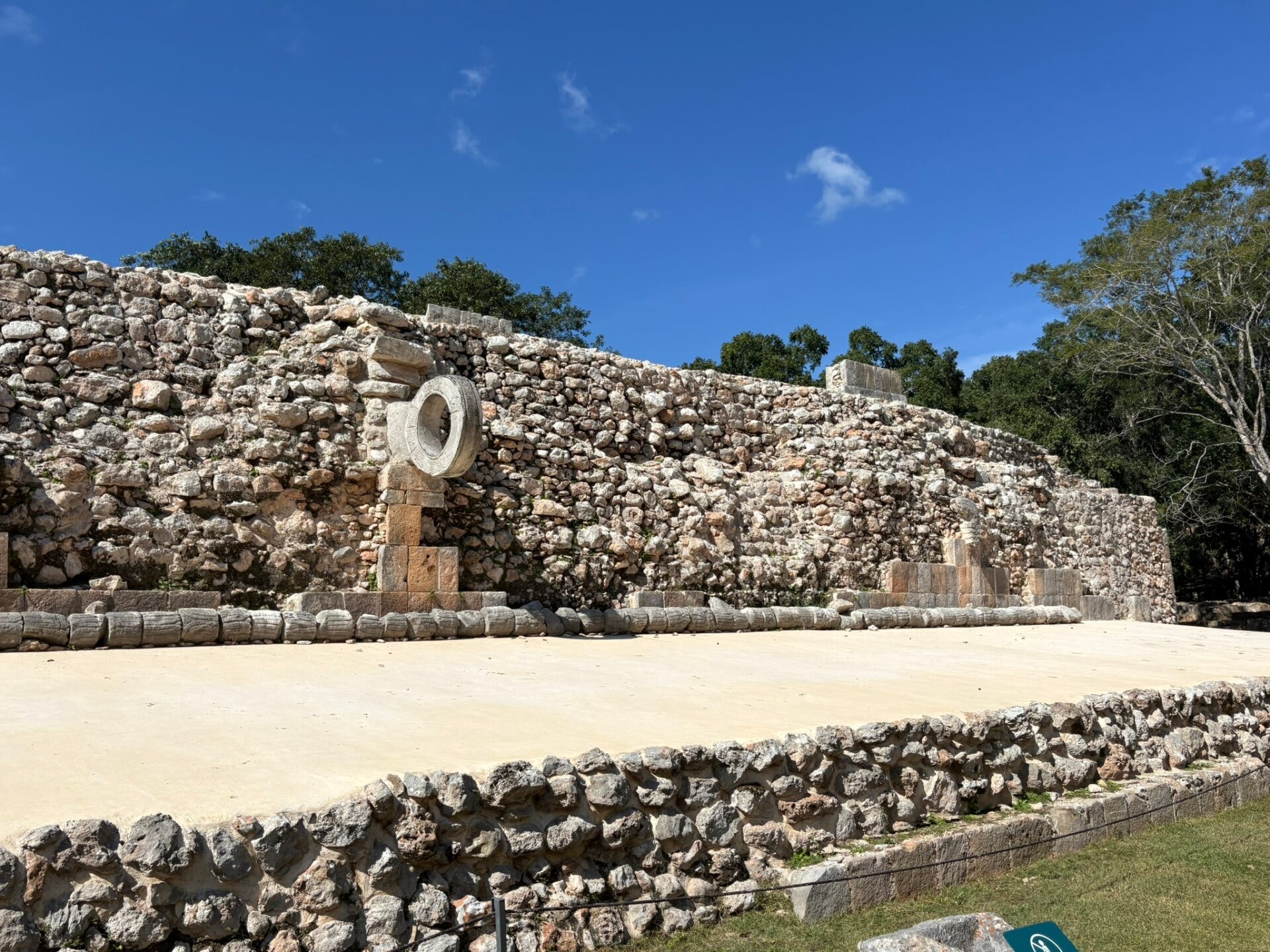
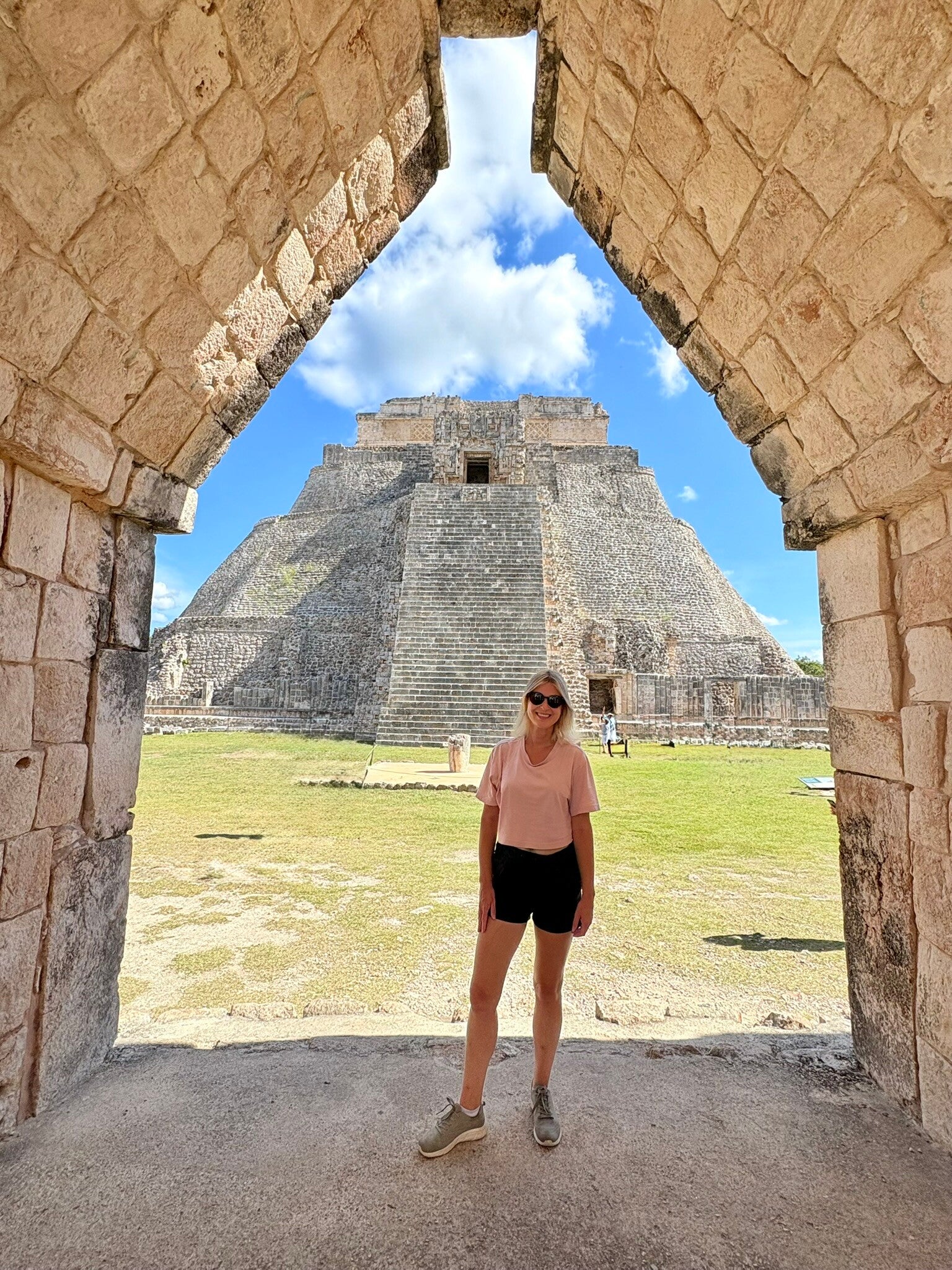
Despite being quieter, Uxmal is absolutely not less impressive. The accessible area is large and the architecture feels distinct from Chichen Itza. The site’s main structure, the Pyramid of the Magician, is surrounded by legends and fairy tales and was built in five construction stages over the centuries. You can also visit the ball court, the Governor’s Palace and climb the Great Pyramid for panoramic views over the complex.
I’d recommend a guided tour here as well - it really helps to understand not only the historical facts, but also the theories and legends that make the site more meaningful.
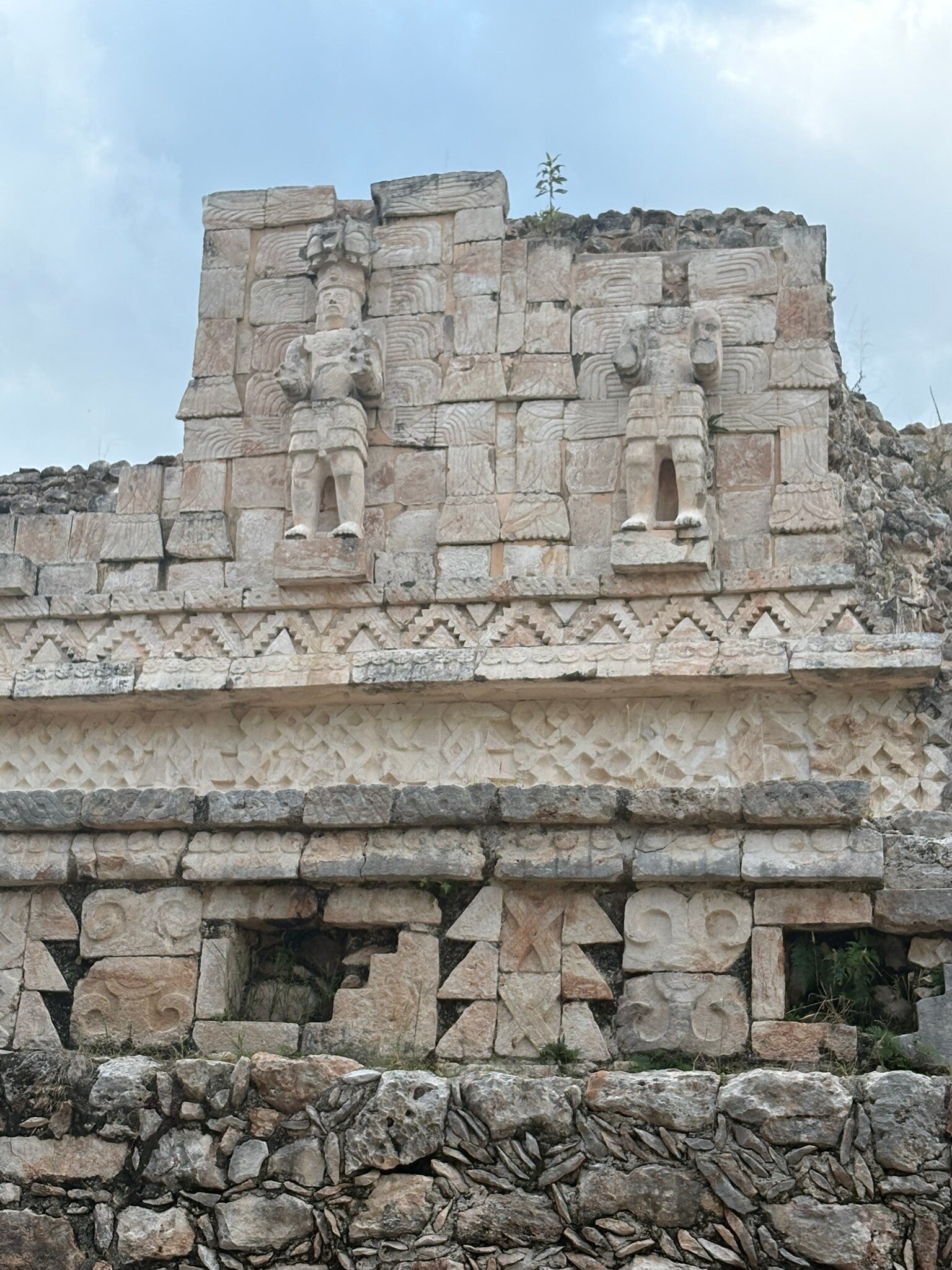
Uxmal tours often combine the visit with an additional stop, such as Kabah archeological site or a chocolate museum. I chose Kabah (entry 80 MXN / 5 USD, cash only) and it was even more deserted than Uxmal, which made for a more intimate visit. Kabah is strongly associated with the rain god Chaac (people in this region depended heavily on rainwater), so you’ll see many Chaac stone masks, as well as intricate carvings depicting fighting and sacrificial scenes.
The last stop on my tour was Cenote Peba (Cenote Sambula). It was less impressive than Cenote Sotuta (no stalactites/stalagmites), but still a very nice underground cenote. Life vests are available but not mandatory and the facilities are convenient (lockers, changing rooms, showers). Entrance is 100 MXN (~USD 6), cash only. Bring some coins for tips for the lockers - guards explicitly ask for it.
Day 20 - Merida museums + bus to Tulum
Today is a good transport and rest day. Spend the morning exploring downtown Merida at a leisurely pace - especially its free museums - then take a 4-hour bus from Merida to Tulum, a well-known beach destination on Yucatan peninsula. One practical tip: bring a light layer for the ride, because the air conditioning on ADO buses can be surprisingly strong.
Museum recommendations in Merida (quick visits)
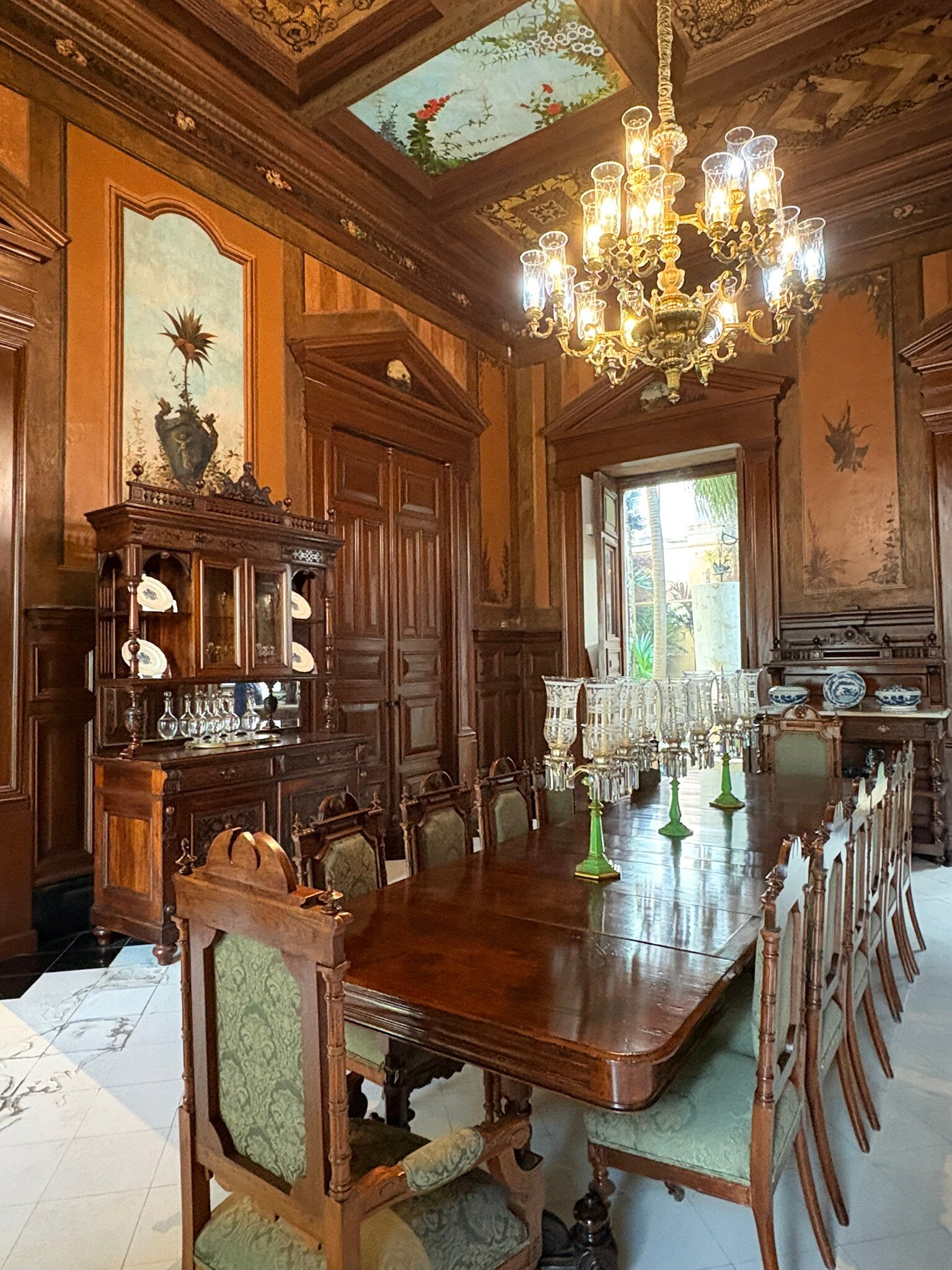
- Museo Casa de Montejo (15–30 min) - the former home of Francisco de Montejo, the son of the conquistador who founded Merida.
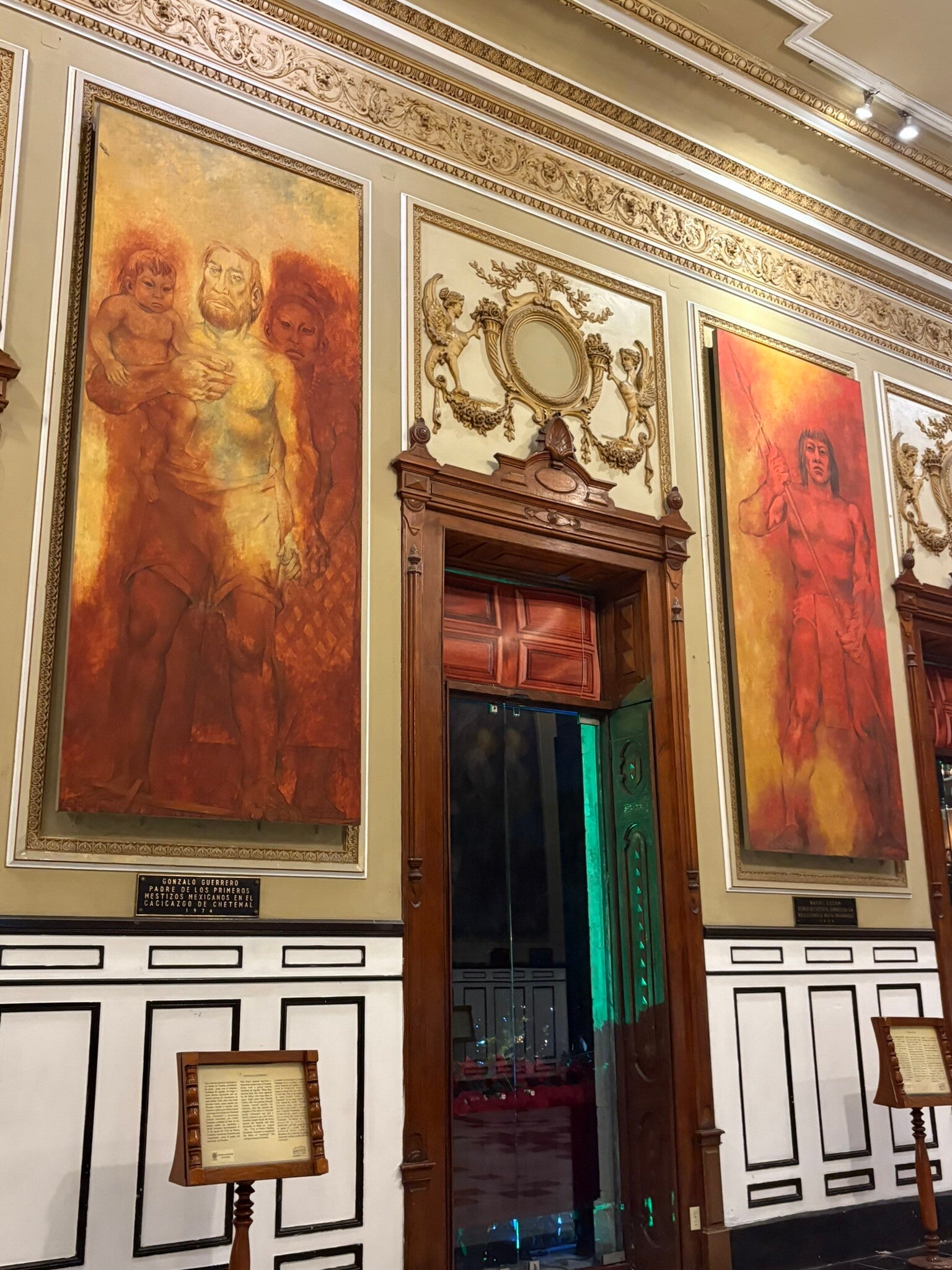
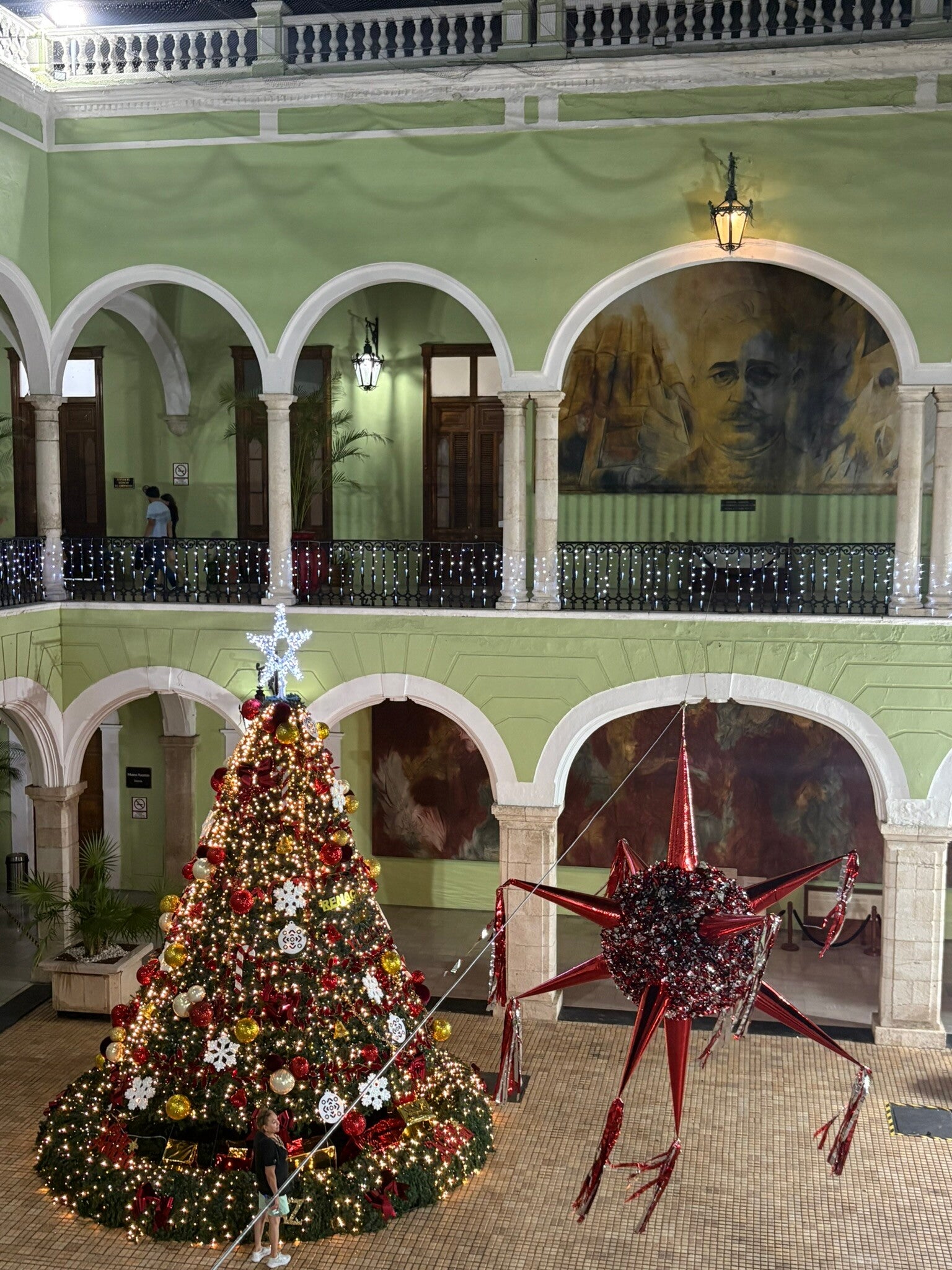
- Edificio Municipal de Merida - a colonial building with large murals by Fernando Castro Pacheco, focused on the city’s history and the Spanish conquest.
- Museo de Arte Contemporaneo - exhibitions by modern and contemporary Mexican artists.
Where to stay in Tulum
Tulum is spread out between Tulum Pueblo (the town - more local and budget-friendly) and the Hotel Zone along the beach (more upscale, trendy restaurants, beach clubs and higher prices). Your best base depends on whether you value affordability or direct beach access.
Day 21 - Visit Tulum ruins: the most scenic archaeological site in Mexico
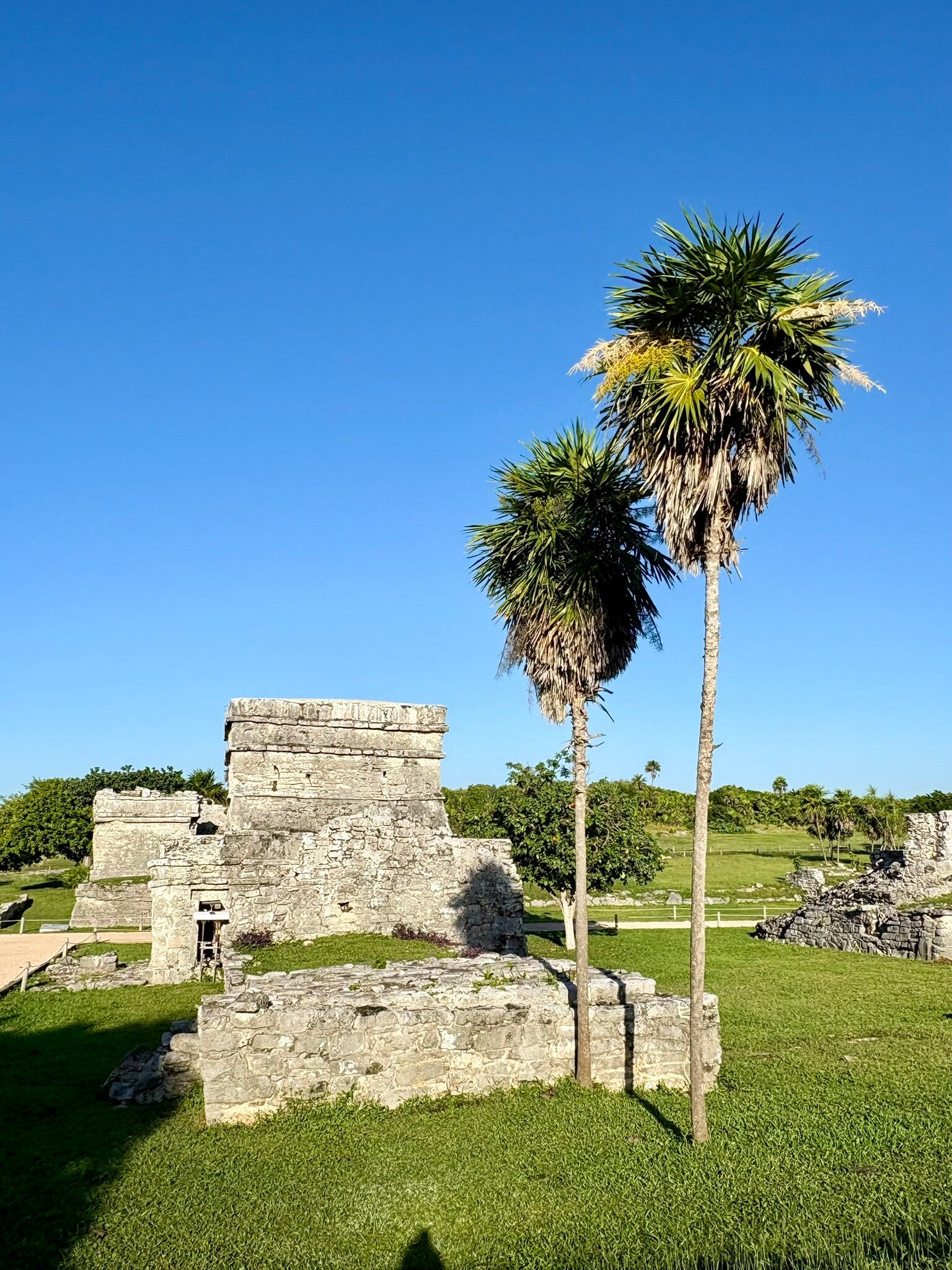
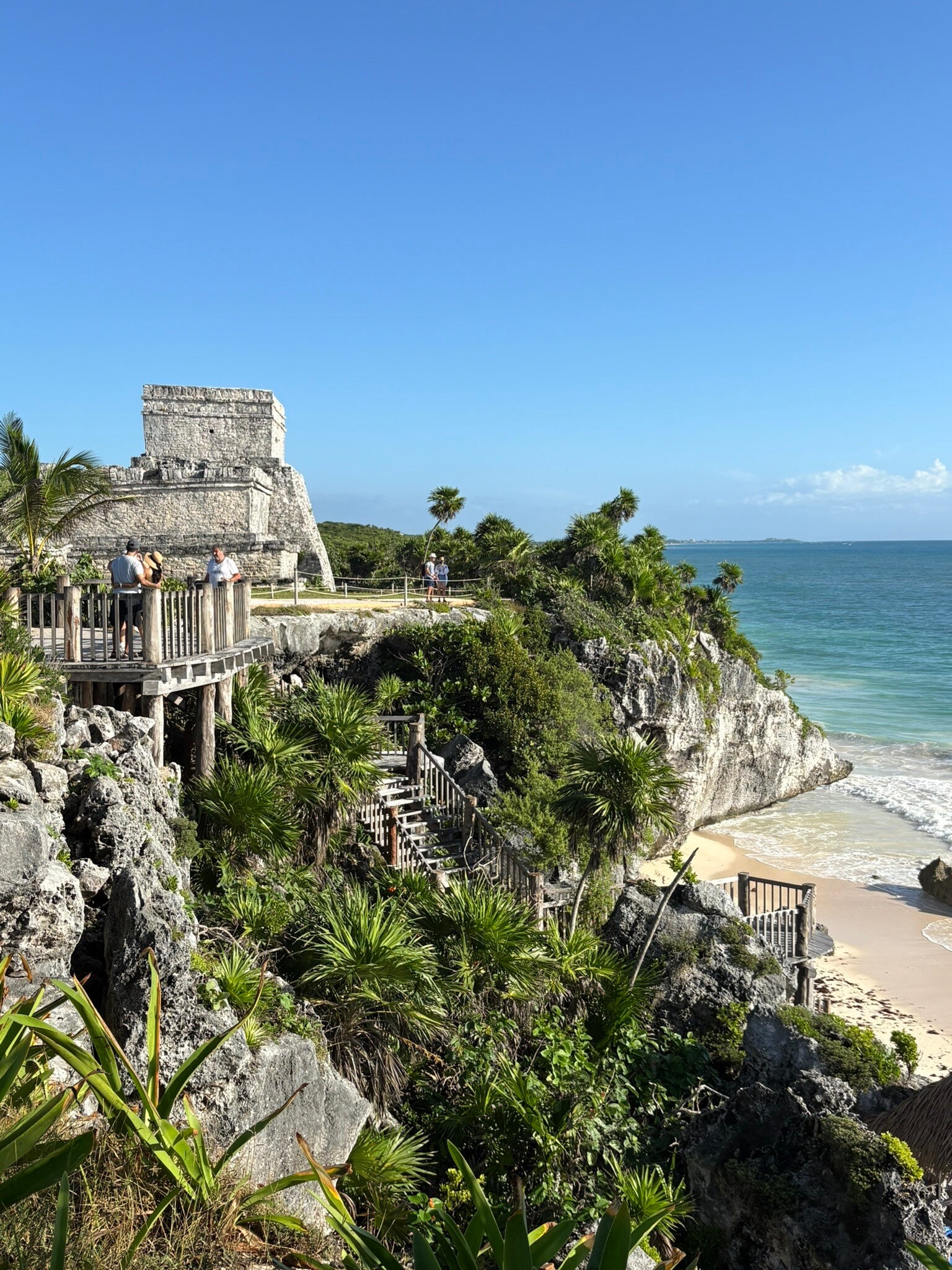
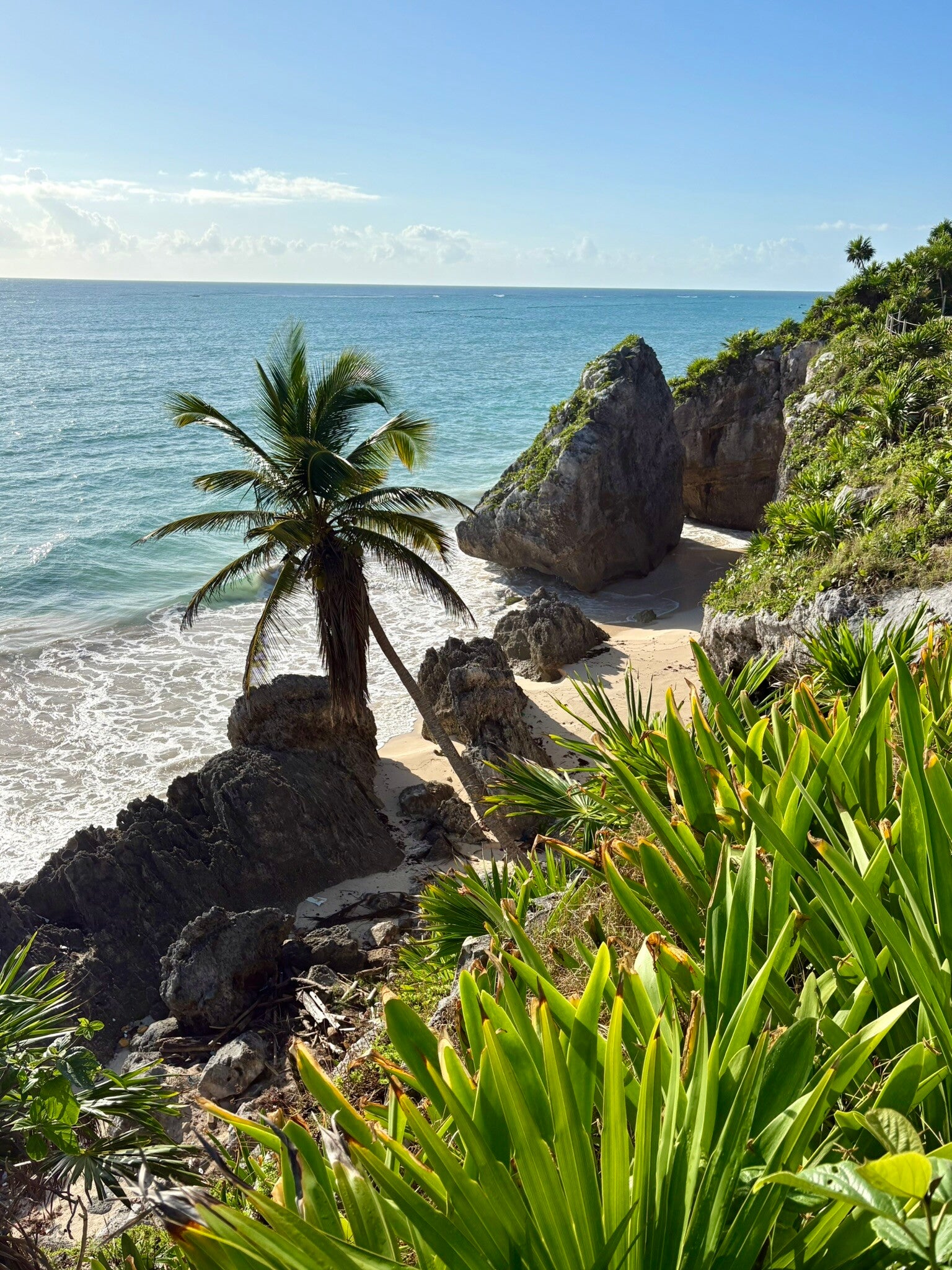
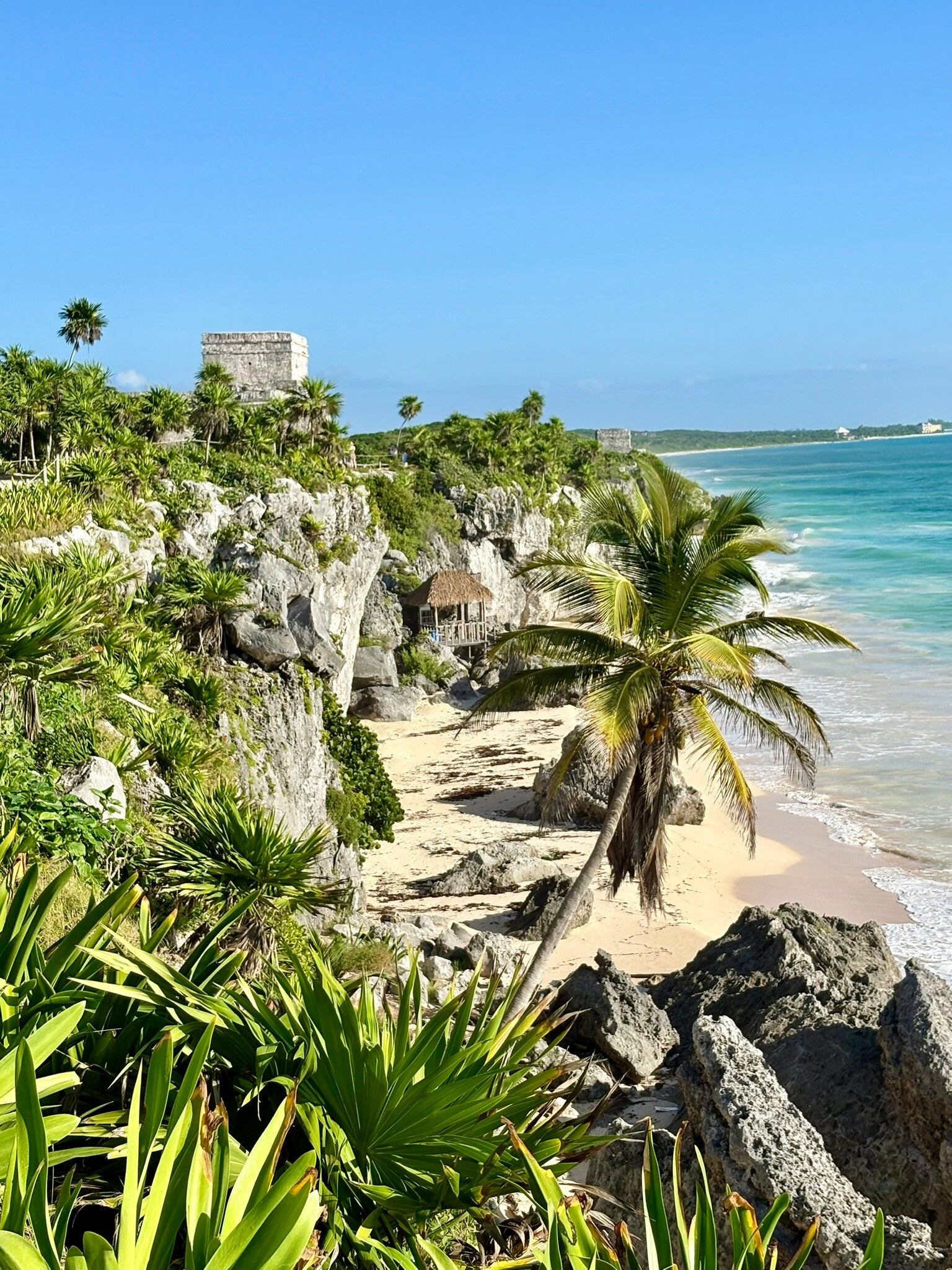
Today, it’s time for another ruins visit - but don’t worry: Tulum ruins look completely different from what you saw in Chichen Itza and Uxmal. These are the only Mayan ruins built directly on the Caribbean coast, which gives them a dramatic natural setting. The site sits on limestone cliffs above turquoise water and is one of the most photographed archaeological sites in Mexico. Tulum (ancient name Zama) was an important trade centre and focused more on commerce than monumental power, so the structures are more modest - but the location more than makes up for it.
The archaeological site is relatively small, so you’ll need about 1 hour to visit independently or around 1.5–2 hours with a guide. Since it gets crowded fast, I strongly recommend visiting during off-peak hours: either right at 8:00 am when it opens (it starts getting crowded around 9:00–9:30) or closer to closing time, around 3:00–4:00 pm.
Getting there from Tulum is easy:
- Collectivo (shared minivan) from the main street (Highway 307) for about 40 MXN (~USD 2) each way
- Taxi (but taxis are pricey)
Note that Uber doesn’t operate in Tulum, so it’s best to use a collectivo or the Eiby Taxi app, which works similarly to Uber and usually gives a more reasonable upfront fare than street taxis. If you prefer a guided experience, you can either book an organised tour or go on your own and hire a guide at the entrance.
A few practical tips: bring water in a reusable bottle, as single-use plastic bottles aren’t allowed inside and will be confiscated. Sunscreen and insect repellent are only permitted if they’re biodegradable (they do check this at the entrance). If you’d like to swim afterwards, one of the park exits leads directly to the public beach.
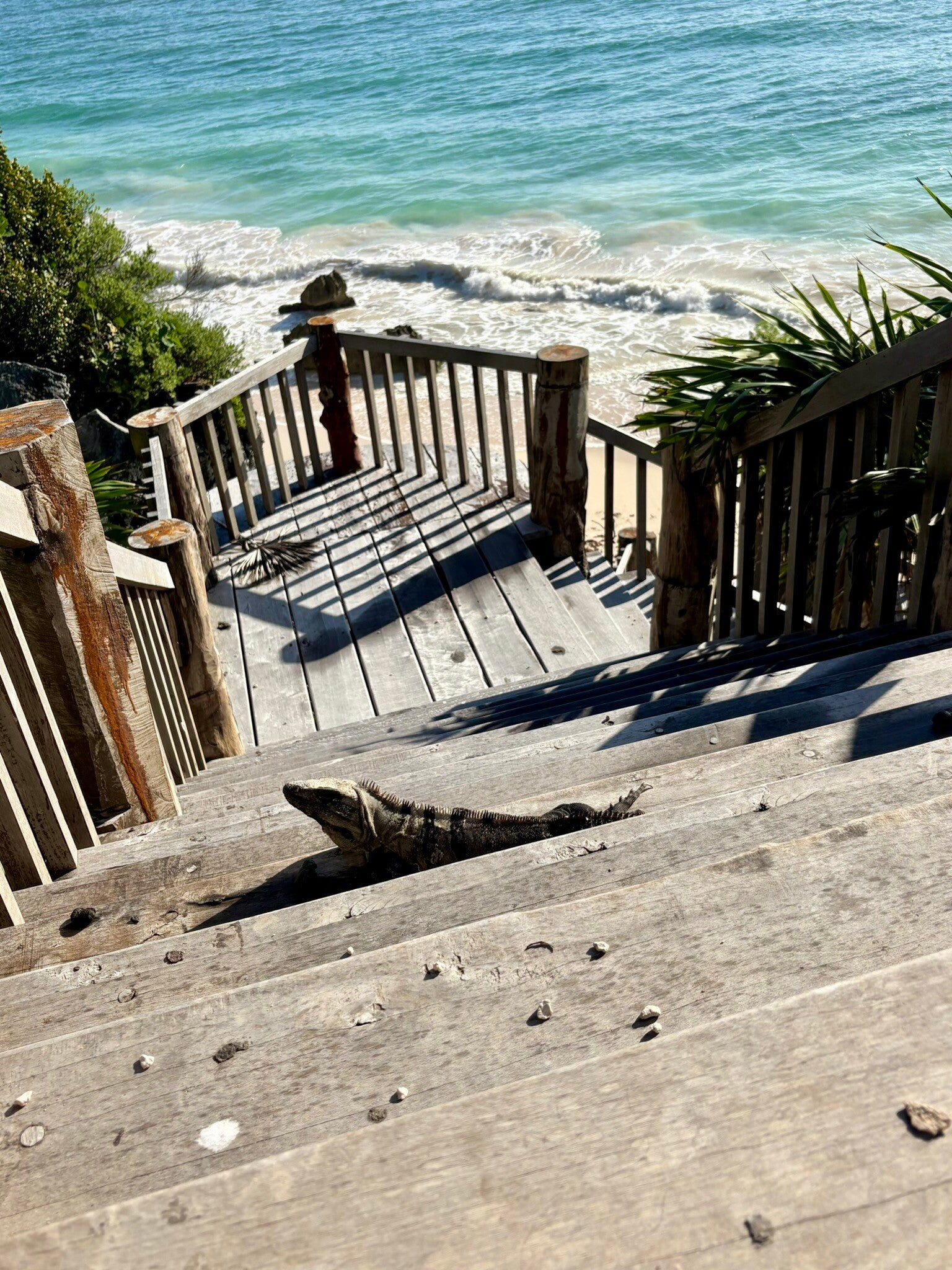
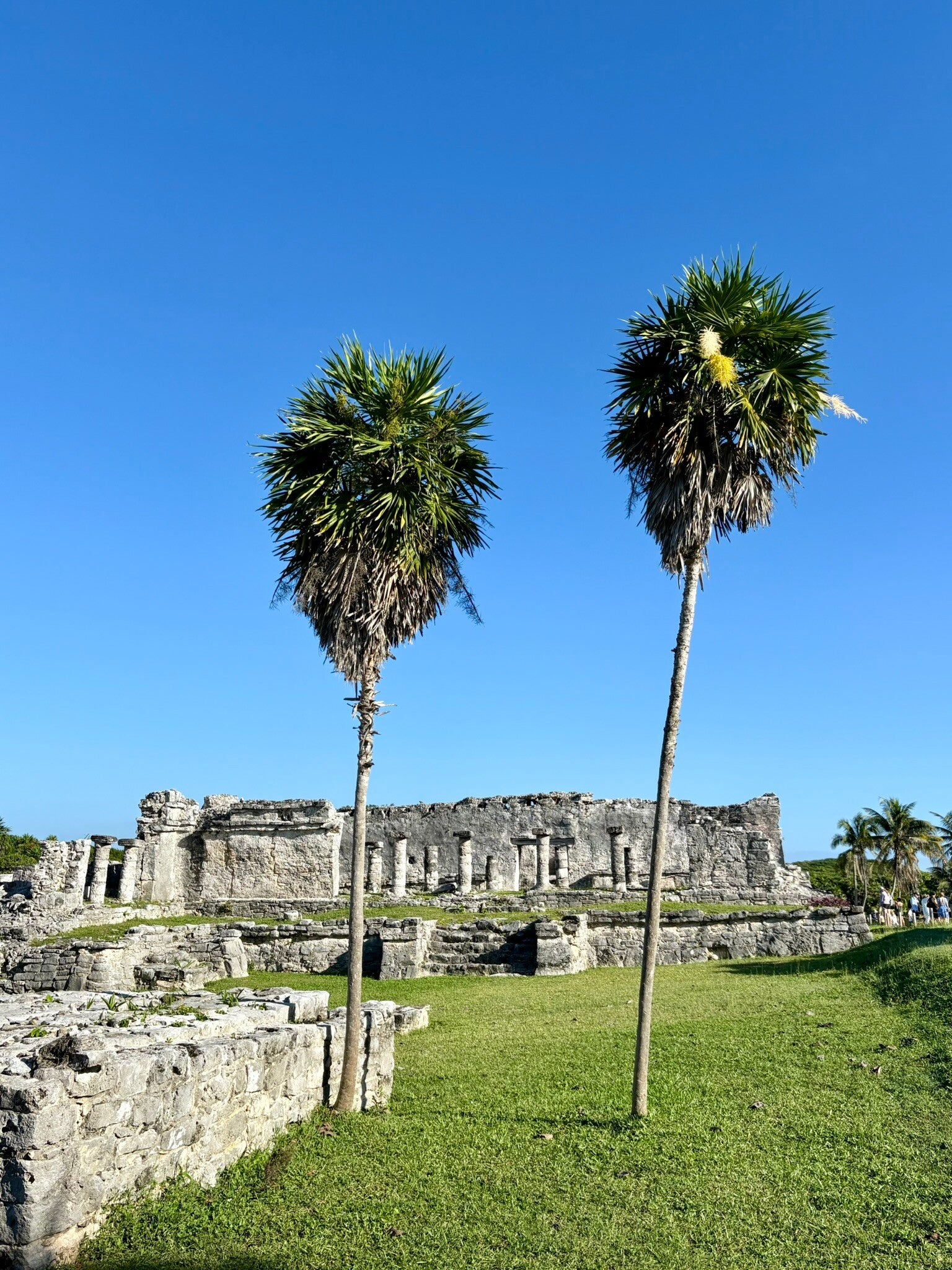
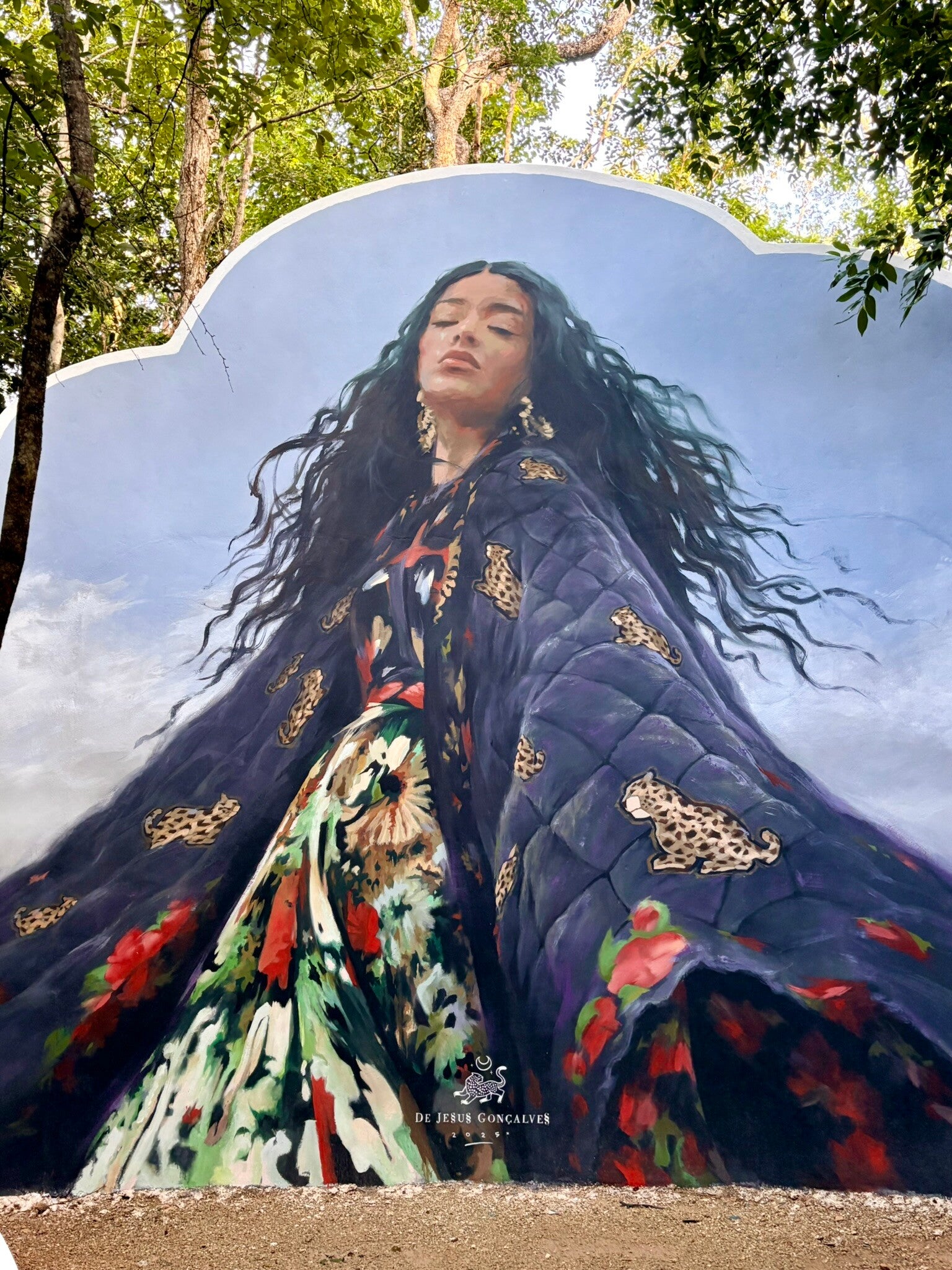
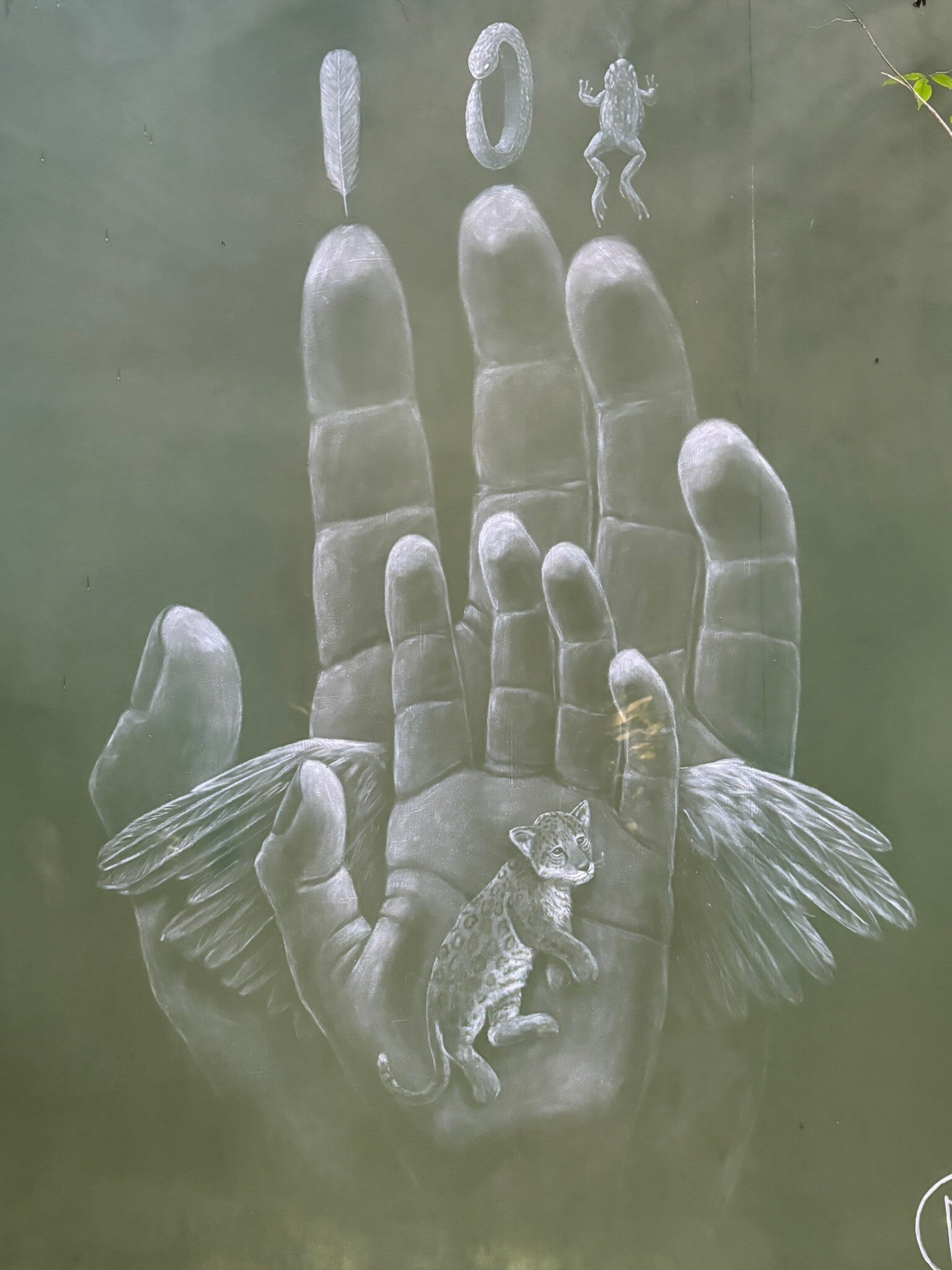
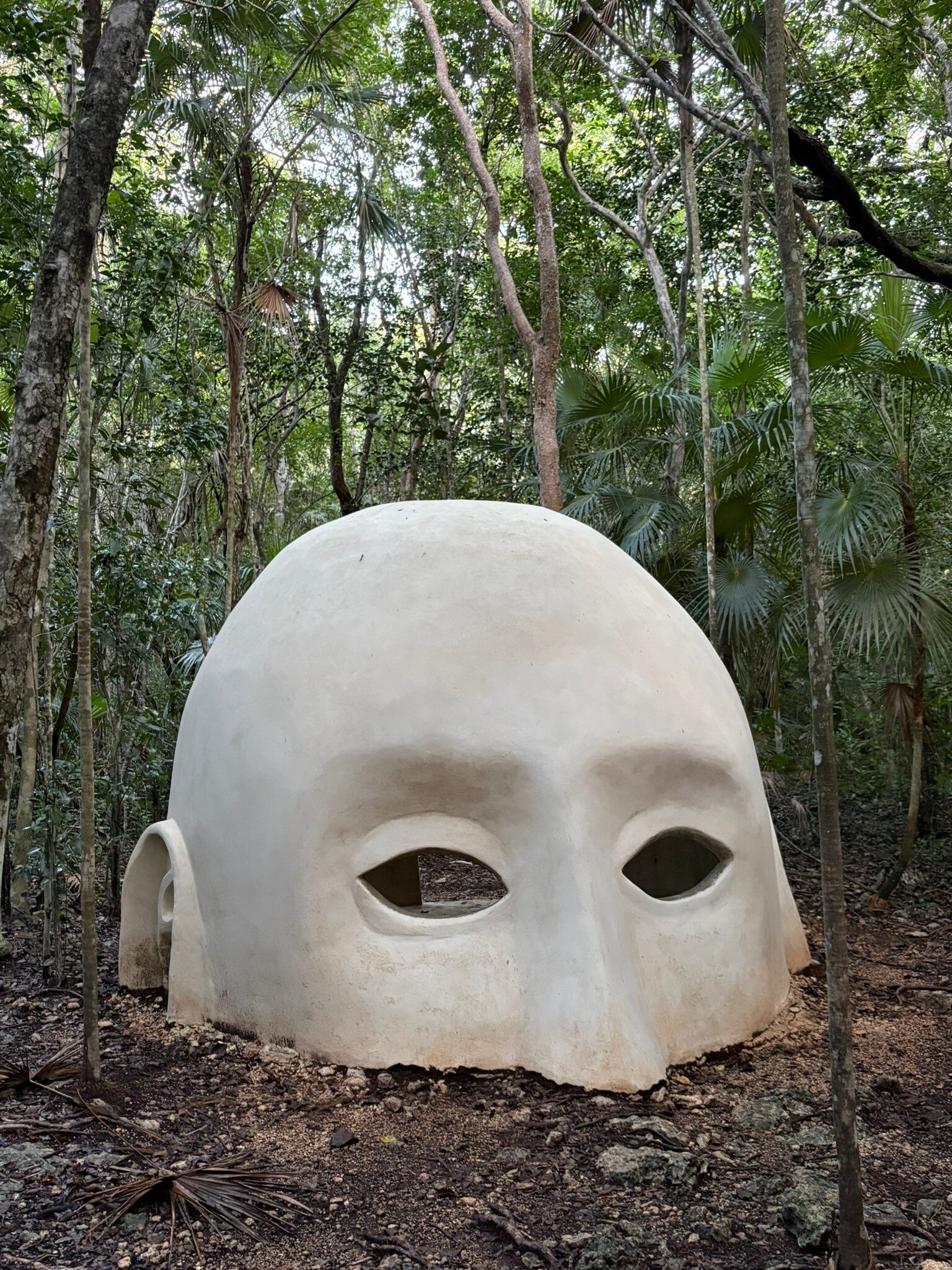
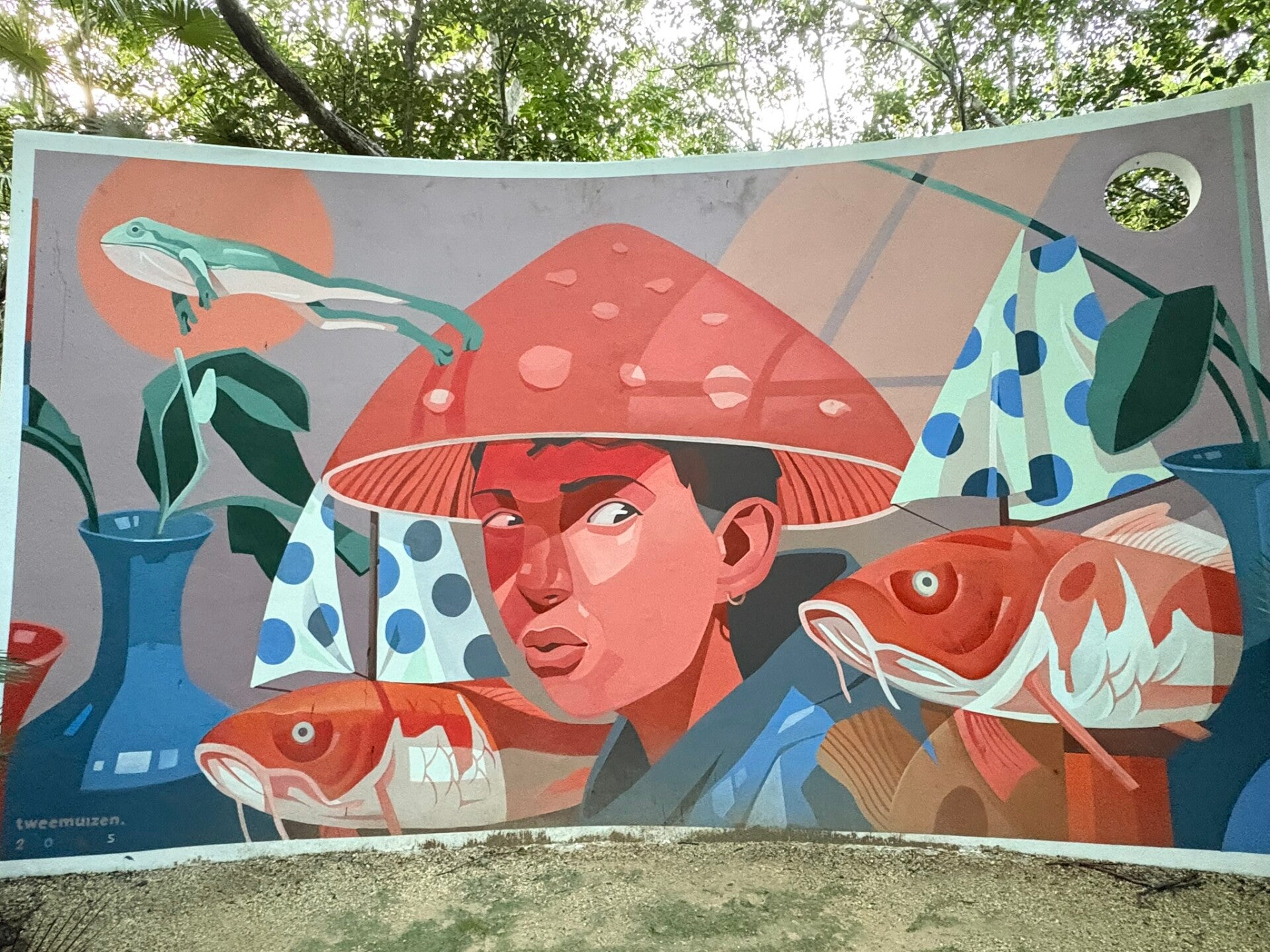
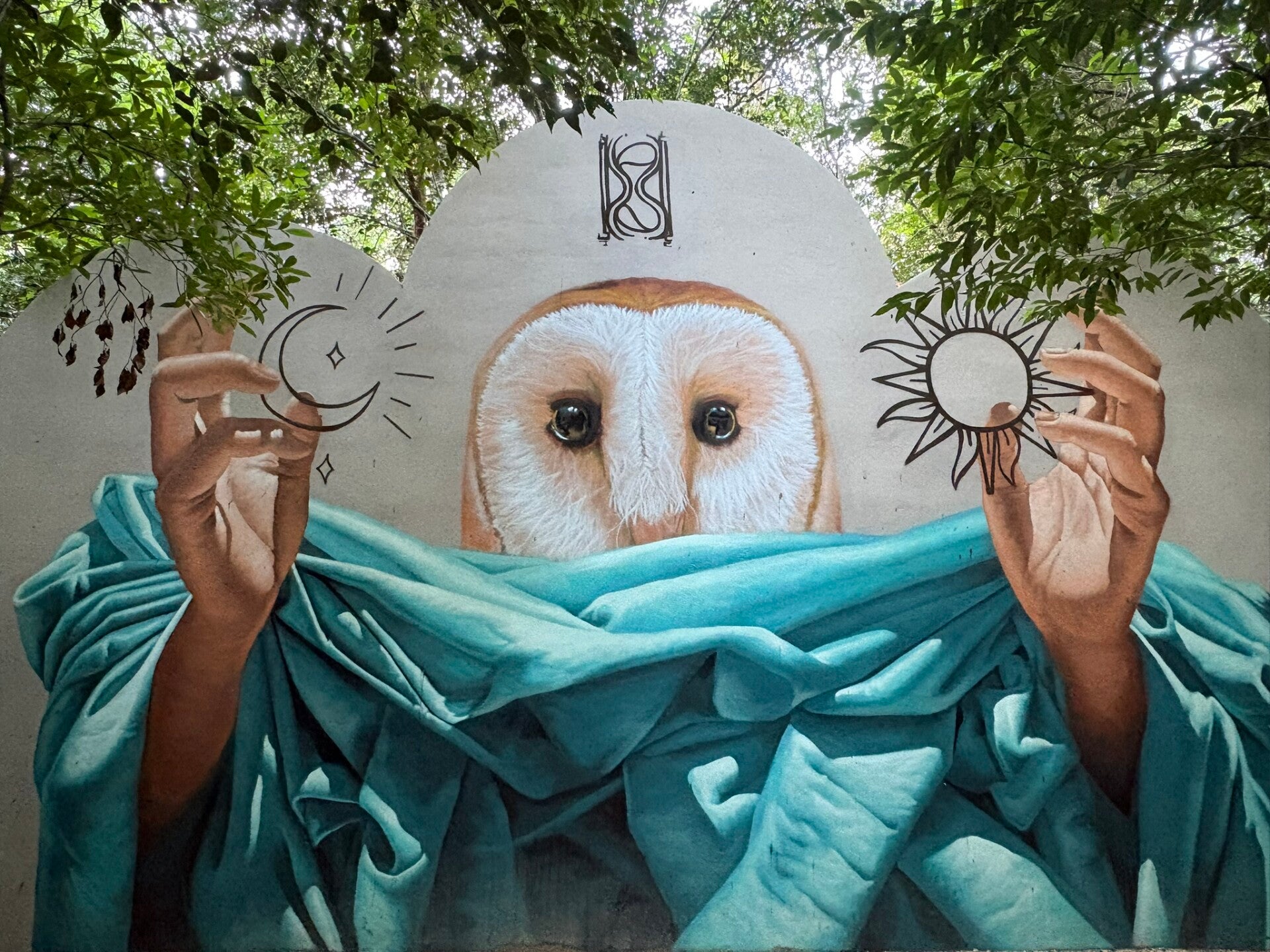
Another great half-day activity in Tulum is the Holistika Art Walk at Holistika Hotel - an open-air sculpture and art trail with installations by Mexican and international artists. Entrance is free and outside visitors are welcome. The trail is easy and circular (you end where you started), though finding the starting point through the hotel can be slightly confusing - if in doubt, ask the staff for directions. Plan for 30 minutes to 1 hour, depending on how many photos you want to take!

Day 22 - cenotes, beach time and a dose art
You can easily fill another day in Tulum with water-based activities - there’s plenty to choose from, depending on your mood (swim, chill or go full Instagram).
Option 1: Cenotes Cristal + Escondido
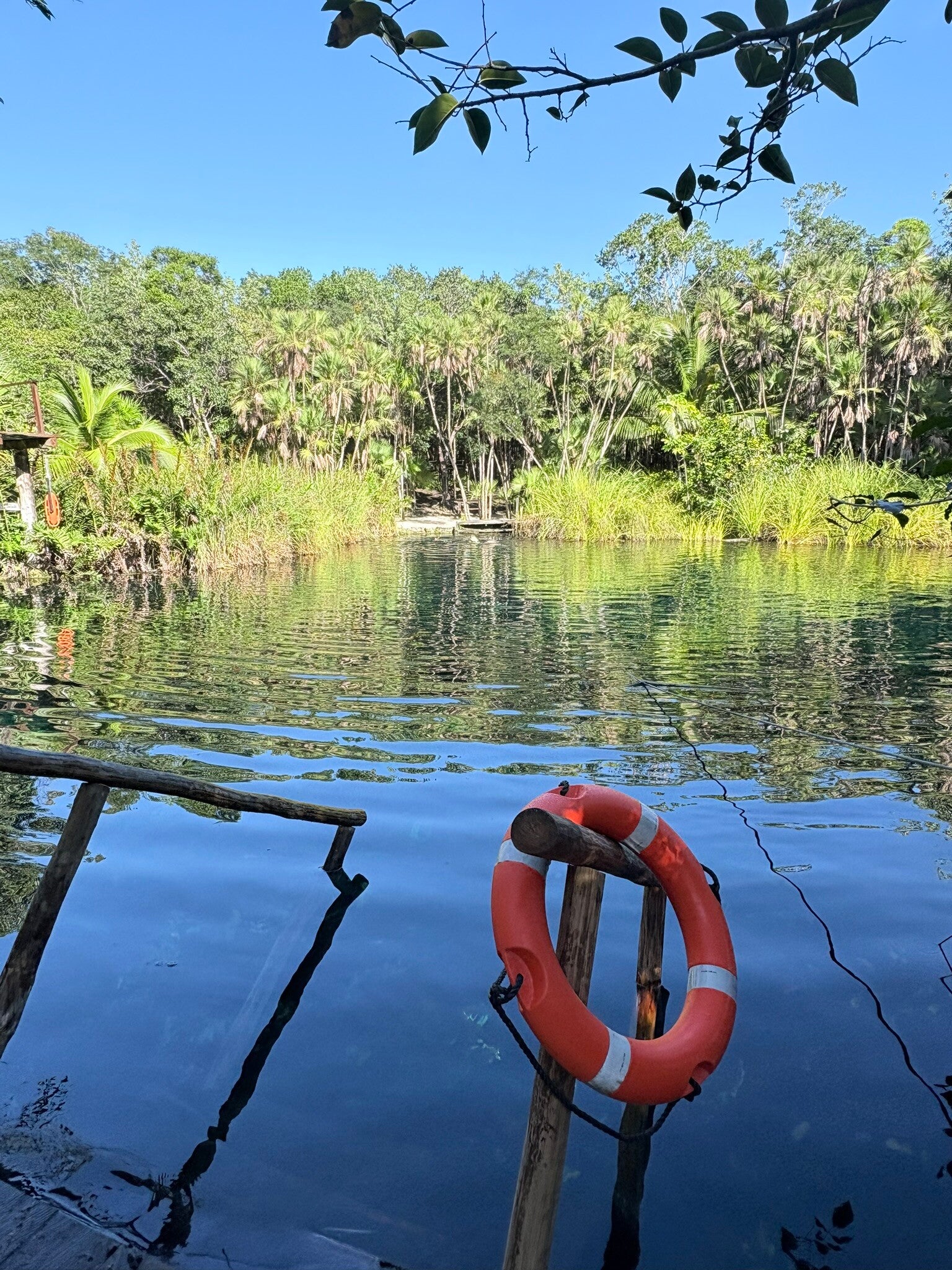
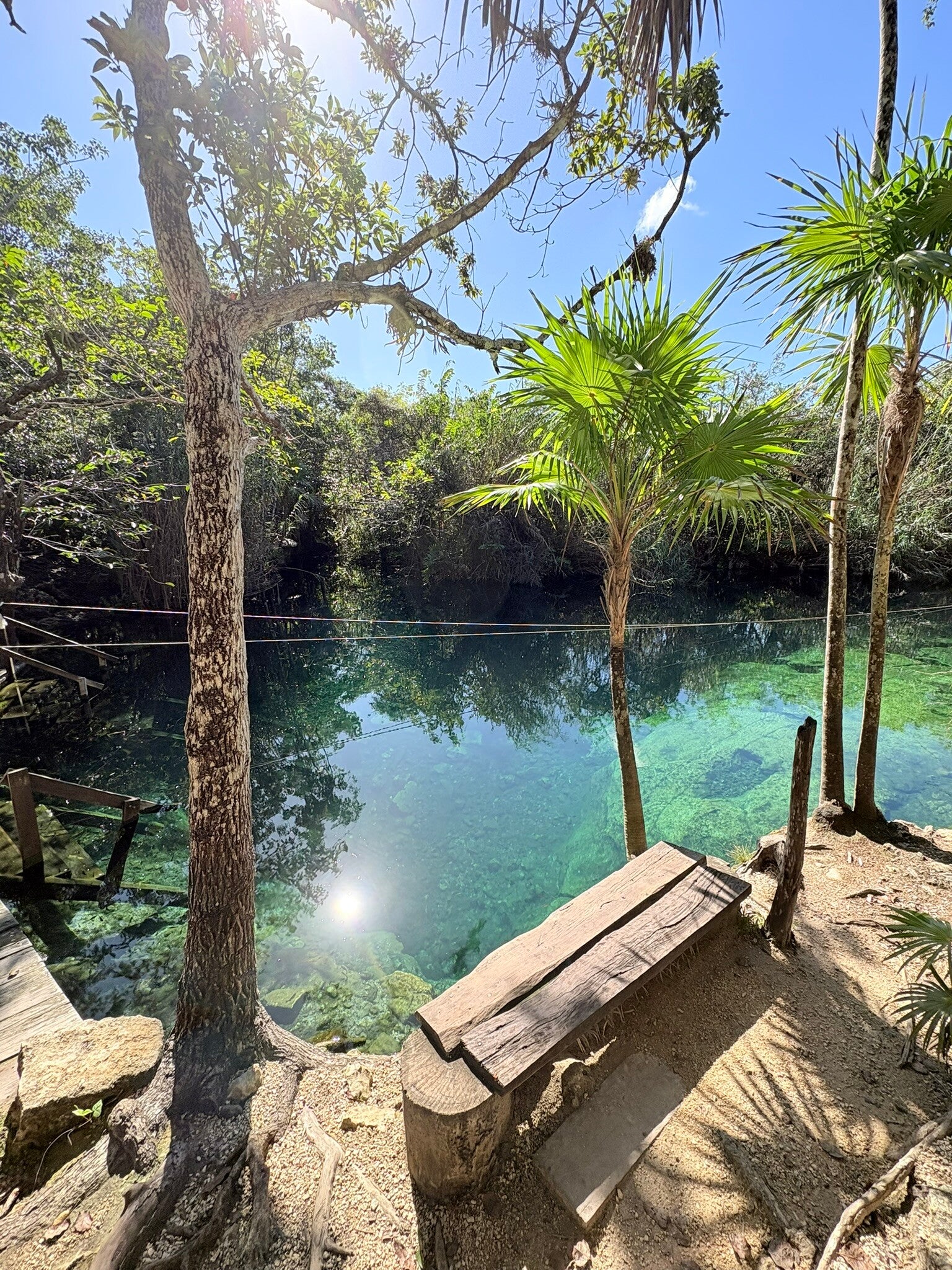
A great half-day trip is visiting Cenote Cristal and Cenote Escondido, both a short drive from Tulum. They’re usually not too crowded and life vests are not required if you’re a confident swimmer.
A practical note: I’m grouping them together because that’s how they’re managed. They’re located about 500 m apart and you pay one entrance fee that covers both - but you must start at Cenote Cristal, because that’s where the tickets are sold for both of them.
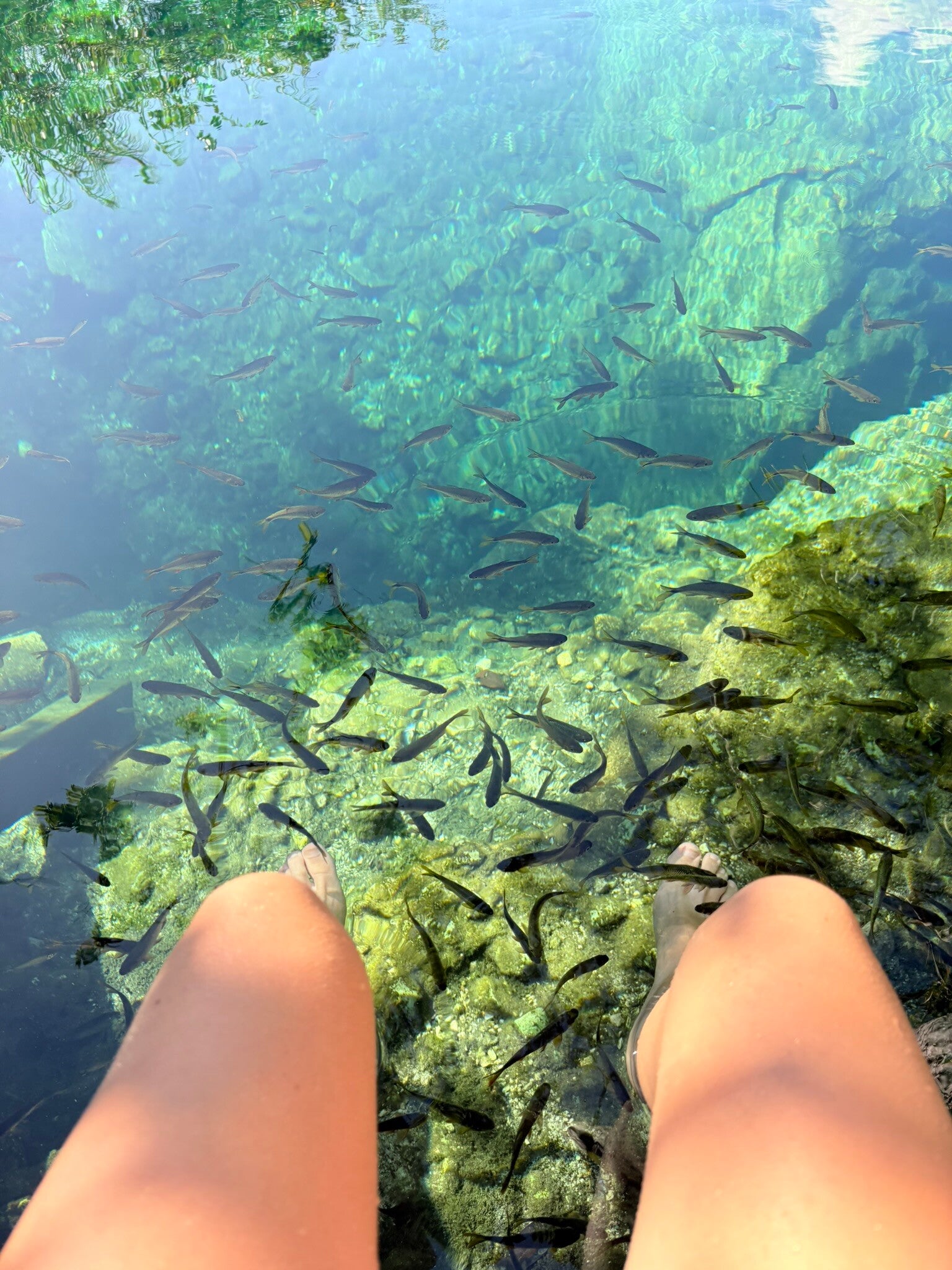
Both are open-air cenotes with a comfortable temperature for swimming. They’re best visited on a sunny day, when the water is clear and you can see the bottom. Cenote Escondido also has curious little fish that may swim up to you to say hi.
Entrance fee: 300 MXN (~USD 18) for both cenotes (includes life vests, changing facilities etc.)
Transport note: I took a collectivo from Tulum town centre (35 MXN / ~USD 2) and had no problem getting there. However, the return was much more challenging - collectivos were passing by and not stopping (even when empty). Next time, I’d have a backup plan for the return journey (taxi, scooter, bike etc.).
Option 2: Public beach time
While all beaches in Tulum are technically public, access can be tricky because hotels often control the land between the road and the beach. That said, there are some free and easy-to-reach public beaches within Parque del Jaguar.
Option 3: Atik Tulum (art + cenote + jungle theme park)
If you’re after photo ops and Instagram-worthy shots, Atik Tulum is a jungle-themed park that blends art installations with water fun, including access to its cenote. It’s close to Tulum - about a 10-minute drive - but it comes at a higher price point.
Tickets: 550–850 MXN (~USD 32–50), depending on whether you buy cenote-only or full park access.
I personally haven’t been, but the photos online look great!
Day 23 - day trip to Holbox
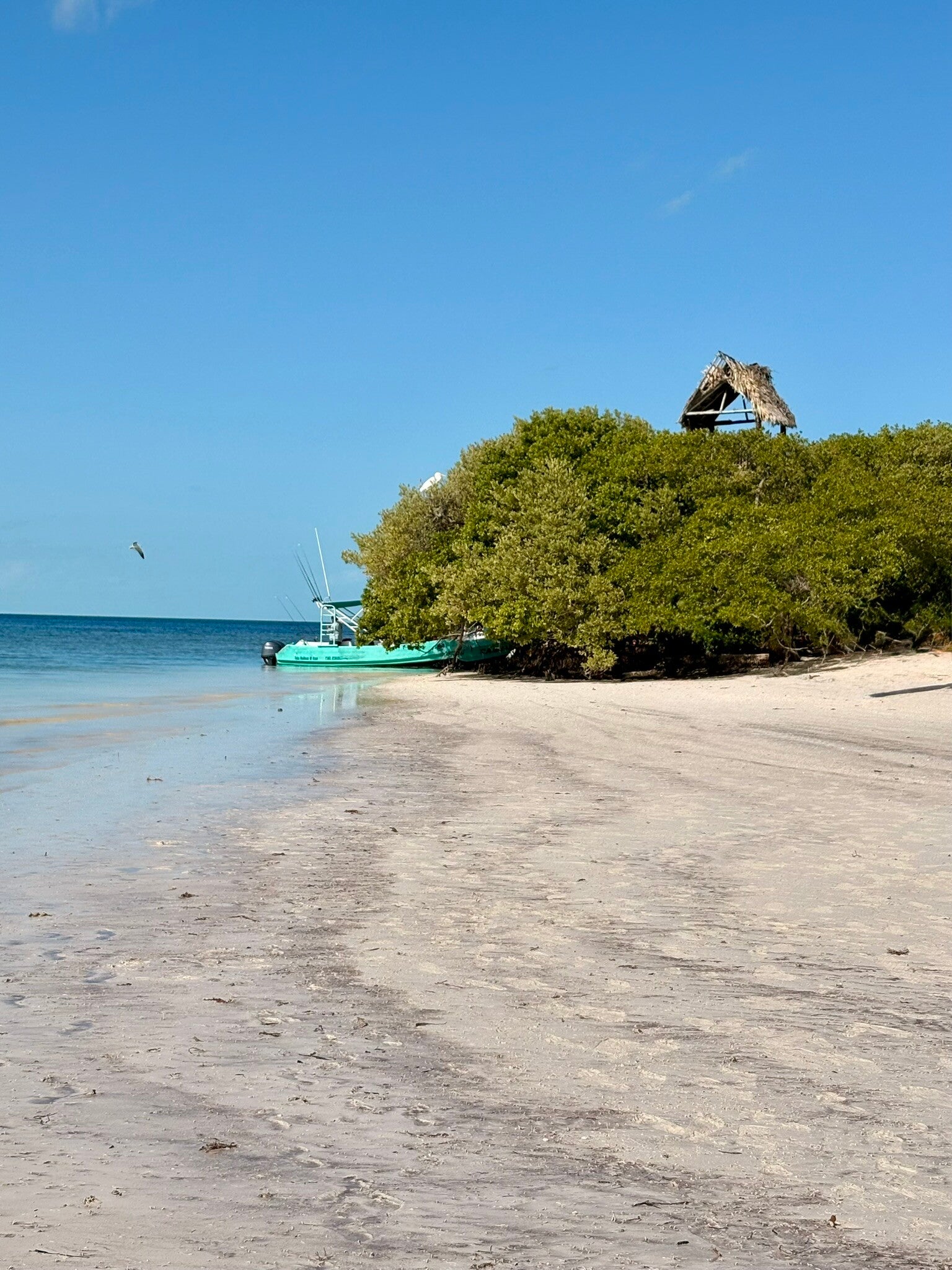
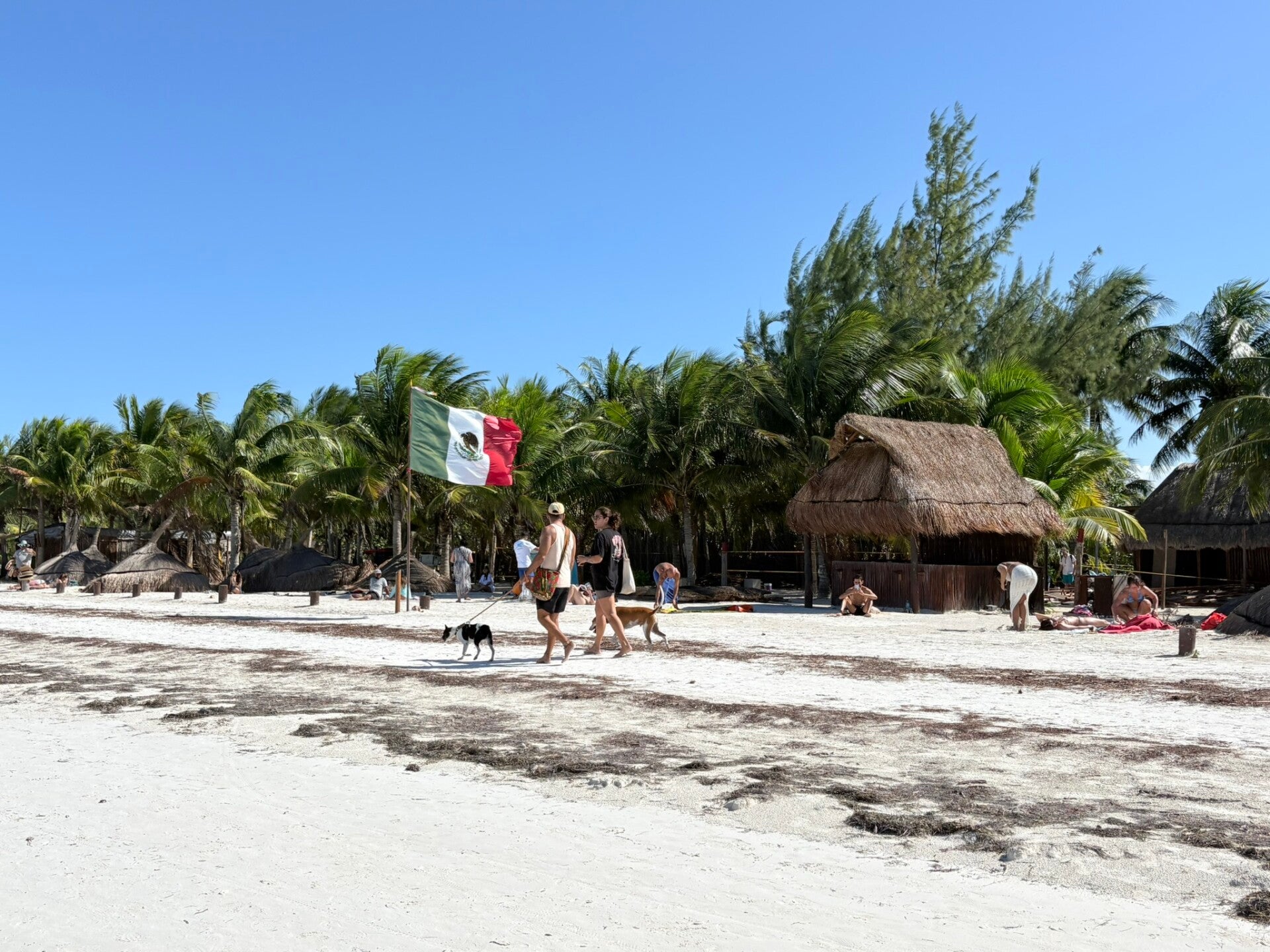
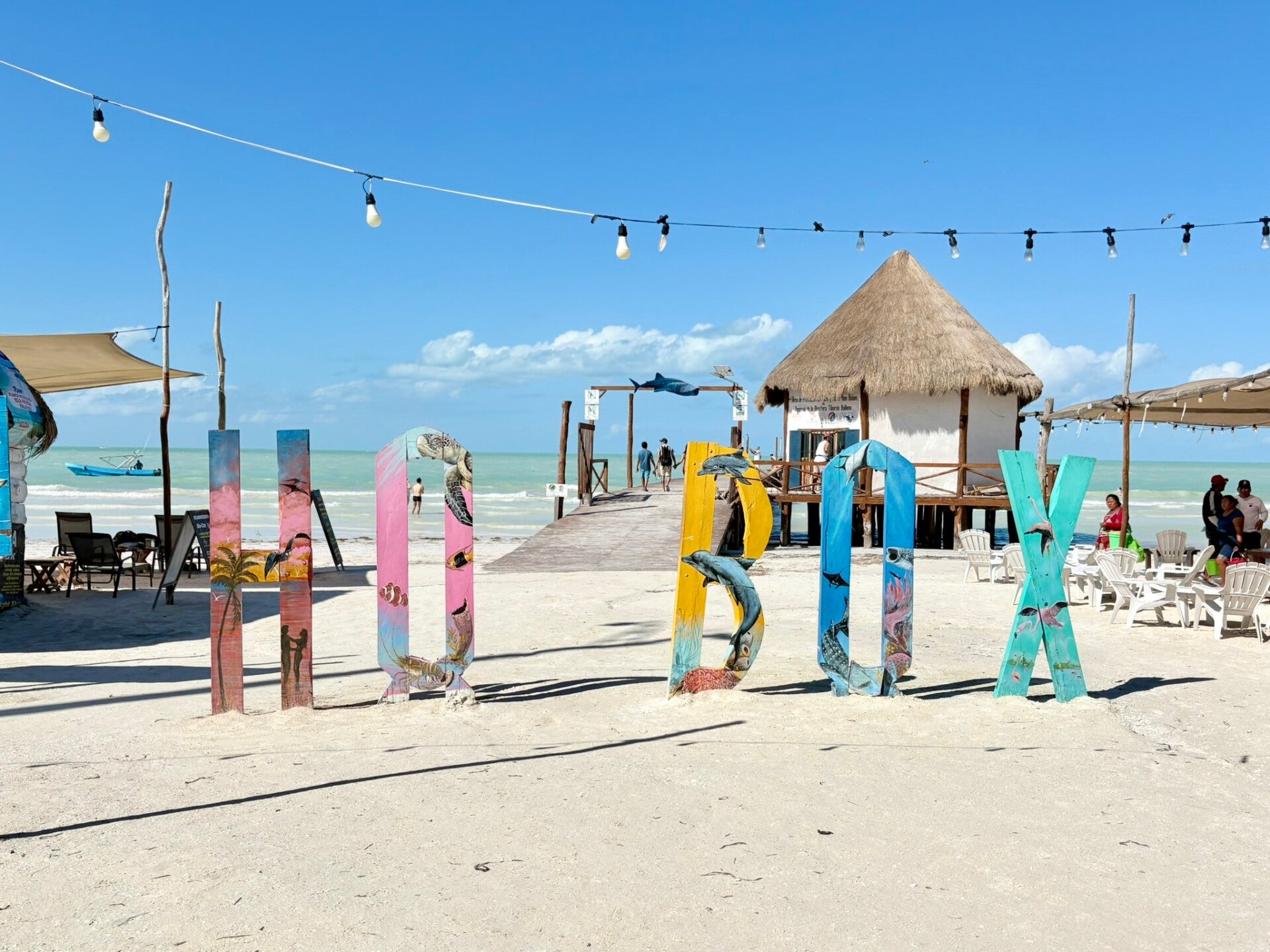
This recommendation comes with a caveat: Holbox is absolutely gorgeous and (for now) relatively unspoilt by mass tourism, so I highly recommend staying more than one day if you can. That said, if you only have one day, a day tour can still be a great way to get a taste of the island.
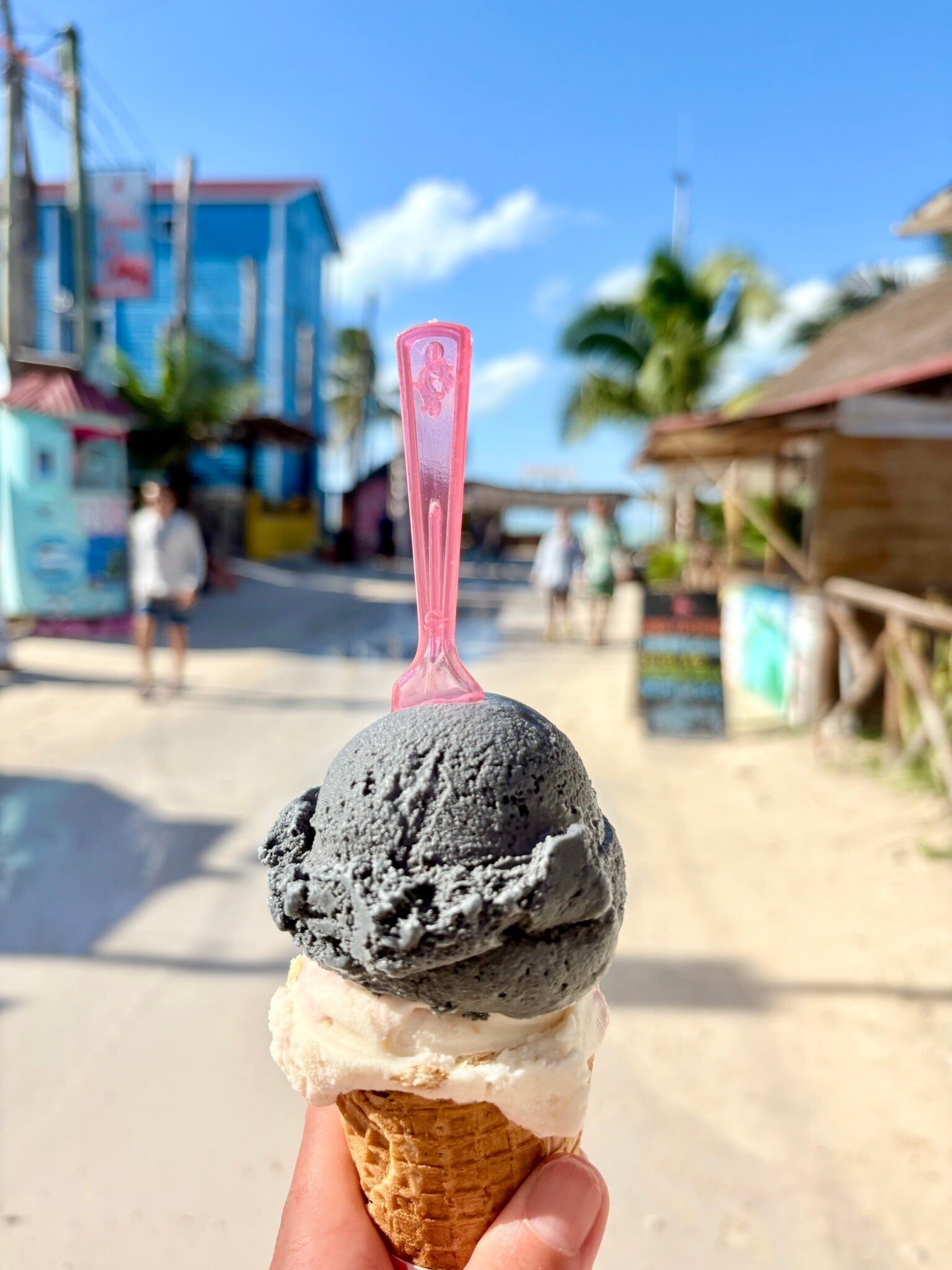
Pick-up for Holbox day tours is usually available from Tulum, Playa del Carmen and Cancun. The tour typically includes stops at several more or less secluded beaches, lunch on the boat and then 2–3 hours of free time on Holbox island. That’s enough to get a feel for the place, take a dip in the crystal-clear, warm, shallow Caribbean water and try some local food. One of the island’s most famous treats is pitch-black charcoal ice cream. Don’t worry - while it’s made with activated charcoal, it usually tastes like vanilla or coconut, the charcoal is mostly there for the striking colour!
✈️ Leaving Tulum: airport choice + cost-saving tip
There are two nearby airports - Tulum and Cancun - and the best option depends on your next destination. If you fly from Tulum airport, keep in mind it’s about 40 minutes from town and taxis can be extremely expensive (taxi prices in Tulum are already inflated compared to the rest of Mexico, and airport transfers cost even more).
A more budget-friendly option is taking an ADO bus from the Tulum bus terminal to the airport - just make sure to check the schedule in advance, as buses stop running fairly early.
----
If there’s one theme that runs through this whole route, it’s that Mexico is best enjoyed with a bit of strategy and a lot of flexibility: start early where it matters, don’t overbook travel days and allow room for the unexpected (weather, traffic, festivals or simply finding a place you want to stay longer). Whether you follow the full itinerary or adapt it to your own style, I hope this guide helps you travel smarter, eat extremely well, and leave with a deeper appreciation of how diverse - and unforgettable- Mexico really is.
Add comment
Comments
Hi,
I search for stories in the road. I’ve turned the pages of many travel blogs, but yours asked me to stay awhile. This wasn’t just information. This was a pulse. You didn’t just show me Mexico — you let me breathe there.
Your words gently lifted the fear from my first solo Mexico trip. Now there’s only one sound in my chest: I am ready. You gave me courage, you gave me joy, and you gave me a new horizon to dream toward. Thank you feels too small a word for that.
I am Ragib. I live in the snow of Finland, but my roots run deep in Bangladesh. From July 3 to July 16, I will set foot on Mexico’s soil. Travel runs in my veins. Like Mexico speaks in color, my Bangladesh does too. It is vibrant, it is unexpected, it is a hidden gem.
If you ever find yourself called to the land beside the Padma River, call me. I will show you my Bangladesh, the way you showed me your Mexico.
Keep your pen moving. Stay well, stay in light. Because storytellers like you make the world a little less lonely.
Warmly,
Ragib from Finland, with a Bangladeshi heart
Dear Ragib, thank you so much for your kind words, really appreciate! I hope you'll have the best of time in Mexico! And of course, I'll reach if/when I'll travel to Bangladesh :)
Best
Justina
Hi this is really awesome!!!! Im planning to visit next month. What's the estimate budget you have for this travel-- like for the accommodation, transpo, entertainment, entrance fee, food.
Hey Poy, thanks for feedback! I normally don’t provide budgets as it’s extremely individual based on your travel style / comfort level. You can find transport and tour prices in the blog, in terms of accommodation, expect higher end / European level prices in Yucatan peninsula, while on the west side it varies a lot, from very affordable to very posh! Mexico is not really a budget destination unless you’re traveling full backpacker style.