This article provides a compact 3-day itinerary through Colonia del Sacramento, Montevideo and Punta del Este. Start with Colonia’s cobbled lanes and UNESCO-listed charm, explore Montevideo’s cultural spots, then end with Punta del Este’s iconic beaches and cliffside art. This guide offers practical tips, must-see highlights and a flexible pace so you can tailor the trip to your interests and schedule.
Day 1 – Colonia del Sacramento
It takes a little over an hour to reach Colonia from Buenos Aires and tickets can be booked at coloniaexpress.com. Practical notes:
- The ferry is quick, but tickets are not exactly budget-friendly (return trip is typically 60–120 USD).
- You should be at the boarding area 1.5 hours before departure to complete immigration, similar to airports.
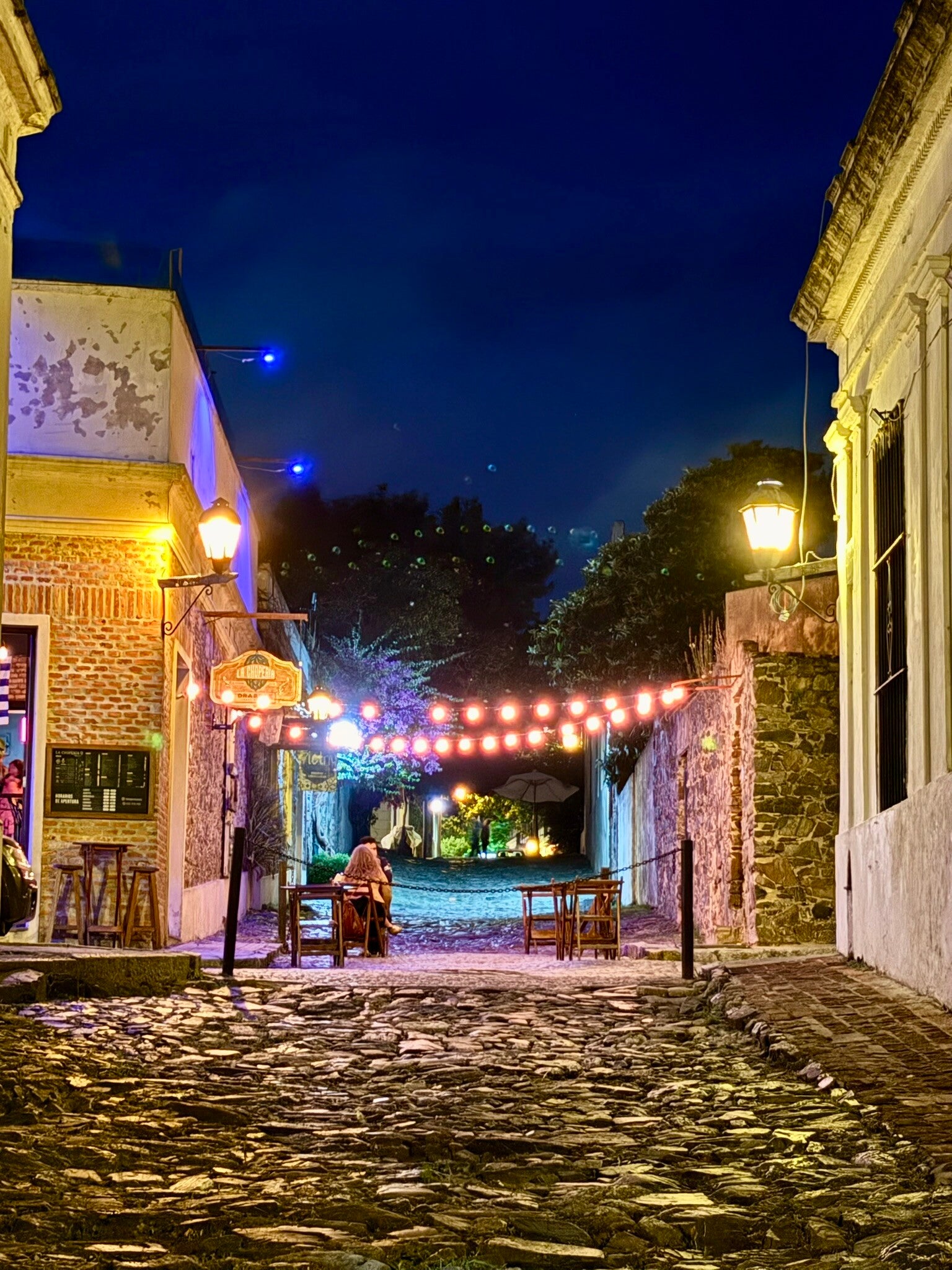
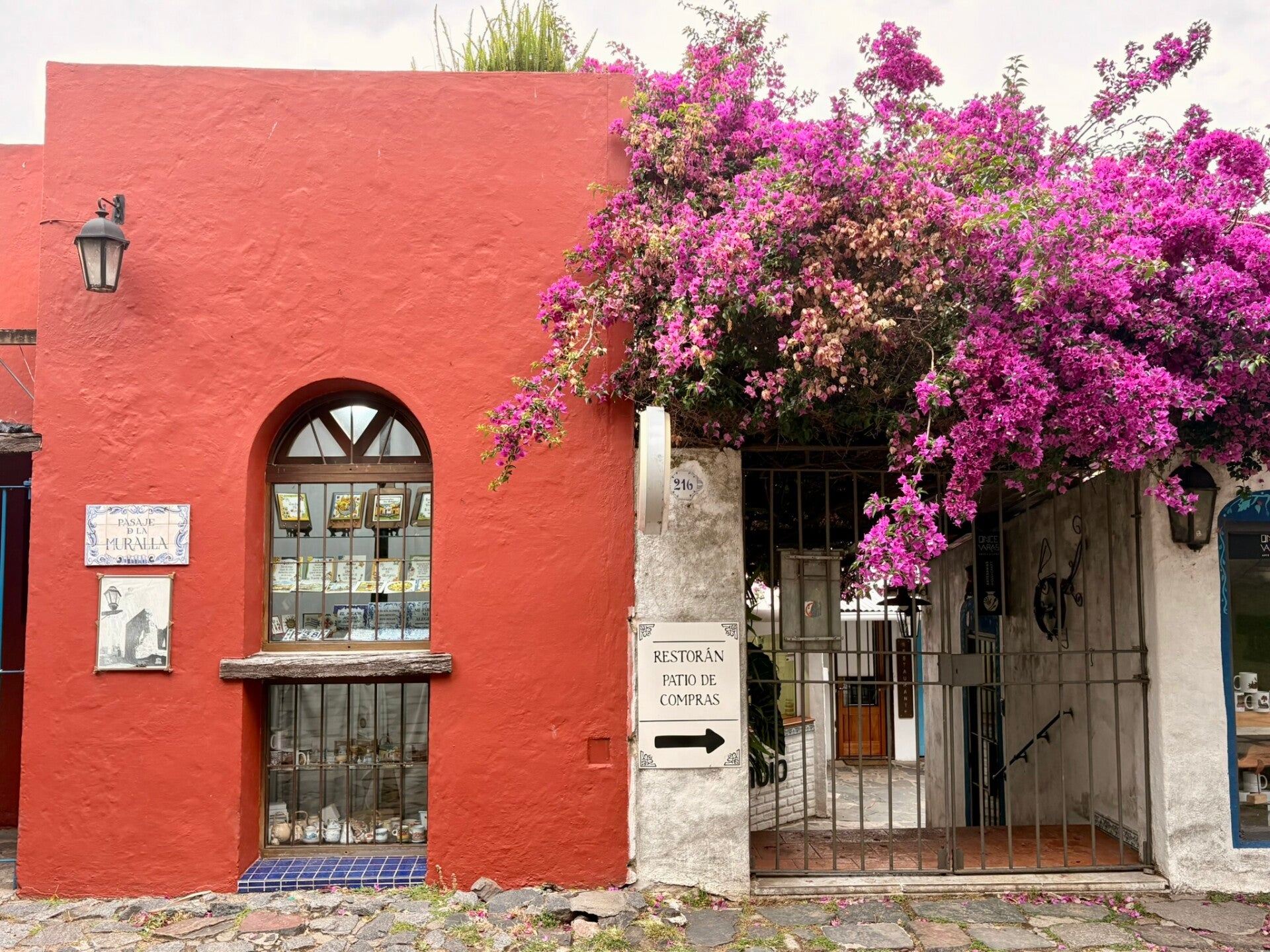
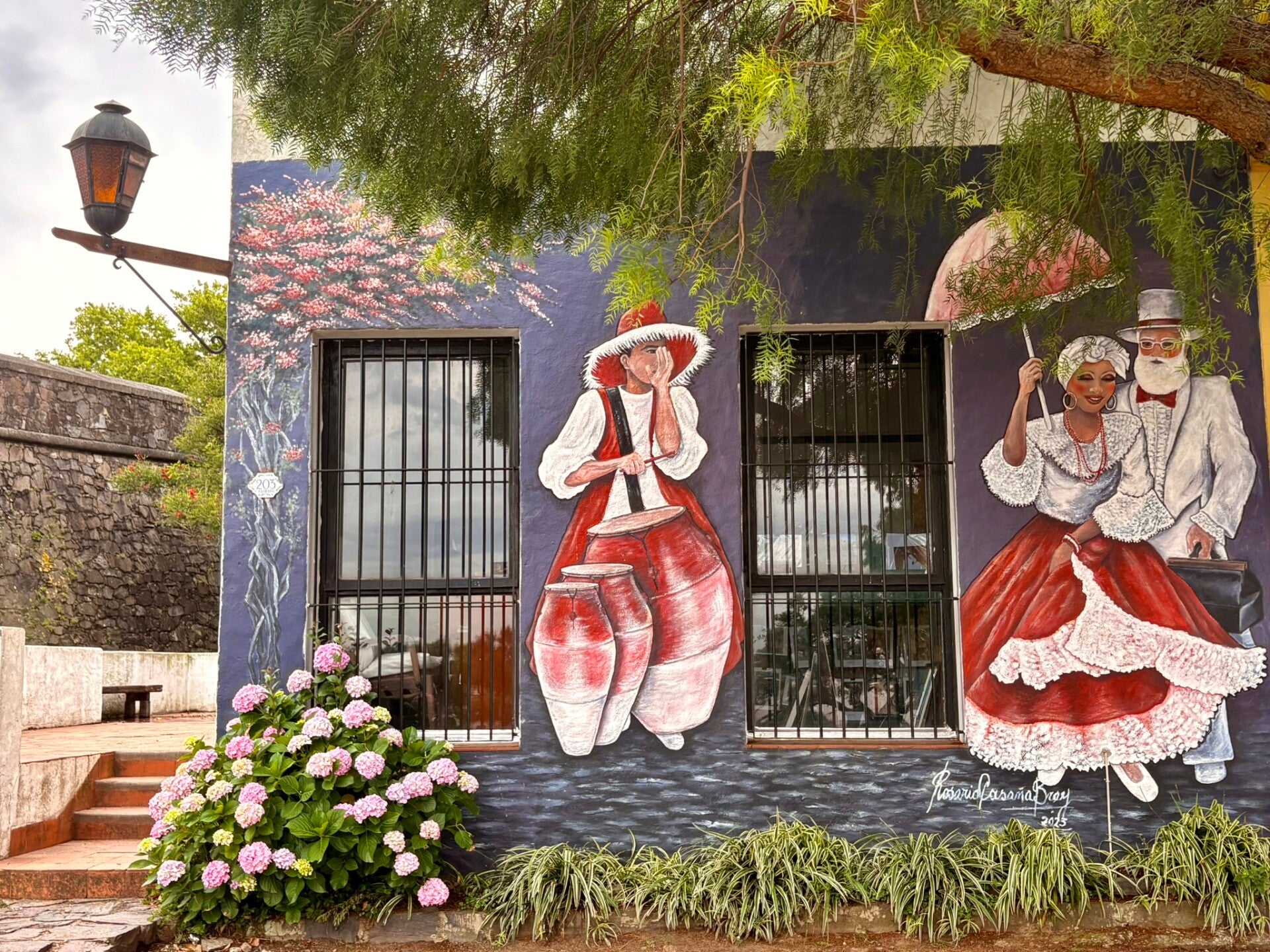
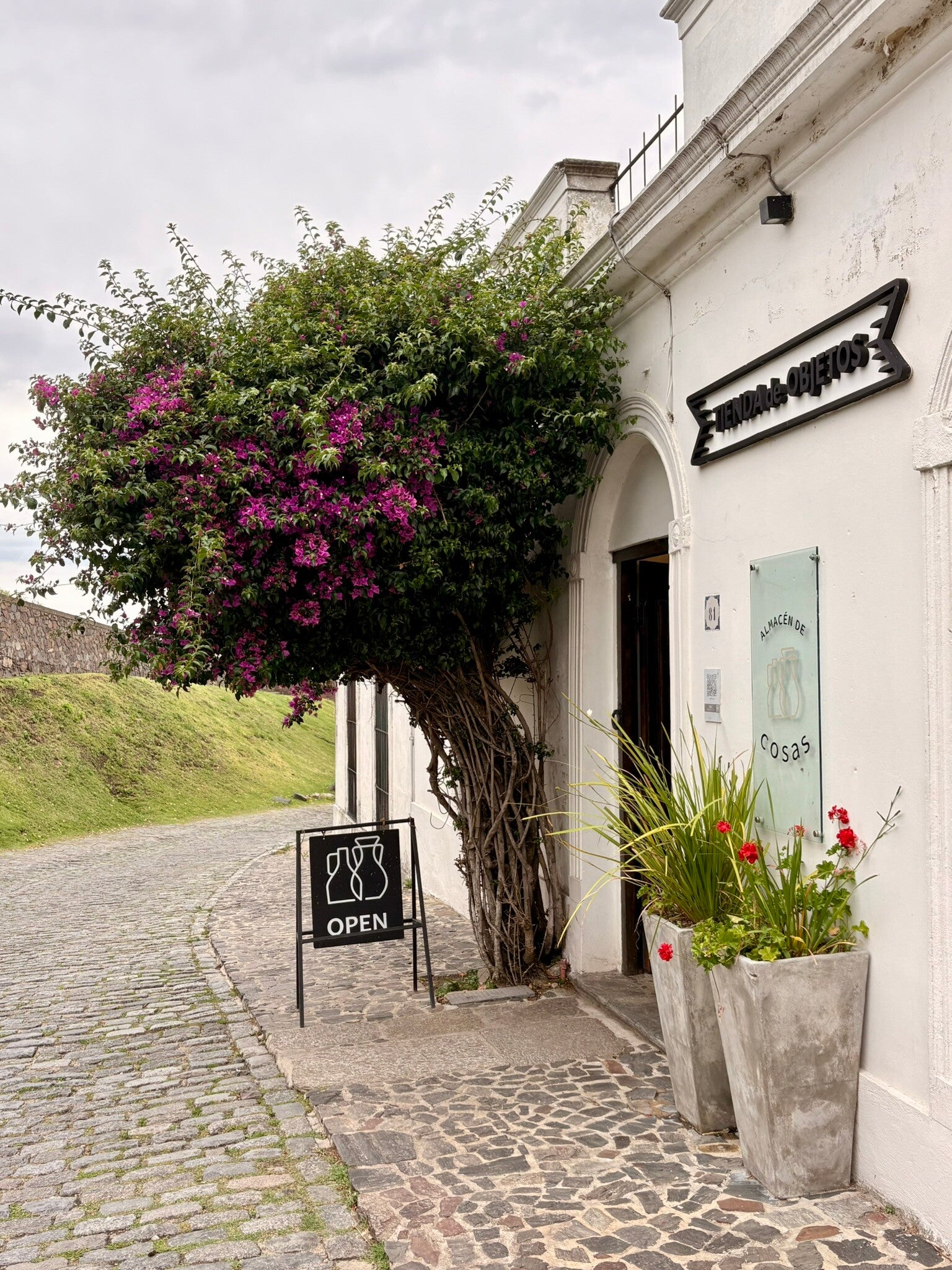
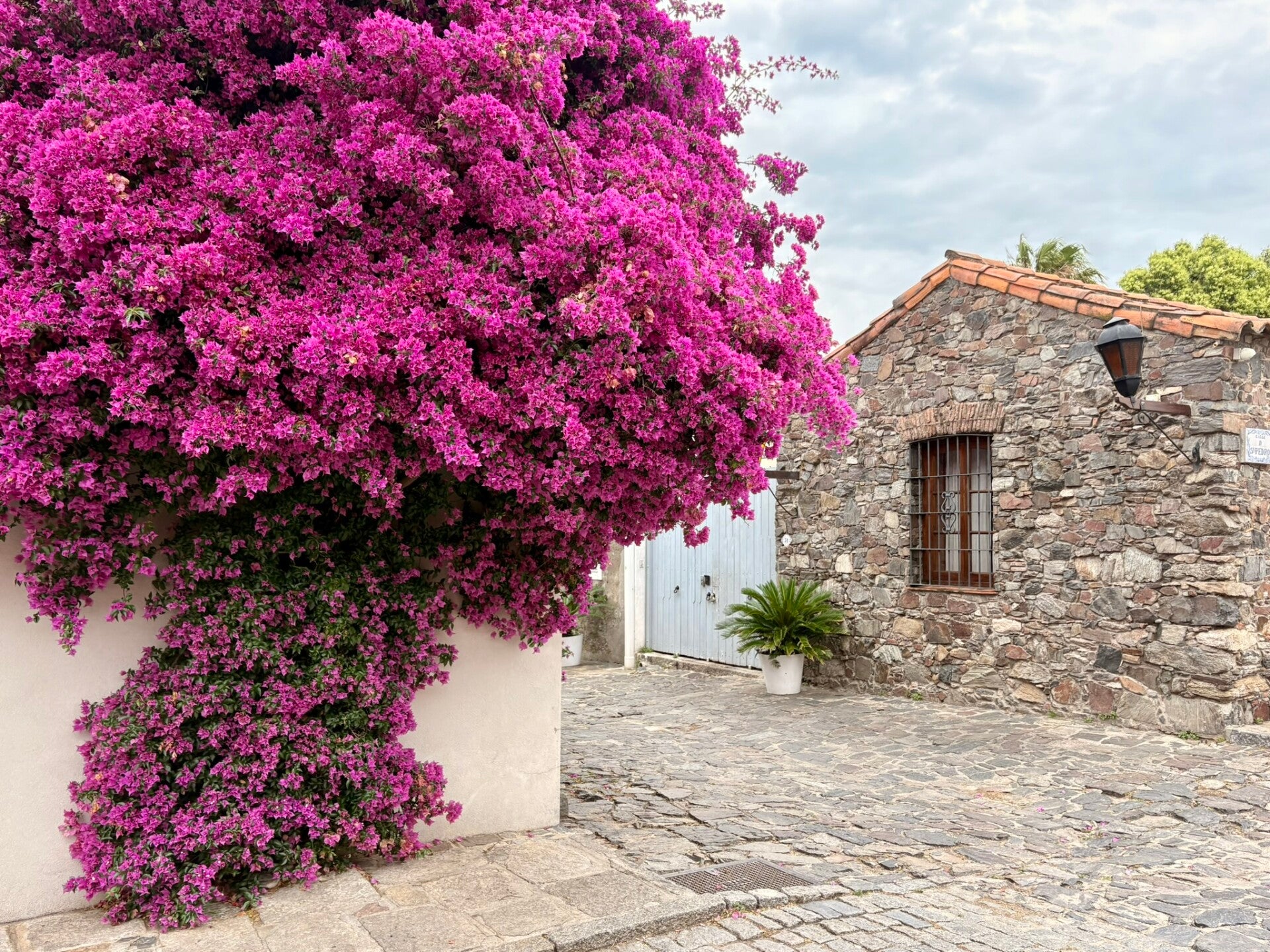
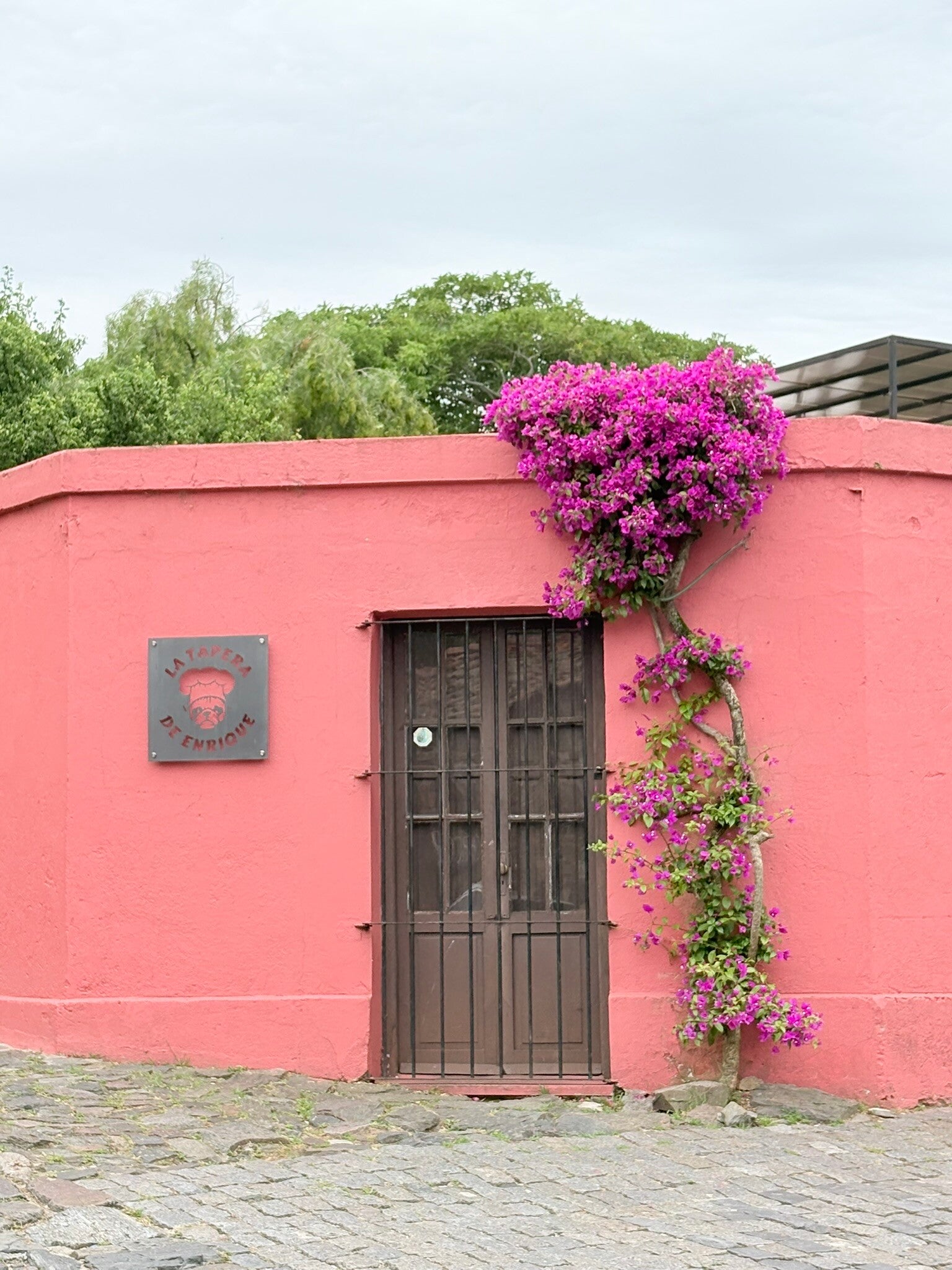
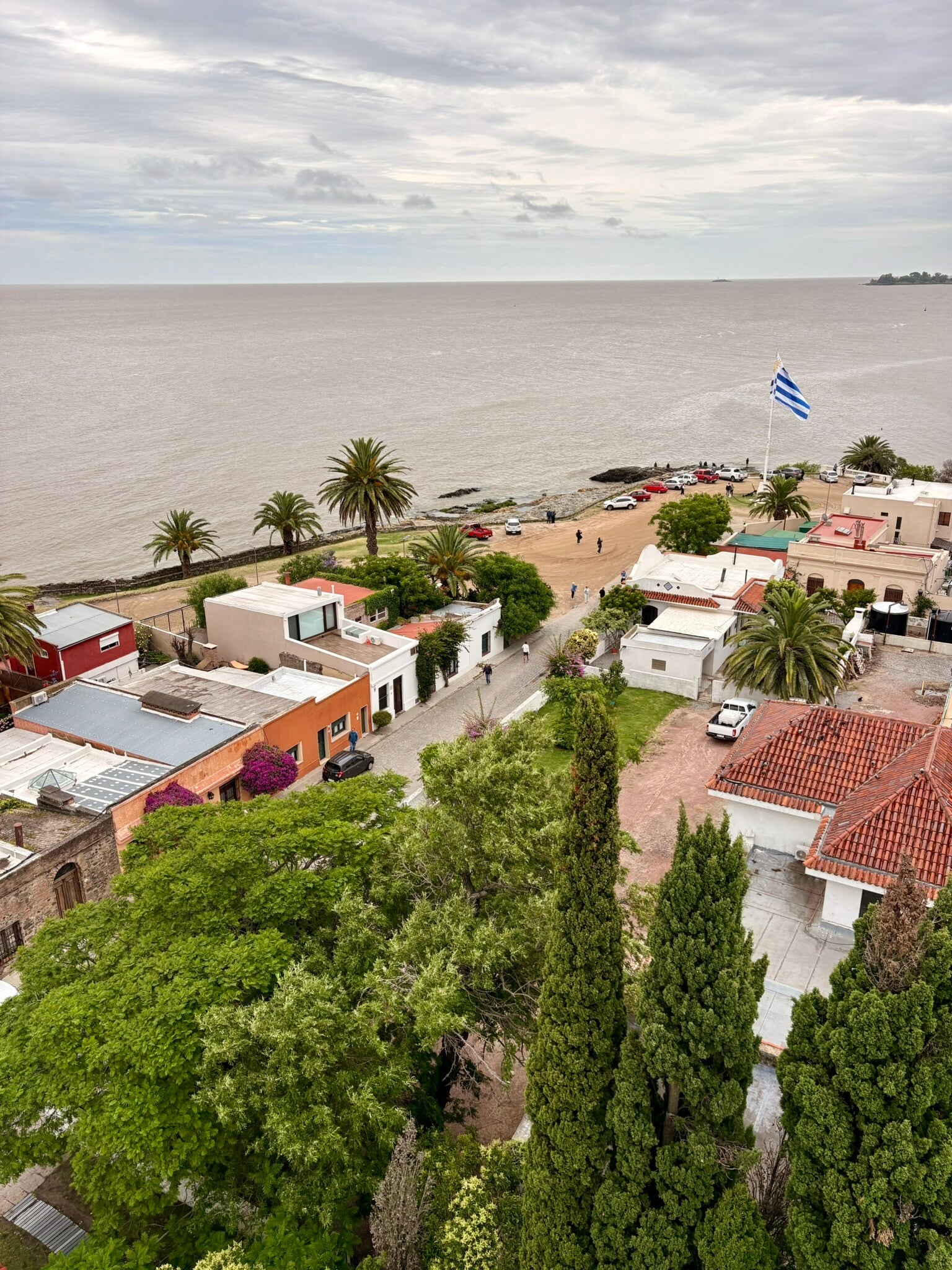
Colonia del Sacramento itself is a small, charming colonial town, famous for its historic quarter and UNESCO World Heritage status. In Colonia you can:
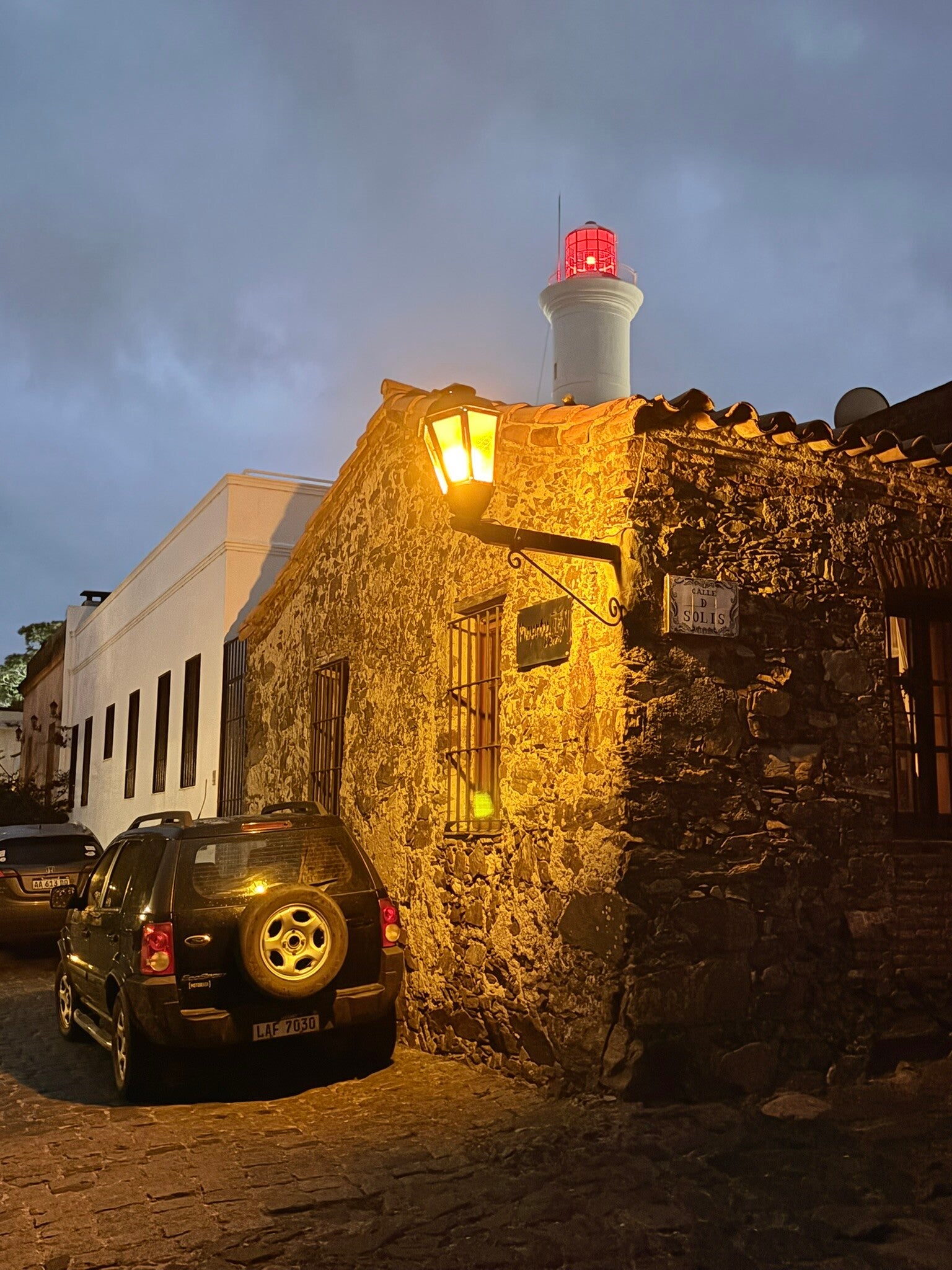
- Climb the old lighthouse (cash only 35 UYU, about 1 USD).
- Visit small historical museums: Museo Municipal, Espacio Portugués, Espacio Español (all three for about 150 UYU, ~4 USD).
- Visit Centro Cultural Bastión del Carmen (free).
- Stroll through historic streets such as Calle de los Suspiros and Calle Solís.
That said, you don’t need more than half a day to get a good overview of the historic center, as it’s quite small.
If you have more time, you can linger in Colonia to enjoy the slower pace, walk La Rambla (the seaside promenade), or visit Colonia’s beaches. Alternatively, you can continue on to Montevideo, which is about 2.5 hours away by bus.

Day 2 Montevideo
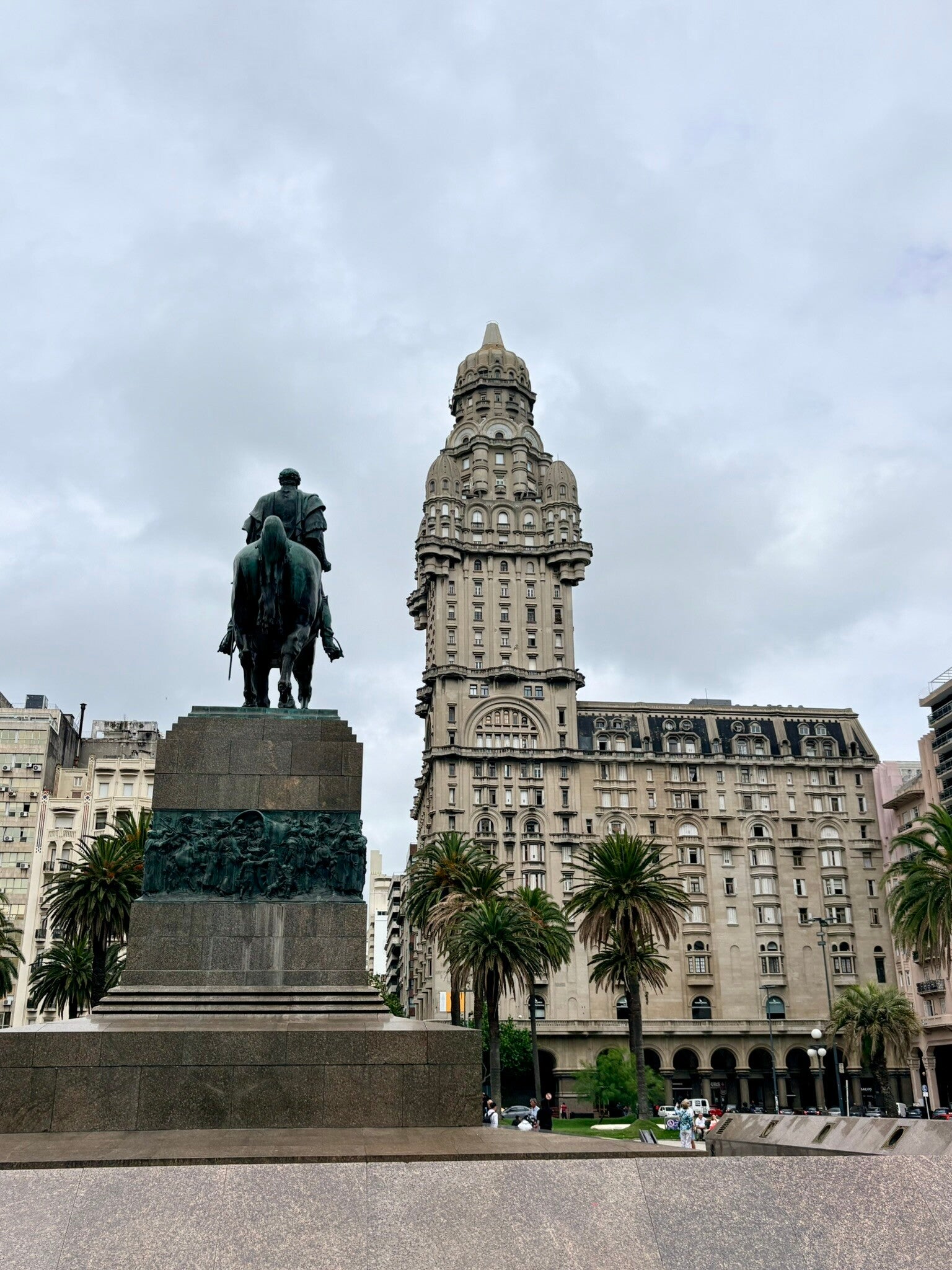
Montevideo is Uruguay’s capital and largest city, home to around 40% of the country’s population. Compared with other South American capitals, Montevideo is generally safe and peaceful. It has one of South America’s longest waterfront promenades, making it great for sunrise or sunset walks. You can also visit the Old Town with some remaining colonial buildings, and a free walking tour is a great way to learn about Montevideo’s history, culture, and economy. During the tour you’ll likely pass Palacio Salvo, often the first building that appears when you google Montevideo. Built in 1928, it was the tallest building in South America and even had a lighthouse on its dome. Initially built as a hotel, it was quickly transformed into an apartment building and remains in use today.
Montevideo does not have as much colonial architecture as its neighboring cities, especially Buenos Aires. The reason is that Montevideo is a relatively young capital, so it didn’t have a long colonial era. Much of the city’s boom occurred between the 1950s and 1970s, so most buildings are Brutalist or Modernist, giving Montevideo a mid‑century European feel rather than a colonial one.
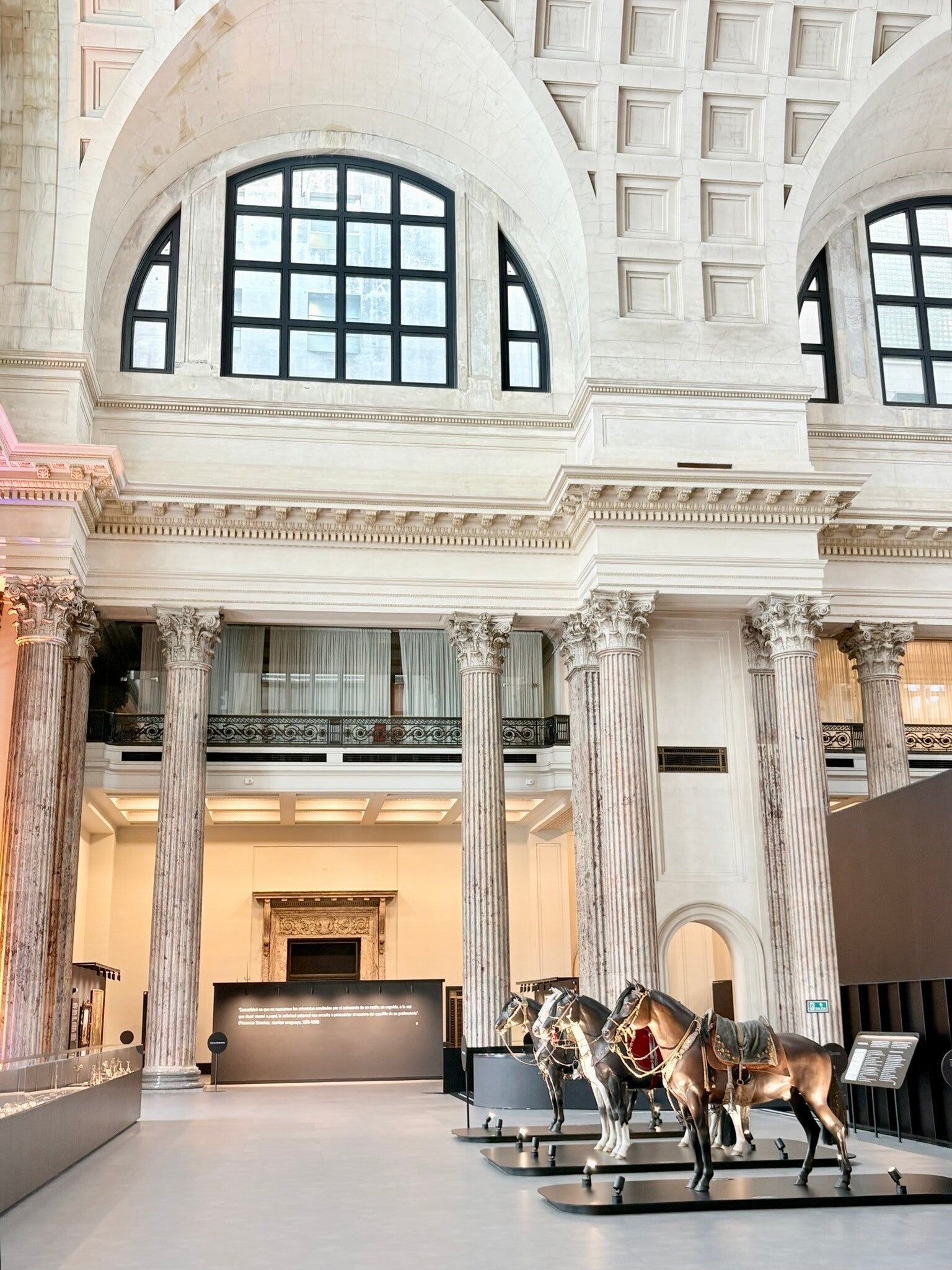
While in the city, it's also worthwhile to visit Museo del Gaucho y de la Moneda, a free museum housed in the former National Bank, featuring gaucho (nomadic horeseman) artifacts and history. Gaucho culture is important to Uruguayans (and Argentinians alike), as it represents freedom, independence and rural roots.
If time permits, you can also:
- Attend a performance at Teatro Solís
- Eat asado at the Mercado del Puerto
- Visit Museo Nacional de Artes Visuales (MNAV), Uruguay’s most famous art museum
If you're transferring to Buenos Aires: Buquebus ferries run from Montevideo and take about 2.5 hours, costing roughly 100–130 USD.
Alternatively, you can continue on toward Punta del Este.

Day 3 Punta del Este
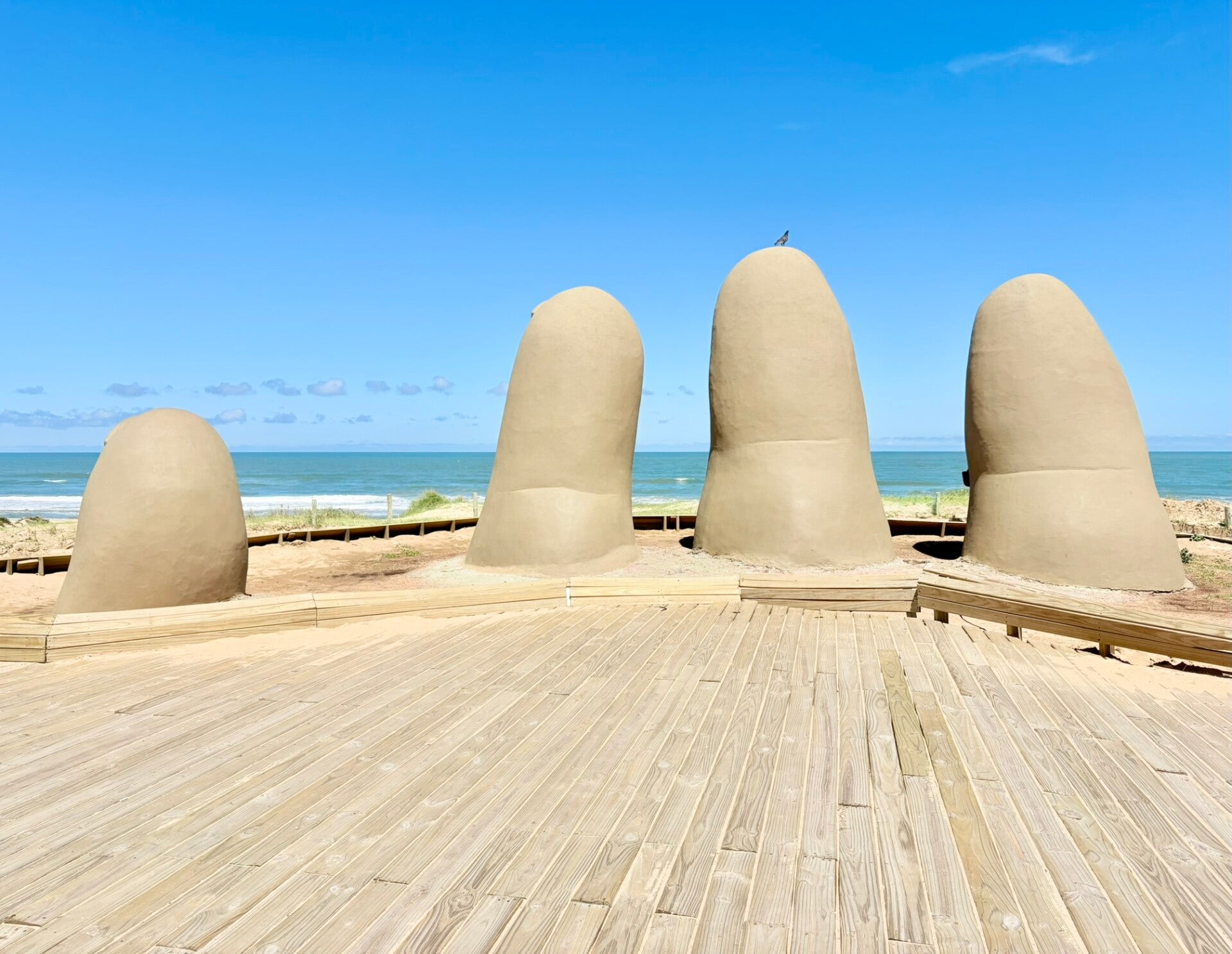
Punta del Este is Uruguay’s best-known beach resort, often compared to Saint-Tropez in Europe (comparison also extends to price levels!). Besides relaxing on white sandy beaches, you can visit the iconic La Mano sculpture, a hand emerging from the sand on Brava Beach. It was conceived as a warning to swimmers but has come to symbolize humanity’s connection with nature. Created by Chilean artist Mario Irarrázabal, it’s said to have been completed in only six days.
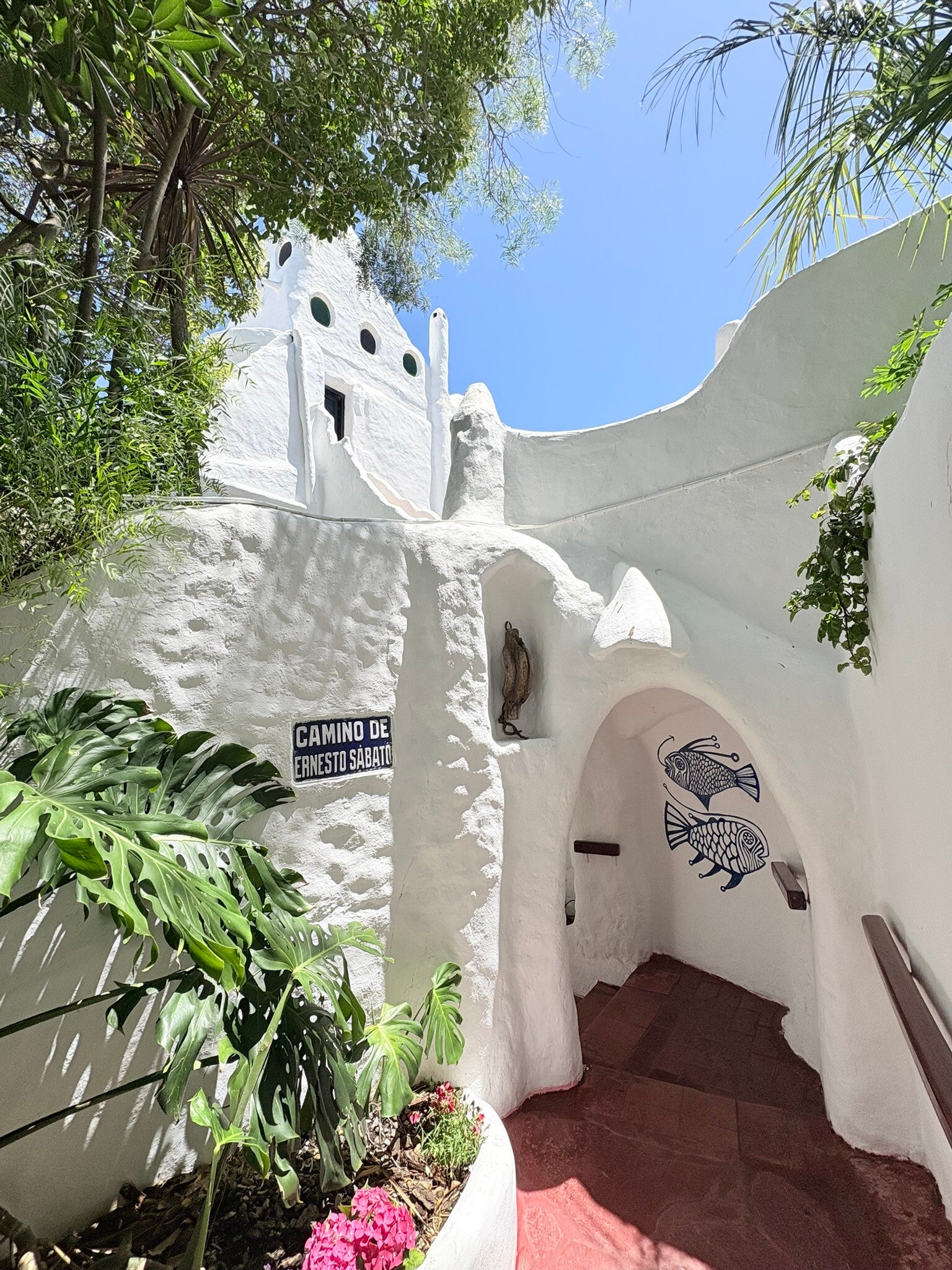
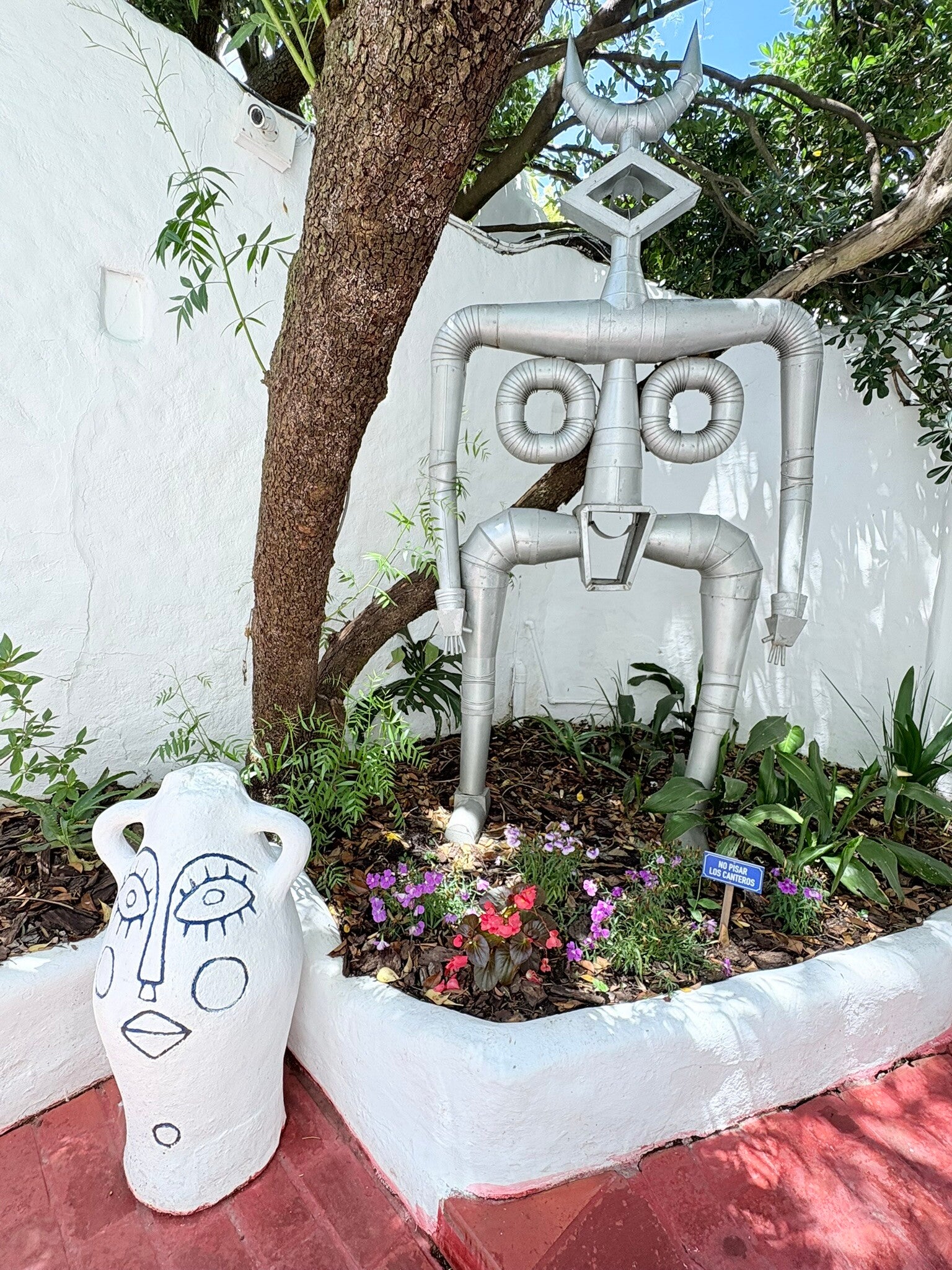
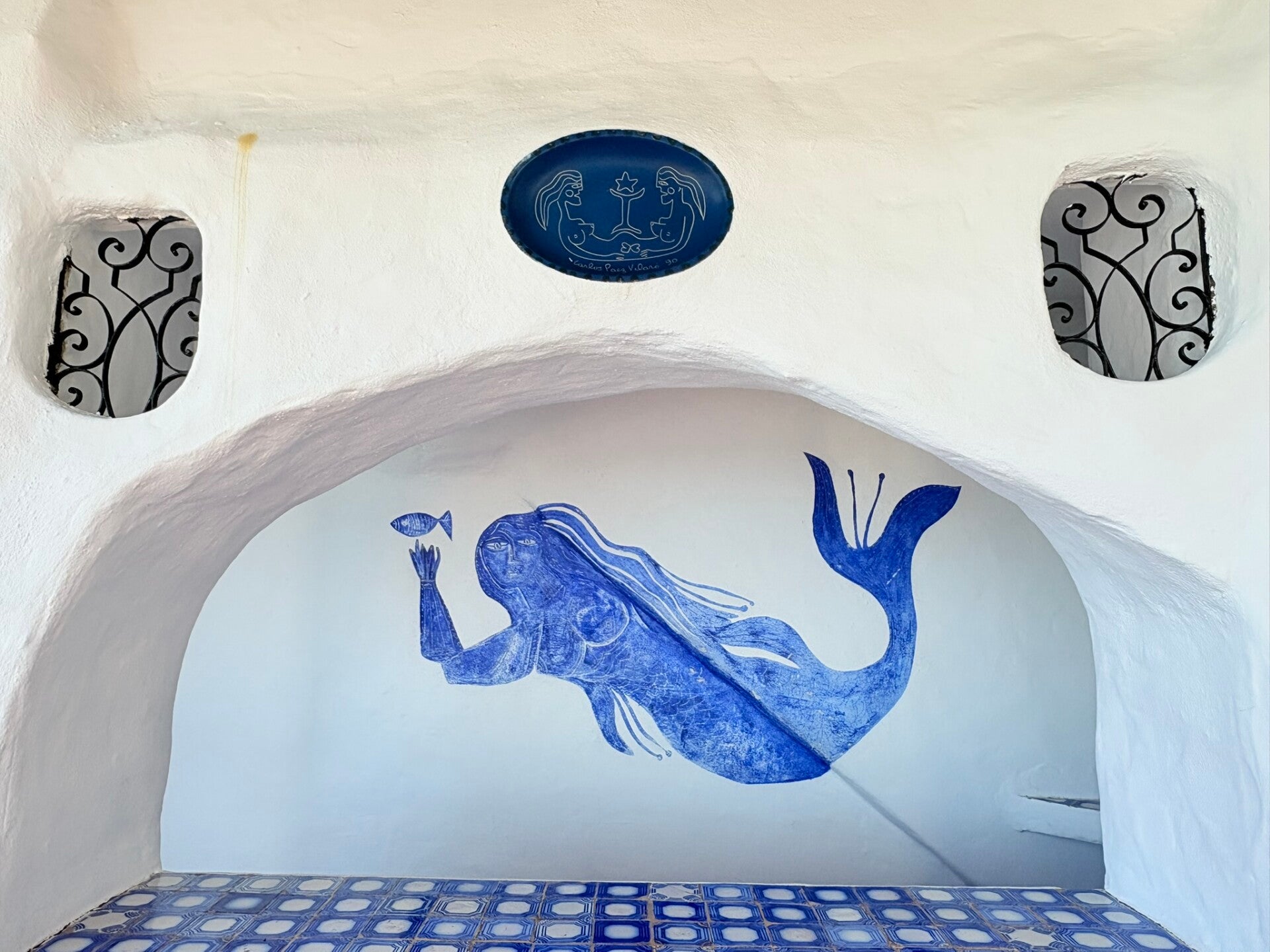
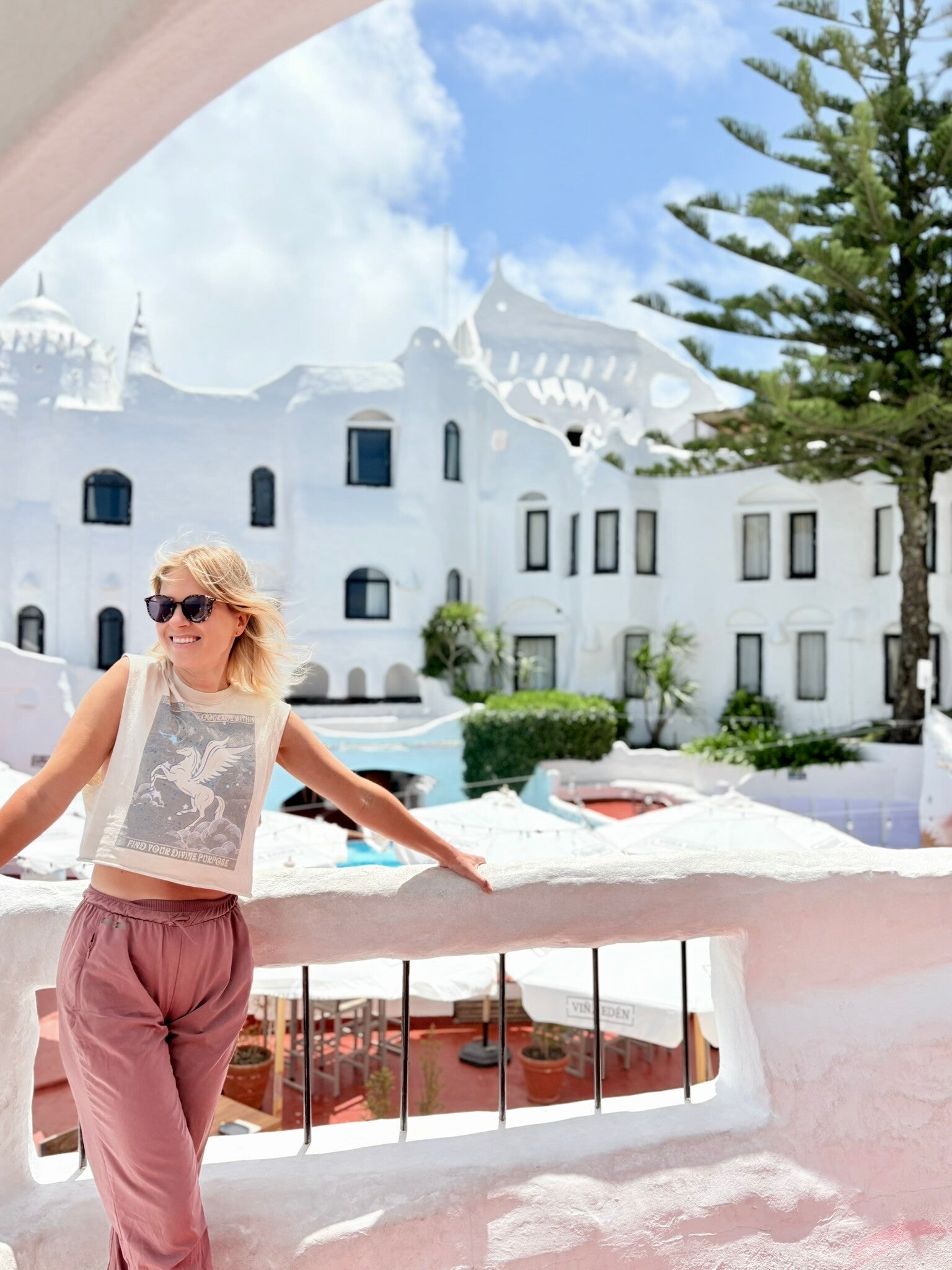
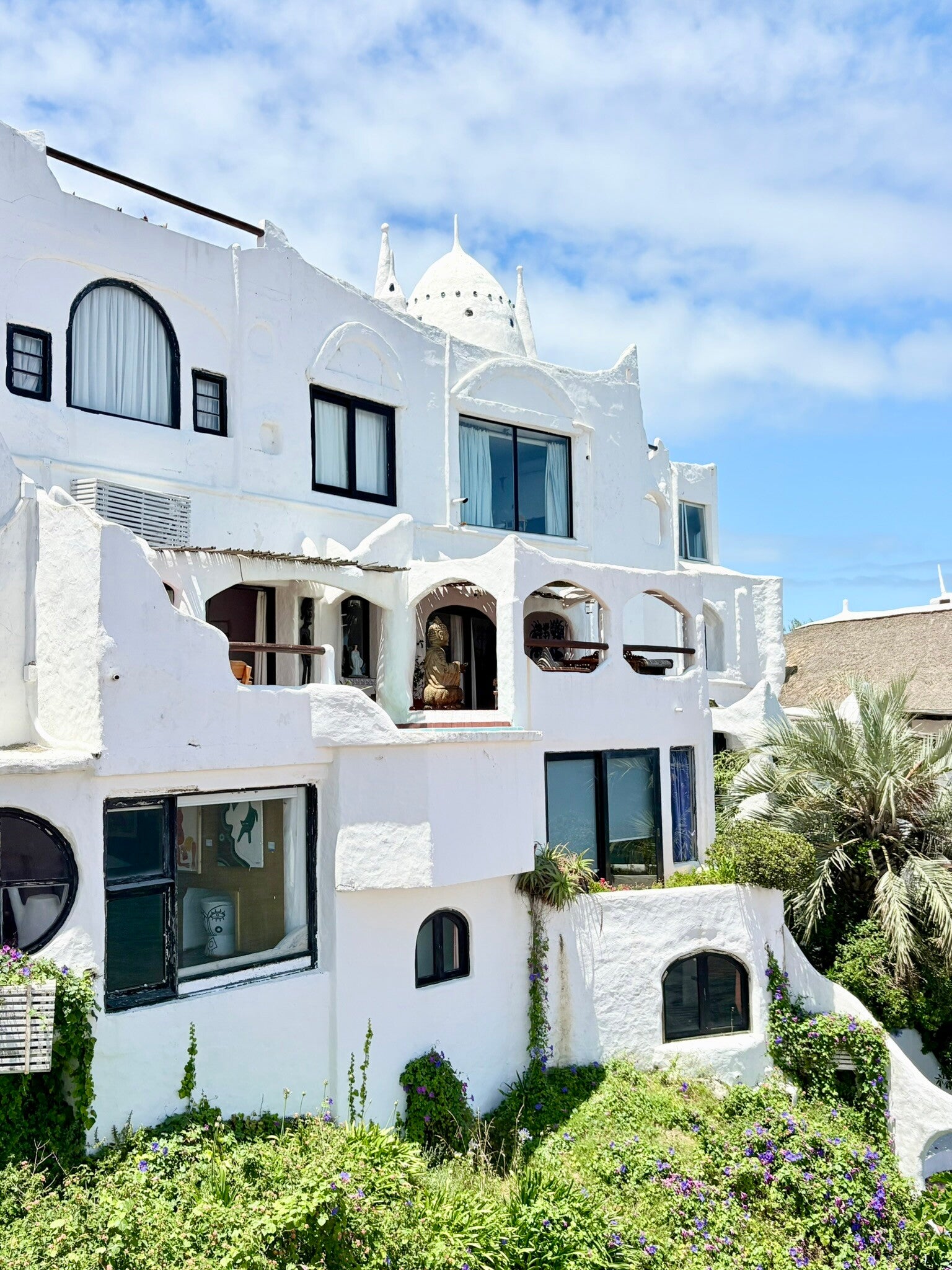
My personal favorite spot in Punta del Este is Museo Casapueblo, a striking cliffside building and work of art by Uruguayan artist Carlos Páez Vilaró. The design is inspired by Santorini in Greece. The building functions as a museum, hotel and art gallery, and it’s especially busy at sunset due to its views and the Ceremonia del Sol—an artistically narrated experience played over loudspeakers.
If you need to depart from Punta del Este, note that options in its international airport are limited. Most travelers return to Montevideo for international flights or take a ferry from there.

Add comment
Comments