Dear Traveller,
This 4-week Peru itinerary is based on the assumption that you will continue your travels further down to Bolivia. The itinerary starts with low-altitude destinations and ends with high-altitude ones, ensuring you are fully acclimated by the time you reach Bolivia.
If you're only visiting Peru, I suggest starting by acclimating in Arequipa, then visiting Cusco and nearby high-altitude attractions. After that, you can fly to another high-altitude location Huaraz and end your trip in low-altitude destinations such as Lima, Huacachina, and Iquitos before your flight back home. Other than the order of travel, the recommendations for activities remain the same.
Day 1 - Explore Lima 🏙️
While Lima is not the most famous destination in Peru, it is definitely worth a day's stopover and serves as a good gateway to other locations before heading south to Cusco and Machu Picchu. Lima is renowned as the birthplace of ancient civilizations (much older than the Incas), its Spanish colonial heritage, and for being a foodie capital. Here are the recommended activities for a day in Lima:
- Half-day Historic Center tour: I highly recommend this tour, which also includes a visit to the Catacombs beneath the Monastery of San Francisco. Here, you'll find the remains of tens of thousands of people from the 16th to 18th centuries, arranged in orderly patterns to illustrate hierarchy even after death. While pictures are not allowed in the Catacombs, it remains an eerie and unique experience.
- Note on safety in Lima: You may encounter conflicting information about the safety of Lima's historic center, however I can assure you that it is perfectly safe during the daytime.
- Food Tour: If you have energy after the tour or have more days in the capital, consider doing a food tour in Lima. Just be warned that it is a street food tour, which takes you away from touristy areas into local market zones. It can be busy and a bit overwhelming.
- Alternative option: If markets and street food are not your thing, you can explore Maido, the top restaurant in the world (as of 2025), offering Peruvian and Japanese fusion cuisine. Be sure to pre-book well in advance—months ahead if possible. 🍣
- Evening Activity: Another lovely option for your evening in Lima is to watch the fountain show at the Reserve Park. The shows take place Wednesday to Sunday at 8:15 PM and 9:30 PM (double-check the date and time before going, as they can change). The entrance ticket is only 5 PEN (approximately 1.5 USD), and the show is definitely worth your time.
Where to Stay in Lima 🏨
Accounting for security concerns in the city, safe areas to stay include Miraflores and Barranco. These neighbourhoods are convenient as most tour pickups start from here; however, both are quite far from the airport.


Day 2 - Huacachina Oasis and Sandboarding 🏜️
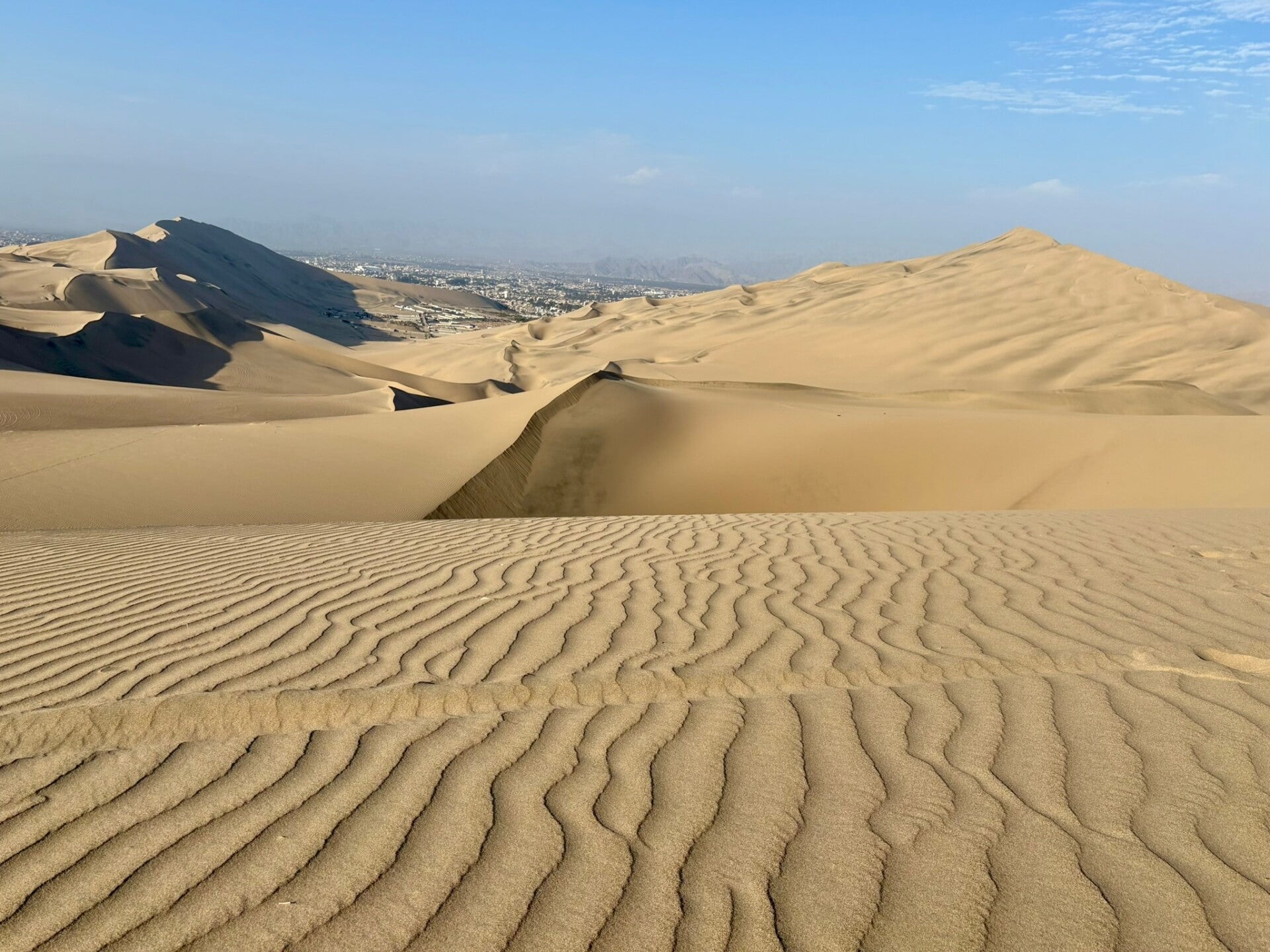
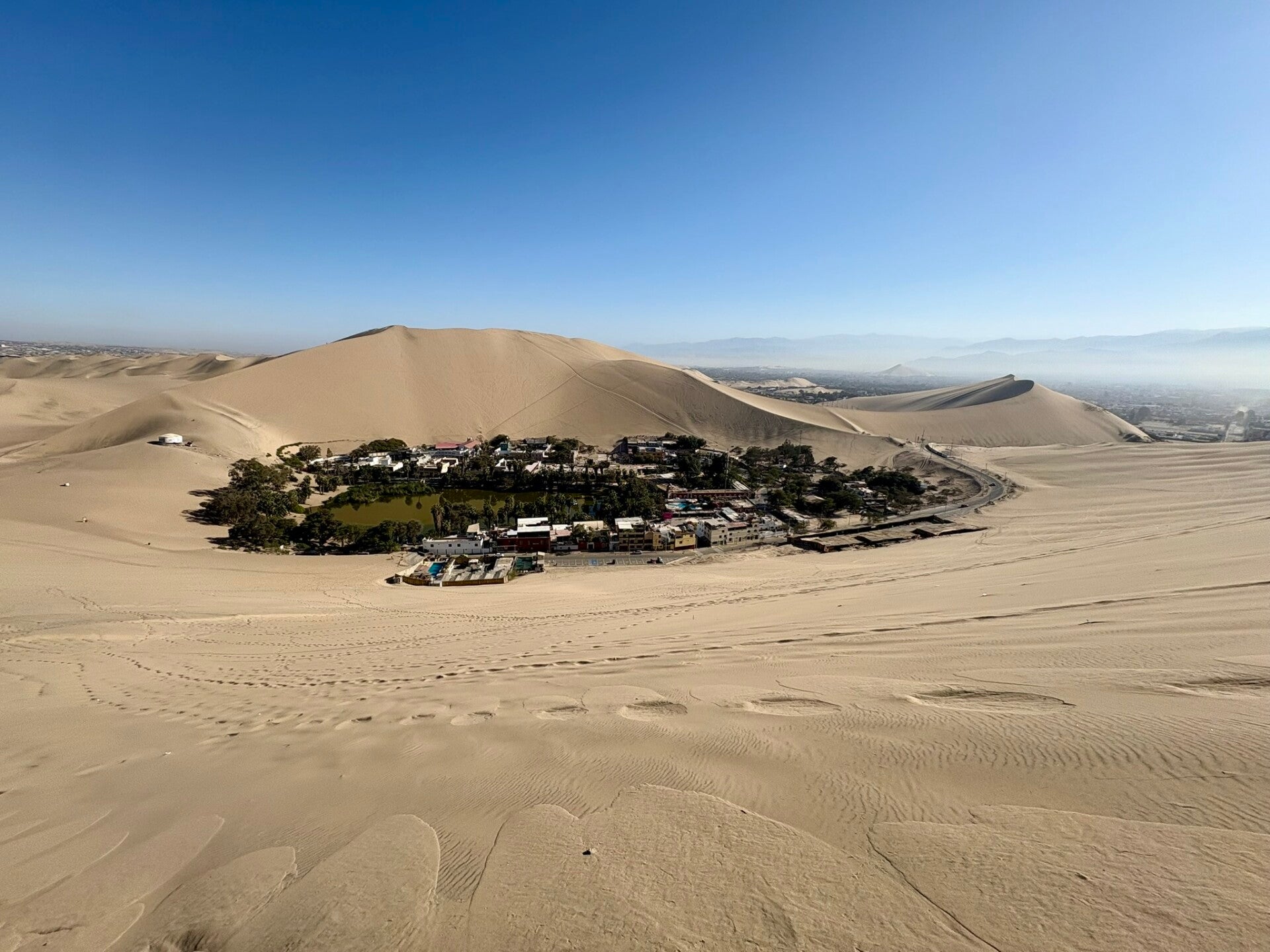
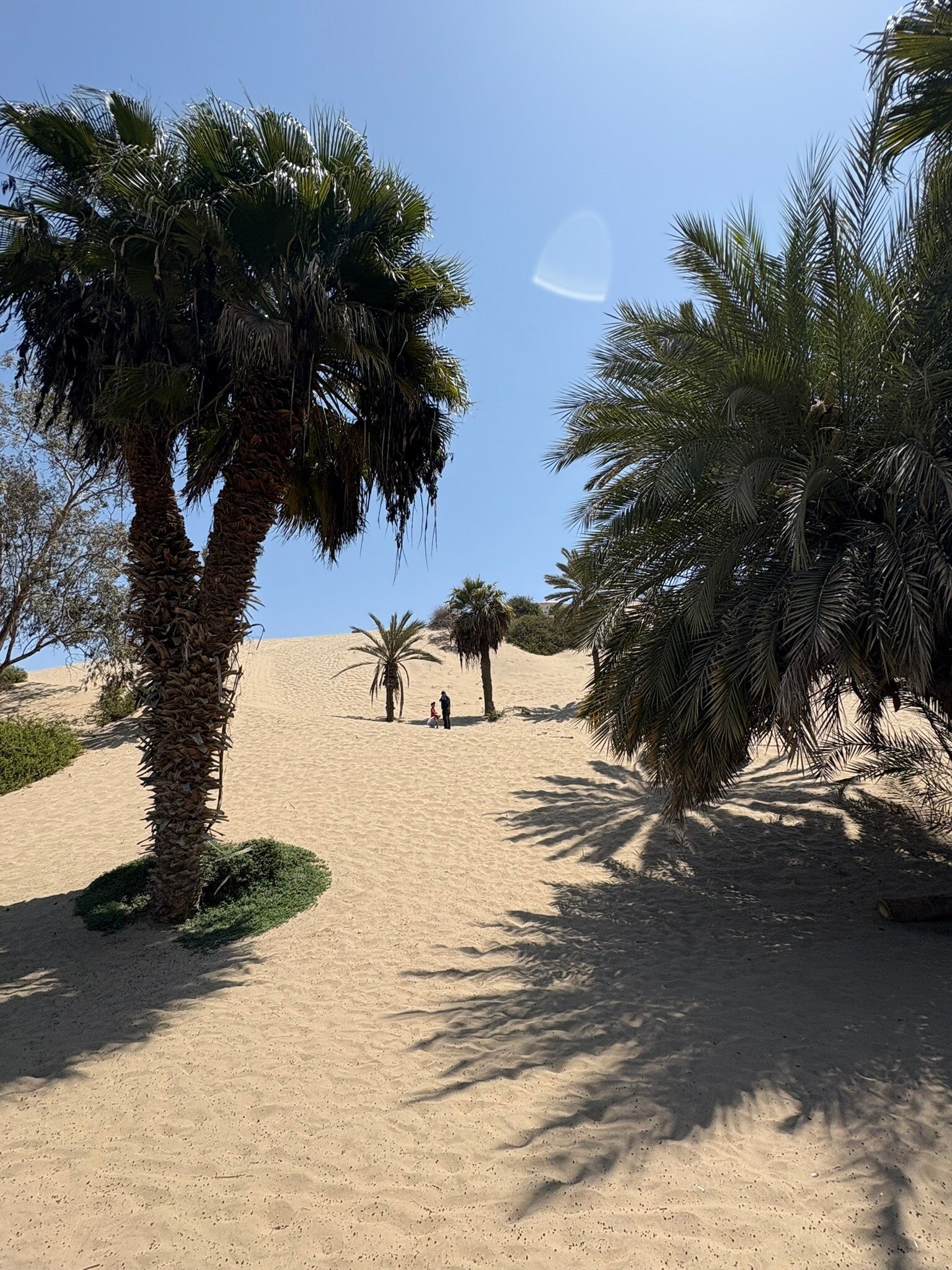
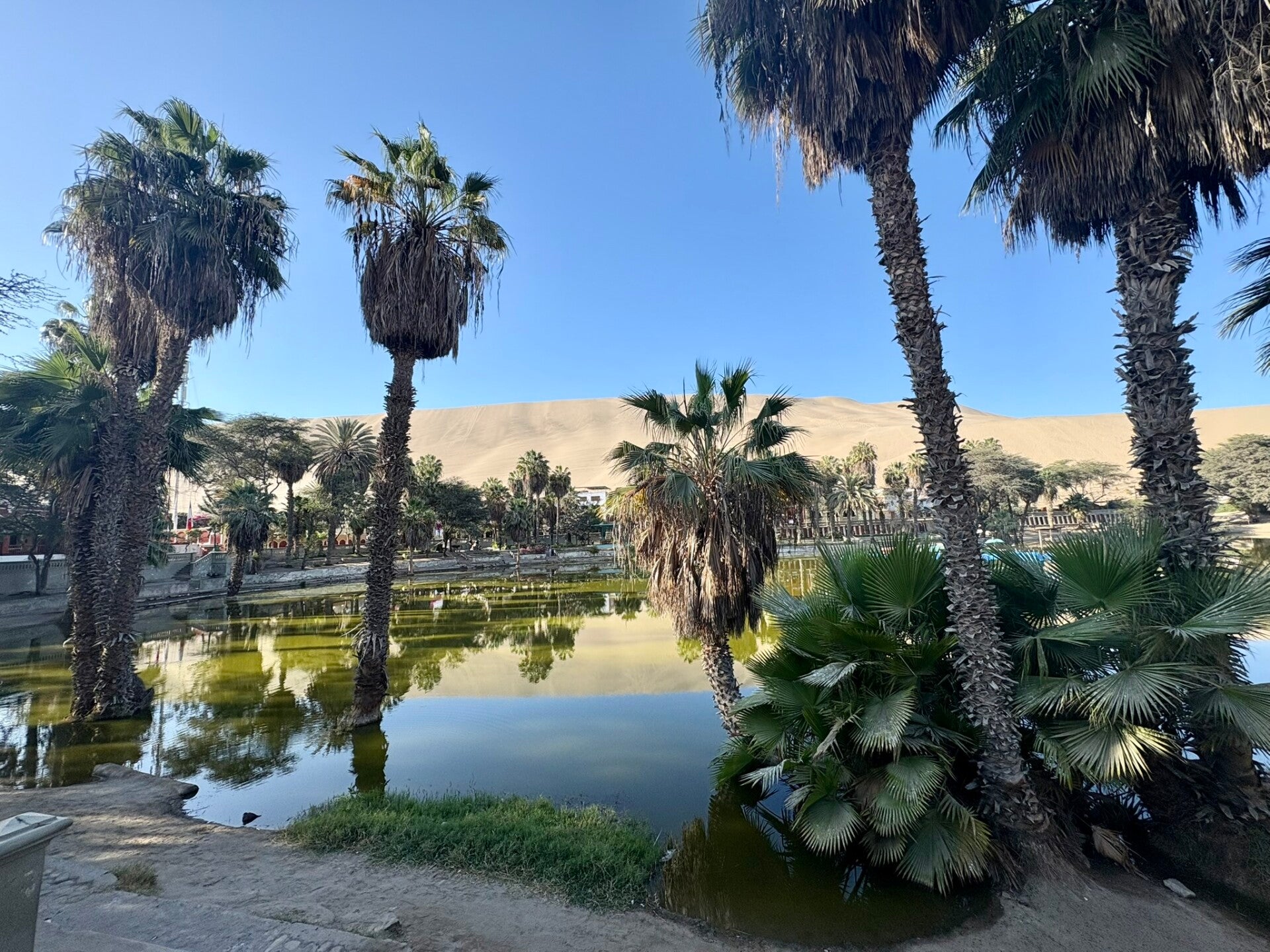
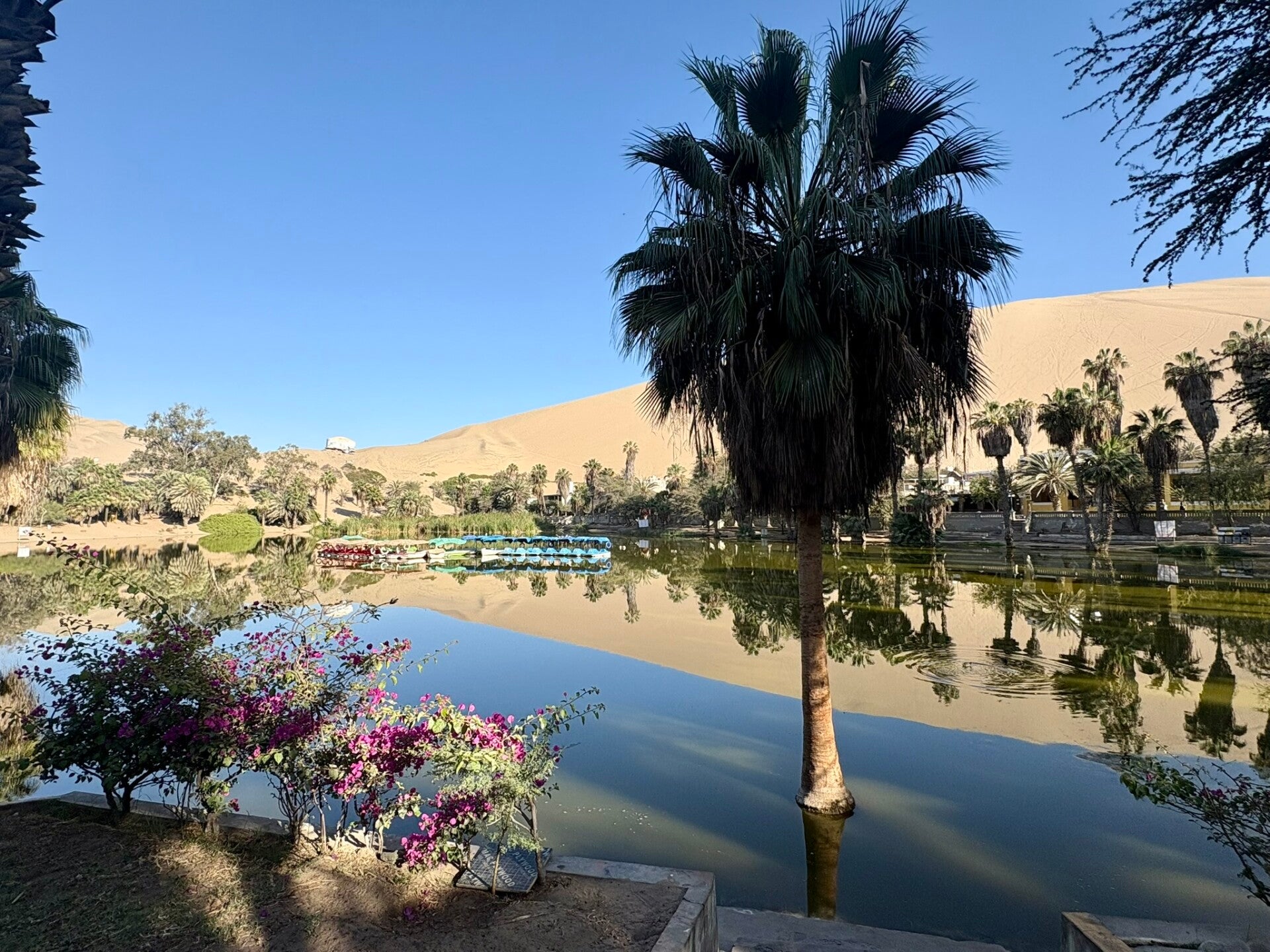
On the second day, take a bus to Huacachina, a tiny oasis in Peru's coastal desert, about 4-5 hours away from Lima. I recommend Cruz del Sur or Peru Hop as reliable companies. Although the oasis is naturally formed, it is now artificially maintained using pumps to extract groundwater from nearby wells. While it can also be visited as a day tour from Lima, I strongly recommend taking the proper time to enjoy this oasis away from the day visitor crowds.
Activities:
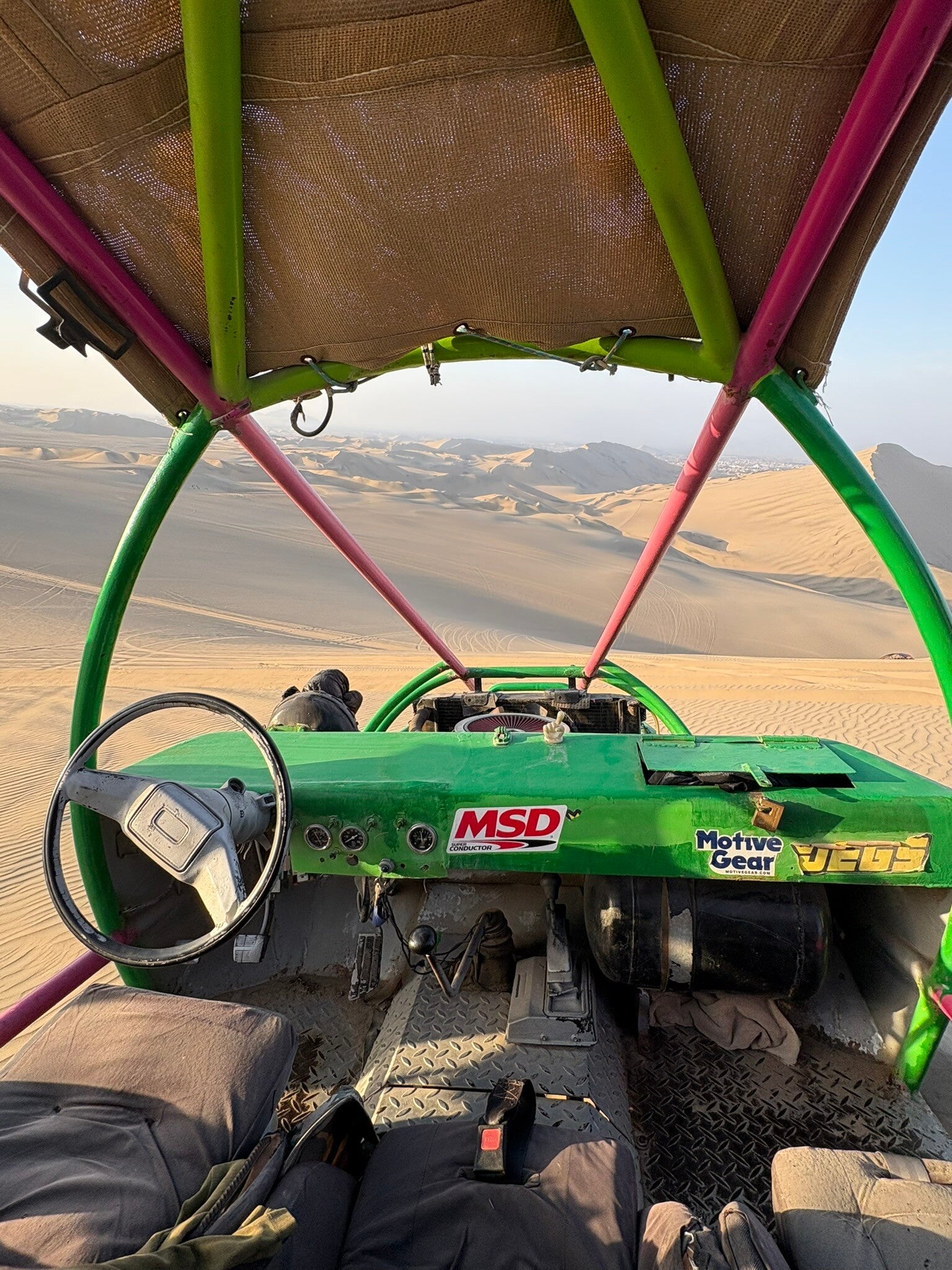
Huacachina is famous for sandboarding and dune buggy rides, which can be done as a daytime or sunset activity and sunset is definitely the preferred option (tours start around 4 PM). Note that different agencies may have varying definitions of sandboarding—some refer to standing on the board like snowboarding, while others mean lying flat on your belly. The latter is a much safer option unless you're an experienced snowboarder.
I booked the 'safer' option via Banana Adventure Hostel, but regardless of which agency you choose, make sure to clarify the boarding style they offer. Tours typically start with dune buggy rides and progress to sandboarding activities, taking you to higher dunes as you gain confidence. 🏄♂️
Day 3 - Fly Over the Nazca Lines ✈️
Aside from the oasis itself, there are multiple tour options to explore what the region has to offer, for example:
- Boat Tour: Take a boat to Islas Ballestas to see seals and other wildlife, as well as Paracas National Park.
- Hiking: Hike to the Canyon of the Lost for stunning views.
- Tasting: Enjoy Pisco (Peruvian grape brandy) or local wine tasting. 🍷
- Nazca Lines: Take a day trip to see the Nazca Lines, geometric shapes drawn in the desert by the Nazca civilization between 200 BCE and 600 CE. 🗺️
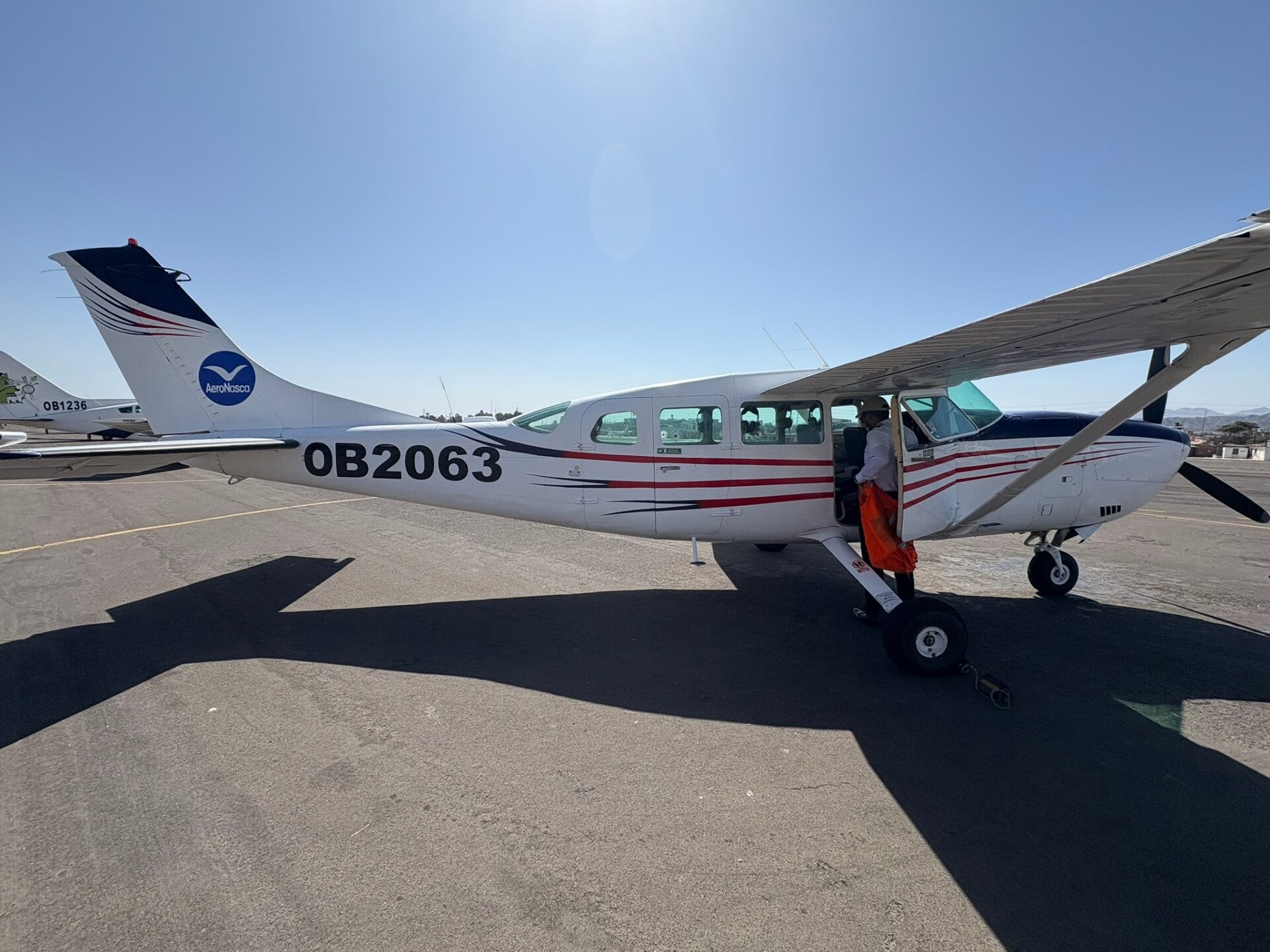
I chose to visit the Nazca Lines (by air!) as it's both a spectacular view and one of the great mysteries regarding their purpose. You can book the Nazca lines flight through your hotel/hostel or directly with licensed airlines.
Note: If you book the flight directly with the airlines, you will need to arrange separate transportation, as Nazca Airport is about 3 hours away from the oasis. I booked my transfer to and from the Nazca lines via Viator.
The day began with an early morning pickup from Huacachina. On the way to the airport, we stopped at the Nazca overview tower to see the first three lines. However, the guide informed us that the airport was not ready to receive us at the scheduled time due to weather conditions, so we had time for a light snack at a café.
When we arrived at the airport, the experience was chaotic, as all scheduled flights were pushed to later in the day, resulting in a lot of wait time (I boarded the plane 2 hours after my scheduled flight time). Additionally, we had to pay various additional fees such as tourist taxes and mandatory insurance on top of the flight cost, totalling around 70 PEN (21 USD) in 2025.
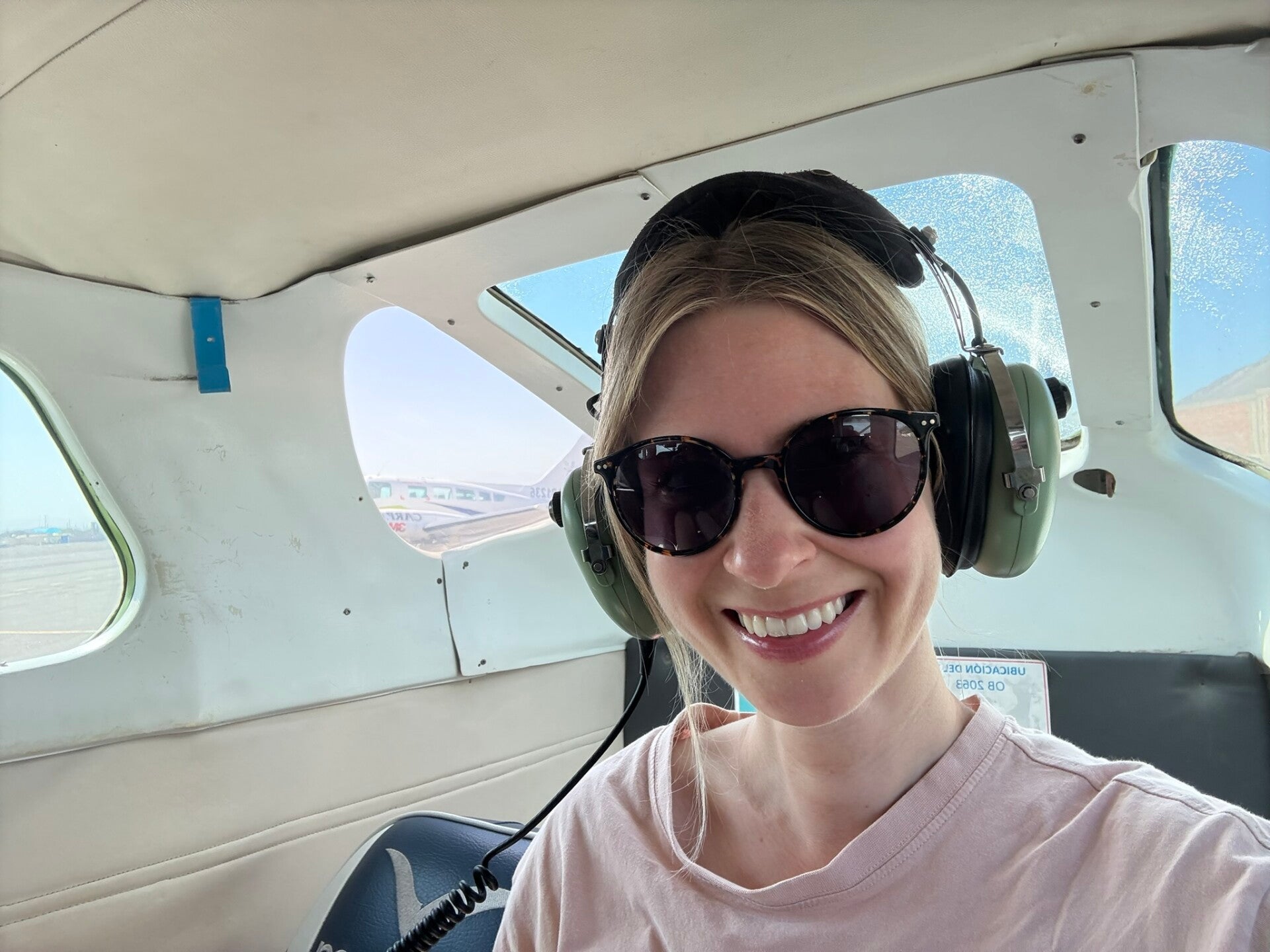
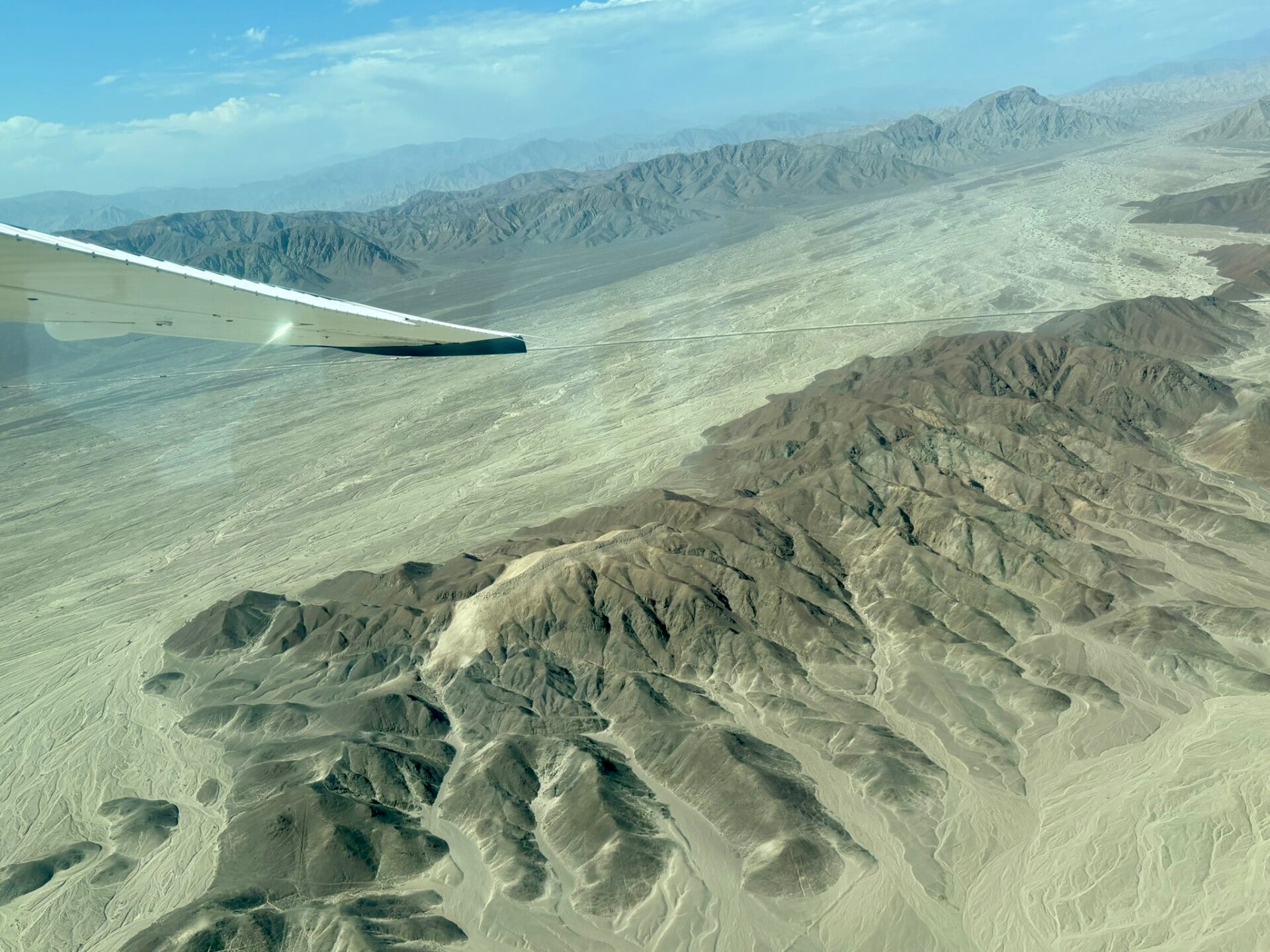
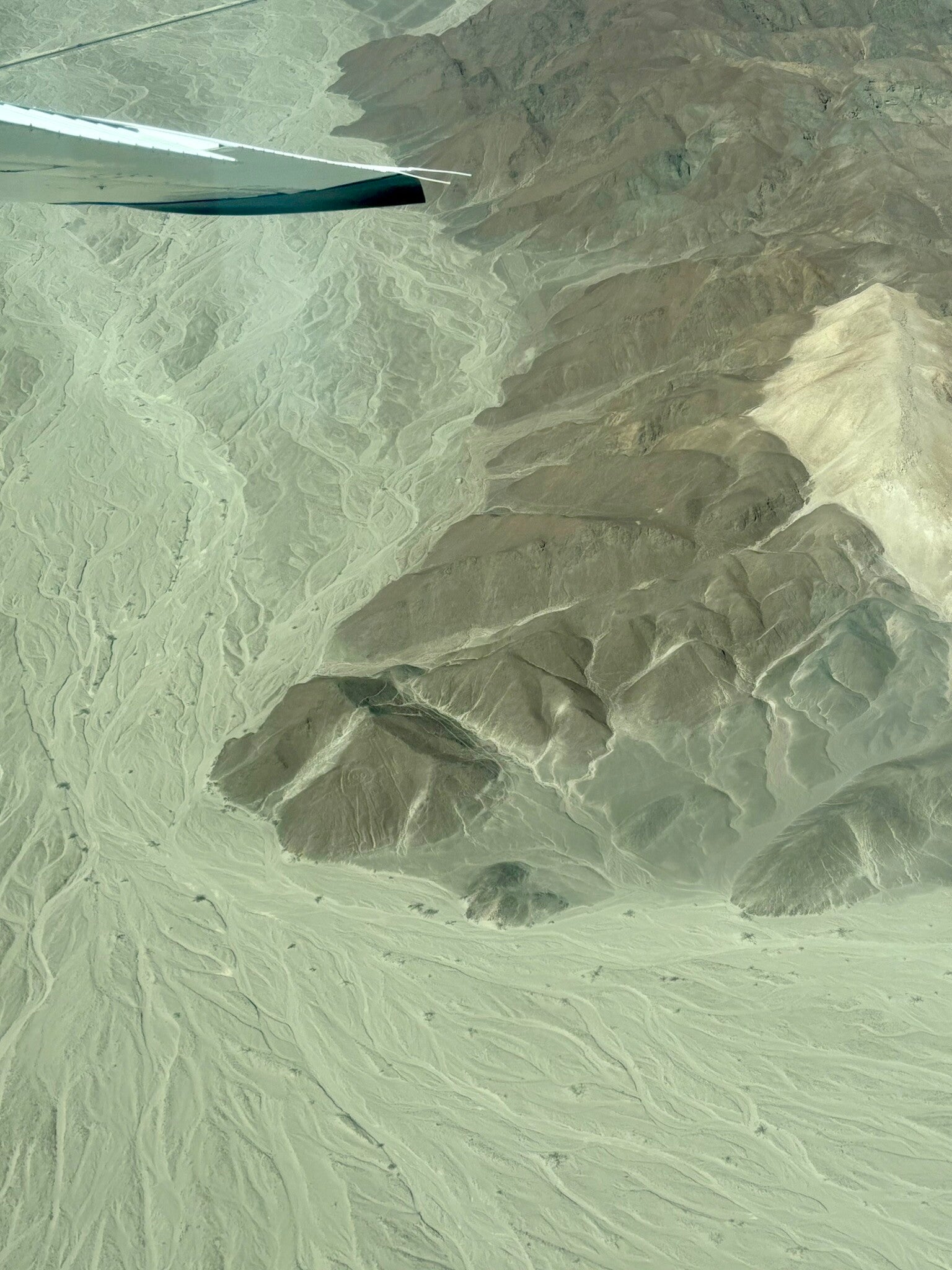
Despite the chaos at the airport, the flight itself was both short and spectacular. We were given headphones to hear the pilot explain the Nazca Lines, and off we went for a 30-minute flight. The Nazca desert landscape opened up before us, breathtaking in its own right, even without the lines. As we approached the lines, one pilot explained where to direct our gaze, highlighting the petroglyphs we were seeing. The other pilot tilted the plane to one side for better visibility and then turned it around to tilt to the other side, ensuring that passengers on both sides could see the lines properly.
Important: You definitely need motion sickness pills due to the constant tilting and turning unless you have a stomach of steel! 🤢 The experience is nothing like flying a commercial plane!
After the flight, the company provided a souvenir flight certificate with my name on it, and then we could choose whether to stay in Nazca for onward travel or return to Huacachina.
Day 4 - The Peace in the Oasis
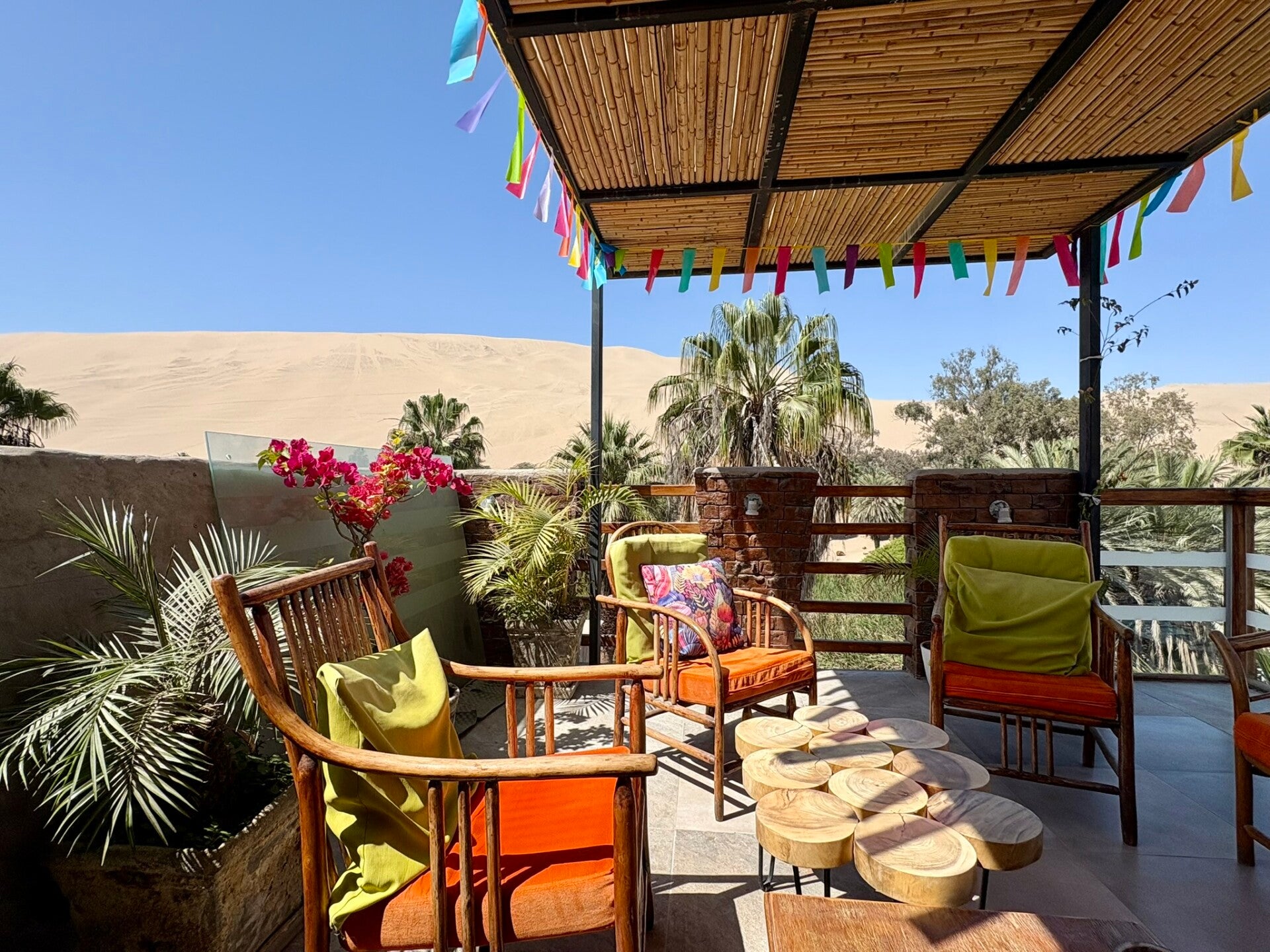
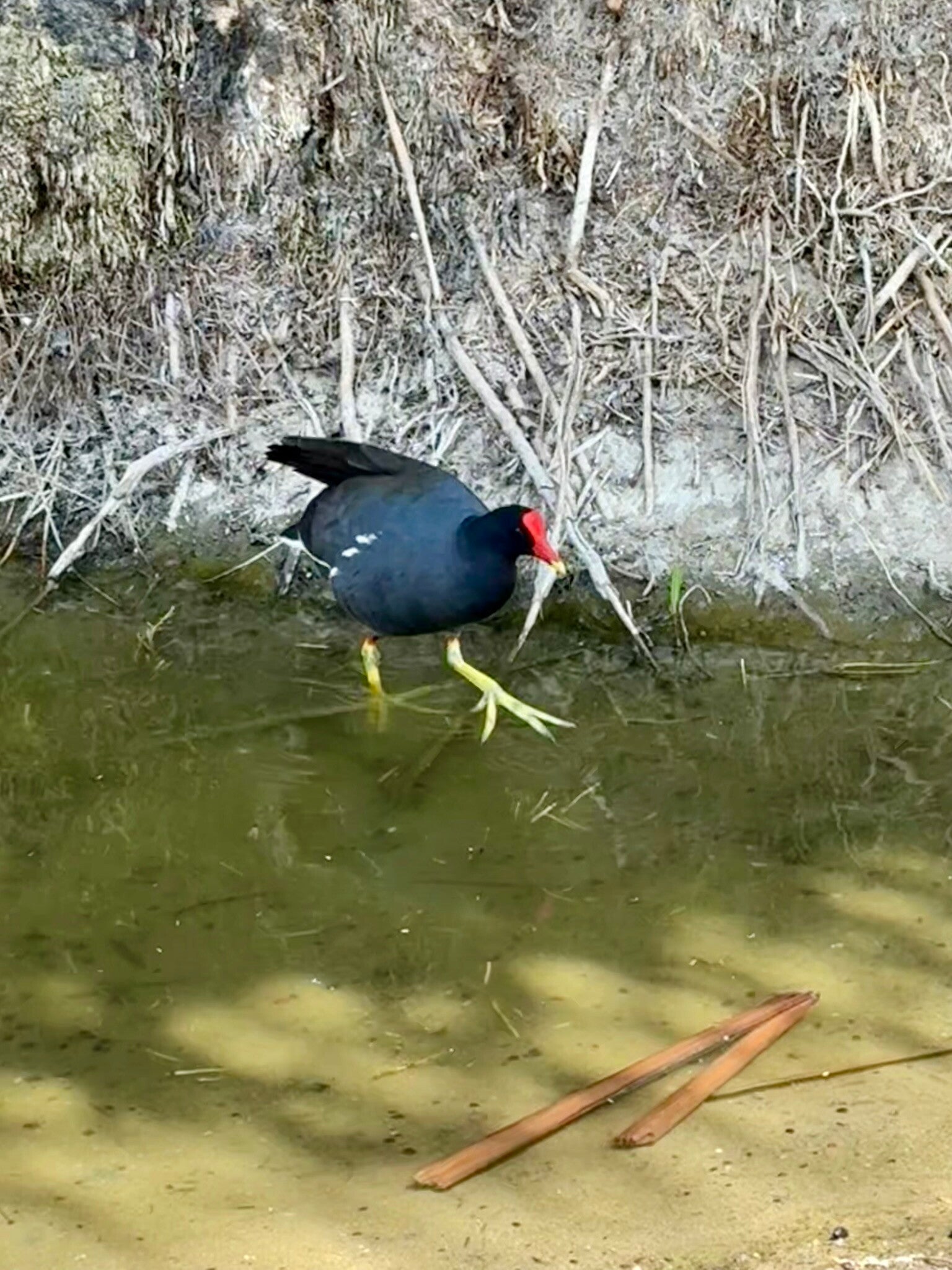
If you choose to spend another night in Huacachina, use the quiet morning hours to climb the dunes without any buggies on them and admire the peacefulness of the oasis, which is almost fully quiet and deserted until lunchtime. 🌴
After soaking in the tranquillity, take the bus back to Lima.

Alternative Option for Peruvian Jungle Visit
Before heading up to the mountains to start acclimating, you can also opt to visit Iquitos, a town in the north of Peru that serves as a gateway for Amazonian jungle excursions. Additionally, Iquitos is famous for ayahuasca (plant-based psychedelic medicine) retreats and ceremonies.
Access: You can only reach Iquitos by plane or boat, as there are no road connections to the rest of Peru.
Day 5 - Get to Huaraz 🏞️
Huaraz is Peru's capital for nature and hiking, making it a must-visit destination if you enjoy mountain activities. However, it can be skipped if hiking is not your preference, as almost all mountain views require a hike! 🚶♂️
- Travel Options: You can get to Huaraz from Lima by taking an 8-10 hour bus (available as both day and night buses) or by taking a flight.
- Bus Recommendations: Note that not every bus company respects departure and arrival times. So far, I have had the best experience with Cruz del Sur, which is one of the pricier options but was almost always on time.
Day 6 - Rest or Light Hiking 🏔️
Huaraz is situated at a high altitude - approximately 3000m (10,000 ft) above sea level. Therefore, coming from Lima, you'll need to acclimate and rest. You can spend your first day in the city simply strolling around town and drinking coca leaf tea, which is known to help with altitude sickness. 🍵
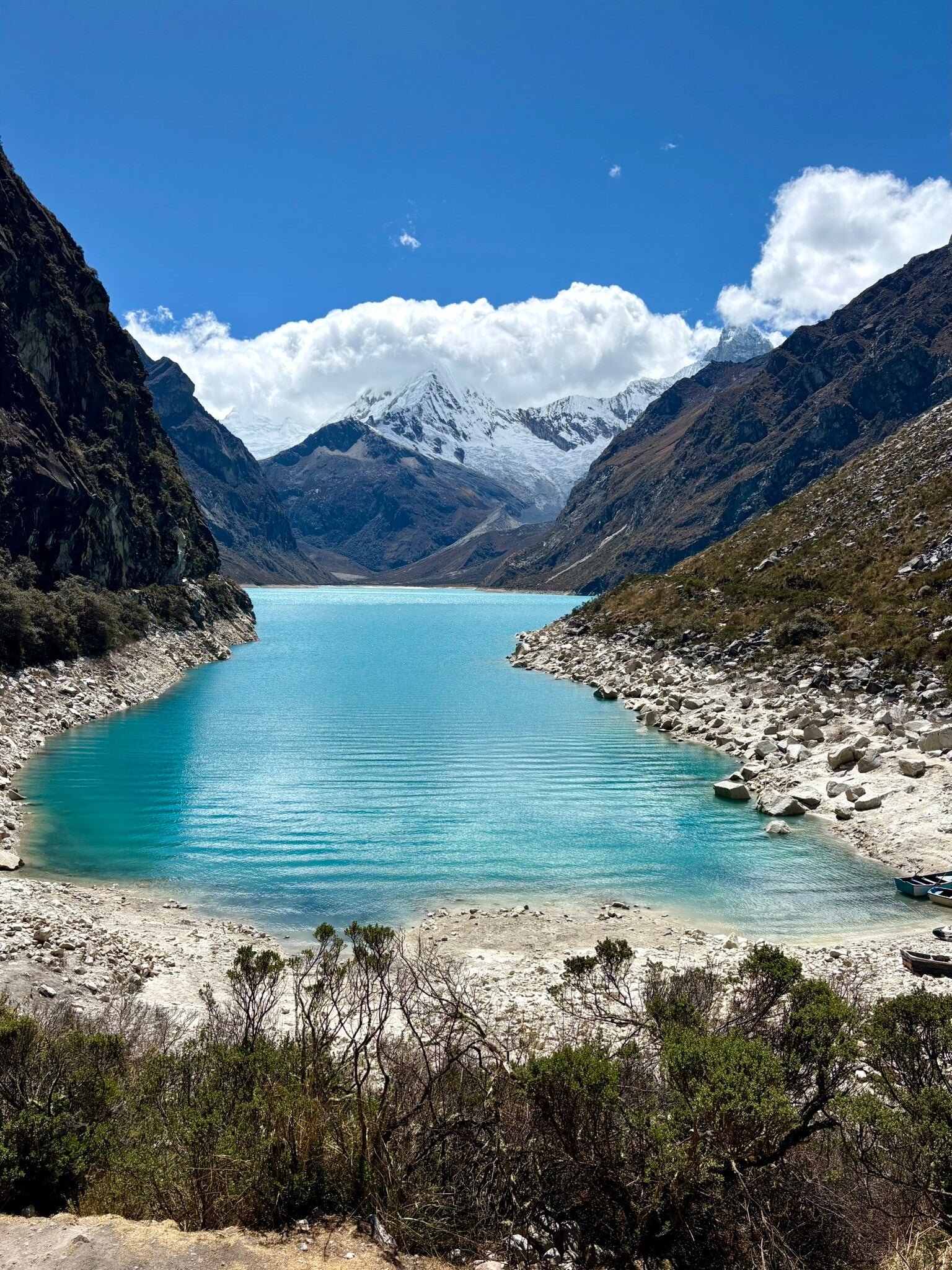
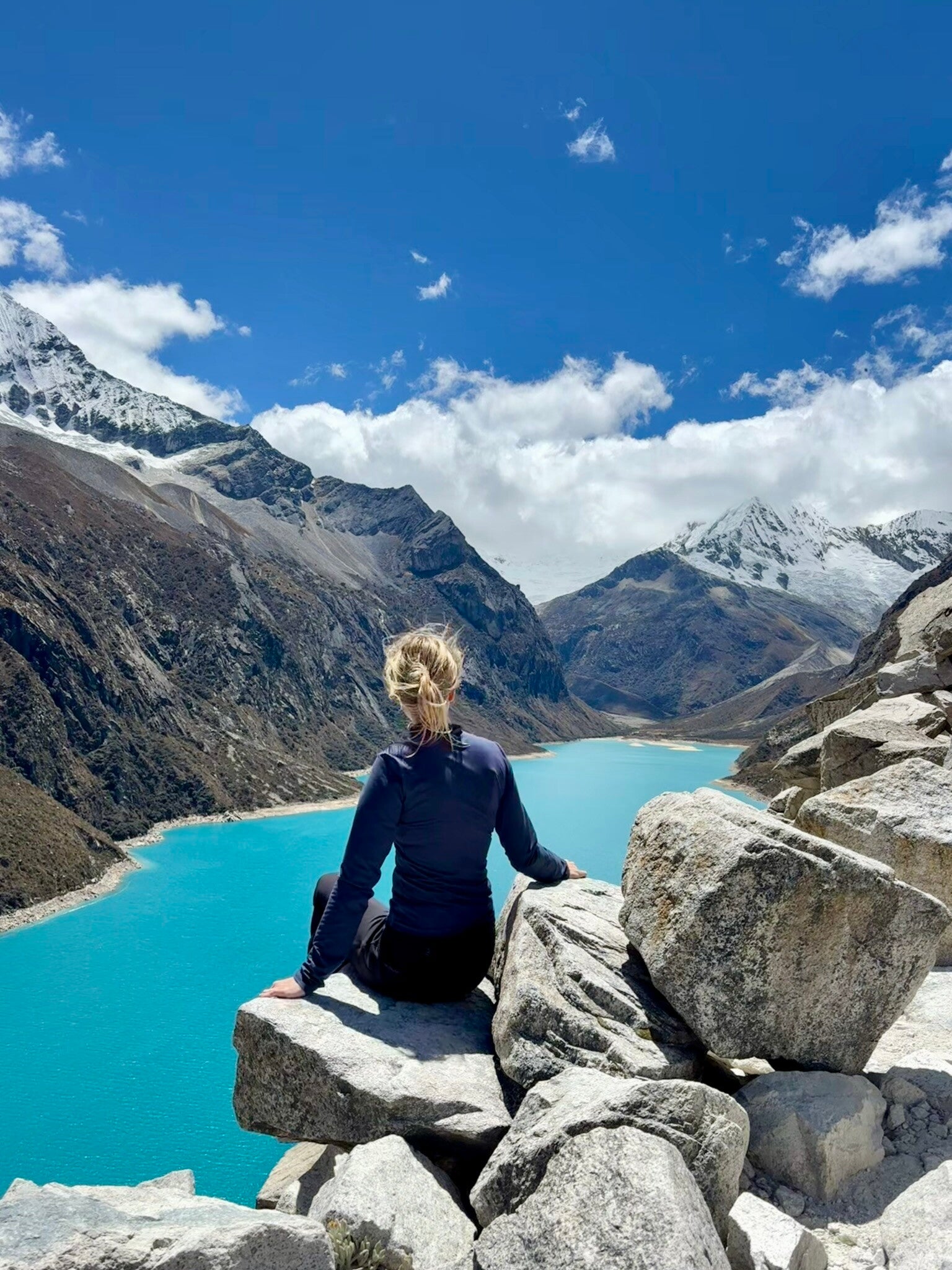
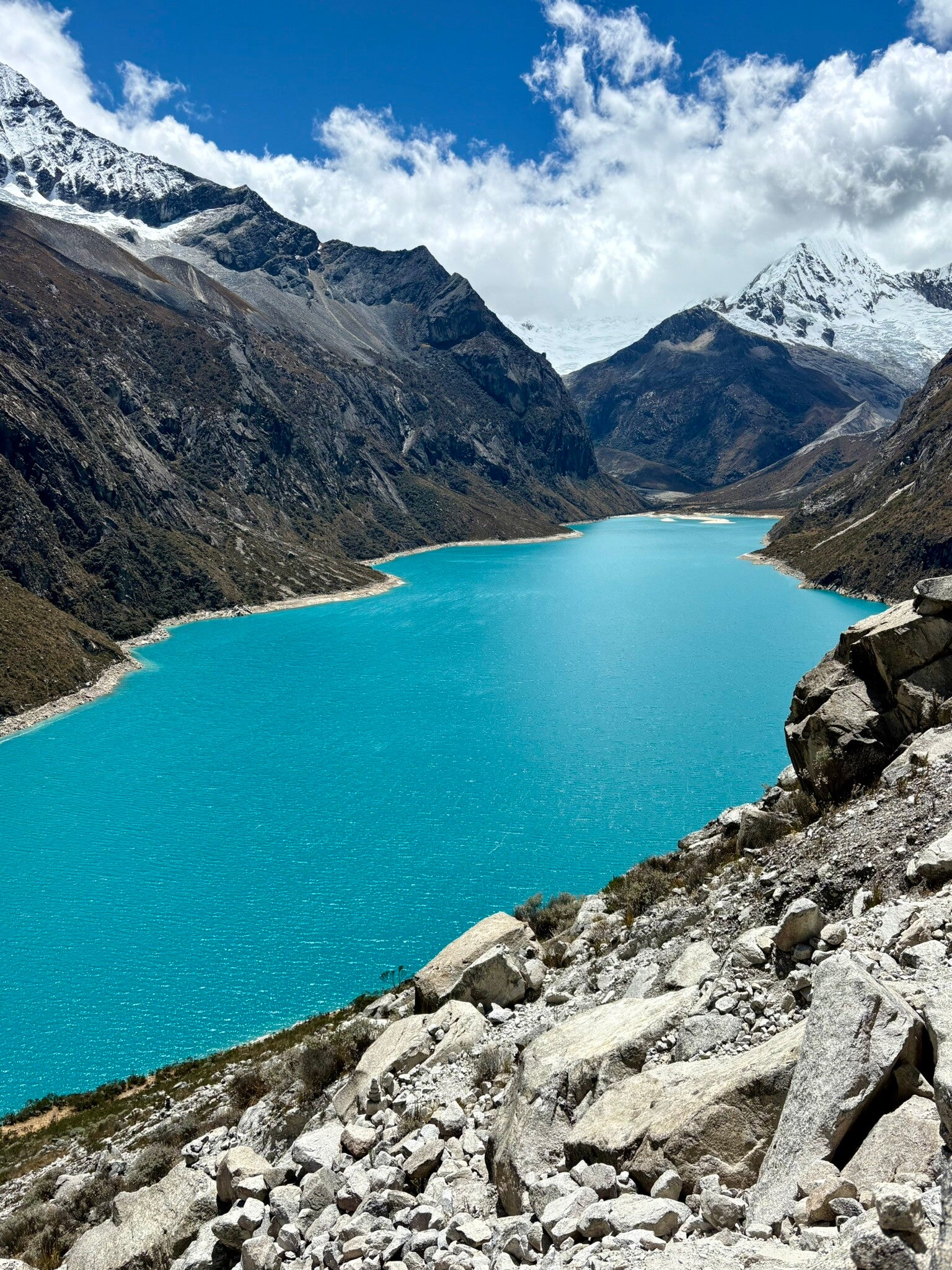
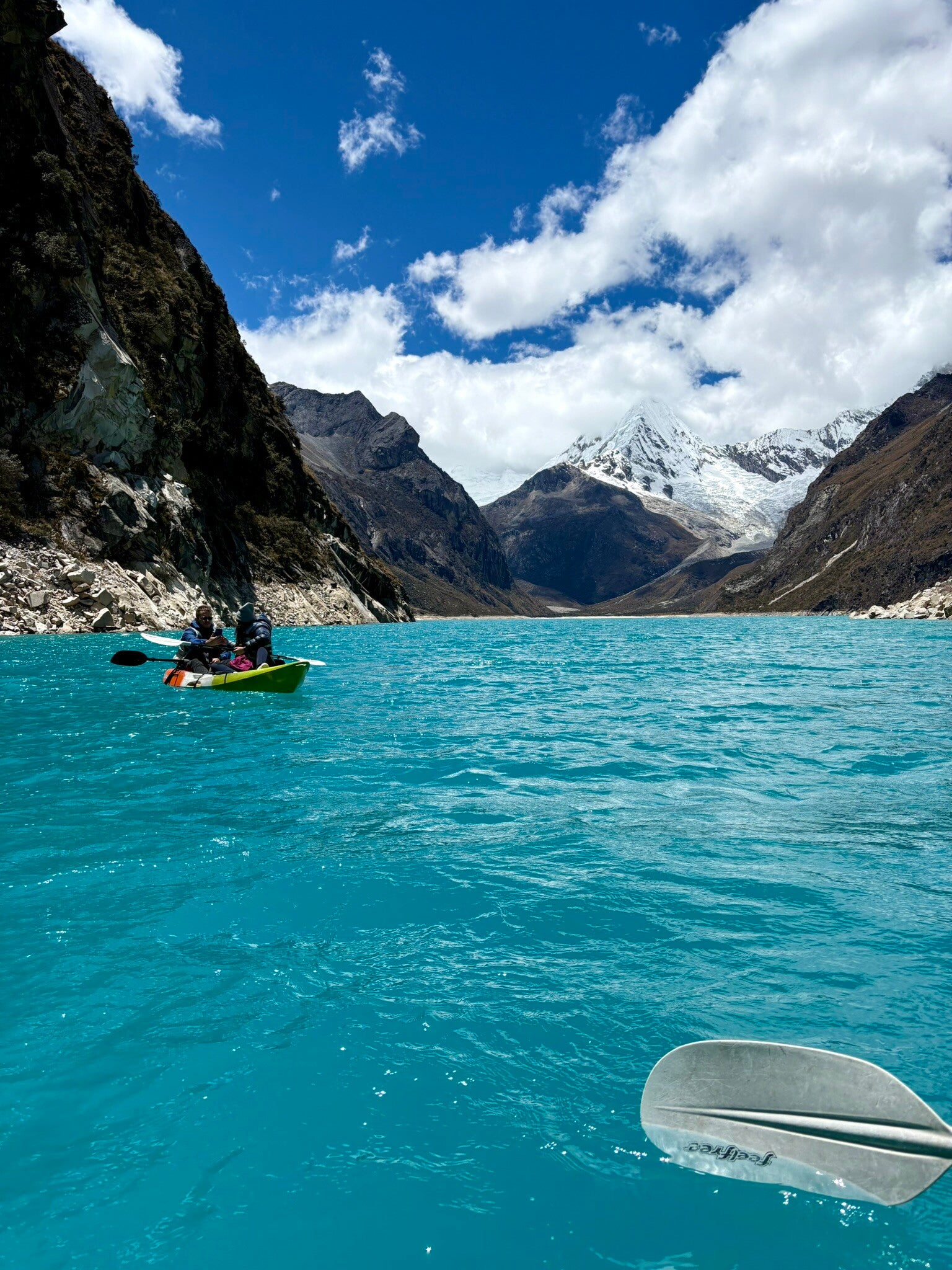
If, however, you wish to spring into some light action, consider a day trip to Lake Parón. This excursion is great for acclimatization, as the hiking duration is only around 30 minutes to reach the viewpoint, and you can access the lake without any hiking at all.
One thing to keep in mind is that Parón Lake sits at 4155m (13500 ft) above sea level, while Huaraz is around 3000m (10.000 ft). Only commit to this day trip if you're feeling okay and can tolerate the long hours spent in transport (approximately 3 to 3.5 hours one way).
- Tour departures typically start very early (around 5-5:30 AM), and the bus stops for both breakfast and lunch.
- The price of the Parón day trip is around 60 PEN (approximately 18 USD).
Parón is one of the more impressive, if not the most impressive, lagoons in the region. So, if you don't feel up for it on the first day, it's still a must-do during your stay in Huaraz!
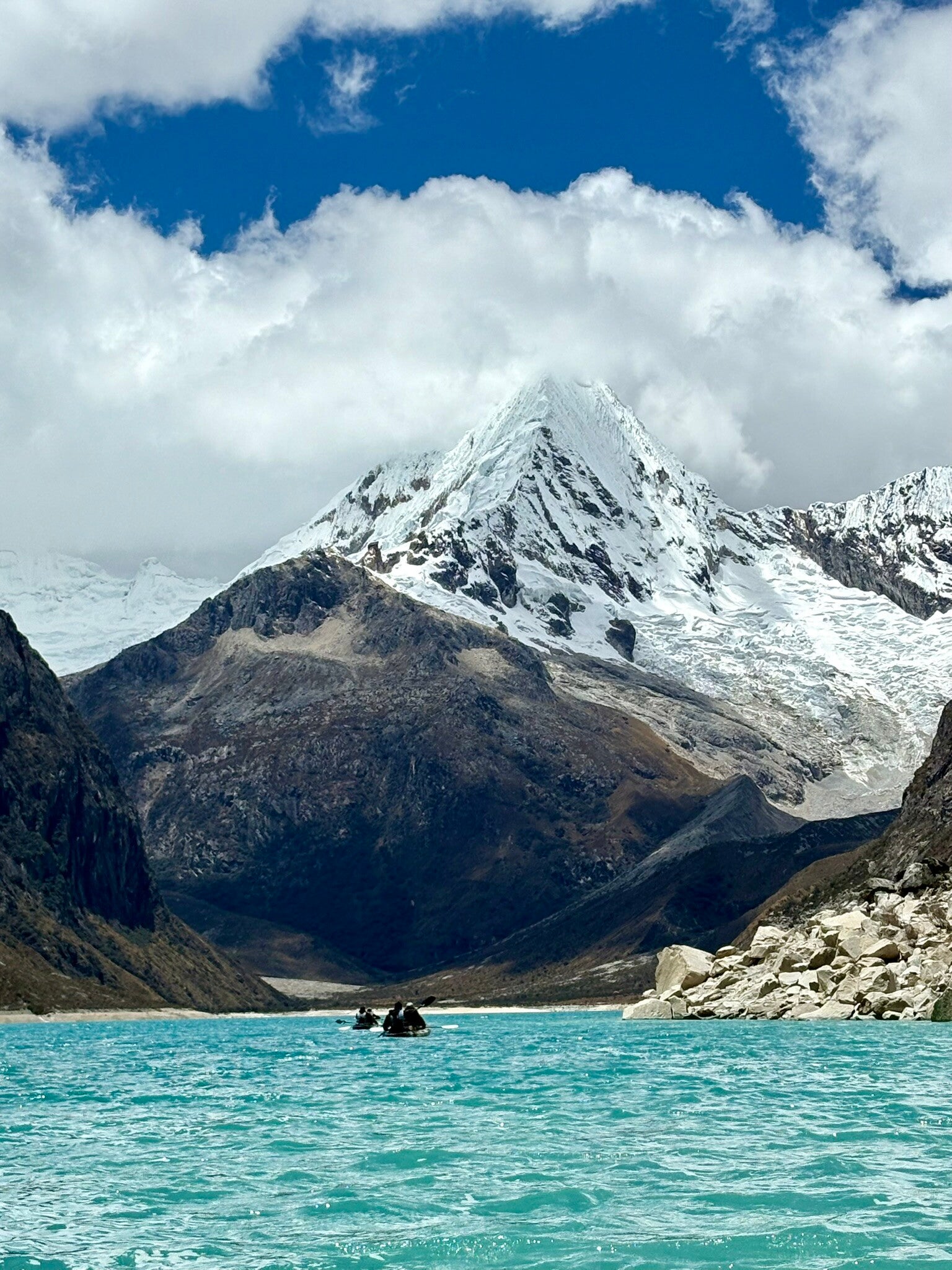
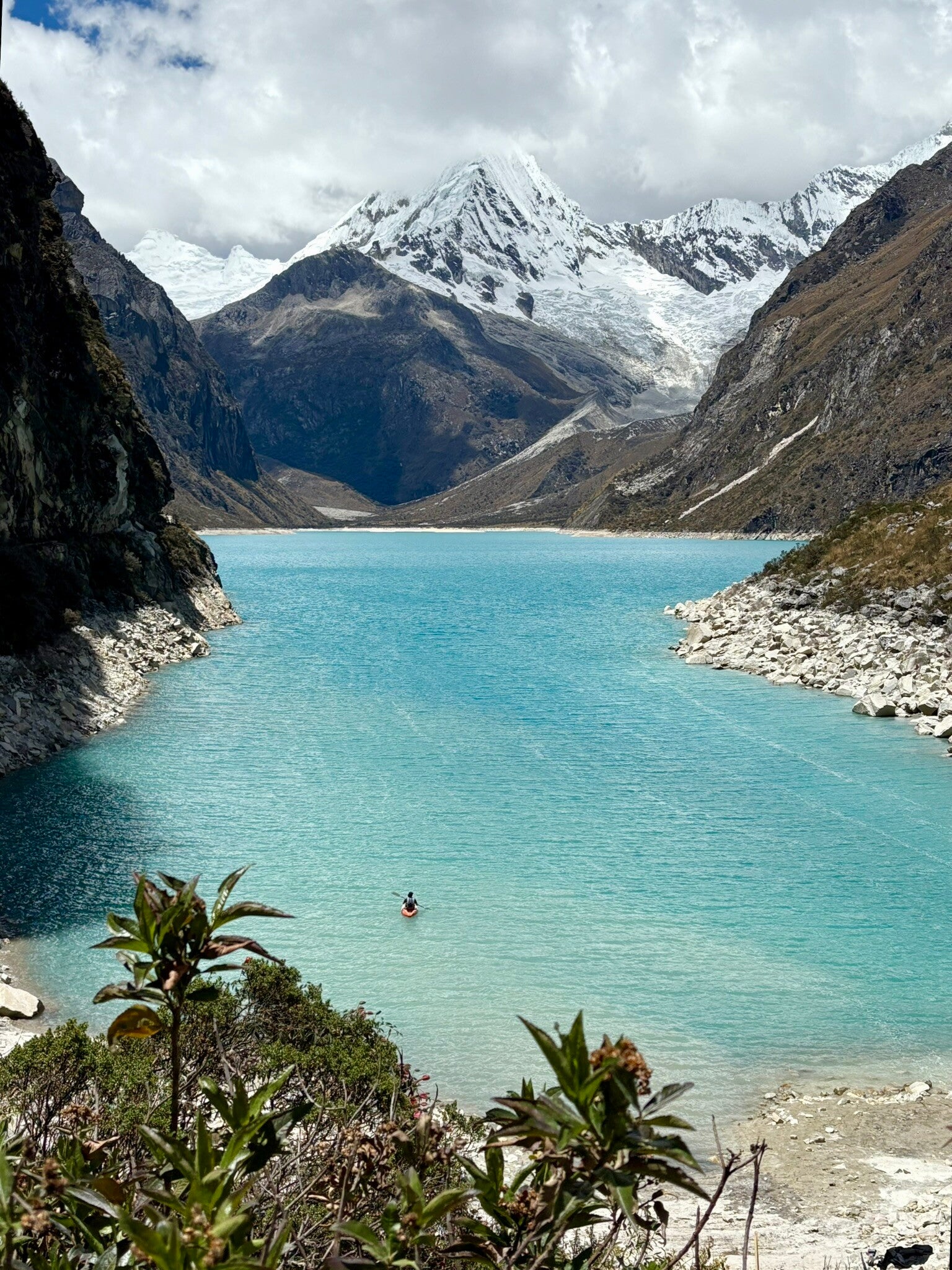
Days 7-9 - Hiking in Huaraz 🥾
There are plenty of day hikes to choose from, all departing from Huaraz. Below is a list that can serve as an example and inspiration for your hiking adventures:
Laguna 69:
- This day trip starts with yet another early rise (around 5 AM) and many hours on the bus (approximately 3 hours one way). The bus stops for breakfast, but you'll likely need to bring your own lunch as there are no good lunch stops along the way.
- Difficulty: Only attempt this hike when fully acclimated, as it is a tough 14 km (8.5 mi) hike with a 700-800m (2600 ft) altitude gain, reaching a highest point of 4600m (15,000 ft). The round trip takes around 6-7 hours; the trail starts easy but the final push is both very steep and crowded (it’s one of the more popular trails in the region).
- It's a good idea to take trekking sticks or rent them from a tour agency.
- Price: Around 60 PEN (approximately 18 USD).
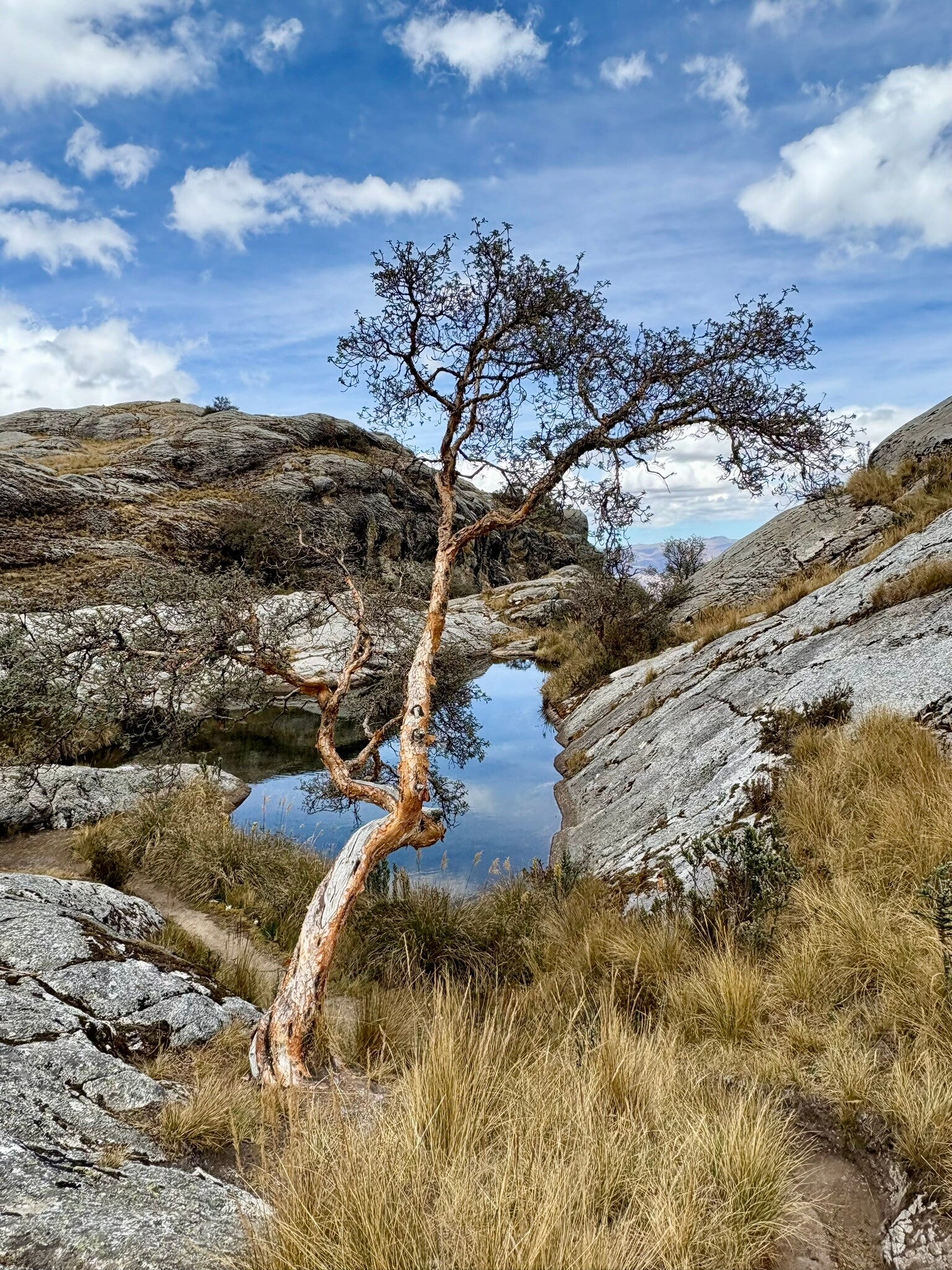
Bonus: An unexpected highlight of this tour is a stop at another lake—Laguna Llanganuco. Frankly, I enjoyed it even more than Laguna 69, as the water color and the Qeuñal trees lining the lake create a unique, fairytale-like atmosphere. 🌲
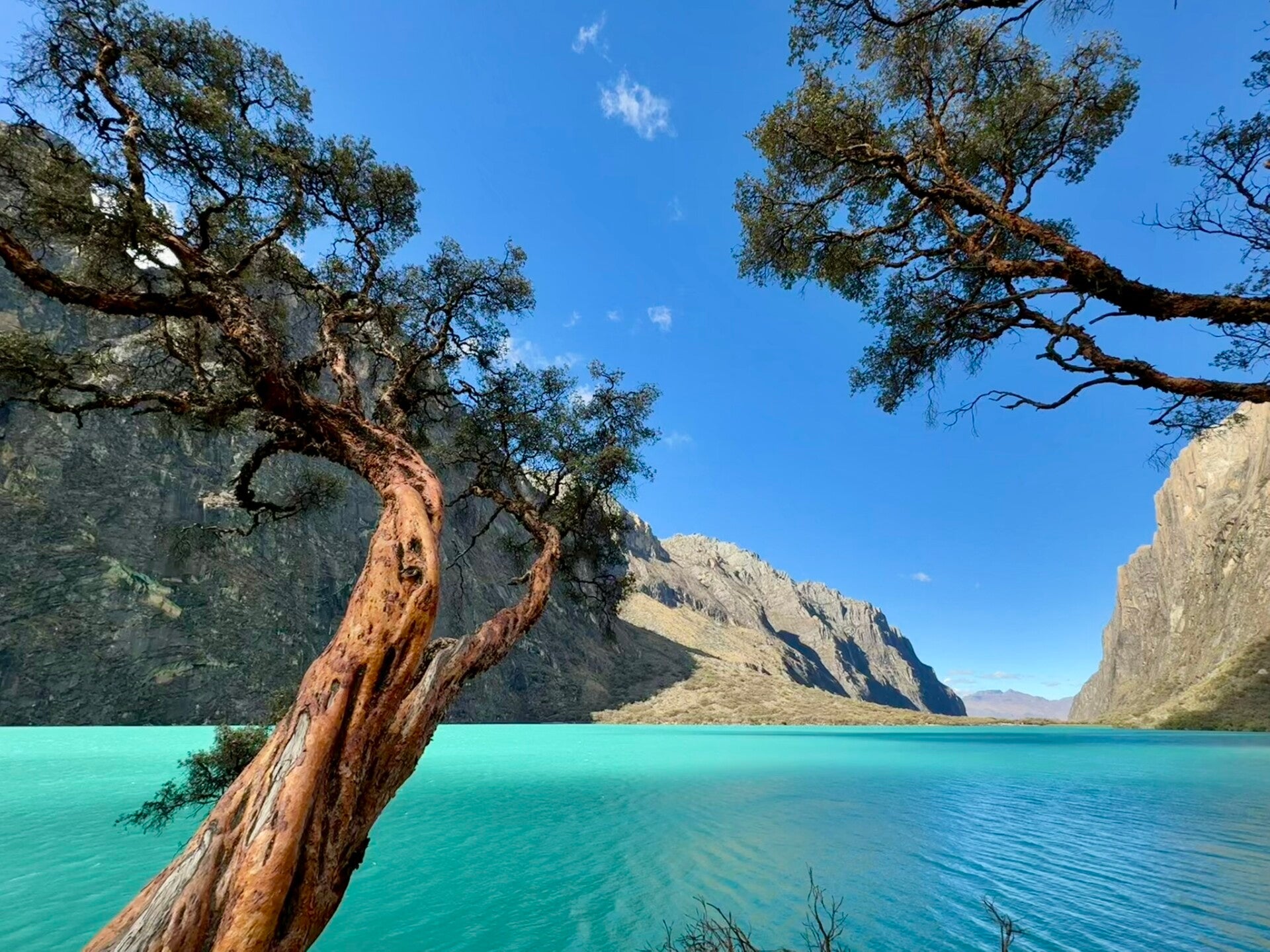
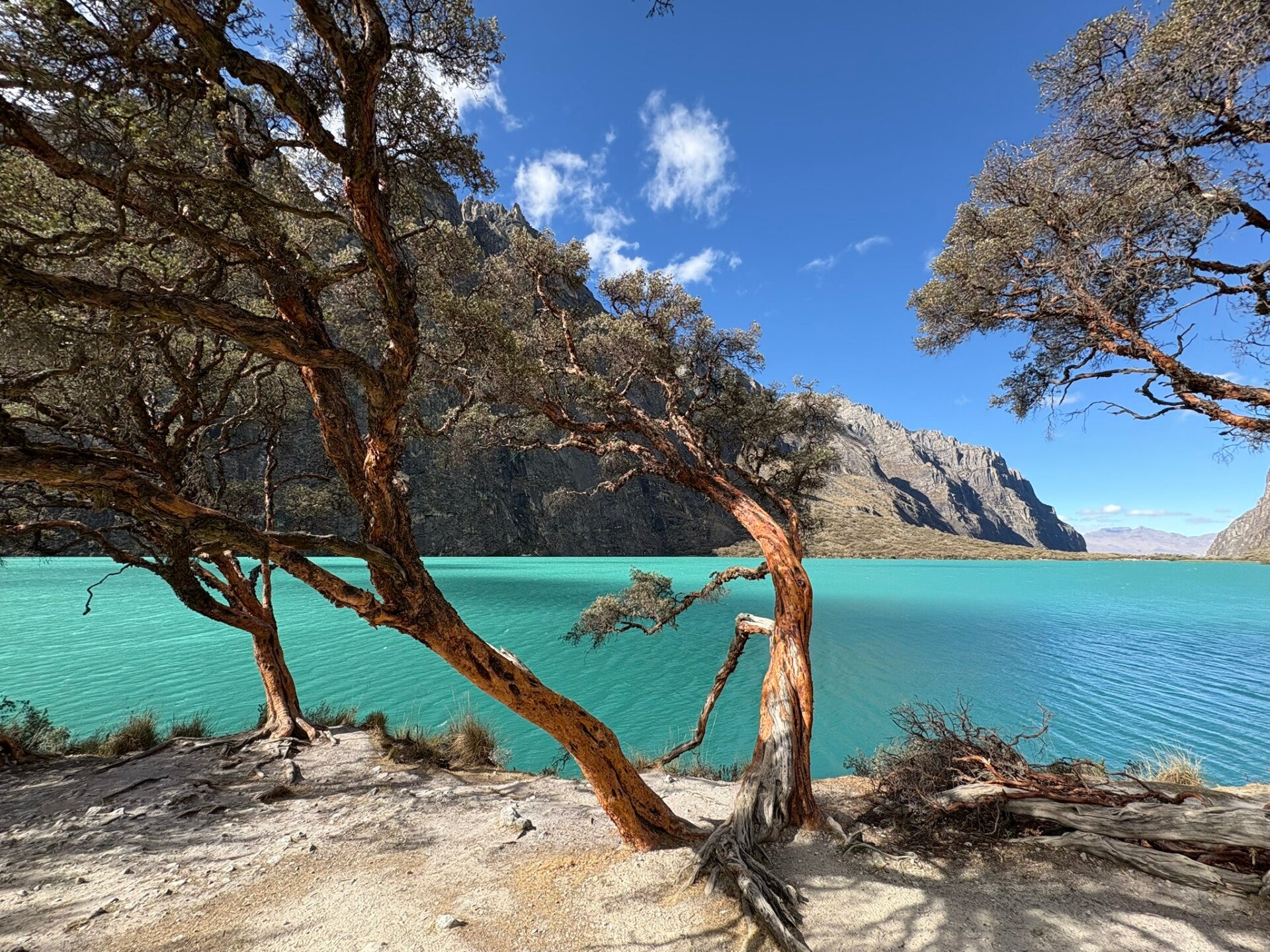
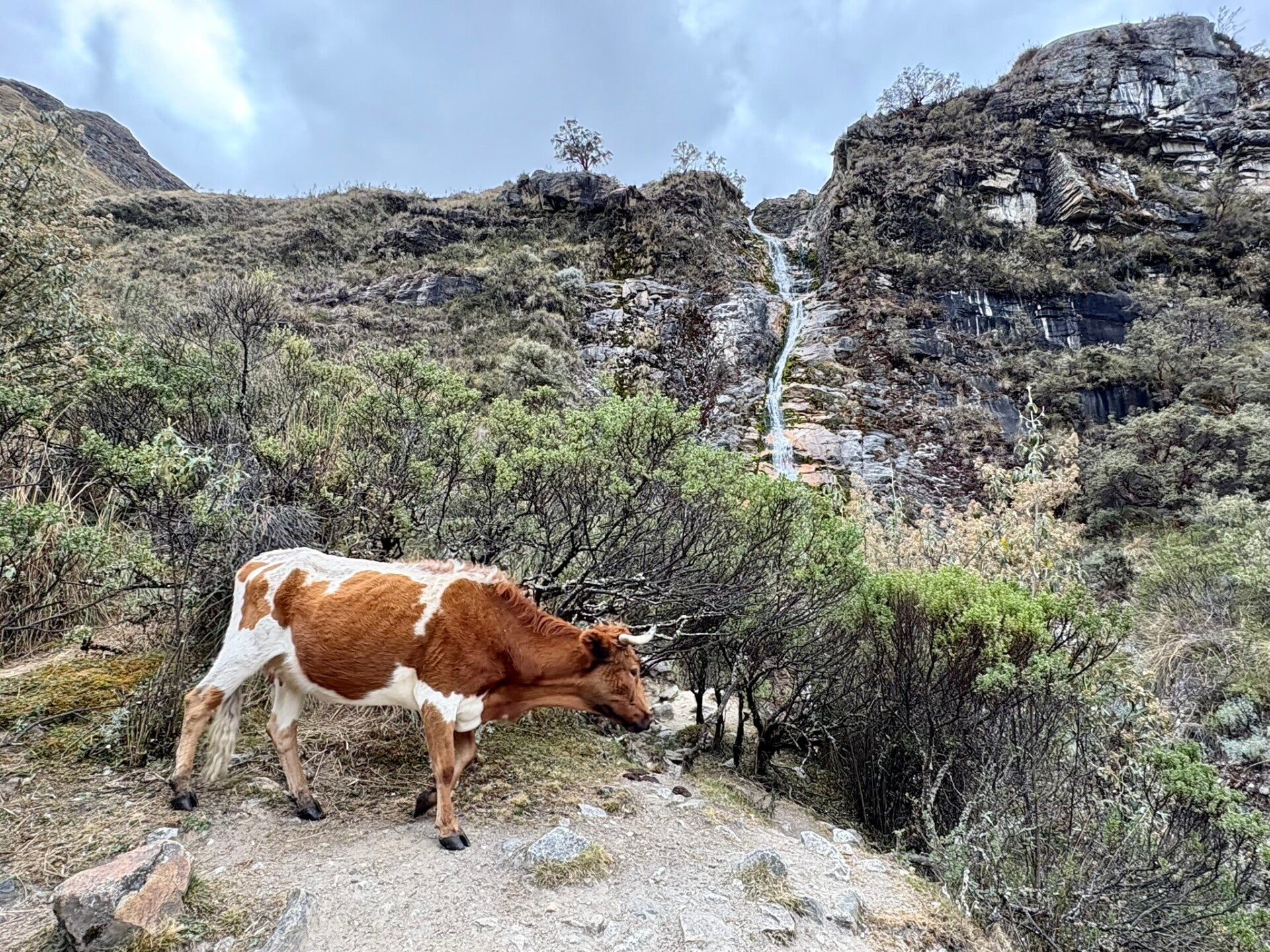
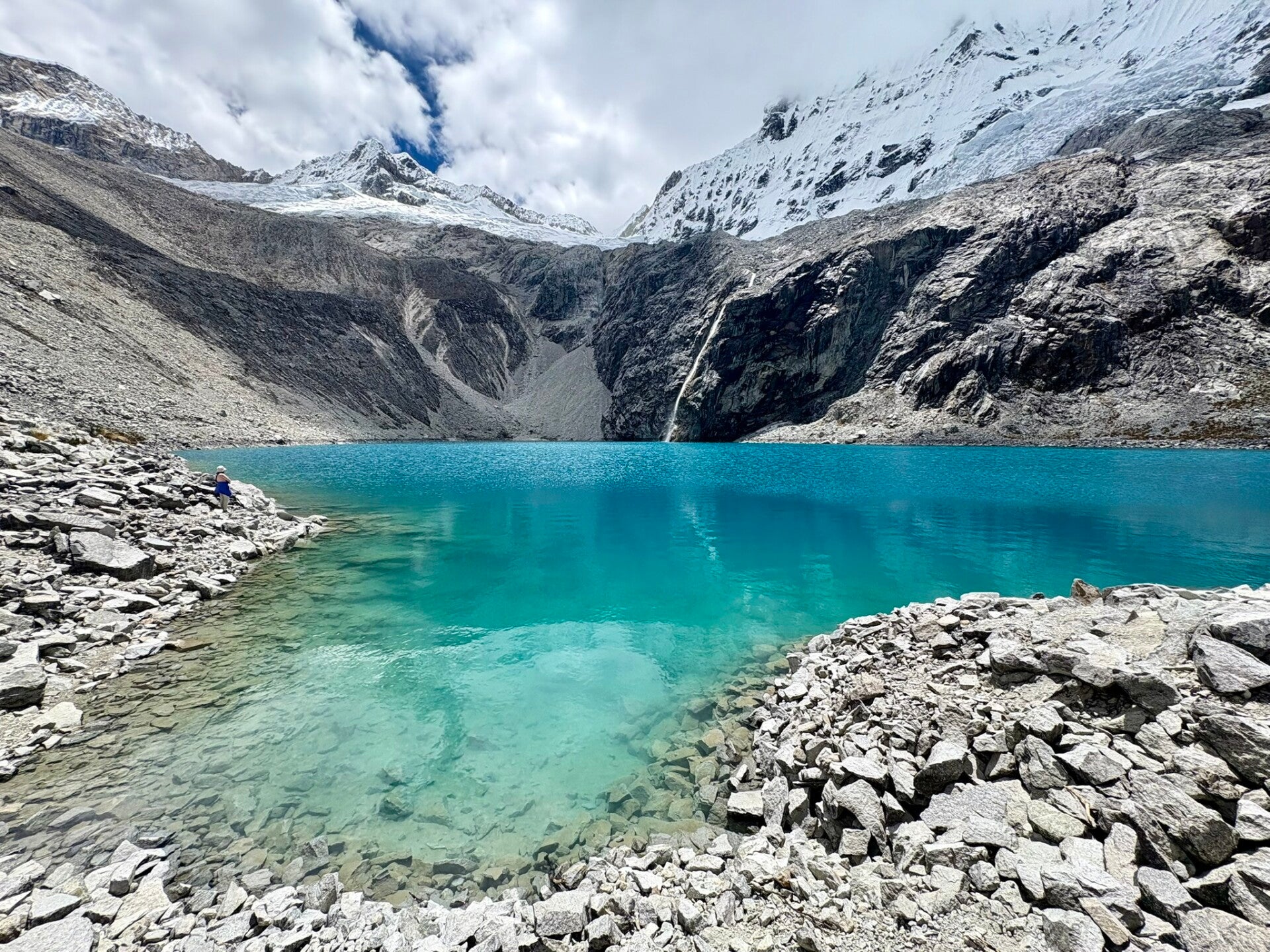
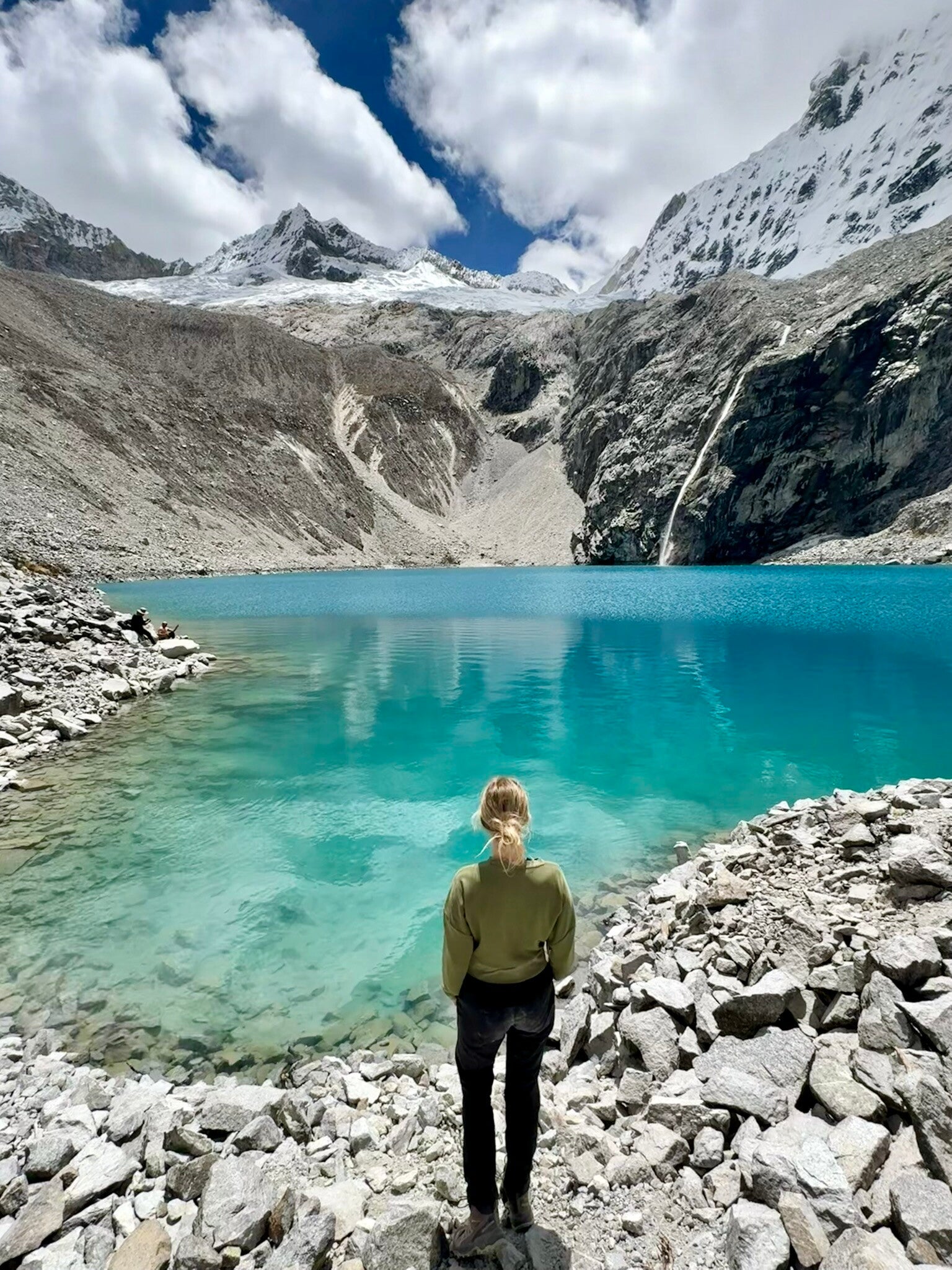
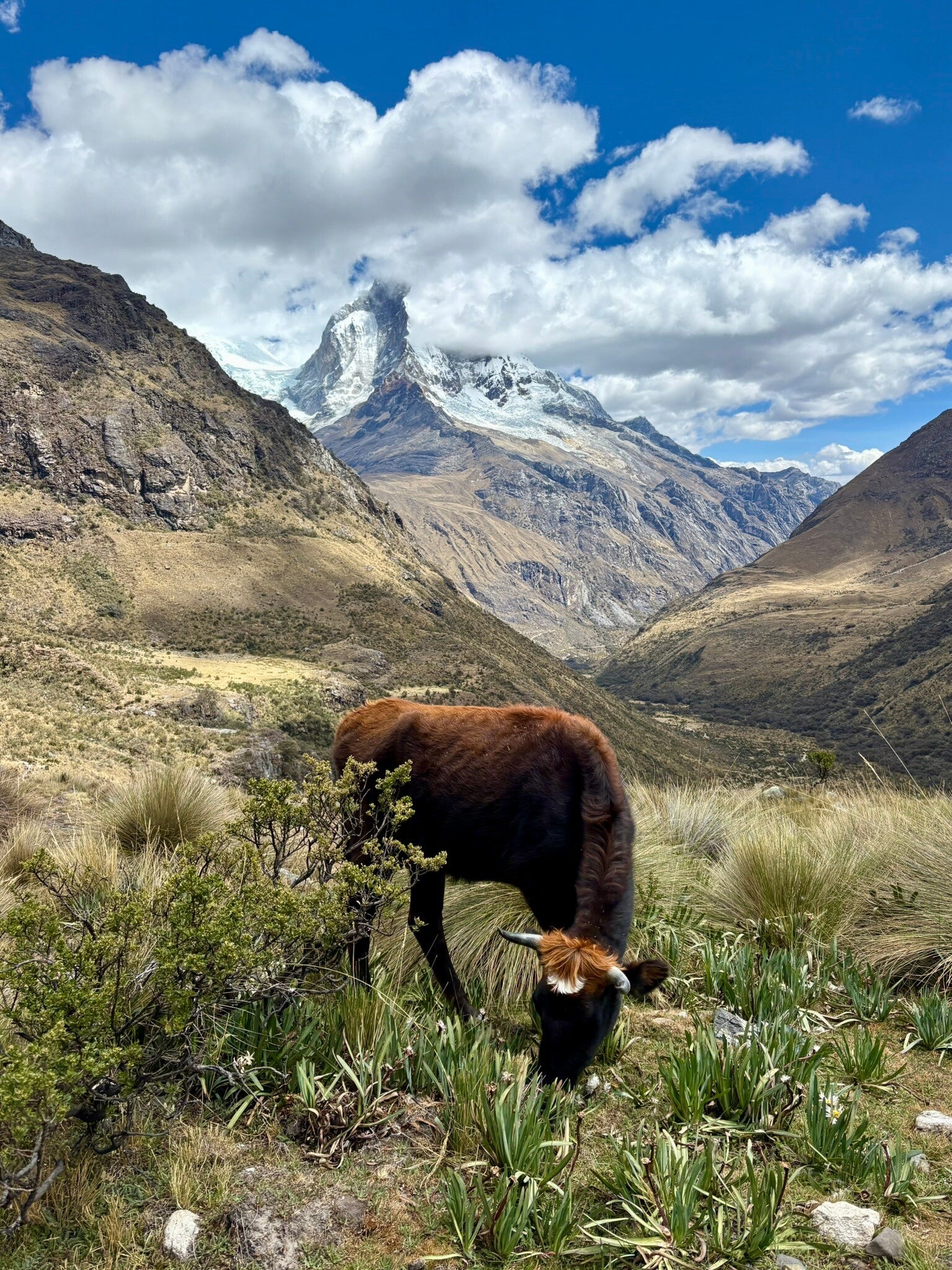
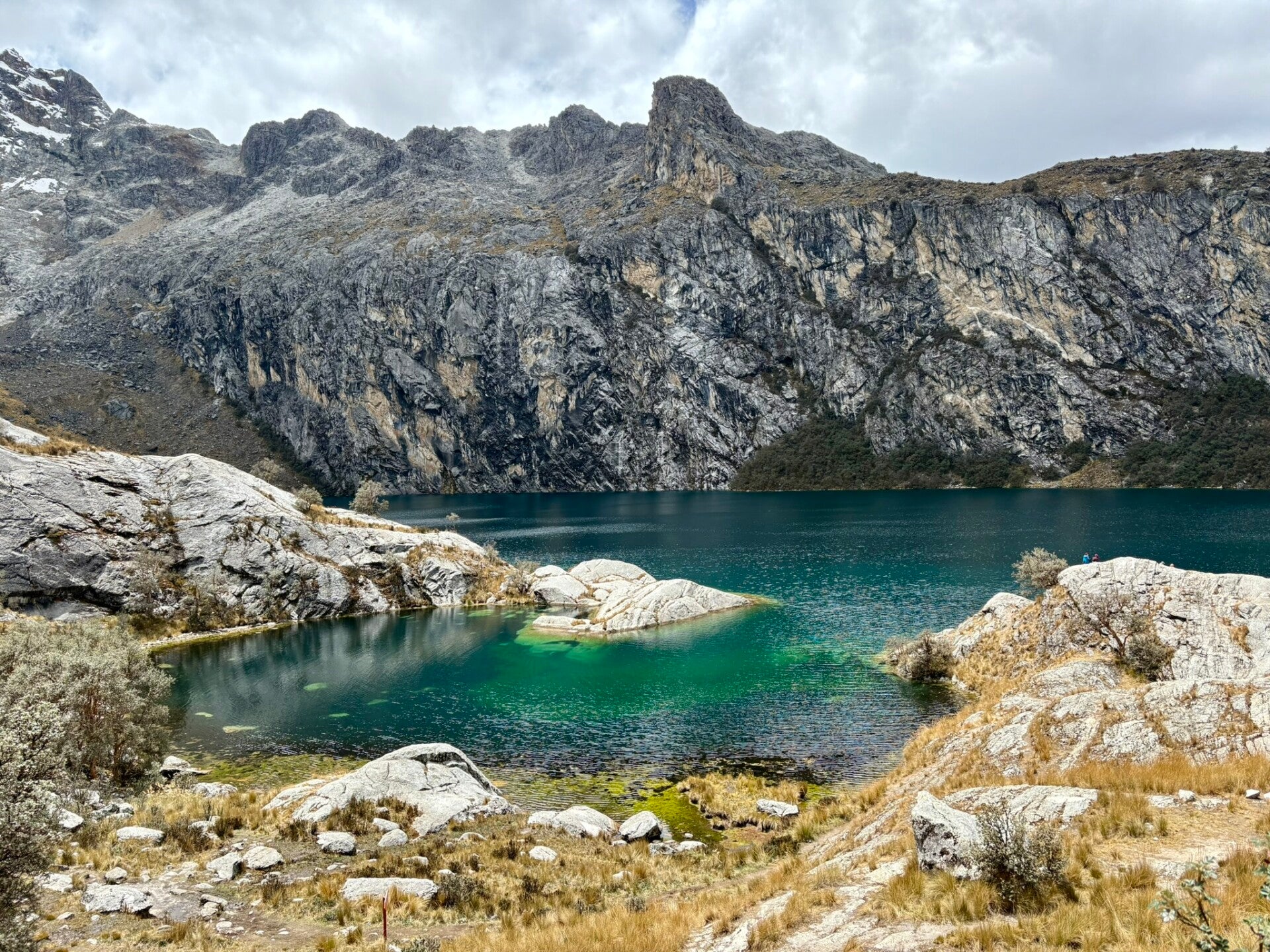
If you're not ready to spend long hours on the bus, two beautiful hikes near Huaraz are Laguna Churup and Laguna Llaca:
Laguna Churup:
- The trailhead for this hike is only about 45 minutes away from Huaraz. While the hike is steep and quite difficult, it is short in distance, making it manageable in half a day.
- Transport Options: You can choose to take a public transport van to the trailhead (approximately 20 PEN / 6 USD round trip) or go with an agency (approximately 25 PEN / 7.5 USD). I opted for the agency for more flexible return times; the van waits for you every hour on the hour at 1 PM, 2 PM, and 3 PM, with departures around 8 or 9 AM.
- Adventure Level: Note that this hike requires some scrambling using hands and feet, as well as holding onto a chain. Make sure you're comfortable with this level of adventure before committing.
Tip: If you choose to turn left at the crossroads on the trail, this route requires less scrambling. However, if you enjoy adventure, turning right is the way to go!
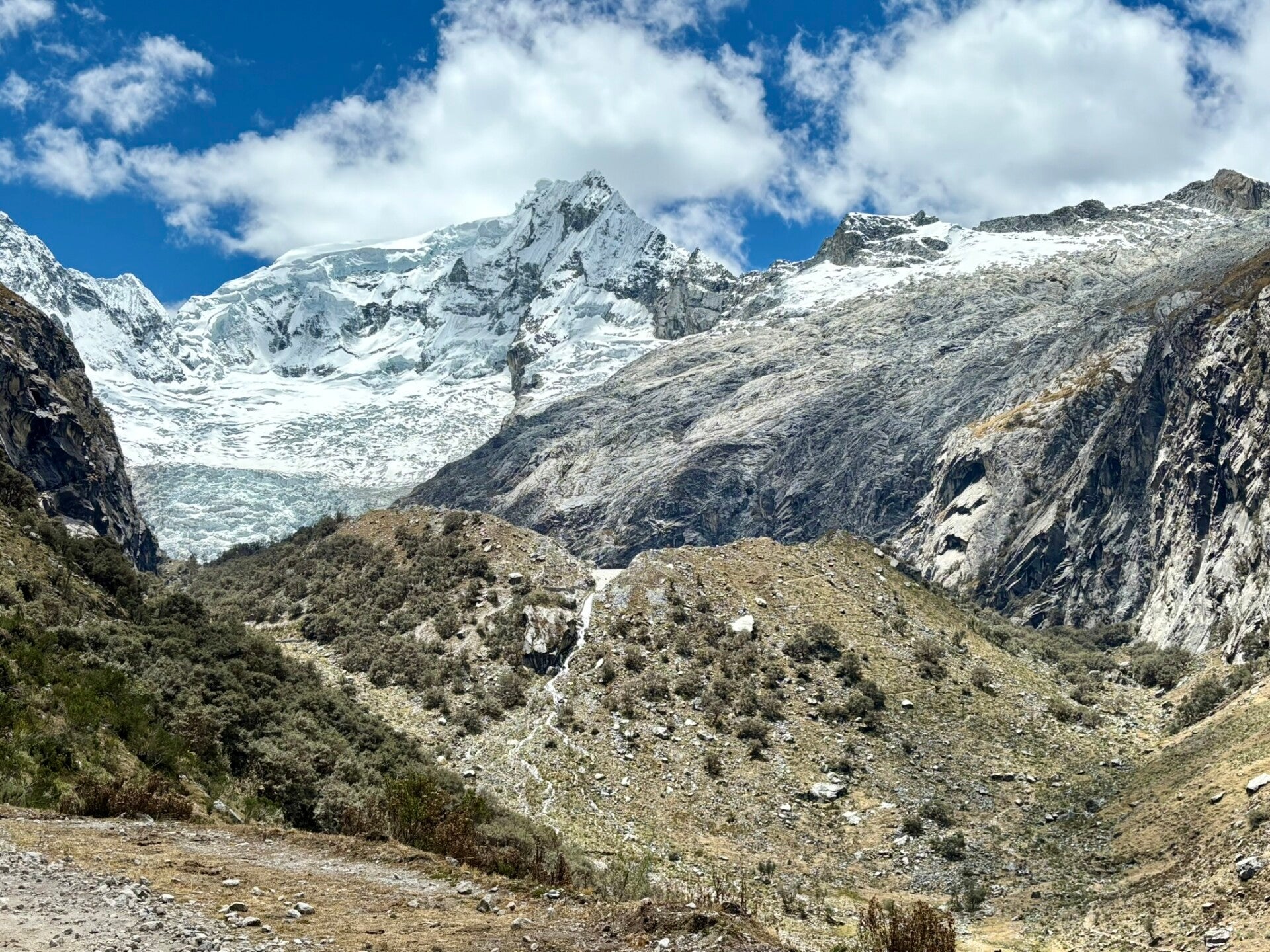
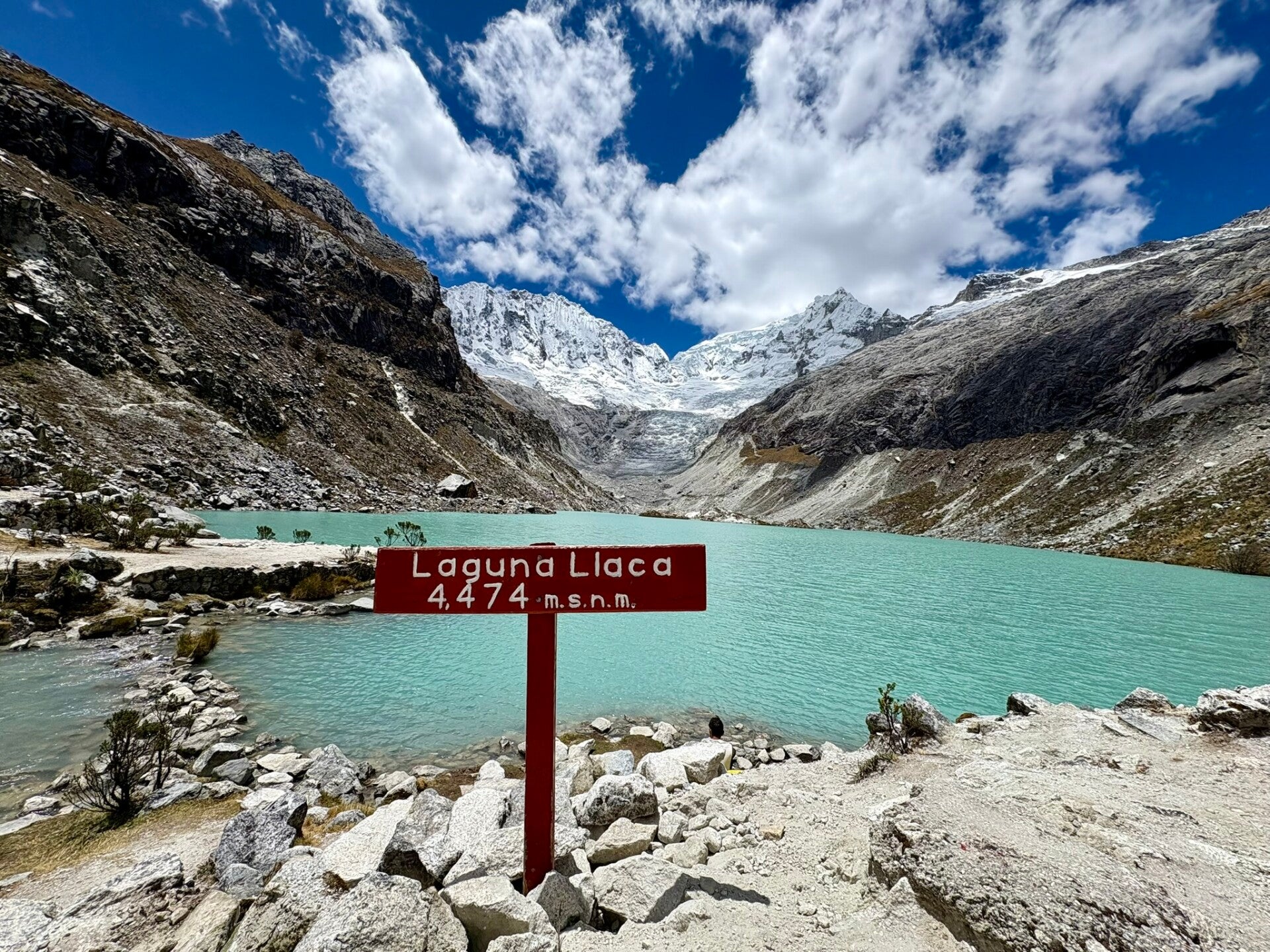
Laguna Llaca:
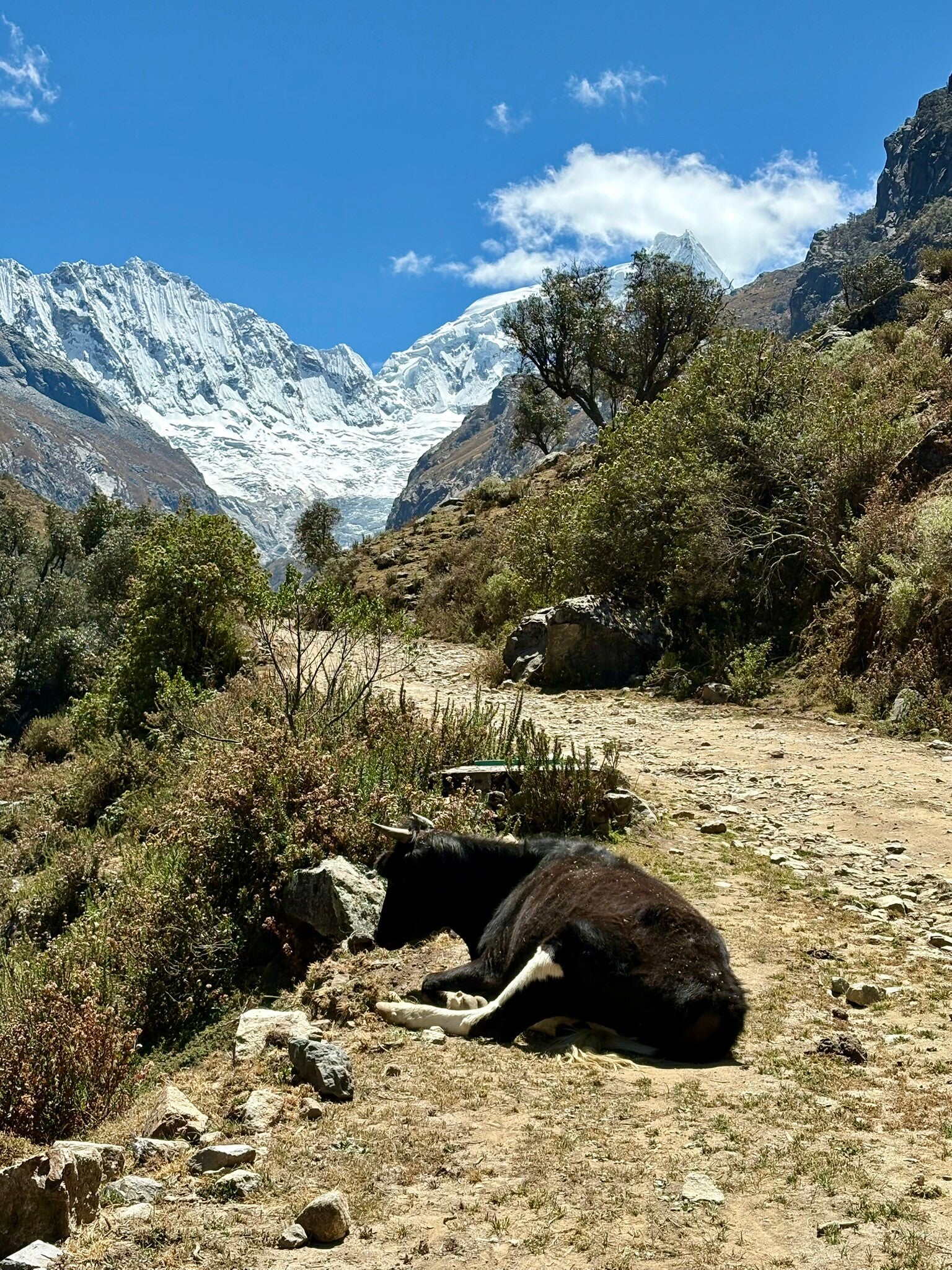
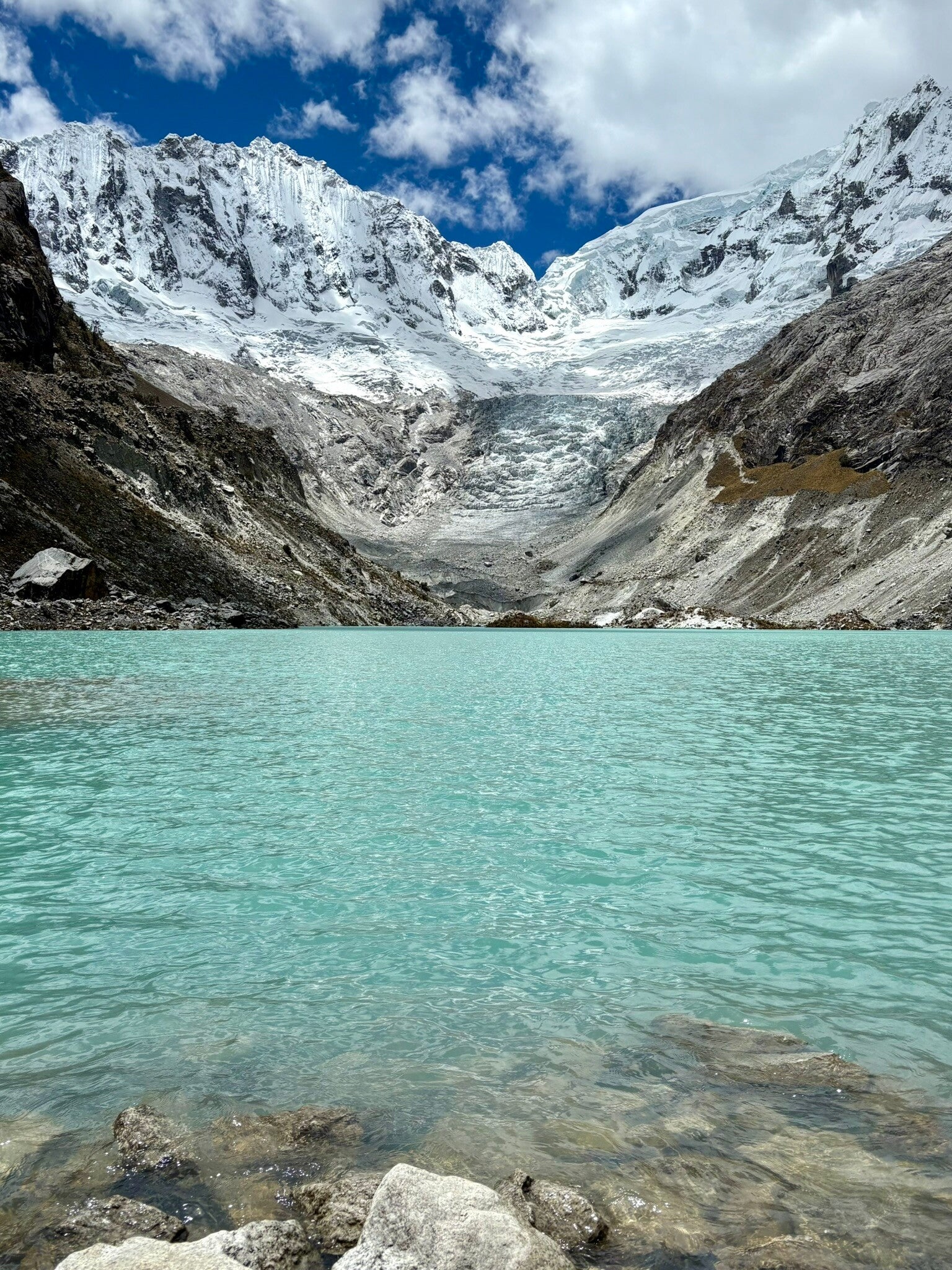
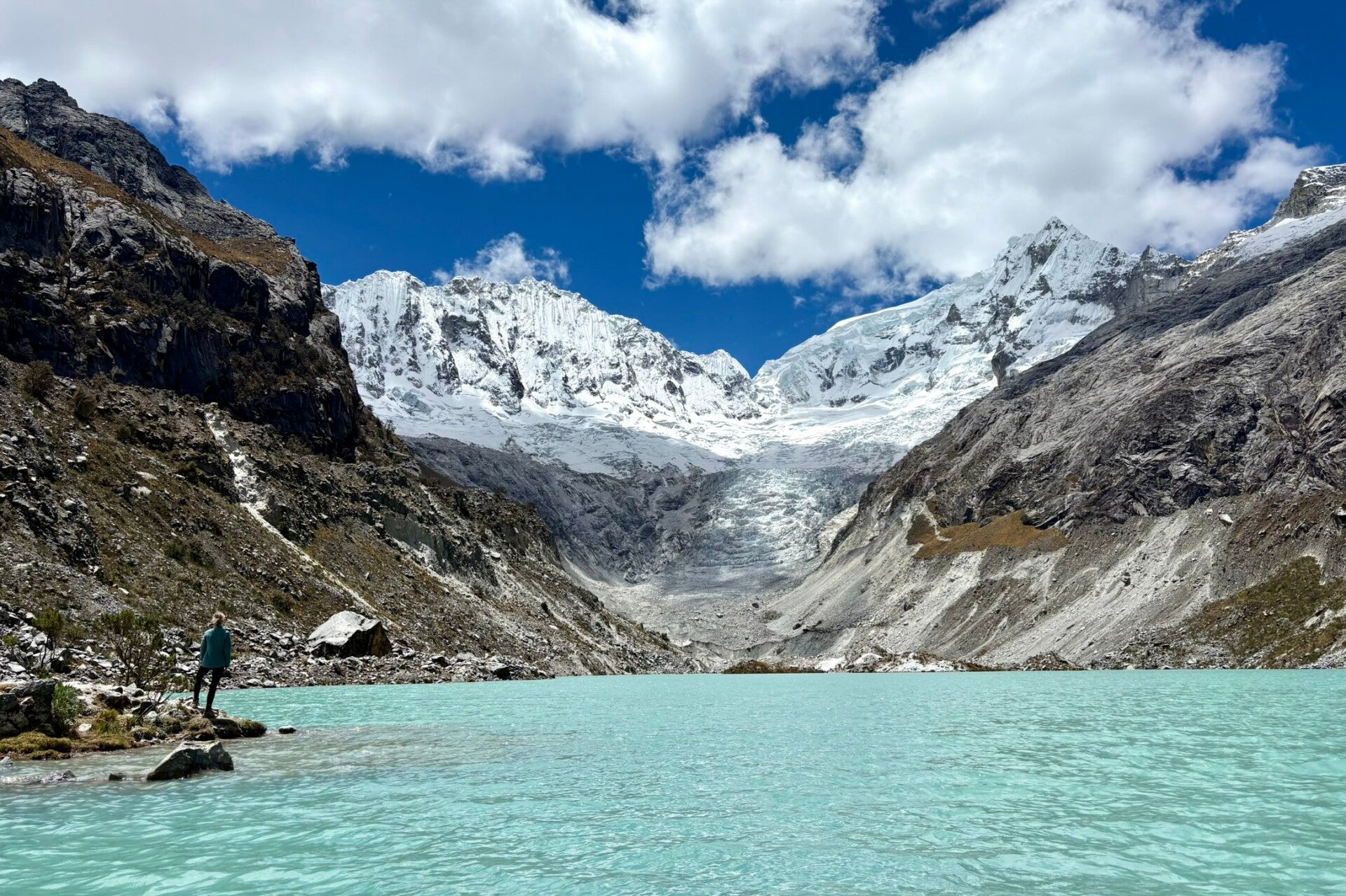
- While Laguna Churup is more popular (probably due to its proximity to Huaraz), I enjoyed Laguna Llaca more, as the lake itself was more beautiful, and it was just our group of three on the trail and by the lake the entire time!
- The trip to Laguna Llaca starts around 8-9 AM, with a drive of 1 to 1.5 hours, depending on where you're dropped off by the tour company. While it is technically possible to drive right up to the lake, we were dropped off around 8-9 km (5-5.5 mi) away, leading to a long but gradual hike, slowly winding up to around 600m (2000 ft) altitude gain while reaching the lagoon at 4474m (14,700ft) above sea level.
- The lagoon is absolutely clear and gorgeous on a sunny day and the nearby hut serves delicious grilled trout. 🐟
Tip: Due to the late start, neither the Laguna Churup nor Llaca tours stop for breakfast. For Churup, you need to bring lunch yourself, as there is nowhere to buy food at all. For Laguna Llaca, you can either bring your own food or buy it at the hut by the lake.
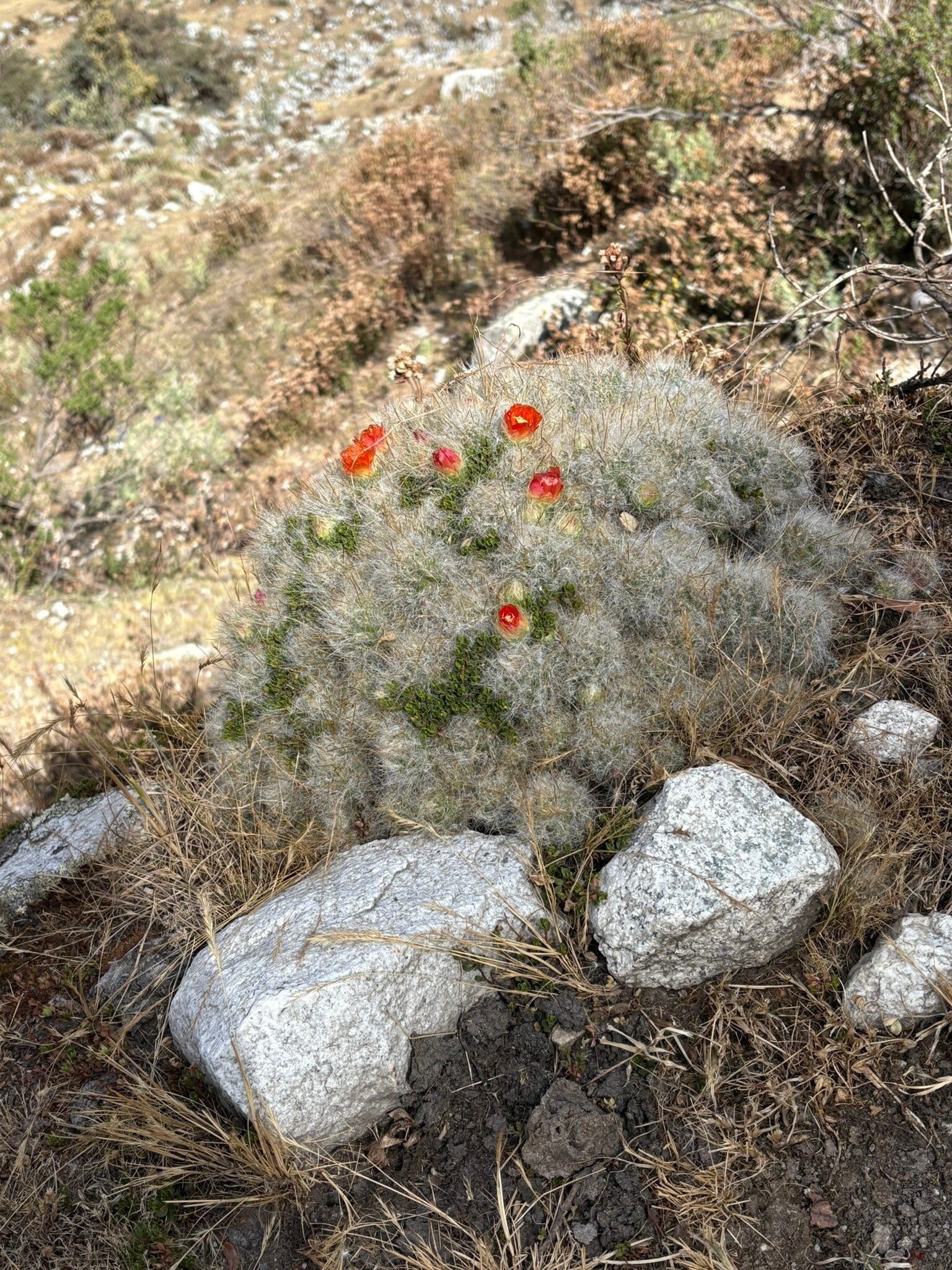
Practical Info 💡
- Entrance Fees: Note that for Lagunas 69, Churup, and Llaca, there's an entrance fee of 30 PEN (approximately 9 USD) for foreign visitors, so bring cash. 💵
- Tour Agency: The agency I used for bookings is Krusty Travel Huaraz, and the price points indicated are what I paid at this agency.
While I only did day hikes, there are many multi-day treks available starting from Huaraz. The most famous ones are the 4-day Santa Cruz trek or the 8-10 day Huayhuash circuit. 🏞️
Day 10 - Fly to Cusco ✈️
There are no direct flights from Huaraz to Cusco, but the layovers are short, and the flights remain very affordable.
Note: There are no bus options to Cusco, even if you go via Lima first. 🚌
Day 11 - Relaxing Day in Cusco 🌄
Cusco is situated even higher than Huaraz at 3400m (11.000 ft) above sea level. However, after all the hikes in Huaraz, you’ll be likely well acclimated. If you skipped Huaraz and went directly to Cusco after Lima, take this day slow to acclimatize.
Activities:
- Stroll around the Old Town: Enjoy the charming streets while sipping on coca leaf tea 🍵
- Visit the Colorful San Pedro Market: Experience local culture and shop for crafts
- Walking Tour of Cusco's Historical Center: Explore the rich history and architecture of this beautiful city
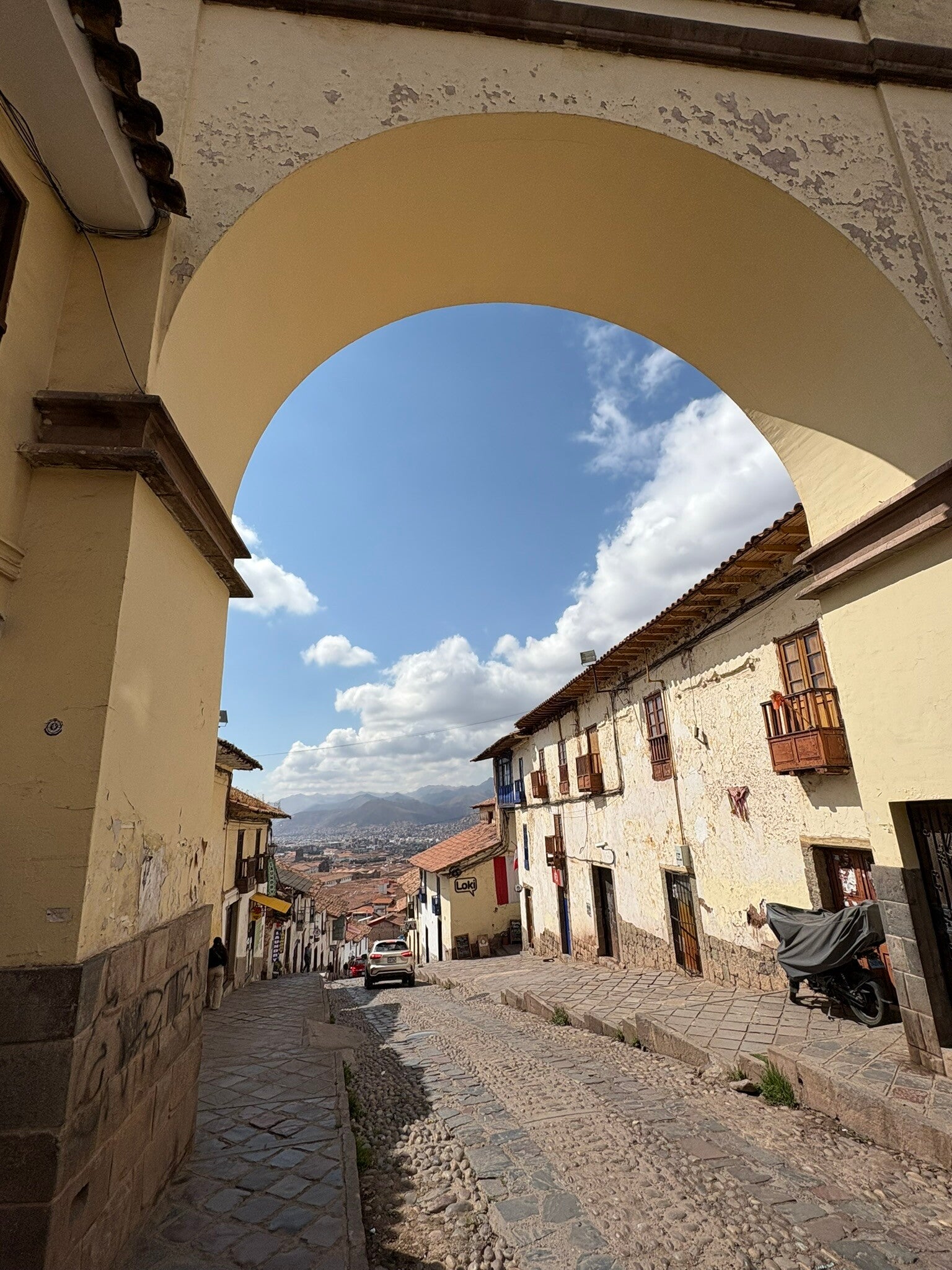
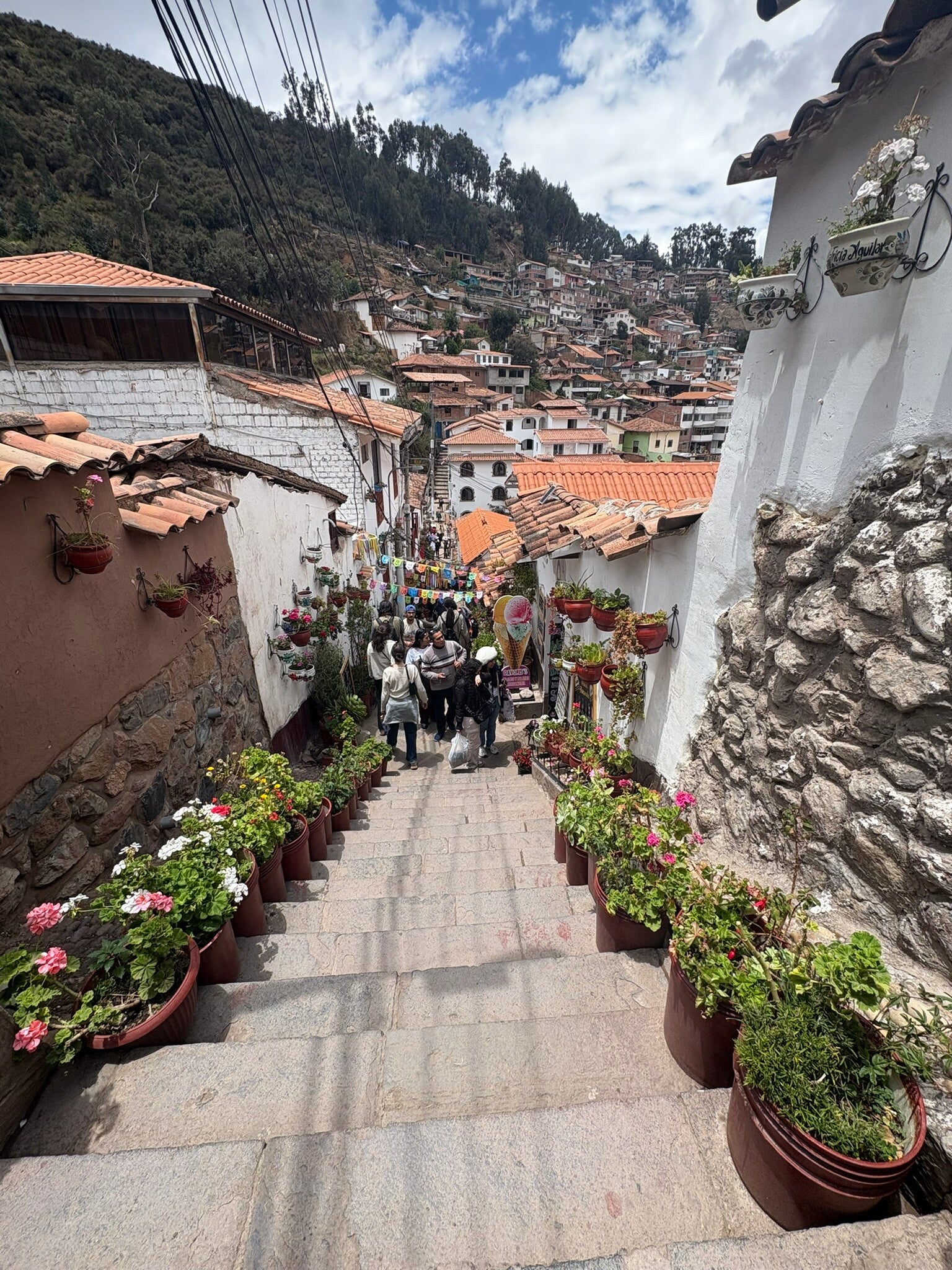
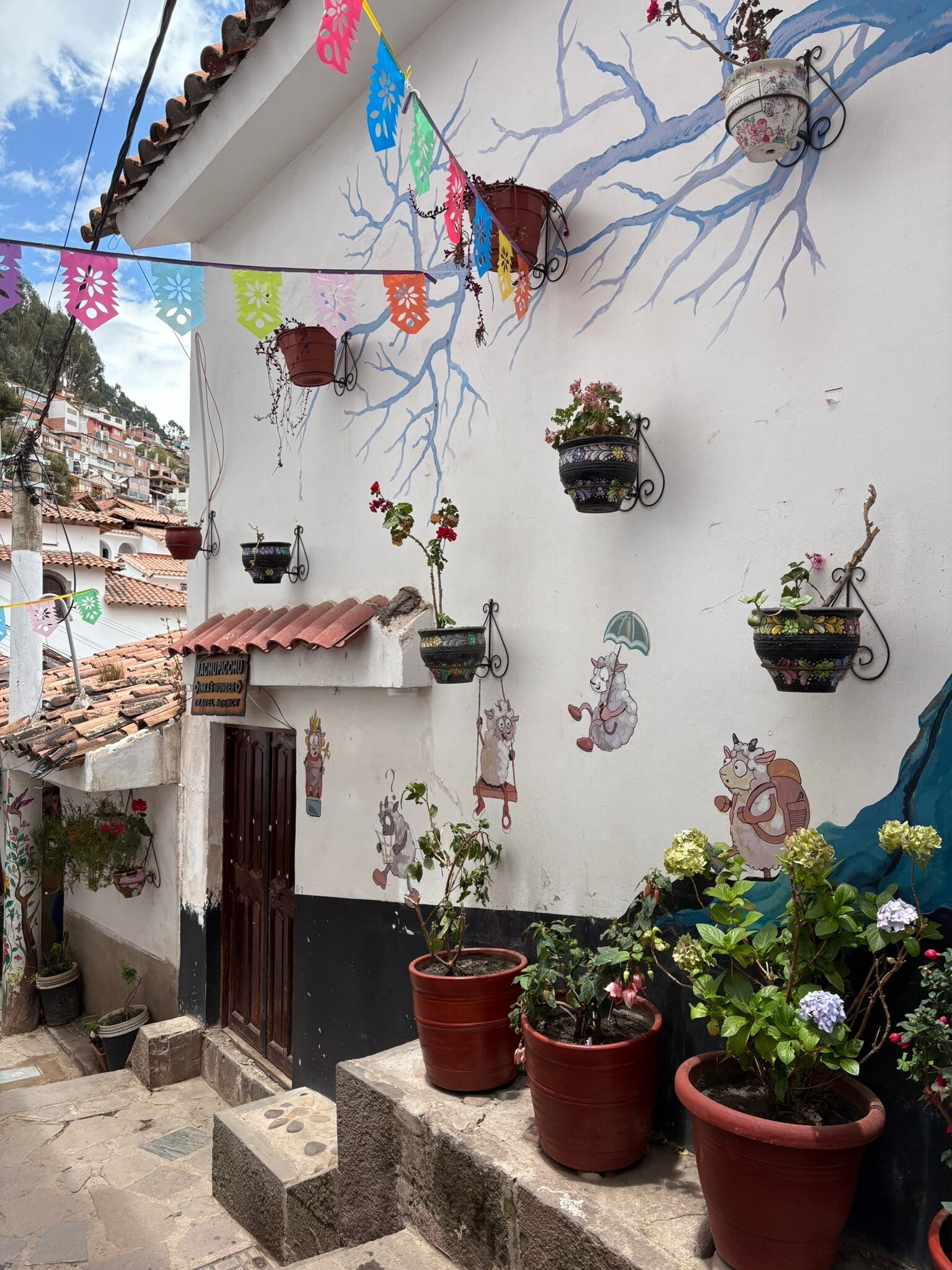
Day 12 - Sacred Valley Tour 🌄
If you feel ready for a long but insightful day learning more about Inca culture and heritage, opt for a Sacred Valley tour. This is a busy day PACKED with five distinct attractions:
- Chinchero: A small town known for its colourful textile weaving traditions.
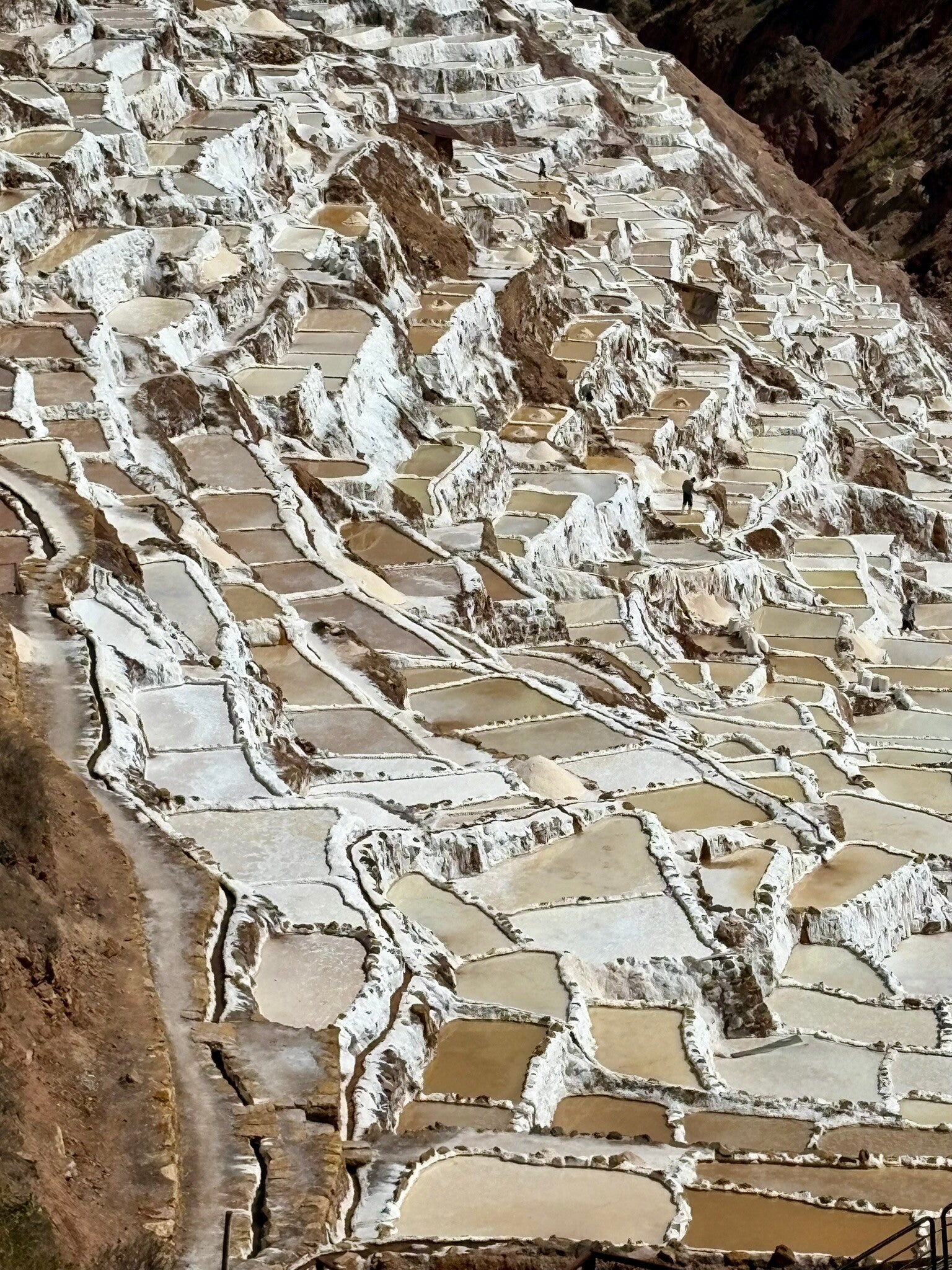
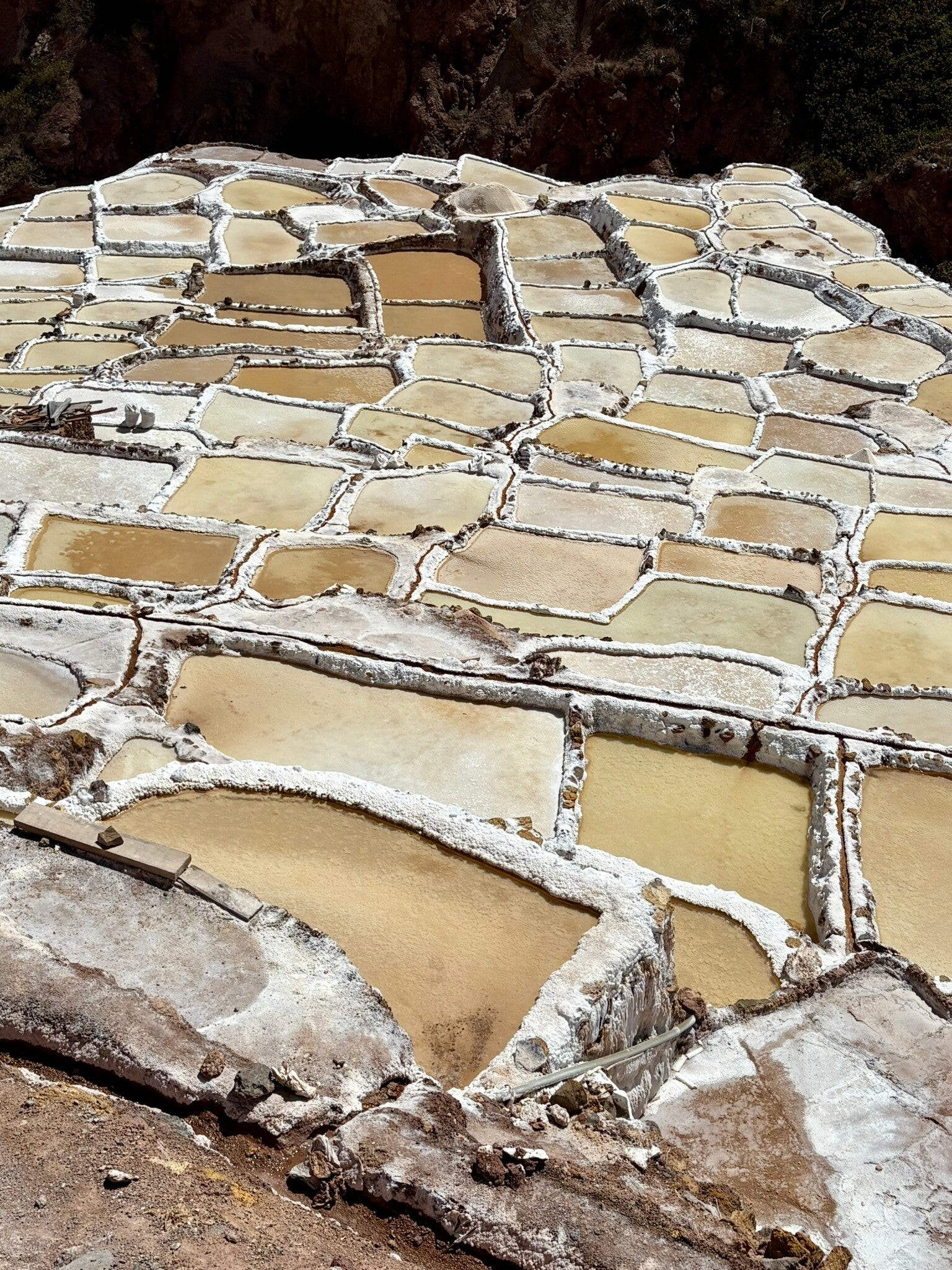
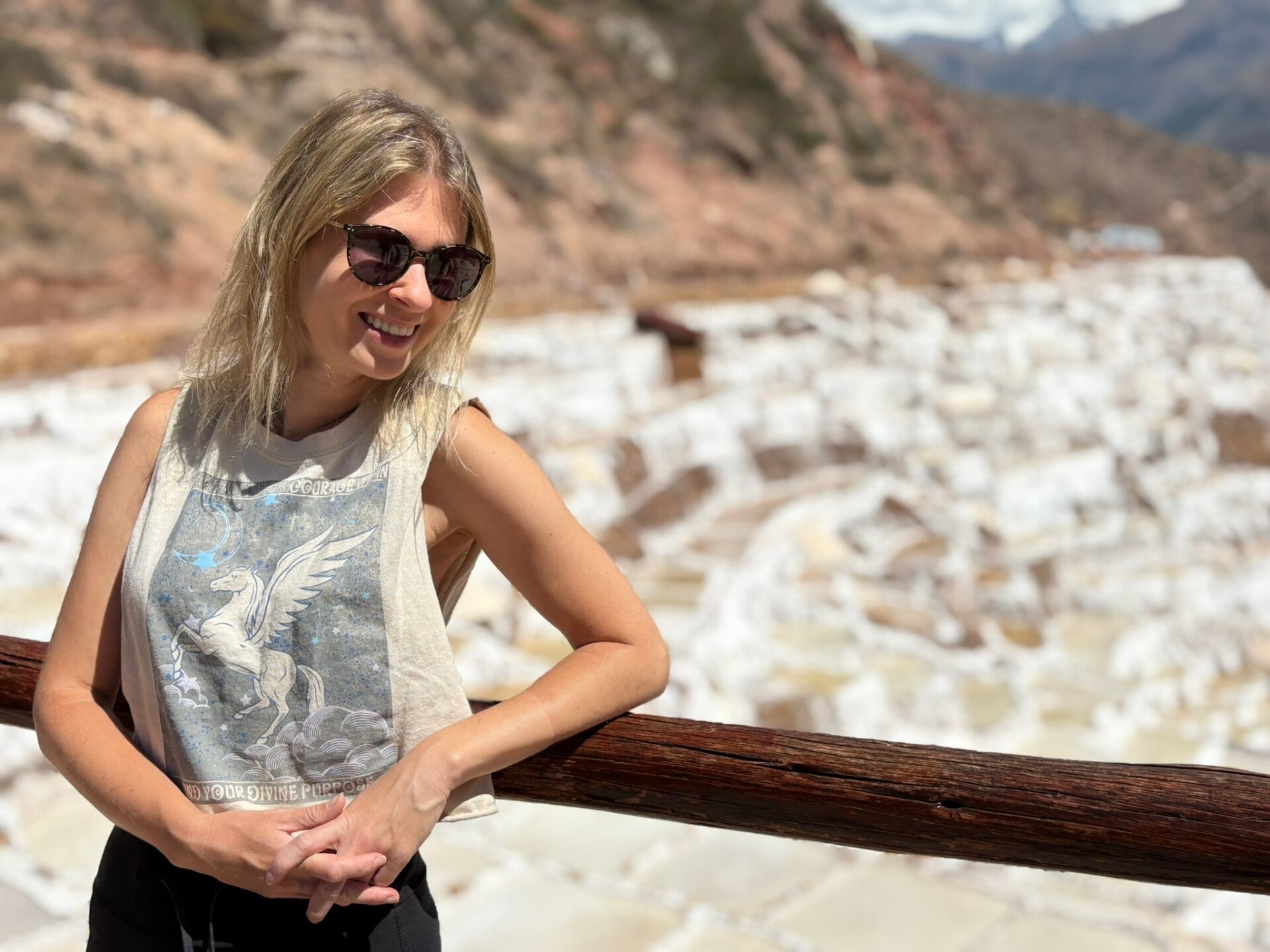
- Maras Salt Mines: Thousands of shallow, colourful salt pools creating a striking visual image.
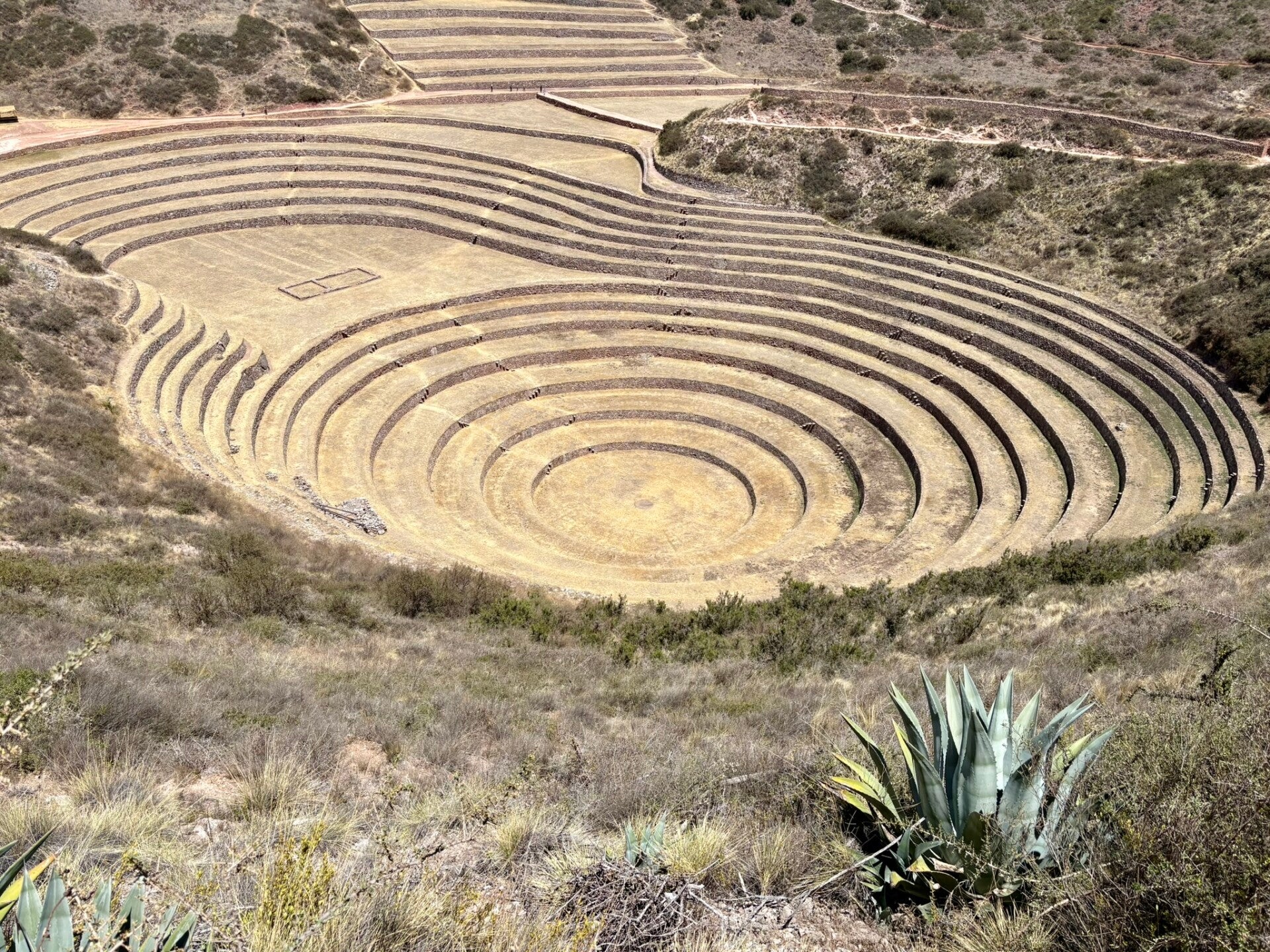
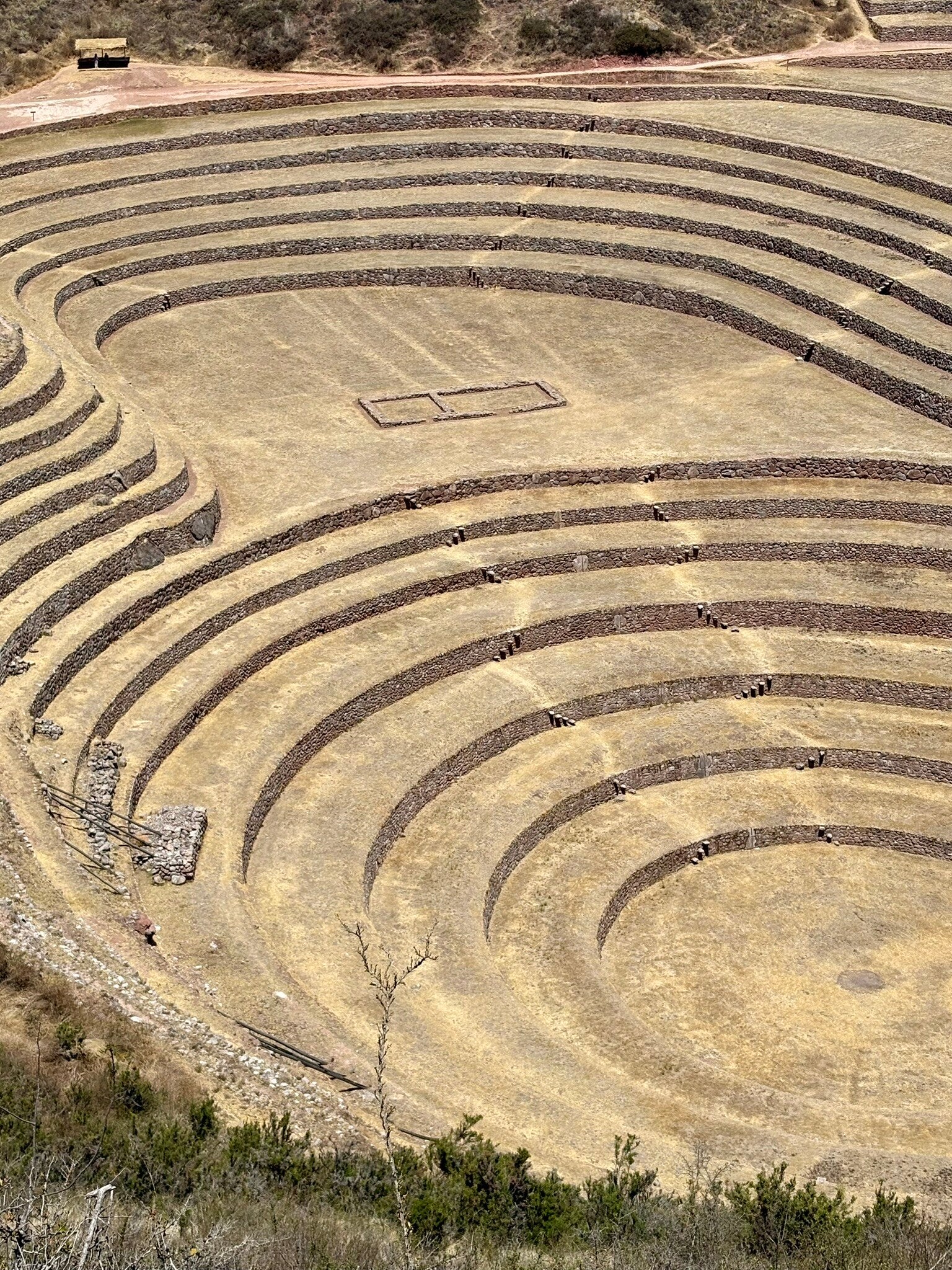
- Moray Agricultural Terraces: Circular, amphitheatre-like terraces that the Incas used for experimentation with microclimates to grow crops at various temperatures.
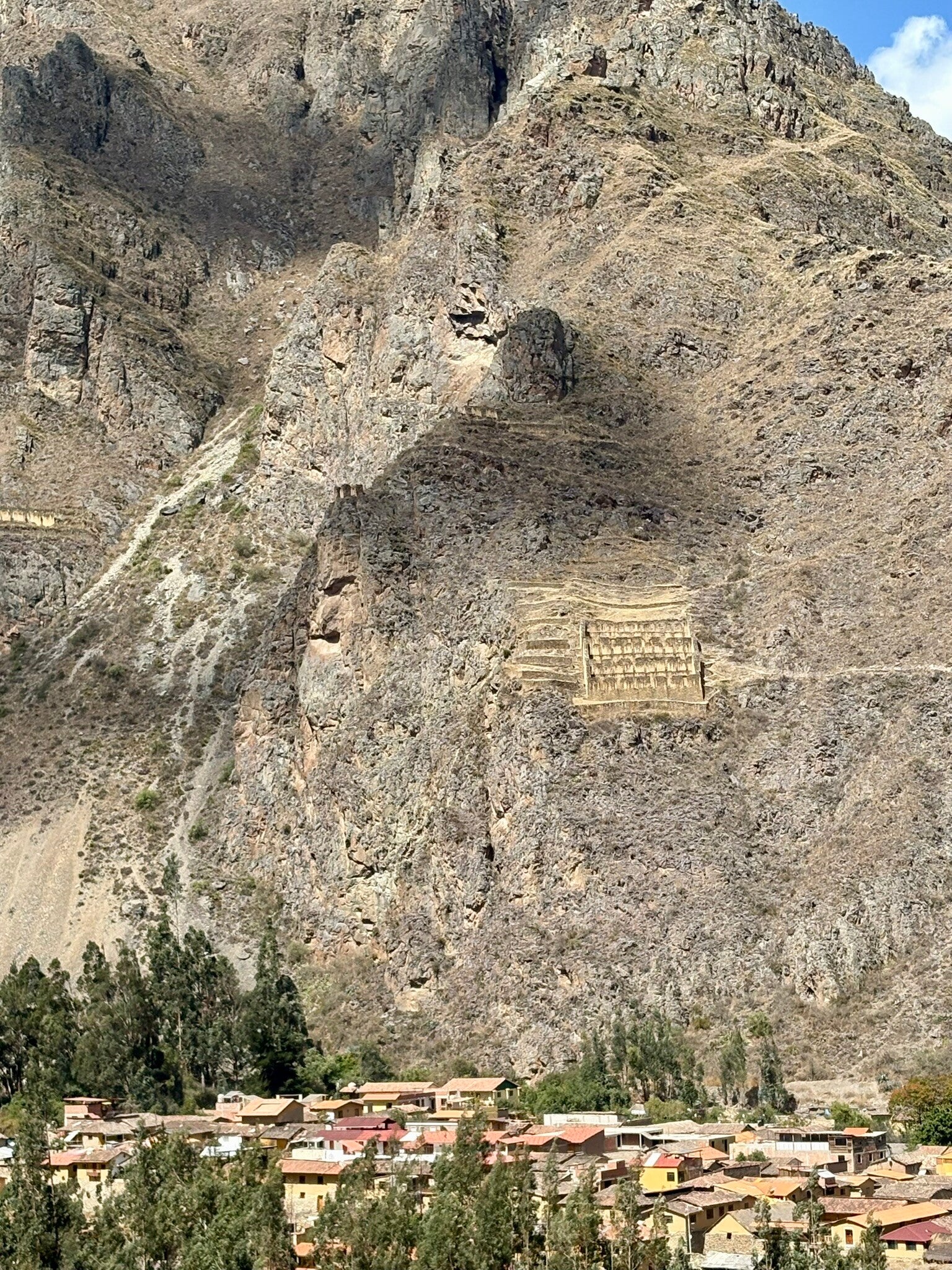
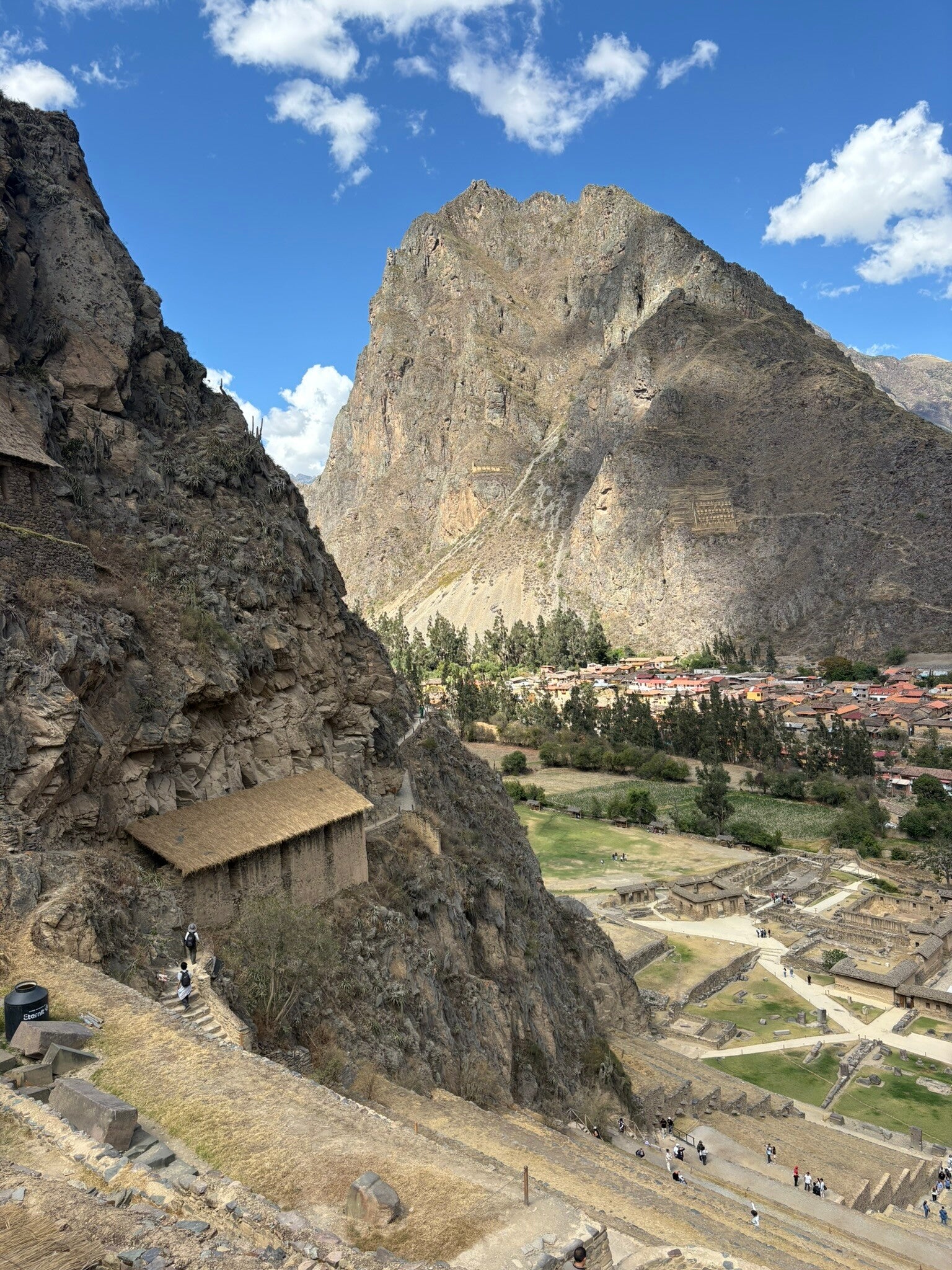
- Ollantaytambo: A historic town with a well-preserved Inca fortress and terraces offering elevated views over the village.
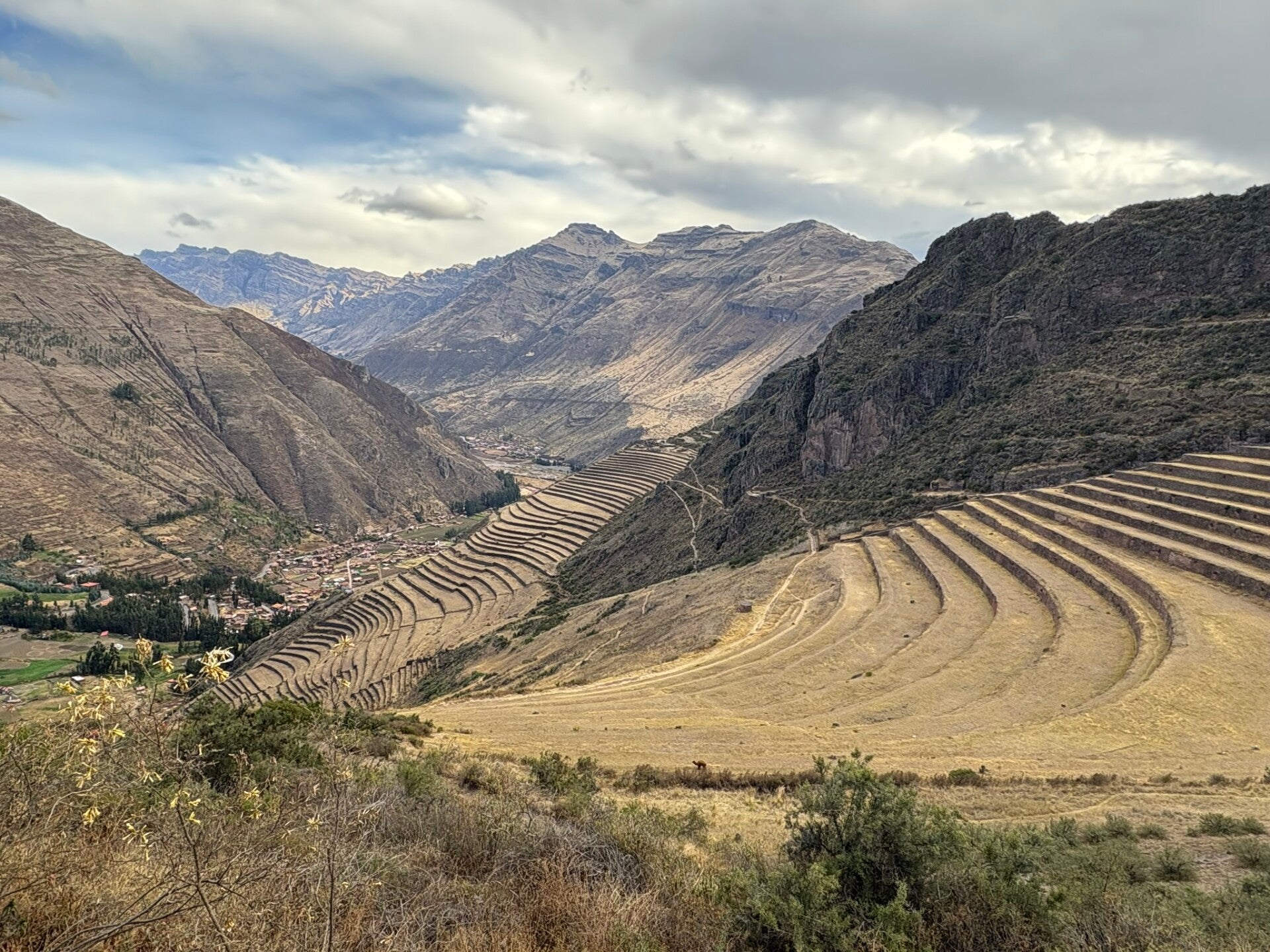
- Pisac Archaeological Site: Inca ruins featuring terraces, temples, and burial niches with stunning views over the valley.
Tour Details:
- The tour starts at 6:30 AM (which you will soon discover is late for tours departing Cusco) and arrives back in Cusco at around 6 PM.
- I went with Inka Altitude, and the tour guide, Jorge, was excellent at keeping us on schedule, allowing us to arrive at almost all the sites before they became crowded.
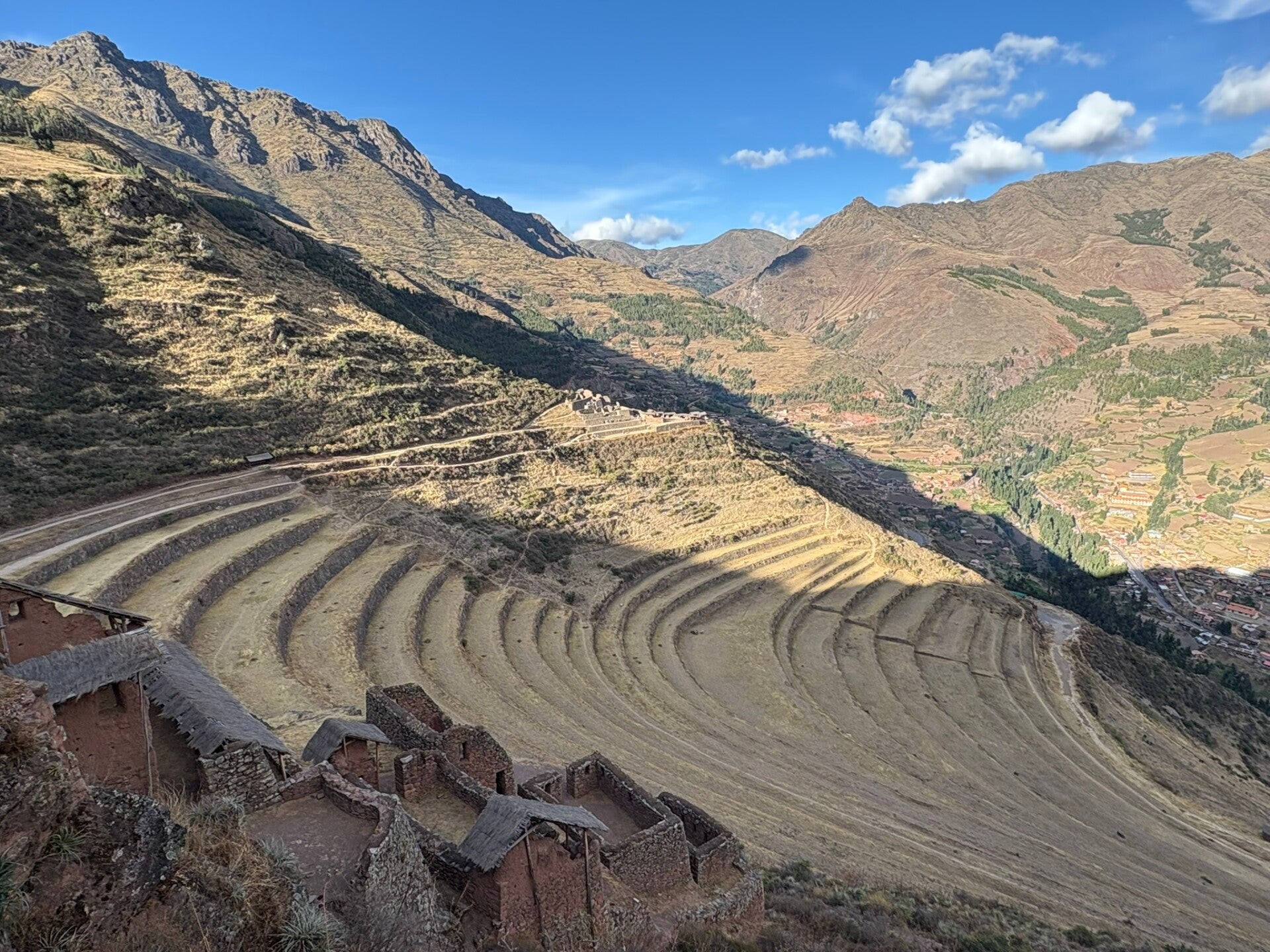
Days 13-16: Salkantay or Inca Trek 🥾
Get ready for an incredible 4-day trek that leads you all the way to Machu Picchu! If hiking isn't your thing, feel free to skip ahead to Day 17.
For a detailed description of the trek, please refer to the dedicated Salkantay trek to Machu Picchu page.
Day 17: Machu Picchu at First Light
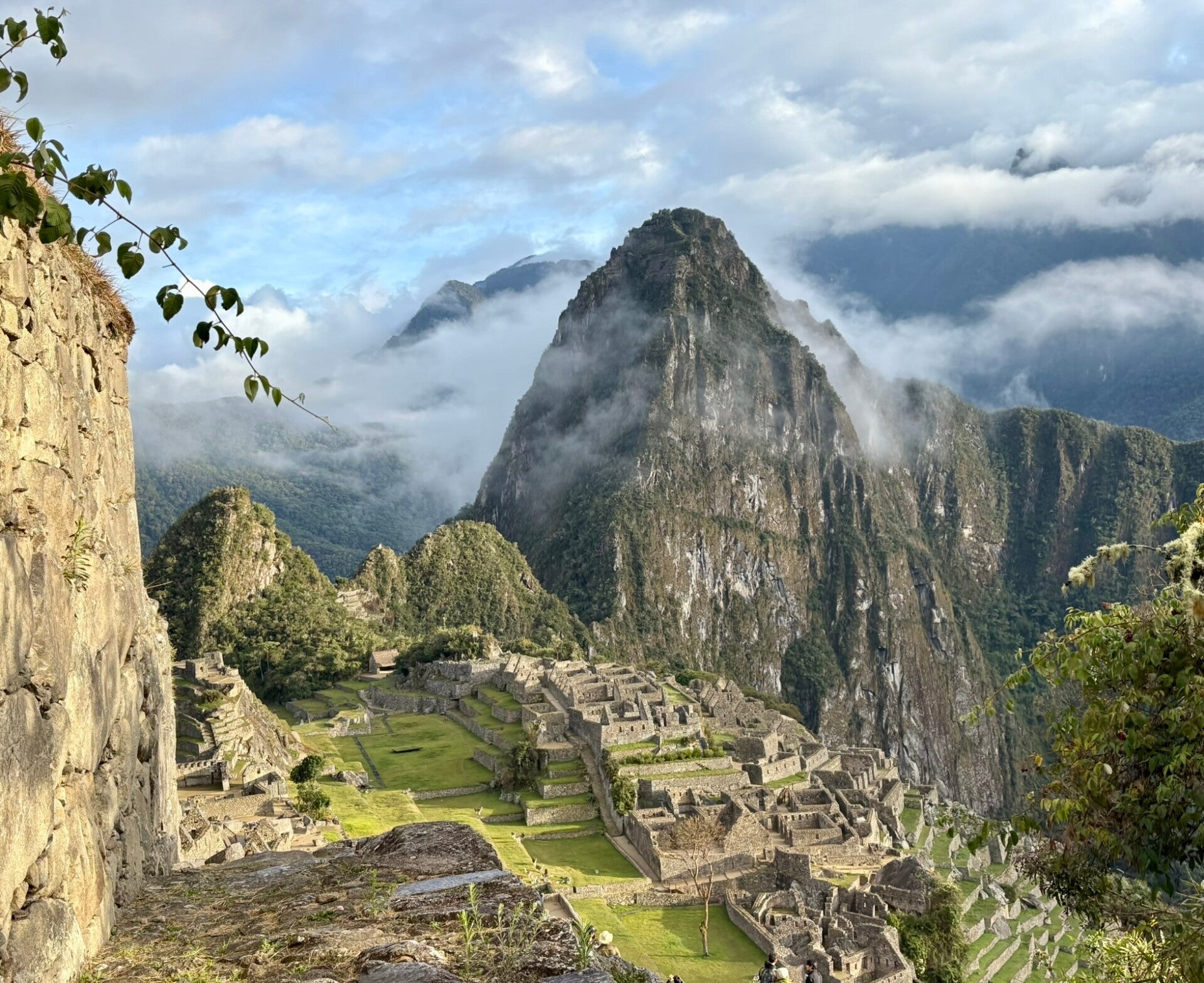
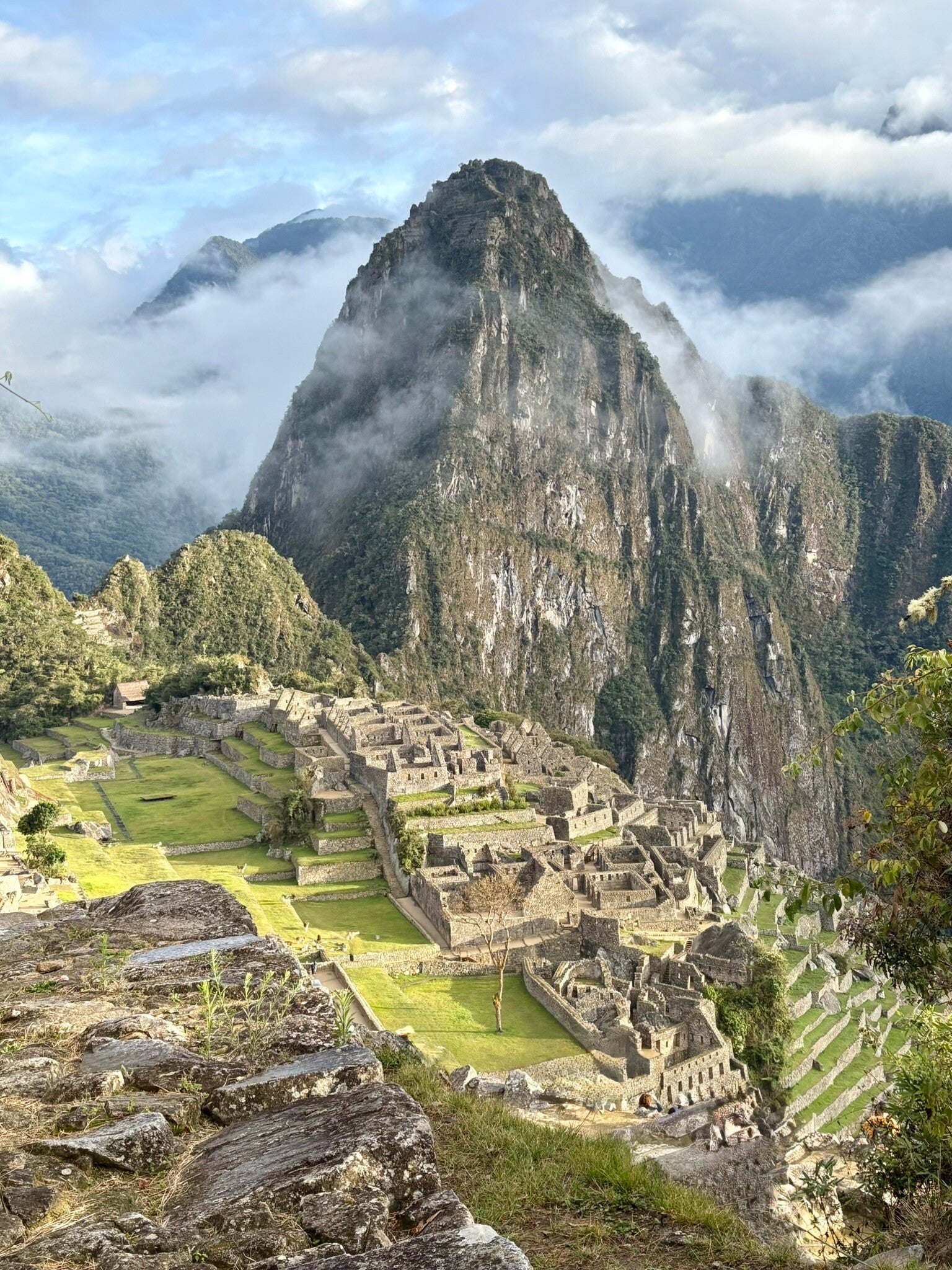
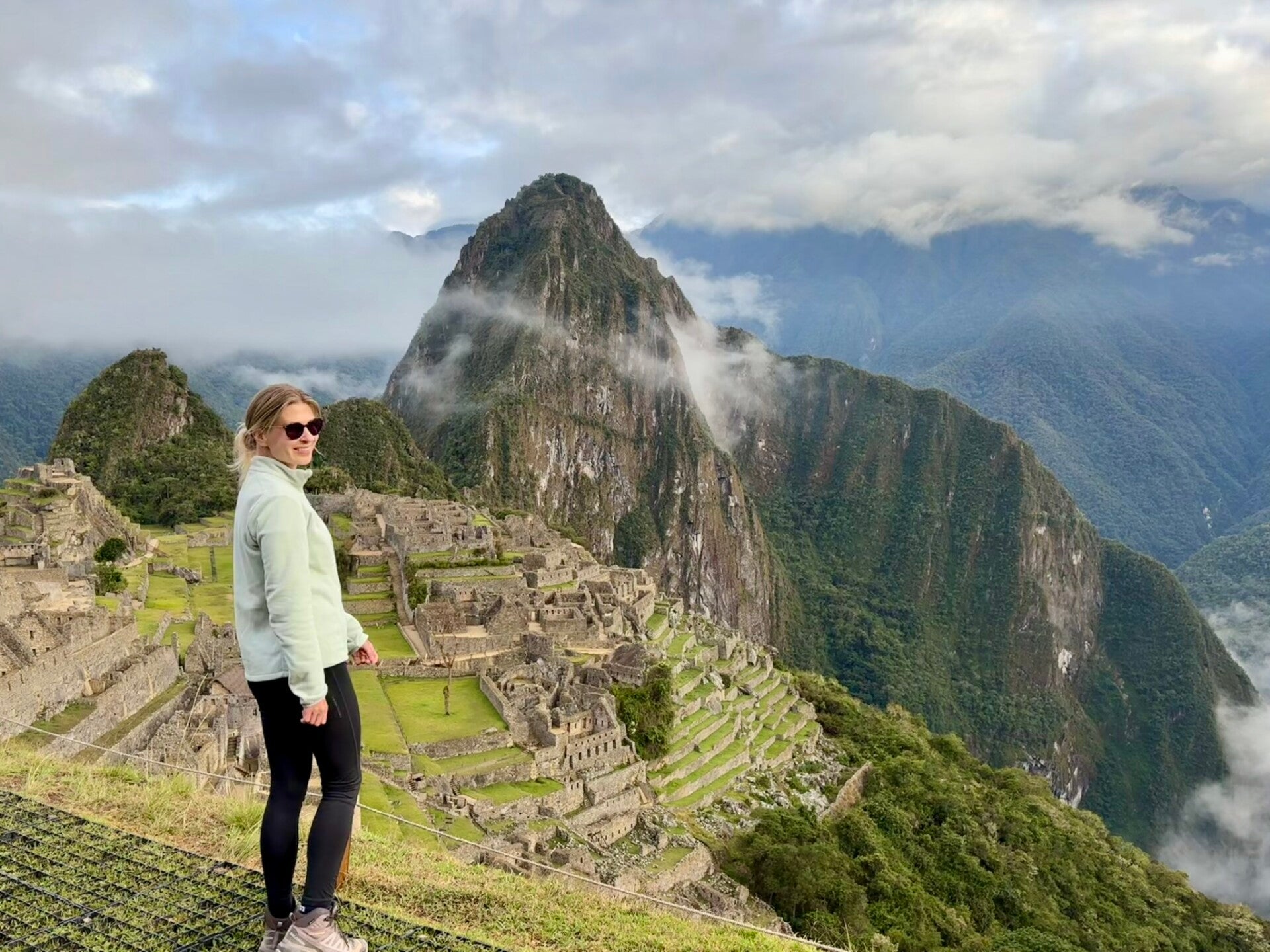
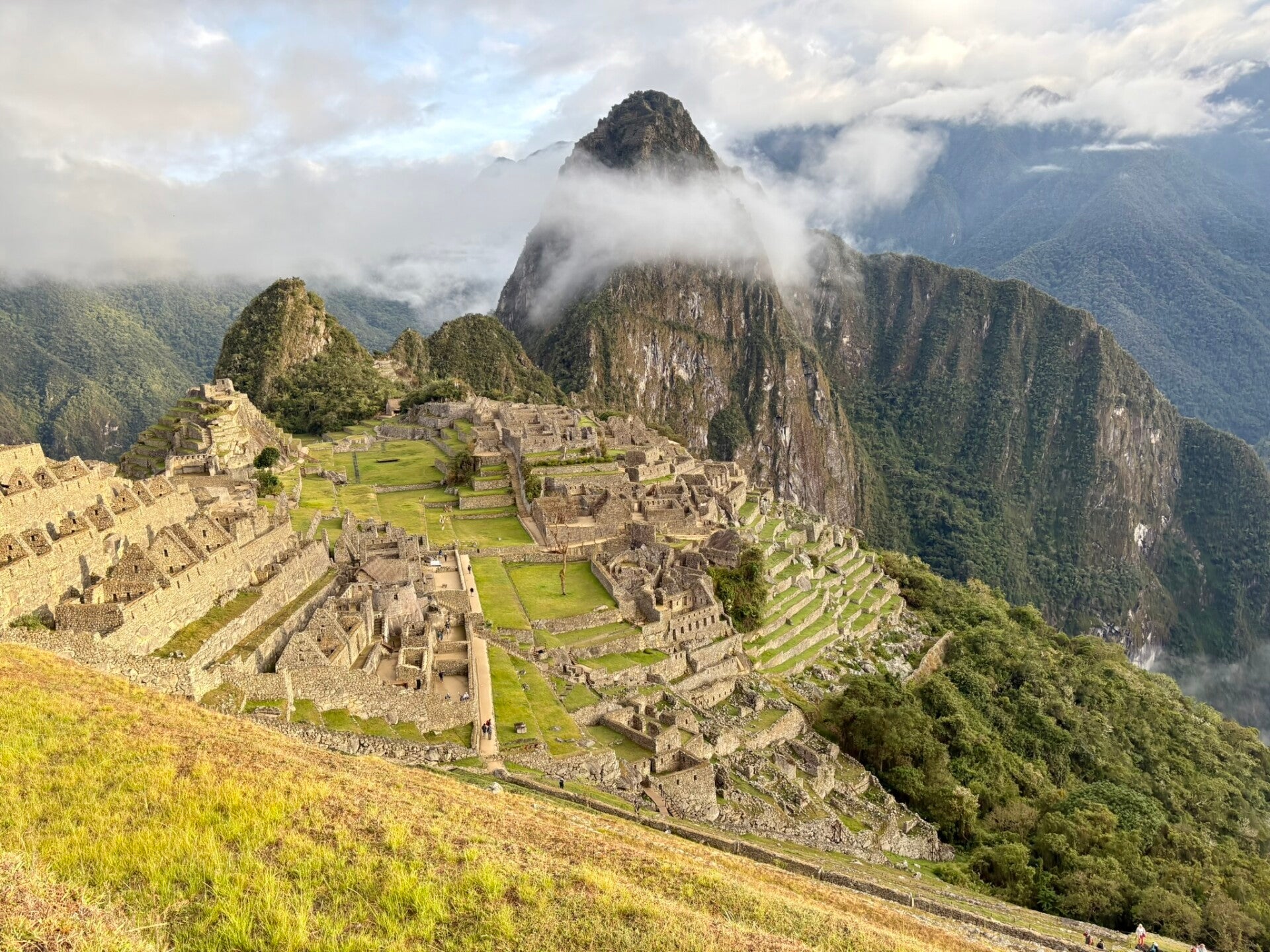
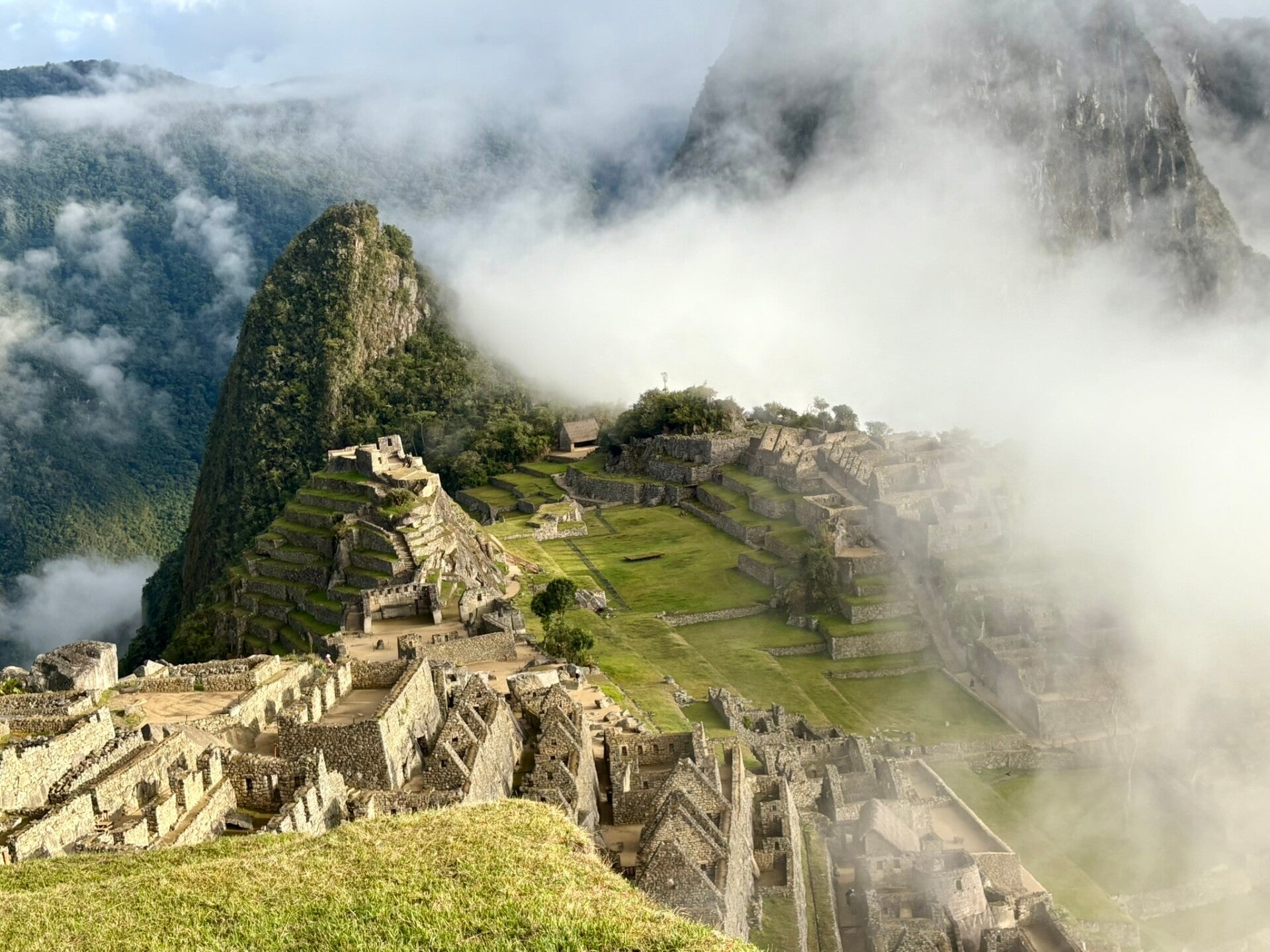
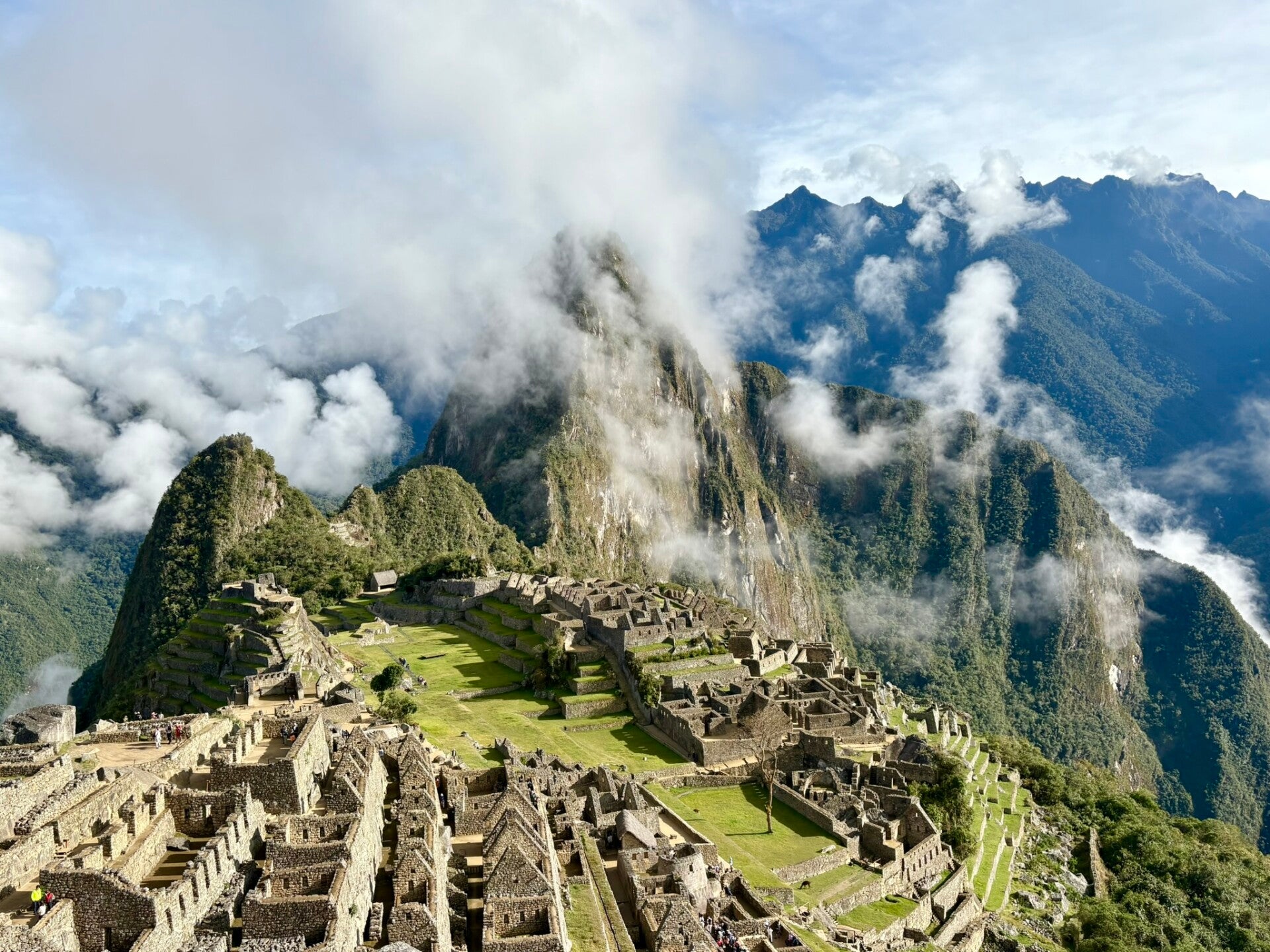
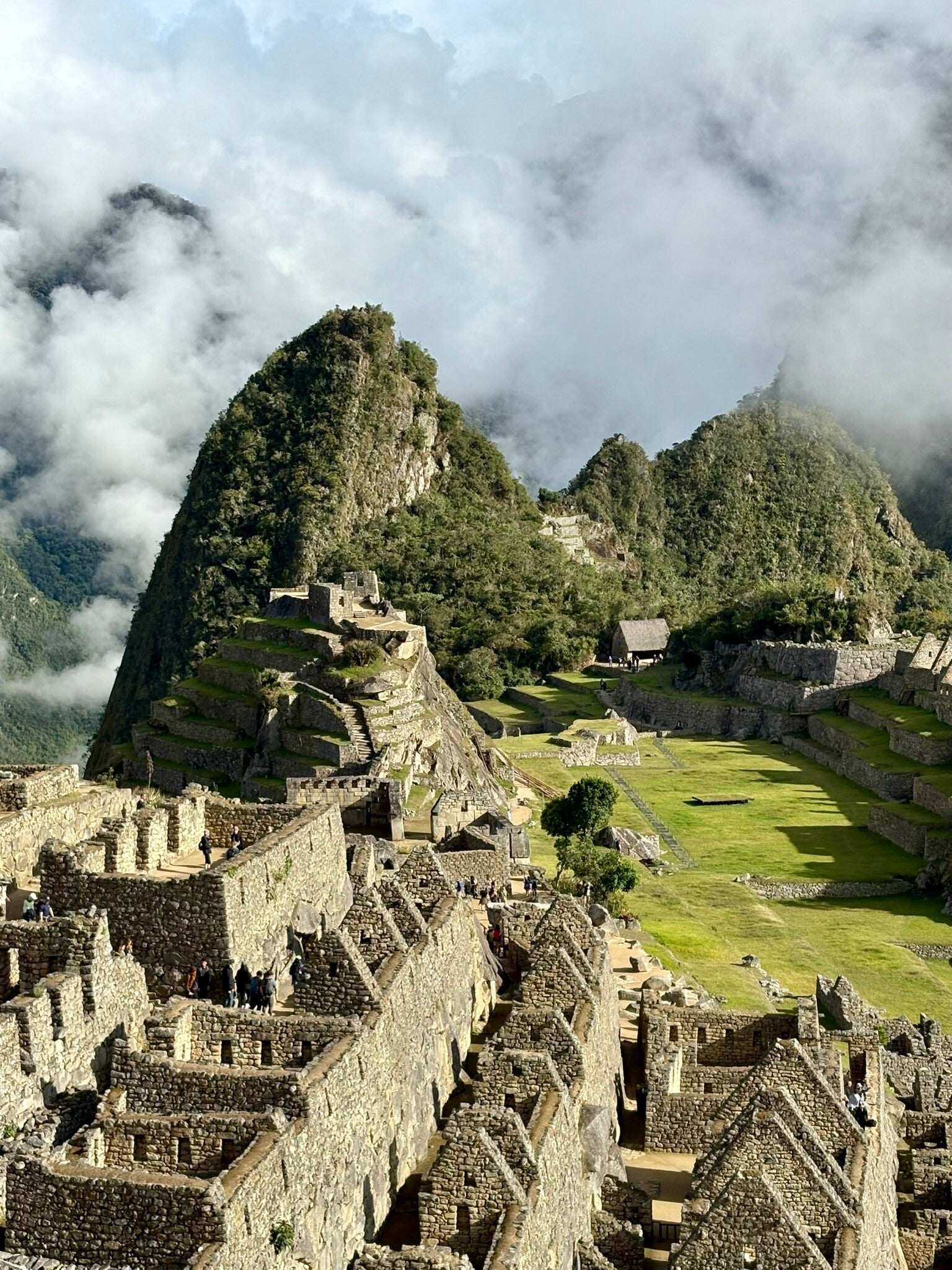
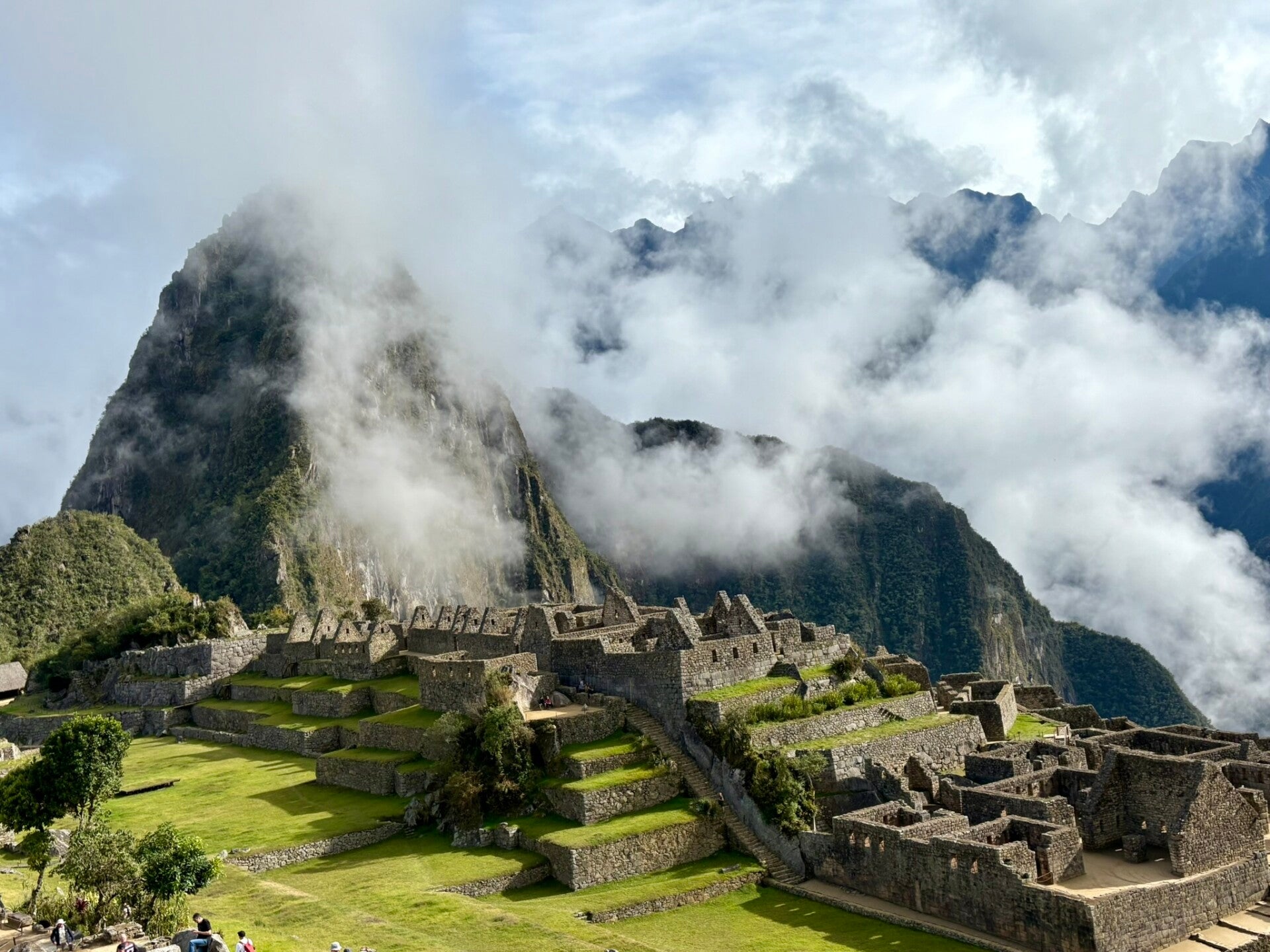
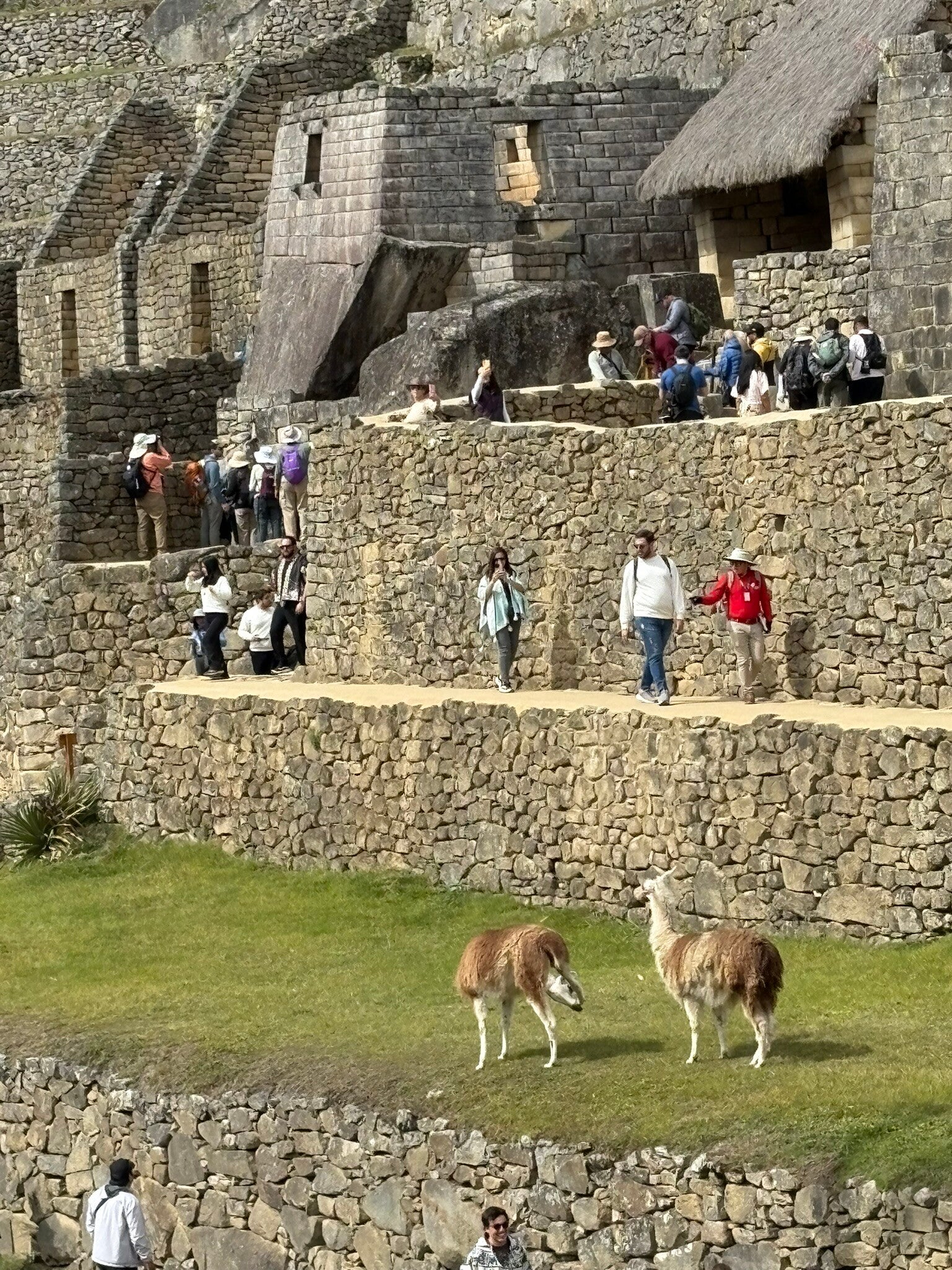
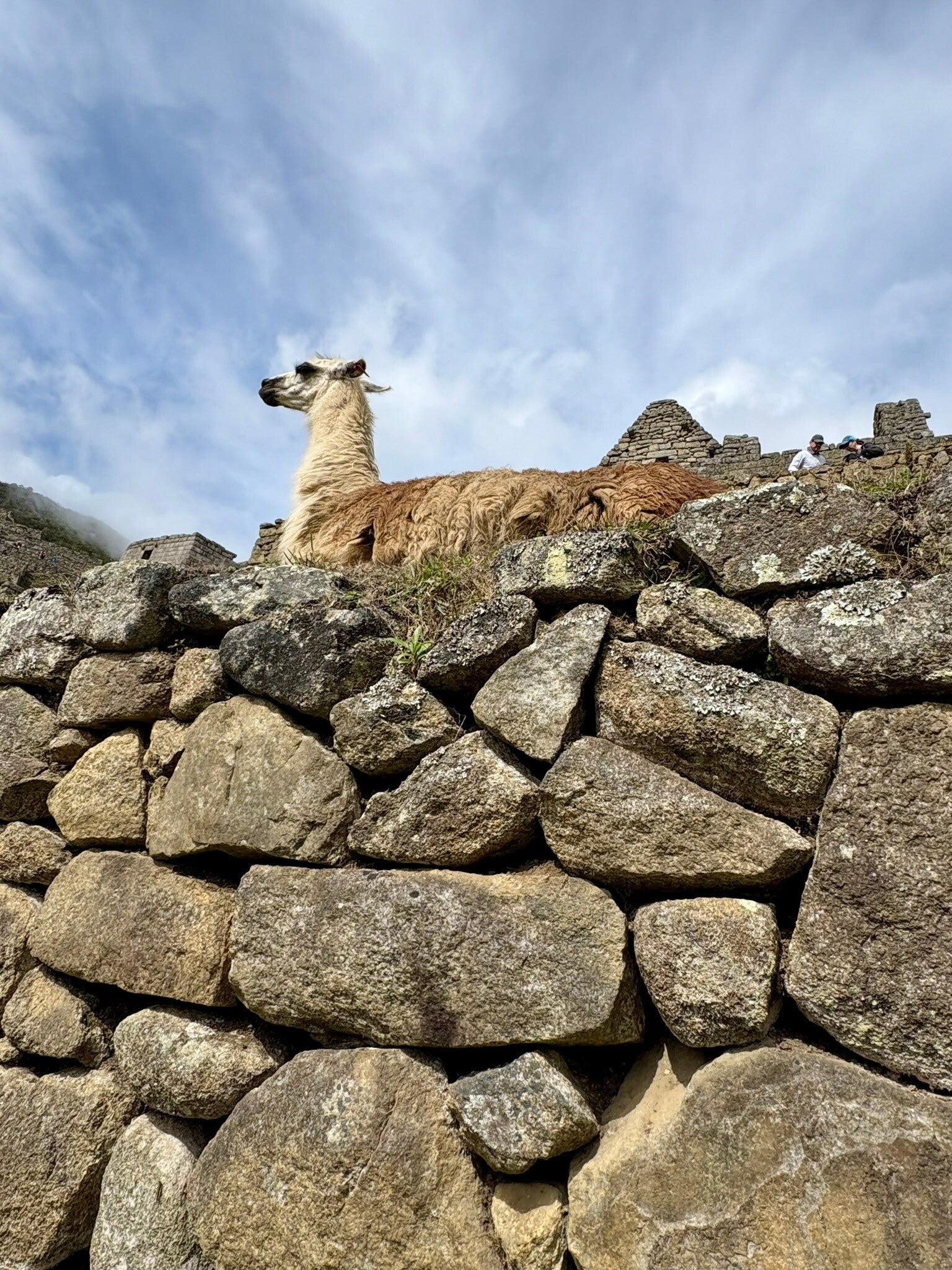
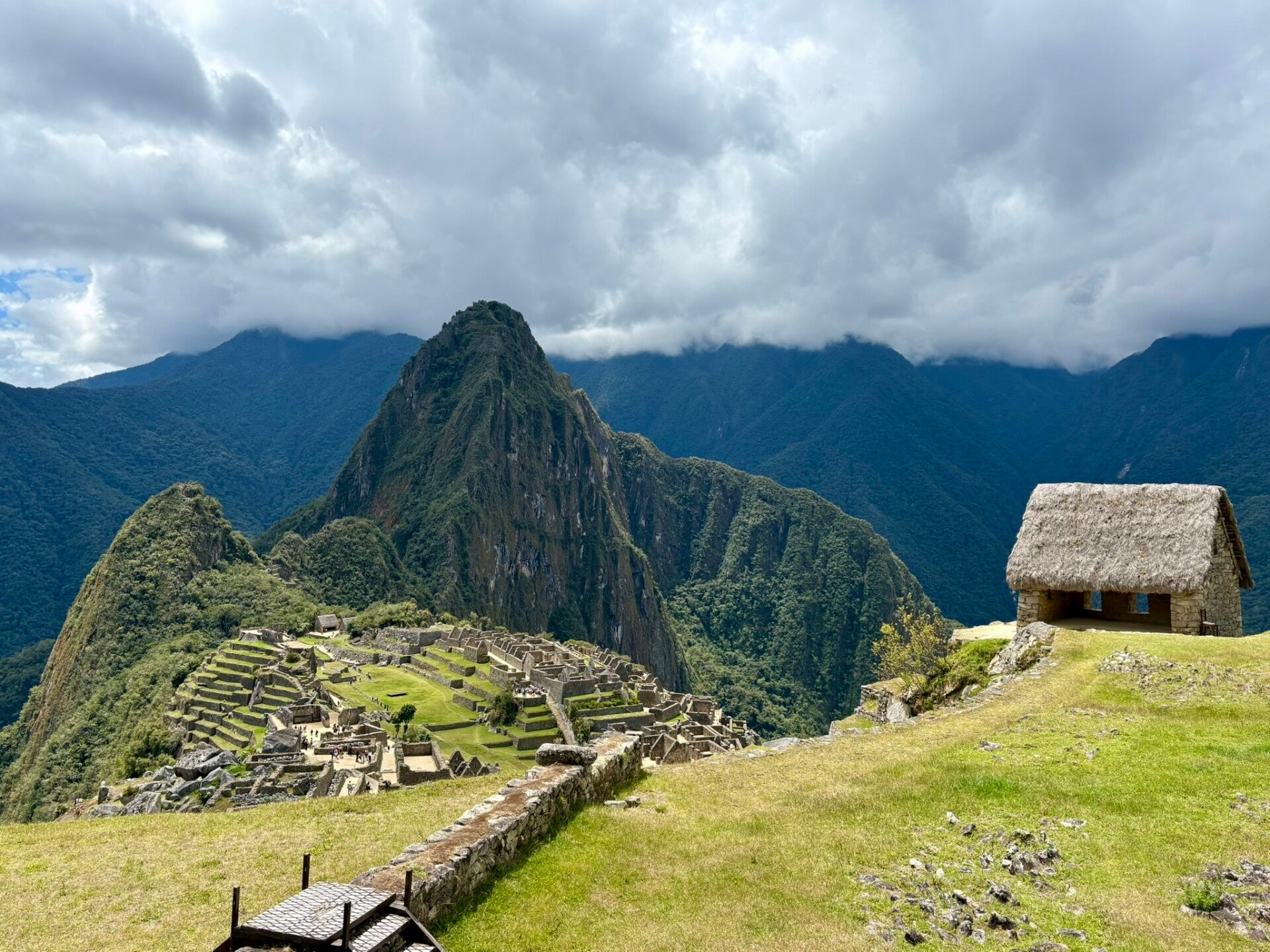
Machu Picchu is absolutely worth the hype. It’s one of those rare places that lives up to its reputation—not just because of the citadel itself, but because of the dramatic setting in the cloud forest and the mountains surrounding it. There are other incredible ruins in Peru (including more remote options like Choquequirao), but Machu Picchu is a classic for a reason.
Visiting Machu Picchu: Timing Tips
If you’d like a calmer start to your visit and the best chance of seeing the site in soft morning light, try to book a 6:00 AM entrance for Circuit 2. Circuit 2 is popular because it includes the iconic viewpoints and a well-rounded route through the site. Arriving early can also make it easier to take photos and enjoy the views at your own pace.
Circuit 2 overview:
- The route begins with the panoramic viewpoint (up the stairs) and then continues down toward the citadel walls.
- Arriving right after opening means fewer crowds, allowing for a truly magical morning view.
- Allocate 2-3 hours for your visit, including guided explanations, picture stops and time to explore independently.
- Entry tickets include a 40-minute buffer, meaning you can arrive up to 40 minutes after the time shown on your ticket.
Getting to and from Machu Picchu 🚍
Getting up to the entrance is straightforward via the shuttle buses from Aguas Calientes. Here’s what you need to know:
- Frequency: Buses run approximately every 10 minutes, starting from 5:30 AM.
- Tickets: You can buy a return ticket online through the Consettur travel agency (official operator) or at their office in Aguas Calientes.
A smooth morning plan
- Early Arrival: If you have a 6 AM entrance ticket, plan to start queuing well before the first bus departs. Arriving around 4:45 AM is advisable, as you’ll likely find a small queue already formed.
- Balance: It’s an early start, but many travelers find the morning atmosphere and light worth it. If you prefer a slower morning, a later entry time can still be a great experience.
- Queues: While waiting in line for the buses is unavoidable, don’t be discouraged by long lines. Buses arrive frequently and the queue moves quickly, ensuring you’ll be on your way to Machu Picchu or back in no time!
Returning to Cusco
After you’re back in Aguas Calientes, most people take the train to Ollantaytambo (often included as an add-on if you booked the Salkantay trek). From there, it’s typically a shared van transfer to Cusco arranged by your tour operator. Alternatively, you can book the train ticket to Ollantaytambo independently on Peru Rail or Inca Rail (prices range from $50 to $130 USD, depending on the class) and then hop into a shared van that will drop you off in central Cusco (approximately 20-30 PEN / $6-9 USD).

Optional Circuit 1 Trek: A Challenging Adventure
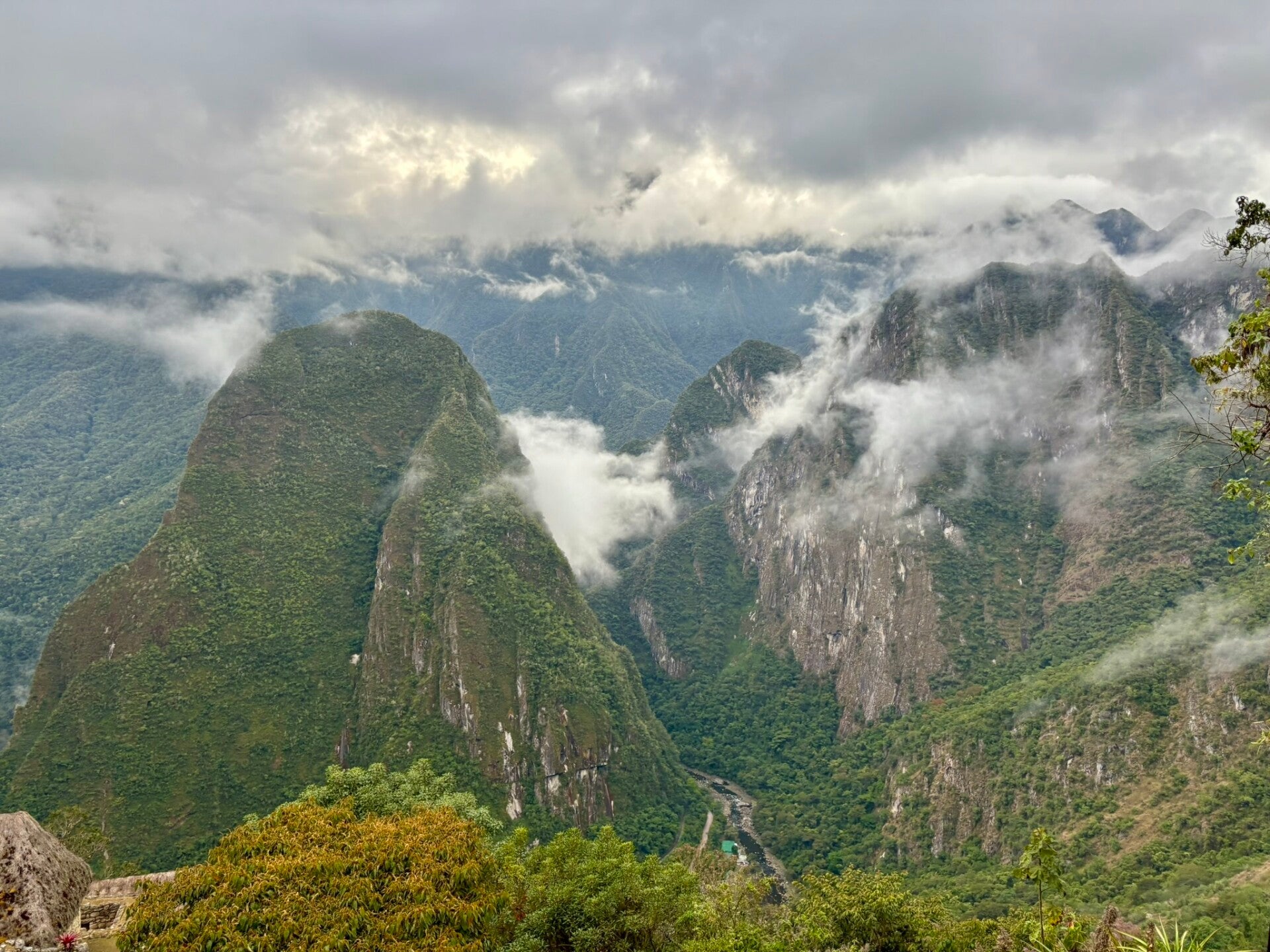
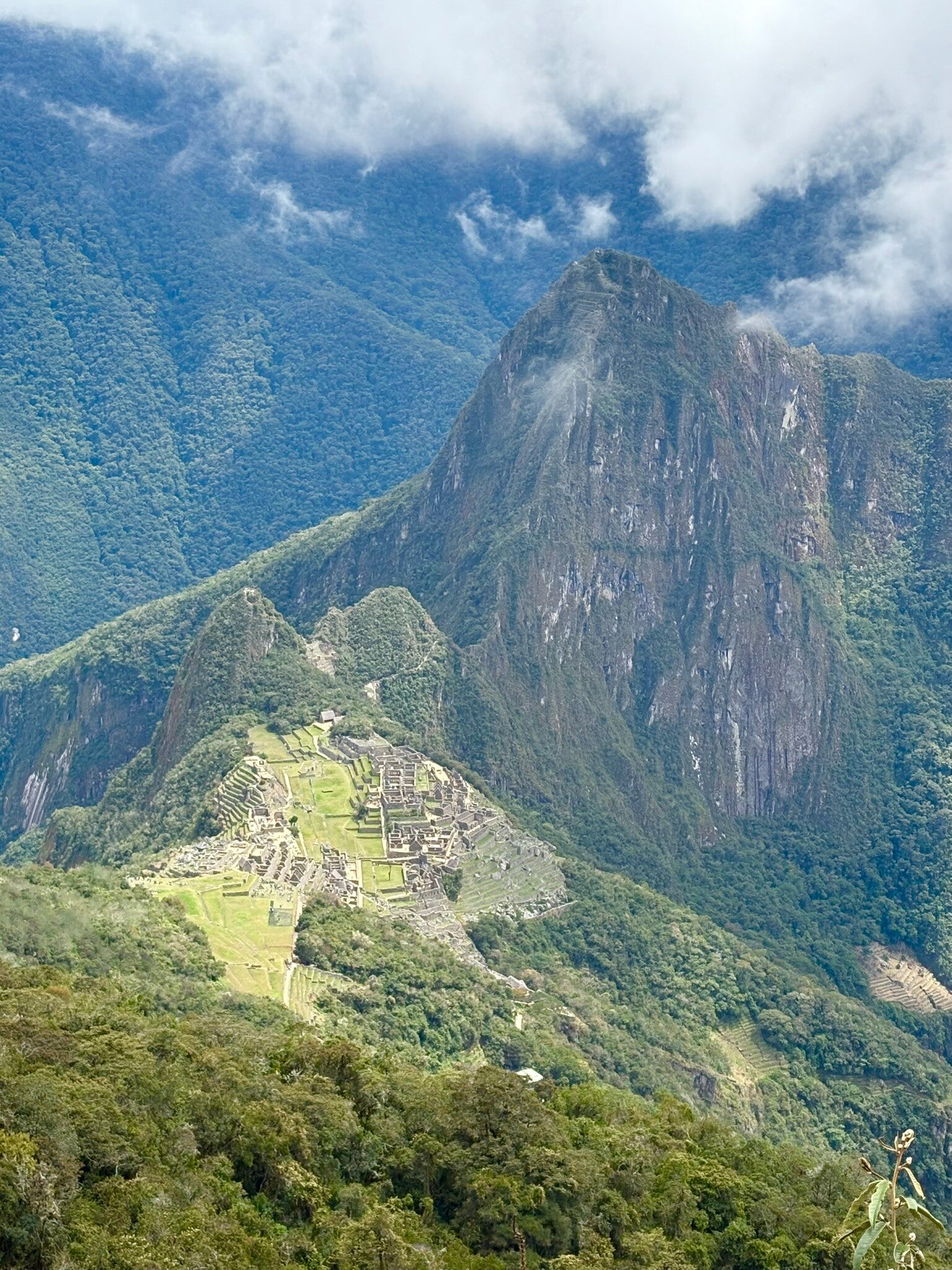
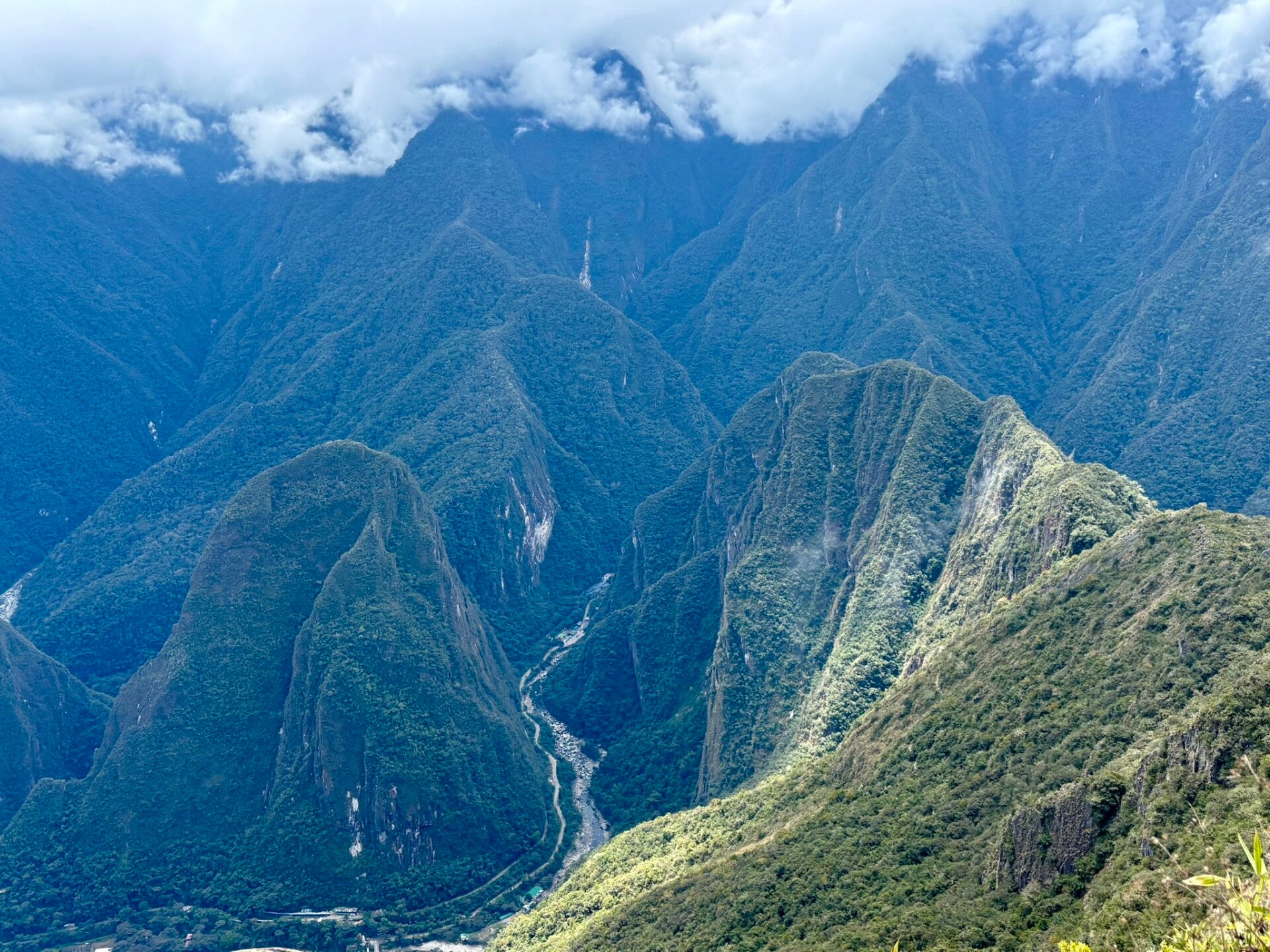
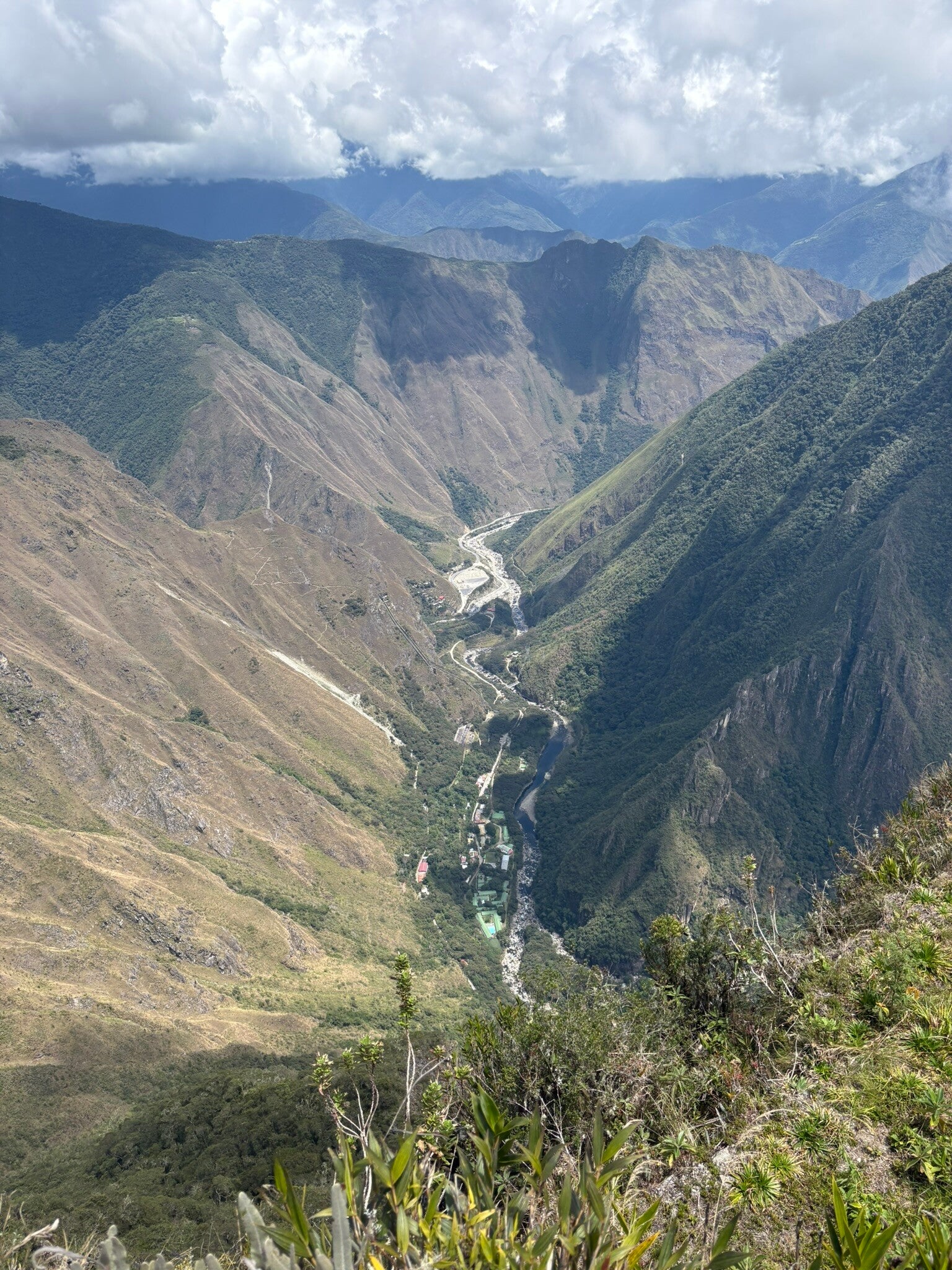
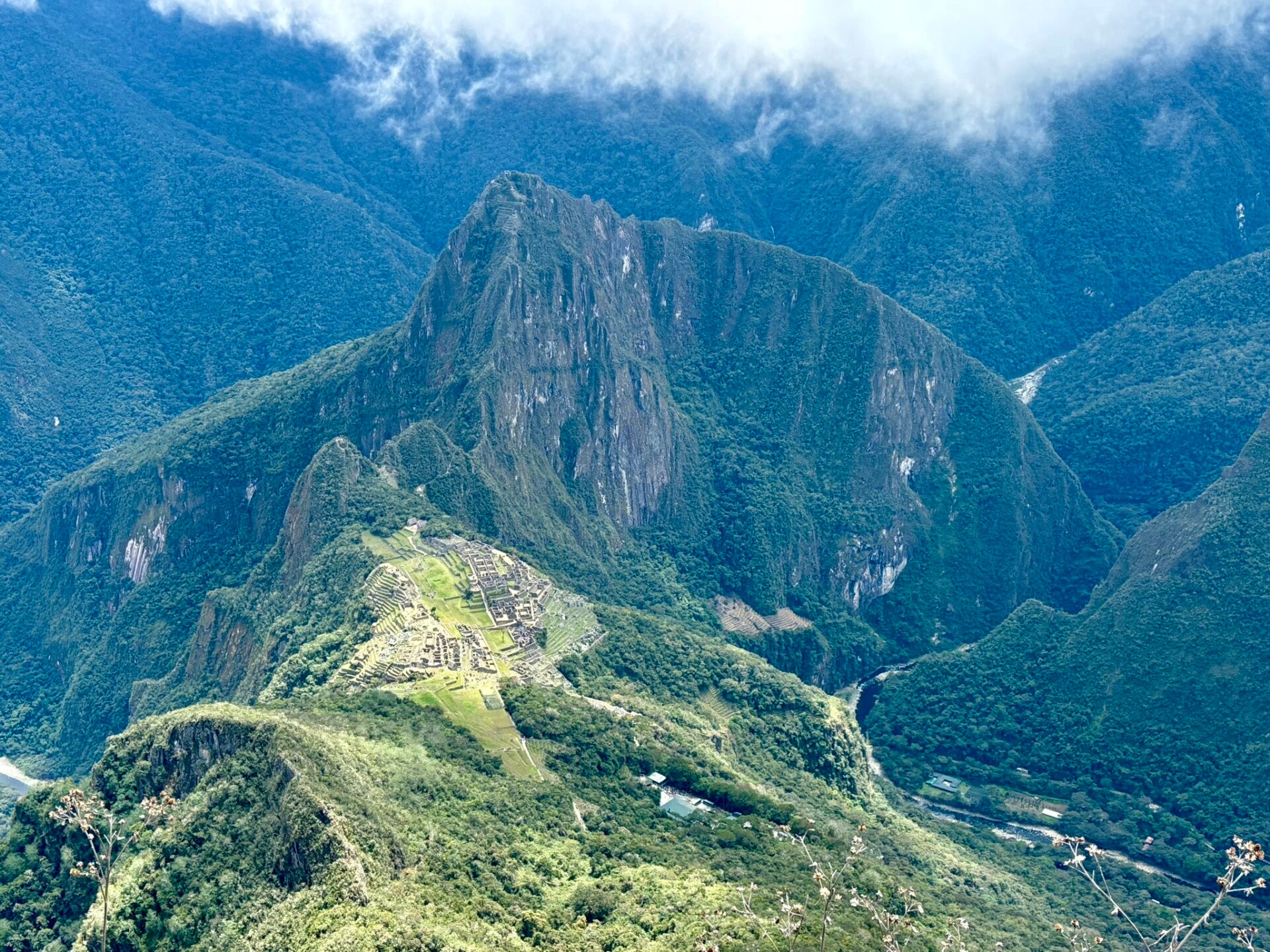
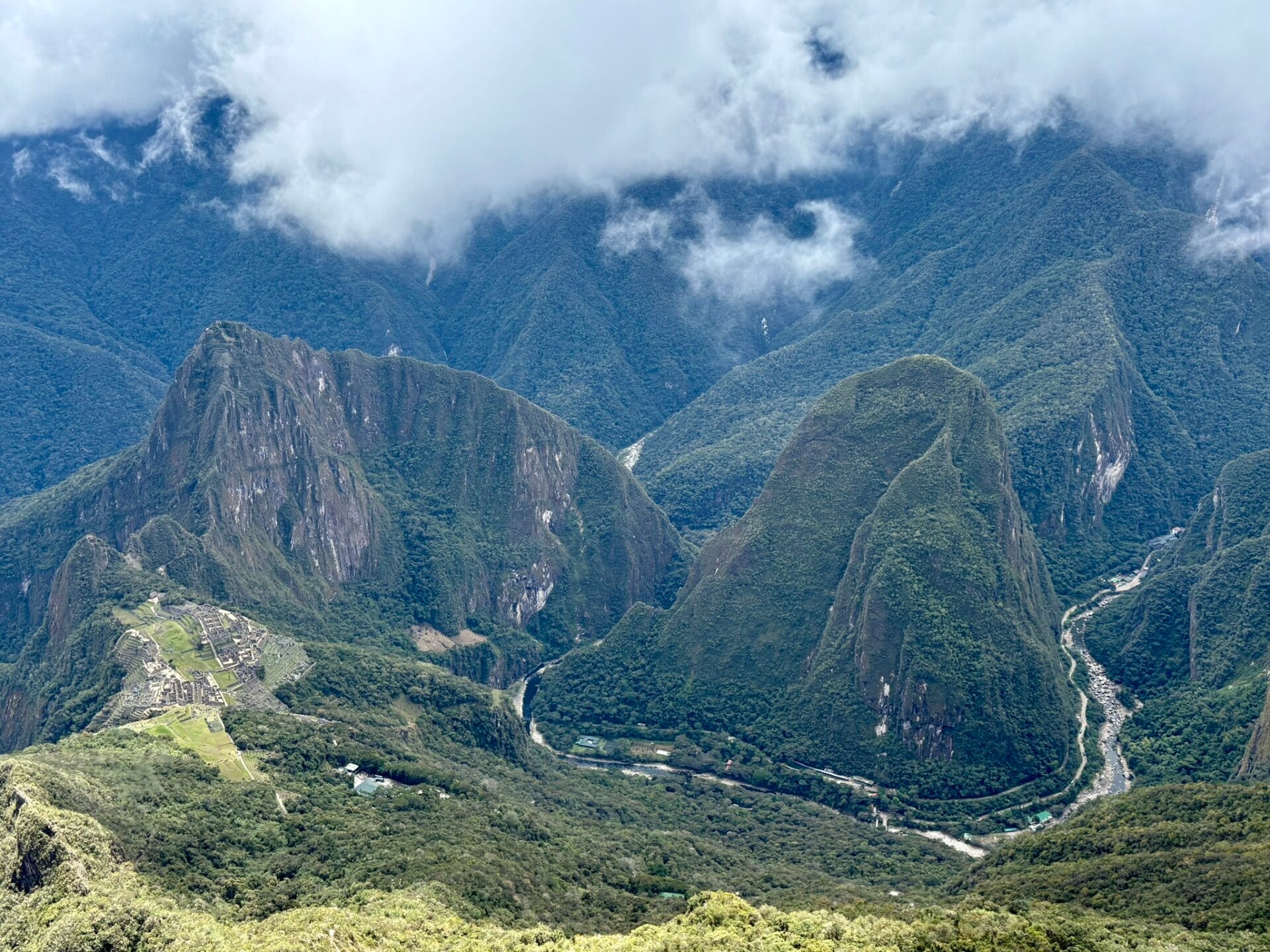
While visiting Machu Picchu, I also decided to tackle Circuit 1, which is a panoramic trek up to Machu Picchu Mountain (the citadel was built in front of it). To be honest, the hike was quite brutal—600 meters (about 2,000 feet) up steep and sometimes narrow stairs, with no flat or even less steep sections. You need to be physically fit and have good knees to tackle this trek!
- Views: The trek offers incredible views of the citadel and the surrounding landscape from a high vantage point, but be prepared for a great workout!
- Return Path: On the way back, you’ll also see Machu Picchu from a slightly different angle, as the return path differs from Circuit 2.
Access to Circuit 1 must be reserved in advance, with an additional fee of $50-60 USD, depending on the exchange rate. I was more than 40 minutes late to enter this circuit after completing Circuit 2, but I was still allowed entry (though I wouldn’t recommend taking the same risk!)
Day 18: Relax and/or Horse Riding 🐎
After all the hiking, if you find yourself in Cusco and are looking for a half-day activity that allows for some relaxation, I highly recommend a horse riding tour on the outskirts of the city.
Tour Highlights:
- Guided Experience: The tour is led by a knowledgeable guide who speaks good English, ensuring clear communication throughout the ride.
- Well-Cared-For Horses: The horses are well taken care of and suitable for riders of all experience levels, making it an accessible option for everyone.
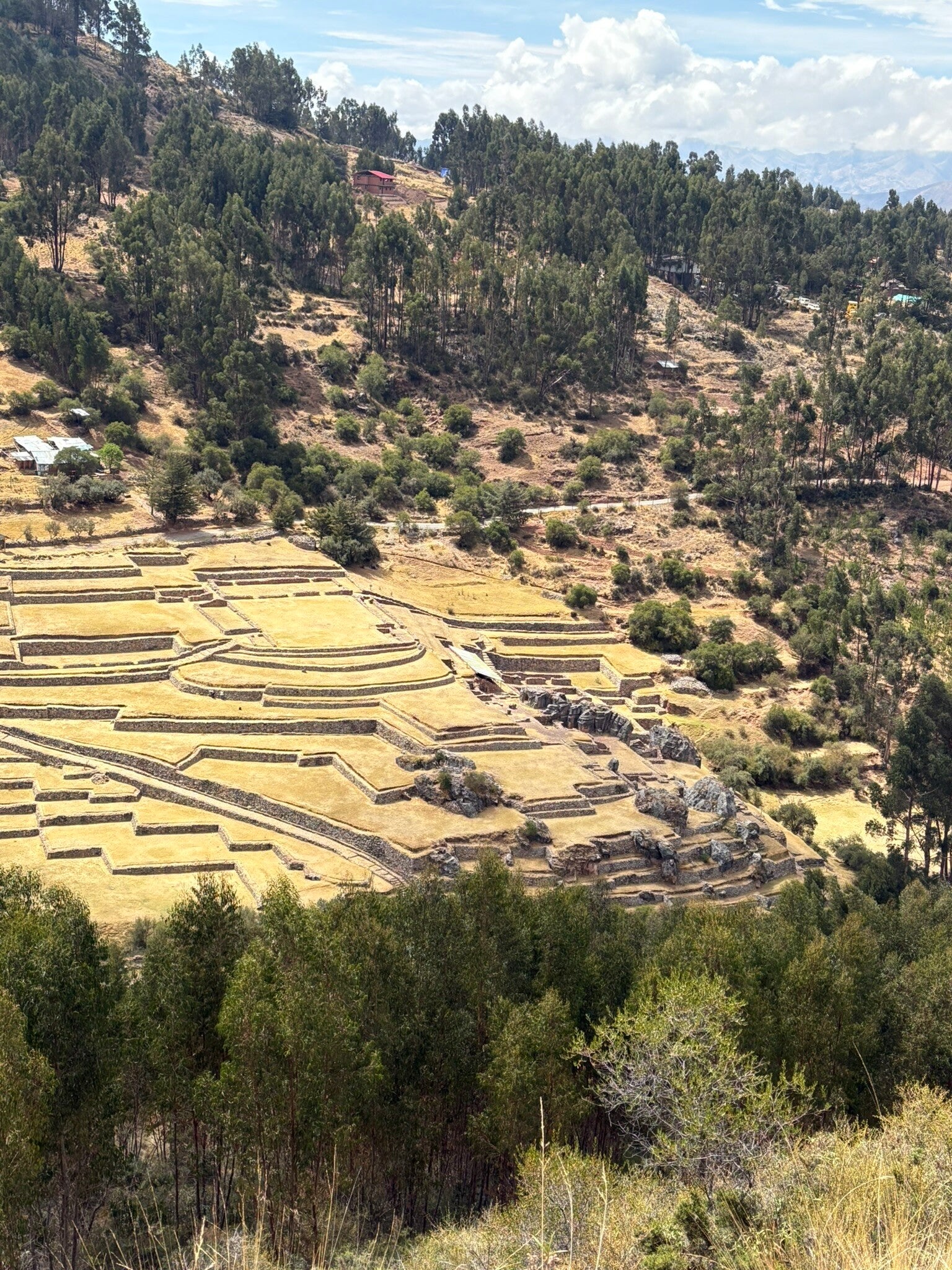
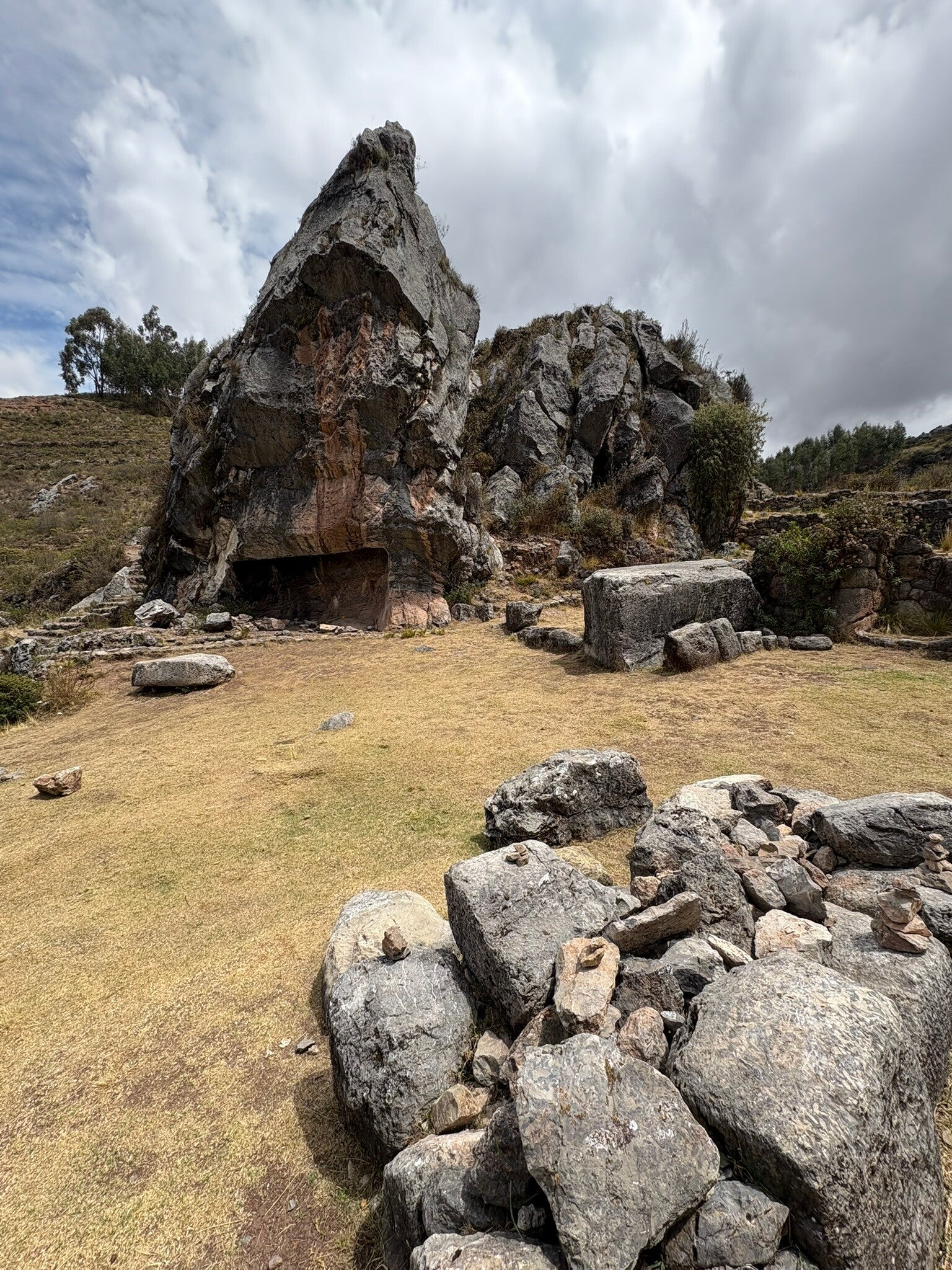
- Exploration of Ruins: The tour includes stops at several lesser-known ruins near Cusco. These sites are not easily accessible by car, meaning they are typically much less crowded.
- Duration: The tour lasts approximately 3 to 3.5 hours, providing a perfect balance of activity and relaxation.
- Small groups: When I booked, I was the only one scheduled, so I enjoyed a private tour for just $30 USD!

Day 19: Rainbow Mountain 🌈
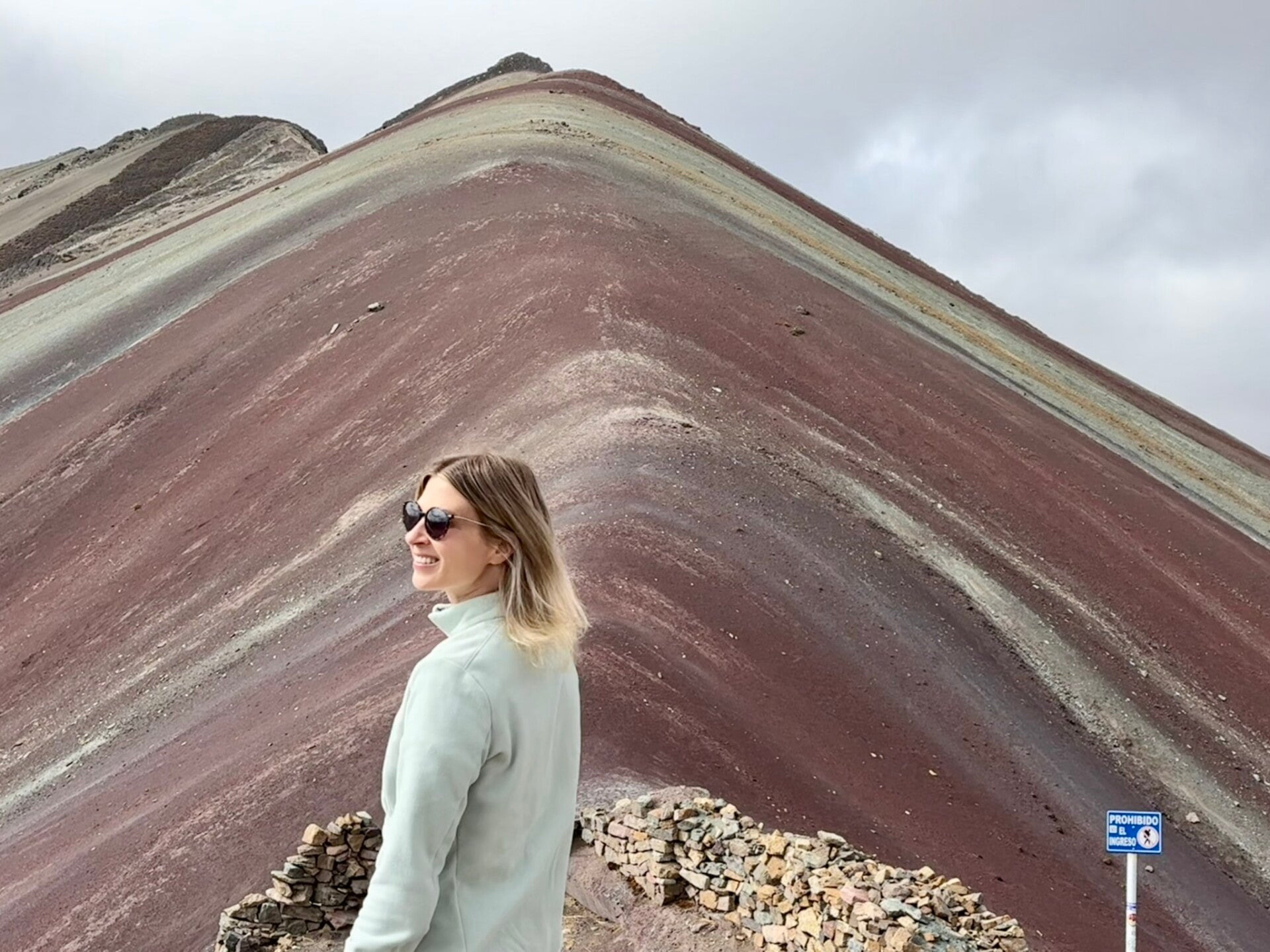
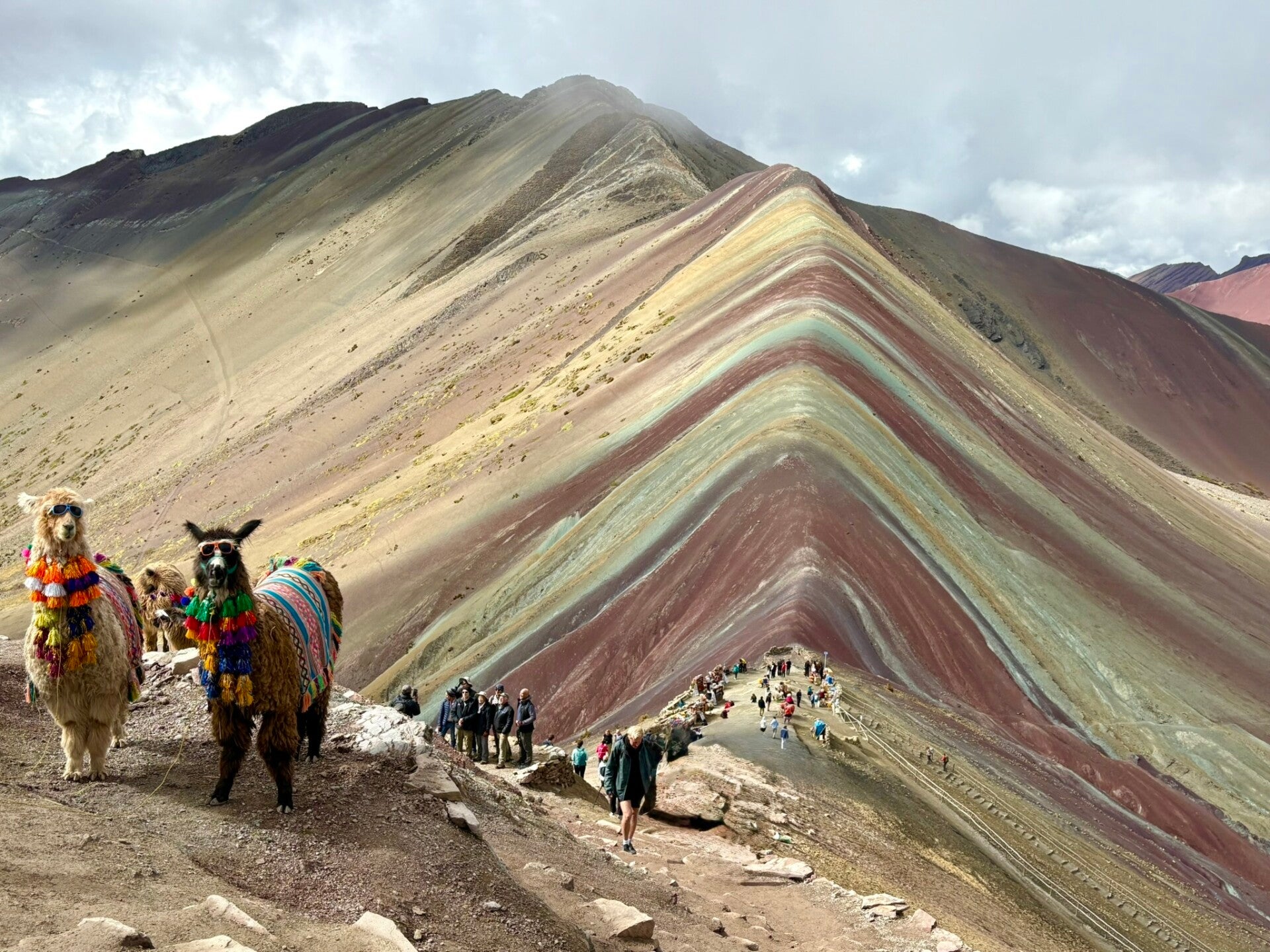
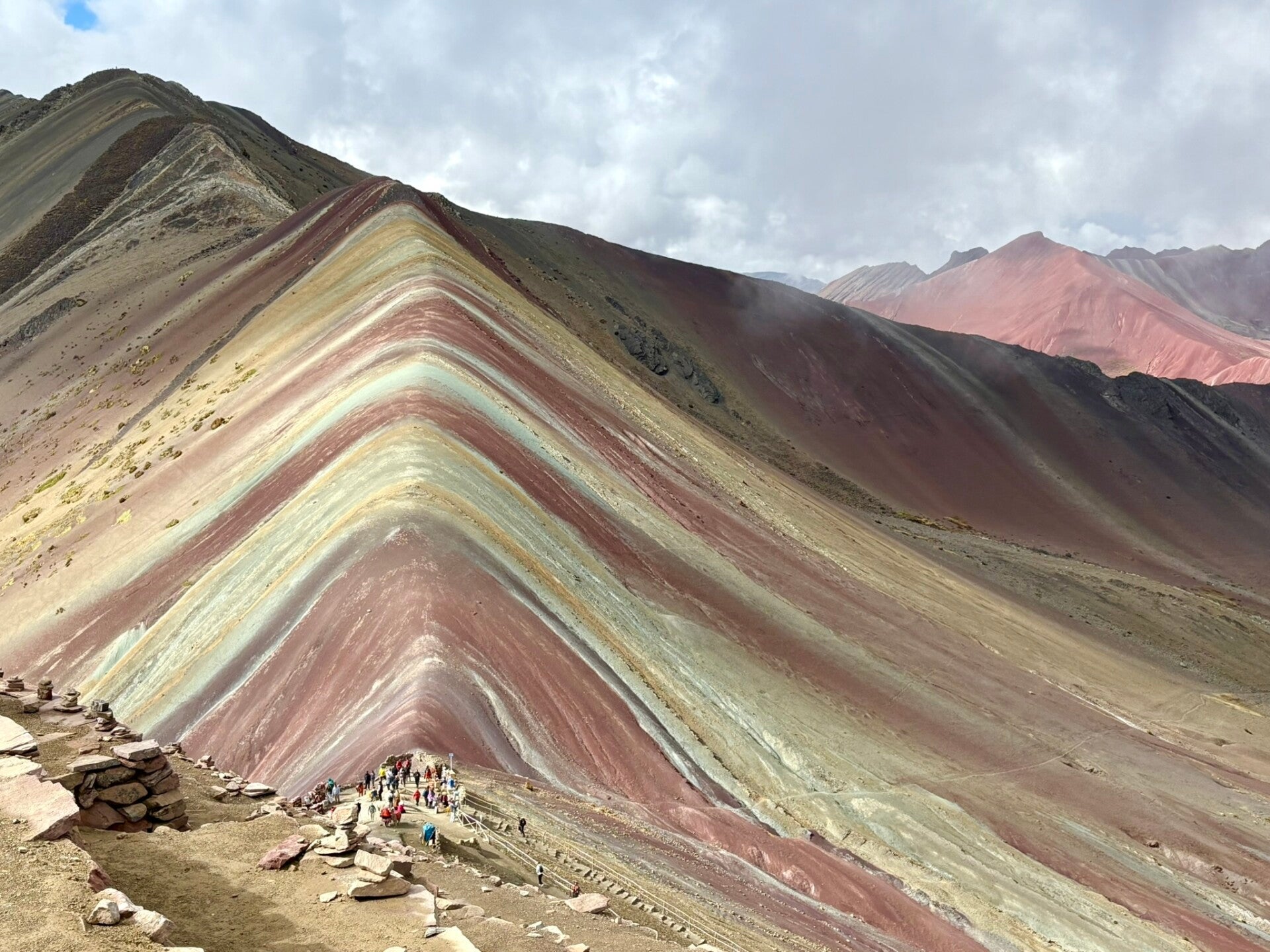
By now, you’re likely fully acclimated, regardless whether you completed the Salkantay or Inca Trail. This makes it a great time to confidently book a tour to the famous—and very high-altitude—Rainbow Mountain (Vinicunca).
Important Considerations
- Popularity: The famous Vinicunca Rainbow Mountain is the second most visited site in Peru, following Machu Picchu. As a result, it can get very crowded, with thousands of visitors each day.
- Timing for a Less Crowded Experience:
- To enjoy a quieter visit, consider booking an early departure. Some companies leave around 3 AM to be among the first on the mountain. However, be mindful that even a 3 AM departure doesn’t guarantee solitude as many tour companies also leave around 3:30 AM or 4 AM.
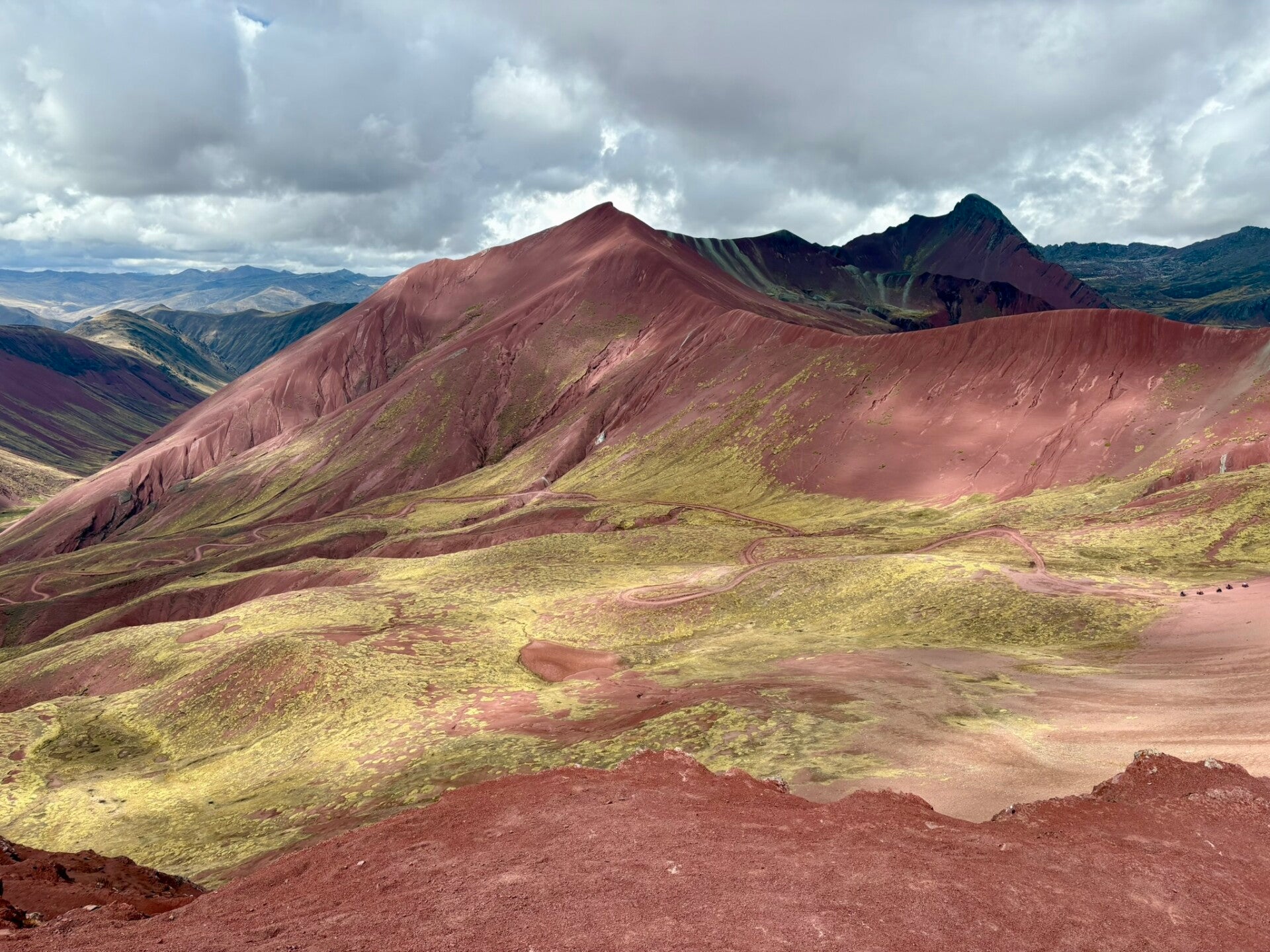
- Alternatively, you can take an afternoon tour. If waking up super early sounds daunting, an 8 AM departure almost guarantees a less busy experience, but there are trade-offs. Late departures are typically more expensive than morning tours and they usually do not include a visit to the neighbouring Red Valley.
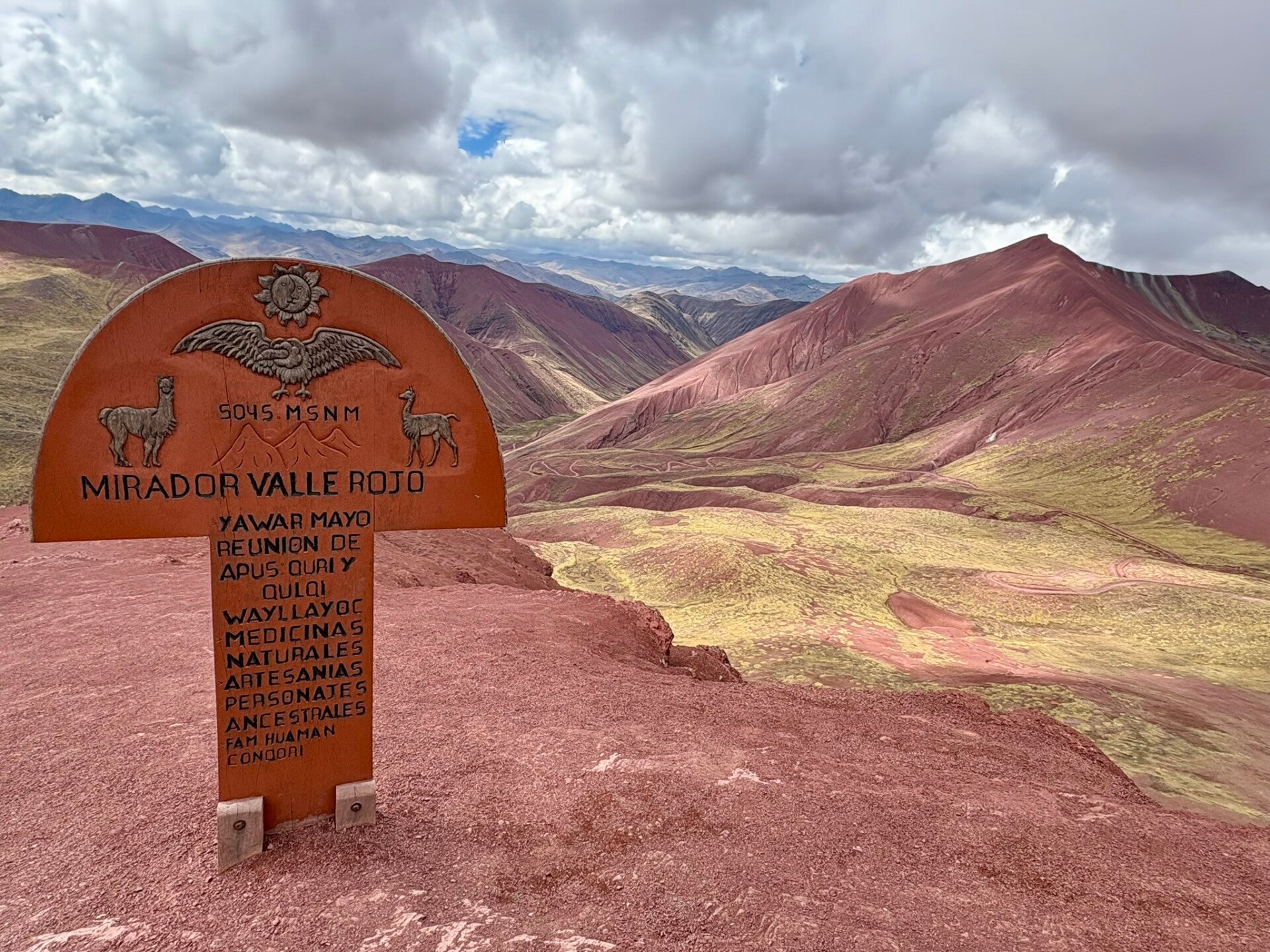
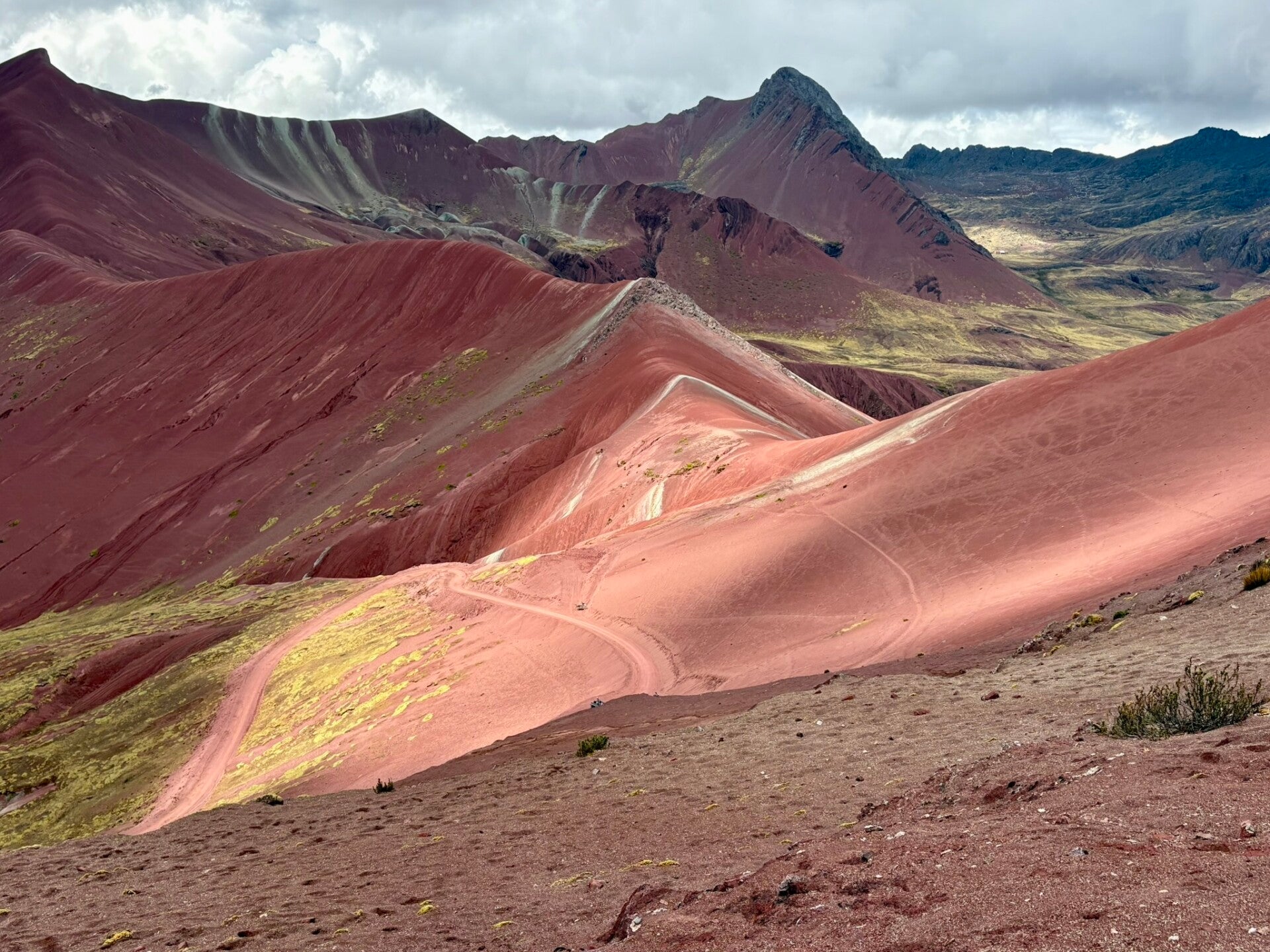
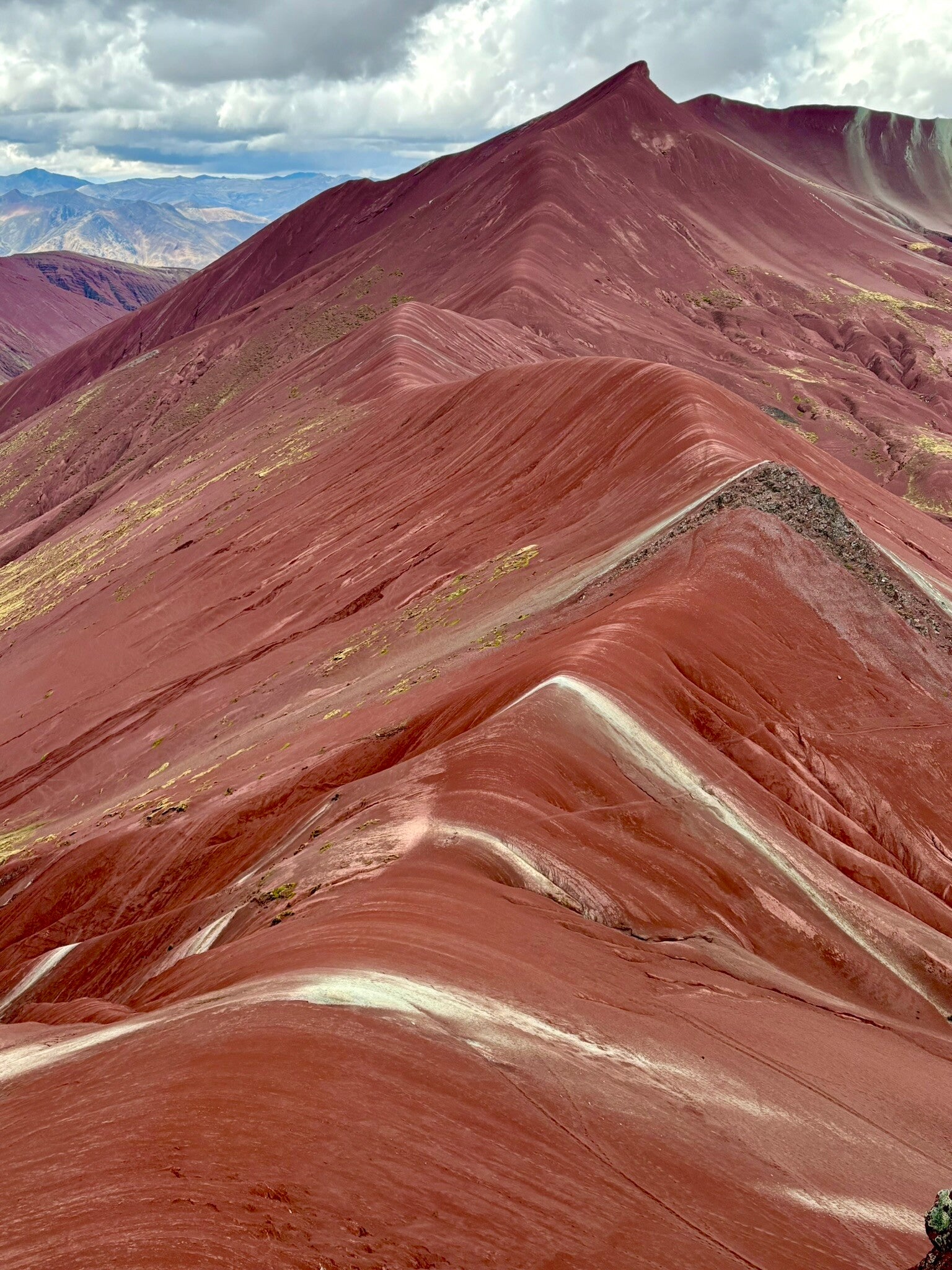
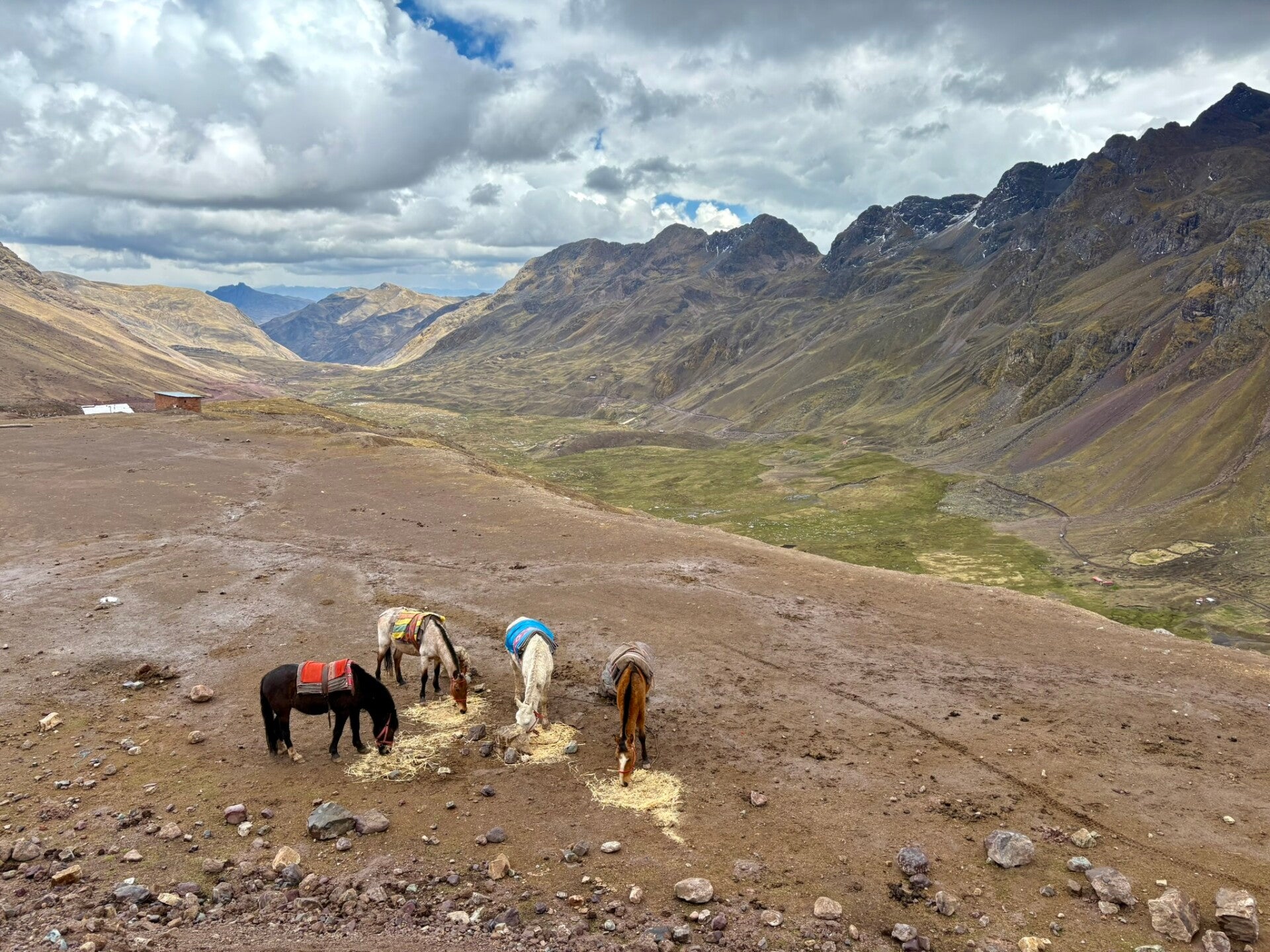
Since I wanted to see both Rainbow Mountain and Red Valley, I opted for the very early morning departure. During my visit, there were some lines for pictures at the main spots, but it wasn’t overwhelming. In my opinion, the Red Valley is impressive and definitely worth an early morning visit, but you can judge for yourself from the pictures.
Reminder! Make sure to only book this tour when you are fully acclimated. Do not attempt it on your first day in Cusco, as you will almost undoubtedly have a bad experience!
- Hike Details: The hike is relatively short, around 4 km one way, but it reaches an altitude of approximately 5,000 m (16,000 ft) and can be steep at times. Being fully acclimated is crucial for your safety and enjoyment.
- Horse Option: There is an option to ride a horse for part of the trail, but it does not take you up the last, steepest section.
Day 20: Pallay Poncho Rainbow Mountain 🌈
If you have additional time in Cusco, I highly recommend dedicating an extra day to visit another stunning rainbow mountain. In Peru, you're spoiled for choice: you can opt for Palcoyo Rainbow Mountain if you prefer to minimize travel time, or Pallay Poncho if breathtaking views and a secluded experience are your priorities.
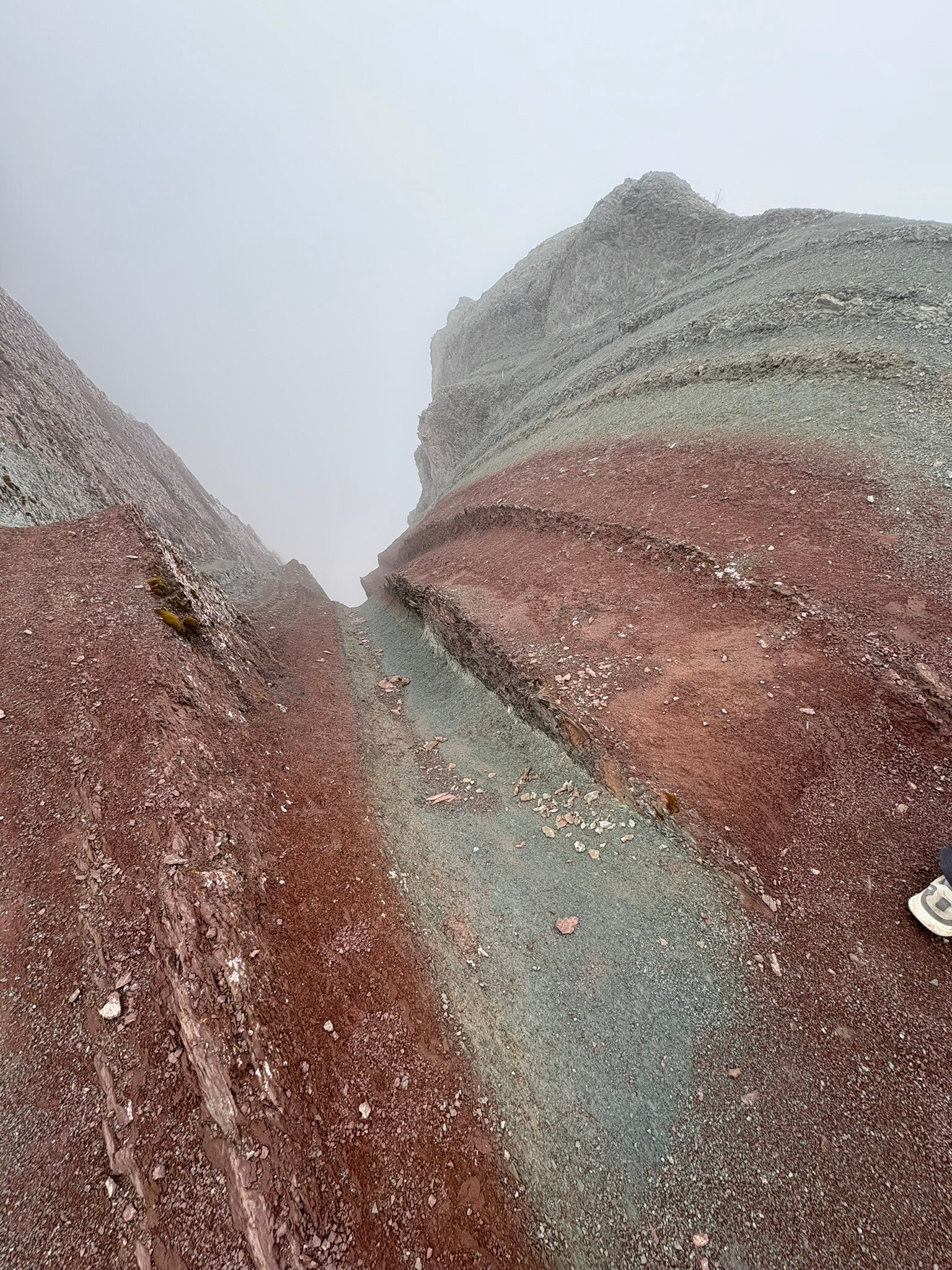
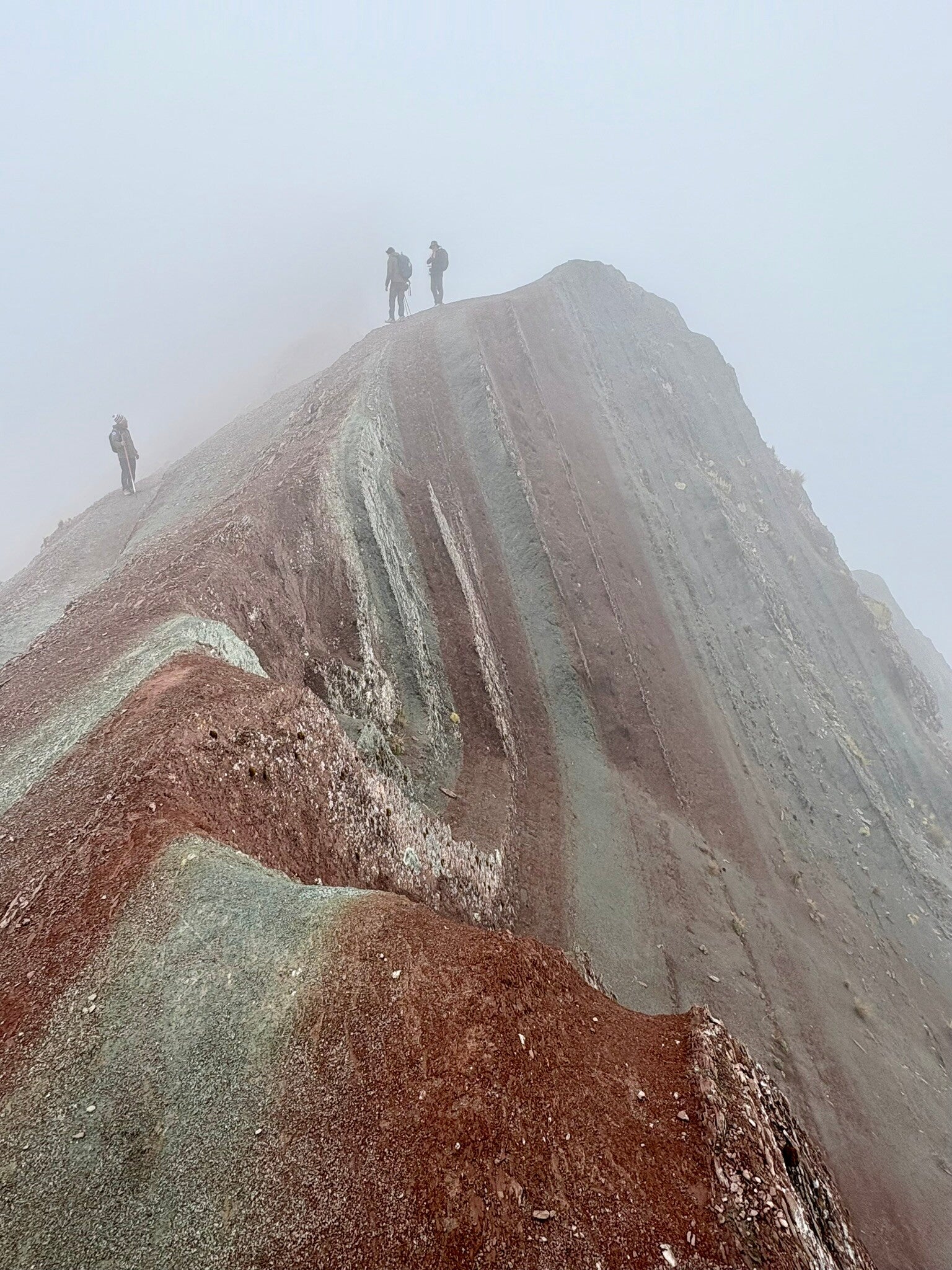
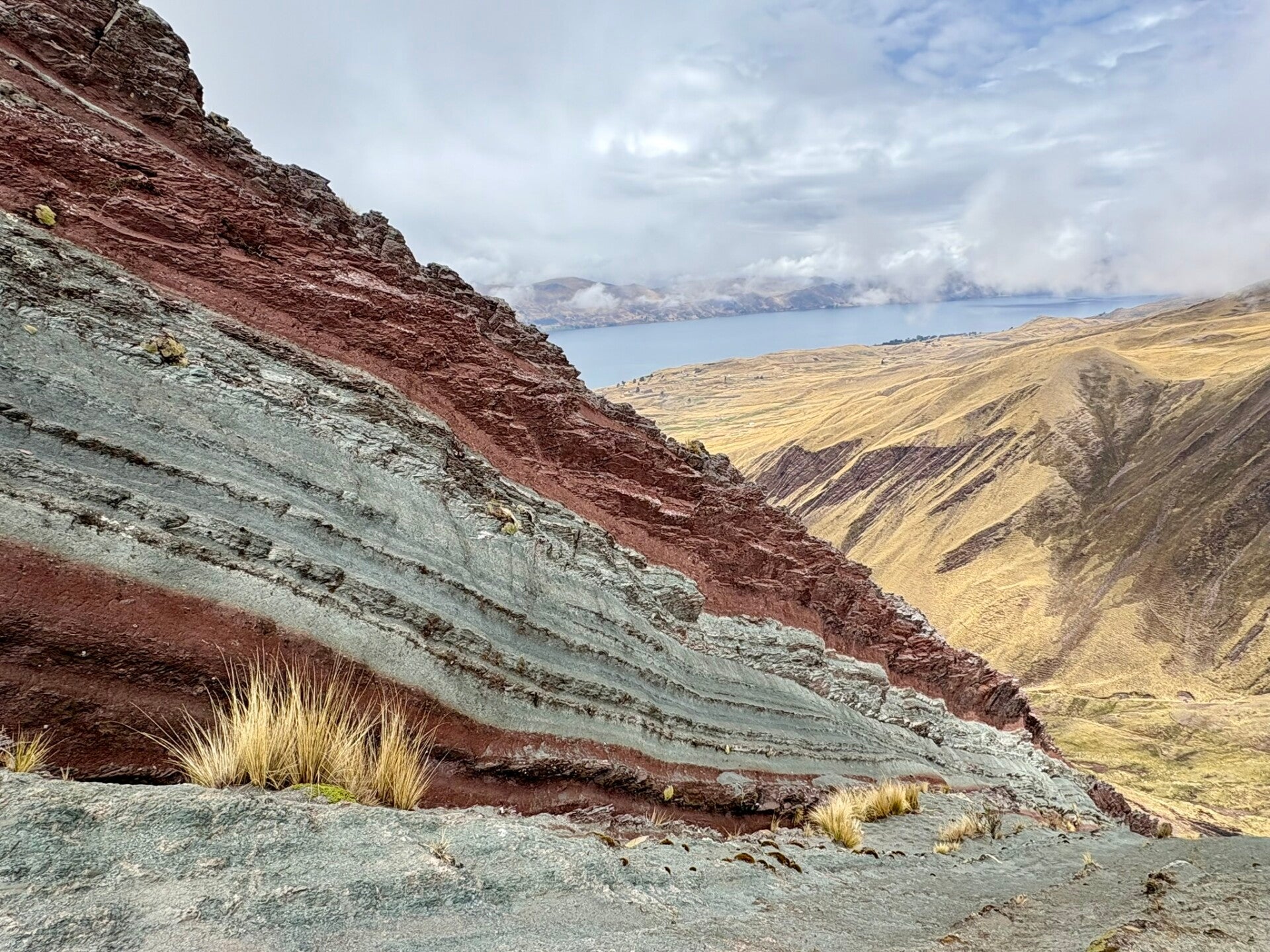
I chose Pallay Poncho and did not regret it! This "newest" rainbow mountain has yet to gain significant popularity among tourists, meaning you’re likely to encounter only a few tour groups on the mountain. The views here are, frankly, much more impressive than those at Vinicunca!
During my visit, it was partially foggy (as it was the beginning of the rainy season), but the views were still nothing short of spectacular.
- Trip Duration: The drive to Pallay Poncho is about 4 hours one way, making for a long day. My tour with SAP Tours departed at 6 AM, but it was absolutely worth the long hours on the road.
- Shorter Hike: The hike itself is shorter than that of Vinicunca, taking around 20-30 minutes to ascend, and even quicker to descend.
- Drones allowed: If you have a drone, this is definitely the right spot to use it for breathtaking footage!
- Warm Clothing: Pack really warm clothes, gloves, hats, and many layers, as Pallay Poncho is extremely windy and cold—more so than Vinicunca, where you are sheltered in the valley. Here, you'll be exposed on the top of a very windy mountain!
Since this tour is less popular, many agencies do not offer daily departures. You may need to:
- Book a Private Tour: This ensures you have a spot regardless of group availability.
- Check for Group Departures: Inquire about the days when agencies already have a group departure confirmed.
The next destination on the itinerary is the beautiful white city of Arequipa, which you can reach either by a night bus or a quick 1-hour flight.



Day 21: Explore Arequipa 🌞
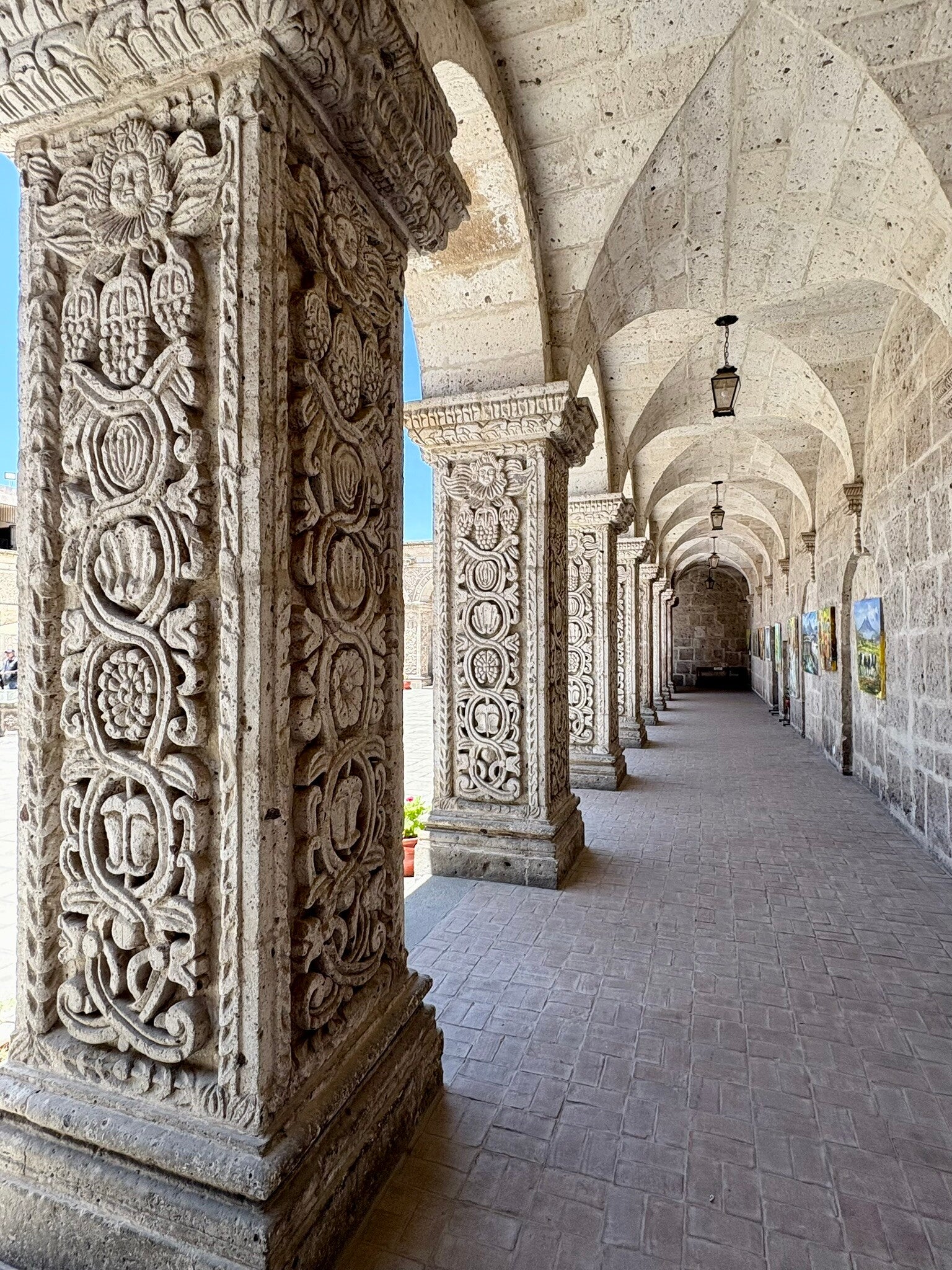
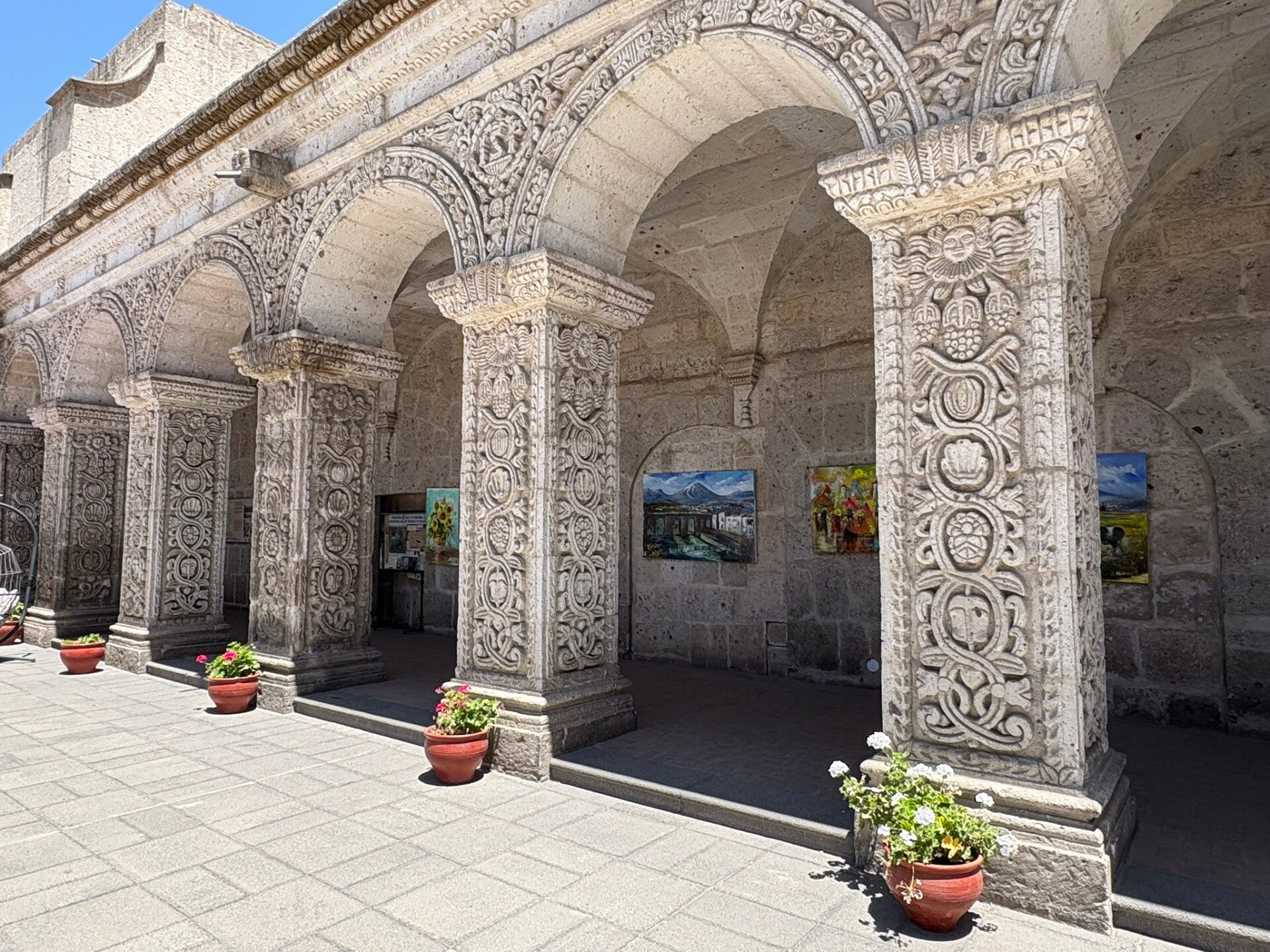
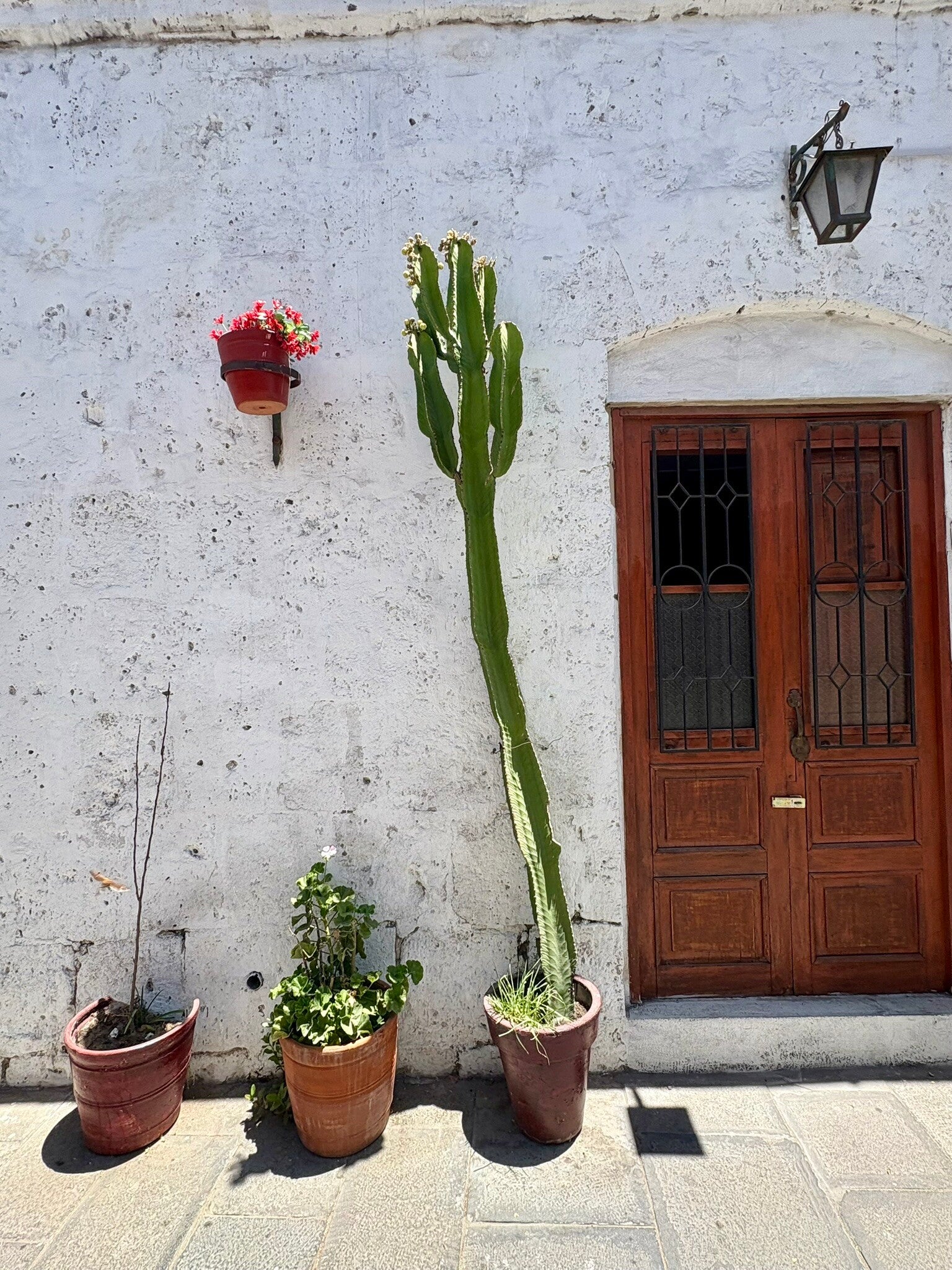
I thoroughly enjoyed my stay in Arequipa in early October. Unlike the unpredictable Cusco, where you need to be prepared for anything, Arequipa was consistently warm and sunny during the day. Although it cooled off quickly after 5 PM, it remained pleasantly predictable. Arequipa is much less touristy than Cusco, and while there are some trails nearby, it’s not a hiking capital. You won’t find ladies offering massages for 20 soles (about $6 USD) every few meters in the city center either! Overall, it was a lovely sunny respite from Cusco's hustle and bustle.
You don't need much time to explore Arequipa's historic center, as it is compact yet truly stunning! Here are some activities to consider:
- Learn the History: Join a walking tour to discover Arequipa's rich history and its distinct architectural style, which is linked to the colonial era.
- Visit Church of the Company of Jesus:
- The entrance fee is 10 soles, which is well worth it—especially for the chapel at the far end of the church. The baroque-style decorations are absolutely breathtaking. Unfortunately, photography is not allowed inside, so you’ll have to take my word for it or check Google Images!
- Explore Santa Catalina Monastery:
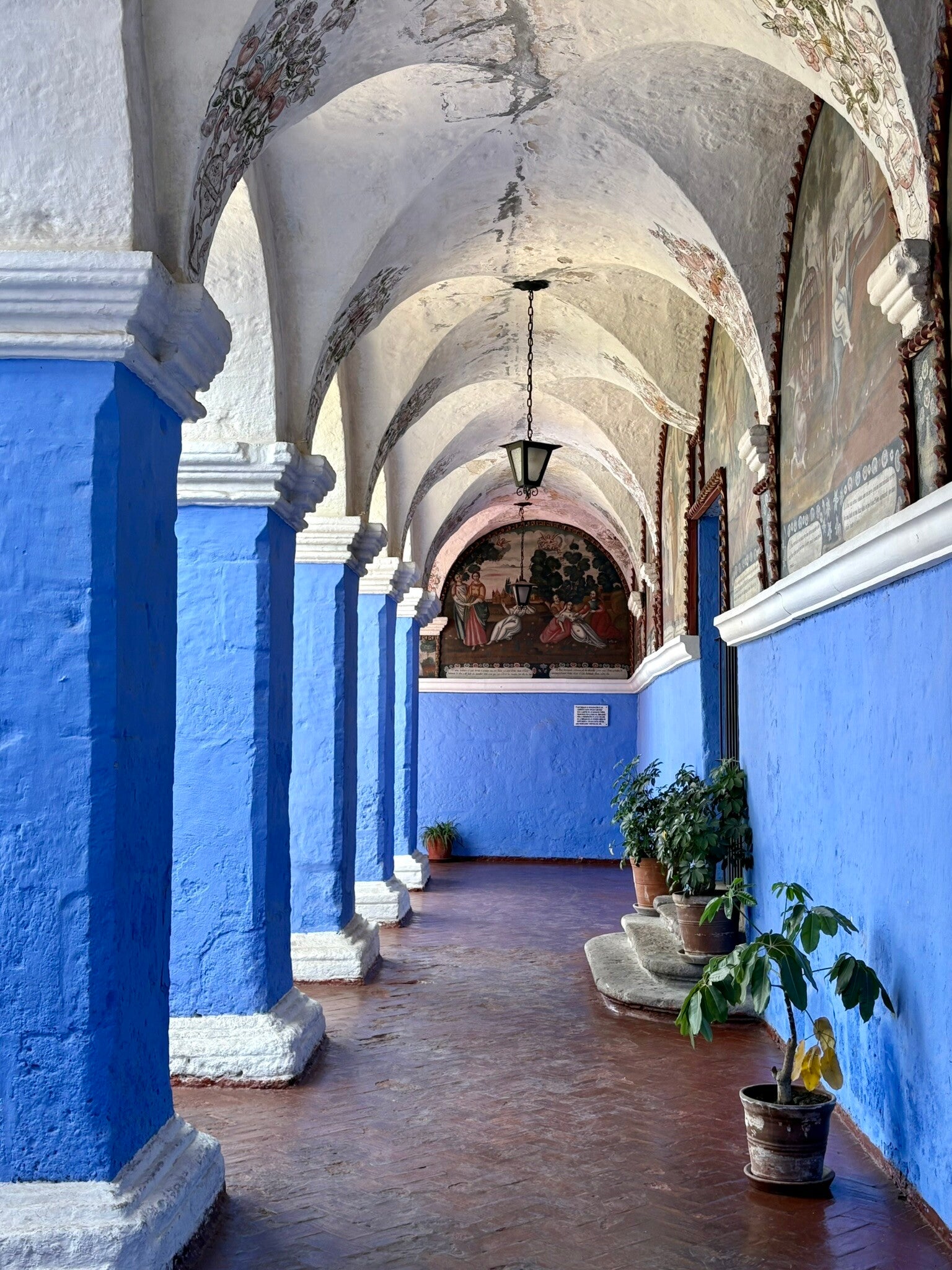
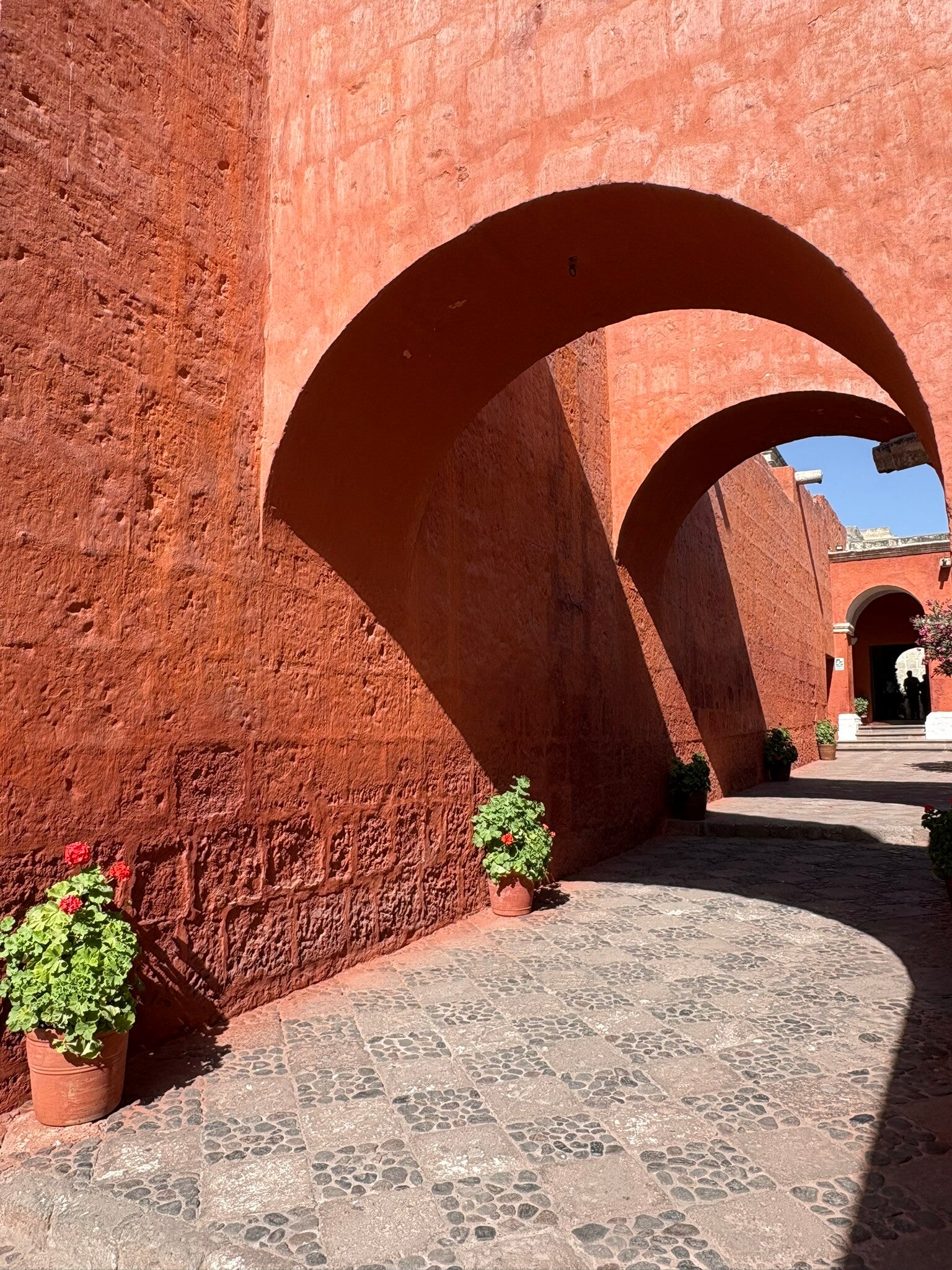
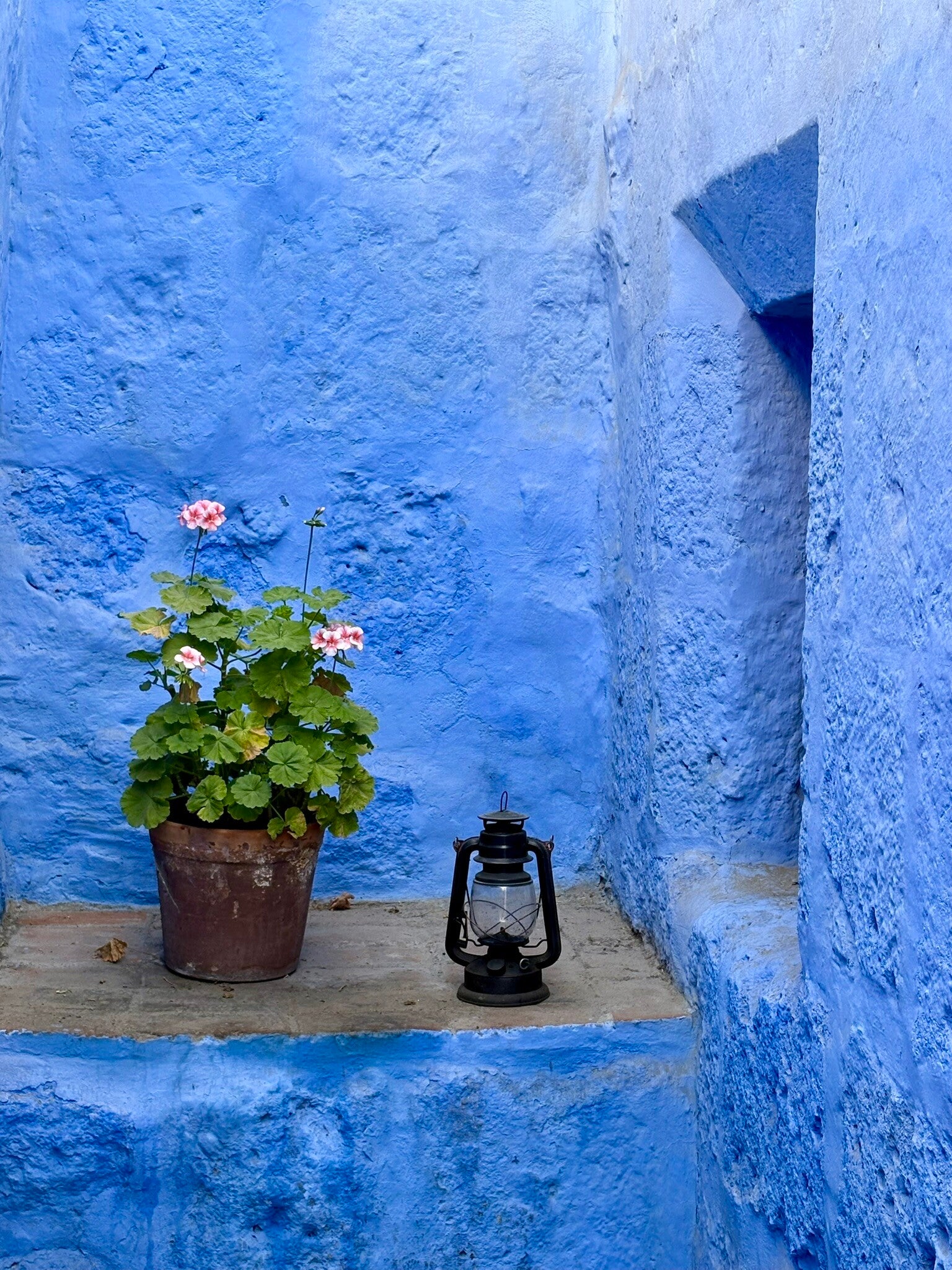
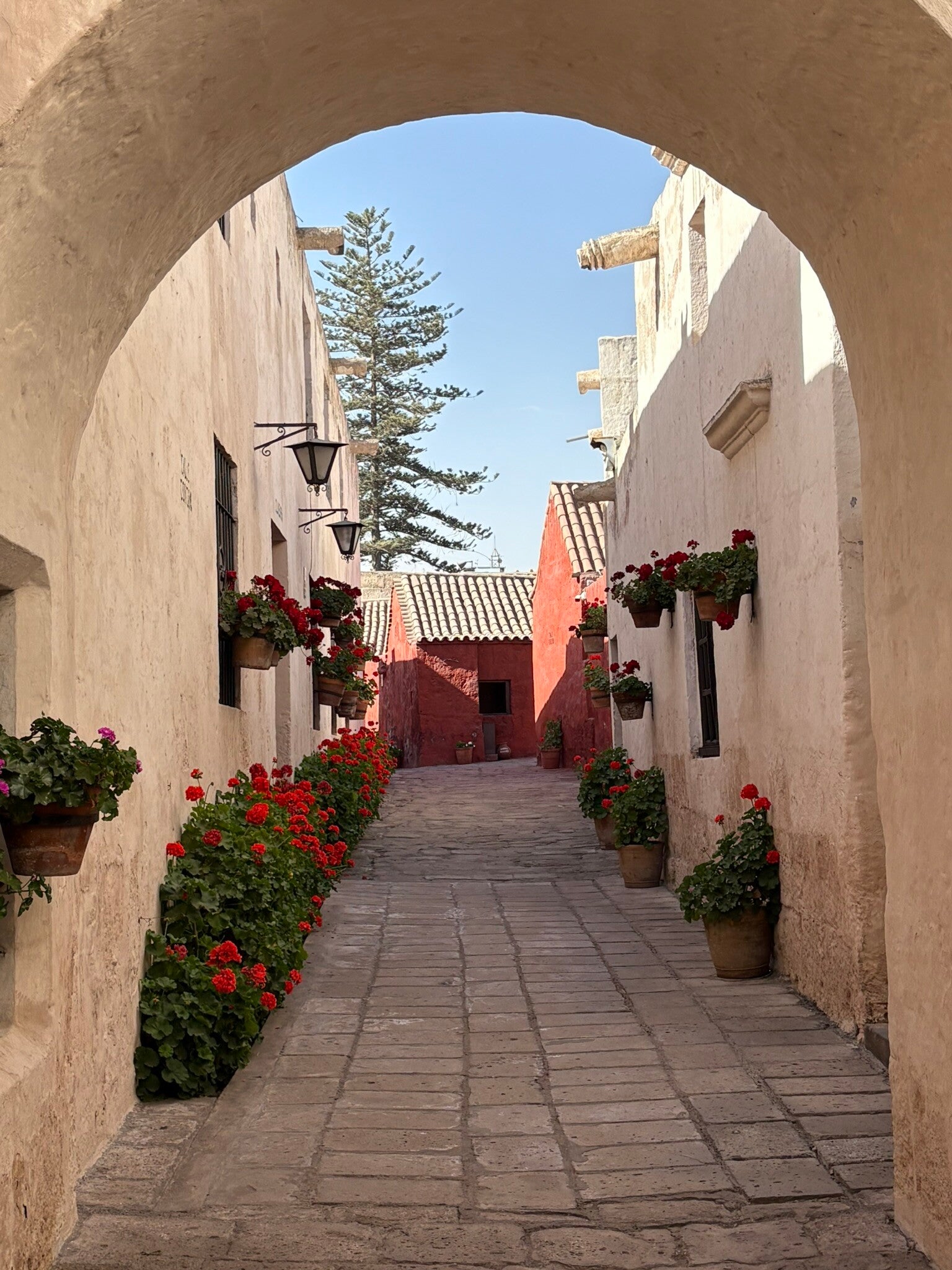
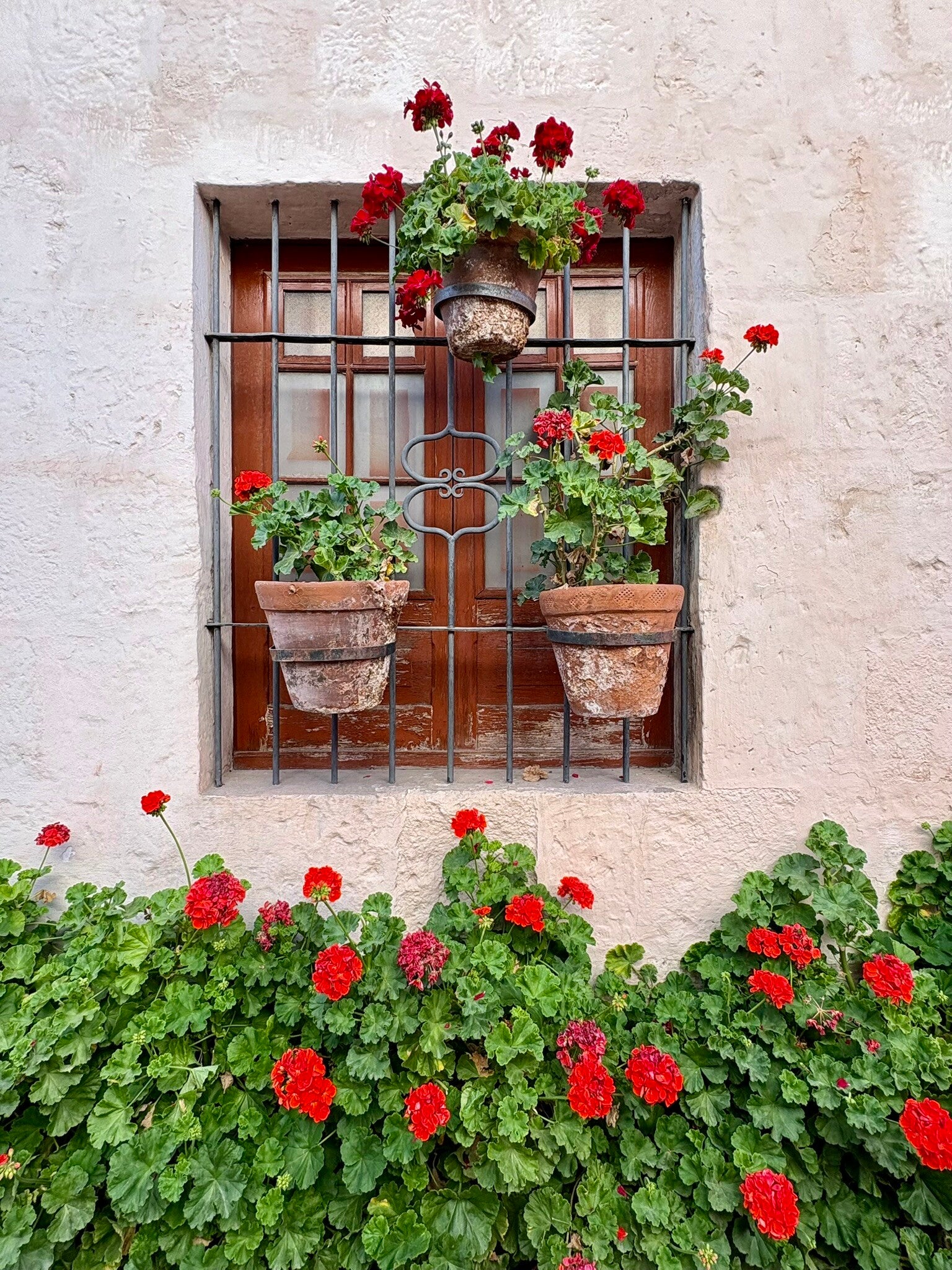
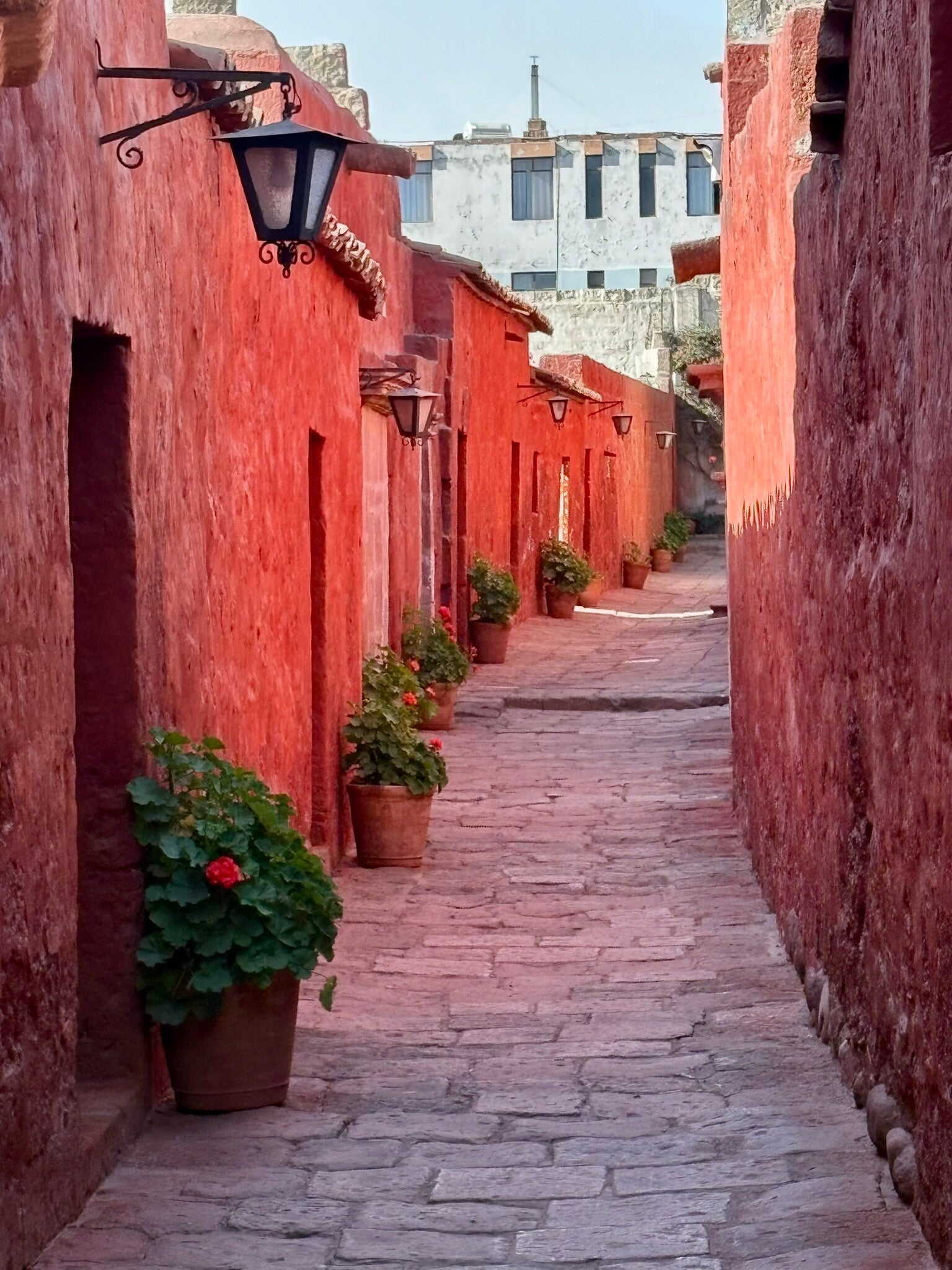
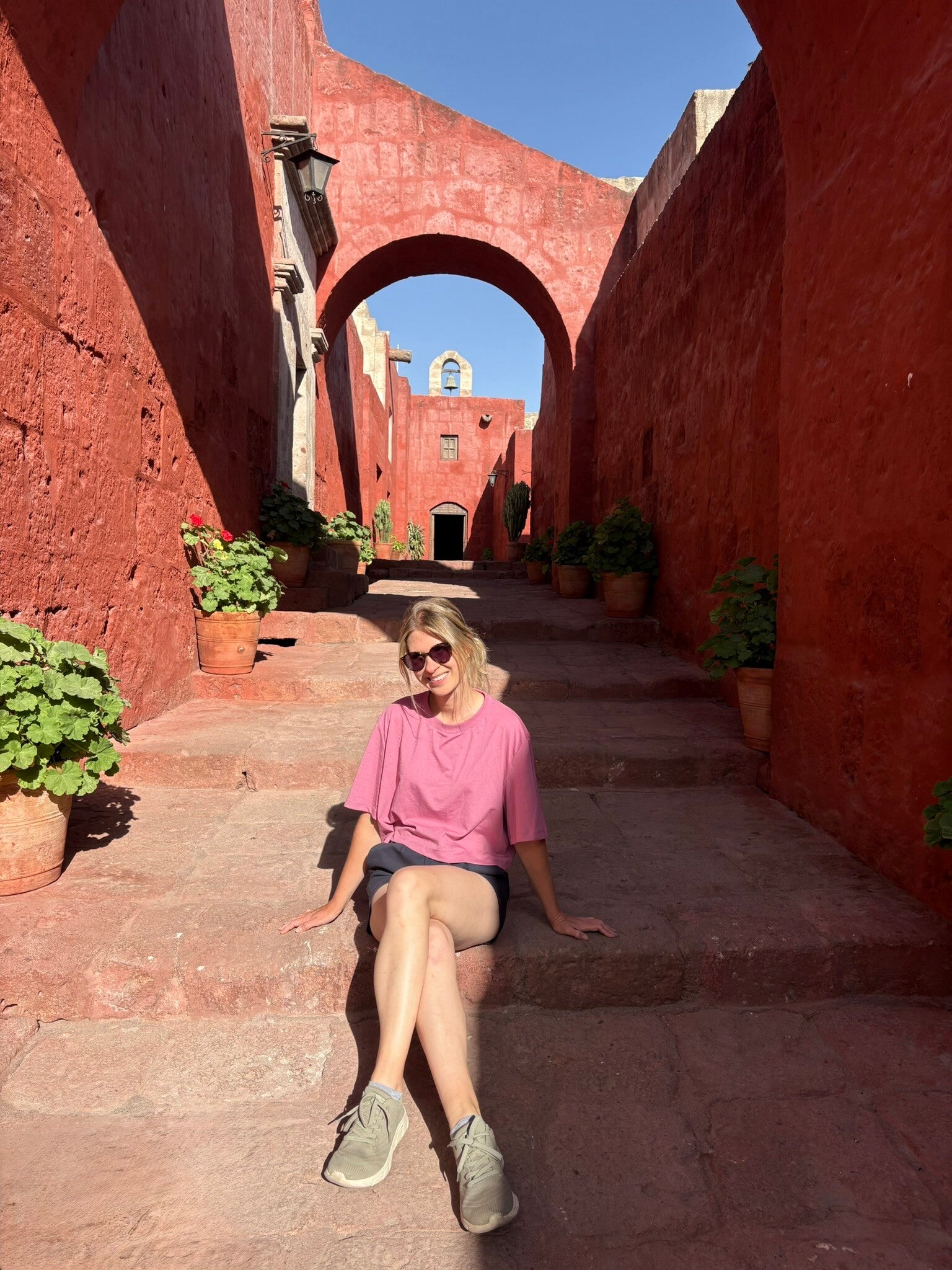
- This is by far my favorite place in Arequipa! While the term "monastery" might conjure images of a grey and depressing place, this monastery is anything but! It is painted in beautiful red and blue tones, with flowers adorning every windowsill and courtyard.
- The contrast between the vibrant exterior and the ascetic nun rooms inside is striking, along with the stories of self-sacrifice and asceticism.
- The monastery is so vast that it is considered a citadel—its own little town complete with streets, street names, chapels, and towers. I recommend spending around 2 hours exploring the citadel in detail and taking some amazing pictures.
If you have more time or energy, consider these optional visits:
- Arequipa Cathedral Museum. Although I didn’t visit it myself, Arequipa Cathedral Museum is open for visitors and also includes rooftop access for views over the city.
- Yanahuara viewpoint for city and volcano views. However, in my opinion, the views are not particularly impressive and restricted by buildings and wires in the way, so decide for yourself if it's worth your time!

Day 22: Day Trip to Pillones Waterfalls and Puruna Stone Forest 🌊⛰️
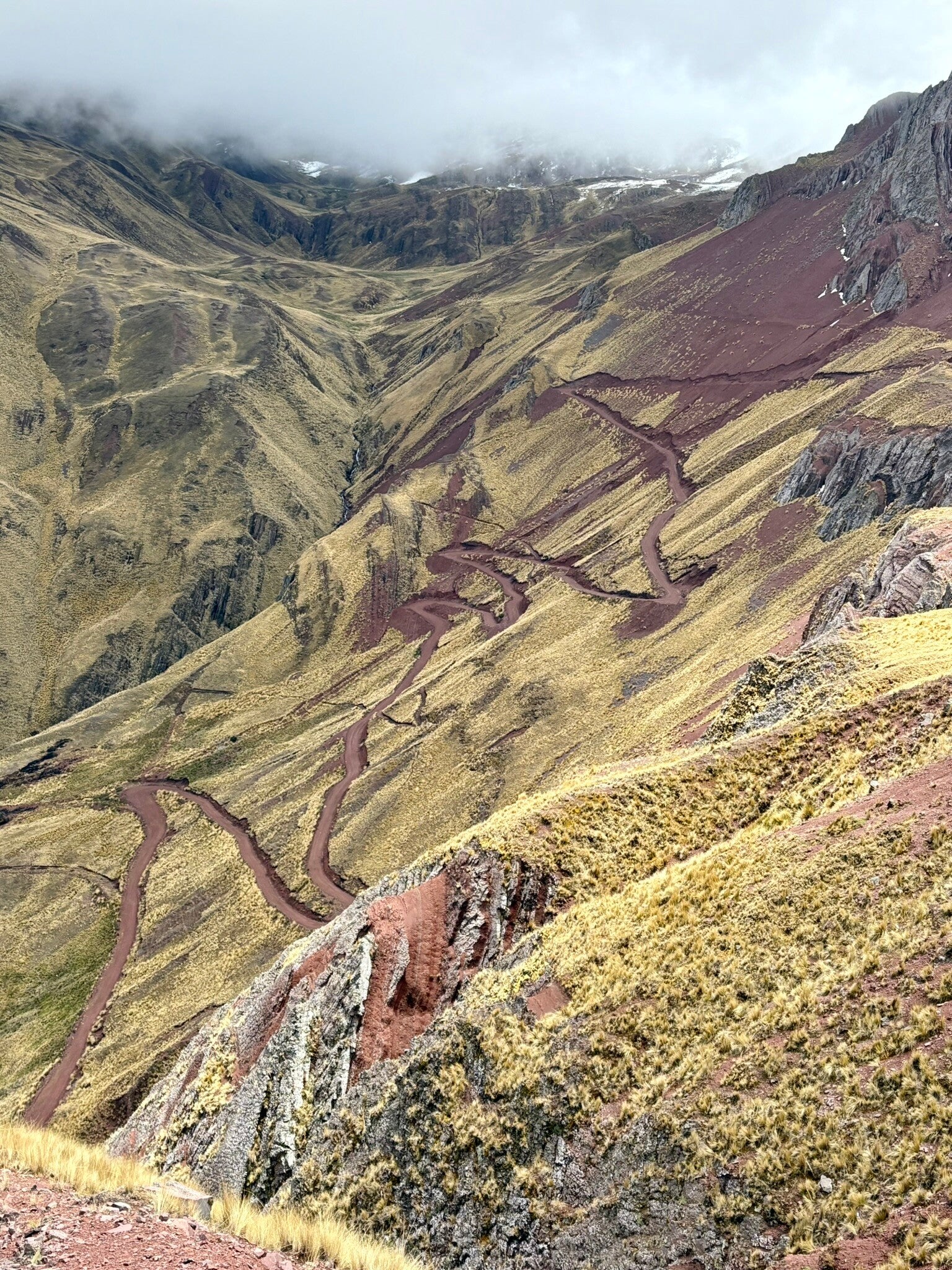
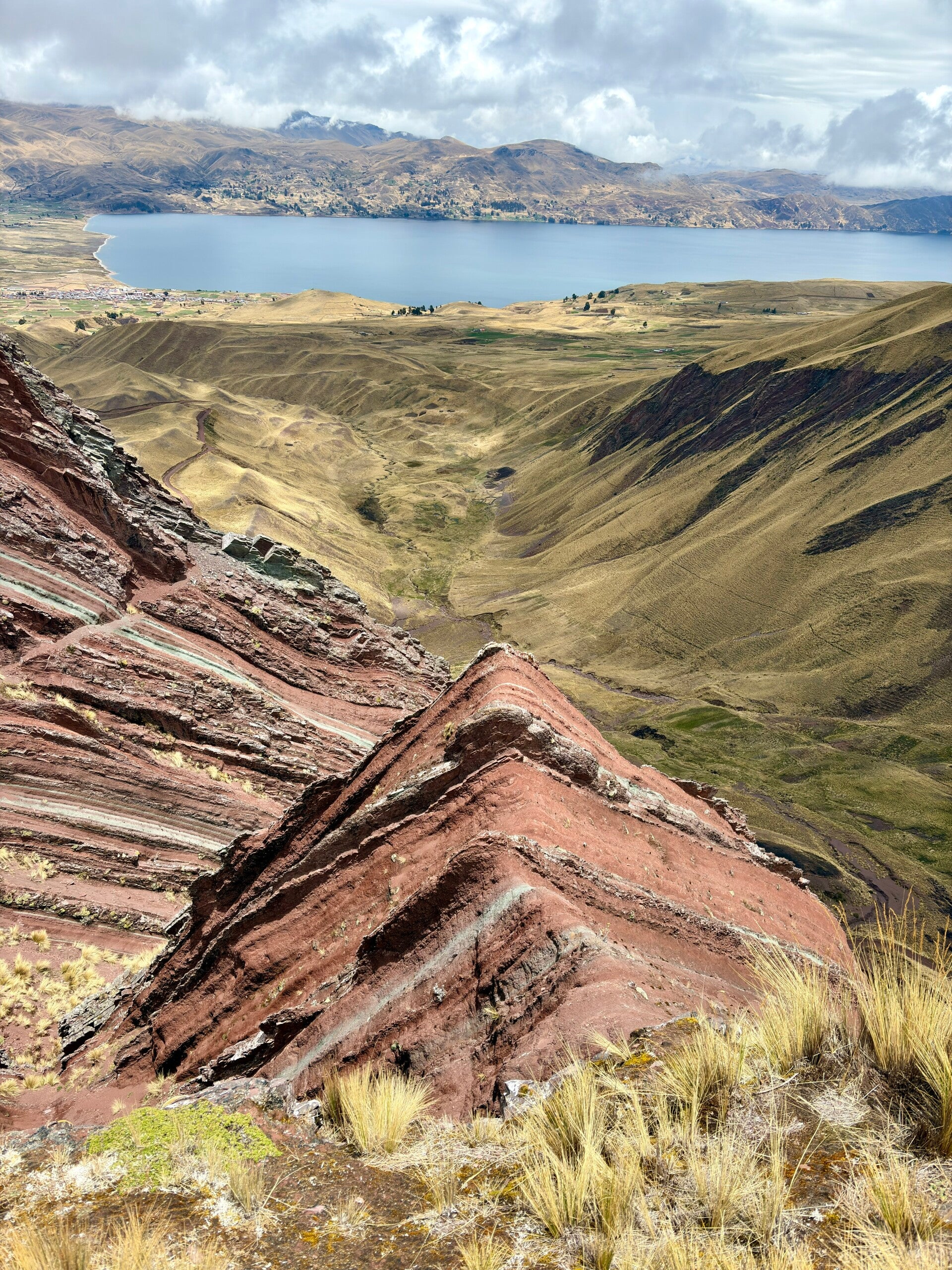
You have the option to spend another day relaxing in Arequipa, exploring the myriad of charming cafes and restaurants the city has to offer, or you can take a day trip to Pillones Waterfall and the Puruna Stone Forest. In my opinion, both locations are fascinating and well worth the visit, as they are only about 1.5 to 2 hours away from Arequipa.
The only downside is that this is the same route you would take if you plan to visit Colca Canyon or Puno, so you may find yourself traveling the same road twice.
Itinerary Highlights
- Pampa de Arrieros (Ghost Town):
- The first stop is the ghost town of Pampa de Arrieros. While it may not be very impressive in itself, it serves as an interesting introduction to the area.
- Puruna Stone Forest:
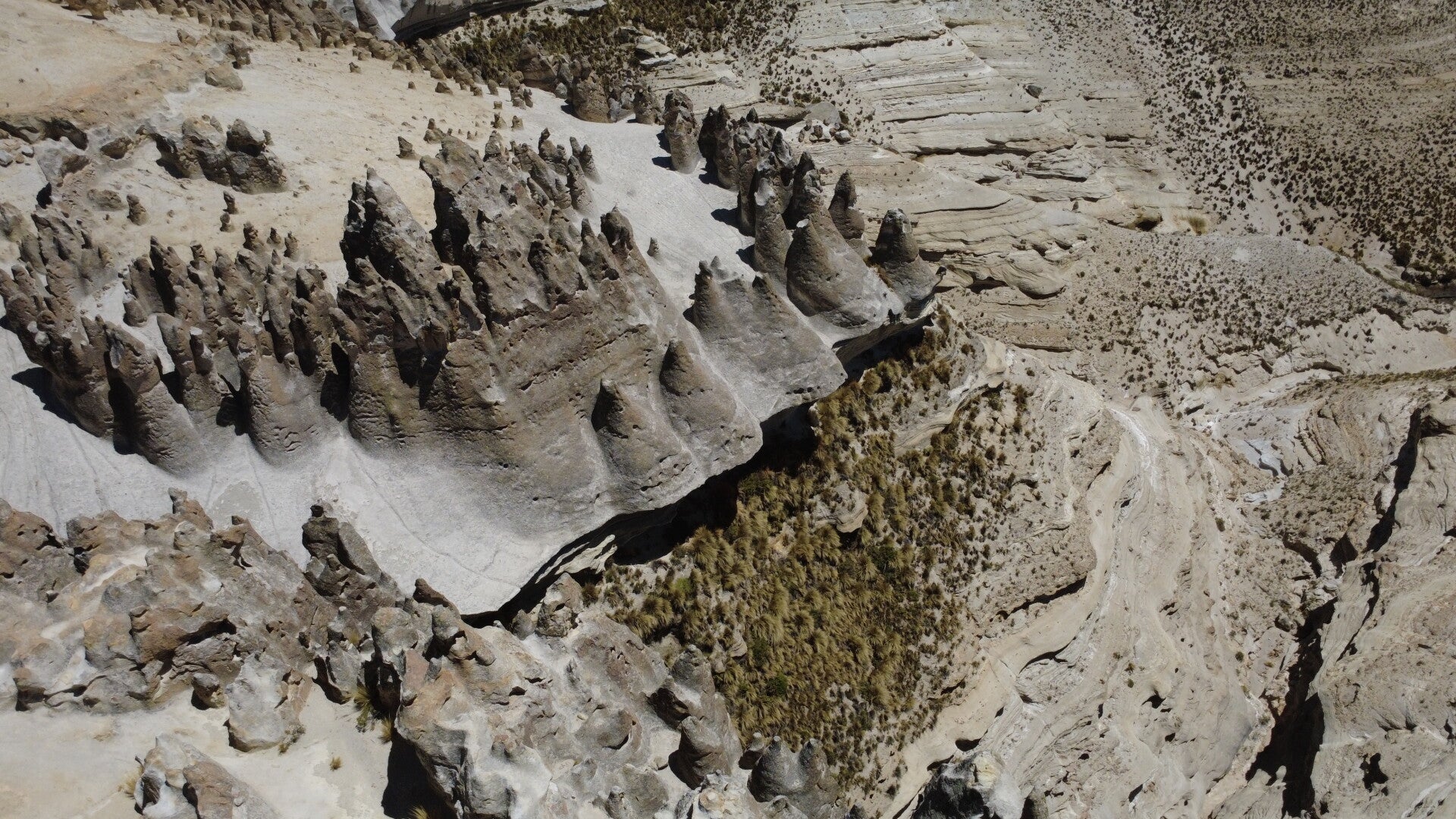
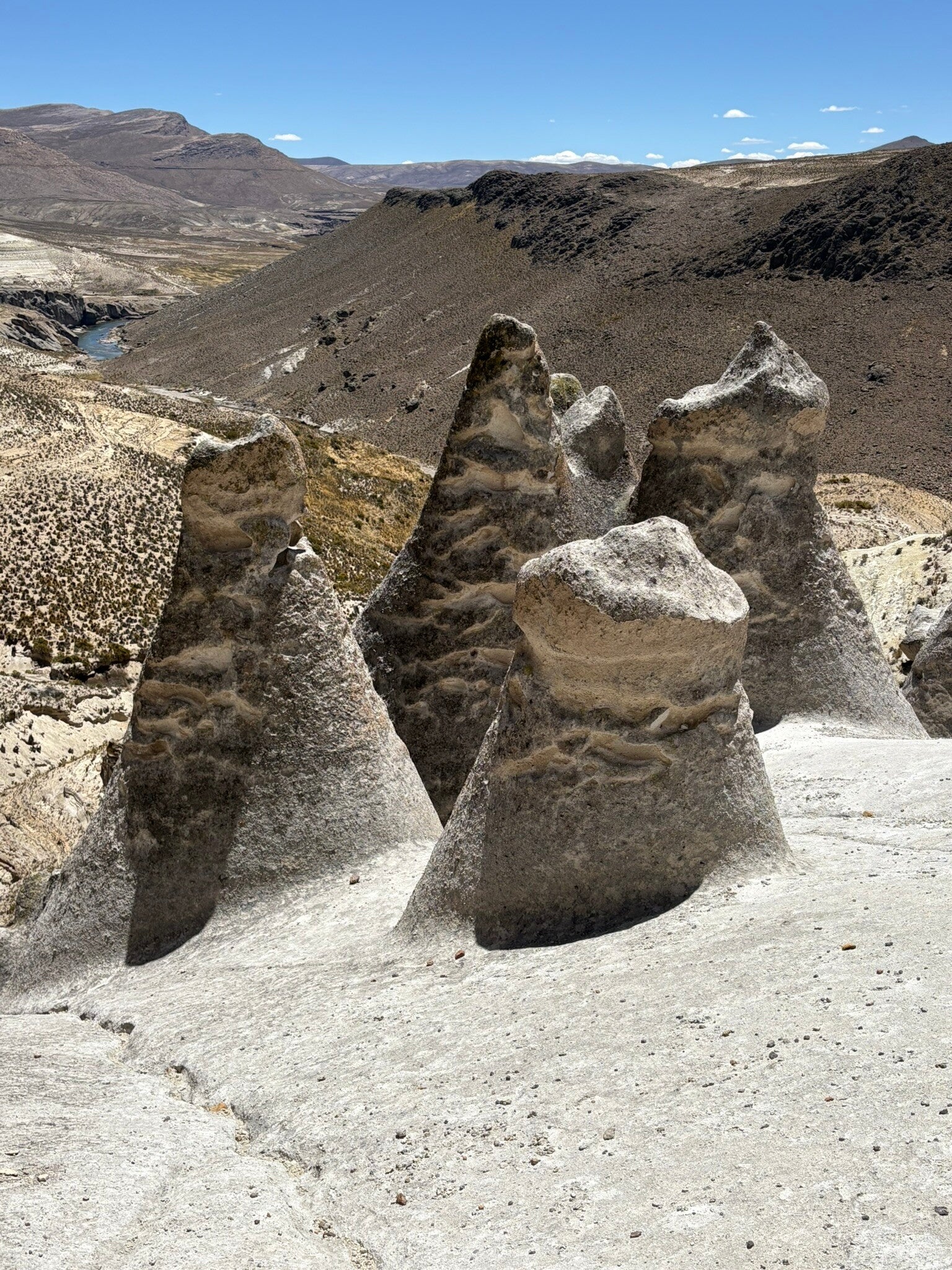
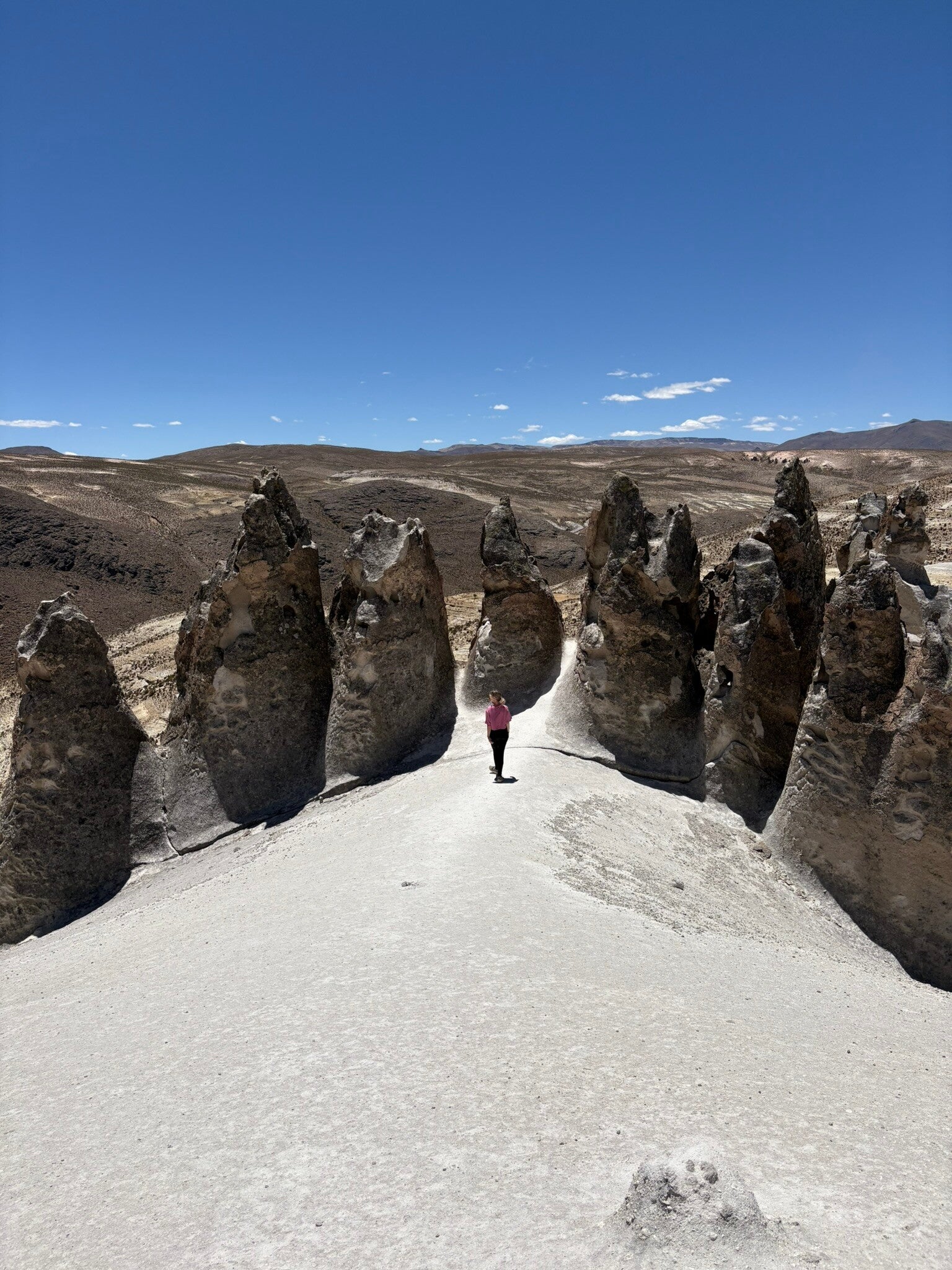
- The next stop is the Puruna Stone Forest, a remarkable formation that is approximately 3 million years old. Here, you can wander among the naturally formed stone pillars and let your imagination run wild, envisioning which animals each pillar resembles.
- Pillones Waterfalls:
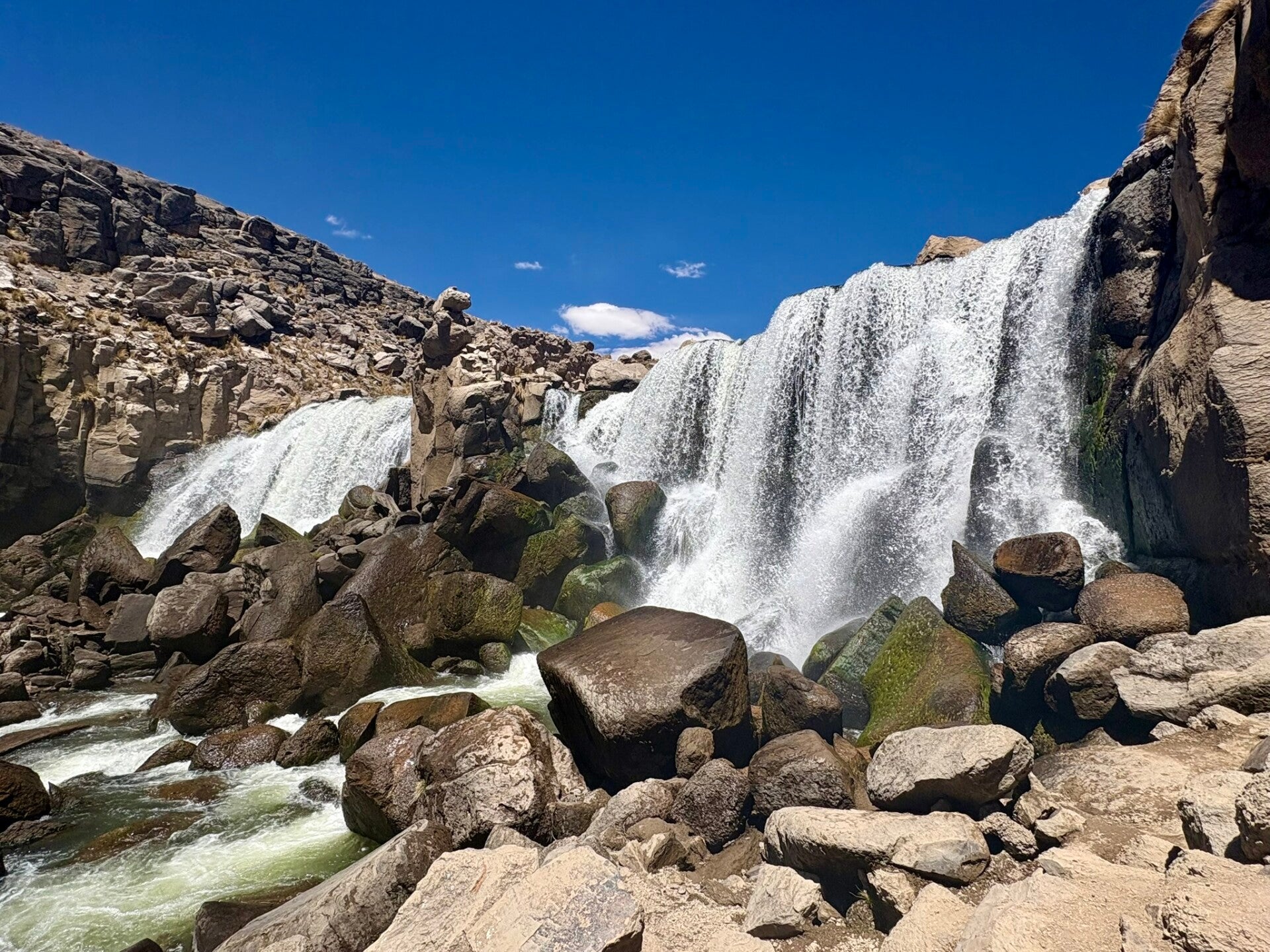
- The final stop is the stunning Pillones Waterfall, known for its powerful beauty. You can scramble very close to the waterfall for an up-close experience!
Important Note: The path to the waterfall involves a steep descent, requiring you to hold onto ropes and do some scrambling, so no fear of heights is essential!
Altitude Considerations
- This tour reaches an altitude of approximately 4,200 m (14,000 ft), which is nearly a 2,000 m (6,500 ft) increase from Arequipa.
- Make sure you are comfortable with the altitude before signing up for this trip; half of the passengers on my tour didn’t feel well and missed almost all the sights, opting to stay in the van!



Day 23: Journey Towards Colca Canyon 🏞️
There are several ways to experience the impressive Colca Canyon, renowned for its hiking trails and opportunities for condor spotting. Depending on your preferences, you can choose from the following options:
- Day Trip from Arequipa:
- This option is a long day trip that includes only some light walking towards the viewpoints. It's ideal for those who want a quick overview of the canyon without an overnight stay or hiking.
- 2 or 3-Day Hiking Trip:
- 2-Day Sightseeing Tour:
- Another great option is a 2-day sightseeing tour that starts in Arequipa and ends in Puno. This is particularly beneficial if you plan to visit Puno or cross over to Bolivia, which is the route I chose.
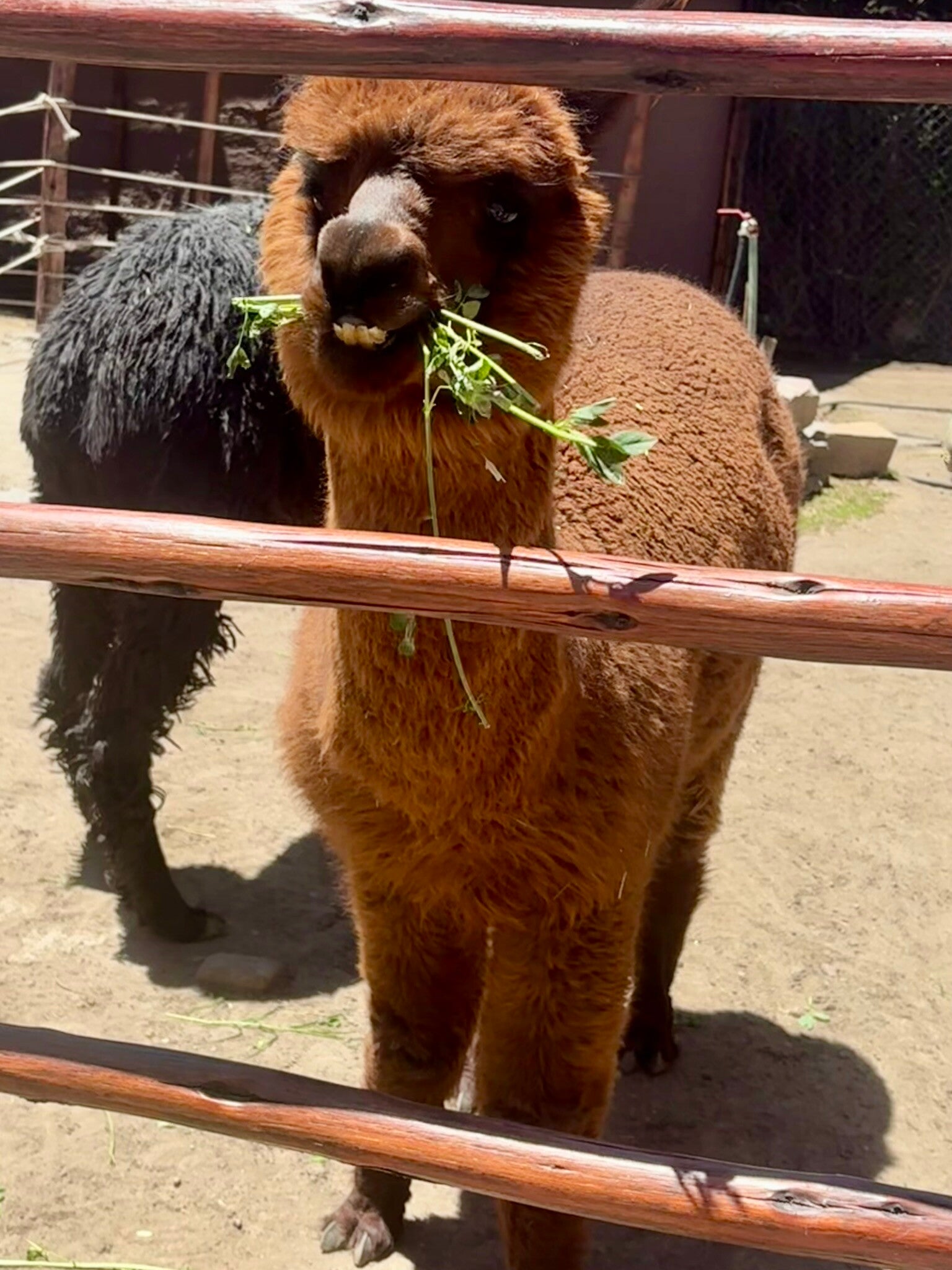
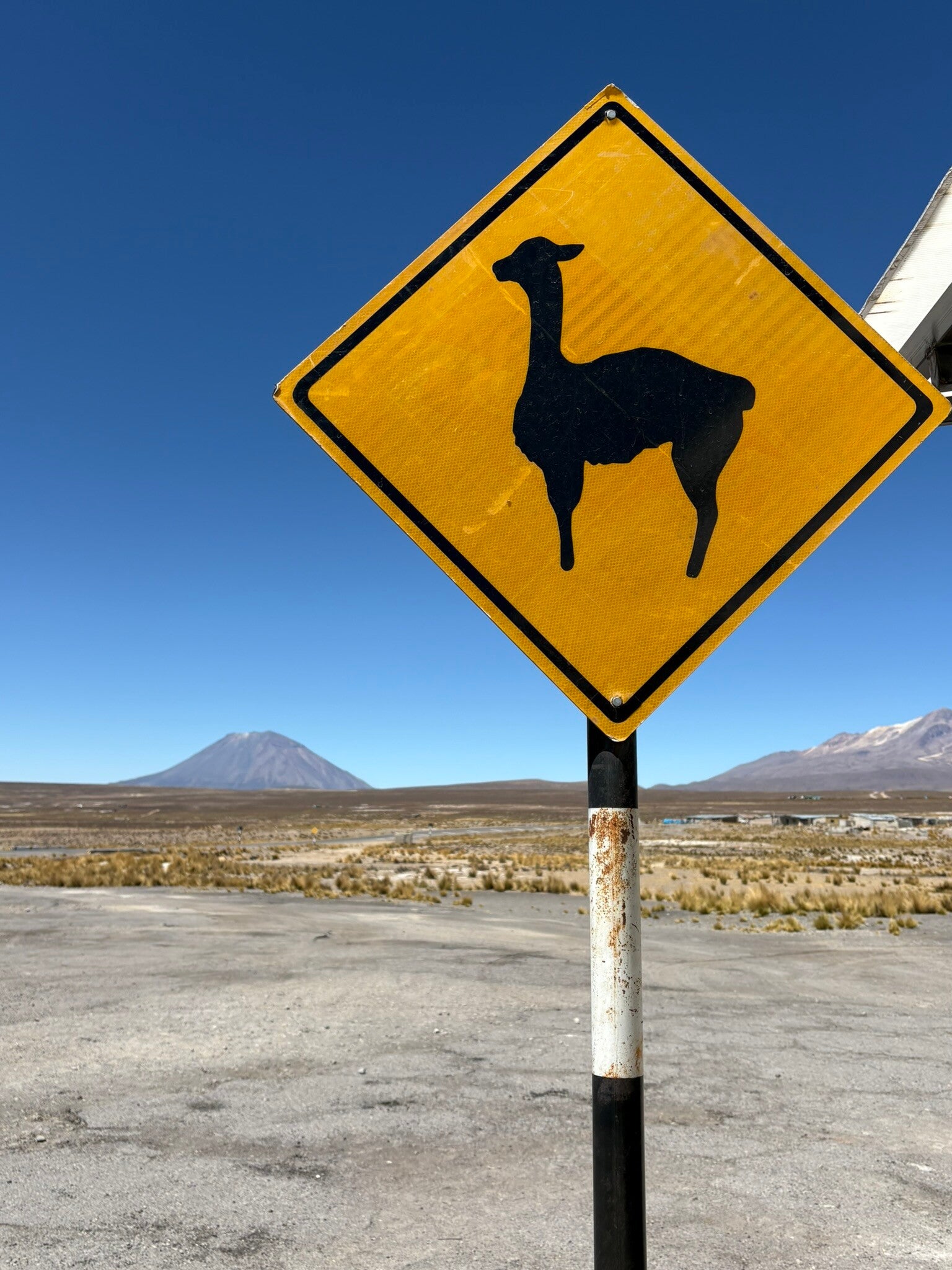
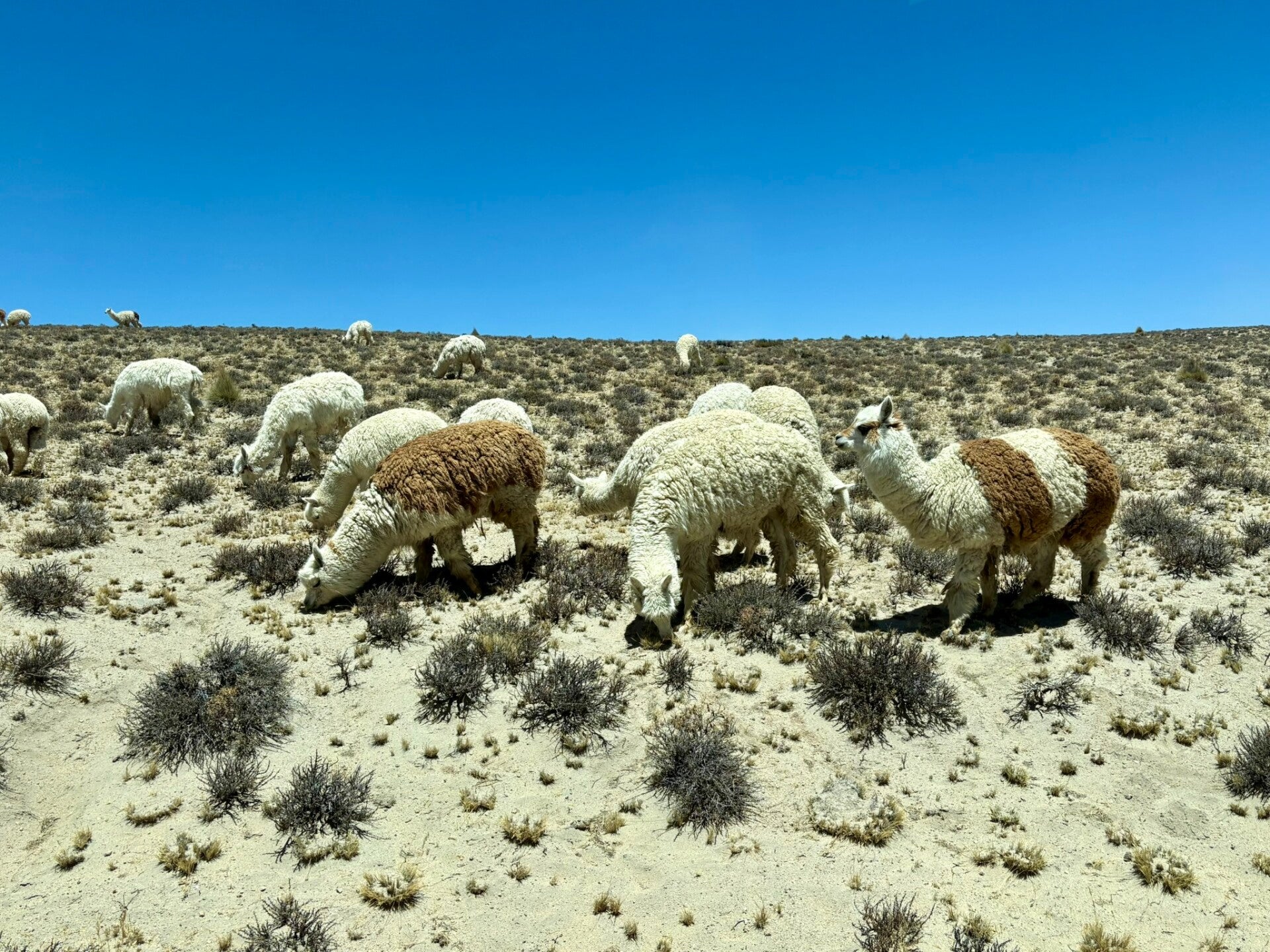
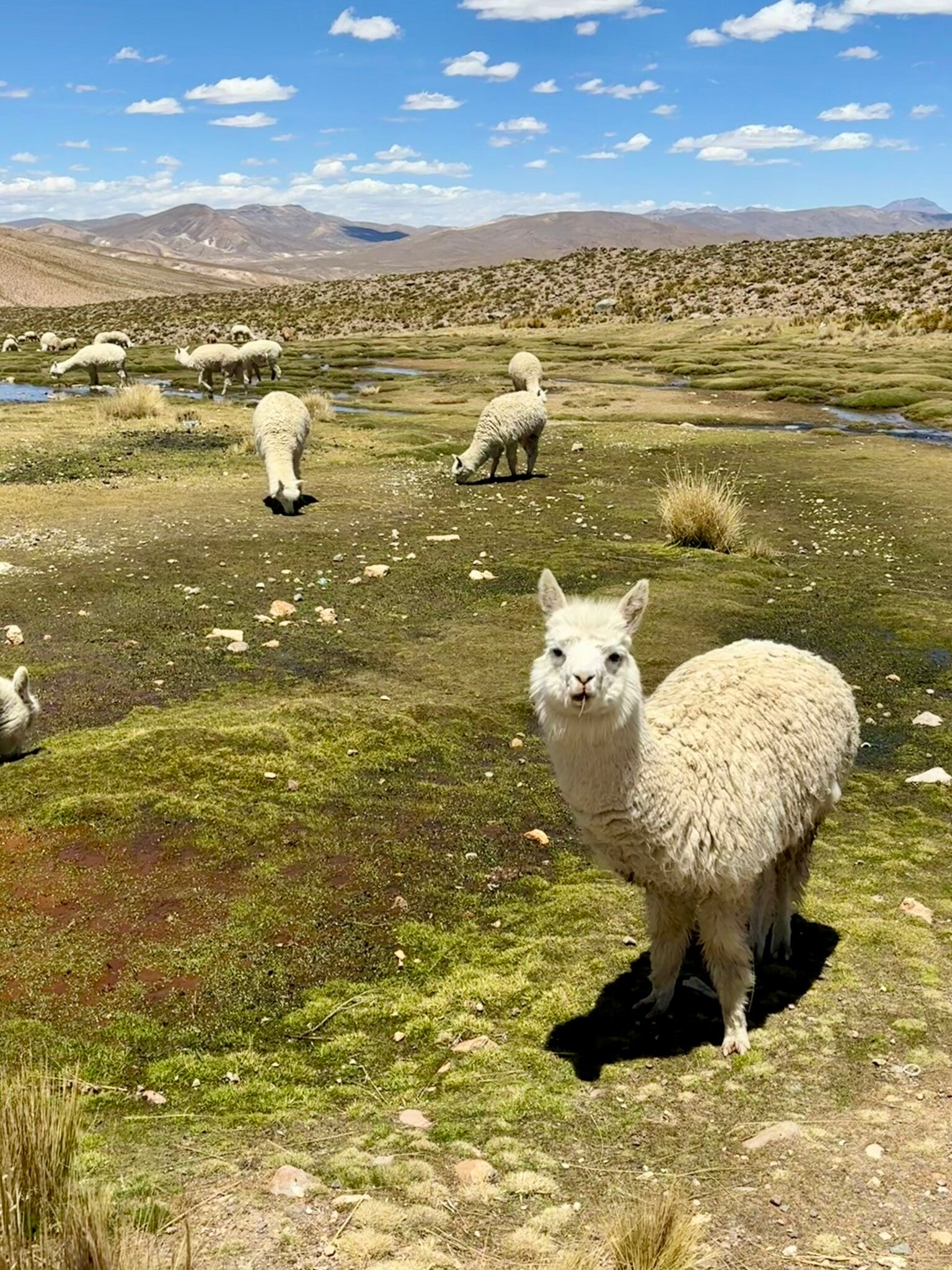
During the first day of the tour you'll spend a lot of time on the road, interrupted by stops for food, volcano views as well as to admire vicuñas (wild llama cousins) and lastly domestic llamas that you're also allowed to pet.
The last stop of the day is Hot springs in Chivay (entrance fee not included). This was a lovely and surprisingly serene experience, providing a welcome respite after a long day on the road.



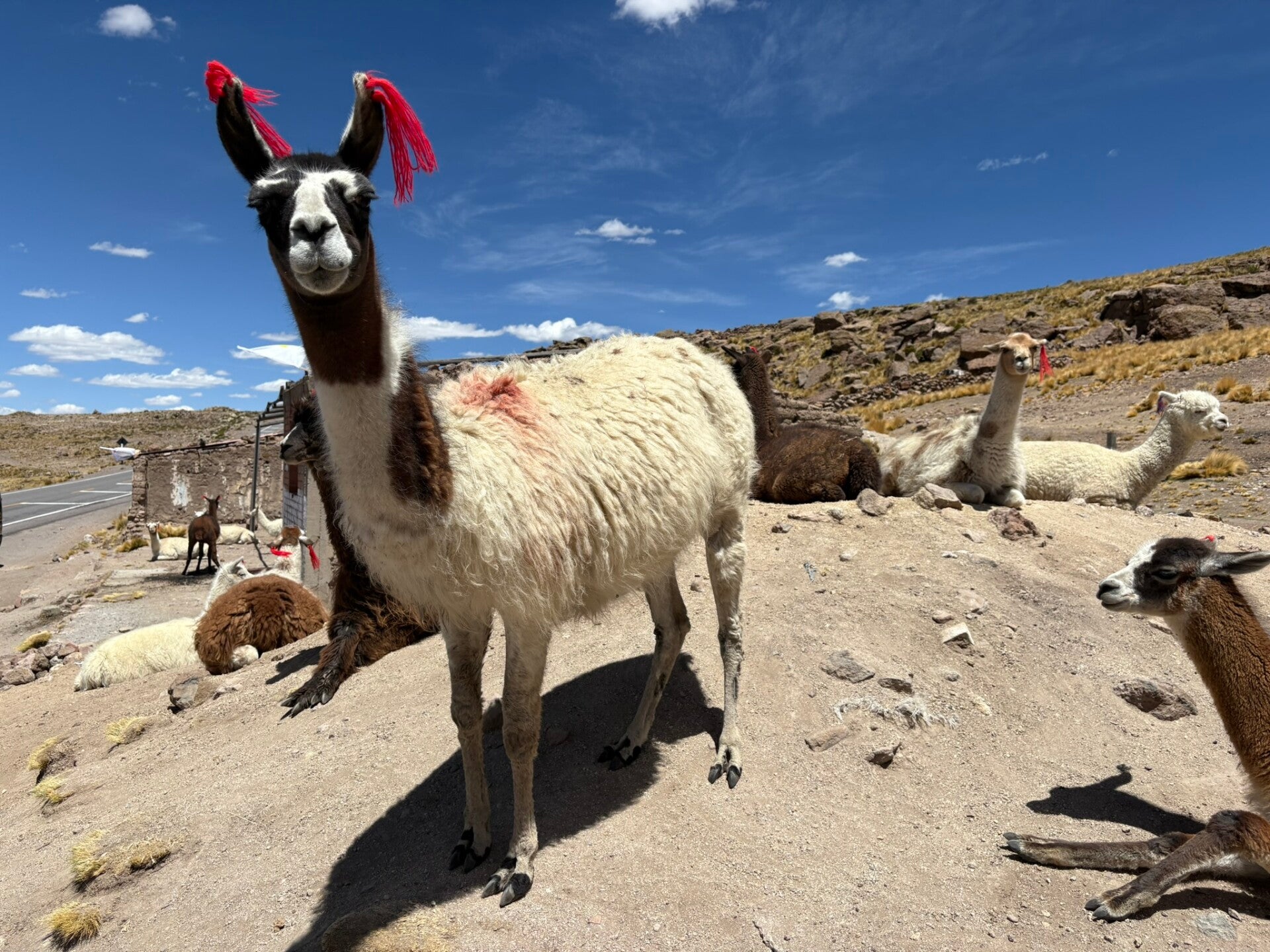
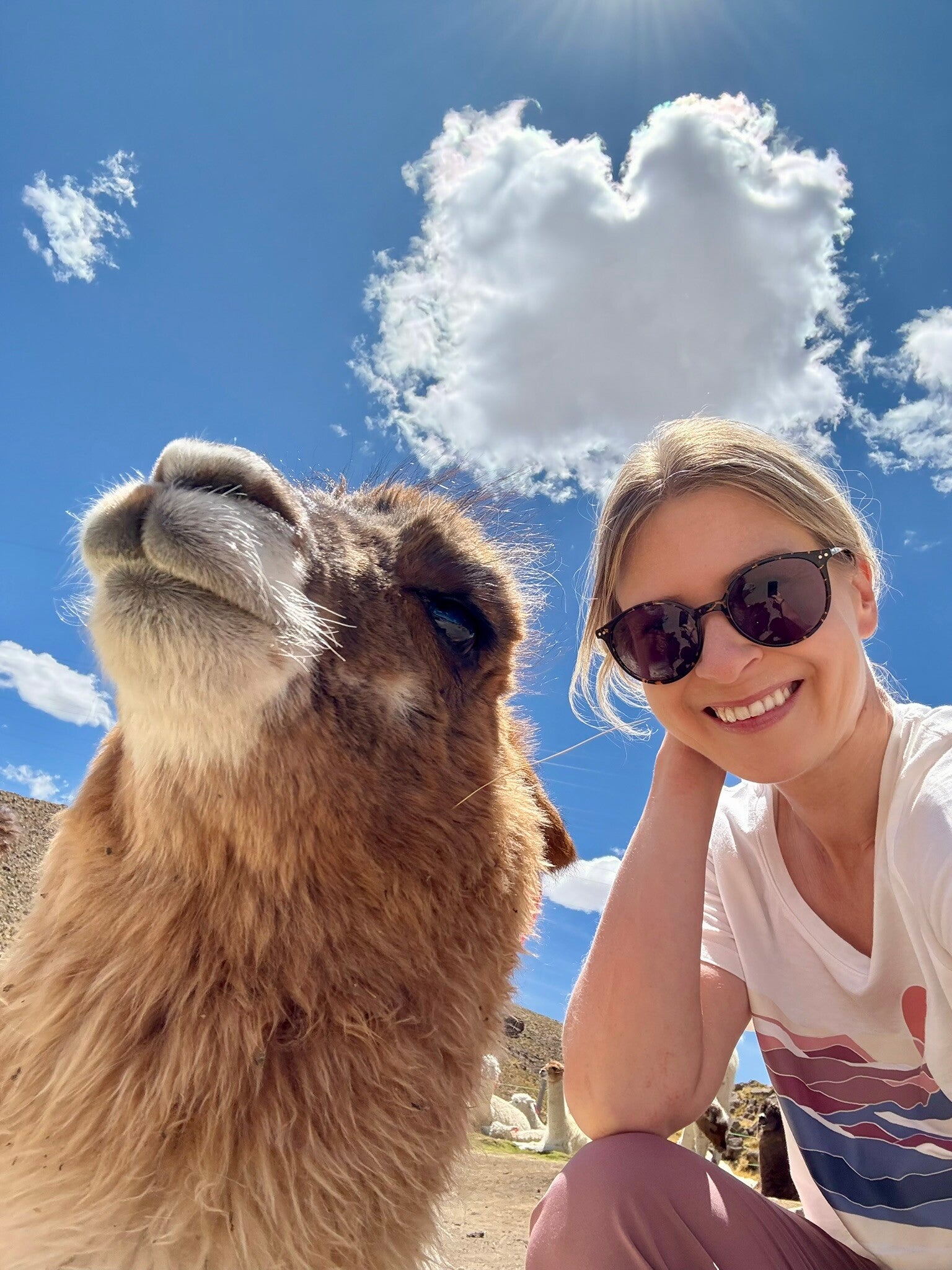
Day 24: Explore Colca Canyon 🏞️
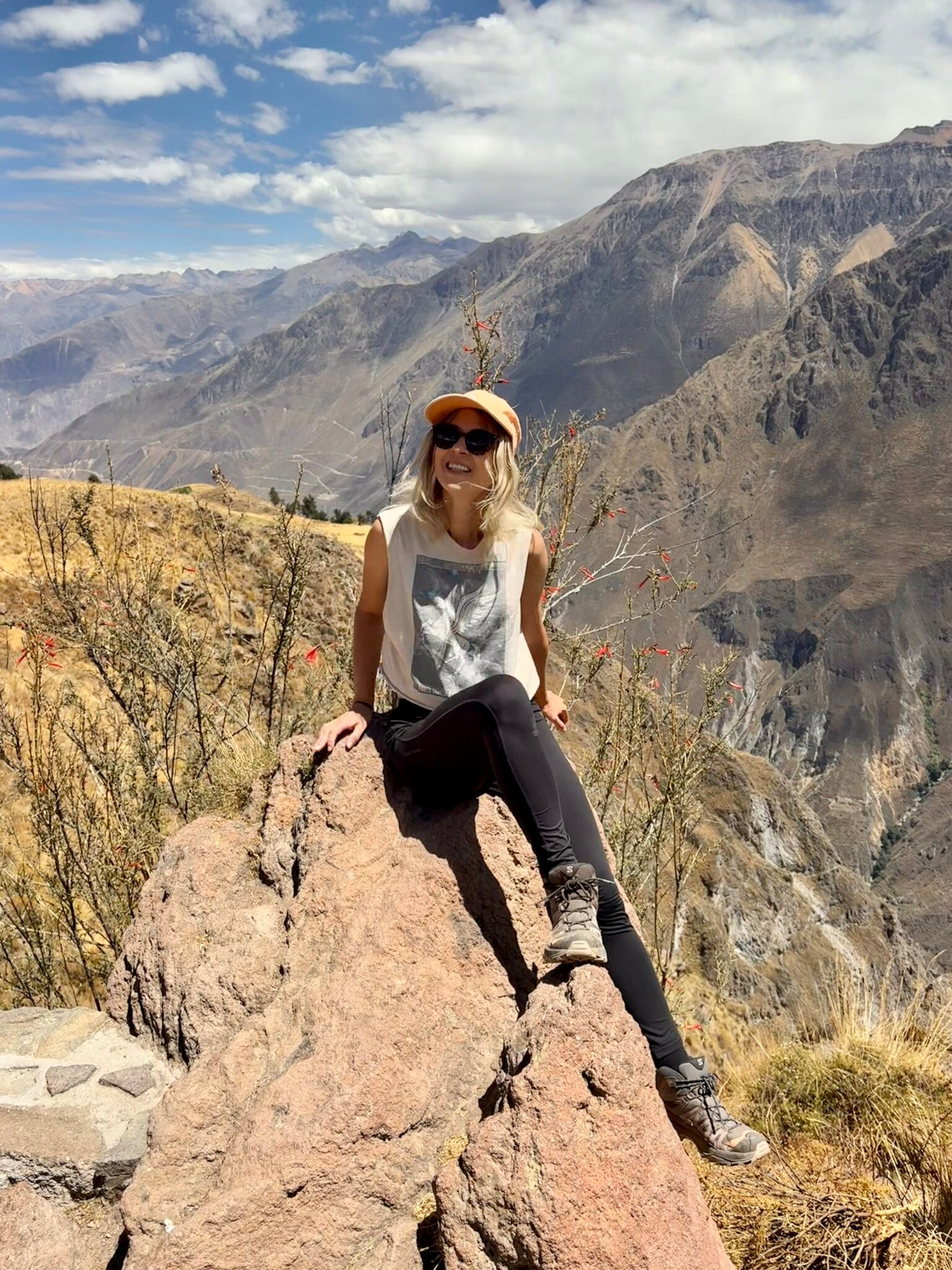
The second day of your tour begins with a light walk in the Colca Canyon, where you’ll have the opportunity to spot condors along the way, culminating in a visit to the Mirador de la Cruz del Condor.
- Condor Spotting: While the viewpoint is named after condors, we actually saw all of them on the way to the viewpoint rather than at the viewpoint itself! This may be due to the area being too busy and noisy for the condors to frequent. So, keep your eyes peeled during the walk, and don’t rely on seeing them at the viewpoint.
- Mirador de la Cruz del Condor: Upon reaching this famous viewpoint, you can enjoy breathtaking views of the canyon. However, be prepared for the possibility that you might not see condors at this location.
- Additional Scenic Stops: After visiting the main viewpoint, the tour continues to several other scenic spots that offer different perspectives of the canyon.
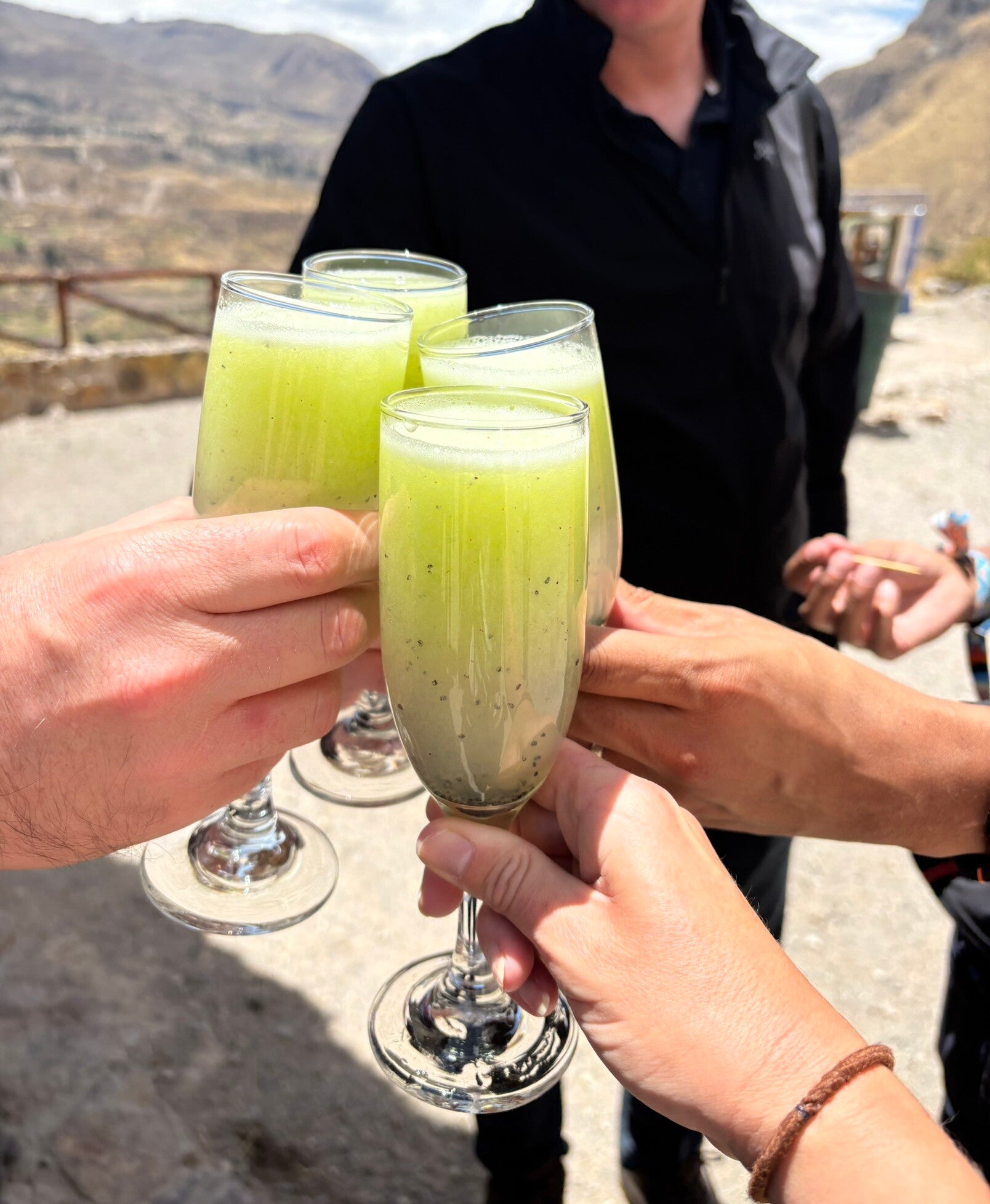
- Local Drink Tasting: At one of the viewpoints, you’ll have the chance to try a local drink called Colca Sour, a delightful variation of the traditional Pisco Sour made with cactus fruit instead of lime.
- Laguna Lagunillas: The last stop before heading to Puno is a gorgeous mountain lake, located at an altitude of approximately 4,100 m (13,500 ft).
Finally, the tour will drop you off in Puno around 7-8 PM.

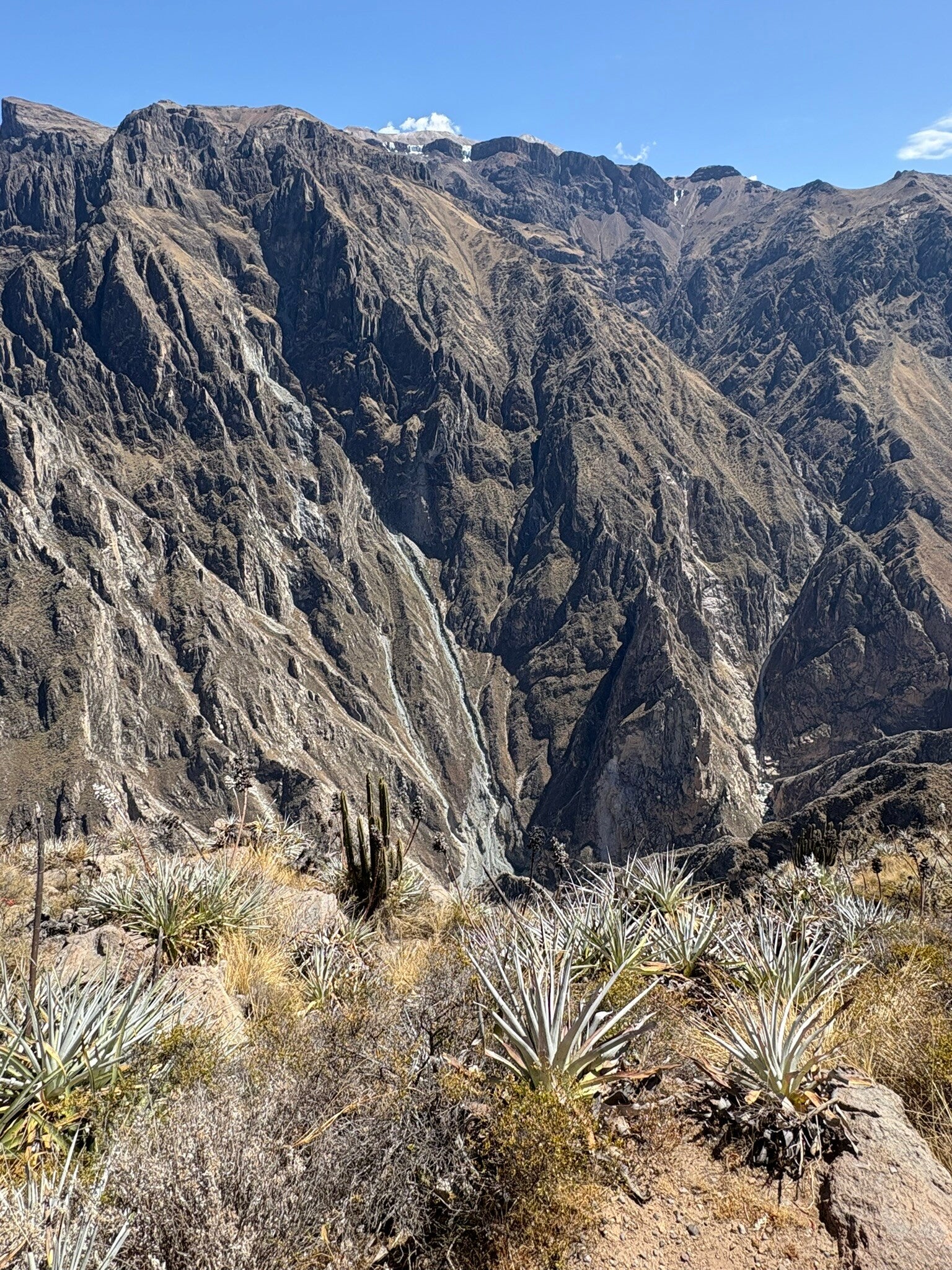
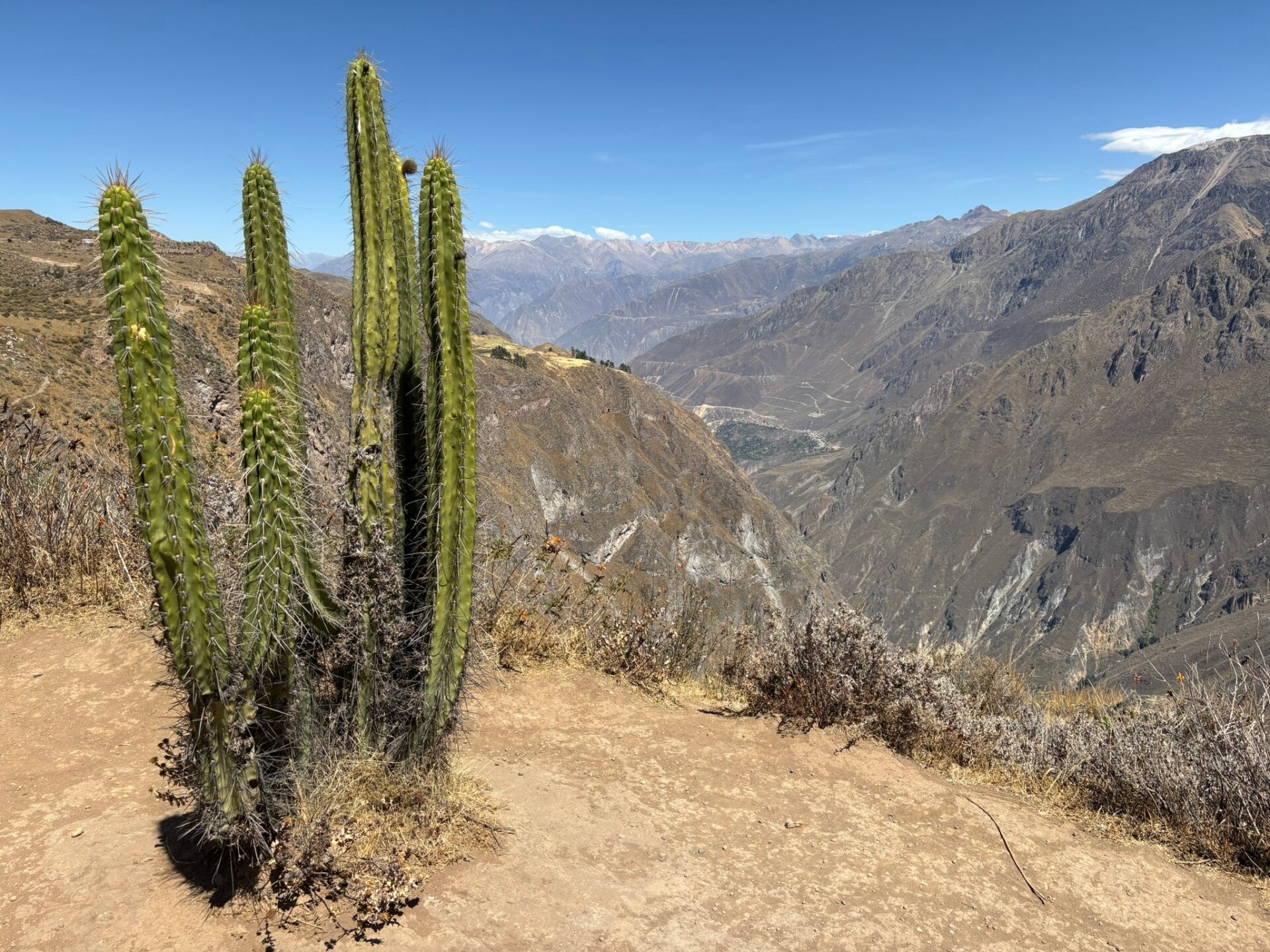

Day 25: Puno or Transfer to Bolivia
On the next day, you have the option to visit the famous Puno Floating Islands, which are made from totora reeds on Lake Titicaca, the highest navigable lake on Earth. While the Uros people have lived on these floating islands for centuries, it has unfortunately become more of a tourist trap focused on selling souvenirs rather than an authentic experience, as noted by various travel bloggers. For this reason, I decided to skip this attraction.
Instead, I used this day for a transfer from Puno in Peru to Copacabana and La Paz in Bolivia, with a visit to Isla del Sol along the way.
If you're also heading from Peru to Bolivia, check out my Bolivia 3-Week Itinerary for more details! 🌍
Day 26: Return Flight ✈️
If you're returning to your home country from Puno, you will need to retrace your steps back to Cusco and then take a flight to Lima, where most international flights depart. Unfortunately, Cusco has a very limited selection of international flights.
Alternatively, you can take a bus from Puno to La Paz in Bolivia and fly internationally from there. This can be a convenient option if you don’t need a visa for Bolivia.
This itinerary intentionally includes 2 extra days as a buffer in the 4-week itinerary. Given the packed agenda, you will likely need some time for some rest and relaxation to recharge and prepare mentally and physically for your next adventure! 🌟
Add comment
Comments